Zamalek Remembered: Walking Through a Vanished Childhood
Memory, Modernity, and the Quiet Persistence of Place
On the morning of January 5, 2026, I returned to Zamalek—the district where I grew up in the 1970s, a place layered with memories, fragments of a past that continues to exert a quiet hold. This visit was part of my ongoing My Cairo project, and in many ways, a small preview of the book itself, where Zamalek is explored in much greater depth. I have been back countless times before, but this time felt different. I wanted to retrace my steps more deliberately, to revisit old haunts, to walk what used to be my stomping ground, and to ask a simple question: does it still feel the same?
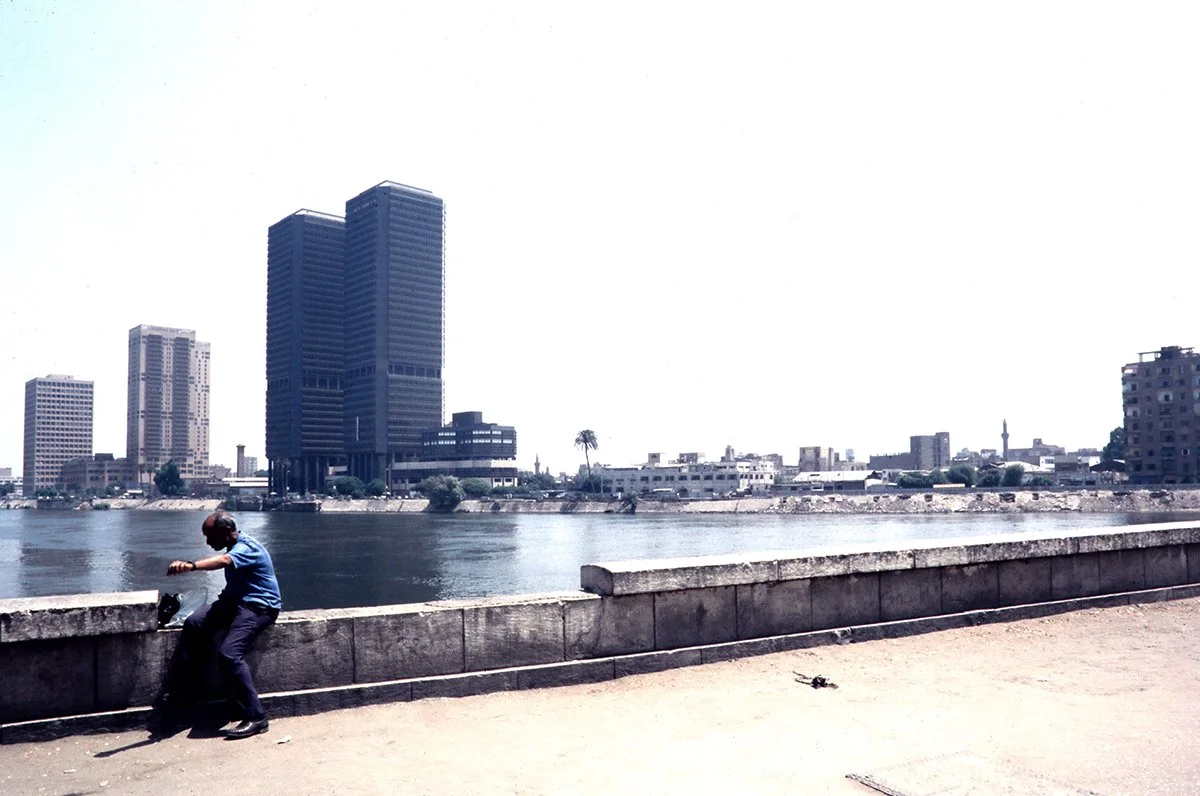
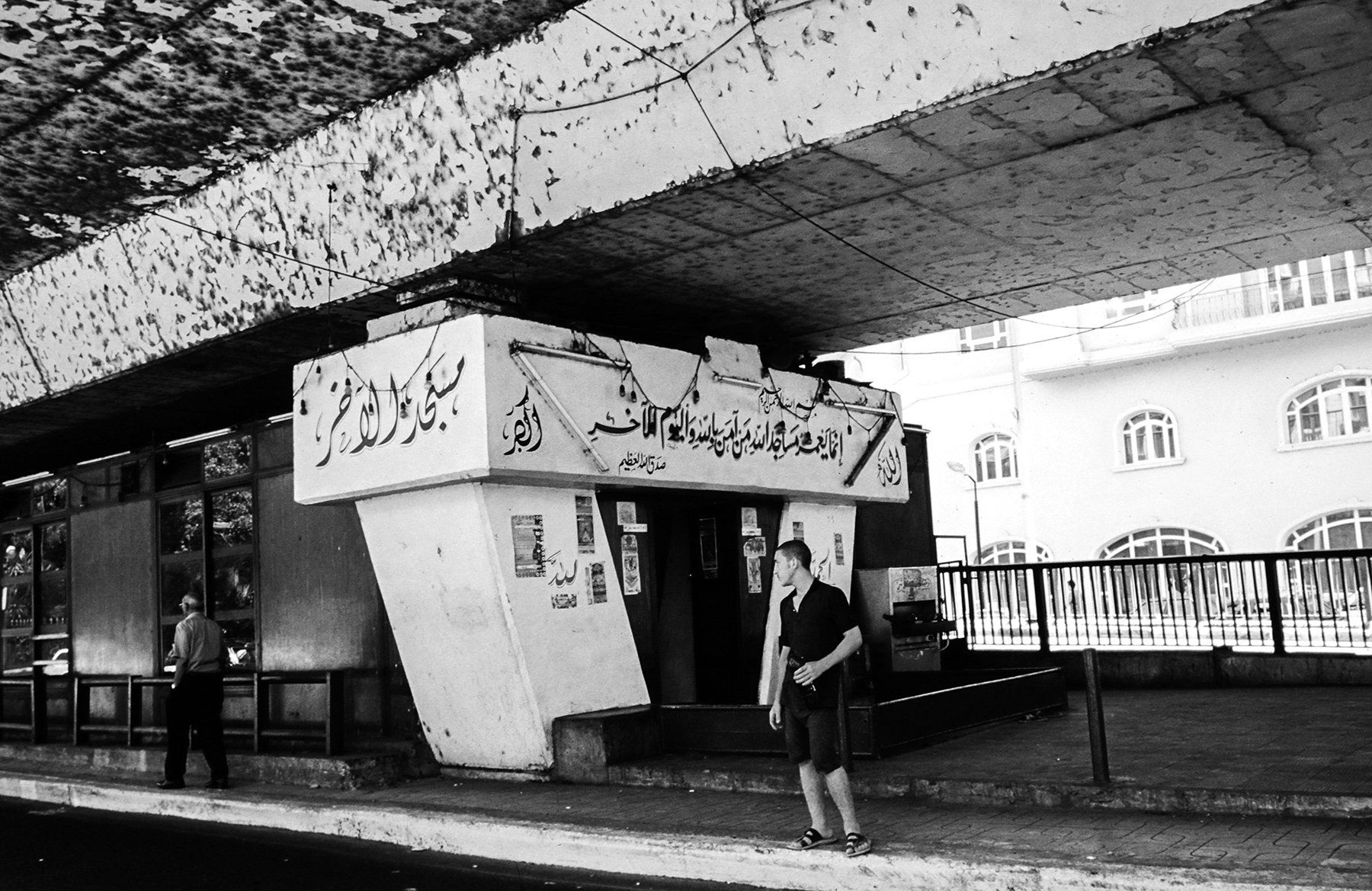
Zamalek Corniche across from Abu El Ela Bridge. 1988
Zamalek, once an upper-class enclave dating back to the 19th century, has undoubtedly changed. Parts of it have deteriorated; others have adapted, transformed, or simply endured. Yet it retains a certain charm—fragile, perhaps, but persistent. I arrived via Uber on 26th of July Street, immediately drawn to Maison Thomas, a place where I used to have lunch during school breaks. I would always order a croque monsieur. Today, it feels diminished, though its exterior remains reassuringly familiar. The restaurant carries its own layered history, once associated with figures like Omar Sharif, now run by his son—a continuity that echoes the broader story of the neighborhood.
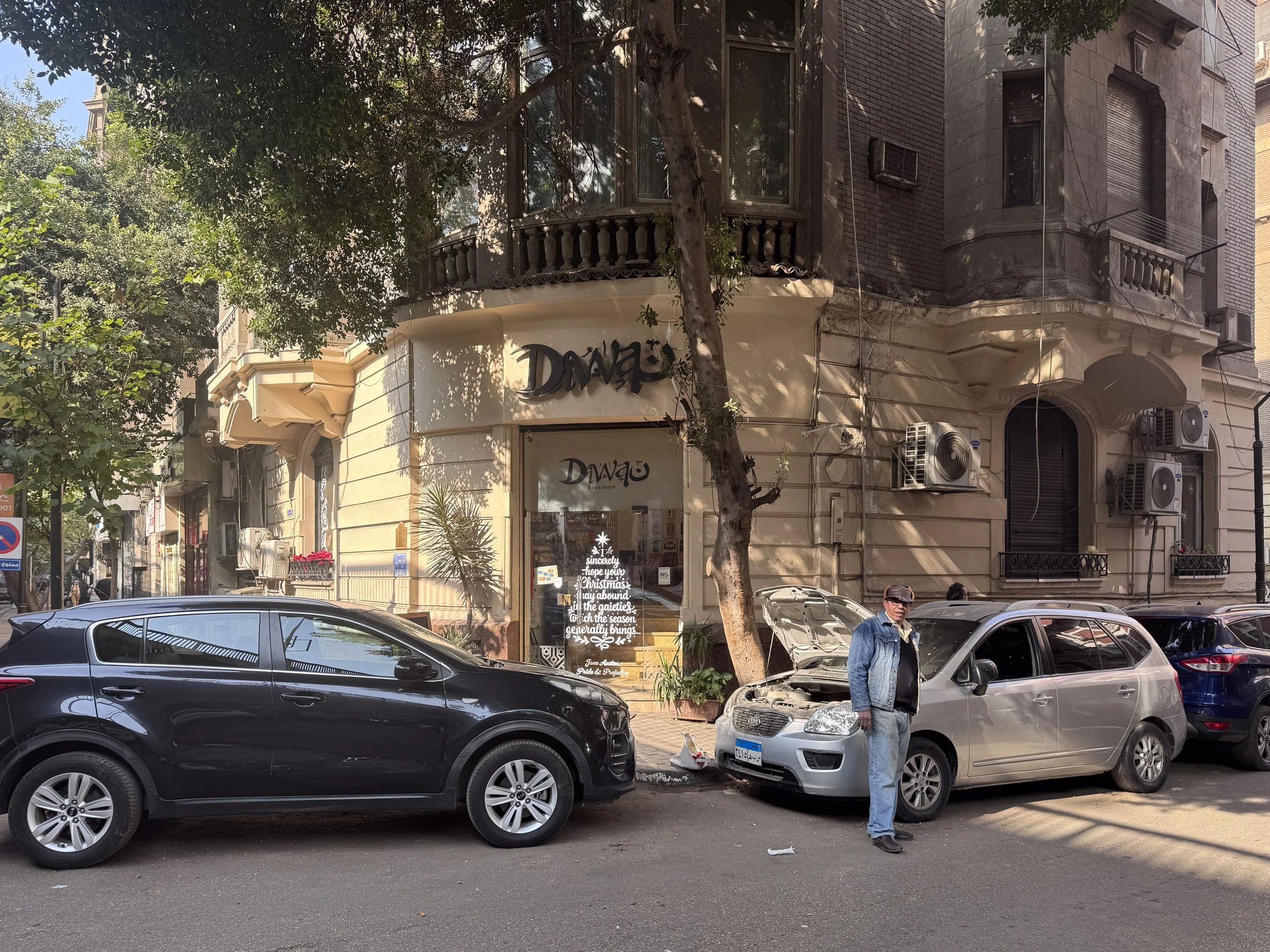
Next door, Diwan Bookstore with its sprawling and cavernous interior, as inviting as ever. It remains a place where time slows down—a space for browsing English and Arabic titles, lingering over books without urgency. I remember when they used to sell DVDs of Egyptian films from the 1970s, their covers often featuring stylized, sensual portrayals of actresses. There was always something slightly illicit, yet fascinating, about that small section. Today, the store still impresses with its Arabic collection, alongside publications from the American University in Cairo Press, postcards, and small mementos. A modest café corner invites visitors to linger. Nearby, the two-story Cilantro café features a communal table at the entrance—once, I found myself seated next to the legendary actress Naglaa Fathy and her daughter, an encounter that felt both surreal and perfectly in tune with Zamalek’s quiet cosmopolitanism.
Not far away, beneath the 6th of October Bridge, there used to be a small, informal mosque. It is gone now—another quiet erasure, barely noticed unless one is looking for it.
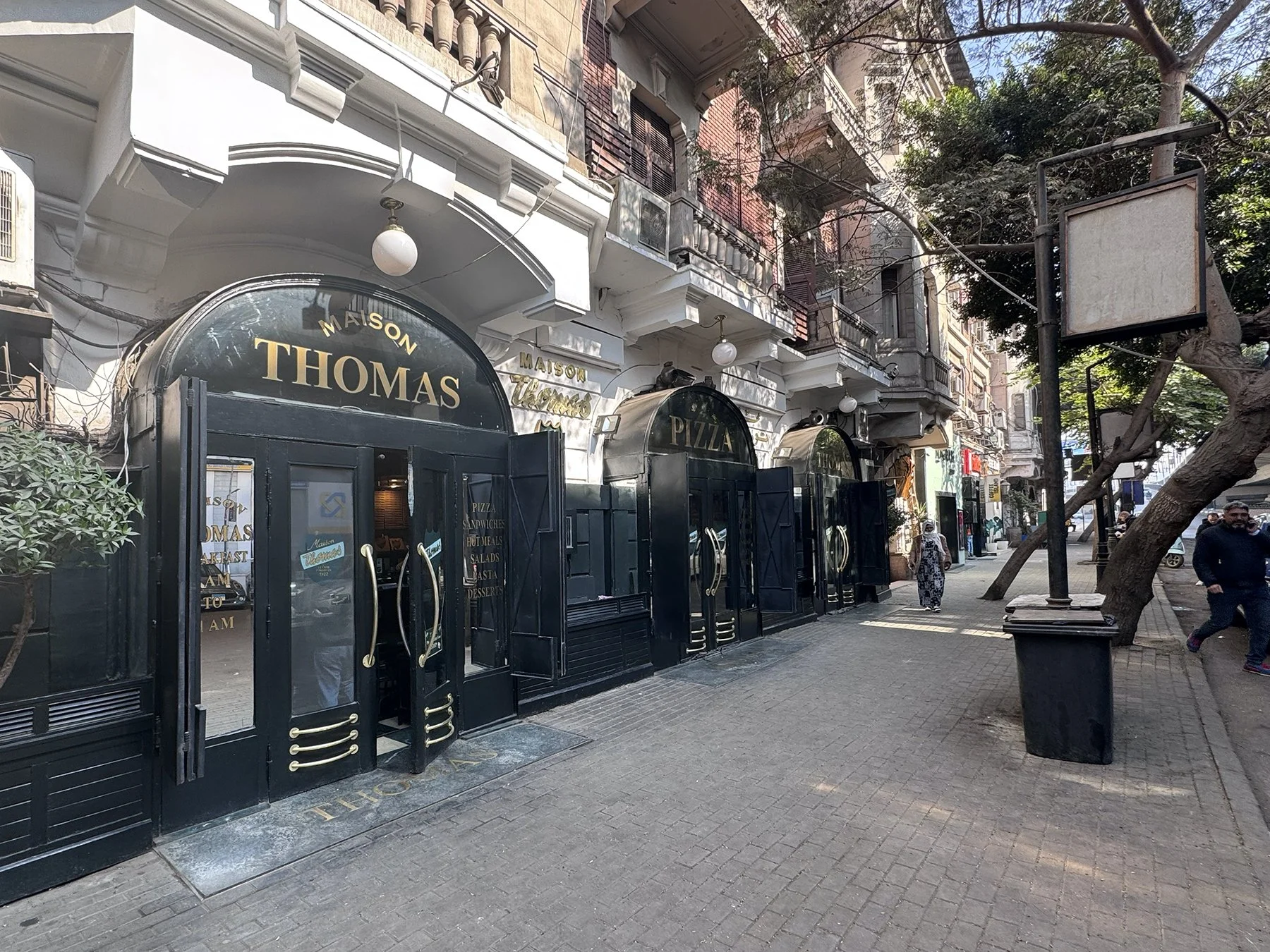
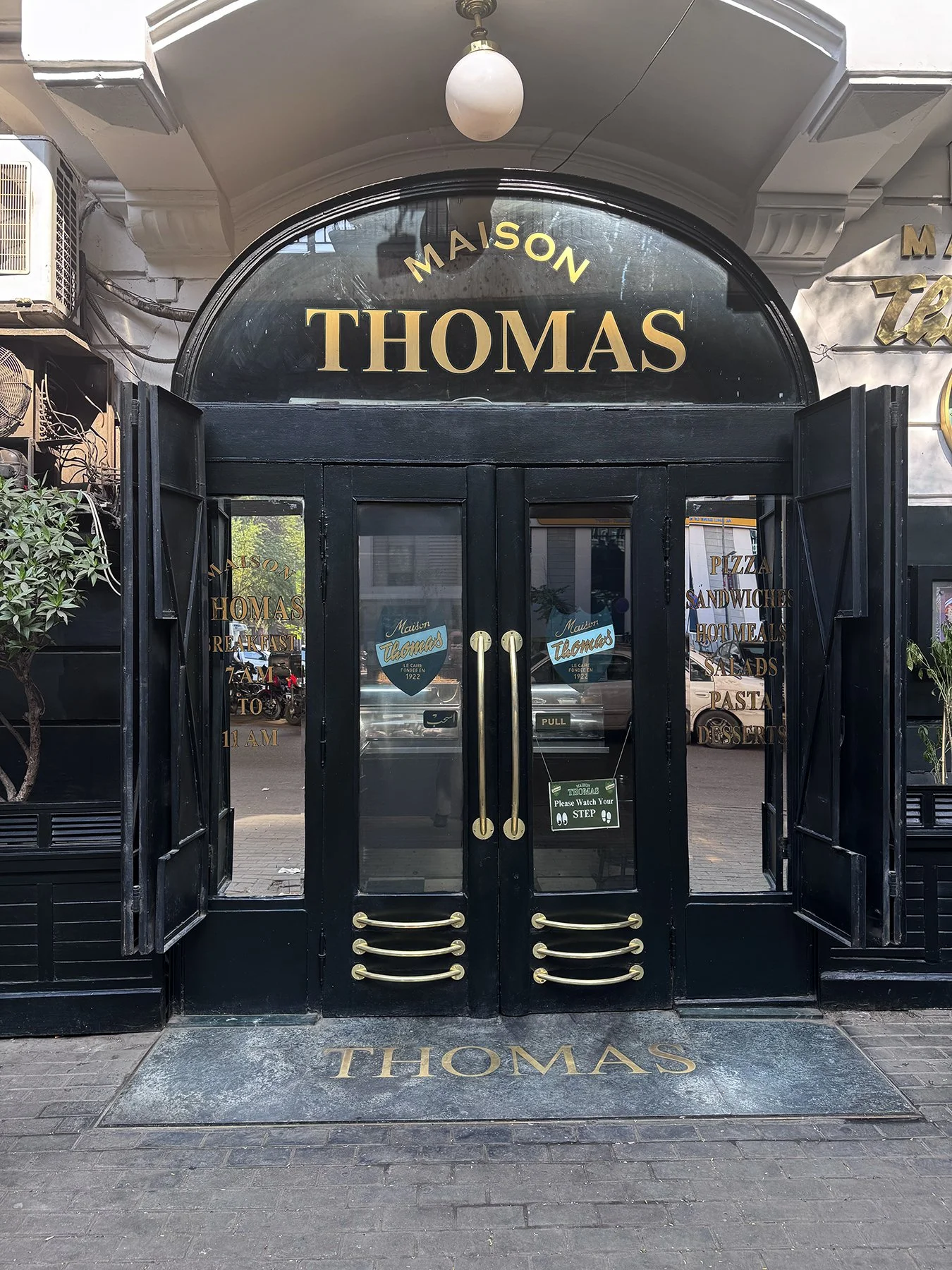
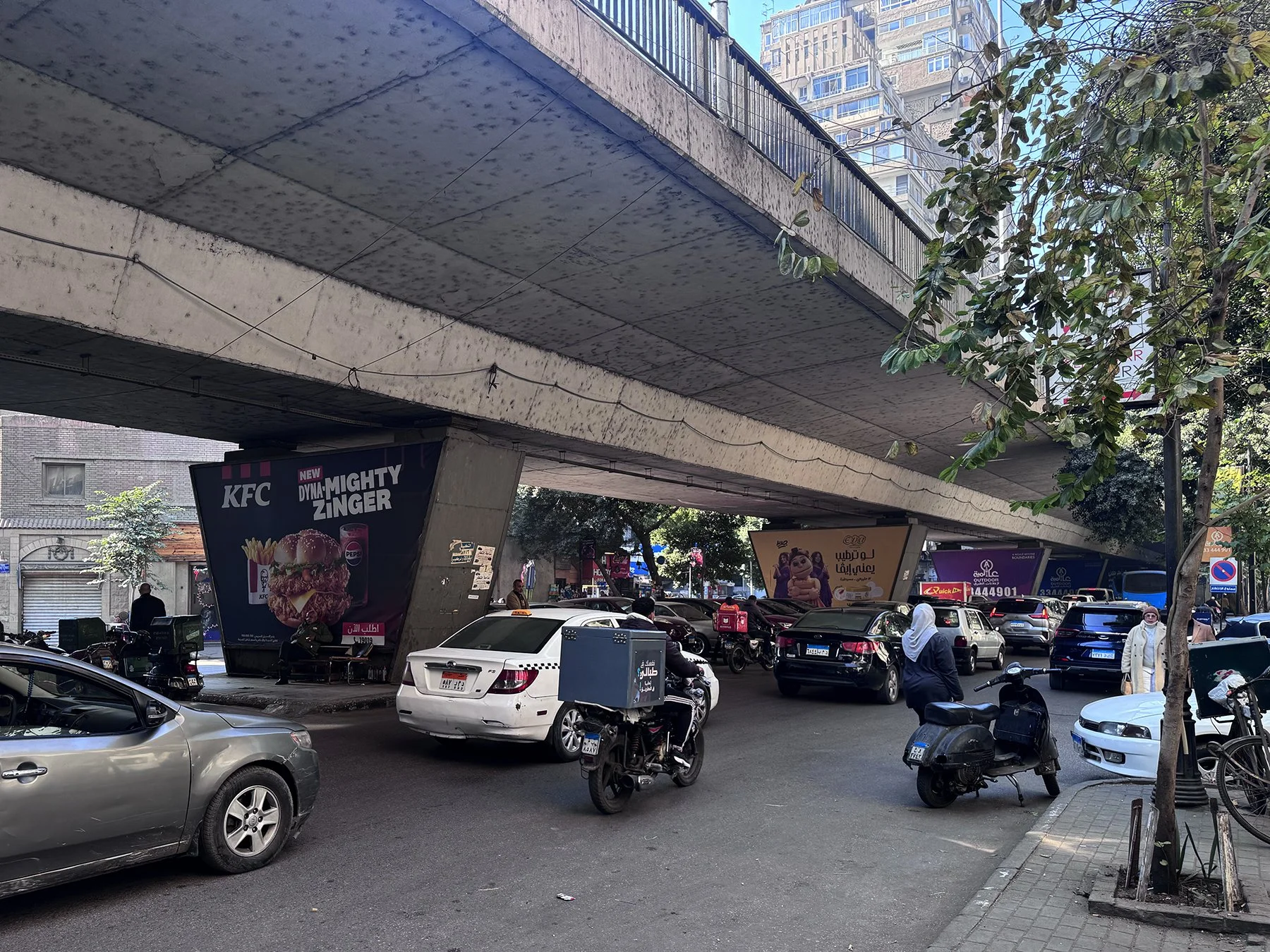
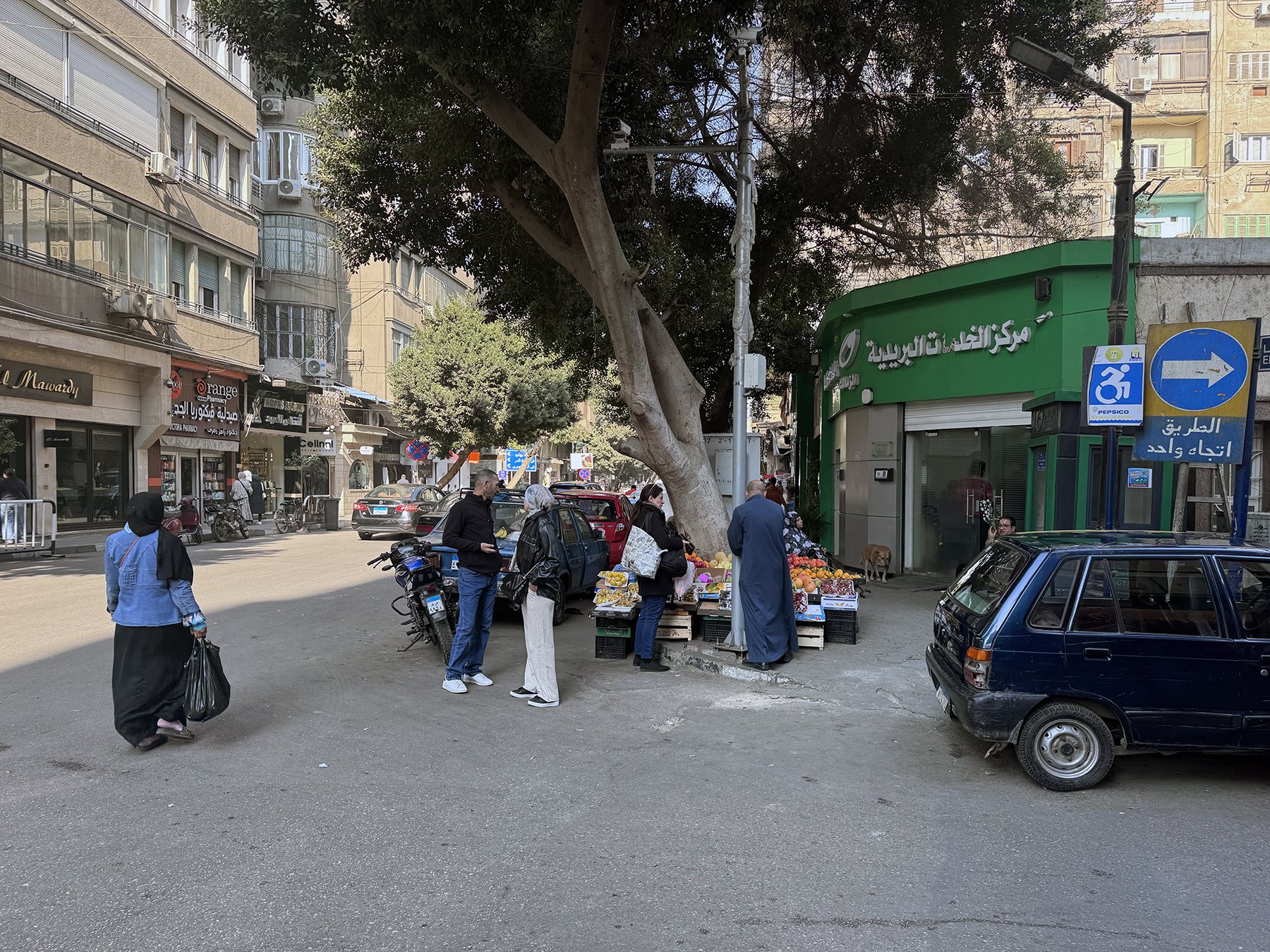
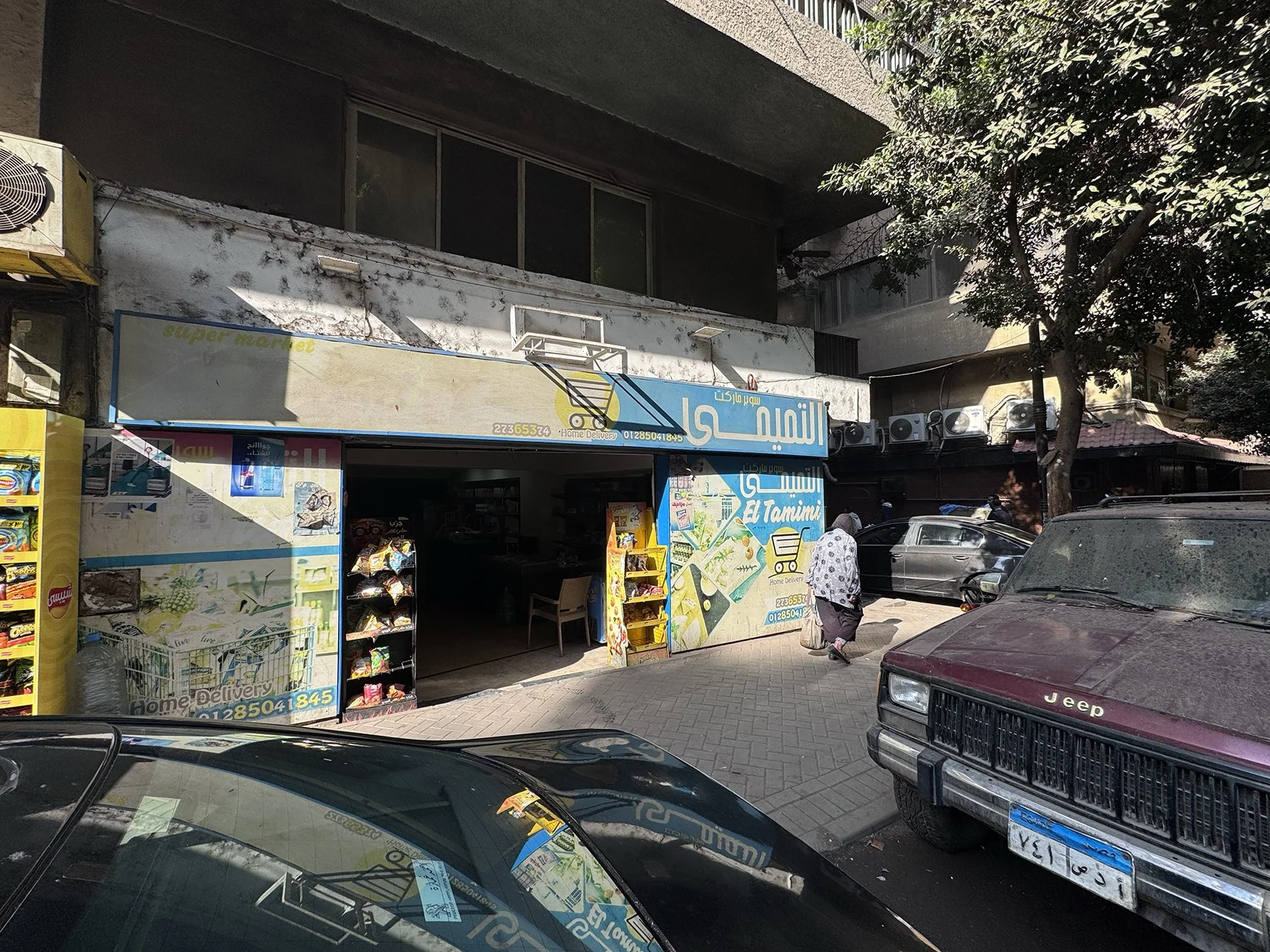
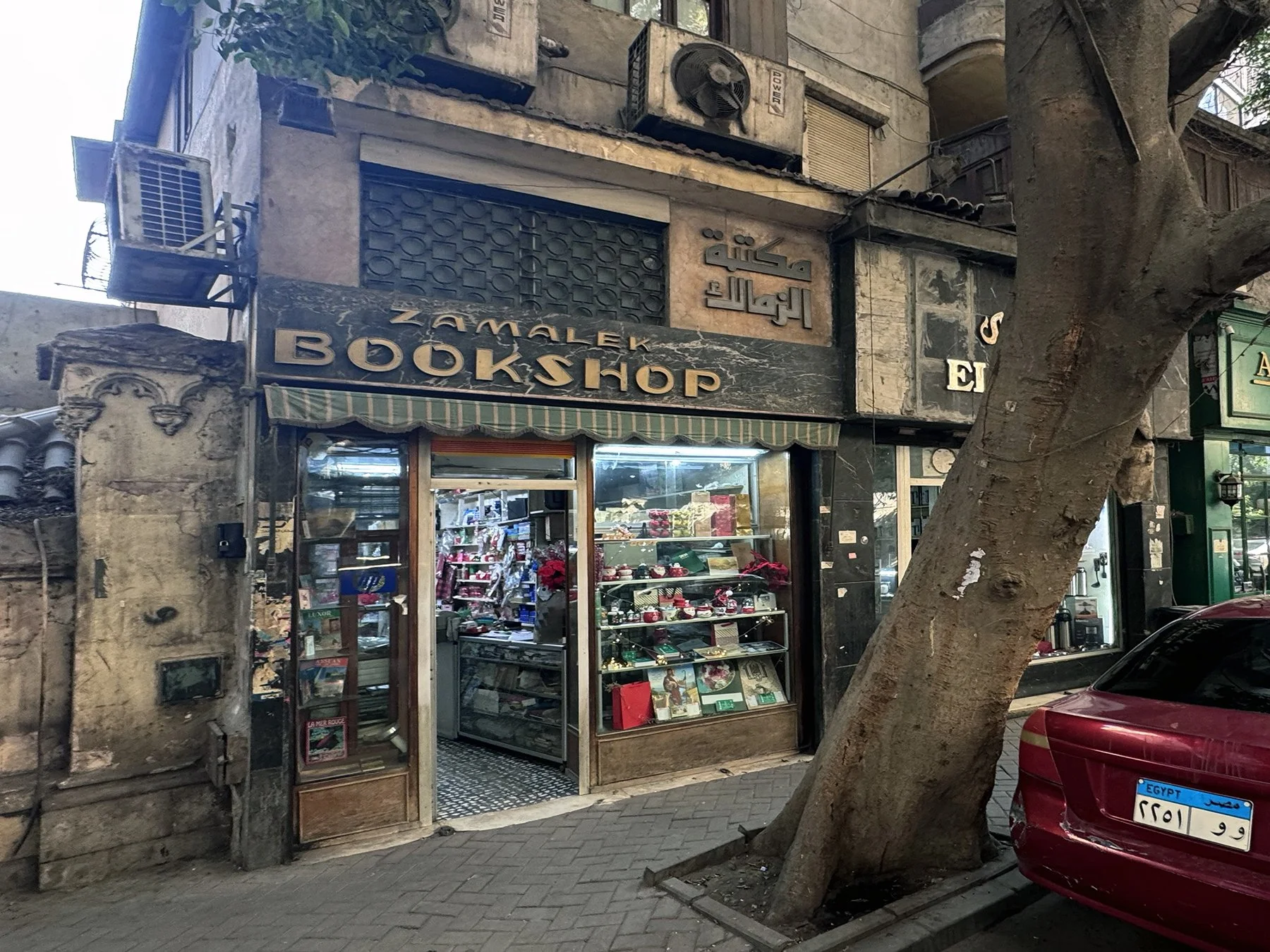
From there, I made my way to Hassan Sabry Street. There was once a juice shop where my uncle Osama would take me, ordering a tall glass of mixed fruit juice topped with shredded coconut. It, too, has disappeared. Turning onto Shagaret El Dor Street, I found that Tamimi supermarket still stands—a small but meaningful continuity. My mother used to send me there to buy groceries, small errands that felt like significant responsibilities at the time. Across the street, Zamalek Bookstore introduced me to English literature. It was there that I bought my first copy of David Copperfield, followed by Oliver Twist—my earliest encounters with the English language, and perhaps the beginning of a lifelong relationship with books.
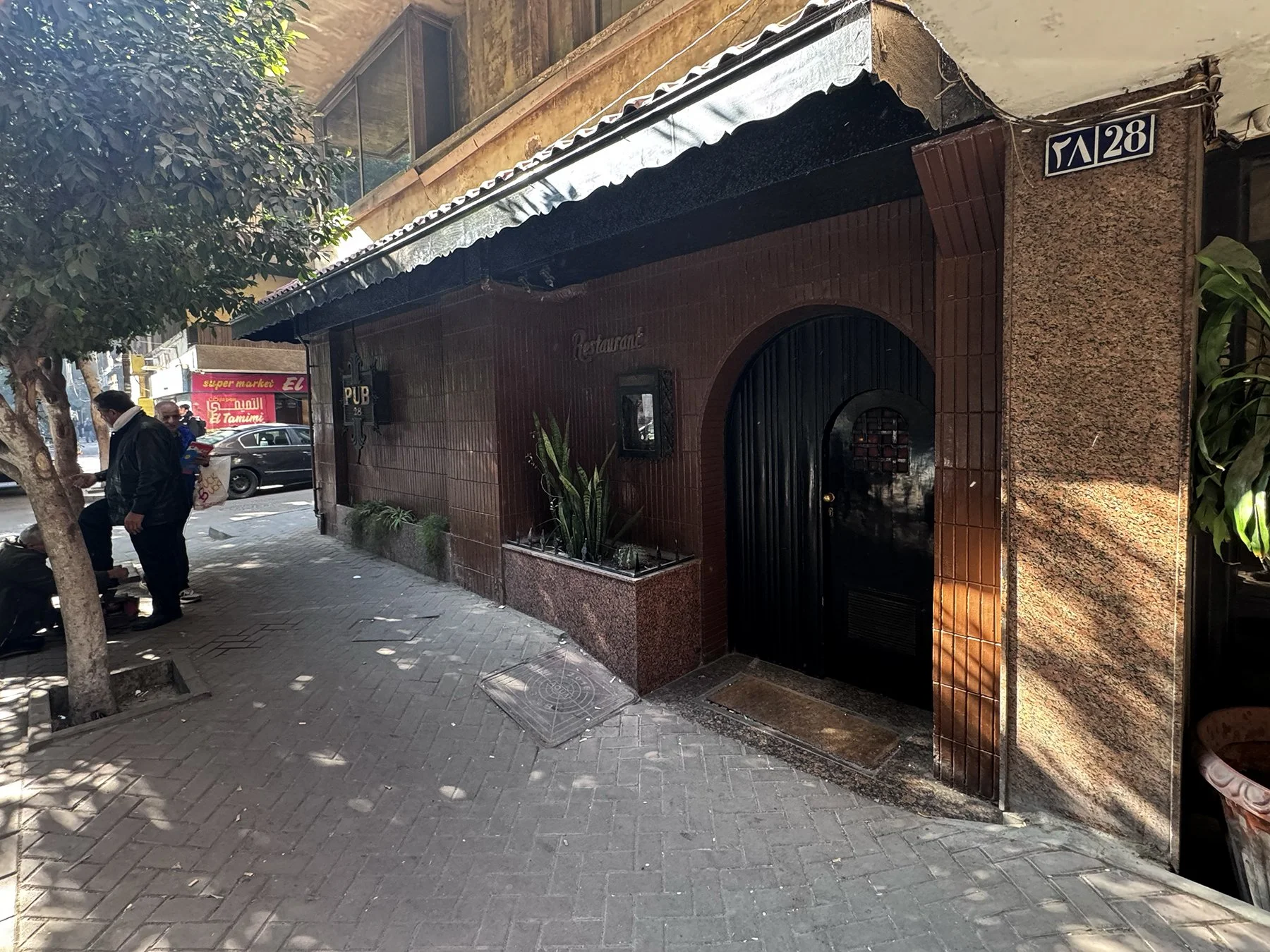
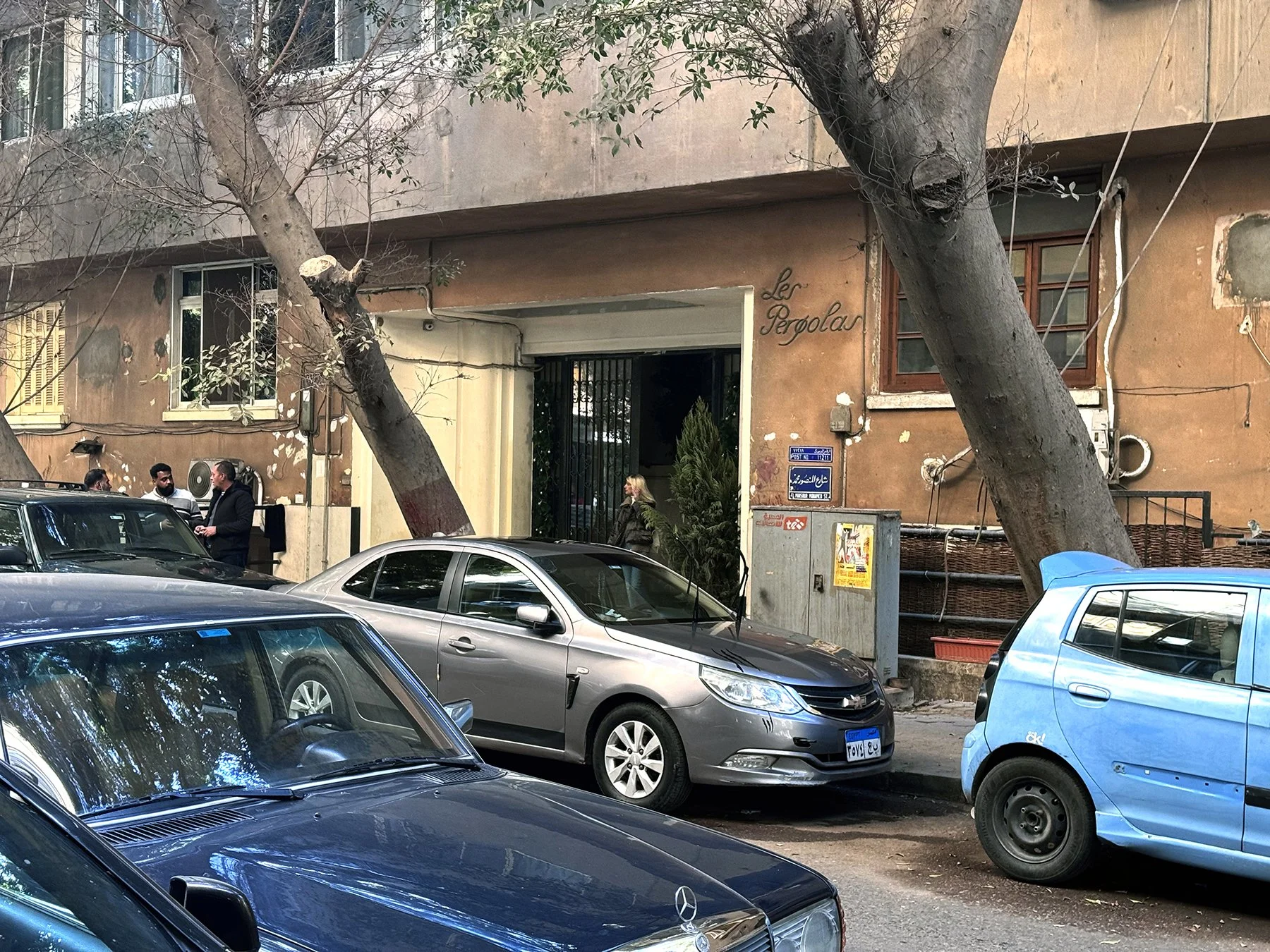
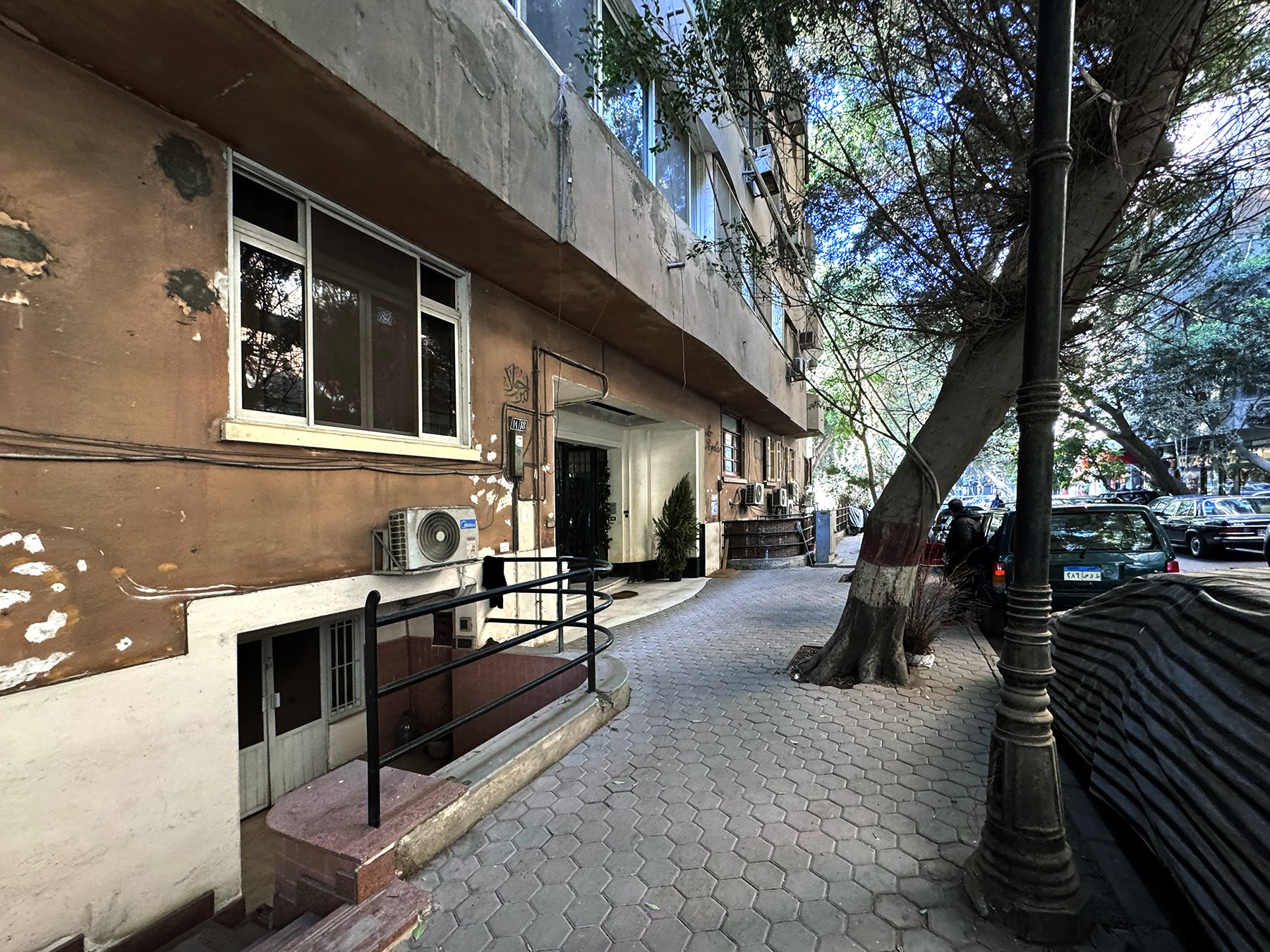
I passed by Pub 28, a place that had always intrigued me as a child. I would wonder what went on inside, what kind of world existed beyond its doors. I never entered then—and still haven’t. From there, I walked along Hassan Assem Street toward Mansour Mohamed Street, where we once lived. The street remains leafy and calm, though subtly altered. At one point, a delivery cyclist stopped and asked me about a film that had supposedly been shot there. I had been recording the street on my phone, capturing its textures, its people. I told him I didn’t know. The question lingered—how places become backdrops, how memory and representation intersect.
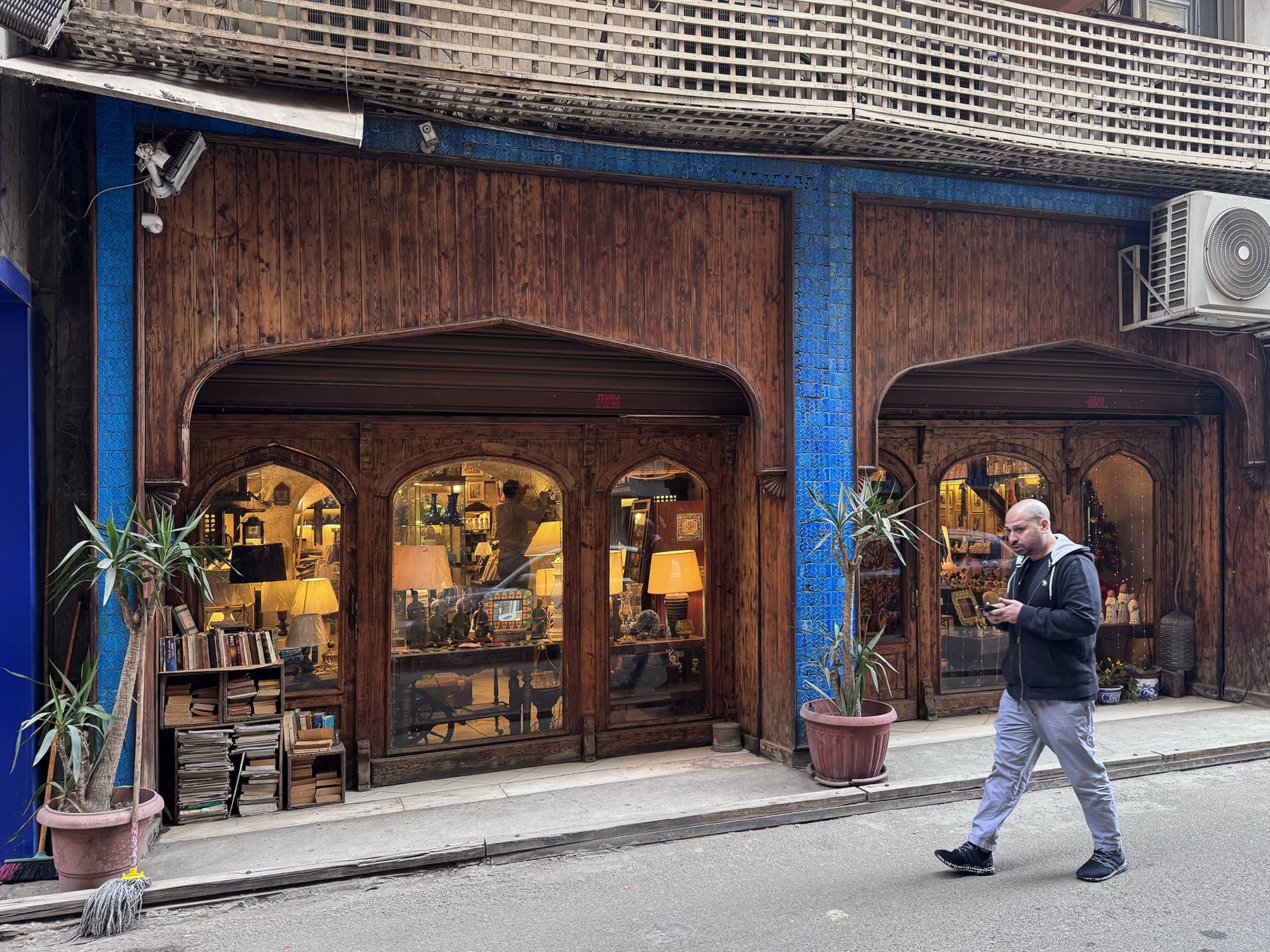
Along the way, I stepped into a small antiquities and crafts shop that has been there for as long as I can remember. I bought a few items, small tokens of continuity. Nearby, an art gallery drew me in, and I left with original drawings and a piece of silk-screen fabric—objects that felt like extensions of the place itself.
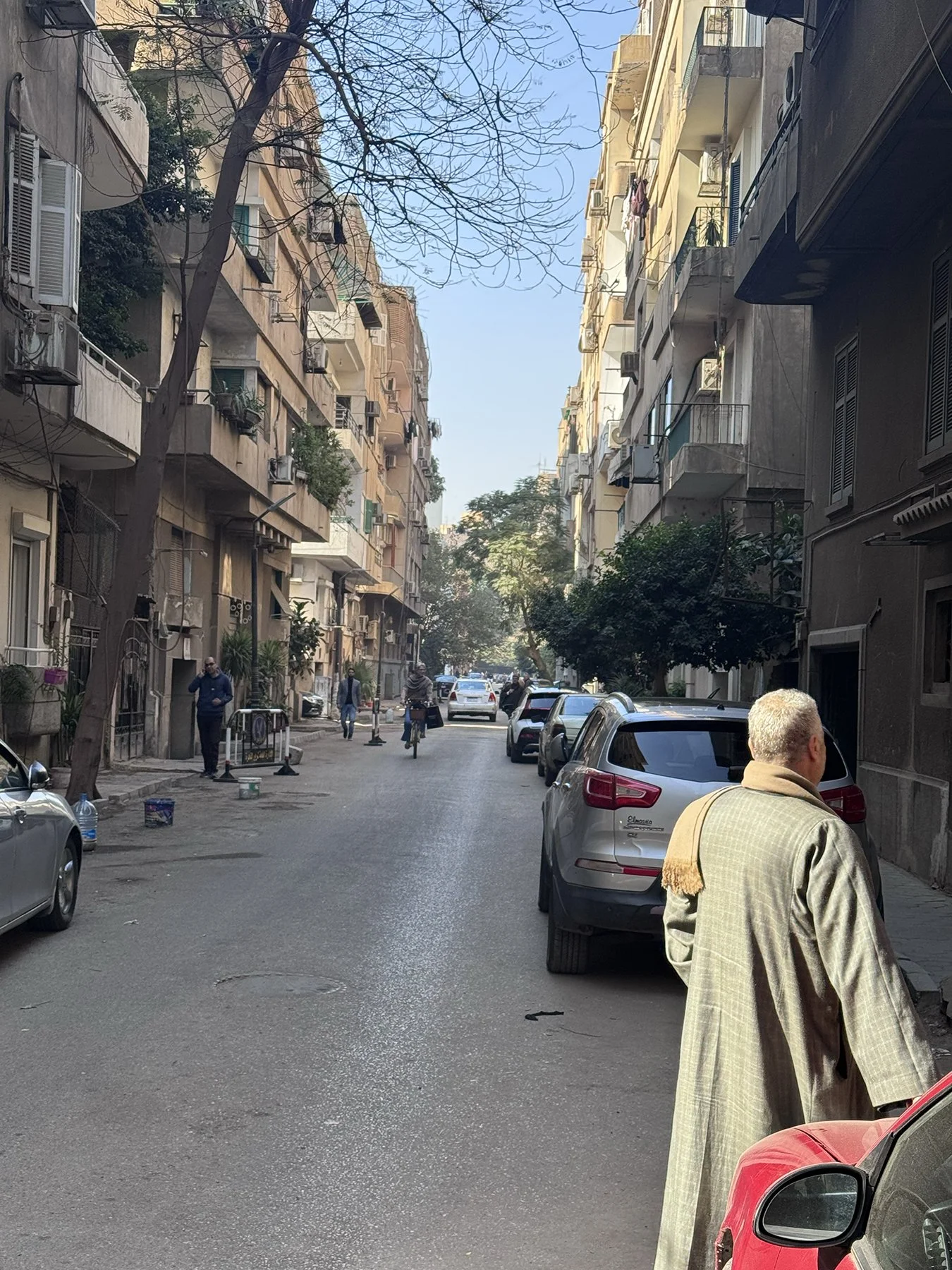
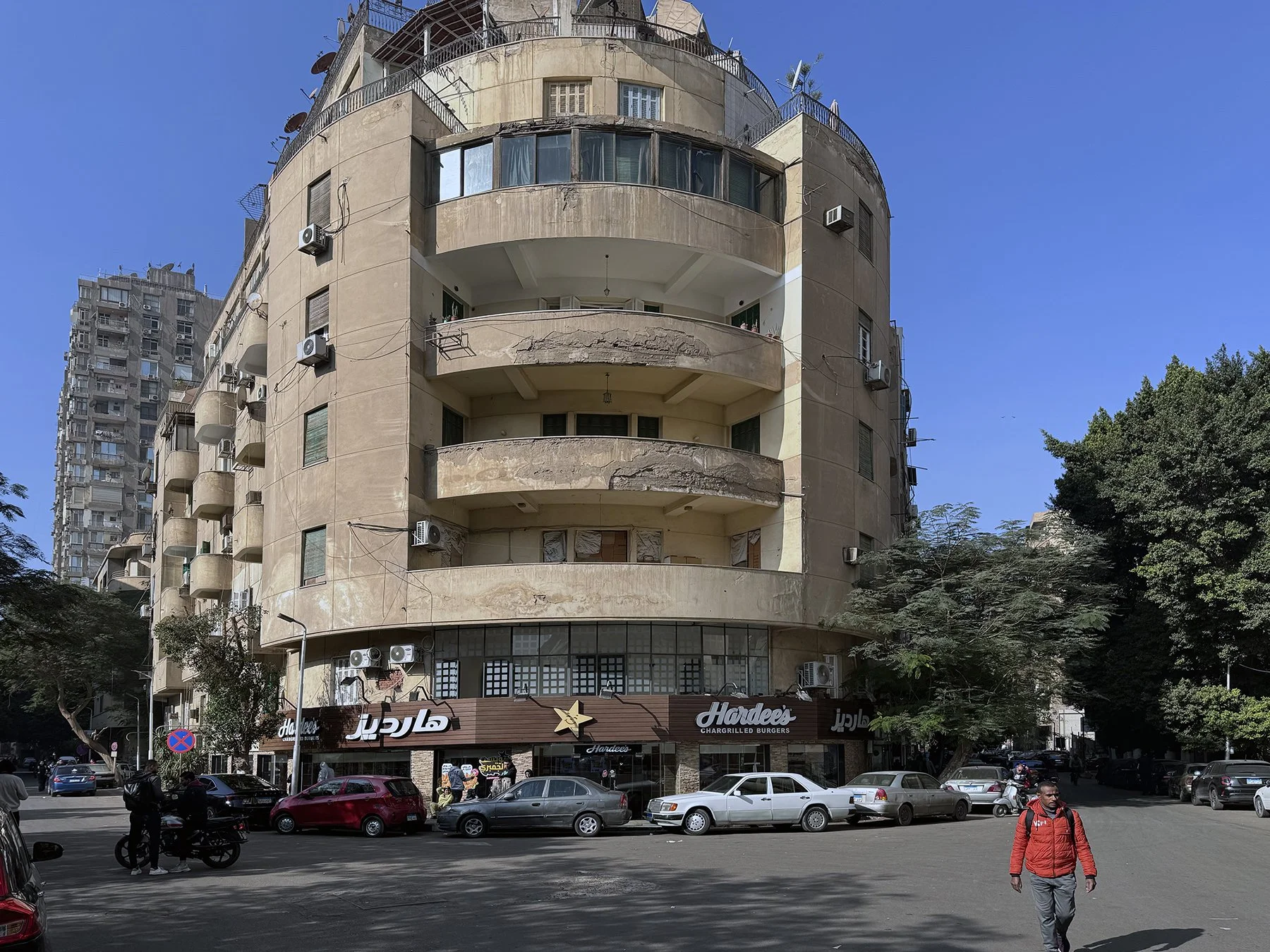
At the entrance of a residential building on Mansour Mohamed Street once stood Khodeir Store, known for its elegant pens and writing instruments. It is now closed. Another quiet disappearance. I turned right, passing the Lebanese embassy, and continued toward the German School, next to the College of Fine Arts. Across the street once stood one of Cairo’s earliest fast-food establishments—Wimpy, with its iconic ketchup bottle shaped like a tomato. It is gone now, replaced by Hardee’s, a shift that says much about changing tastes, economies, and global influences.
The German School was where I began fifth grade in 1973. I remained there until 1978, when we moved to a new campus in Dokki. The original school building no longer exists; it has been replaced by residential blocks. Yet the memories remain vivid: walking down the street as a child, entering through the gates, the courtyard where I played marbles, the back courtyard known as “Coca-Cola Hof,” our classroom spaces. It was there that lifelong friendships were formed—Hussein, Nasser, Magdy, and many others. The physical structure may be gone, but the social architecture endures.
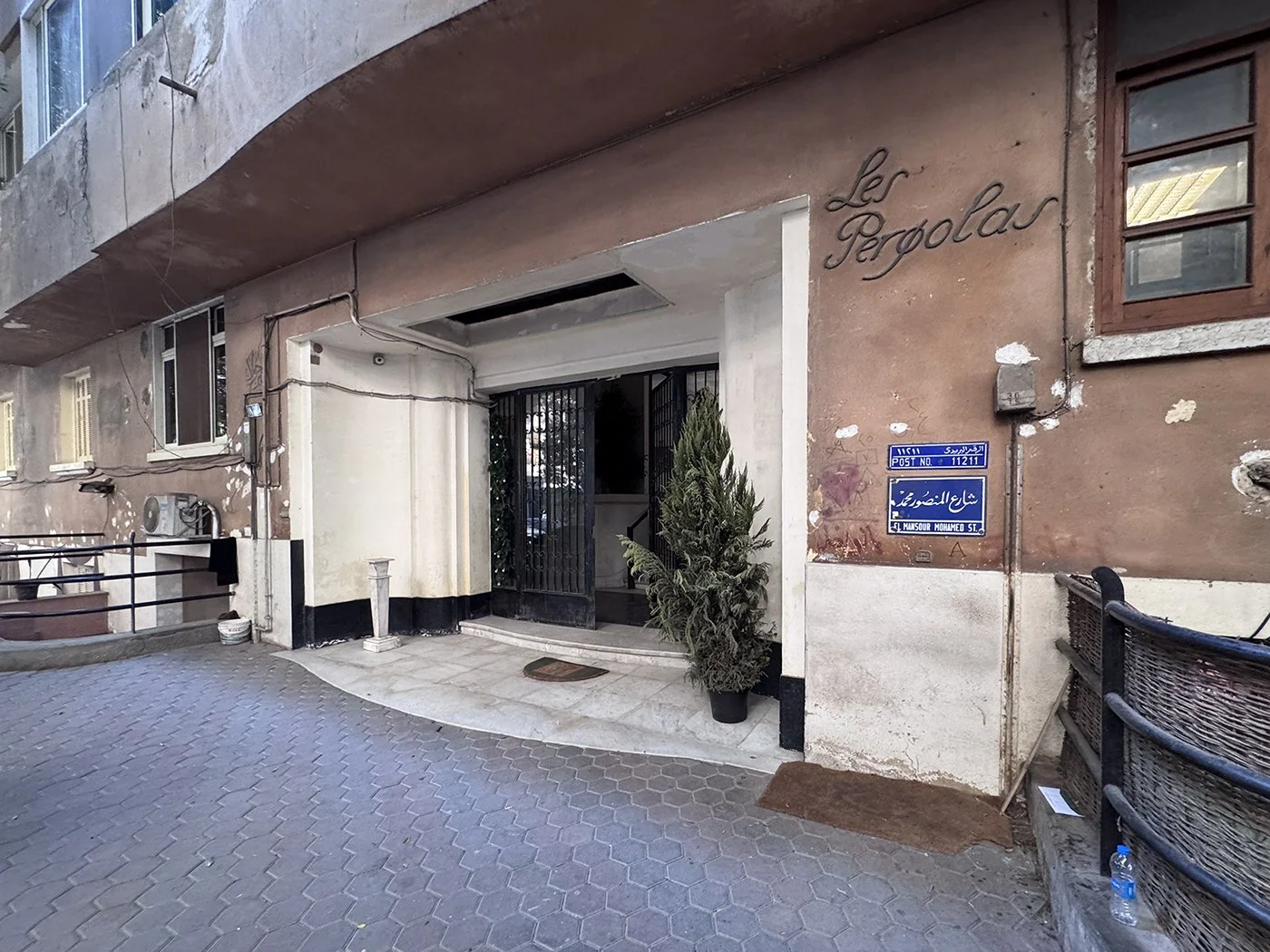
Retracing my steps, I returned to the beginning of the street to see our old building—La Pergola. It still stands, its modernist architecture intact. It was our first home in Cairo, and seeing it again felt like encountering a fragment of myself. From there, I took a side street back toward Shagaret El Dor, passing a shuttered shop—Scarabe—where, as children, we were allowed to wander inside while the shopkeeper regaled us with stories about Cairo’s past. It was an education of a different kind.
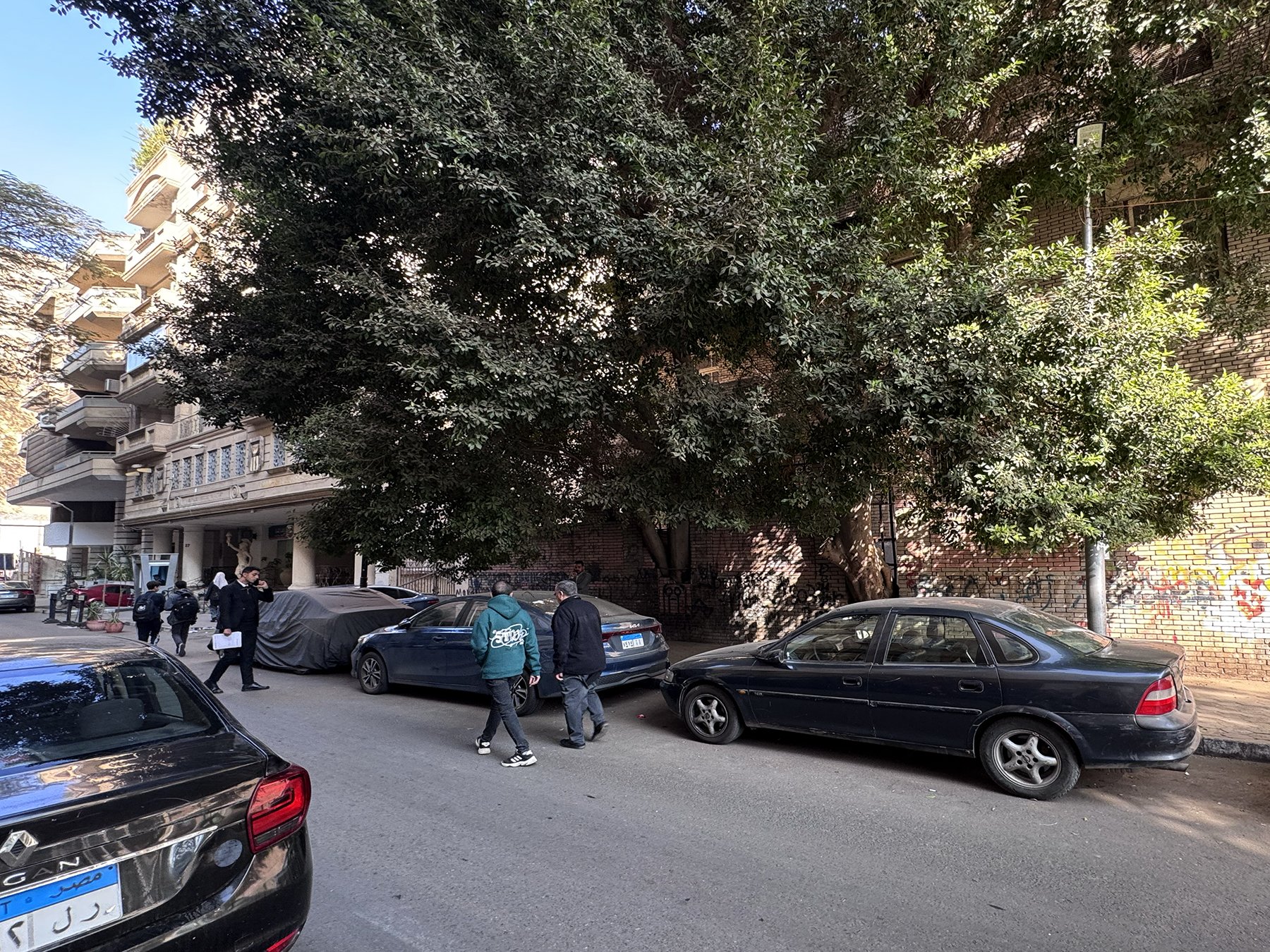
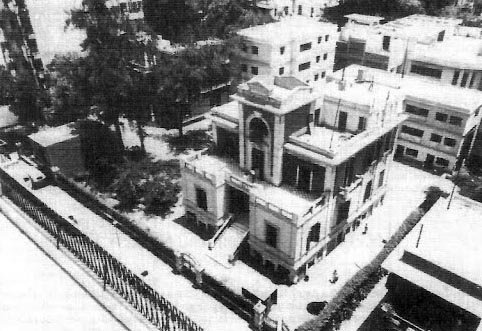
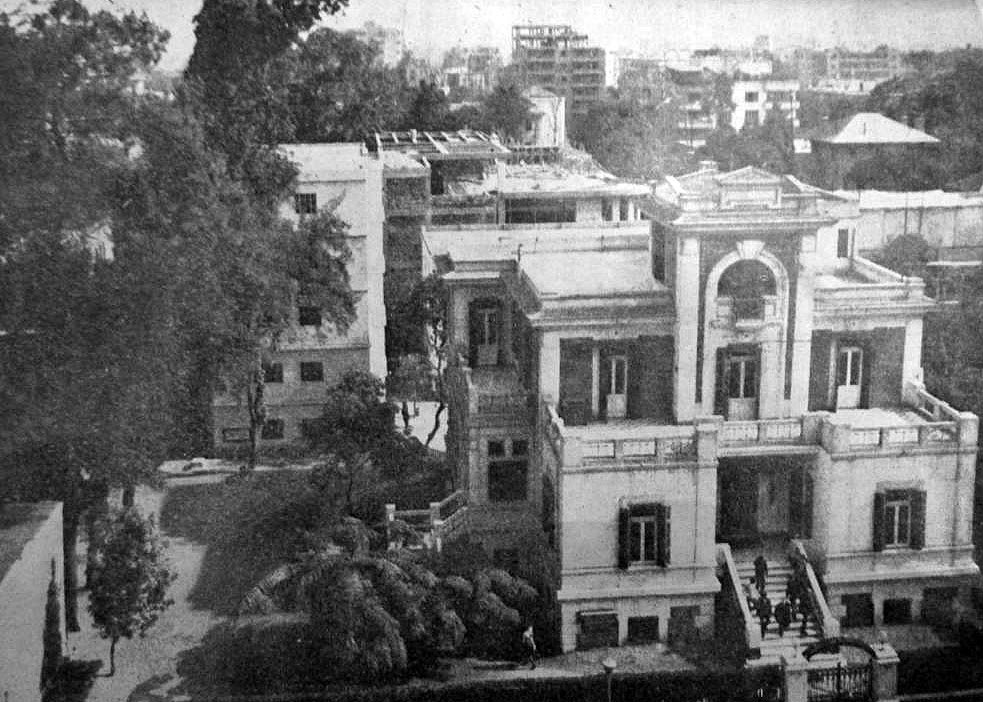
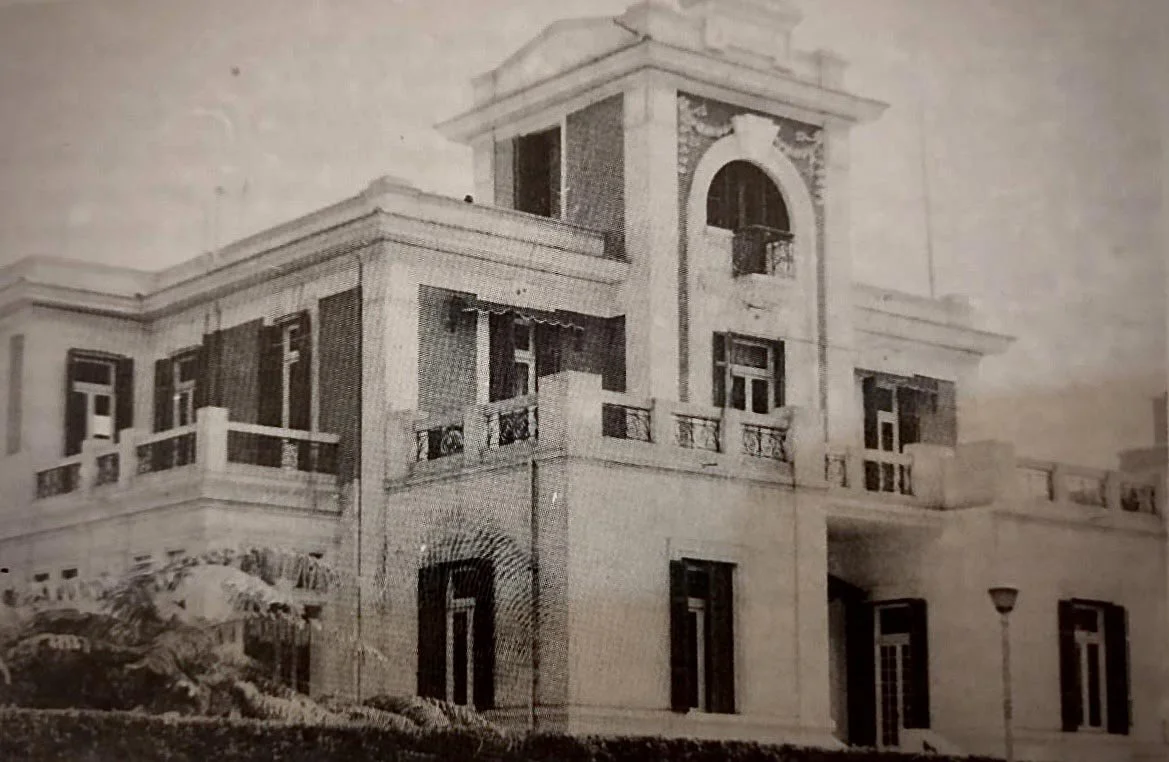
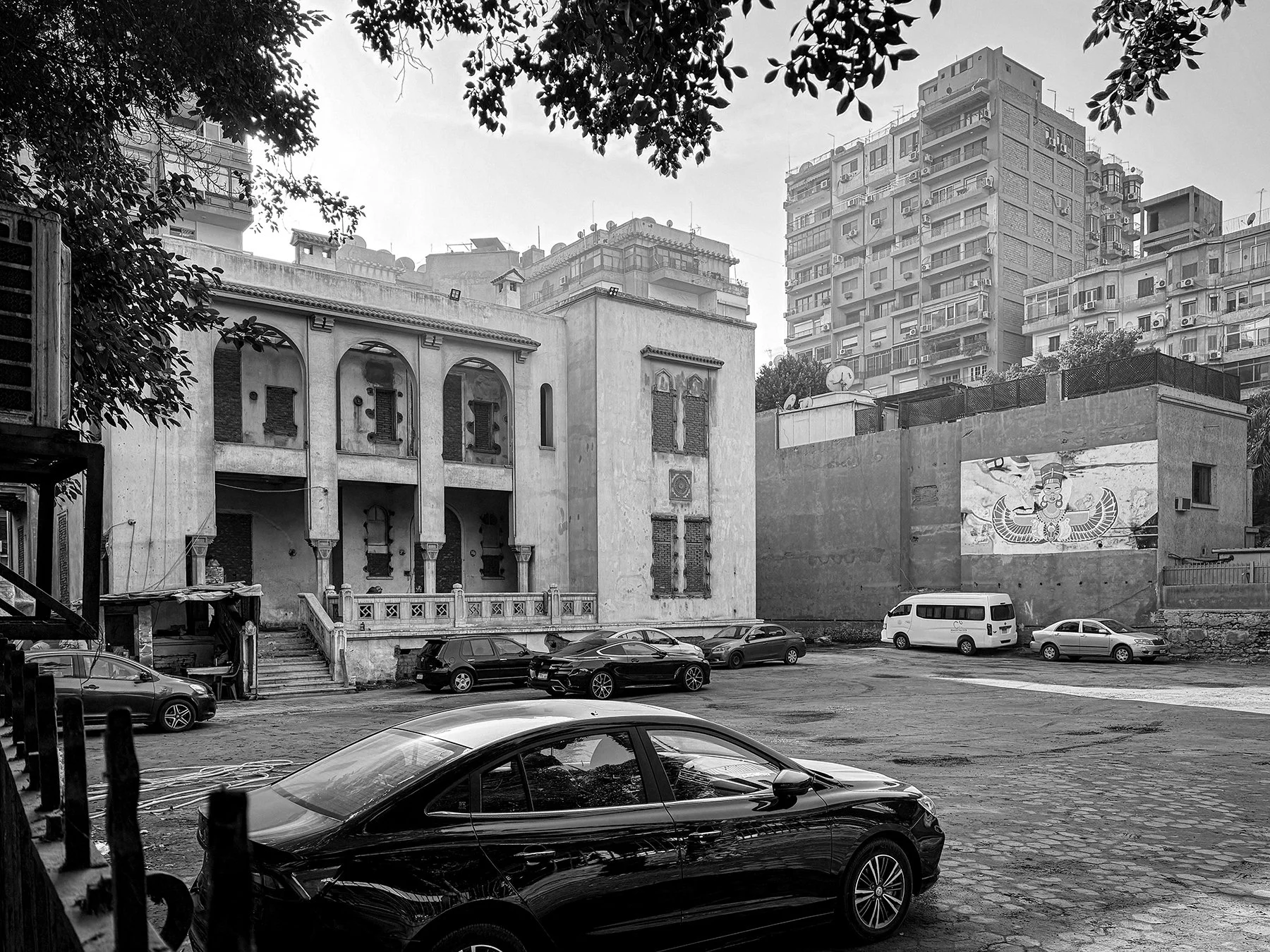
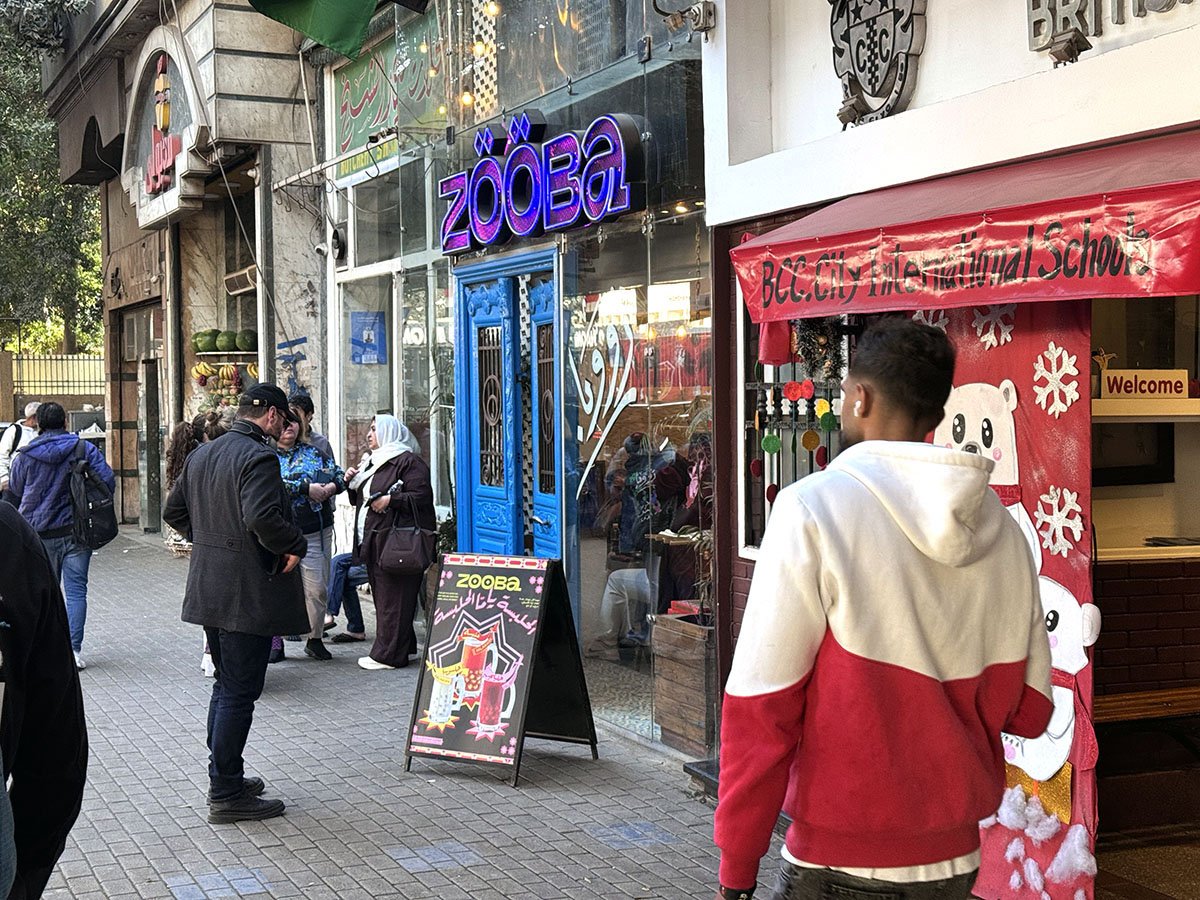
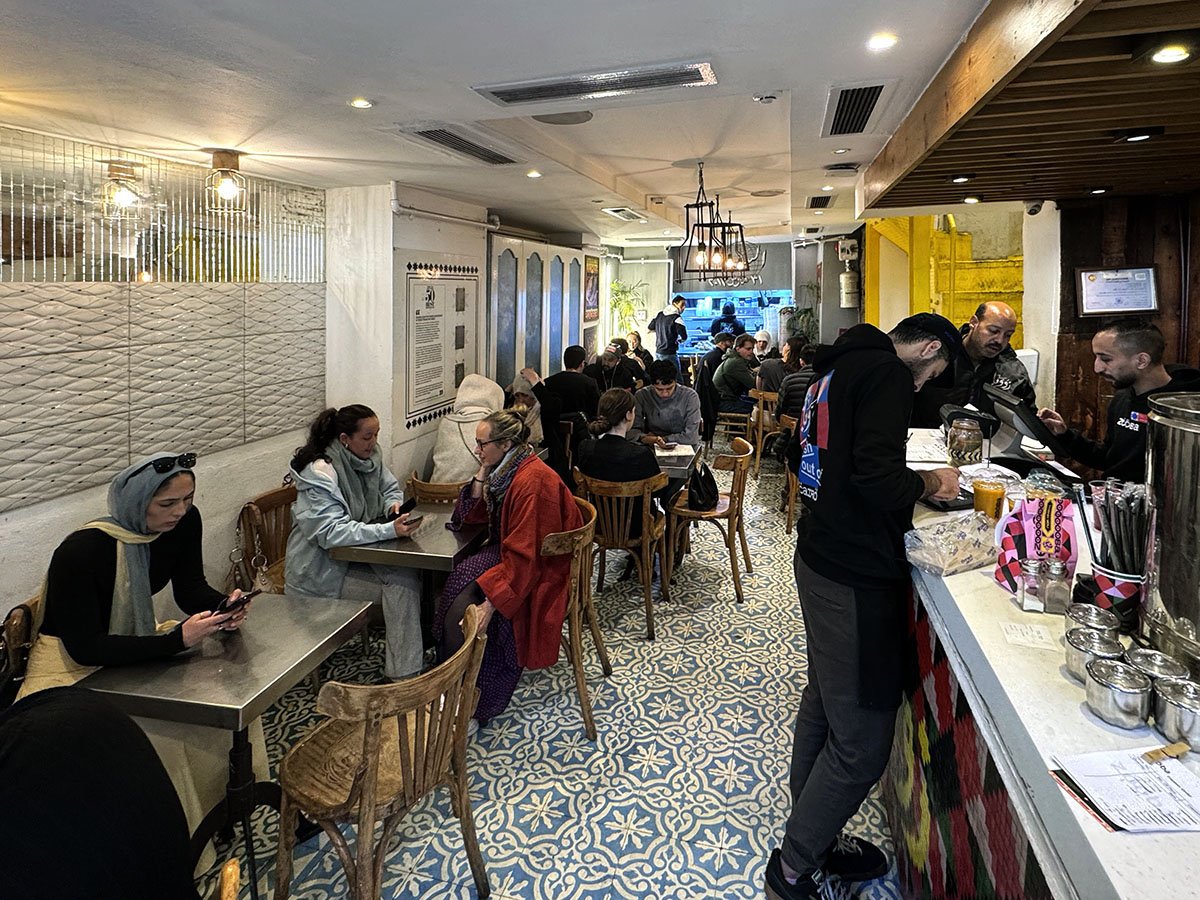
Back on 26th of July Street, I headed toward Zooba, my intended destination. As I walked, I noticed the fading grandeur of Zamalek more acutely—crumbling villas, one reduced to a ruin with a “for sale” sign hanging in front. Outside Zooba, a long line had formed. Inside, I had a meal of hawawshi—Egypt’s answer to the burger—surrounded by a mix of upper-class Egyptians, tourists, Westerners, and Gulf visitors. Zamalek, despite everything, remains a crossroads.
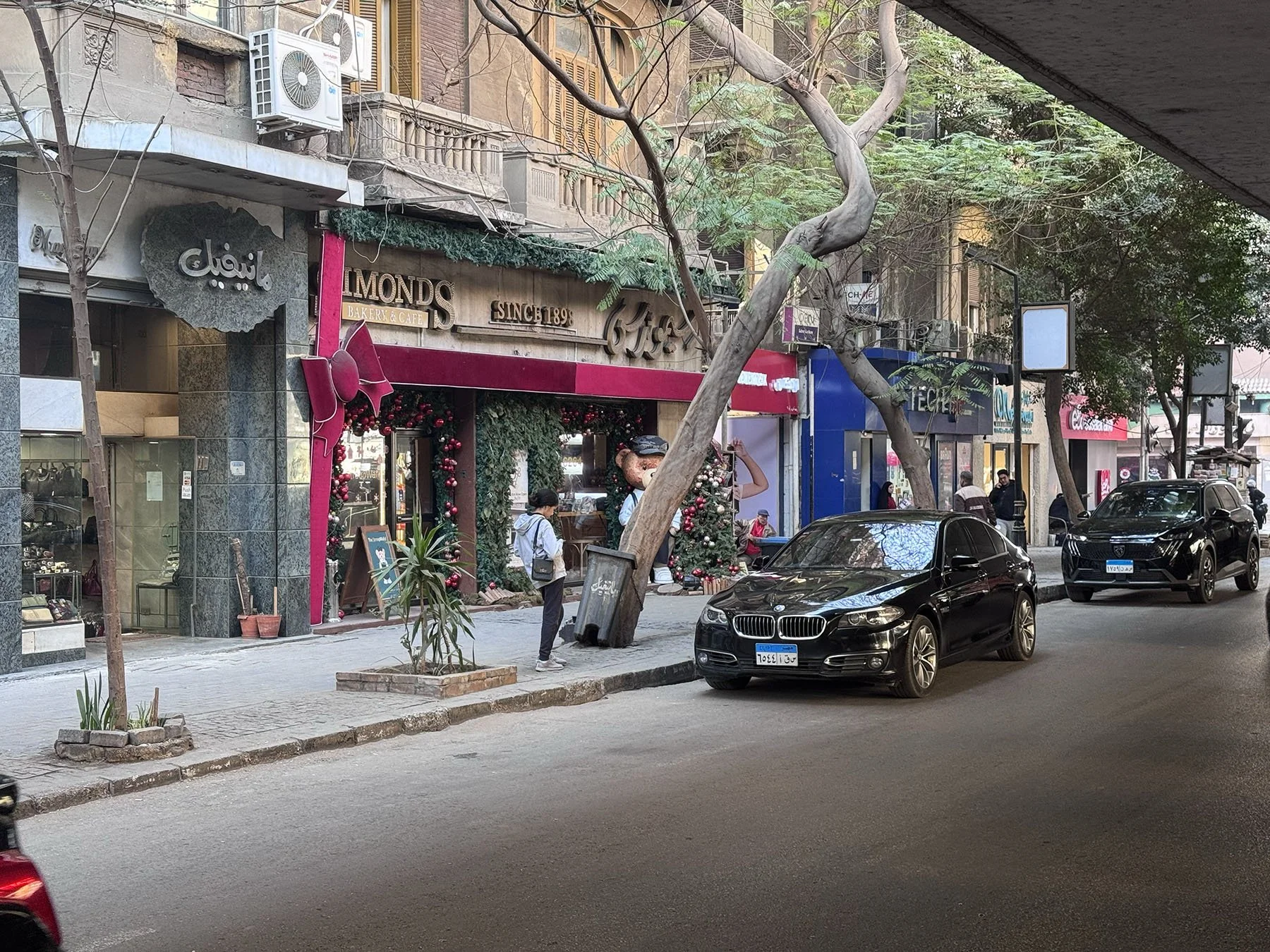
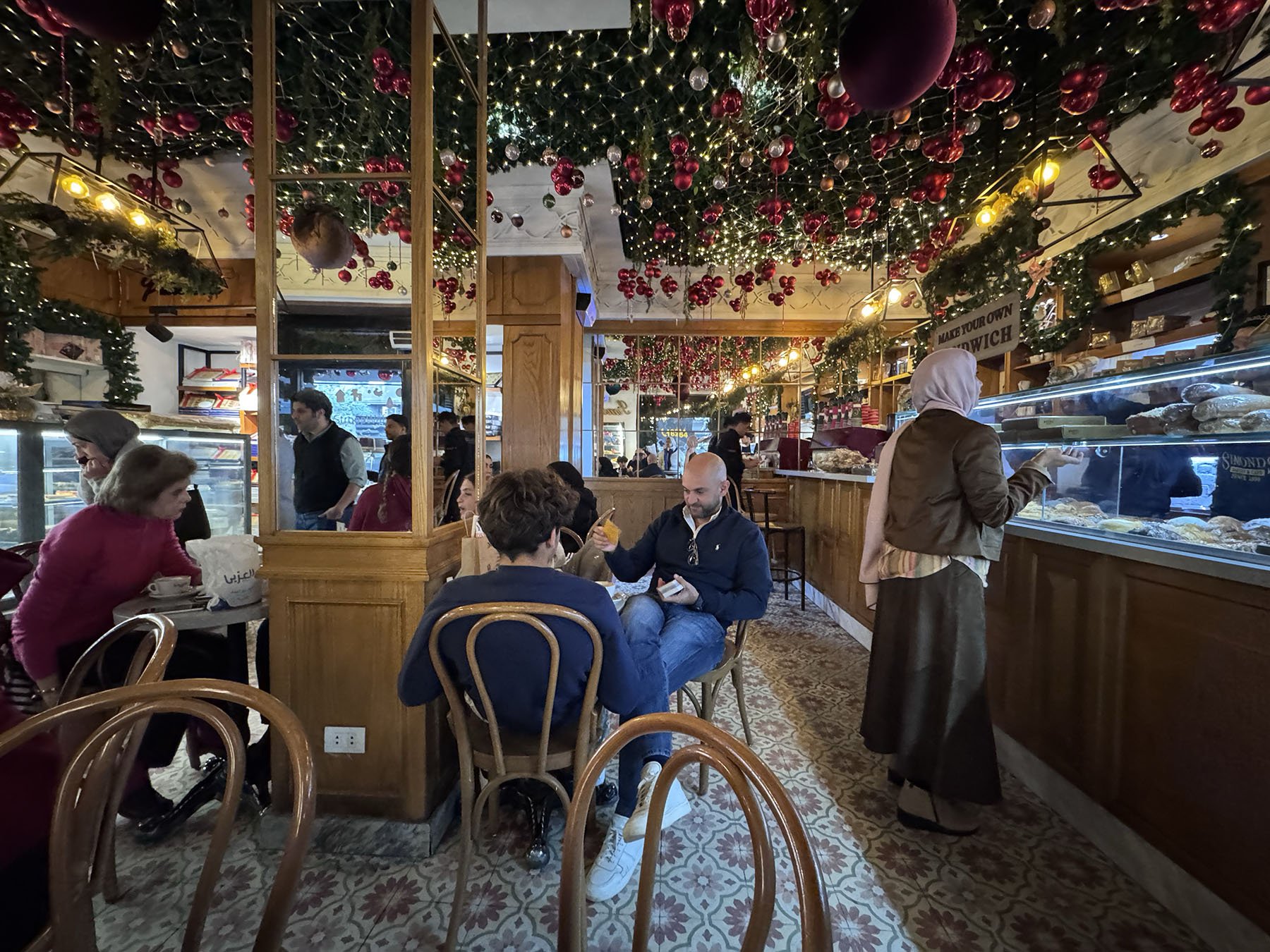
From there, I walked toward Simonds, a long-established institution, something between a café and a bistro. I used to come here for cappuccino and pastries. I remember the same man, for years, squeezing fresh orange juice using an oversized machine, standing behind tall tables where customers would gather. Today, the setup has changed—seated dining has replaced the standing counters—but a trace of the old charm remains. As I left, I noticed people taking selfies across the street, capturing their own versions of the place.
Eventually, I made my way back to Maadi.
What does all of this mean in the context of Cairo’s broader transformations? Why does Zamalek continue to exert such a strong pull on me, even as so much has changed? Why do I keep returning—seeking to anchor memory in a city defined by constant flux? Perhaps it is nostalgia. Perhaps something more complex. Zamalek is no longer the district I once knew. Yet as I walk its dusty streets and close my eyes, I am transported back—to a childhood marked by curiosity and uncertainty, to a moment when adulthood loomed on the horizon, and when my perception of Cairo—my city—began to take shape.
Back to Maadi — driving across 6th of October Bridge
