The Seductive Disorder of Downtown Cairo: Cinema, Markets, and Teenage Fantasies in a Vanishing City
This blog revisits the cafés, cinemas, and everyday spaces of Downtown Cairo as places of memory, desire, and belonging. In times of conflict, such stories matter because they remind us that cities are ultimately built from fragile human encounters and shared everyday life.
Cities thrive on disorder. Their vitality often emerges not from polished order or carefully staged spectacle, but from friction, overlap, improvisation, and the presence of strangers. Migrants arriving from elsewhere, vendors spilling onto sidewalks, overheard languages, smells drifting from unknown kitchens, cheap goods displayed beside treasured relics—all these fragments create the pulse of urban life. I was reminded of this recently during a trip to Toronto, where I had been invited to participate in a conference organized by Toronto Metropolitan University examining migration and the impact of war on the everyday spaces of the city.
Following the event, I wanted to explore the city and started out by heading to Chinatown where I met an old acquaintance at a coffeshop. From there we walked alongside markets and shops selling Chinese produce to the city’s gentrifying neighborhood of Kensington Market, observing its fine-grained urbanity: vendors overflowing onto sidewalks, grocery stores catering to different ethnic groups, signs in multiple languages, fragments of distant homelands compressed into a dense patchwork of streets. There was noise, clutter, and unpredictability. Nothing appeared fully controlled. And that was precisely its charm. It reminded me instantly of Cairo—of the way disorder there could generate excitement, social encounter, and sensuality. It also made me think about the argument I presented during the conference: how Gulf cities such as Dubai increasingly engage in acts of urban erasure, sanitizing public life and stripping their urban environments of precisely the messy social diversity that makes cities humane and alive. In many of these places, disorder is seen as a threat. Informality is removed. Migrant life is hidden. Streets become stages designed for consumption and tourism rather than lived experience. They operate under a very simple, albeit misguided, premise: if an urban memory makes you uncomfortable, simply remove it.
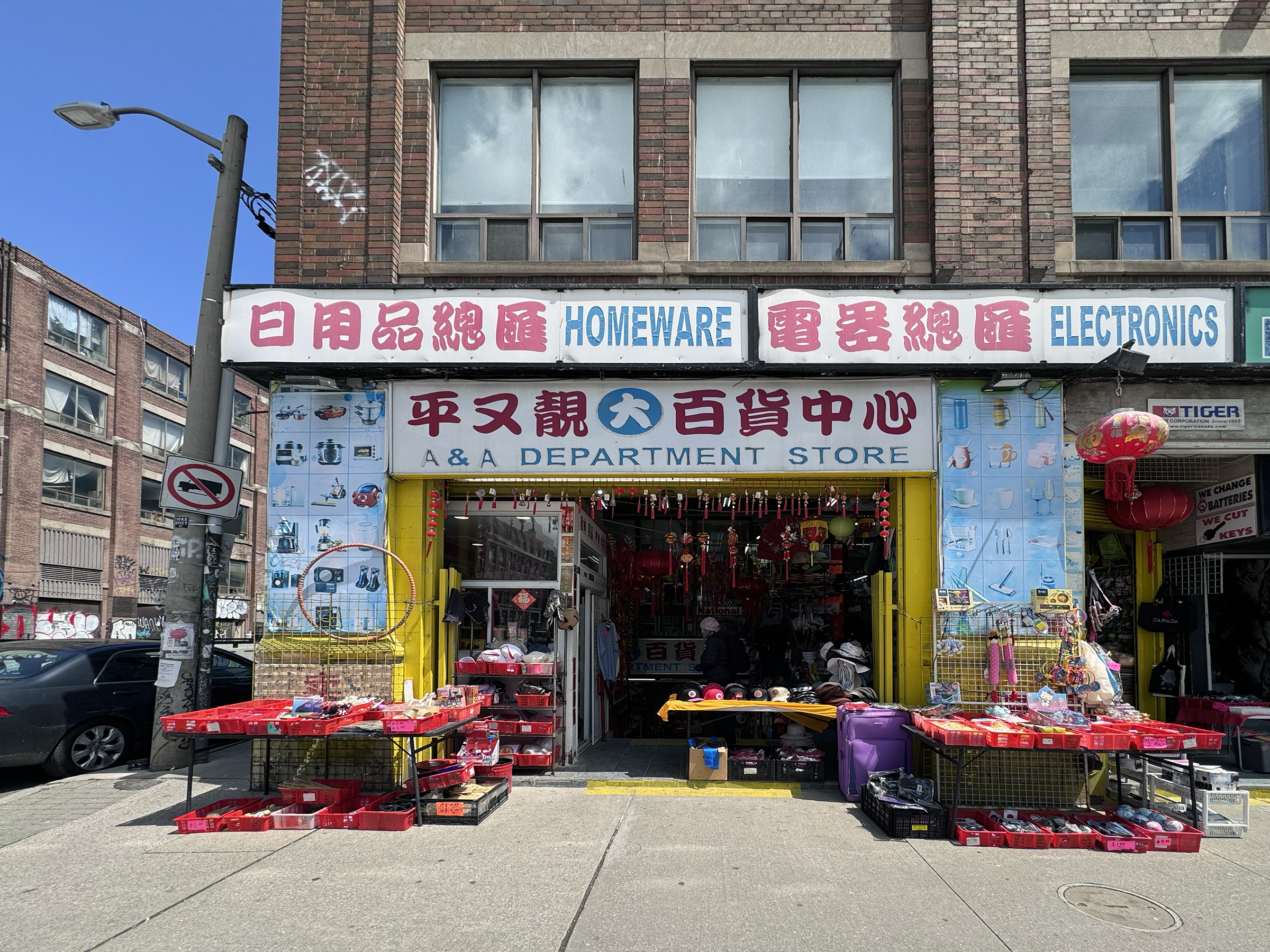
Chinatown. Toronto. 2026
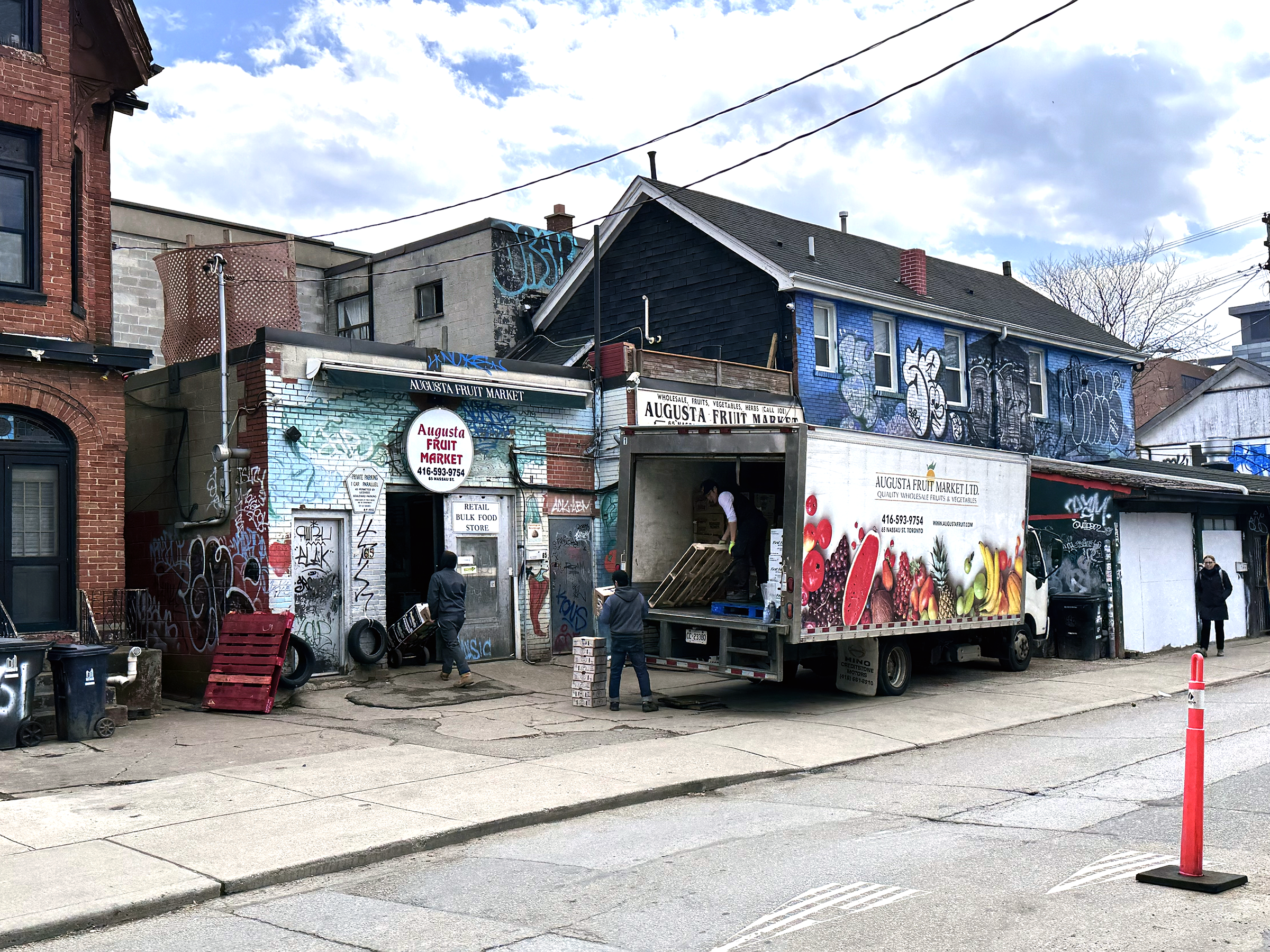
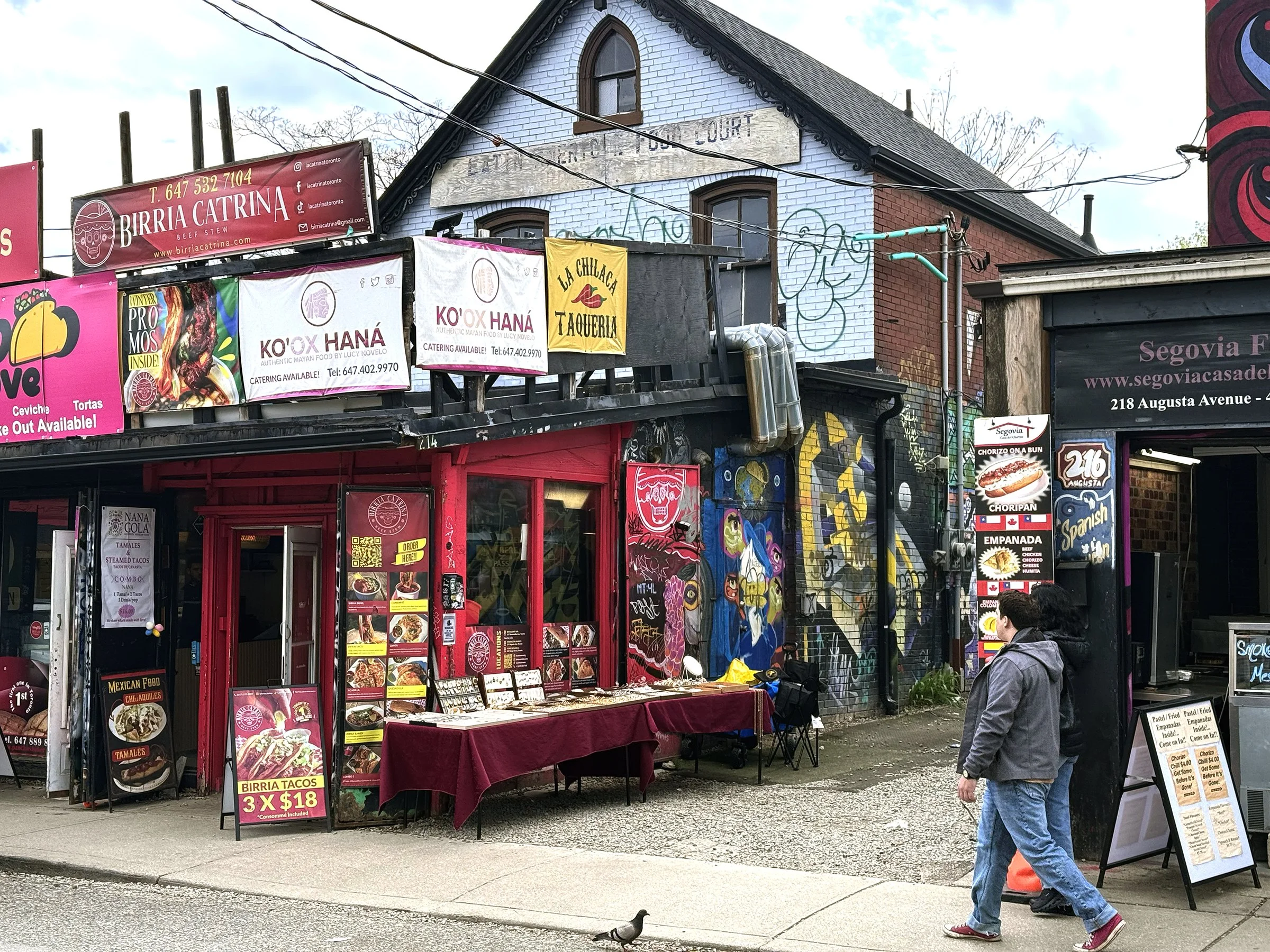
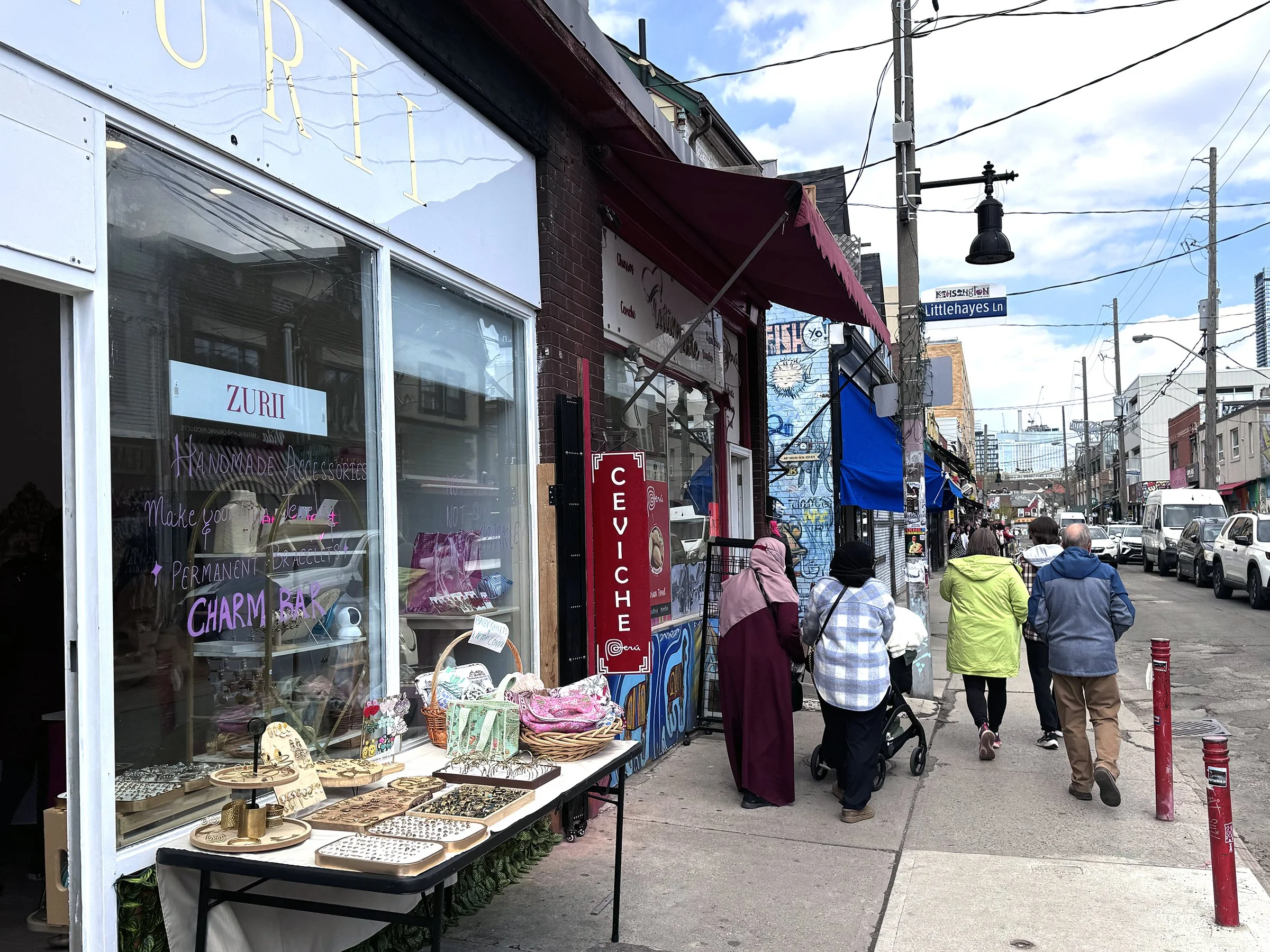
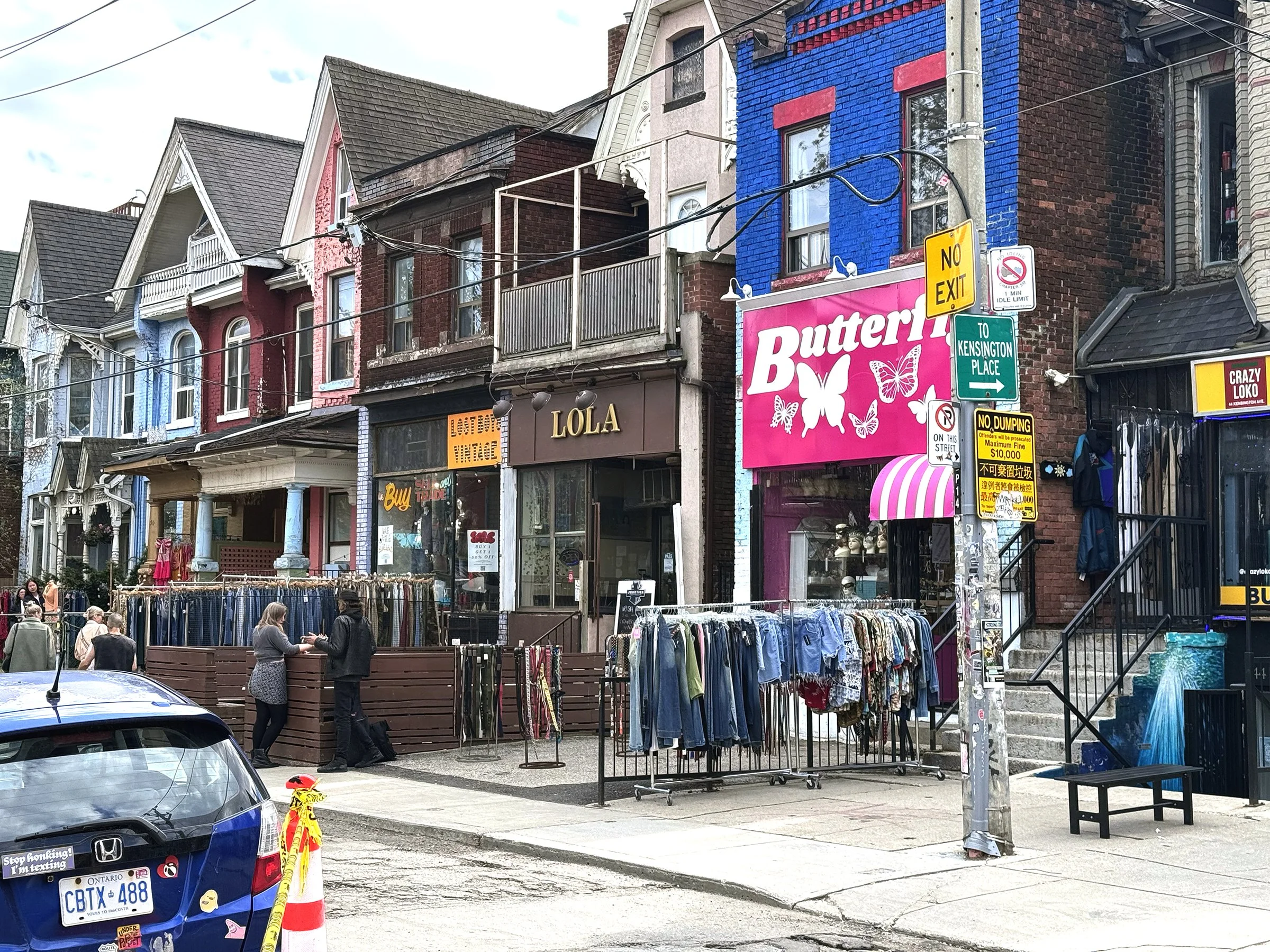
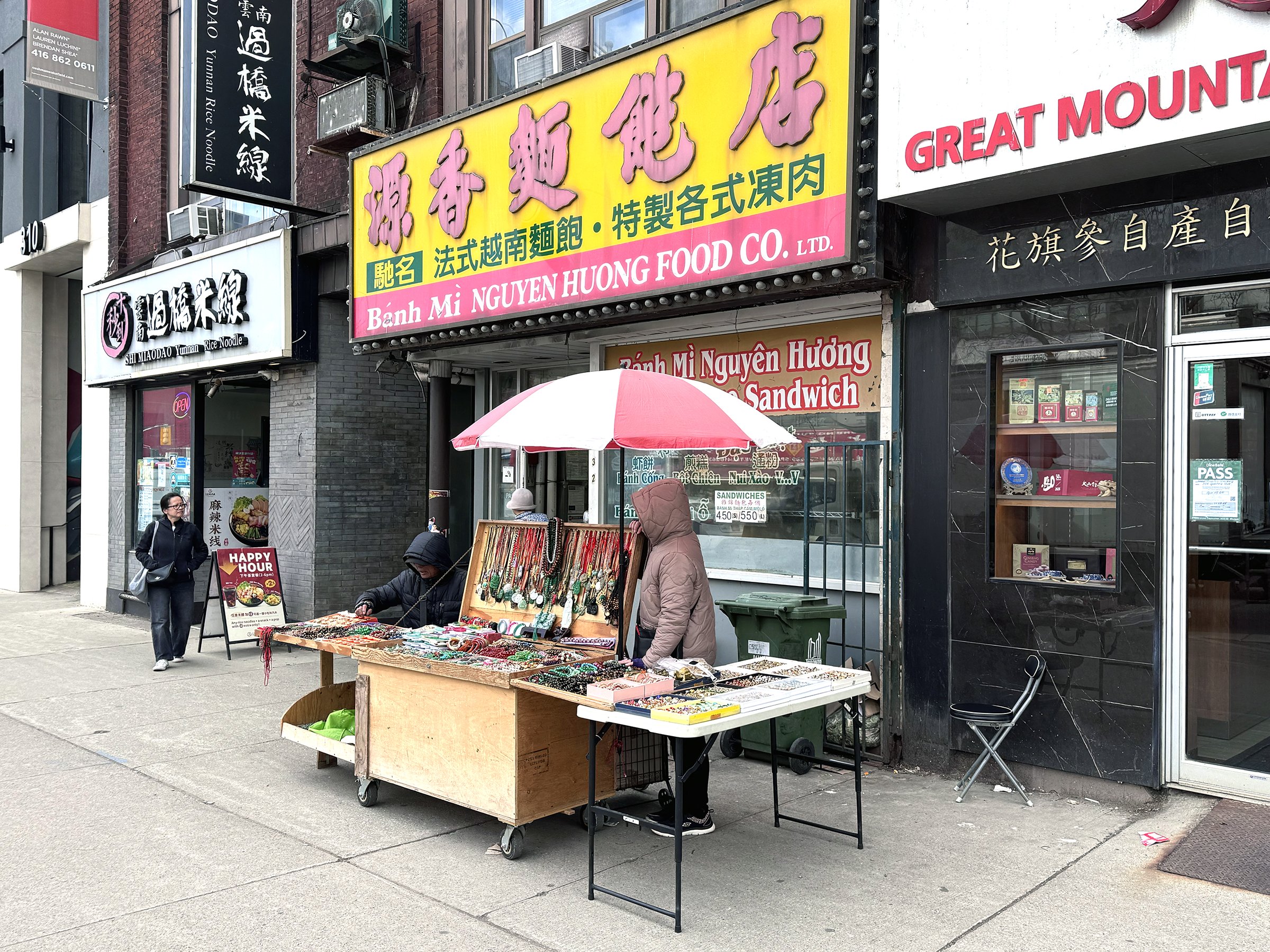
Cairo, by contrast, still resists complete sanitization. Even in decline, even amid neglect and exhaustion, it retains the capacity to seduce.
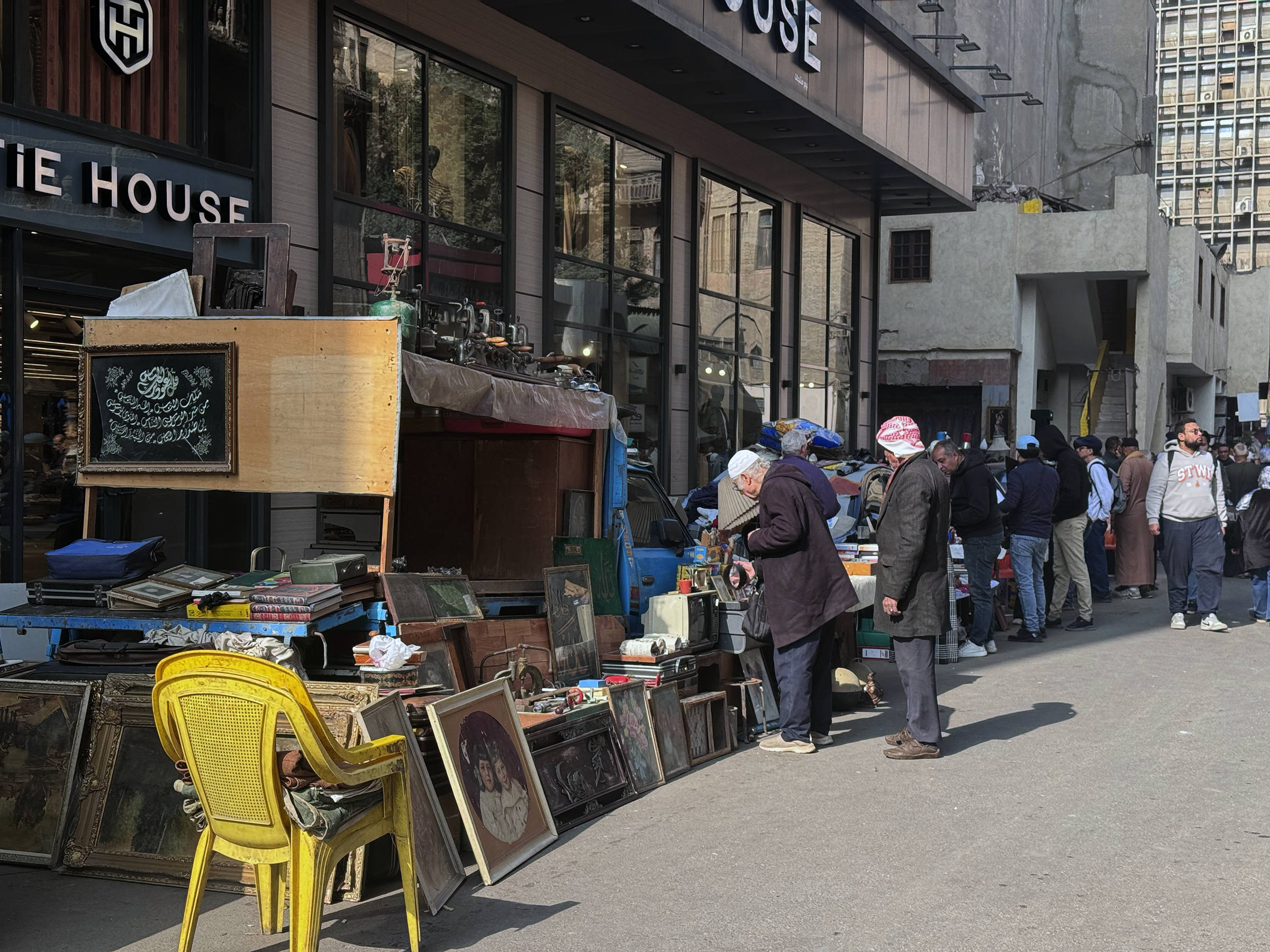
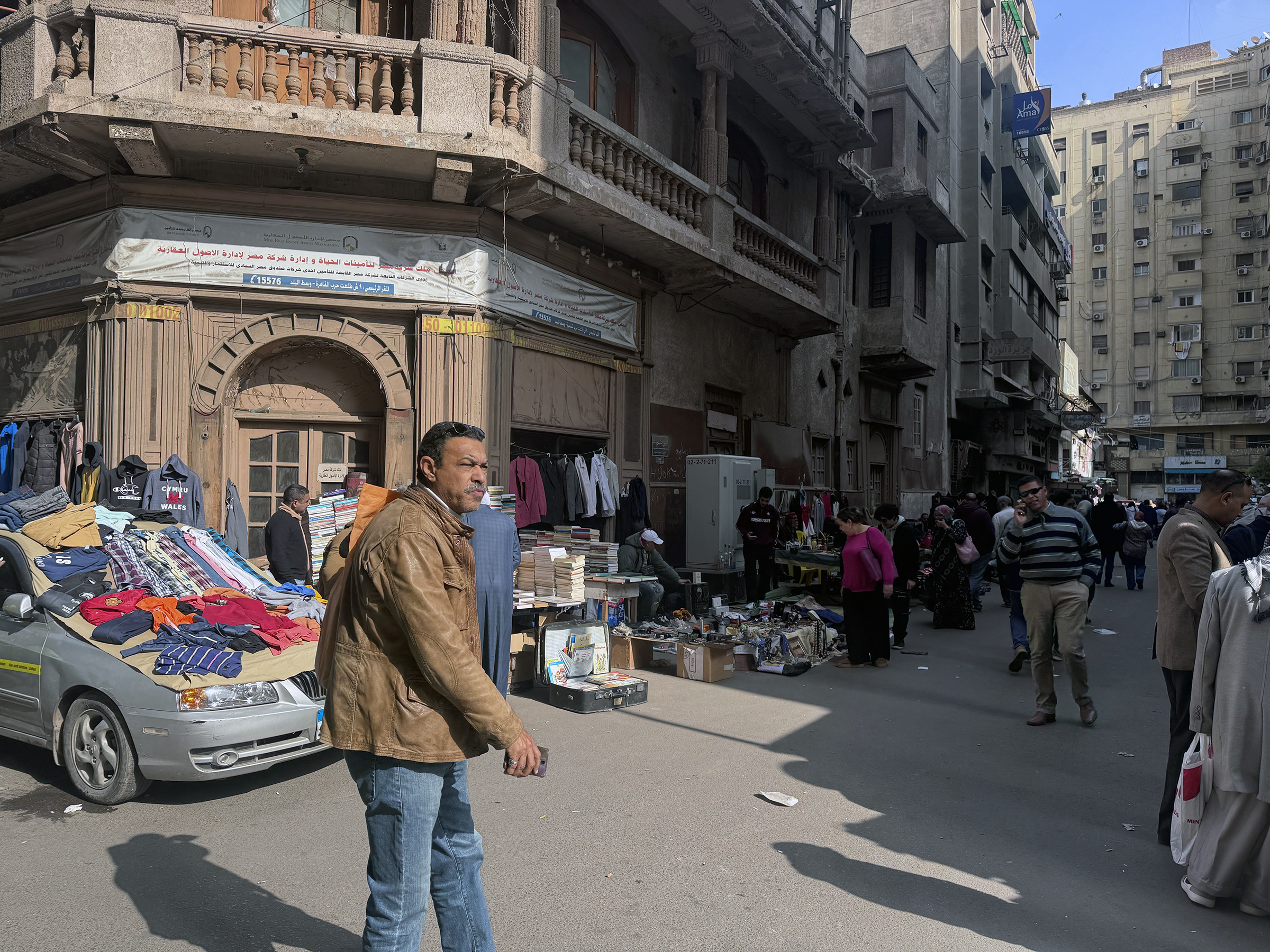
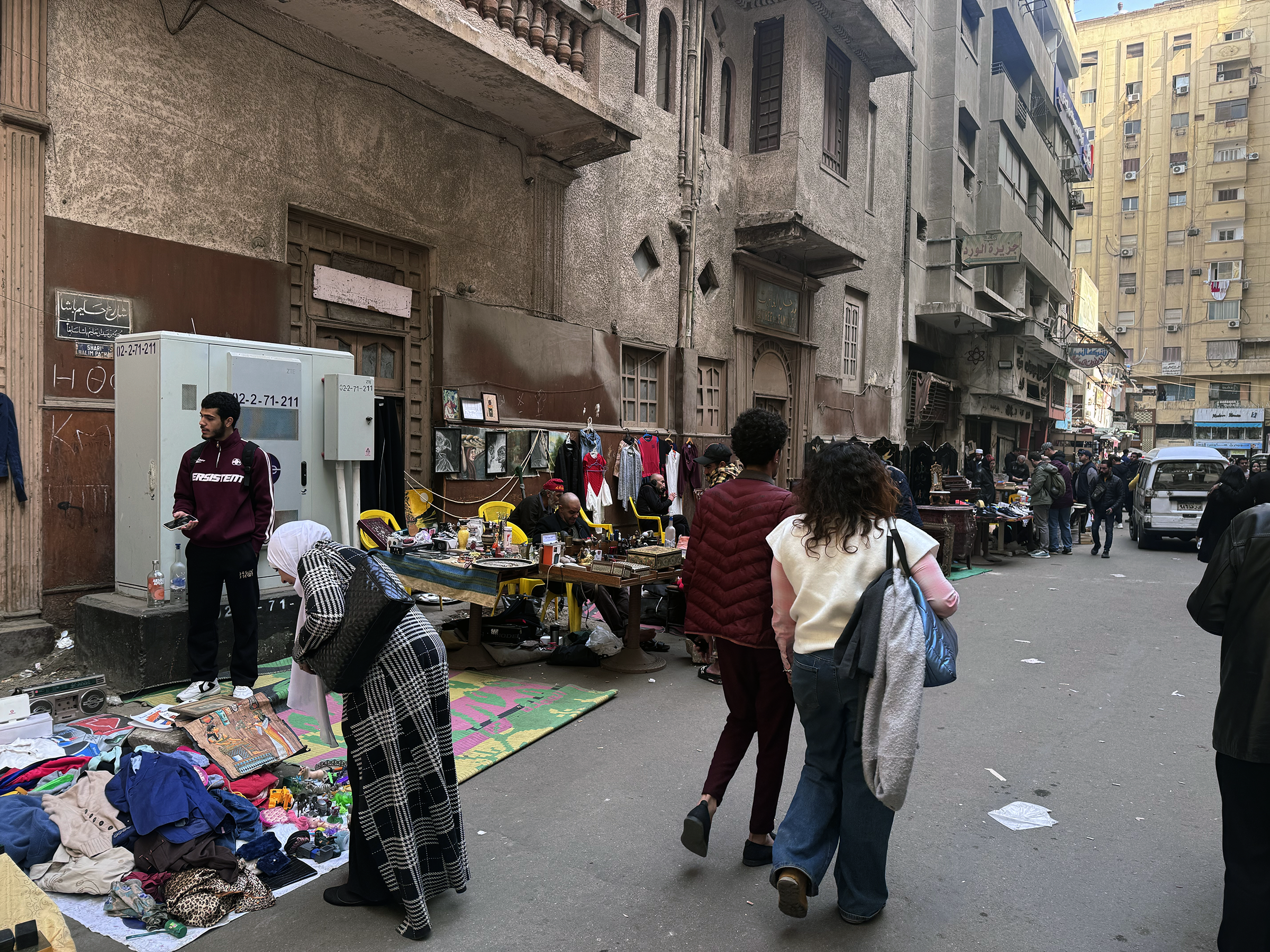
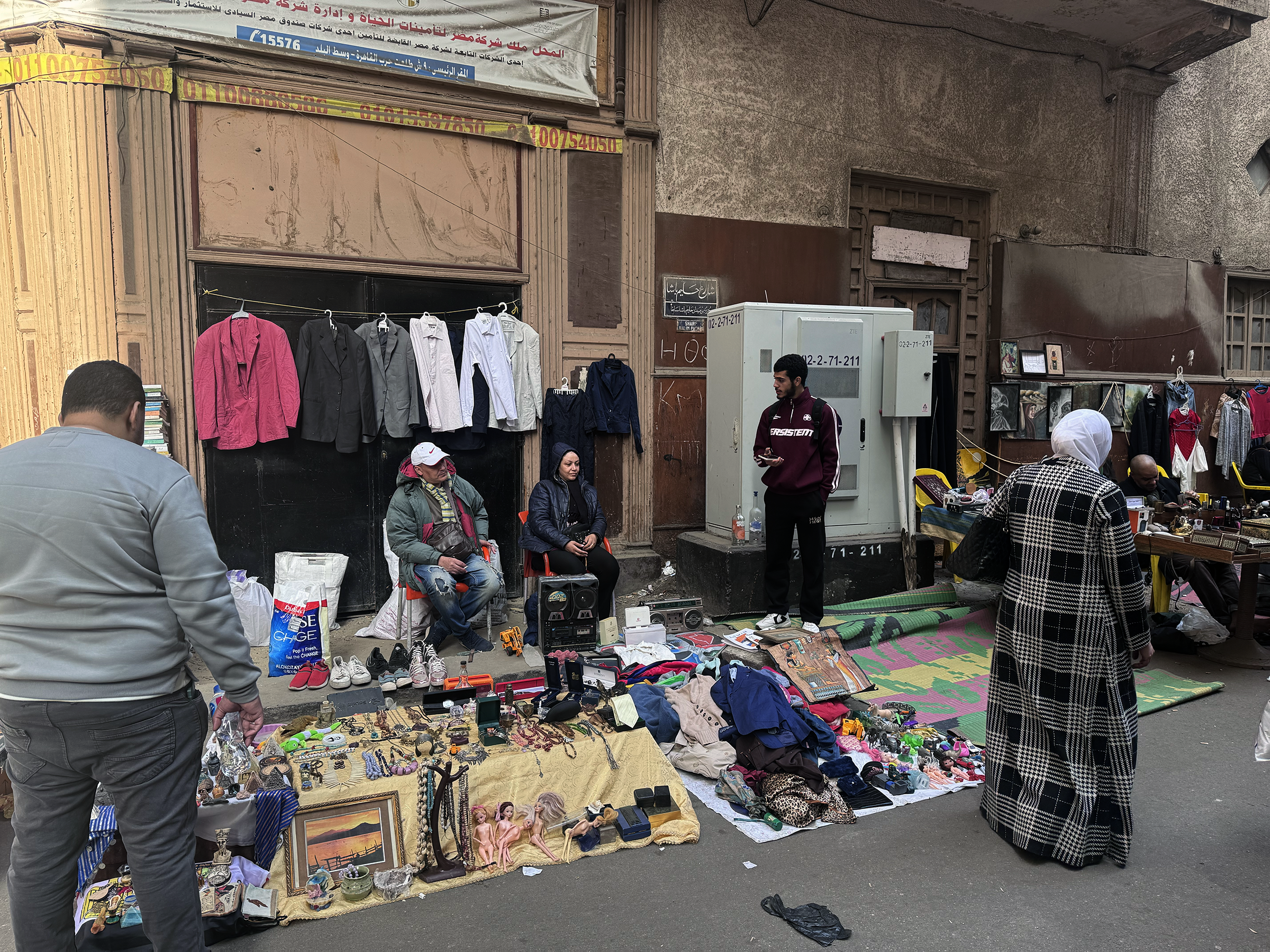
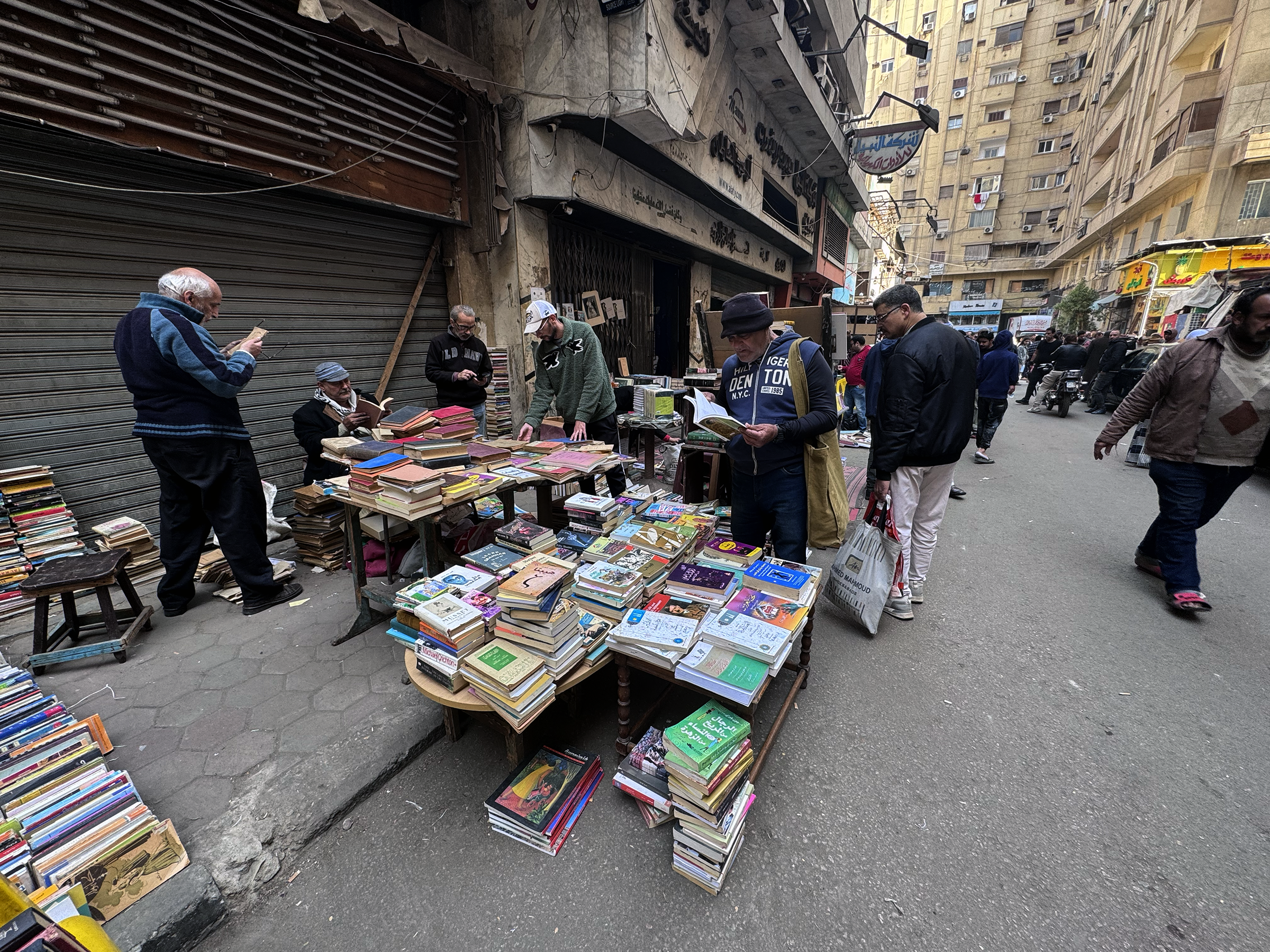
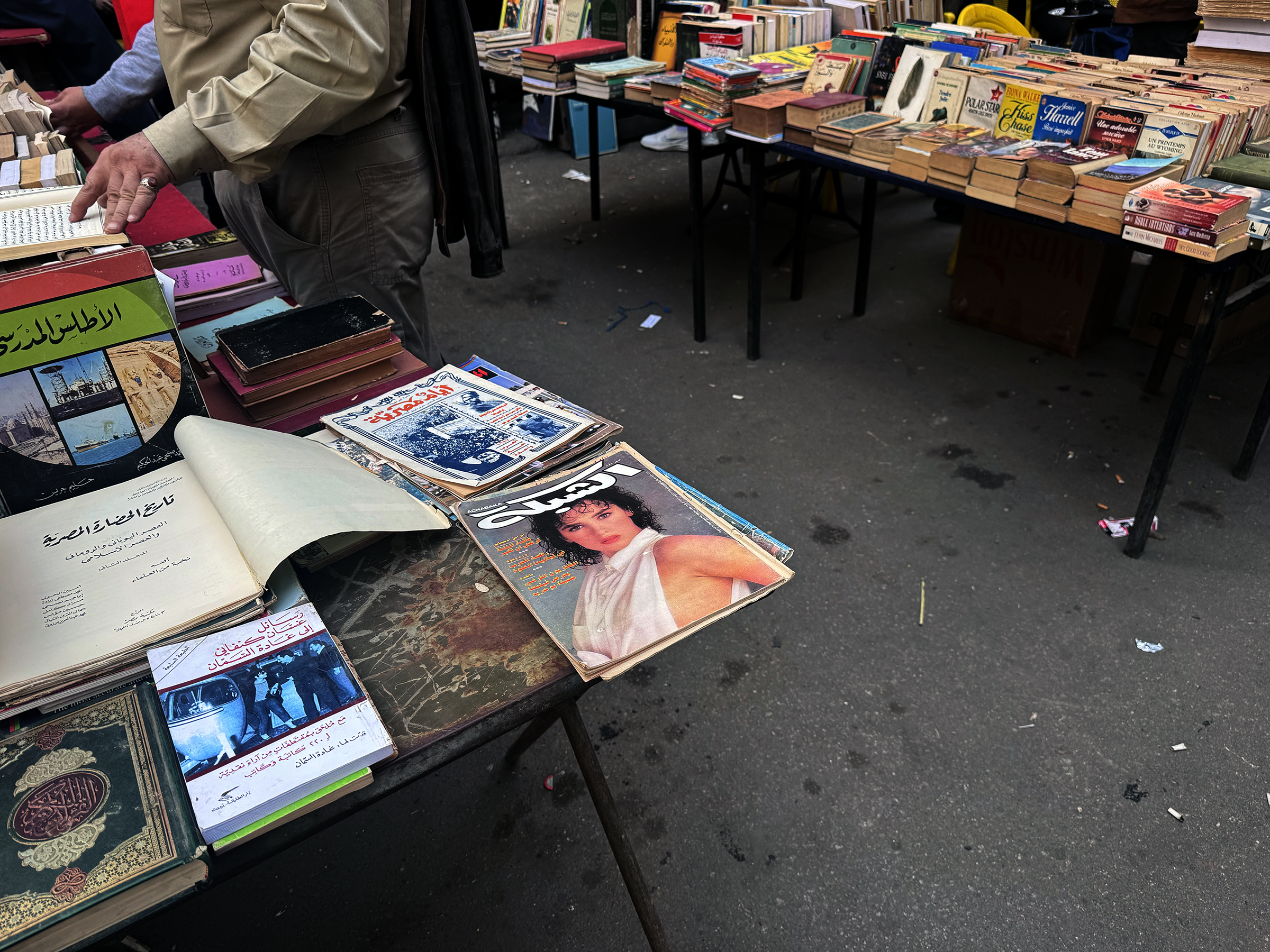
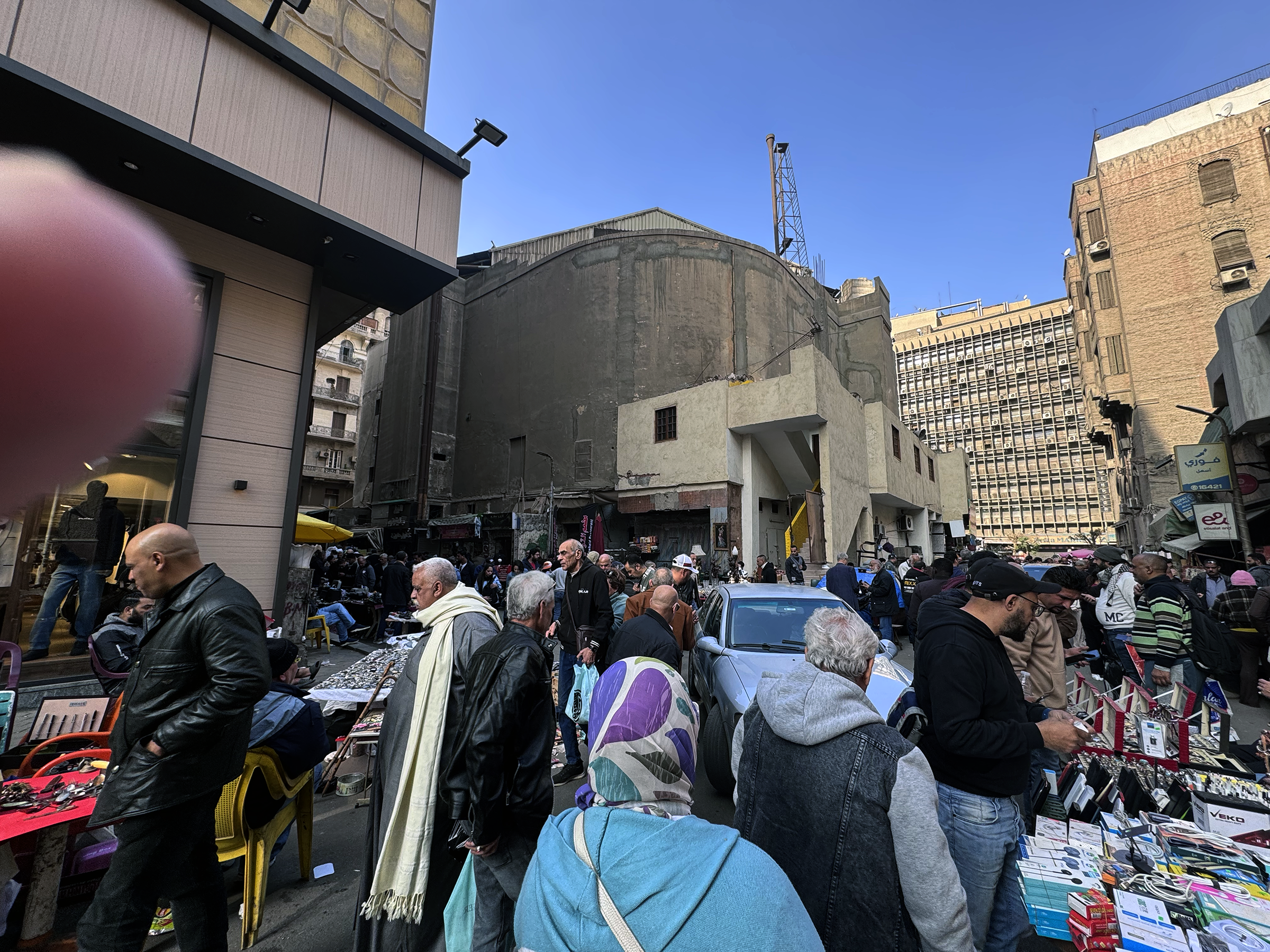
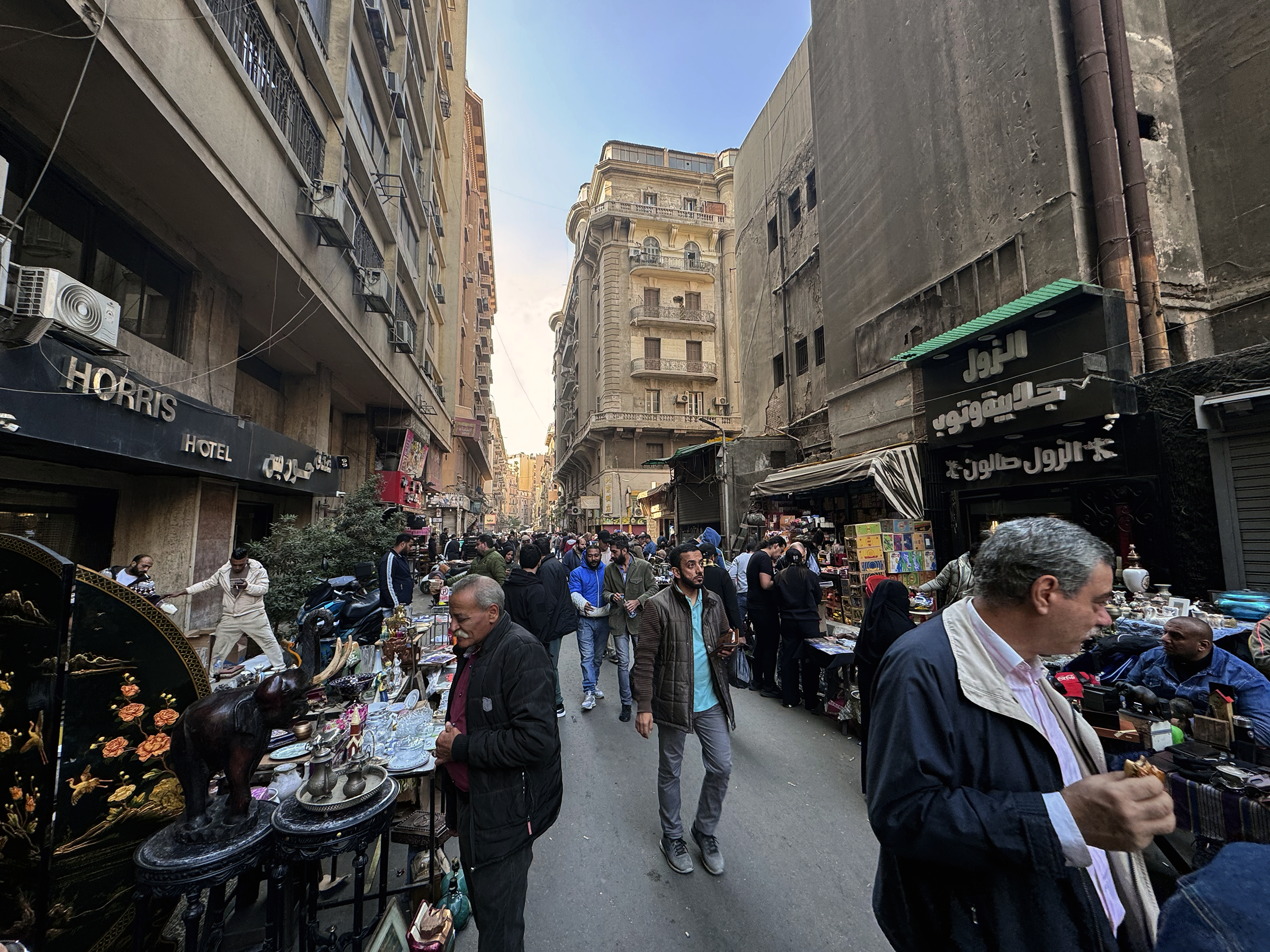
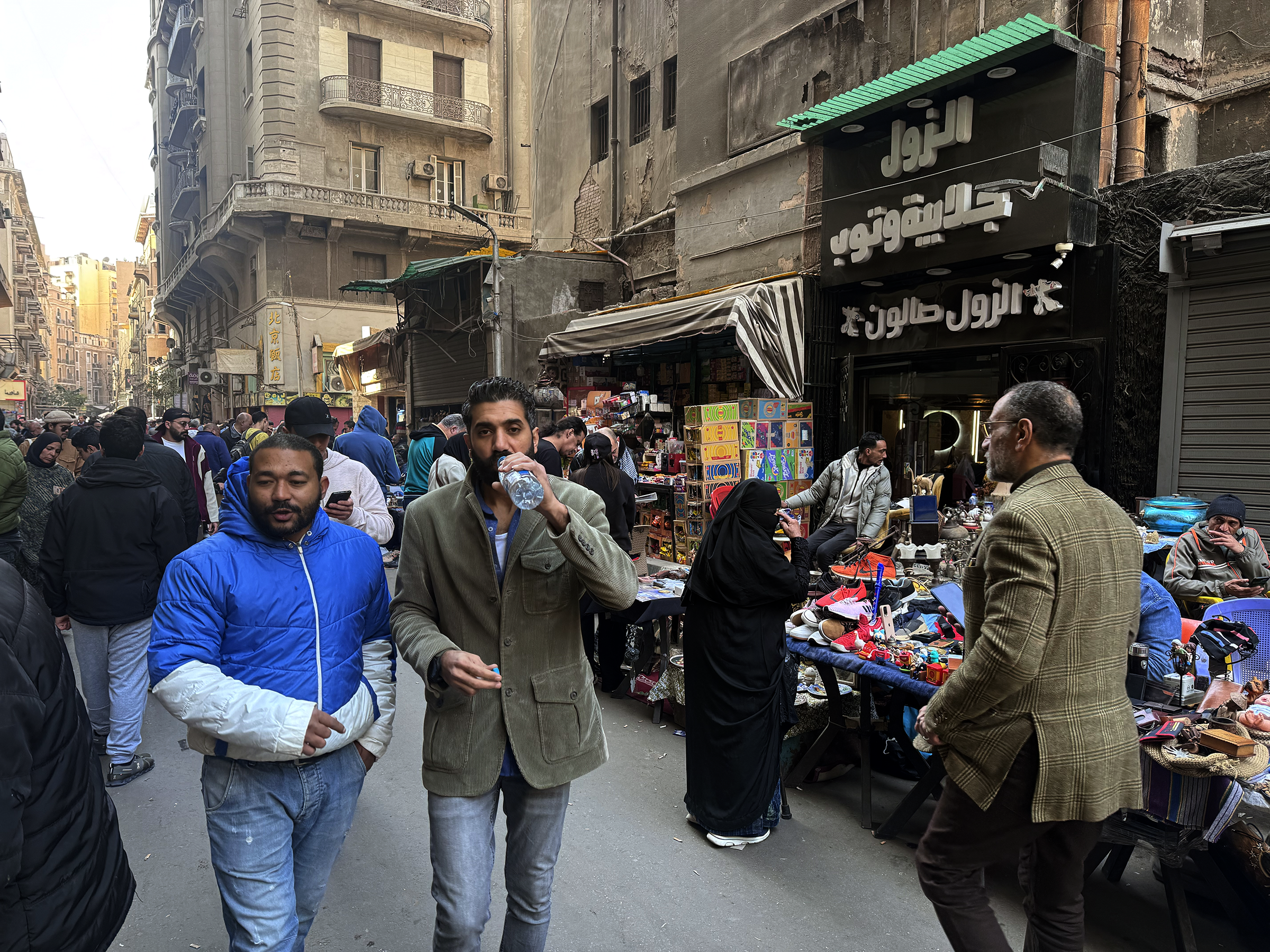
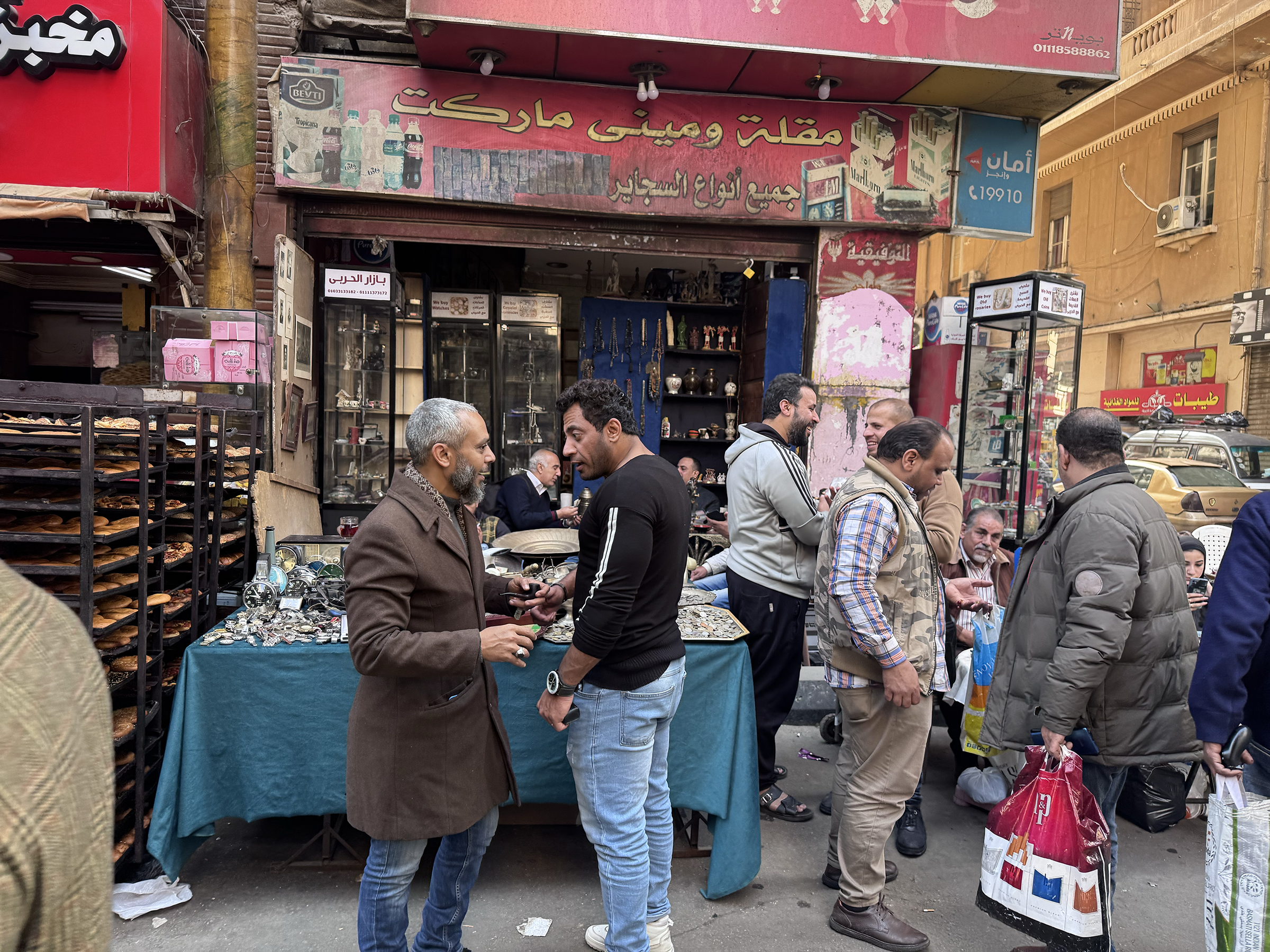
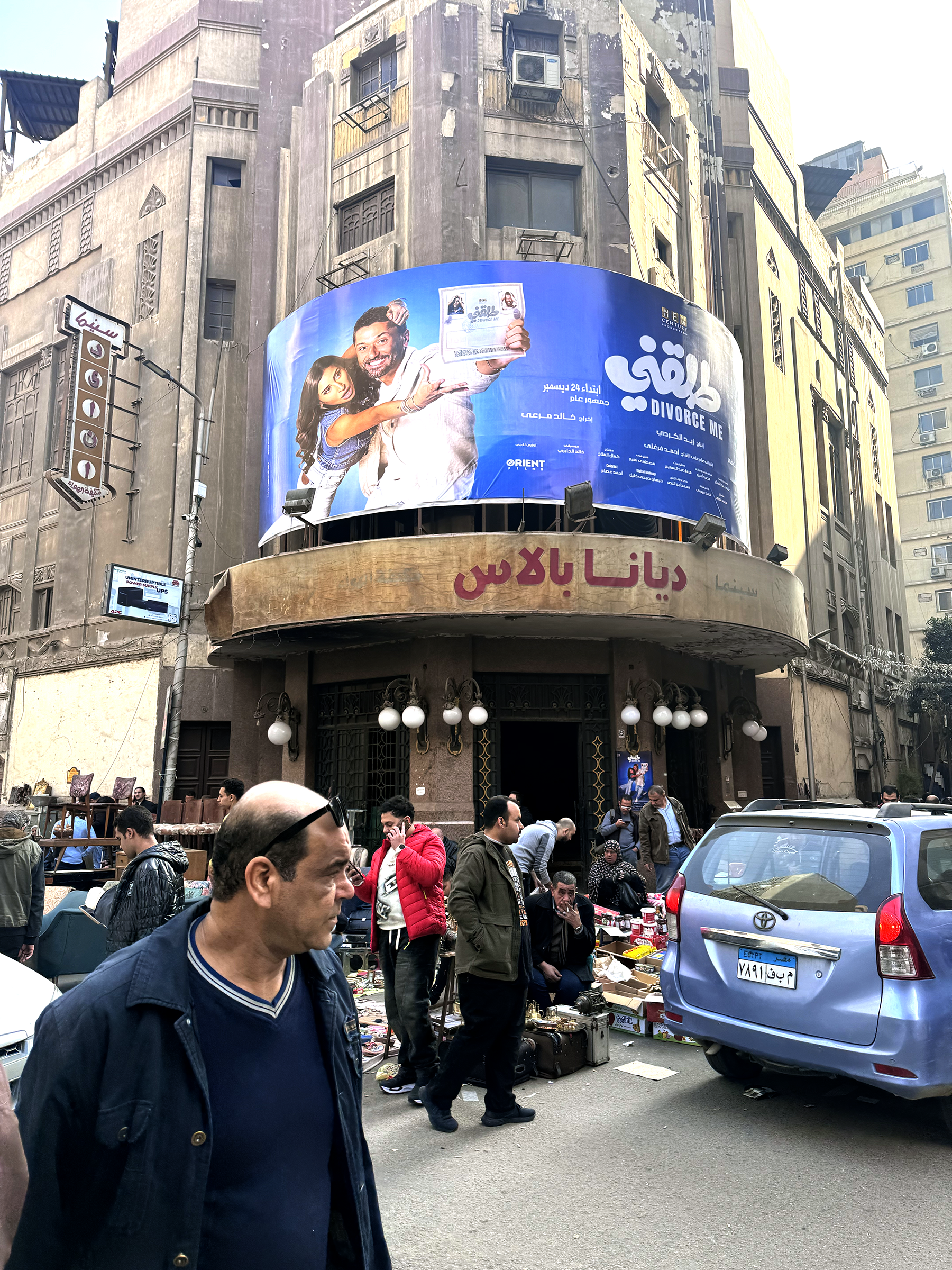
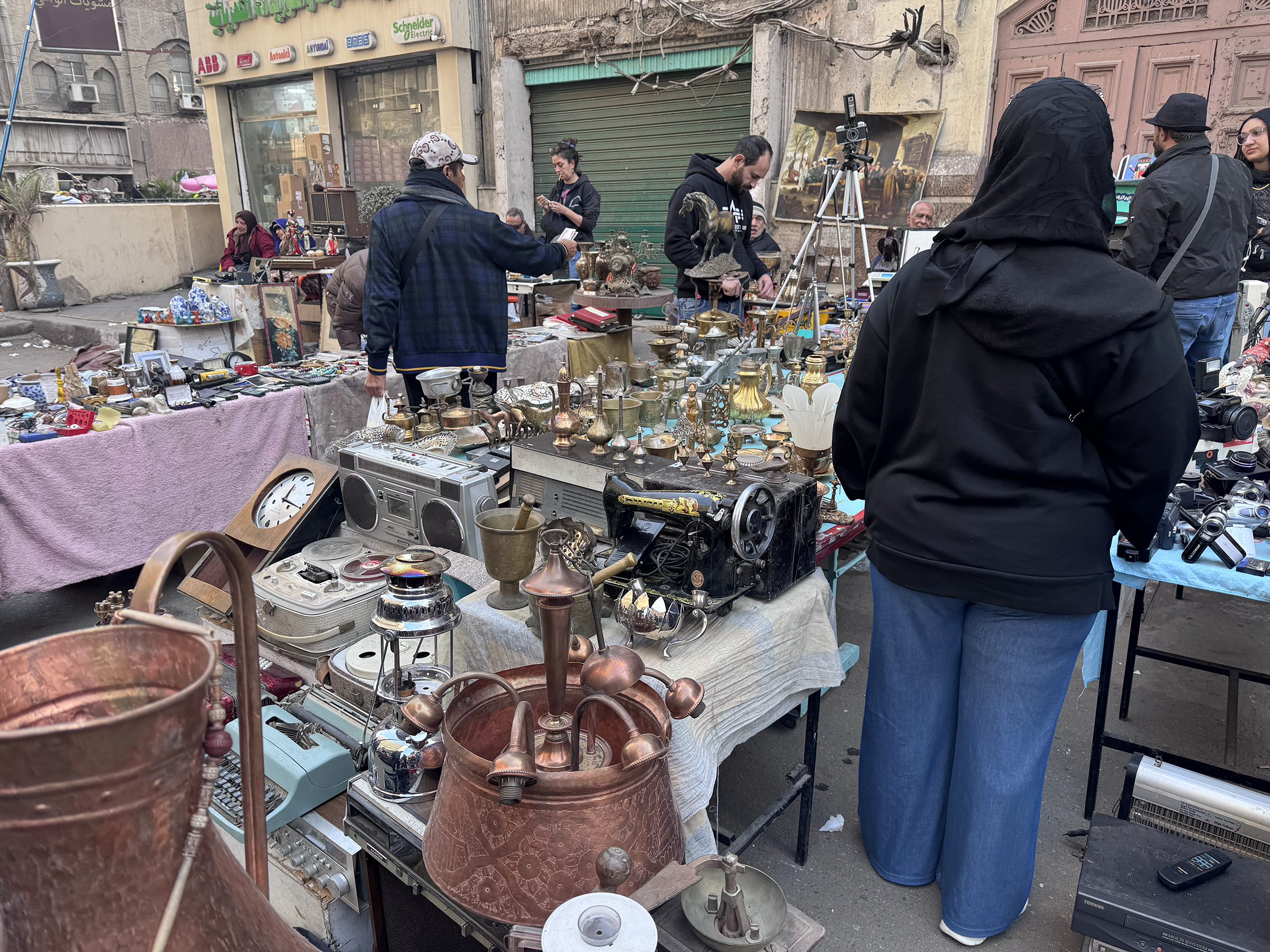
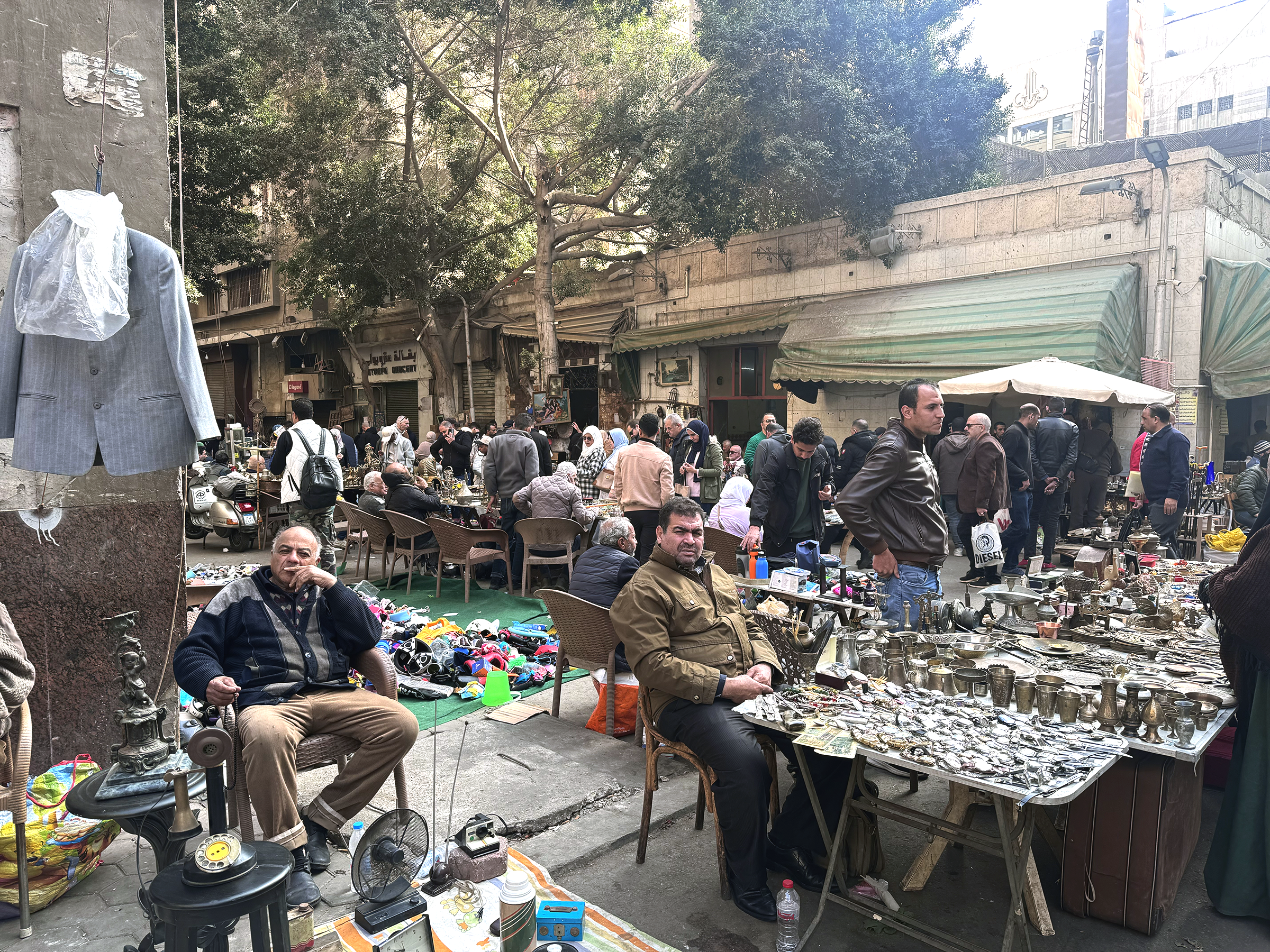
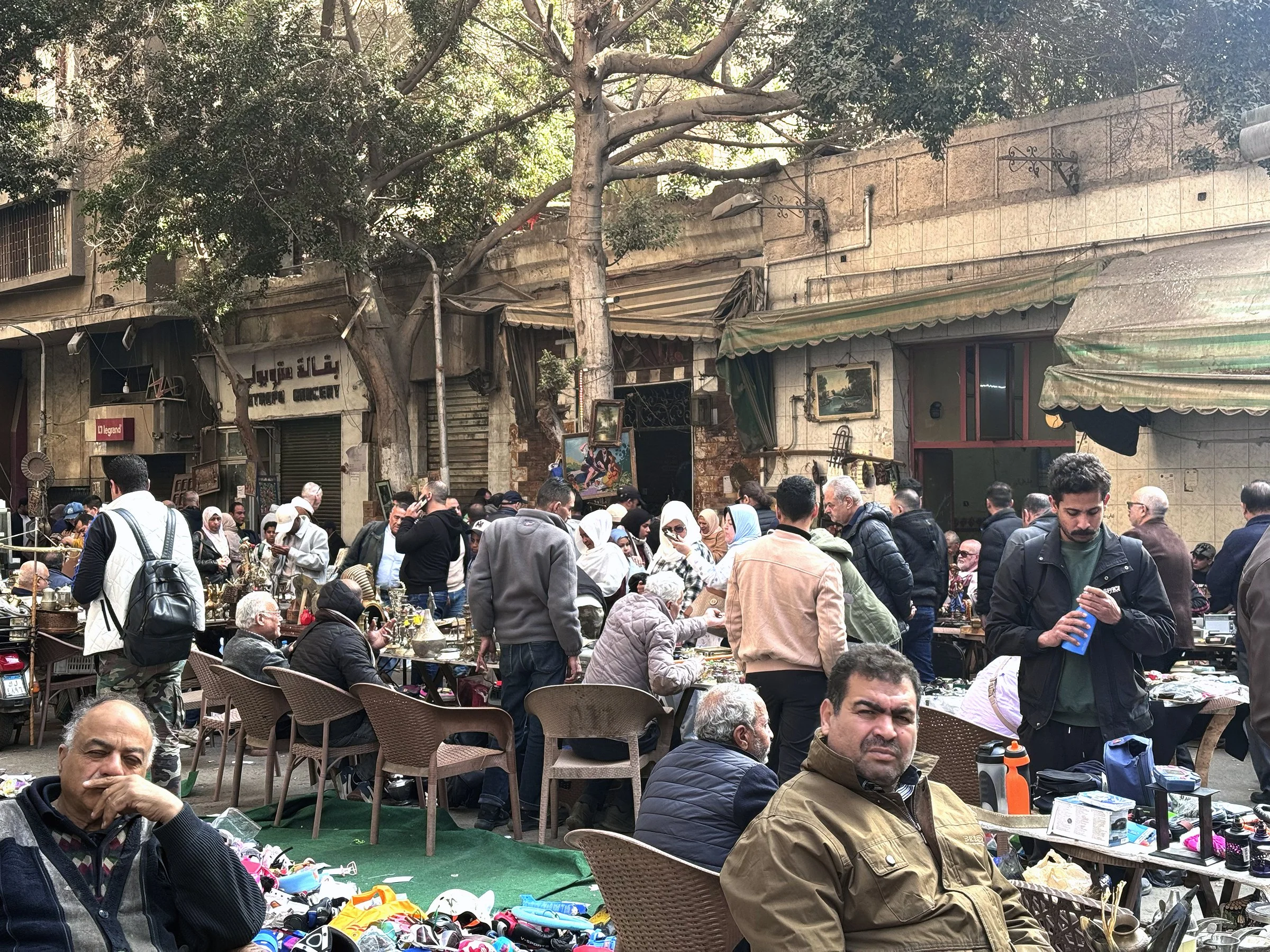
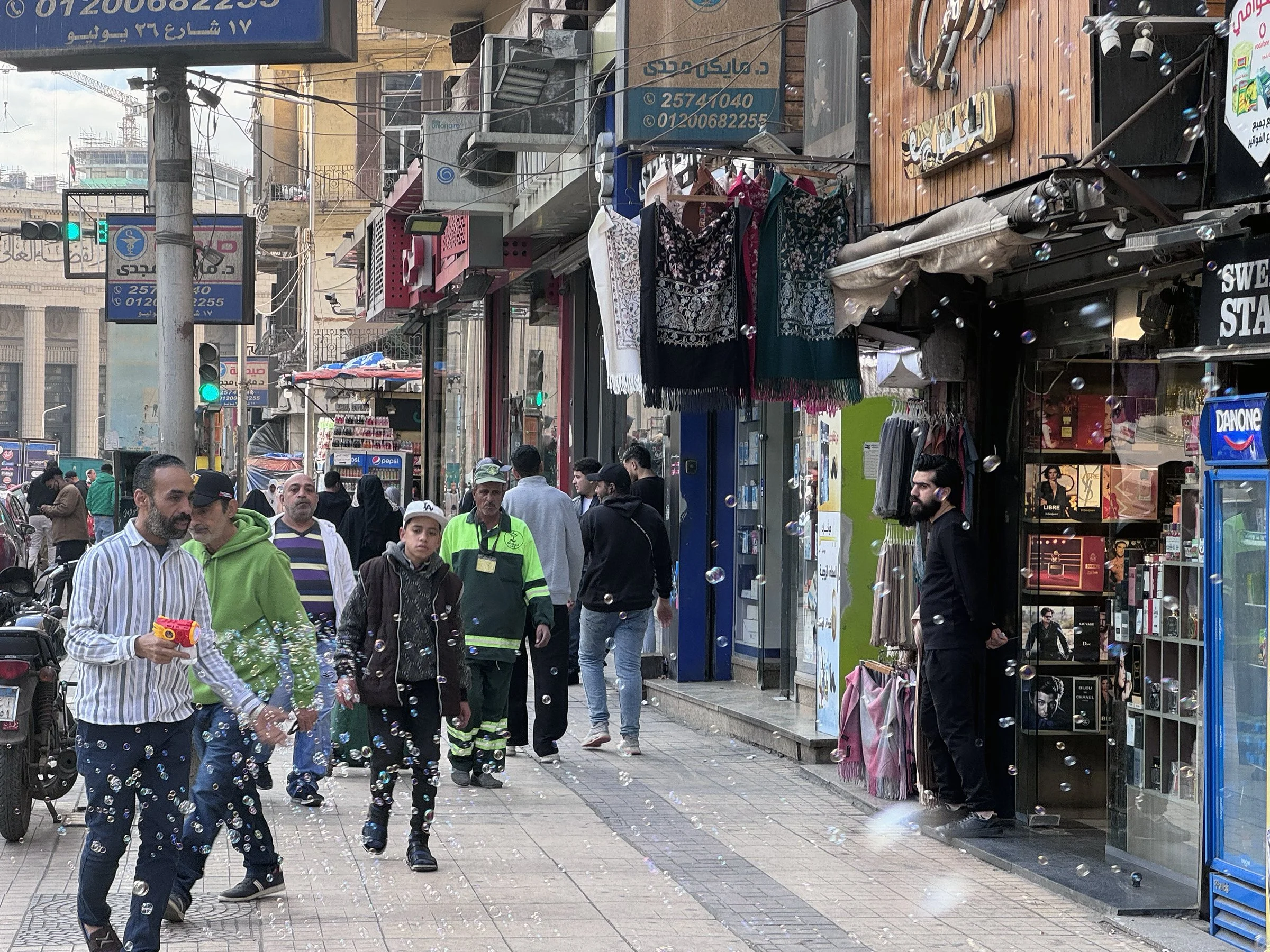
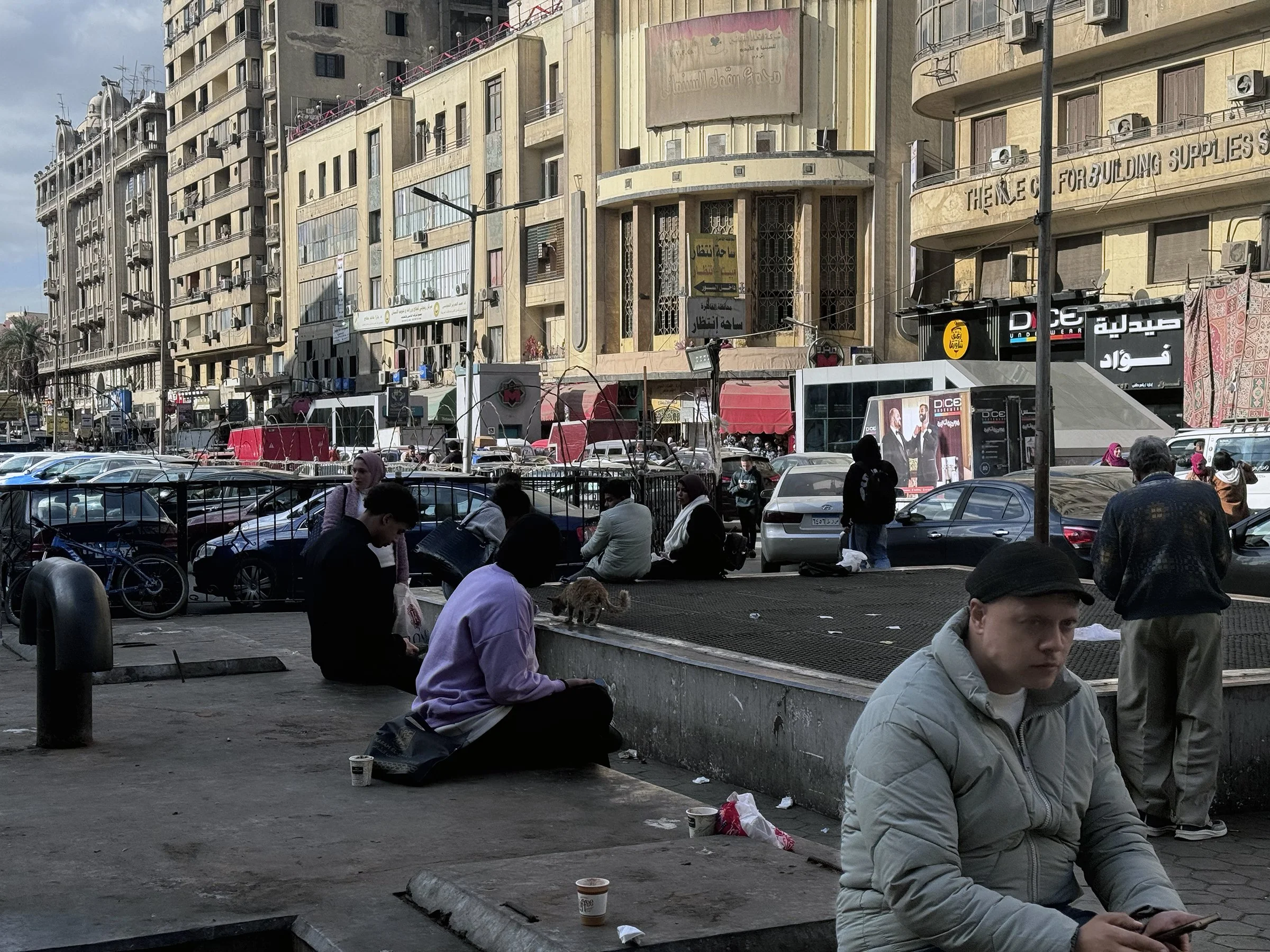
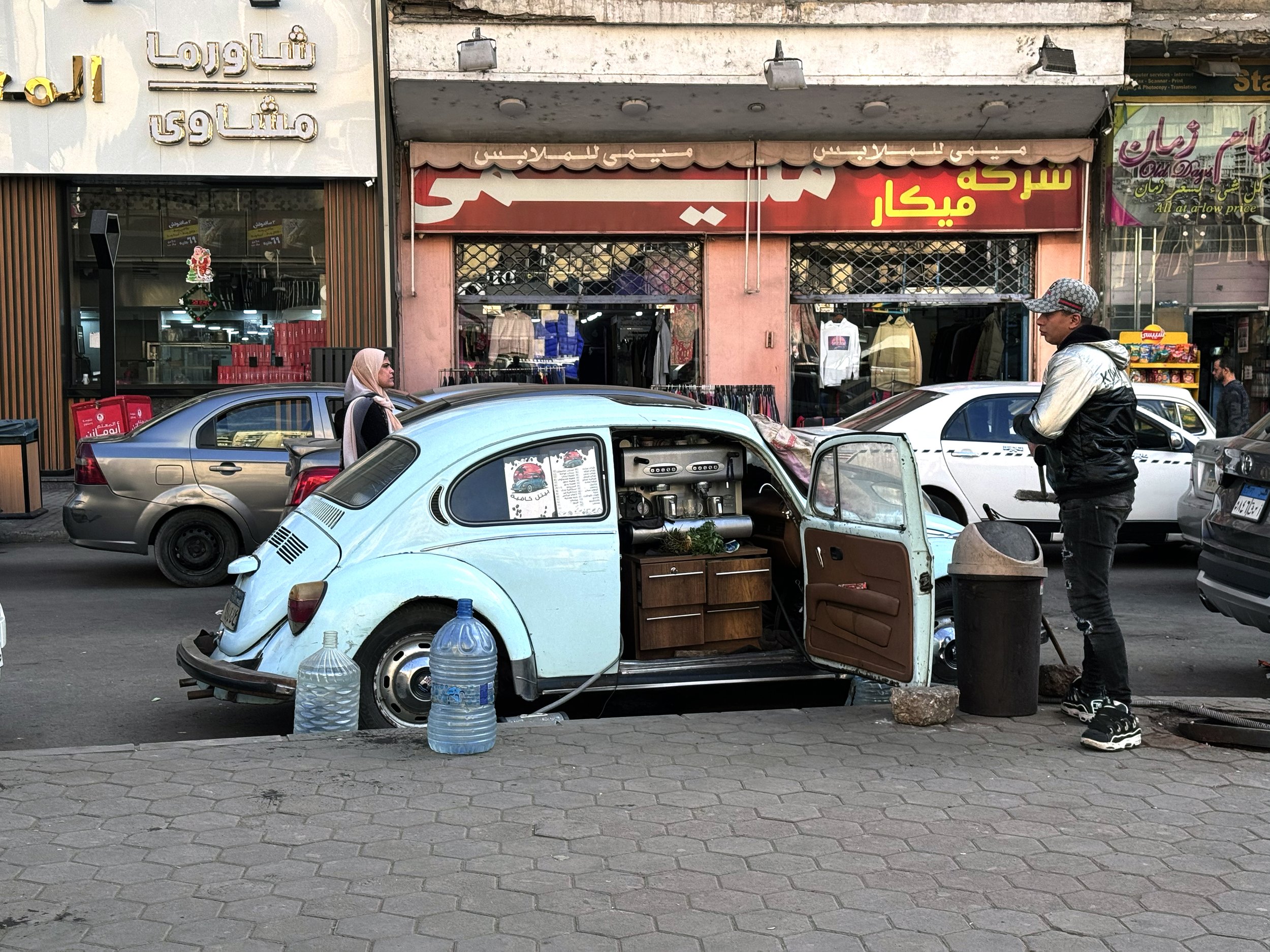
During my last visit to Cairo, in January 2026,I decided to drop by a used items market that I heard so much about, the Diana Market, so named because of its location near Cinema Diana. I arrived at 26th of July Street and was dropped off near a side street packed with vendors, constituting the used items market. Immediately the city engulfed me. Tables overflowed with metal objects, copperware, household items, stamps, coins, old banknotes, newspapers, yellowing books, and stacks of forgotten magazines. Among them were copies of Shabaka magazine from the 1970s, their covers displaying Egyptian, Lebanese, and Syrian actresses in impossibly short skirts, their poses radiating a kind of unapologetic glamour now almost unimaginable. Looking through them transported me back to the old Ezbekiya fence book market—which itself no longer exists in the way I remember it—where one could wander for hours among dusty piles of books and magazines, encountering entire forgotten worlds.
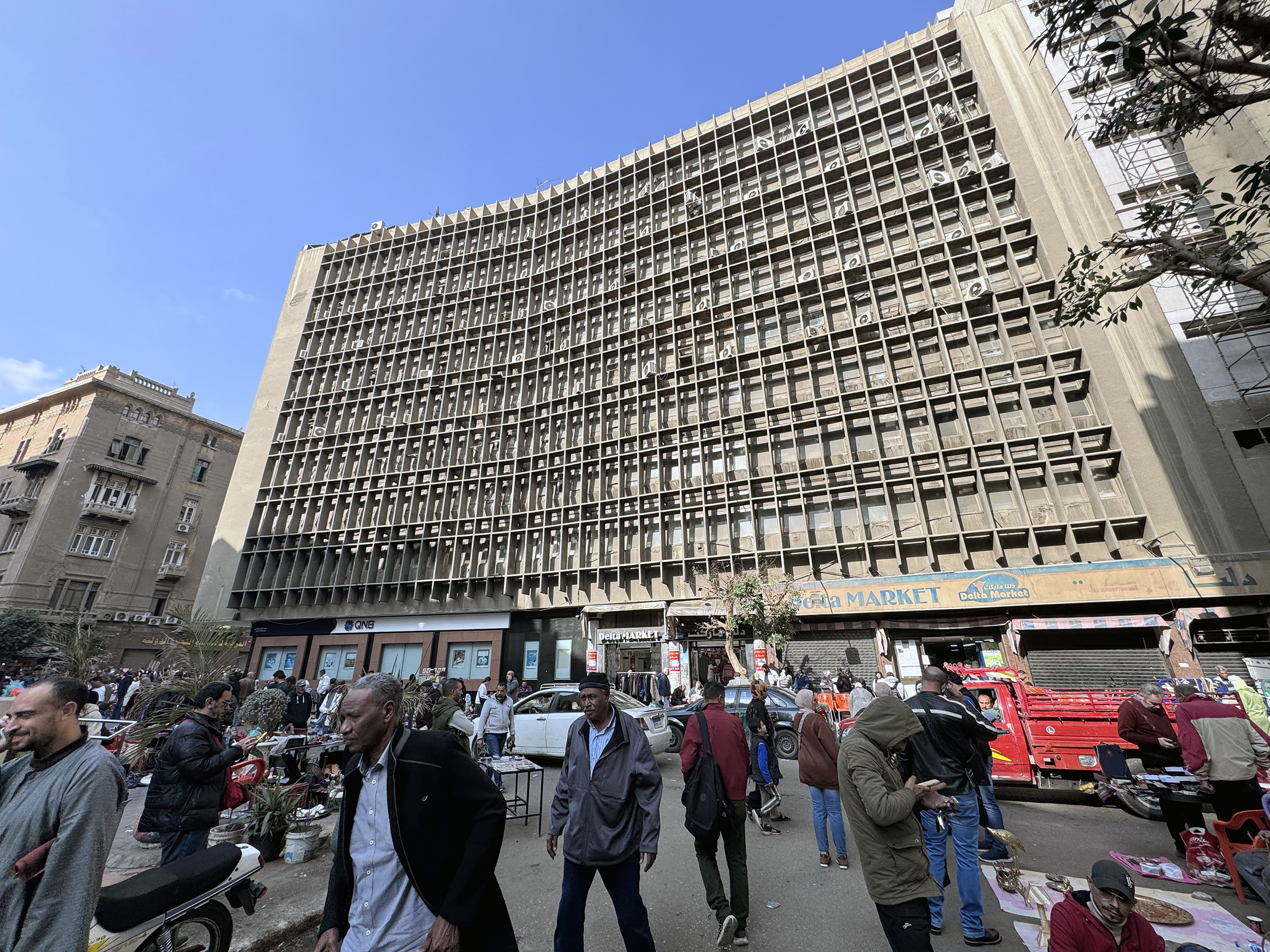
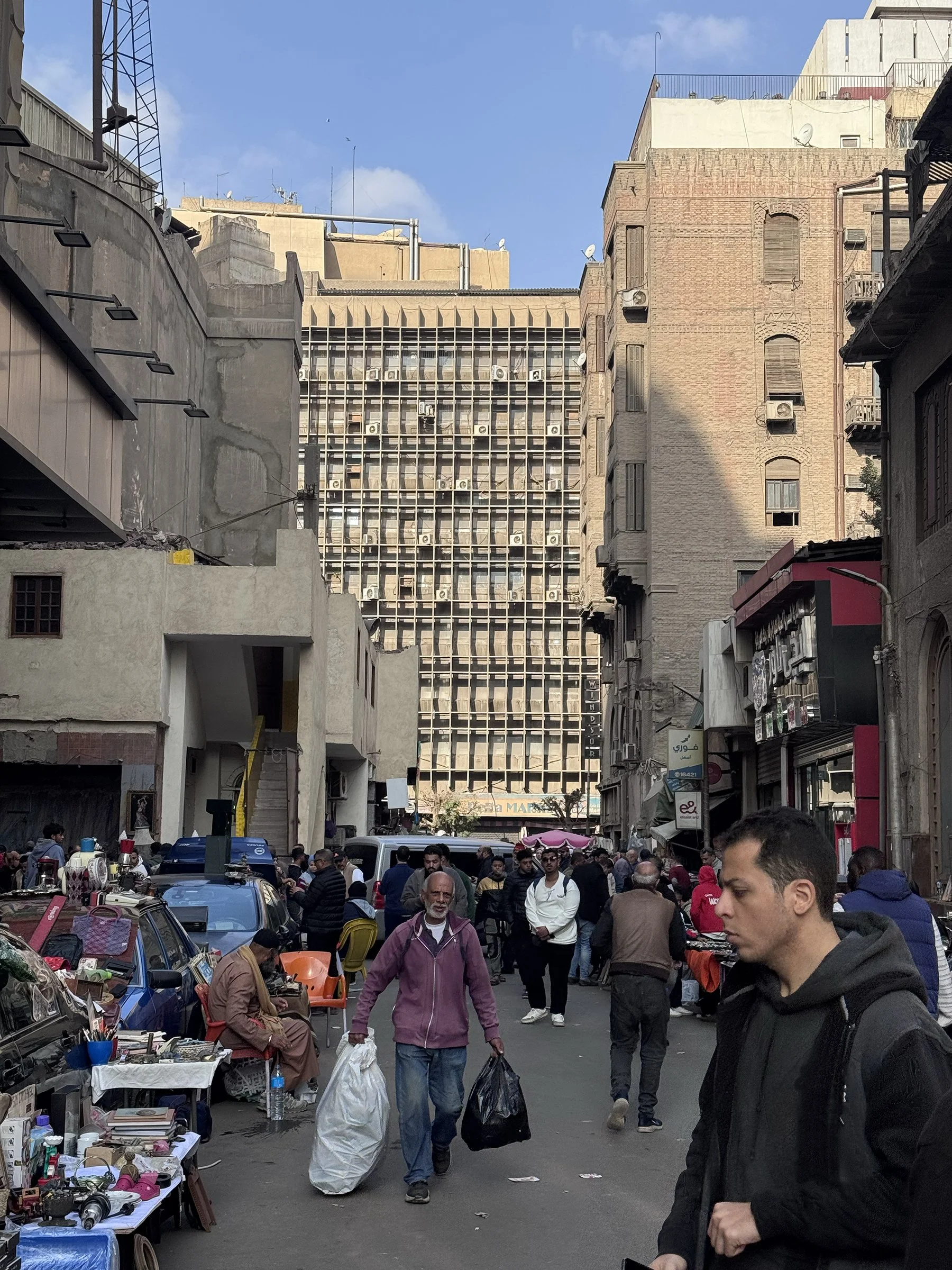
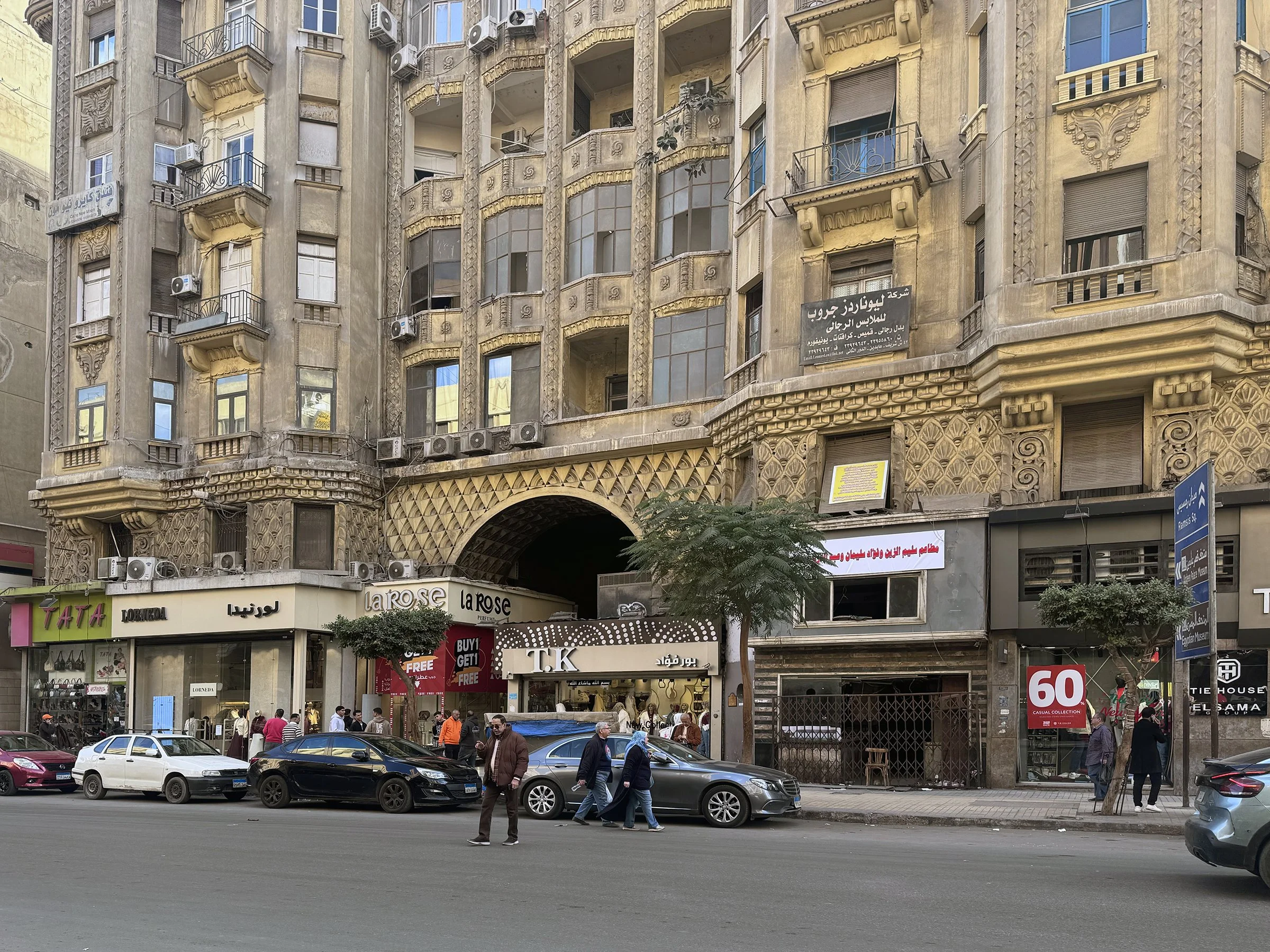
The crowd was mostly Egyptian, though scattered tourists moved through the throngs trying to decipher the spectacle around them. Cars pushed slowly through dense clusters of pedestrians, horns blaring, drivers negotiating impossible gaps. The street vibrated with movement. It felt alive in a way that sanitized urban environments never can. Amid the chaos stood aging modernist buildings—faded, stained, exhausted perhaps, yet still carrying traces of a moment when downtown Cairo imagined itself as cosmopolitan, sophisticated, and modern.
The entire market was centered around Cinema Diana, which astonishingly still seemed operational. I had watched many films there during the 1970s and 1980s. Seeing it again triggered cherished memories: standing in ticket lines, entering the dark coolness of the cinema lobby from the heat of the street, the anticipation before the screen illuminated. Downtown cinemas once formed part of Cairo’s emotional geography. They were not simply places to watch films. They were sites of fantasy, longing, desire, and initiation.
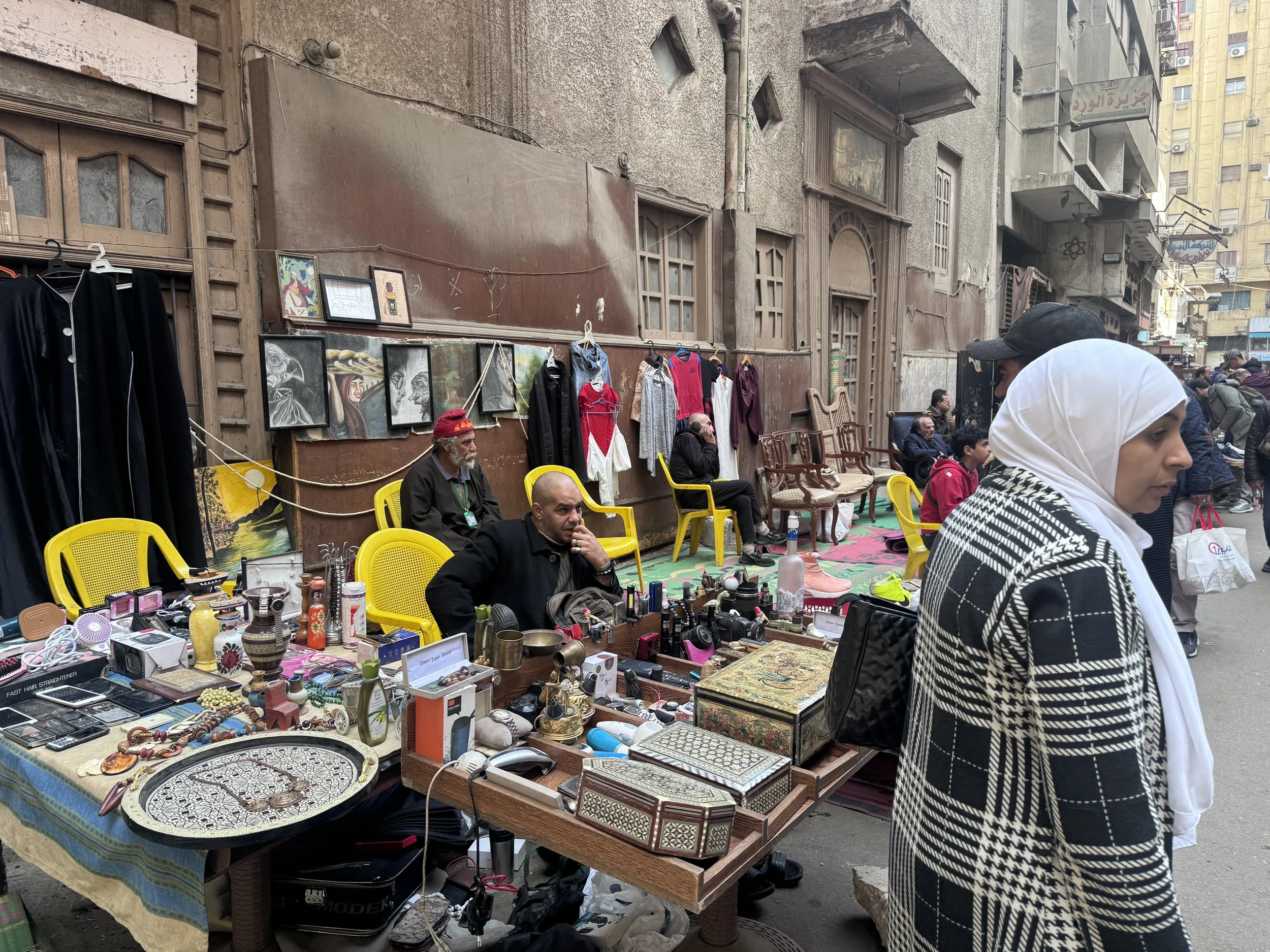
Diana Market. Cairo. 2026
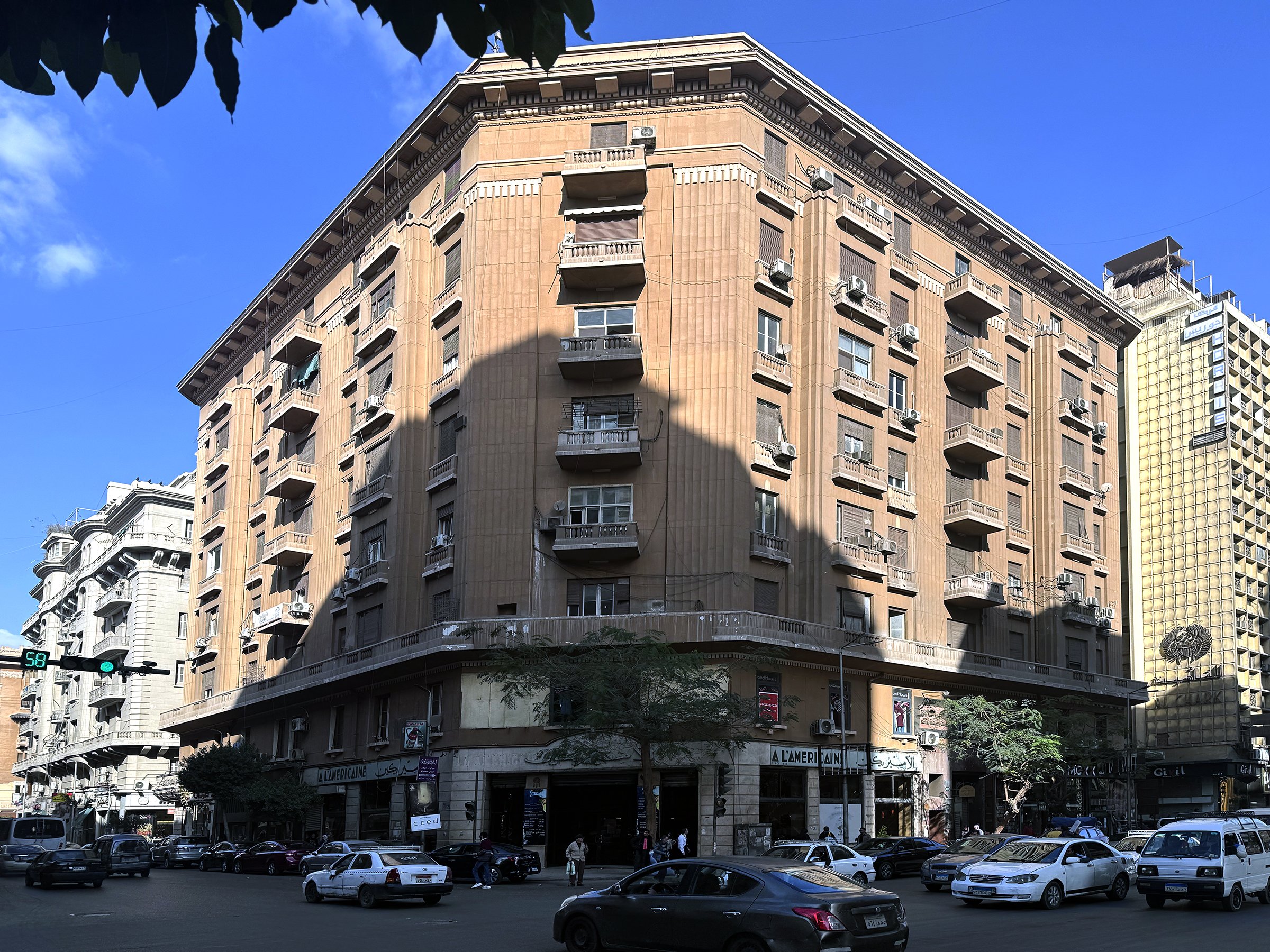
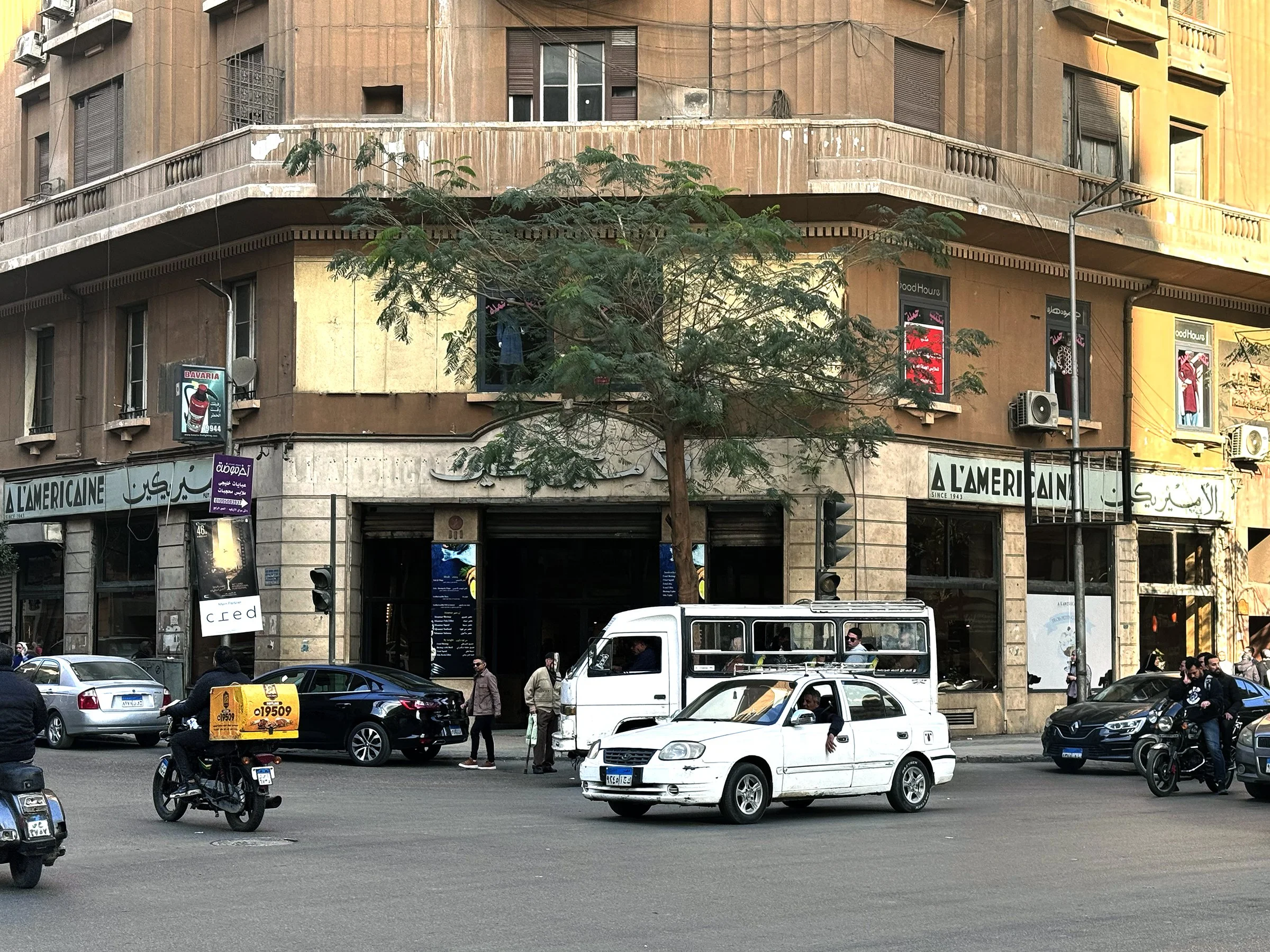
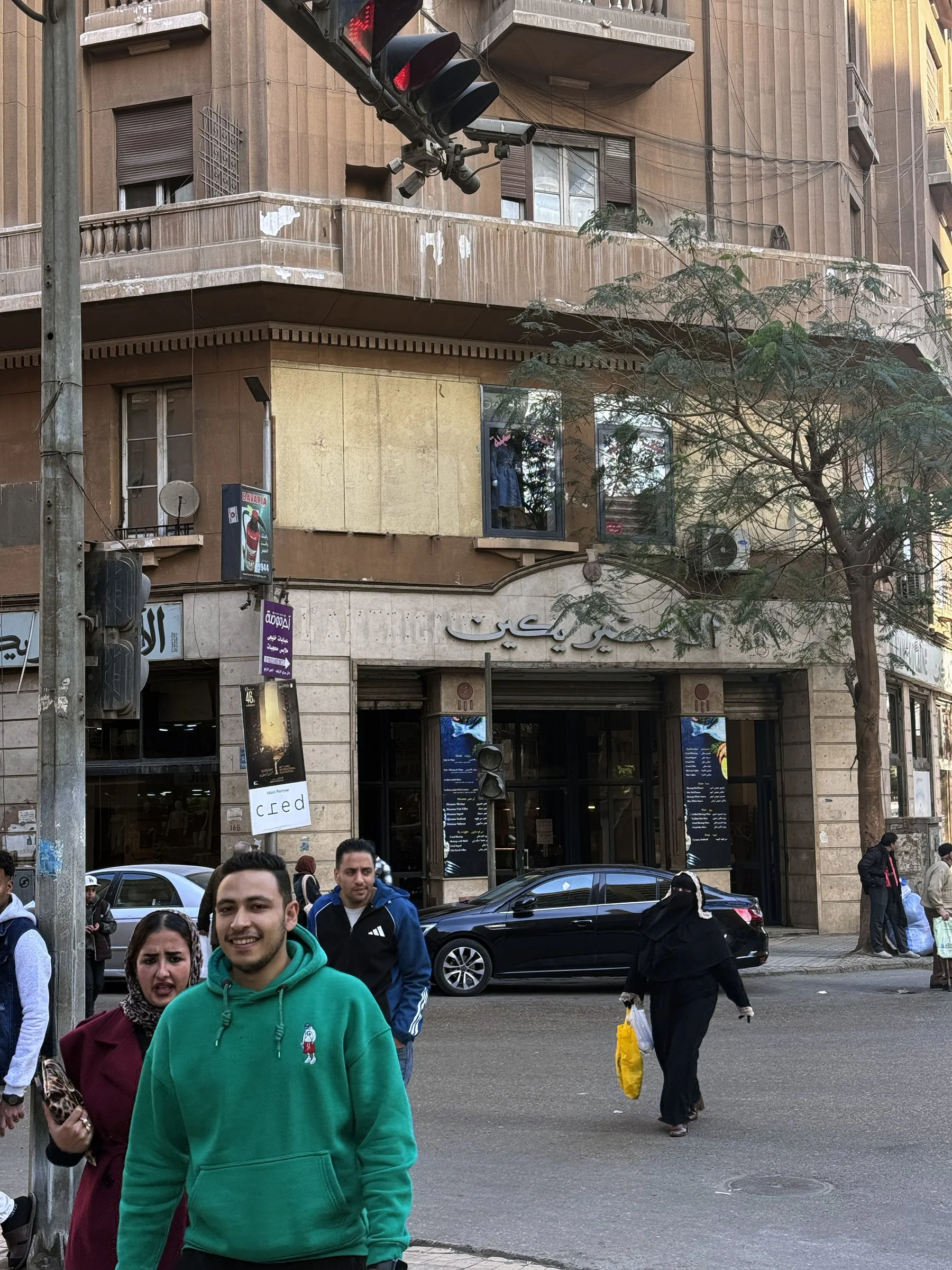
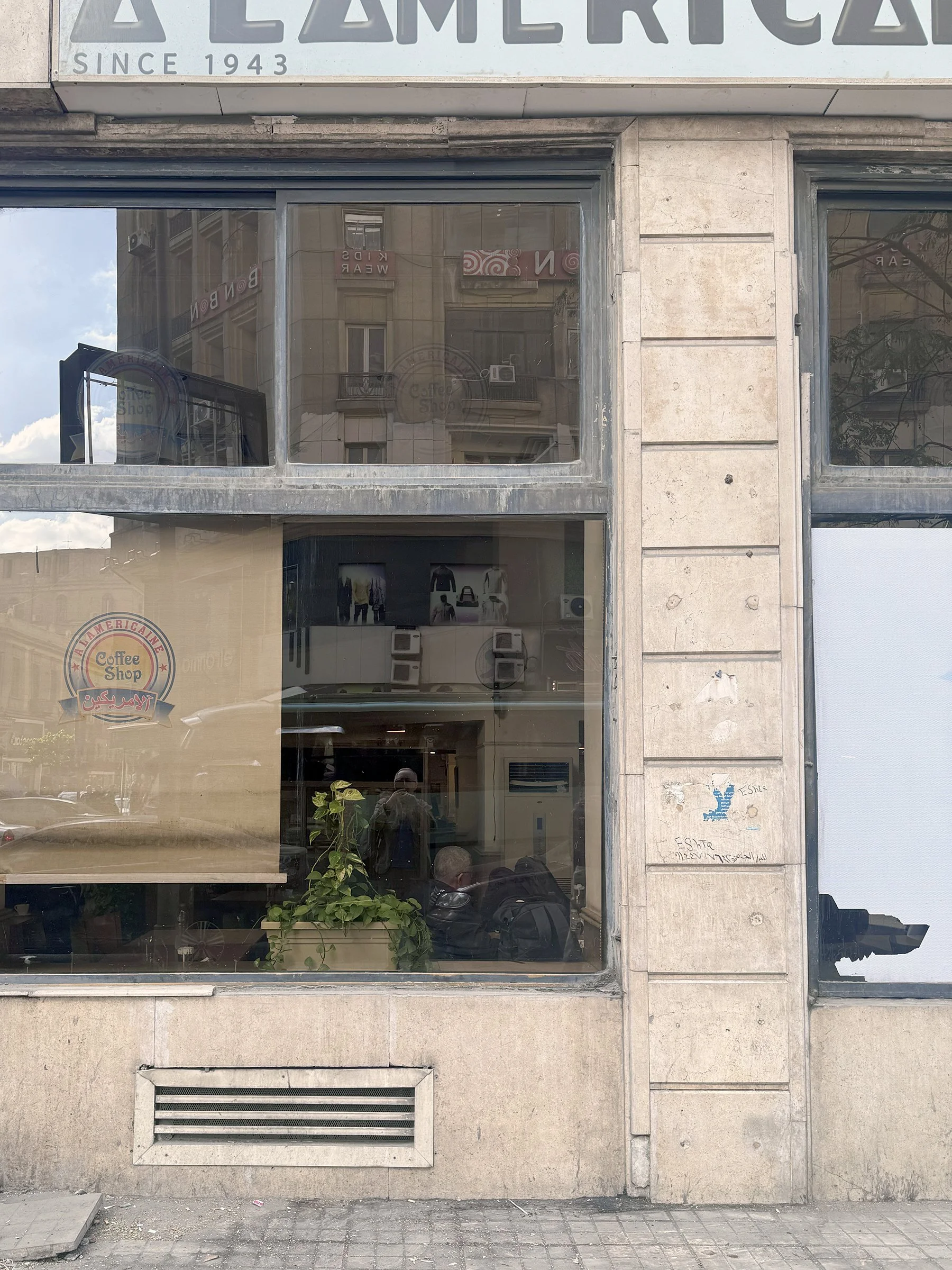
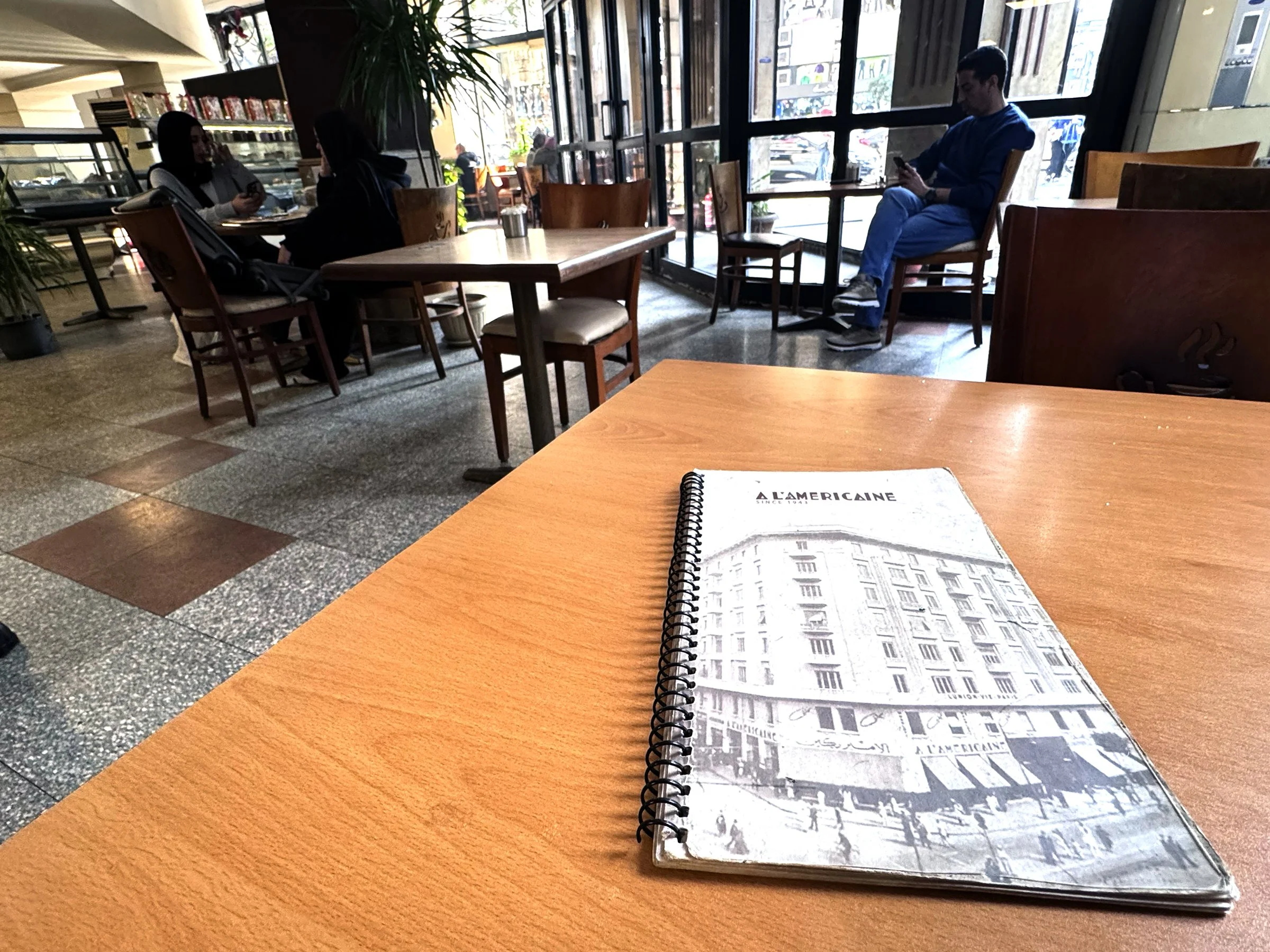
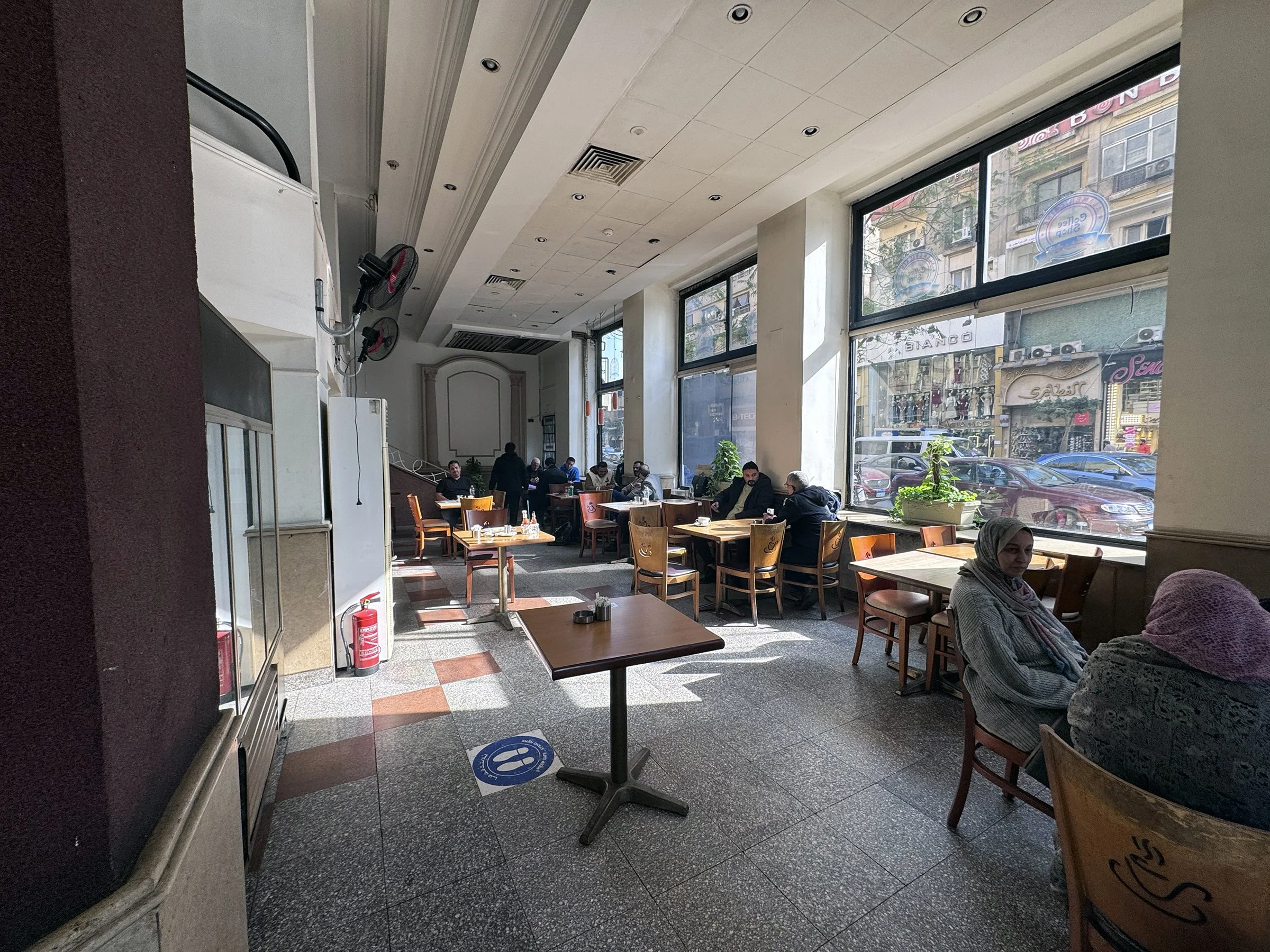
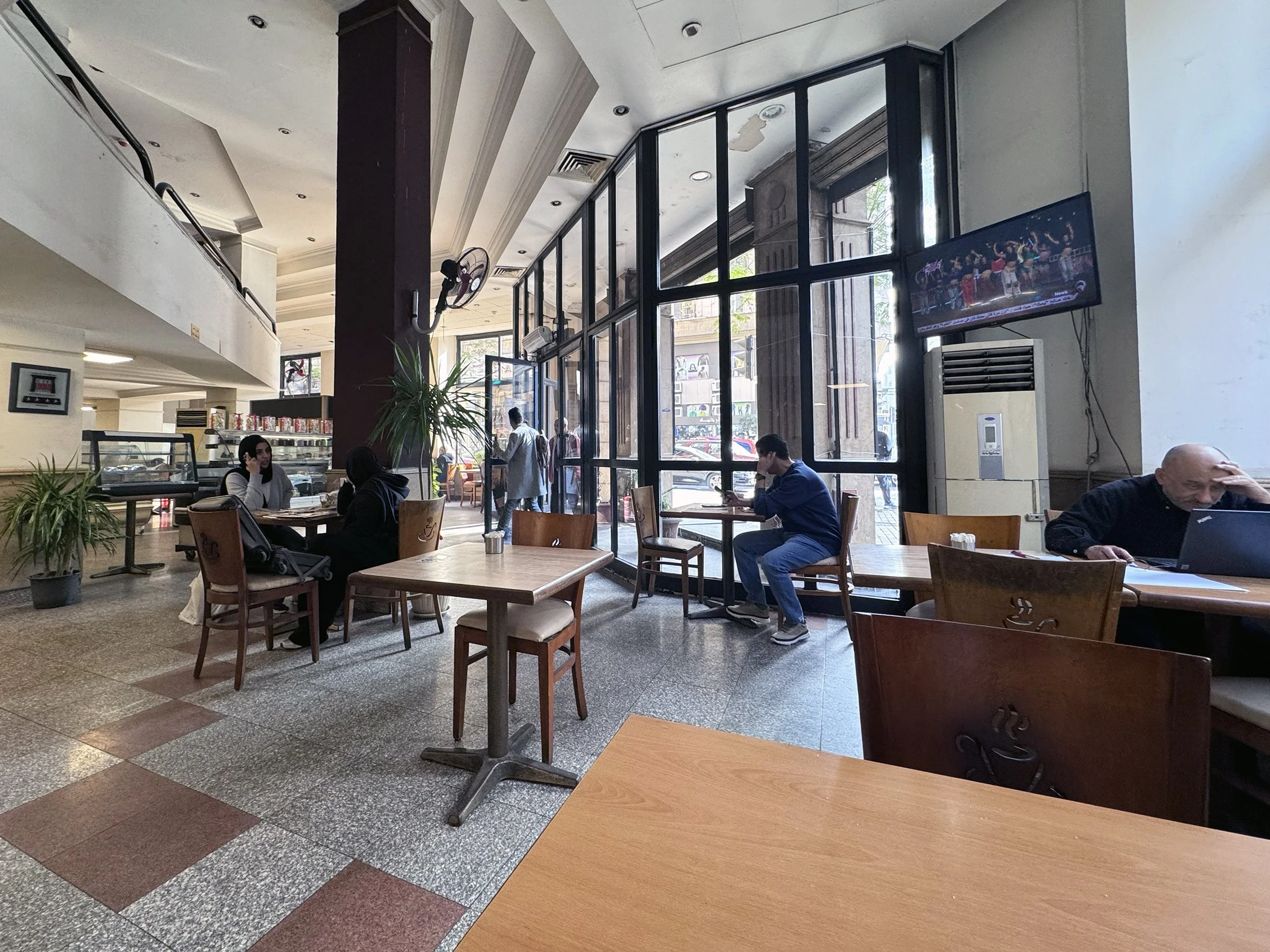
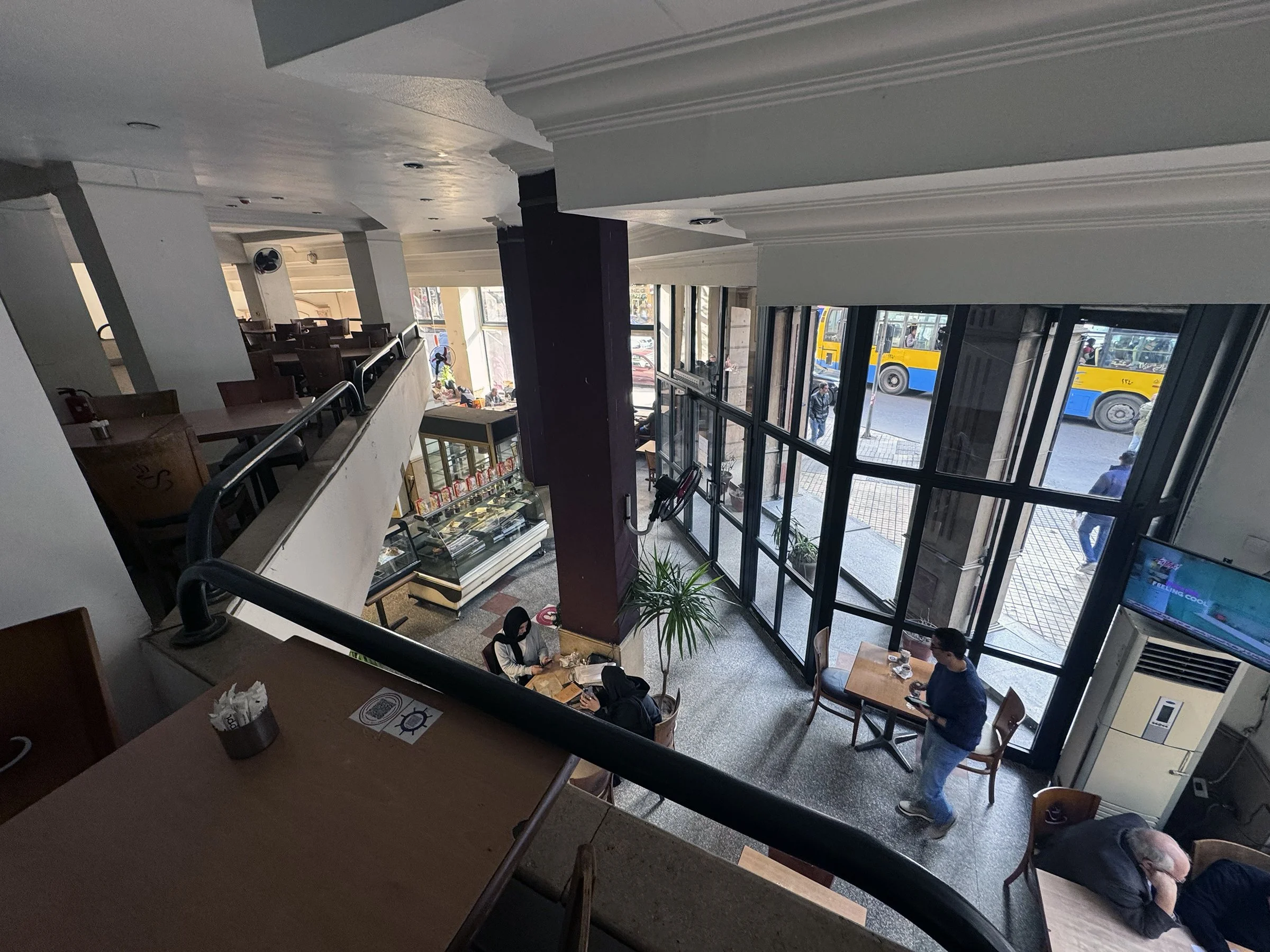
I left the market and returned to 26th of July Street, turning toward Al'Americain. The restaurant has a long history in downtown Cairo, dating back decades, and remains one of those rare places where time seems suspended. It was introduced in the 1940s as an American style diner to Cairo’s upper-class residents. My own memories of it go back to 1972, when my uncle Naguib took me there as a child. I remember tall standing tables where customers gathered while quickly sipping coffee and eating sandwiches before returning to the street. A particularly vivid memory pertains to heavy, clunky glass bottles of Egyptian mustard, unlike anything I had seen before. I slathered some on my sandwich and can still taste its sharp flavor!
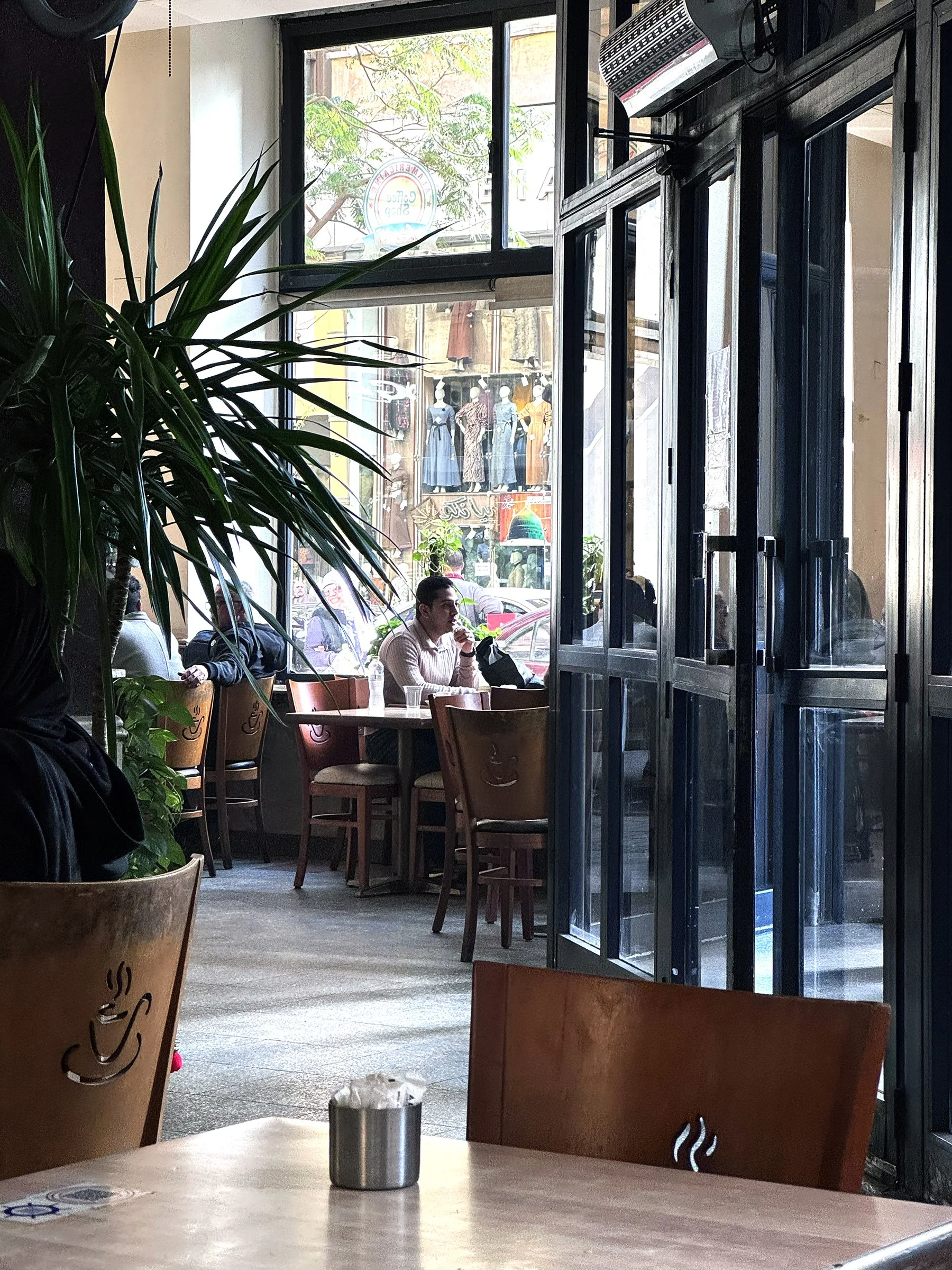
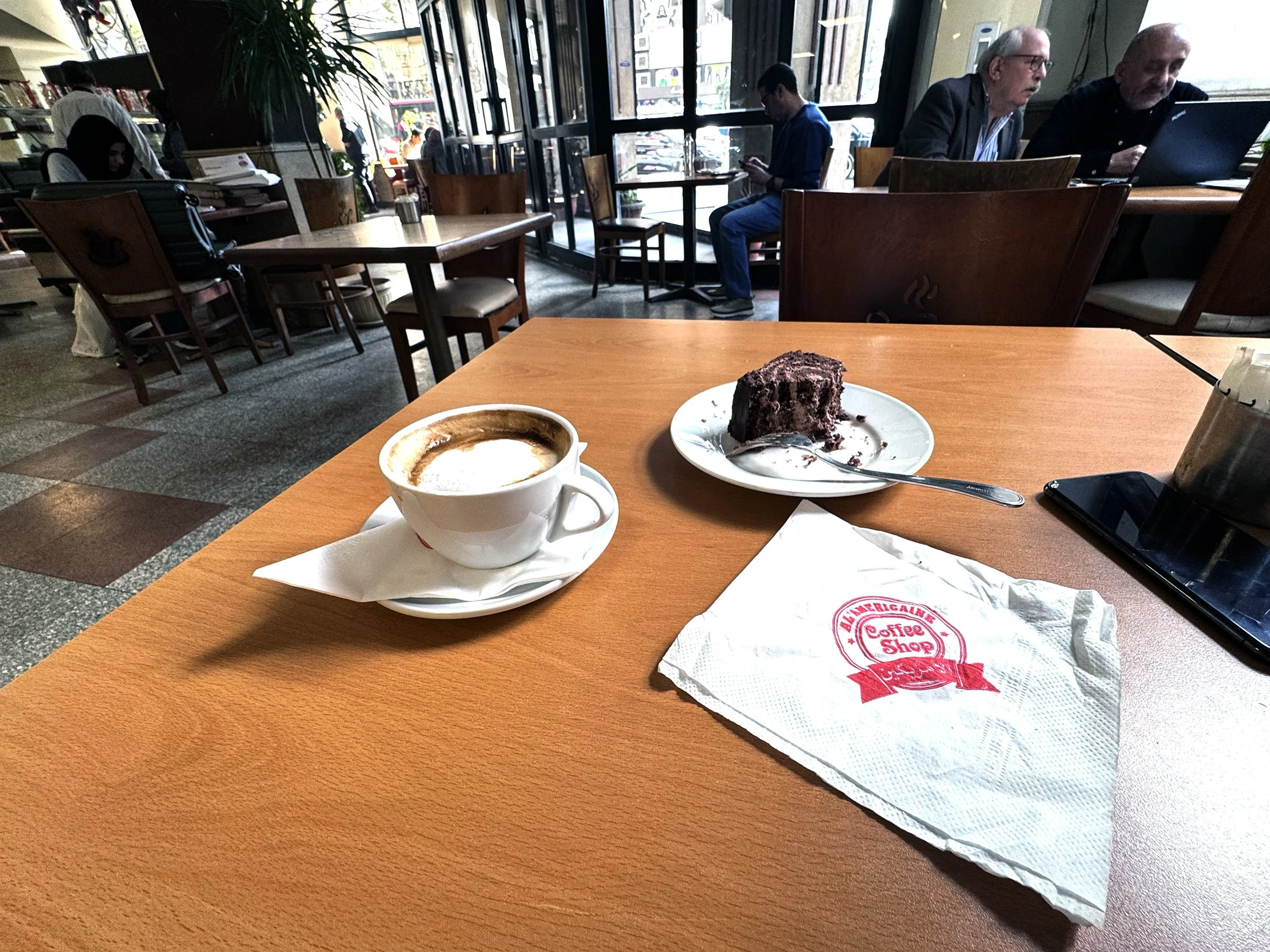
Today the exterior remains remarkably similar. Inside, too, much survives, though now there are seated tables and printed placemats bearing logos and branding that suggest the transformation of a once-simple downtown institution into something more self-consciously nostalgic. There was even another branch nearby. The interior felt slightly grimy, but comfortingly so. The menu offered coffee, sweets, sandwiches, and simple lunches. The clientele appeared unmistakably middle class; some customers had clearly come directly from the nearby Diana Market carrying bags and parcels beside them. There was something deeply reassuring about this continuity. In a city obsessed with demolition and replacement, places like this survive almost accidentally.
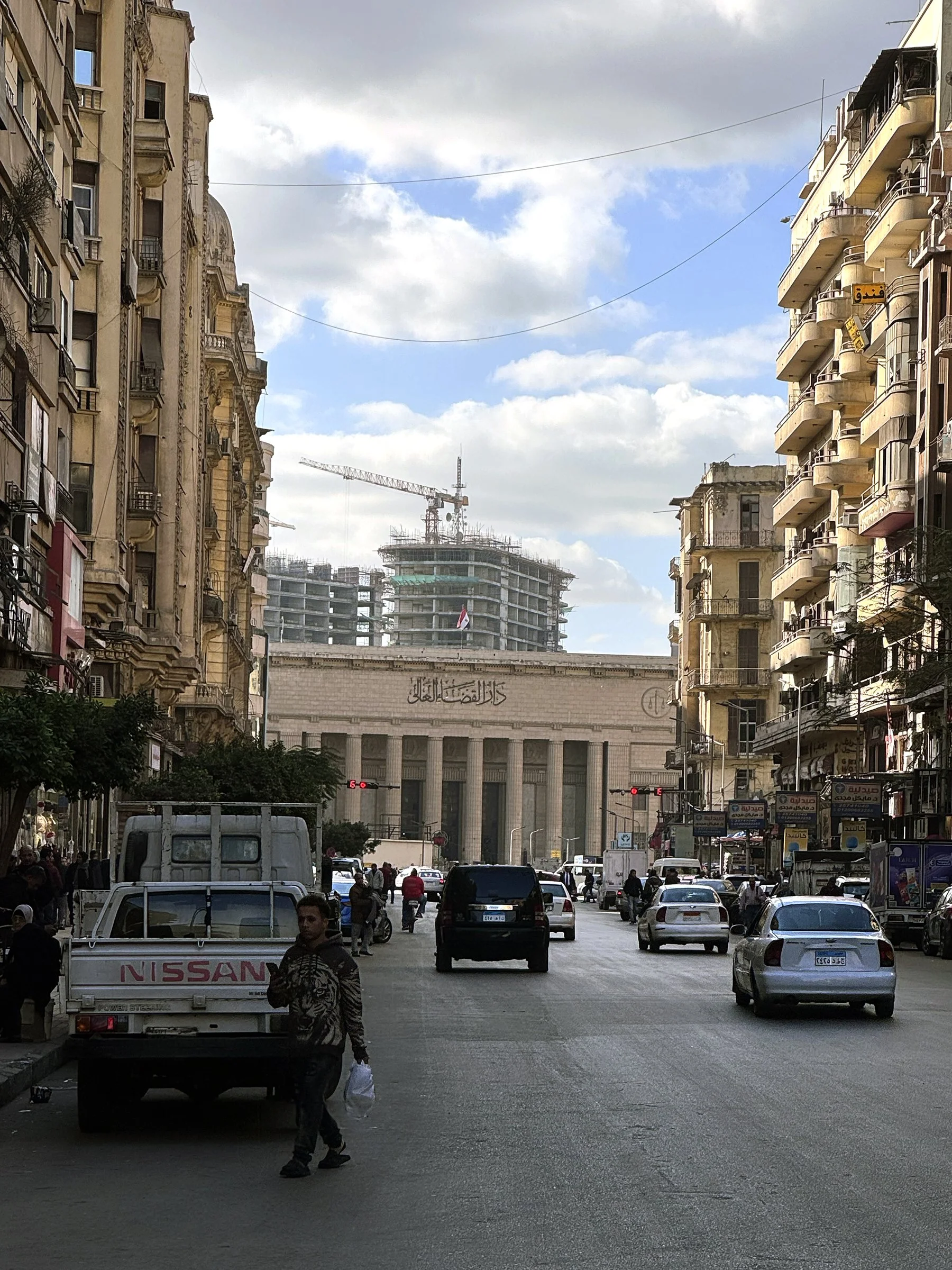
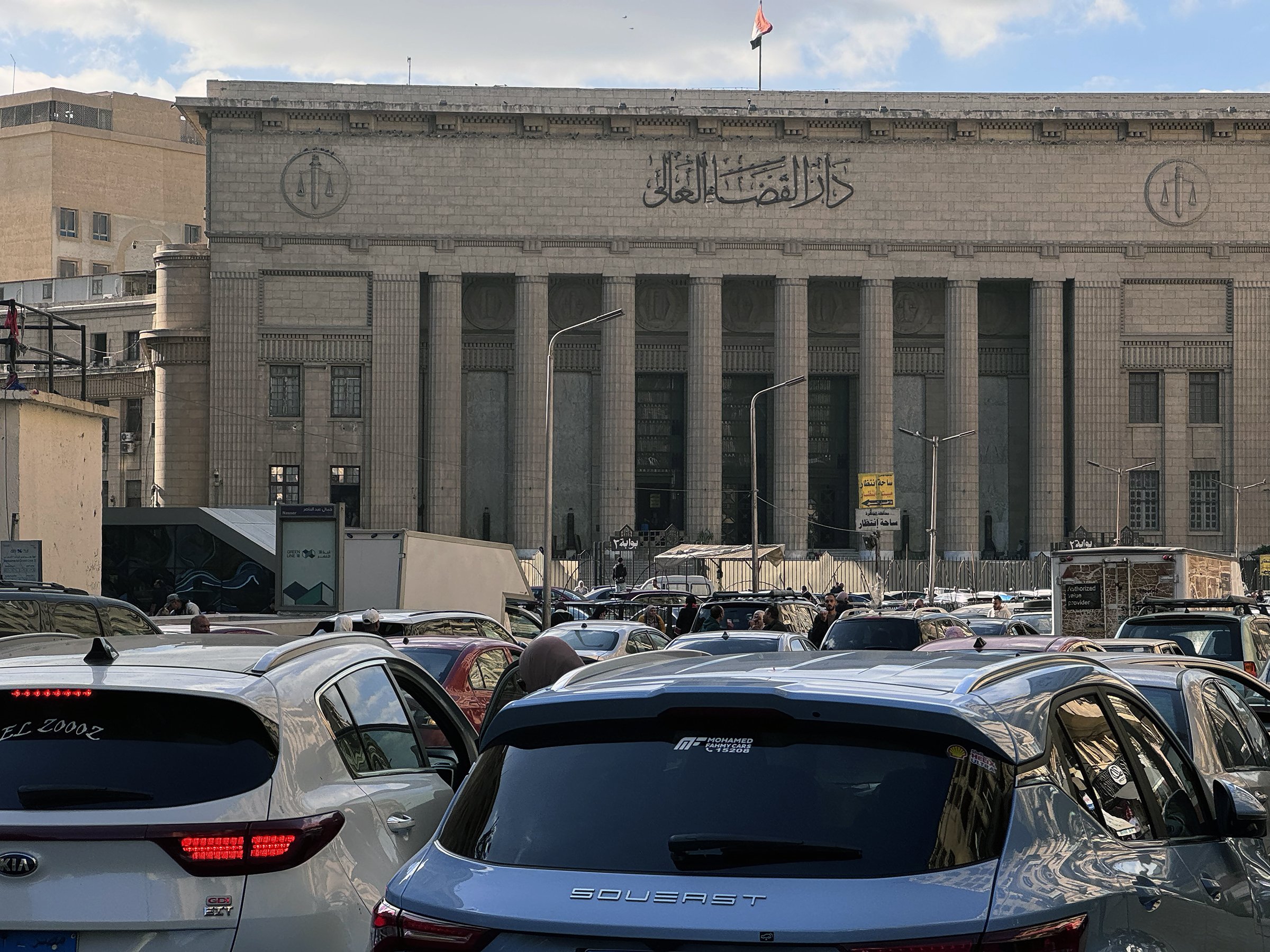
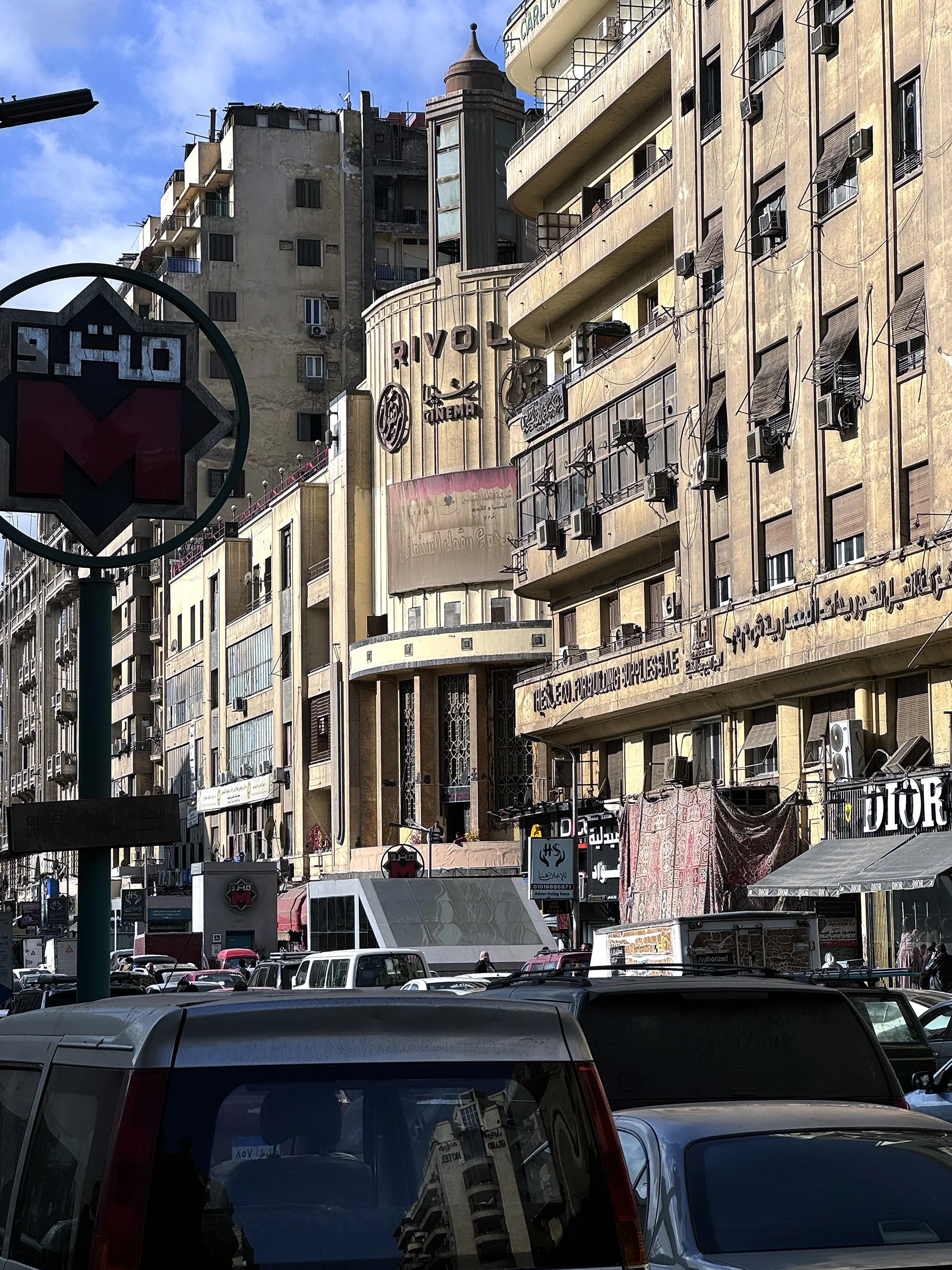
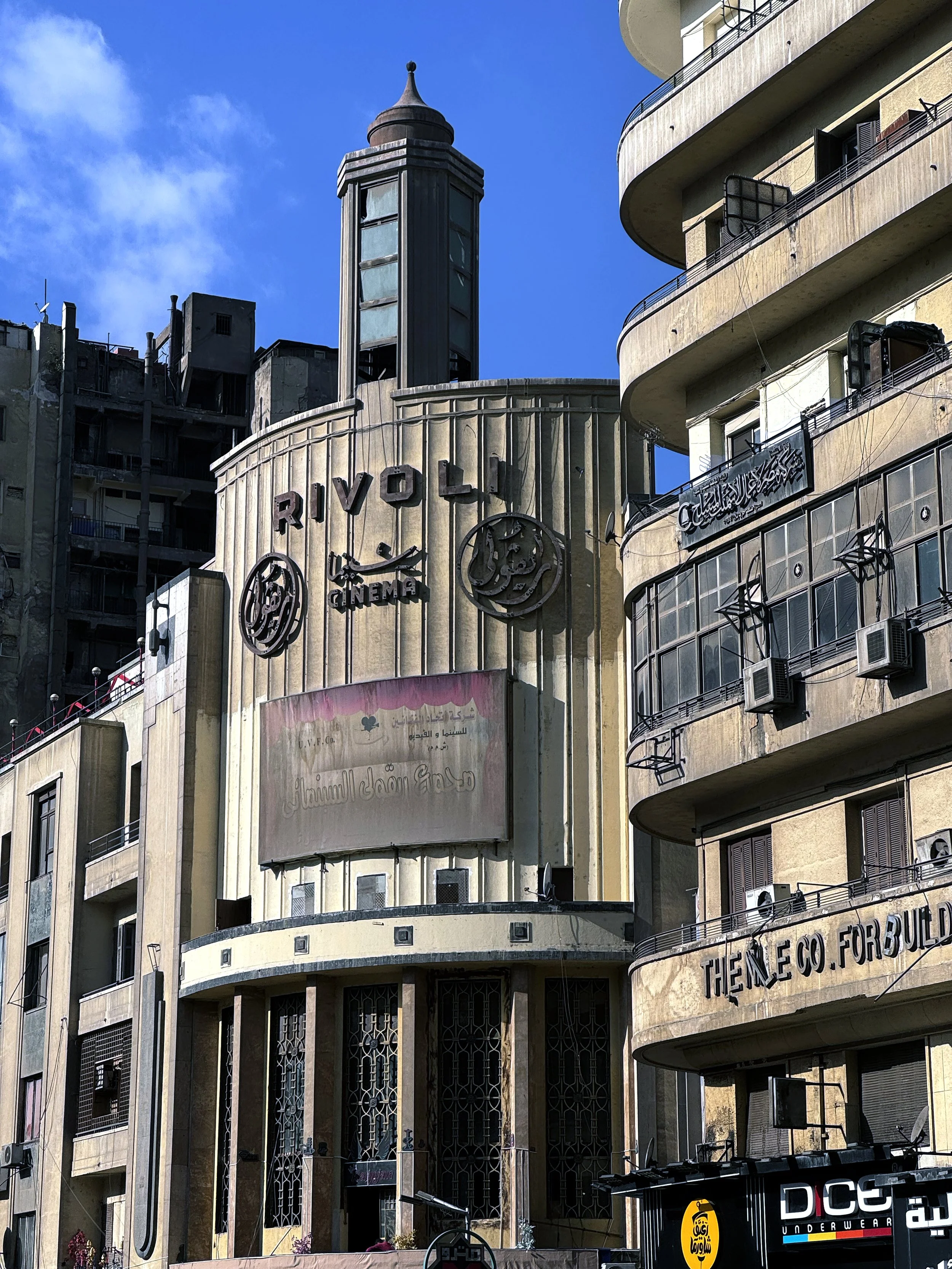
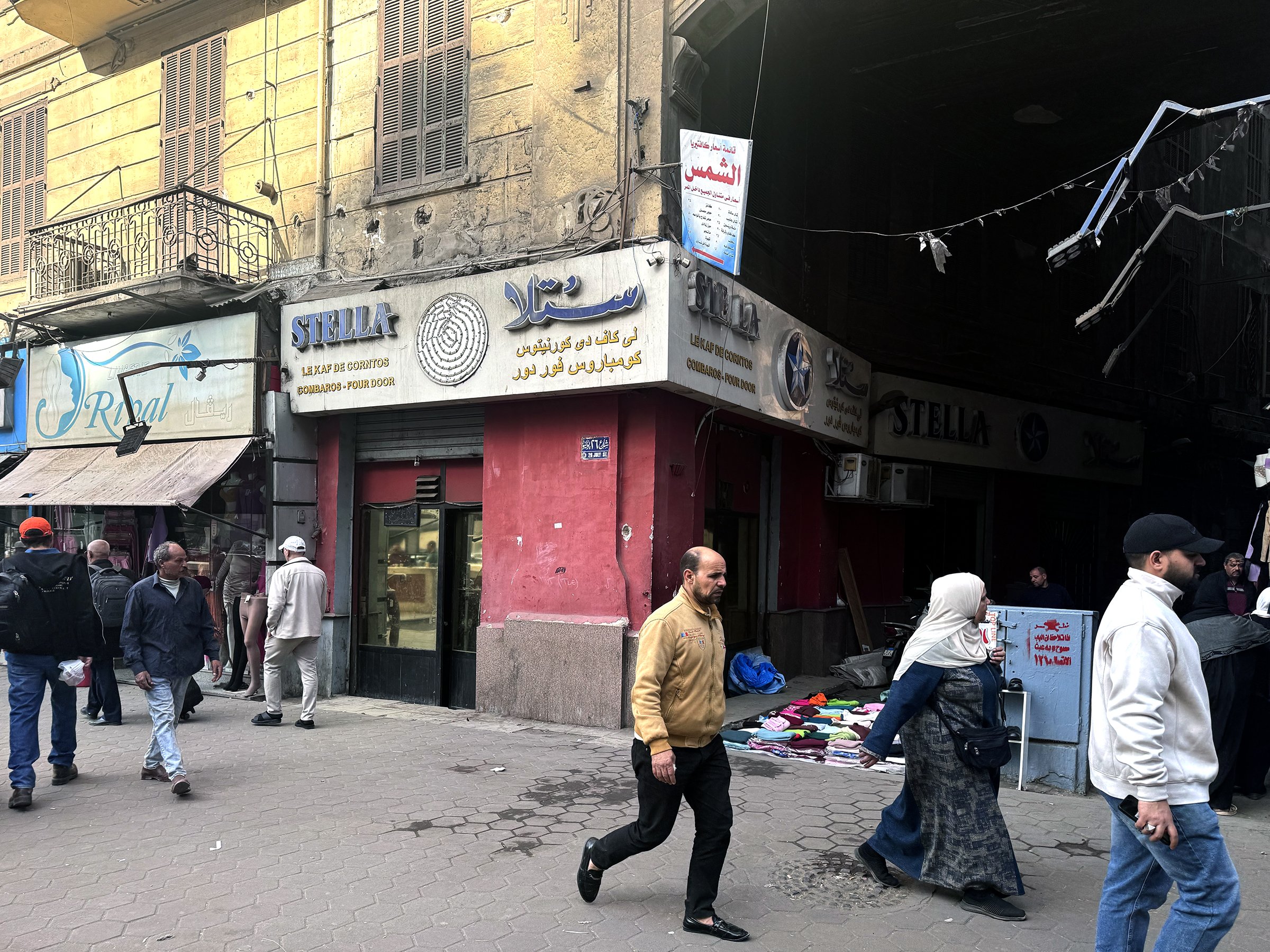
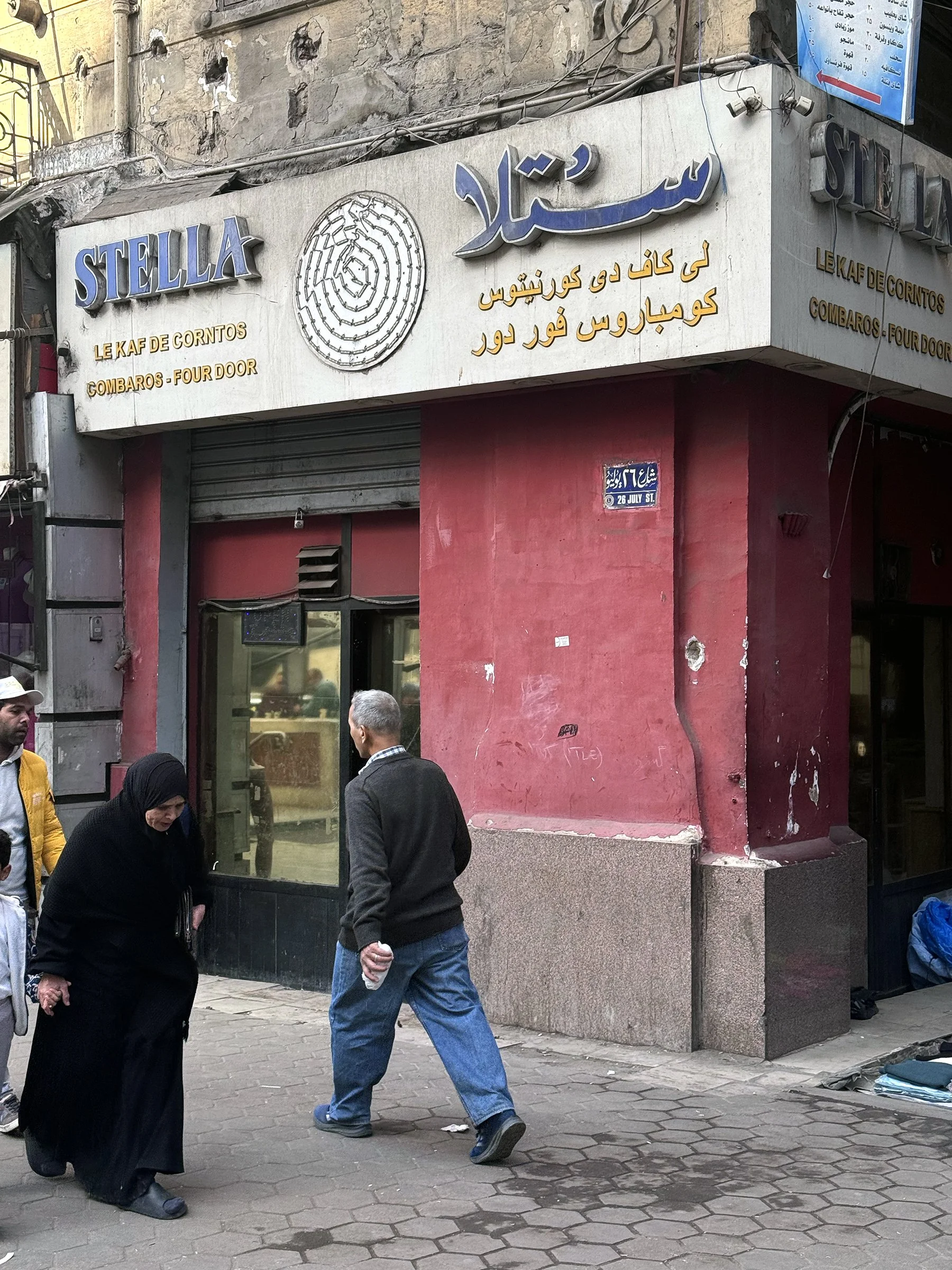
I finished my coffee and continued toward the High Court building and Cinema Rivoli. Along the way I passed the location where Al Hati restaurant once occupied an upper floor in an aging downtown building. I remembered sitting cross-legged on the floor there while walls decorated with verses from Omar Khayyam surrounded diners in dim light. The signature dish was lamb shanks served with fatta rice—rich, heavy, intoxicatingly fragrant. Nearby stood Stella Bar on the corner, leading into a passage where an Italian restaurant once operated. My uncle Osama had taken me there years ago. I still remember ordering cannelloni while the heavily bearded owner theatrically sang in Arabic: “Amayel idayya wehyat einaya”—“made by my hands, I swear by my eyes.” It was performance, flirtation, hospitality, and theatre all at once.
Fragments of Cinema Rivoli still survive, though the cinema itself no longer functions. Like so many of downtown Cairo’s movie palaces, it now exists as a shell haunted by memory.
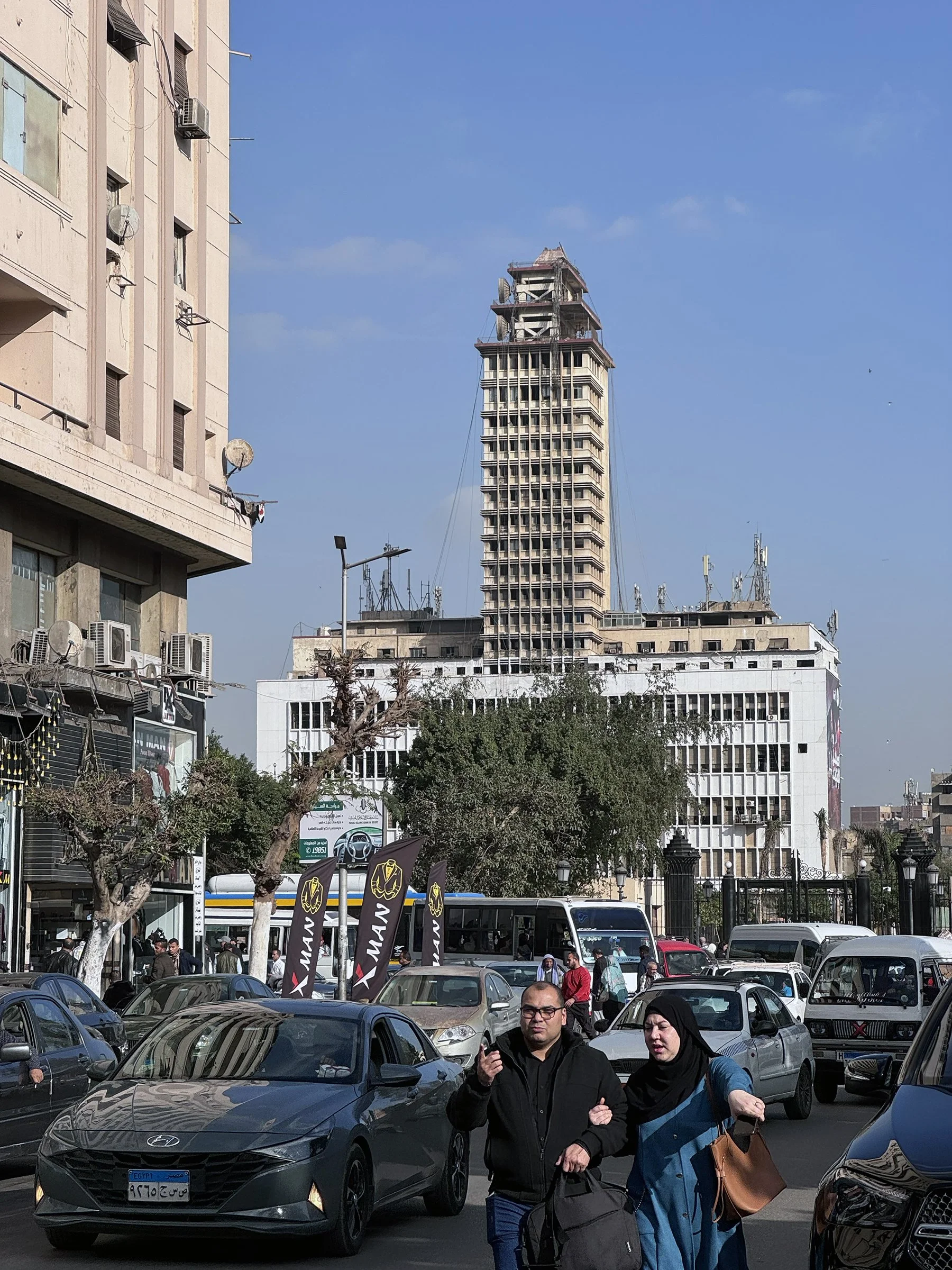
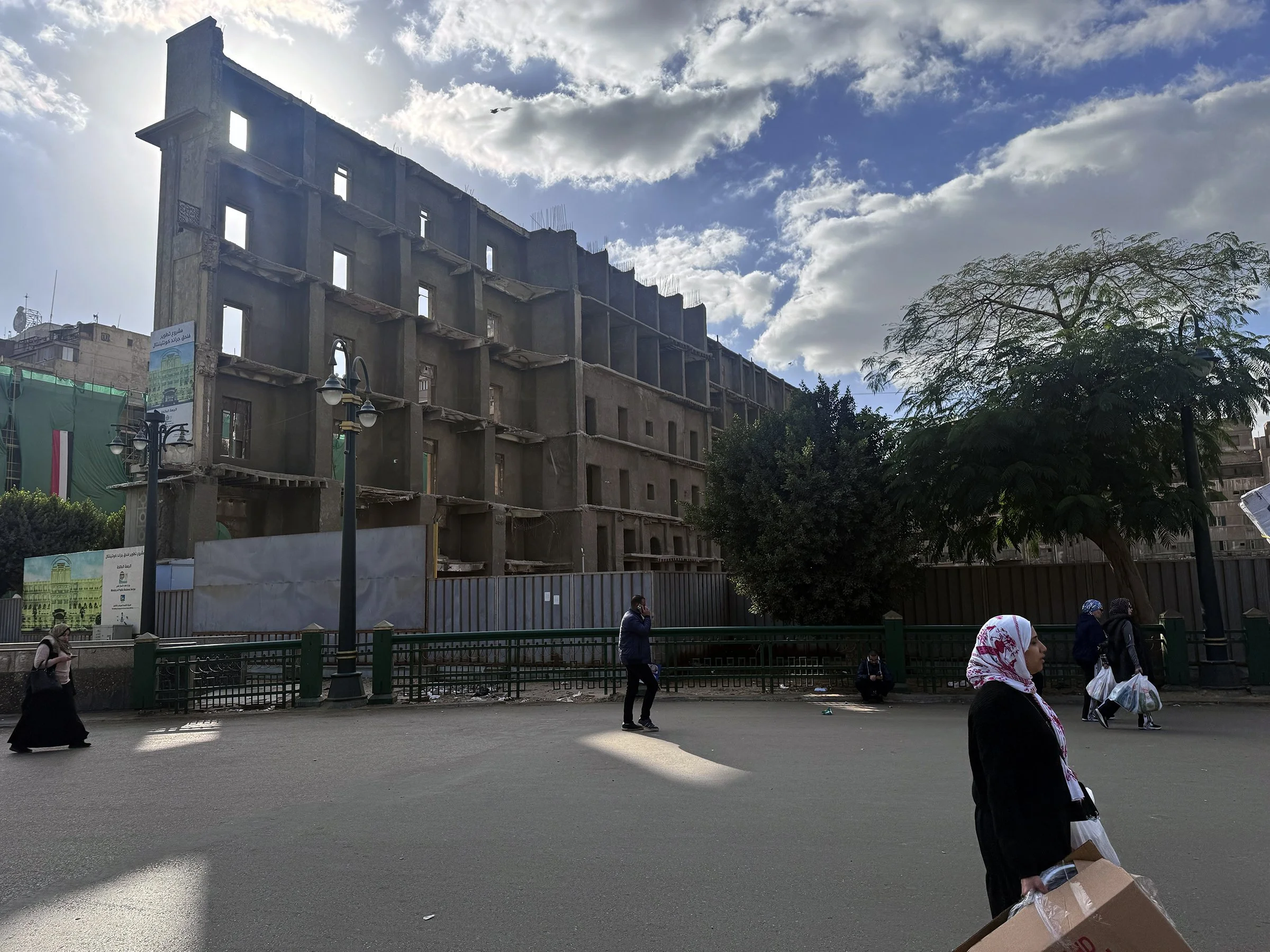
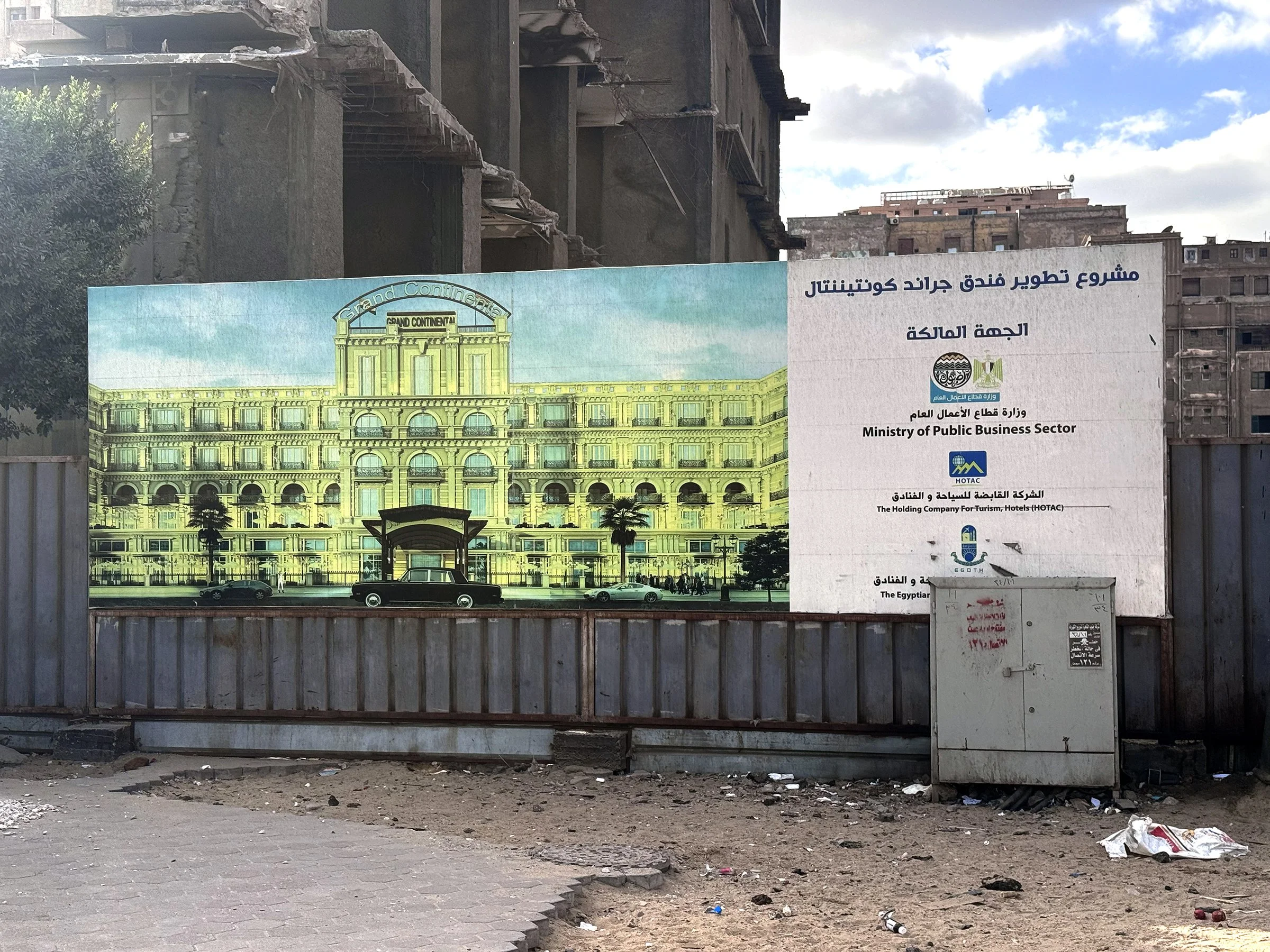
On my way back I passed through Opera Square, currently undergoing renovation. The old Continental Hotel had been demolished, though parts of its side walls remained standing, intended to be incorporated into a reconstructed hotel designed to resemble the original. This strange practice—demolishing a building only to recreate its image—captures much about the contradictions of contemporary Cairo. The city simultaneously destroys and memorializes itself. As if it aims at becoming another Dubai!
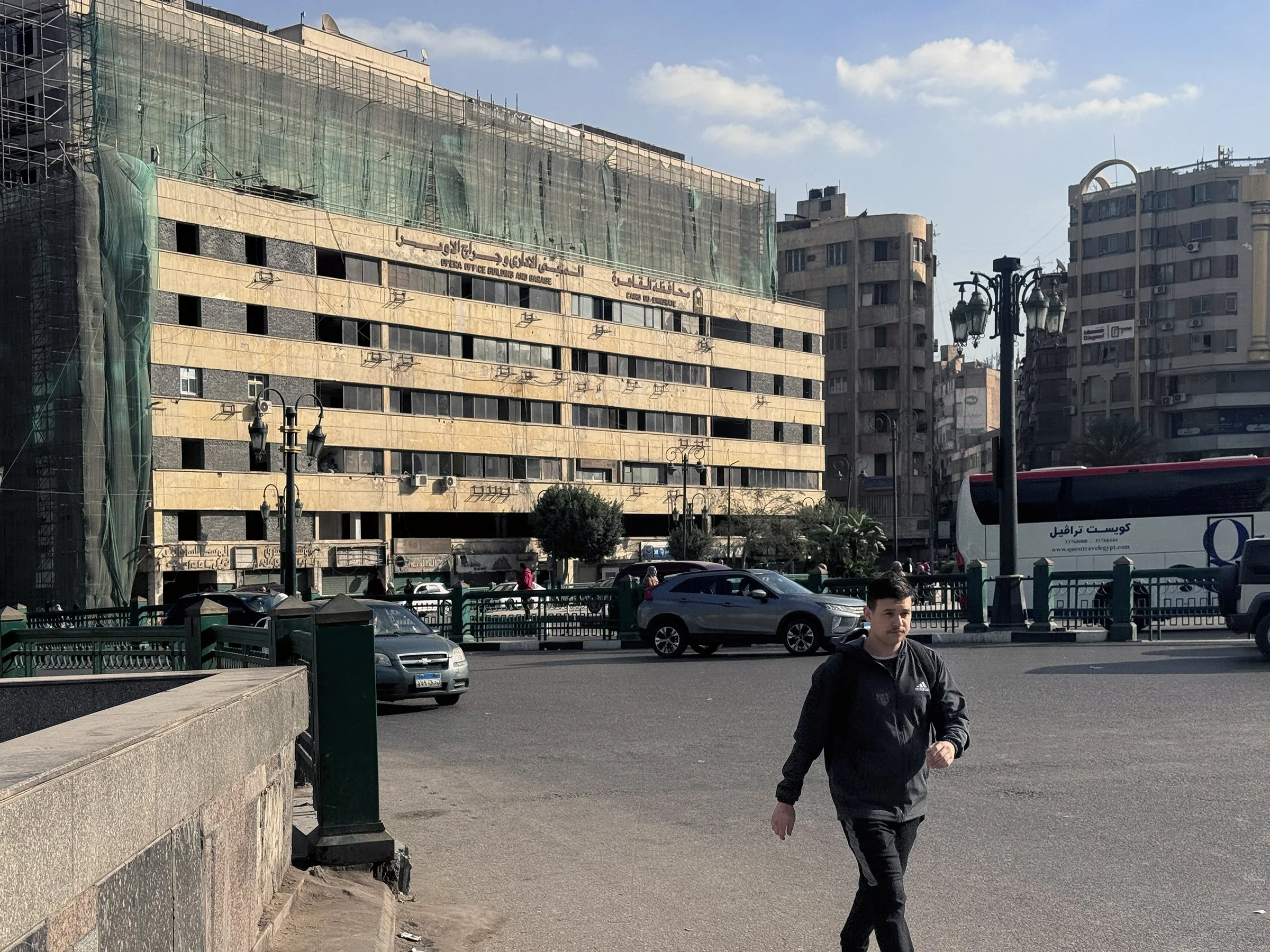
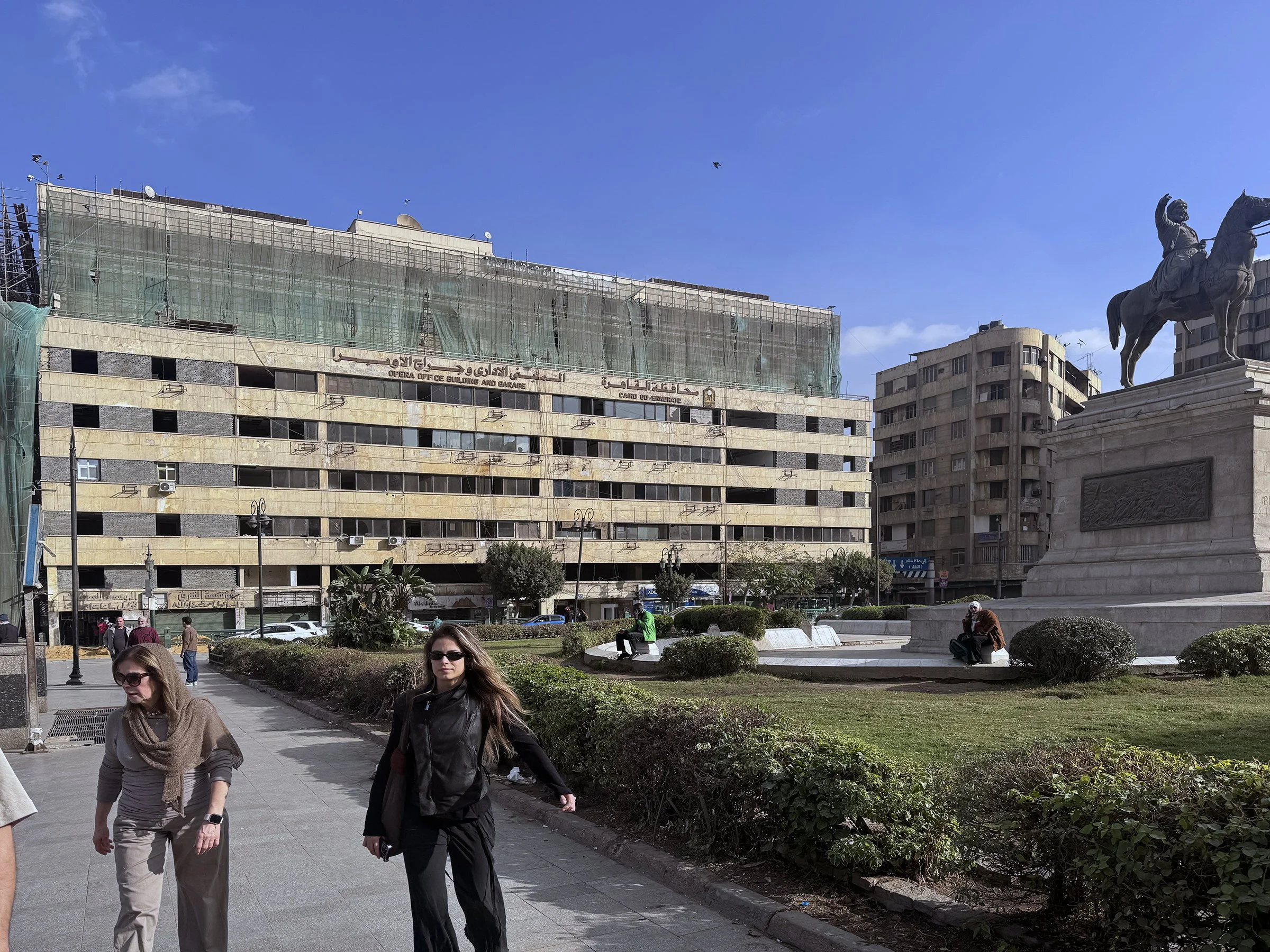
Nearby, the main façade of Cinema Opera still faced the square, though it too no longer functioned as a cinema. Around it rose what is now known as Opera Mall. Yet standing there, memory overwhelmed the present.
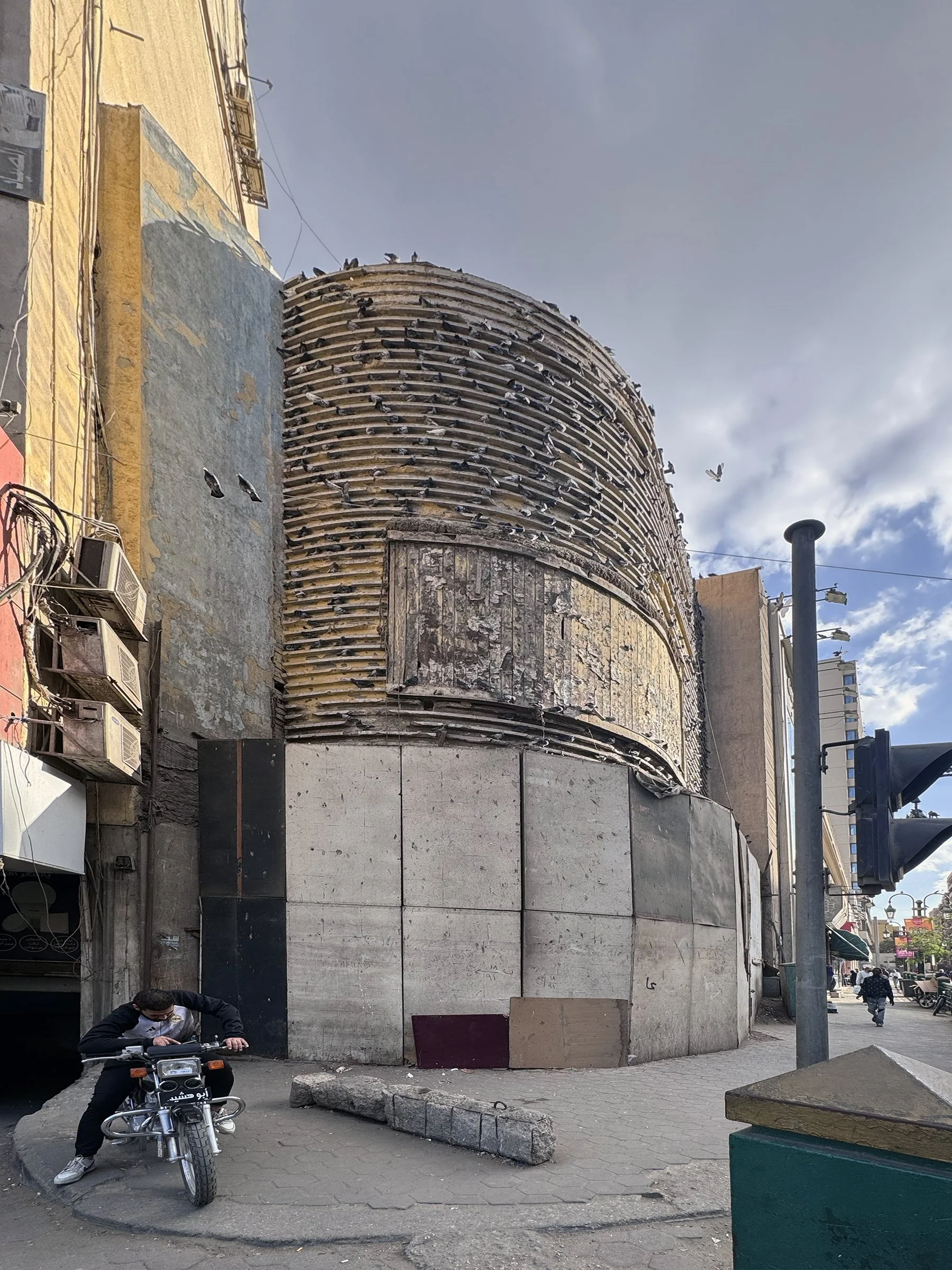
I remembered seeing Raquel Welch in the scandalous adults-only film “Sin”—a story of betrayal set on a Sicilian island, though all I truly could think of was her body moving through narrow streets in impossibly tight dresses. For a teenage boy growing up in Cairo in the 1970s, these images possessed an almost unbearable erotic charge. Cinema became a portal into forbidden worlds: Mediterranean sensuality, adult desire, dangerous glamour. And then there was legendary Egyptian actress Soad Hosny in “Watch Out for Zouzou”, portraying a belly dancer/university student whose dances—her exposed body in a dancing costume showed off so much while shimmering beneath stage lights—represented another kind of seduction entirely. Watching her move on screen, suspended between innocence and eroticism, tradition and rebellion, was for many teenagers of my generation an initiation into longing itself. Downtown cinemas were not merely entertainment venues. They were settings of desire.
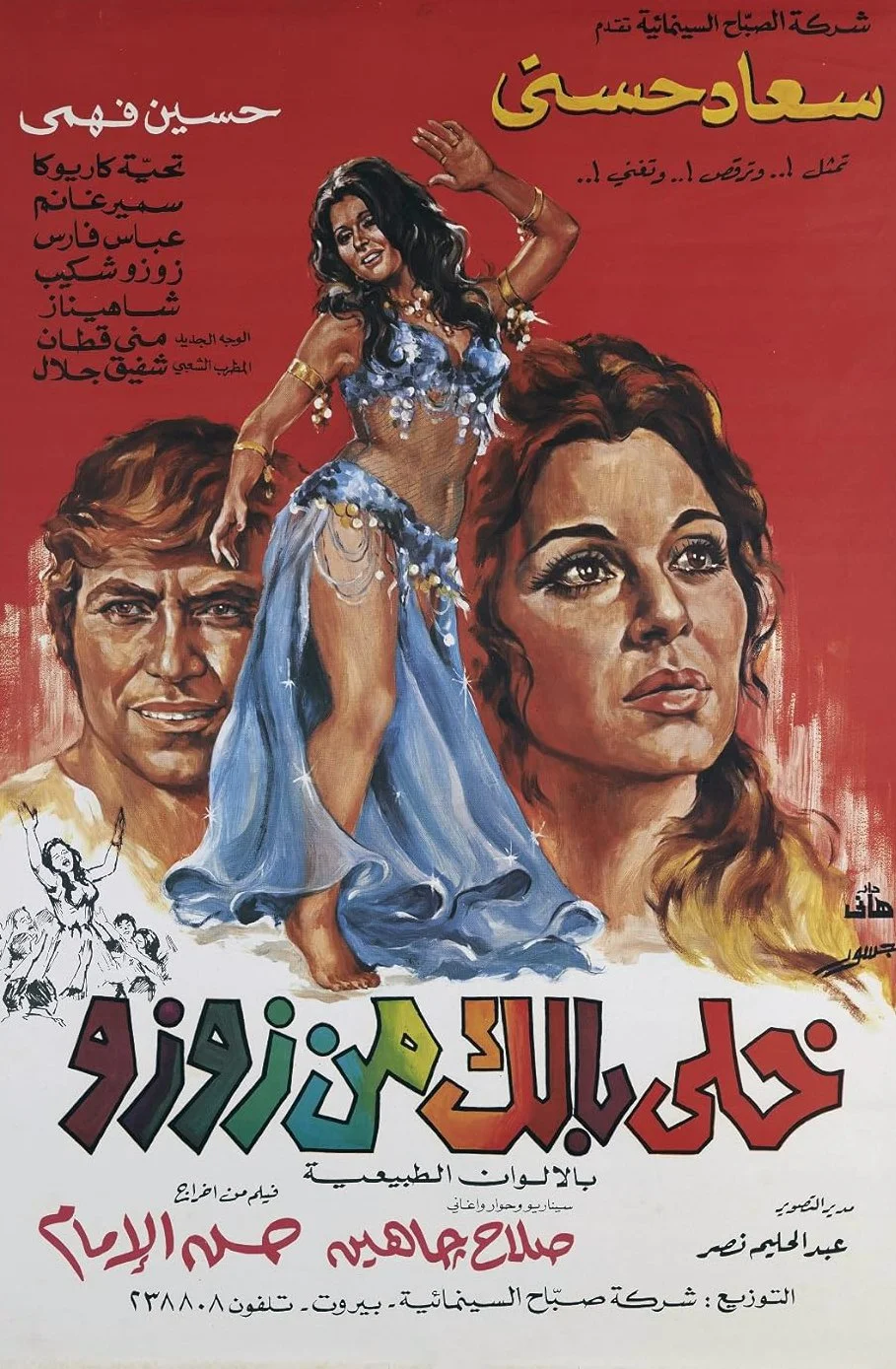
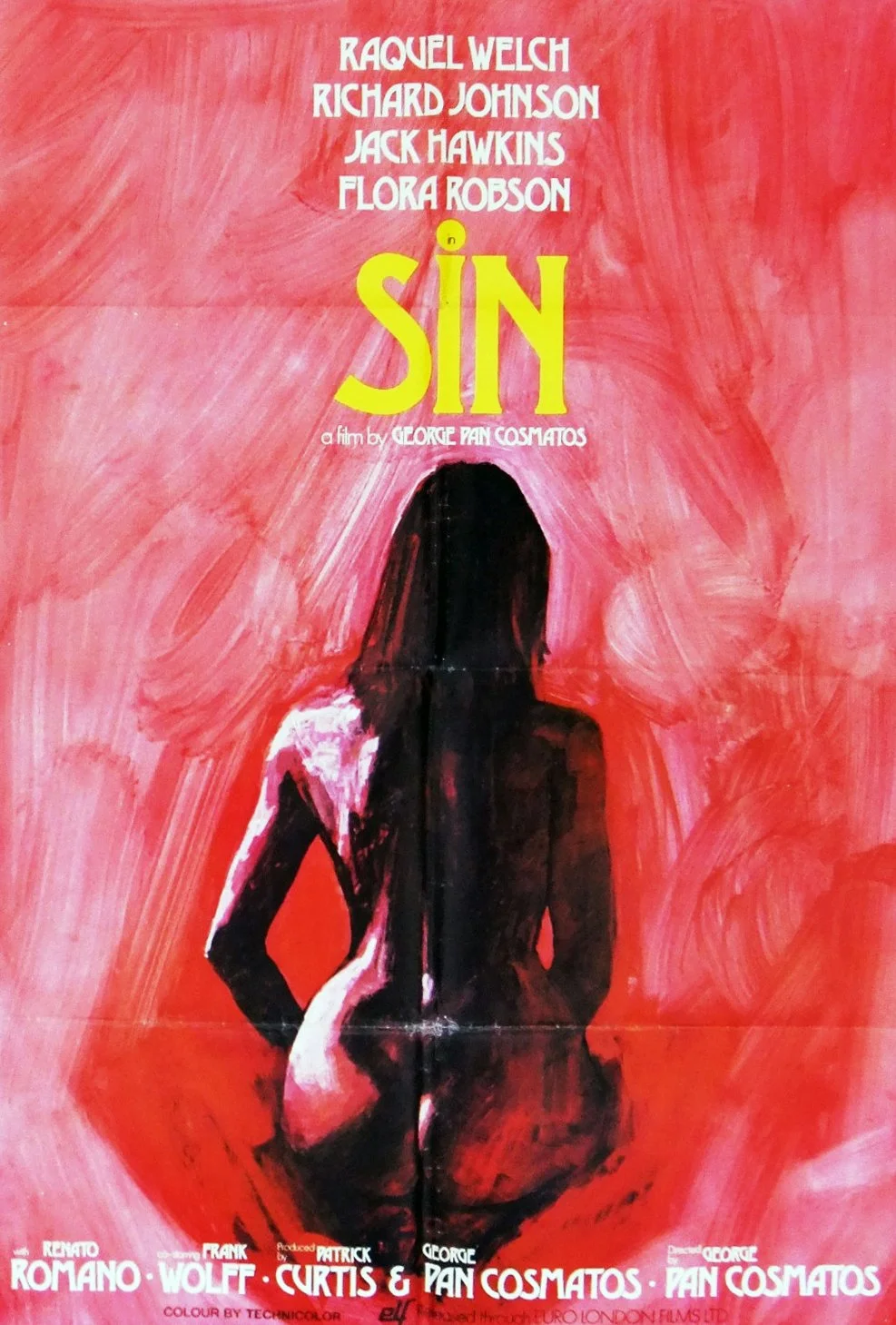
As my Uber finally arrived, I left Opera Square carrying with me impressions of a downtown that is no longer what I once knew. Much has vanished. Cinemas have closed. Restaurants disappeared. Entire urban worlds dissolved into memory. Yet downtown Cairo still retains traces of its seductive power. Its streets continue to offer encounters, unpredictability, sensuality, and fragments of forgotten lives.
Unlike sanitized cities designed to eliminate friction and disorder, Cairo still allows memory and fantasy to coexist with decay. And perhaps that is why, despite everything, it continues to seduce those who walk through it.
If you find this of interest and would like to explore further, I invite you to read my book “Arab Modernism(s): Cities, History and Culture.” In addition these and other sites in Cairo are explored in my upcoming book “My Cairo” published by AUC Press early 2027.
