Chapter 2: Gourna. An Interesting Failure
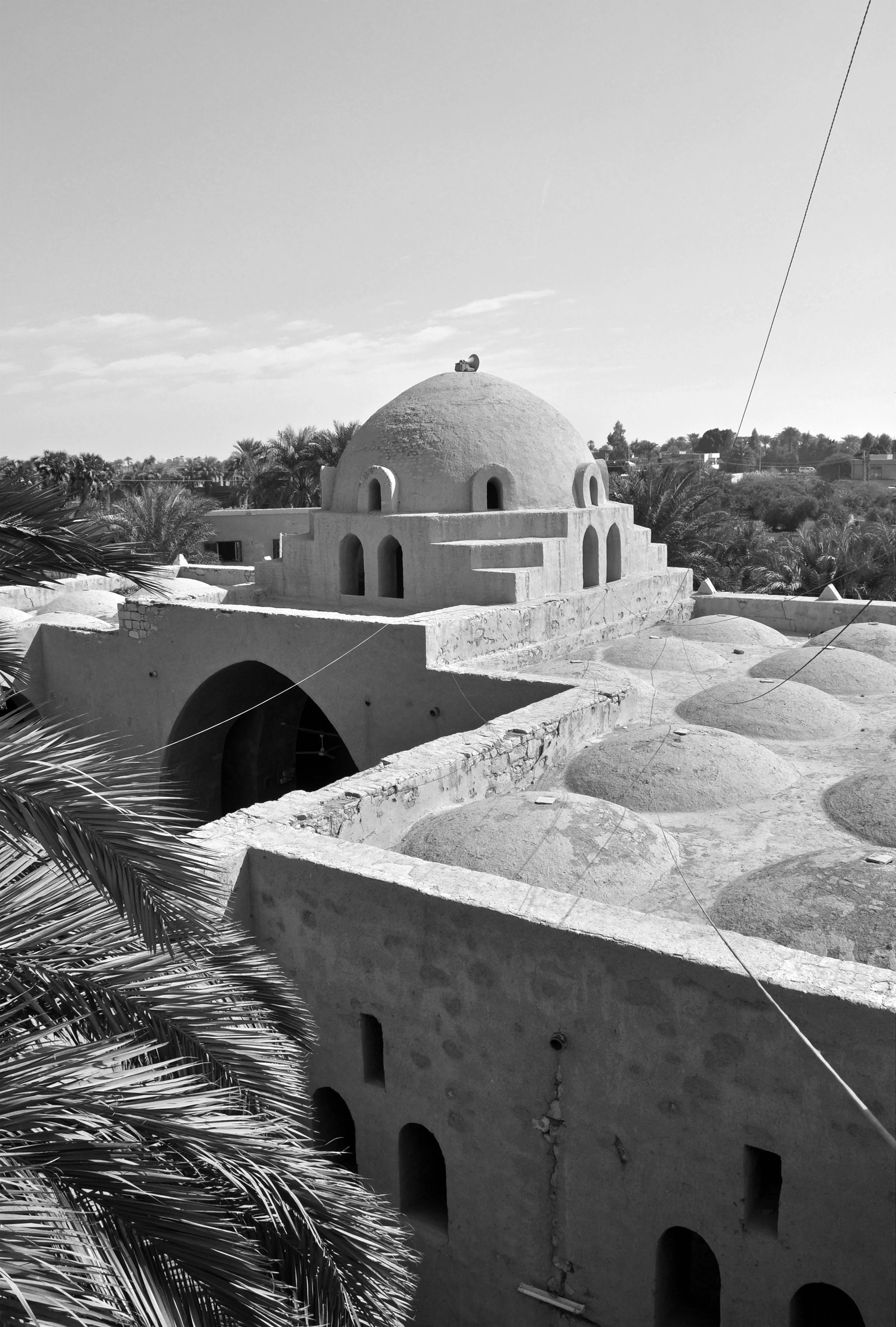
This chapter examines Hassan Fathy’s New Gourna Village as a pivotal yet contested experiment in Arab modernism. Conceived in 1945 as a state-led relocation project near Luxor, Gourna was intended to provide sustainable, vernacular housing for displaced villagers. Fathy’s design—rooted in mud-brick construction, domes, and courtyards—sought to reconcile modern architecture with local traditions, offering an early alternative to the International Style. While celebrated internationally, the project was rejected by its intended inhabitants and ultimately failed, raising critical questions about authorship, participation, and the viability of a context-based modernism.
Through a personal narrative of architectural discovery and a 1984 field visit to the village, the chapter traces the project’s evolution and symbolic weight. Drawing on literary and cinematic representations such as The Mountain, as well as theoretical critiques by Timothy Mitchell and Panayiota Pyla, it situates Gourna within wider debates on postcolonial identity, development, and architectural essentialism. Fathy’s trajectory—from scientific rationalism under Greek planner Doxiadis to a spiritually charged pan-Arabism—mirrored broader regional shifts in architectural patronage and ideology.
The chapter concludes by examining how Fathy’s aesthetics were appropriated in projects such as Al-Azhar Park, the Sheraton Miramar, and the Children’s Park in Cairo. These examples illustrate how a once radical vision became a commodified language of nostalgic luxury. Framed by Edward Said’s reflections on historical memory and Tayeb Salih’s critique of postcolonial identity, the chapter positions Gourna as a revealing failure—an enduring lens through which to interrogate the promises and contradictions of modernism in the Arab world.
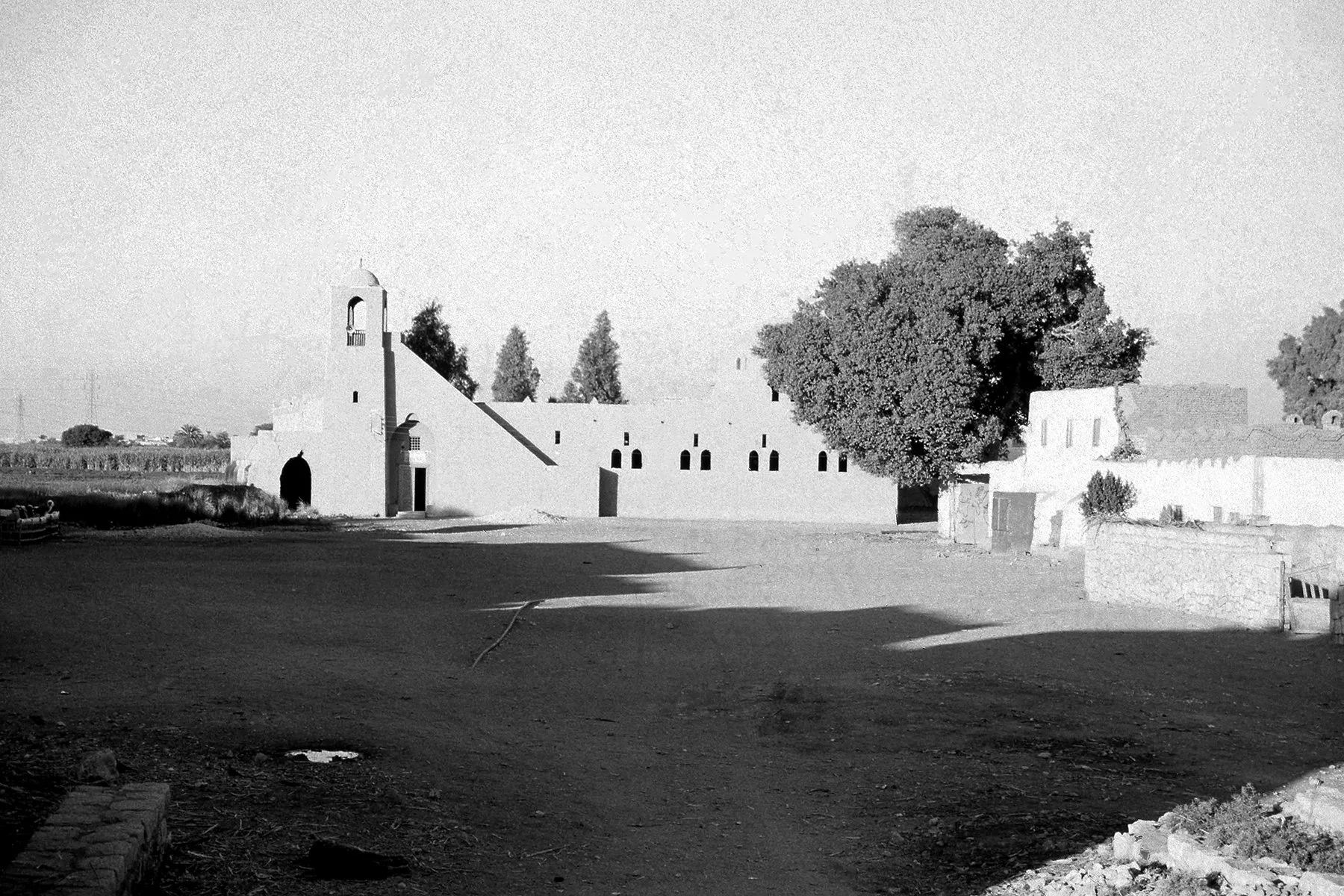
Mosque. Gourna
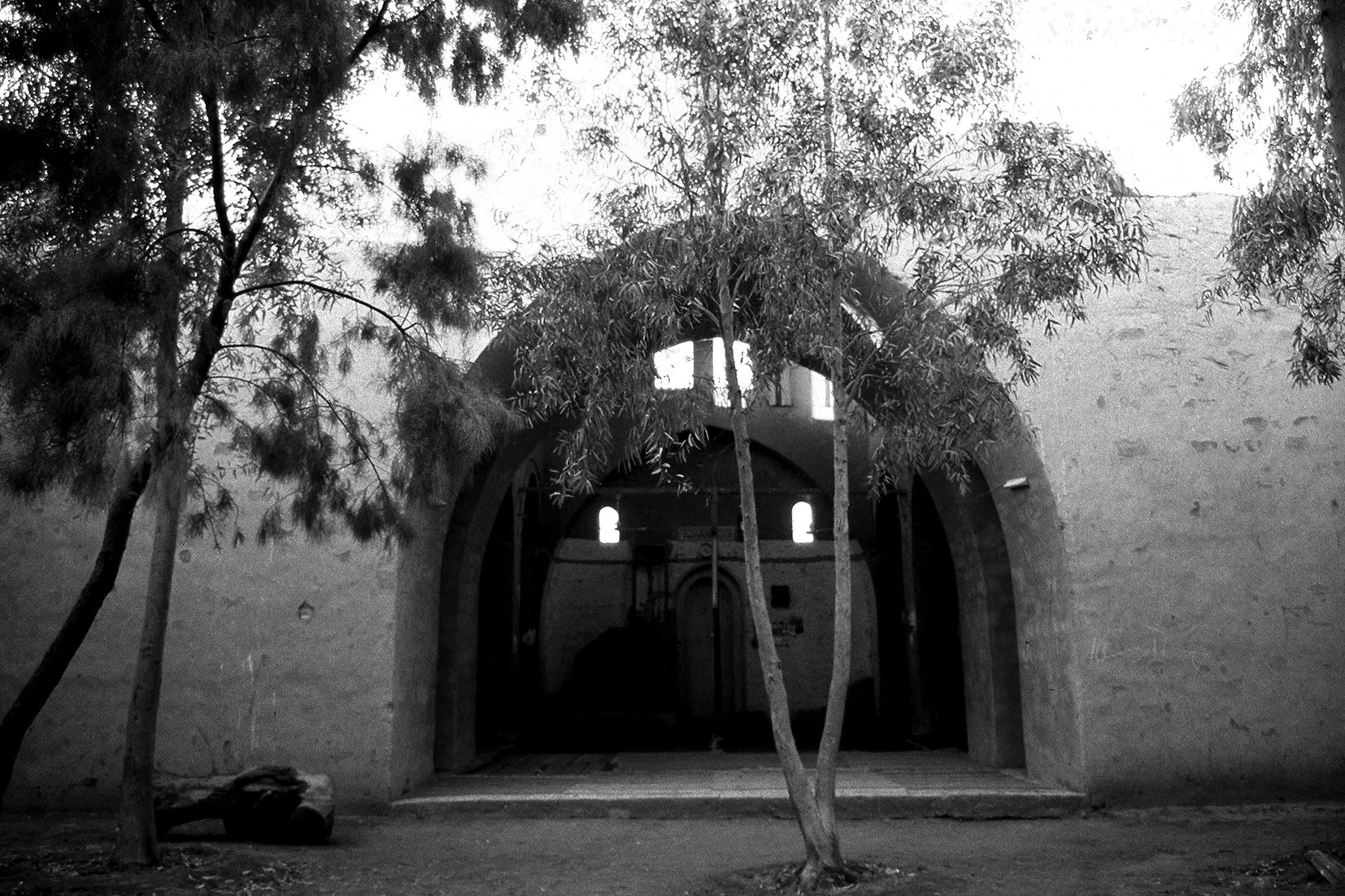
Theater. Gourna
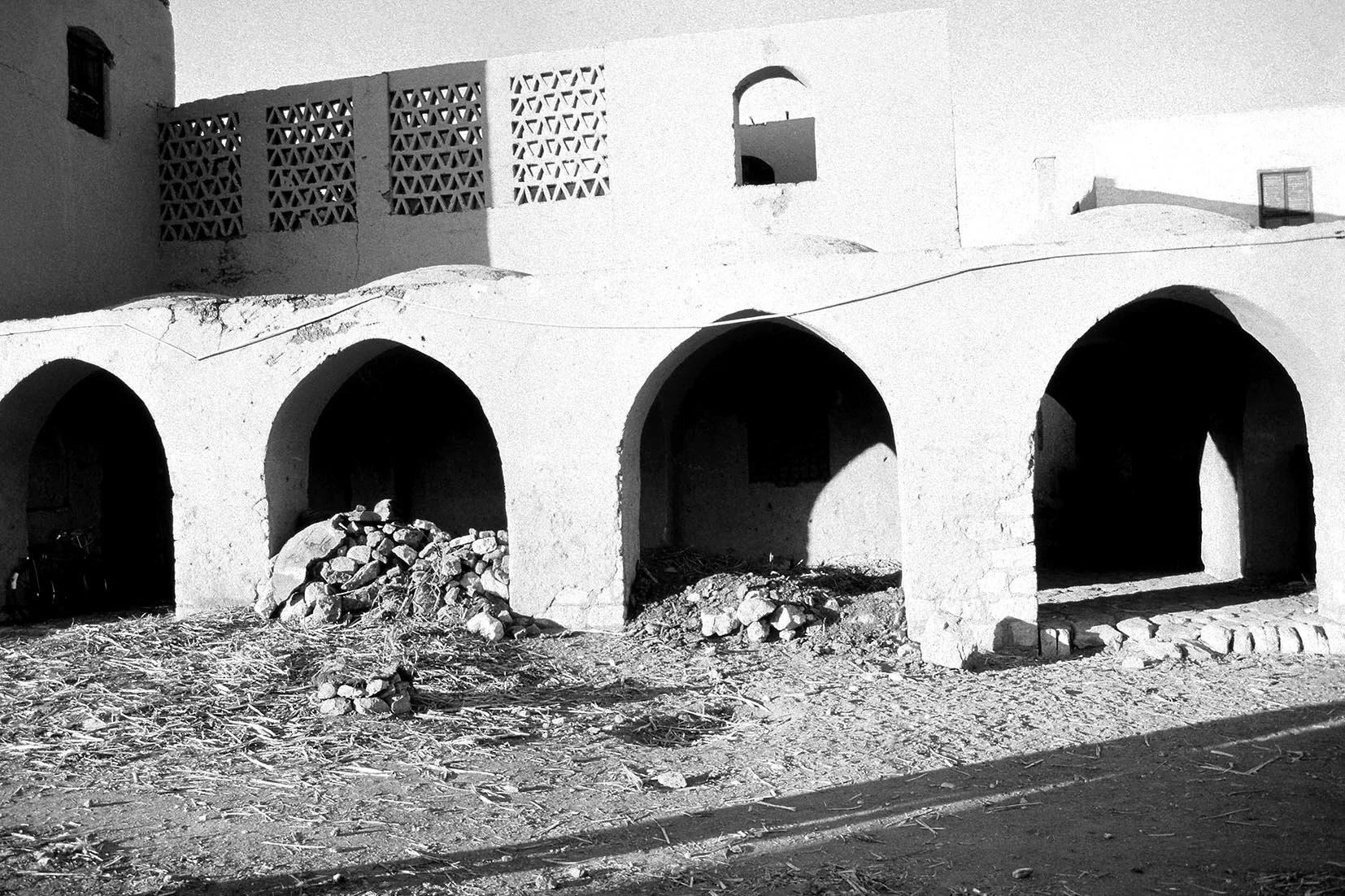
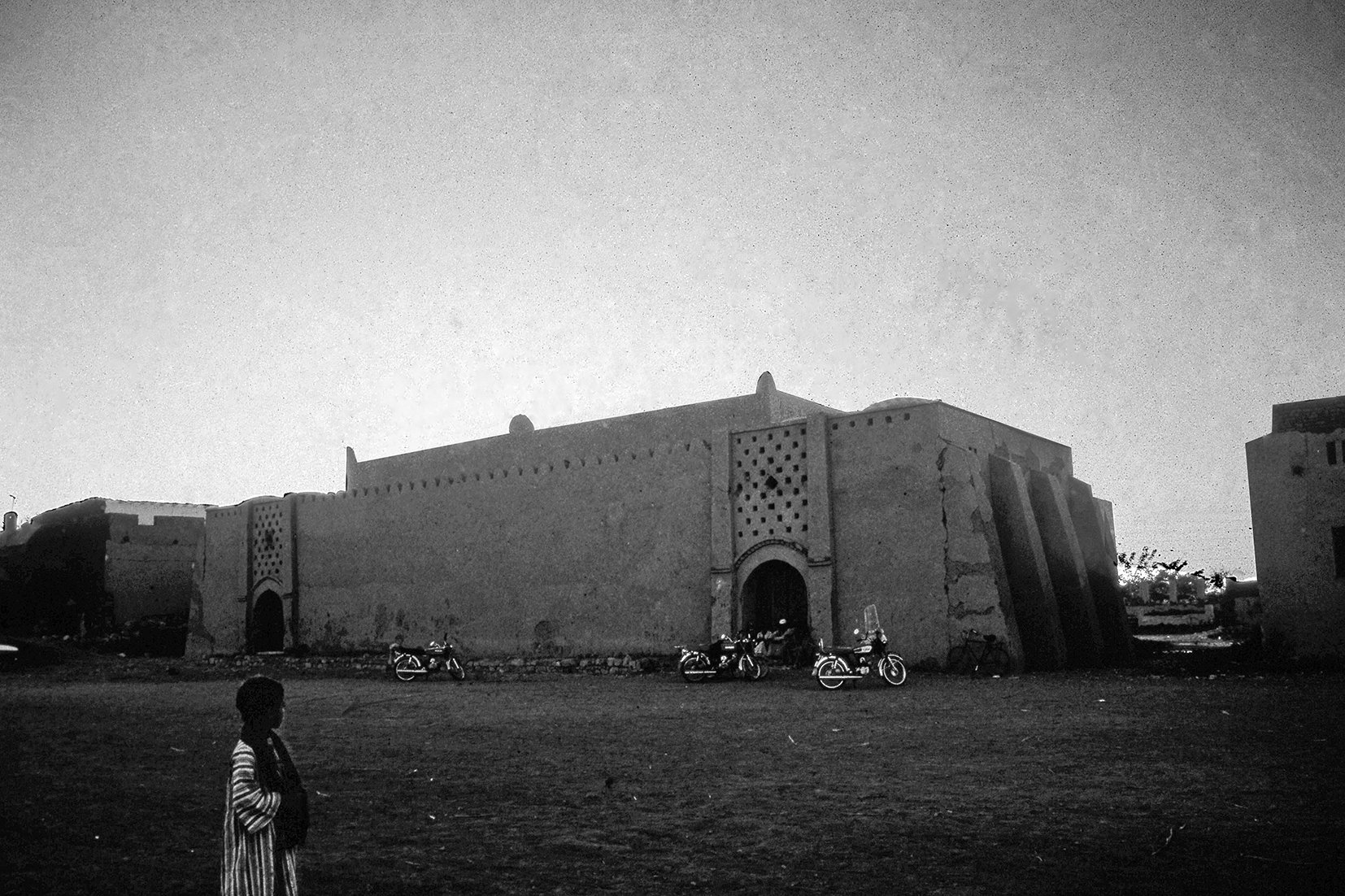
Marketplace. Gourna
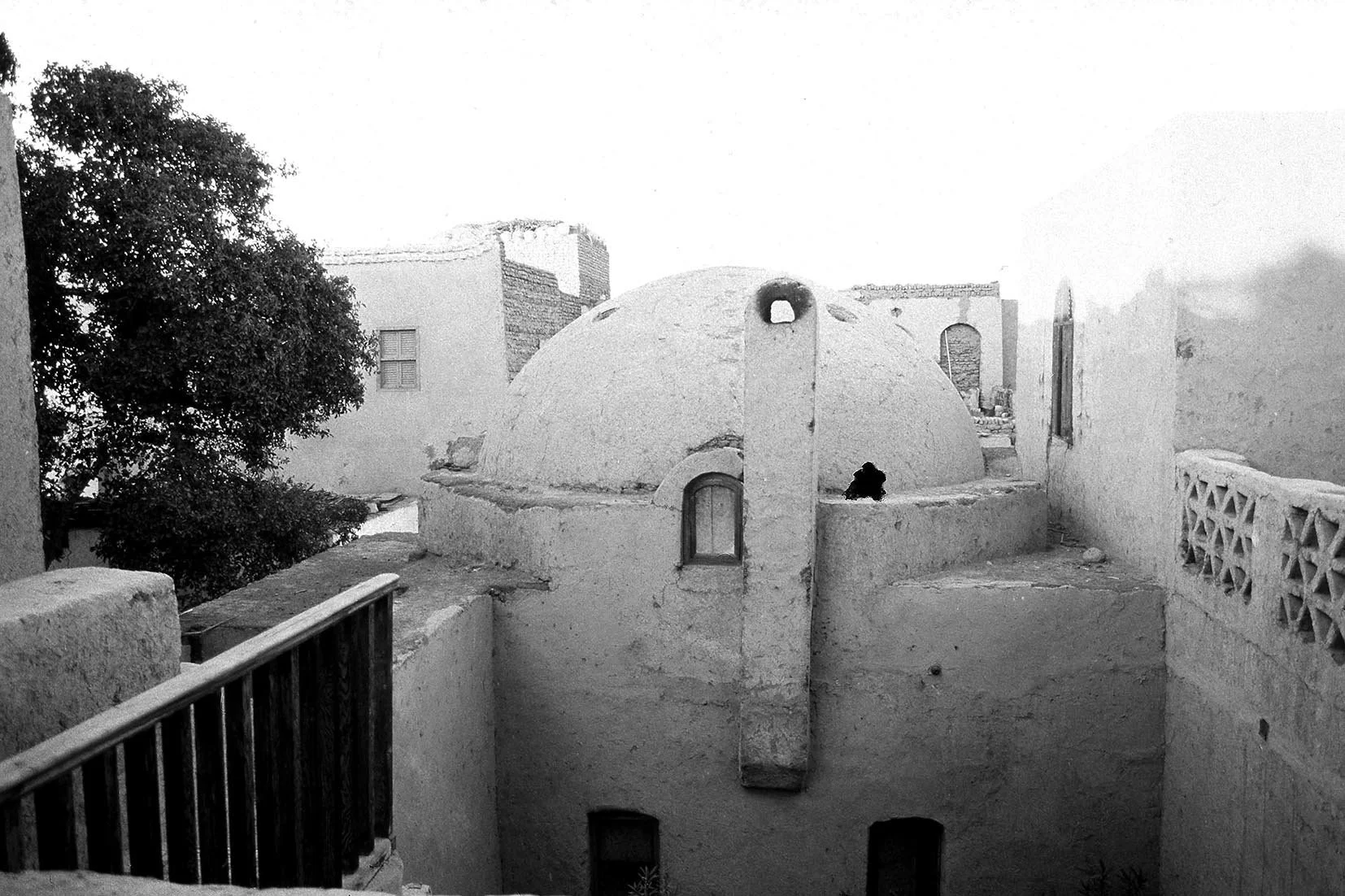
Hassan Fathy House. Gourna
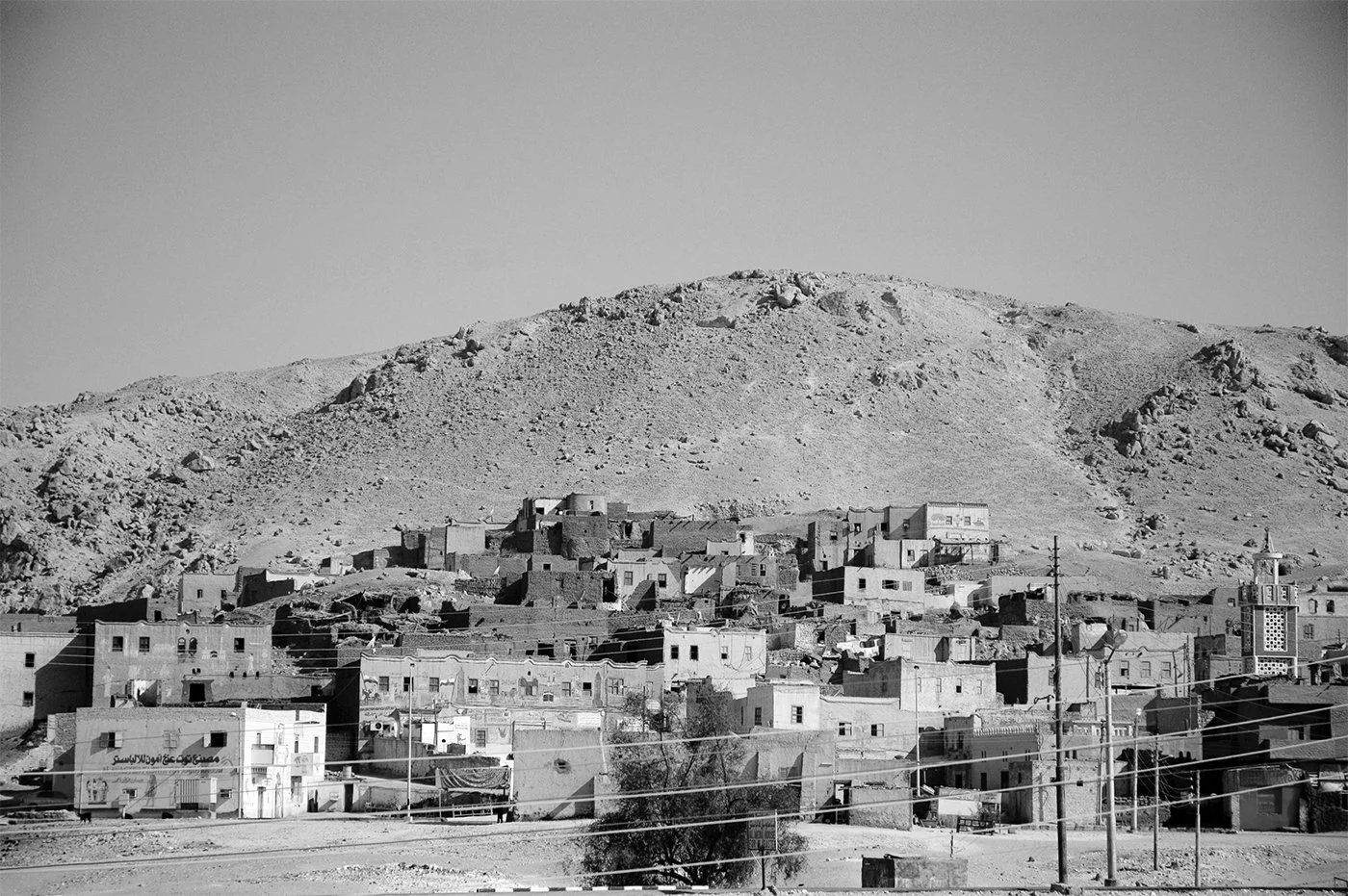
Old Gourna. Luxor
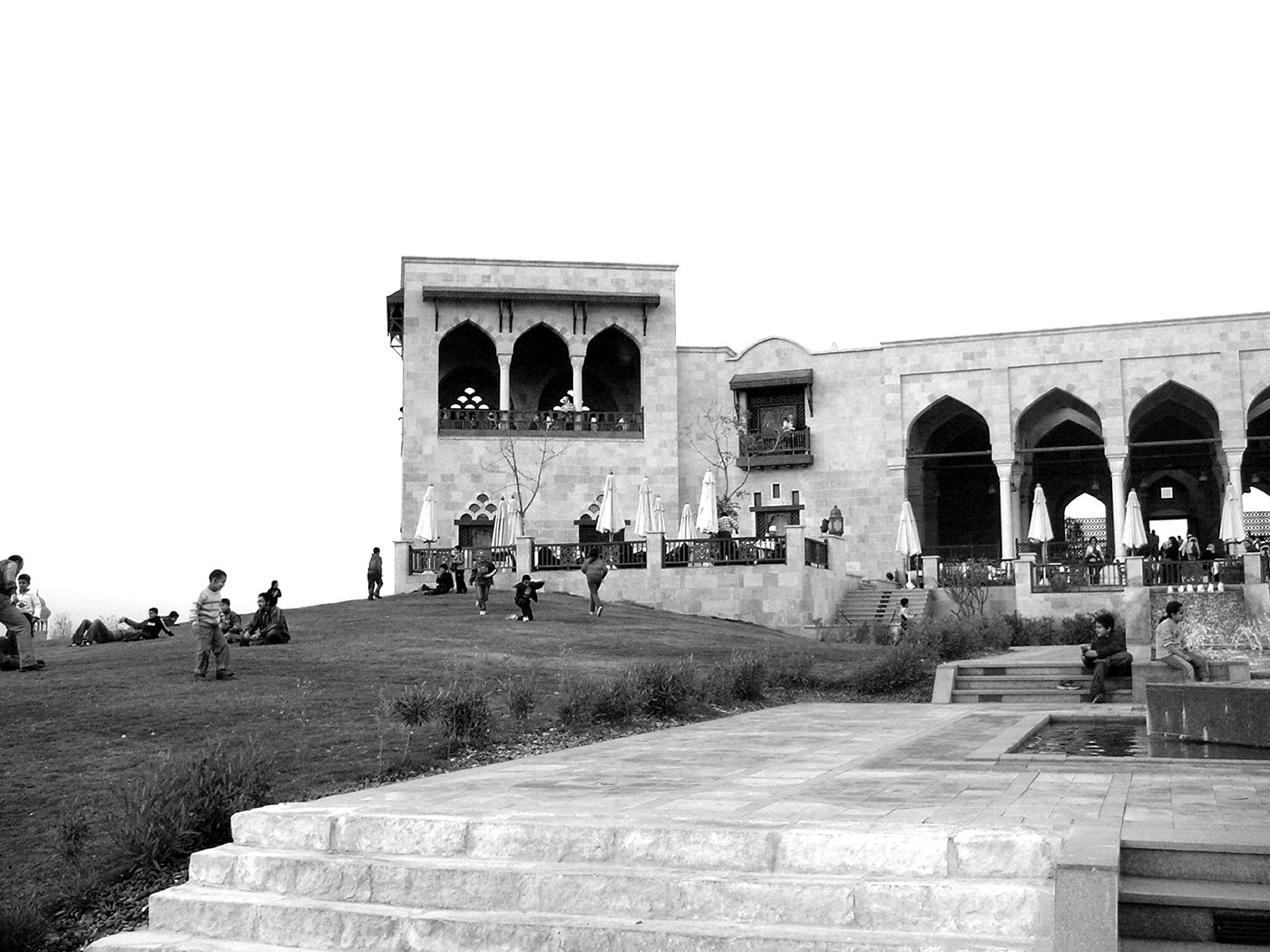
Pavilion. Al-Azhar Park
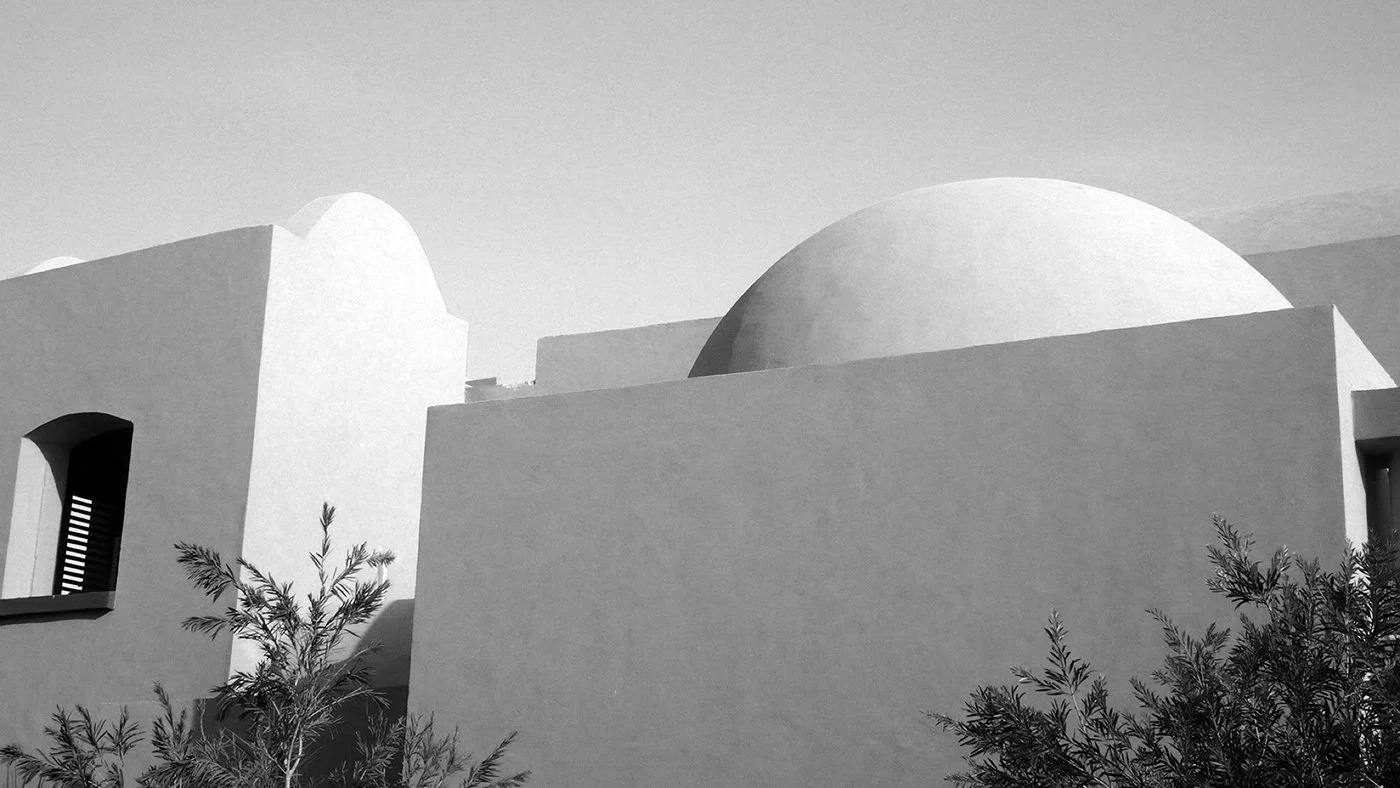
Sheraton Miramar. Gouna
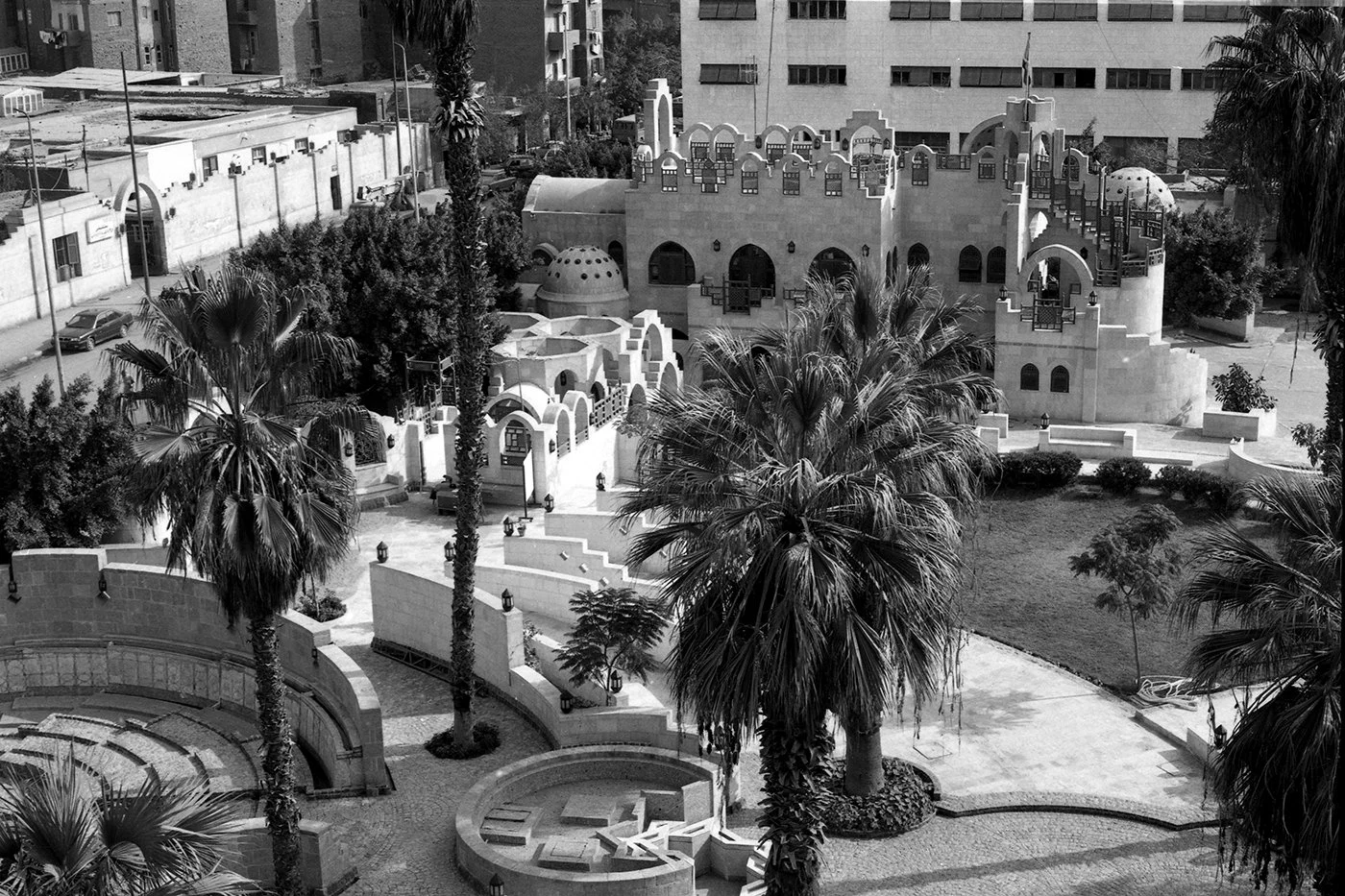
Cultural Park for Children. Cairo
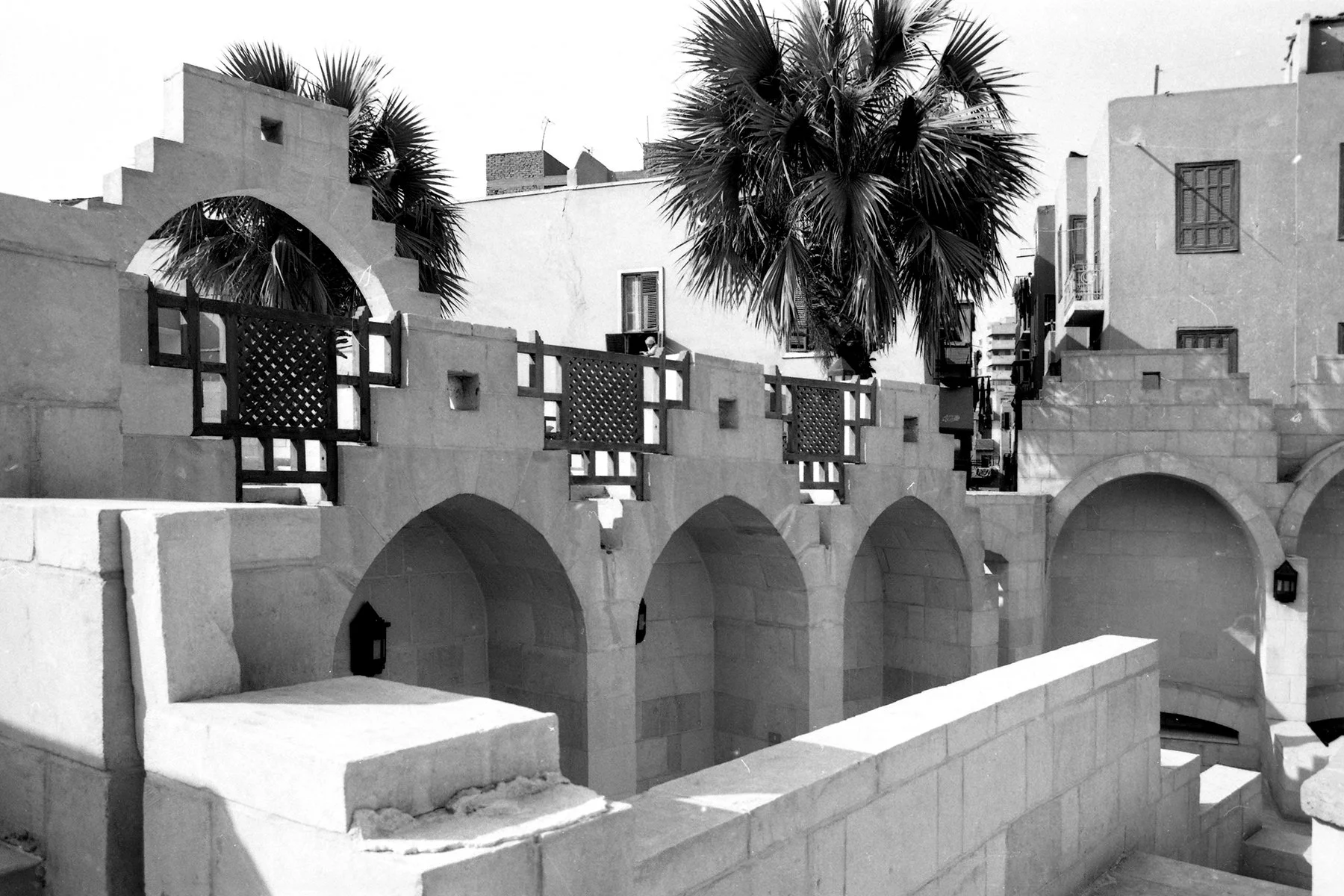
The Mountain الجبل
Fathy Ghanem's 1958 novel, “The Mountain,” explores the attempts to resettle rural inhabitants from the mountain of Al-Gourna, near Luxor, into a newly designed model village. These residents, according to the book, had traditionally lived in caves and makeshift homes on and around the mountain, which was rich in pharaonic artifacts. Their livelihood largely depended on unearthing and selling these artifacts to foreign tourists. The novel fictionalizes the Egyptian Department of Antiquities' efforts in the late 1940s to relocate these residents as part of a broader strategy to protect the archaeological sites from looting and to promote tourism.
The film tells the story of building the village of New Gourna by architect Hassan Fathy . The importance of the film - from an architectural perspective - is that it was filmed in the village of New Gourna itself in 1965. Of note is that Hassan Fathy did not mention the film in any of his writings or speeches.