Cities Without Memory: Urban Transformation and the Quiet Violence of Erasure
As war once again engulfs parts of the region, the destruction of cities—whether sudden or gradual—forces us to confront how easily memory can be erased from the urban landscape.
“The first step in liquidating a people is to erase its memory.”
— Milan Kundera. The Book of Laughter and Forgetting
Milan Kundera warned us about historical amnesia. How the erasure of memory inevitably leads to the loss of one’s sense of self, purpose and culture. And one can relate this to cities, and how the erasure of urban spaces, cherished by people, can lead to alienation, anomie and despair. It is imperative to reflect on these words in times of conflict, violence and destruction. Indeed, cities do not only grow; they are defined as much by what disappears. Sometimes the most lasting transformations are not those that add new buildings, but those that remove places—and with them, the memories and lives they once held.
I was reminded of this while thinking about the fate of the Pearl Roundabout in Manama. During the Arab Spring, the roundabout became an encampment, a space of gathering, dissent, and hope. It was cleared by security forces, and then, in an act of profound symbolic finality, physically erased. The monument was demolished, and the site turned into a traffic intersection. Yet its presence persists in collective memory. Both its occupation and its subsequent destruction were acts of urban violence—one asserting a claim to space, the other eliminating it altogether.
I wrote previously about Dubai’s Iranian Hospital; another space layered with memory and transience. Here, I want to reflect on a different part of the city—one that, like the hospital, embodied a quintessential Iranian presence: the Fahidi district, formerly known as Bastakiy’ya.
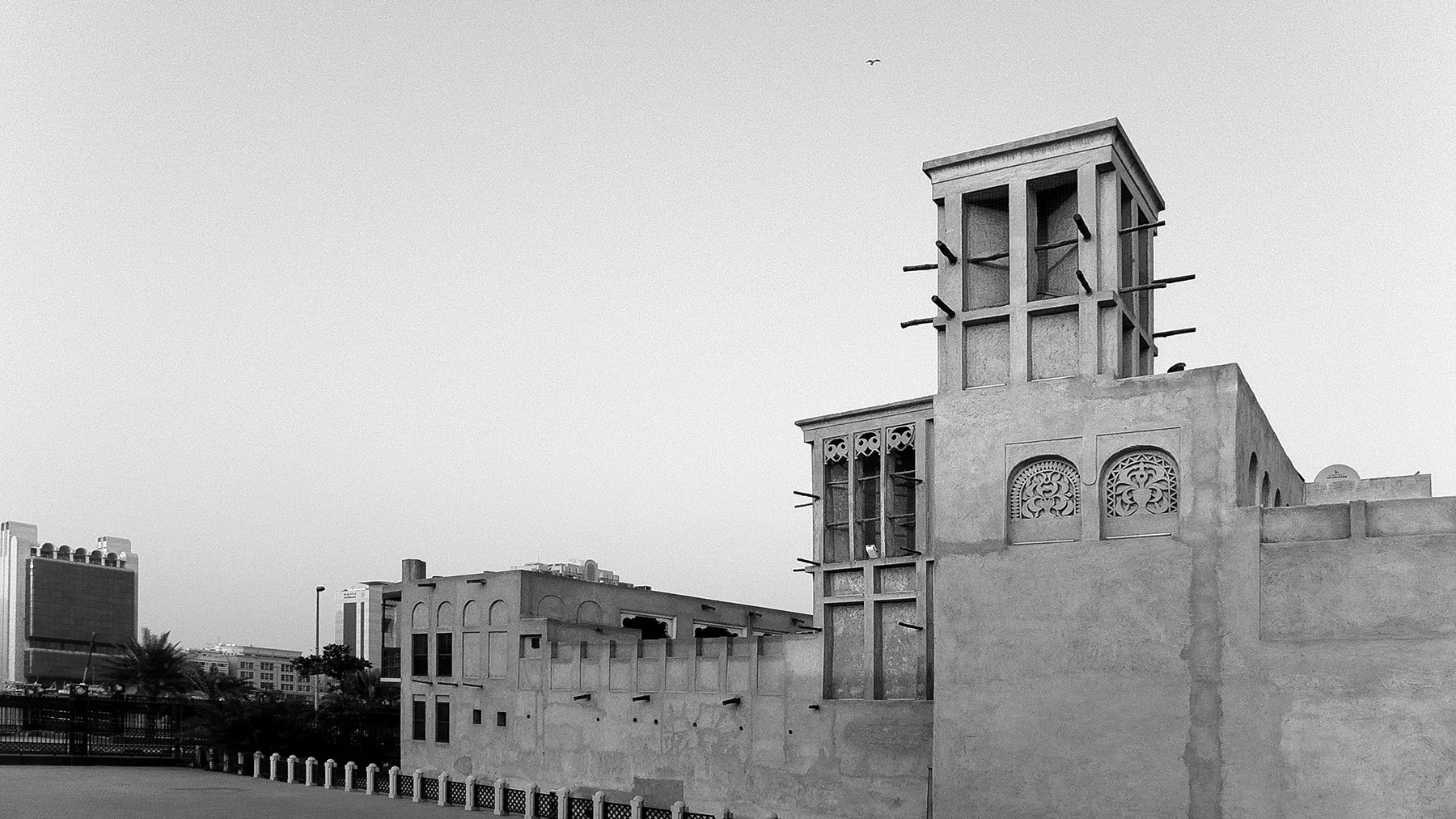
Bastakiy’ya. 2007
The district’s origins date back to the 1890s, when Iranian migrants—many from the town of Bastak—settled in Dubai. They had fled heavy taxes imposed by the Shah and were welcomed by Dubai’s ruler, who set aside land for them along the creek. They built houses reflecting the architecture of their homeland: coral stone walls, narrow alleys, and distinctive windcatchers that captured the breeze and cooled interiors. For decades, Bastakiy’ya thrived as a mercantile and residential quarter tied closely to trade across the Gulf.
By the 1970s, however, the area had begun to decline. Wealthier residents moved out to newer neighborhoods, and the district deteriorated. It became occupied by South Asian laborers and squatters. At the same time, demolition began. A large section of Bastakiy’ya was cleared to make way for the Diwan—the seat of Dubai’s ruler and government—and more demolitions were planned. The district seemed destined to disappear. But during a visit in the 1980s, Prince Charles reportedly implored the municipality to halt the destruction. According to a senior official in the municipality’s historic department, whom I spoke to years later, this intervention prompted authorities to reconsider. The district was gradually preserved and converted into an open-air heritage area.
My first encounter with Bastakiy’ya—still known by that name—was in 1997, during a field trip with students from UAE University. We walked through its alleys; some buildings were under restoration, while others remained occupied. A Filipino man approached us. He introduced himself as a young fashion designer and asked whether we wanted to see the interior of one of the houses. We agreed. Crossing the threshold, we found a space stripped of its proper ceiling and subdivided into cells. More than sixty people lived inside—cooking, washing, sleeping, sharing an improvised existence. He then led us to the roof. Clothes hung from lines suspended between the windtowers. From there, we saw the creek and Deira beyond—a vivid juxtaposition of survival and beauty.
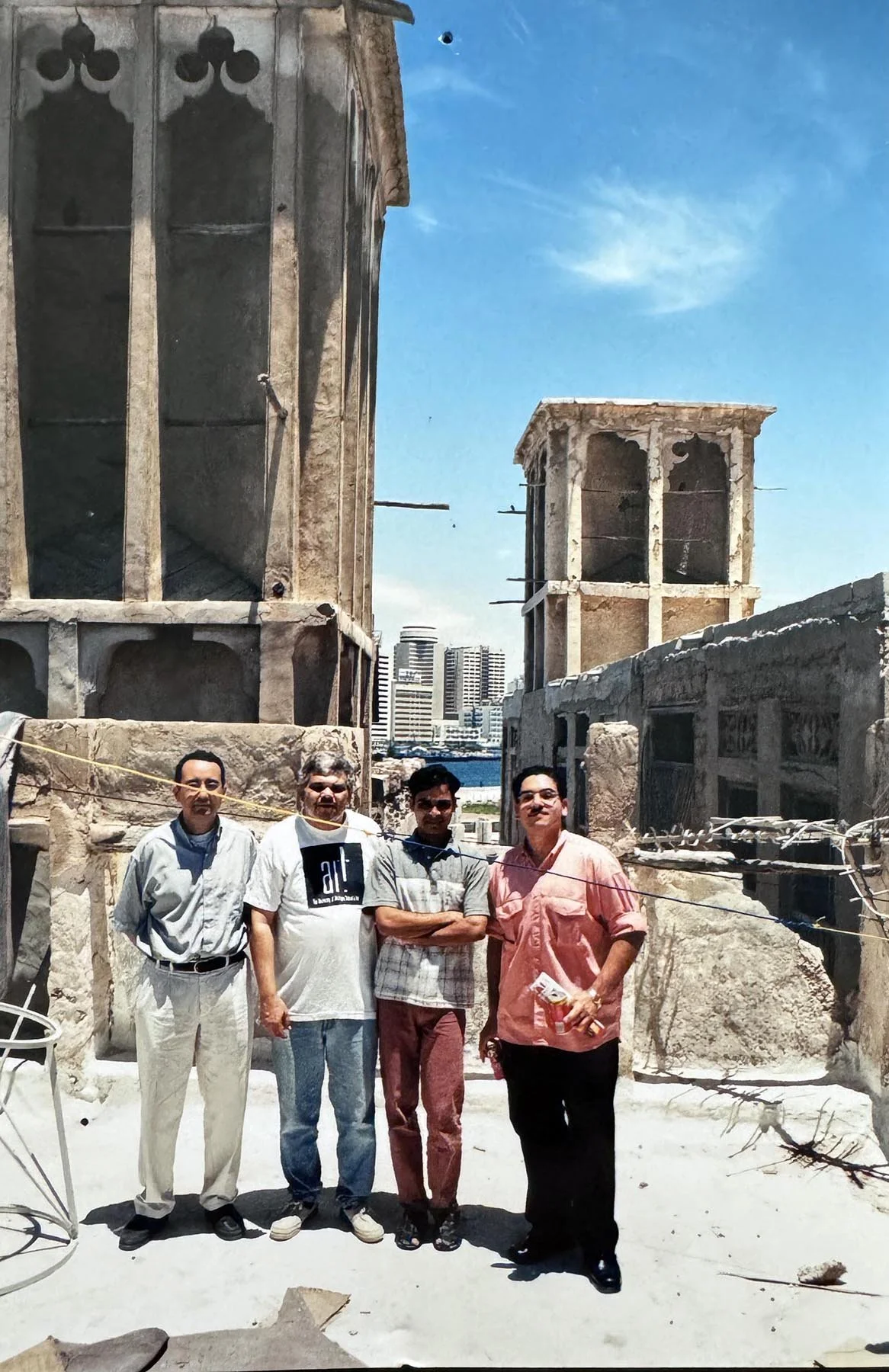
Bastakiy’ya. 1997. Left-to-right (myself, Amr Hawas, Filipino interlocutor, student)
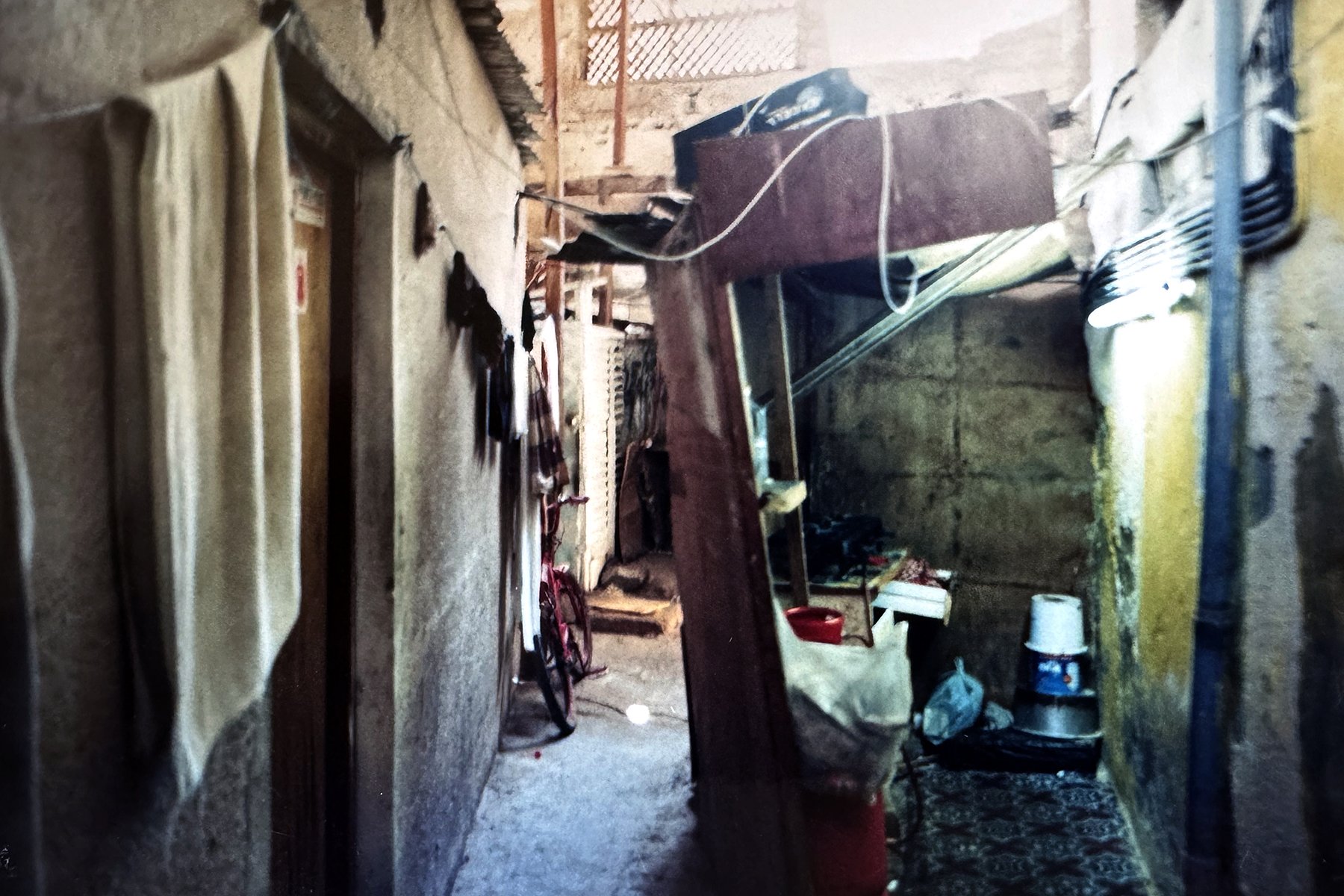
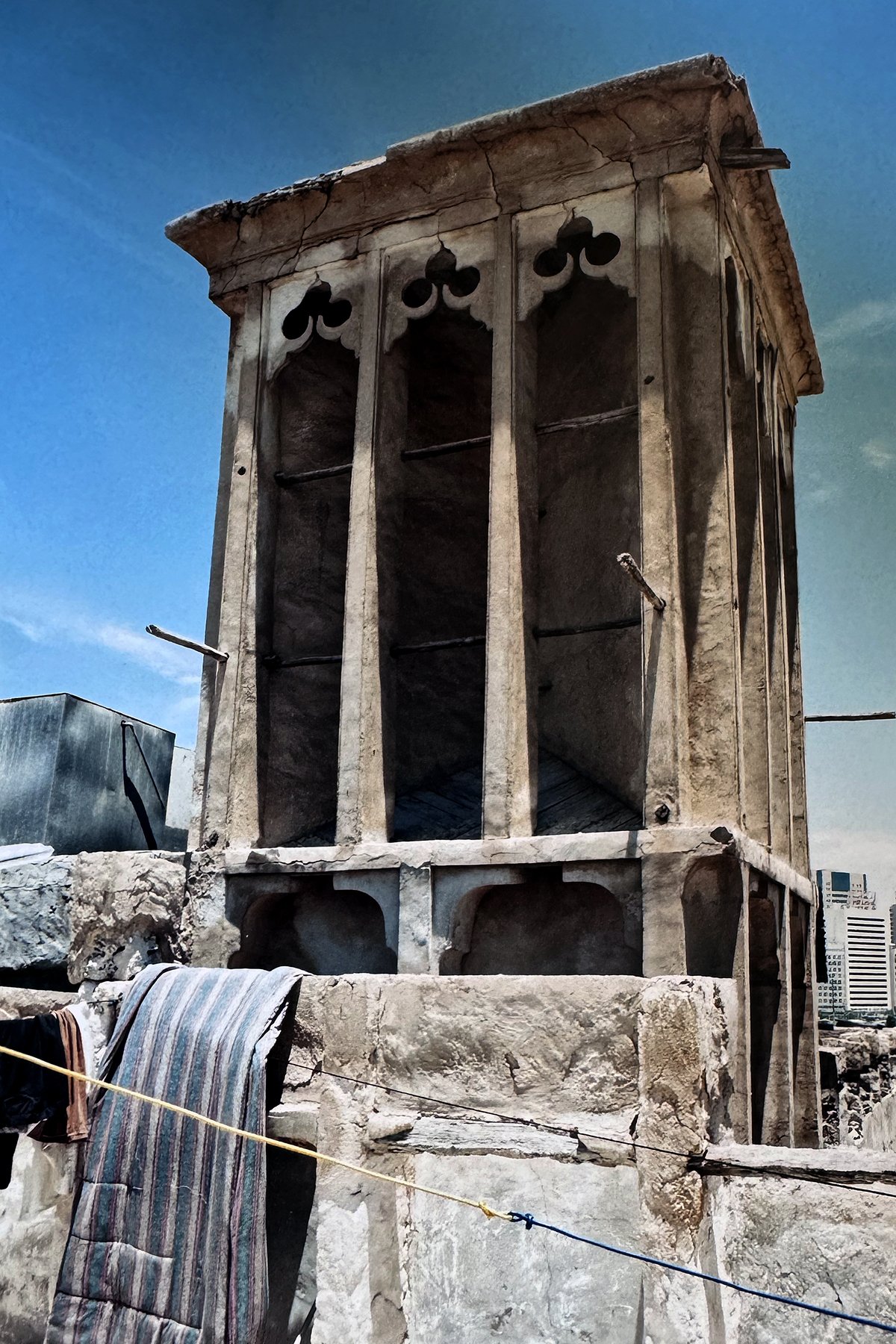
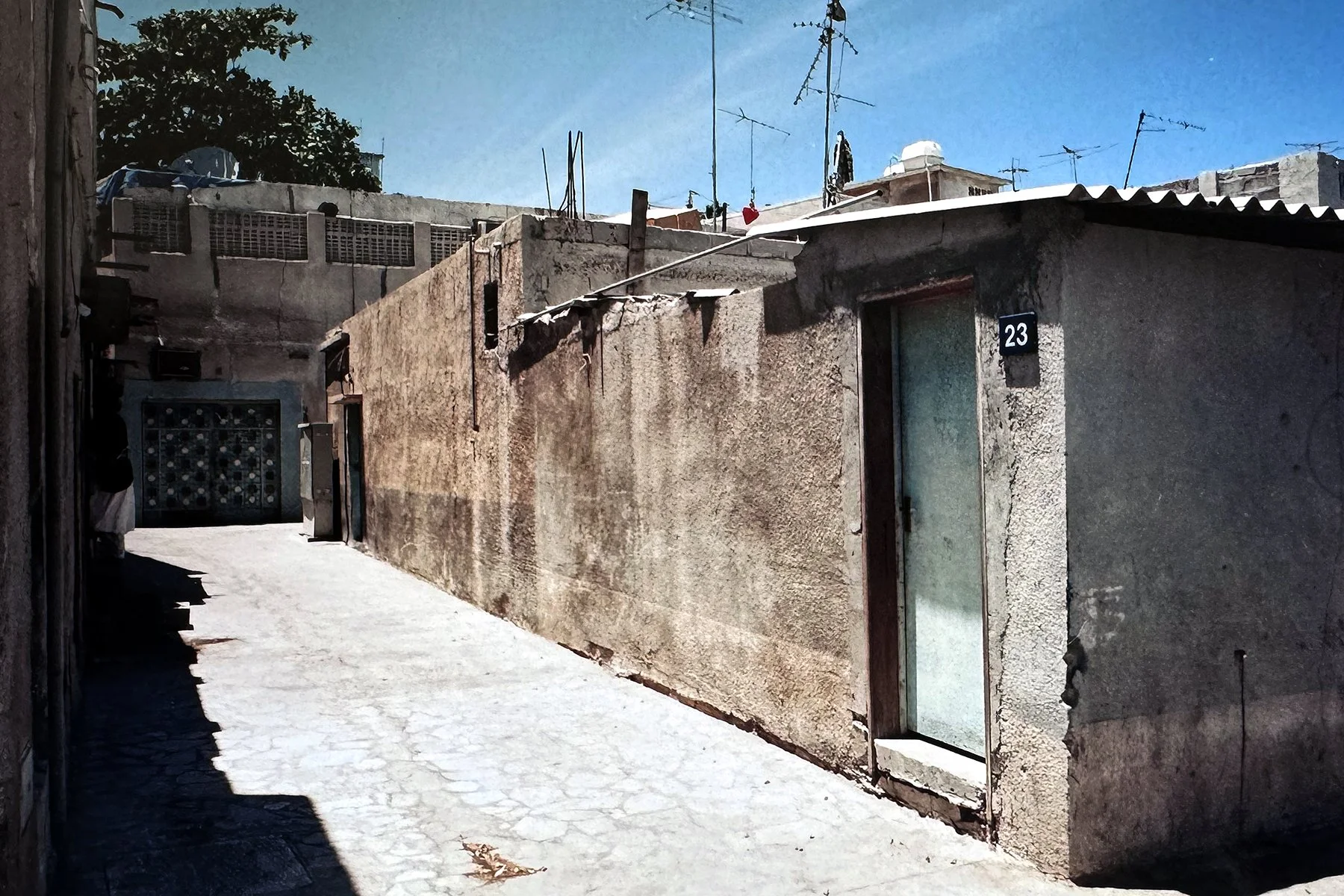
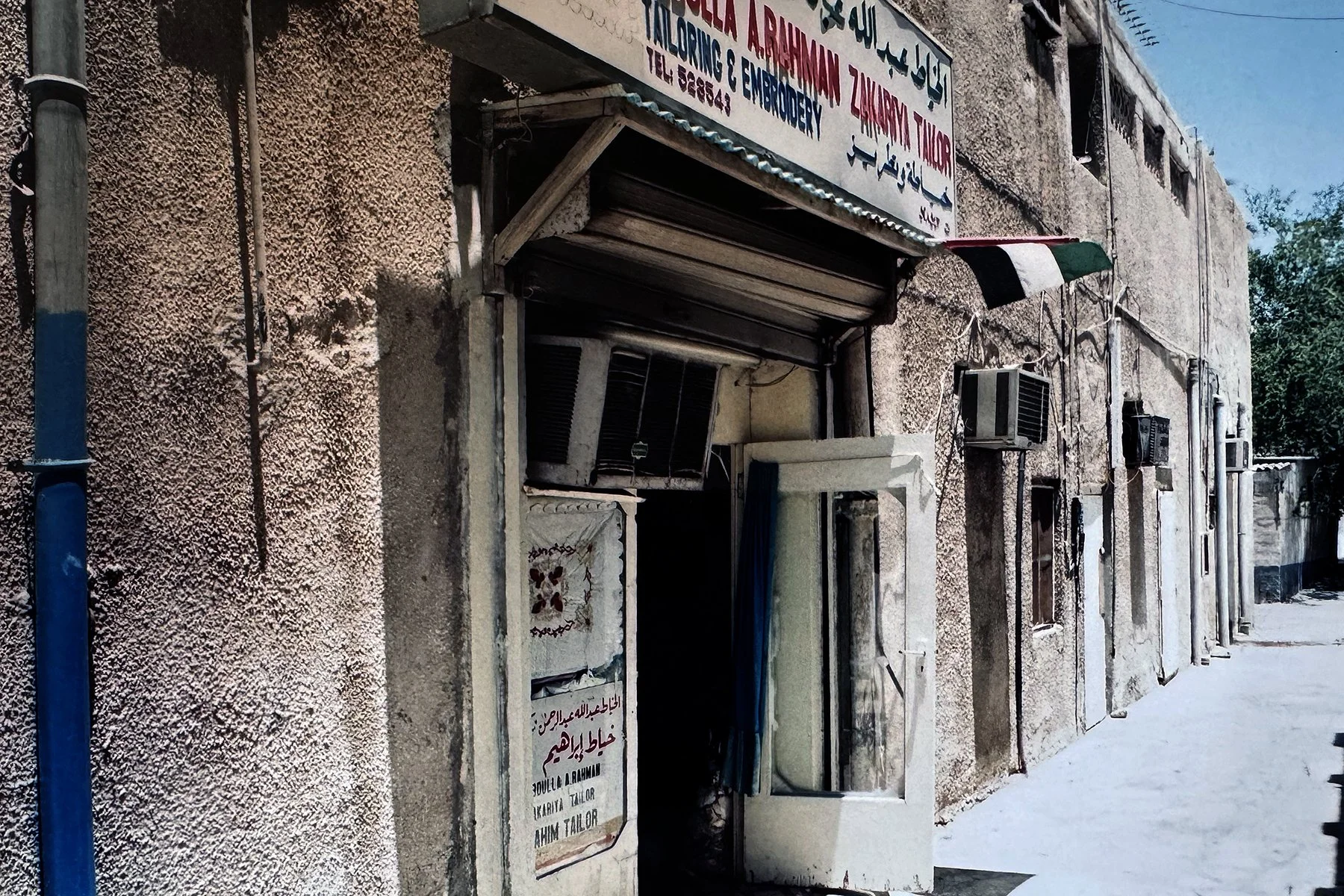
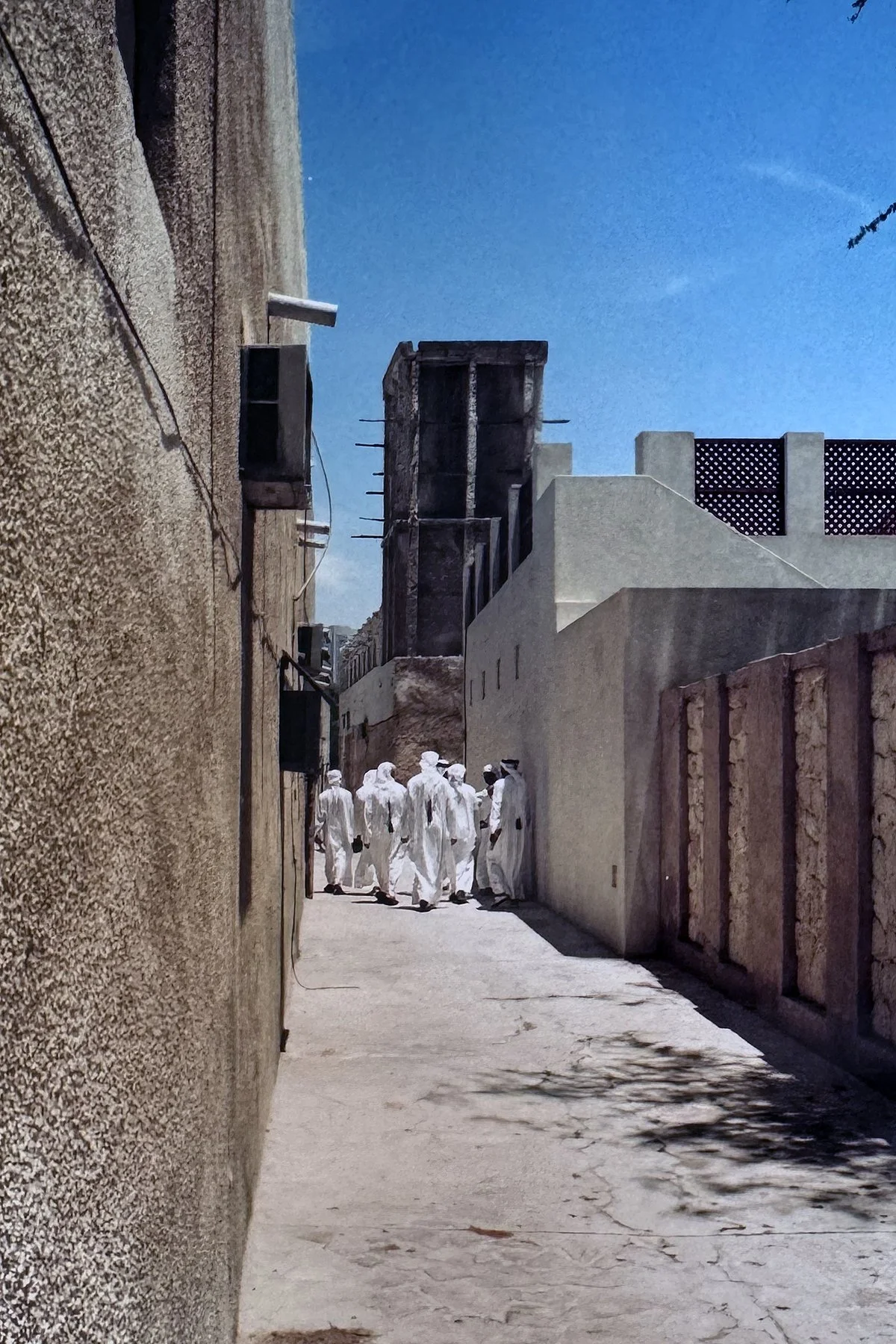
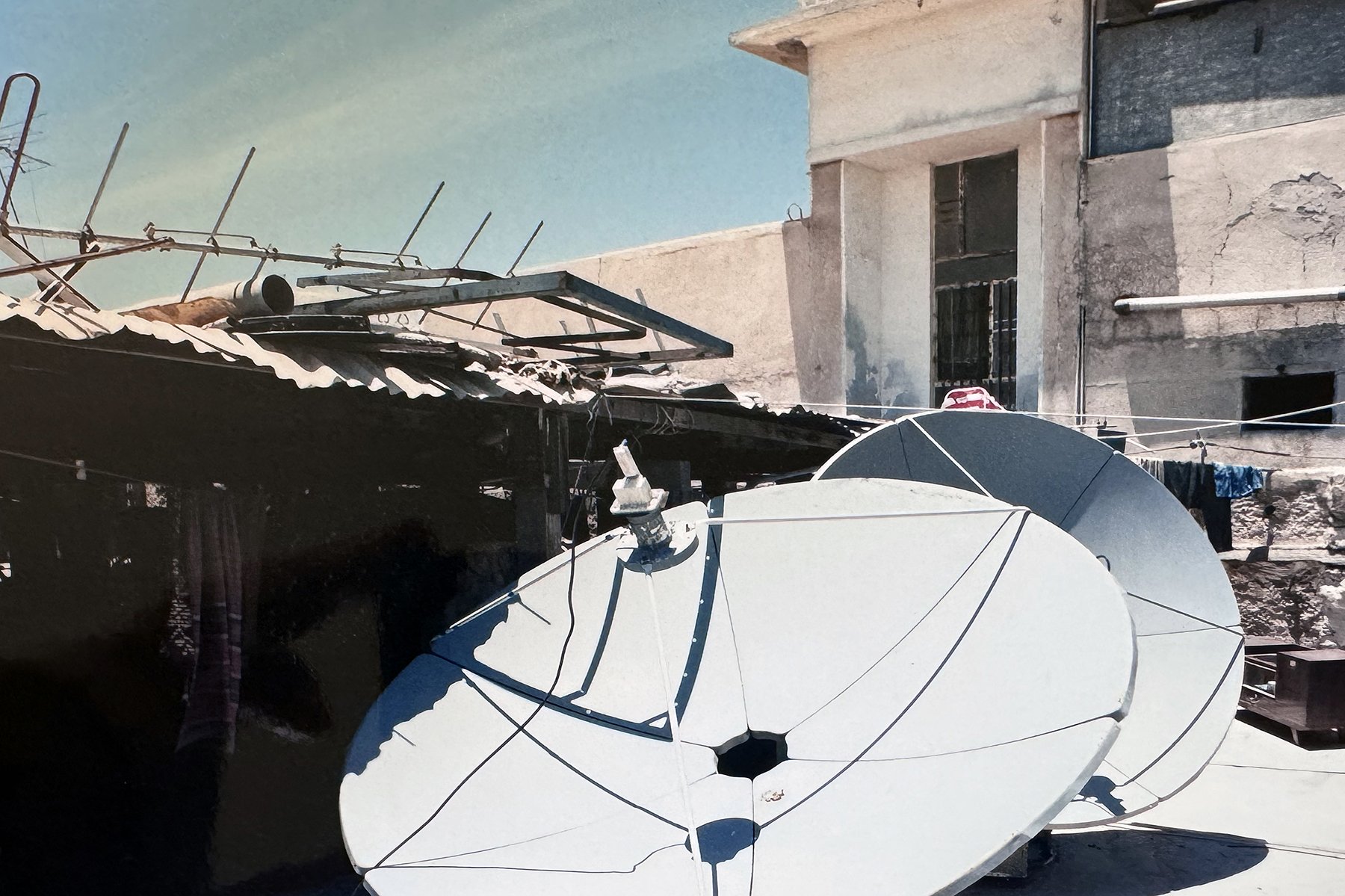
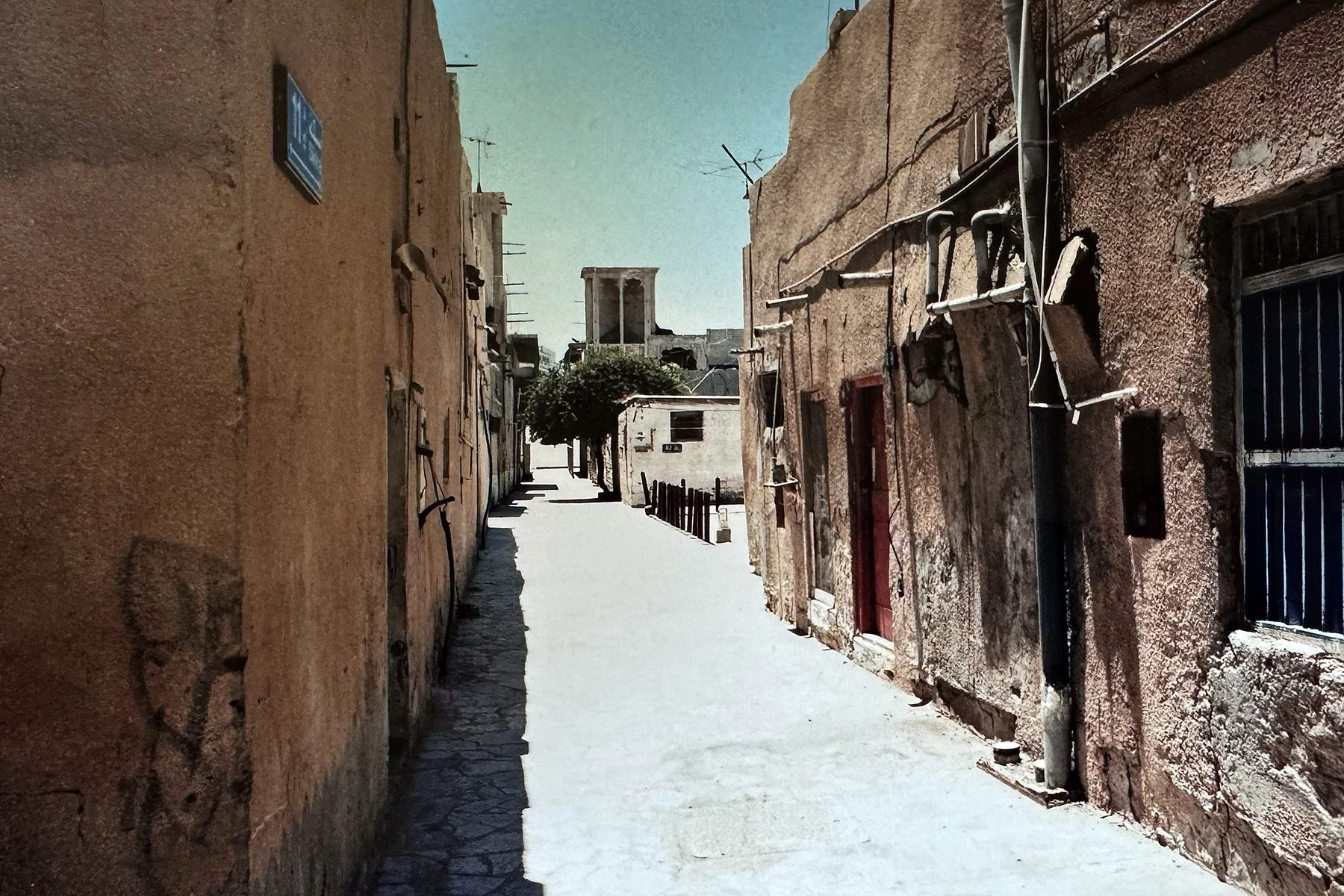
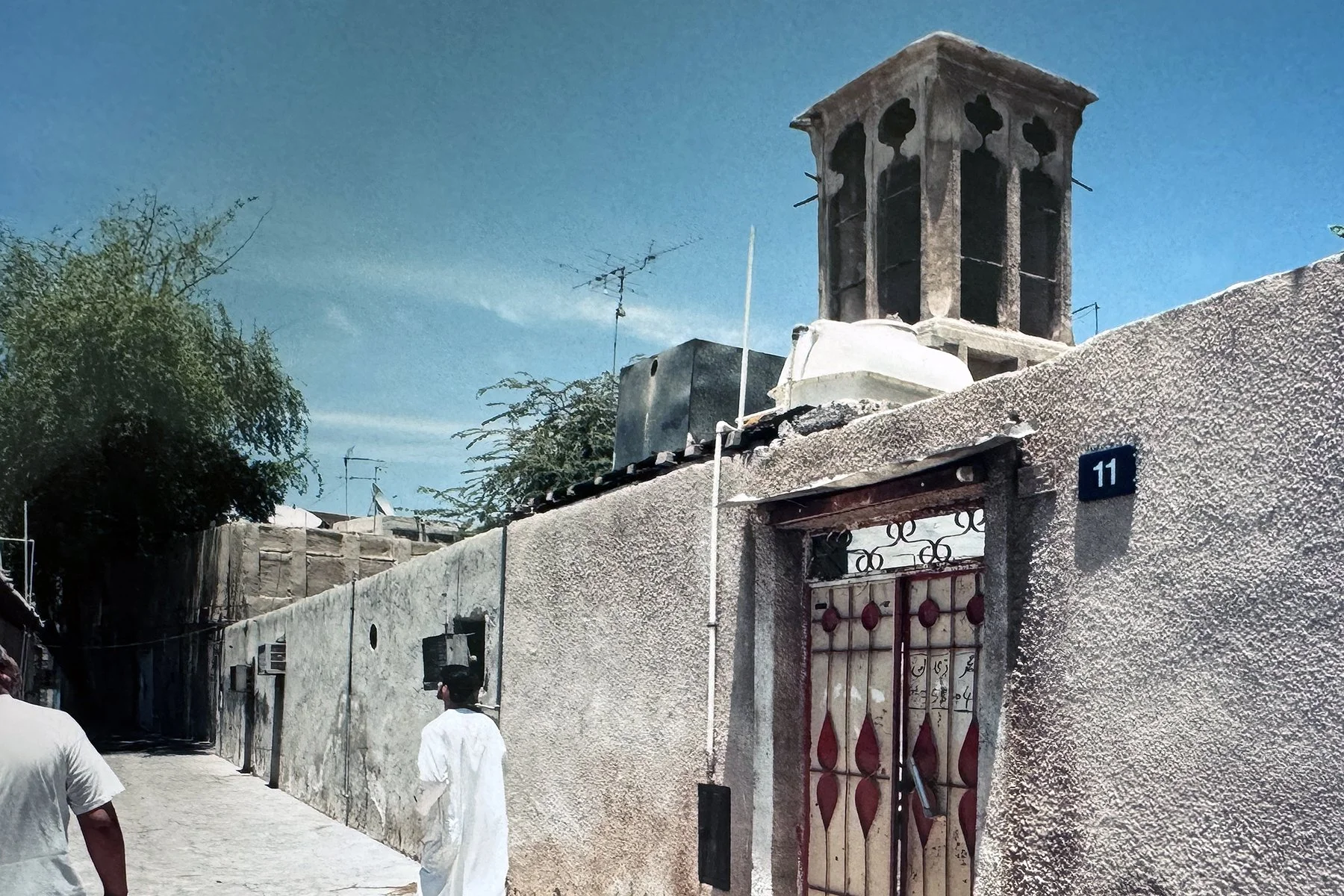
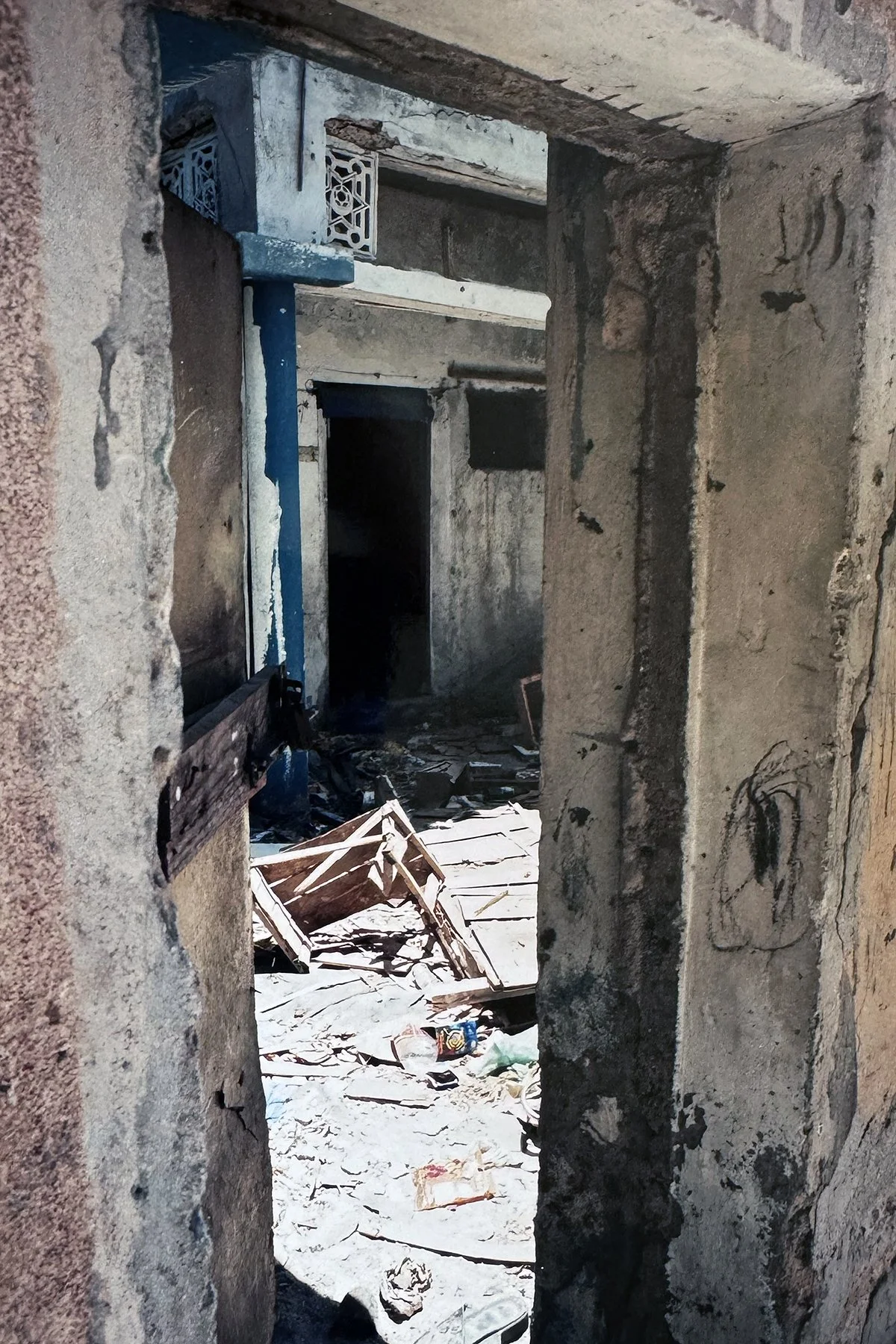
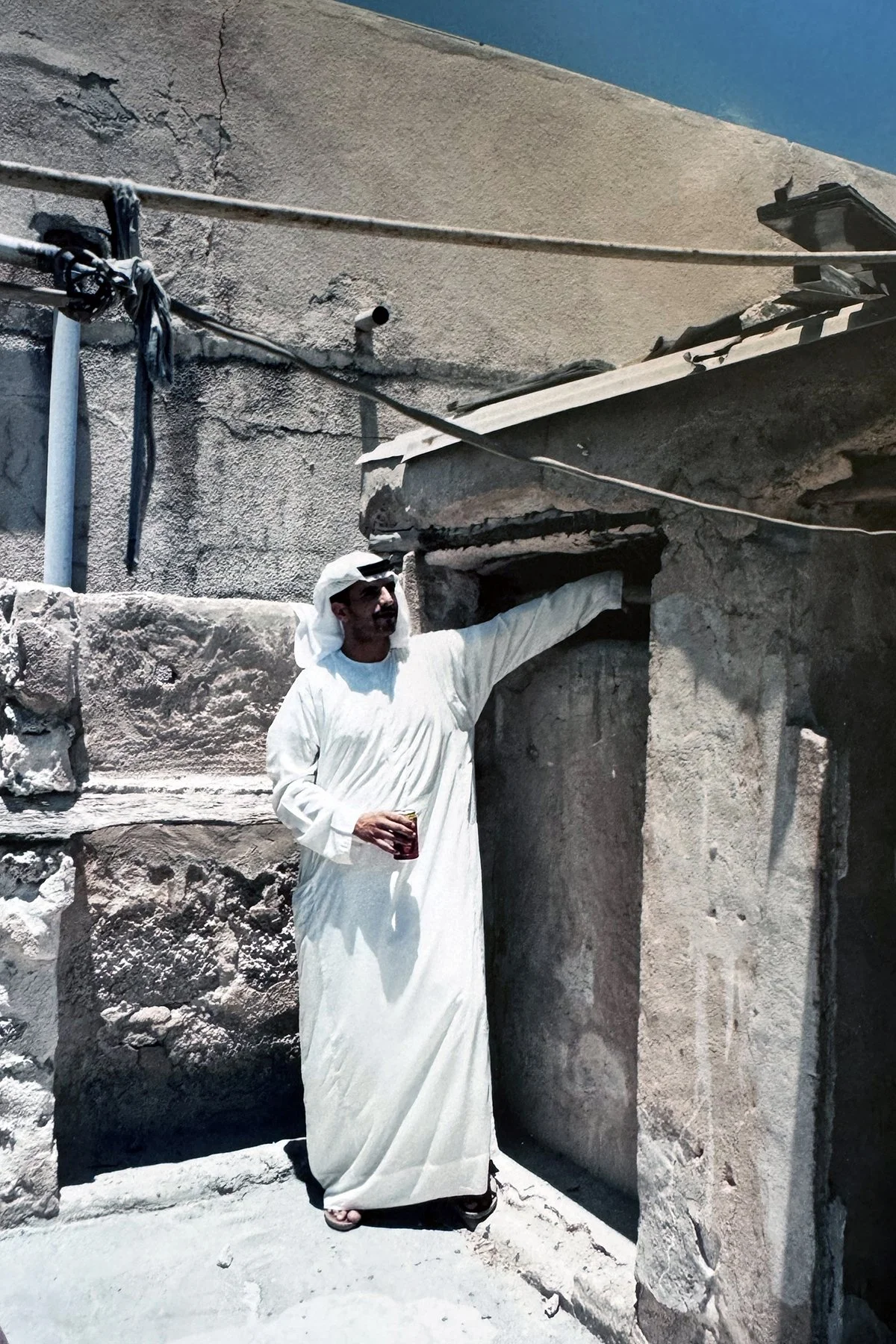
In subsequent years, I returned often. Gradually, the laborers disappeared. Houses became galleries, boutique hotels, restaurants, and cafés. A heritage center was established, along with a majlis where elderly Emiratis sat drinking gahwa and inviting passersby to join them. On one occasion, I sat there with one of my Emirati PhD students, chatting with a police employee—a warm and memorable encounter. The district also hosted the annual Dubai Art event. Yet despite these activities, on most days it felt empty and lifeless. This stood in sharp contrast to the nearby souq and abra station, where wooden boats ferried people across the creek in a constant flow of everyday life.
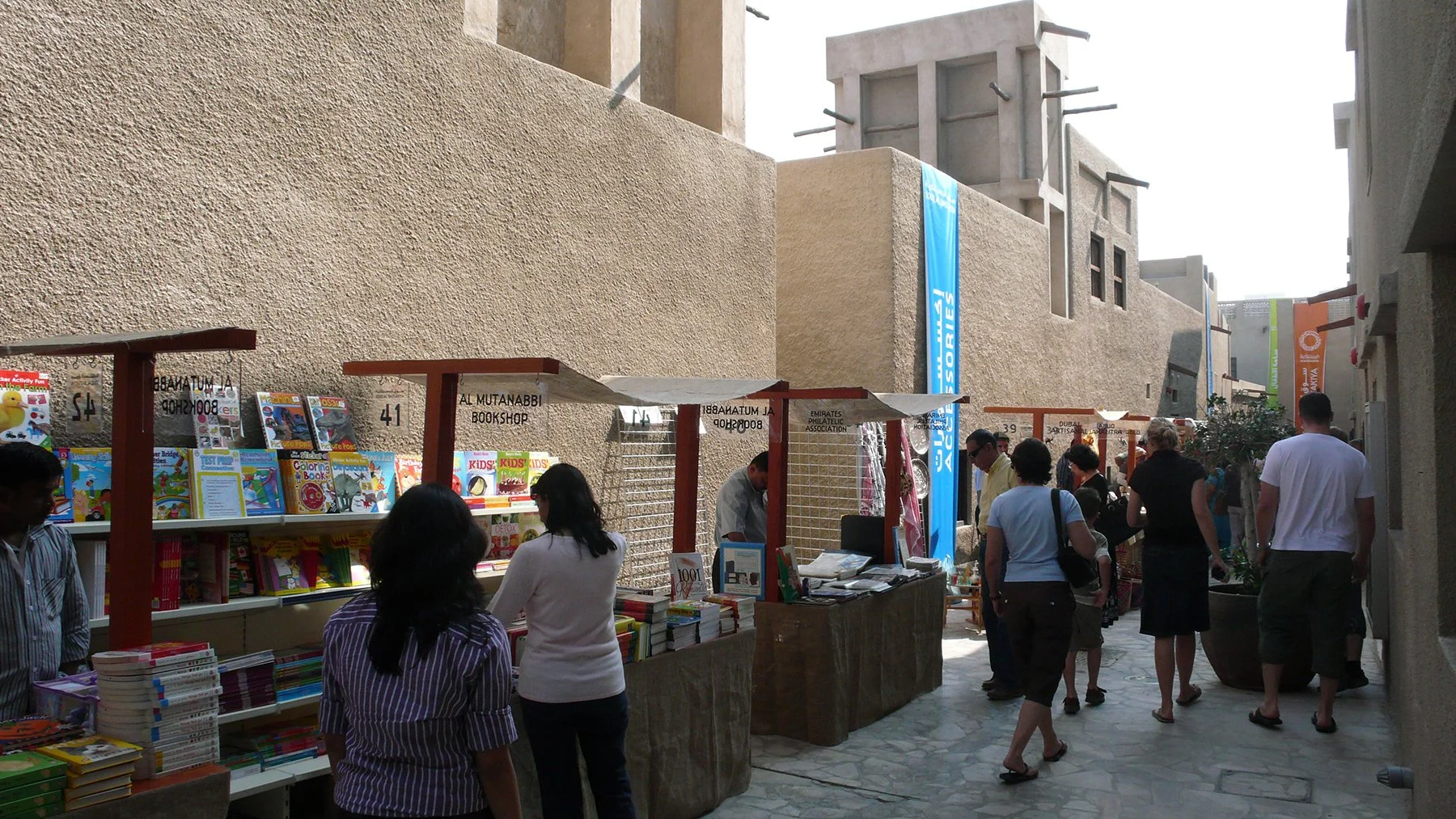
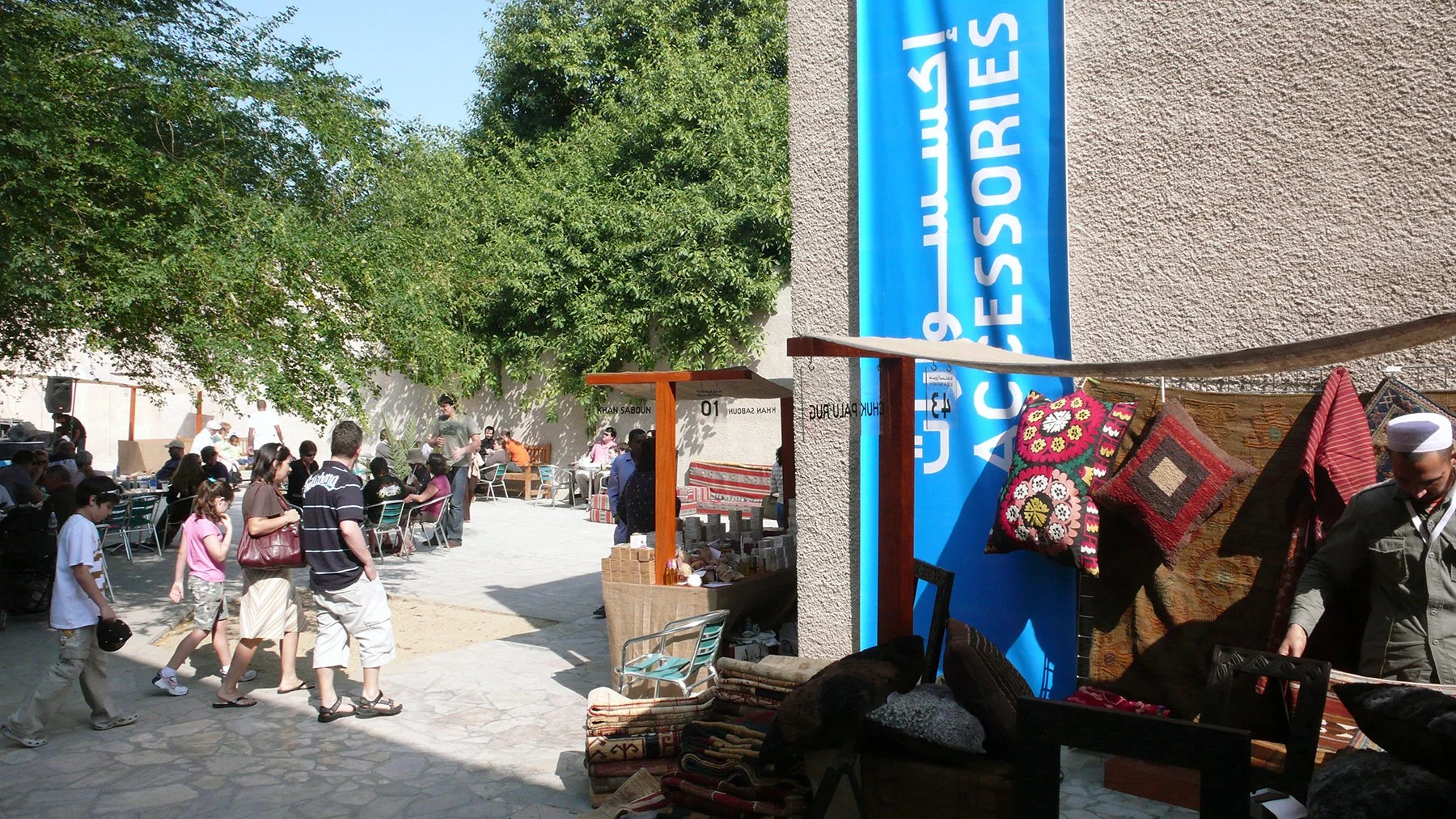
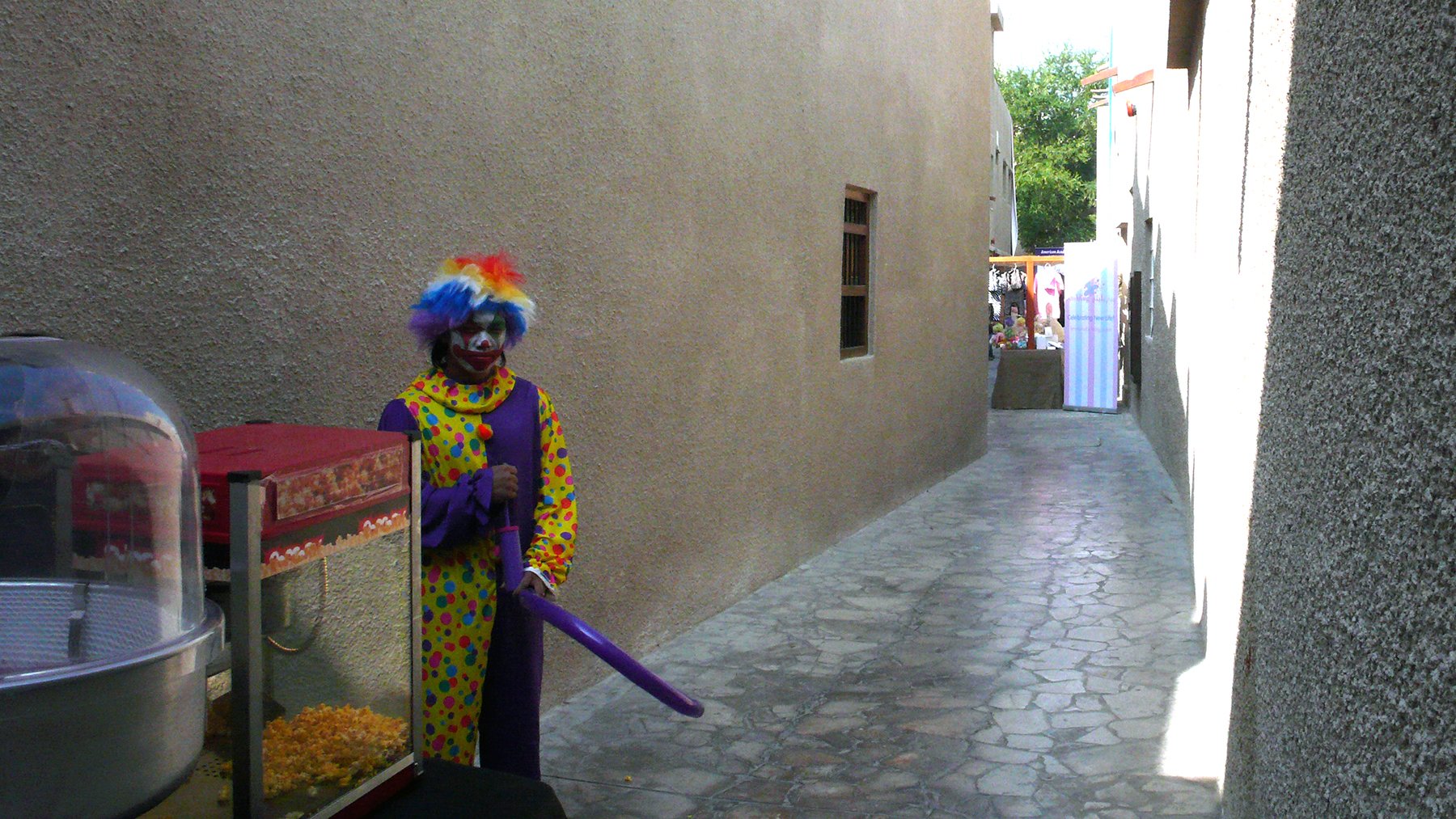
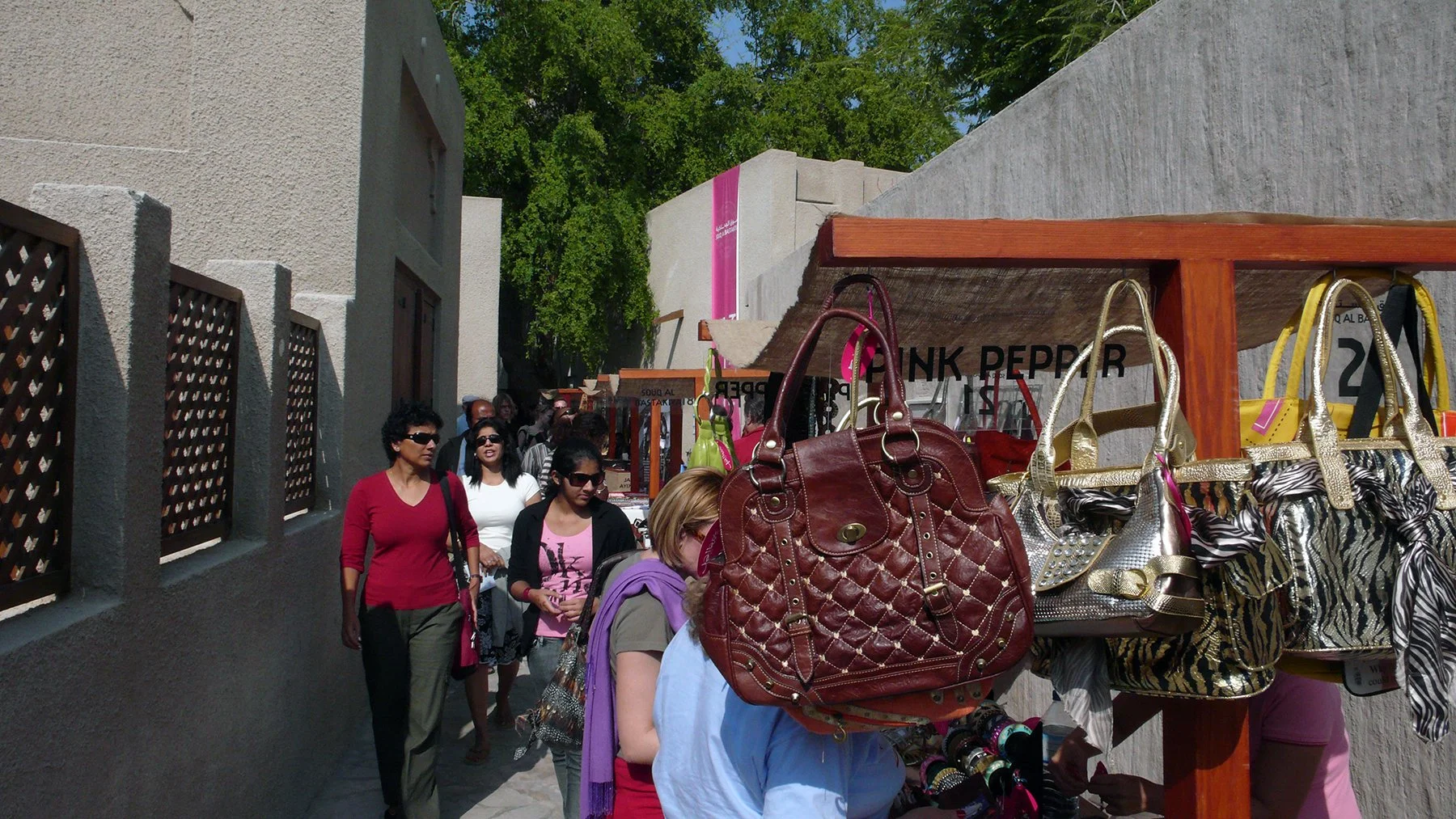
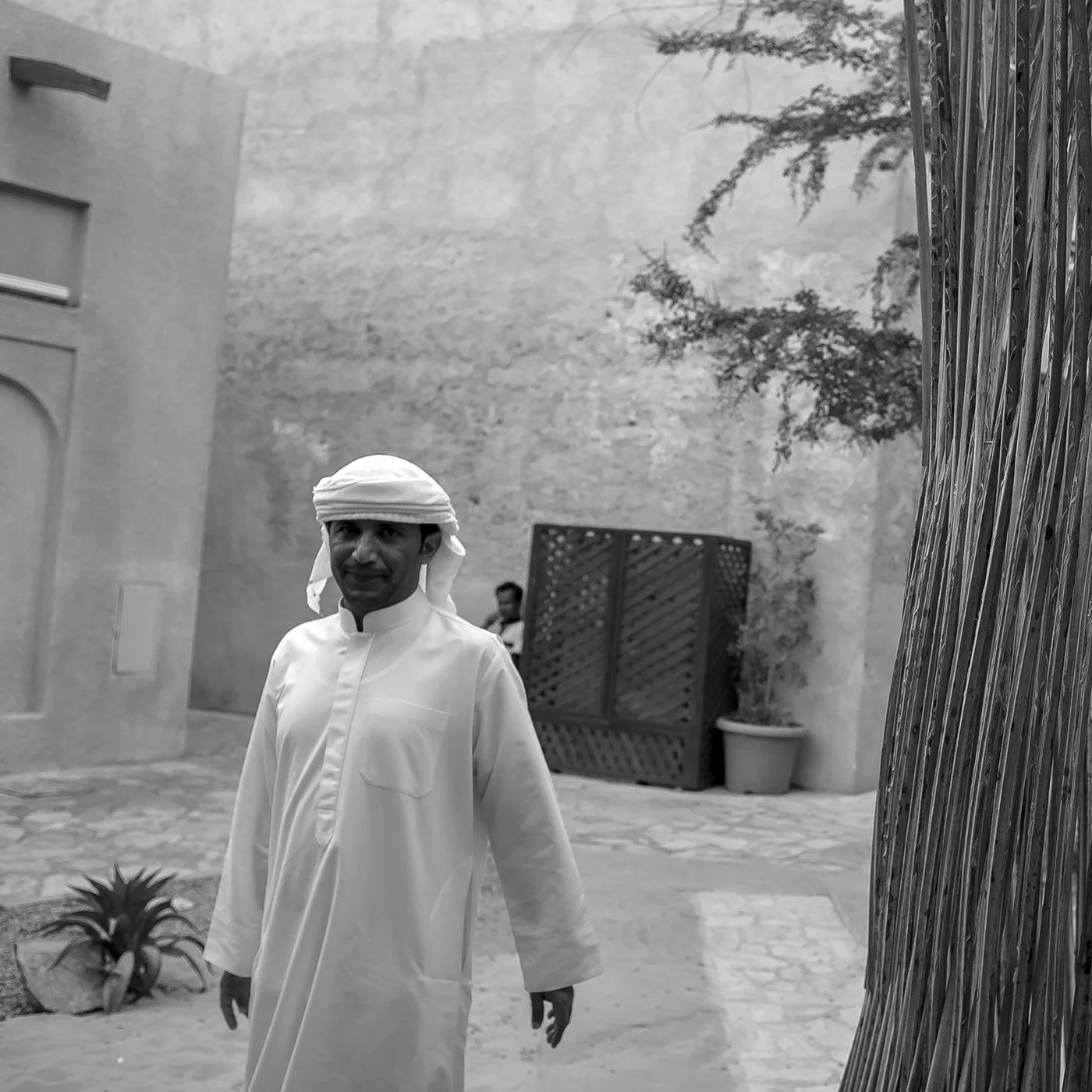
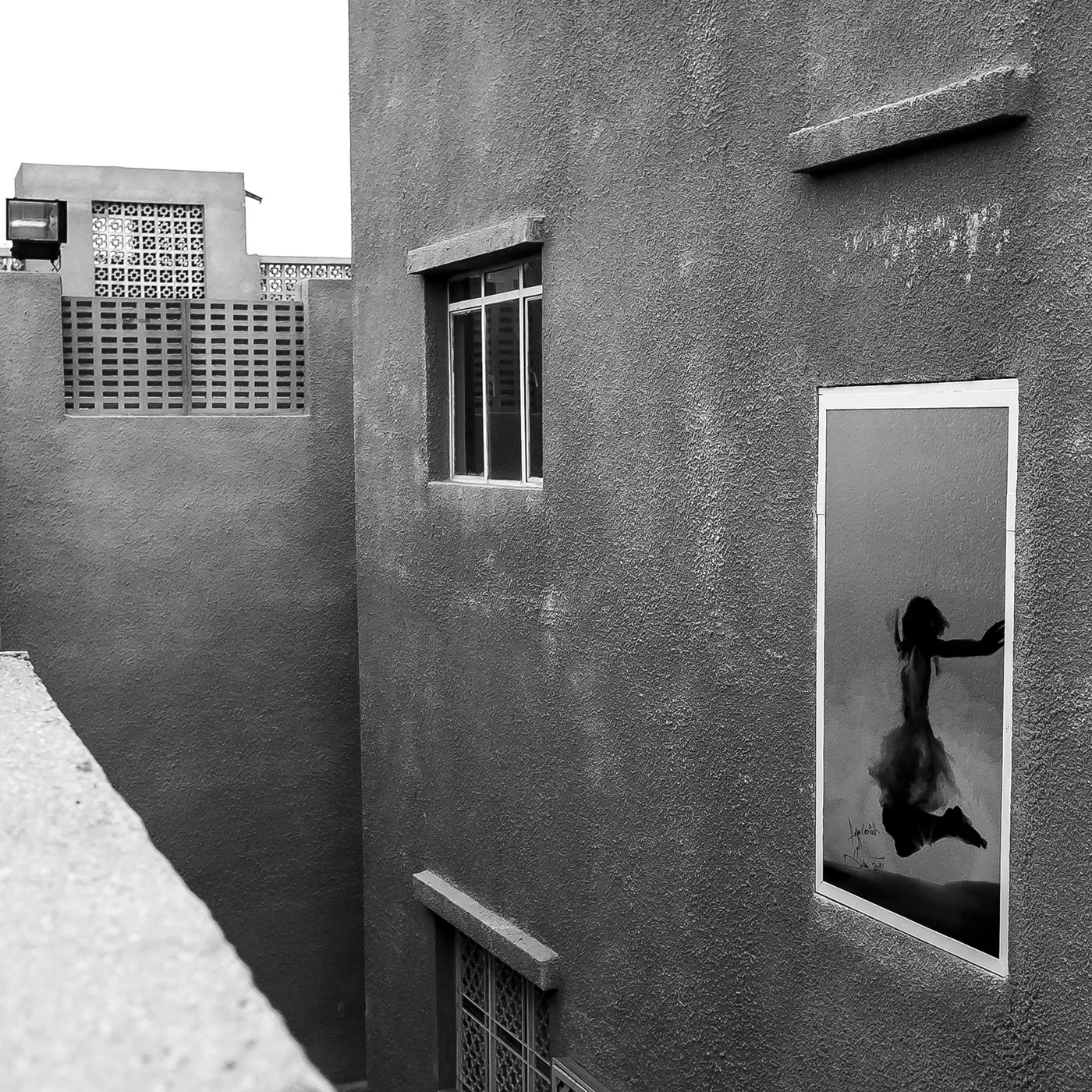
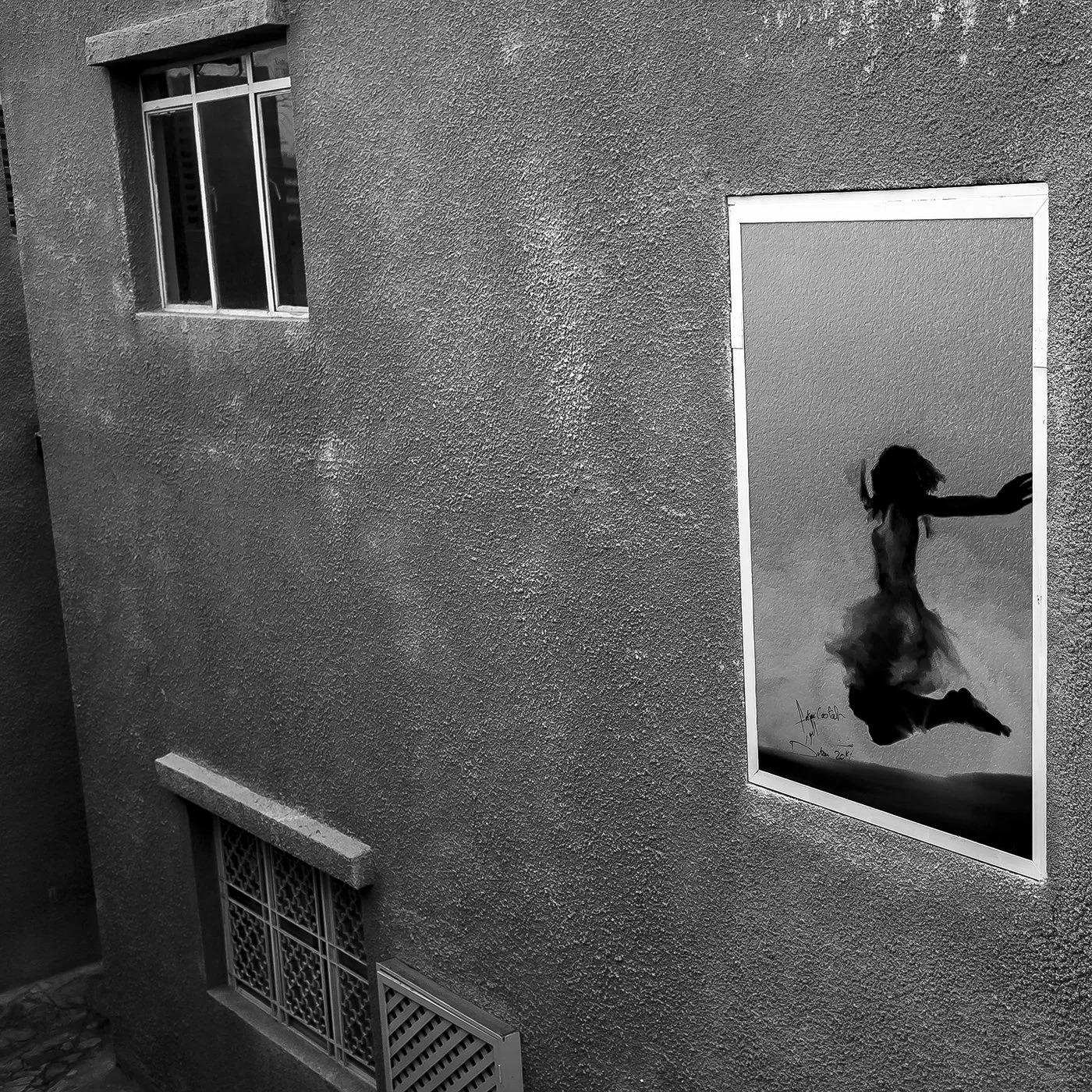
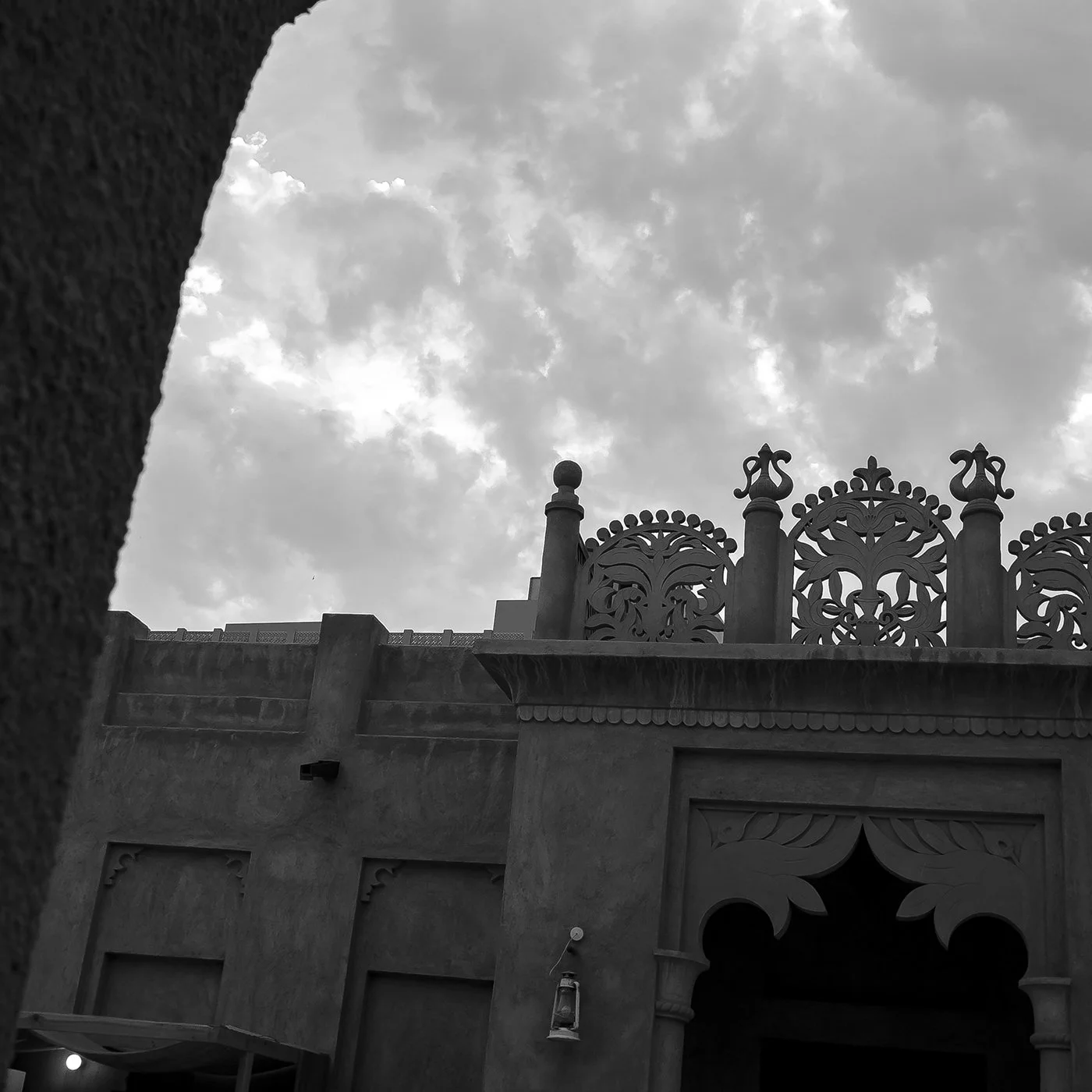
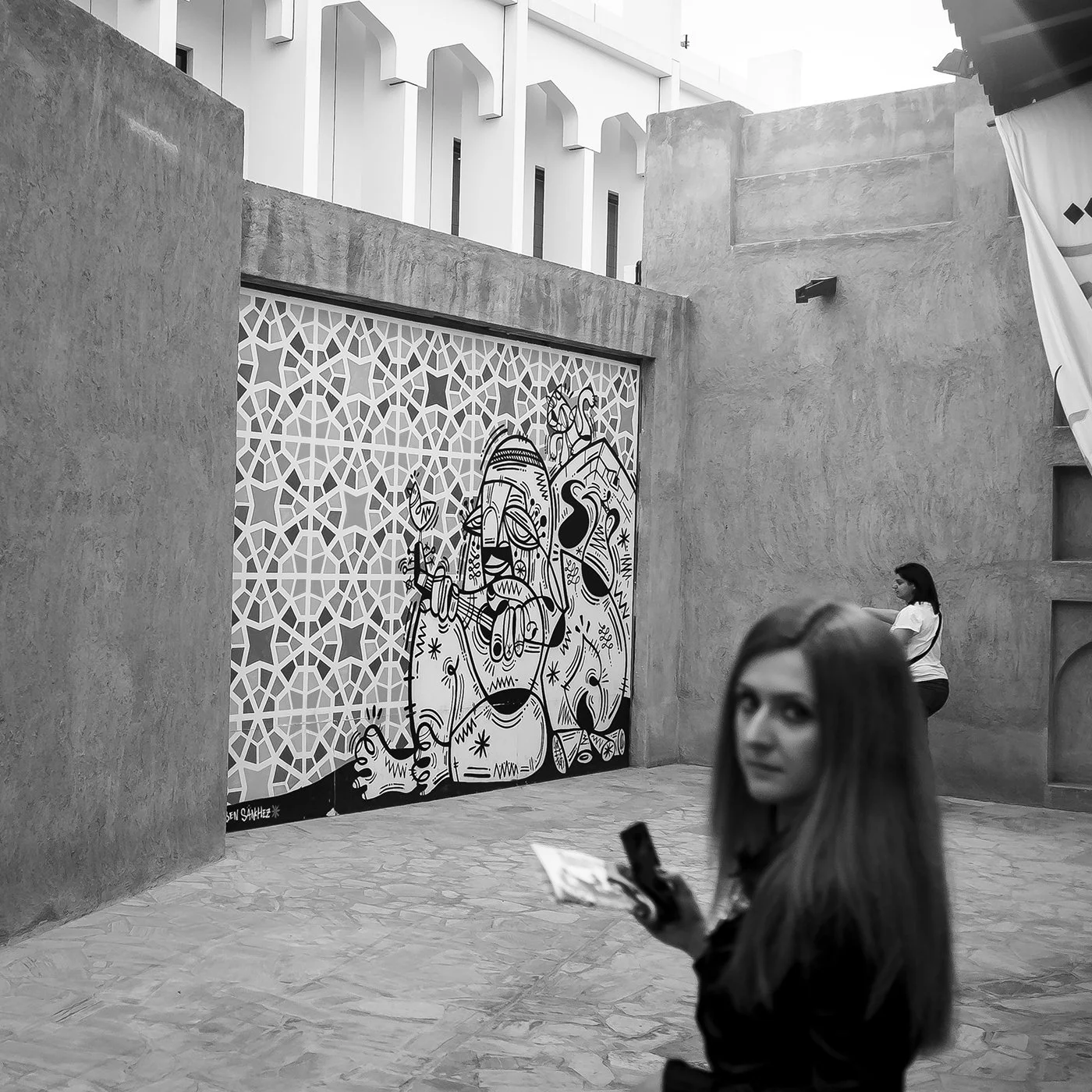
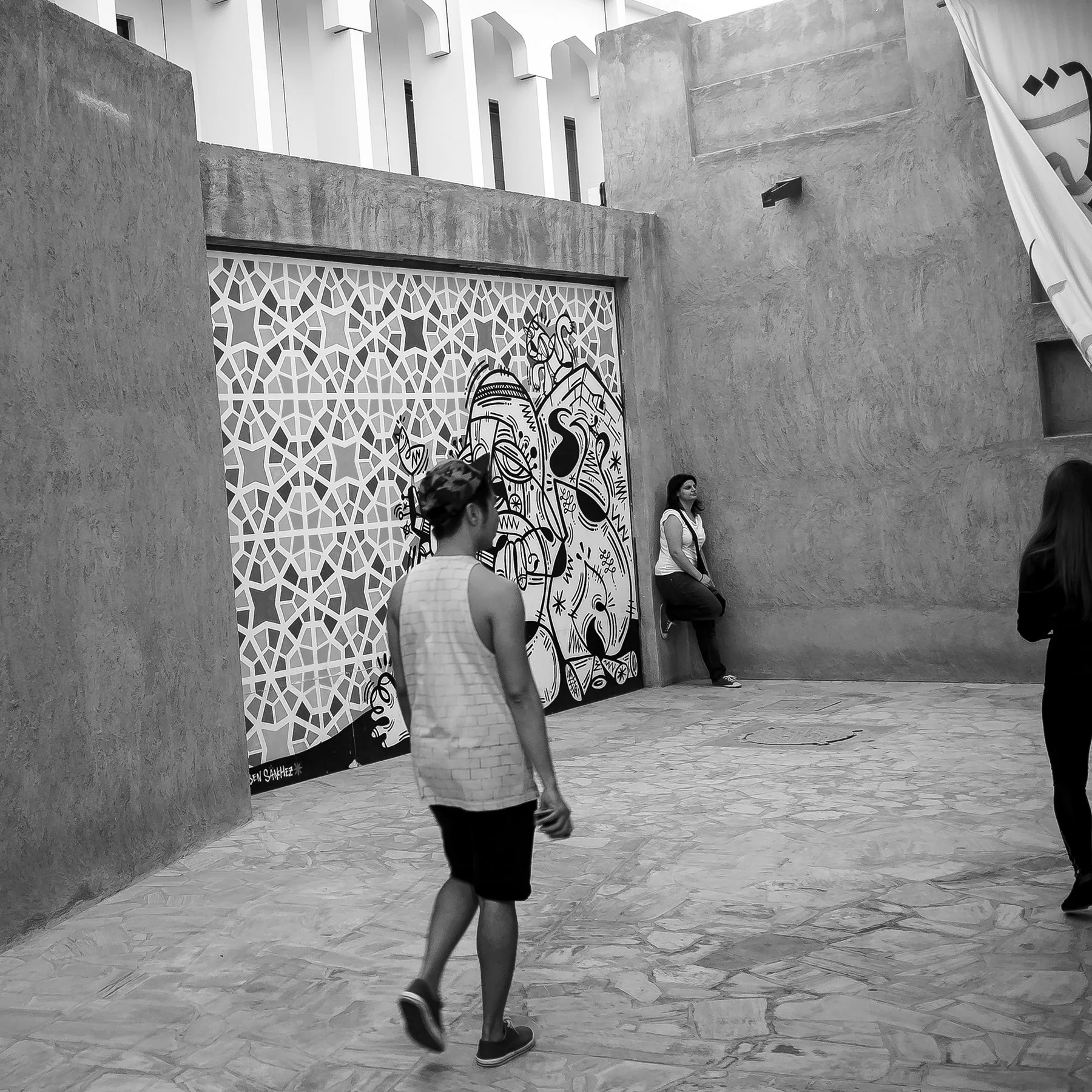
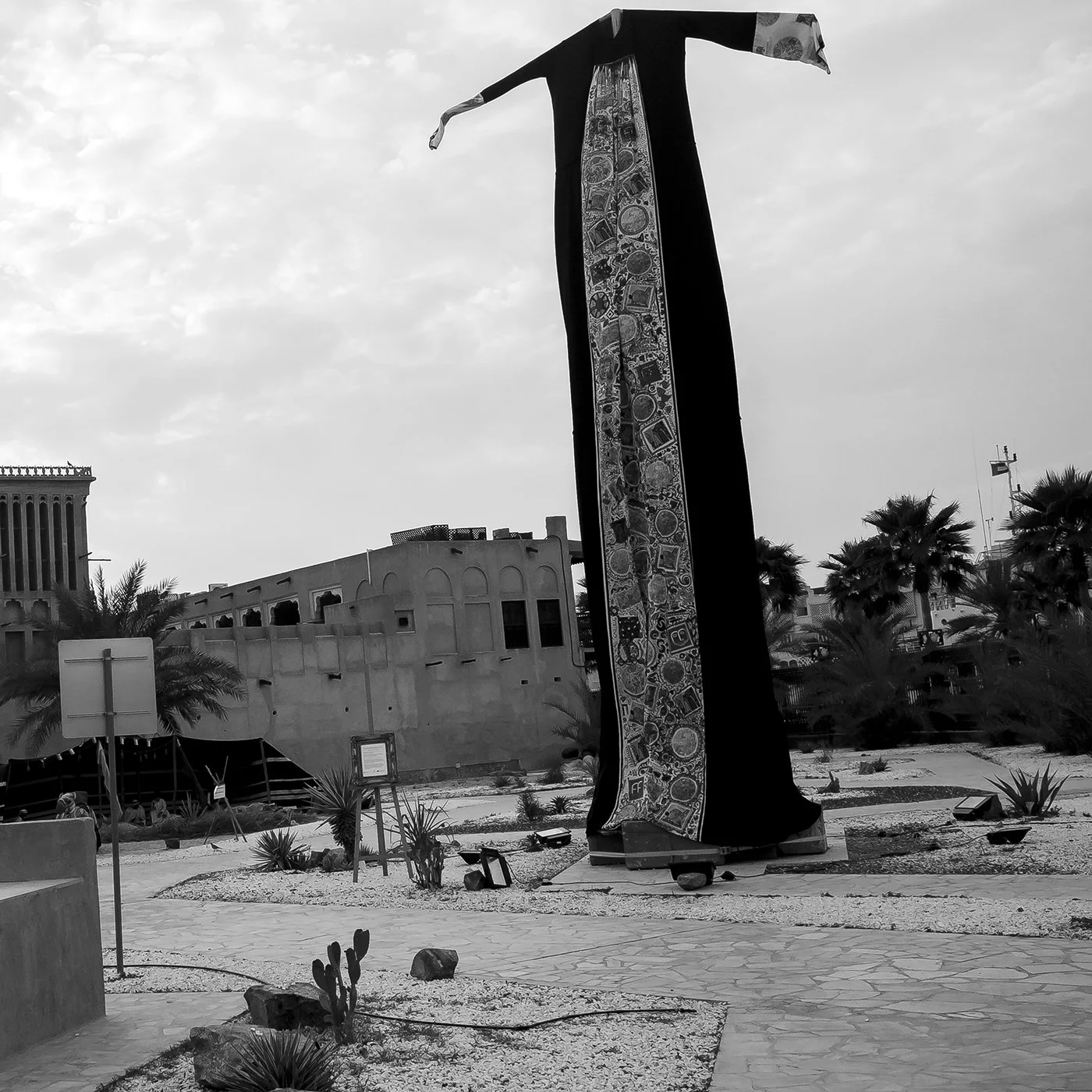
Art Dubai
So, what happened?
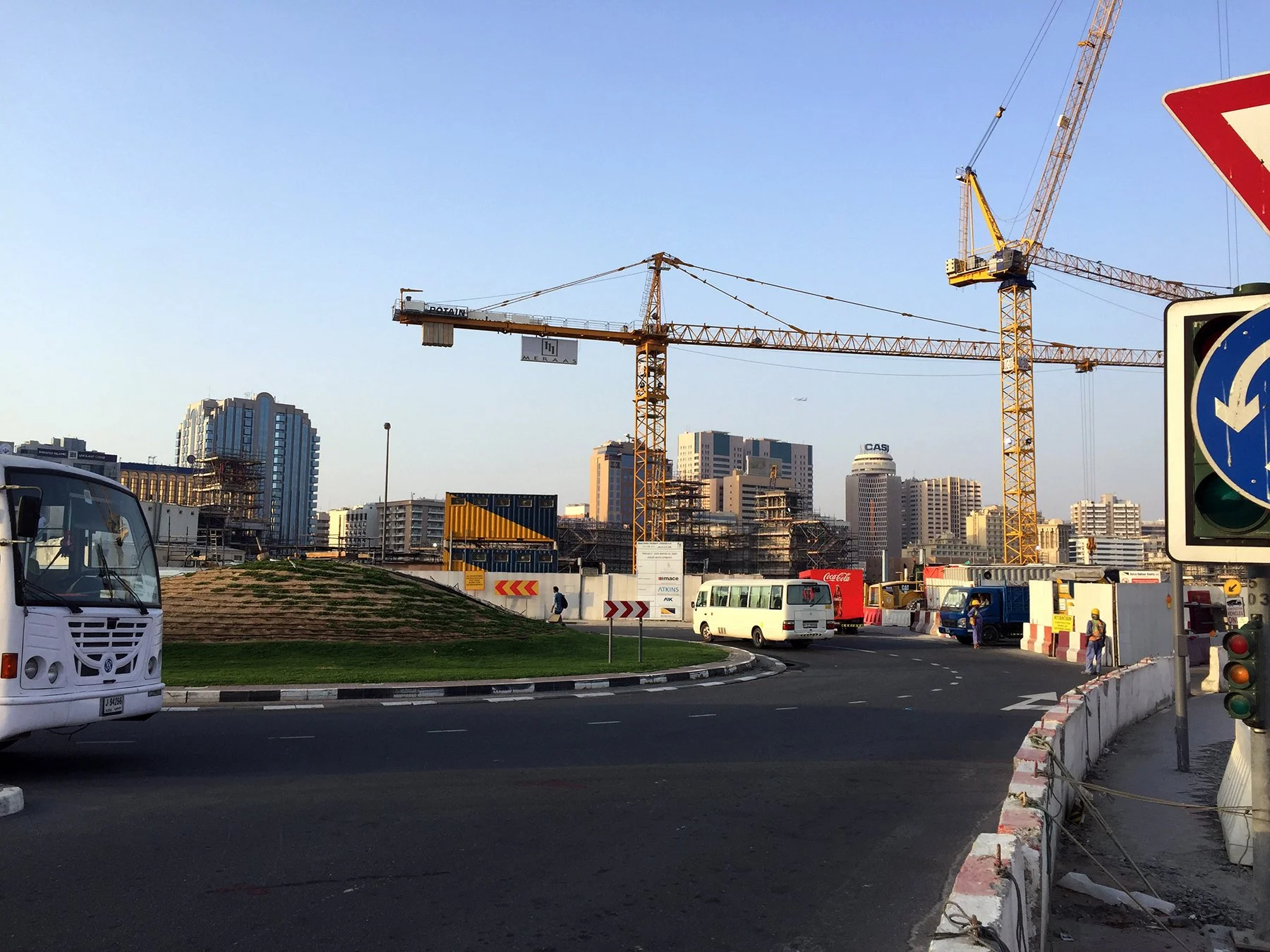
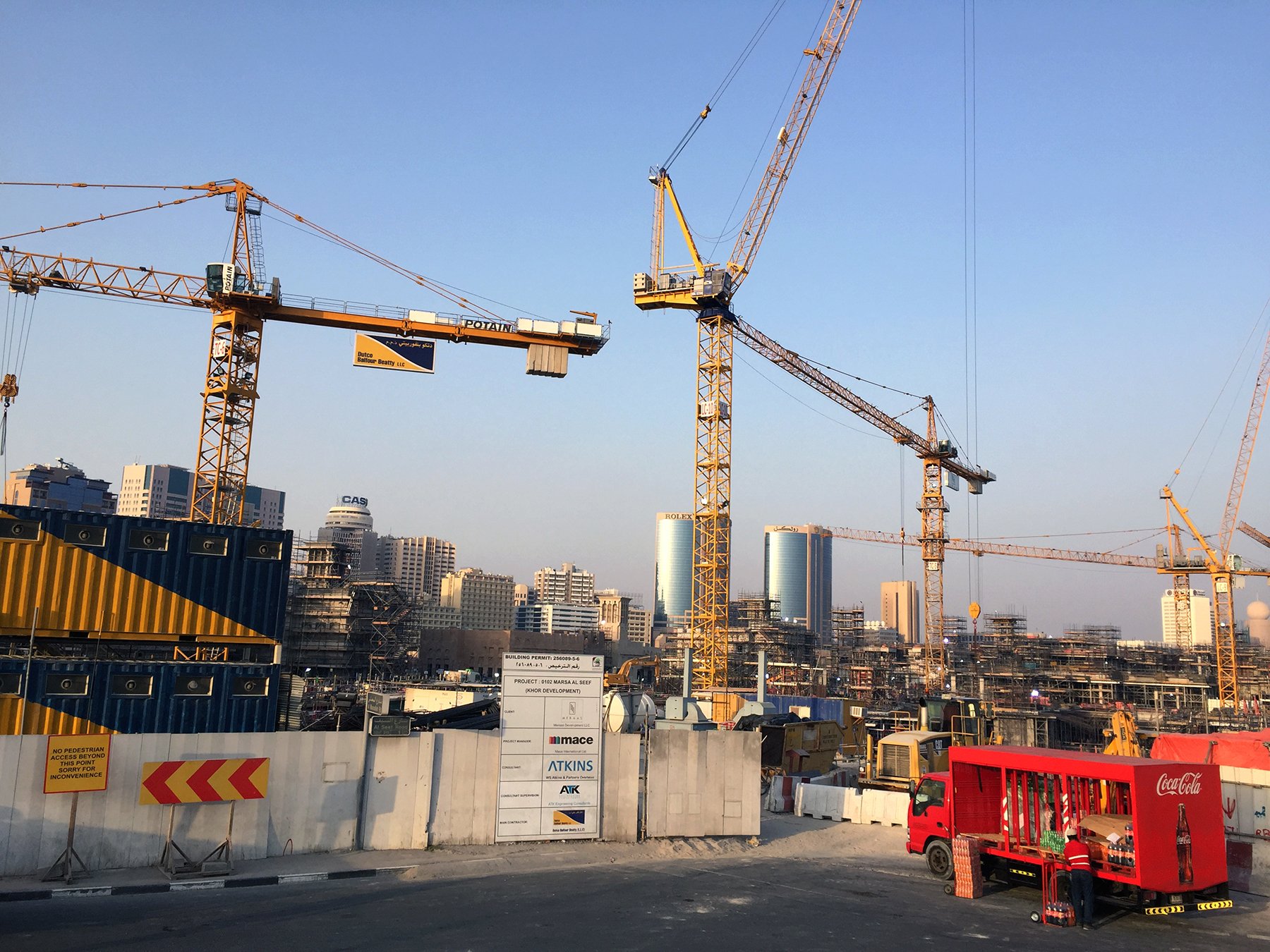
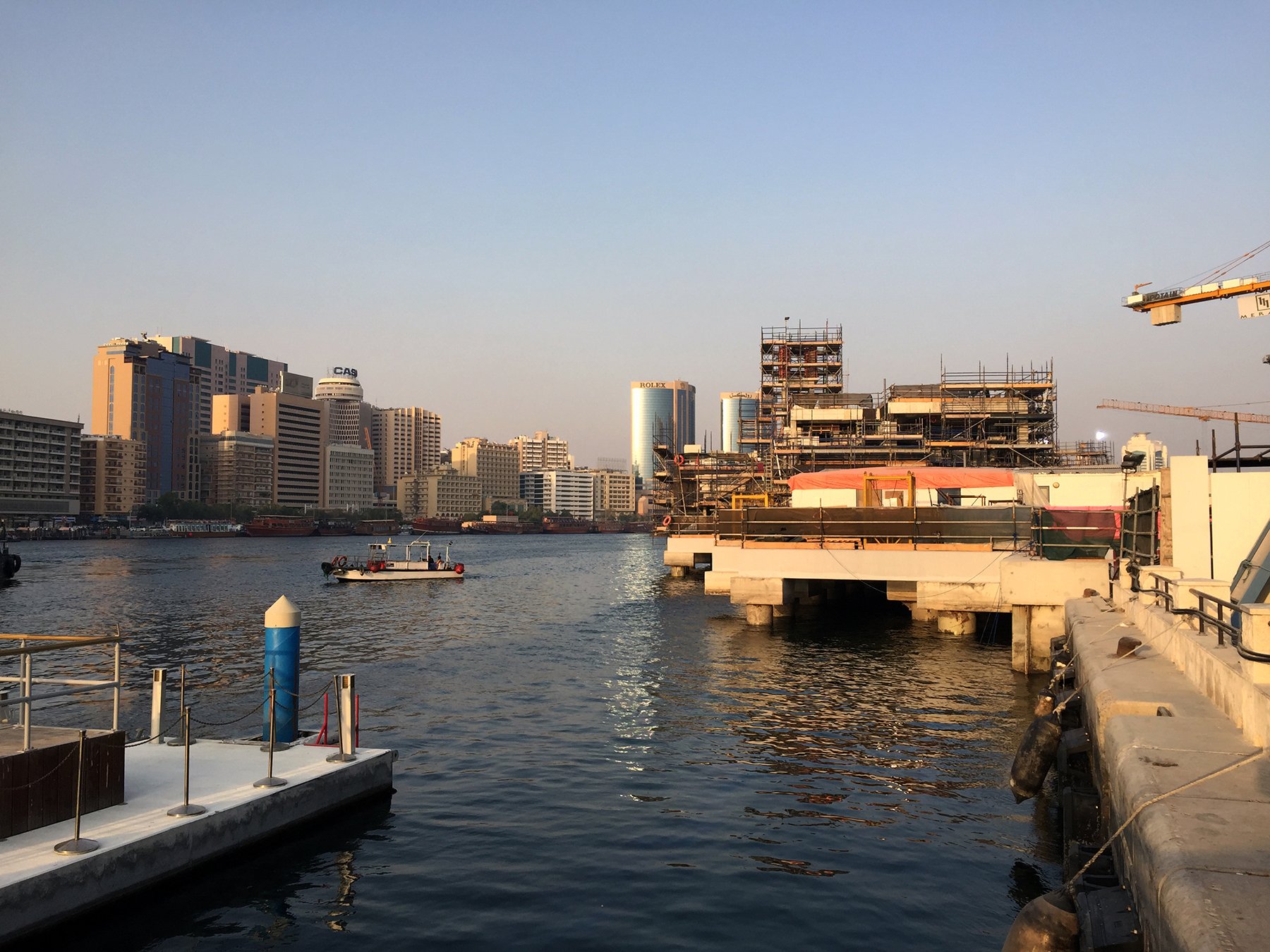
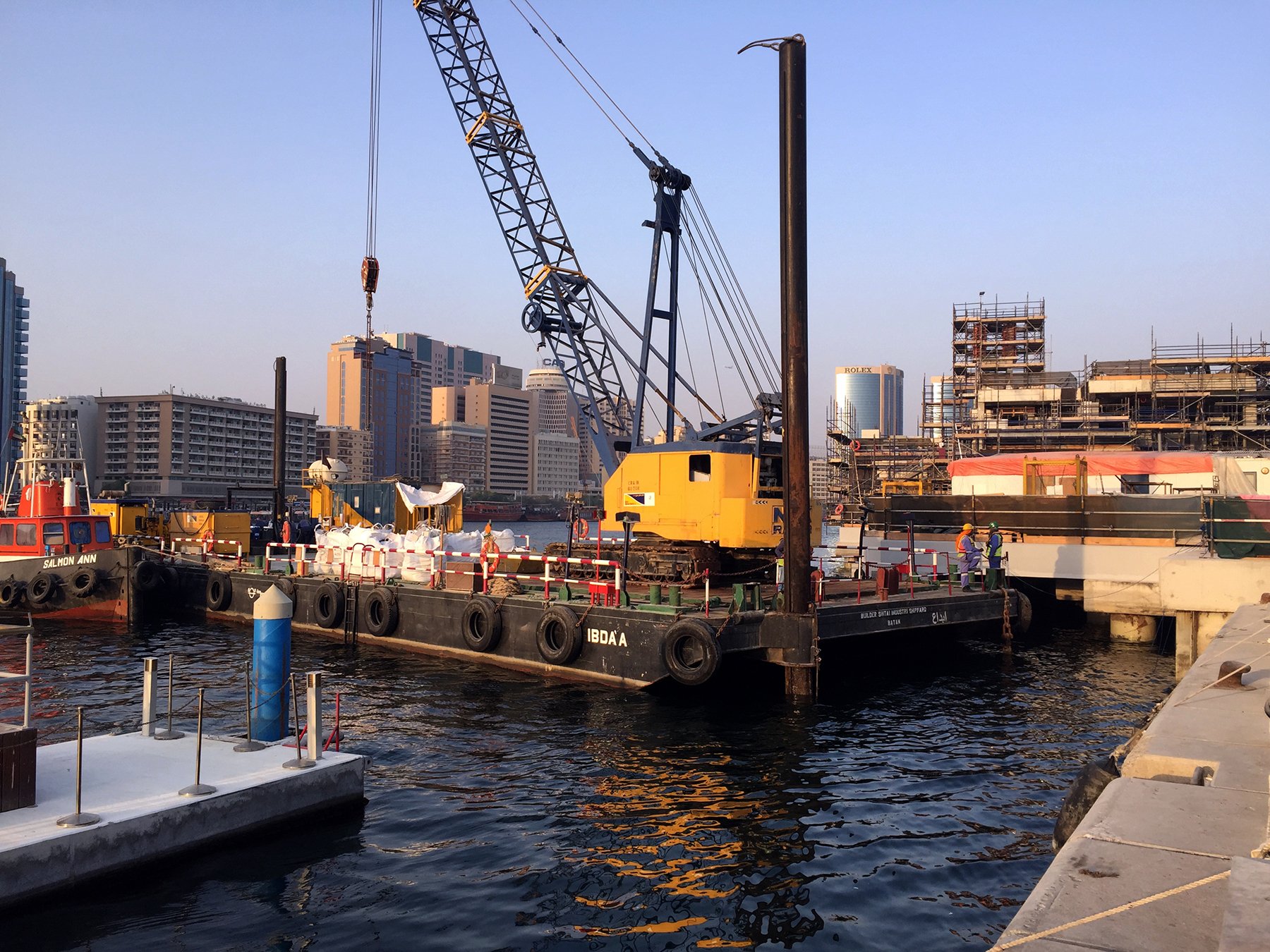
A great deal. As I prepared to leave the UAE in 2017, construction began on a massive development called Marsa Al Seef. Starting at the edge of Fahidi—renamed a few years earlier to emphasize a more Arab identity—it stretched for several kilometers along Al Seef Street. A large waterfront area that had long served nearby residents—largely low- to middle-income—was transformed into a semi-private development for investors and tourists. It included a heritage market, luxury hotels, and apartments.
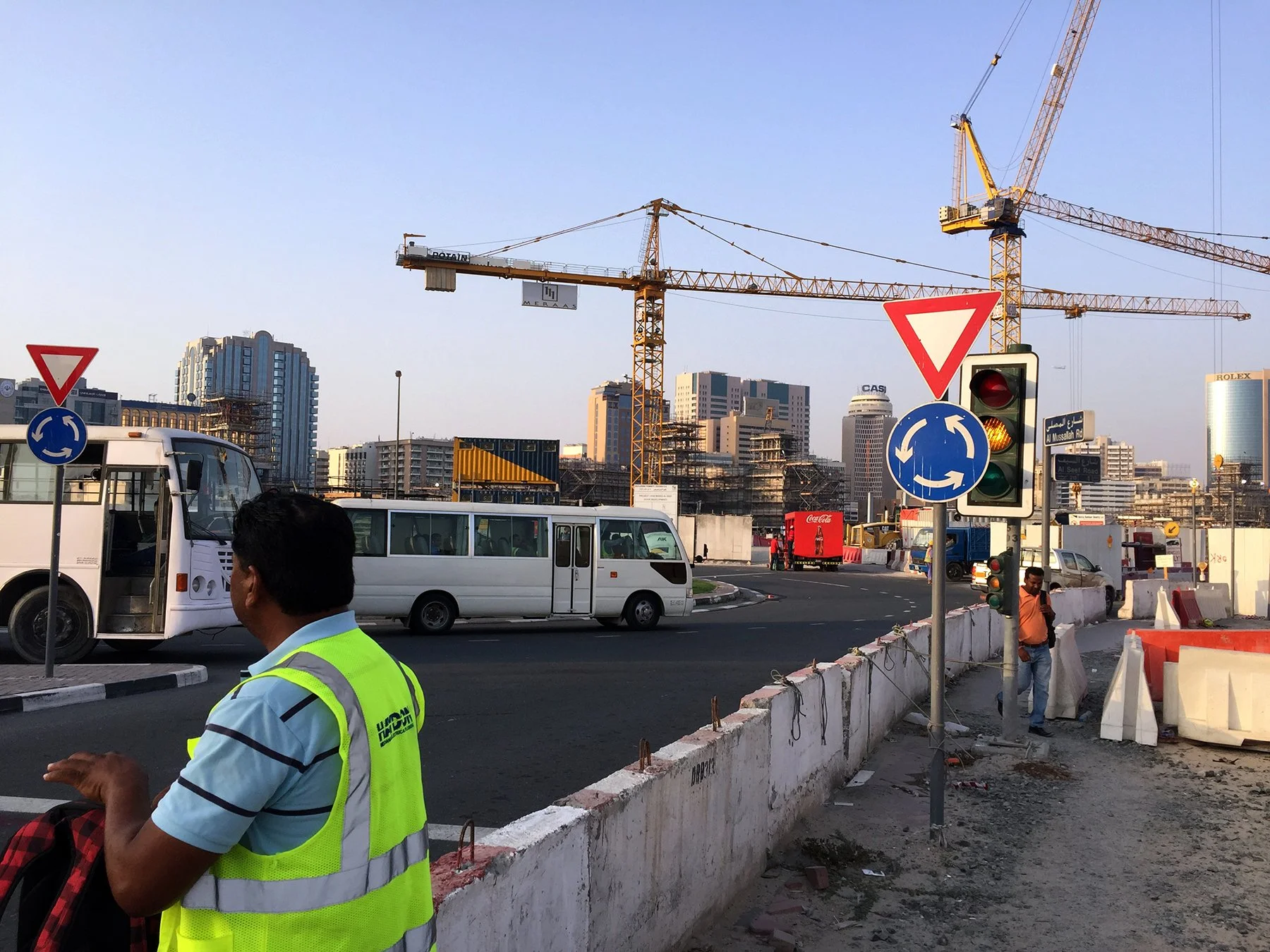
Why is this a problem?
Consider two images. The first, from the 1980s, shows a couple sitting quietly on the waterfront, fishing. It is peaceful and relaxed—a space to enjoy without having to buy anything, simply to be. For many years, this was how Dubai residents experienced the creek: an open, accessible place to watch the bustle of Deira across the water. The second image, from 2025 after the project’s completion, shows something entirely different. Access to the creek is controlled. Here views to Deira are carefully framed via faux-historic structures; spaces meant for sitting along the water, have been blocked with barriers, to prevent people from inadvertently falling into the water.
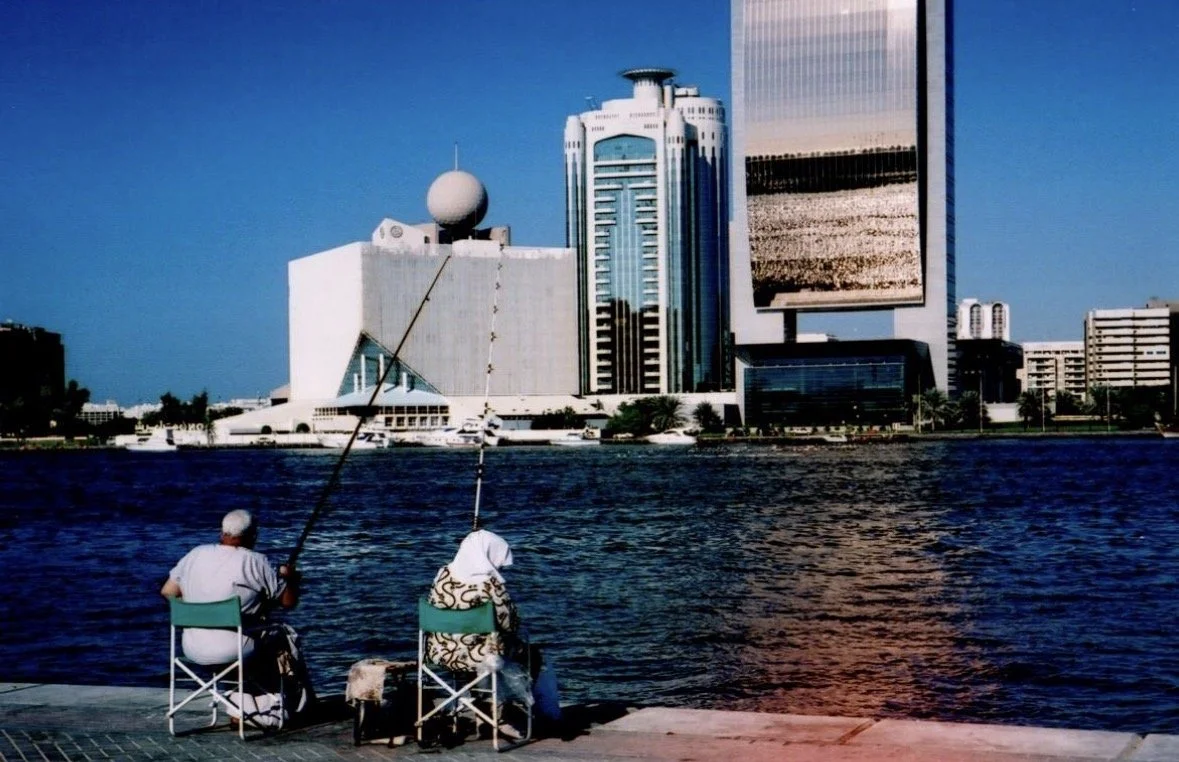
Fishing along Dubai Creek. 1990s (Source: Unknown)
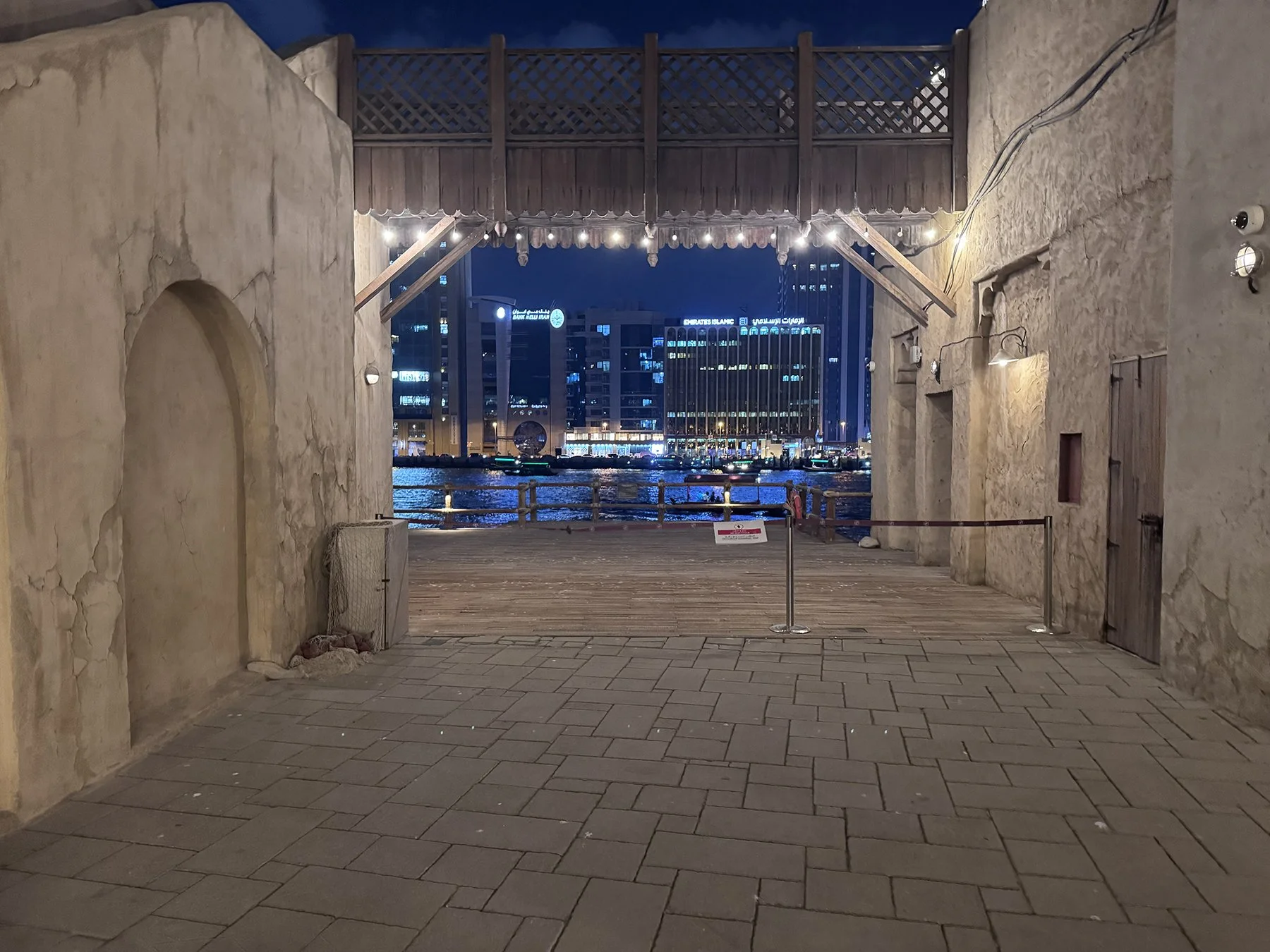
Marsa Al Seef. 2025
And this is not all. Venturing into the district one encounters cafés from international chains lining the promenade. Shops sell souvenirs and trinkets of Arabia—likely manufactured in China. Most strikingly, the space is lifeless, populated mainly by occasional tourists. The architecture imitates tradition—cracked walls, muted colors, wind towers—but the result feels like an open-air shopping mall. During my visit, I found it difficult to distinguish between Fahidi—charming despite its flaws—and this new development. As one walks through the abandoned alleys a sense of disorientation settles in; we had difficulty finding our way back to the city but eventually emerged in the back, near service entrances and ramps leading to an underground garage. No doubt an improvement to what used to be there before -- an accessible promenade for the people.
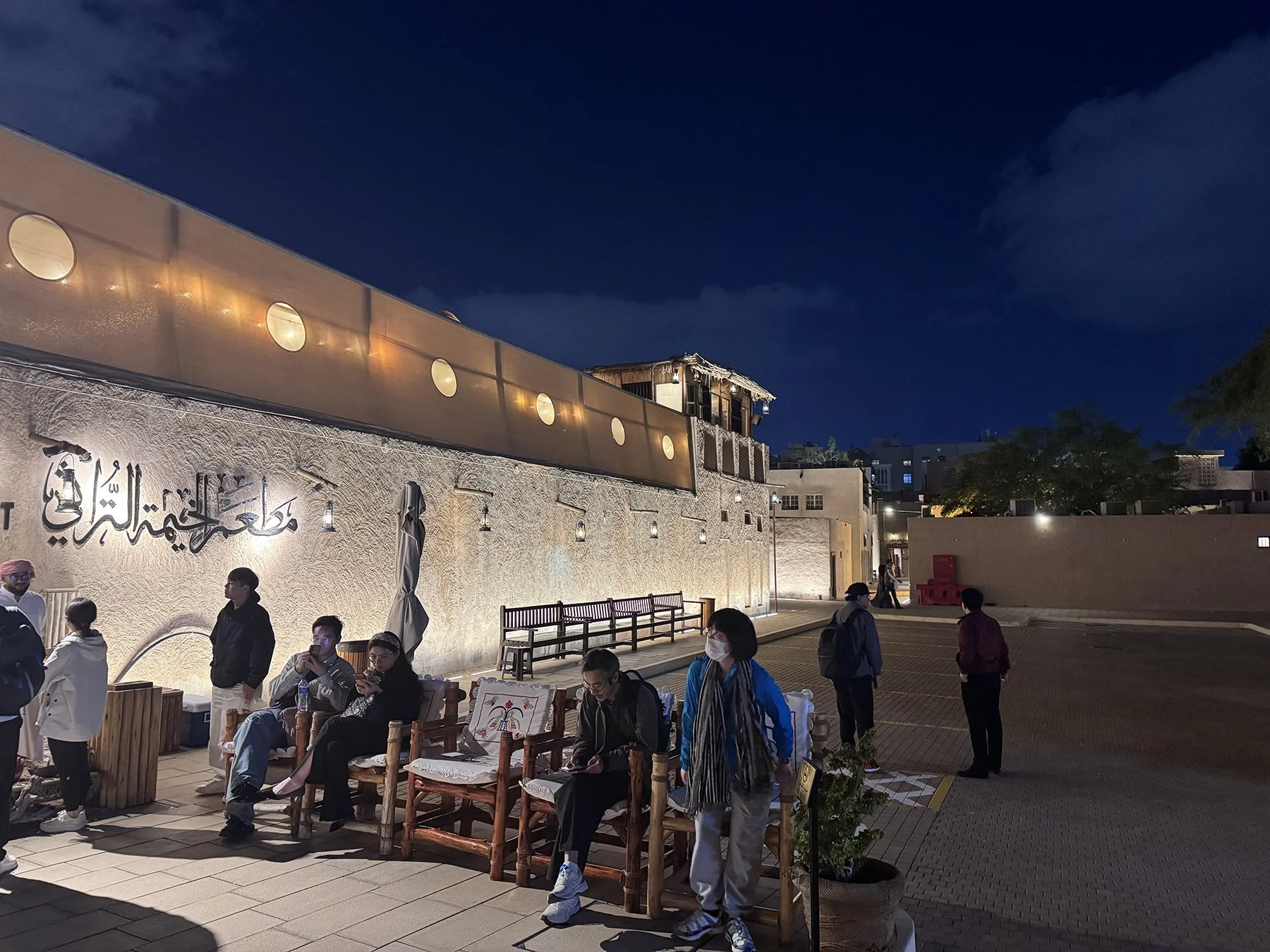
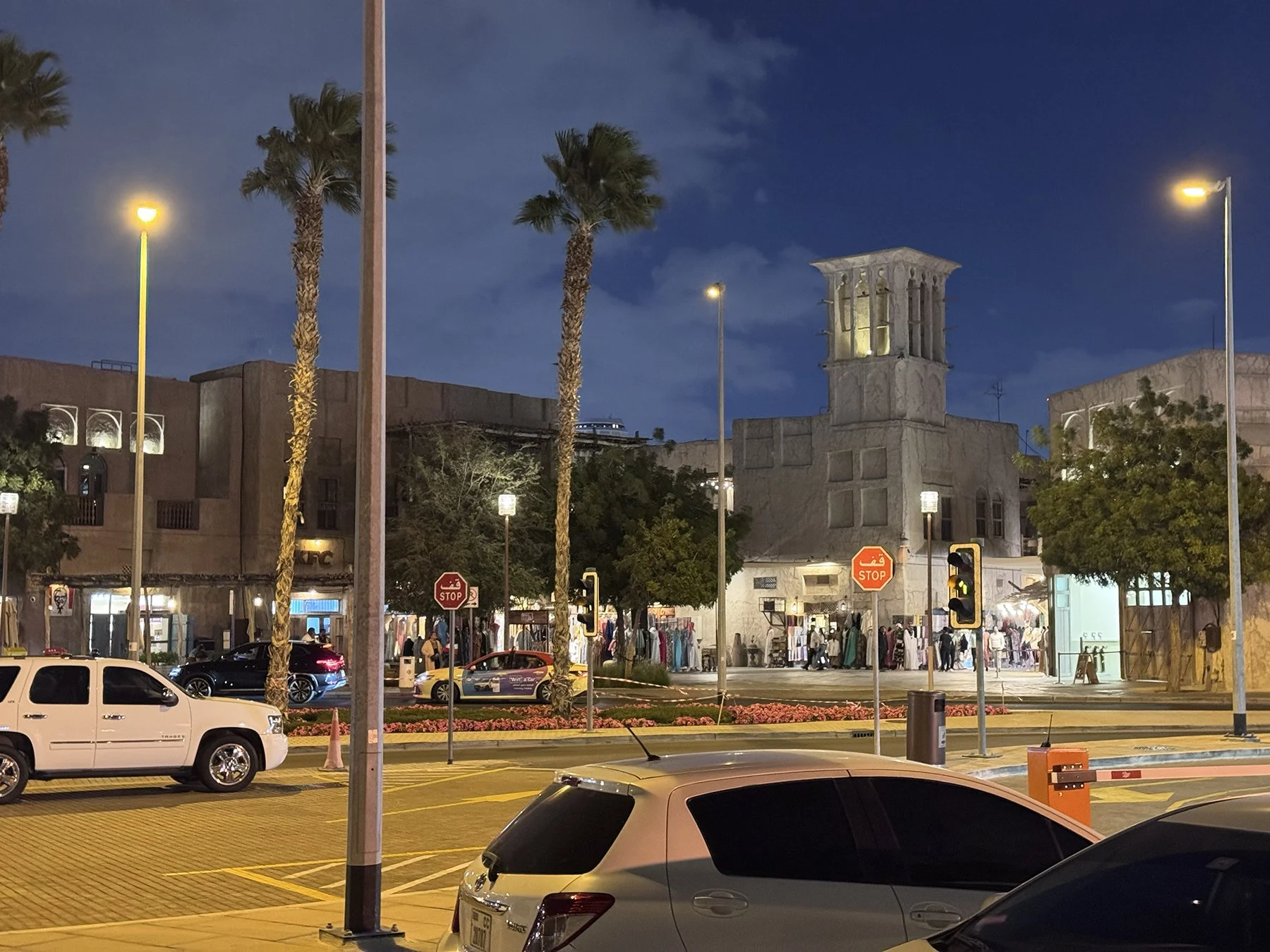
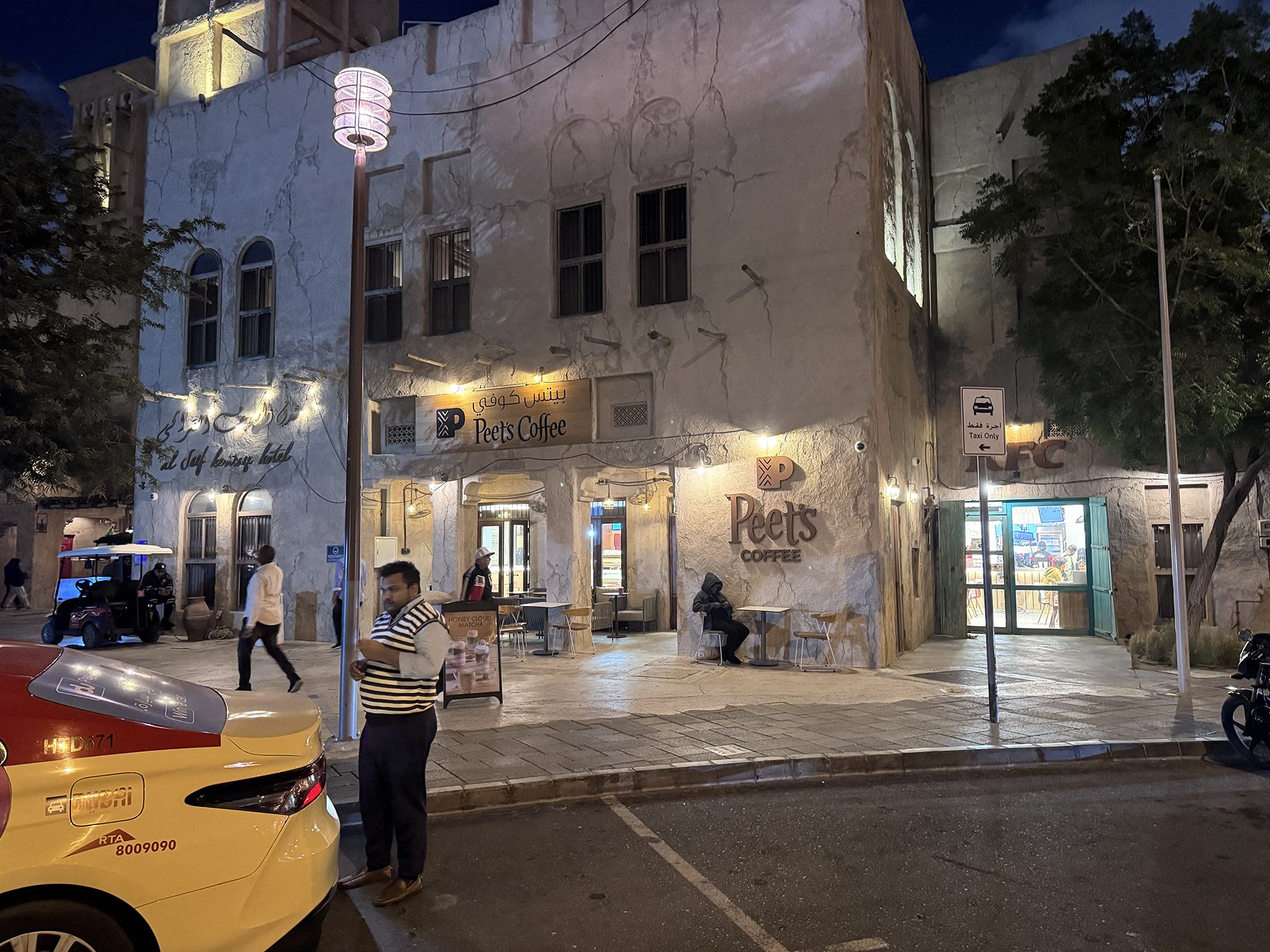
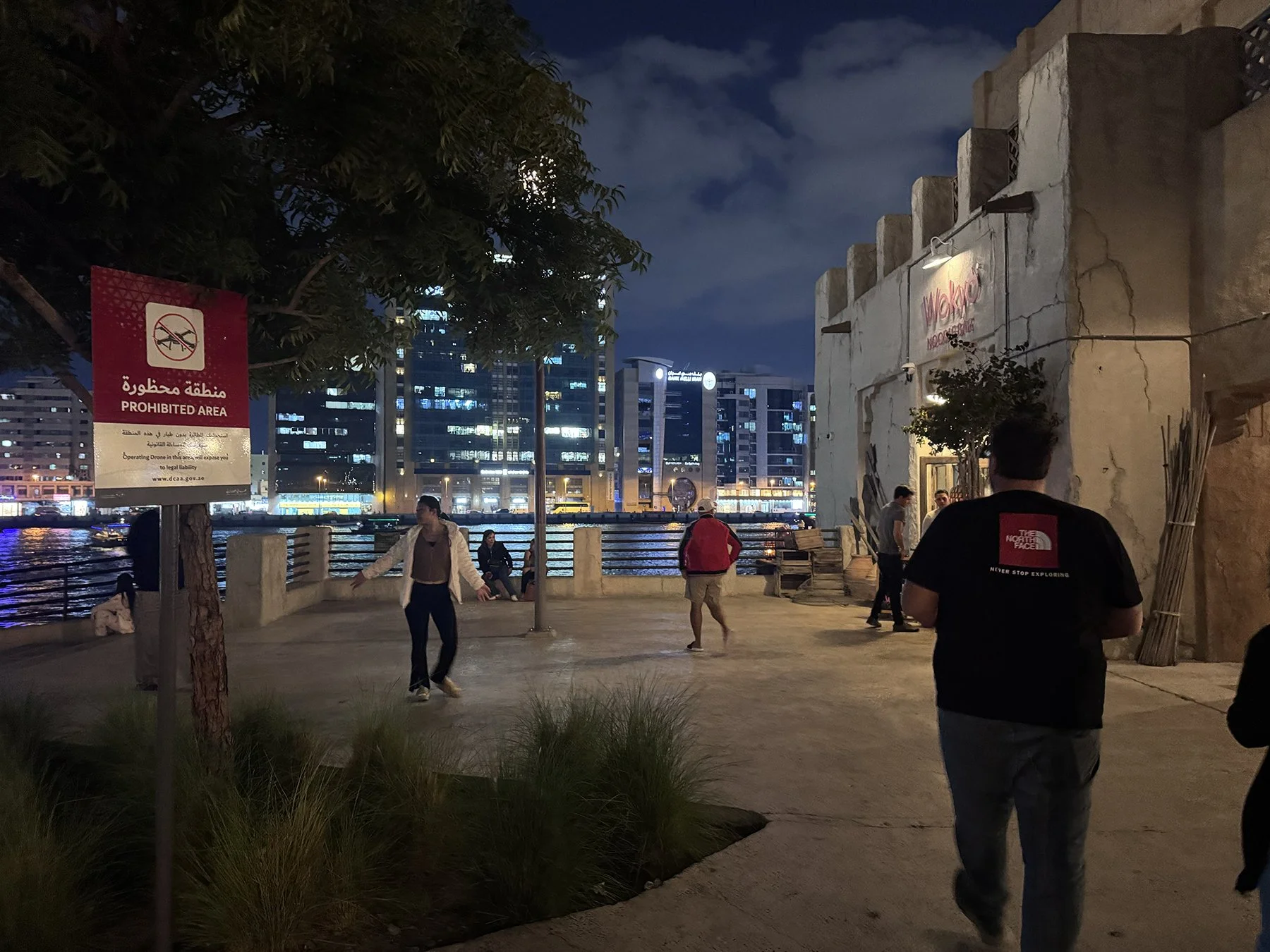
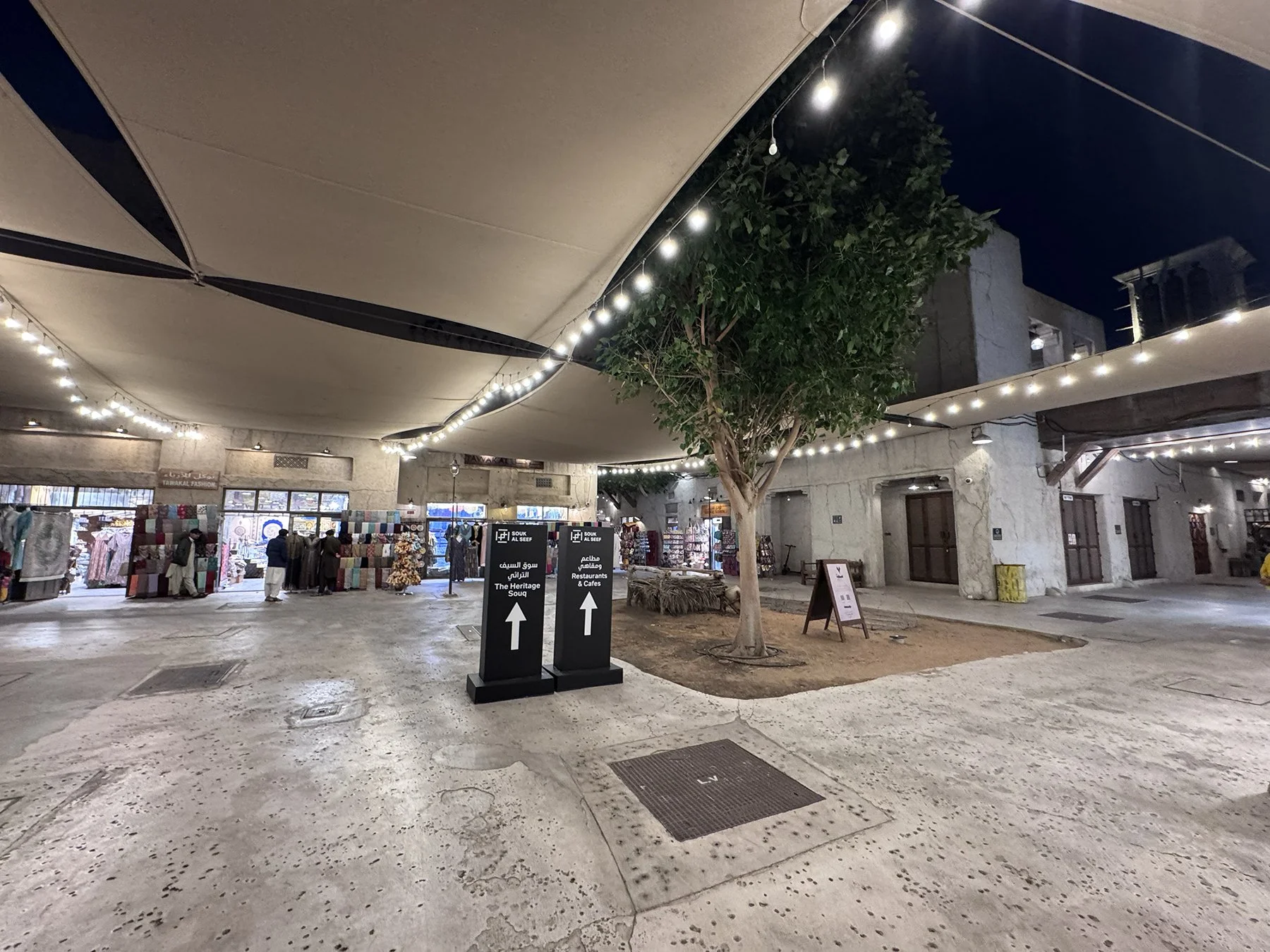
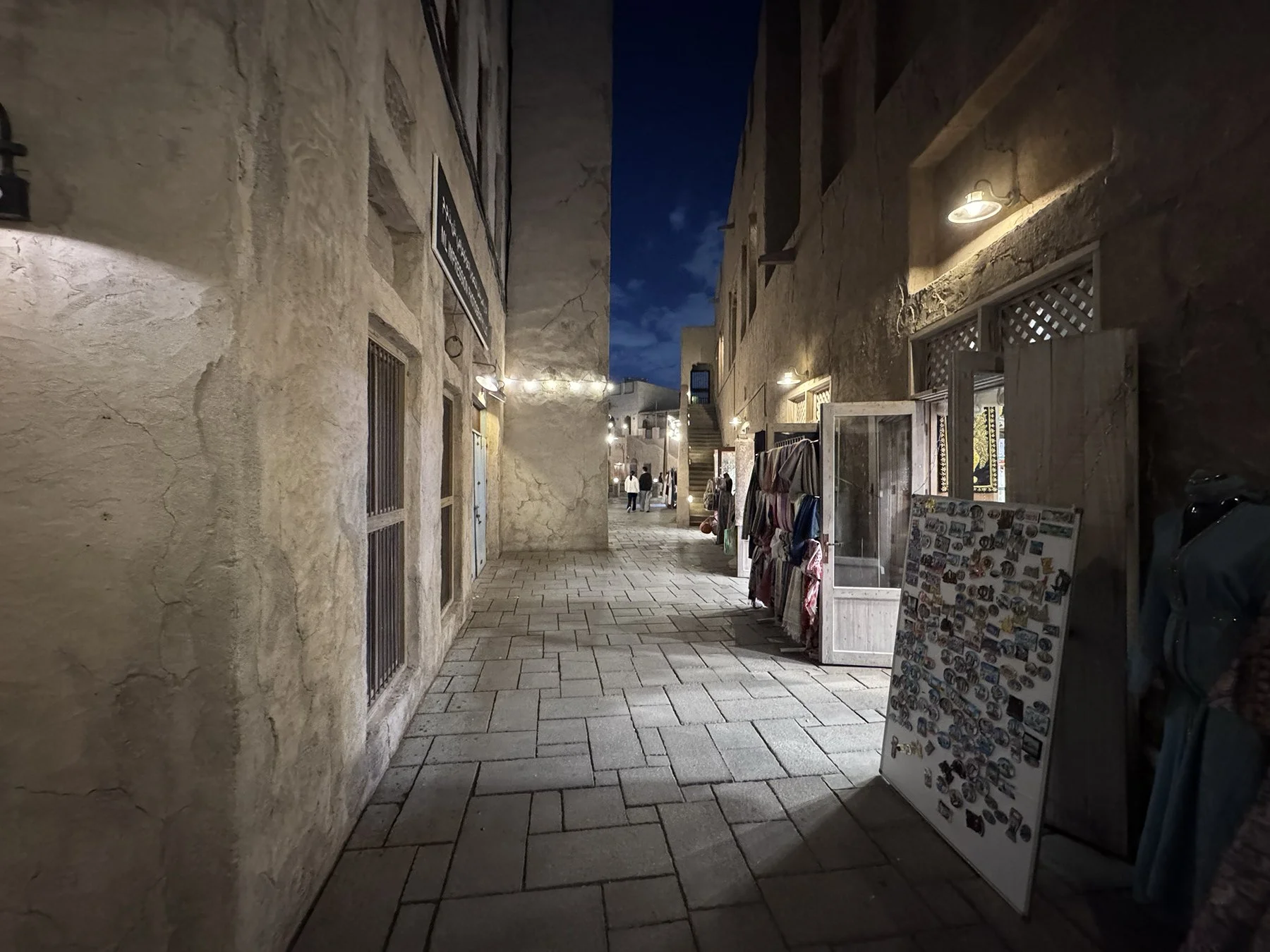
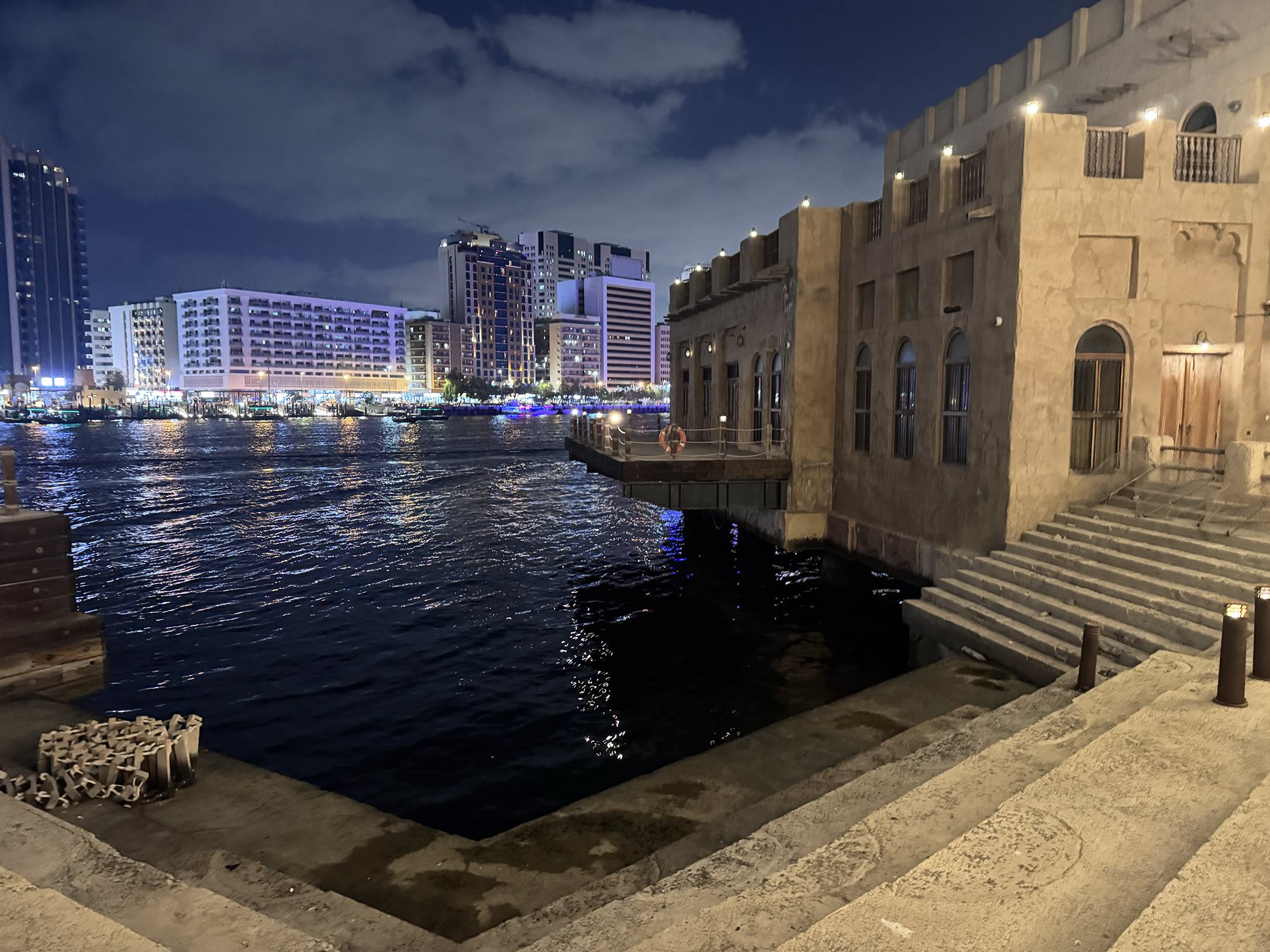
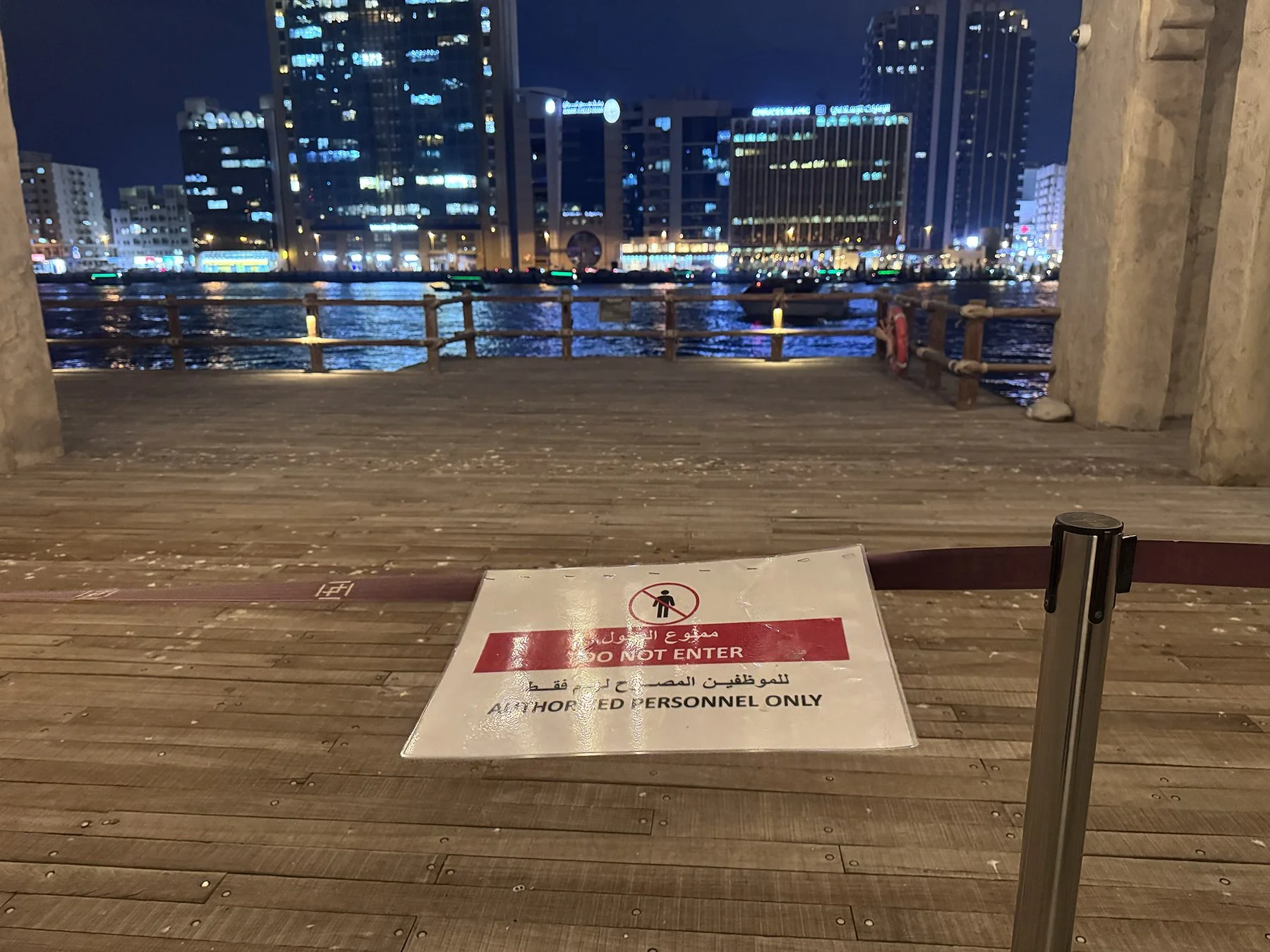
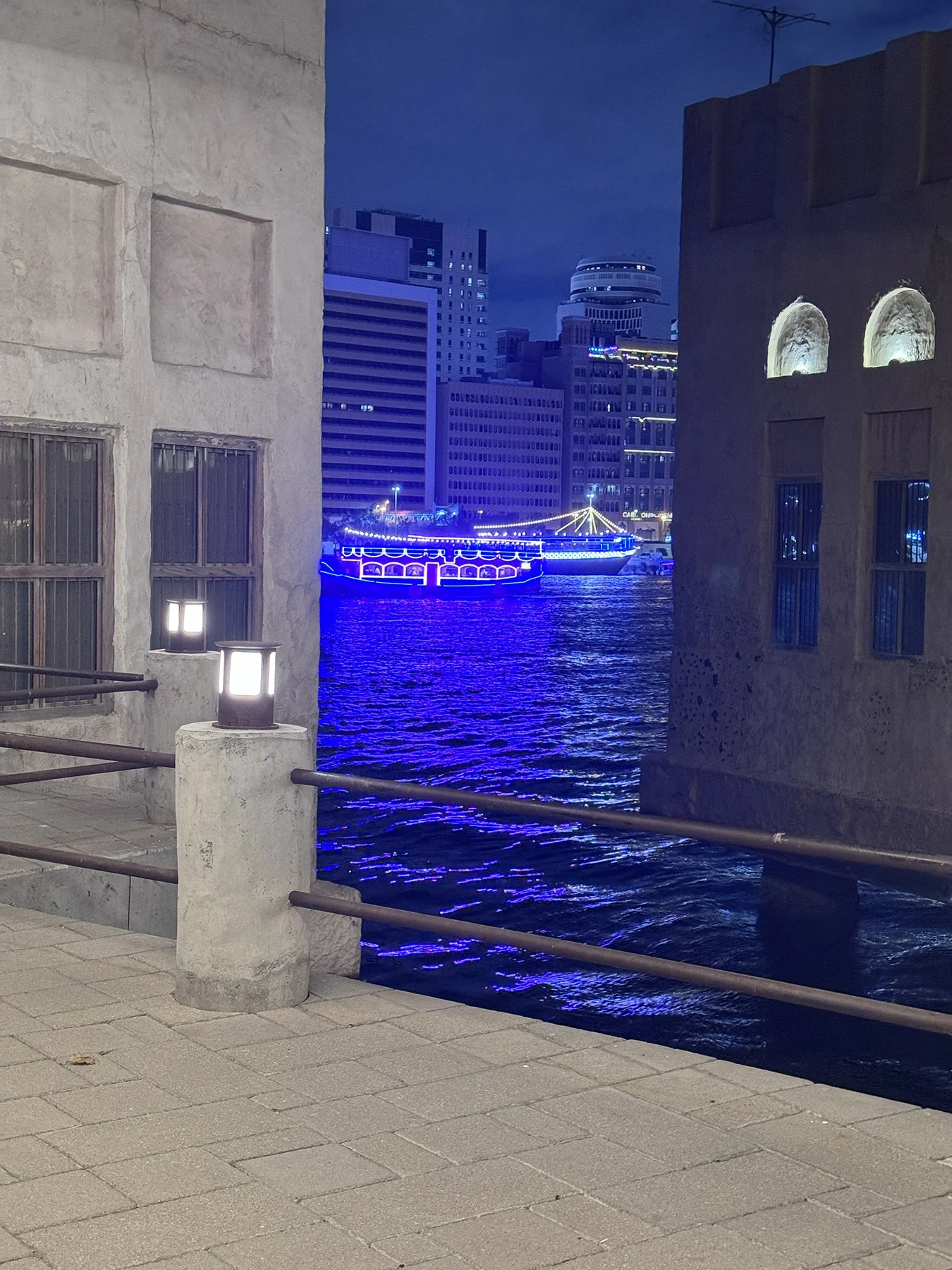
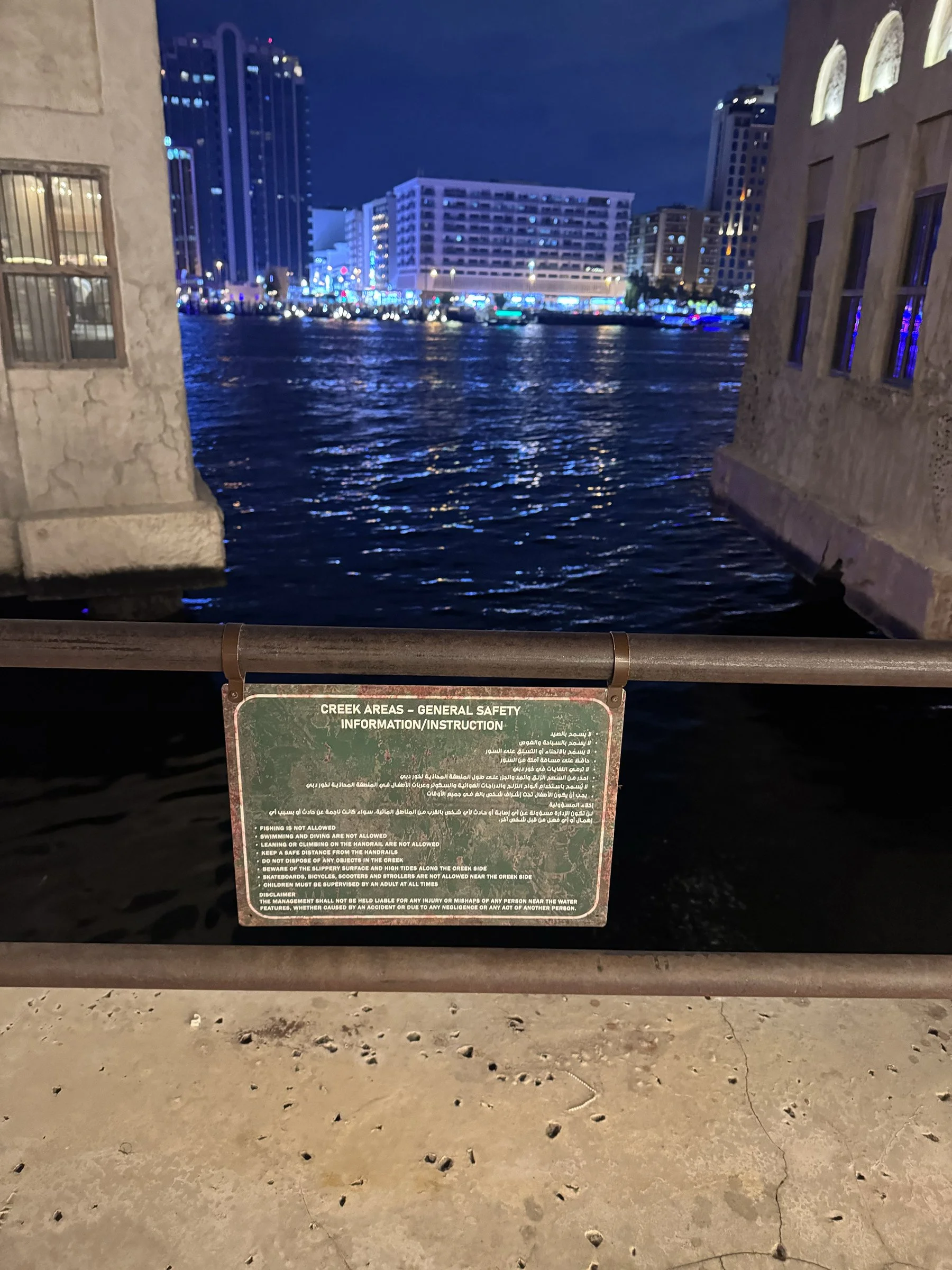
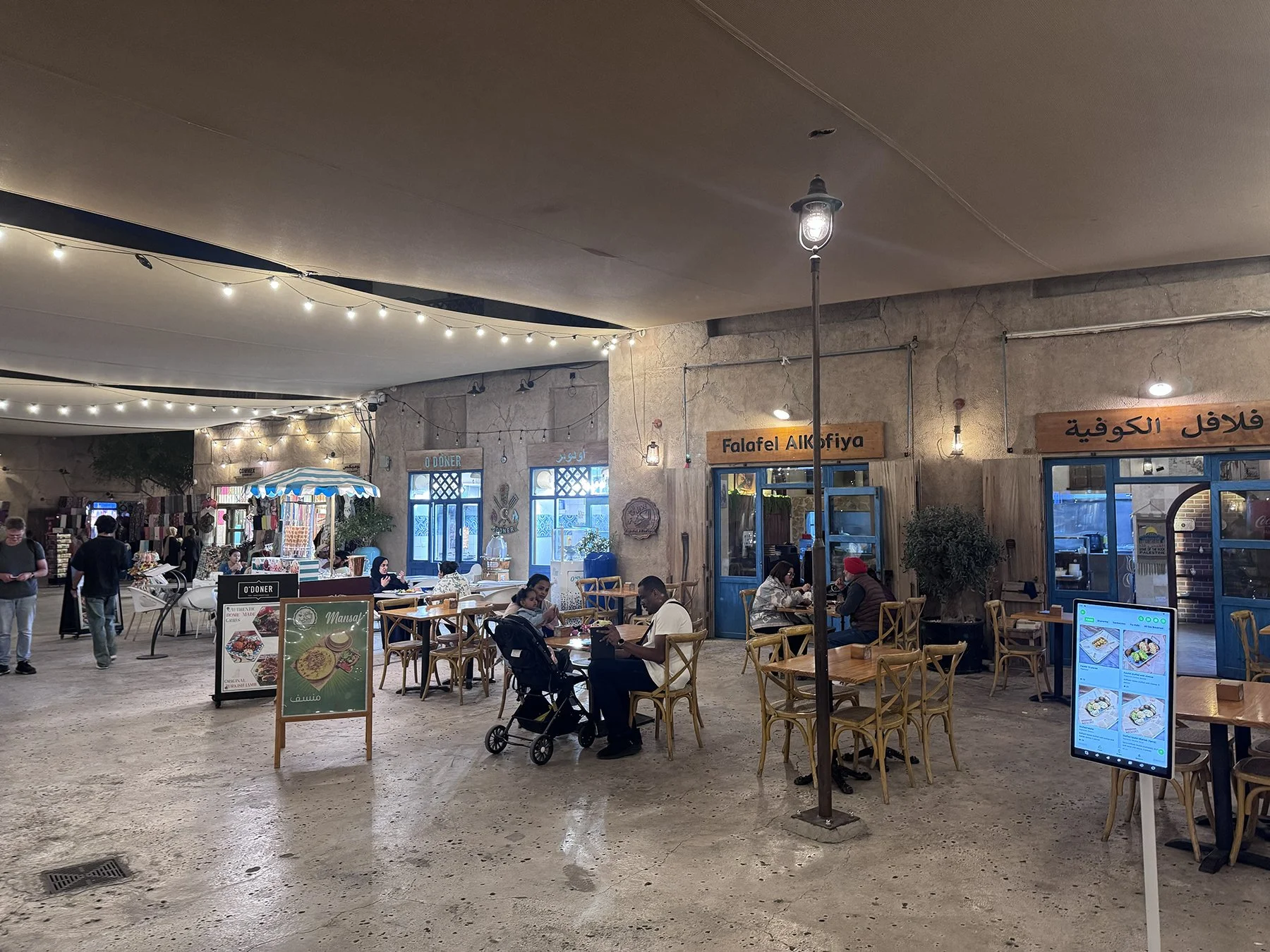
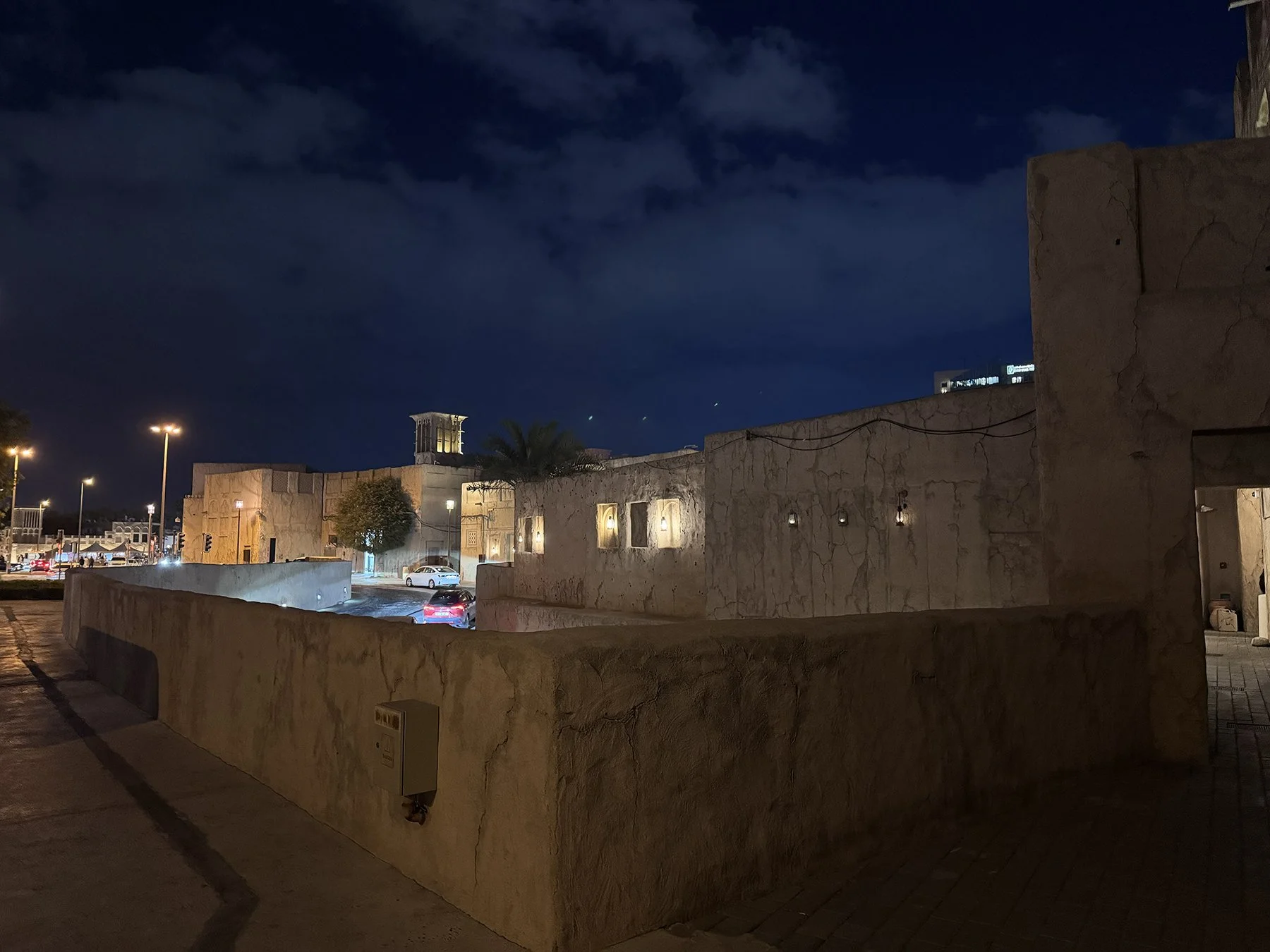
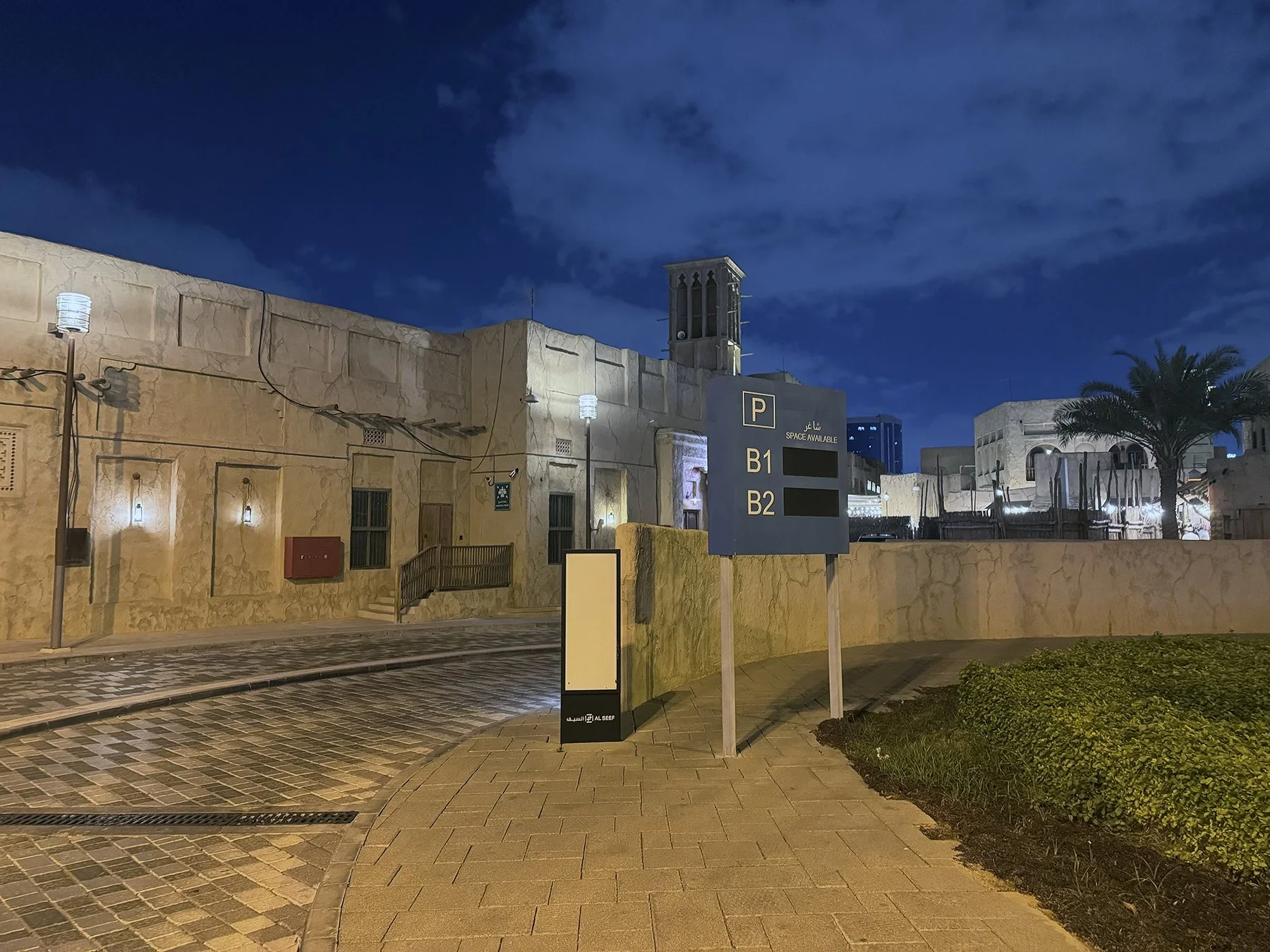
Once again, we witness an act of urban violence: the removal of the undesirable, the displacement of everyday users, and the construction of a sanitized image tailored to touristic expectations. A public space that once offered rest and reflection has been replaced by a curated environment of consumption.
At a time when the region faces turmoil and destruction, such developments are particularly troubling. They raise urgent questions: How do we preserve memory? How do we separate state policies from the lived experiences of people? And how can urban planning become a tool for improving lives—rather than one of control, exclusion, and erasure?
Because when memory is stripped away, what remains is not simply a transformed city, but a hollowed landscape—one where belonging becomes fragile and the past survives only in the quiet recollections of those who still carry it within them. And the only thing that remains are photographs reminding us what used to be there, and is no more.
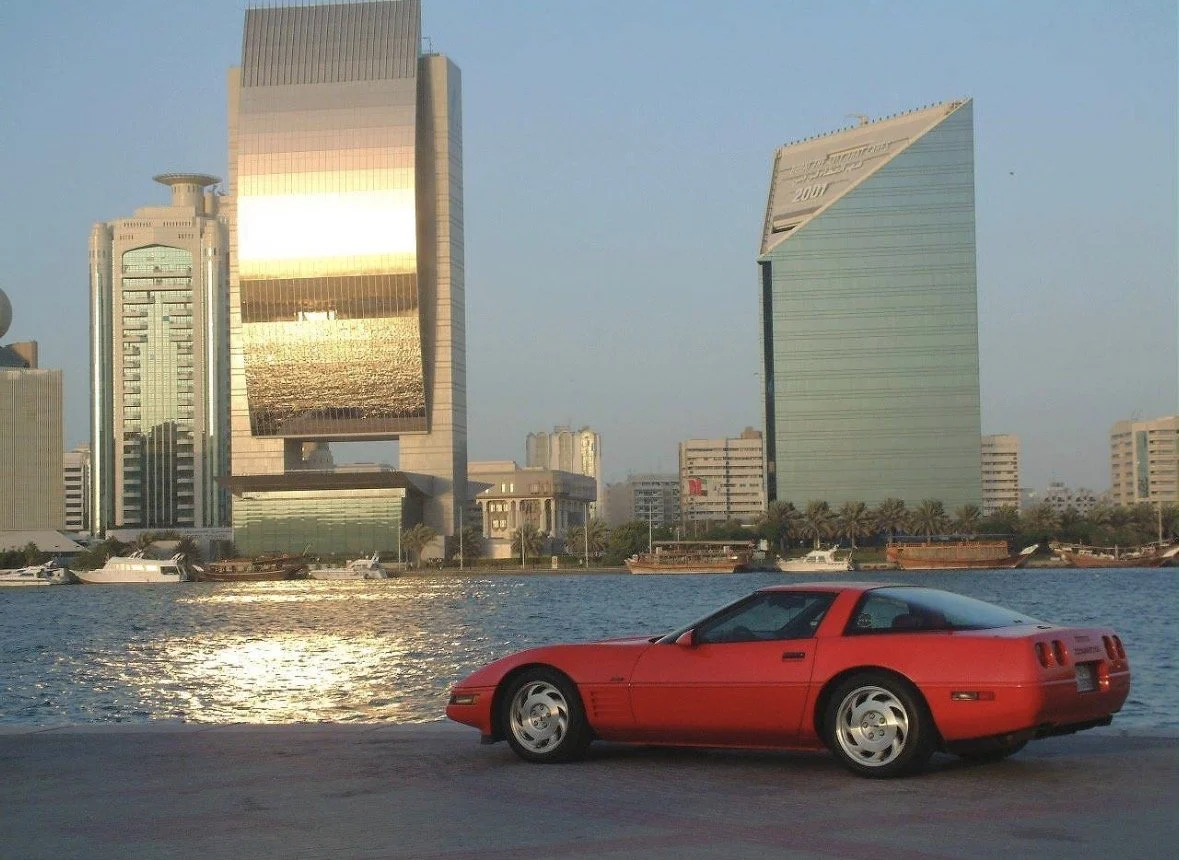
Dubai Corniche.1990s (Source: Unknown)
