Dubai: Behind An Urban Spectacle
Chapters
Chapter 1. The Emerging Urbanity of Dubai
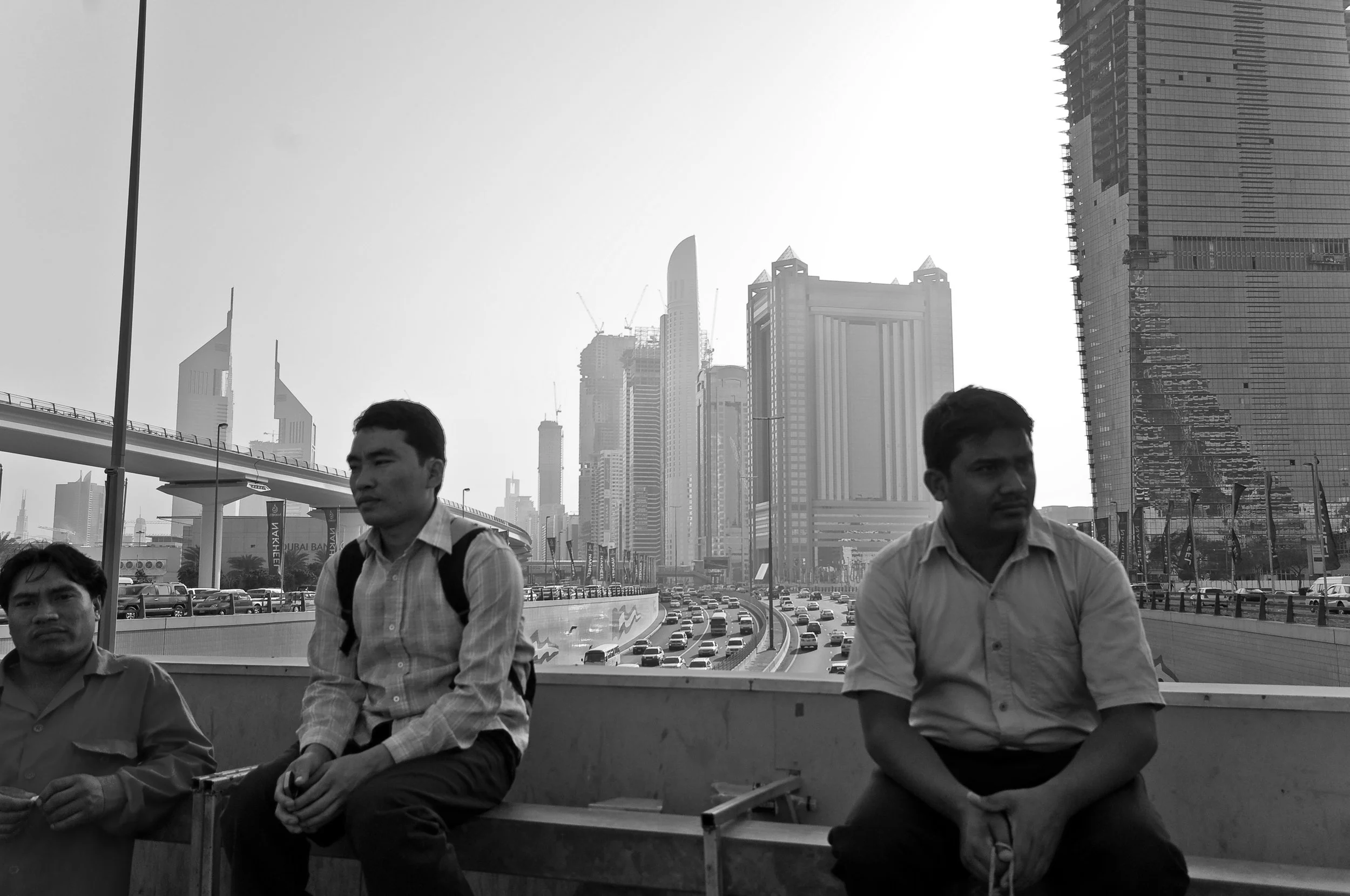
Chapter 1 introduces Dubai as a city trapped between spectacle and lived reality. Drawing on Borges and Baudrillard, it critiques how media representations—iconic towers, artificial islands, and megaprojects—have come to define the city as simulacrum. Yet beyond this “Borgesian” lens lies a complex urban experiment shaped by globalization, migration, and transience. The chapter outlines the book’s central questions: Dubai’s position within global city debates, its neoliberal development model, and the forms of urbanity emerging in both spectacular and marginalized spaces. Against narratives of artificiality or collapse, it argues that Dubai’s everyday districts and migrant spaces reveal a fragile but genuine urbanity worthy of serious study .
Chapter 2. Arab Cities and Globalization
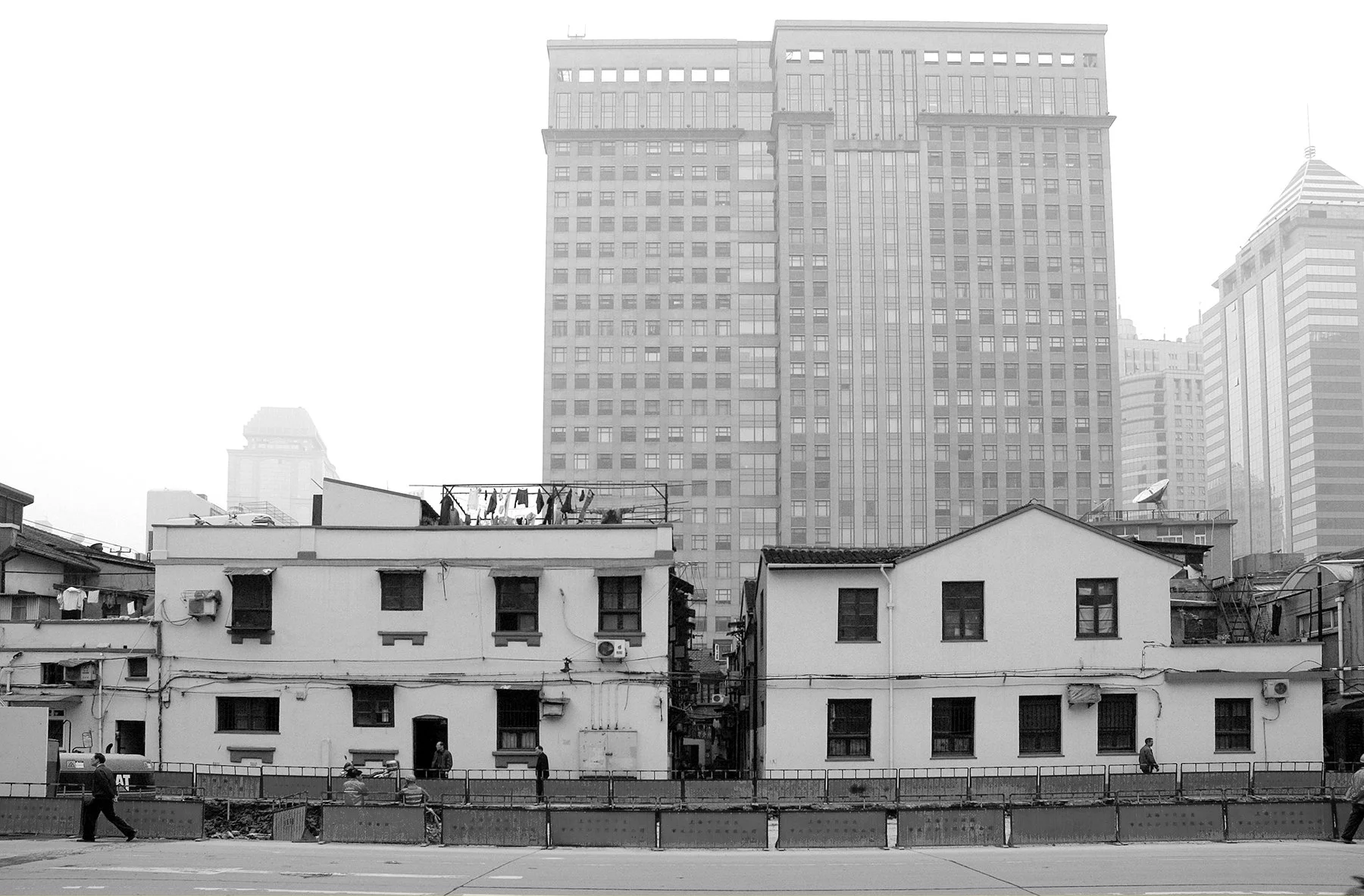
Chapter 2 examines Arab cities within the wider processes of globalization, sustainability, and urban governance, situating Dubai as a critical case study. It traces debates on the global city, neoliberal restructuring, transnational migration, and socio-spatial polarization, highlighting the coexistence of wealth and marginality—the “citadel and ghetto.” The chapter critiques deterministic global city models and introduces transnational urbanism and “globalization from below” as alternative lenses. It also links globalization to sustainability, arguing that environmental, economic, and socio-cultural justice are inseparable. Finally, it contextualizes Dubai within the broader Arab economic divide, shaped by oil wealth, migration, and uneven development.
Chapter 3. The Other Dubai: A Photo Essay
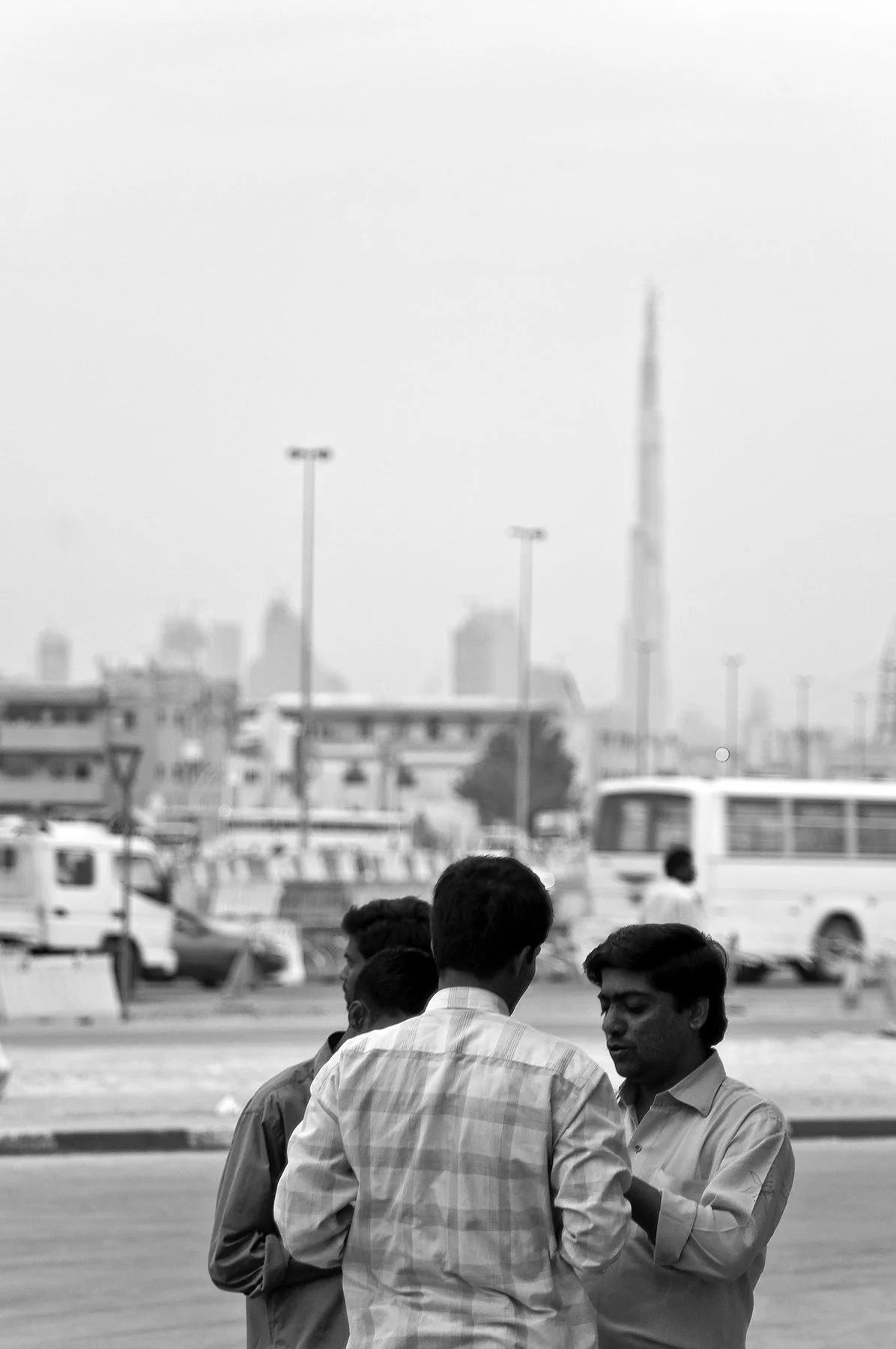
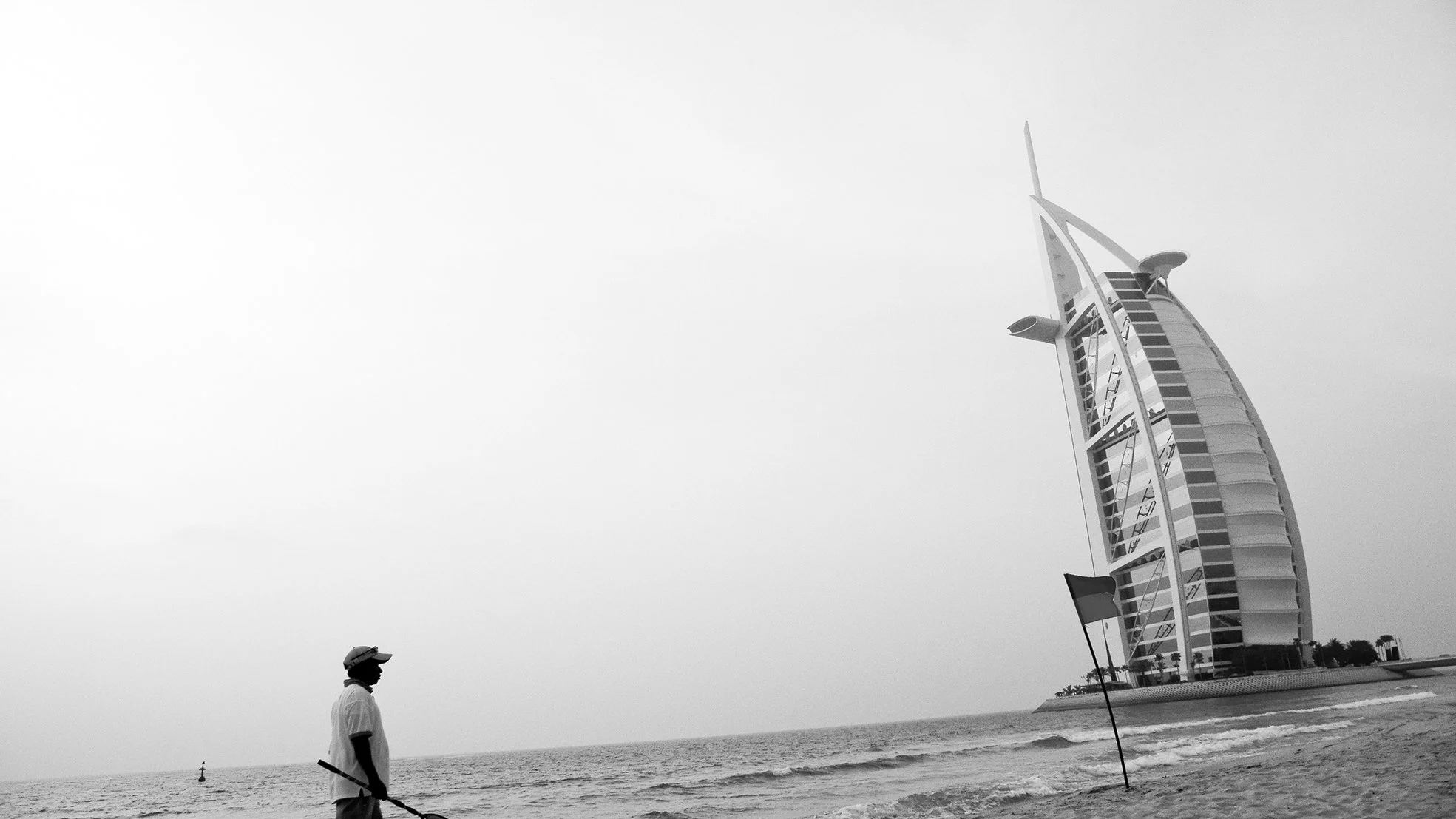
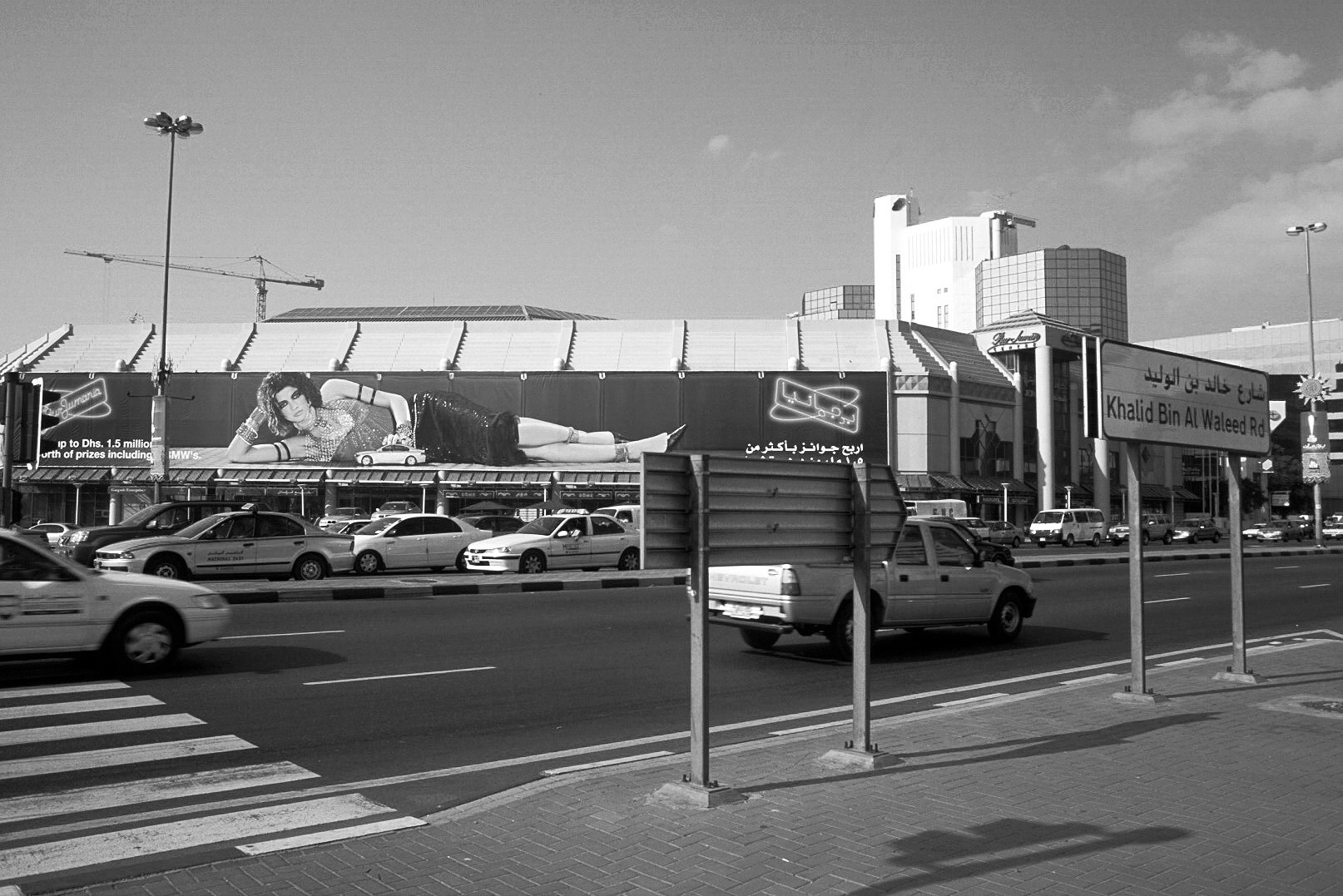
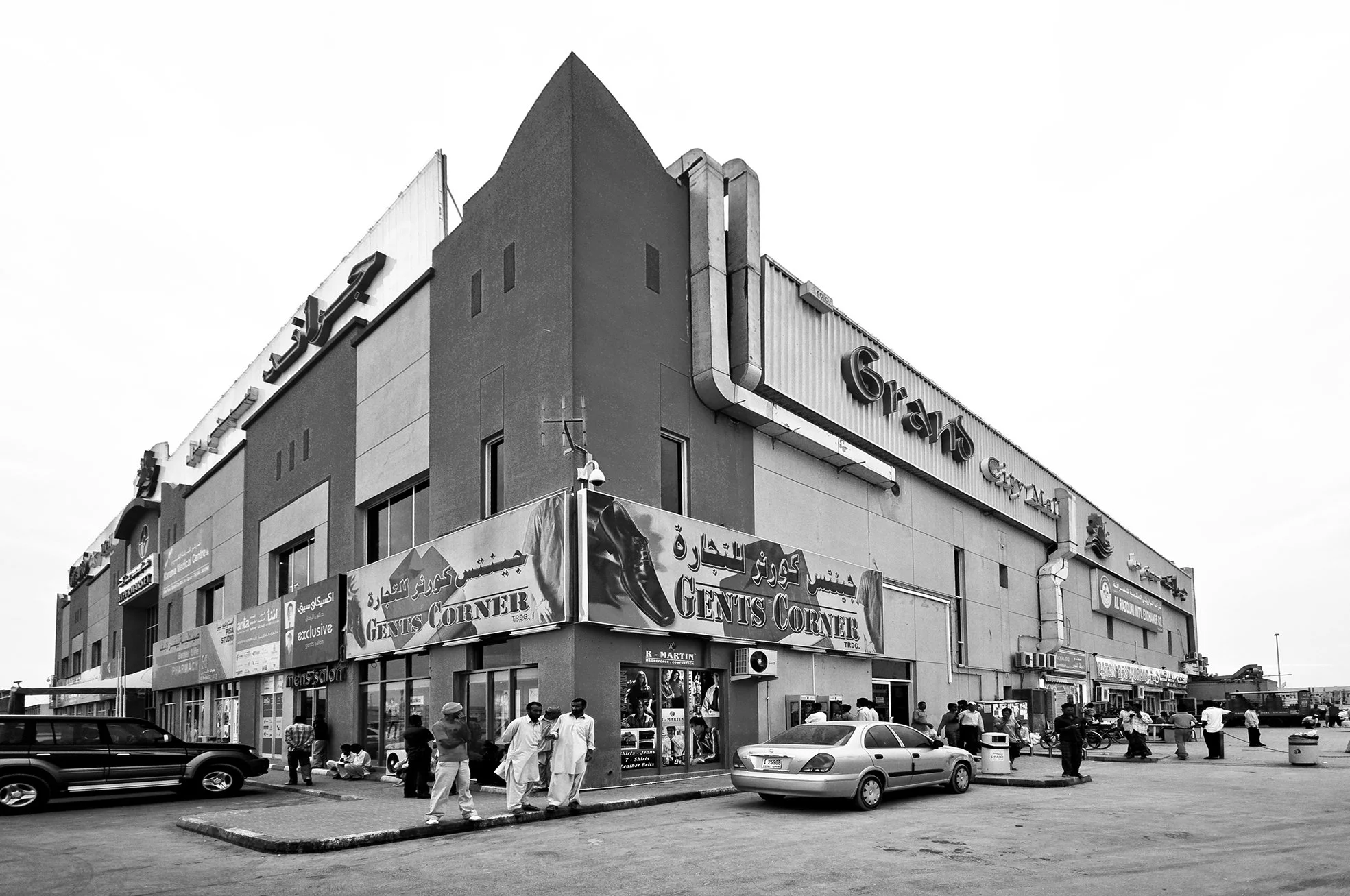
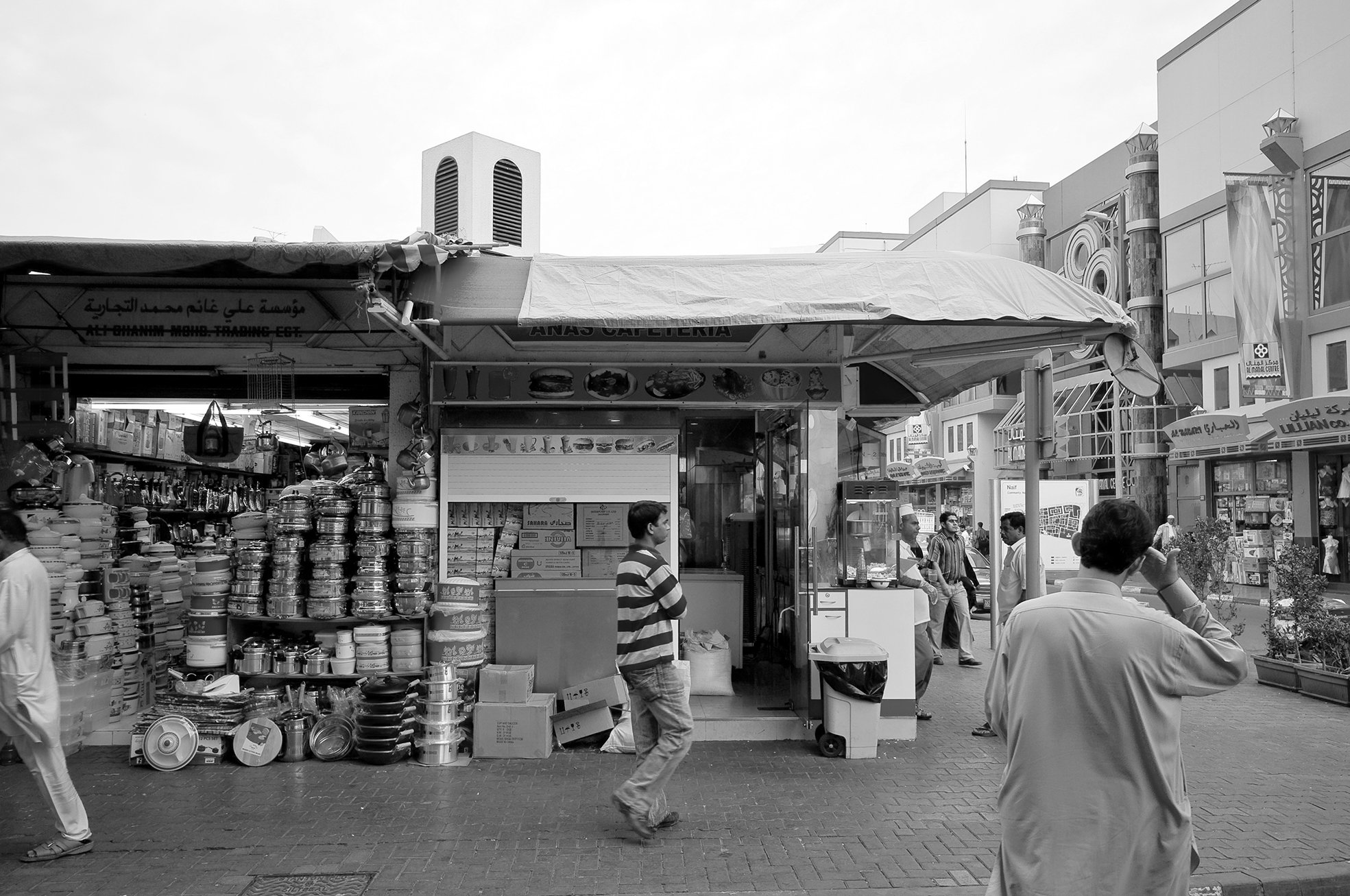
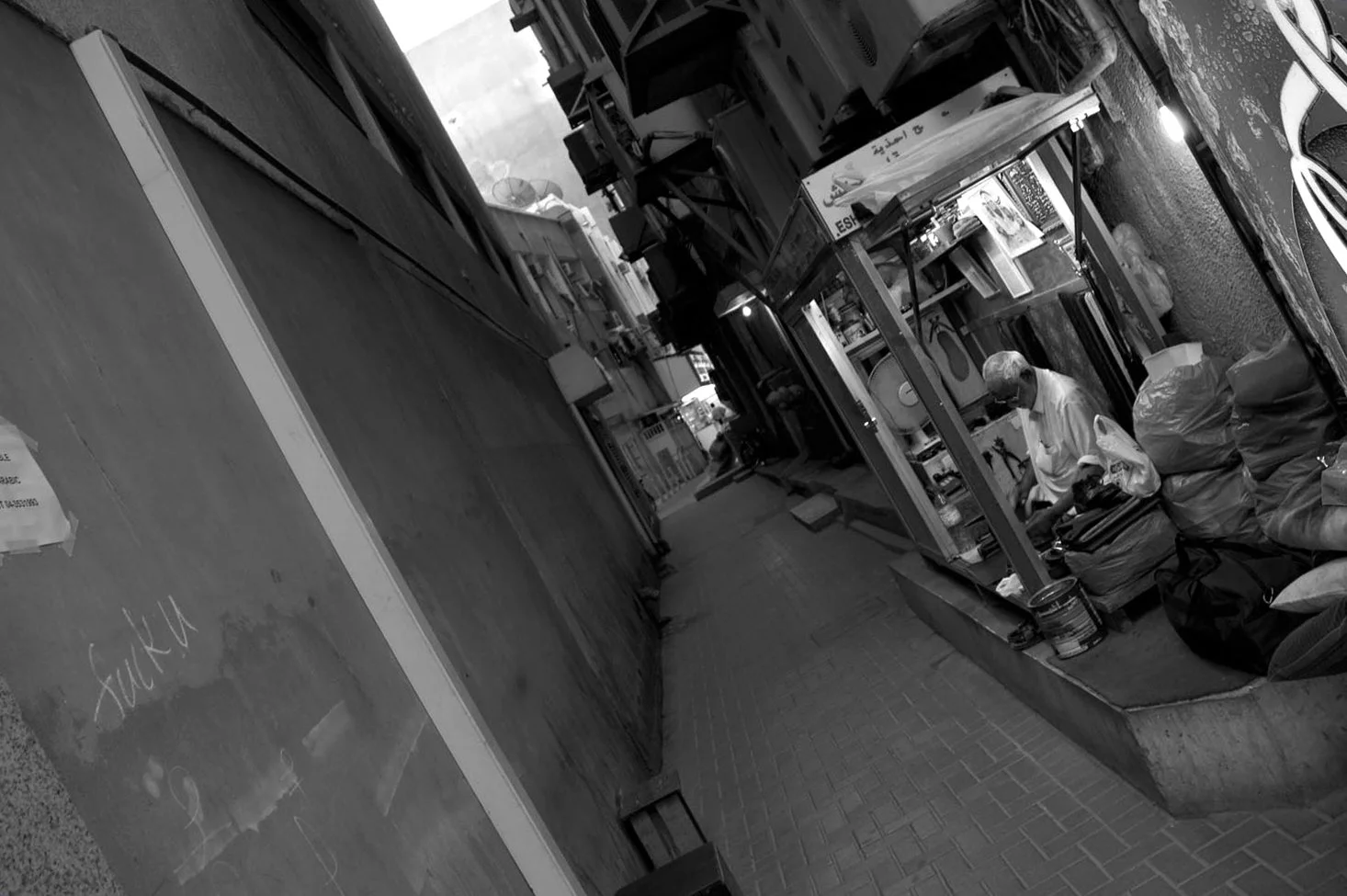
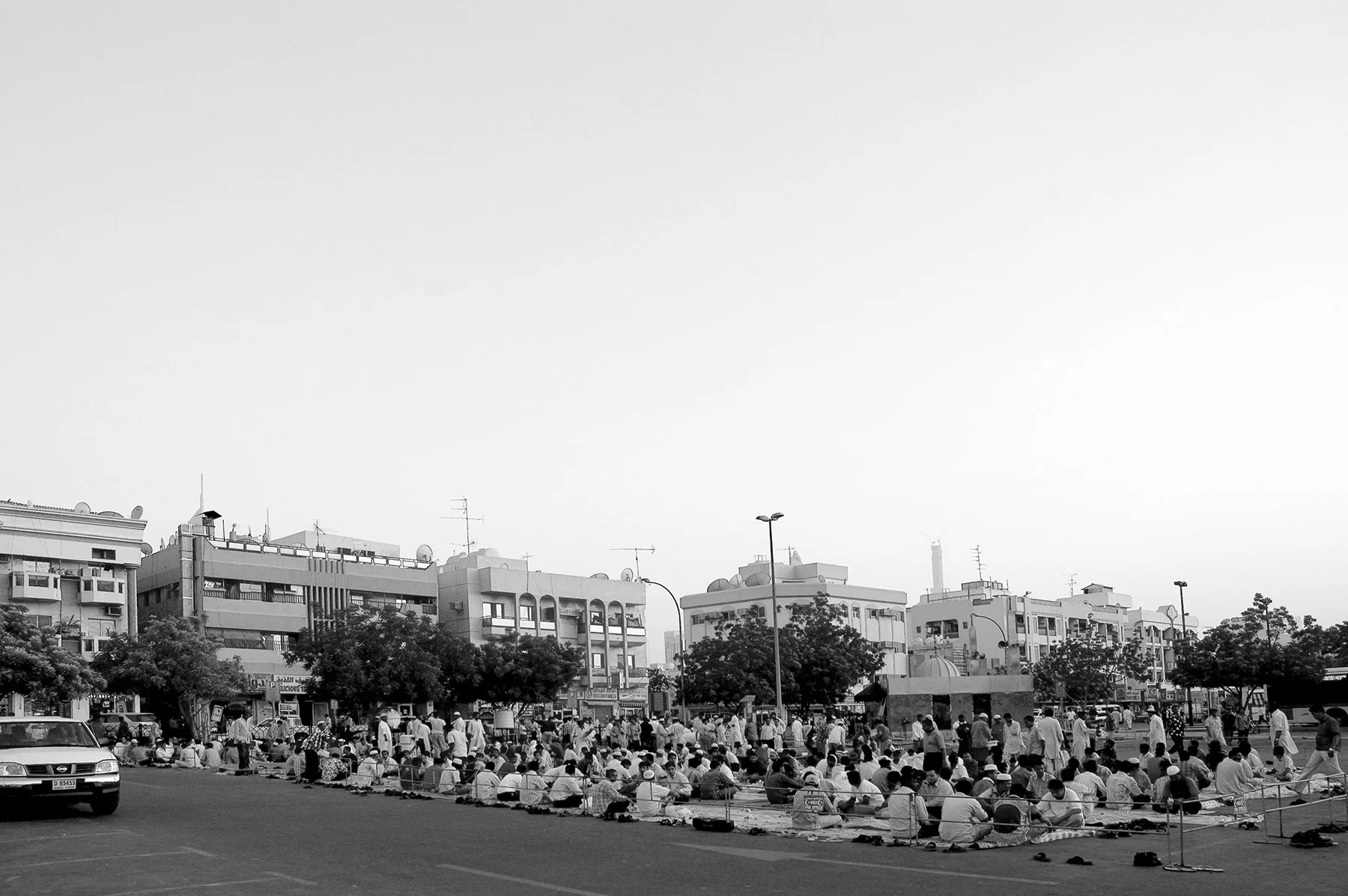
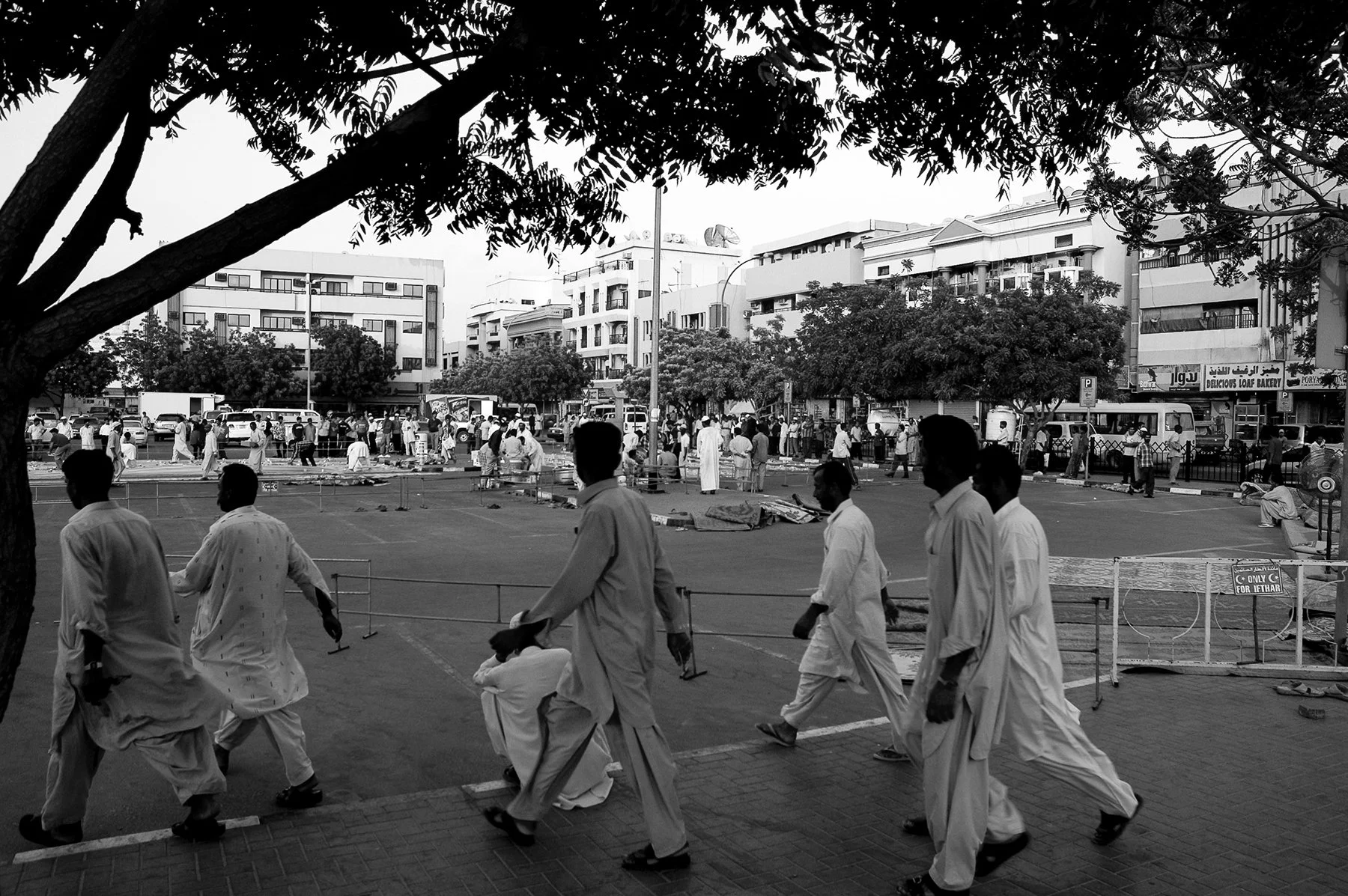
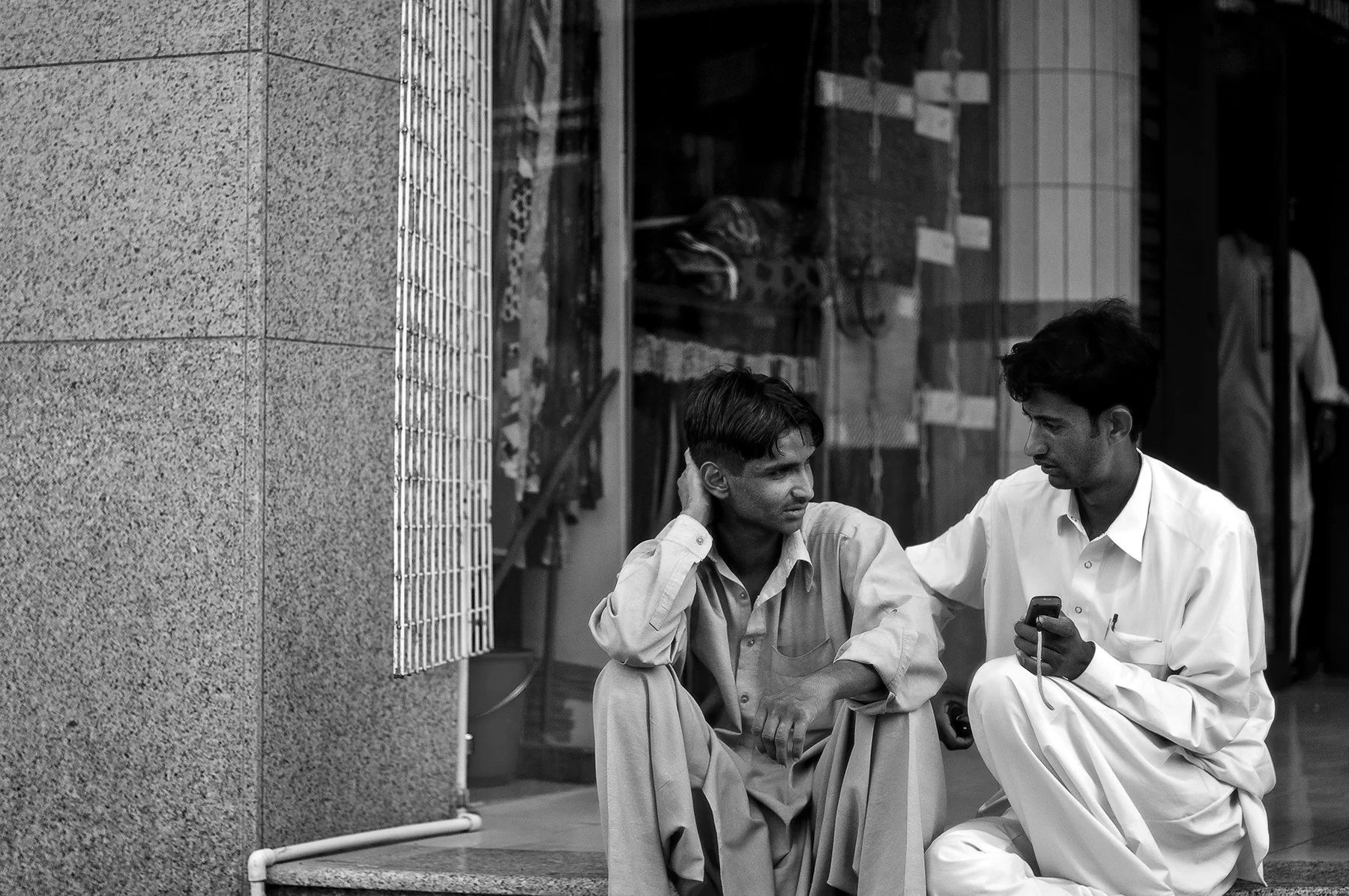
Chapter 3 presents a photo essay that challenges dominant visual narratives of Dubai by shifting attention from spectacle to everyday life. Structured around Distance, Framing, and Inner Life, the chapter first situates the city within its desert context, then reinterprets iconic landmarks by revealing their surrounding urban fabric. The final section explores low-income districts, highlighting how residents inhabit, adapt, and sometimes subvert built space. Avoiding both luxury excess and labor camp imagery, the essay foregrounds ordinary settings. Through black-and-white documentary photography, it uncovers a layered, human-scale Dubai often obscured by its globalized image.
Chapter 4. The Illusive History of Dubai
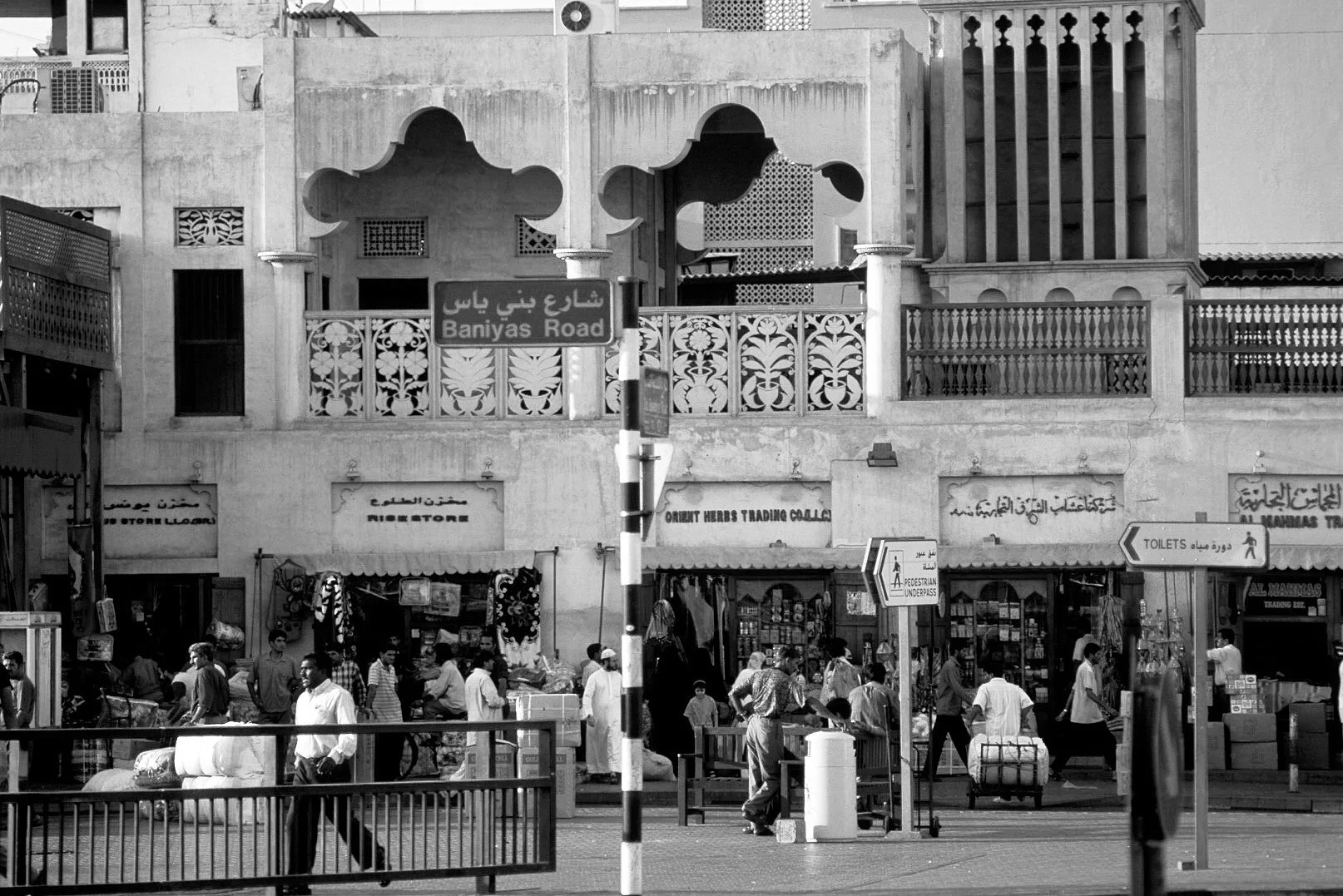
Chapter 4 dismantles the myth of Dubai as a city without history, tracing its evolution from a modest nineteenth-century trading settlement to a mercantile hub shaped by migration, British treaties, pearling, and regional commerce . Drawing on travellers’ accounts, media archives, and urban morphology, the chapter reconstructs everyday life before oil. Through case studies of Bastakiy’ya (now renamed to Fahidi) and Baniyas (Nasser) Square, it examines cycles of decline, preservation, and reinvention, revealing how heritage is selectively curated. Ultimately, the chapter argues that Dubai’s identity is neither timeless nor invented wholesale, but continually negotiated between memory, modernization, and political ambition.
Chapter 5. The Transformation of Dubai or Towards the Age of Megastructures
Chapter 5 traces Dubai’s transformation from a modest trading settlement to a city of megastructures, examining the planning frameworks, real estate strategies, and political dynamics that shaped its rapid expansion . Beginning with the John Harris Masterplan of the 1960s, the chapter shows how successive structural plans sought to guide growth but ultimately enabled a fragmented, highway-driven urban morphology. It analyzes the rise of state-backed developers, freehold property laws, and spectacle-driven megaprojects that branded Dubai globally while intensifying social and spatial polarization. Concluding with sustainability challenges, it frames Dubai as an exclusive, splintered metropolis shaped by speculative ambition.
Chapter 6. Spectacular Architecture and Urbanism
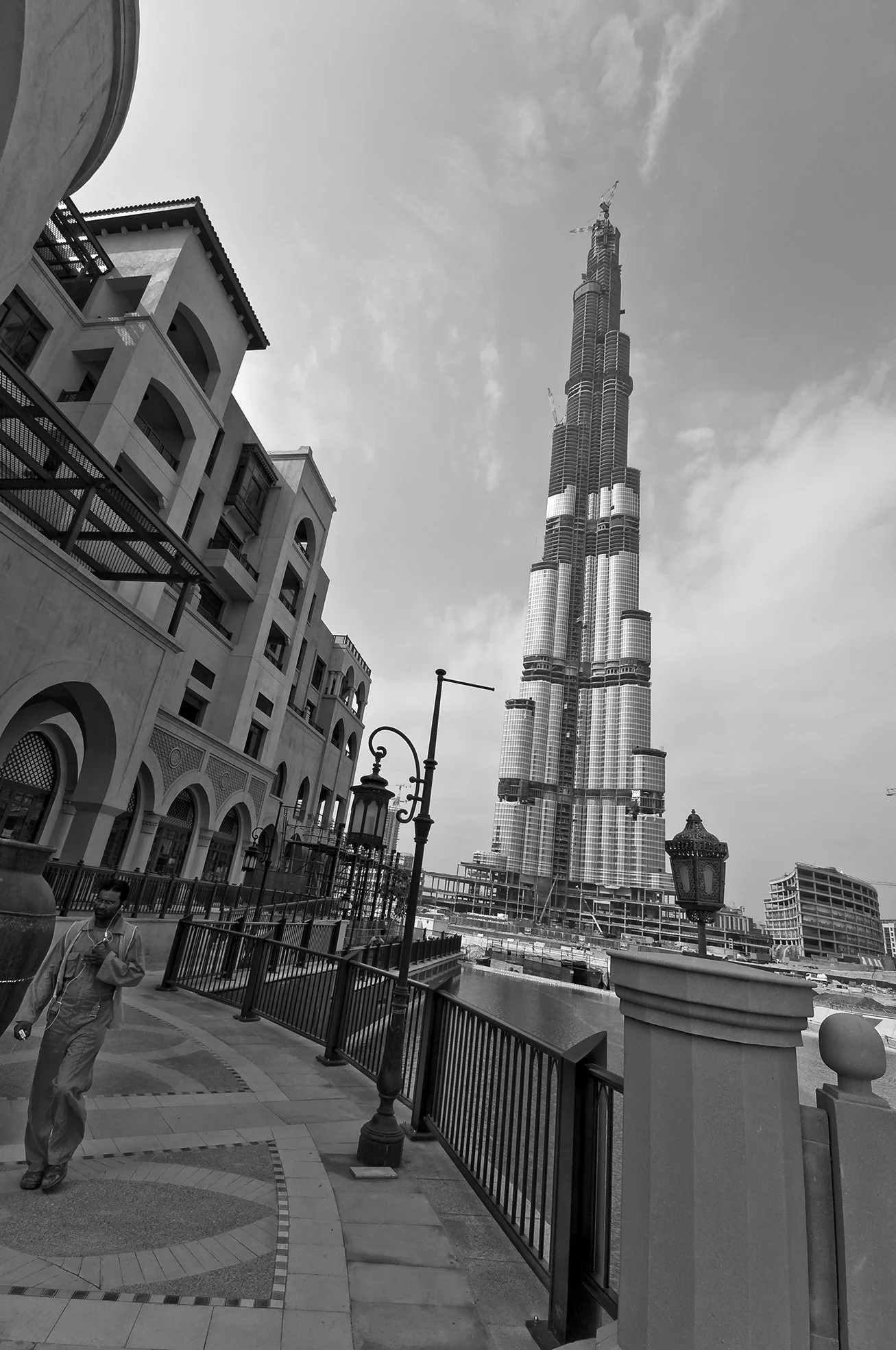
Chapter 6 examines Dubai’s megaprojects as instruments of branding, global positioning, and economic diversification . Focusing on landmark developments such as the Burj Al Arab, Palm Islands, Dubai Marina, and Burj Khalifa (formerly Dubai), the chapter argues that spectacle and superlatives became deliberate urban strategies rather than incidental excess. These projects are read not only as architectural statements but as tools for attracting capital, tourism, and transnational elites. Yet beneath their ambition lies vulnerability: financial speculation, environmental strain, and social exclusion. The chapter ultimately frames megaproject urbanism as both a catalyst for global visibility and a source of structural fragility.
Chapter 7. The Spectacular and the Everyday: Dubai’s Retail Landscape
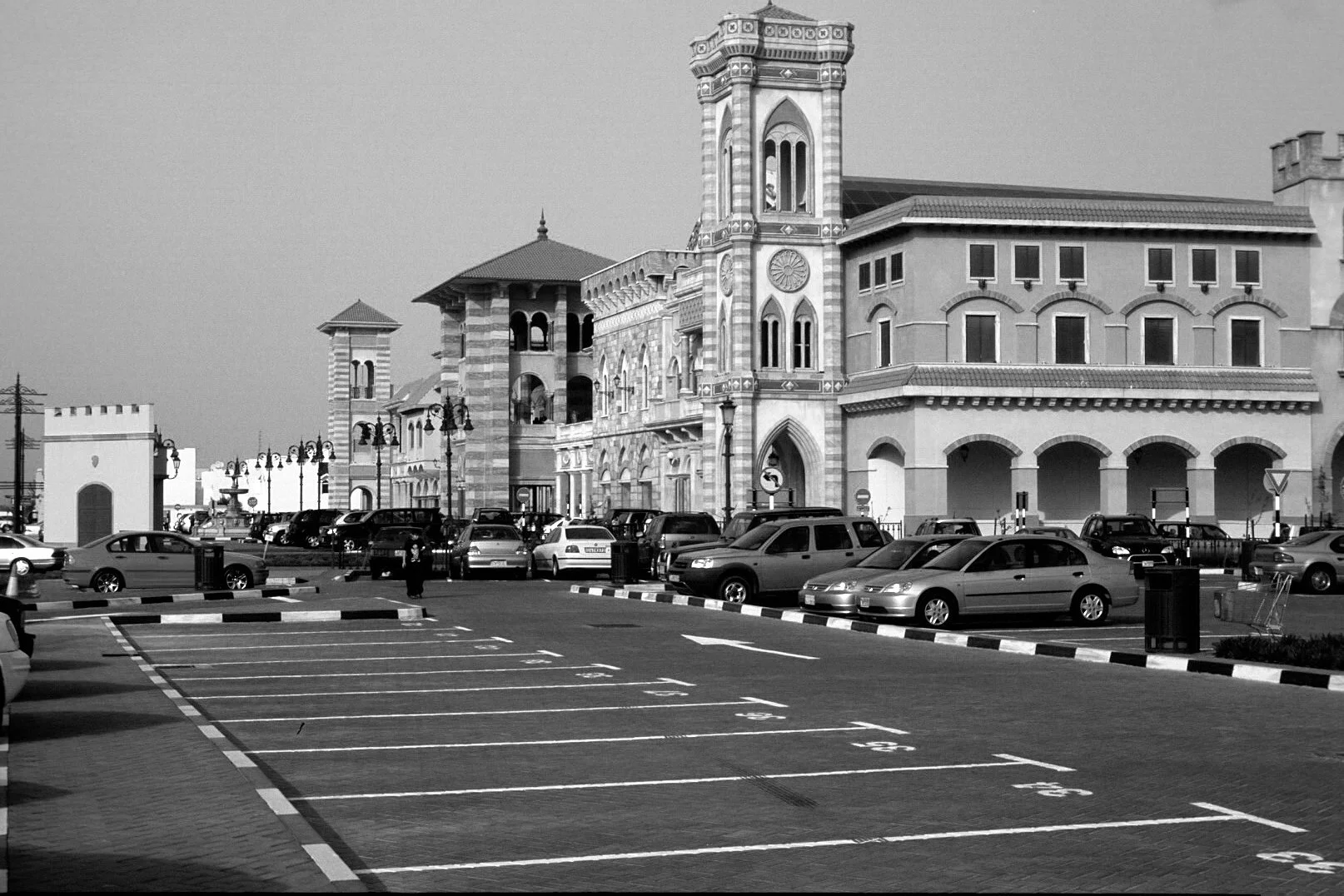
Chapter 7 explores Dubai’s retail landscape as a site where spectacle and everyday life intersect and contest one another . While mega-malls such as Ibn Battuta Mall and Mall of the Emirates exemplify Debordian spectacle through scale, theming, and lifestyle branding, the chapter argues that consumers are not passive cultural dupes. Drawing on Lefebvre and de Certeau, it shows how residents appropriate malls as social spaces and create parallel retail geographies in districts such as Karama, Meena Bazaar, and Naif Souq. Ethnic markets, informal trade, and community eateries emerge as counter-spaces, revealing Dubai as a negotiated urban terrain rather than a purely spectacular city.
Chapter 8. Transient City: Dubai’s Forgotten Urban Spaces
Chapter 8 shifts the focus from retail spectacle to Dubai’s overlooked gathering spaces, examining how migrant and low-income communities carve out zones of belonging within a highly regulated city . Through ethnographic observations of streets, bus stops, parks, and informal meeting points, the chapter reveals how everyday practices—socializing, waiting, eating, watching cricket—produce alternative public realms. Drawing on Lefebvre and de Certeau, it argues that these spaces function as tactical appropriations within a landscape shaped by state control and market forces. The result is a portrait of Dubai not as a city devoid of public life, but as one where urbanity persists through improvisation, negotiation, and quiet acts of resilience.
Chapter 9. Global Dubai or Dubaization
Chapter 9 interrogates the idea of a “Dubai model,” examining whether Dubai represents a transferable paradigm of neoliberal urbanism or a unique product of specific geopolitical and economic conditions . It traces debates around “Dubaization,” analyzing rhetoric from supporters who celebrate Dubai as a new Arab center, and critics who question its sustainability, political neutrality, and socio-spatial consequences. Through regional and global case studies—including Cairo, Amman, Morocco, and beyond—the chapter shows how Dubai-inspired megaprojects reshape cities, often intensifying inequality and fragmentation. Ultimately, it argues that Dubai’s most meaningful lesson lies not in spectacle, but in its everyday, multicultural urban spaces shaped by migrants.