
I chose the Chinese character 城 (chéng) as the symbol for Hidden Cities because it originally referred to a walled city built of earth—a place shaped not only by buildings, but by memory, protection, and collective life. It reflects the spirit of this project: an exploration of the hidden layers of cities—the forgotten streets, everyday encounters, vanished places, and personal histories that exist behind skylines and official narratives.
Hidden Cities
Urban Passages, Personal Returns
I have been thinking of calling this Blog Hidden Cities. But perhaps it is not cities that are hidden — it is the selves we once were that are hidden within their streets and alleyways. Other possible names come to mind: Cities Within, After the Return, Drifting Again, or simply Passages. I don’t know. The name should hold for now and it may change later.
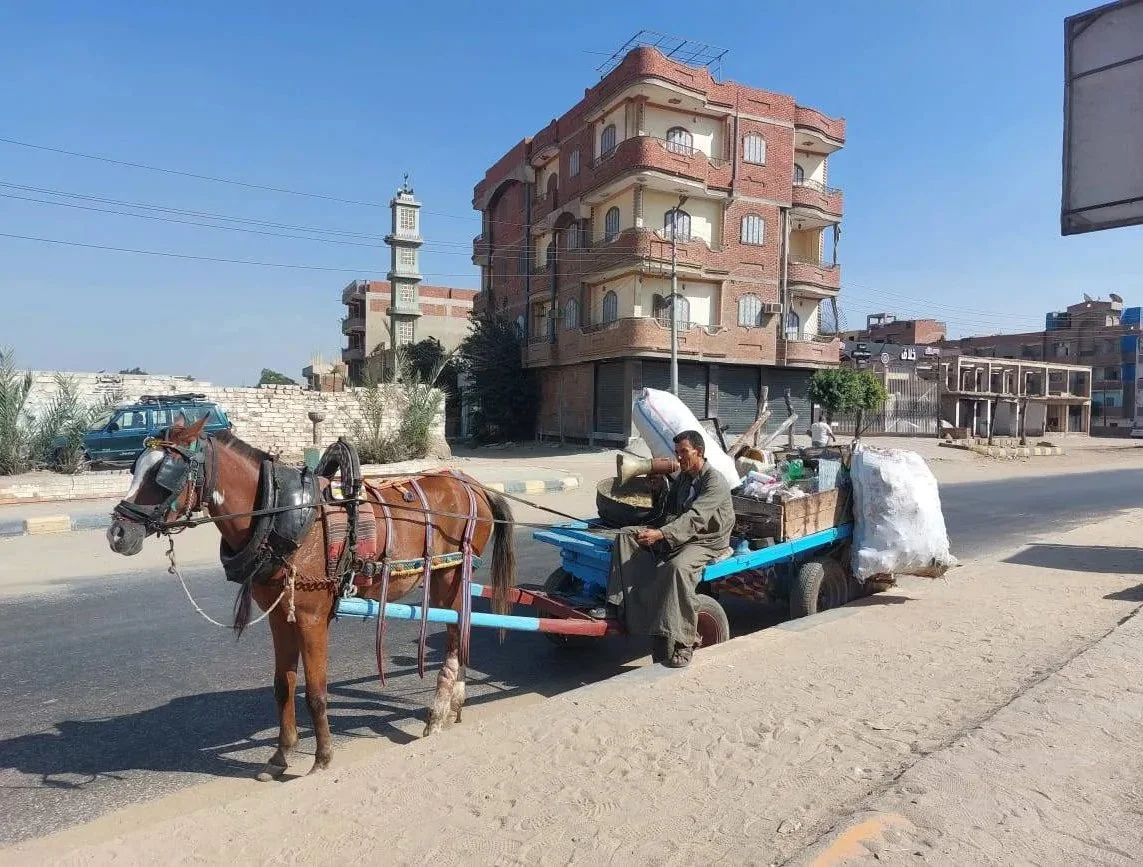
The Sounds of Cairo
What does a city sound like? In the latest Hidden Cities blog, I explore Cairo through its soundscape, from the dawn adhan and the familiar cry of the rubabikya collector to the city's unmistakable dausha. Drawing on personal memories, Tamer El Said's In the Last Days of the City, and my forthcoming book My Cairo, the essay reflects on how sound shapes urban identity and why silence, in today's Cairo, has become yet another marker of privilege.
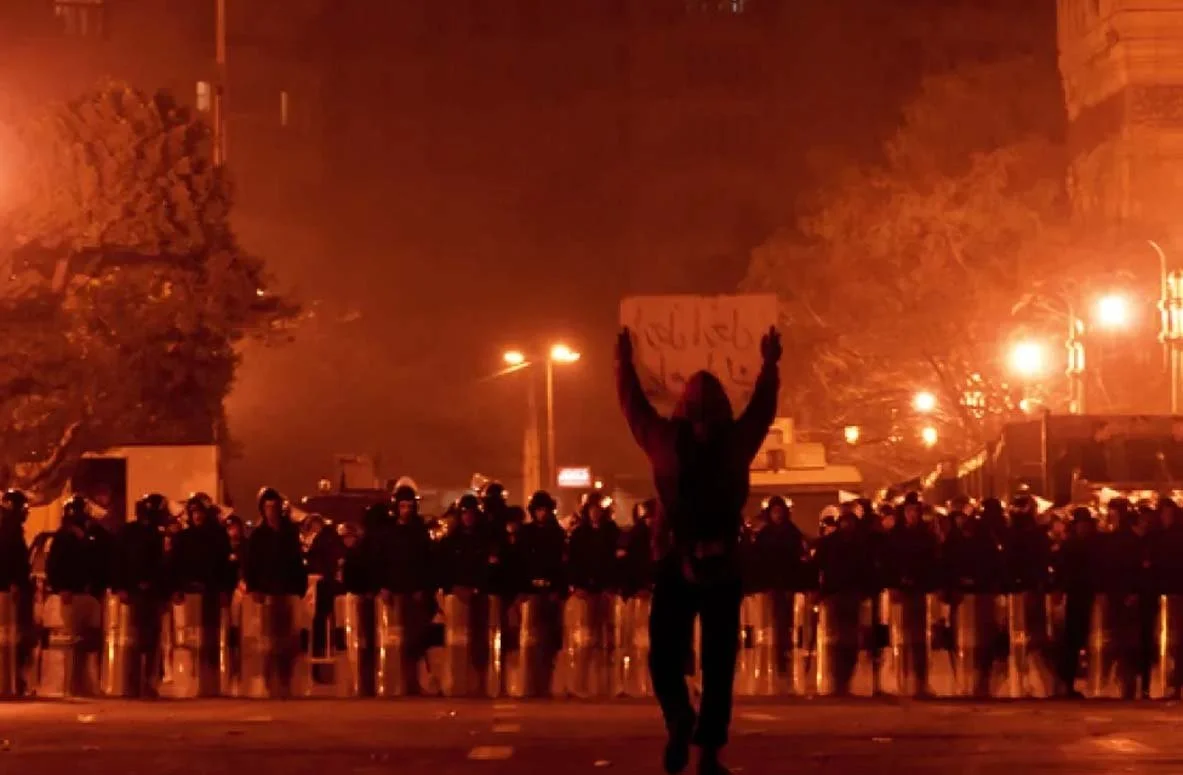
O You the Square
What is the sound of revolution? What remains of a revolution once the crowds have disappeared? In this latest Hidden Cities blog, I return to Cairo's Tahrir Square, tracing its evolution from colonial plaza to the epicenter of the 2011 Egyptian Revolution and, ultimately, to its carefully redesigned present. Drawing on personal memories, music, cinema, and my Cairo chapter in Arab Modernism(s): Cities, History and Culture, the essay reflects on the relationship between urban space, memory, and political hope. More than the story of a single square, it asks what cities remember, what they choose to forget, and whether the flame of revolution can one day burn again.
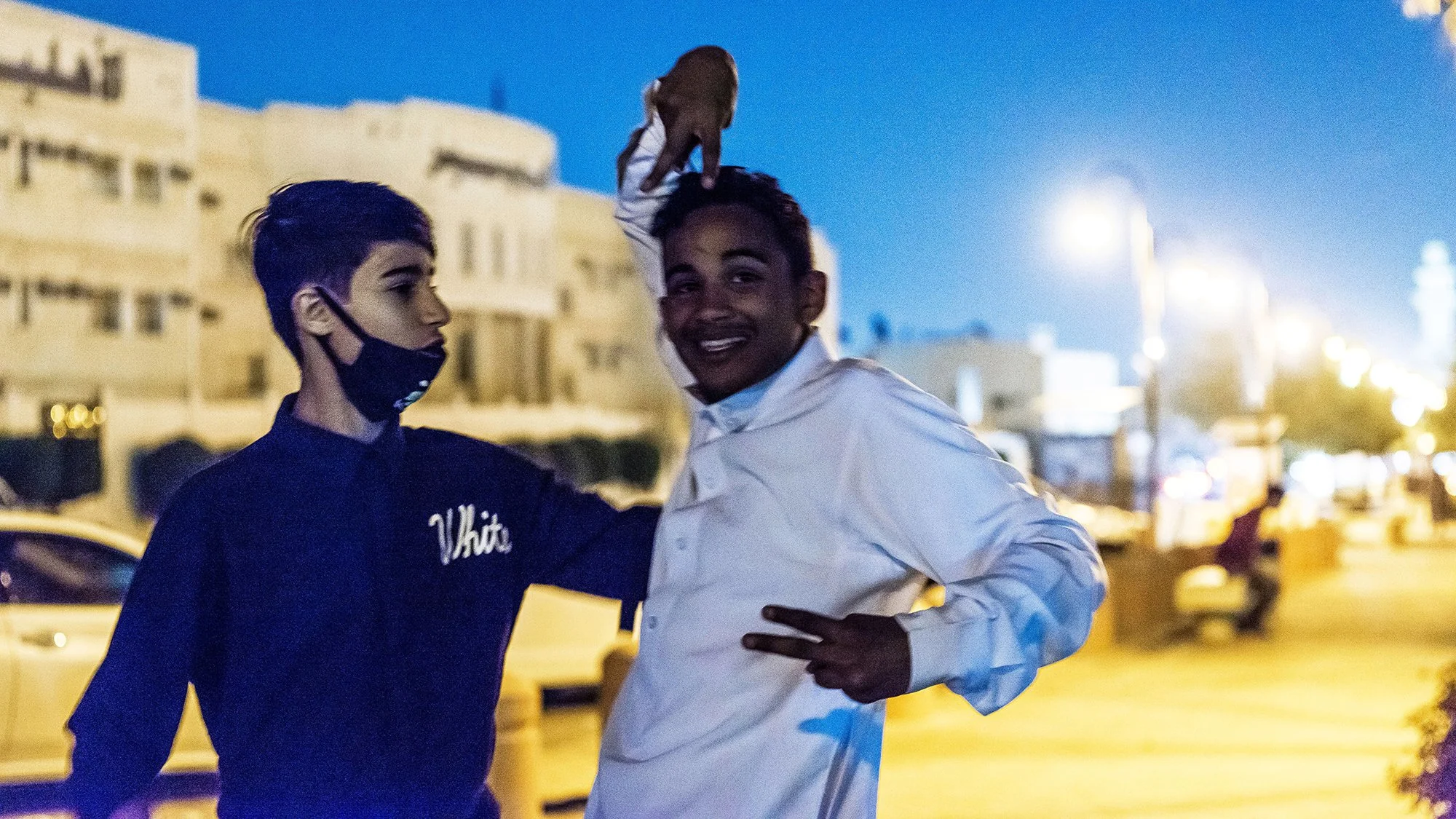
Riyadh Rediscovered
In the latest Hidden Cities blog, I reflect on my lifelong relationship with Riyadh through three encounters spanning half a century: my arrival as a child in 1974, my return in 2018, and my rediscovery of the city during fieldwork in 2024. Drawing on my chapter in Arab Modernism(s): Cities, History and Culture and accompanied by a short film, the essay explores memory, architecture, and urban transformation while retracing my late father's footsteps through a city that has profoundly shaped both my life and my understanding of the Gulf.
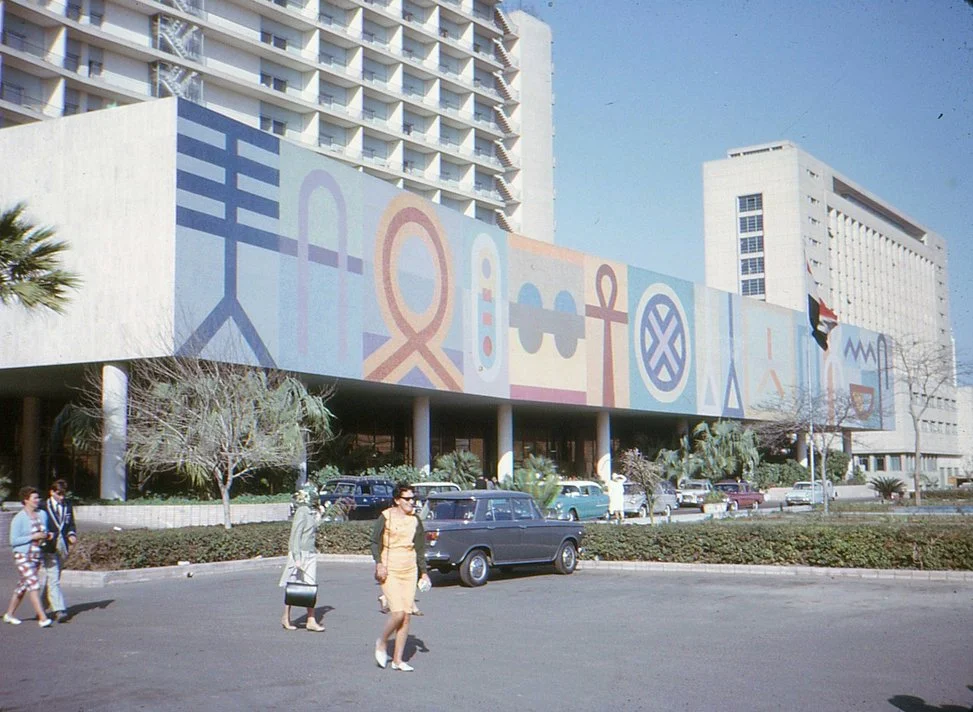
The Nile Hilton
What can a hotel tell us about a city—and a family? In the latest Hidden Cities blog, I revisit Cairo's iconic Nile Hilton through the intertwined stories of my parents, my own youth, and the city's remarkable transformation. Drawing on memories that span more than six decades, and inspired by my forthcoming book My Cairo: A Cartography of Belonging and Everyday Urbanism, the essay reflects on love, architecture, memory, and the changing face of Downtown Cairo. More than a building, the Nile Hilton becomes a place where personal history and the history of modern Egypt quietly converge, reminding us that the cities we carry within us often endure long after the places themselves have changed.
Where the Desert Meets the Sea
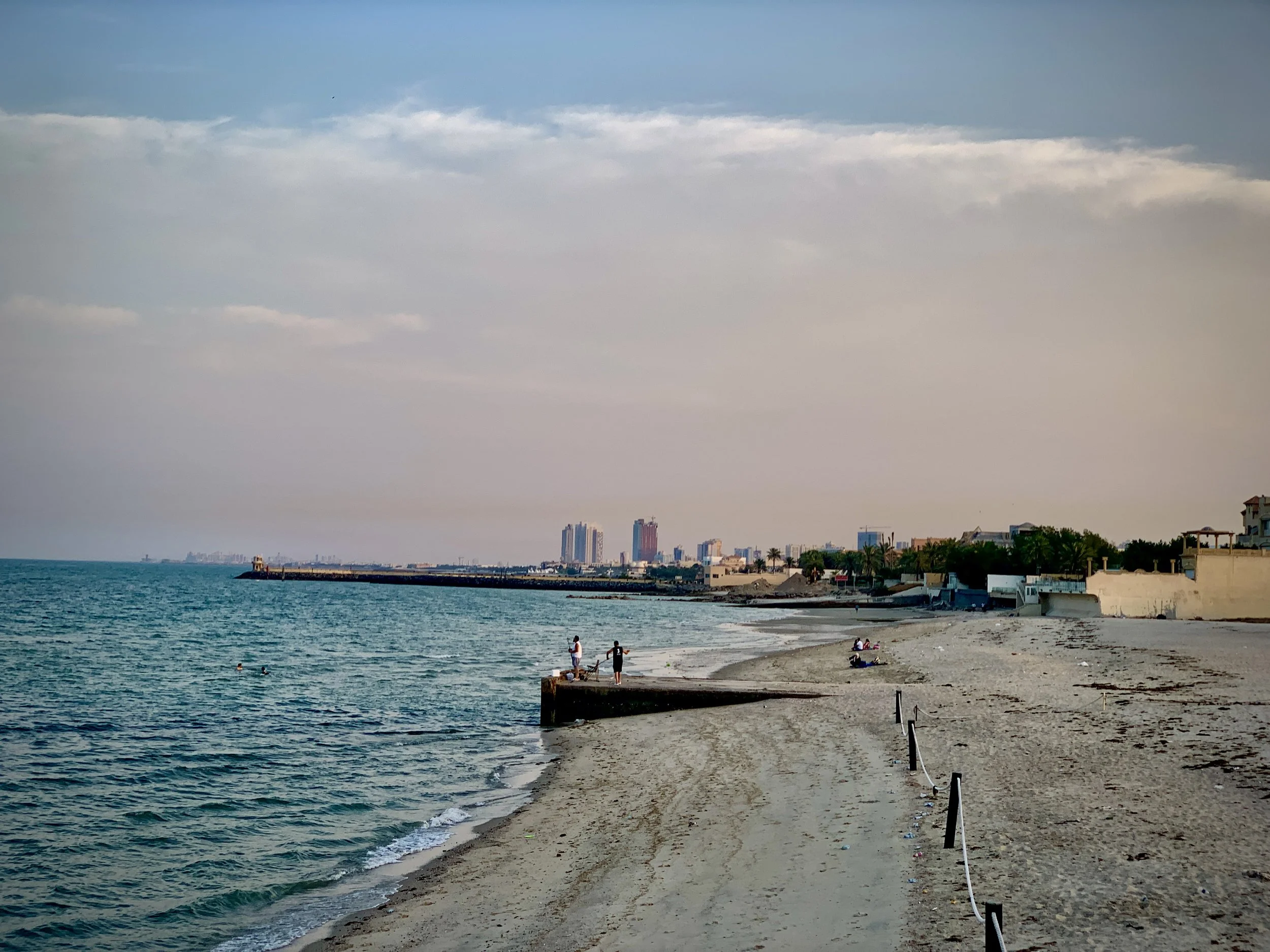
What can a film made more than fifty years ago reveal about Kuwait today? Quite a lot, it turns out. In this blog I revisit Khaled Al-Siddiq's 1972 landmark film Bas Ya Bahr (The Cruel Sea) as a companion to my recent essay on Kuwait and my chapter in Arab Modernism(s): Cities, History and Culture. Set before the discovery of oil, the film captures a society suspended between the sea and the desert, where architecture, poverty, love, and survival are inseparable. Read alongside Abdelrahman Munif's Cities of Salt, Bas Ya Bahr becomes more than a story of a vanished world—it offers a powerful meditation on the origins of modern Kuwait and reminds us that beneath every spectacular urban transformation lie the ordinary lives that made it possible.
Spatial Marginalization and Exclusion
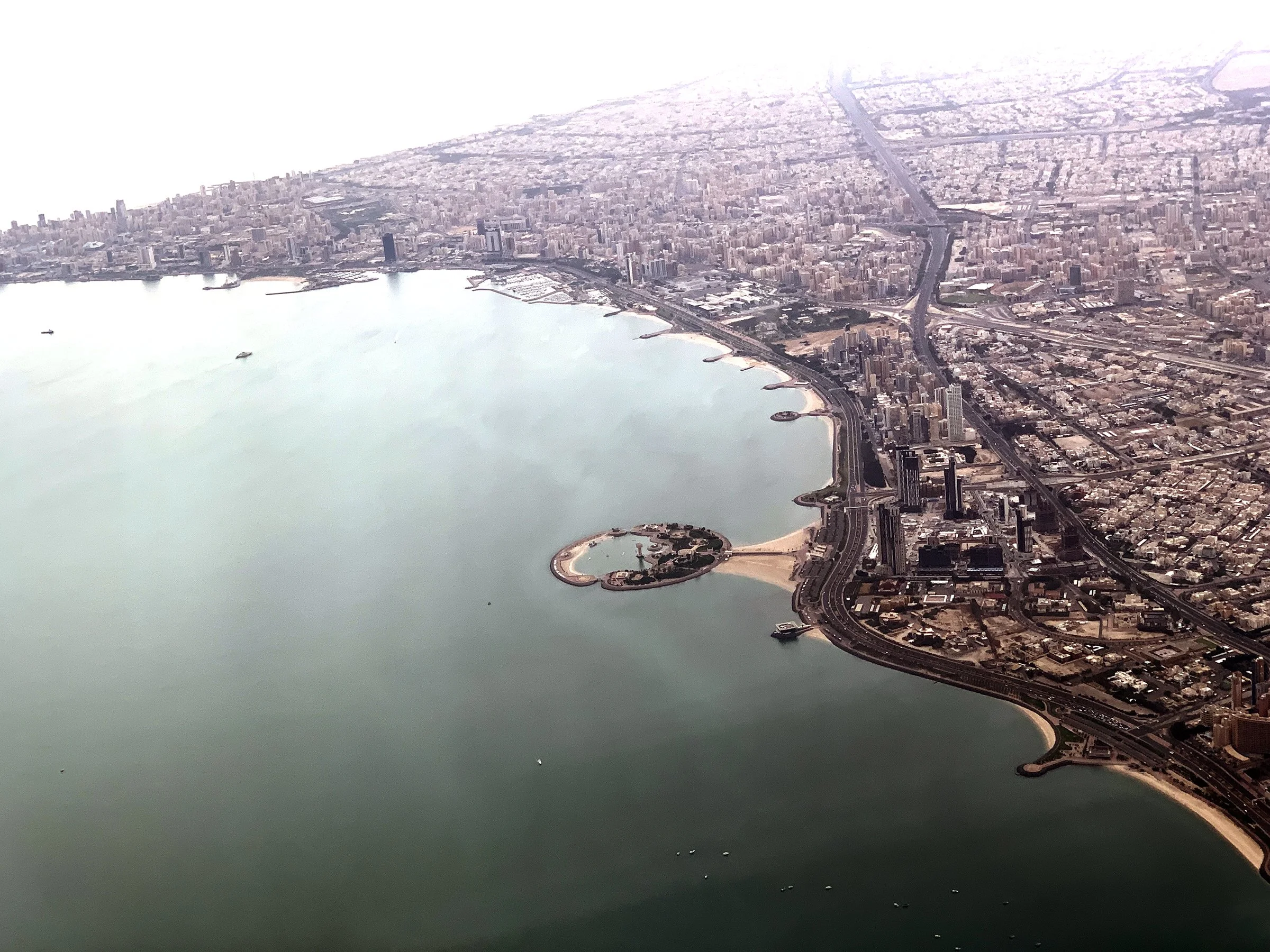
Is Kuwait really like any other Gulf city? My latest Hidden Cities blog argues that it is not. Drawing on personal encounters dating back to my first visit in 2007 and my chapter in Arab Modernism(s): Cities, History and Culture, the essay reflects on Kuwait's extraordinary transformation from a fragile pearling settlement into a modern oil state. Through the story of the Al-Sawaber housing complex, the work of artist Dana Al Rashidi, and the novel The Bamboo Stalk, it explores how architecture, urban planning, and modernization have shaped questions of exclusion, belonging, and memory. Ultimately, it argues that the true measure of a city lies not only in the buildings it constructs, but also in the people whose stories it chooses to remember.
The Teddy Bear Beneath the Lamp
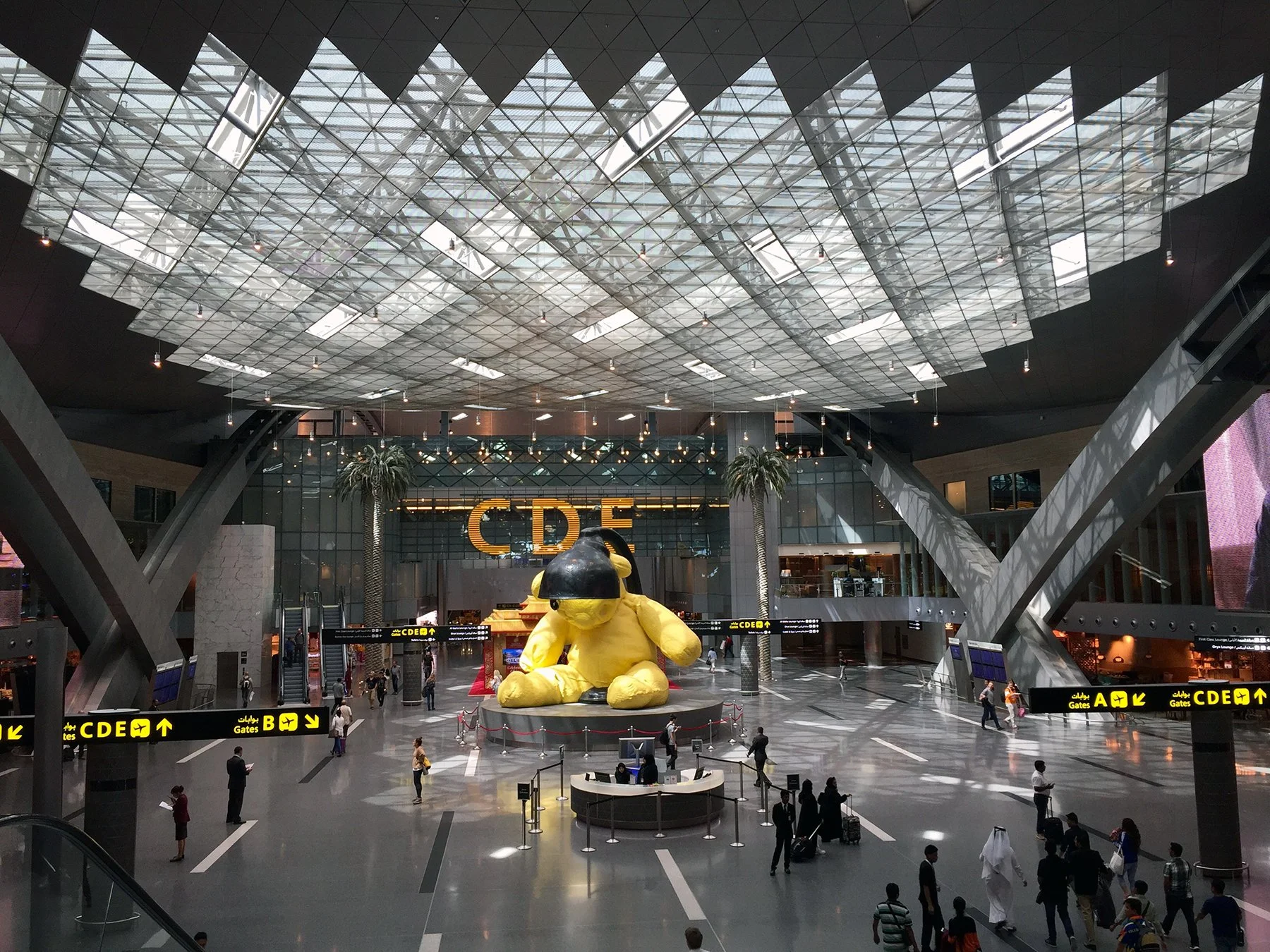
What can a giant teddy bear in Doha's airport reveal about a city—and about the Gulf itself? In this latest Hidden Citiesessay, I reflect on Doha through the themes of home, belonging, and transience, drawing on personal experiences spanning more than a decade. From the teddy bear beneath the lamp at Hamad International Airport to walks through Najada, Msheireb, Souq Waqif, and the National Museum, the essay explores the tensions between spectacular modernity and everyday urban life. Drawing on my Doha chapter in Arab Modernism(s): Cities, History and Culture, it asks whether a city built by millions who are expected one day to leave can ever truly become home.
A Dubai Apparition in New York
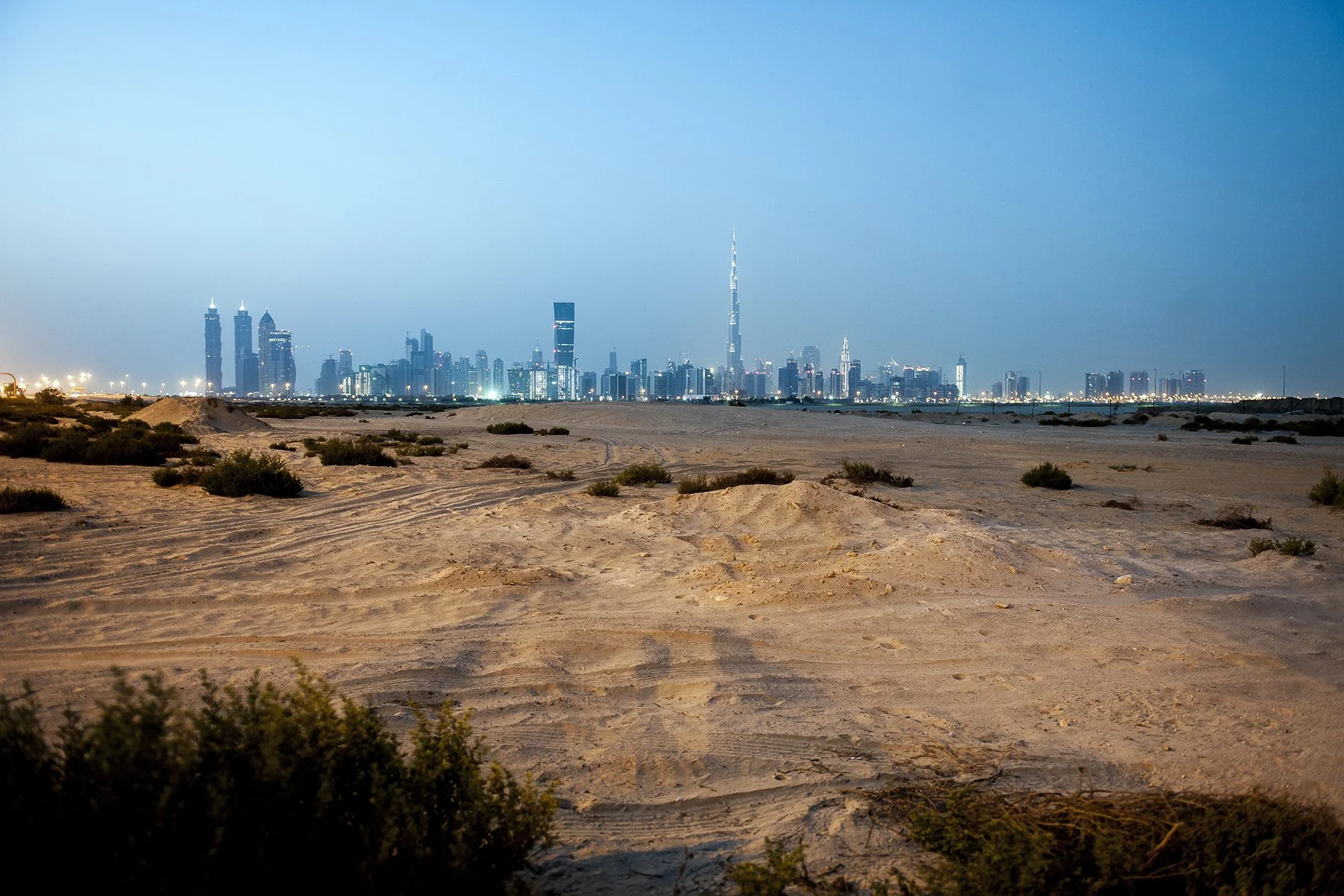
Increasingly, while visiting cities—or even watching a film—I have found myself experiencing a strange phenomenon: an apparition that unexpectedly places Dubai right before my eyes. It is an unsettling sensation, yet one that feels entirely real rather than a mere figment of my imagination. What does it mean when Dubai seems to appear in places as diverse as Milan and New York City? And what does it tell us about our urban future when Dubai becomes a global urban reference point, whether admired or feared? In my latest Hidden Cities blog, I explore these questions through personal encounters, urban theory, and reflections on why the "Dubai apparition" may be revealing more about the future of our cities than we realize.
Beirut
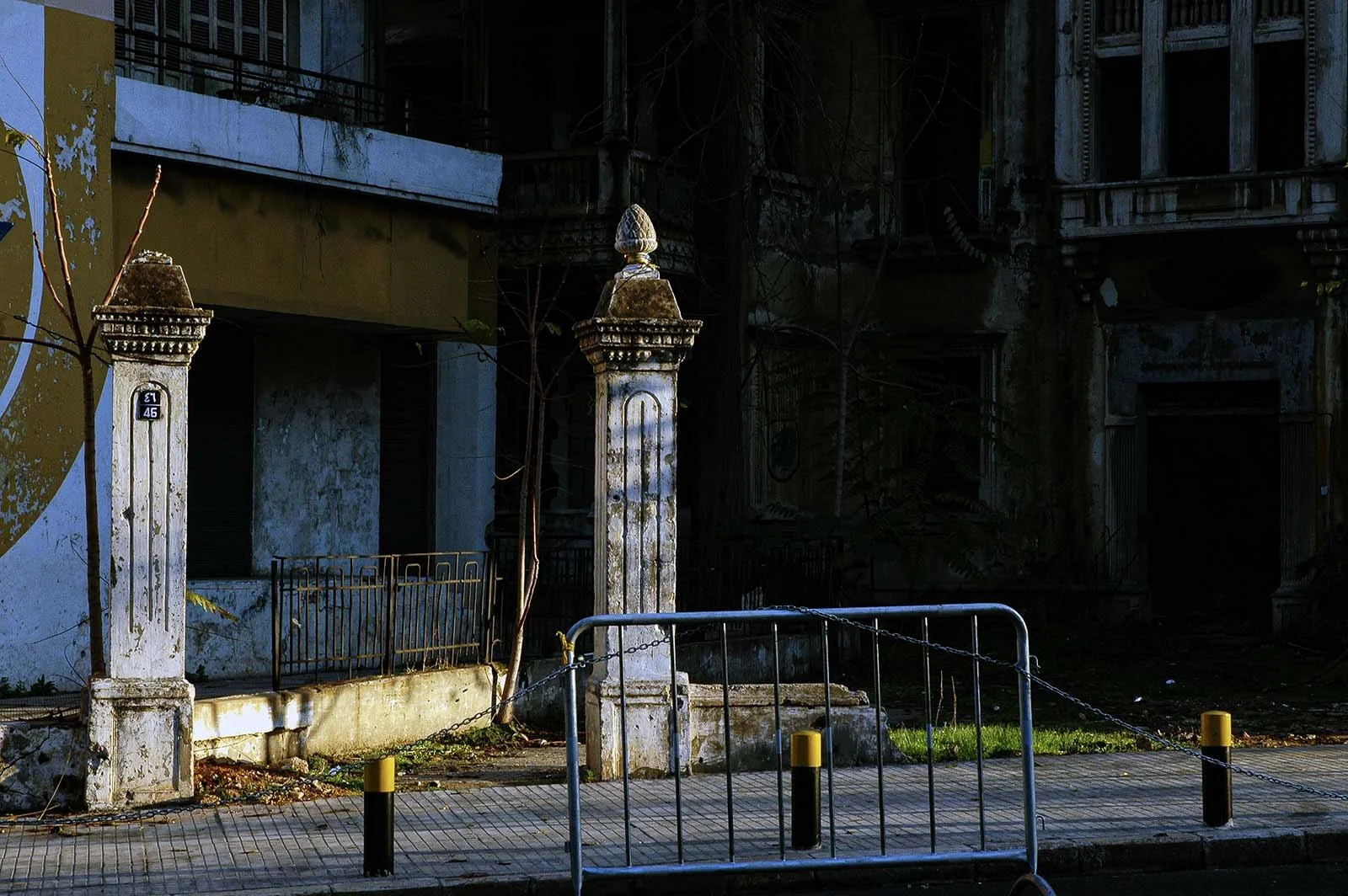
Inspired by Fairuz's haunting ode Li Beirut, this latest Hidden Cities essay reflects on a city where memory, longing, and resilience are inseparable. Returning to Beirut after many years, I explore how music, cinema, and literature illuminate dimensions of the city that architecture and urban planning alone cannot capture. Drawing on personal encounters and my Beirut chapter in Arab Modernism(s): Cities, History and Culture, the essay considers a city that wears the appearance of recovery while carrying the weight of unresolved histories. Moving between films, streets, cafés, and song, it reflects on urban memory, belonging, and why the true measure of a city is found not in its monuments but in the everyday lives unfolding between them.
Waiting for What Will Come
Here's a concise introductory synopsis suitable for introducing your Amman blog on your website or social media.
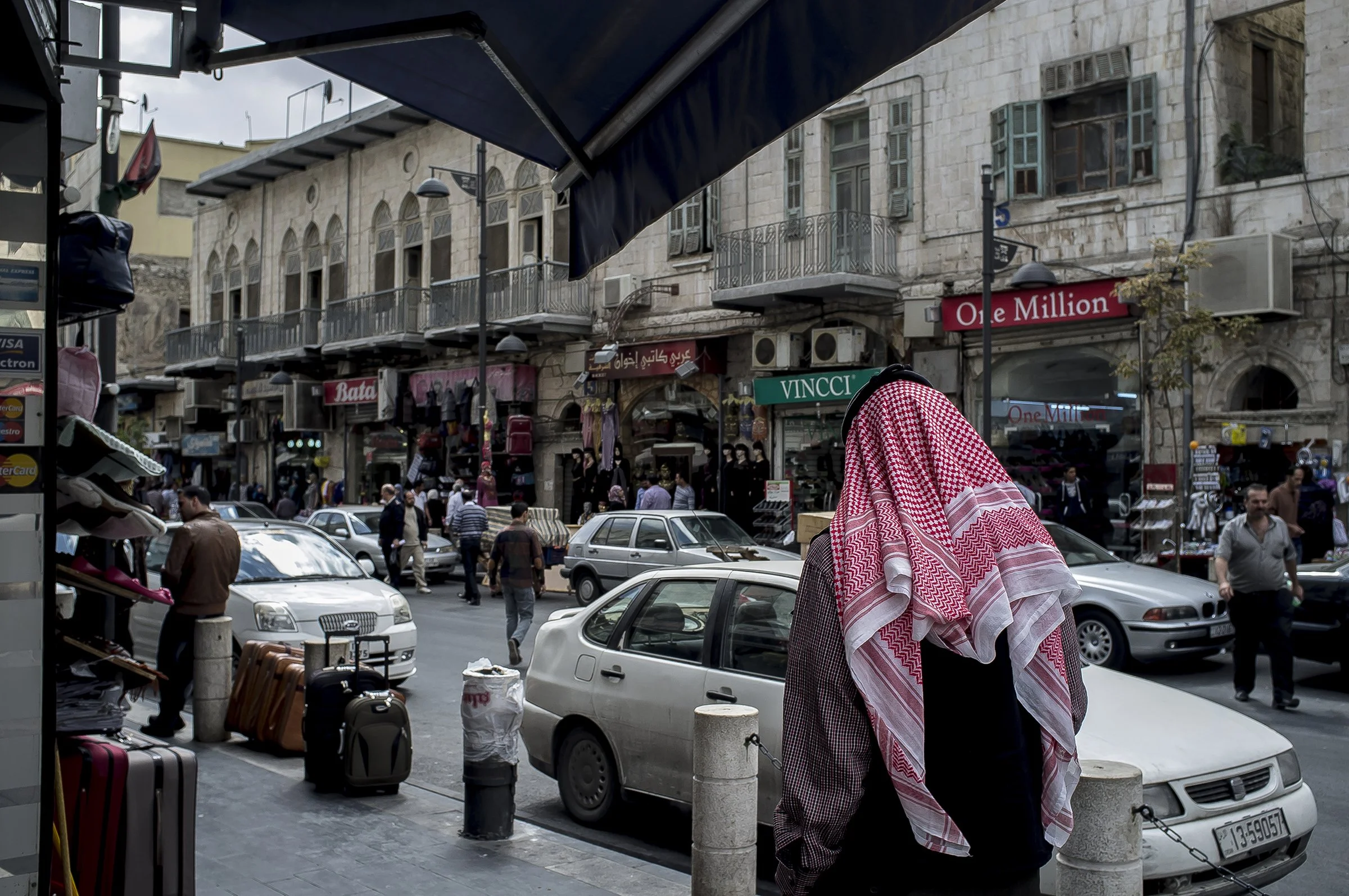
What makes a city feel like home? In this latest Hidden Cities blog, I revisit Amman through the lens of memory, literature, and everyday urban life. Drawing on personal encounters, the city's layered hills and cafés, and the themes explored in my Amman chapter in Arab Modernism(s): Cities, History and Culture, the essay reflects on how a city often dismissed as quiet or ordinary reveals itself through its subtle rhythms of belonging, resilience, and coexistence. More than a portrait of Jordan's capital, it is a meditation on why the most memorable cities are often those that reveal themselves slowly, one encounter at a time.
Turning into a Chicken
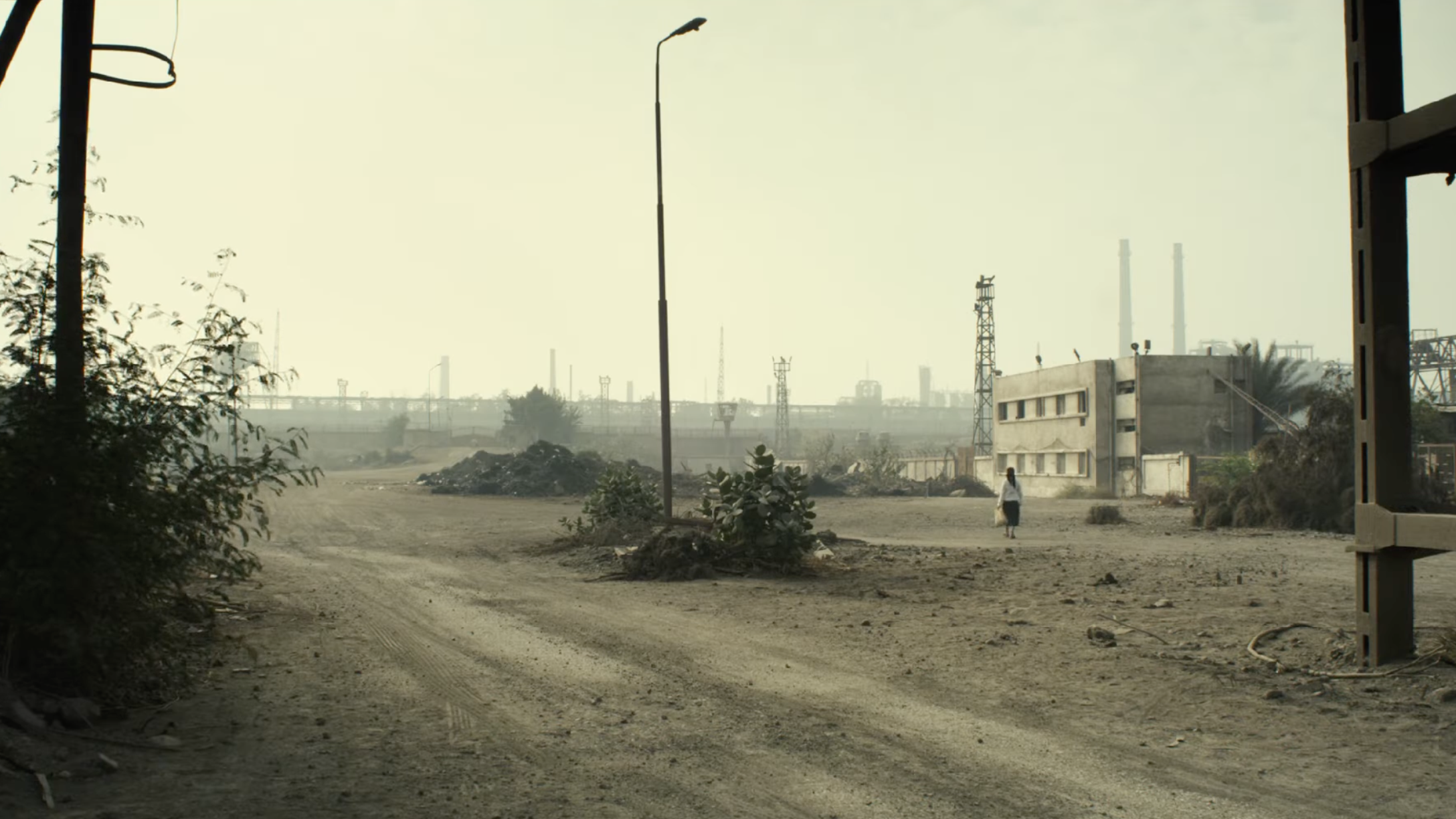
What can a film about a man transformed into a chicken tell us about Cairo? Quite a lot, it turns out. In this latest Hidden Cities blog, I reflect on Omar El Zohairy's acclaimed film Feathers and its unsettling portrayal of poverty, inequality, bureaucracy, and survival in contemporary Egypt. Drawing connections to my Cairo chapter in Arab Modernism(s): Cities, History and Culture, the essay explores the gap between the spectacular visions of modernization embodied by new cities, monorails, and the New Administrative Capital, and the everyday realities experienced by millions of Egyptians. Through cinema, Feathers offers a powerful lens through which to reconsider Cairo's ongoing encounter with modernity—and the contradictions that continue to shape life in the city.
Mosques Without Minarets
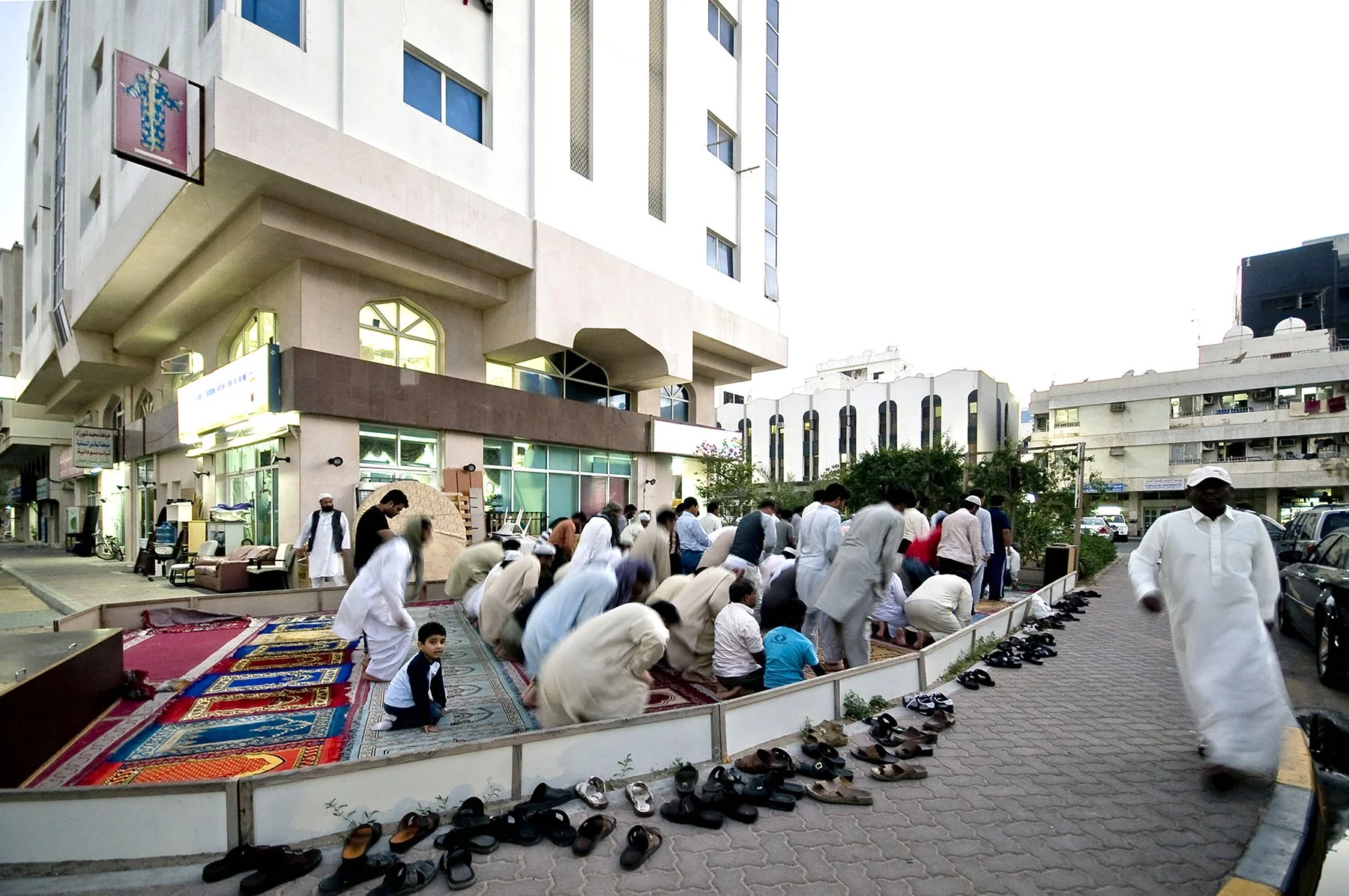
What makes a mosque a mosque? Is it a dome, a minaret, or something less tangible? Inspired by a recent visit to Liège, Belgium, where I served as an external examiner for a dissertation on the geography of mosques, this essay reflects on visibility, belonging, and the hidden spaces of worship that exist within cities around the world. Moving from Beijing and Cairo to Riyadh, New York, and Belgium, it explores the idea of "mosques without minarets" and asks whether faith is better expressed through architectural assertion or quiet coexistence. Part travel narrative and part urban reflection, the essay considers how architecture shapes identity, why some places of worship remain hidden, and what these spaces reveal about belonging in an increasingly diverse world.
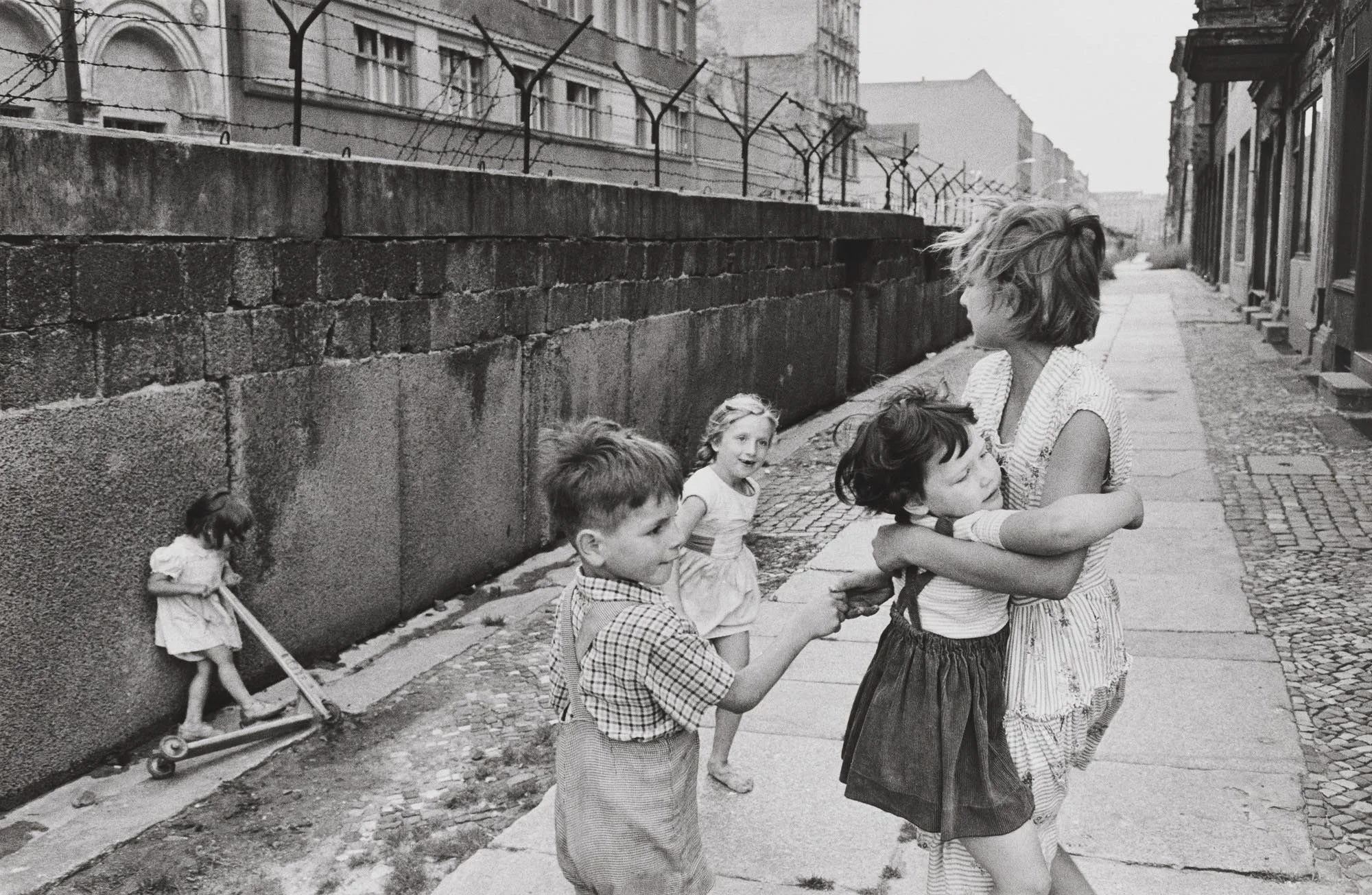
Walking Berlin, Remembering Cairo
Returning to Berlin more than four decades after my first encounters with the city, I expected a familiar journey. Instead, the visit became an unexpected meditation on memory, belonging, and urban change. Moving through neighborhoods shaped by migration, coexistence, and layers of visible history, I found myself thinking less about Berlin than about Cairo. This essay reflects on how one city can illuminate another, exploring what Berlin’s embrace of contradiction reveals about the challenges facing Cairo and, more broadly, about the future of cities in an age increasingly defined by erasure, redevelopment, and the struggle to accommodate difference.
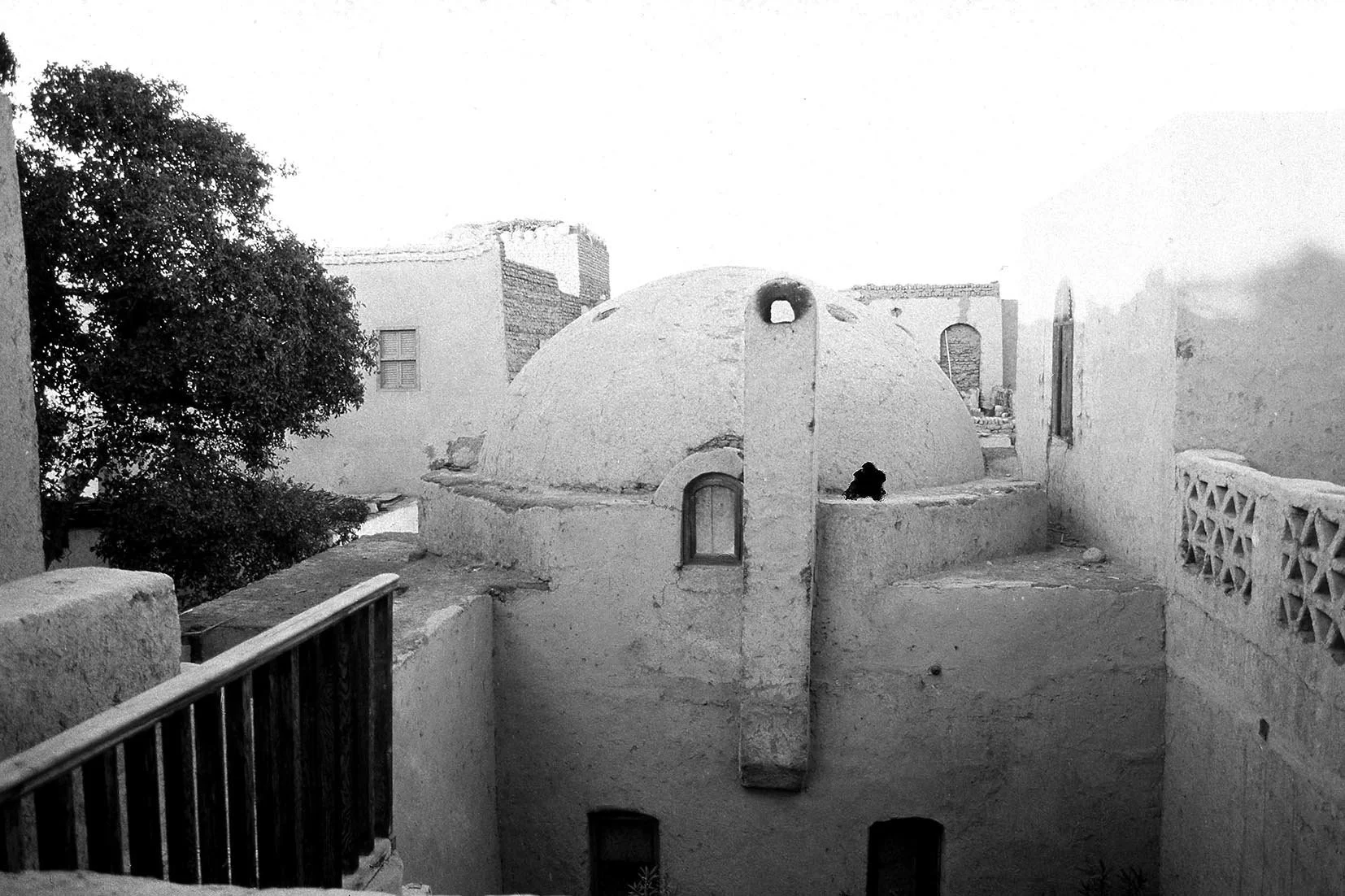
When the Villagers Opened the Floodgates
What happens when a visionary architect sets out to build a better future for others? Drawing on a chapter from my book Arab Modernism(s): Cities, History and Culture, this personal reflection revisits my first encounters with Hassan Fathy and his celebrated village of Gourna, tracing a journey that began with a book, continued through a student trip to Upper Egypt, and evolved into a lifelong fascination with one of the Arab world's most influential—and controversial—architectural experiments. Part memoir and part critical reflection, the essay explores why Gourna failed, how Architecture for the Poor became an architecture for the privileged, and what Hassan Fathy's legacy still reveals about identity, power, and the unfinished search for an alternative modernity in the Arab world.
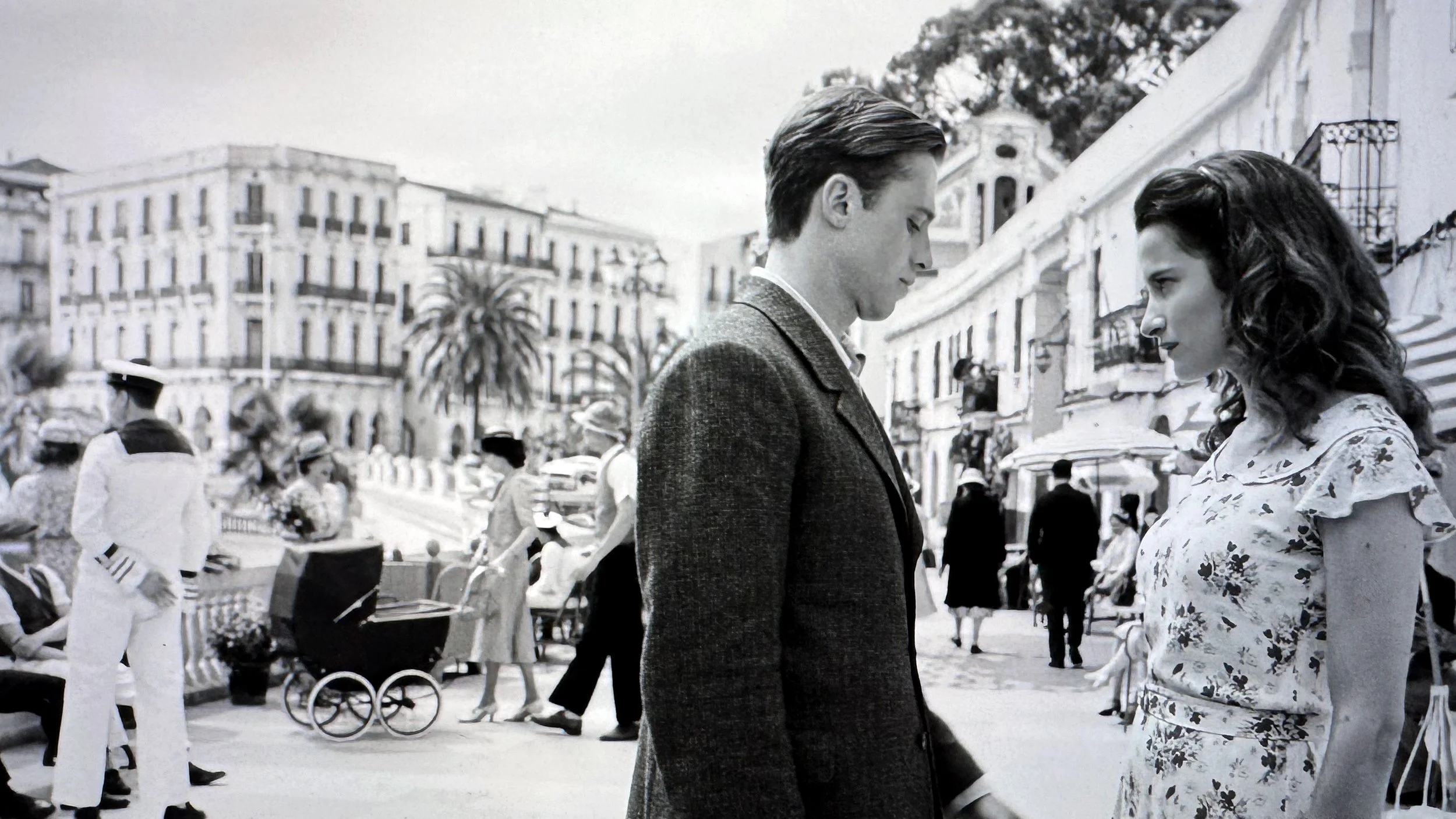
Strangers in a Strange City
A rumination on Algiers through the lens of Albert Camus’ The Stranger, this essay explores how literature, cinema, and urban space reveal the complexities of colonial modernity and its enduring legacy. Moving between personal reflections on reading Camus and watching a recent film adaptation, it uncovers a city marked by division, resistance, and reinvention, where imposed visions of modernity were continually reshaped by everyday life. In doing so, the essay offers a glimpse into the Algiers chapter of Arab Modernism(s), inviting readers to reconsider one of the Arab world’s most fascinating and contested urban landscapes.
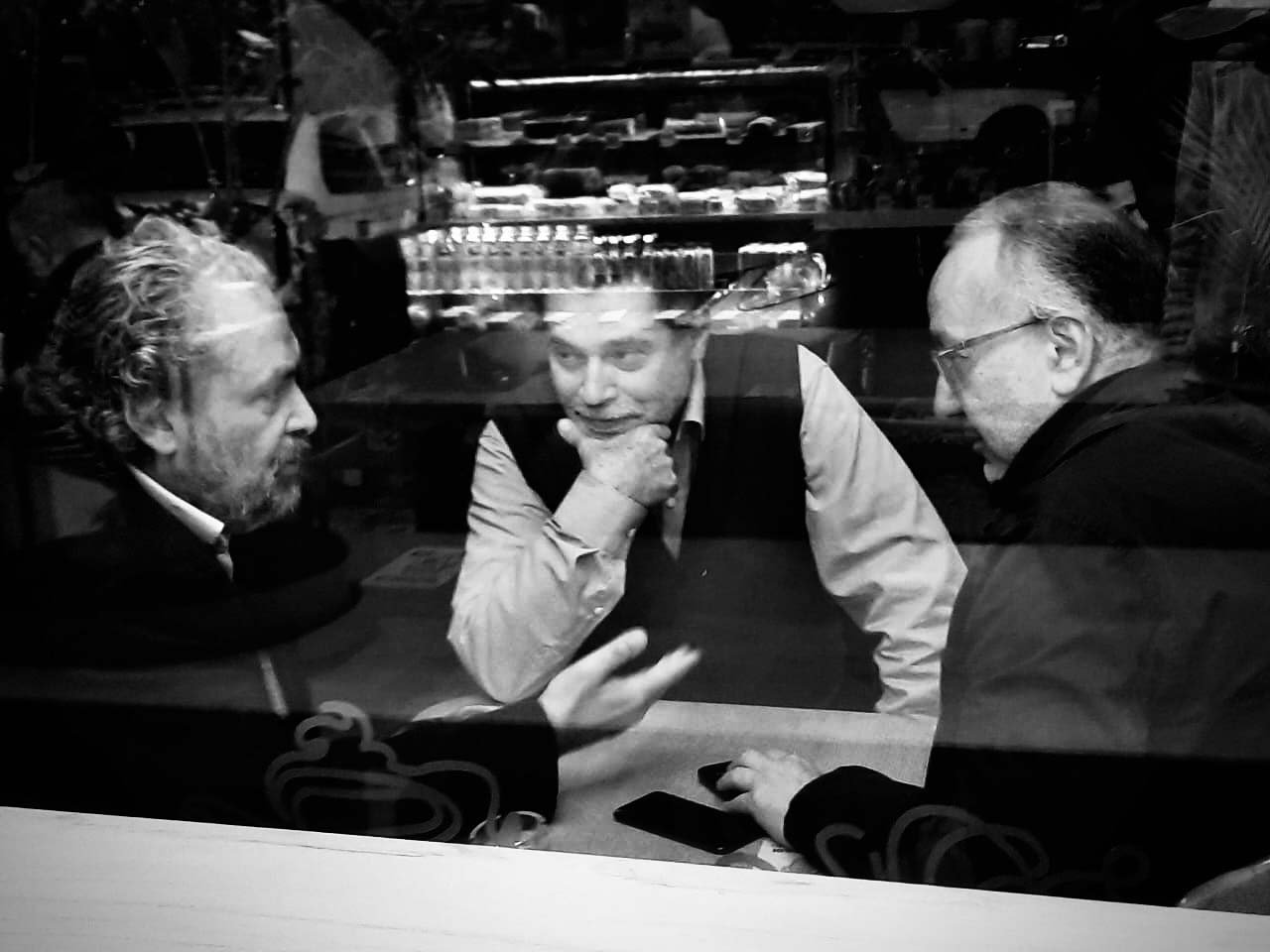
Encounters: Cairo, Friendship, and the Places That Become Home
A photograph taken through the glass façade of a coffee shop in Maadi becomes the starting point for a meditation on friendship, memory, and belonging. Weaving together a song by Majida El Roumi, childhood friendships, cafés in Cairo and America, films, literature, and personal reflection, this essay explores how cities live within us through the encounters that shape our lives. In the end, it suggests that home is not a place we inhabit, but a relationship we carry with us wherever we go.
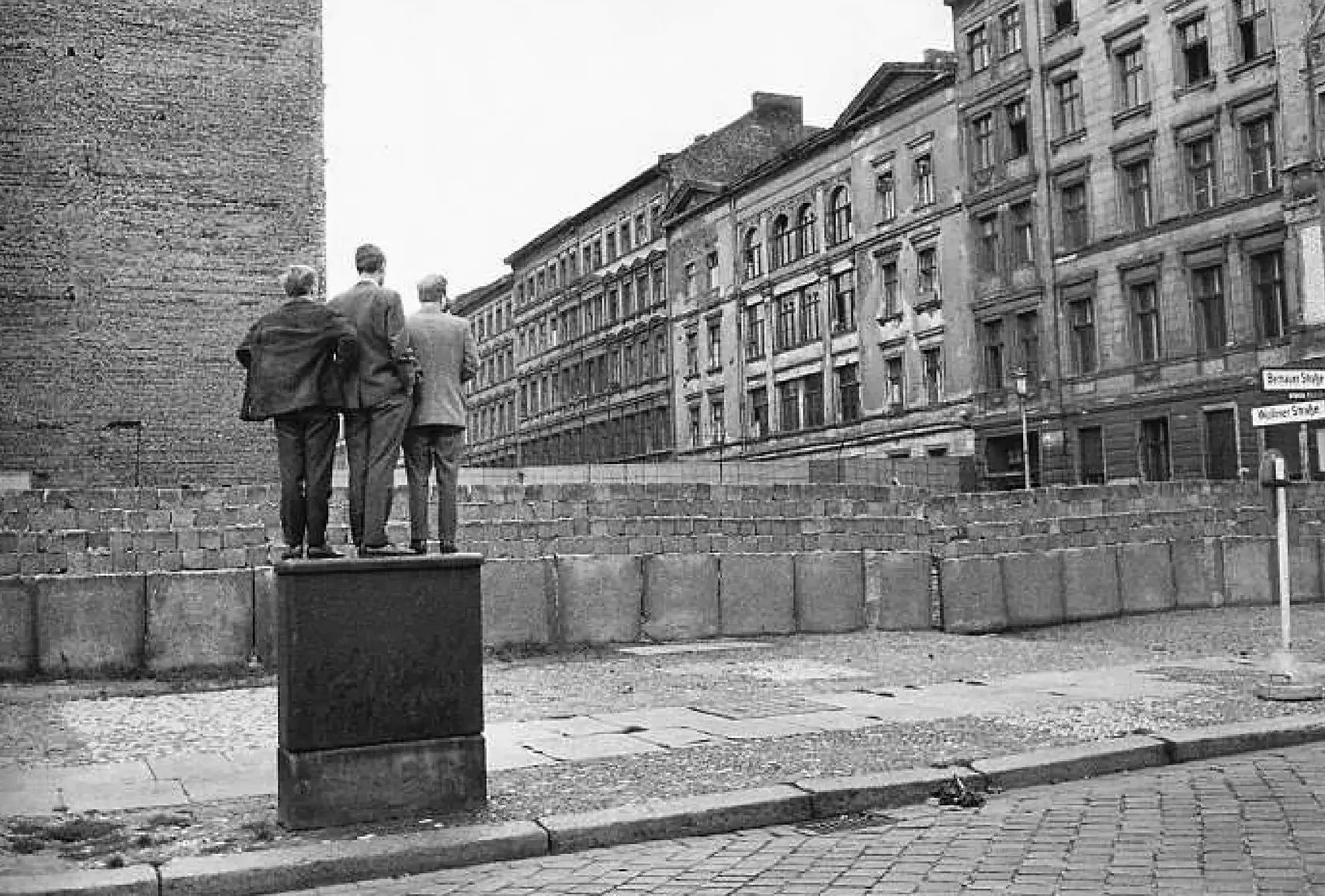
Berlin: Among Ruins, Rebels, and Angels
Berlin is a city of contradictions: a place where history remains visible, where memories linger in the urban landscape, and where every visit reveals a different face of the city. Moving between childhood journeys through a divided Germany, student adventures in Cold War Berlin, encounters with architecture, cinema, and migrant lives, this essay traces a personal relationship with a city shaped by rupture, reinvention, and resistance. Part memoir and part urban reflection, it explores Berlin not as a collection of landmarks but as a living archive of longing, conflict, and possibility.
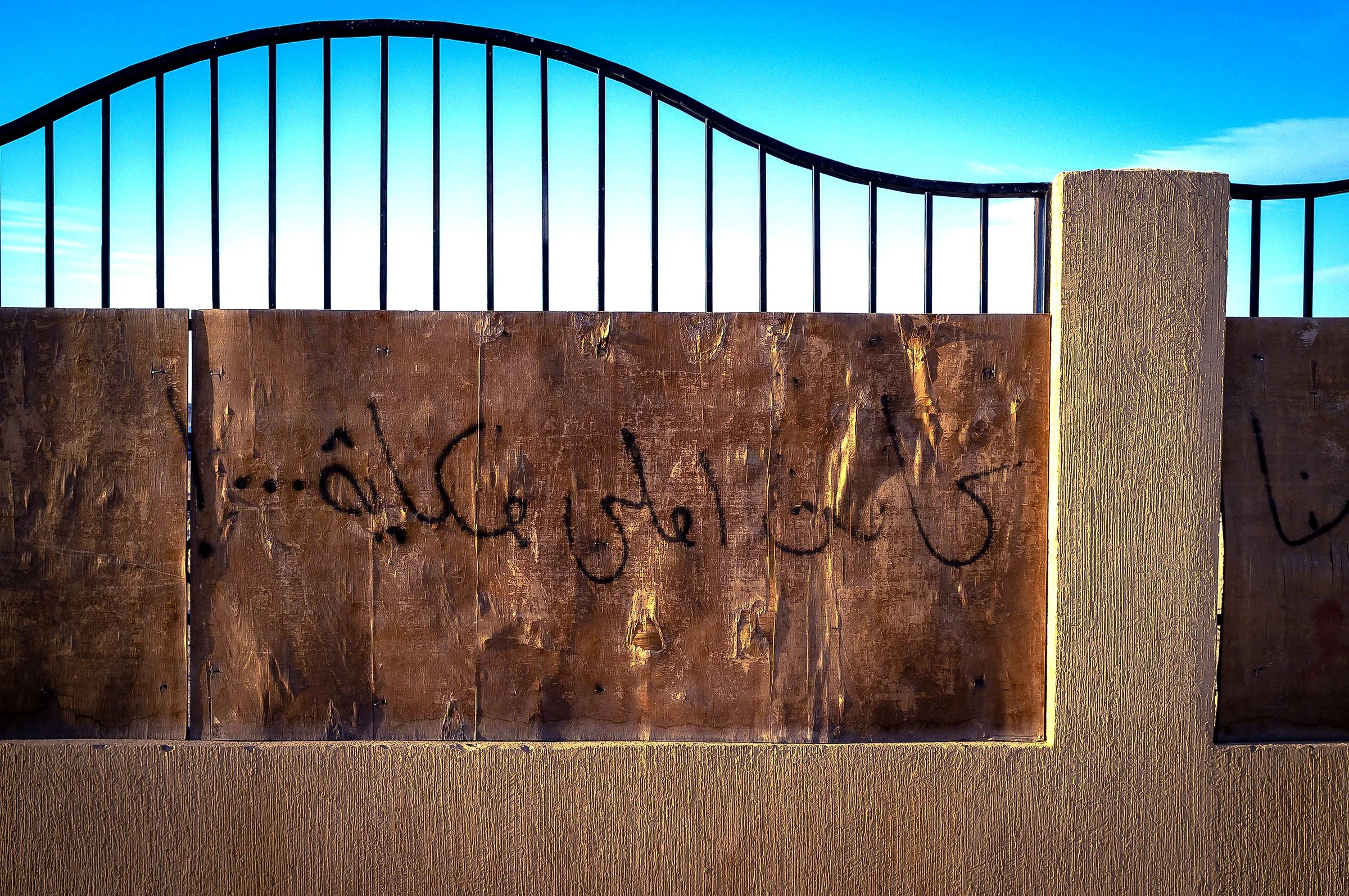
After Cities of Salt: Riyadh, Dubai, and the Hidden City of the Gulf
In this latest Hidden Cities blog, I turn to two Gulf novels—Mohamed El-Bisatie’s Drumbeat, set in a Dubai-like city of spectacle and migrant labor, and Fahd al-Atiq’s Life on Hold, a deeply evocative portrait of Riyadh’s transformation from the mud lanes of Shumaisi to the isolating suburbs of the oil boom. Read together, the novels reveal contrasting ways of seeing the Gulf: one filtered through external stereotypes and fantasies, the other emerging from lived memory and everyday life. Echoing themes explored in my book “Arab Modernism(s)” and recalling the enduring shadow of Cities of Salt, they invite us to rethink Gulf cities not as spectacles of wealth but as places shaped by migration, loss, aspiration, and the unfinished struggle to build more just and inclusive urban futures.
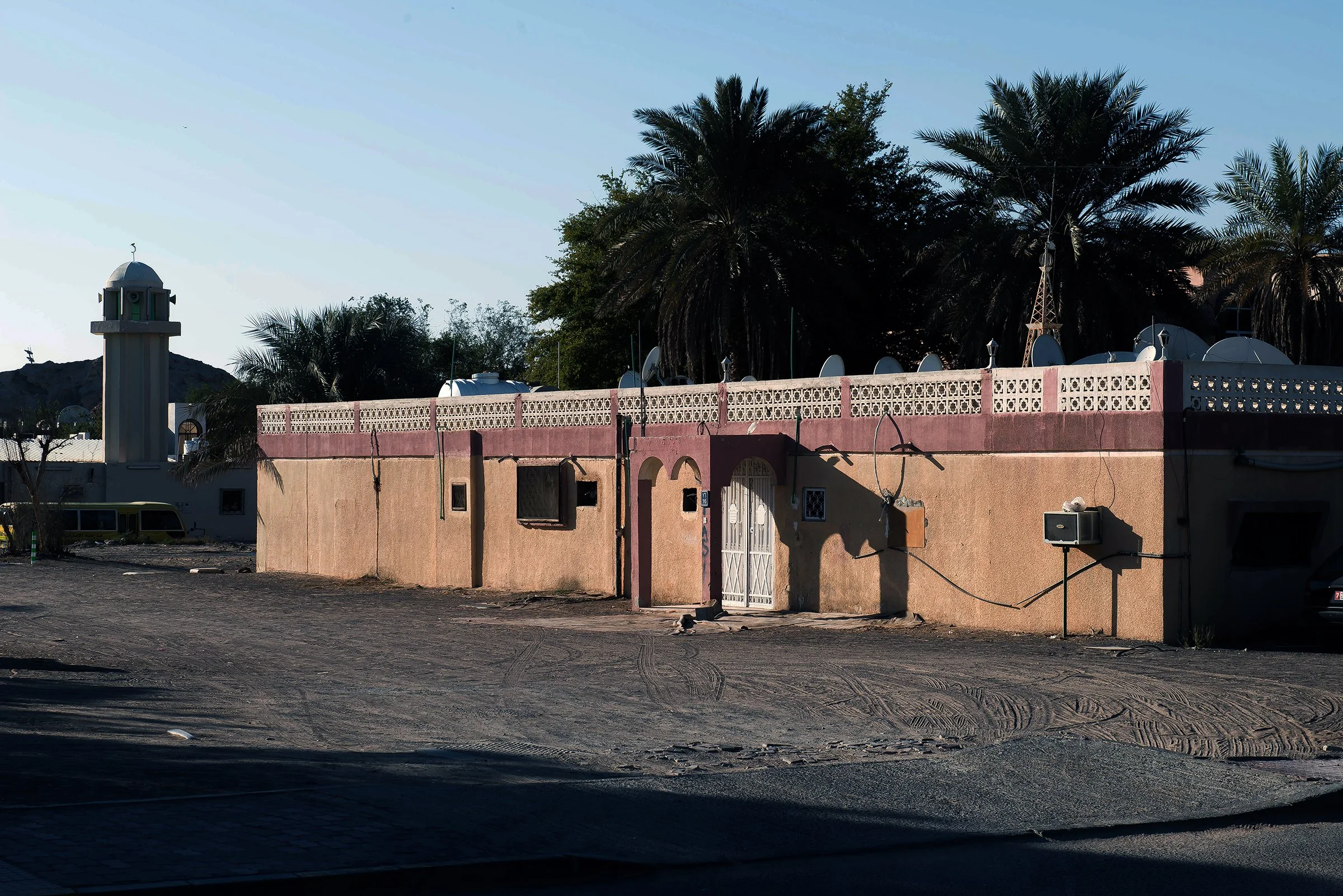
The House That Never Left Me
This personal essay traces my long relationship with the UAE’s Sha’abi house, from my first encounters with these modest homes in Al Ain in 1997 to years of research, photography, exhibitions, and fieldwork across the country. Moving between memory, architecture, and everyday life, the piece reveals how these houses became living archives of belonging, adaptation, hospitality, and social transformation—offering a deeply human counterpoint to the spectacle of Gulf urbanism.
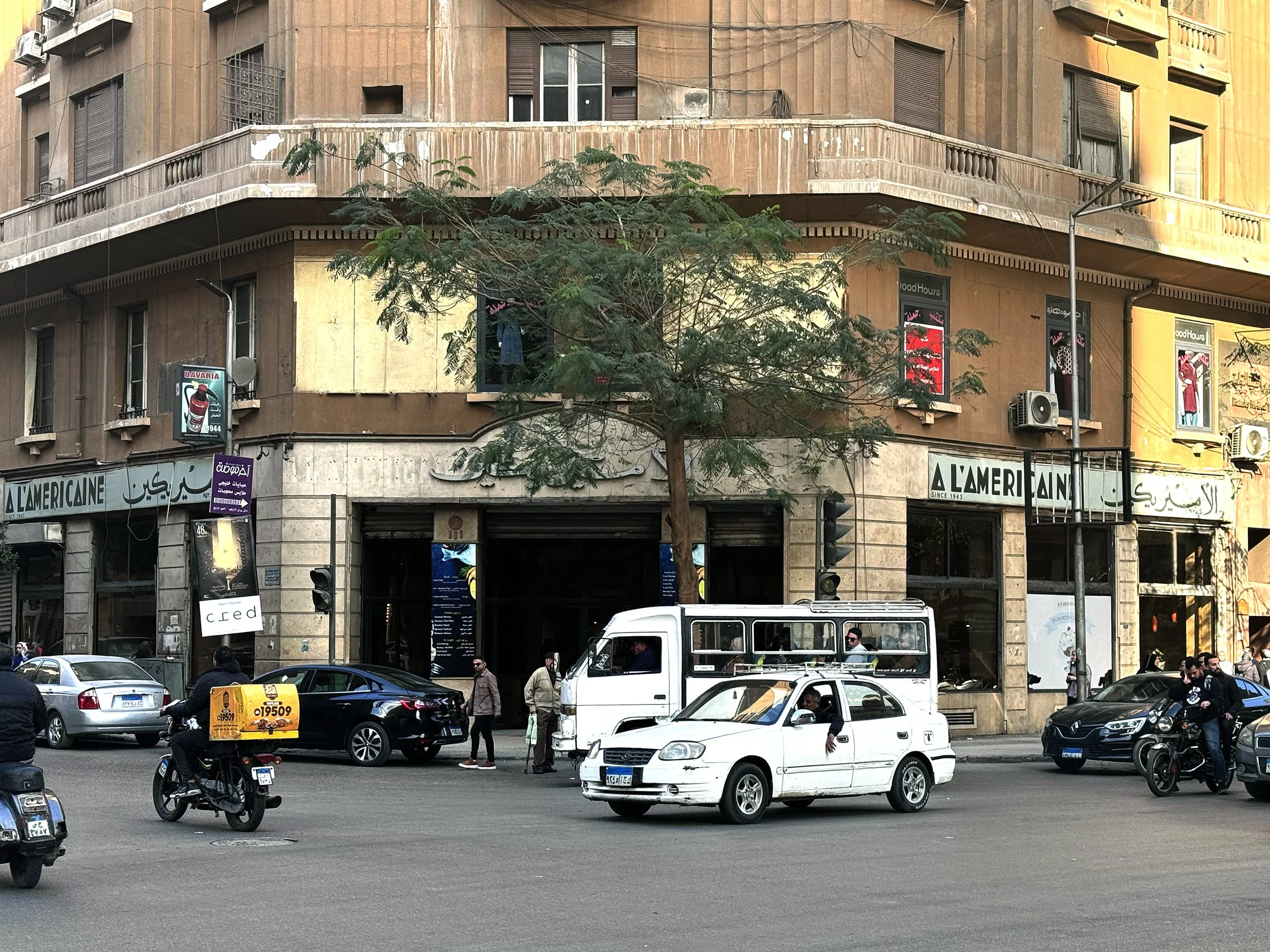
The Seductive Disorder of Downtown Cairo: Cinema, Markets, and Teenage Fantasies in a Vanishing City
This blog is a journey through the vanished cafés, cinemas, alleyways, and street corners of Cairo—a city experienced through memory, desire, and everyday encounters. Moving between personal recollection and urban observation, it reveals how cities quietly shape our emotions, identities, fantasies, and sense of belonging. In reading these fragments of Cairo, readers may ultimately discover something about themselves: the places they carry within them, the worlds they have lost, and why memory remains inseparable from the city.