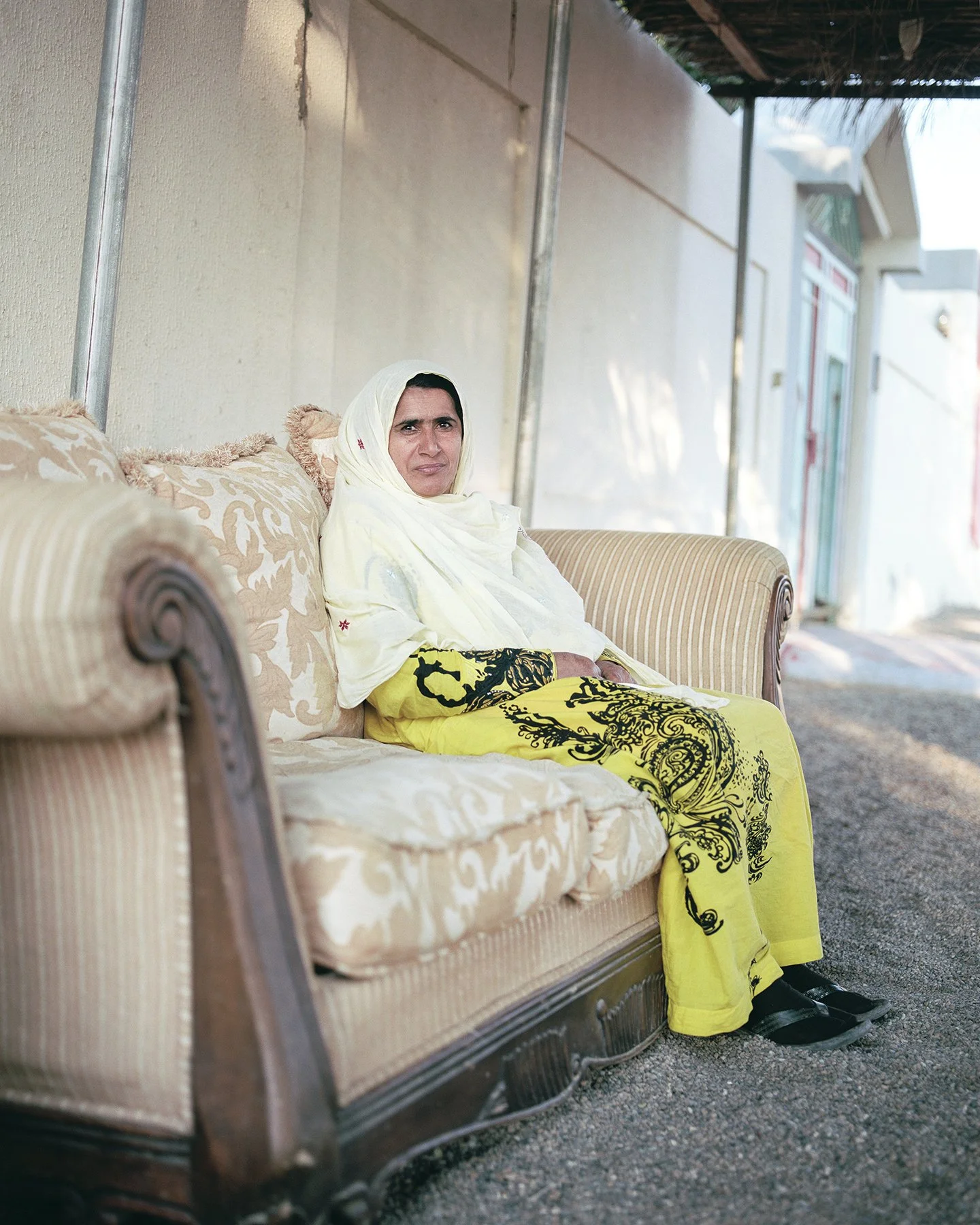
Beyond the Skyline: The Story of the UAE’s People’s House
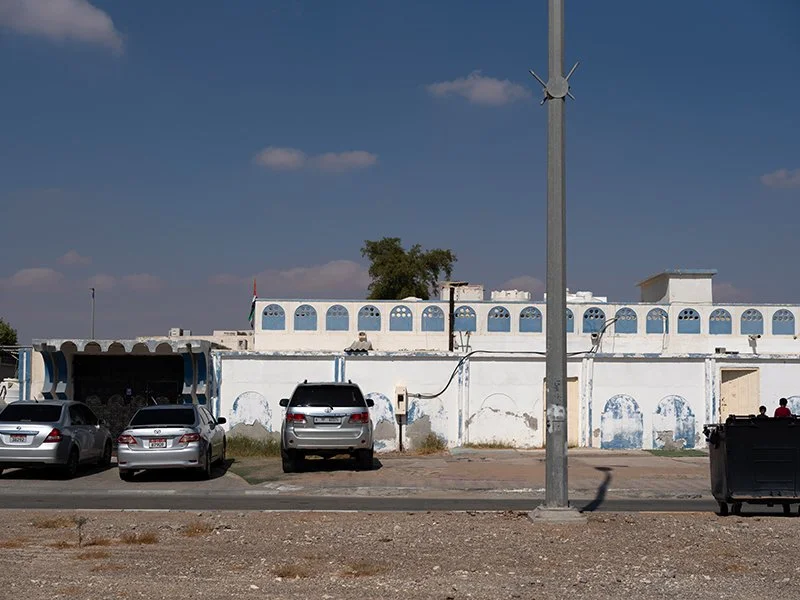
My first encounter with the Sha’abi house was in Al Ain. Scattered across the city were low, single-story dwellings—modest in scale, almost understated—set within a rapidly modernizing urban landscape. At first glance, they seemed unremarkable. But there was something quietly compelling about them: their repetition, their restraint, their presence within a city otherwise defined by change. I found myself returning to them, asking what they were, how they came to be, and what lives they contained. That curiosity stayed with me—eventually becoming a question I could no longer ignore. It was a question I began to pursue in 2016, and returned to again in 2024.
This website is the result of that journey. It brings together years of research on the UAE’s Sha’abi house—the “people’s house”—a housing typology introduced under Sheikh Zayed bin Sultan Al Nahyan following the formation of the United Arab Emirates in 1971. Originally conceived as part of a broader effort to settle Bedouin communities, these houses offered stability, permanence, and a new spatial order. Yet what makes them truly remarkable is what happened next. Over time, residents adapted, extended, and reshaped these homes in ways that reflected their needs, aspirations, and everyday practices. Through these transformations, the Sha’abi house evolved into something far more than a standardized housing unit—it became a living expression of Emirati identity.
This project is driven by a simple but urgent idea: that the UAE cannot be understood solely through its iconic architecture, spectacular skylines, or globalized imagery. Beyond the towers of Dubai and the monumental institutions of Abu Dhabi lies another story—one rooted in ordinary places, in neighborhoods, and in the subtle ways people inhabit space. To uncover this story, I traveled across the country: from the urban centers of Al Ain, Dubai, and Abu Dhabi, to the mountainous landscapes of Fujairah, and into the desert settlements of Liwa and Madinat Zayed. What emerged is a layered narrative of architecture and everyday life—of houses that grow, adapt, and endure.
This research first took shape as the UAE National Pavilion at the Venice Architecture Biennale 2016, where it introduced international audiences to this overlooked dimension of Emirati urbanism. It was later expanded through a research grant from the Zayed National Museum in 2024. While these exhibitions offered moments of visibility, they were necessarily limited in reach and duration. This website extends that work—opening it up to a wider audience and allowing for a more sustained engagement.
Here, you will find an exploration of the Sha’abi house in its many dimensions: its origins and evolution, the neighborhoods it helped shape (sha‘abiyat), the transformations it underwent, and the stories of the people who continue to inhabit it. More than a documentation, this is an invitation to reconsider what defines architecture in the UAE—and to recognize the value of an everyday built environment that is often overlooked.
If you are interested in a different way of seeing the Emirates—one that moves beyond spectacle to focus on memory, adaptation, and belonging—I invite you to explore the pages that follow.
The story begins with the origins and history of the Sha’abi house