Revisiting the People’s House. A Typo-Morphological Study of Sha’abi Housing in Abu Dhabi
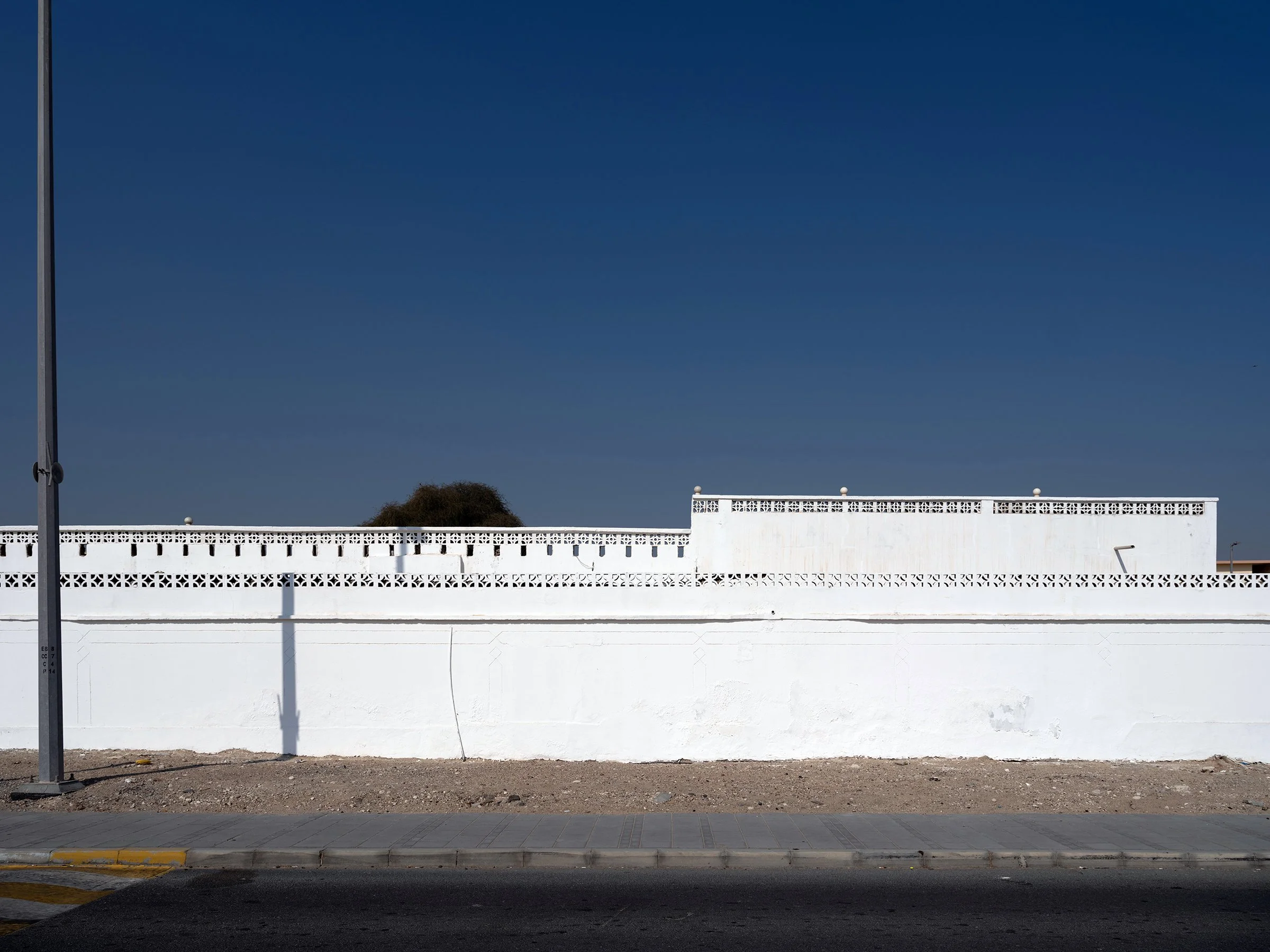
Sha’abiya Baniyas. 2025
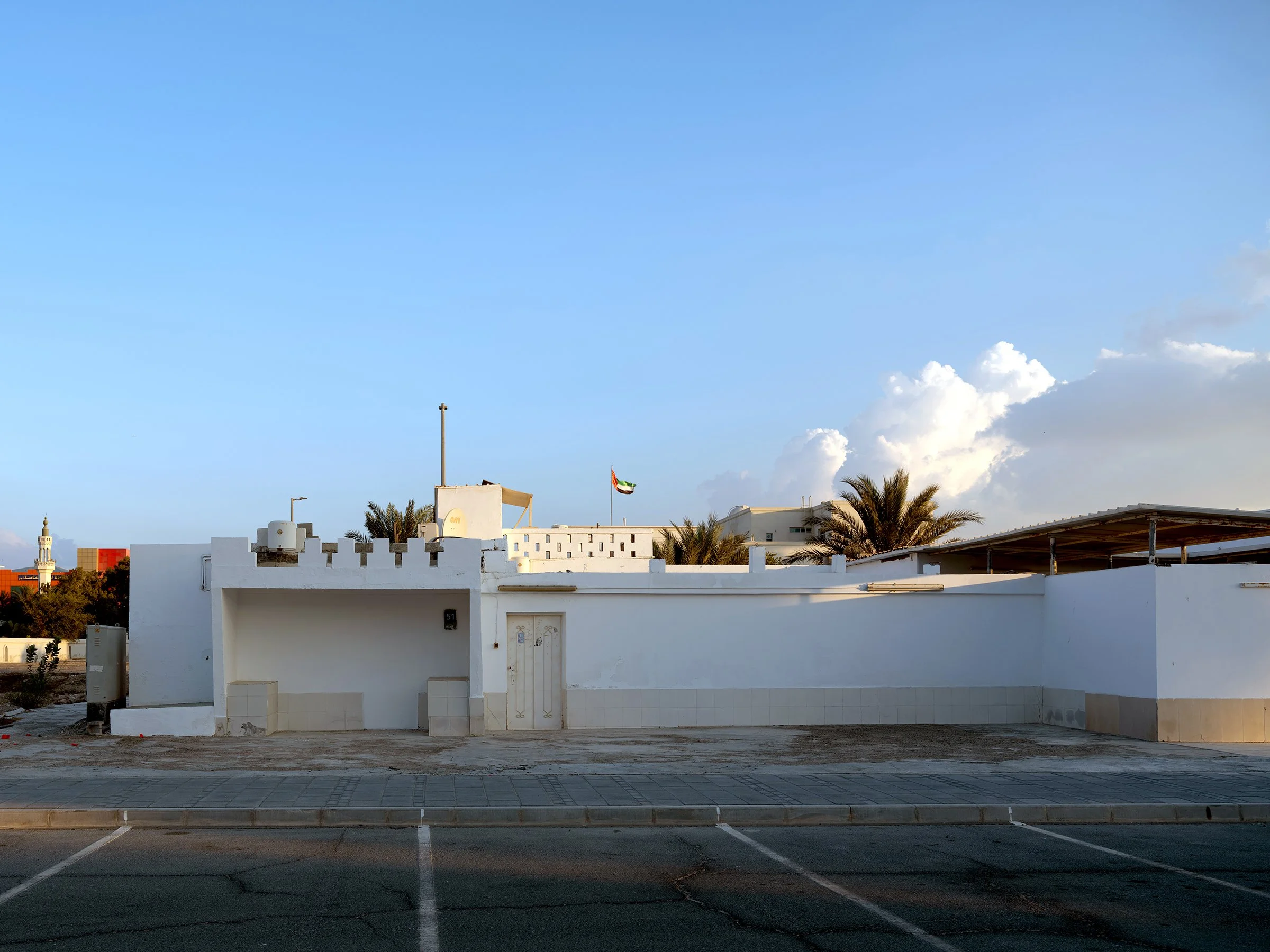
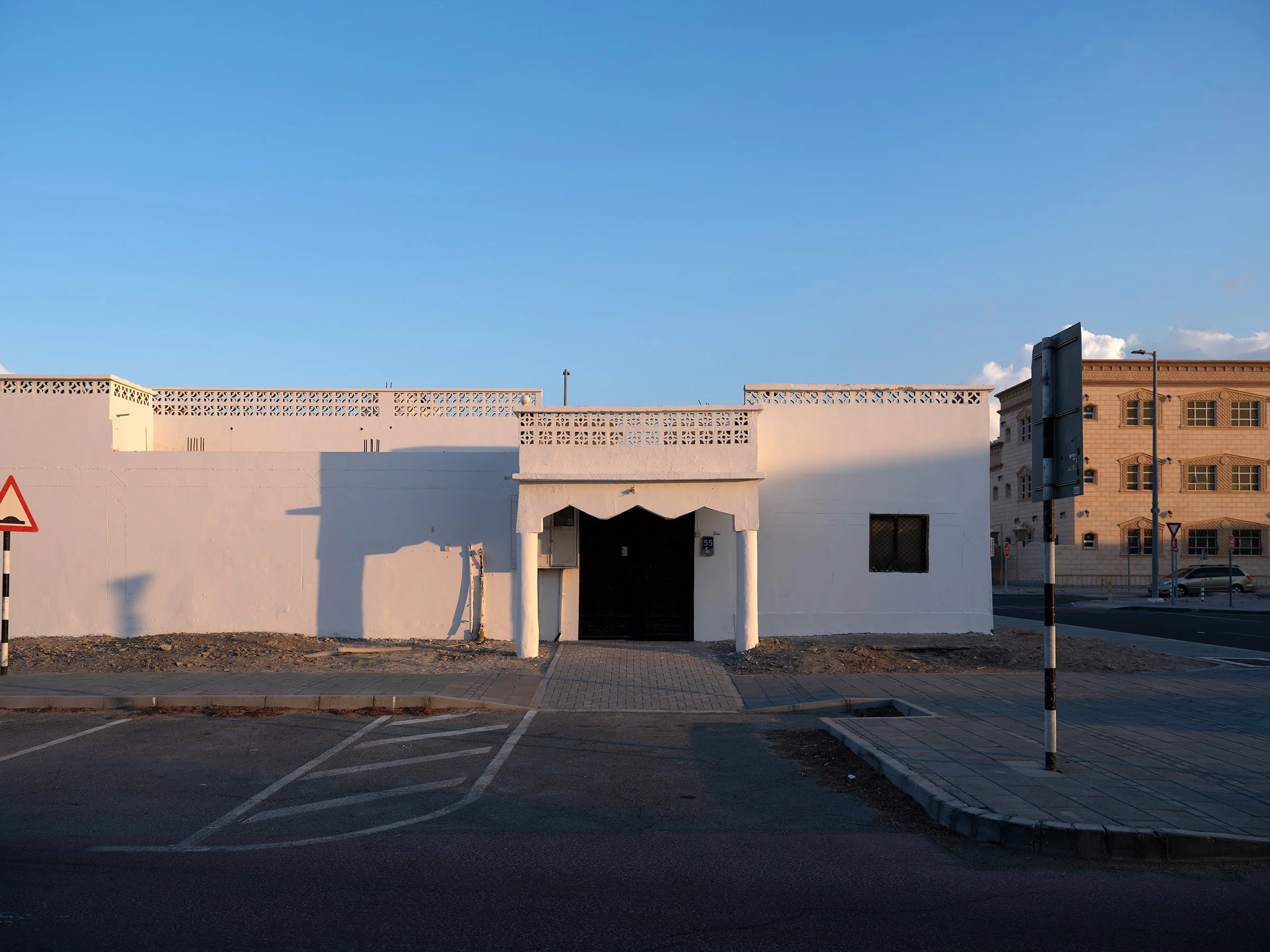
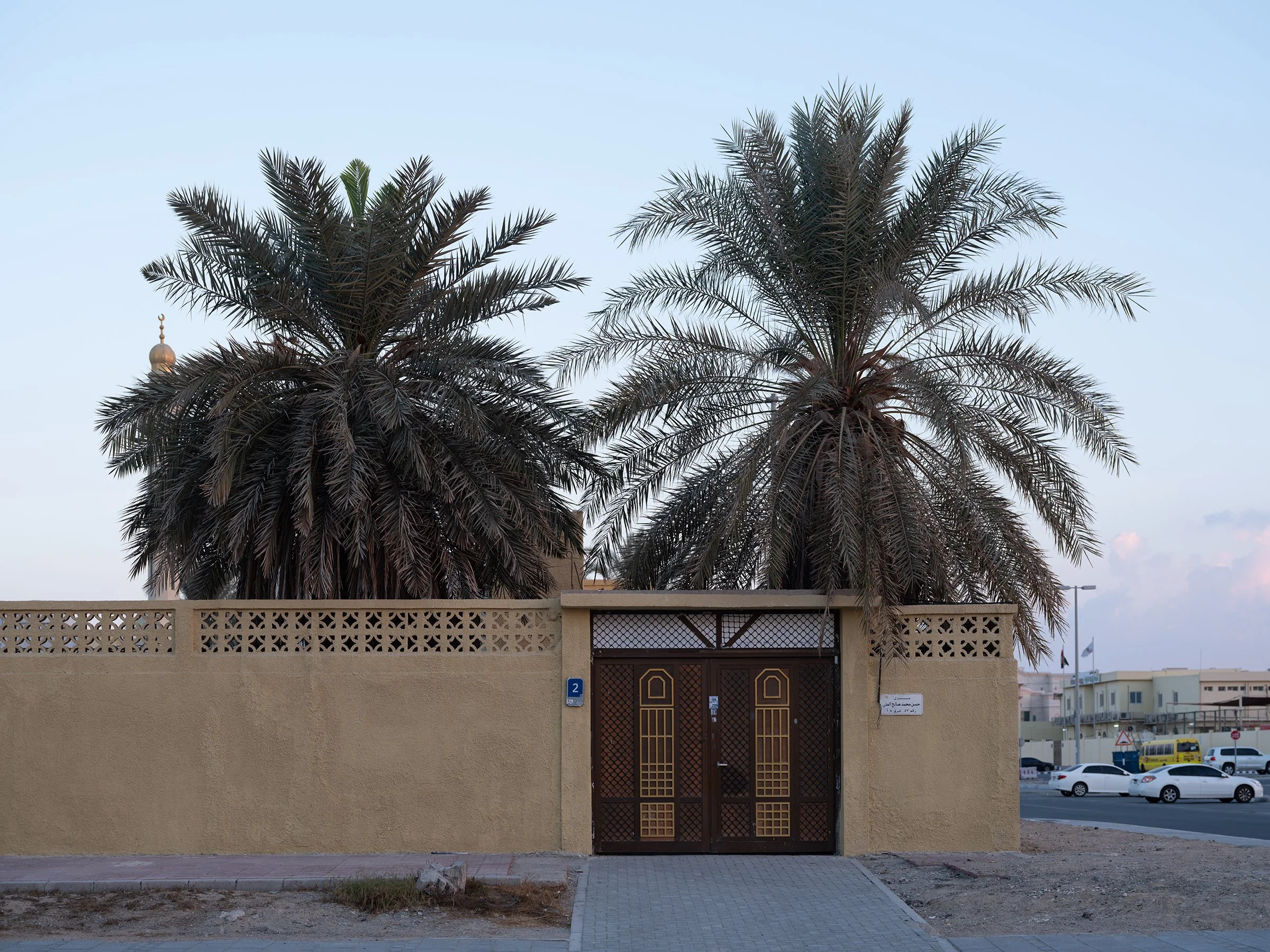
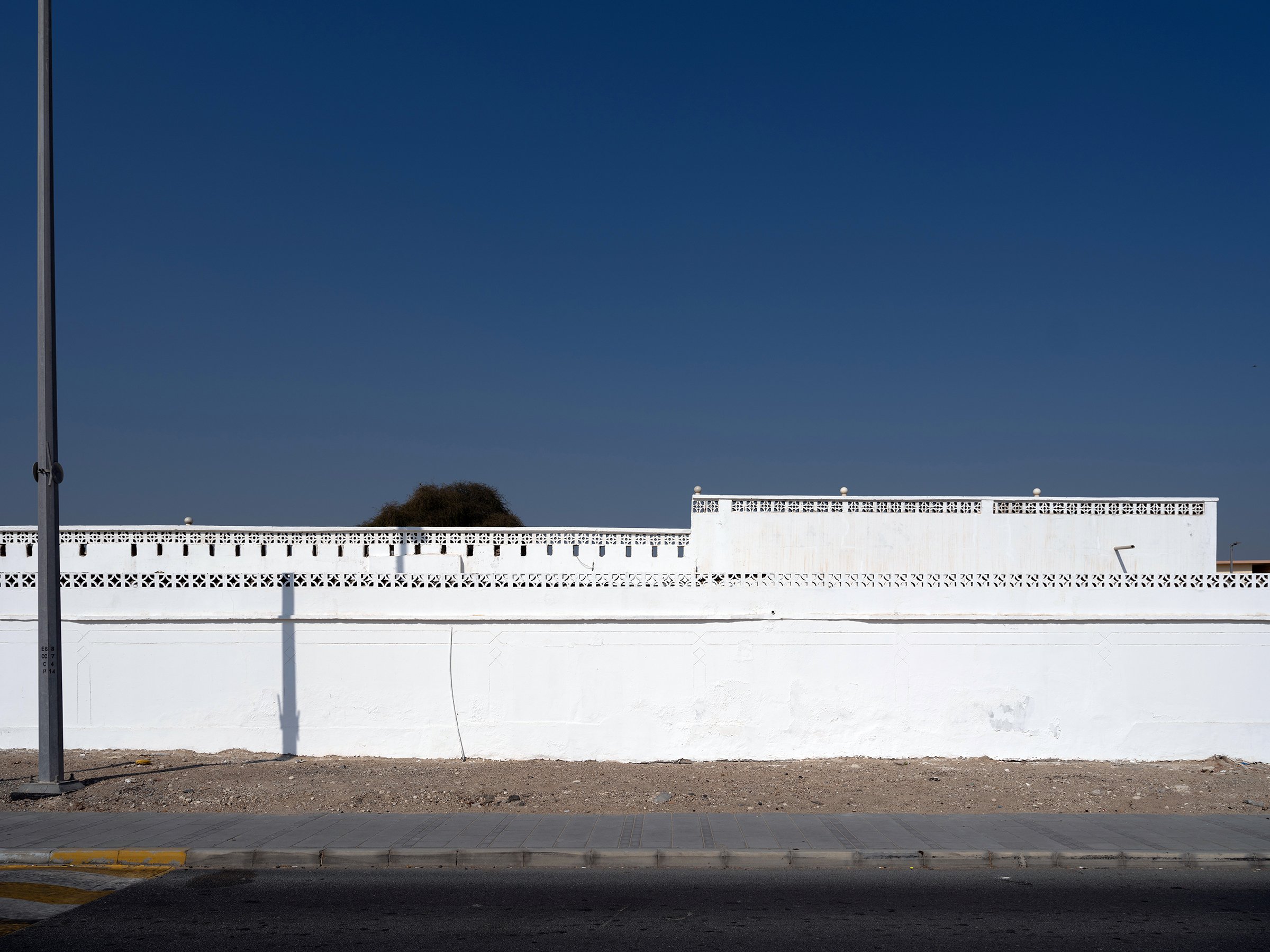
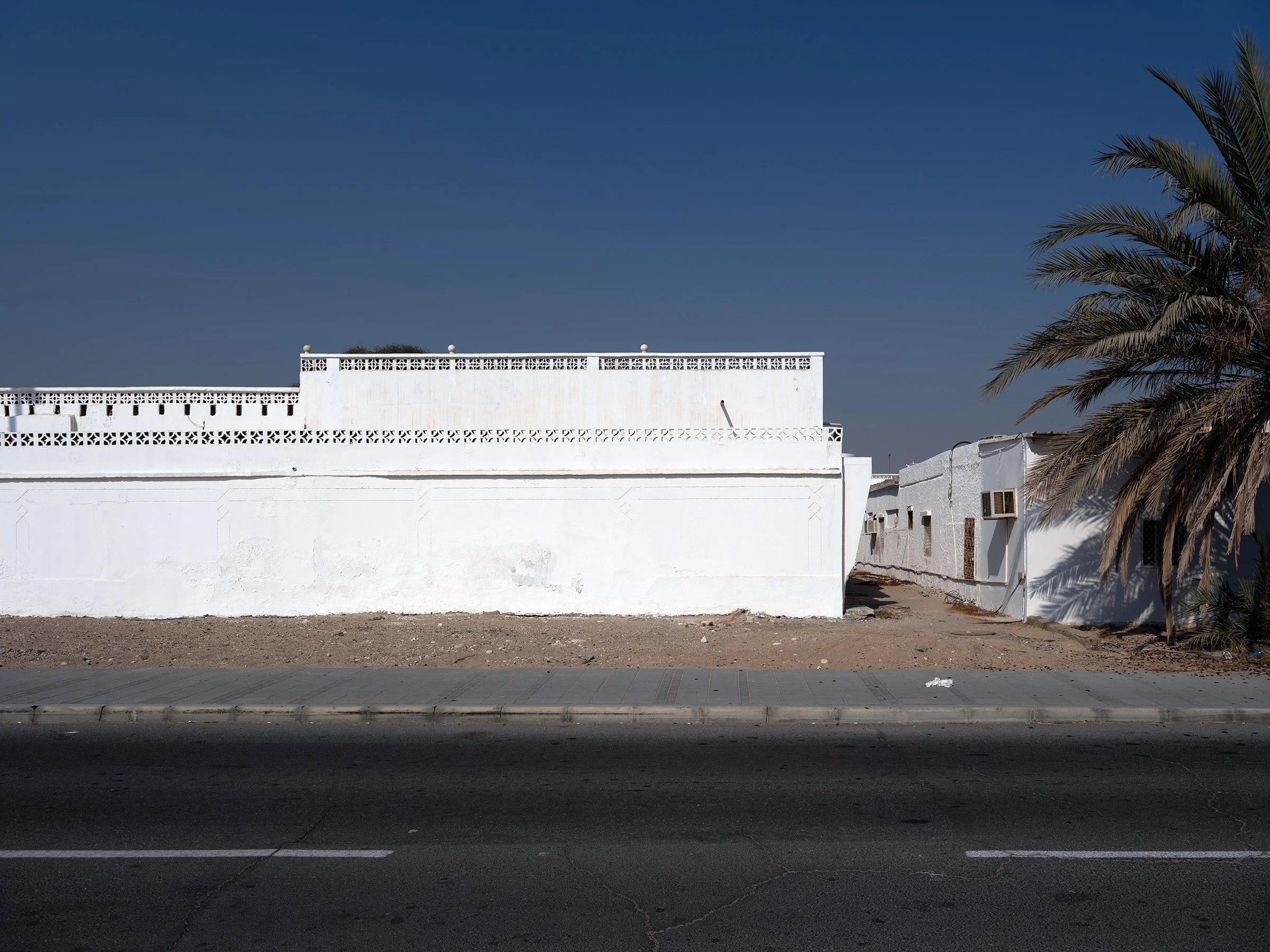
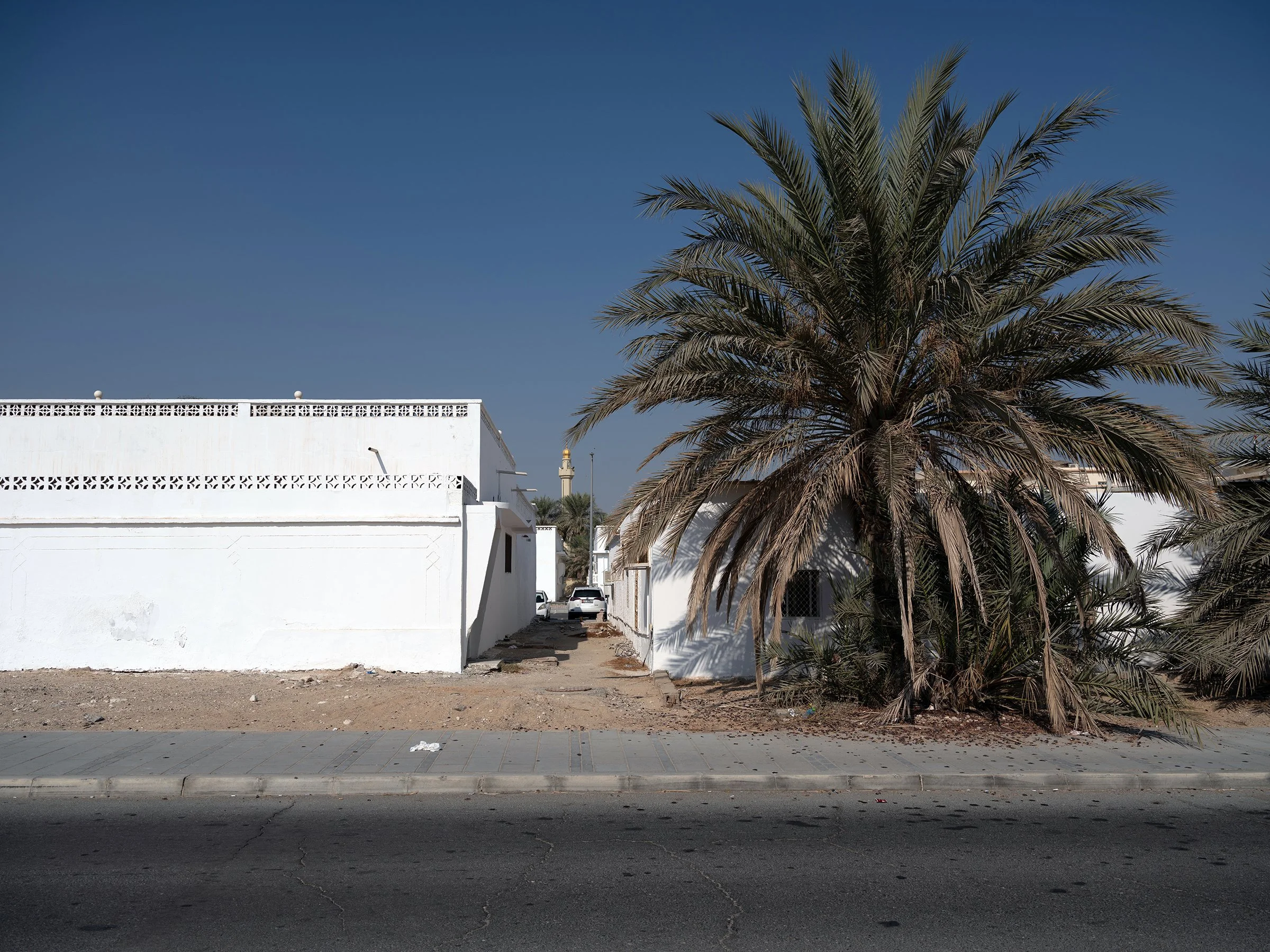
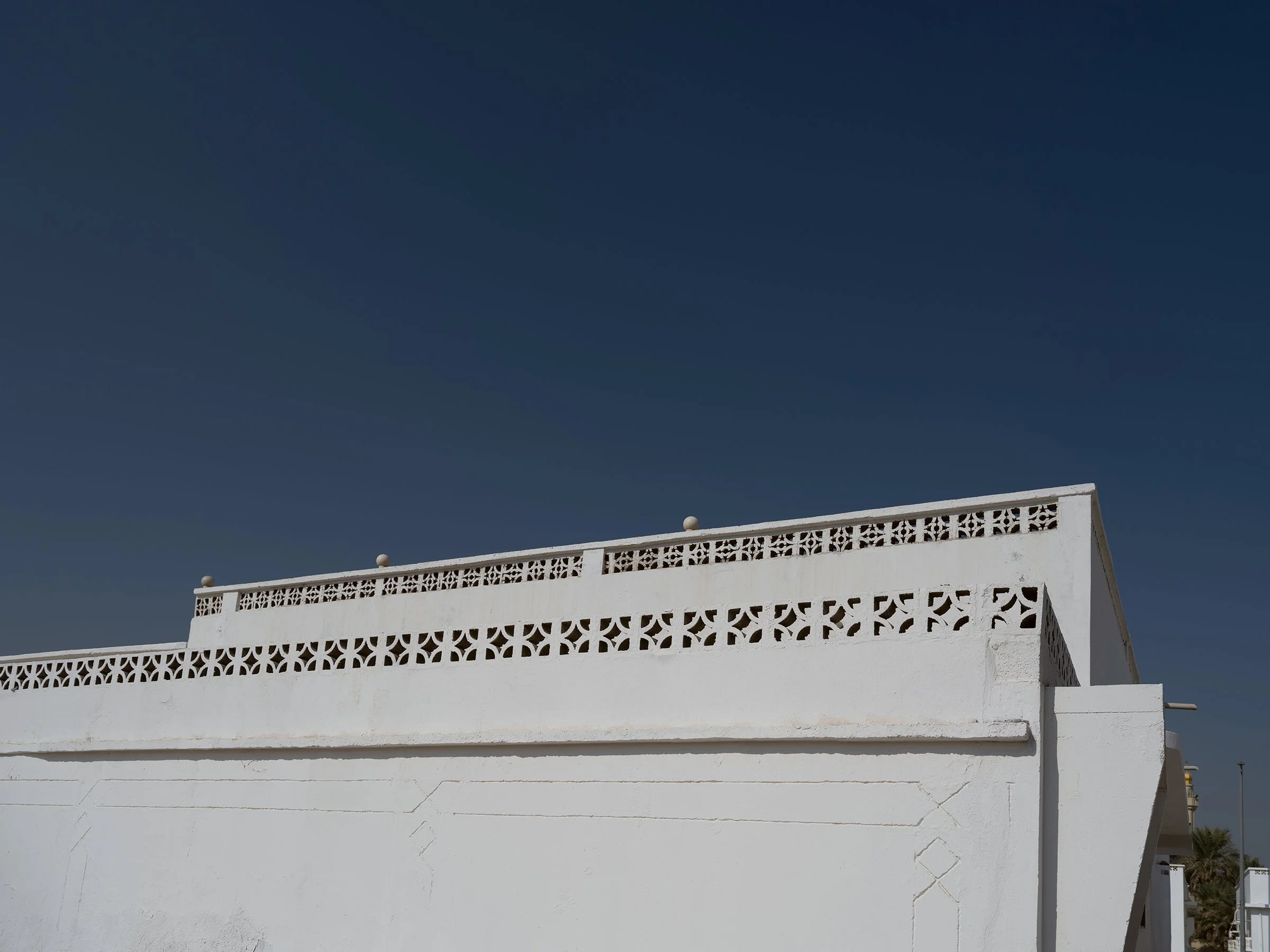
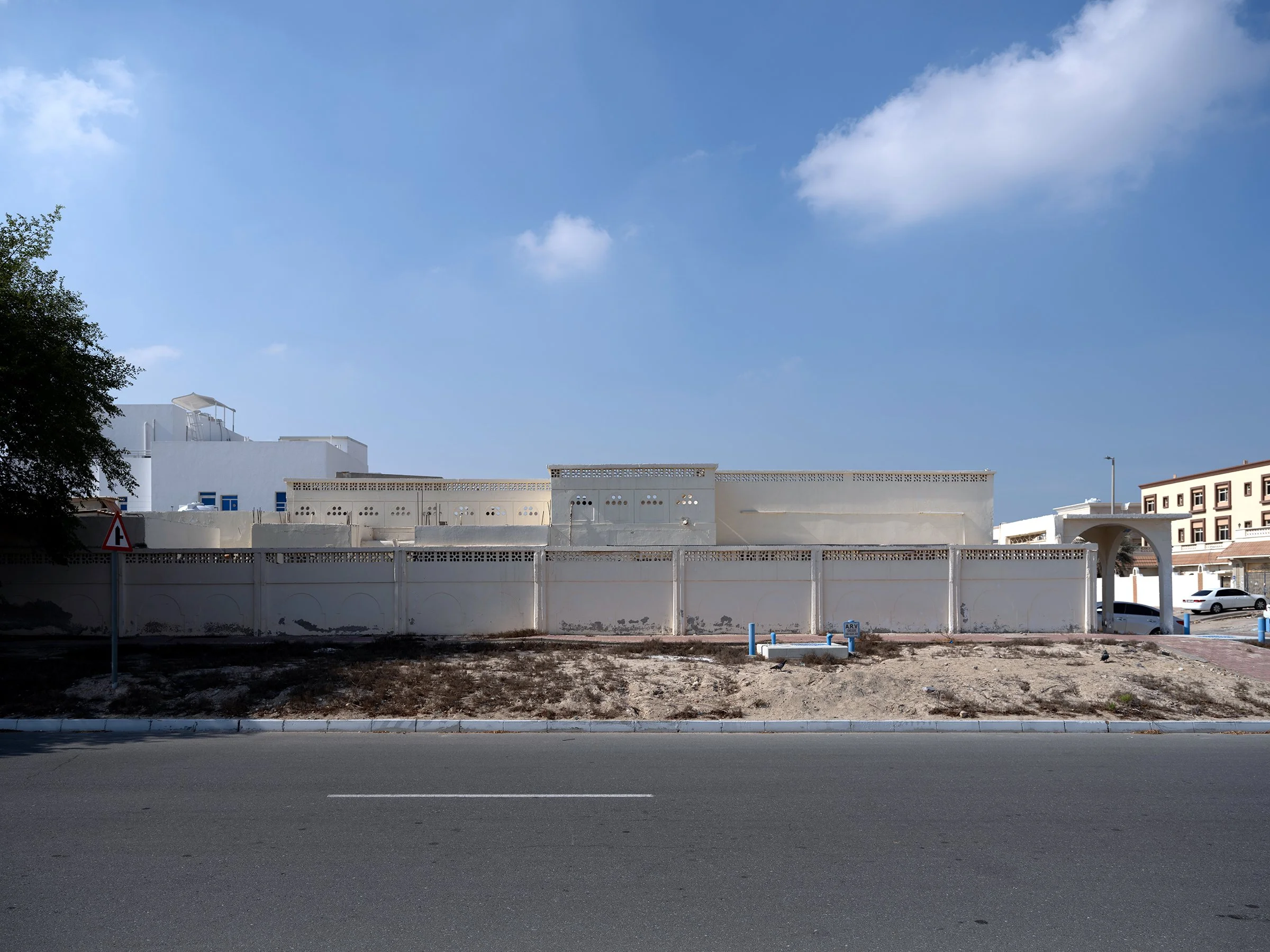
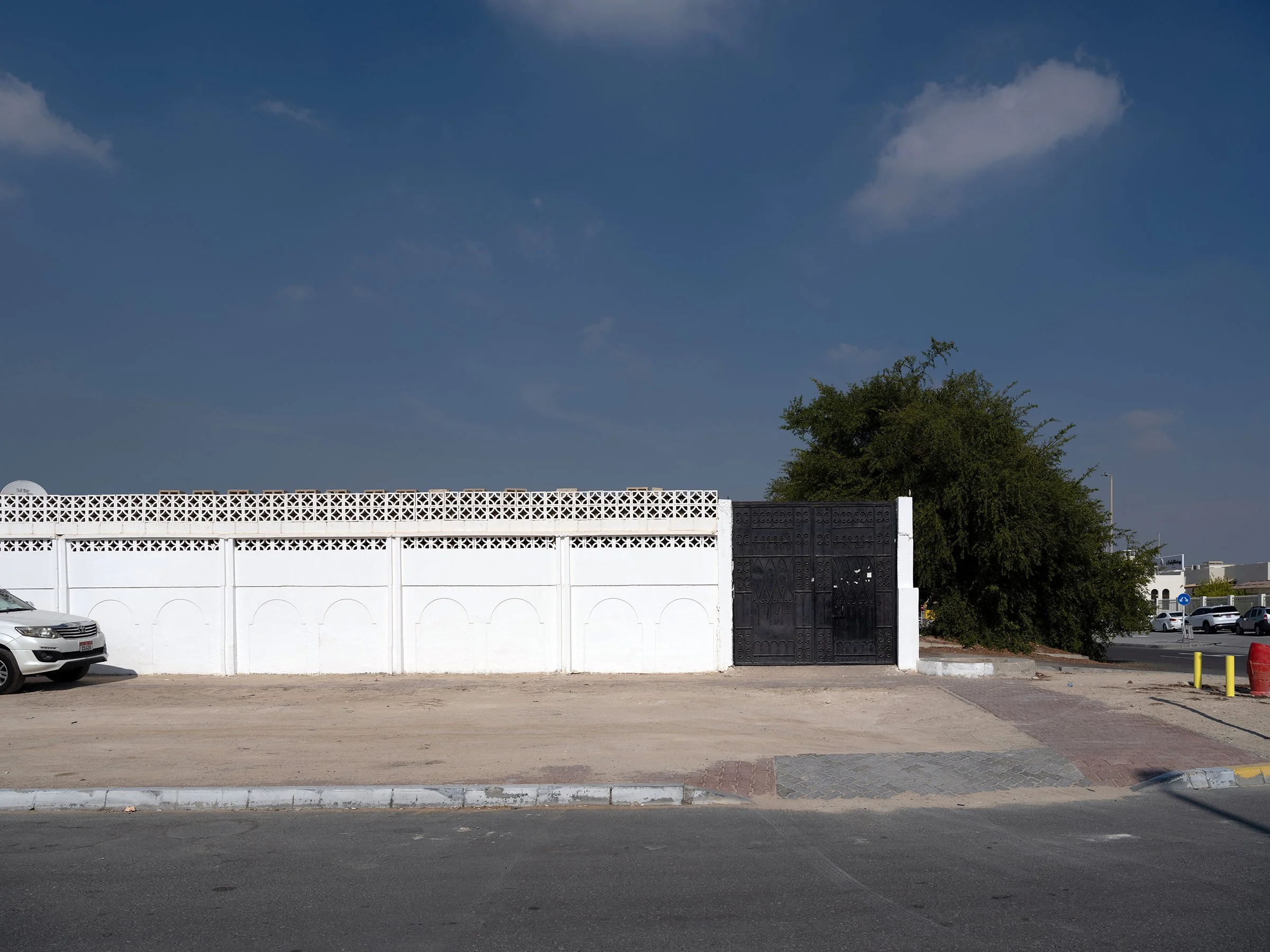
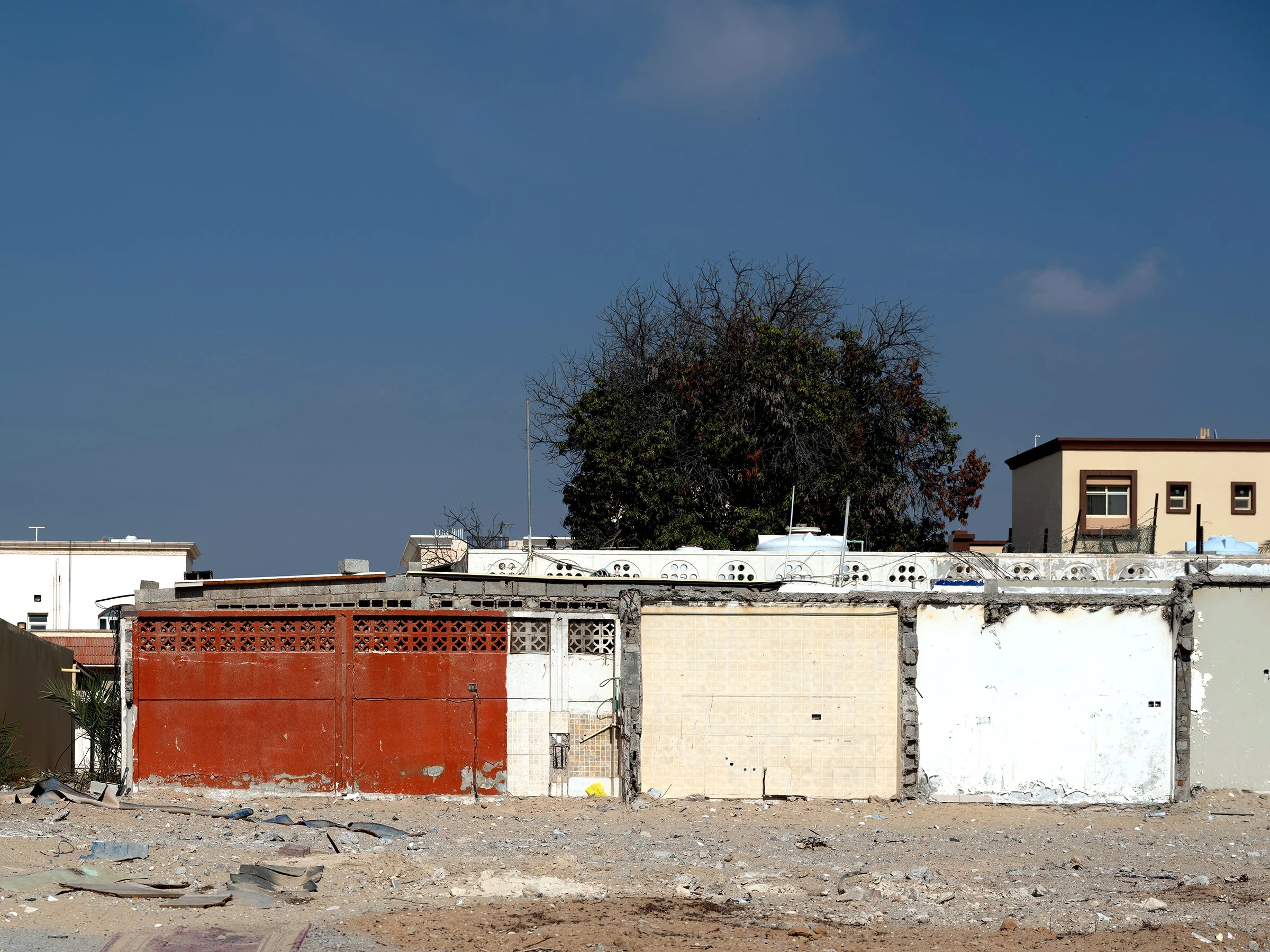
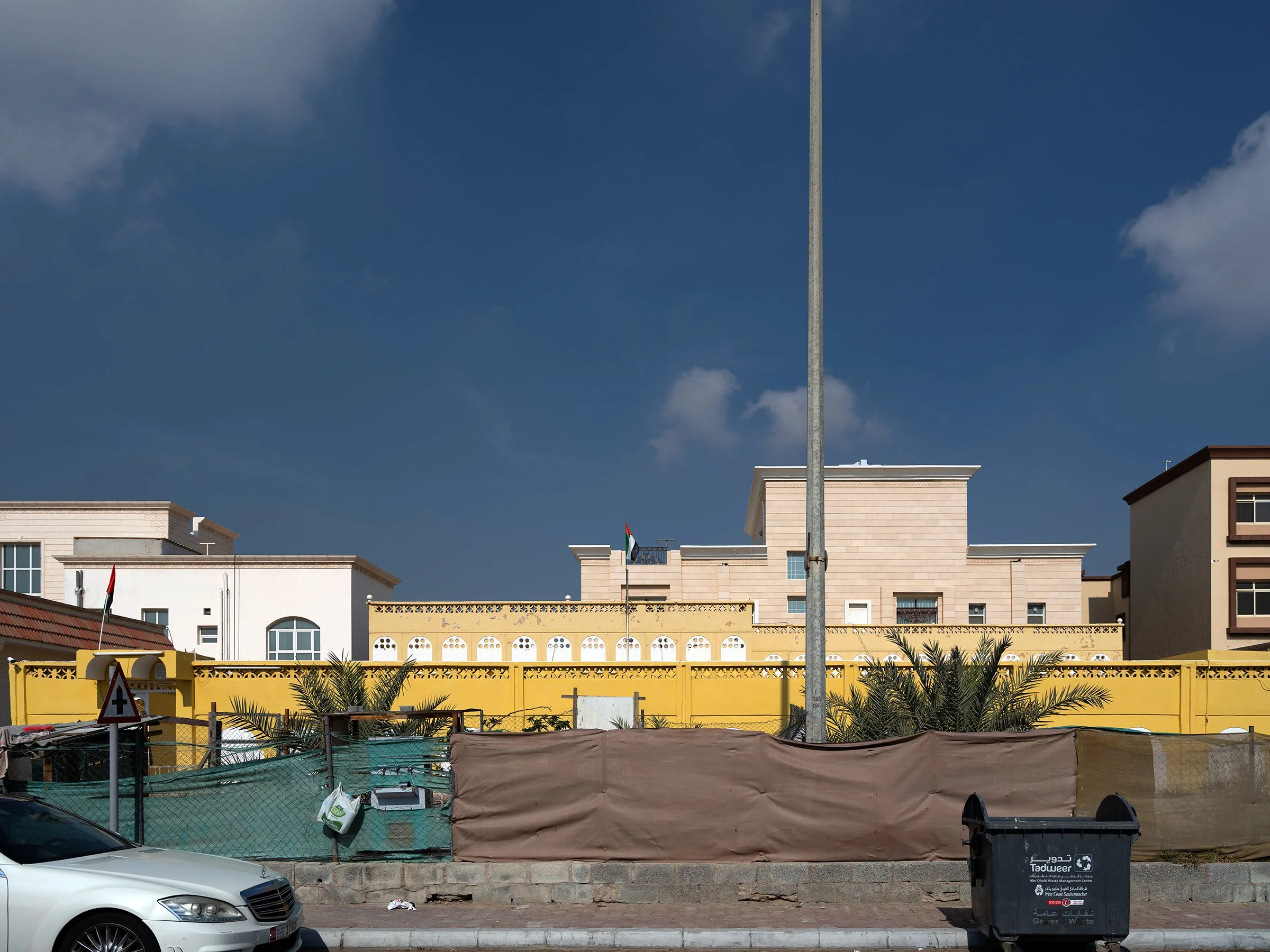
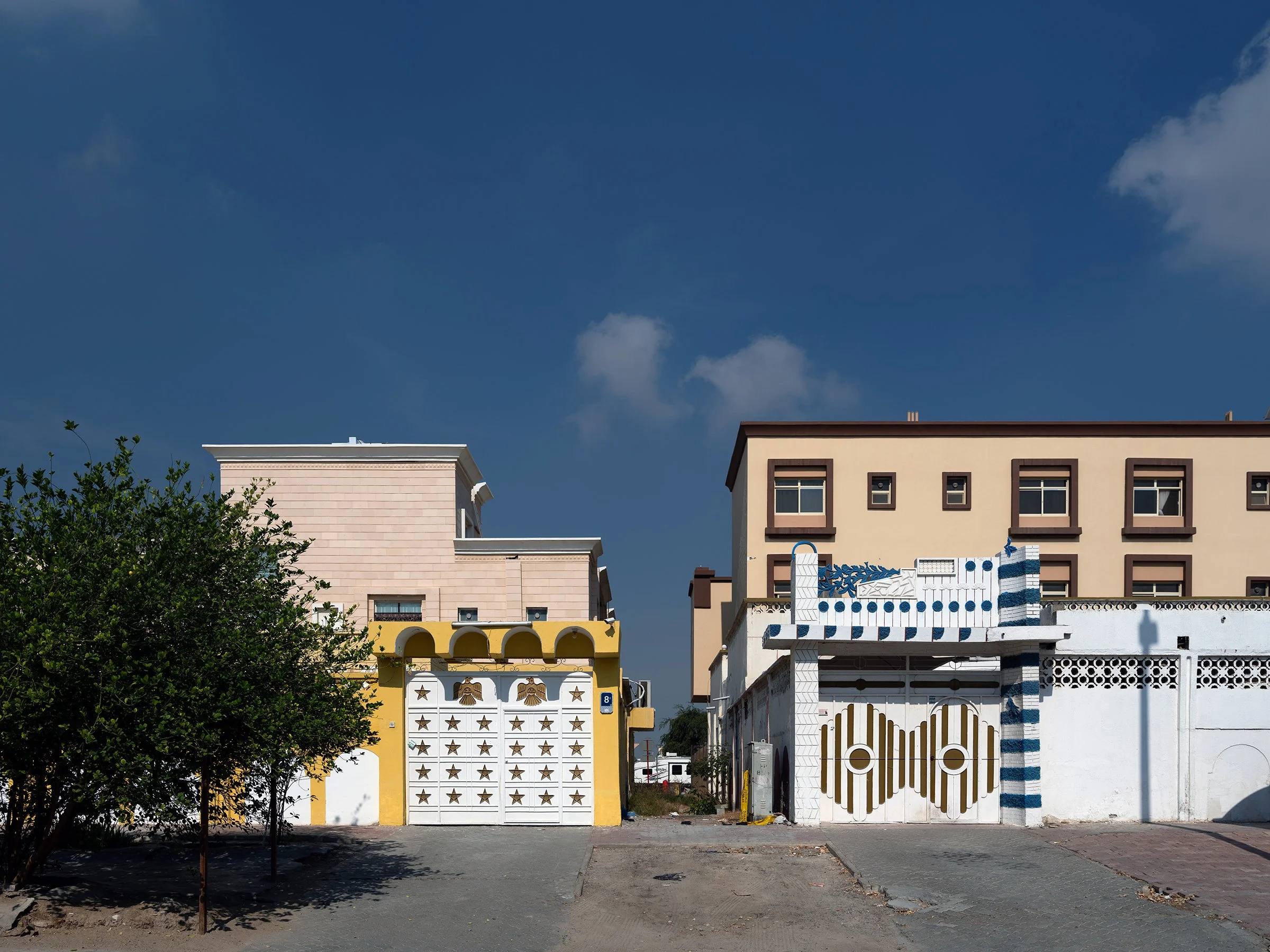
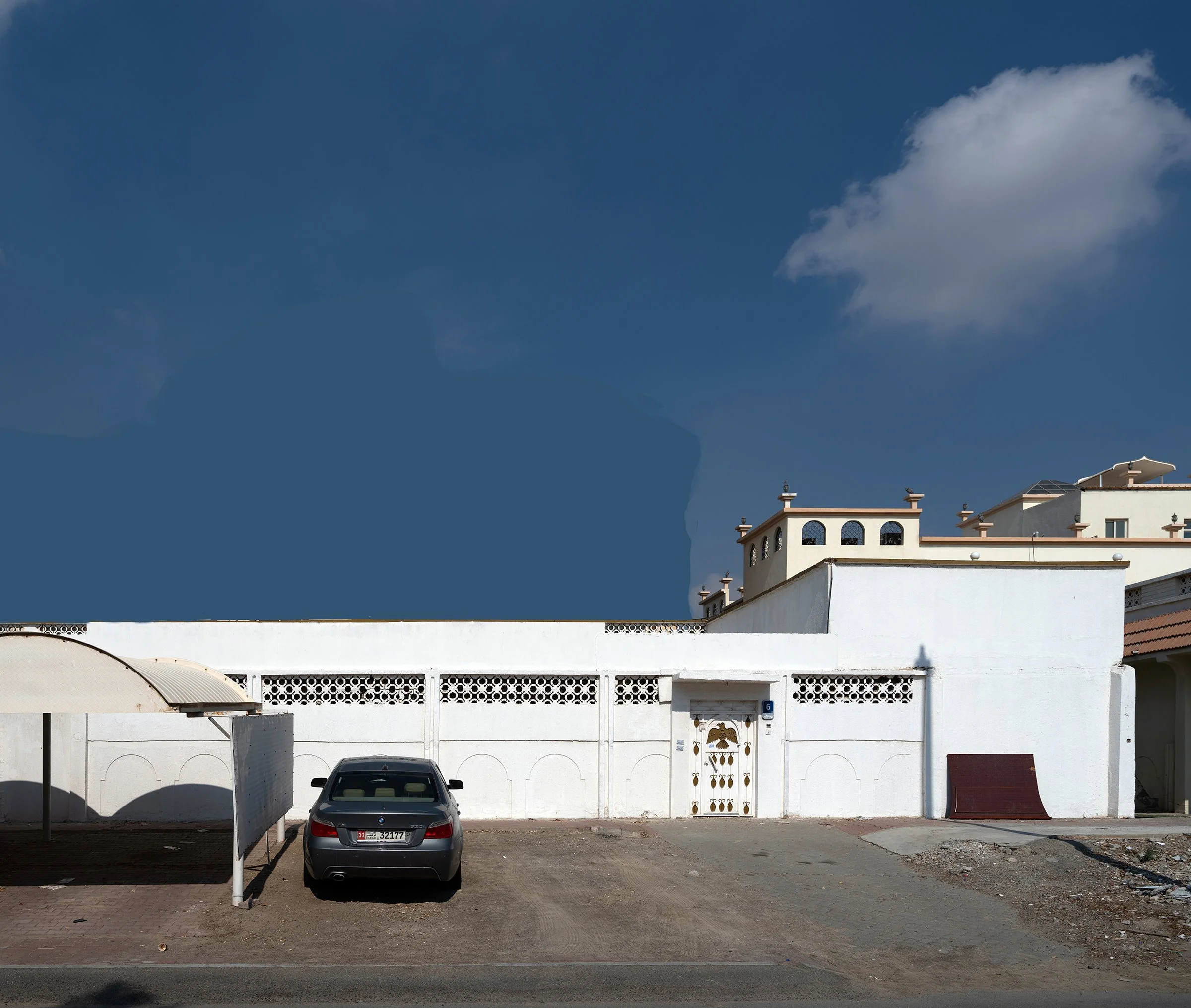
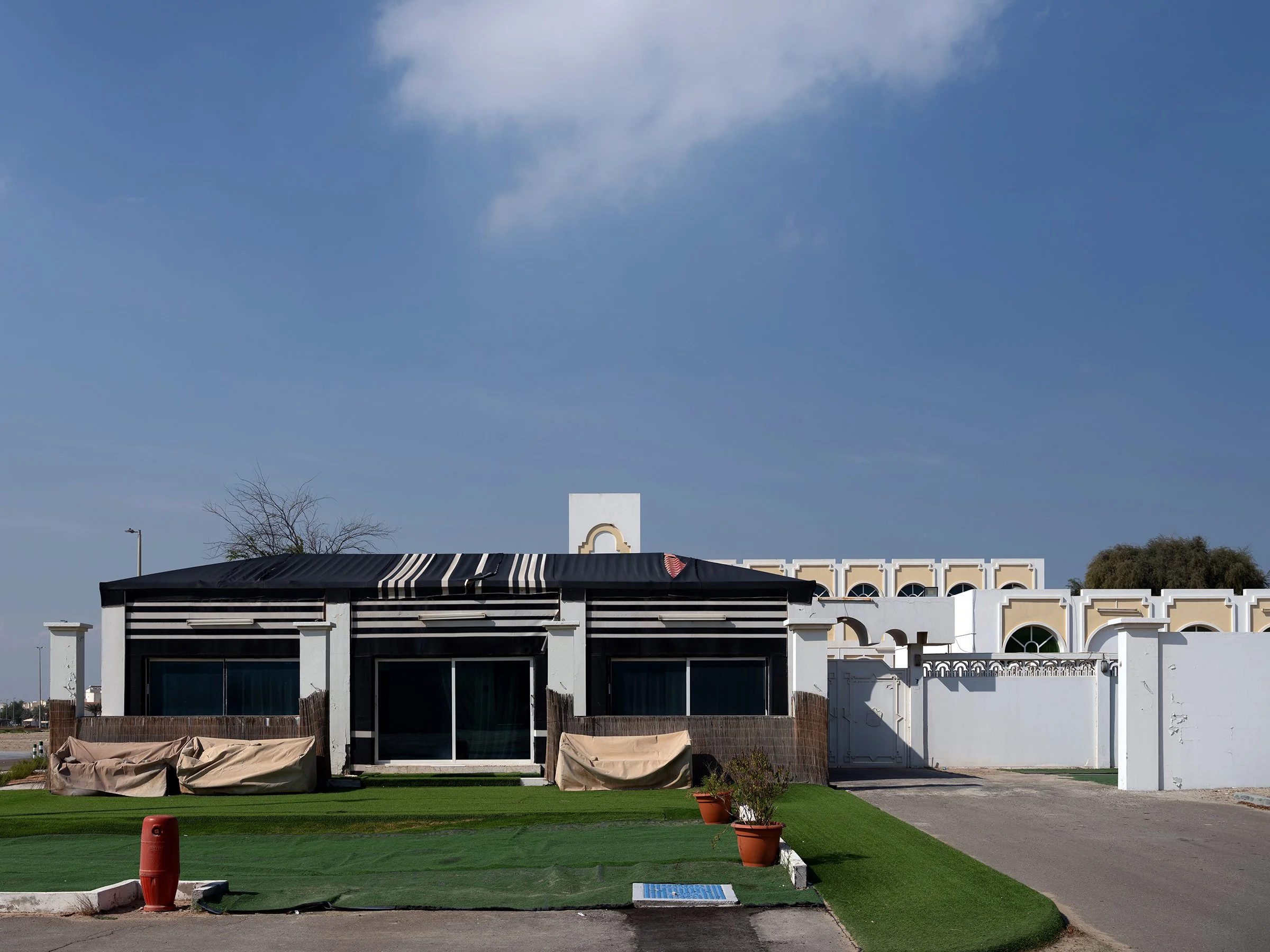
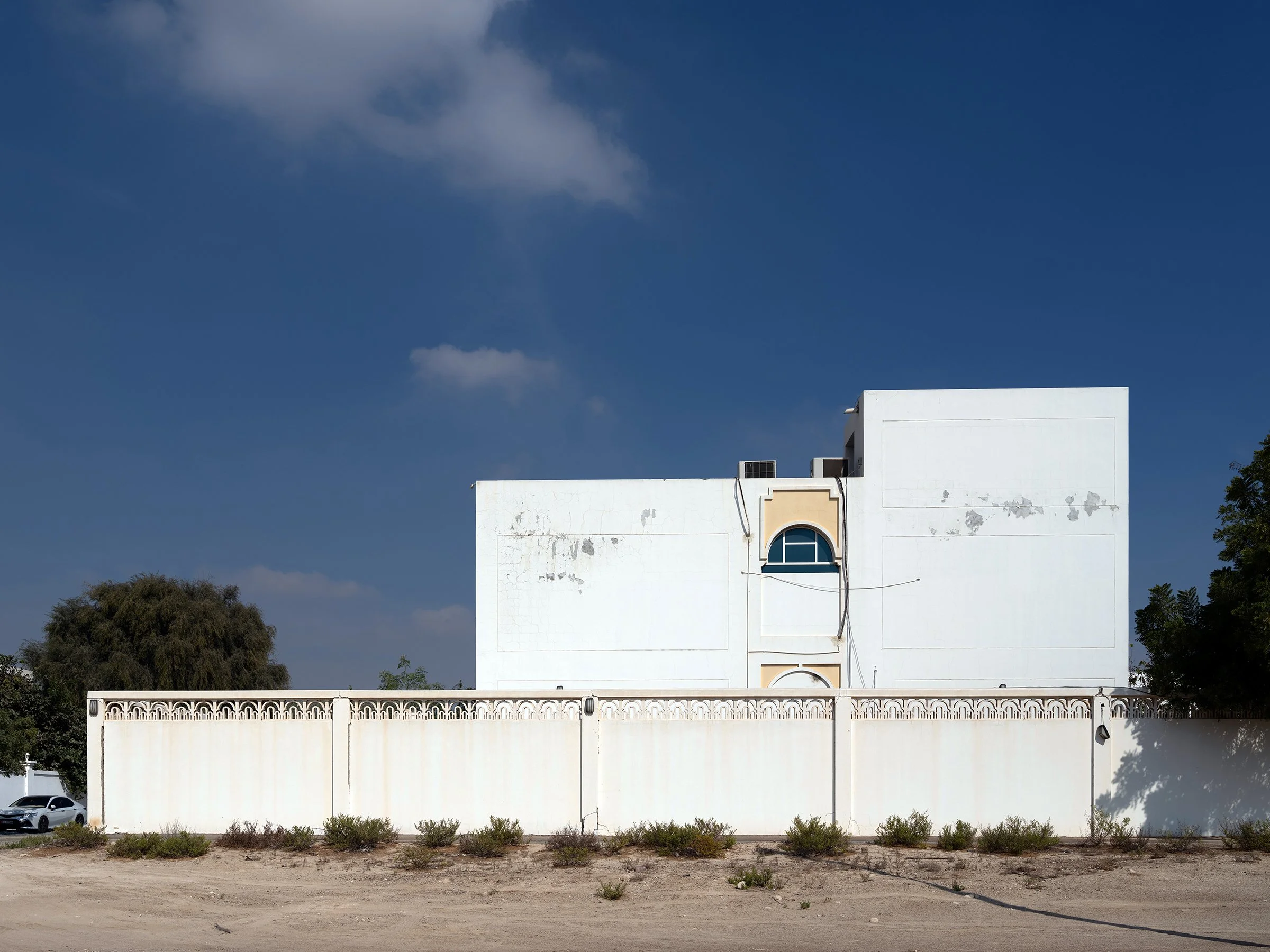
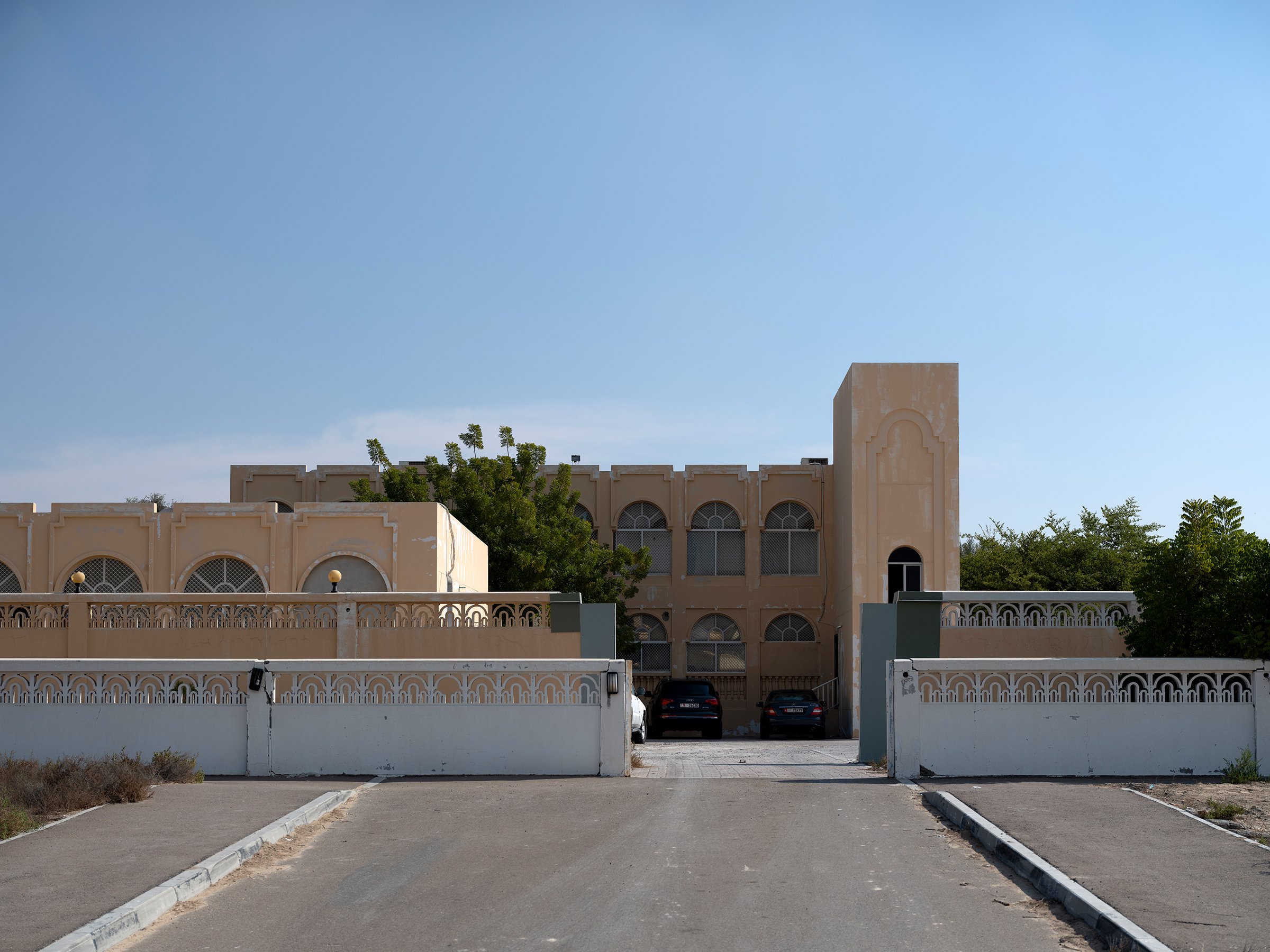
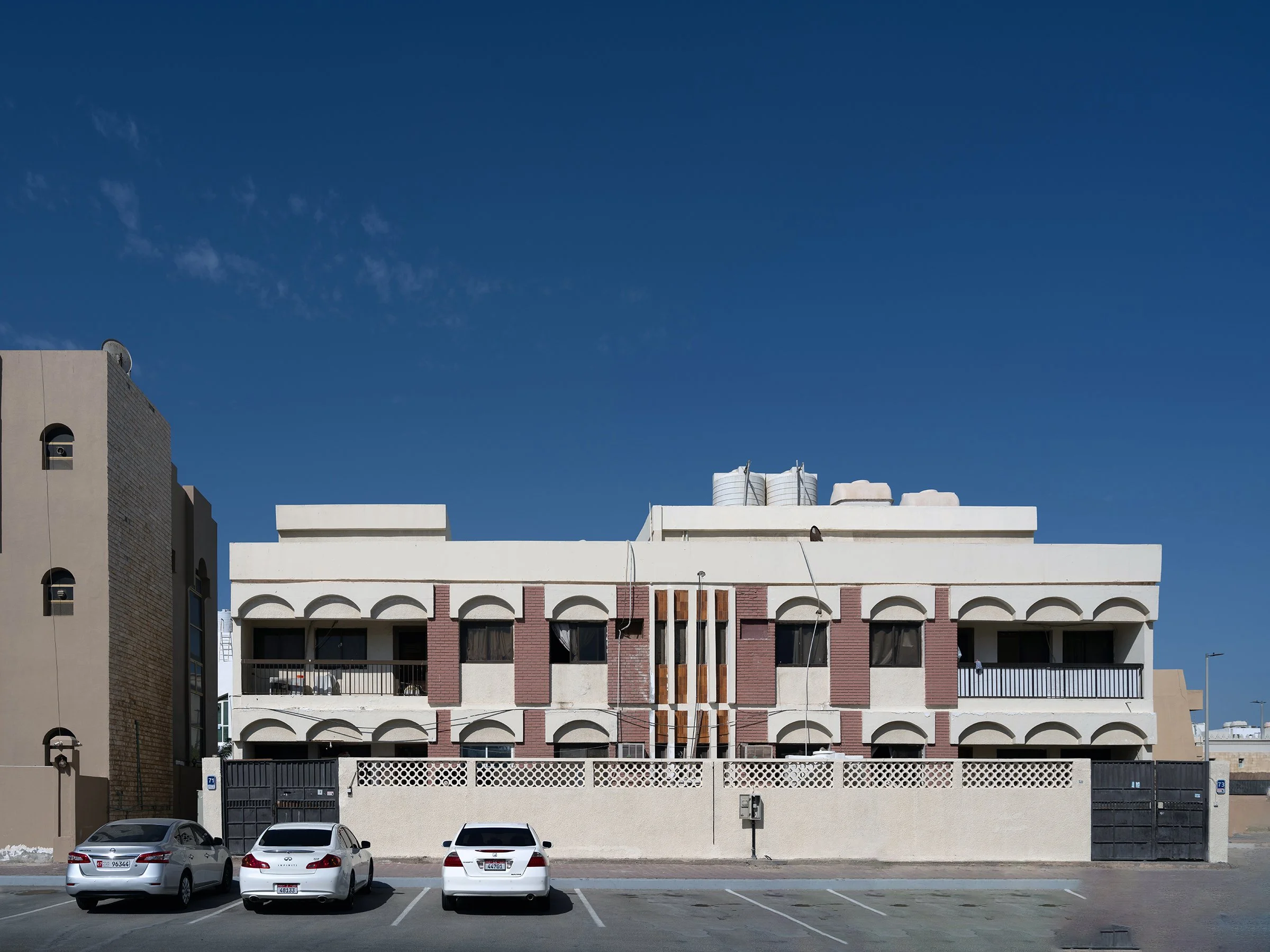
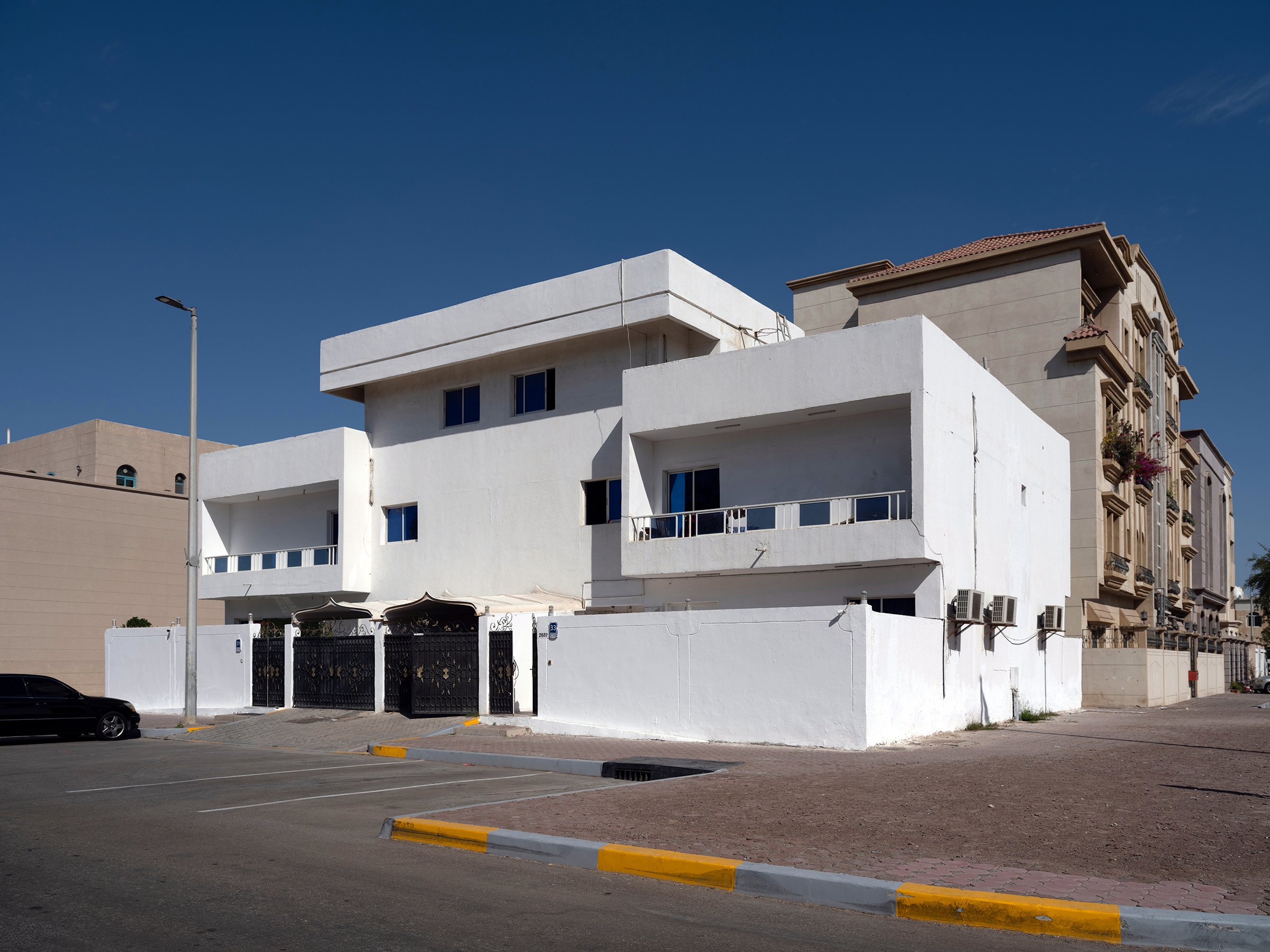
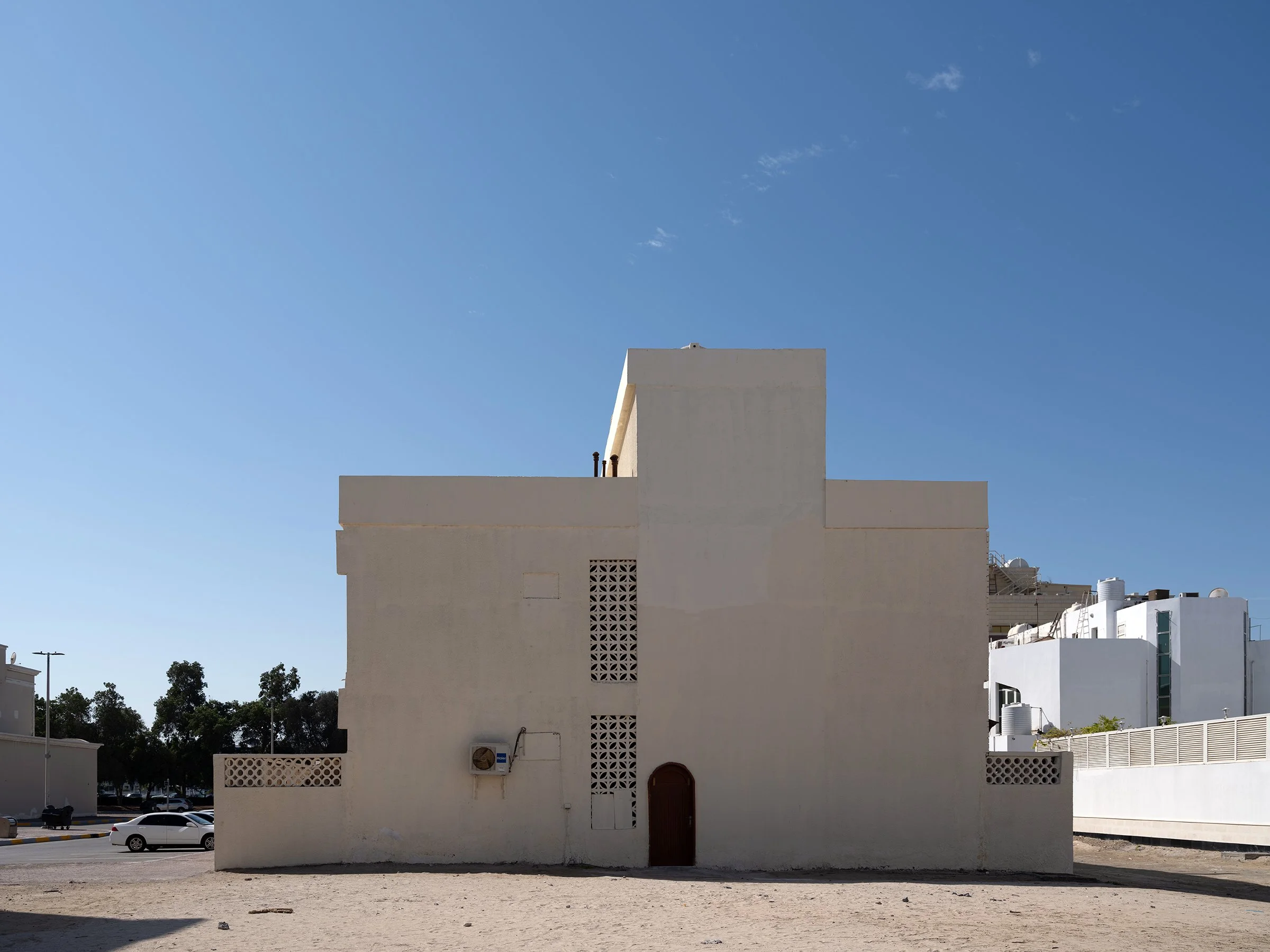
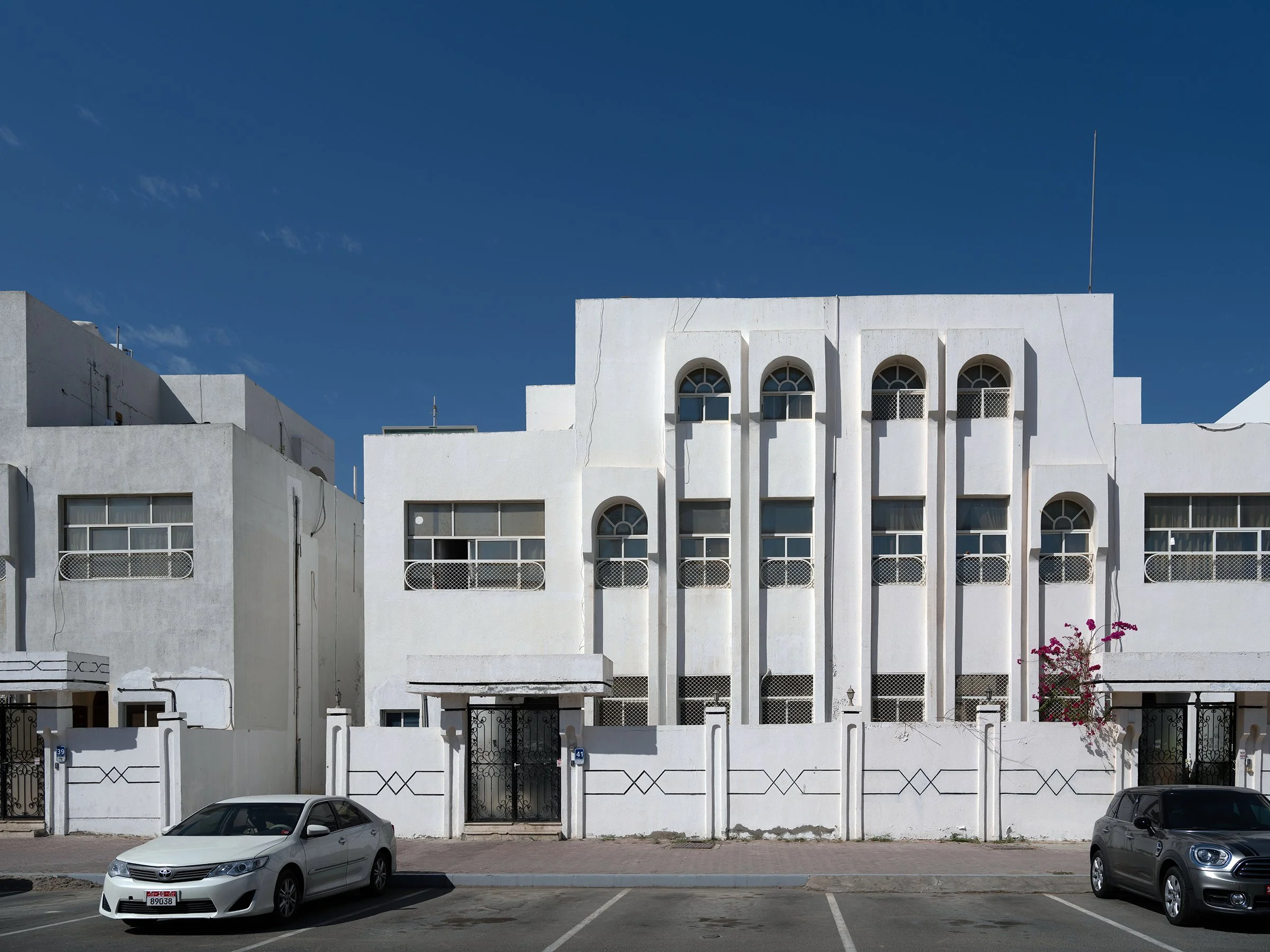
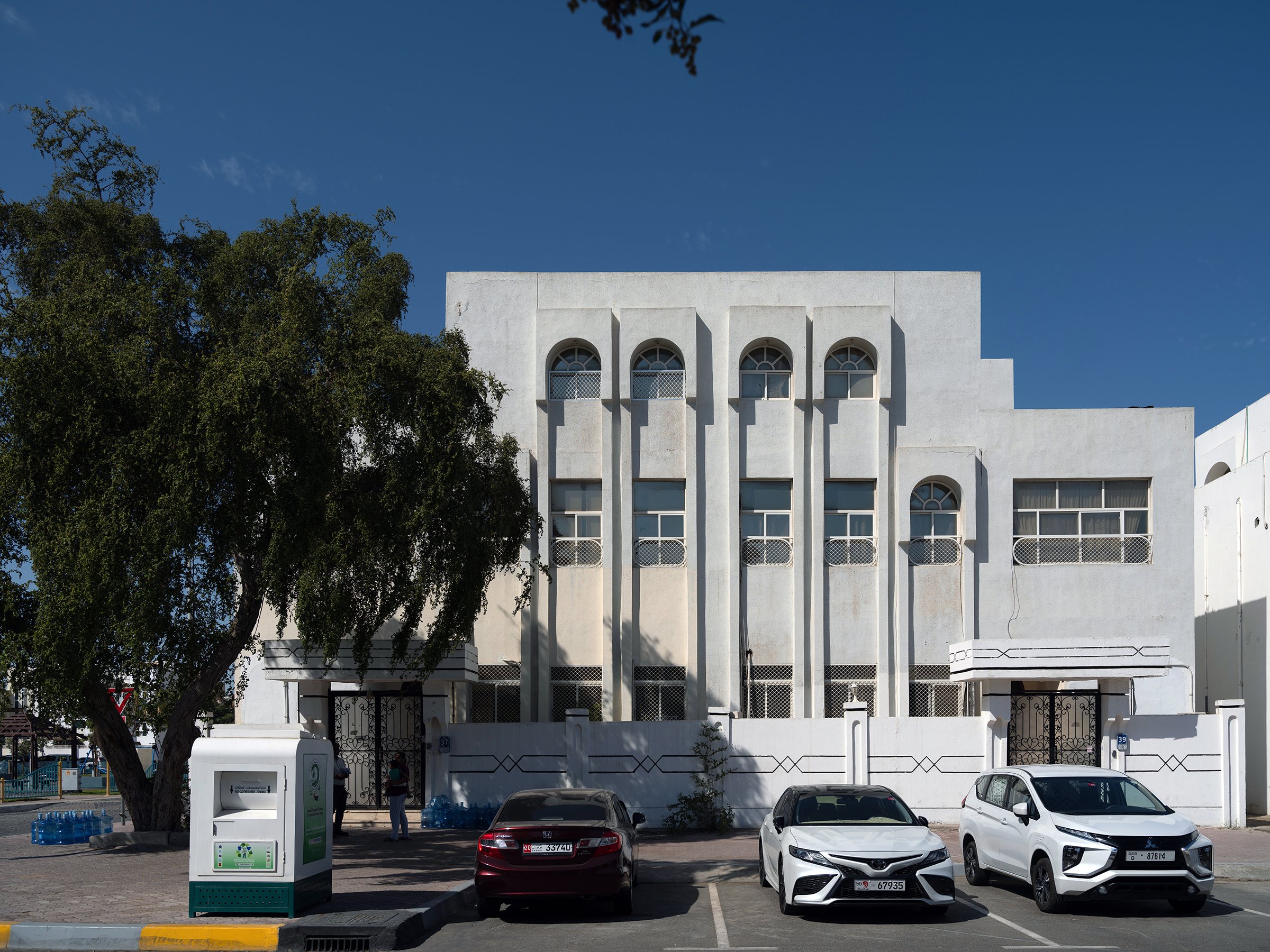
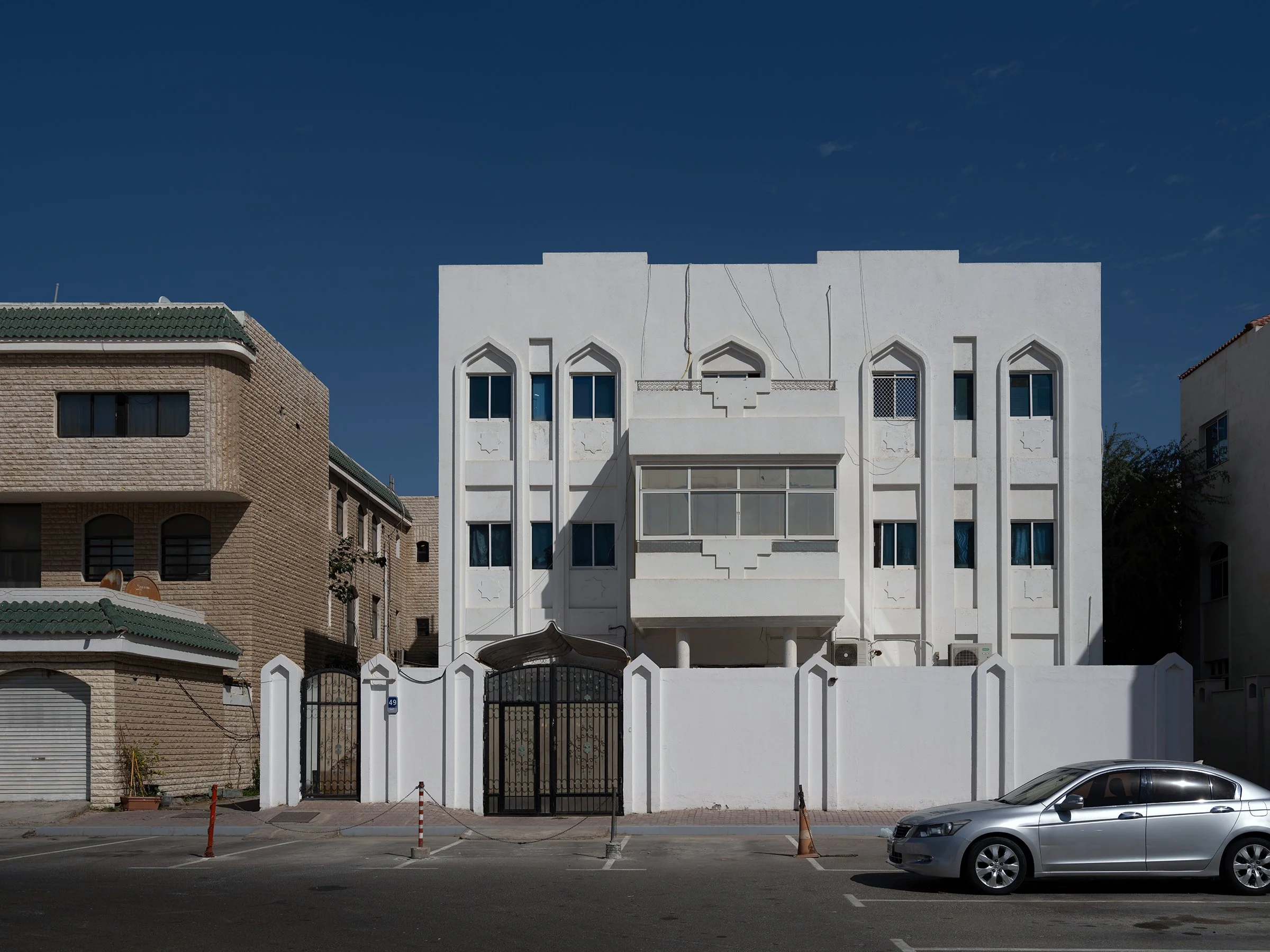
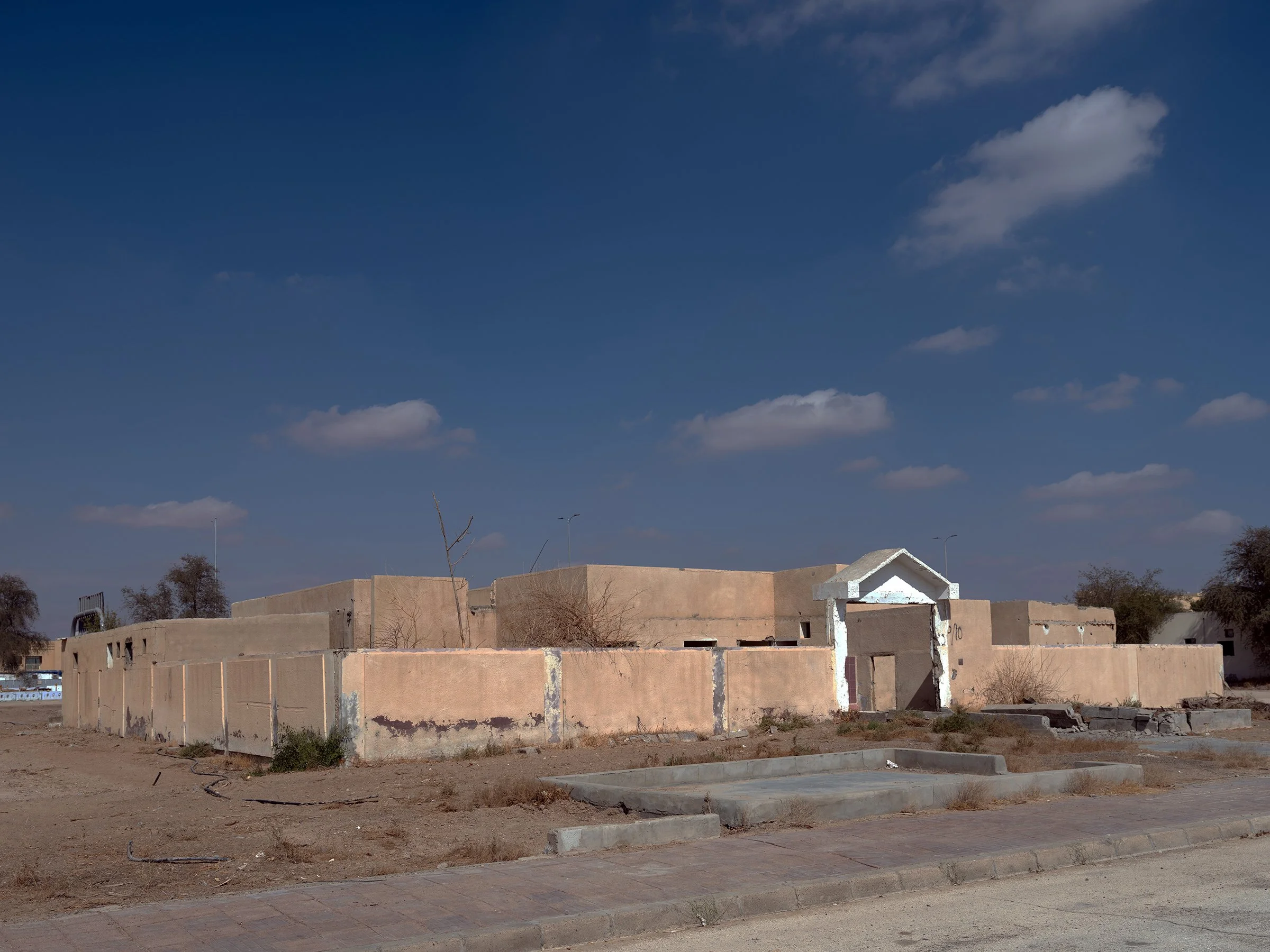
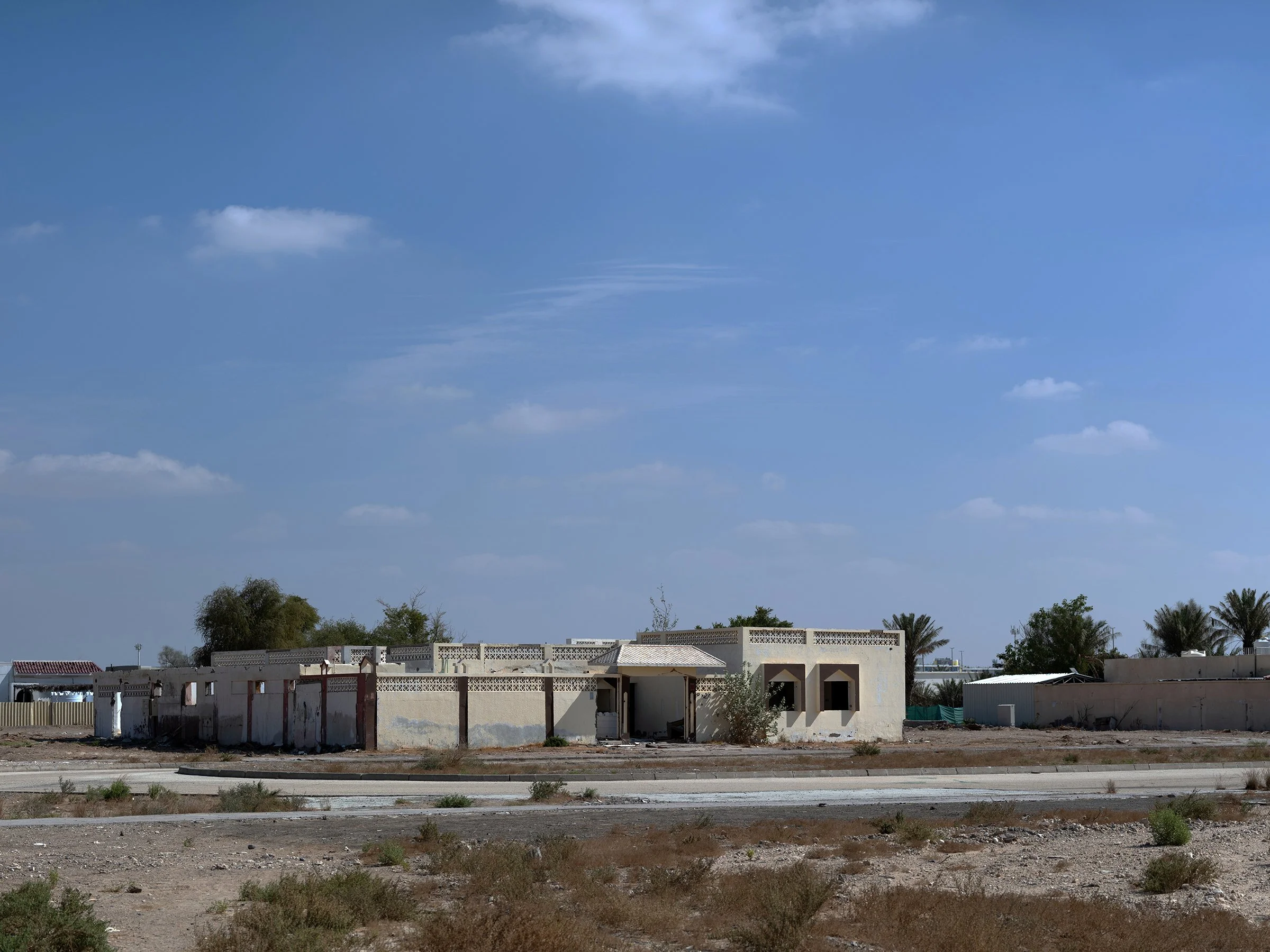
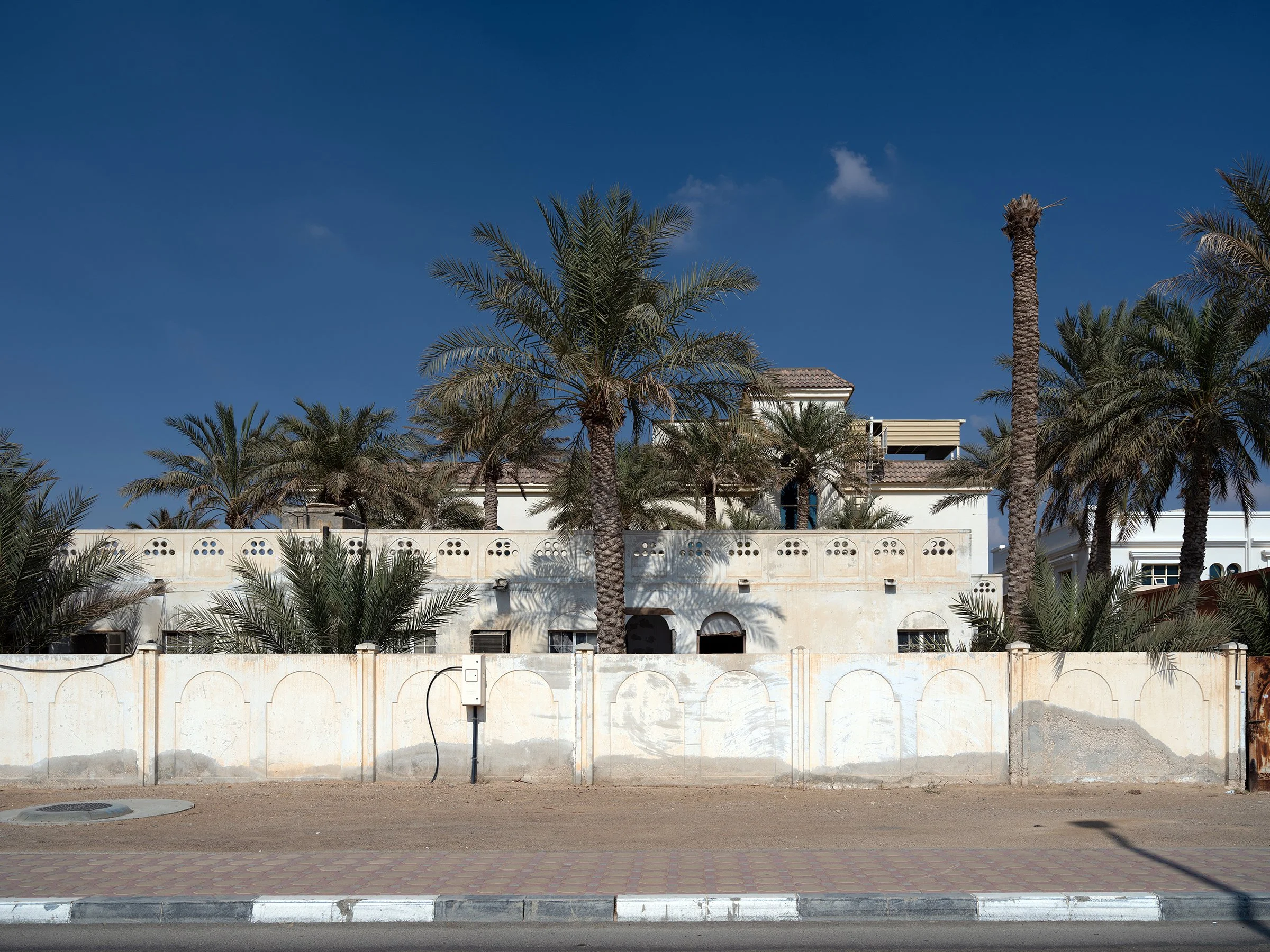
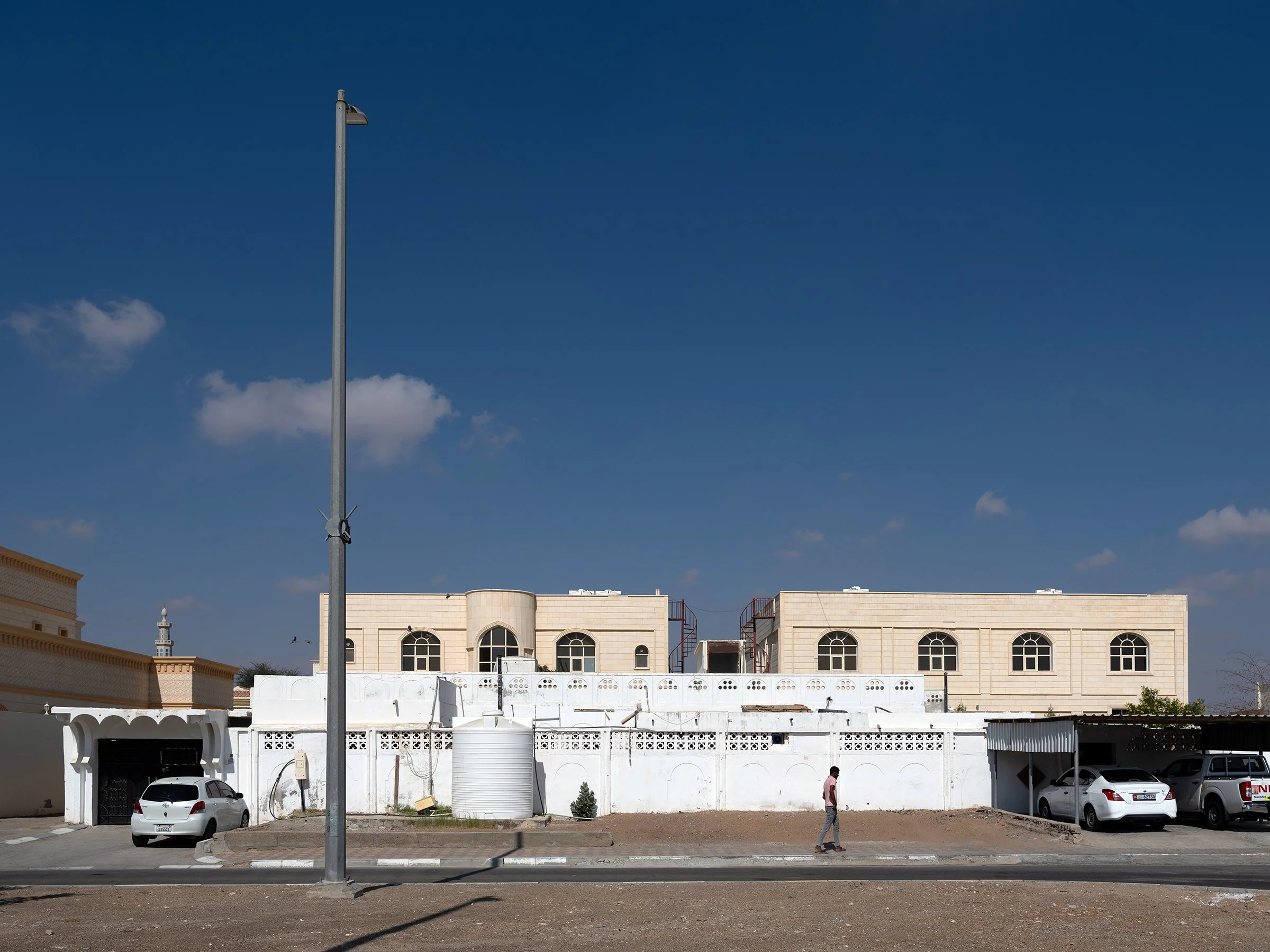
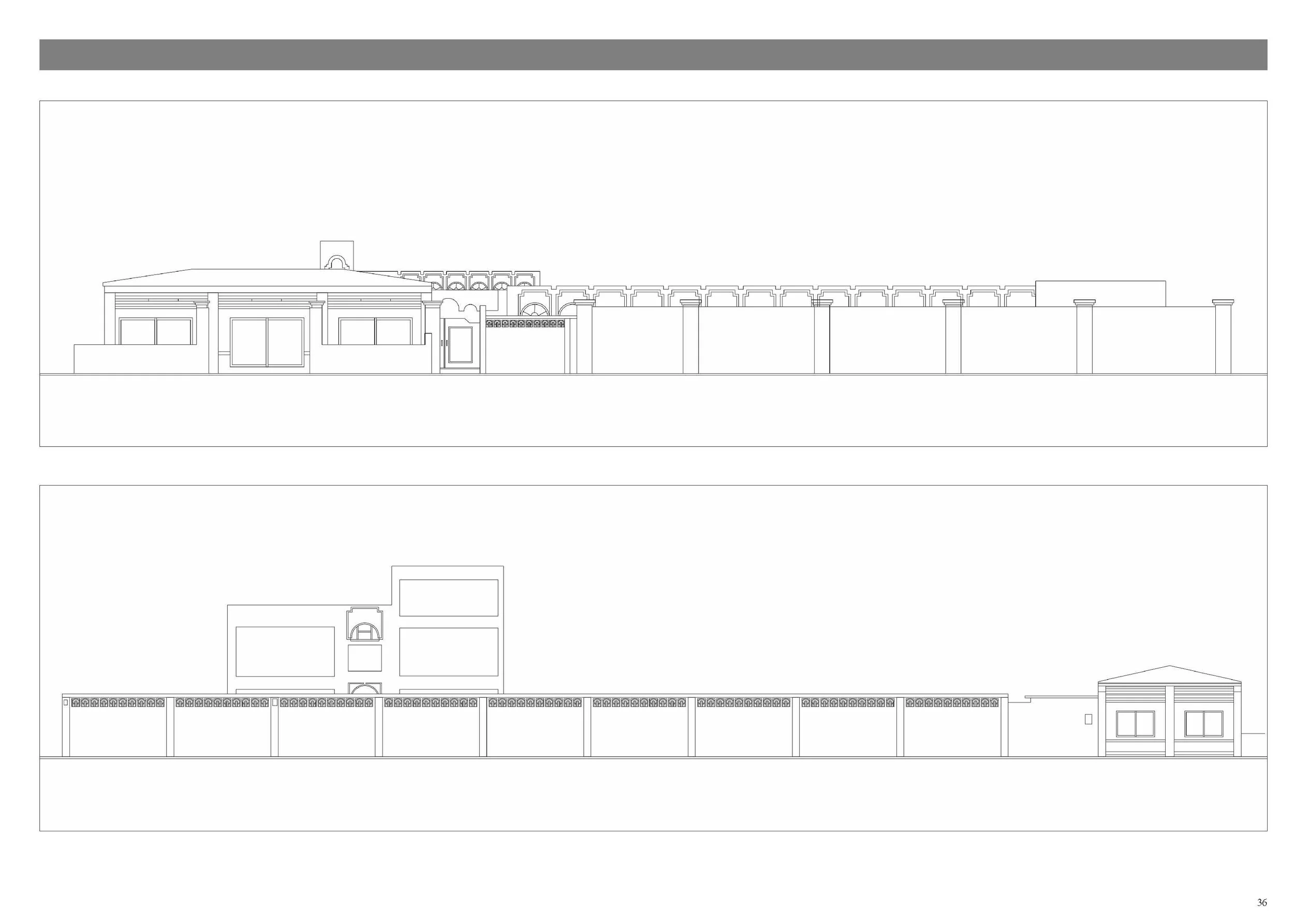
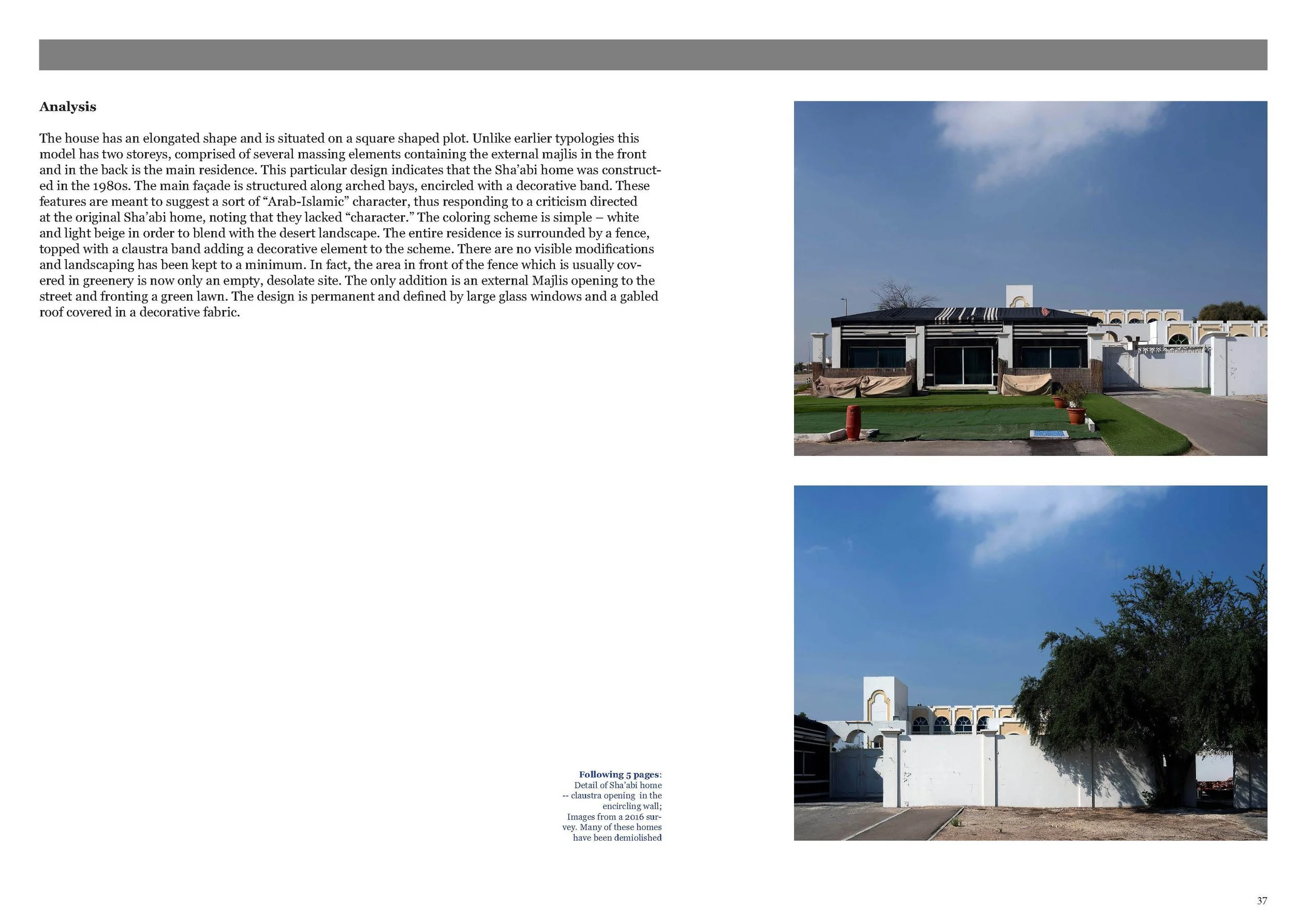
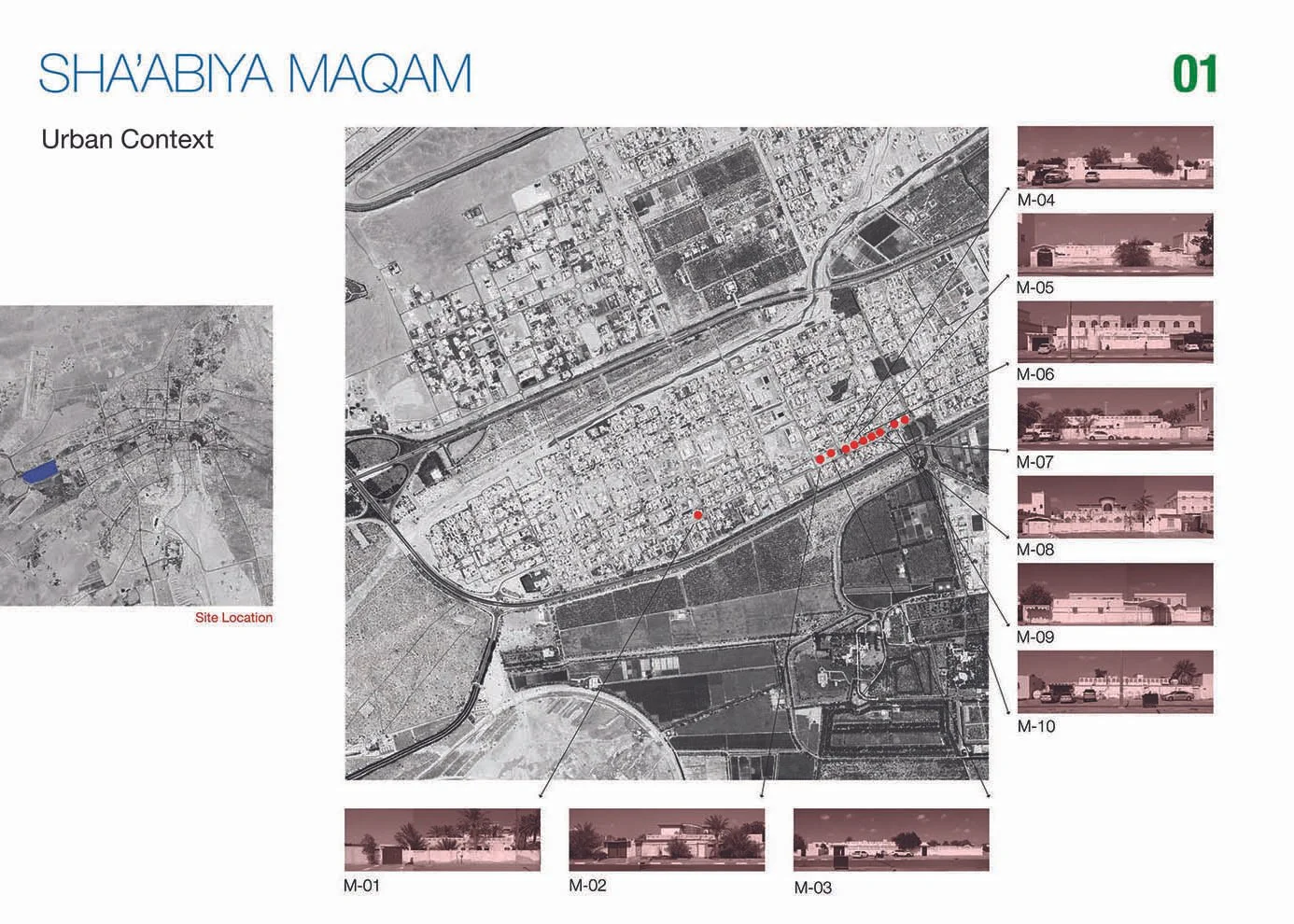
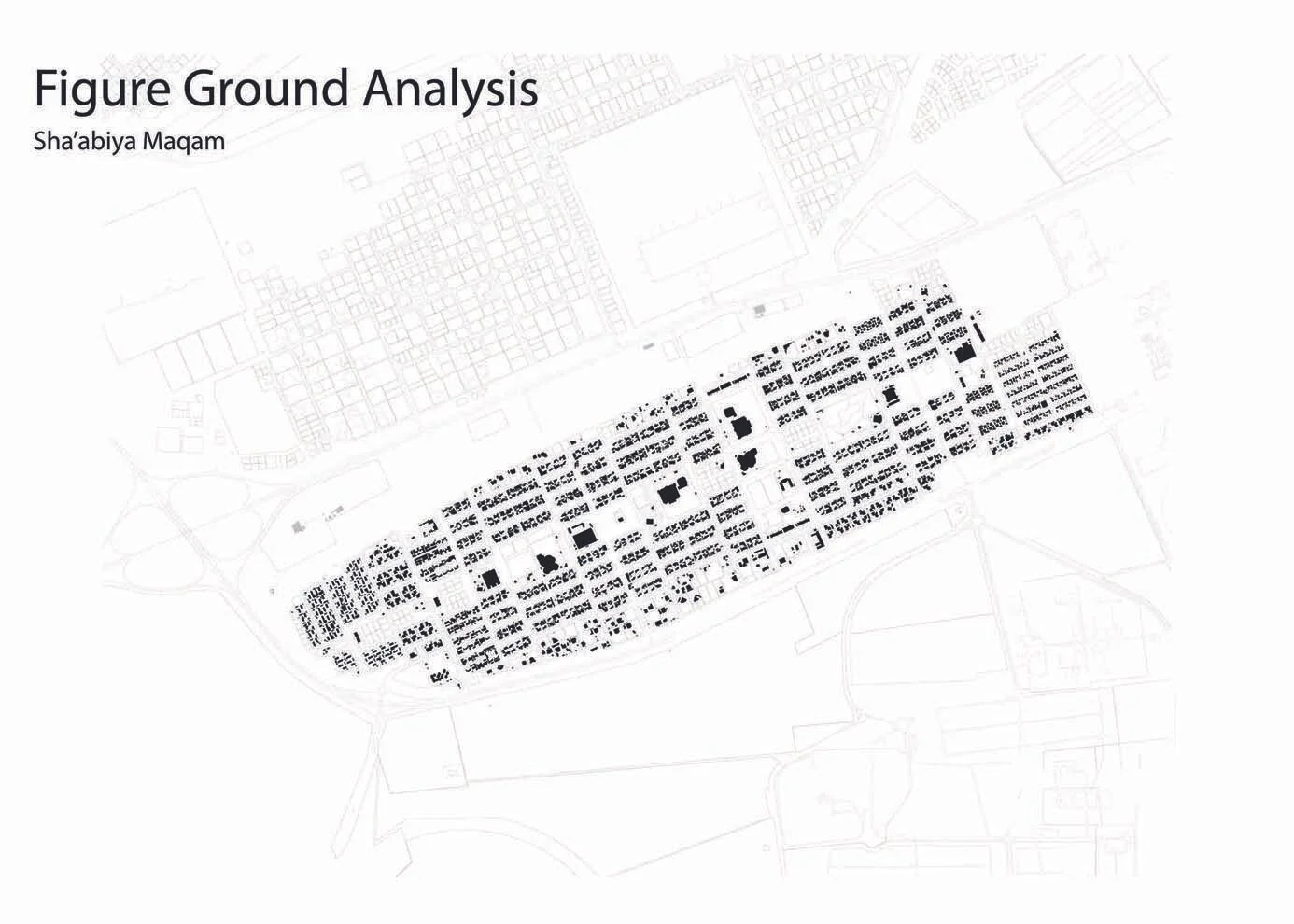
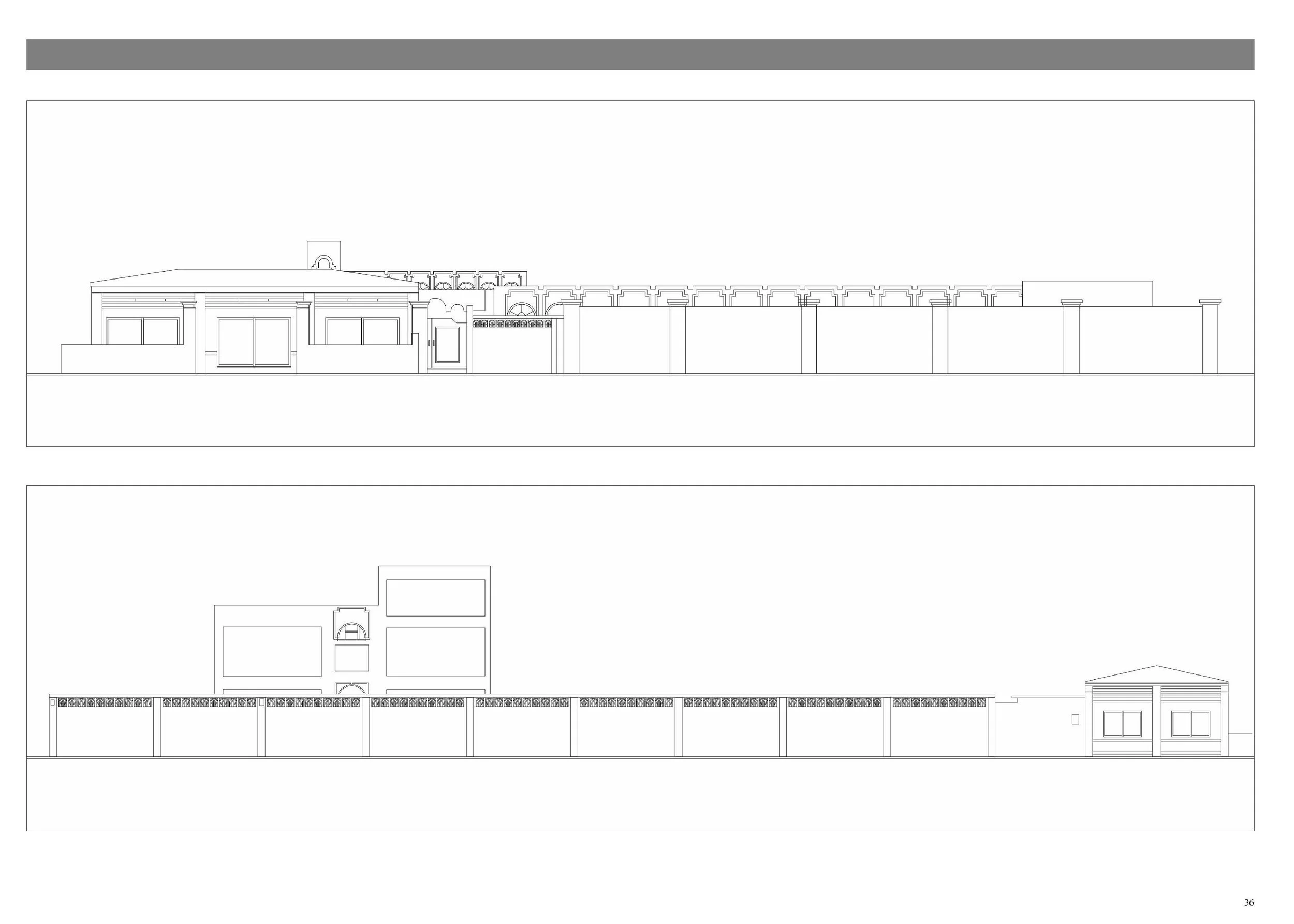
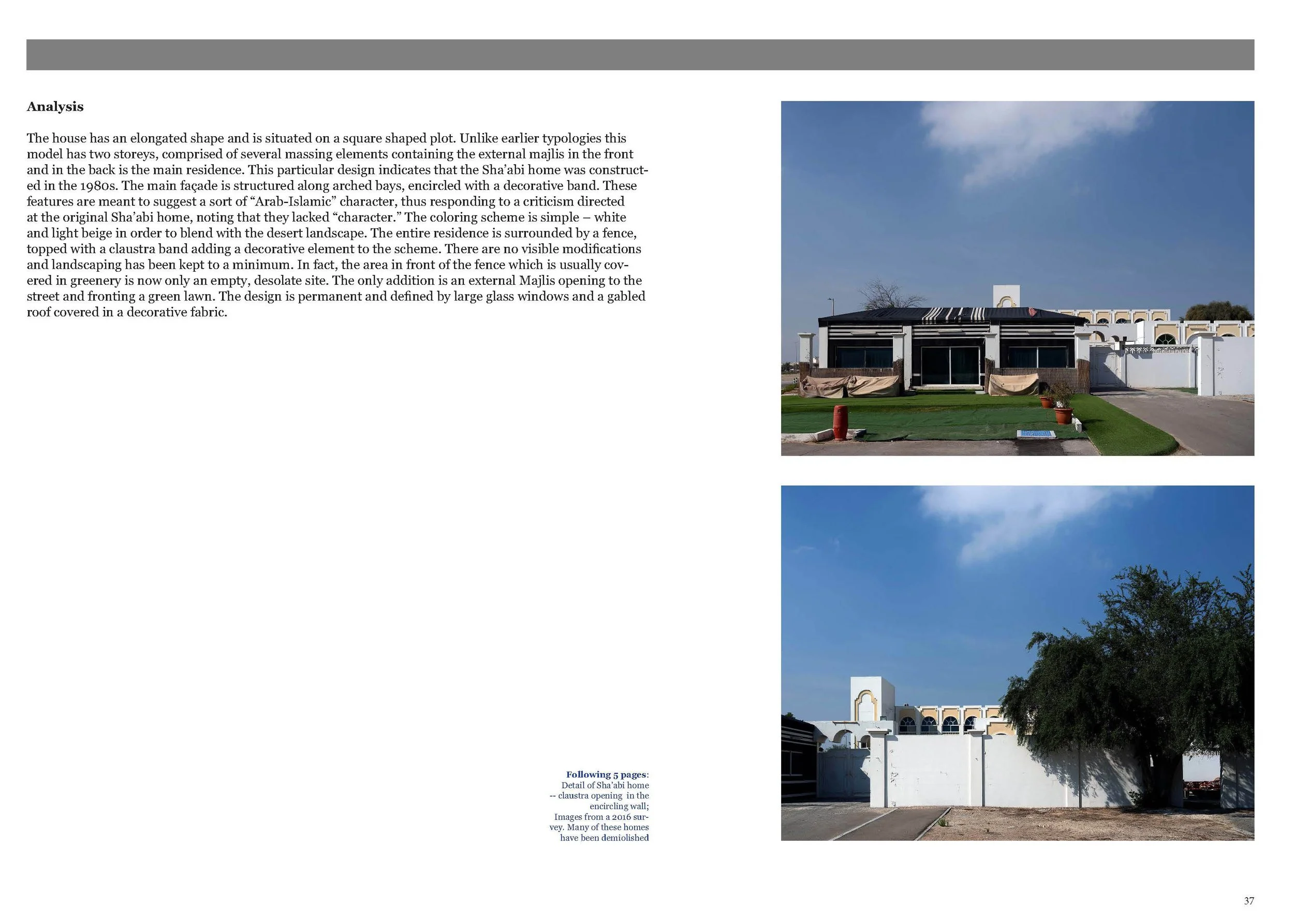
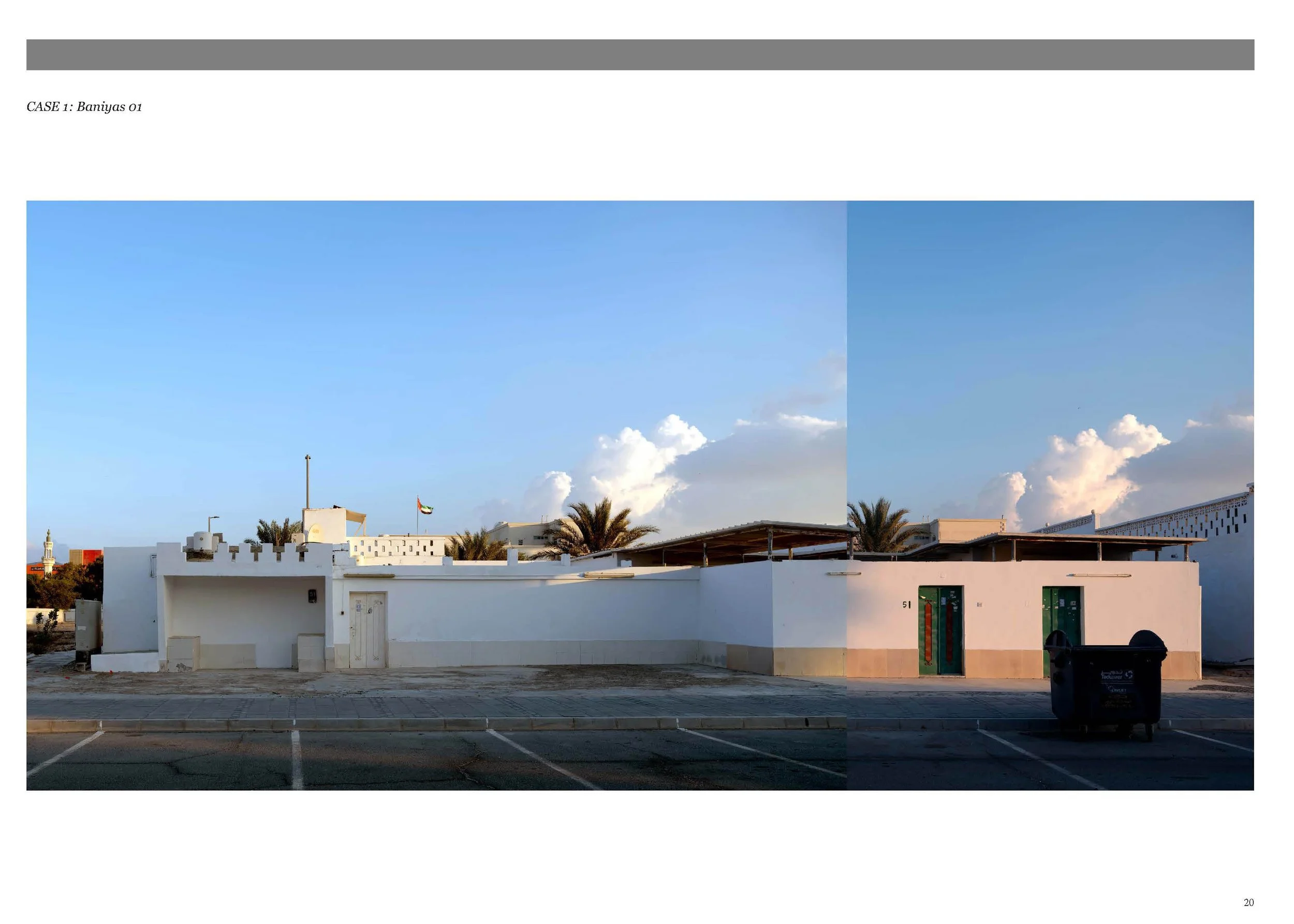
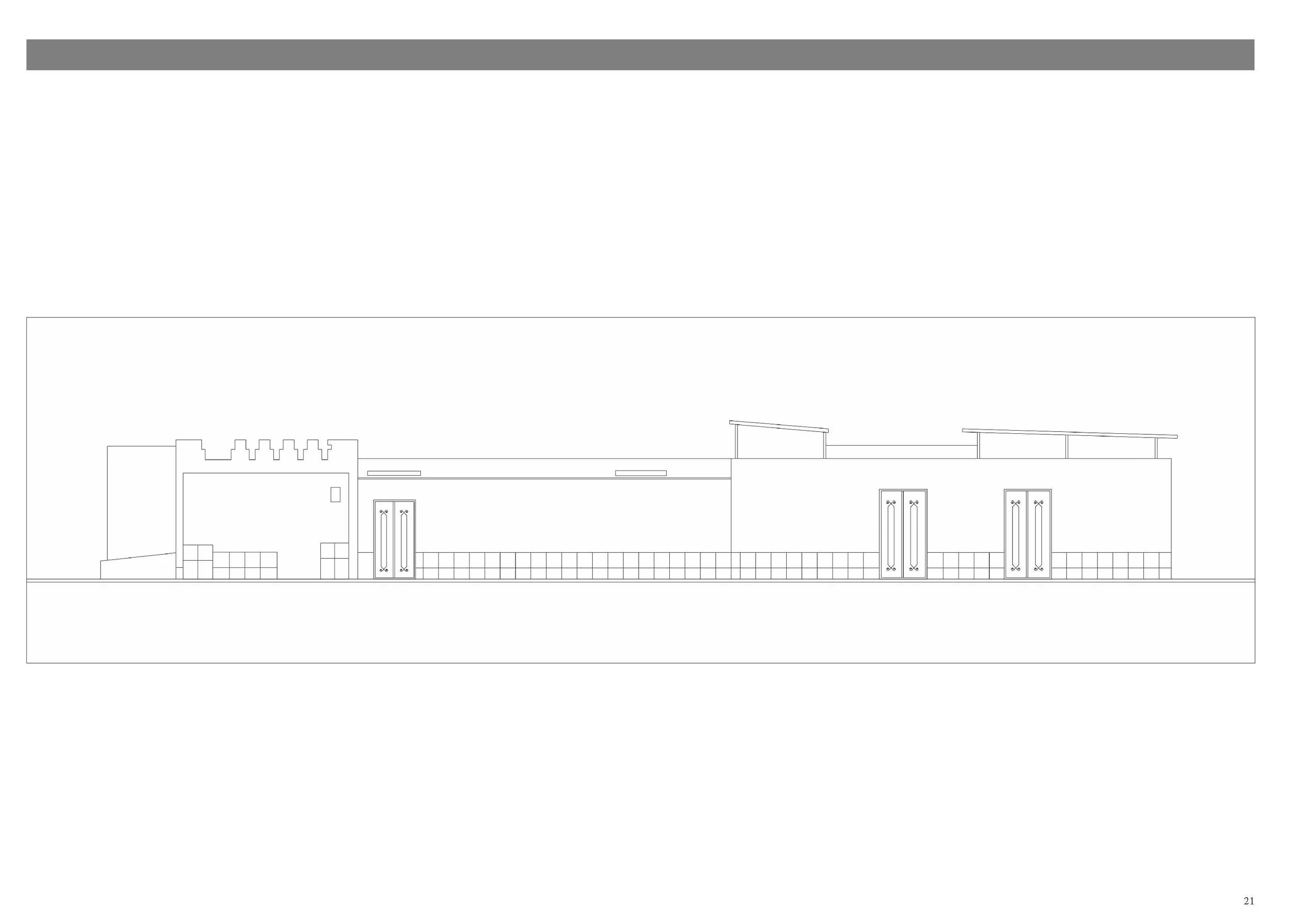
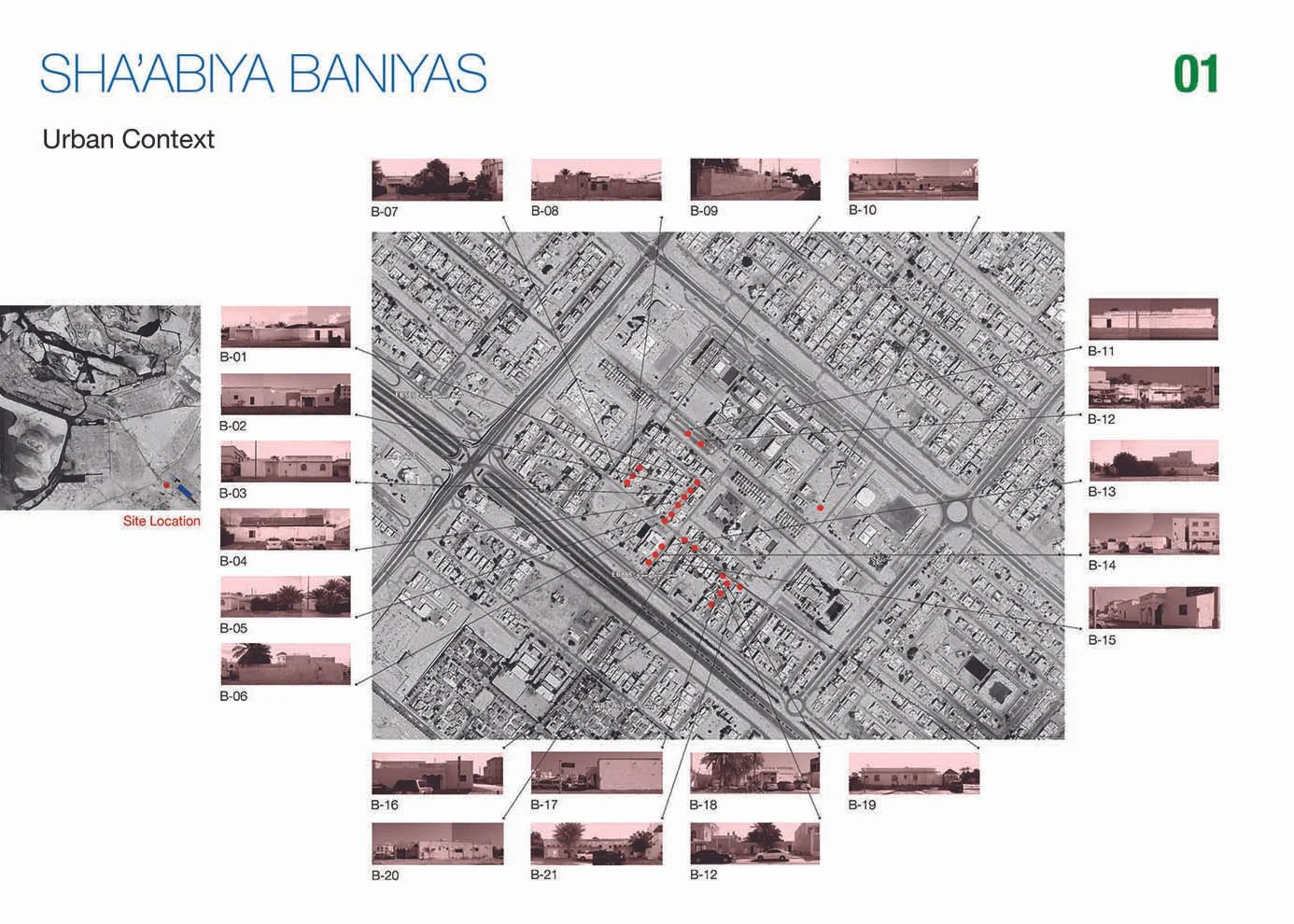
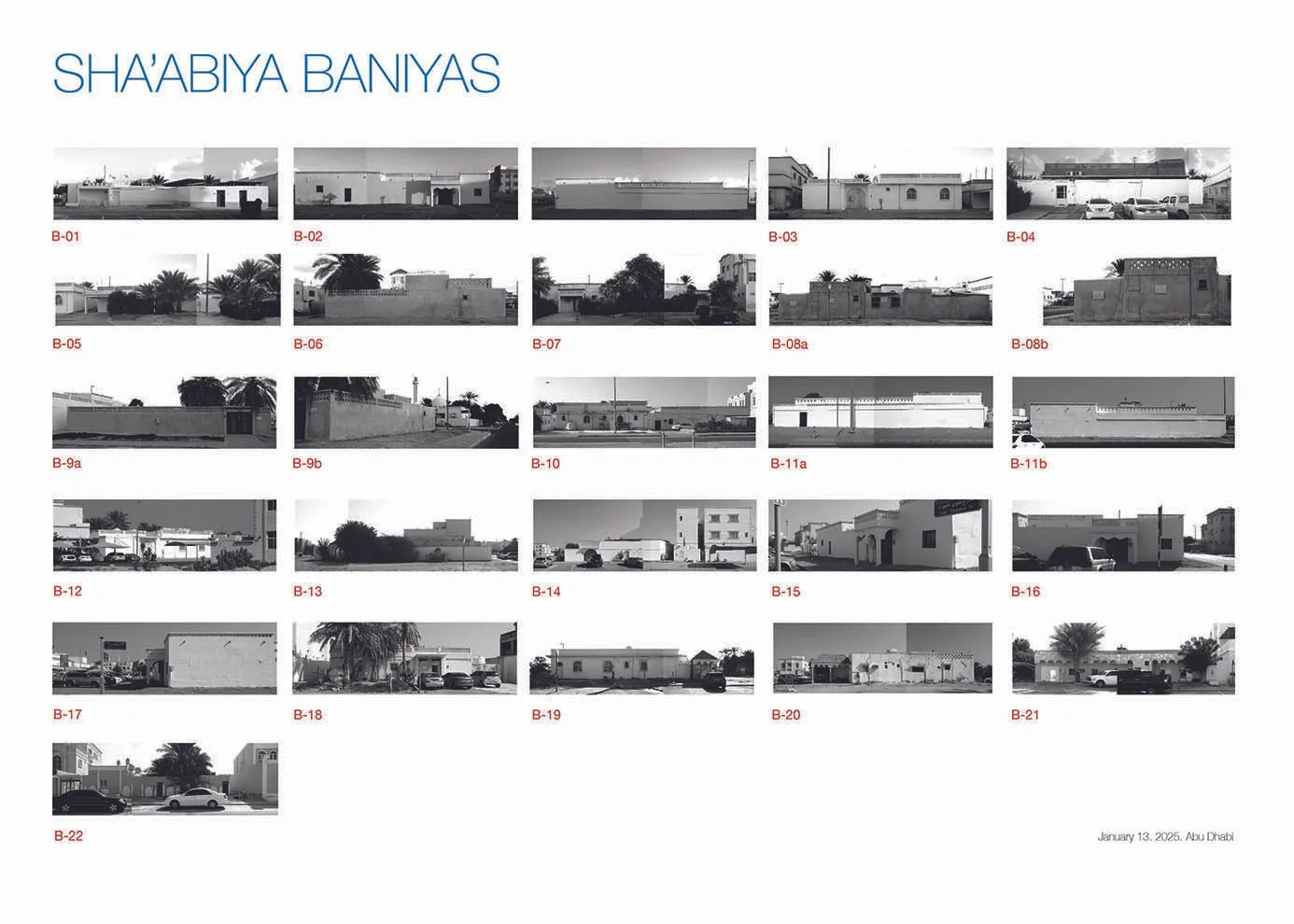
This page introduces the 2024–25 research project funded by the Zayed National Museum, which revisits the Sha’abi house not as a historical artifact, but as an endangered and evolving condition within Abu Dhabi’s contemporary urban landscape. Building on earlier work, this study shifts decisively in scale and intent: rather than offering a broad survey, it undertakes a detailed, typo-morphological investigation grounded in fieldwork conducted in January 2025 across key neighborhoods including Baniyas, Shahama, Rahba, Muroor, and Maqam in Al Ain. The project systematically documents the current state of Sha’abi houses through architectural photography, CAD-based elevation drawings, satellite mapping, and on-site observation, producing a comprehensive visual and analytical record of their form, transformation, and spatial context .
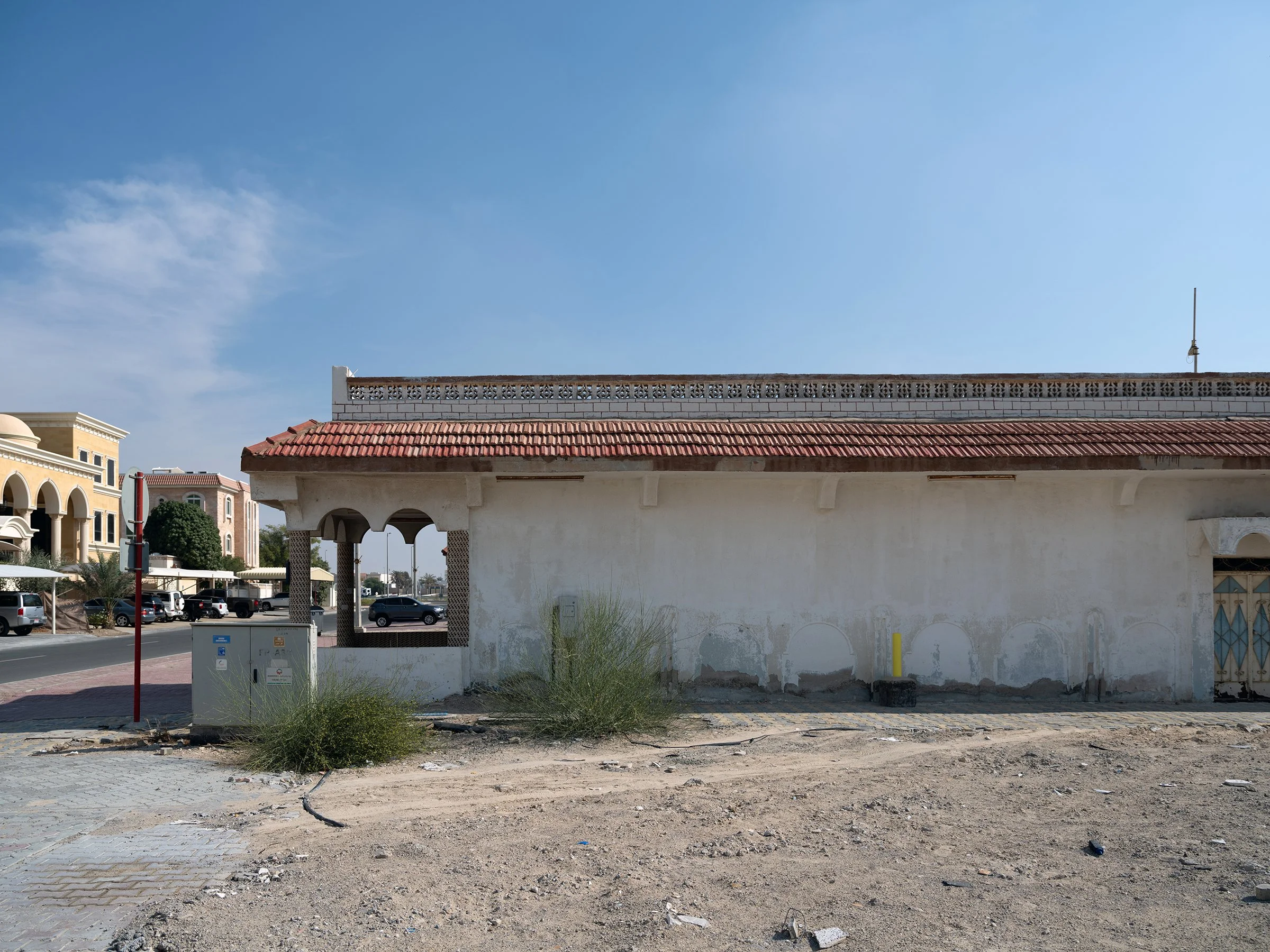
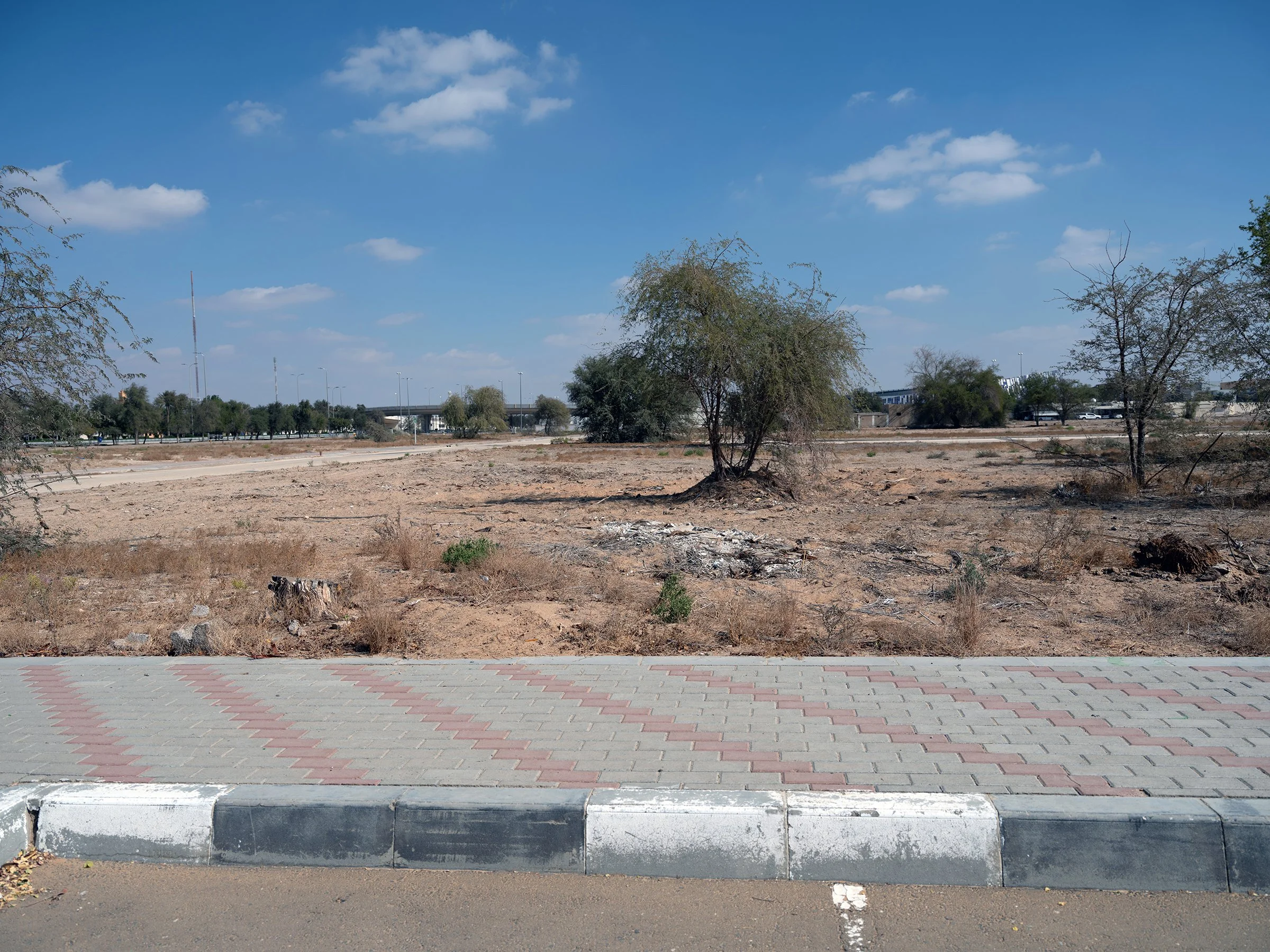
At its core, the study is concerned with reading the Sha’abi house as a dynamic spatial system—one that has undergone continuous modification in response to changing social, cultural, and economic conditions. Through a structured framework examining massing, openings, decorative features, color schemes, and landscaping, the research traces how standardized prototypes have been altered over time into highly individualized dwellings. The work is equally attentive to the urban context: documenting the surrounding fabric of shops, mosques, empty lots, and infrastructural remnants, as well as the patterns of demolition and replacement that are reshaping these neighborhoods. Encounters with residents—such as conversations in the majlis or observations of everyday practices—anchor the analysis in lived experience, revealing the house as both a physical structure and a vessel of memory and identity .
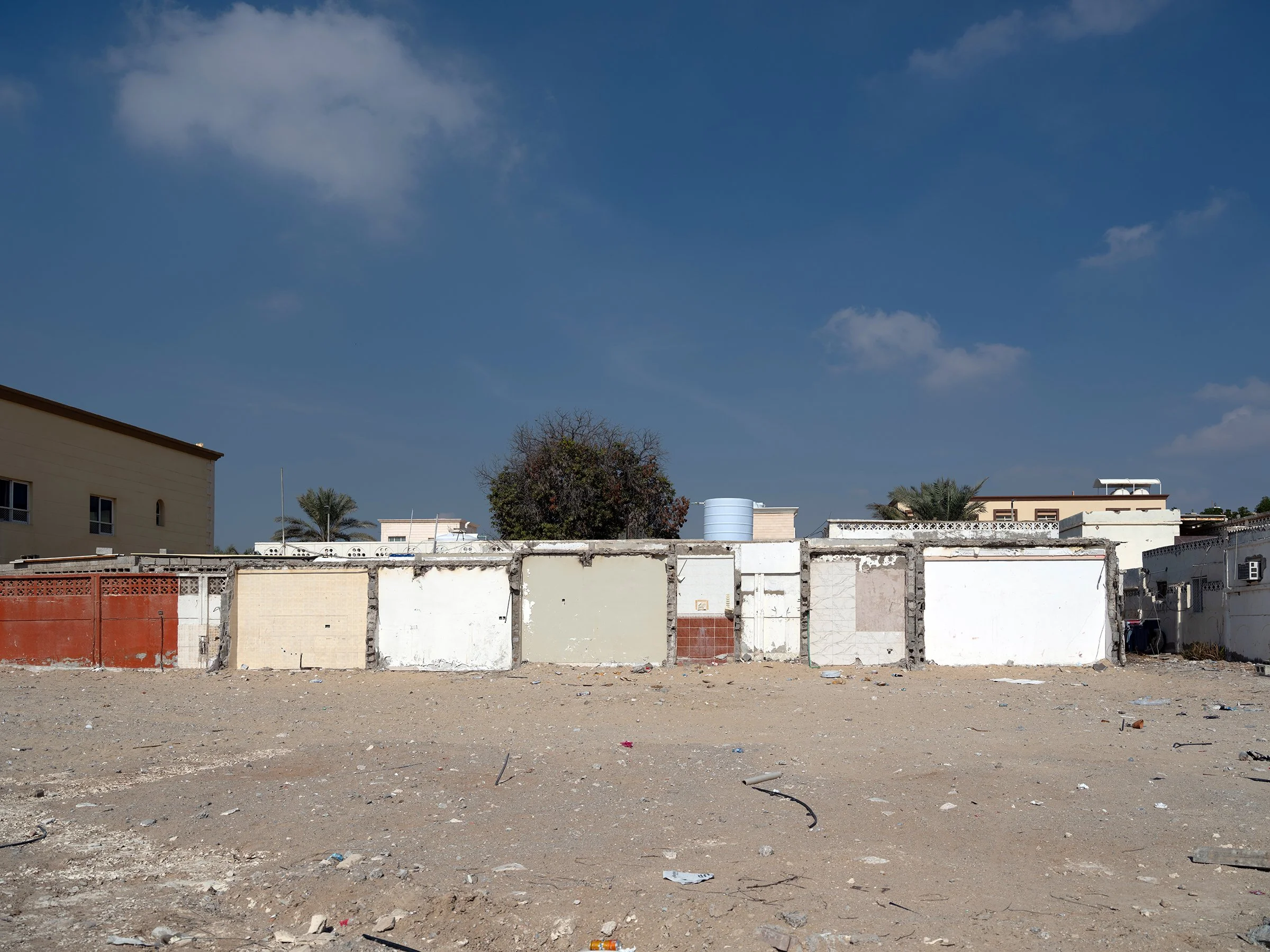
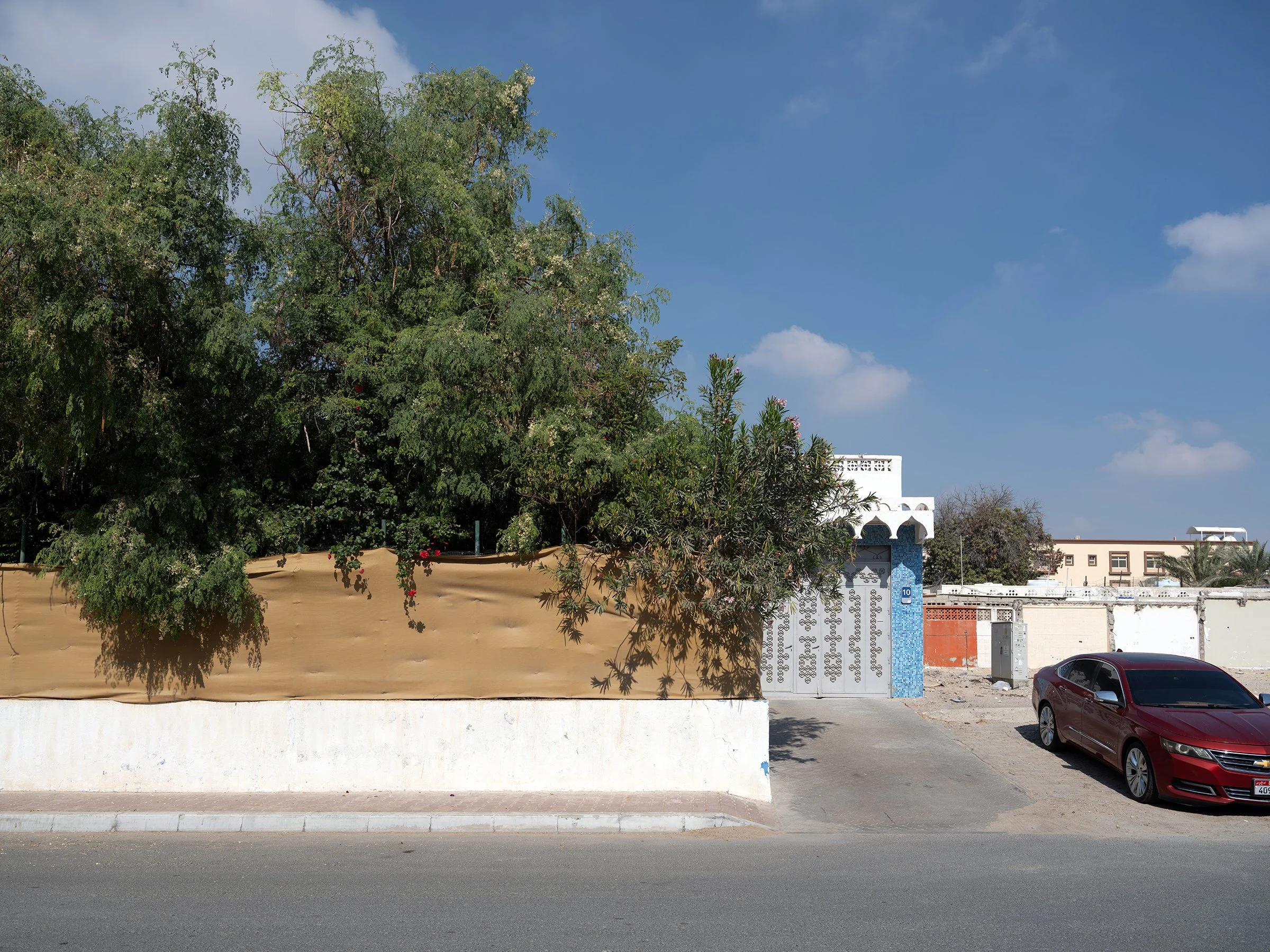
What emerges is a portrait of a typology under pressure. Many Sha’abi neighborhoods are in advanced stages of transformation, with original houses demolished or replaced by larger, inward-looking villas, while others are inhabited by migrant populations or remain partially abandoned. Yet amid this erosion, fragments persist—modified homes, cultivated gardens, decorated thresholds—offering insight into an earlier, more community-oriented mode of urban living. By assembling this material into a detailed archive and analytical framework, the project not only documents what remains but also positions the Sha’abi house as a critical reference for future housing policy, adaptive reuse strategies, and the preservation of everyday heritage in the UAE .
Below is a visual survey of Sha’abi housing in Baniyas, Shahama in Abu Dhabi. And in Al-Ain, Defaa’ and Maqam Sha’abiya. This is followed by analytical diagrams.