The Evolving Arab City: Tradition, Modernity and Urban Development
Introduction. The Great Divide: Struggling and Emerging Cities of the Arab World
Yasser Elsheshtawy
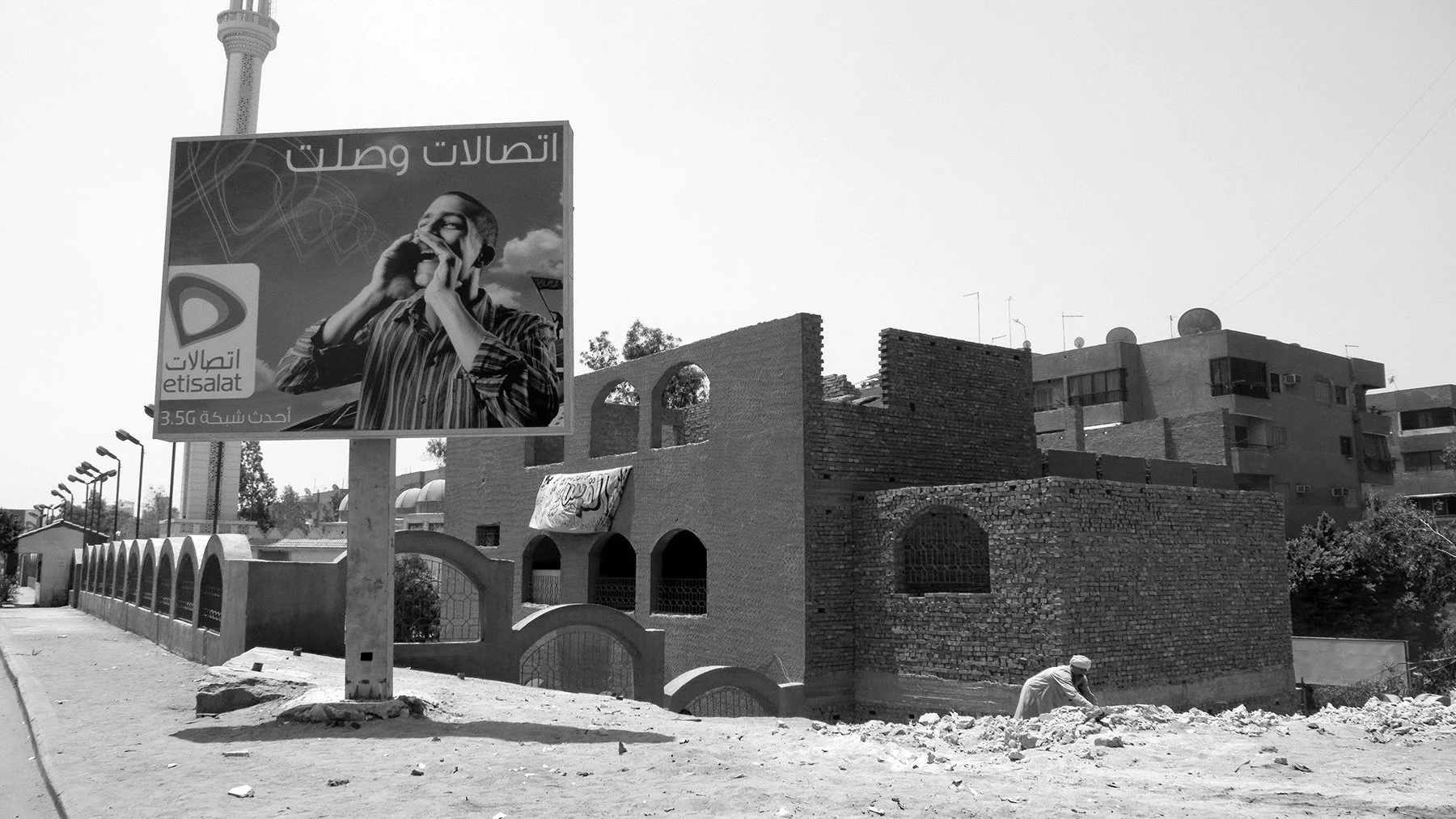
This chapter interrogates the condition of contemporary Arab cities through the lens of a widening “great divide” between struggling traditional centers and emerging Gulf metropolises. Engaging debates on globalization, exclusion, and world city theory, it critiques both essentialist narratives of decline and celebratory accounts of Gulf spectacularism. Through case studies ranging from Rabat, Amman, and Beirut to Riyadh, Doha, Kuwait, Manama, and Abu Dhabi, the chapter reveals how neoliberal capital, state power, and colonial legacies reshape urban form. While socio-spatial fragmentation deepens, the author identifies emerging civic voices and alternative urban practices that signal the possibility of a more inclusive Arab metropolis.
Prologue: The New Arab Metropolis
Fuad Malkawi
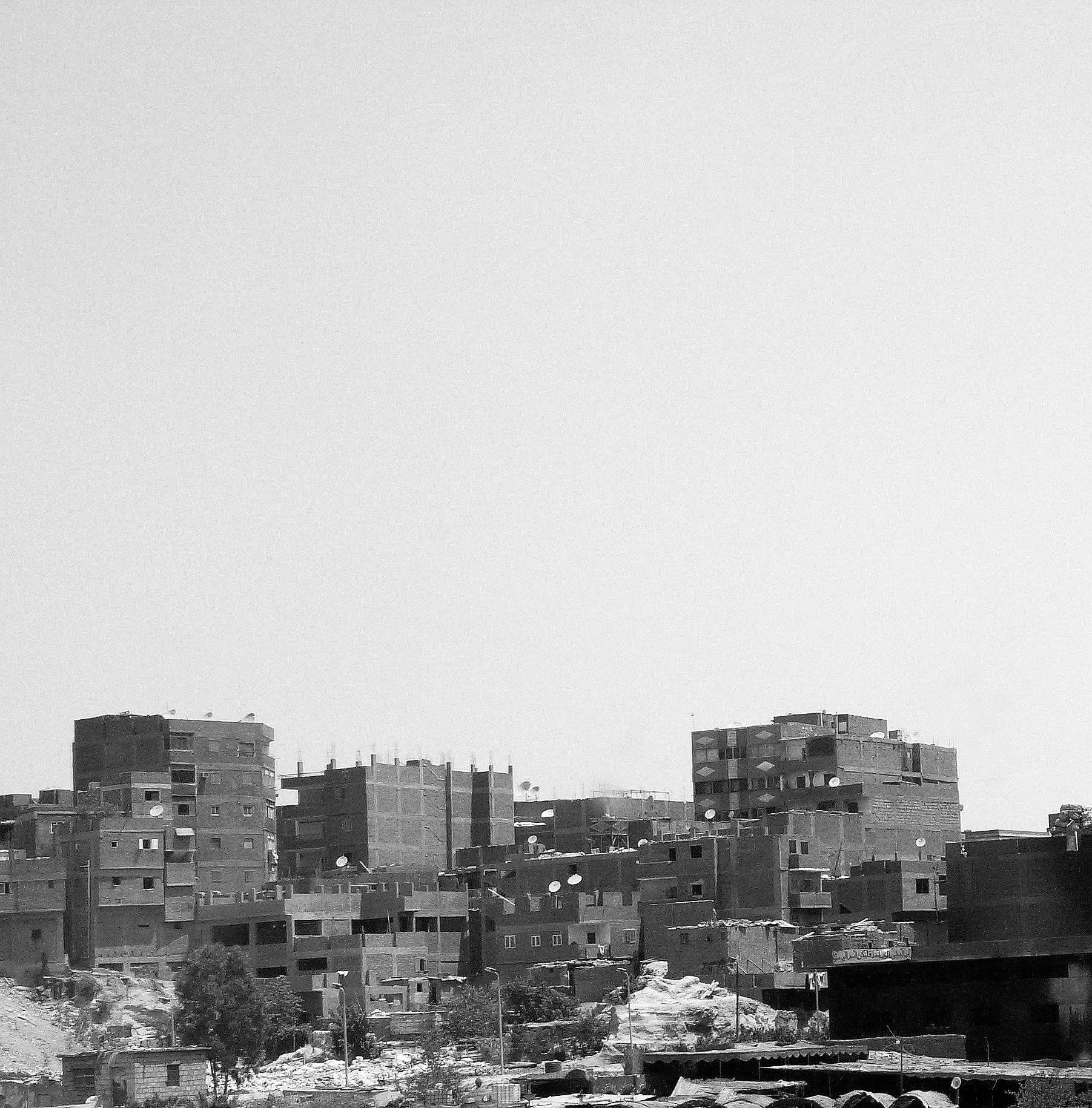
Fuad Malkawi critiques global city theory for excluding Arab cities and proposes “metropolisation” as a more productive framework for understanding their transformation. Rather than measuring cities solely by their rank in global economic networks, he emphasizes processes reshaping Arab urban centers: multiple centralities, fragmentation, governance challenges, and integration into global flows of capital and culture. The chapter traces earlier concerns with urbanization and metropolitan governance and argues that contemporary Arab cities require a new interdisciplinary research agenda. By examining degrees of metropolisation, scholars can better assess how these cities restructure space, economy, and identity within globalization’s uneven urban order.
PART 1: The Struggling Arab City
Amman: Disguised Genealogy, Recent Urban Restructuring and Neo-liberal Threats
Rami Farouk Daher
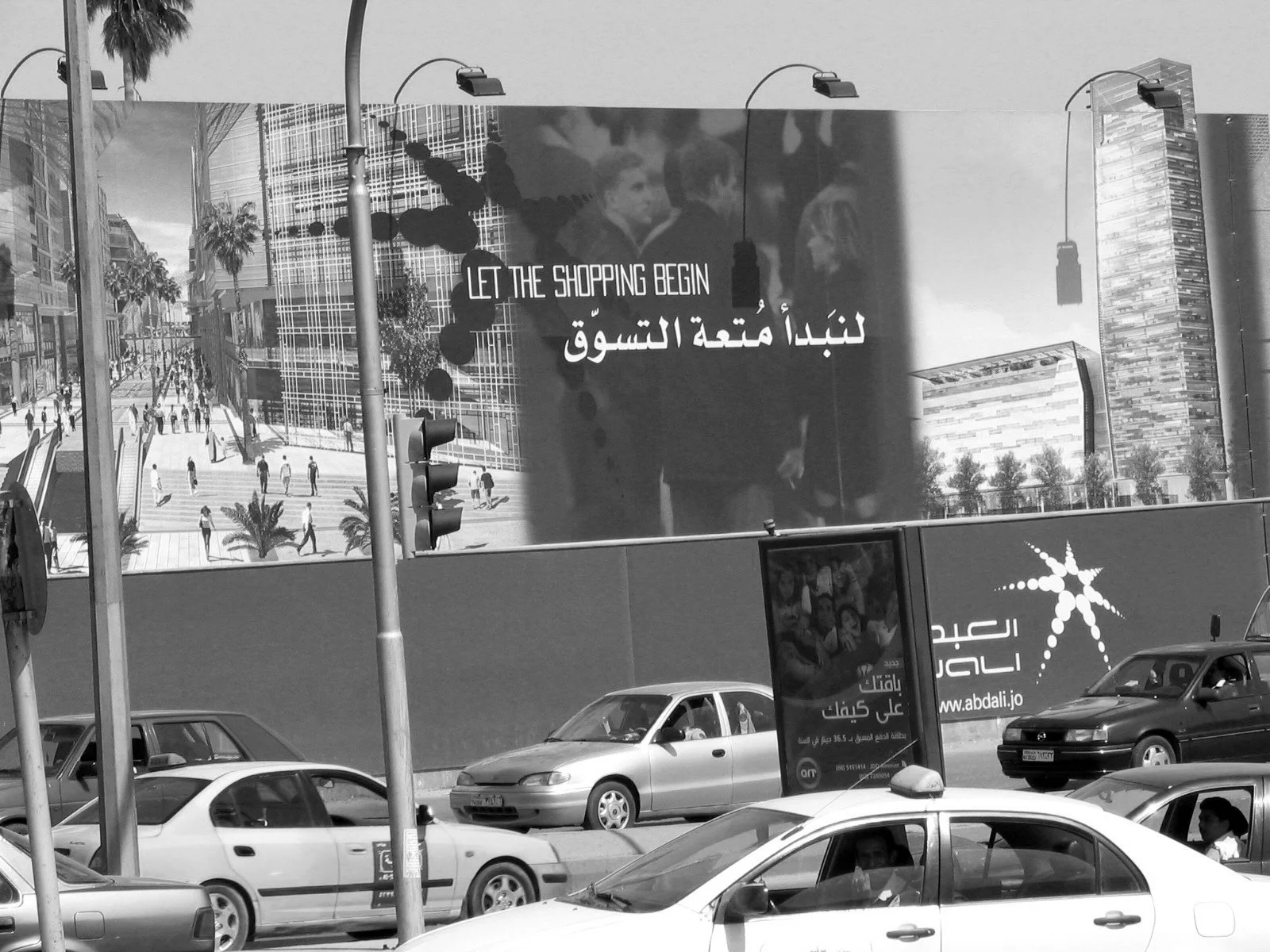
Chapter 3 analyzes Amman’s urban condition through two intertwined narratives: a “disguised genealogy” and a recent wave of neoliberal restructuring. It shows how Amman’s heterogeneous origins and migrant histories were long marginalized by official heritage narratives and by Orientalist “Islamic city” models, producing anxieties about urban identity. The chapter then examines the city’s contemporary transformation via mega-projects—especially Abdali—and the spread of malls, gated communities, and high-rise enclaves. It argues that state-enabled privatization and circulating Gulf capital intensify socio-spatial polarization, exclusion, and the “quartering” of urban space, even as municipal and civic initiatives attempt partial resistance.
From Regional Node to Backwater and Back to Uncertainty: The Refashioning of Beirut, 1943–2006
Sofia T. Shwayri
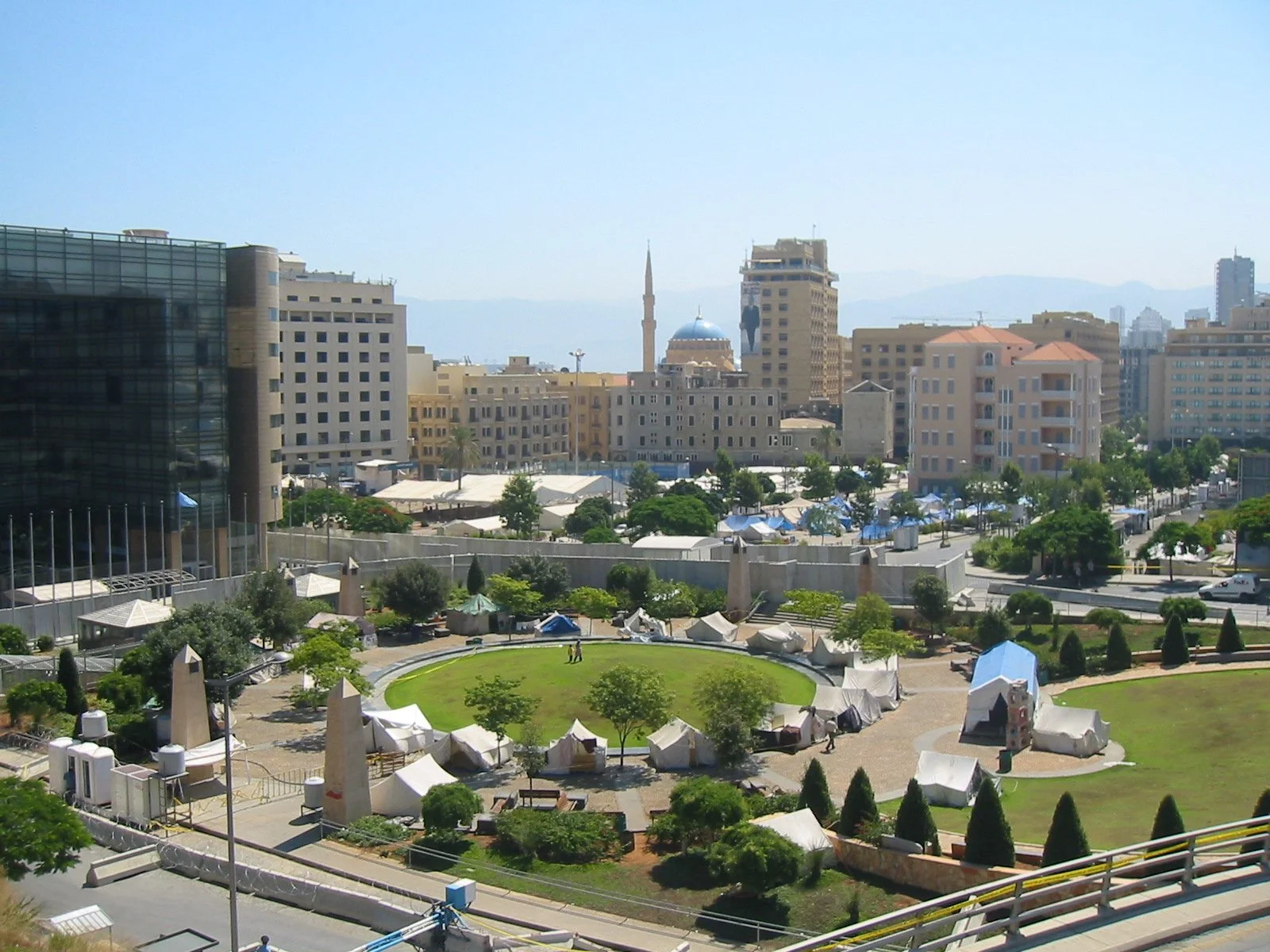
Chapter 4 examines the reconstruction of Beirut after the Lebanese civil war, focusing on the redevelopment of the city center through the private company Solidere. It argues that postwar rebuilding transformed Beirut into a neoliberal, finance-driven metropolis shaped by global capital and real estate speculation. While reconstruction restored infrastructure and symbolic centrality, it also privatized public space, erased layers of memory, and excluded former residents. The chapter highlights tensions between heritage, memory, and market urbanism, showing how Beirut’s rebirth reflects broader patterns of post-conflict globalization and raises critical questions about belonging, citizenship, and urban justice.
Rabat: From Capital to Global Metropolis
Jamila Bargach
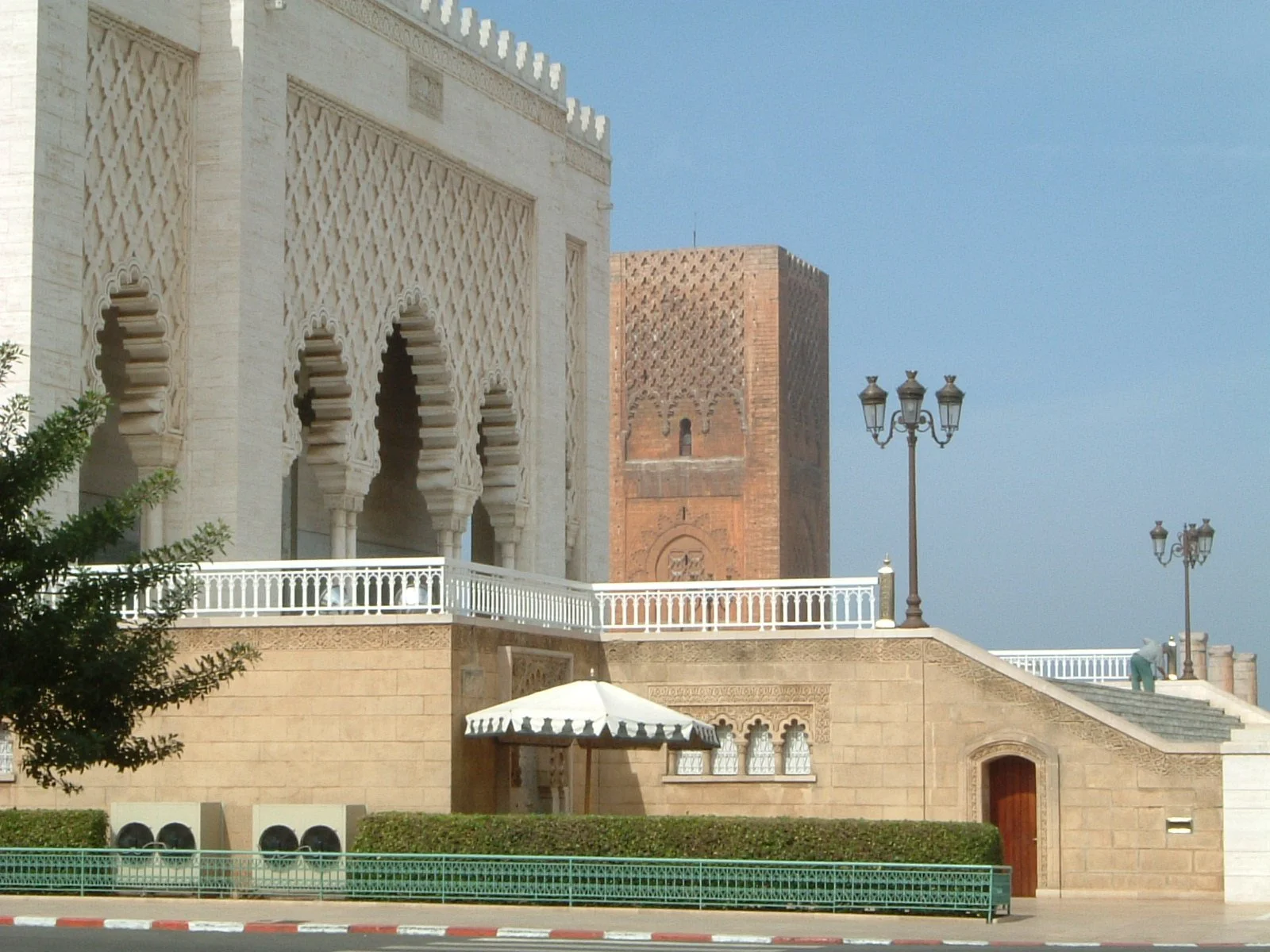
This chapter traces Rabat’s transformation from colonial capital to aspiring global metropolis through three major urban “ruptures.” The first emerged under French colonial planning (Lyautey and Ecochard), which institutionalized socio-spatial segregation. The second followed independence, marked by technocratic housing programs, informal expansion, and deepening class-based fragmentation. The third, ongoing rupture is driven by global capital, exemplified by the Bouregreg Valley redevelopment and the Emaar-funded Saphira project. While promoted as citizenship-oriented and globally competitive, these mega-projects prioritize luxury development and tourism, intensifying exclusion and privatization. The chapter argues that despite morphological change, Rabat continues reproducing patterns of socio-spatial inequality at a larger scale.
PART 2: The Emerging Arab City
Riyadh: A City of ‘Institutional’ Architecture
Mashary A. Al-Naim
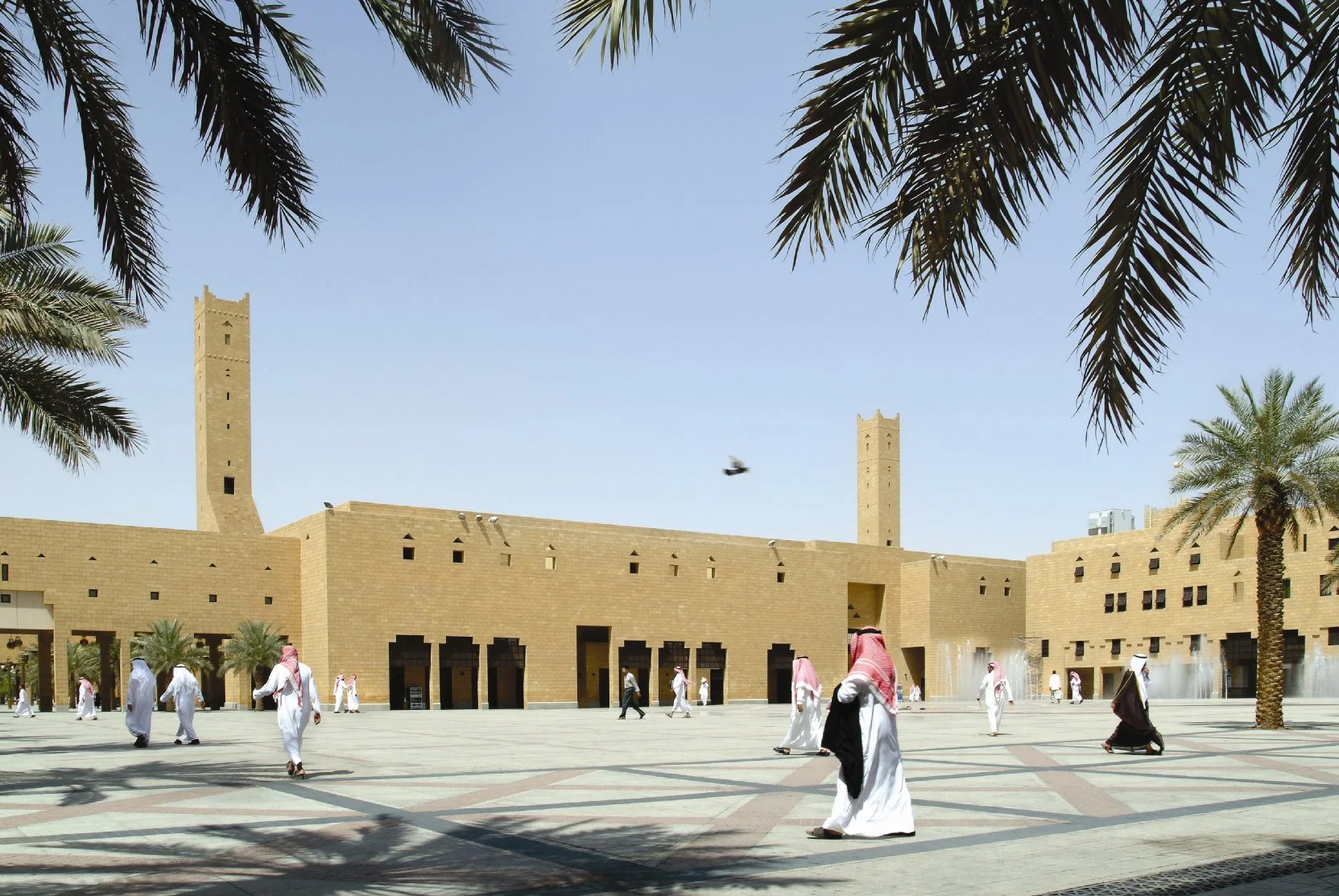
Chapter 6 analyzes the transformation of Riyadh from a compact Najdi town into a sprawling oil-era capital shaped by rapid modernization and state-led planning. It traces the implementation of successive master plans, superblock development, and highway-oriented expansion that restructured the city’s morphology. While oil wealth enabled infrastructure growth, housing provision, and monumental state projects, it also generated fragmentation, automobile dependency, and socio-spatial segregation. The chapter argues that Riyadh embodies the tensions between imported modernist planning models and local social structures, revealing how national ambition, global expertise, and rapid urbanization reshaped the Saudi capital’s spatial and social fabric.
Kuwait: Learning from a Globalized City
Yasser Mahgoub
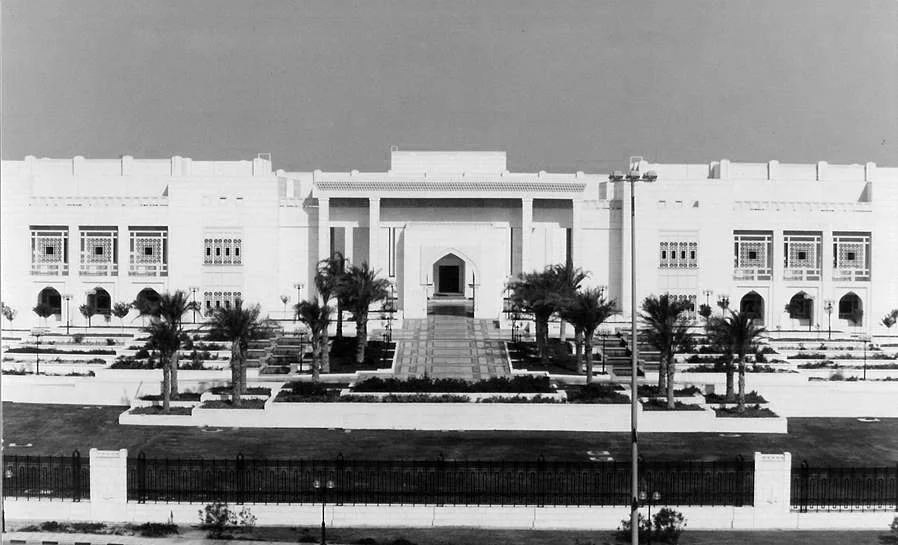
Chapter 6 examines the urban transformation of Kuwait City from a compact port settlement into a modern oil metropolis shaped by welfare urbanism and state-led planning. It traces the post-1950s master planning era, including the demolition of the old wall, the construction of ring roads, suburban housing distribution, and large-scale public infrastructure. While oil wealth enabled generous housing provision and modernization, it also produced spatial dispersal, car dependency, and socio-spatial segmentation between citizens and migrant populations. The chapter argues that Kuwait’s urban form reflects a distinctive blend of welfare-state planning, modernist vision, and emerging neoliberal pressures.
Manama: The Metamorphosis of a Gulf City
Mustapha Ben Hamouche
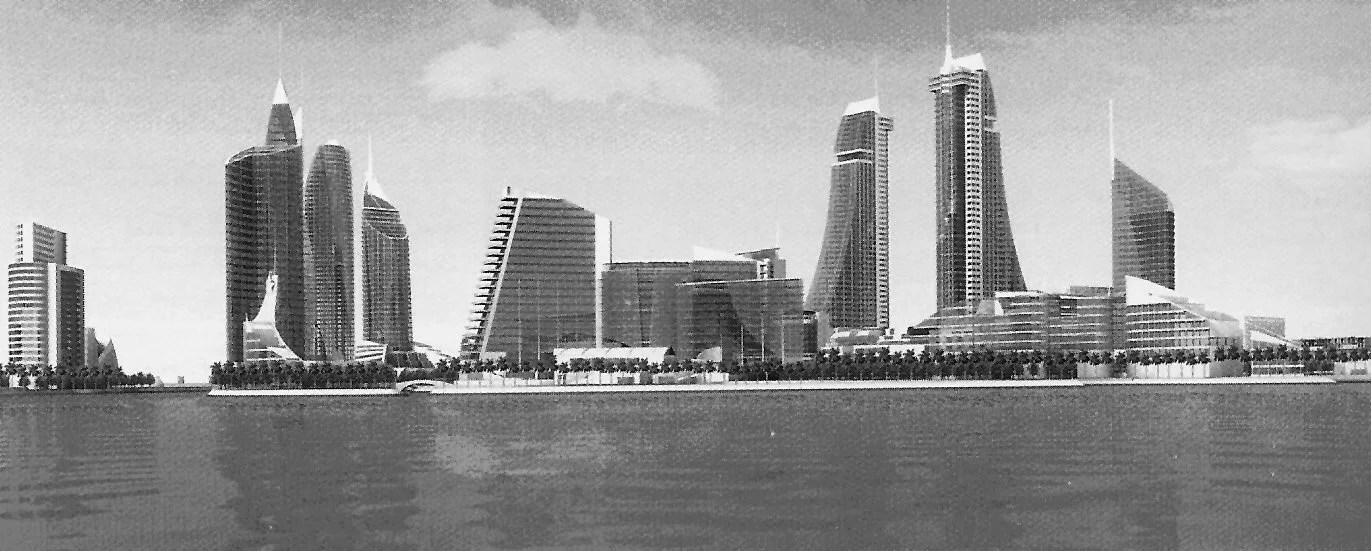
Chapter 8 examines the transformation of Manama into a finance-driven Gulf metropolis shaped by offshore banking, land reclamation, and state-led redevelopment. It traces Bahrain’s early integration into global trade networks and its strategic positioning as a regional financial hub. Waterfront megaprojects, reclaimed islands, and business districts restructured the urban core, symbolizing global-city aspirations. Yet this growth has intensified socio-spatial segmentation, privatized enclaves, and reliance on migrant labor. The chapter argues that Manama represents an early Gulf experiment in neoliberal urbanism, where financial globalization reshapes morphology while reproducing inequality and fragmented urban citizenship.
Rediscovering the Island: Doha’s Urbanity from Pearls to Spectacle
Khaled Adham
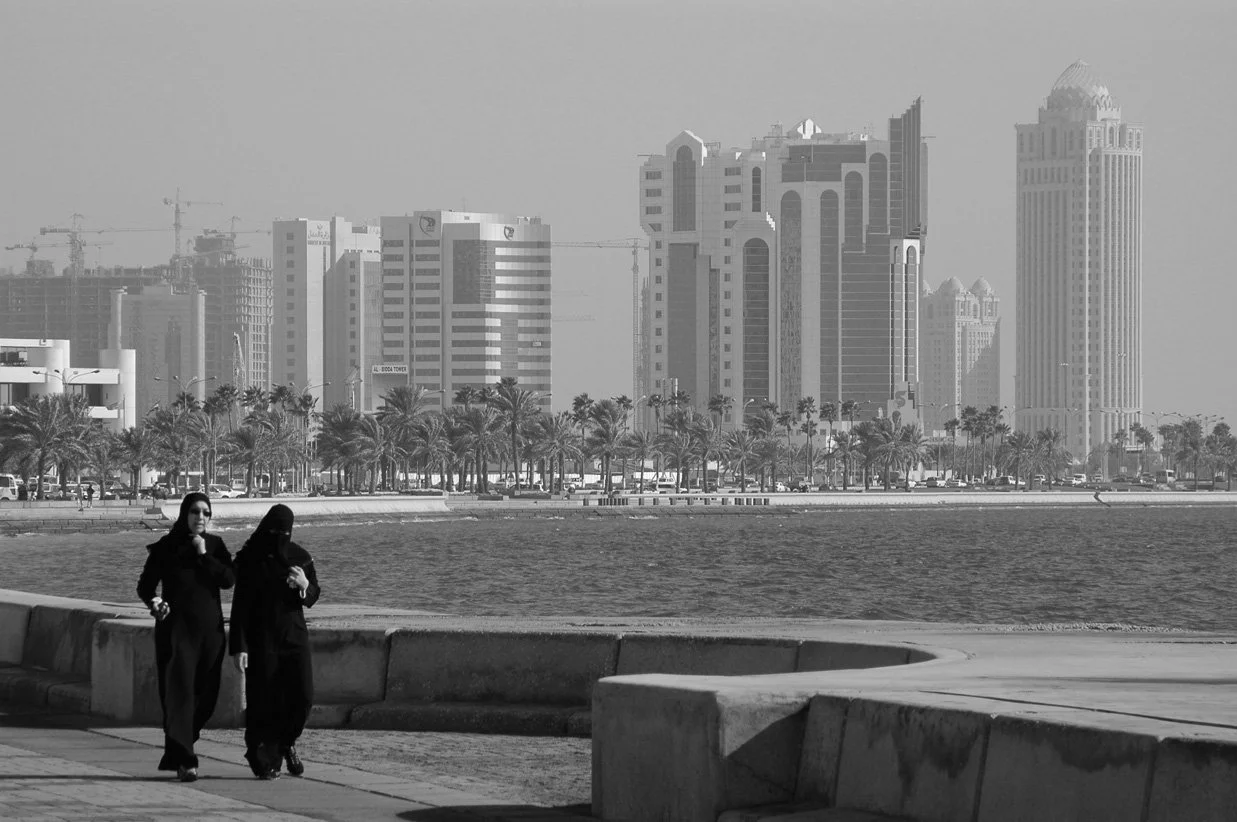
Chapter 9 analyzes the transformation of Doha as a rapidly expanding Gulf capital shaped by hydrocarbon wealth, state-led development, and global architectural ambition. It examines large-scale projects, waterfront redevelopment, and iconic cultural institutions as instruments of nation-building and global positioning. While these interventions project an image of modernity and international integration, they also produce spatial fragmentation, reliance on migrant labor, and differentiated access to urban space. The chapter argues that Doha’s urban trajectory reflects a controlled, state-driven model of globalization in which spectacle, identity construction, and socio-spatial hierarchy coexist.
Cities of Sand and Fog: Abu Dhabi’s Arrival on the Global Scene
Yasser Elsheshtawy
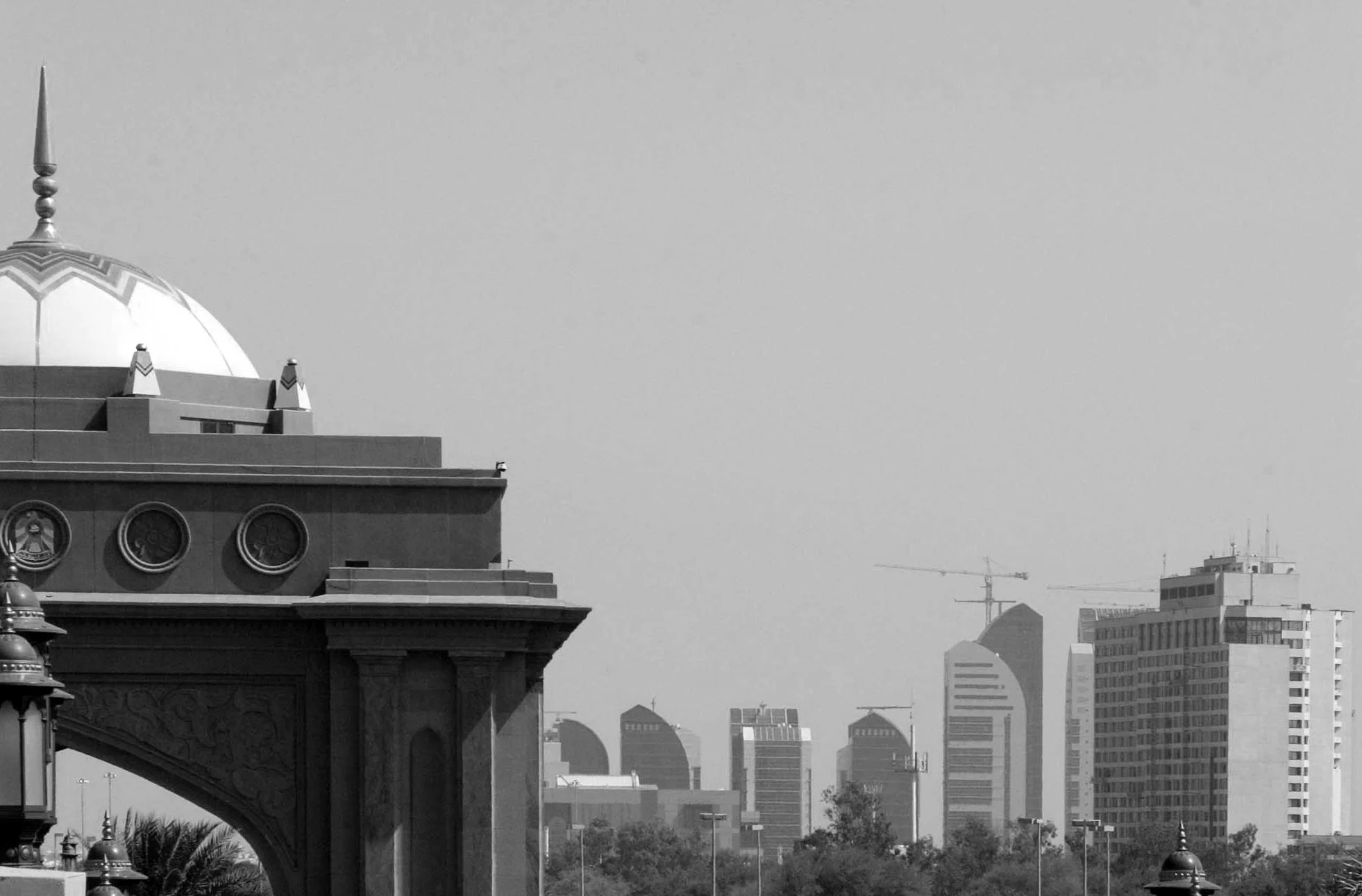
Chapter 10 examines Abu Dhabi’s transformation from a modest pearling settlement into a globalizing capital shaped by oil wealth, state power, and ambitious urban visions . Framed through Abdulrahman Munif’s Cities of Salt, the chapter traces five phases of development, highlighting tensions between tradition and modernization. It critiques exclusionary megaprojects such as the Central Market redevelopment and Saadiyat Island’s cultural district, arguing that these projects prioritize spectacle and global capital over everyday urban life. While Abu Dhabi adopts global-city rhetoric and iconic architecture, the chapter questions whether these developments create inclusive urbanism or merely reproduce sanitized, consumption-driven environments.