Planning Middle Eastern Cities. Chapters
Chapter 1. The Middle East City: Moving beyond the Narrative of Loss
Yasser Elsheshtawy
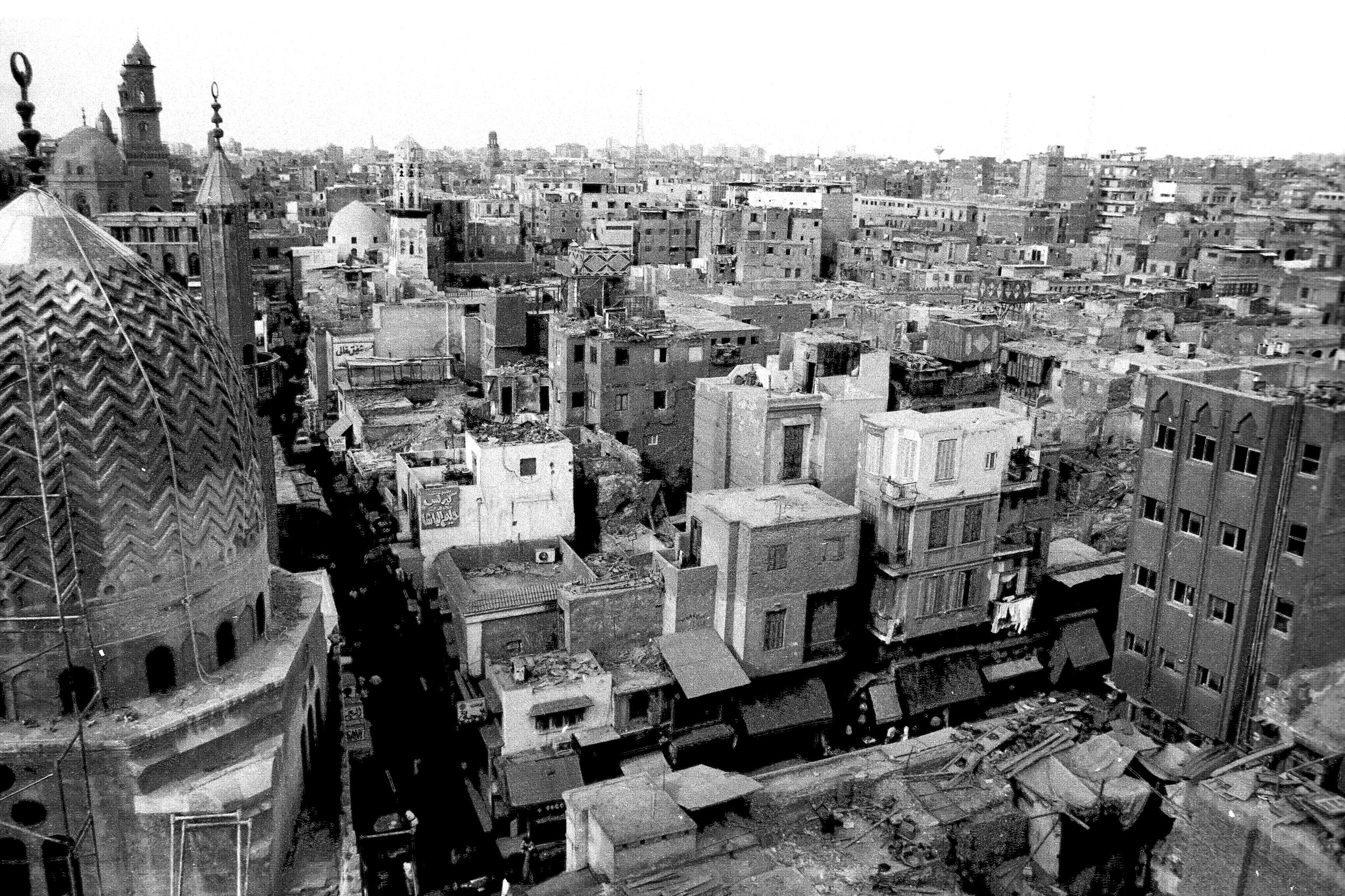
Chapter 1 challenges the dominant “narrative of loss” that frames Middle Eastern cities as stagnant, religiously determined, or victims of colonialism. Elsheshtawy critiques the monolithic “Islamic city” model and argues for understanding Arab cities within broader global processes of modernization, capitalism, and globalization. Rather than passive recipients of external forces, these cities actively negotiate and reshape global dynamics. Through diverse case studies—from Algiers and Baghdad to Cairo and Dubai—the book proposes a multidimensional “urban kaleidoscope,” emphasizing hybridity, internal agency, and social polarization. The chapter calls for moving beyond essentialist readings toward a more nuanced, globally situated understanding of urban transformation.
Chapter 2. The Merits of Cities’ Locations
Jamel Akbar
In “Merits of Cities Locations,” Jamel Akbar critiques capitalism and globalization for producing socially polarized, parasitic cities dependent on surrounding regions. He argues that contemporary Arab cities reflect unjust systems of rights that concentrate wealth and power. Drawing on Islamic legal principles—such as access to resources, revivification of land (ihya’ al-mawat), zakat, and support for the traveler (ibn as-sabil)—he proposes an alternative framework. In this model, resources remain accessible, land ownership requires productive use, and wealth circulates locally. Such principles would generate settlements located according to resource “merit,” reducing inequality, limiting speculation, and fostering economically balanced, globally connected communities.
Chapter 3. The Spatial Development and Urban Transformation of Colonial and Postcolonial Algiers
Karim Hadjri and Mohamed Osmani
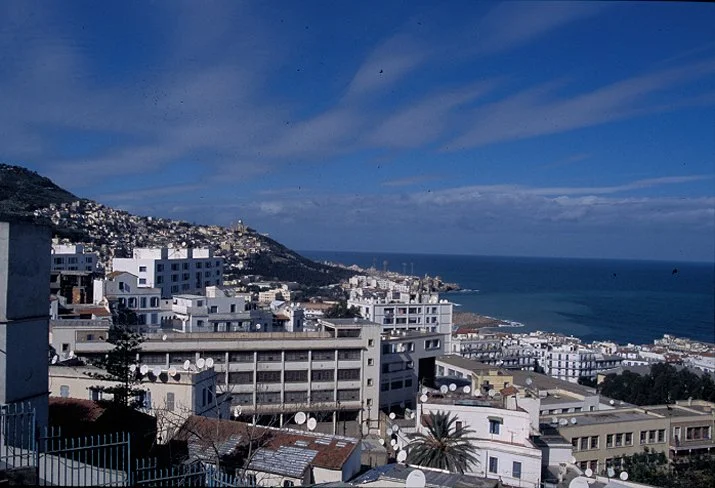
This chapter traces the spatial development of Algiers from the pre-colonial Casbah through French colonization and into the post-independence era. It argues that colonial intervention imposed a dual urban structure, superimposing a European grid and monumental boulevards onto the medina, producing segregation, displacement, and the marginalization of the Casbah. Post-1962 planning oscillated between socialist modernization, mass housing (Grands Ensembles and ZHUN), and later free-market reforms, yet failed to resolve housing shortages, informal growth, and infrastructure deficits. Despite ambitious metropolitan visions, weak implementation, political instability, and neglect of heritage—especially the Casbah—have prevented Algiers from fully emerging as a coherent regional metropolis.
Chapter 4. Globalization and the Search for Modern Local Architecture: Learning from Baghdad
Hoshiar Nooradin
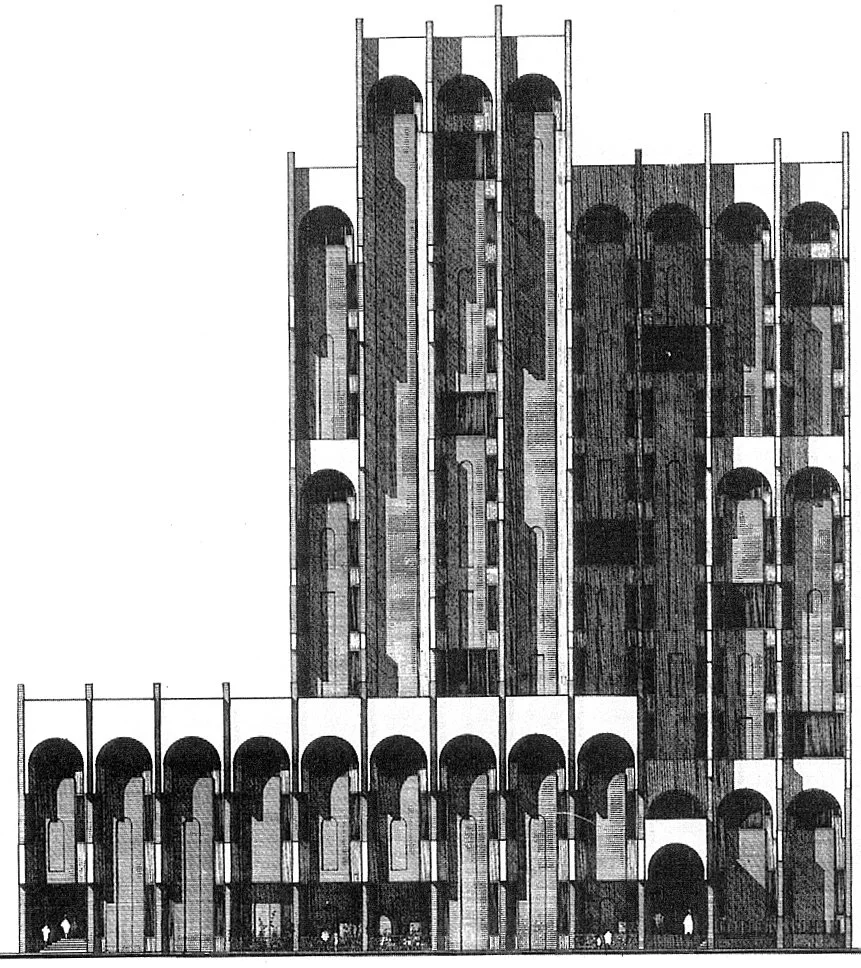
This paper examines how twentieth-century globalization shaped Baghdad’s urban planning and architectural identity. Nooraddin argues that shifting political regimes, imported legal systems, and reliance on international firms fragmented the city’s architectural character. From Ottoman reforms and British colonial planning to Doxiadis’s master plan and Baath-era megaprojects, each phase redefined Baghdad’s spatial logic. Local architects such as Rifat Chadirji and Mohammed Makiya sought a modern Iraqi architecture by mediating between international modernism and tradition, yet outcomes remained diffused. The study concludes that rebuilding Iraq requires democratizing architectural practice, strengthening local regulatory frameworks, and fostering balanced collaboration between global expertise and rooted local knowledge.
Chapter 5. Sana’a: Transformation of the Old City and the Impacts of the Modern Era
Khaled A. Al-Sallal
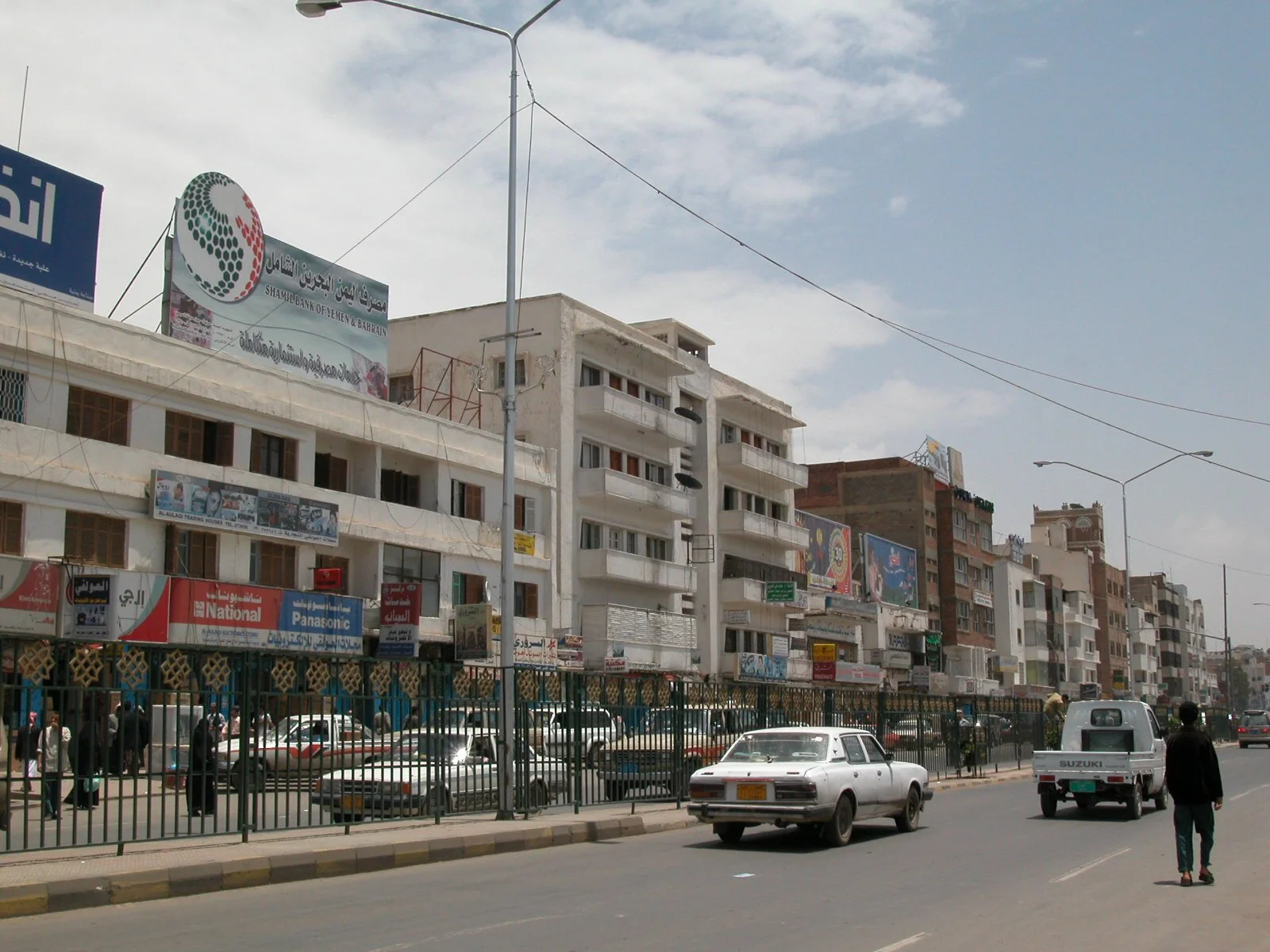
This study analyzes the profound architectural and urban transformations of Sana’a following the 1962 revolution. Al-Sallal contrasts the vertically organized, climatically responsive, and socially cohesive vernacular tower-house city with the horizontally sprawling, fragmented modern districts shaped by migration, remittances, and globalization. Traditional clusters integrated gardens, social squares, passive solar design, and culturally embedded spatial hierarchies. In contrast, contemporary villas and apartment blocks lack environmental logic, communal structure, and architectural coherence. Rapid expansion, weak planning, and ecological stress—especially water depletion—threaten both heritage and sustainability. The study calls for a comprehensive design methodology that synthesizes socio-cultural values and environmental performance to guide future architecture.
Chapter 6. Lake Tunis, or the Concept of the Third Centre
Bechir Kenzari
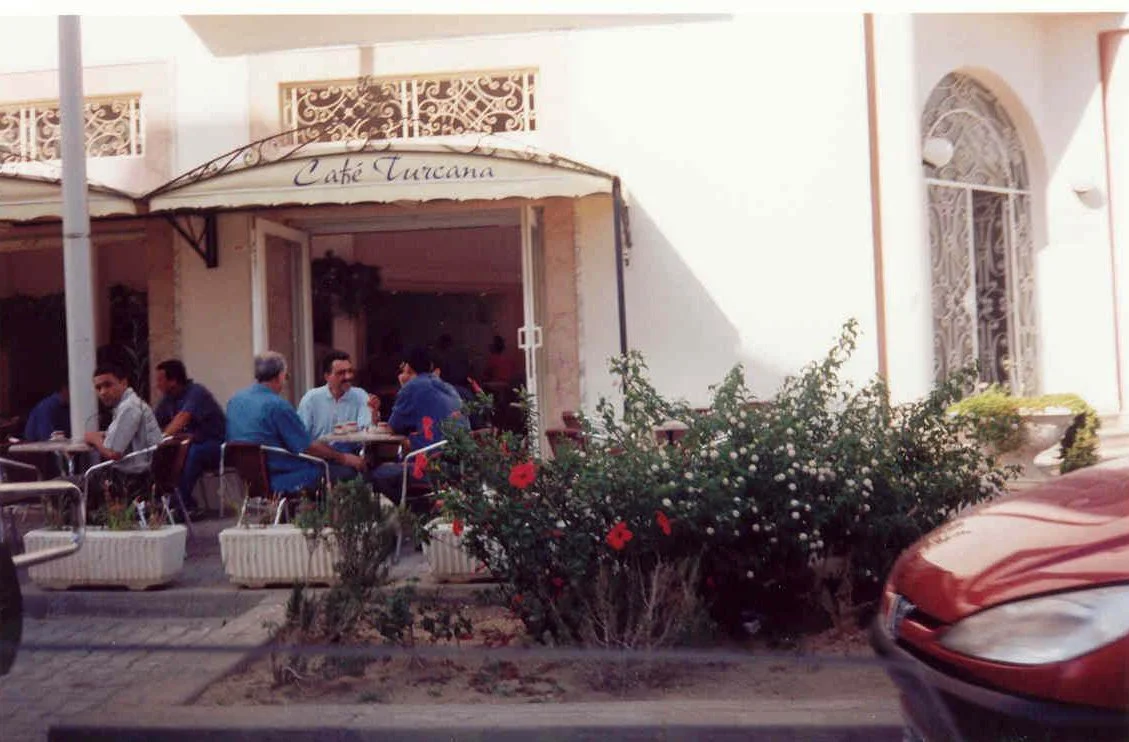
This chapter examines the transformation of Tunis from a bipolar city—medina and European colonial center—into a tri-centered metropolis shaped by the Lake Tunis Project. It traces how colonial planning displaced the medina’s centrality and how post-independence suburbanization intensified spatial fragmentation and informal growth. The rehabilitation of the polluted North and South Lakes, supported by international investment and environmental engineering, enabled massive land reclamation and the creation of a new tertiary and residential hub. This “third center” reflects globalization’s economic logic and ecological discourse, yet reveals tensions between planning ideals, market forces, heritage, and uneven urban development.
Chapter 7. Cairo’s Urban Déjà Vu: Globalization and Urban Fantasies
Khaled Adham
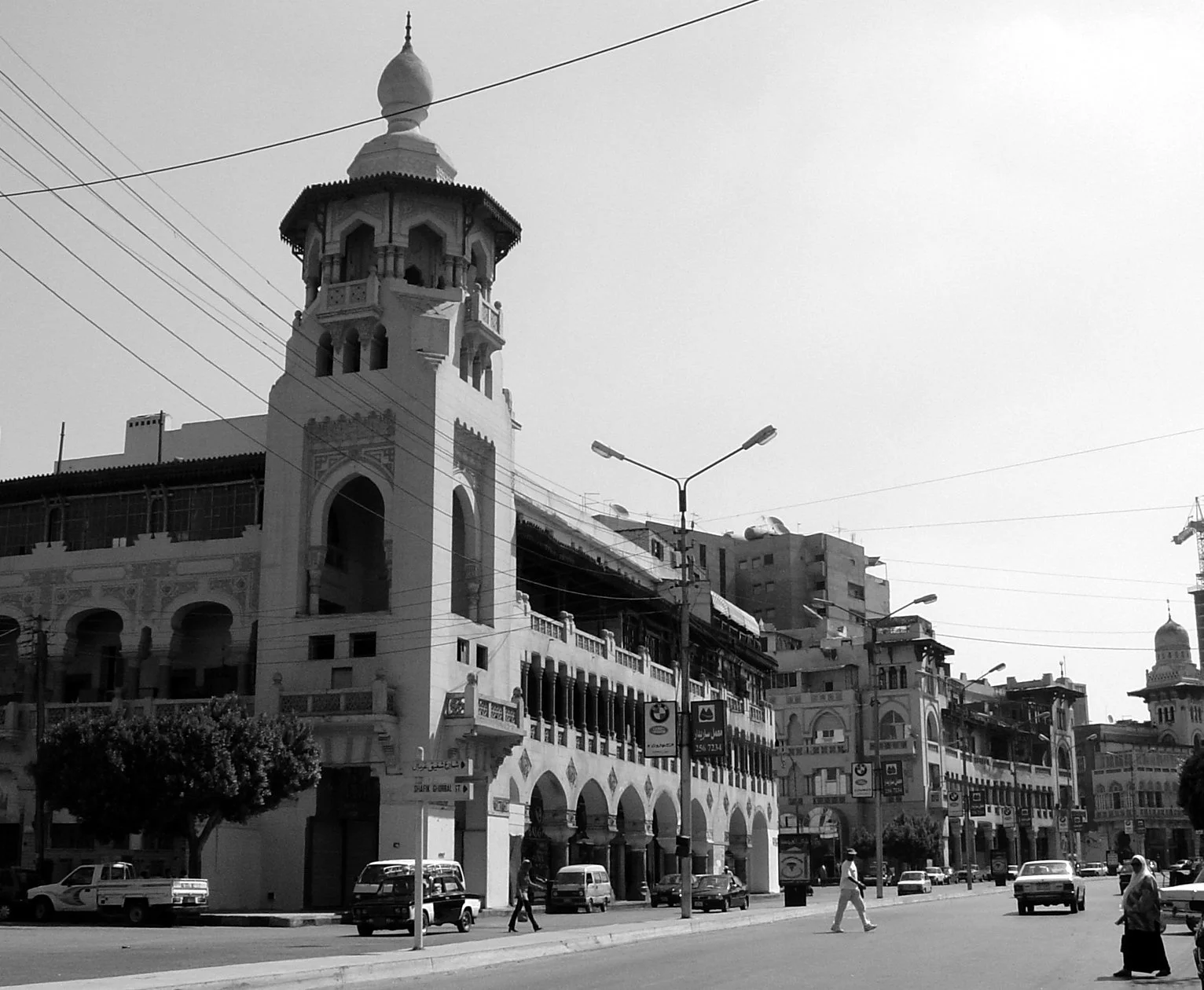
This chapter analyzes Cairo’s encounter with globalization through the lens of large-scale urban projects and speculative suburban expansion. It traces the city’s layered history—from the historic core and Khedival downtown to post-1952 state-led planning and neoliberal reforms—highlighting how new desert cities, gated communities, and megaprojects such as Dreamland reconfigured spatial hierarchies. While these developments promise modernization and global integration, they intensify socio-spatial polarization, infrastructure strain, and informal growth. The chapter argues that Cairo’s fragmented urbanism reflects the tensions between state ambition, private capital, and everyday survival, revealing a metropolis negotiating identity amid rapid transformation and inequality.
Chapter 8. Redrawing Boundaries: Dubai, an Emerging Global City
Yasser Elsheshtawy
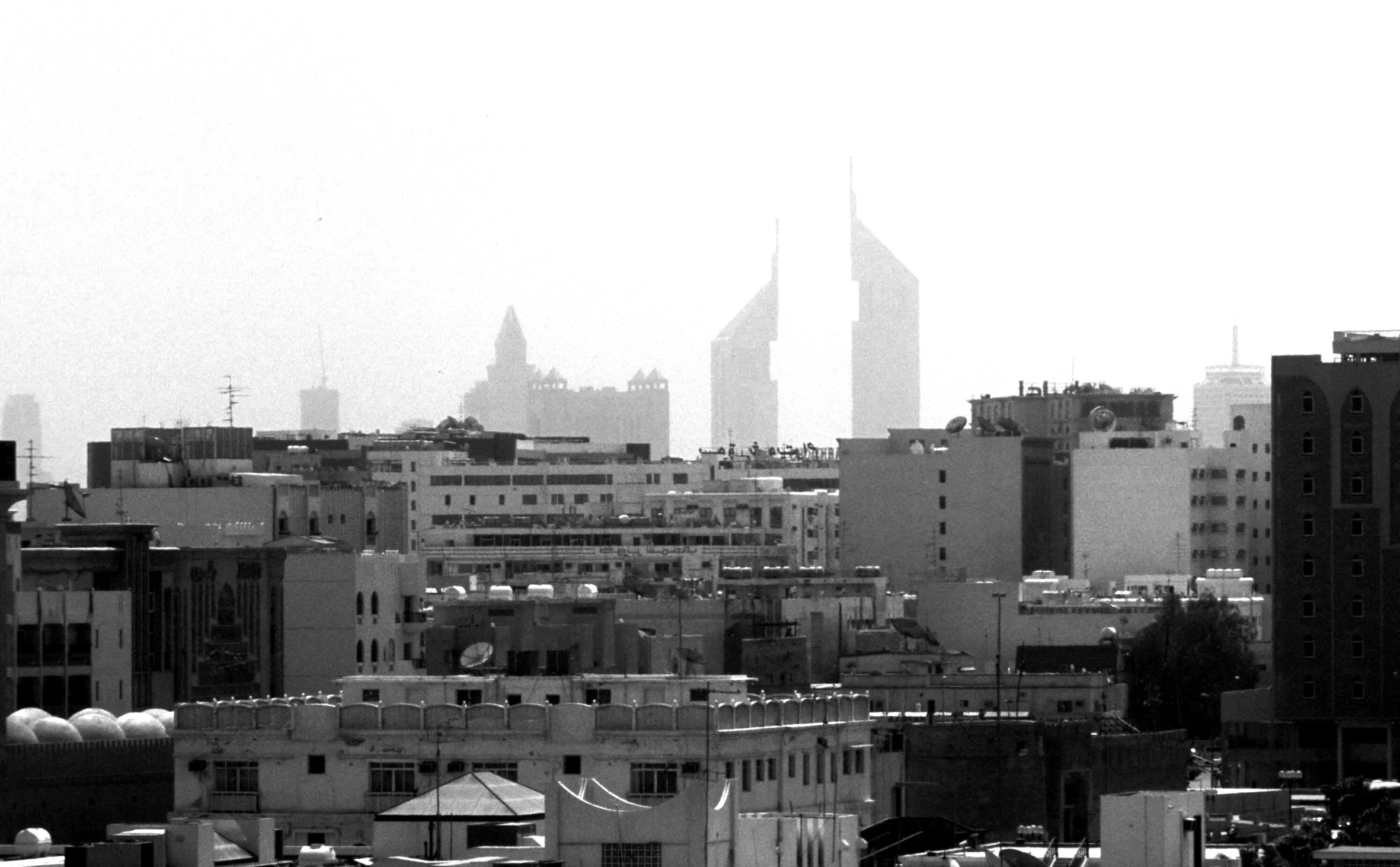
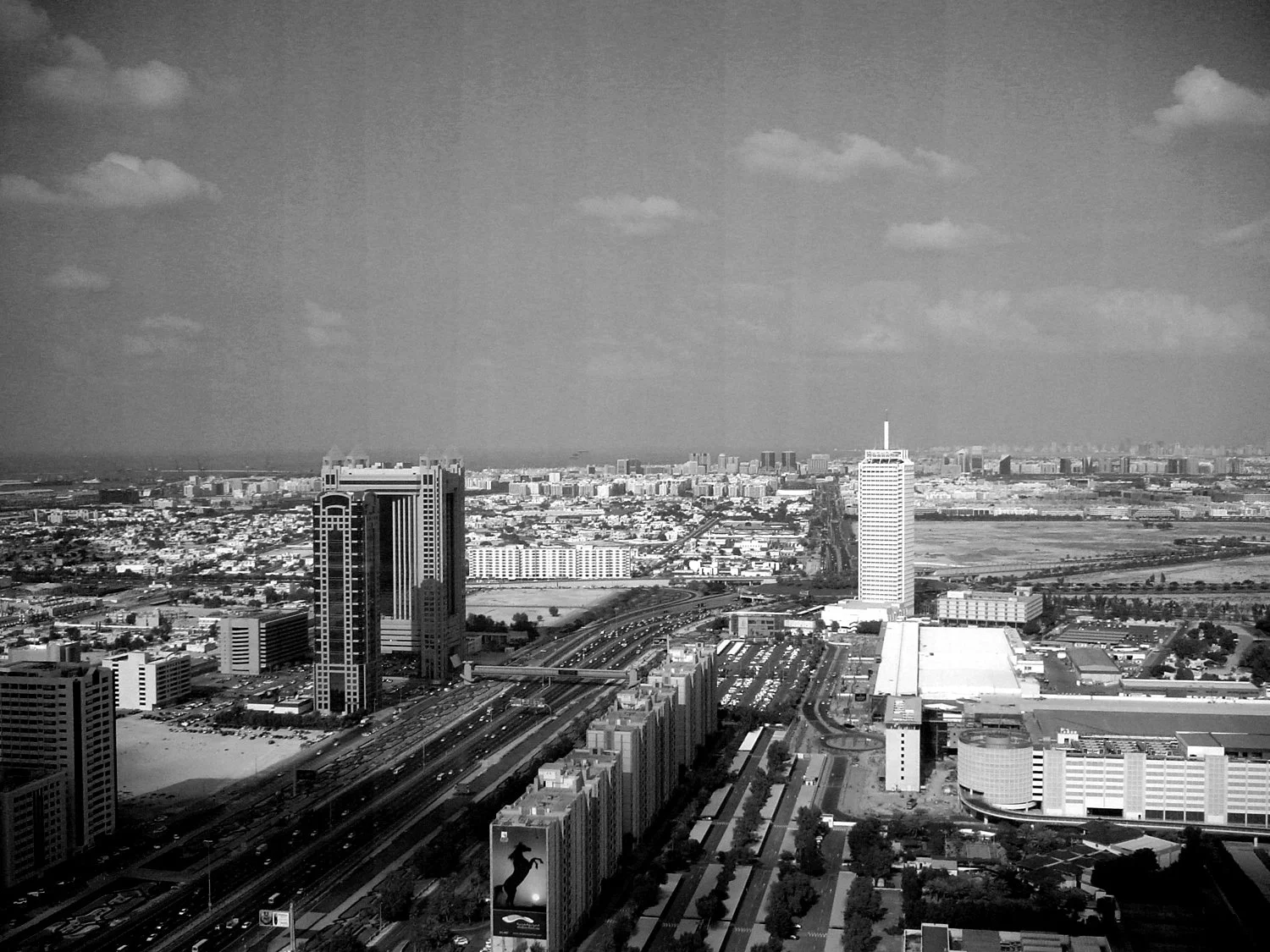
This chapter critically examines Dubai’s transformation into an emerging global city through megaprojects such as Burj Al Arab and Palm Island. Situating the city within globalization and hybridity debates, it argues that Dubai’s iconic developments construct a marketable global identity while reinforcing socio-spatial polarization and exclusivity. Historically shaped by trade, colonial treaties, migration, and oil-driven modernization, Dubai evolved into a fragmented metropolis structured around free zones, themed enclaves, and symbolic architecture. While these projects foster national pride and economic growth, they privilege elite transnational actors and marginalize low-wage migrants, revealing globalization as both identity-making and boundary-producing.