Part I: City Governance for the People
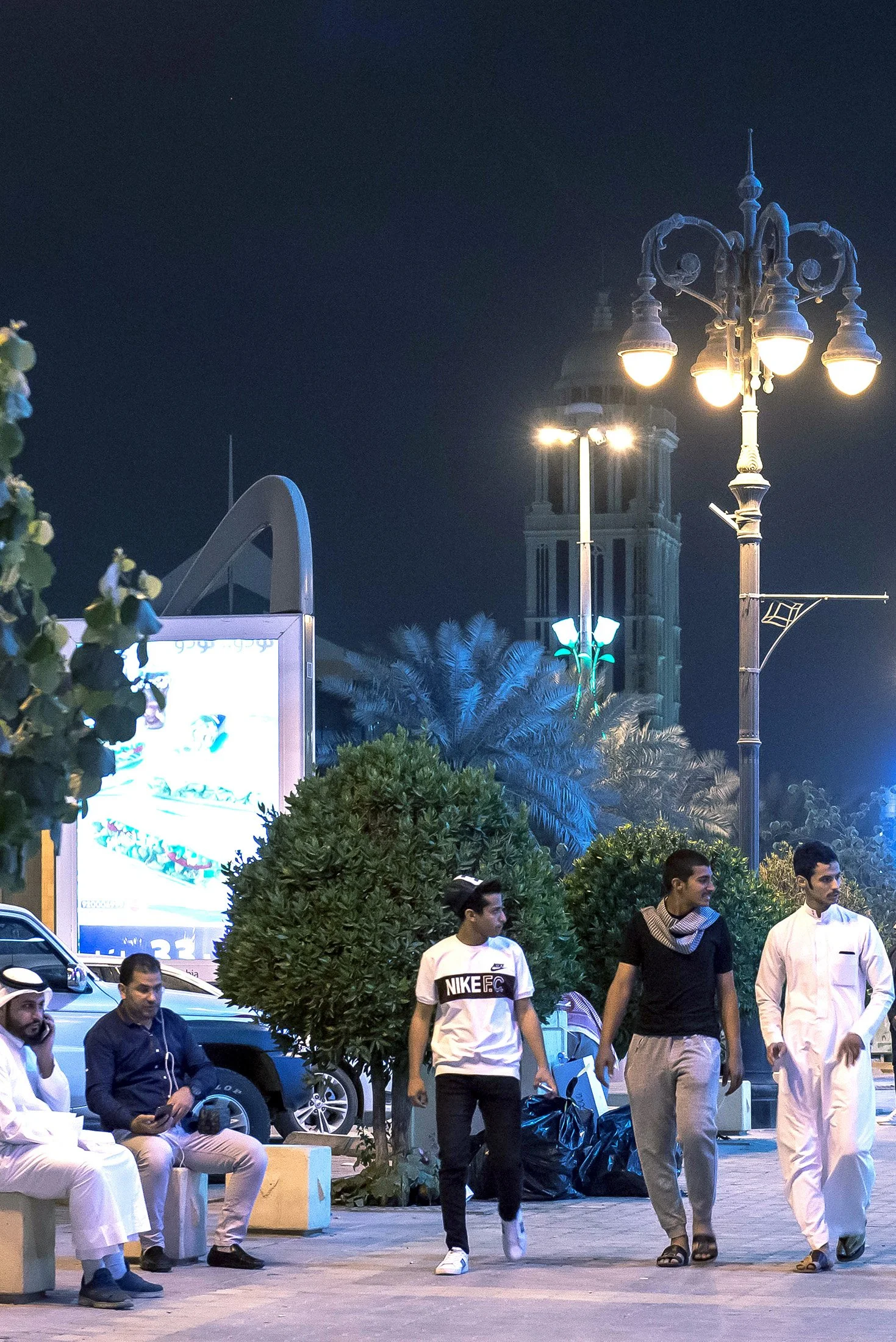
Part I establishes the conceptual and experiential foundation of the book by reframing Riyadh as a lived and inhabited city rather than a spectacle-driven Gulf archetype. Chapter 1 begins with a personal re-encounter, using memory and observation to challenge dominant narratives that portray Gulf cities as sanitized investment landscapes. Riyadh instead emerges as a layered metropolis marked by informality, social diversity, and everyday urban life, whose recent turn toward livability signals a meaningful shift in its planning paradigm. Chapter 2 situates this shift within a broader discussion of urban governance, examining how mayors can shape cities by prioritizing people over iconic form or mega-projects. Through comparative cases from Curitiba, Bogotá, New York, and Amman, it positions Riyadh’s transformation within global debates on leadership, decentralization, and reform, highlighting the role of former mayor Abdulaziz bin Ayyaf. Chapter 3 provides the theoretical backbone by tracing the evolution of people-centered urbanism, from critiques of modernism to contemporary practices focused on street life, walkability, and public space, framing humanization as both a global discourse and a locally grounded project.
AR EN
Chapter 1 . Introduction: Discovering Riyadh
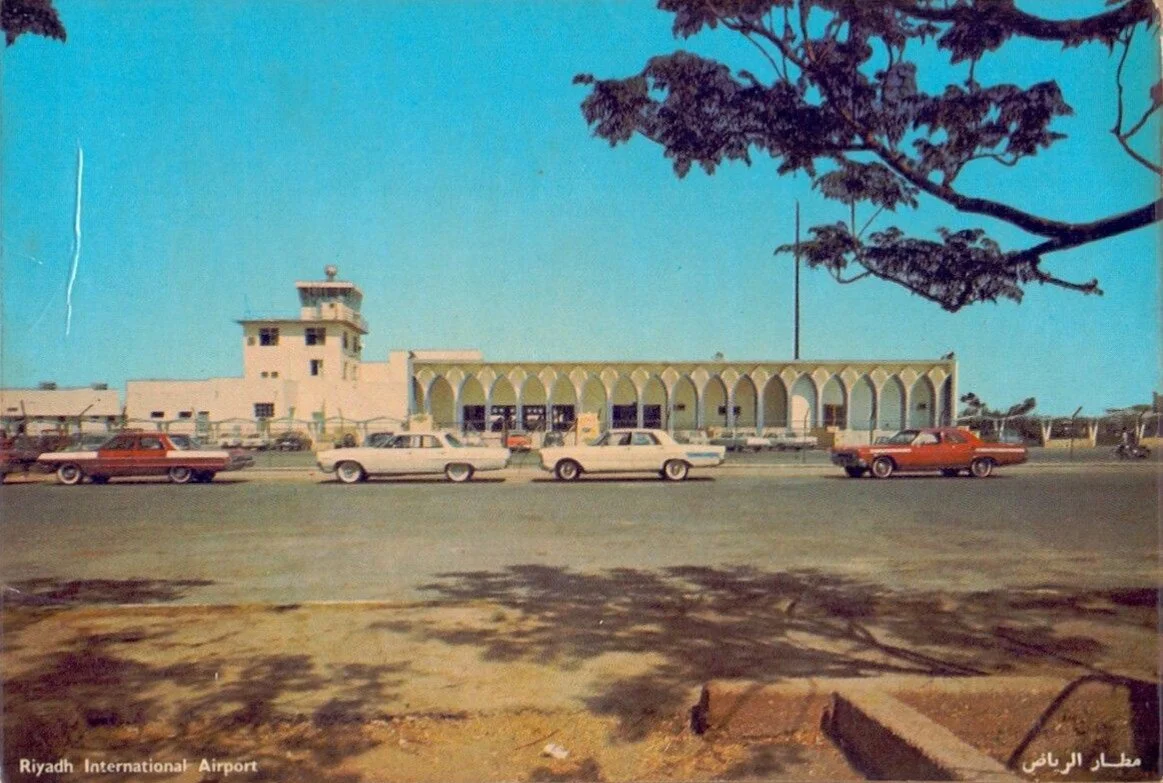
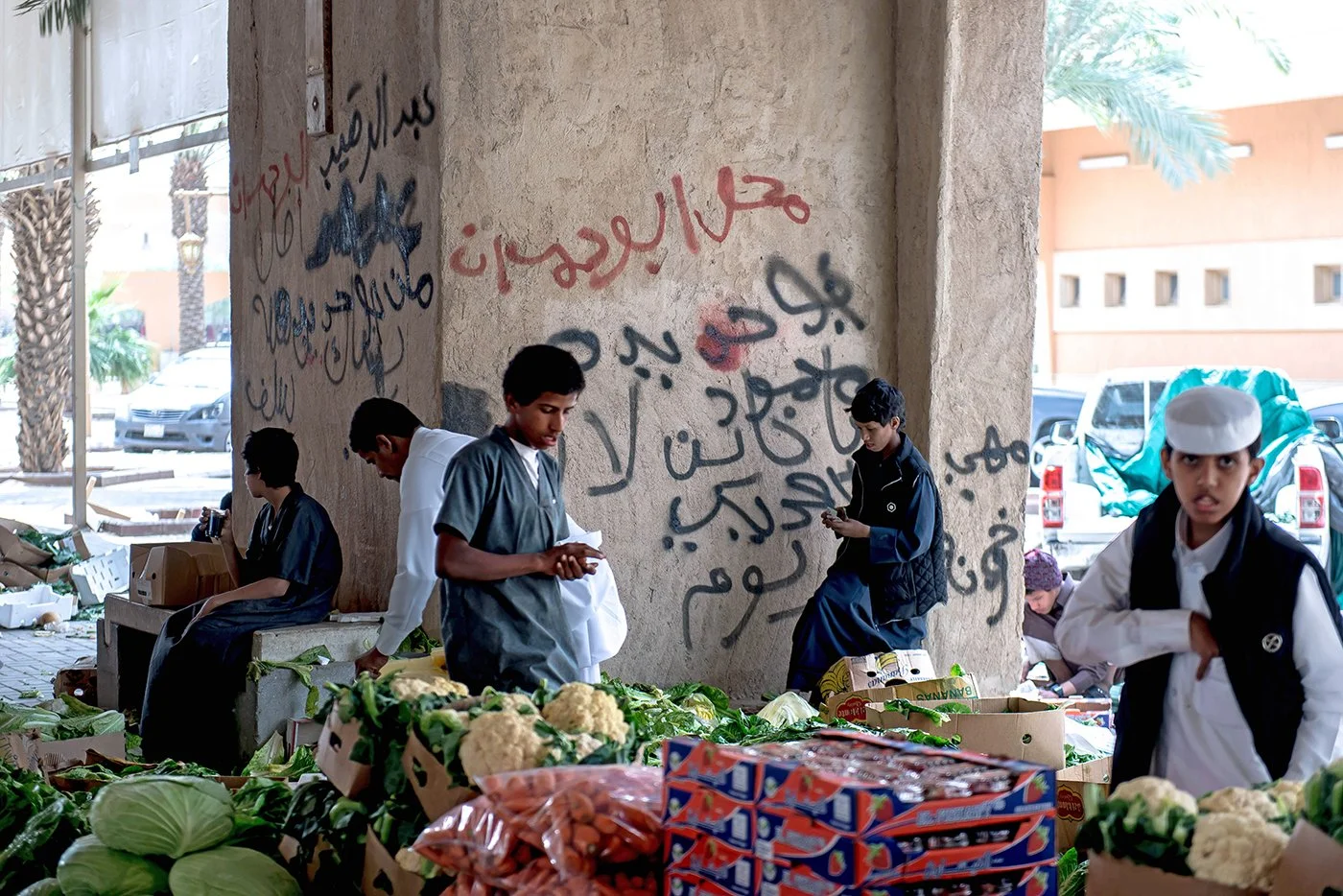
Old Airport — Small Farmers Market
Chapter 1 introduces the book through a personal rediscovery of Riyadh, using memory and return to challenge clichés of Gulf urbanism. Rather than a spectacle-driven brand, Riyadh is presented as a layered, inhabited city with historical depth and social diversity. The chapter argues that dominant narratives shaped by Dubai obscure alternative regional trajectories. Tracing Riyadh’s development from the 1950s onward, it highlights a shift toward people-centered planning in the late 1990s under former mayor Prince Abdulaziz bin Ayyaf, whose humanization initiative prioritized livability and public space. The chapter frames Riyadh as a lens to rethink governance and urban representation.
Chapter 2 . Mayors and the City
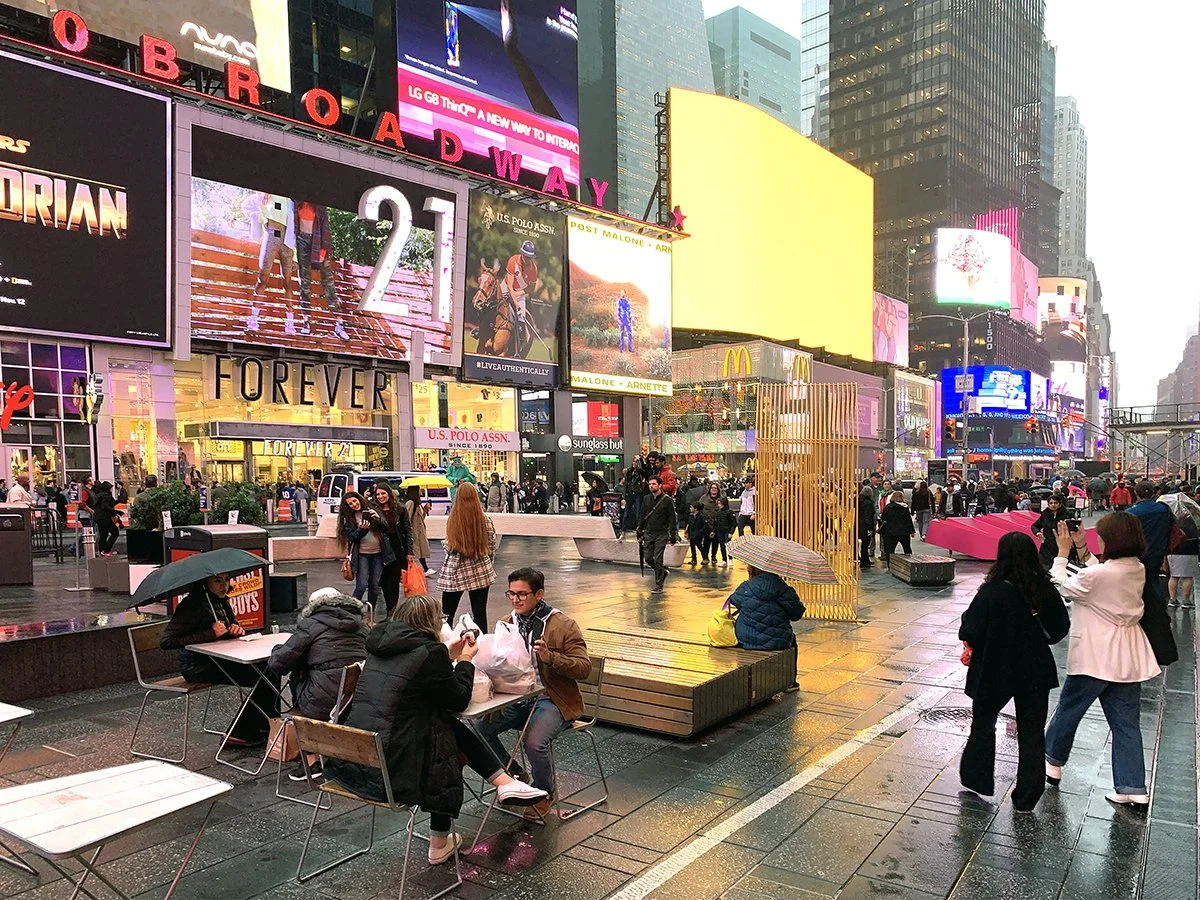
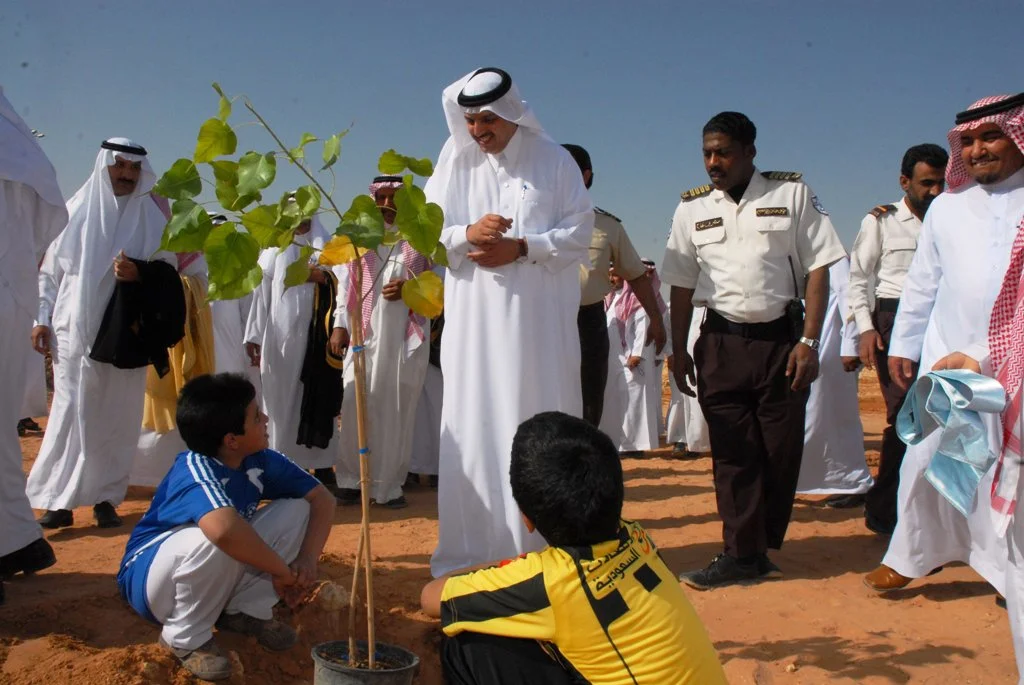
Times Square. New York City — Prince Abdulaziz bin Ayaf. Riyadh
Chapter 2 examines mayors as key agents in shaping urban life, arguing that effective governance is crucial to addressing contemporary social, spatial, and environmental challenges. It critiques urban models focused on density, spectacle, and megaprojects, advocating instead a people-centered approach. Through cases such as Curitiba, Bogotá, and New York City, the chapter shows how mayoral leadership can transform cities through transport reform and public space initiatives, while revealing tensions around inequality and neoliberalism. Turning to the Arab world, it highlights governance constraints and presents Riyadh under Prince Abdulaziz bin Ayyaf as a compelling example of people-centered reform within a centralized system.
Chapter 3 . People-Centred Urbanism: Origins and Developments
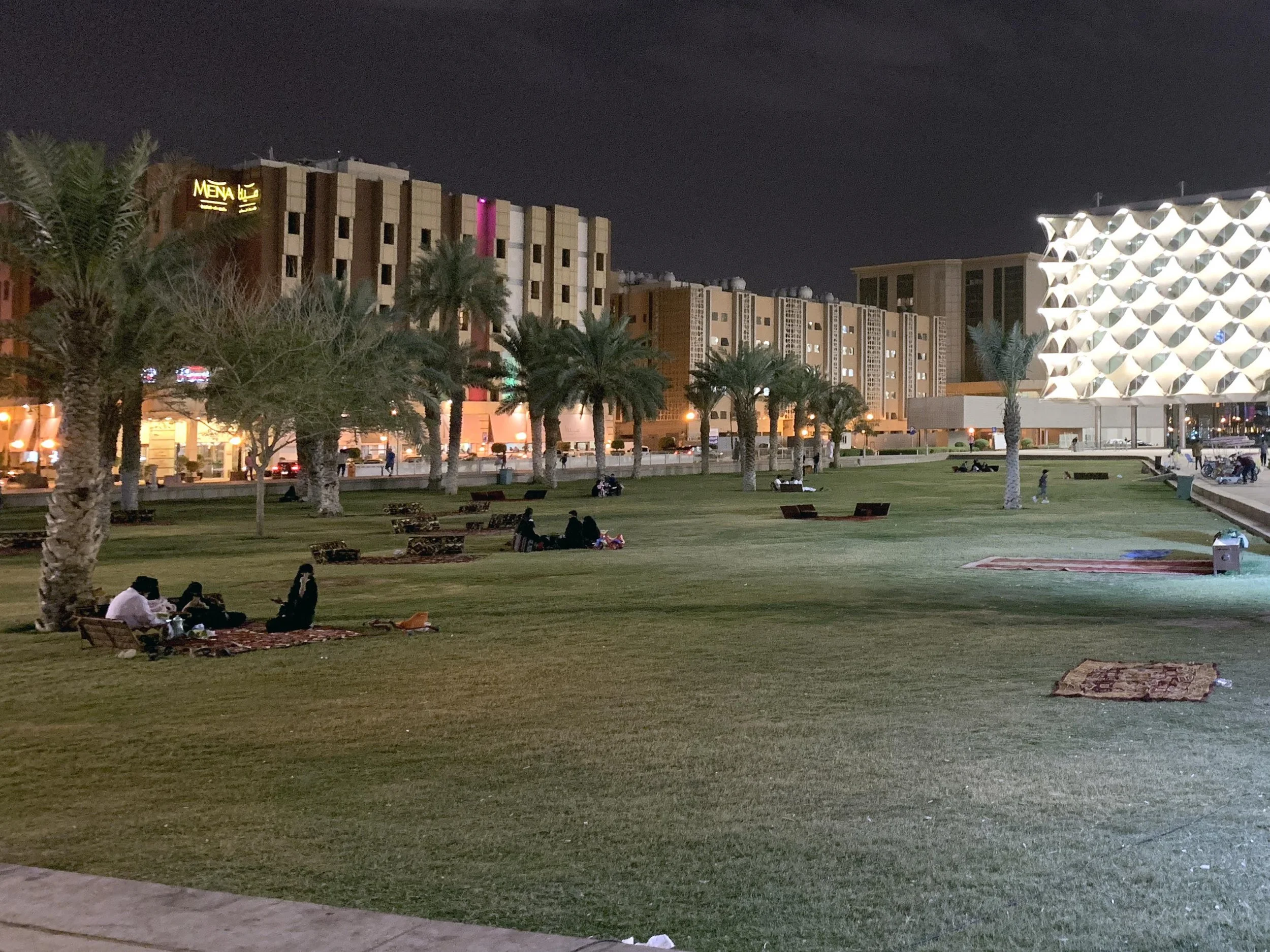
King Fahd National Library Park
Chapter 3 traces the foundations of people-centered urbanism as a critique of modernist planning’s neglect of everyday life. Beginning with Jane Jacobs and extending to thinkers such as William H. Whyte, Kevin Lynch, Christopher Alexander, and Jan Gehl, it highlights approaches that prioritize street life, observation, and human behavior. The chapter also examines New Urbanism, noting its commitment to walkability while critiquing its commodification and exclusion. International examples illustrate both promise and contradiction. It concludes by situating Riyadh’s humanization initiative under Prince Abdulaziz bin Ayyaf within this global lineage, adapted to local political and cultural conditions.