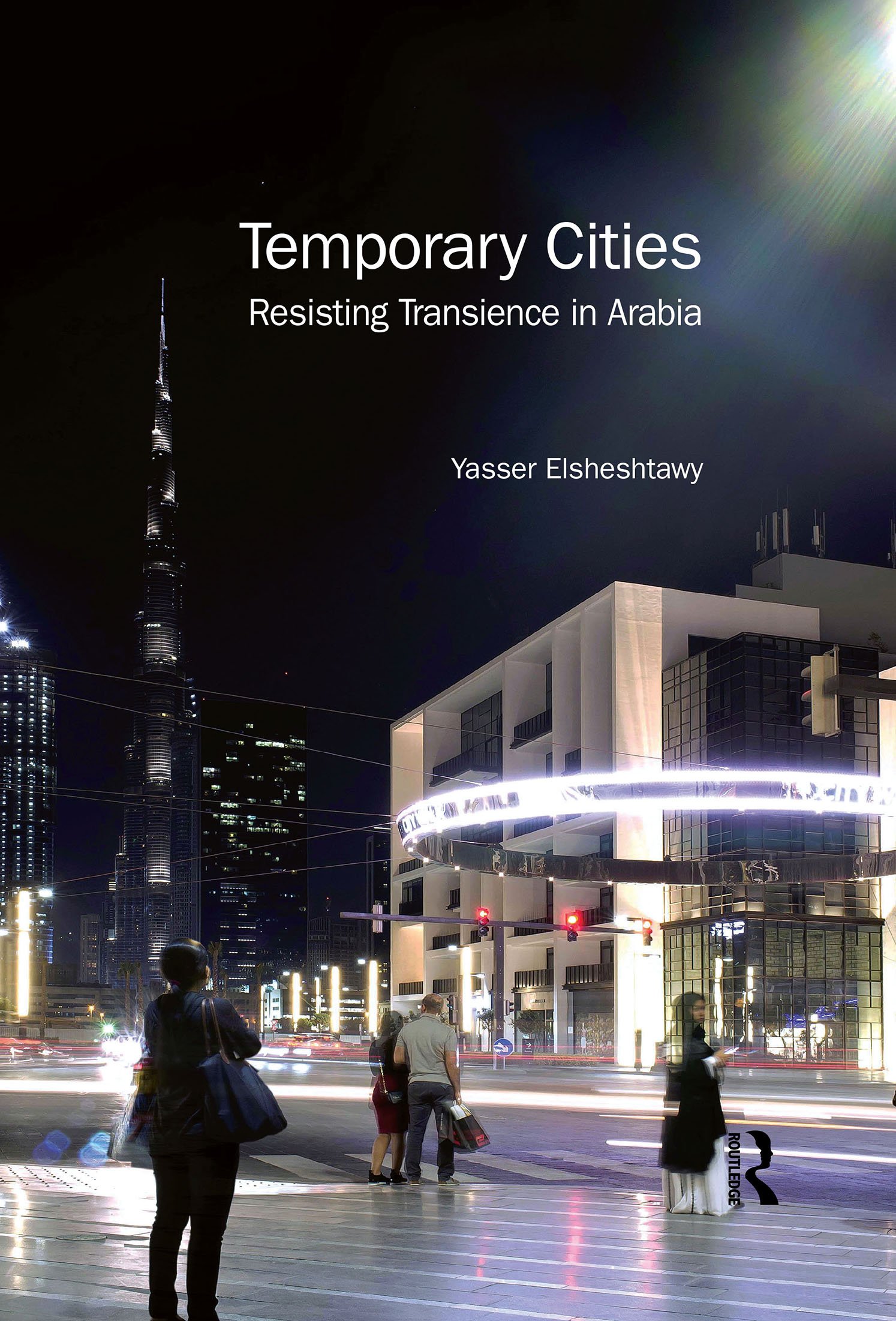
Are Arab Gulf cities on their way to extinction? Is their fate obsolescence? Or, are they the model for our urban future? In this wide-ranging book Yasser Elsheshtawy takes on these tough, but necessary, questions aiming to examine the very nature of the Arab Gulf city and whether it can sustain its existence throughout the 21st century. Having lived in the region for more than two decades he researched its marginalized and forgotten urban settings. By being embedded in these spaces, and reconciling their presence with his own personal encounters with transience, he discovered a resilience and defiance against the forces of the hegemonic city. Using subtle acts of resistance, these temporary inhabitants have found a way to sustain and create a home in the midst of a fast changing and transient urbanity. The stories recounted in this book through case studies and in-depth analysis give hope to cities everywhere. Transience is not a fait accompli. Rather the action of citizens, residents and migrants – even in the highly restrictive spaces of the Gulf – show us that the future metropolis may very well not turn out to be a ‘utopia of the few and a dystopia of the many.’
“Temporary Cities is to urban studies what Proust’s In Search of Lost Time is to French literature: a masterpiece.”
Review by Claire Beaugrand. Exeter/UK
Beaugrand, Claire (2019). Built Environment. “The Arab Gulf City: Where Migrants and Locals alike are denied Permanence.” 45:3, Autumn 2019, pp. 433-440(8). https://doi.org/10.2148/benv.45.3.433
Review by Andrew Gardner. University of Puget Sound.
Gardner, Andrew. “Yasser Elsheshtawy: Temporary Cities: Resisting Transience in Arabia.” Urban Design International. 25: 113-115. February, 2020
Review by Gareth Doherty. Harvard. GSD
Doherty, Gareth. "Temporary Cities: Resisting Transience in Arabia, by Yasser Elsheshtawy" Traditional Dwellings and Settlements Review 32, no. 1 (2020): 84-86
-
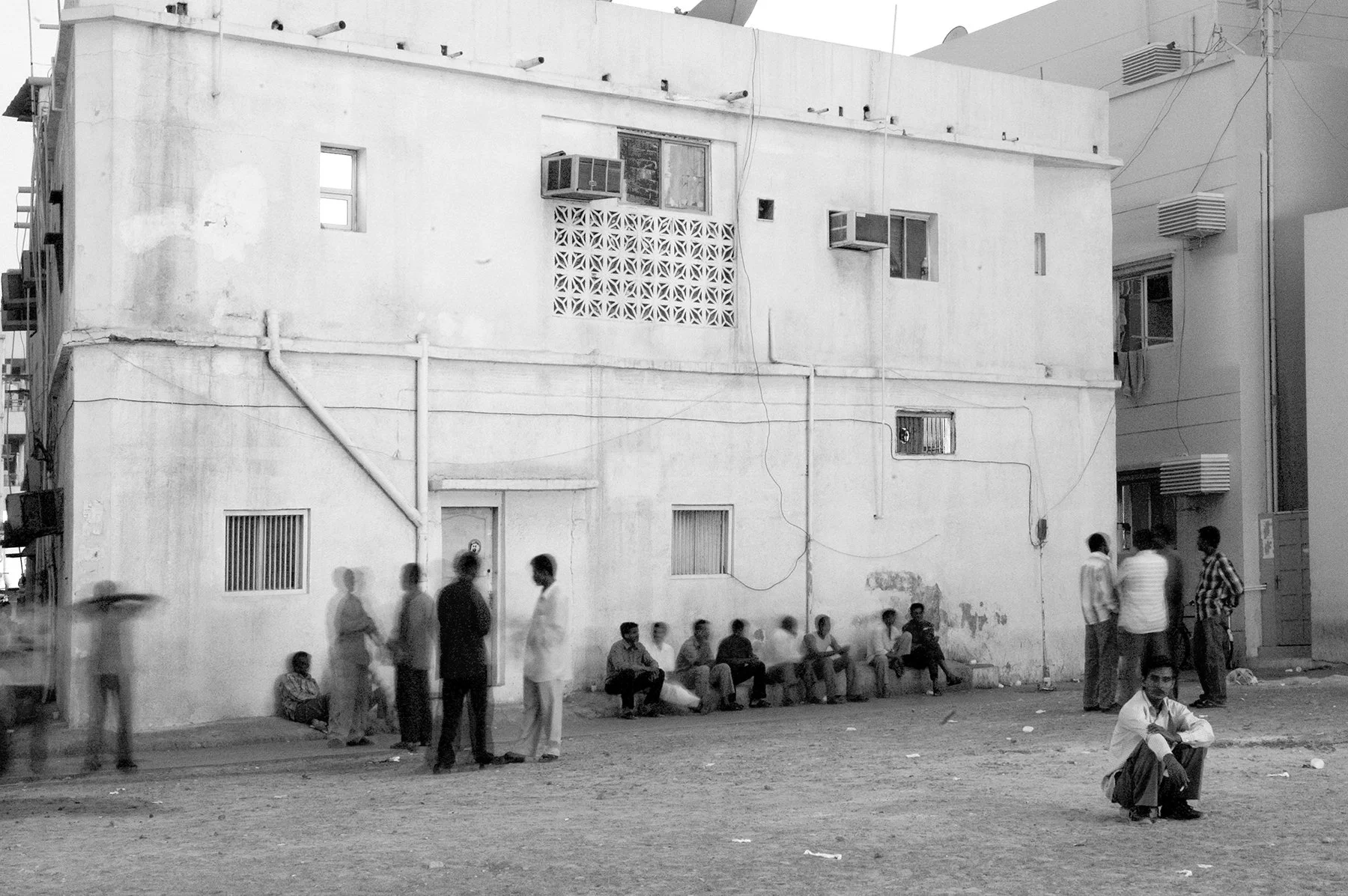
Part I, outlines the main characteristics of the Temporary City, its physical as well as perceptual qualities. They have a particular look and feel that marks them as transient; they are intentionally planned to be temporary to enable certain conditions and qualities: anonymity, detachment, and disengagement. The ultimate objective is to minimize physical attachment to place and to discourage setting down roots.
-
Part 2 is based on my research and investigation of urban settings in Dubai and Abu Dhabi. I have identified four sites which I am using to make the case for the Temporary City. They are similar to other urban centres, however it is the activities that occur within them that mark them as unique. I am looking specifically at their appropriation which is a form of resistance. They range from streets to public squares to a building type and can be conceptualized as follows: quotidian space; sheltering space; cosmopolitan space and local space.
Promotion
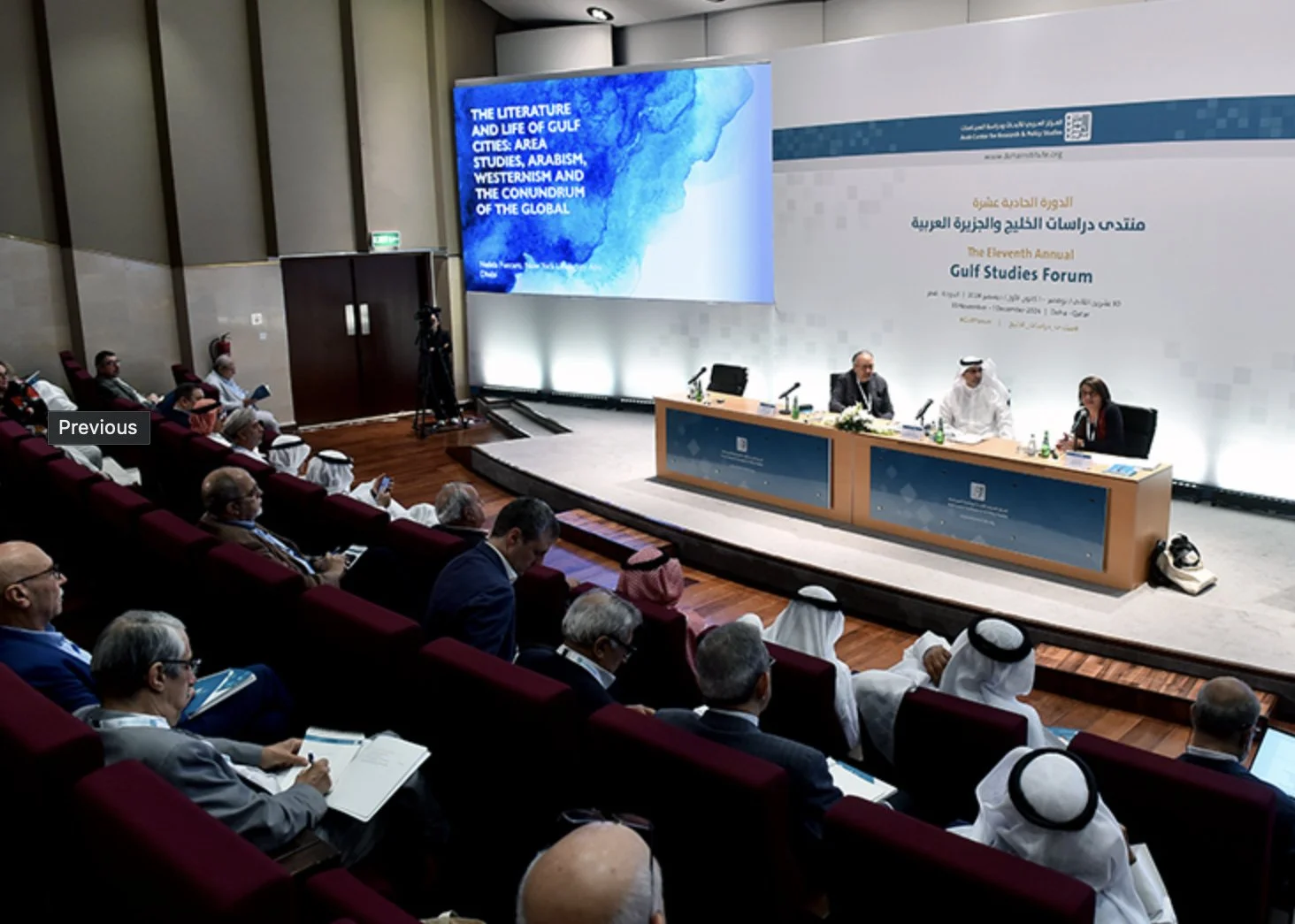
Symposium. Keynote Speaker. Gulf Studies Forum. Doha/Qatar. “Transience and Temporality in Arab Gulf Cities.” 2024
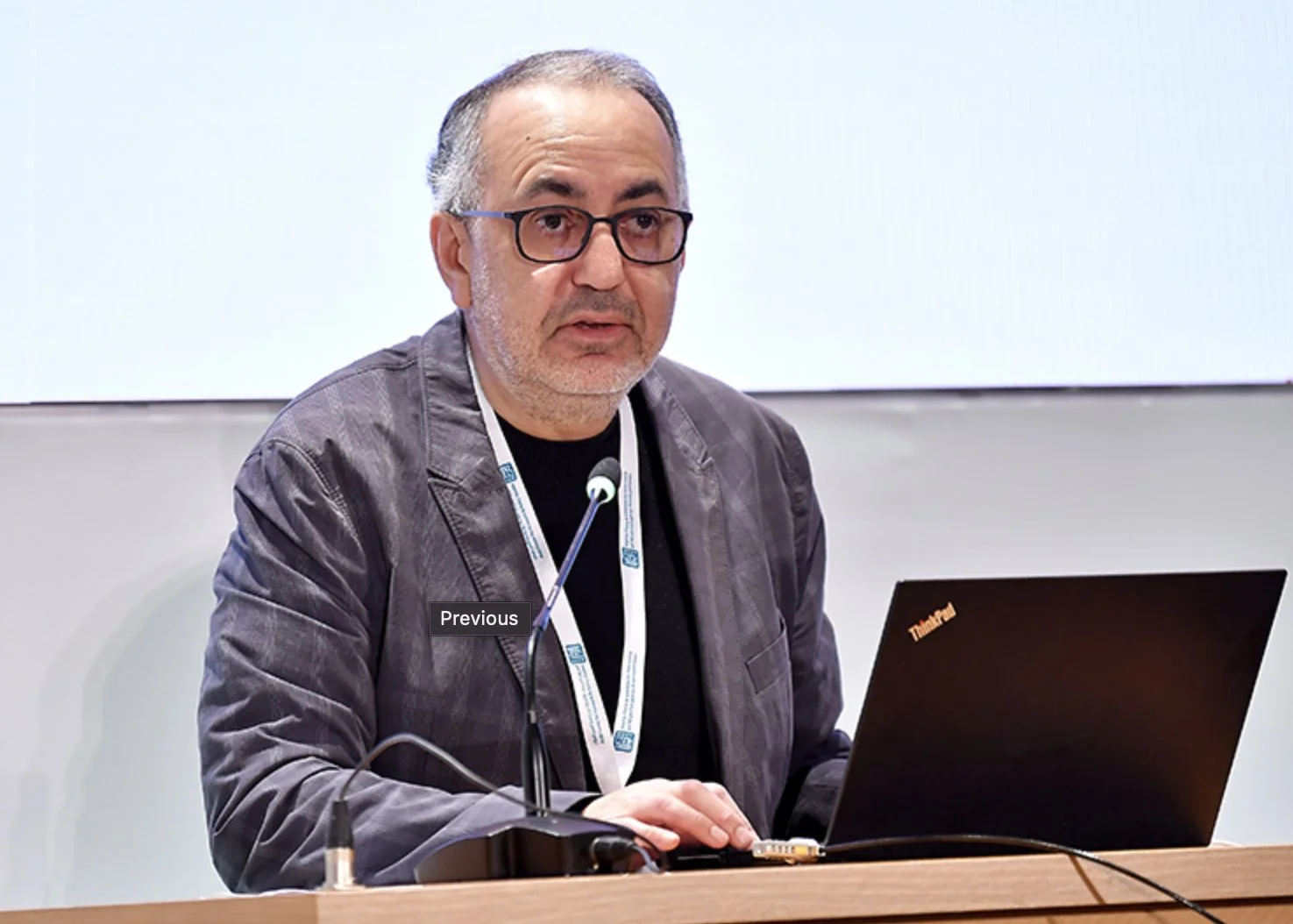
Yasser Elsheshtawy, Nellida Fuccaro
Panel Discussion. The Arab Gulf States Institute in Washington, DC. “Cities and Belonging in the Gulf Arab States.” July 24, 2019
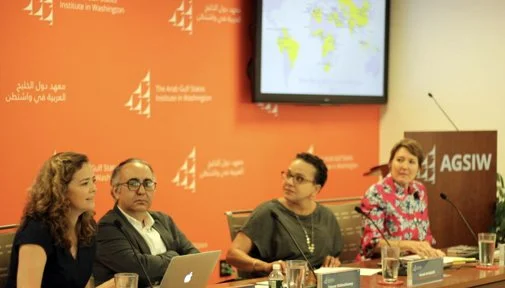
Sarah Moser, Yasser Elsheshtawy, Farah Al-Nakib, Kristen Diwan
Podcast for غين. مقاومة الزوال في الجزيرة العربية؛ ياسر الششتاوي وكتاب مدن مؤقتة. August, 2023
خلال فترة السبعينات وبعد زيادة إيرادات النفط لدول الخليج، تم تبني خُطط عمرانية حديثة صنعت مدن عصرية، مثل دبي، الدوحة وأبوظبي. هذي المدن شكلت تباين حاد مع الطراز القديم للمدينة الخليجية، سواء من الناحية التخطيطية، العمرانية أو الحضرية. ومؤخراً، ظهرت عدة دراسات تحاول فهم ودراسة المدينة الخليجية كنموذج لمدن المستقبل. ماهو أثر هذه المدن على السكان، من يسكنها ولماذا؟ في محاولة لفهم العلاقة بين المدينة الخليجية وسكانها، نستضيف اليوم الدكتور ياسر الششتاوي، أستاذ العمارة في جامعة كولومبيا في نيويورك، في حديث حول كتابه الصادر عن دار راتوليدج بعنوان “مدن مؤقتة: مقاومة الزوال في الجزيرة العربية” في حال كان لديكم استفسارات واقتراحات يرجى التواصل معنا على حسابنا في تويتر