PART I. Prelude: Constructing a Landscape of Transience
City Center. Abu Dhabi
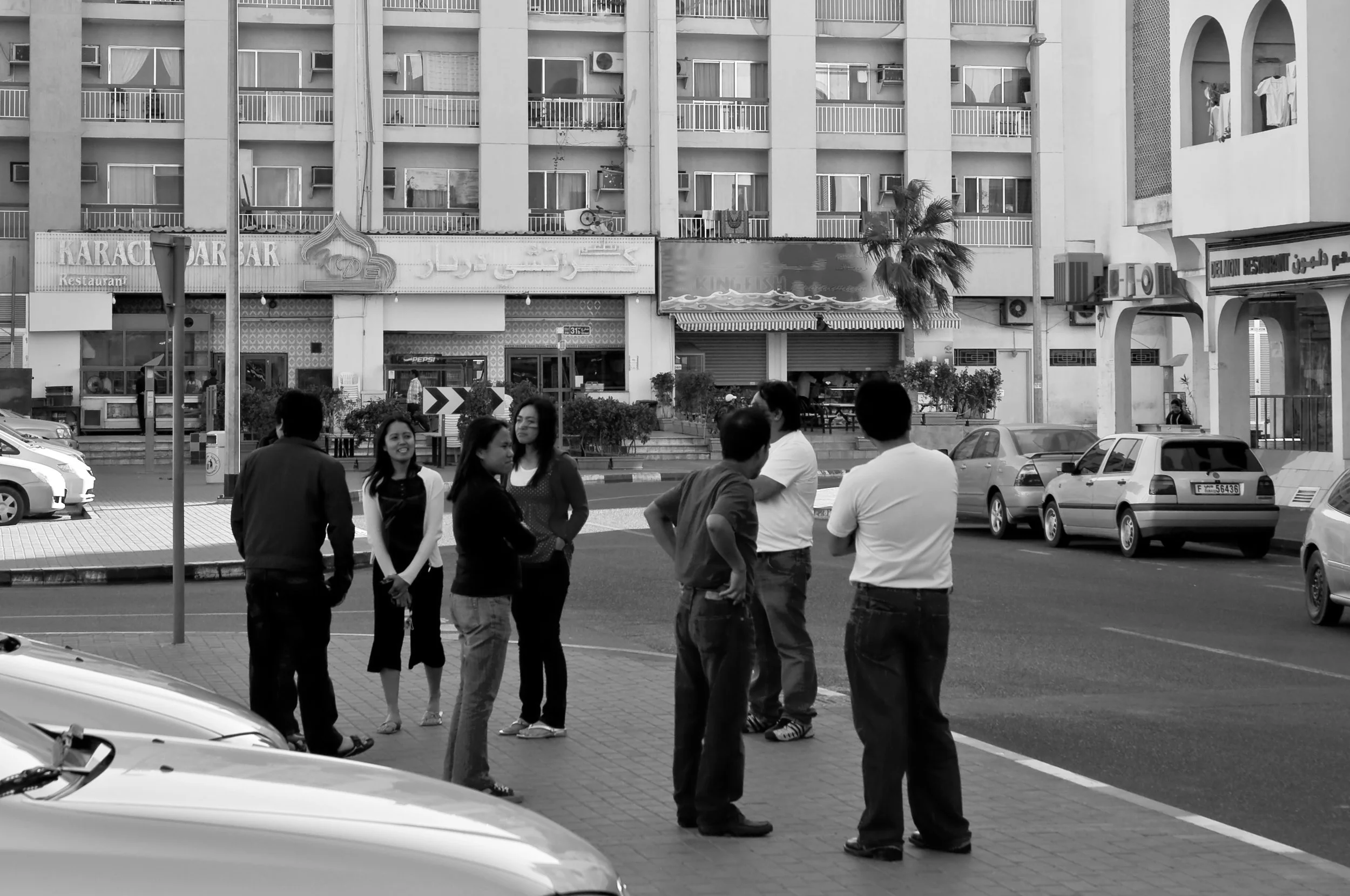
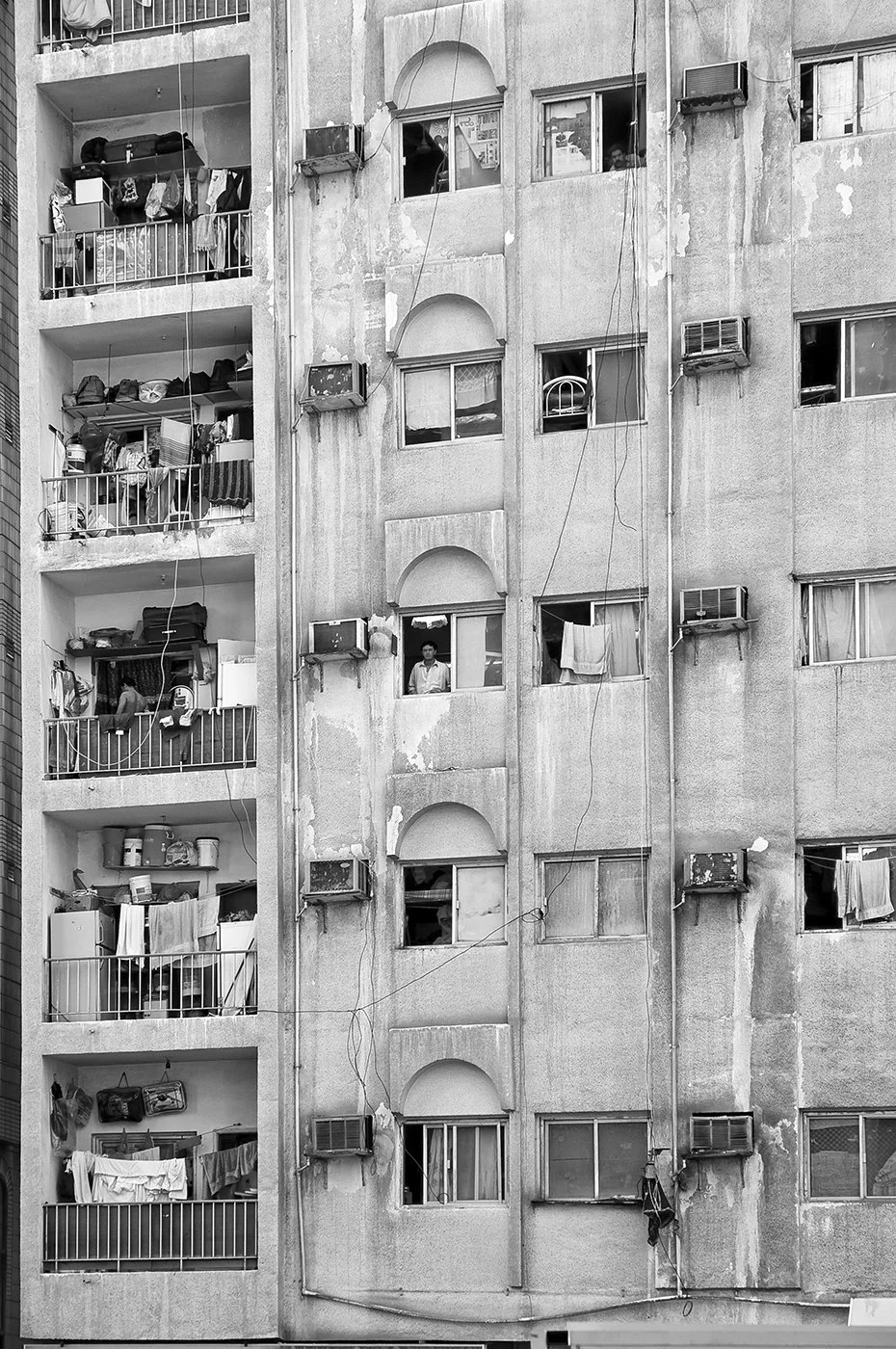
Karama. Dubai
Chapter 1. Introduction. Transience in Arabia
This chapter introduces transience as a defining condition of cities in the Arabian Peninsula, where urban life is structured around impermanence rather than stability, memory, or long-term belonging. It argues that Gulf cities are deliberately planned as temporary environments, accommodating a constantly circulating population with limited rights and constrained agency. While shaped by global neoliberal urbanism and spectacle-driven development, this condition is intensified through policy and spatial control. Rejecting deterministic views of passive urban subjects, the chapter highlights everyday acts of appropriation and resistance through which residents briefly assert attachment and meaning. Transience is thus framed as both a governing logic and a site of defiance.
Chapter 2. Forming an Urban Imaginary: A Photographic Essay
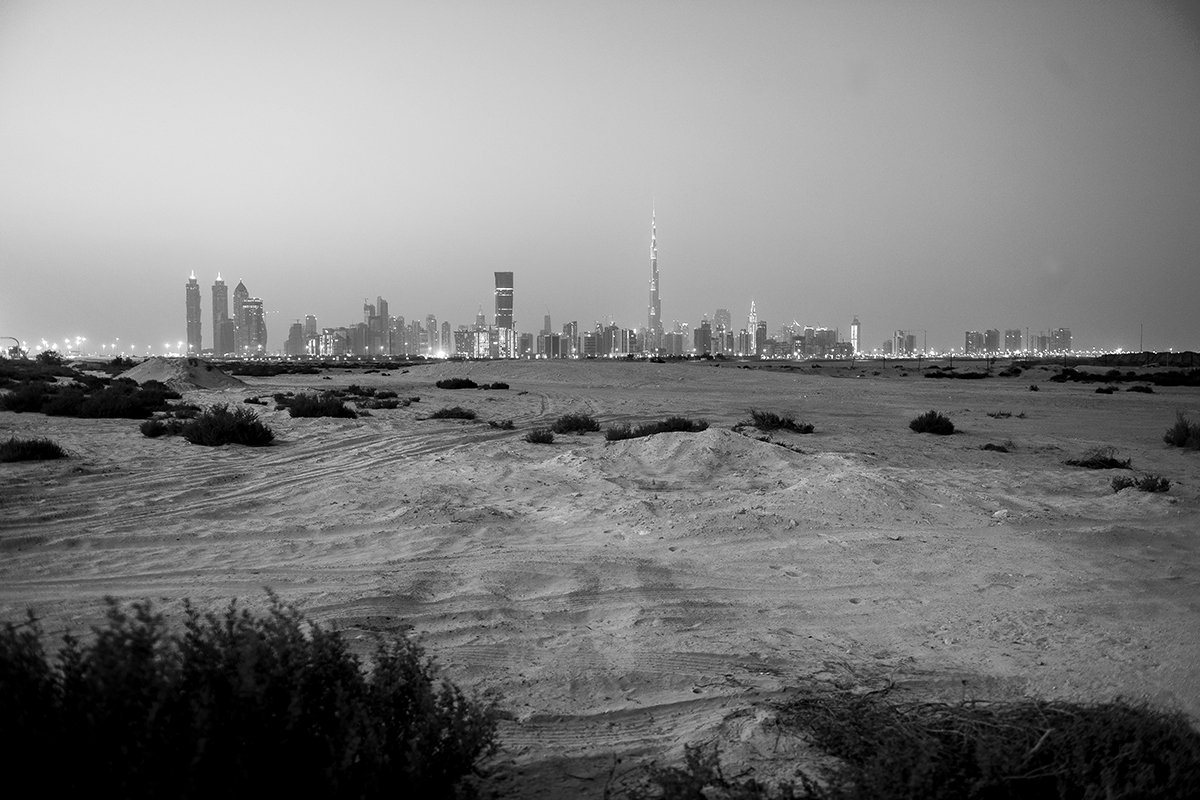
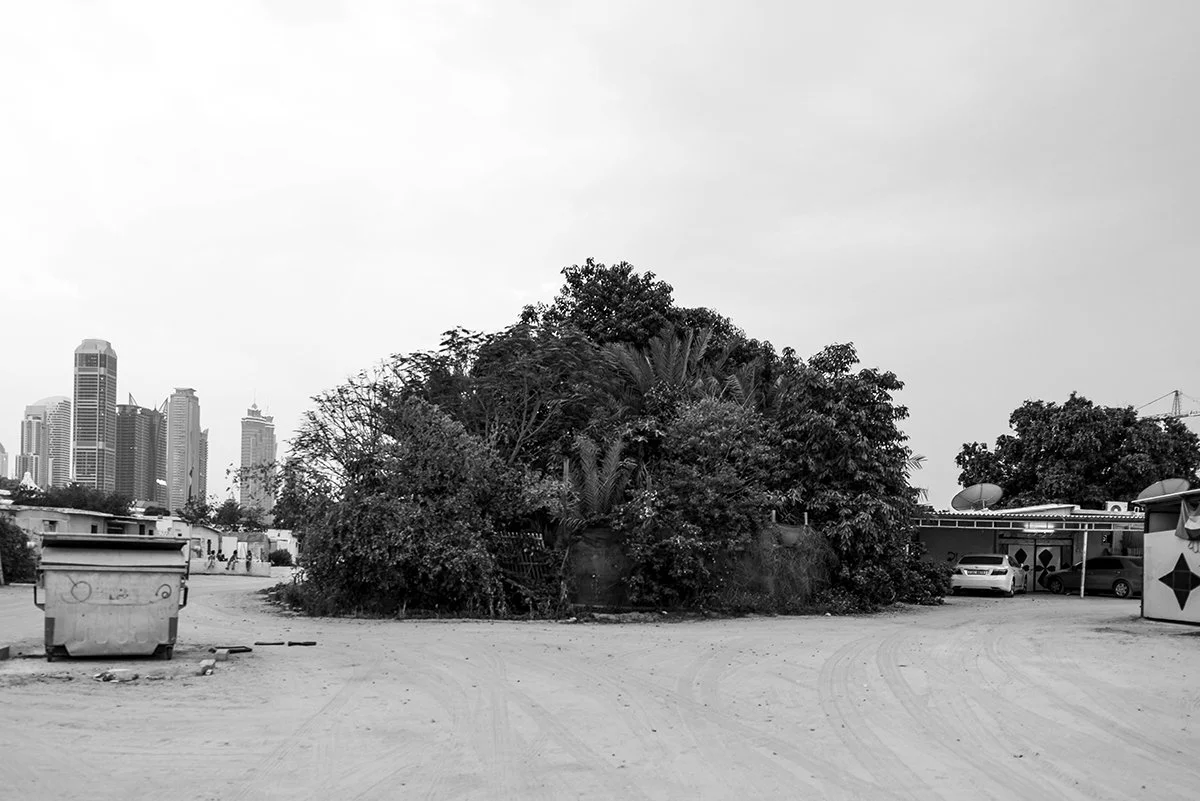
Skyline. Sha’abiyat Al-Shorta. Dubai
This chapter constructs a visual and sensory urban imaginary of the Arab Gulf city through a photographic essay that moves beyond spectacle-driven clichés. Drawing on images produced between 2006 and 2017, the chapter juxtaposes iconic skylines, construction sites, and empty developments with the everyday spaces shaped by migrants and local residents. It argues that photography can reveal transience not only through monumental forms, but through fleeting moments of occupation, informal practices, and subtle acts of resistance. Organized around themes of spectacle and lived urbanity, the essay documents how traces, gatherings, gardening, and walking briefly inscribe meaning, attachment, and humanity within a city planned for impermanence.
Chapter 3. Scenes from Dubai: Capturing uncanny and fleeting experiences
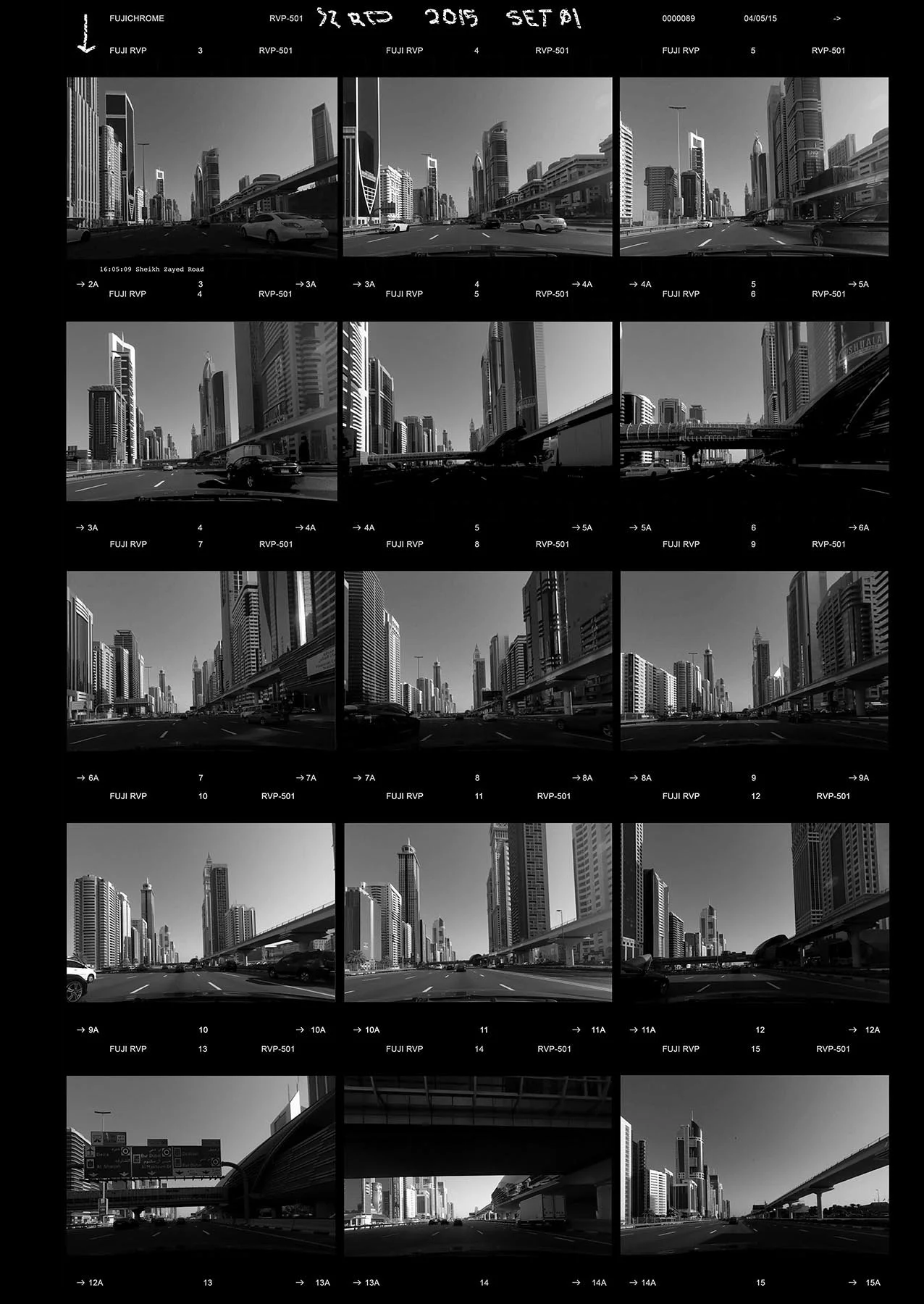
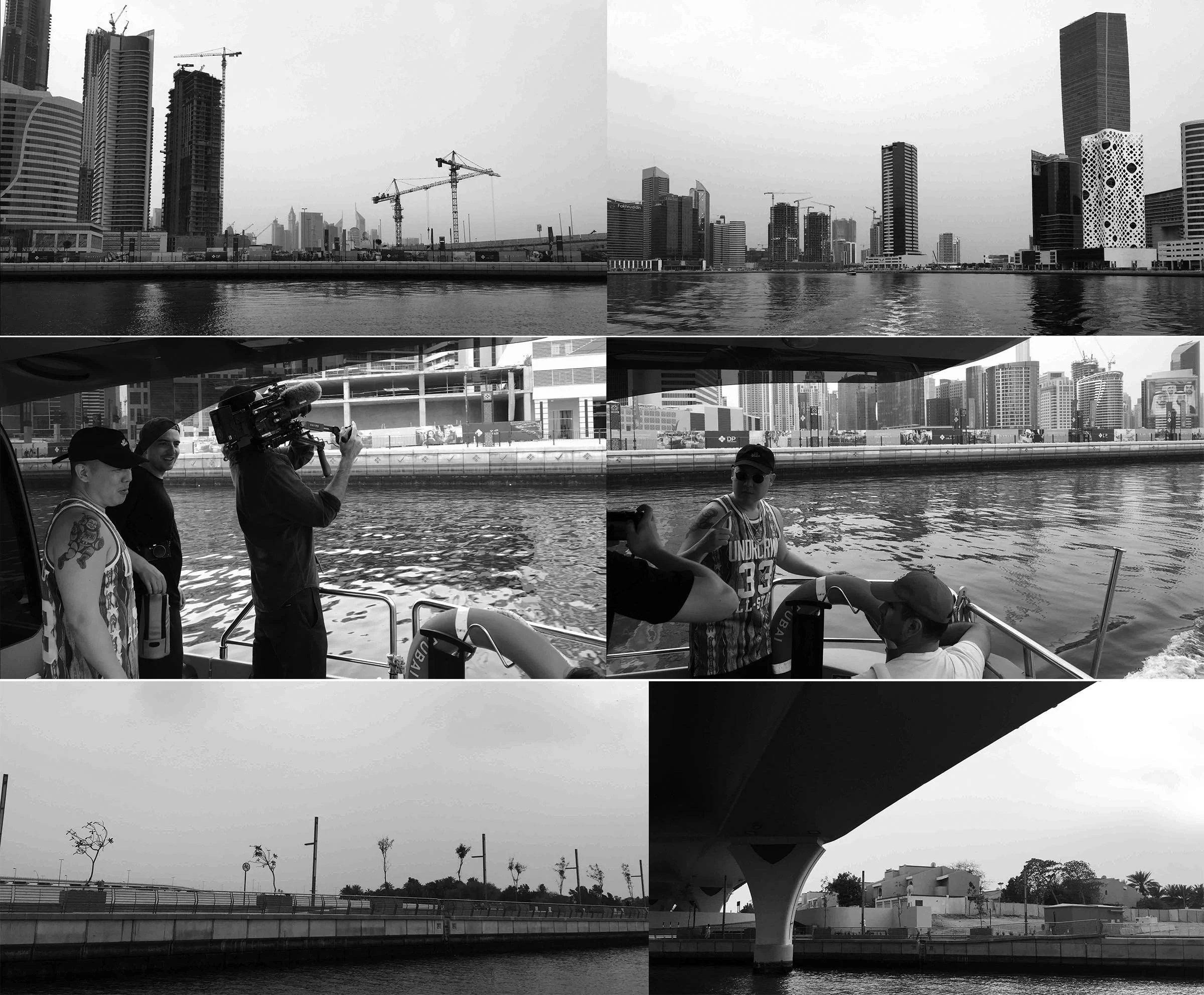
Sheikh Zayed Rd. Drive through
Me & Eddie (filming the Dubai episode of “Huang’s World)
This chapter examines Dubai through the moving image to unpack the experiential dimensions of transience, speed, and the uncanny in the contemporary Gulf city. Drawing on cinematic representations, self-produced vlogs, and personal filmed encounters, it argues that Dubai is often perceived as a fleeting, stage-set urbanity designed for motion rather than dwelling. Filmic narratives—from dystopian fiction to intimate acts of self-representation—reveal a city marked by estrangement, defamiliarization, and cognitive dissonance. Yet alongside these qualities, the chapter identifies moments of attachment, memory, and resistance, where residents momentarily claim the city as home. Cinema thus becomes a critical lens for understanding both impermanence and everyday defiance in the Temporary City.
DUBAI KIDS (PART 1) | MEMORY MAPS - DEIRA
“I thought I’d start at the very beginning - growing up in Dubai. In the 26 years that we’ve lived here, my family and many others’ like ours, have experienced so much. The friendships, the love stories, the struggles, the triumphs and through it all, even though the it may look very different, Dubai has always felt the same - like home. In the first of many parts, in this vlog, I talk down memory lane with my brother, Ram, and recount old stories and draw our map of Deira through our memories.”
Written, Shot & Edited by Gaya
Imagine Dragons - Thunder (filmed in Dubai)
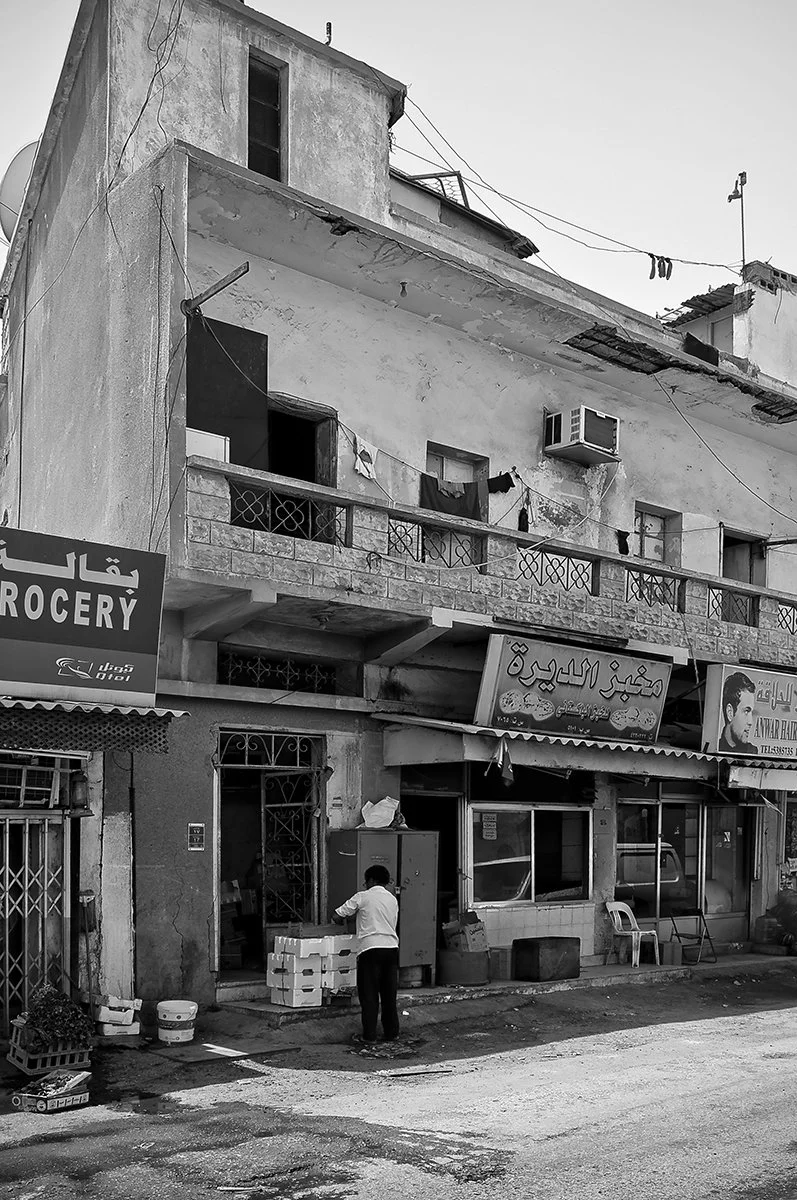
Fragile Cities. A house in the old city of Doha; a few steps away from the ultramodern and exclusive development, Msheireb
Chapter 4. The Arab Gulf City in Fiction: The Unbearable Lightness of Transience
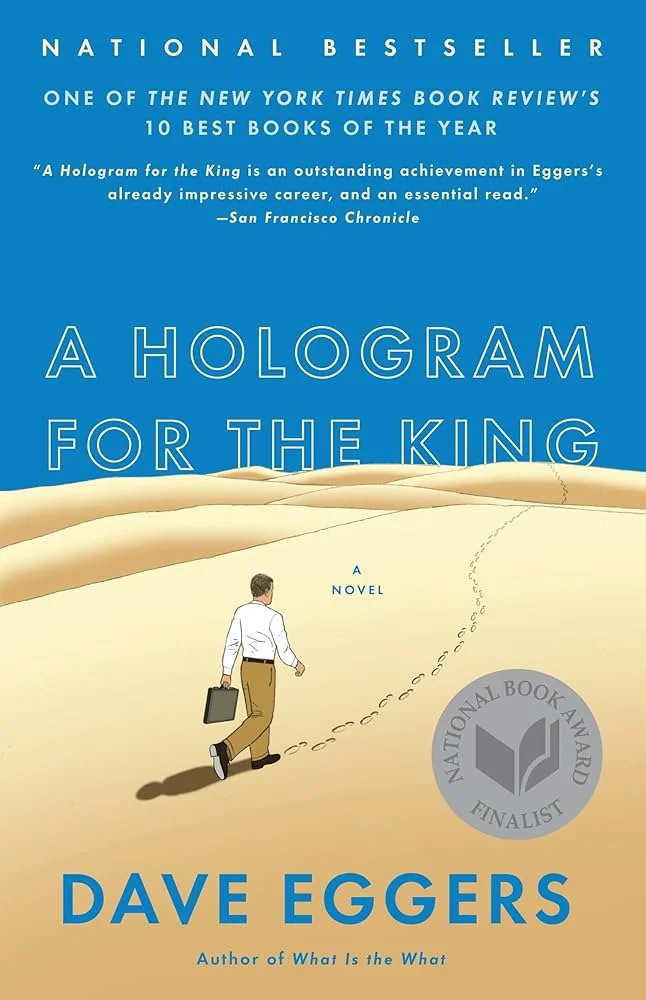
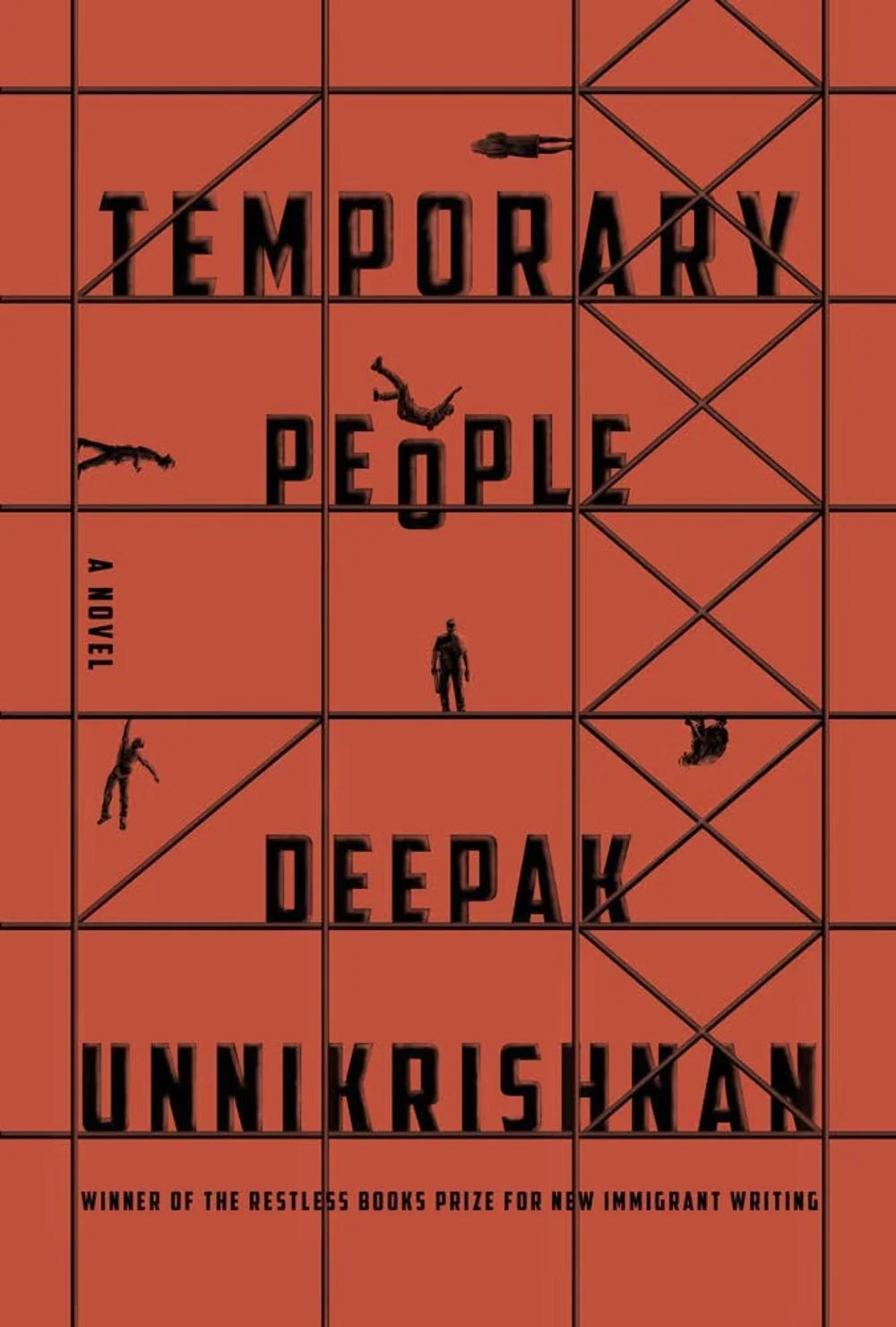
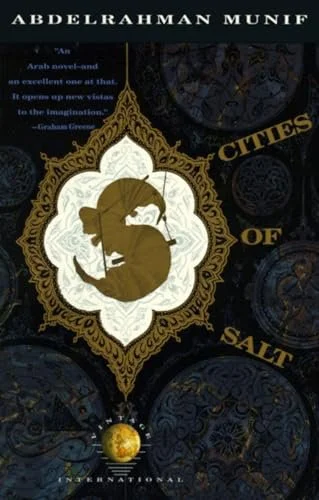
This chapter explores how works of fiction illuminate the transient, fragile, and alienating qualities of cities in the Arabian Peninsula. Drawing on Arabic and international novels—including Cities of Salt, Temporary People, The Bamboo Stalk, The Girl Who Fell to Earth, and A Hologram for the King—it reads the Gulf city as a literary landscape shaped by impermanence, displacement, and psychological estrangement. Through three interlinked lenses—fragility, strangeness, and alienation—the chapter shows how rapid urbanization and policy-driven temporariness are experienced at an intimate, human scale. Fiction emerges as a critical tool for revealing how urban form, power, and transience shape everyday life, memory, and belonging in the Khaliji city.