Riyadh: Transforming a Desert City
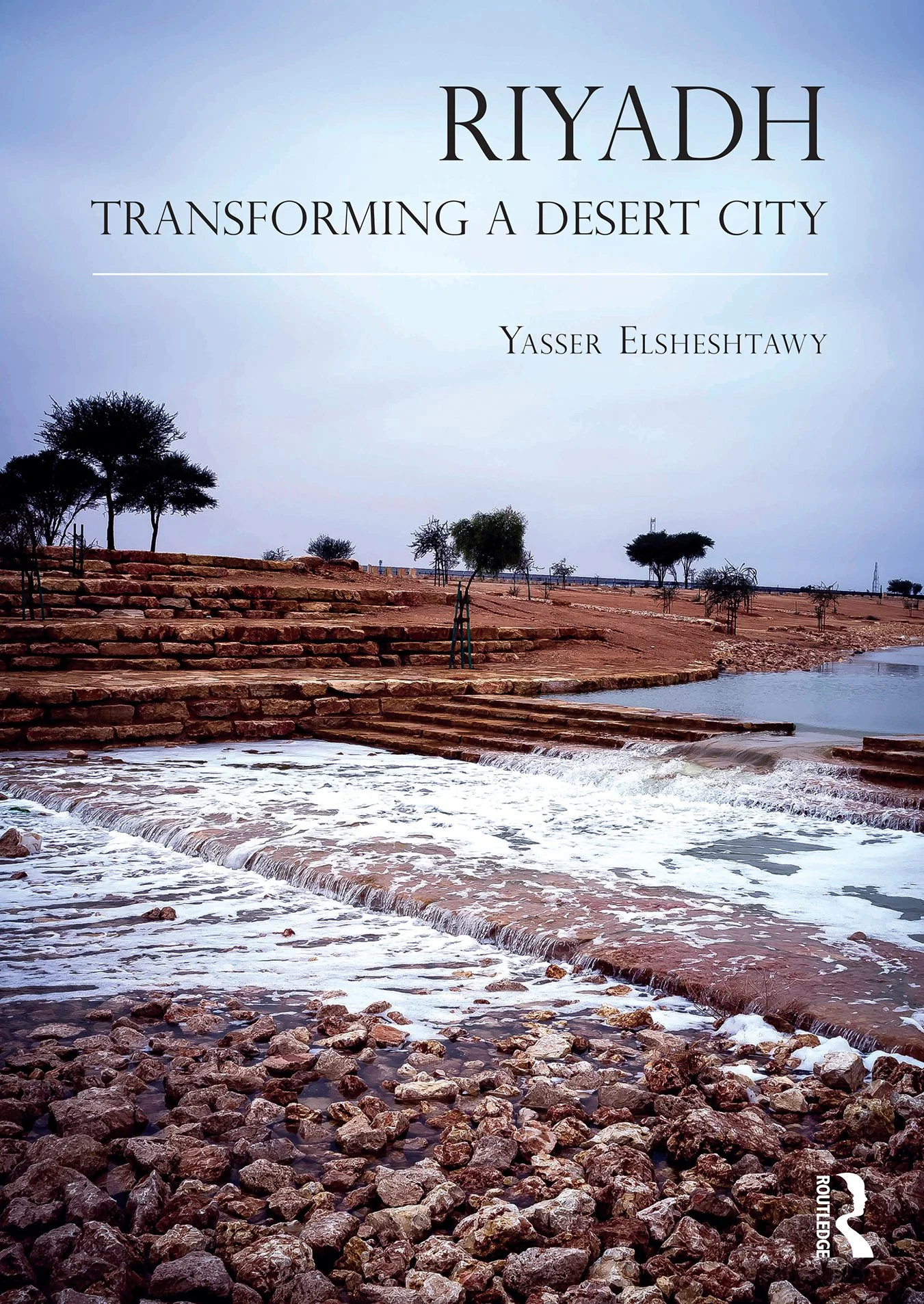
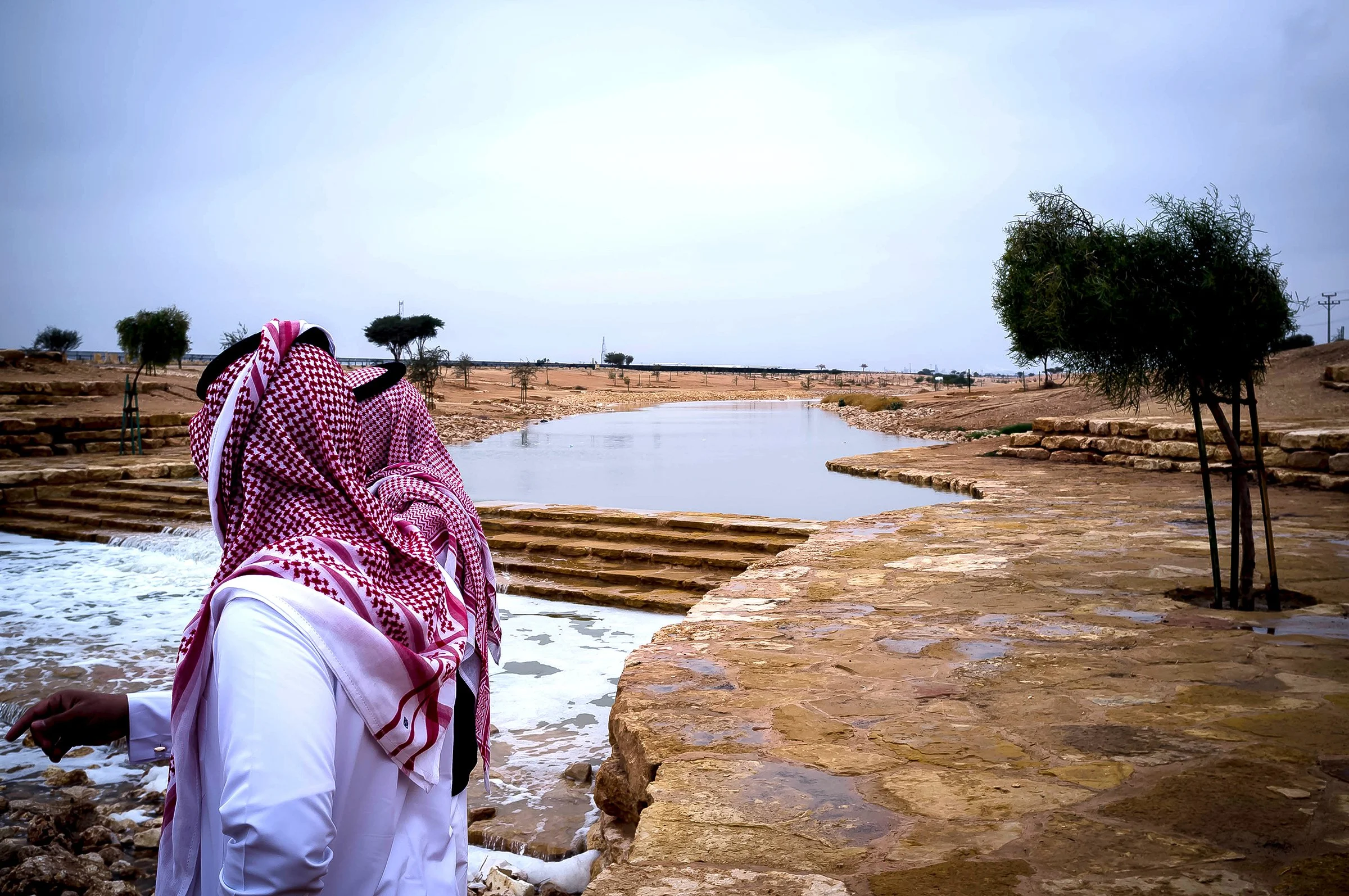
Riyadh has set its sights on becoming a world city befitting the 21st century. To that end it has embarked on a massive construction drive evidenced in the proliferation of proposals for high-end districts, giga-developments and elaborate infrastructures. An urban vision seemingly dedicated towards attracting global capital. Yet such a narrative can be misleading. A ‘humanization program’ initiated during the tenure of its former mayor Abdulaziz bin Ayyaf has complemented the city’s rapid rise by providing spaces catering to the everyday needs of its inhabitants. In this richly illustrated book I target these people-centered settings. Riyadh’s premise is perhaps best captured in the cover image depicting the desert riverbed of Wadi Sulai, filled with rainwater, making its way towards the Saudi capital. Along its banks will be dedicated public pathways and urban parks. It is a vision of an urbanity where both the spectacular and the everyday co-exist. A city that is not just dedicated to the few, but one that serves the many.
AR EN
Review by Harvey Moloch International Journal of Islamic Architecture, Volume 15, Number 1, 2026, pp.
Book Reviews. Riyadh: Transforming a Desert City, Yasser Elsheshtawy (2022). Making Space for the Gulf: Histories of Regionalism and the Middle East, Arang Keshavarzian (2024)
““In his focused study Riyadh: Transforming a Desert City, Yasser Elsheshtawy has crafted a steadfast and methodologically precise rendition of Saudi Arabia’s capital.”
“The urban and regional studies of Elsheshtawy and Keshavarzian, by showing respectively what is going on above ground and in some of the geopolitical context, inform us of surface and substance.””
Review by Andrew Gardner. Built Environment, Volume 47, Number 4, Winter 2021, pp. 559-568(10). https://doi.org/10.2148/benv.47.4.559 “Humanizing the City”
“Like Elsheshtawy’s previous work, his methodological prowess is noteworthy, and remains a realm of impressive creativity. And the presentation of evidence remains foundational in his analytic strategies. In this book, the plethora of images help readers visualize the city he describes, a city that many of those readers will likely never see. The framework and literature review he assembles around the flâneur, and around the strategy of engaging the city via urban drifting – or what the Situationists referred to as the dérive – seemed particularly illuminating and useful.”
-
Part I establishes the conceptual and experiential foundation of the book by reframing Riyadh as a lived and inhabited city rather than a spectacle-driven Gulf archetype. Chapter 1 begins with a personal re-encounter, using memory and observation to challenge dominant narratives that portray Gulf cities as sanitized investment landscapes. Riyadh instead emerges as a layered metropolis marked by informality, social diversity, and everyday urban life, whose recent turn toward livability signals a meaningful shift in its planning paradigm. Chapter 2 situates this shift within a broader discussion of urban governance, examining how mayors can shape cities by prioritizing people over iconic form or mega-projects. Through comparative cases from Curitiba, Bogotá, New York, and Amman, it positions Riyadh’s transformation within global debates on leadership, decentralization, and reform, highlighting the role of former mayor Abdulaziz bin Ayyaf. Chapter 3 provides the theoretical backbone by tracing the evolution of people-centered urbanism, from critiques of modernism to contemporary practices focused on street life, walkability, and public space, framing humanization as both a global discourse and a locally grounded project.
-
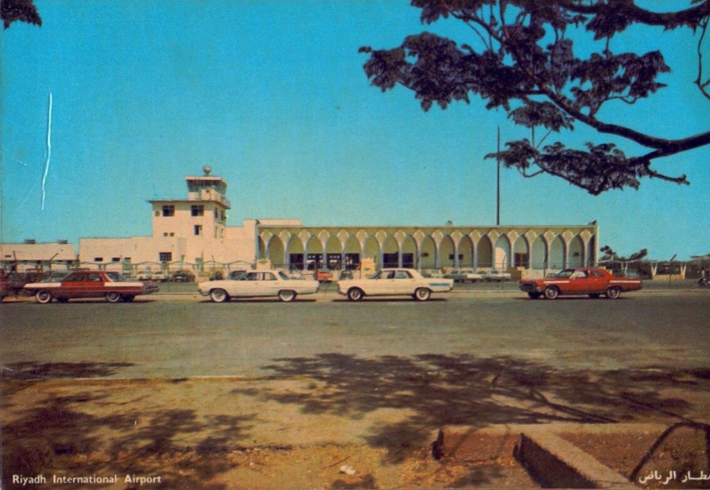
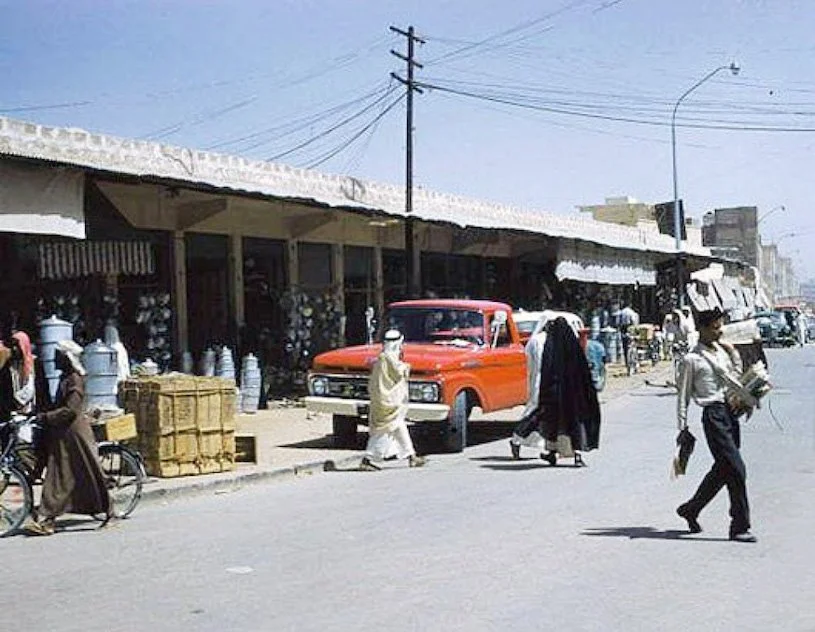
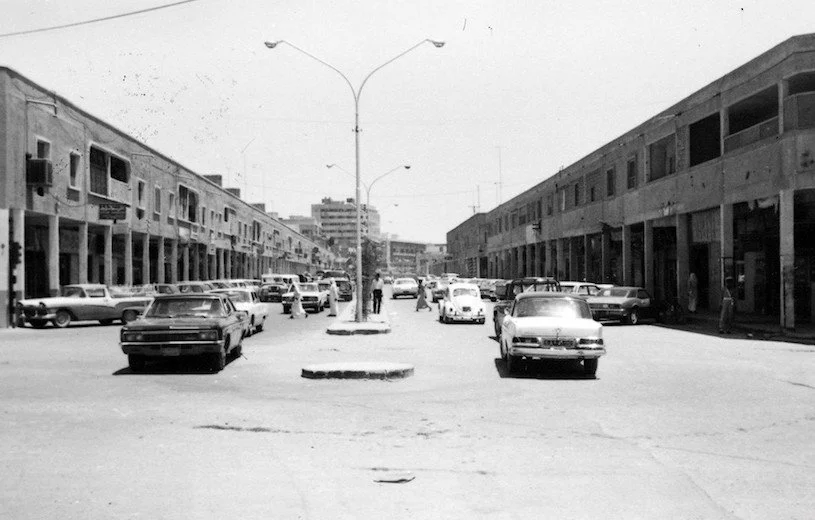
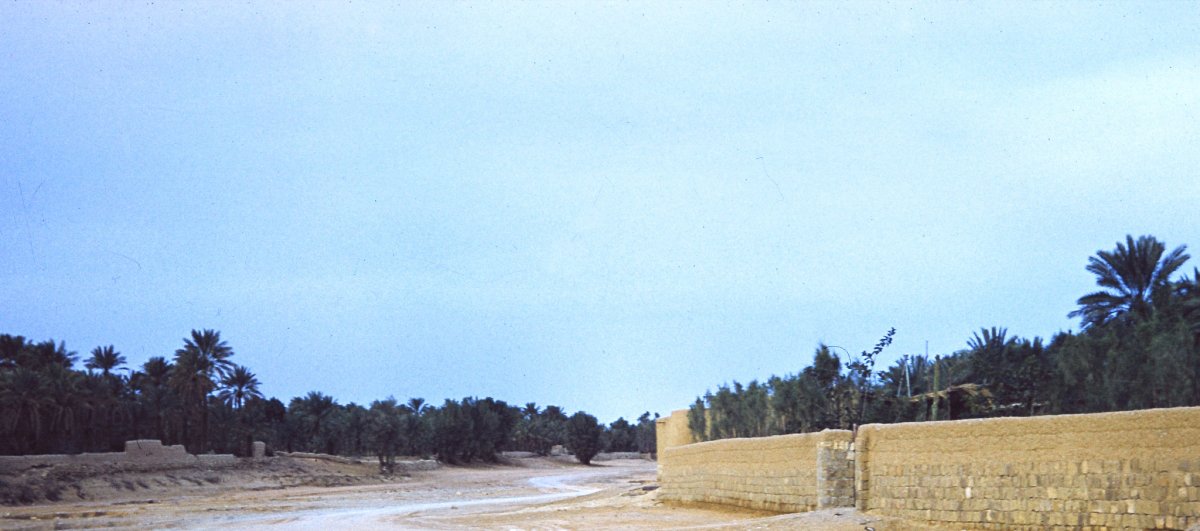
Part II examines Riyadh through the intertwined lenses of representation and urban history, arguing that the city’s contemporary condition can only be understood by connecting how it has been seen with how it has evolved. Chapter 4 foregrounds photography as a critical mode of urban inquiry, challenging persistent stereotypes that depict Riyadh as closed, abstract, or dominated by spectacle. Moving from early Orientalist and foreign documentary images to the work of contemporary Saudi photographers, the chapter highlights everyday scenes—streets, parks, walking paths, informal markets, and migrant spaces—to reveal a city animated by human presence, appropriation, and encounter. These visual narratives restore agency to residents and expose forms of urban life often absent from official representations. Chapter 5 situates these lived scenes within a longer historical trajectory, tracing Riyadh’s transformation from a mud-walled settlement to a sprawling, car-oriented metropolis shaped by modernist planning, oil-driven expansion, and successive master plans. Rather than invoking nostalgia, the chapter emphasizes continuity, adaptation, and change, positioning the humanization initiative as a corrective response to decades of suburbanization and spatial fragmentation .
-
Part III forms the empirical and analytical core of the book, examining how Riyadh’s humanization agenda materializes on the ground through streets, parks, landscapes, and informal economies. Chapters 6 and 7 focus on movement and public life, tracing how walking paths, reconfigured streets, and everyday encounters challenge Riyadh’s long-standing car-oriented paradigm and reveal a city increasingly negotiated at pedestrian scale. Chapter 8 turns to green urbanism, dismantling the cliché of the “desert city” by documenting Riyadh’s parks, wadis, and emerging ecological infrastructure, from Wadi Hanifa to neighborhood gardens, and showing how greenery functions as both environmental strategy and social refuge. Chapter 9 examines informality—street vendors, food trucks, farmers’ markets, and used-goods markets—arguing that regulated informality has become a critical driver of urban vibrancy, inclusion, and economic survival. These practices reveal a city that tolerates ambiguity and adapts formal planning to everyday needs. Chapter 10 synthesizes these findings, reflecting on Riyadh’s future amid megaprojects, governance reforms, and global planning trends, and argues that the city’s true transformation lies not in spectacle but in sustaining human-scale, inclusive, and lived urbanism
Saudi Arabia’s Race to Build a $22B Railway in the Desert | WSJ Breaking Ground
Saudi Arabia is racing to finish the $22B Riyadh Metro in time to modernize its capital city and open its doors to the world. With the country set to host the World Expo 2030 and as a frontrunner to host the 2034 FIFA World Cup, this is a golden opportunity for Saudi Arabia to transform its economy and improve its human rights reputation on a global stage. WSJ explores why this Gulf nation needs this train network and the challenges it faces in constructing this incredible feat of engineering.
Wall Street Journal. Video Interview about the Riyadh Metro Project. “Saudi Arabia’s Race to Build a $22B Railway in the Desert.” https://www.youtube.com/watch?v=6ec7oJANT_U. 2024
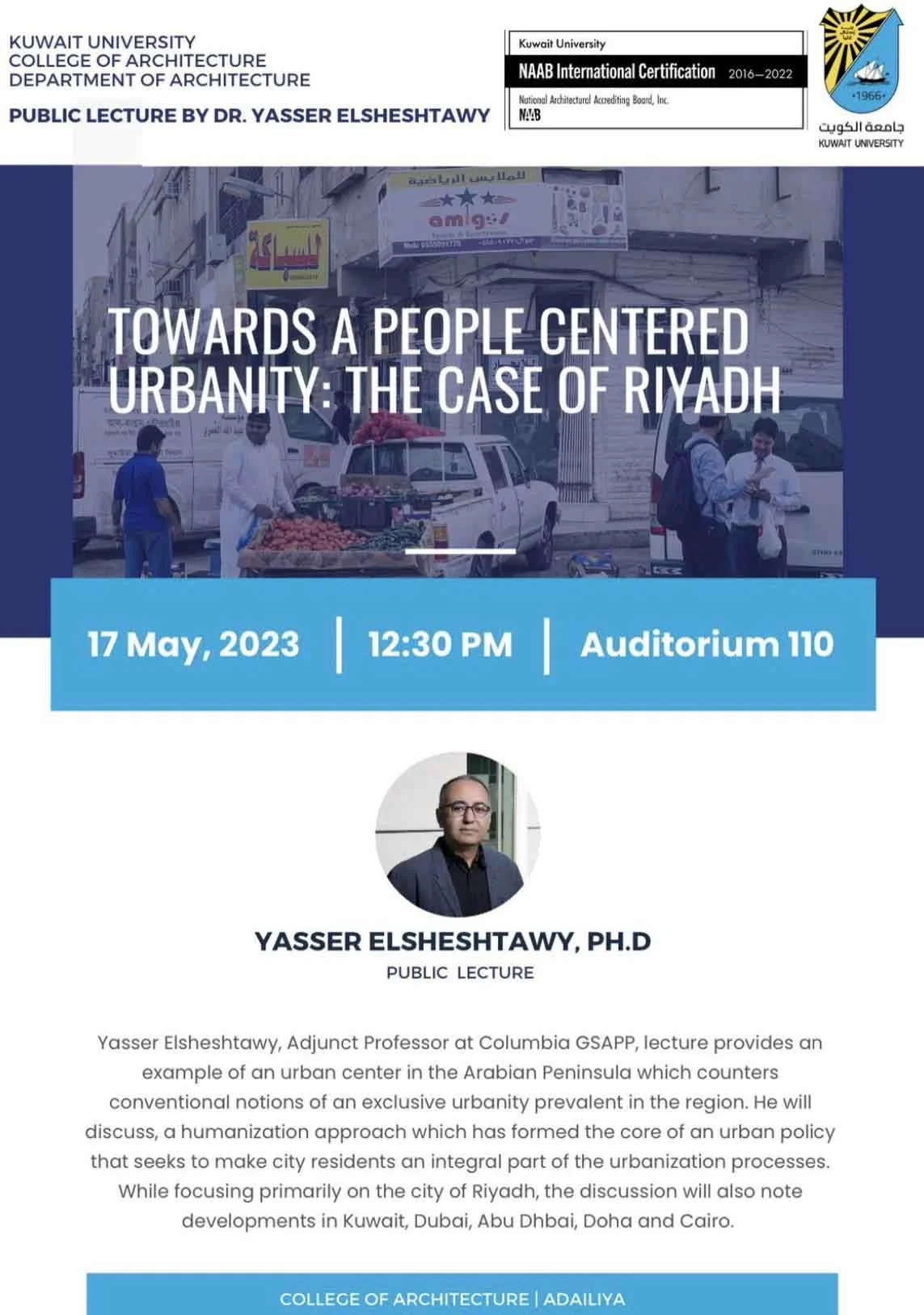
Public Lecture: Kuwait University. College of Architecture. Kuwait. “Towards a People Centered Urbanity: The case of Riyadh.” May, 2023.
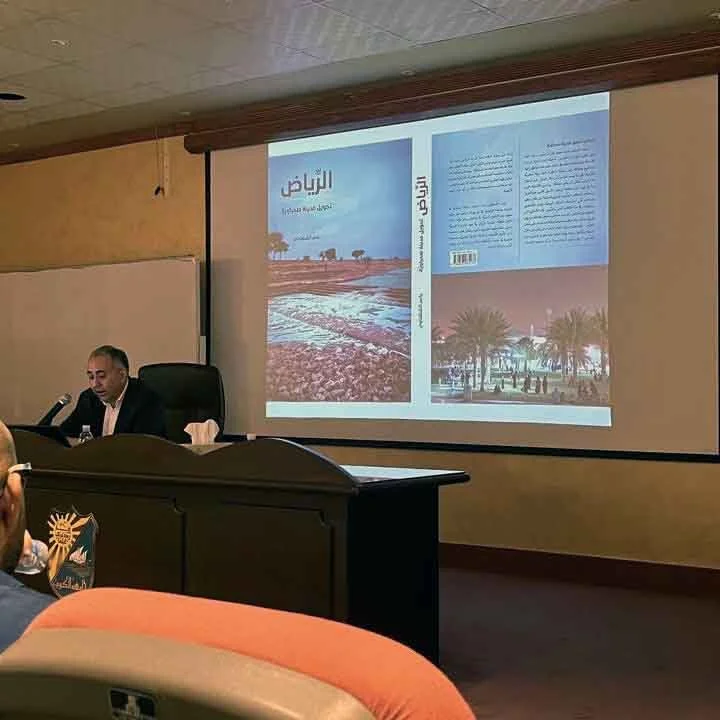
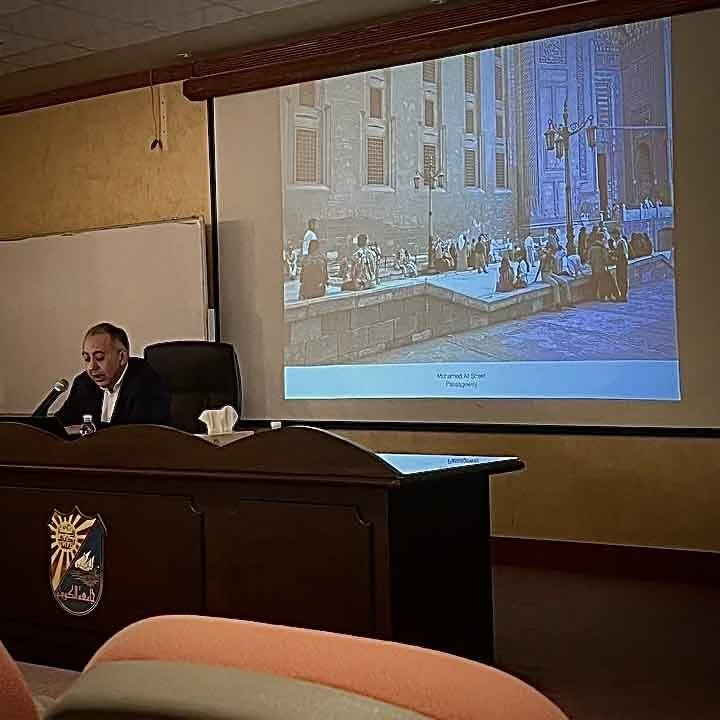
Public Lecture: King Faisal Center for Research and Islamic Studies. Riyadh. Saudi Arabia. “Humanizing the Built Environment: Lessons from Riyadh.” June, 2022.
Arab Gulf States Institute in Washington DC. Transforming Riyadh: A New Urban Paradigm?
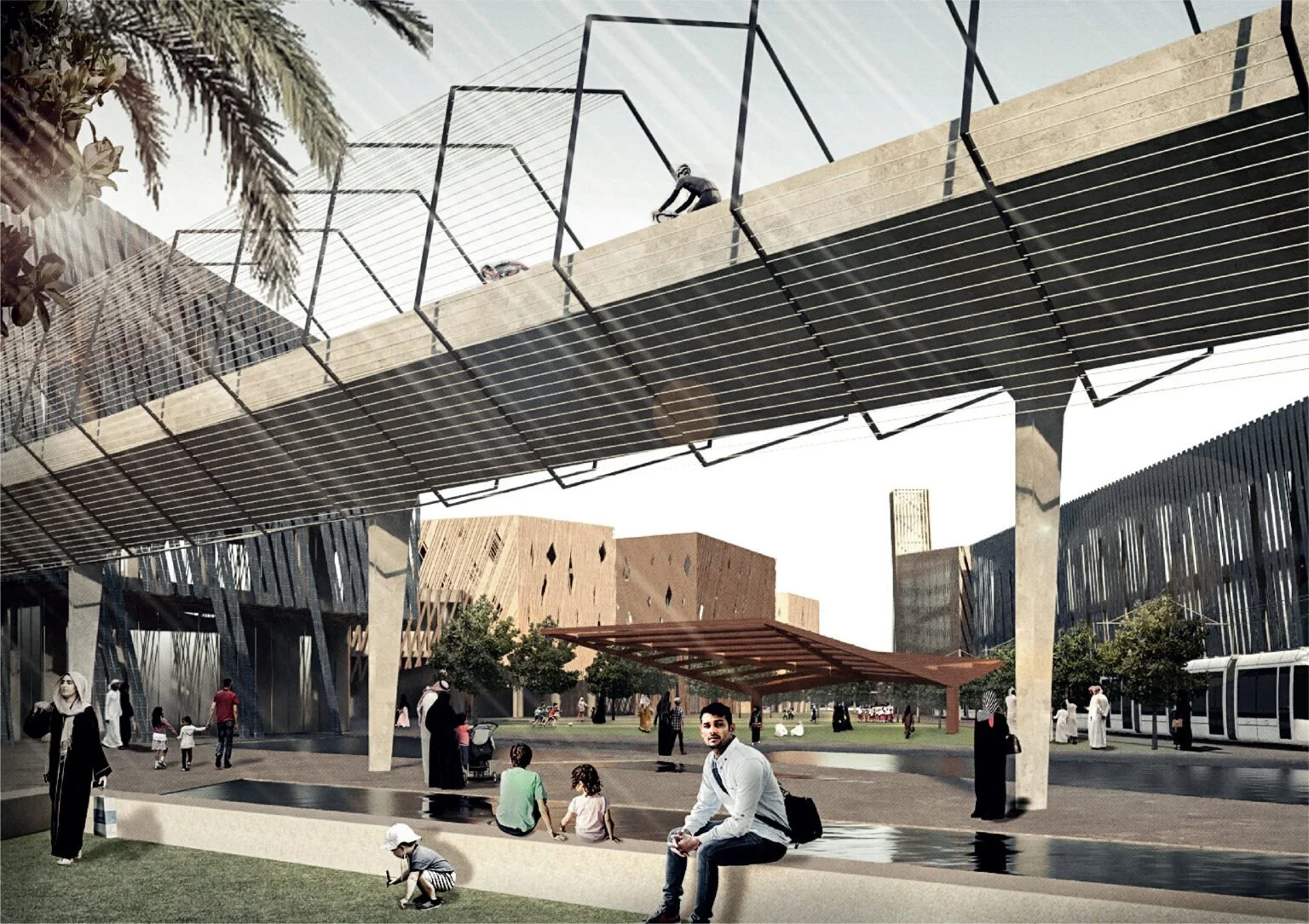
Blogged Environment Articles:
“Three Days in Riyadh: A city in transition.” February 15, 2019.
“A Flâneur in Riyadh: The Transformation of Tahlia Street.” May 1, 2019.
“Riyadh Drifting: Walking in the City.” June 9, 2019.
“Green Dreams: Reviving the Gardens of Riyadh.”July 8, 2019