Chapter 1: Introduction – The Modernism Fetish
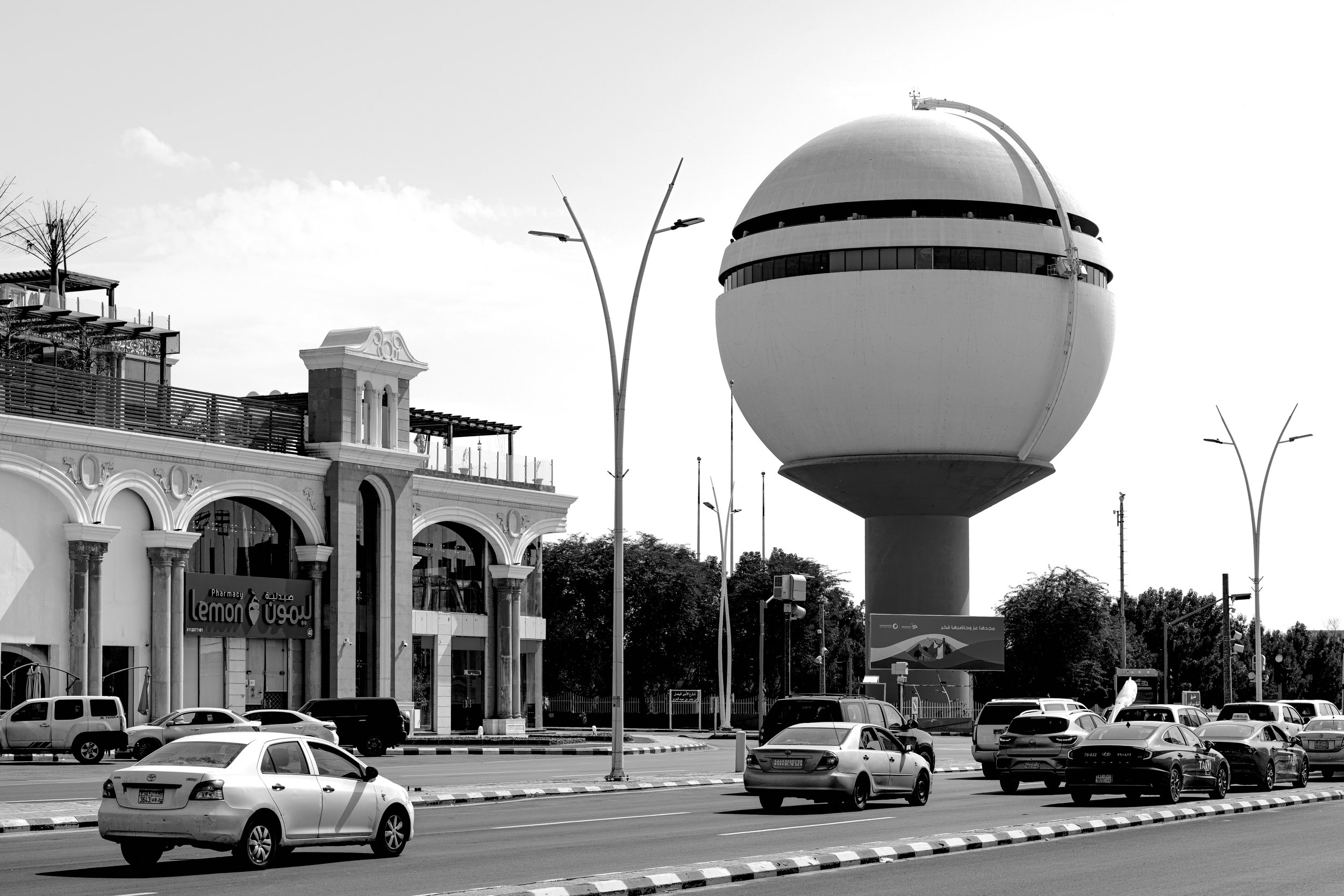
This opening chapter sets the conceptual and ethical framework of the book by interrogating what it calls the fetishization of modernism in Arab cities. Rather than treating modernism as a coherent project or stylistic inheritance, the chapter frames it as something that often arrived “in spite of us”—as an episode, an interruption, or an accident rather than an organic social transformation. Drawing on literary epigraphs from Season of Migration to the North and the Bahrain Pavilion at the Venice Architecture Biennale, the chapter situates Arab encounters with modernism within a longer history of ambivalence, desire, resistance, and misrecognition.
Through personal anecdotes—from conversations in Buraydah to encounters at academic panels and exhibitions—the chapter reveals how modernist buildings have increasingly become symbolic totems, valued less for their social or functional performance than for what they are imagined to represent: memory, authenticity, or resistance to erasure. This tendency, the chapter argues, risks flattening history and transforming modernism into a nostalgic object, easily co-opted by neoliberal urban agendas. The discussion critically engages heritage initiatives, mapping projects, and preservation campaigns across the region, acknowledging their importance while warning against their depoliticization.
The chapter distinguishes between modernism as an architectural language and modernity as a lived socio-cultural condition. Drawing on theorists such as Avinash Rajagopal, Sarah Goldhagen, Andreas Huyssen, and Edward Said, it challenges the idea of modernism as a one-way Western export and instead foregrounds local refashionings, misalignments, and failures. Case studies from Abu Dhabi, Cairo, and Kuwait and elsewhere, illustrate how buildings acquire meaning not through form alone but through everyday use, memory, and social performance.
Ultimately, this chapter establishes the book’s central stance: it is neither a nostalgic defense nor a wholesale rejection of modernism. Instead, it calls for a clear-eyed reckoning—one that moves beyond cataloguing icons toward understanding how architecture has shaped, and been shaped by, lived urban realities across the Arab world.
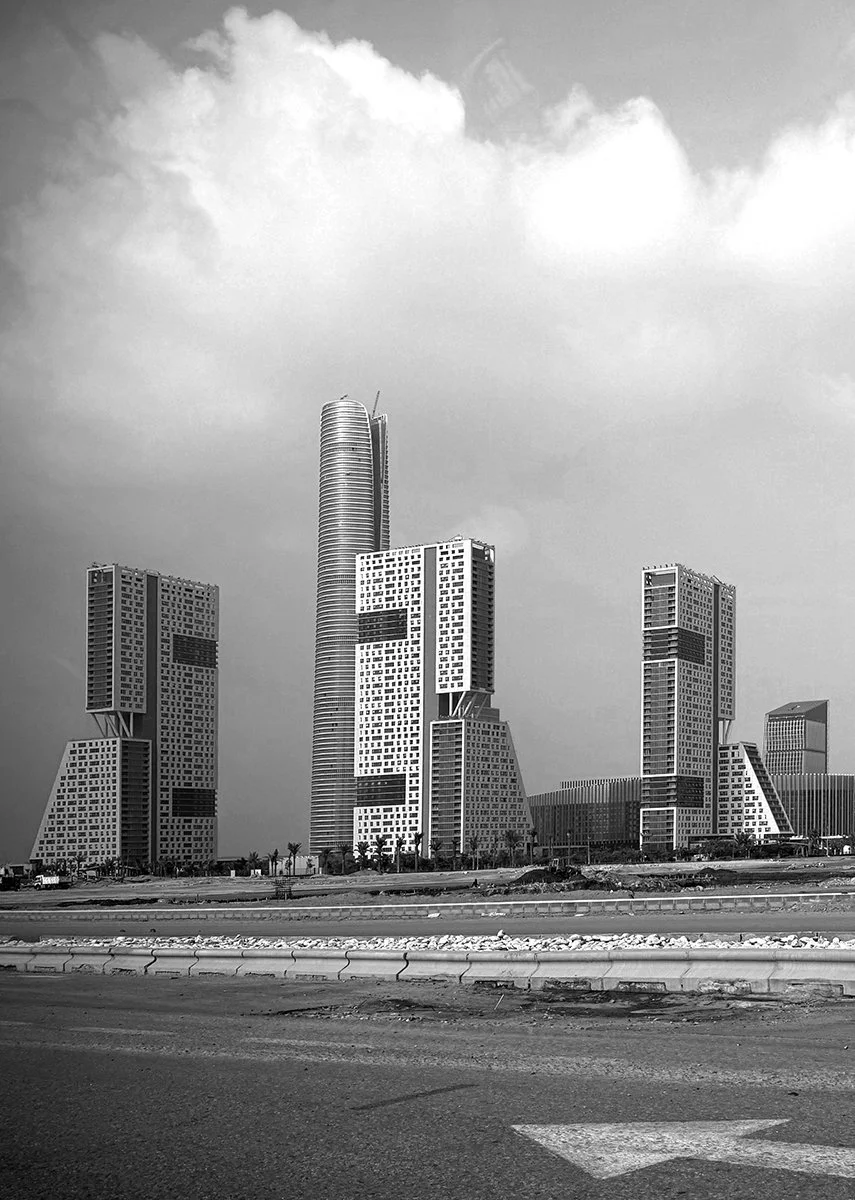
Administrative Capital. Cairo
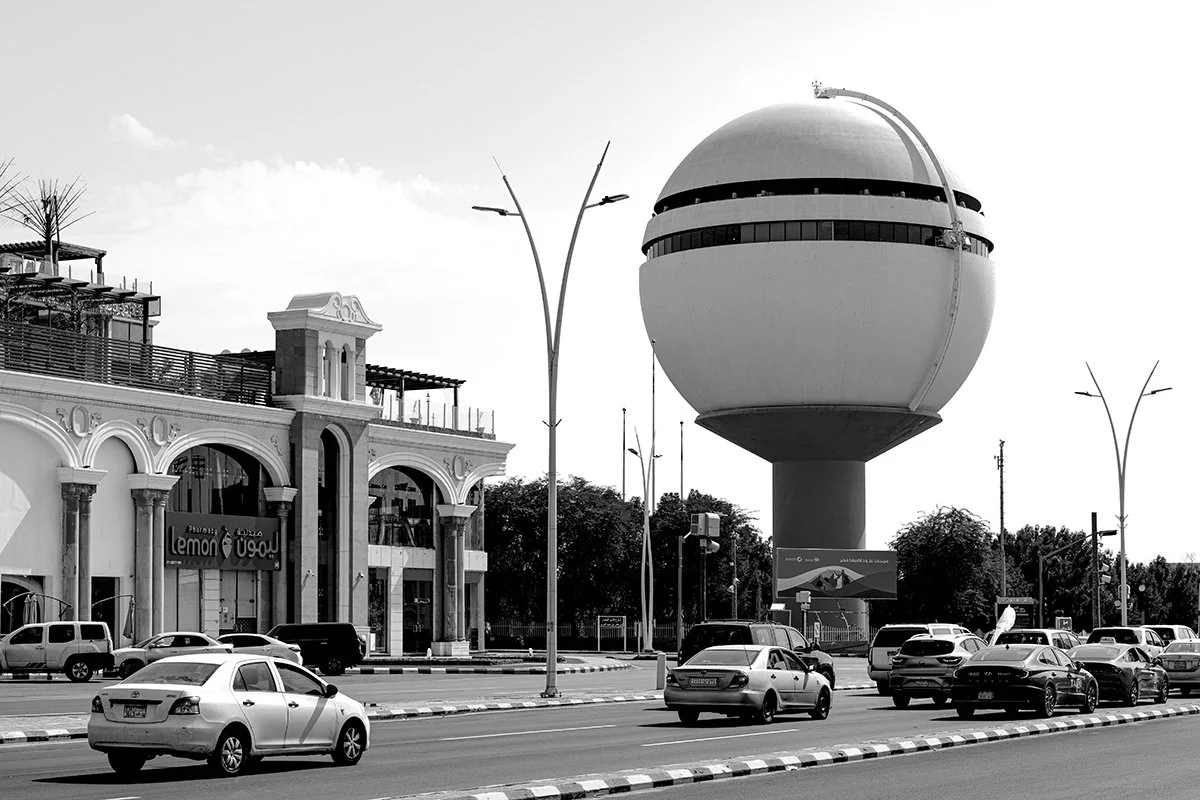
Buraydah Water Tower. Saudi Arabia
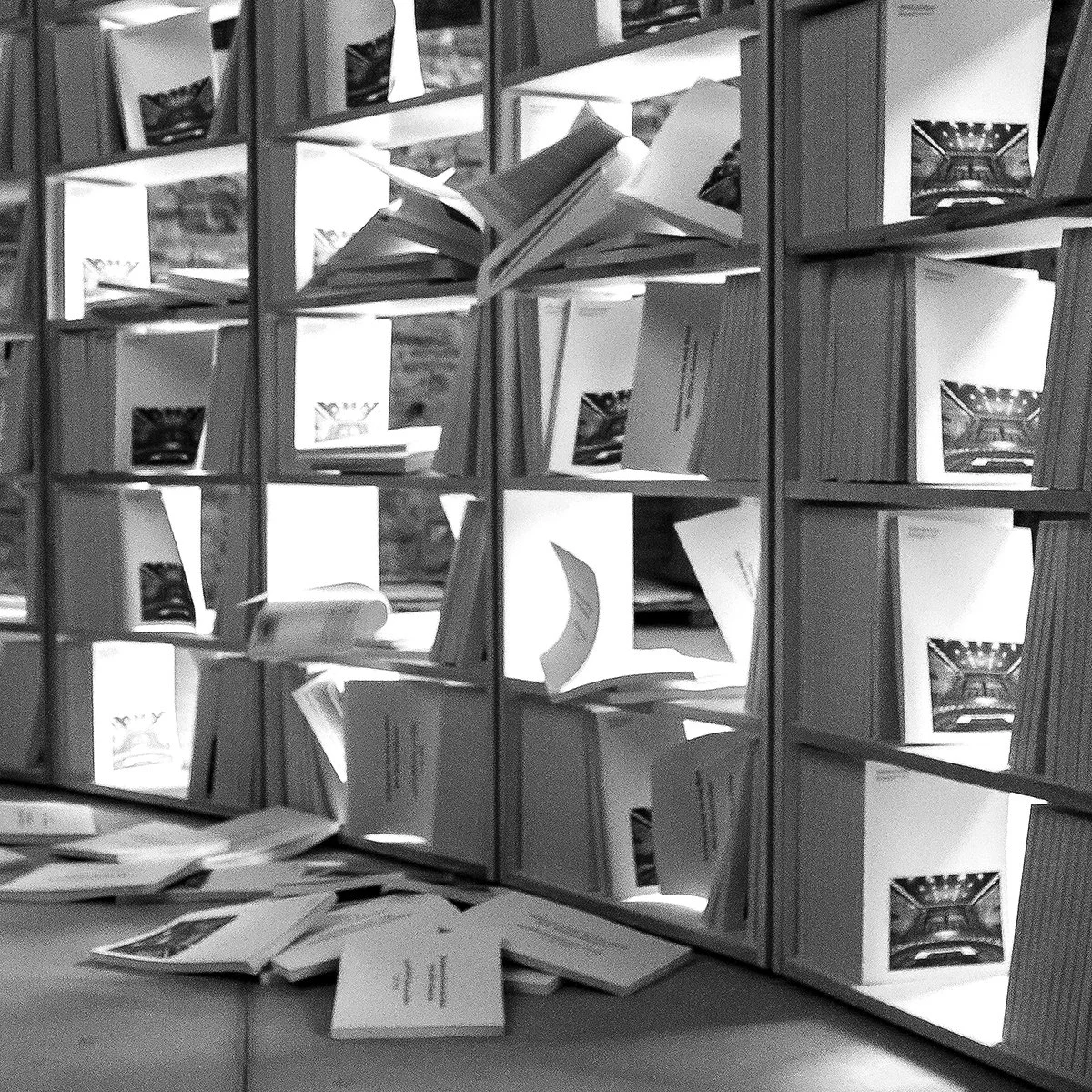
Bahrain Pavilion . 2014 Venice Biennale
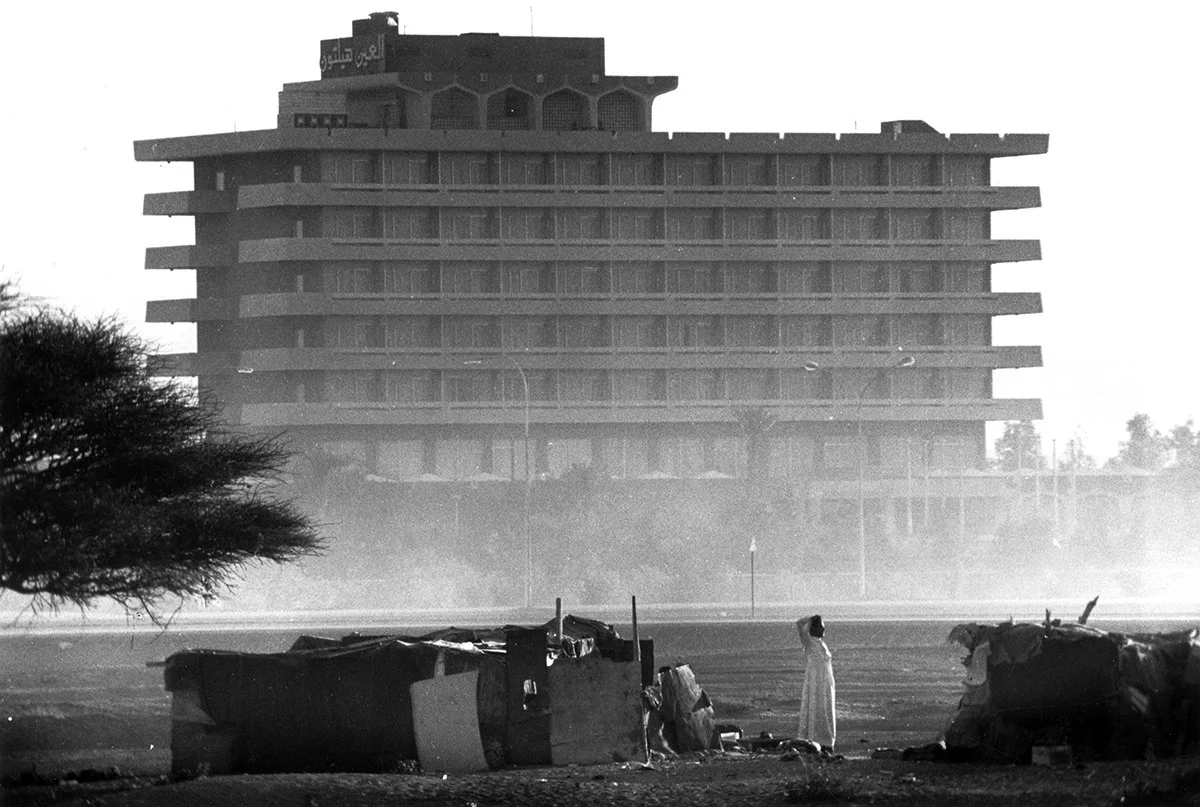
Al Ain Hilton. 1970s
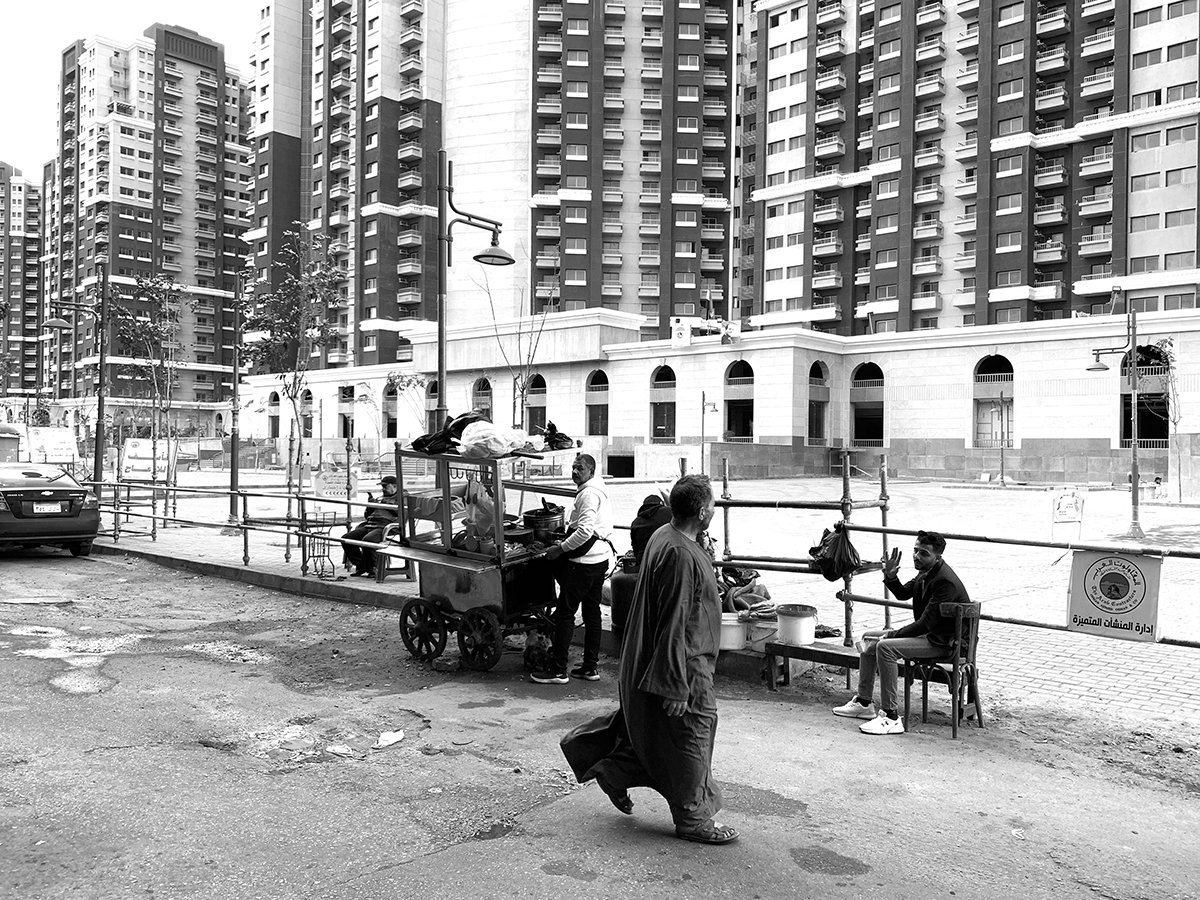
Maspero Development. Cairo
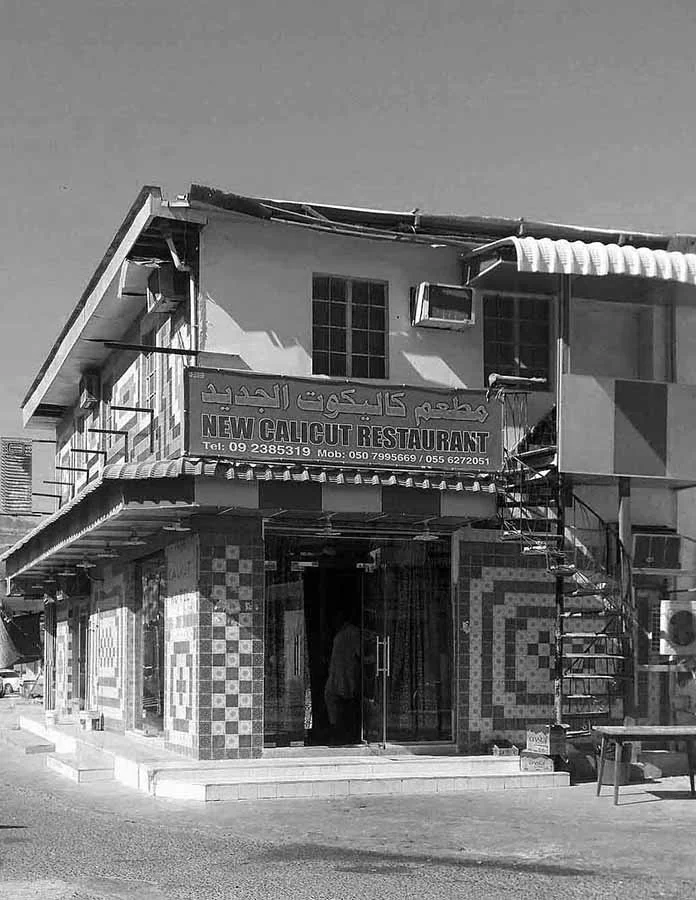
Calicut Motel. Ras Al Khaimah
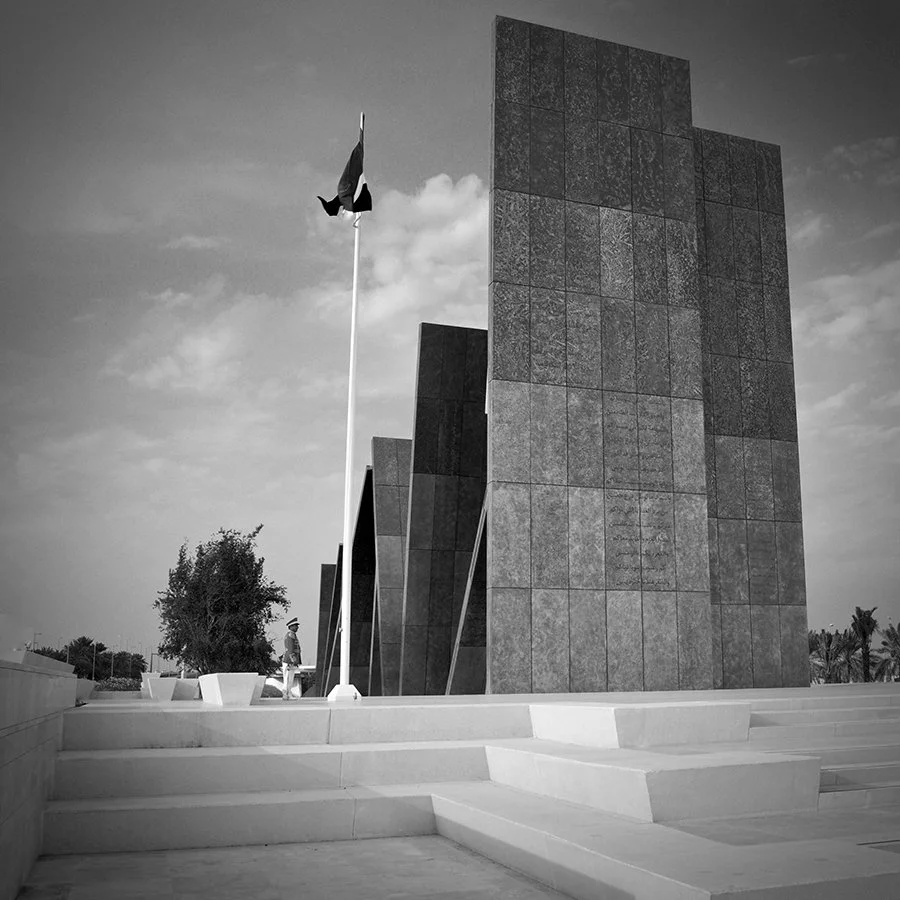
Abu Dhabi Monument for Fallen Soldiers
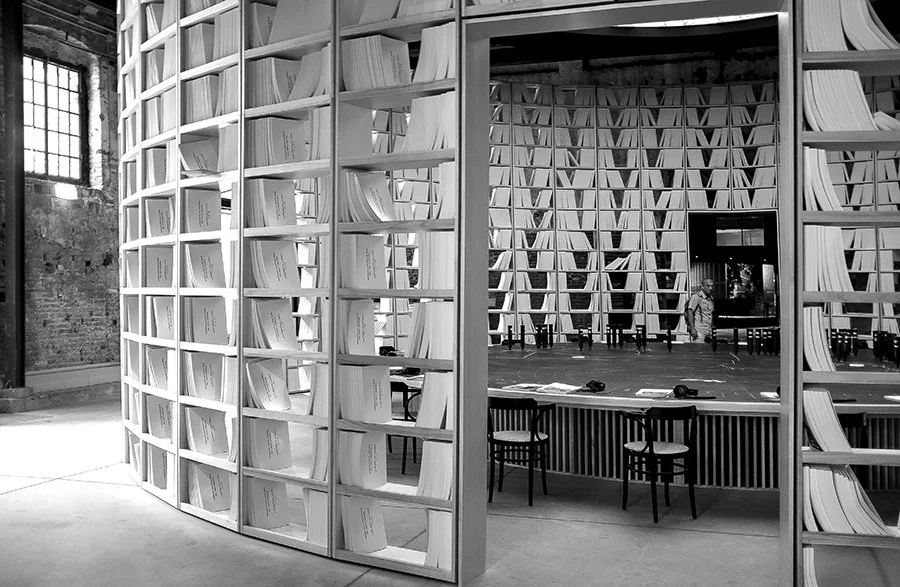
Bahrain Pavilion