Waiting for What Will Come
Pigeons, People, and the Enduring Urbanism of Amman

"And Amman remains like other cities, waiting for what will come."
— Abdulrahman Munif, Tale of a City
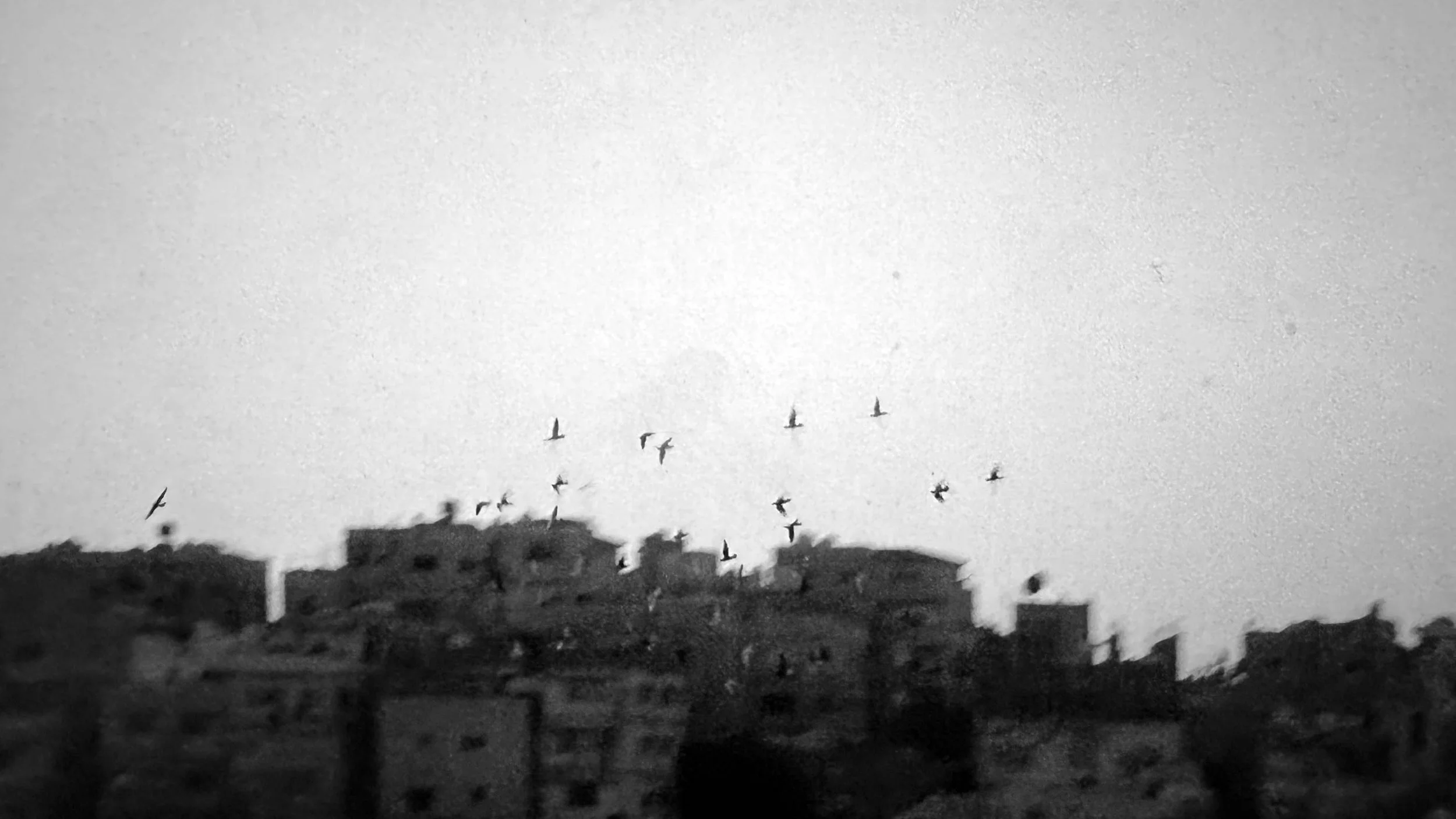
Pigeons hovering over Amman (Movie Still, The Alleys)
Every afternoon in Amman, the sky comes alive.
From rooftops scattered across the city's hills, flocks of homing pigeons rise in unison, circling above the dense urban landscape before gradually returning home. Their movements appear effortless, as they fly above the city. On the rooftops below stand their keepers—men like Imad Saoud—guiding them with whistles, gestures, and years of accumulated knowledge. The birds soar above apartment blocks, markets, stairways, mosques, and traffic-clogged streets, transforming the skyline into a theatre of movement. For outsiders, it is an unusual sight. Yet the practice reveals something profound about Amman. The rooftops occupied by pigeon keepers rarely appear in tourist brochures or urban masterplans. They belong to a different city, one hidden from view yet deeply embedded within everyday life. Pigeon coops constructed from wood, wire, and improvised materials form their own vernacular architecture. Competitions and rivalries unfold across neighborhoods. Friendships emerge between rooftop keepers separated by valleys and hills. In a city marked by economic uncertainty and growing inequality, these elevated spaces provide purpose, companionship, and escape. Indeed, from above, the city appears connected, but from below, it often feels fragmented.
I was reminded of this during my extended visit to Amman in 2012. At the time, I had spent considerable effort studying the cities of Dubai, Abu Dhabi and Cairo. In comparison, Amman seemed almost understated. It lacked Dubai's relentless ambition and Cairo's overwhelming intensity. Instead, it possessed a quiet confidence, a sense of permanence that felt increasingly rare in a rapidly changing region. The old city in particular appeared suspended in time. Walking through downtown Amman, I encountered narrow alleyways crowded with vendors, small shops overflowing with merchandise, and cafés filled with customers lingering over tea and conversation. Life unfolded at an unhurried pace. An elderly man, his keffiyeh carefully wrapped around his head, walked slowly along the sidewalk, observing the city rather than merely passing through it. Behind him stood a collection of restaurants, shops, and market stalls that looked as though they had changed little over the preceding decades. Eventually I stopped at a well-known restaurant specializing in mansaf, Jordan's national dish. Sitting among families, workers, and visitors, I ordered a generous serving and watched the city continue its daily rhythms outside. What struck me most was not the food, although it was excellent. It was the feeling that time had slowed down. In an era when many cities seemed obsessed with reinvention, Amman projected continuity. Yet this impression was only partially true.
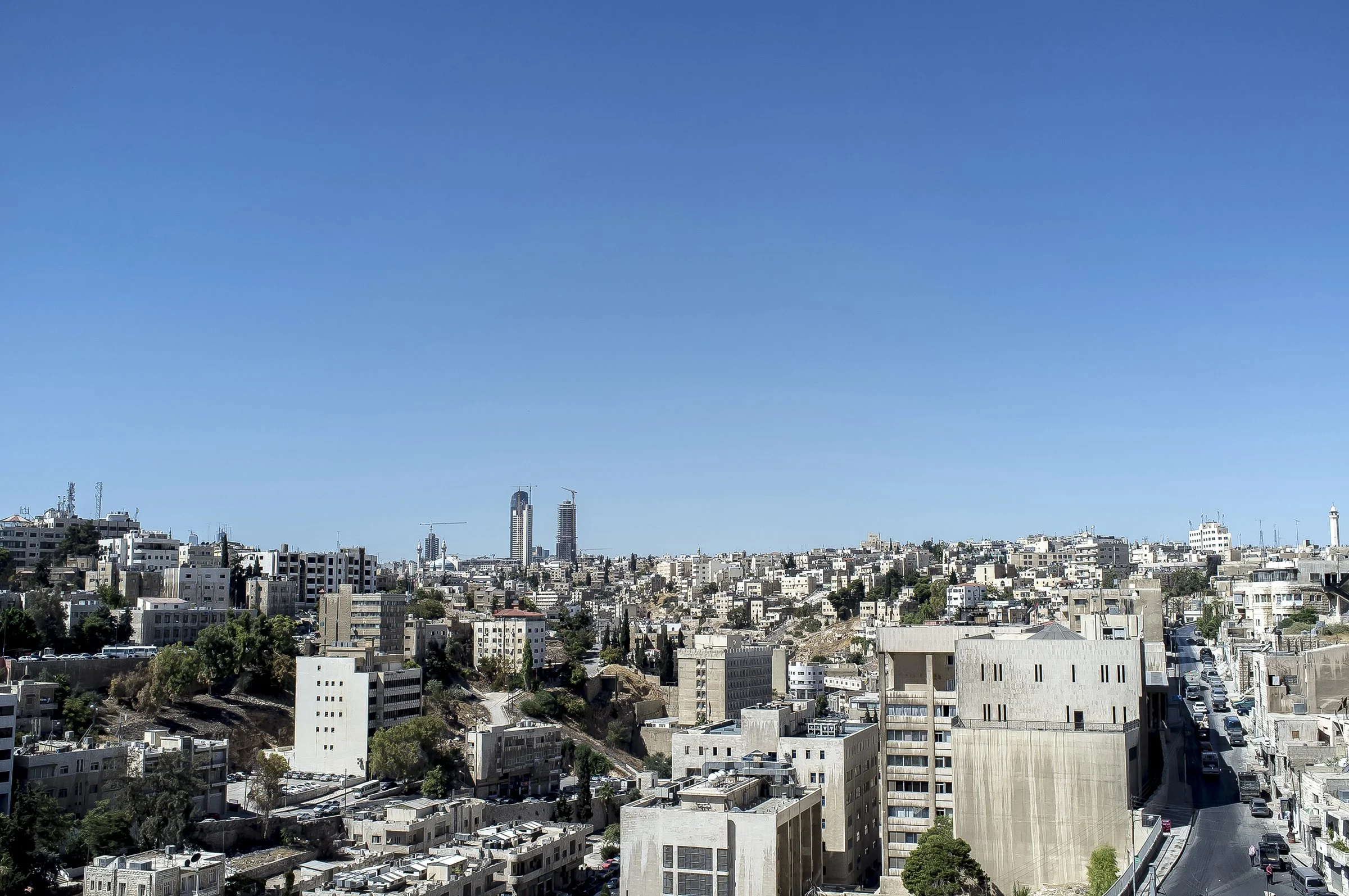
Amman Skyline (Elsheshtawy)
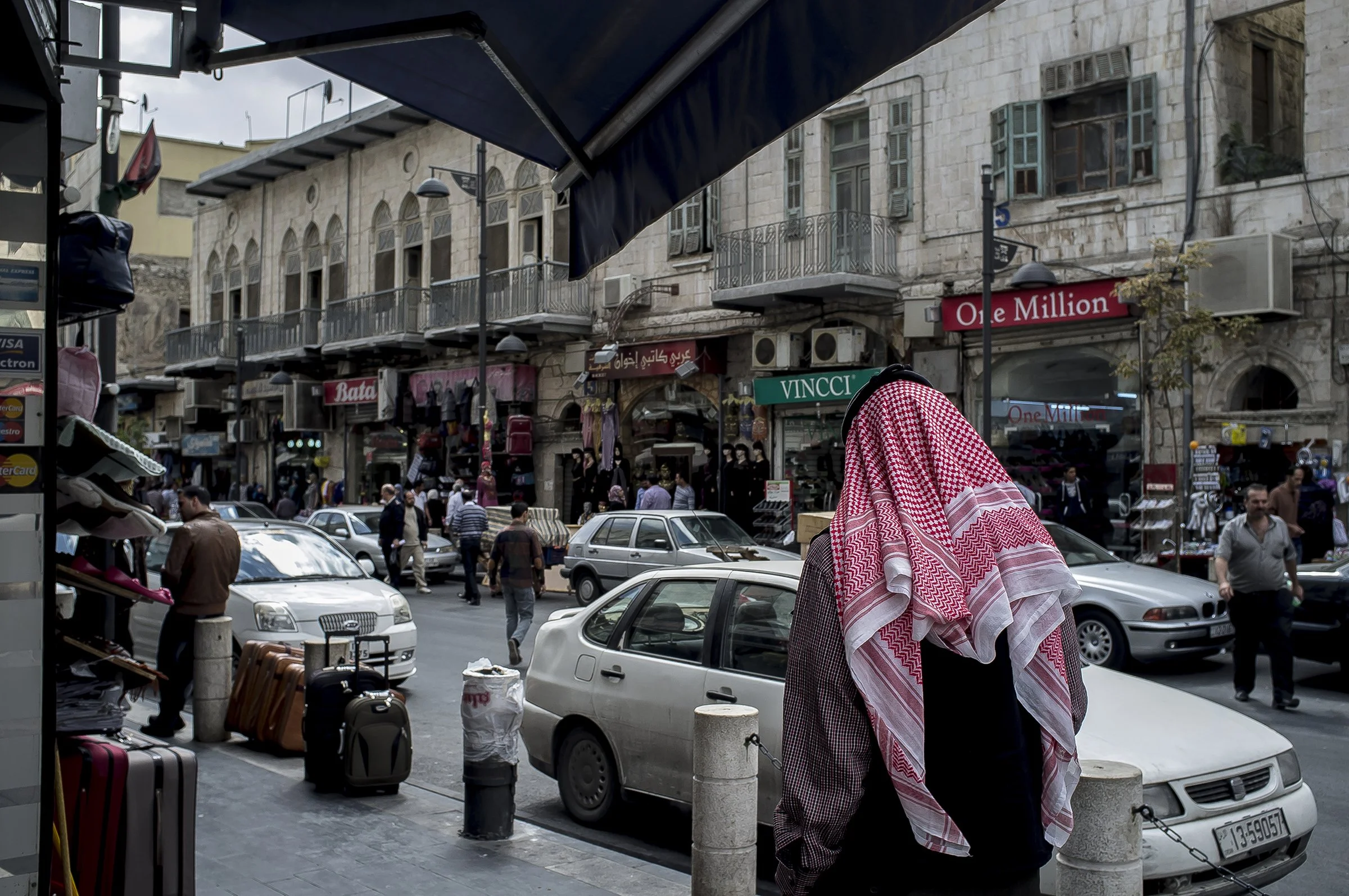
Amman. Old City (Elsheshtawy)
Not far from the old city, another Amman was emerging. Construction cranes dominated the skyline as work continued on Abdali, a vast mixed-use development inspired by the global urban projects that had become commonplace throughout the Gulf. Luxury apartments, office towers, hotels, and shopping districts promised to usher Amman into a new era. Here was a vision of the city directed outward toward international investors, global capital, and aspirations of world-city status. When Abdali eventually opened, it transformed perceptions of Amman. For some, it represented progress and modernization. For others, it symbolized the growing disconnect between the city's elite aspirations and the everyday realities experienced by many of its residents. Yet Abdali is not Amman. Nor has it ever been. The city has always proven more resilient and more complex than any single development project. This resilience becomes particularly visible when one considers Amman's long history as a place of refuge. Palestinians, Iraqis, Syrians, Sudanese, Circassians, Chechens, and countless others have arrived here seeking safety and opportunity. Each wave of migration has left its mark on the city's social and physical landscape. Urban scholar Rami Daher once described Amman as "a city of many hats"—a phrase that captures its remarkable ability to accommodate multiple identities simultaneously.
I was reminded of this during a walking tour with Palestinian architect Senan Abdelqader. He took me to one of Rami’s most cherished projects: the regeneration of Rainbow Street. Perched on a hillside overlooking the old city, the street had been redesigned to prioritize pedestrians while preserving its intimate character. We walked slowly along its sidewalks, stopping occasionally to admire the views unfolding below. From Rainbow Street, the rooftops of downtown Amman stretch toward the horizon. The perspective is revealing. On one side lies the intimate city of stairways, markets, balconies, and rooftop pigeon keepers. On the other rises the city of towers, investment, and global ambition. The contrast between Rainbow Street and Abdali could not have been more striking.
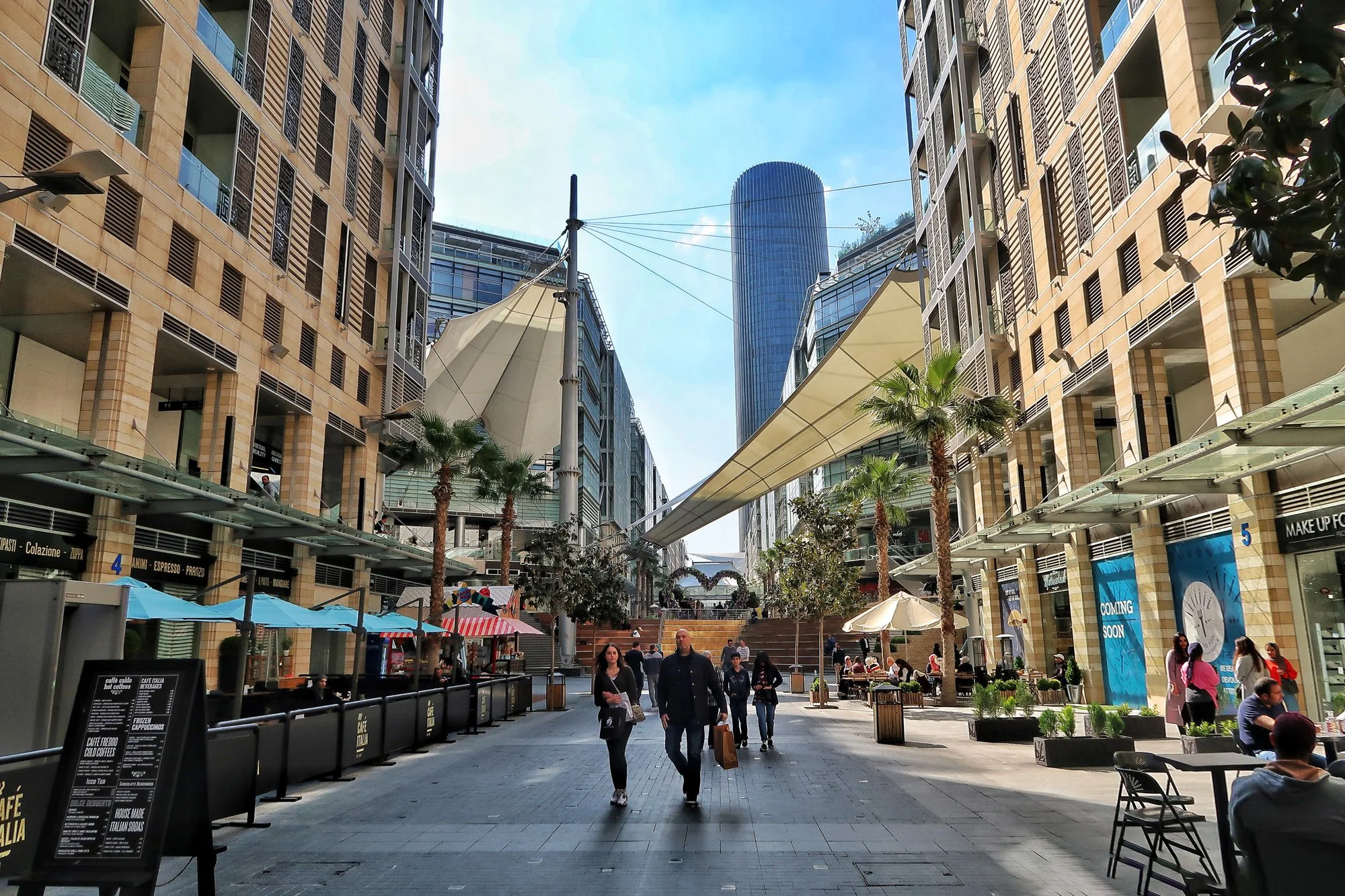
Abdali
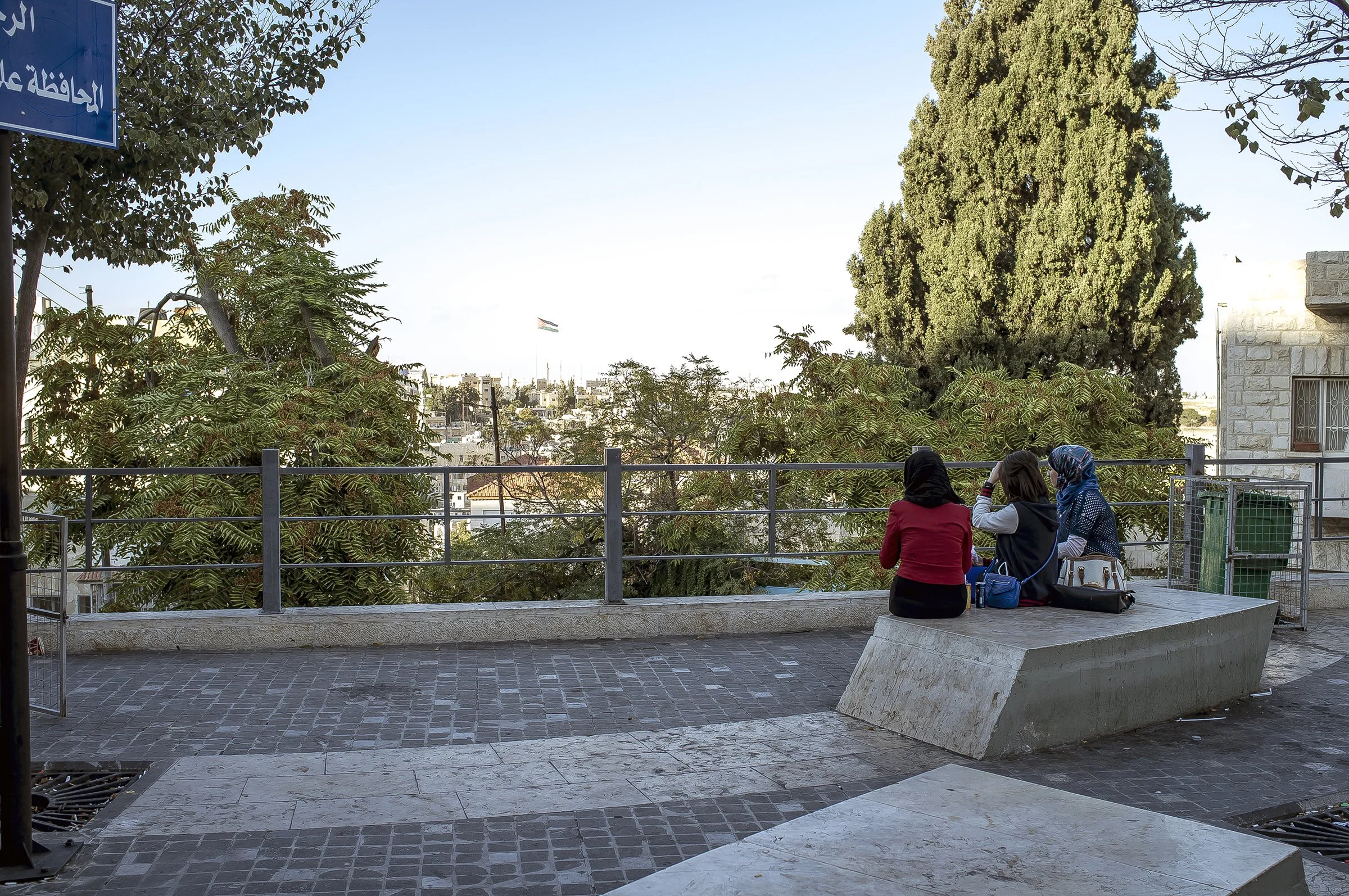
Rainbow Street (Elsheshtawy)
These tensions form part of the Amman chapter in my book Arab Modernism(s): Cities, History and Culture. There I examine how architects, planners, and political leaders attempted to reconcile competing visions of modernity. Yet what interests me increasingly is not simply the buildings they produced, but the ways ordinary people experienced and negotiated these transformations. In this respect, no one captured Amman more beautifully than Abdulrahman Munif. Best known for his monumental novel Cities of Salt, Munif spent much of his life moving between countries and cultures. Exile sharpened his awareness of place. It also gave him a unique perspective from which to reflect on cities and belonging. In Tale of a City, Munif returns to the Amman of the 1940s—not through conventional history but through memory. The city he describes is modest, dusty, and full of life. It exists not as an object but as an experience. Reading Munif today, one is struck by how contemporary his observations remain. For all the transformations Amman has experienced over the past decades, many of the questions he raised continue to resonate. How can cities accommodate growth without losing their social fabric? What happens when economic development produces new forms of exclusion? How can memory survive amid relentless change? These questions feel especially urgent in contemporary Amman. For beneath the city's celebrated image as a place of refuge and stability lies a more complicated reality. A city of opportunity. A city of inequality. A city increasingly divided between different worlds.
Munif himself observed the early stages of this transformation. As Amman expanded beyond its original core, differences in wealth became increasingly visible. New neighborhoods climbed the hillsides while poorer communities remained concentrated in the valleys below. The city that had once seemed compact and socially integrated gradually fractured into what many observers would later describe as two Ammans: East Amman and West Amman. Of course, such distinctions oversimplify a much more complex reality. Yet they point to an important truth. Urban development is never merely about buildings. It is also about access, opportunity, mobility, and belonging. Who benefits from growth? Who is left behind? And what happens when the distance between the two becomes too great?
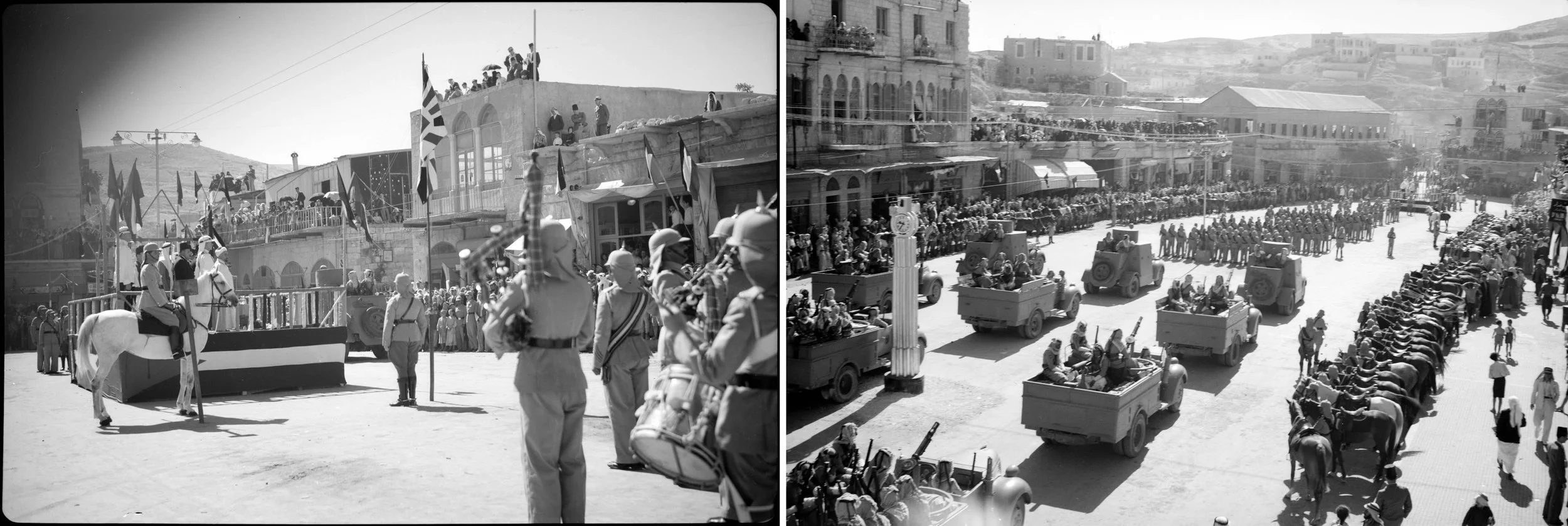
Amman in the 1940s (Library of Congress)
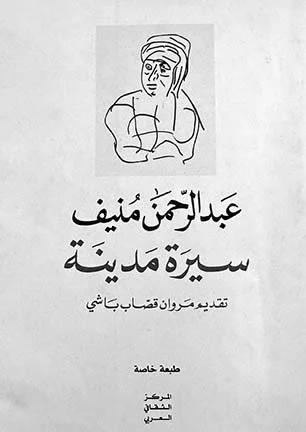
Book Cover “Tale of a City”
These questions acquired a tragic urgency on November 9, 2005. On that evening, three coordinated suicide bombings targeted some of Amman's most prominent hotels: the Grand Hyatt, the Radisson SAS, and the Days Inn. Sixty people were killed and more than one hundred injured. Among the victims was the renowned filmmaker Mustafa Akkad, director of The Message, a film that introduced generations of audiences to the early history of Islam; and Omar Mukhtar: Lion of the Desert, a biopic depicting the life of the legendary Libyan resistance leader. The attacks shocked Jordan. Yet beyond the immediate tragedy, the bombings revealed something deeper about cities. The targeted hotels were not random locations. They were places where different worlds met. They symbolized a cosmopolitan Amman connected to regional and global networks. In attacking these places, the bombers were attacking not only individuals but an idea of the city itself. The aftermath transformed daily life. Metal detectors appeared at hotels, shopping centers, and public institutions. Armed guards became a routine presence. Security checkpoints multiplied.
And yet it is impossible to discuss these events solely through the lens of security. Within the broader context of Amman's urban development, one cannot ignore the growing social divisions that accompanied economic transformation. The divide between affluent and disadvantaged neighborhoods, between inclusion and exclusion, between those who benefited from development and those who felt marginalized by it, formed part of the backdrop against which such tragedies unfolded. This is not to excuse violence. Far from it. Rather, it is to acknowledge that cities are social organisms. They cannot remain healthy when prosperity becomes increasingly concentrated and opportunities increasingly uneven. Similar patterns have appeared elsewhere in the Arab world. In Casablanca, for example, extremist violence likewise emerged from marginalized districts disconnected from the prosperity enjoyed elsewhere in the city. It is here that Abdulrahman Munif's reflections acquire renewed relevance. Near the conclusion of Tale of a City, he writes:
"The city is life in its multiplicity and diversity. It is the places, the people, the trees, the scent of rain. It is also the soil. It is time itself, but in motion. The city is the way people look at things, the way they speak, how they dealt with the events that occurred, how they faced them, and how they overcame them. The city is people's moments of joy and times of sadness. The city is the way we welcome those we love and confront those we oppose. The city is the tears with which we bid farewell to those who have been forced to leave, temporarily or forever, and the smiles with which we welcome those who return. This is the city and many other small things. Can it be reclaimed?"
Reading these words today, one realizes that Munif was never merely describing Amman in the 1940s.
He was describing every city. He was describing Cairo and Beirut, Casablanca and Baghdad, Riyadh and Damascus. He was describing places constantly negotiating the relationship between memory and change, tradition and modernity, belonging and exclusion. Above all, he was reminding us that cities are not collections of buildings. They are collections of lives.
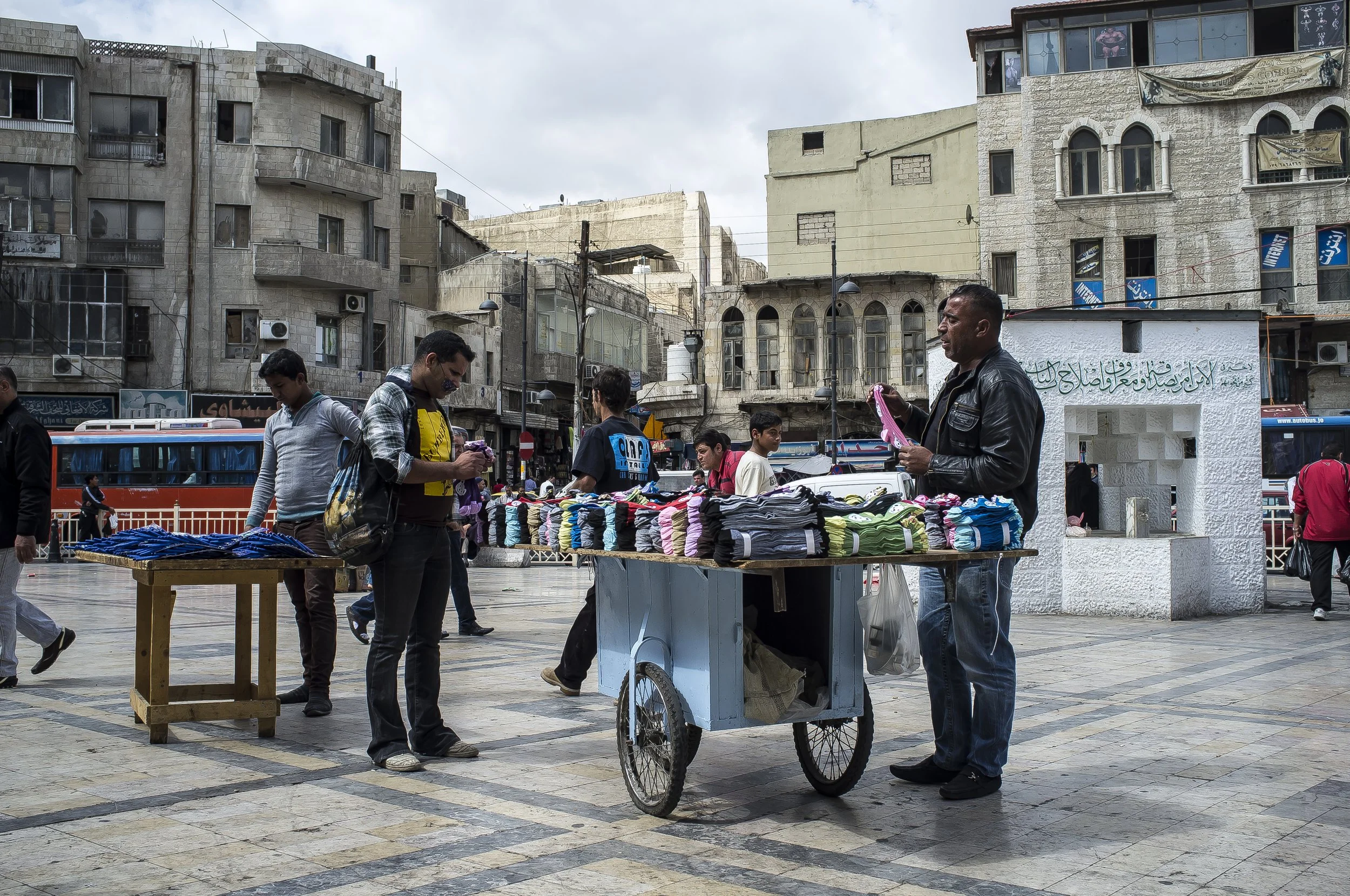
Downtown Amman (Elsheshtawy)
Looking back on my time in Amman, I remember many things. But more than anything else, I remember the pigeons. Every afternoon they rise from rooftops scattered across the hills of Amman. They circle above the city in graceful formations before eventually returning home. Their movements connect neighborhoods that maps, wealth, politics, and urban development often separate. From above, there is no East Amman or West Amman. No Abdali or downtown. No wealthy district or impoverished neighborhood. There is only Amman. Perhaps that is why the image has remained with me all these years.
It reminds us that cities endure not because of iconic projects, spectacular skylines, or ambitious masterplans. They endure because ordinary people continue to invest them with meaning. These are the people who ultimately make the city. They are also the people who occupy the heart of the Amman chapter in Arab Modernism(s): Cities, History and Culture.
As Munif observed more than half a century ago, Amman continues to wait for what will come. Yet perhaps its greatest achievement is that, despite wars, displacement, inequality, and relentless change, it remains a city where memory, belonging, and hope still find room to coexist.
