Beirut
Kisses to the Sea and the Houses

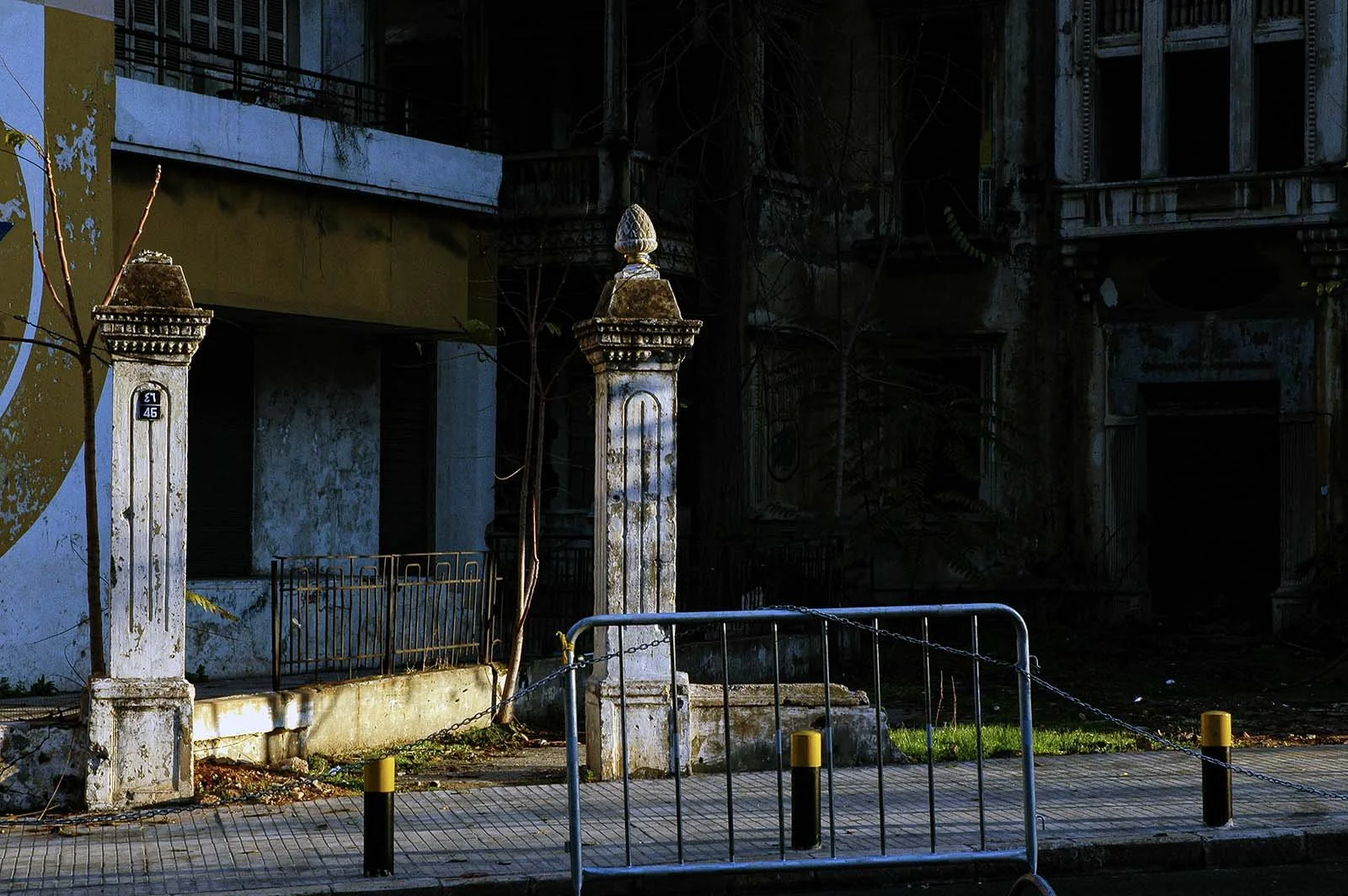
Downtown Beirut (Elsheshtawy)
Le Beirut (To Beirut)
Fairuz’s haunting ode to Beirut evokes a city of exquisite beauty and grace but one that also bears scars of unspeakable violence, a heart wrenching inequality, a sense of temporariness that is deep and strong but connected to space, to the physical environment, to history. Beirut suggests a vision of a mediterranean city which needs to be treasured as one would treasure a living being. And yet its beauty is fragile and vulnerable …
To Beirut
From my heart salutations to Beirut
And kisses to the sea and the houses
To a rock that looks like an old sailor's face
She (Beirut) is a wine made of people's spirit
From people's sweat she's bread and Jasmine
So how did her taste turn into the taste of fire and smoke
To Beirut
A glory of ash to Beirut
From the blood of a boy carried on her hand
My city has turned off its lamp
Closed its door
Stayed alone in the evening
Alone with the night
To Beirut
From my heart salutations to Beirut
And kisses to the sea and the houses
To a rock that looks like an old sailor's face
To me To me
Ah Hug me you are to me
My banner and tomorrow's stone and my travel wave
My people's wounds have flowered
The mothers' tears have flowered
You are Beirut to me
You are mine
Le Beirut. Photography: Elsheshtawy
There are cities that impress us, others that gradually become familiar, and a few that continue to occupy our imagination long after we have left them. Beirut has always belonged to that last category. Long before I first set foot there, I felt I already knew the city. Like countless Arabs of my generation, my earliest encounters with Beirut came not through its streets but through Fairuz's voice. In her songs, Beirut appeared as a city suspended between the Mediterranean and memory, a place of extraordinary beauty whose elegance was inseparable from melancholy. Yet alongside this lyrical image existed another Beirut, one carried by newspaper headlines and television broadcasts—a city repeatedly scarred by war, political upheaval, and destruction, only to rise again with astonishing resilience. Even before I arrived, I sensed that these were not two different cities but two faces of the same place.
Years later, while writing the Beirut chapter for Arab Modernism(s): Cities, History and Culture, I found myself returning to this paradox. Beirut seemed to embody many of the contradictions that have shaped the modern Arab city: cosmopolitan yet fragmented, glamorous yet unequal, endlessly reinventing itself while remaining unable to escape the weight of its own history. It is a city whose beauty has often been celebrated, but whose tragedies have become equally inseparable from its identity. I soon realized that writing about Beirut was not simply an exercise in documenting architecture or urban change. It required understanding how memory, violence, aspiration, and everyday life had become embedded in its streets and buildings.
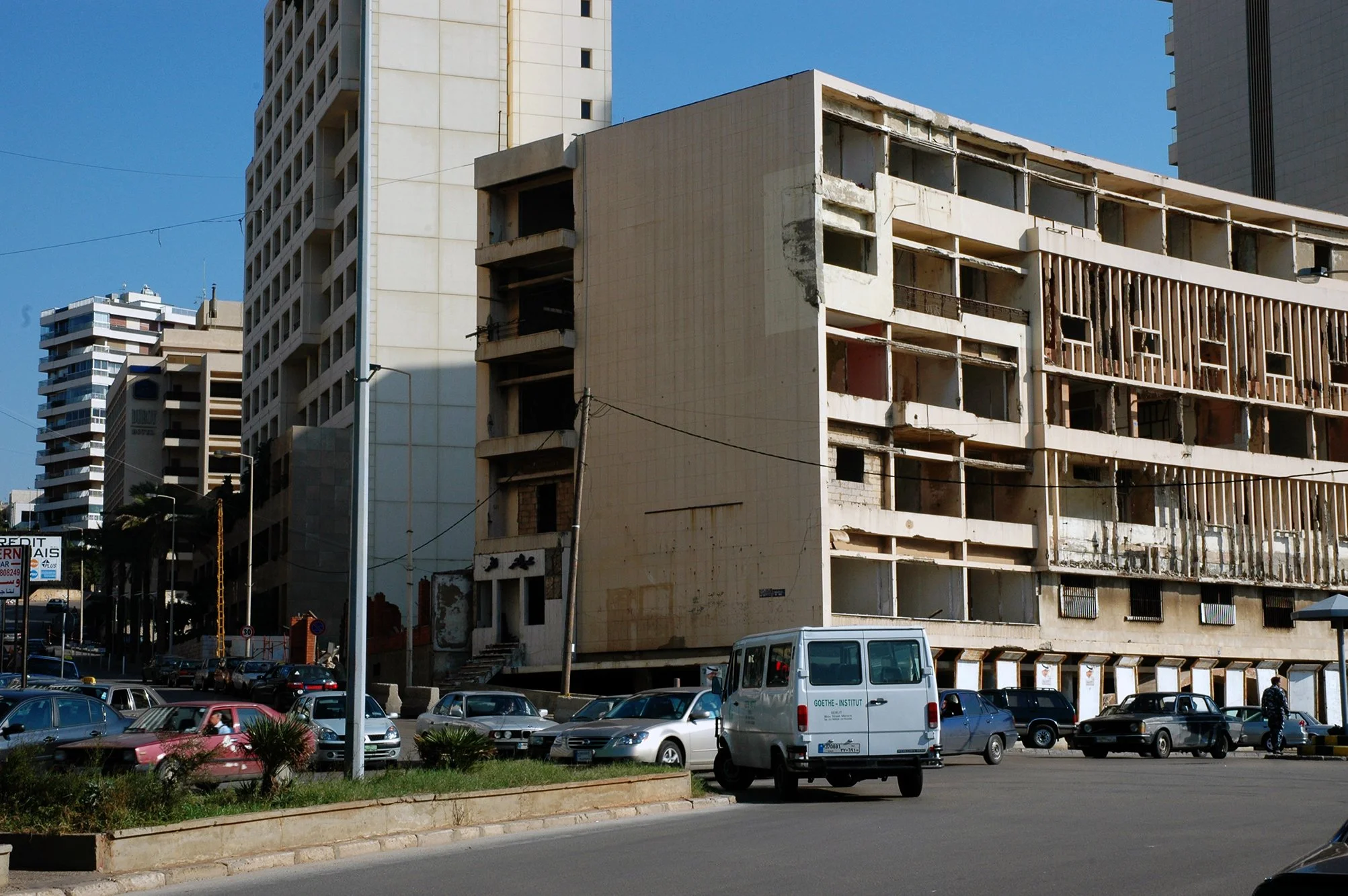
Gondole Building. 2005 (Elsheshtawy)
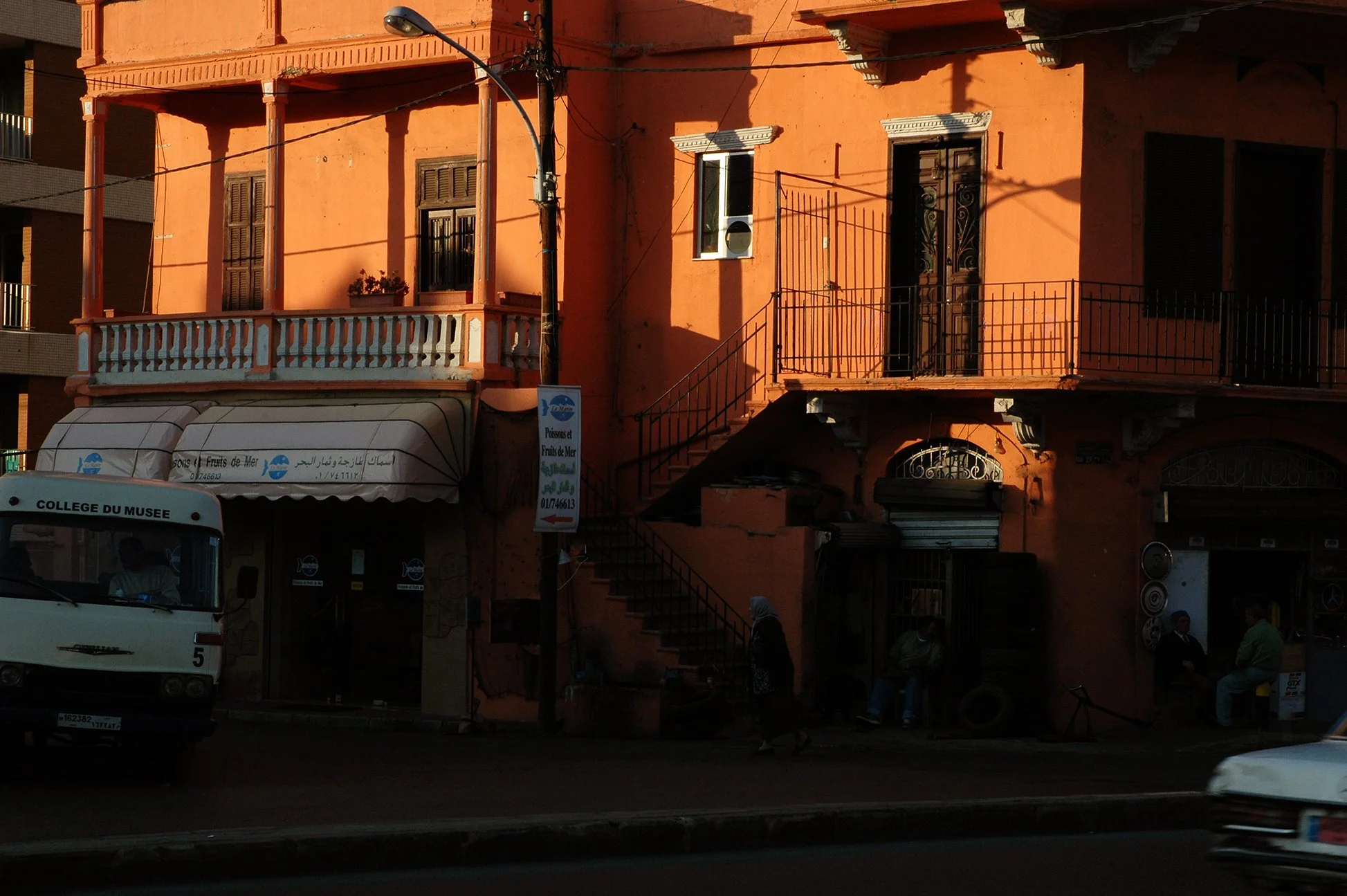
Downtown (Elsheshtawy)
Curiously, the starting point for this reflection was not Beirut itself but Cairo. In the nostalgia-tinged Egyptian film In the Last Days of the City, the protagonist Khaled wanders through a city undergoing change while witnessing the loss of a world he once knew. Along the way he meets his friends, filmmakers like him from Beirut, Baghdad and an Iraqi living in exile in Berlin. Each struggling to make sense of their own city. One exchange has remained with me ever since. Bassem from Beirut, remarks that Cairo may be chaotic and deteriorating, but at least it is honest. It makes no attempt to disguise what it has become. Beirut, he argues, is different. It conceals its wounds beneath carefully restored façades and polished surfaces, creating the illusion of a city that has healed while much beneath remains unresolved.
“See this disaster called Cairo. It’s a disaster but it doesn’t lie. It says this is me — take me as I am, or go to Berlin. Beirut is a lie. How do you film ugliness? Whore, Beirut is a whore. An old lady with a facelift. Everything is pretty from the outside, but it’s rotten. If I film it, I might end up without a city. Then what? Join you in Berlin?”
His words are deliberately provocative, but they reveal something profound about Beirut: a city that continually performs renewal even as it carries the scars of conflicts that have never entirely disappeared.
My own encounter with Beirut began in 2005 when I was invited to deliver the keynote address at an international conference organized by Notre Dame University in Jounieh, north of the capital. I arrived late in the evening and awoke the following morning to a magnificent panorama of the Mediterranean stretching beyond the hotel window. It was one of those rare moments when sea and sky merge into a single horizon, momentarily erasing every thought except the quiet certainty that some landscapes possess an almost cinematic perfection. Yet the city I had come to know lay further south, and whenever the conference schedule allowed, I escaped into Beirut itself.
Hamra was the first neighbourhood that truly captivated me. Growing up in Cairo during the 1970s, Hamra had acquired an almost mythical status. It represented an Arab cosmopolitanism that seemed increasingly elusive elsewhere—a place where writers, journalists, artists, and political exiles gathered in cafés, where conversations unfolded in Arabic, French, and English with equal ease, and where culture seemed inseparable from everyday life. A place filled with beautiful and elegant men and women. Walking its streets decades later, I could still sense traces of that atmosphere, even if time had inevitably altered its appearance.
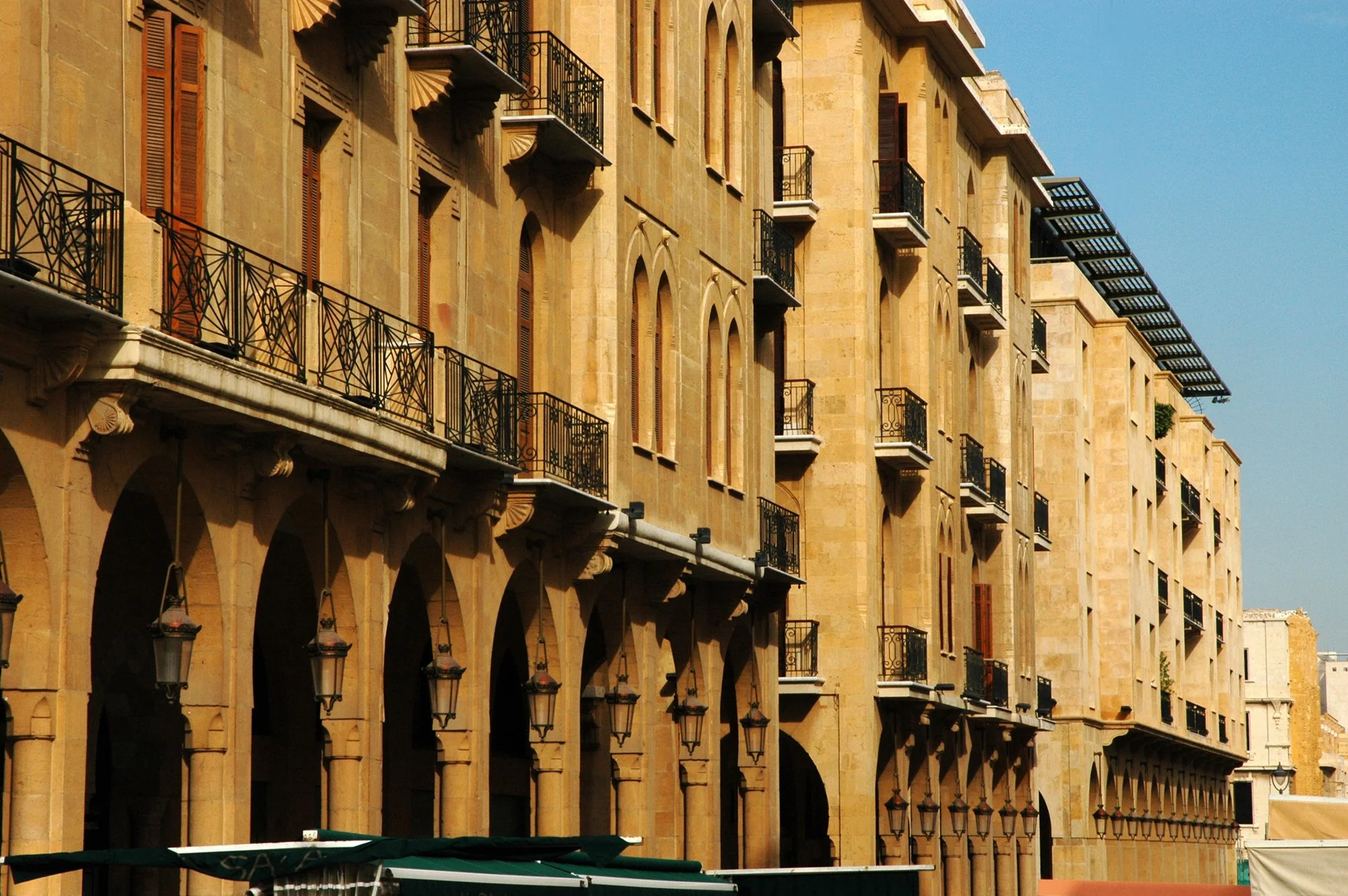
From Hamra I made my way to Martyrs' Square and eventually into the reconstructed downtown, Solidere. The buildings were impeccably rebuilt, their sandstone façades gleaming beneath the Mediterranean sun. Streets were unusually quiet, sidewalks remarkably clean, and every architectural detail appeared meticulously considered. Yet as I wandered through these spaces, I found myself experiencing an unexpected sense of unease. The district possessed all the visual qualities of a successful urban reconstruction, but somehow lacked the unpredictability, disorder, and spontaneity that make cities feel genuinely inhabited.
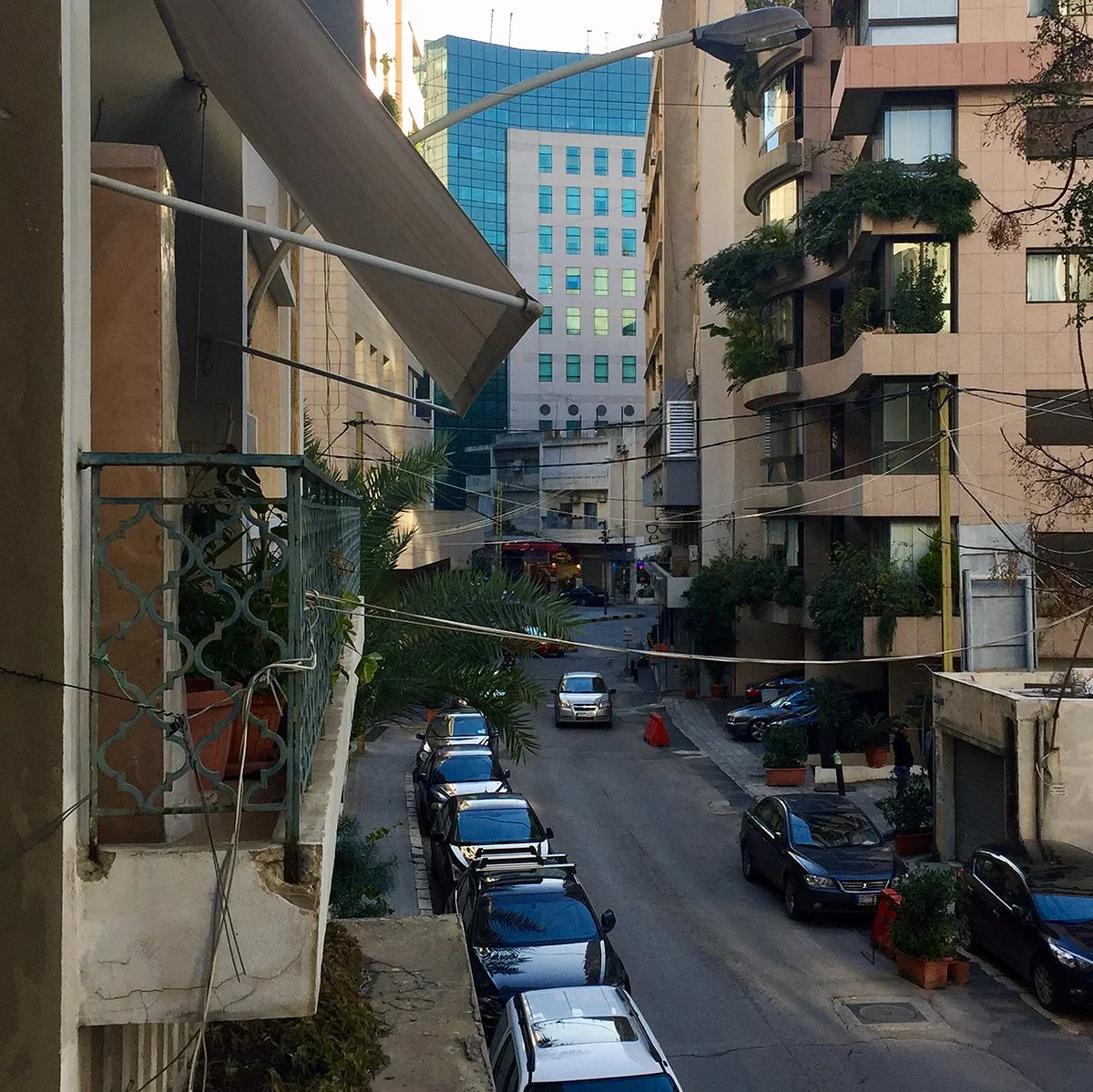
Hamra (Elsheshtawy)
Solidere (Elsheshtawy)
Only later did I understand why. During the conference, a Japanese colleague who had recently visited the area remarked, almost casually, that downtown Beirut "didn't feel real." At the time I thought the observation unnecessarily harsh. After spending several hours walking its streets, however, I found myself returning to those same words. Everything appeared authentic, yet very little seemed lived in. It was a city center reconstructed with extraordinary care but also extraordinary control, one that seemed designed to project an image of Beirut rather than accommodate the everyday life that had once animated it.
When I returned several years later and met the late architect and historian Robert Saliba, who took me and friends on a walking tour, another Beirut gradually emerged. Our destination was Ashrafieh revealing a neighborhood where memory and reinvention coexisted in uneasy balance. Elegant restaurants occupied restored Ottoman buildings, contemporary bars animated once-neglected streets, and architect Bernard Khoury's remarkable coffin-like underground nightclub seemed almost symbolic of Beirut itself: a place where life continued to flourish beneath the weight of history. Later that evening we moved through a subterranean sushi restaurant, Yabani, which in its latest incarnation has transformed into a space occupied by Syrian squatters. We ended the night in a crowded jazz club filled with young Beirutis whose confidence and cosmopolitanism reminded me why the city had once been regarded as the cultural capital of the Arab world.
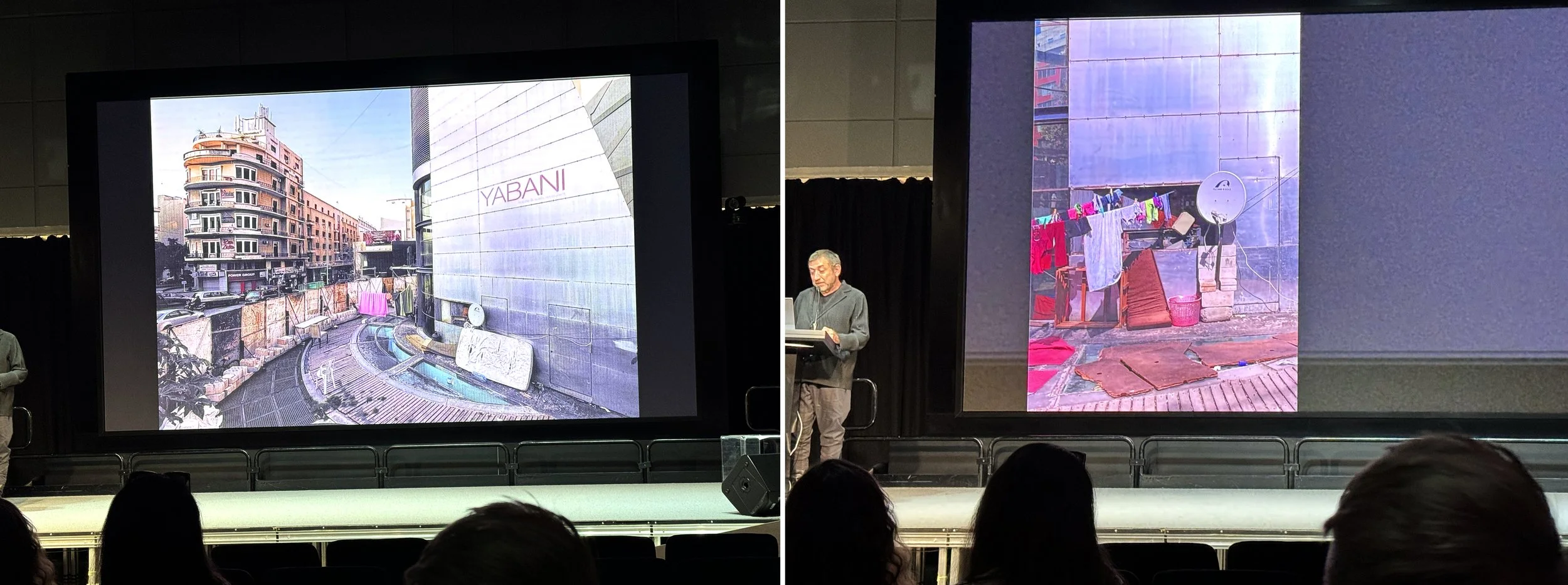
Bernard Khoury describing the transformation of Yabani Restaurant. Conference. Doha. 2024 (Elsheshtawy)
Yet only a short drive away lay Dahiyeh, where another Beirut unfolded. Here the rhythms were different, the architecture more improvised, and the consequences of conflict far more visible. Informal neighbourhoods pressed against neglected infrastructure, revealing a city that rarely appeared in tourist brochures or architectural magazines. It was impossible to reconcile these two Beiruts into a single coherent narrative because both were equally authentic. One represented aspiration and reinvention; the other revealed the enduring realities of inequality, displacement, and conflict. Together they embodied the paradox that has continued to fascinate me ever since.
Perhaps that is Beirut's greatest lesson. Unlike cities that openly display their contradictions, Beirut asks us to look beyond appearances. Its beauty is genuine, but so are its wounds, and neither can be understood without the other. That, more than anything else, is what I came to explore in my Beirut chapter, and what continues to draw me back whenever I think about this remarkable, impossible city.
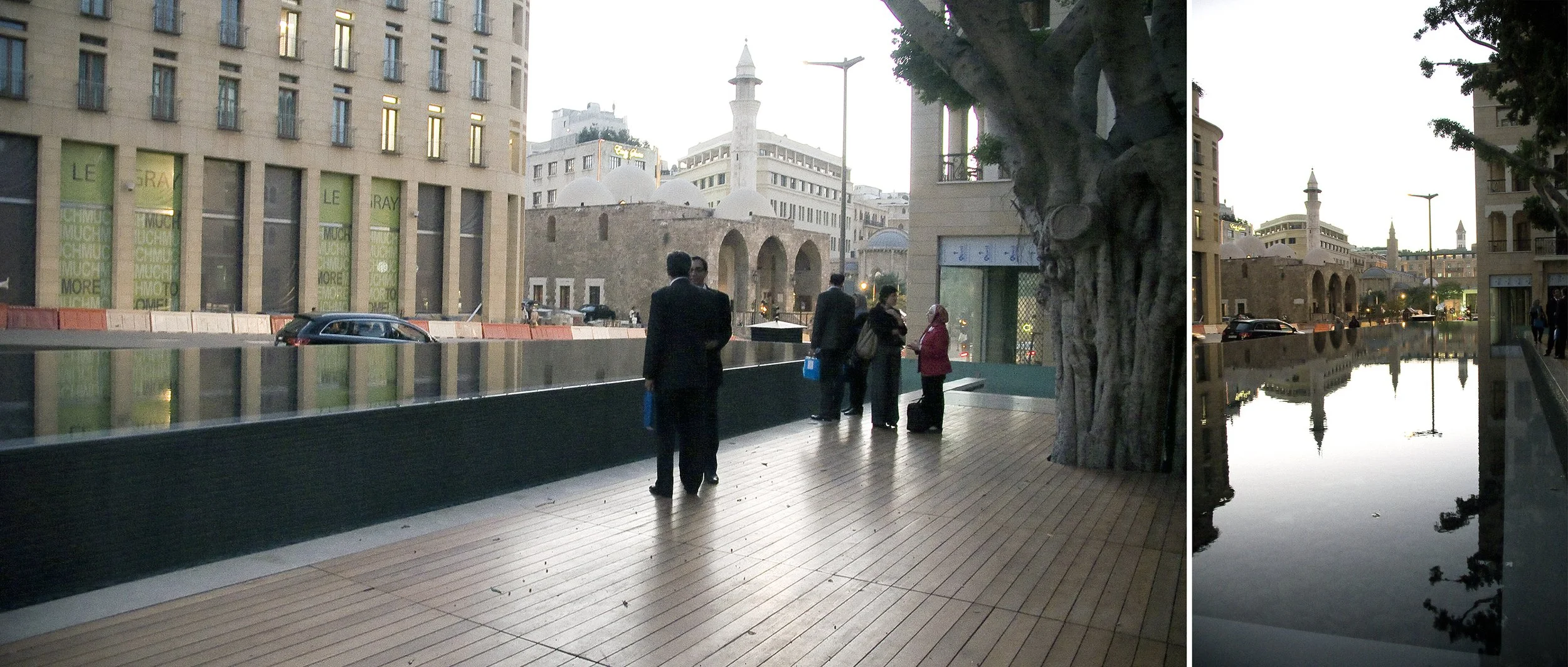
One afternoon, along with my friend and colleague Mona Khechen, we stumbled upon Samir Kassir Square, a modest public space named after the journalist and historian assassinated in 2005. Hidden behind rows of buildings and softened by the sound of flowing water, the square possessed none of the monumental ambitions that characterized the surrounding redevelopment. A handful of trees, simple benches, and a gently elevated platform overlooking the street were enough to create something the rest of downtown often struggled to achieve: intimacy. Sitting there, watching people quietly occupy the space, I was reminded that cities are rarely transformed by iconic buildings alone. More often, they are redeemed through modest places that invite people to linger, observe, and simply exist.
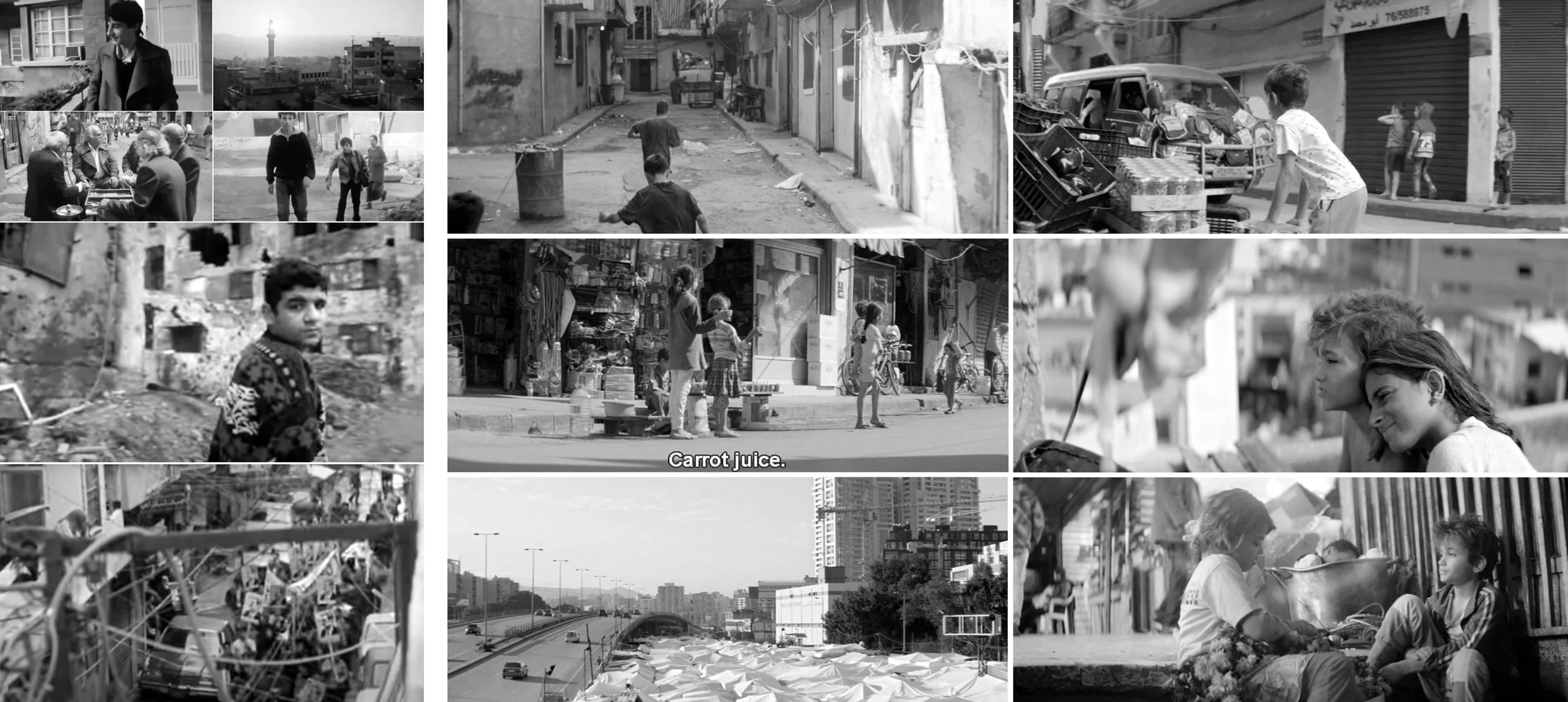
This explains why cinema has always understood Beirut better than urban planners. Cities in films are rarely presented as collections of buildings. Instead, they emerge through the lives unfolding within them, revealing layers that master plans seldom acknowledge. Ziad Doueiri's West Beirut follows teenagers who transform abandoned streets, bombed buildings, and undefined spaces into places of adventure, friendship, and discovery. The city they inhabit is fractured by war, yet its forgotten corners become landscapes of possibility. Nadine Labaki's Capernaum reveals another Beirut altogether, one hidden behind the polished façades of redevelopment. Refugee settlements, informal markets, overcrowded apartments, rooftops, and neglected underpasses become the geography through which children, migrants, and the urban poor struggle simply to survive. Together these films remind us that the true measure of a city is rarely found in its monuments or skylines. It is found in those spaces where ordinary people negotiate everyday life despite overwhelming adversity.
Samir Kassir Square (Elsheshtawy)
L-R: Movie Stills. West Beirut & Capernaum
Nothing exposed Beirut's unfinished urban project more brutally than the explosion at the port on August 4, 2020. In a matter of seconds, entire neighbourhoods were devastated, historic buildings reduced to rubble, and thousands of families displaced. Yet even this catastrophe cannot be understood in isolation. It was neither an unfortunate accident nor simply another tragic episode in Beirut's turbulent history. Rather, it revealed the cumulative consequences of decades of political paralysis, institutional neglect, speculative development, and the gradual erosion of public responsibility. The explosion shattered the illusion that reconstruction alone could heal a city whose deepest wounds remained unresolved.
The renewed violence that has affected Beirut since late 2023 has reinforced this painful reality. Once again, destruction has returned to neighbourhoods that had scarcely recovered from previous conflicts. Once again, ordinary citizens have found themselves paying the highest price for decisions over which they have little control. Yet what continues to astonish me is not only Beirut's capacity for survival, but also the extraordinary resilience of its inhabitants. Time after time, neighborhood organizations, volunteers, architects, engineers, and ordinary residents have stepped forward to repair damaged homes, rescue historic buildings, and support one another long before official institutions begin to respond. Their efforts reveal another Beirut, one that receives far less attention than luxury towers or political crises, yet perhaps represents the city's greatest achievement.
As I look back on my own encounters with Beirut, I realize that what has remained with me is not any single building or development project, remarkable though many of them are. Instead, I remember conversations in Hamra cafés, the silence of Martyrs' Square, the unexpected calm of Samir Kassir Square, the startling contrasts between Ashrafieh and Dahiyeh, and above all the persistent feeling that Beirut is never one city but many, existing simultaneously and often uneasily alongside one another. It is this complexity that makes Beirut so difficult to understand and impossible to forget.
Coda: Why Beirut Still Matters
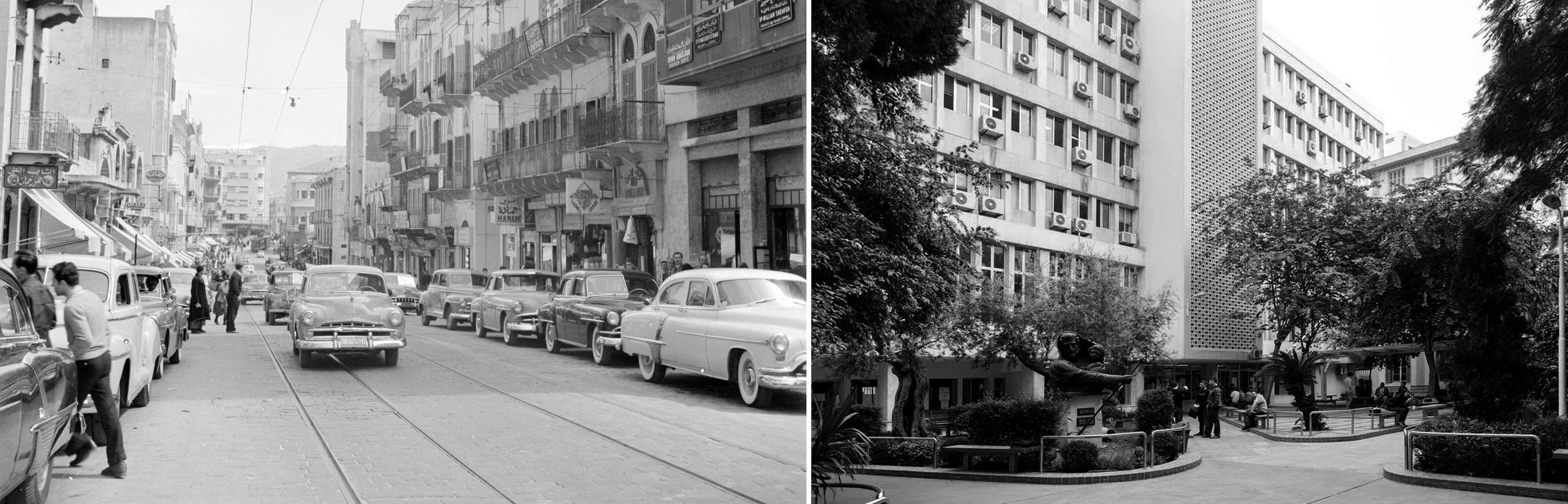
Beirut 1950s & 60s
Beirut. Archival Footage. 1969
The late Samir Kassir reflected on the city he loved so deeply, and observed that Beirut's true significance lay not simply in its architecture or its role as a commercial center, but in the fact that it helped transform Arab modernity from an abstract idea into a lived reality. It is an observation that remains painfully relevant today:
“Beirut was, and is, a very real place, whose playfulness and love of show and spectacle fail to conceal its inner seriousness. It is perhaps in just this that the true modernity of Beirut resides, that its value must ultimately be weighed in relation to its place in the history of mentalities and in the history of ideas. For Beirut stands out among the cities of its age not only for having helped to formulate the concept of Arab modernity, but also, and still more importantly, for having helped to make it a living thing - even if, in doing so, Beirut lured itself into a dead end.”
Kassir’s lament expresses a deep sorrow and melancholy; yes, Beirut was at the forefront of modernity, embracing the future and casting away the past, but in doing so paved the way for its own demise and destruction. The Syrian poet Nizar Qabbani eloquently captured this bittersweet relationship. He wrote addressing the city as if it were a person:
"We confess before the One God that we were envious of you, that your beauty hurt us. We confess now that we've maltreated and misunderstood you, and we had no mercy and didn't excuse you."
Those lines are not simply a poem about Beirut; they are a confession shared by everyone who has ever loved the city. Beirut invites admiration while resisting certainty, seduces us with extraordinary beauty while refusing to conceal its pain, and repeatedly reminds us that cities are neither monuments nor master plans but fragile repositories of memory, hope, and human resilience. That is why Beirut continues to matter. It is not because it has overcome its tragedies, but because despite everything it has endured, and it continues to imagine the possibility of another beginning.
And what remains is the haunting voice of Feiruz. Rising above the noise and ruins. Witness to a city that keeps falling ... only to rise again.
Le Beirut
