Strangers in a Strange City
What Camus Revealed About Algiers—and Why It Matters Today

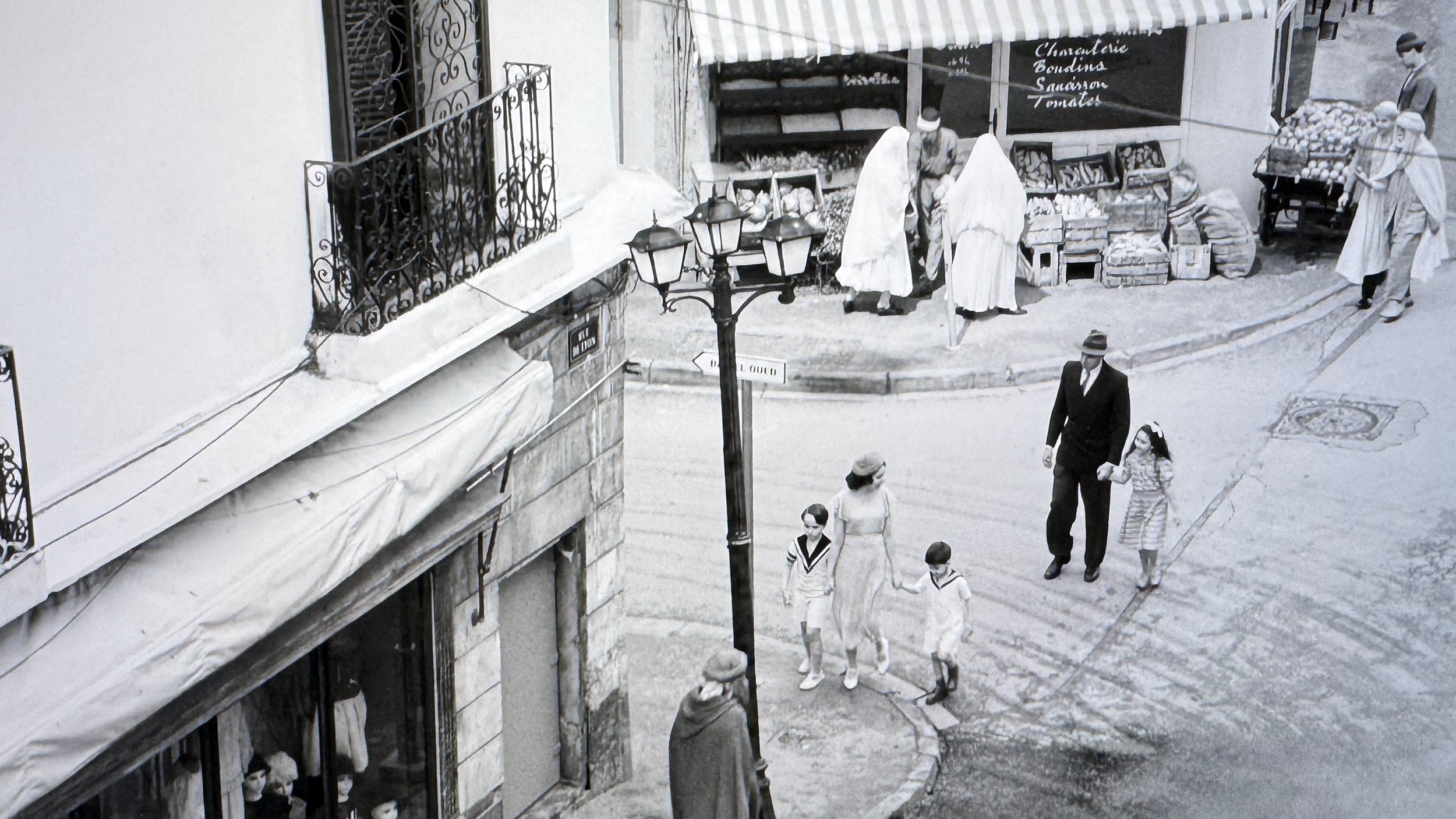
Scene from “The Stranger”
Some books stay with us long after we have finished reading them. Not because of their plot, nor even because of their ideas, but because they alter the way we see the world. Albert Camus’ The Stranger was one such book for me. Like many readers, I first encountered it as an exploration of existentialism and the absurd. Meursault, the detached protagonist, seemed to embody Camus’ vision of a universe stripped of meaning, where human beings confront the indifference of existence. Yet as I returned to the novel over the years, another dimension began to emerge. Beneath the philosophical themes lay something equally compelling: a portrait of colonial Algeria and, more specifically, a portrait of Algiers itself.
Recently, I watched a film adaptation of The Stranger (2025/26). Beautifully shot in black and white, it brought Camus’ world vividly to life. The narrow streets, apartment blocks, cafés, public baths, cinemas, and waterfronts of colonial Algiers unfolded on screen with remarkable clarity. As Meursault moved through the city, I found myself paying less attention to the narrative and more to the spaces he inhabited.
The film opens with images of a crowded Casbah before moving into the familiar story of Meursault’s arrest and trial. Through flashbacks we accompany him to his mother’s funeral and back to the city where he resumes his routine existence. We encounter bustling streets, elegant European boulevards, crowded public squares, cinemas only accessible to the French not the natives (Indigène) as a sign proclaims in the lobby, shops, and cafés. Yet what struck me most was not what was shown, but what remained hidden.
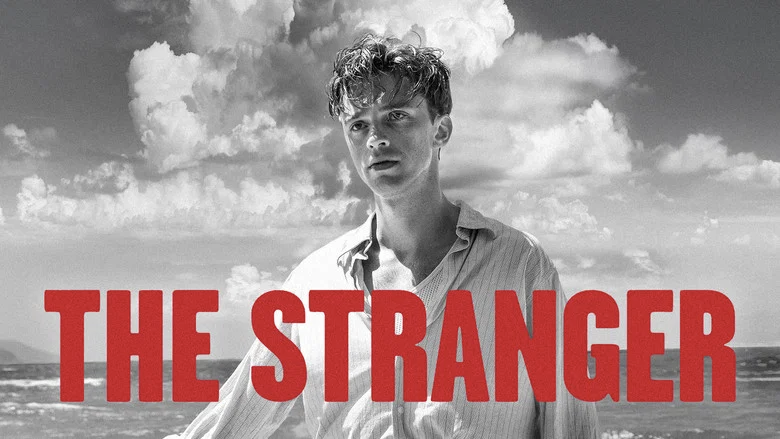
The Stranger (L'Étranger) Director: François Ozon. 2025/2026
The Algiers of The Stranger is a divided city.
European settlers occupy wide streets, well-maintained public spaces, and orderly neighborhoods that seem almost detached from their surroundings. Indigenous Algerians appear only at the margins. The city becomes a stage upon which colonial power is inscribed into everyday life. Segregation is not simply a political condition; it is embedded in the urban landscape itself. This realization became one of the starting points for my chapter on Algiers in Arab Modernism(s). The chapter explores how colonialism transformed Algerian cities and how architecture became a tool of domination, control, and surveillance. Yet it also asks a more complicated question: what happens when imposed forms are appropriated by the people they were intended to govern?
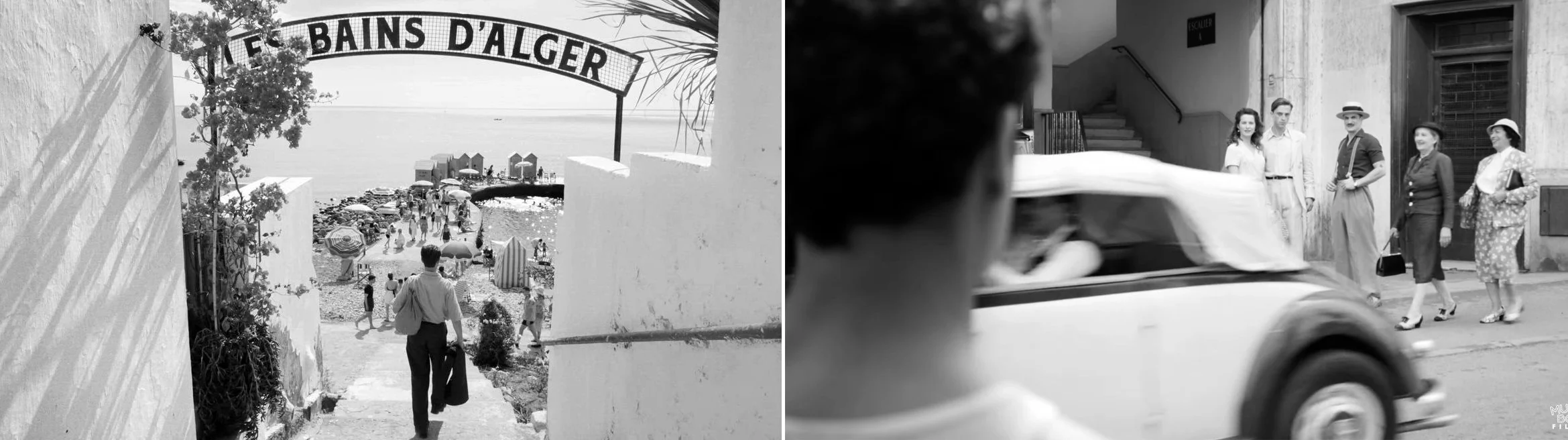
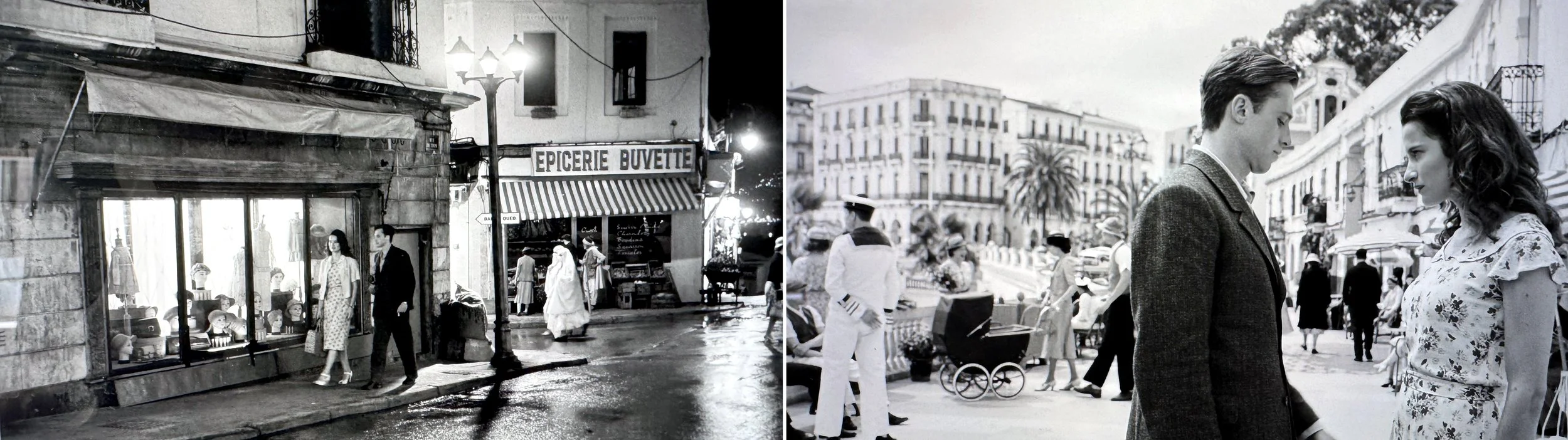
Scenes from “The Stranger”
This question lies at the heart of modernism in the Arab world.
Too often, discussions of modern architecture in the region become trapped between celebration and condemnation. Colonial interventions are either praised as instruments of progress or dismissed as foreign impositions. The reality is far more nuanced. Buildings, streets, and urban plans rarely remain faithful to the intentions of their creators. Once inhabited, they acquire new meanings. People adapt them, reshape them, resist them, and ultimately make them their own. Algiers offers perhaps one of the most fascinating examples of this process. The city contains some of the twentieth century’s most ambitious experiments in architecture and urban planning. French colonial authorities attempted to reshape Algerian society through urban form. Architects proposed grand visions for the city, including schemes by figures such as Le Corbusier and his Plan Obus. Housing projects, infrastructure networks, and modernist developments sought to impose a particular social order upon the colonial landscape.
Yet these projects never unfolded exactly as intended, or were never built to begin with.
Residents appropriated spaces in unexpected ways. Buildings designed to discipline became places of everyday life. Neighborhoods created as instruments of control evolved into sites of community and resistance as has happened in Climat de France which over the years changed into Bab Al Oued. The city absorbed these interventions while simultaneously transforming them. This tension between imposition and appropriation is what makes Algiers so compelling. It also explains why literature and film occupy such an important place in my chapter. Cities are not experienced solely through architecture. They are understood through stories, memories, images, and emotions. Camus’ The Stranger reveals one version of Algiers—a colonial city seen through the eyes of a European settler. But another perspective emerges in Kamel Daoud’s remarkable novel The Meursault Investigation. Daoud retells Camus’ story from the perspective of the brother of the unnamed Arab murdered by Meursault. In doing so, he restores a voice that had been erased. The city appears differently. The streets, neighborhoods, and memories that seemed peripheral in Camus become central. The invisible becomes visible.
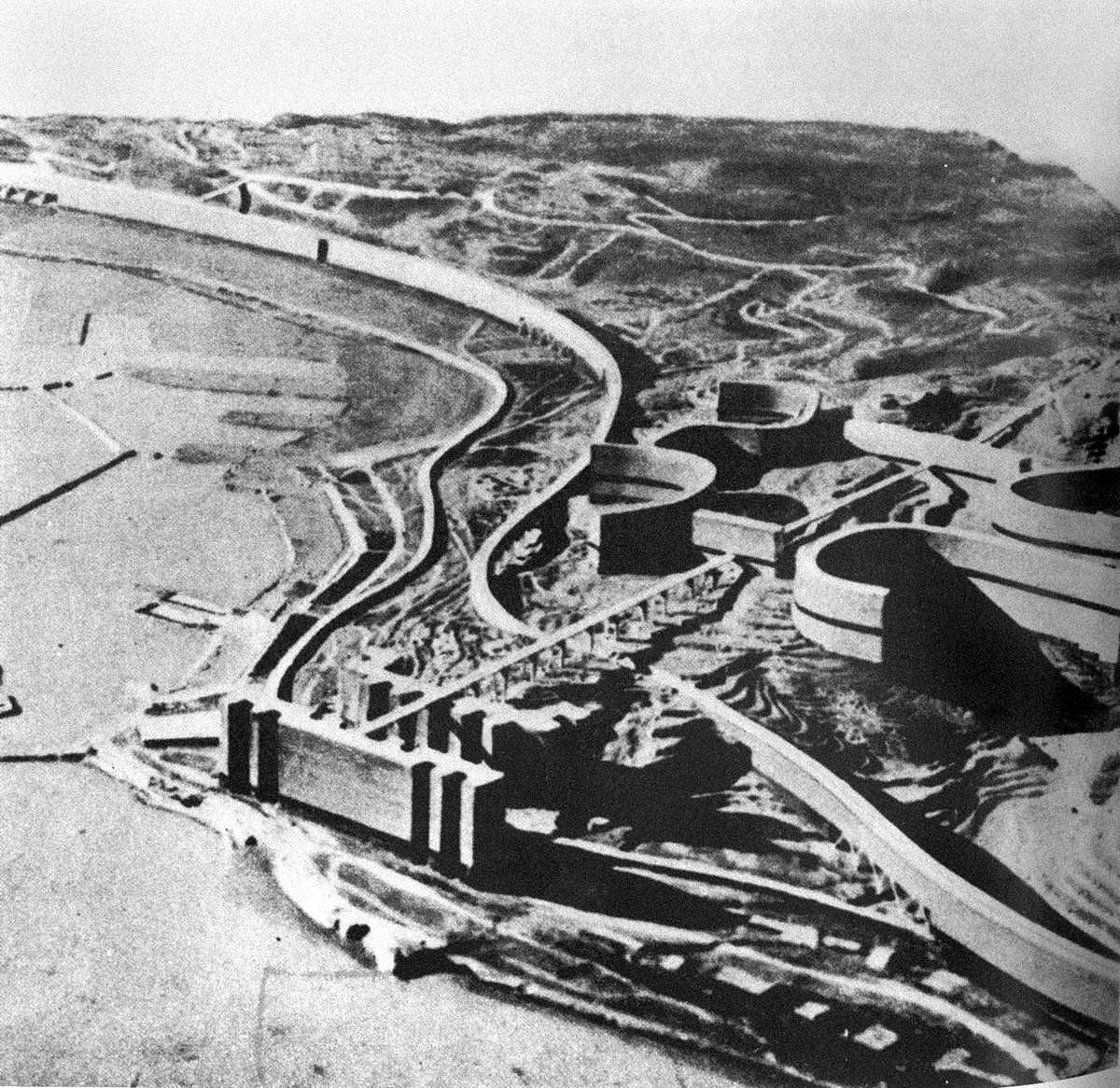
Plan Obus (Fondation Le Corbusier)
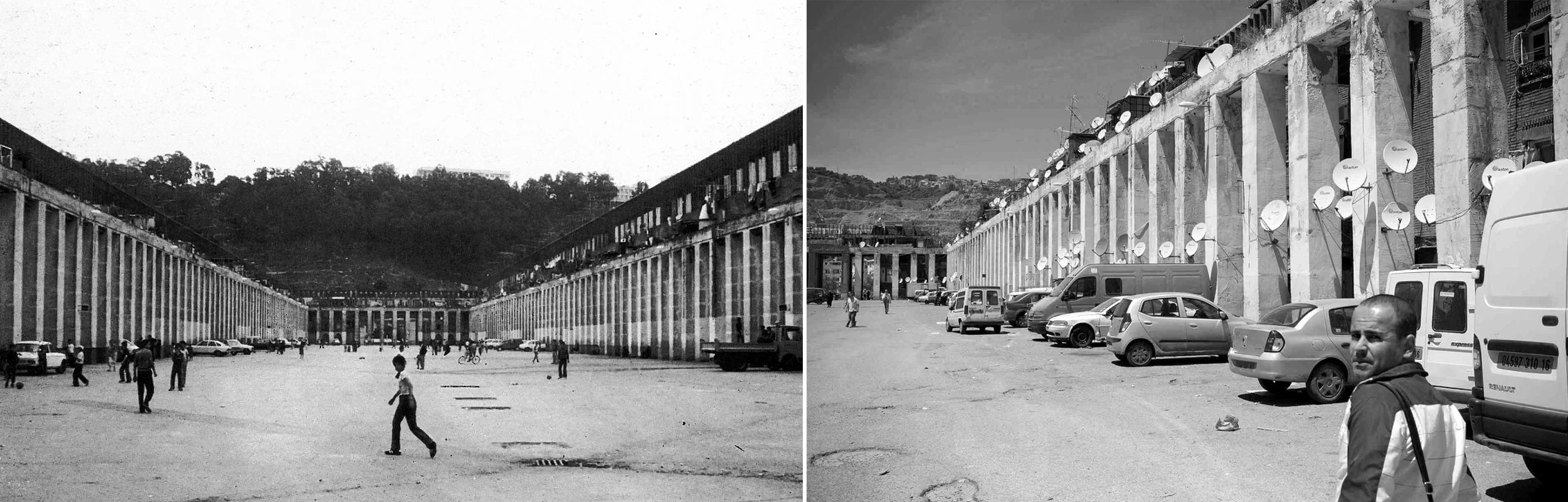
Climat de France. Fernand Pouilllon (1960s & 2000s)
Reading the two novels together reveals something profound. Cities are never singular. They contain multiple histories, multiple narratives, and multiple forms of belonging. What appears orderly from one perspective may appear exclusionary from another. What seems modern and progressive may simultaneously embody violence and dispossession. Perhaps this is why I find myself returning repeatedly to a saying attributed to the Prophet Muhammad: “Islam began as something strange and will return to being strange just as it began; so glad tidings to the strangers.” The saying resonates far beyond its religious context. We are all strangers in one way or another. We move through cities searching for belonging while confronting difference, memory, and loss. We inhabit spaces shaped by histories we did not create. We inherit urban landscapes layered with conflicting narratives.
Algiers is a city of strangers. It is a city where colonial boulevards coexist with indigenous quarters; where memories of occupation intersect with memories of liberation; where modernity arrived through domination yet was reshaped through everyday life. It is a city that refuses simple interpretations.
The chapter on Algiers in Arab Modernism(s) explores these contradictions through architecture, literature, cinema, and urban history. It traces the city’s transformation from colonial capital to postcolonial metropolis while asking broader questions about modernity in the Arab world. More importantly, it examines how ordinary people inhabit, reinterpret, and ultimately reclaim spaces that were never intended for them.
For me, Algiers is not simply a case study. It is a reminder that cities are living archives of conflict, memory, and possibility. To understand them, we must look beyond buildings and plans. We must listen to stories, follow forgotten voices, and pay attention to those who remain hidden in the margins.
Only then can we begin to see the city in all its complexity.
If this is of interest, I invite you to explore the Algiers chapter in my website and the book is available for purchase through the publisher or Amazon.
