O You the Square
Tahrir, Revolution, and the Architecture of Hope

My previous blog about the Nile Hilton mentioned that, while the hotel was undergoing renovation, it became the backdrop to a momentous event unfolding directly across from it: the 2011 Egyptian Revolution, part of what came to be known as the Arab Spring. Over the course of eighteen days in January, millions of people from all walks of life and across the political spectrum came together to demand bread, freedom, social justice, and human dignity. In the end, President Hosni Mubarak was forced to step down, bringing his thirty-year rule to an end.
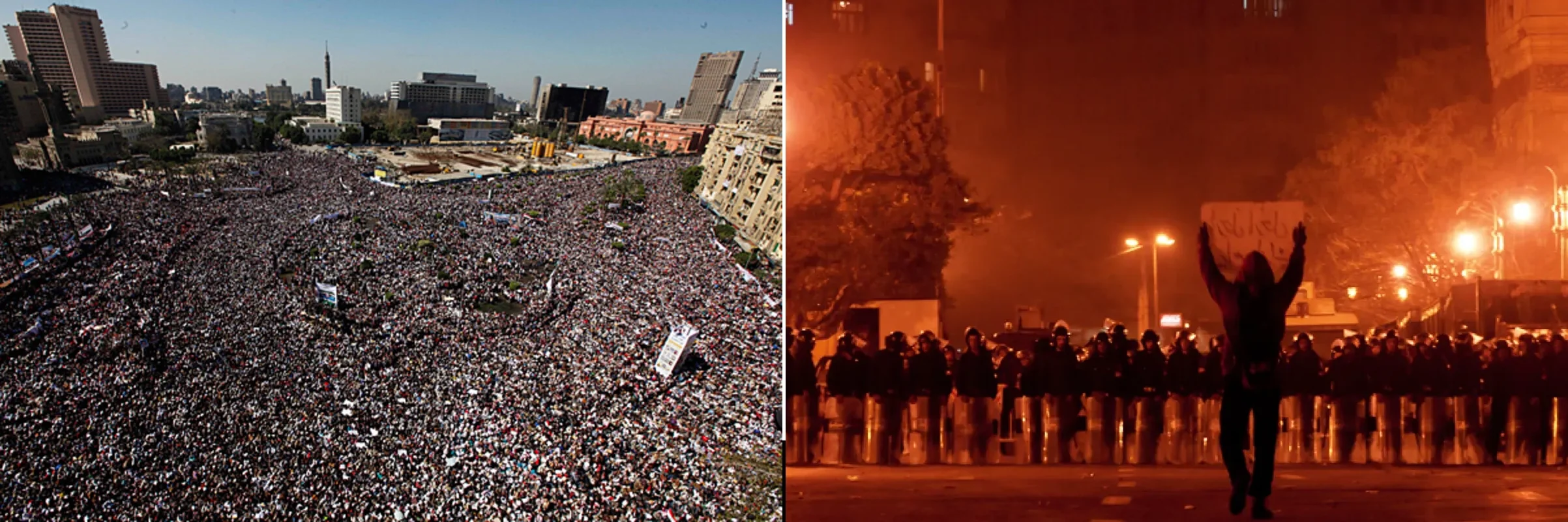
Tahrir Square during the 2011 Revolution
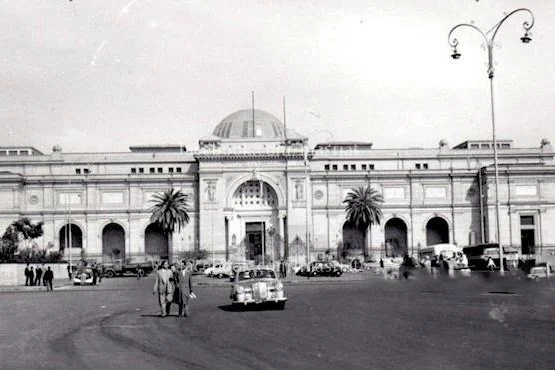
I witnessed these events from afar, as I was working in the UAE at the time, but like many Egyptians overseas I watched with anticipation and the sense that a defining moment in Egypt's long history was unfolding before our eyes—albeit through a television screen and countless phone calls with family and friends. As an urbanist and architect, someone who has written extensively about Cairo's urban spaces and the events that have shaped them—including the Great Cairo Fire of 1952, itself a pivotal historical moment—I could not help but reflect on how urban space became a tool for organizing a revolution. Tahrir Square was occupied and transformed into a temporary encampment, a miniature city for activists. The Nile Hilton—by then renamed the Ritz-Carlton—stood as a silent witness to the violence, the celebrations, the tear gas, and the infamous Camel Incident, later known as the Battle of the Camels. Countless other buildings also became part of this unfolding drama: the Egyptian Museum, the former TWA building, the American University in Cairo campus, to name but a few.
In this accompanying blog to my Cairo piece, I want to connect these events to the broader history of Downtown Cairo and explore how it came to symbolize an opening up to the Egyptian masses, becoming both an emblem of modernization and a rejection of an oppressive, conservative past. I begin, however, with a song that, for me, provides the perfect introduction to this meditation on Cairo: Cairokee's Ya El Medan (O You the Square), featuring Aida El Ayouby. It is a haunting, searing song that captures the spirit of the revolution. Its powerful opening refrain declares:
O you the square, where were you long ago?
With you we kept singing and with you we struggled.
We fought our fears and we prayed,
Standing as one people day and night.
With you nothing is impossible.
The sound of freedom gathers us.
Finally our lives have meaning.
There is no turning back; our voice is now heard.
The dream is no longer forbidden.
Here the square is invoked almost as a person who has finally chosen to stand alongside the people in the face of injustice. Aida El Ayouby's beautiful, poignant voice continues in an atmosphere of quiet melancholy:
O you the square, where were you long ago?
You broke the wall, you turned on the light.
You embraced people who had long been broken.
We were born again; the stubborn dream was reborn.
We are different, but our intentions are honest and clear.
Even when the picture was not always clear,
We will protect our country, and so will our children.
We will restore the rights of the young people who died for it.
And so the song continues, refrain after moving refrain. It is heart-wrenching to watch and hear, not least because it ultimately becomes a devastating indictment of what transpired afterward, when hope gave way to despair and a beautiful vision dissolved into disappointment. Staying with the song, however, the video's backdrop is equally powerful. It contains images of the objects carried by the revolutionaries: torches, bottles of liquid to lessen the effects of tear gas, farewell letters to loved ones, torn clothing on which names and personal details had been written in case they perished during the violence, mobile phones, broken spectacles, and printed leaflets bearing revolutionary slogans. Newspaper headlines proclaim, "The people have brought down the regime." The video ends with an actual aerial view of Tahrir Square at night, moments before the announcement that Mubarak had finally stepped down. Thousands of people stand closely huddled together beneath the glow of the streetlights, filling the square, while the Nile Hilton rises silently in the background, watching over the scene, seemingly filled with hope.
Tahrir Square became, in many ways, the symbol of a new Egypt, a society that might finally emerge from decades of military rule and be governed by freely elected representatives.
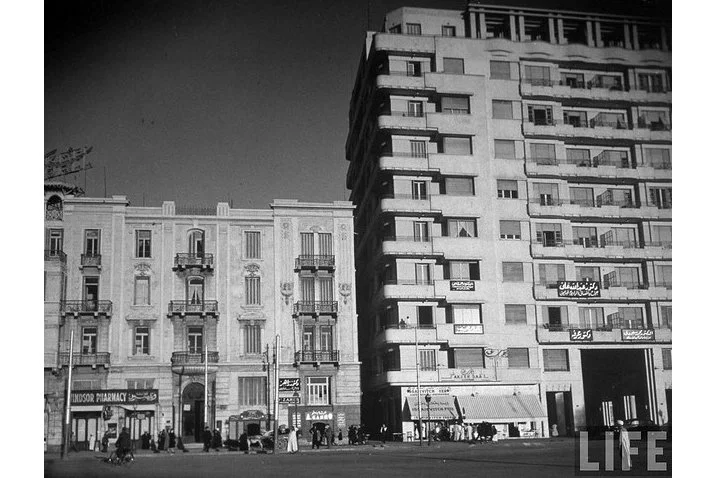
In many respects, the origins of the square itself seemed to anticipate such a moment. Following the Free Officers' Revolution of 1952 under Mohamed Naguib and Gamal Abdel Nasser, an ambitious program of urban modernization accompanied the country's broader social transformation. Downtown Cairo was substantially rebuilt, and the city's center of gravity shifted toward the Nile and the newly redesigned Tahrir Square.
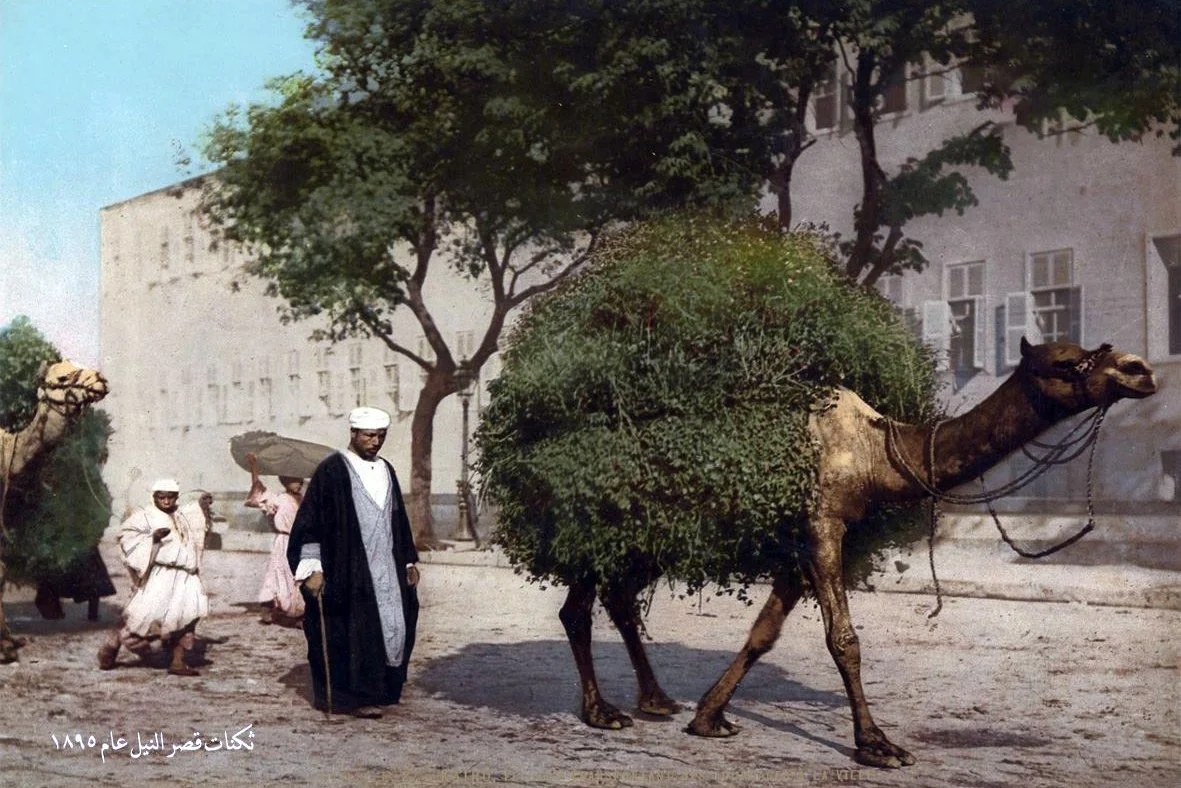
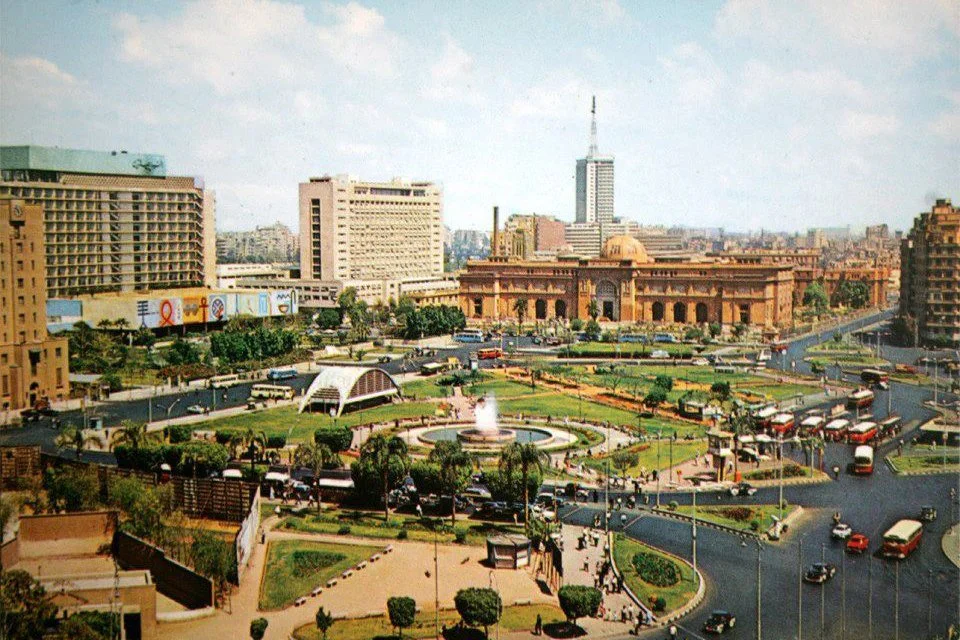
The site itself was laden with symbolism. Ismailia Square, as it was originally known, contained Khedive Isma'il's nineteenth-century Qasr al-Nil Palace, which housed various government institutions, including the state treasury and military headquarters. Following the British occupation in 1882, it became the Nile Barracks. It is therefore hardly surprising that, after 1952, the Free Officers chose to erase this powerful symbol of colonial domination and replace it with a series of modern buildings that included the headquarters of the Arab League, the Nile Hilton Hotel, and the headquarters of Nasser's Arab Socialist Union. The idea of transforming the riverfront, however, actually predated the revolution. A planning competition held during the 1940s proposed locating the Egyptian Parliament on the site eventually occupied by the Nile Hilton, while converting the surrounding area into a governmental district. None of these proposals were realized. According to Cairo chronicler Max Rodenbeck, the city acquired "a new serious look." Samir Raafat, the noted Egyptian journalist, likewise observed that there was a deliberate and sustained effort to erase the past. As he notes, "Egypt's new leadership renamed fifteen Cairo streets and squares," chief among them Midan al-Ismailiya, which became Midan al-Tahrir—Liberation Square.
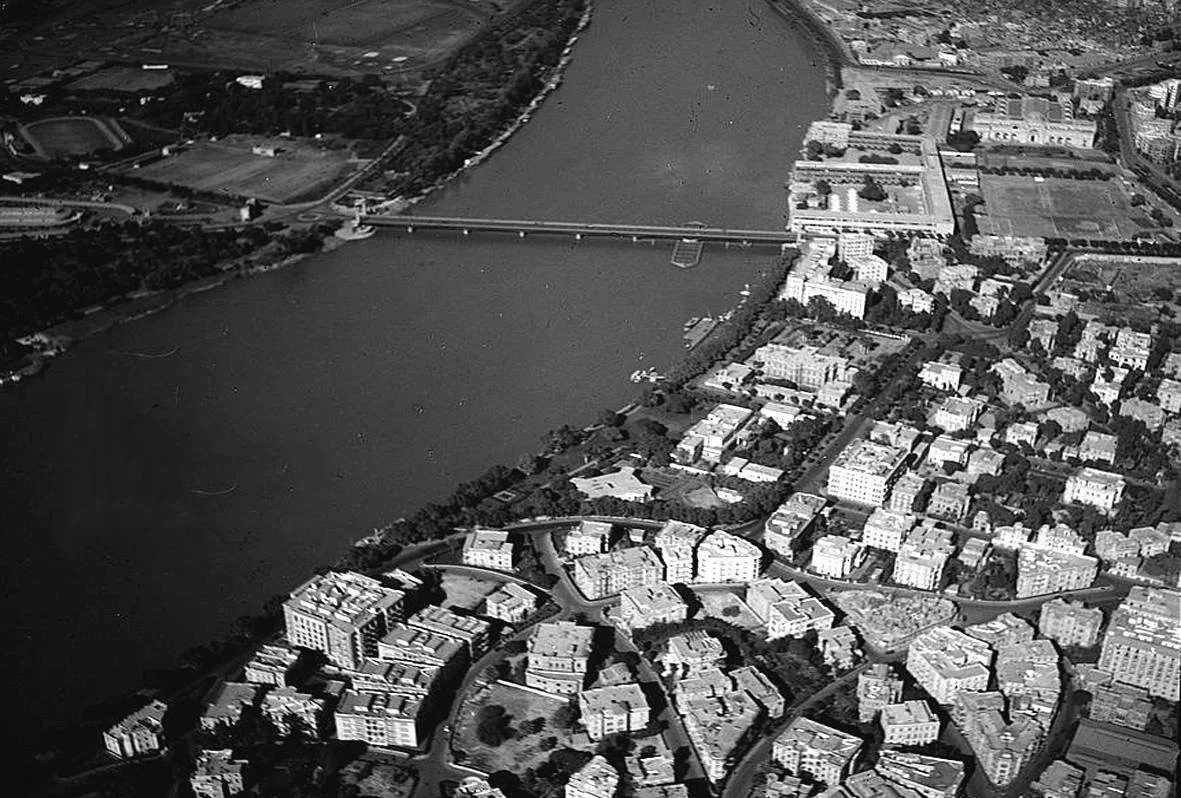
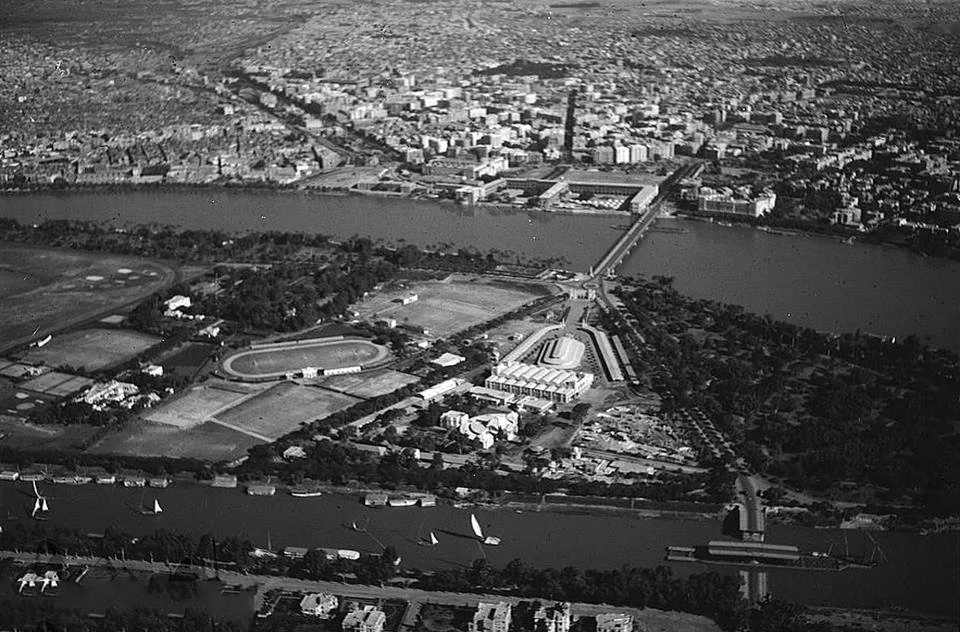
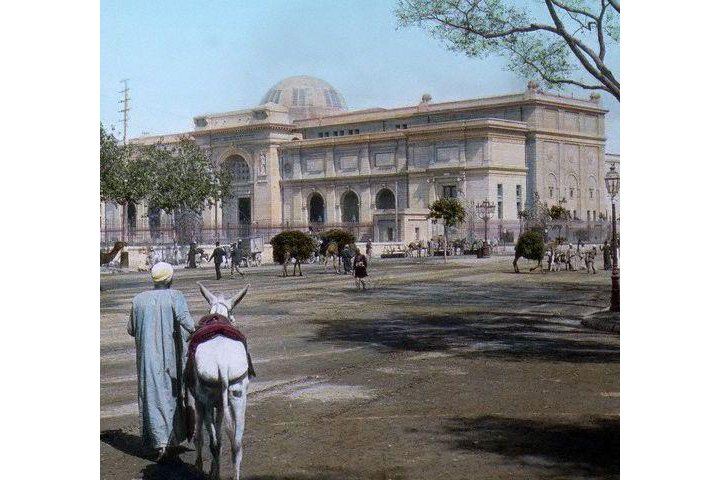
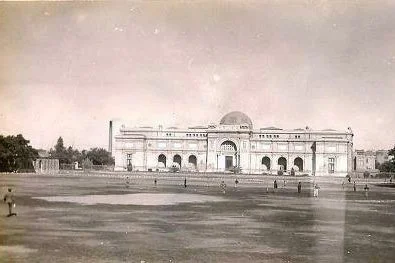
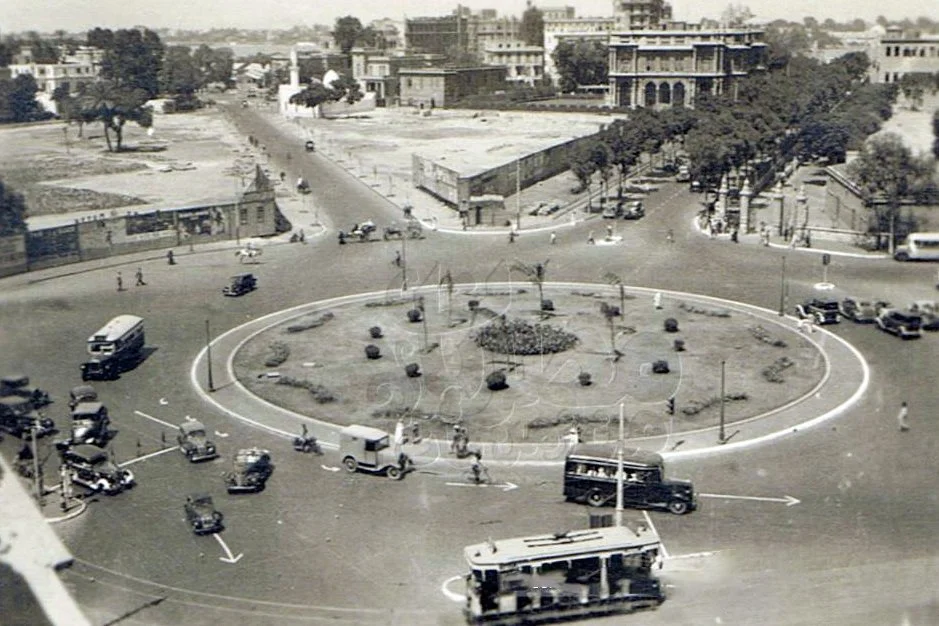
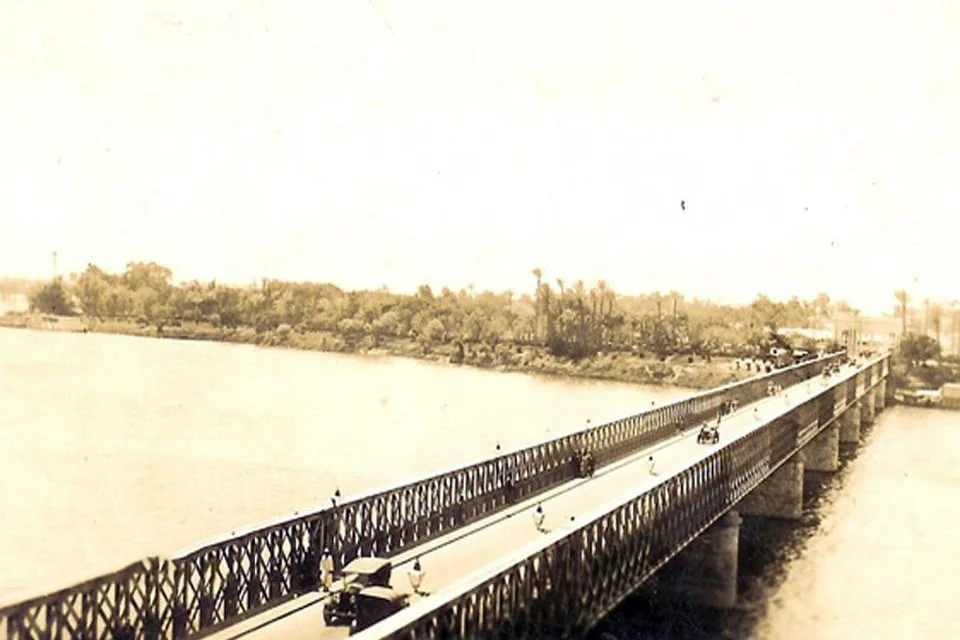
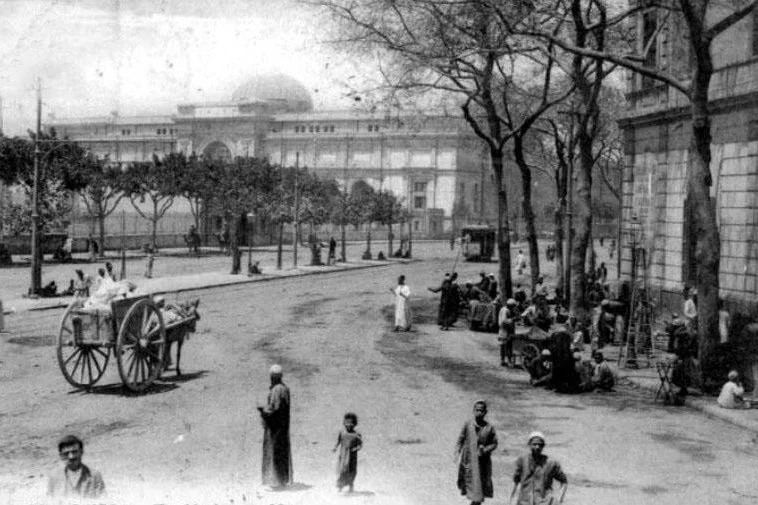
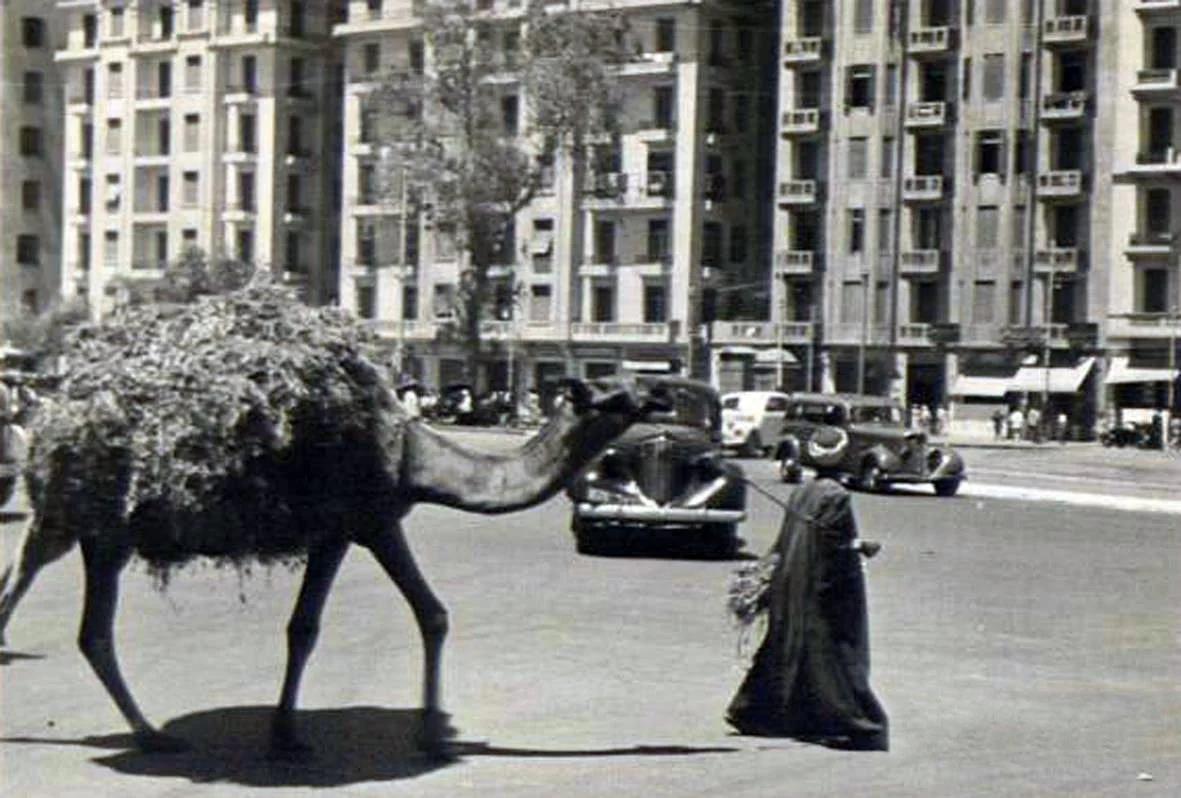
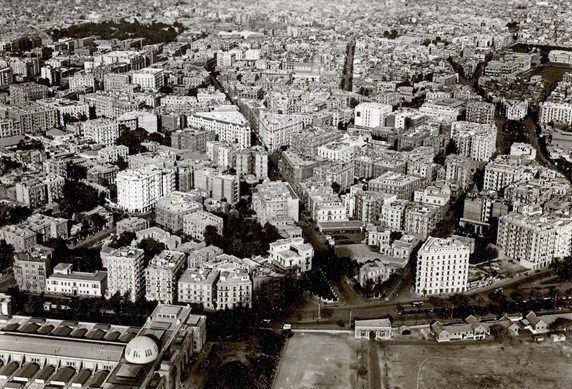
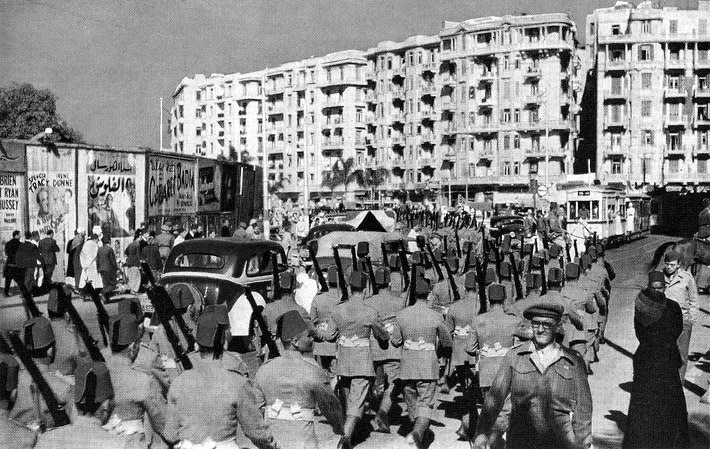
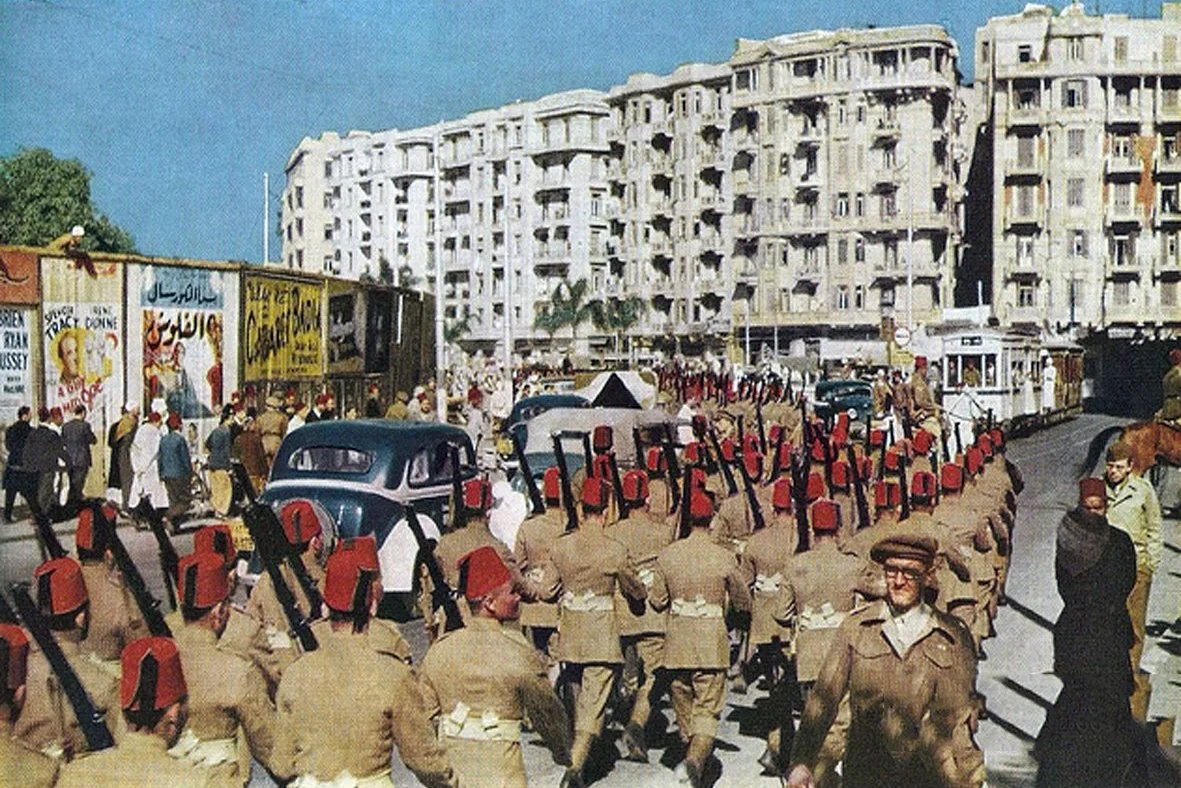
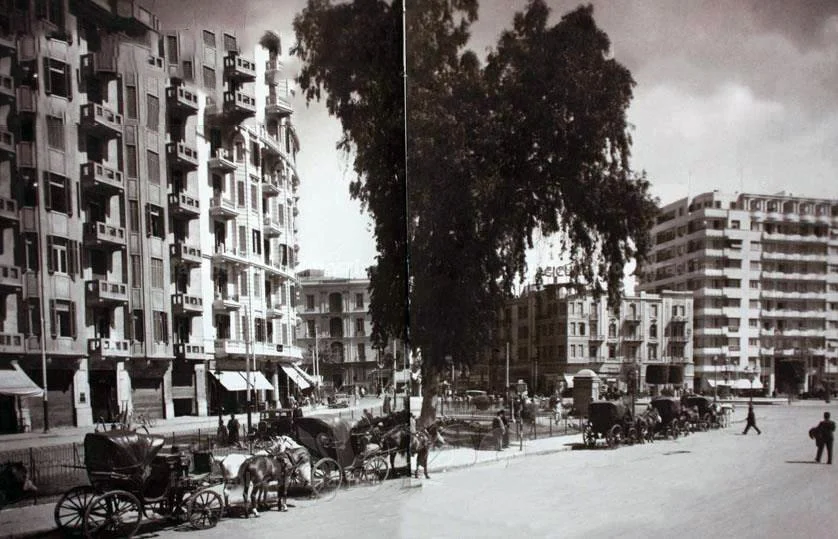
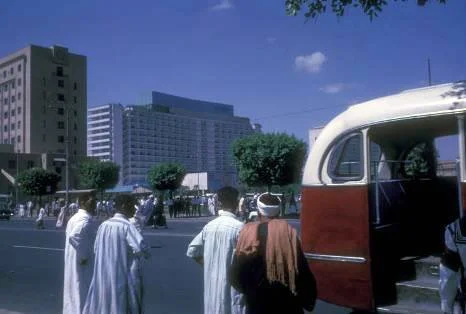
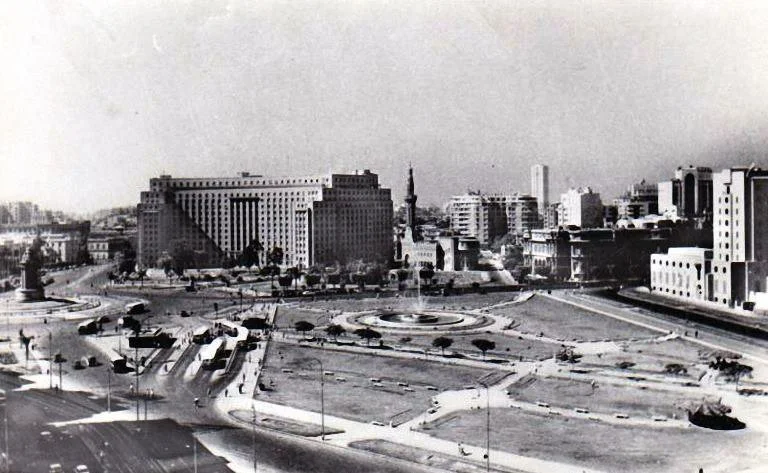
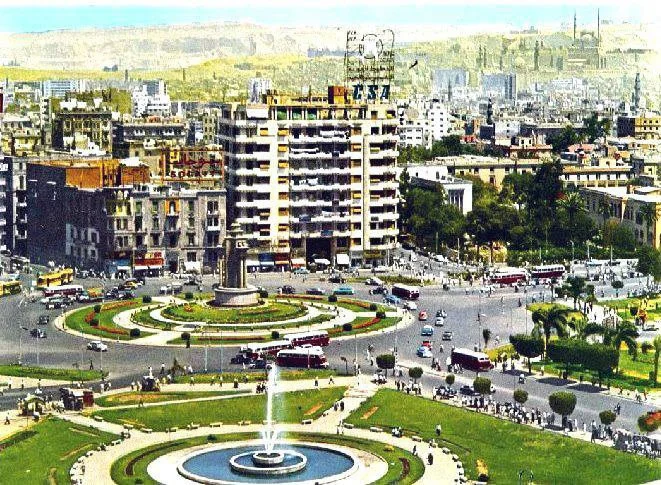
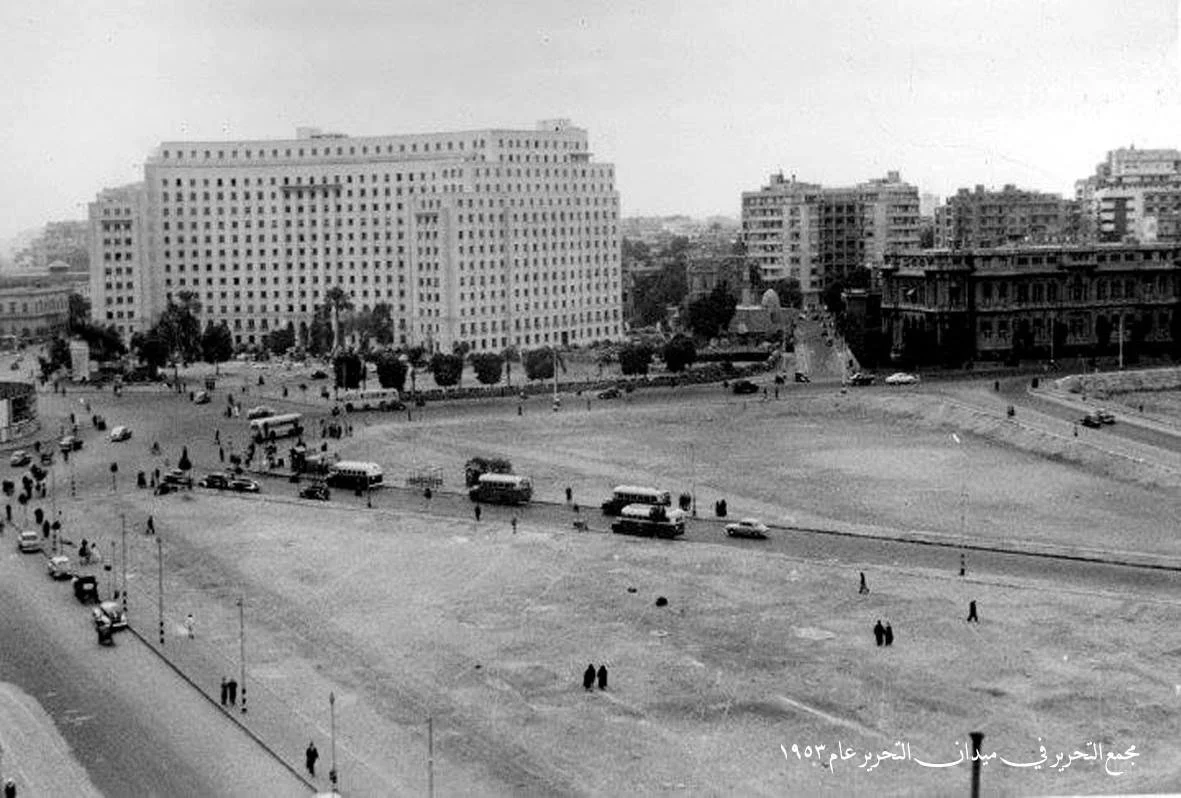
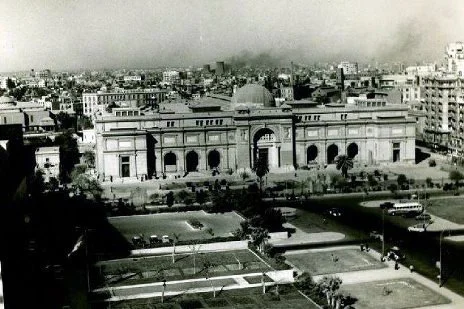
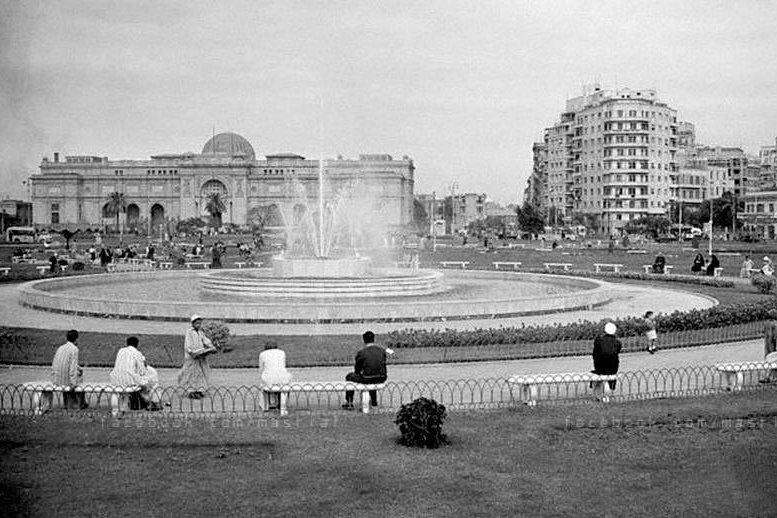
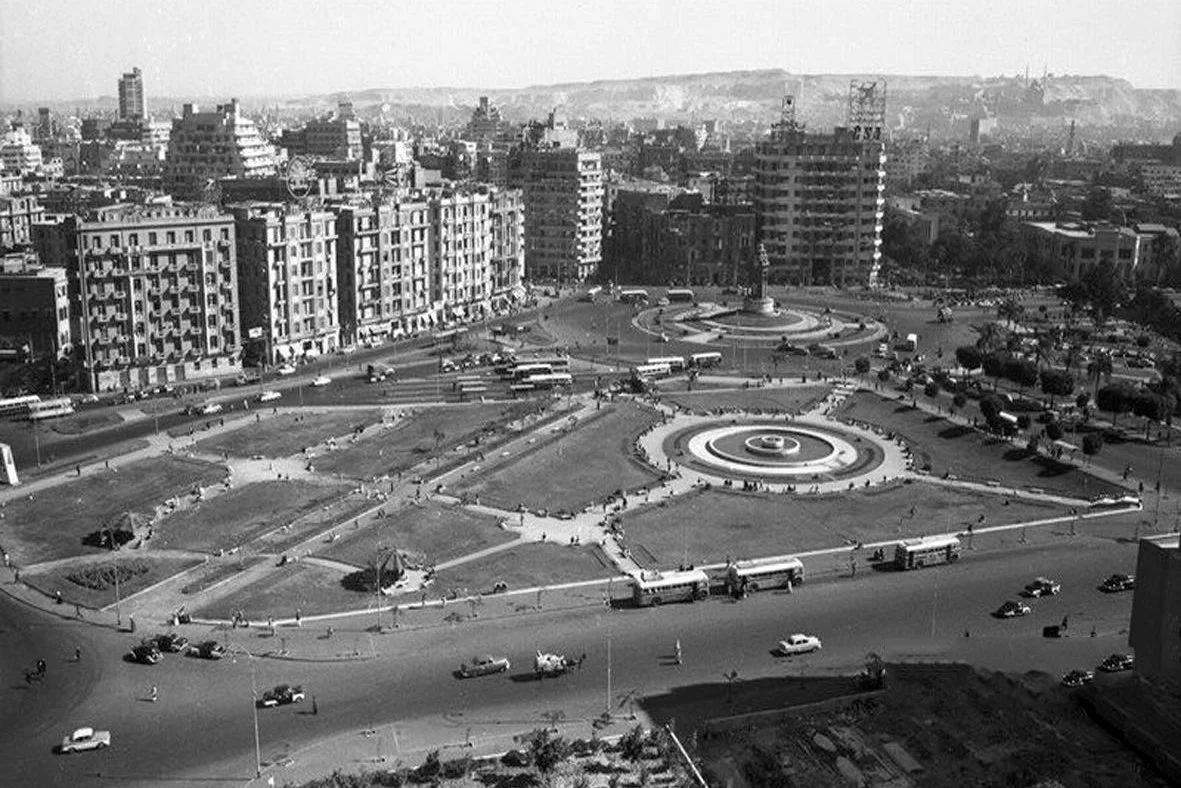
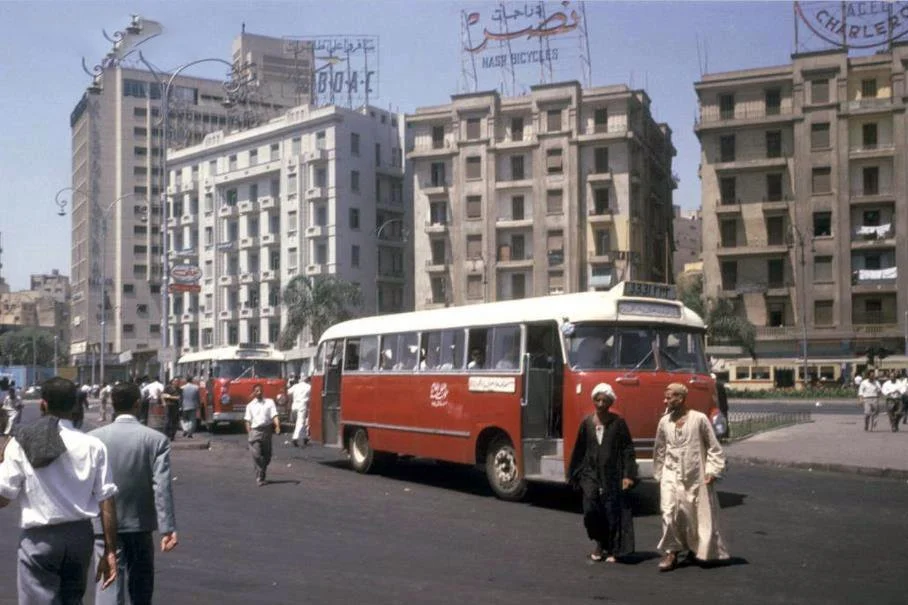
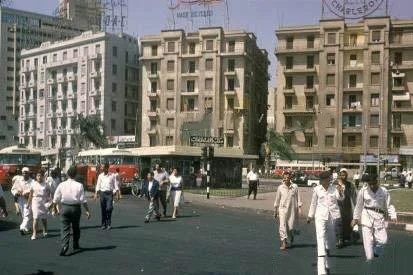
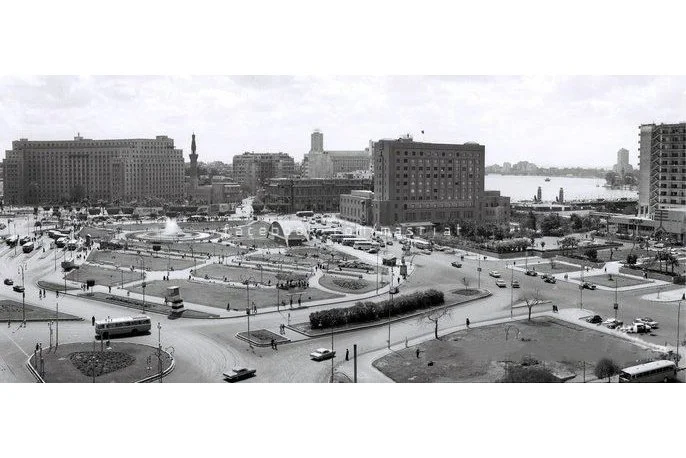
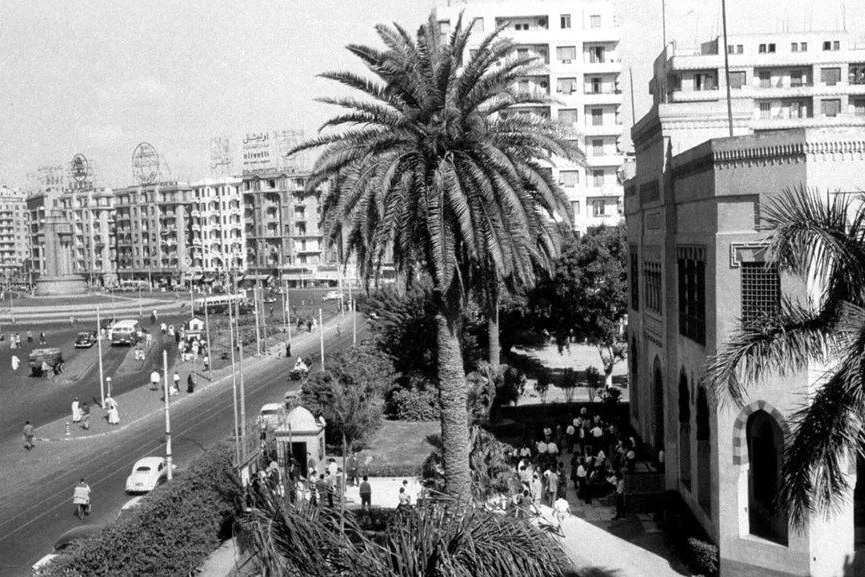
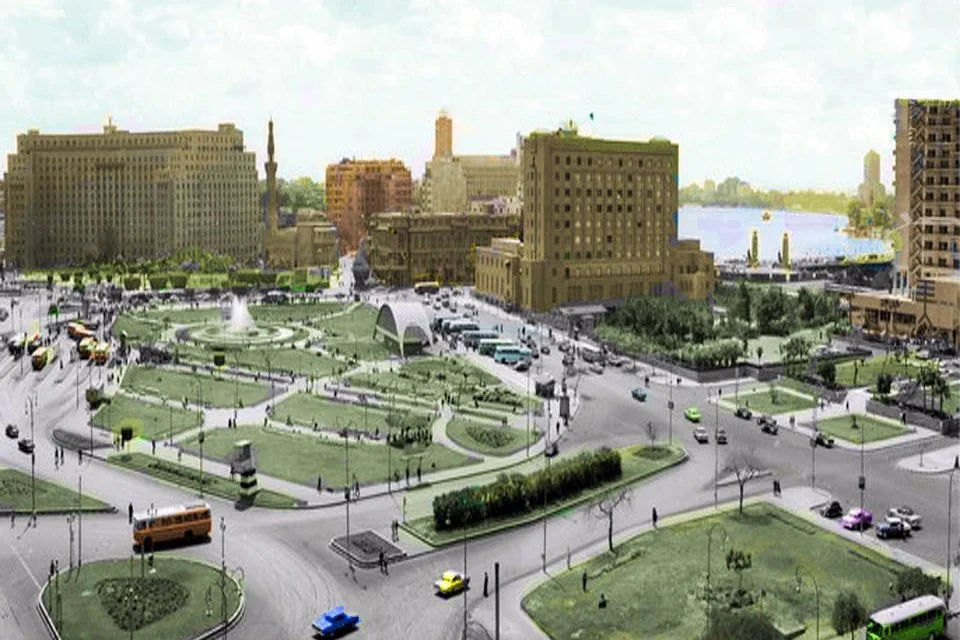
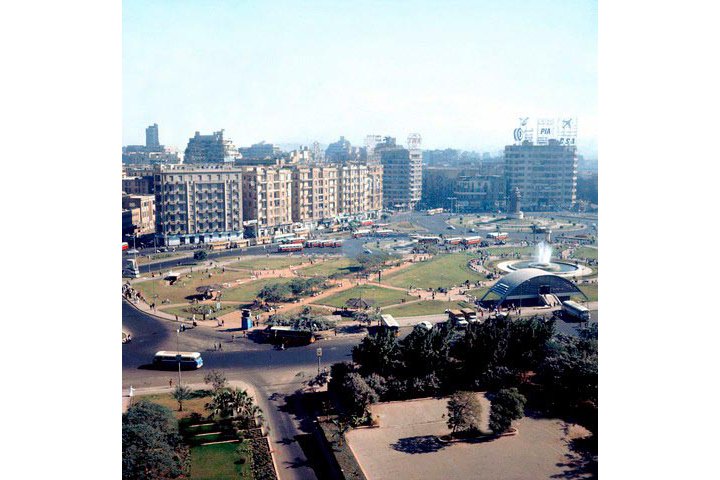
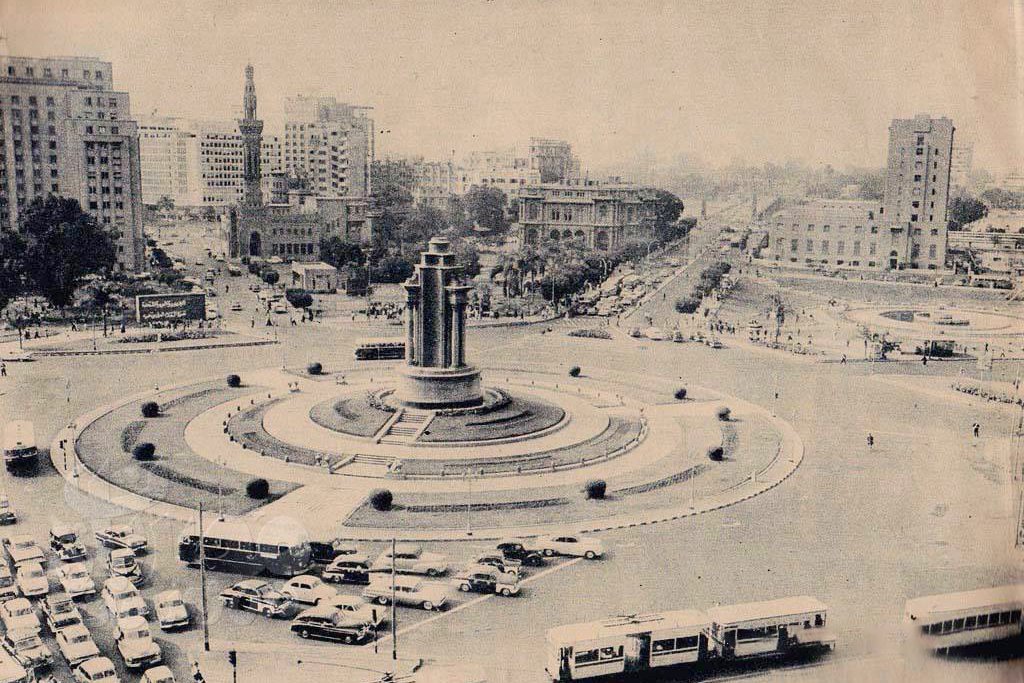
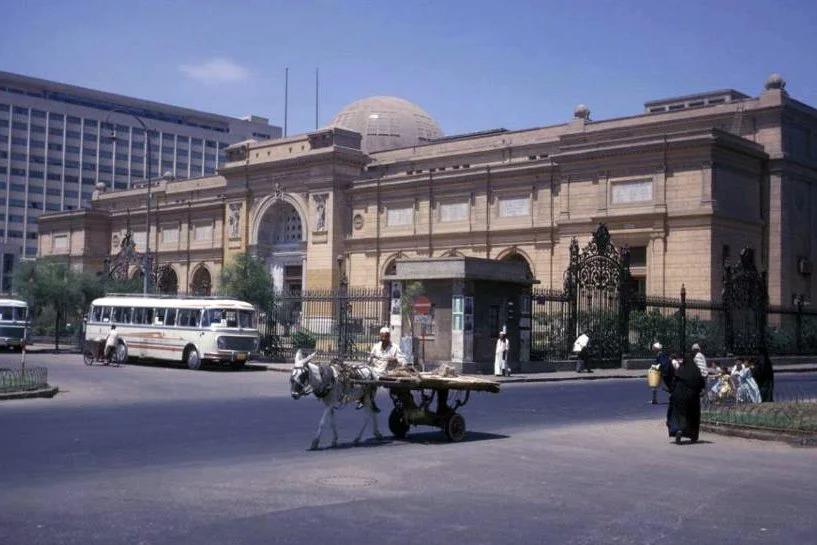
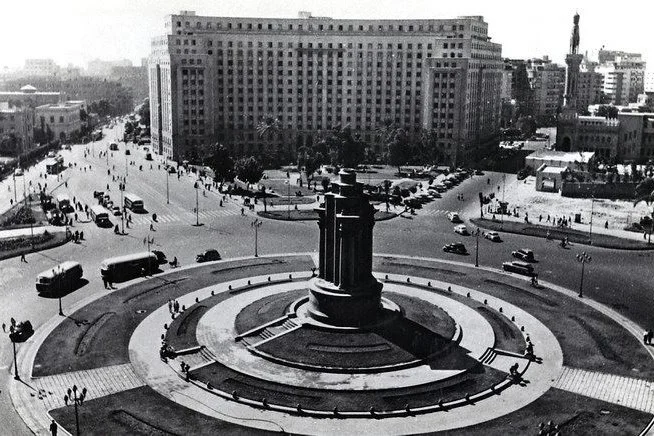
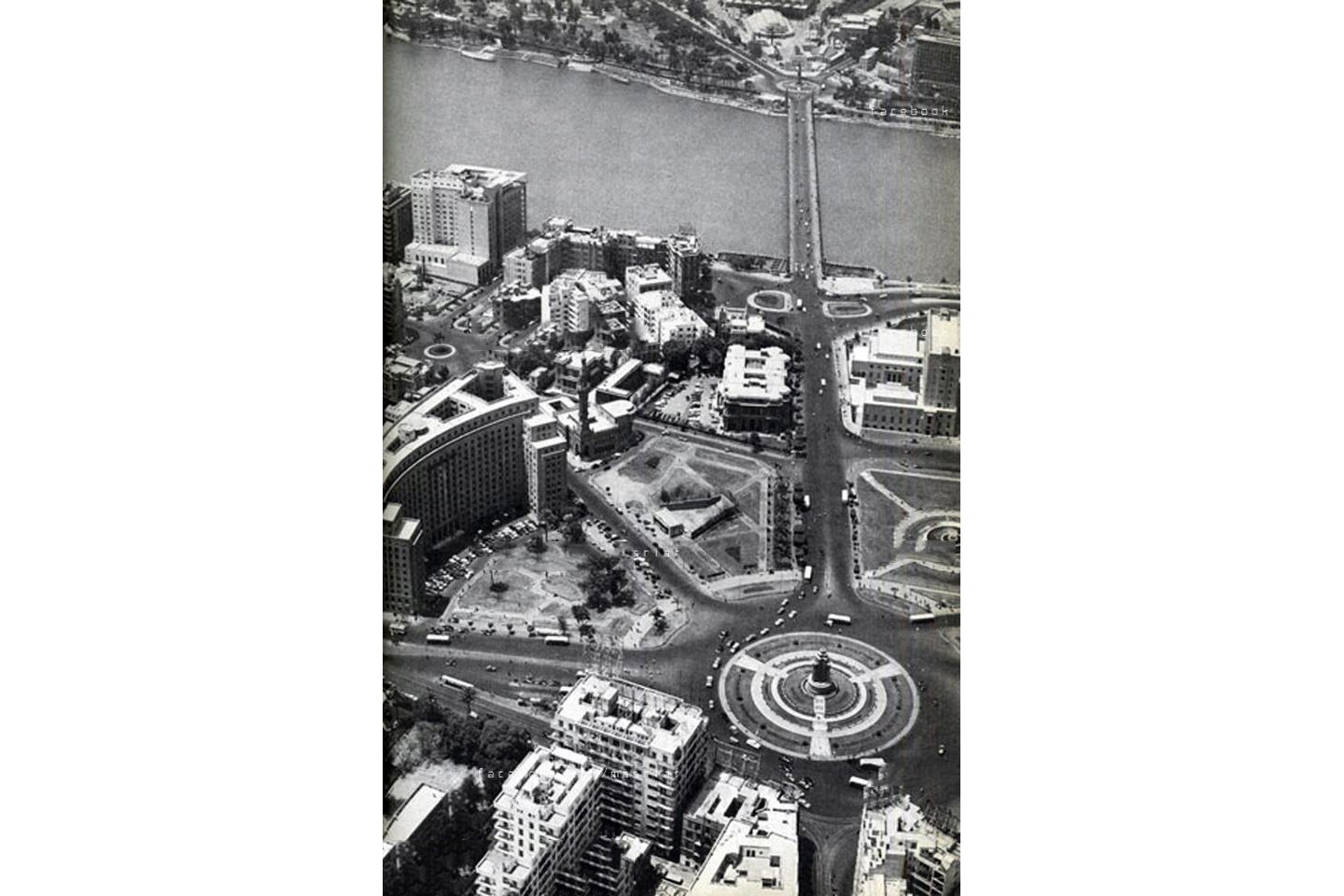
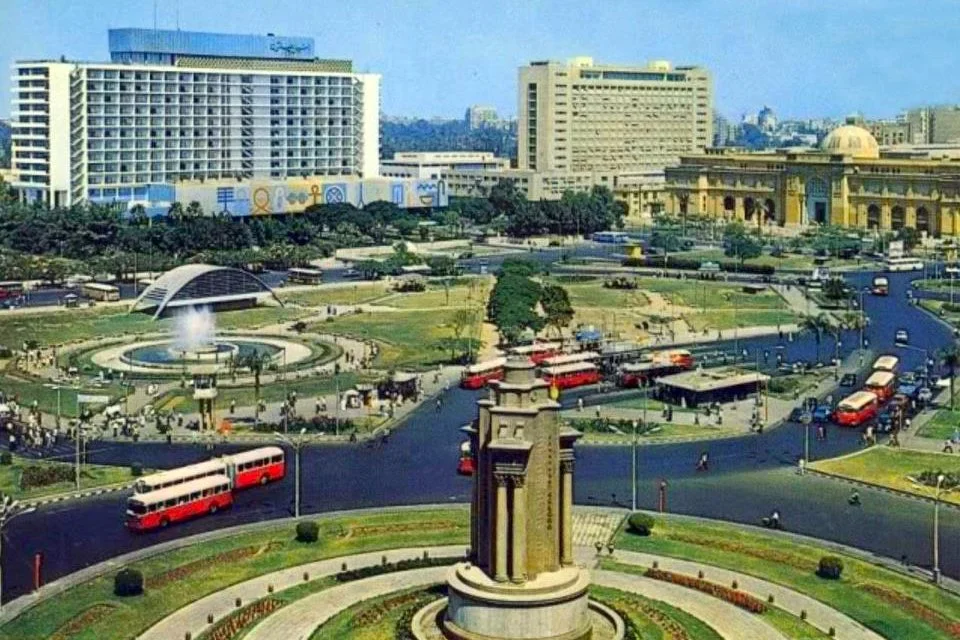
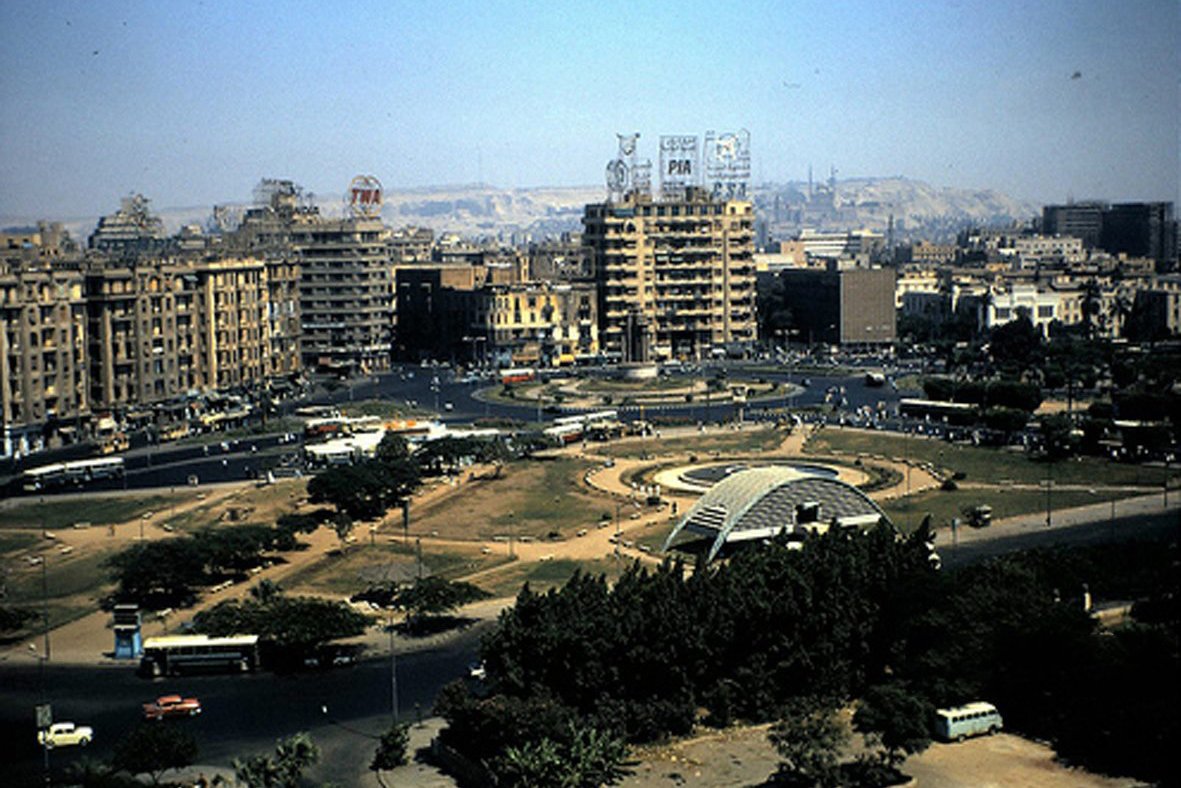
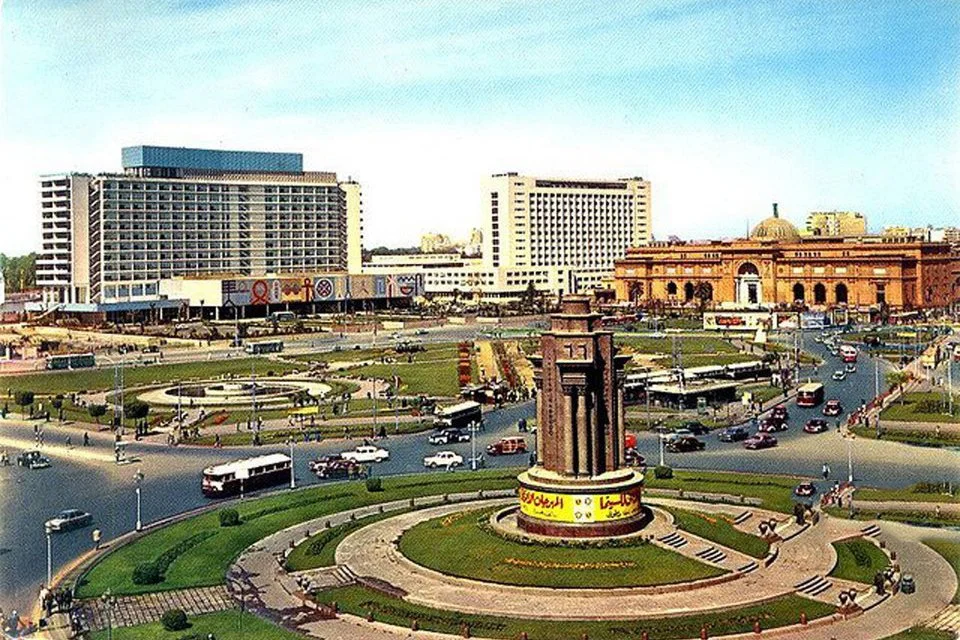
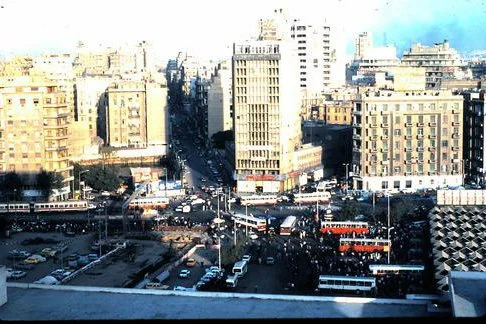
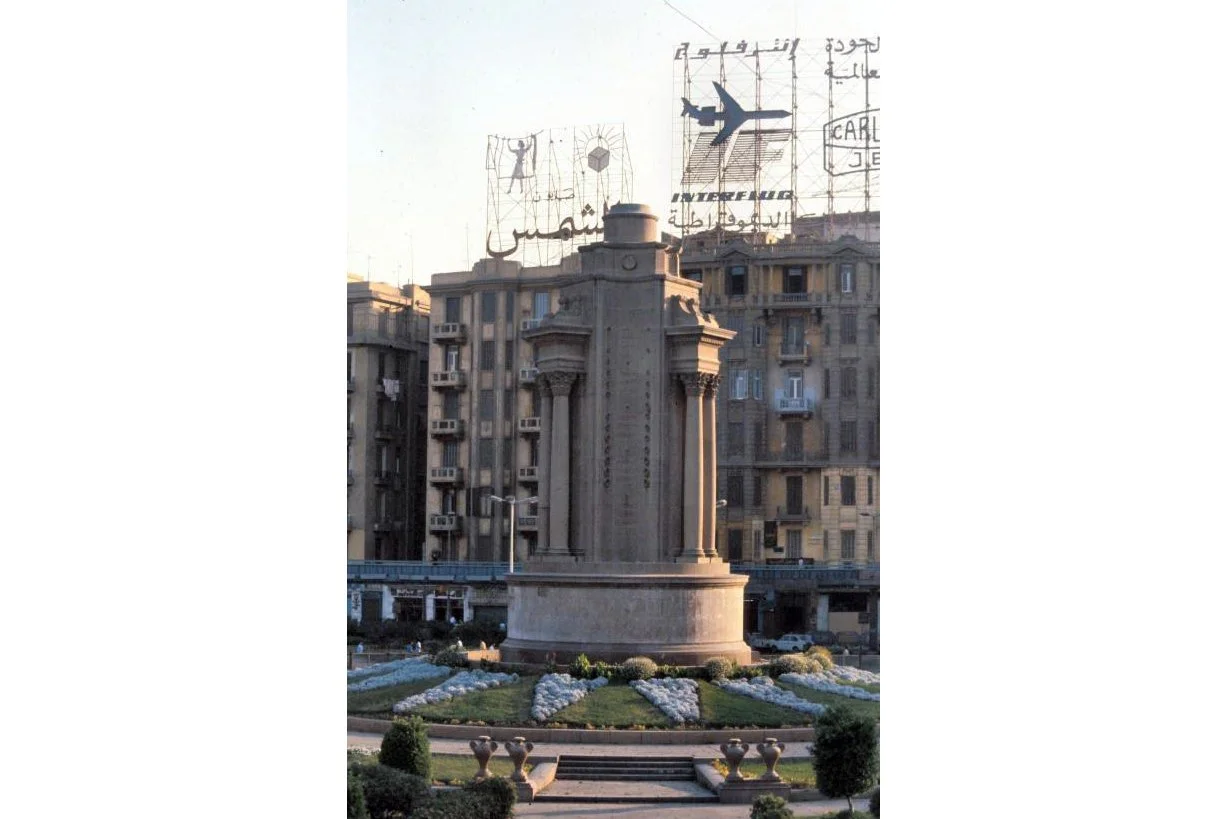
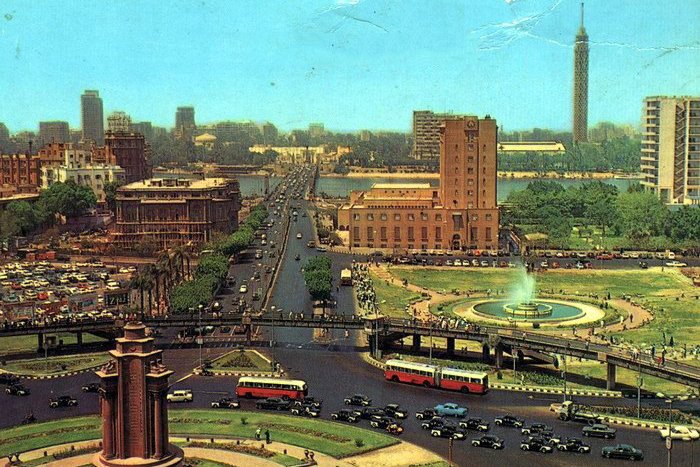
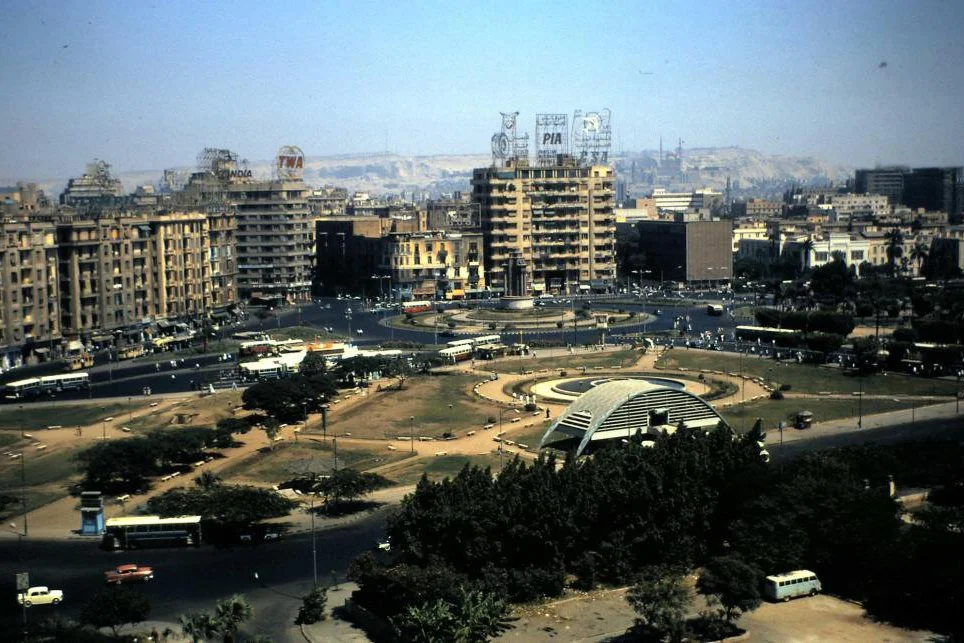
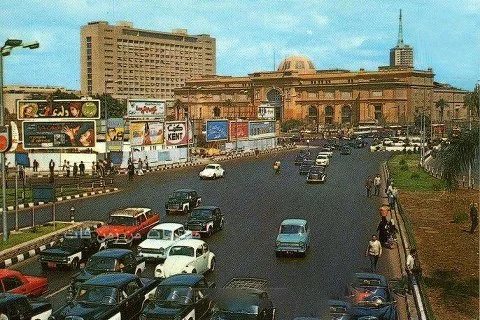
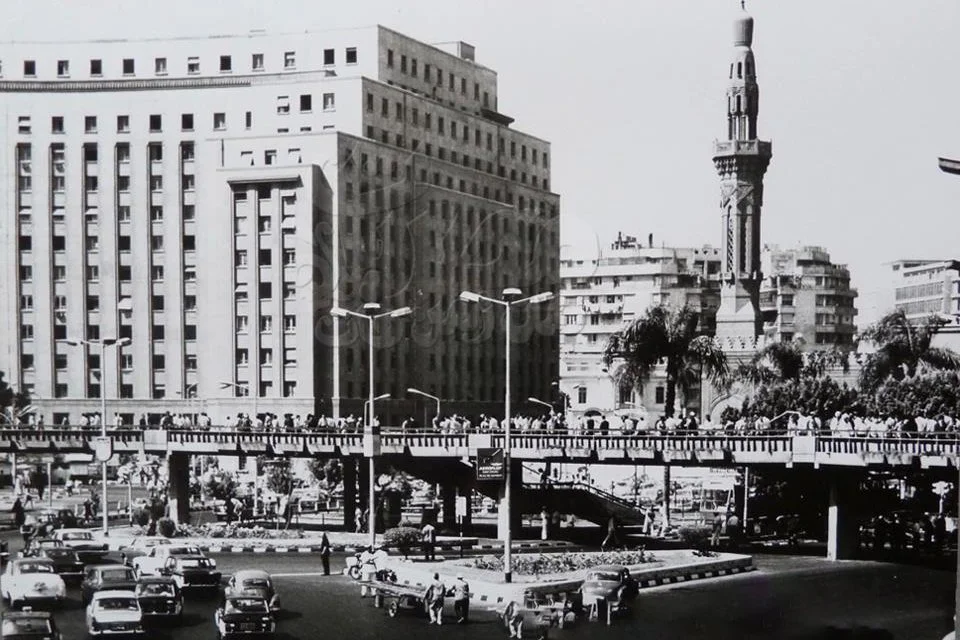
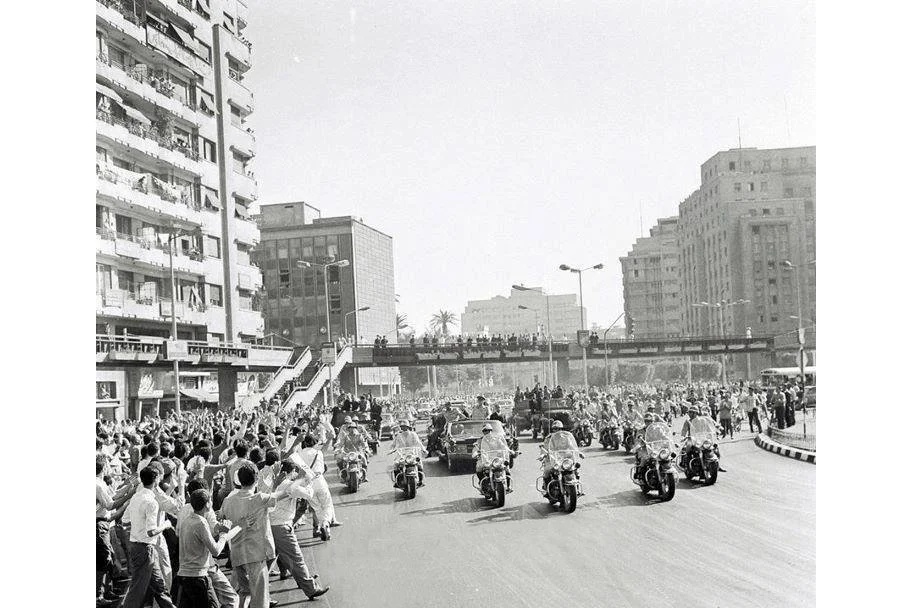
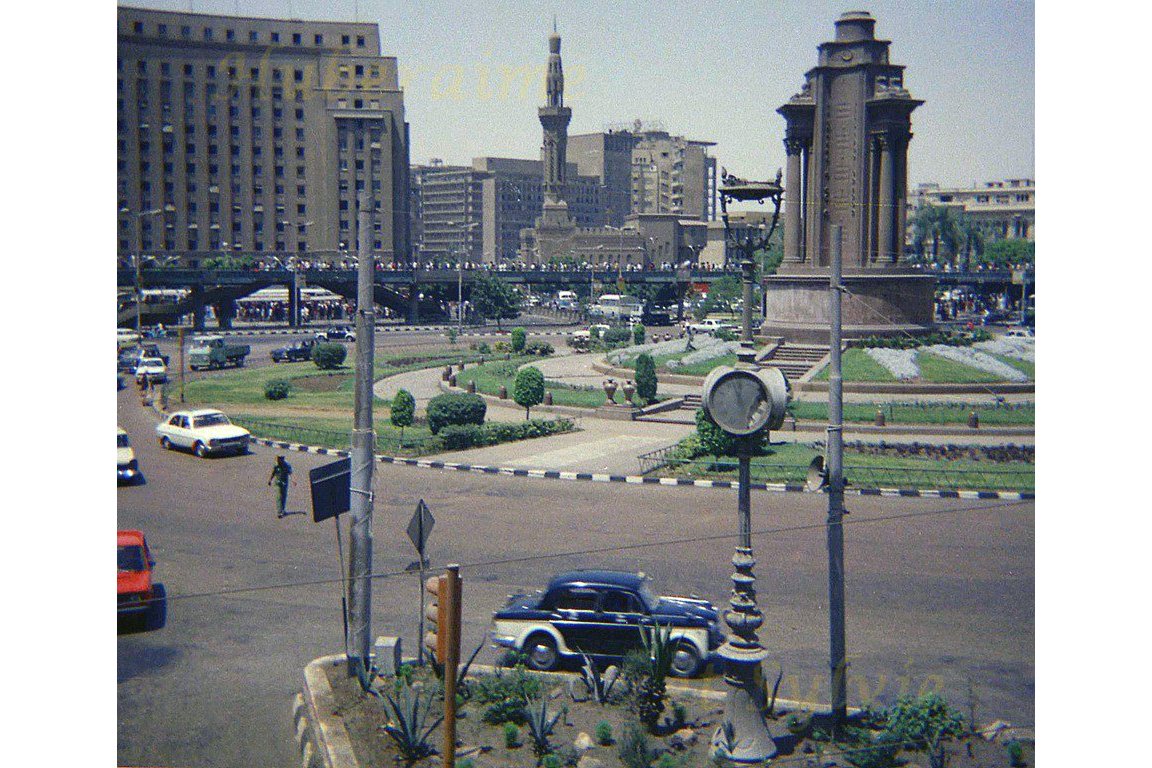
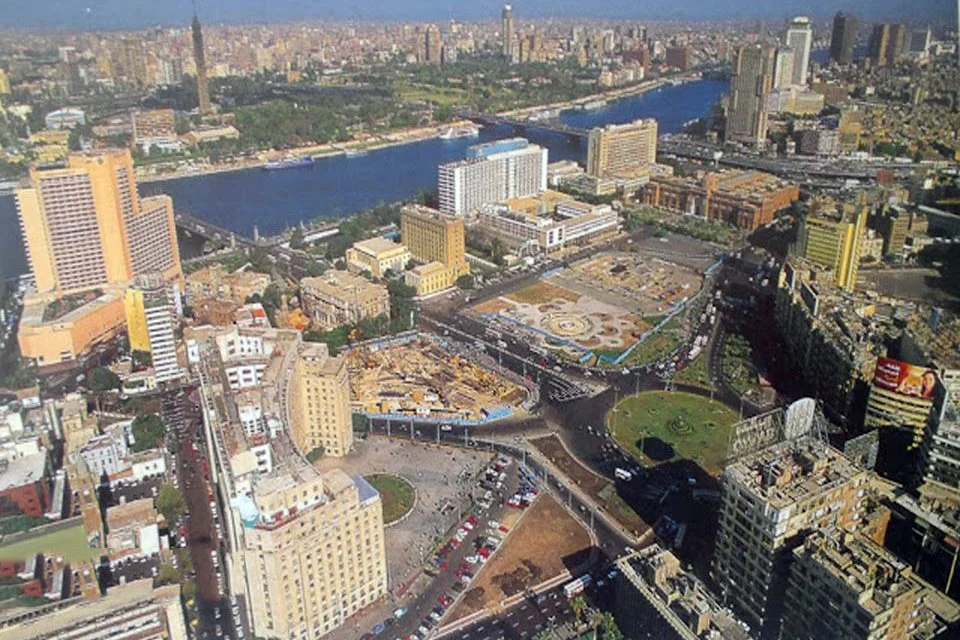
I first encountered Tahrir Square in 1972, when my uncle Osama took my mother, my brother, and me to Downtown Cairo. The square—which is not actually circular but rather trapezoidal in shape—was surrounded by an elevated pedestrian walkway and functioned as an enormous traffic roundabout. Beneath the overpass were informal vendors, crowds of people, and a lingering stench made all the more oppressive by Cairo's humid summer heat. A beautiful modernist vision had become a landscape of congestion and decay. Over the years it changed somewhat. The pedestrian walkway disappeared, an underground Metro station was constructed, yet in the end it remained little more than a giant traffic circle. Crossing it on foot required nerves of steel.
Then came 2011.
The old regime fell. The Egyptian army declared its solidarity with the people. Elections were held, and the Muslim Brotherhood came to power, appointing Egypt's first freely elected president. The events that followed are well known and have been documented ad nauseam. Large numbers of Egyptians rejected the elected government, demonstrations spread across the country, and another square—Rabaa, in one of Cairo's suburbs—became the focal point of support for the Brotherhood. On August 14, 2013, the Egyptian army used lethal force to disperse the encampment, killing more than two thousand protesters in what became the deadliest single day in Egypt's modern history. The country subsequently returned to military rule. Estimates vary, opinions differ, and arguments continue over whether these events were necessary. I am not writing to defend one side or another. My concern lies elsewhere, in the urban and architectural dimensions of what occurred.
A revolution was extinguished. But, for a brief moment, people reclaimed their city and asserted what Henri Lefebvre famously called their right to the city. Tahrir belonged to them. They felt, perhaps for the first time, that they had a genuine stake in the built environment and that change was possible—not only for Cairo but for cities across Egypt. Then that possibility disappeared.
Today Downtown Cairo is undergoing another transformation. The Mugamaa is being converted into a luxury hotel. Tahrir Square has been redesigned as a monumental plaza whose architectural features appear deliberately intended to discourage any future mass gathering. The Nile Hilton has become the Ritz-Carlton, an exclusive enclave catering to the affluent. The former Arab Socialist Union building has been demolished and will be replaced by a Gulf investor with a high-rise tower.
Thinking about all this, I find myself asking: Can that hopeful vision ever be reclaimed? Can the fire of revolution be lit once again? Can hope return?
I cannot help believing that it can.
The flame of revolution was once shining brightly.
And one day, it may burn again.
Ya El Medan (O You the Square)
Note: Another fascinating, pulsating song with a rock and roll beat is Mohamed Mounir’s “Ezzay” or “How.” Seemingly a love song, it can be seen as an Egyptian citizen expressing his deep love for his country, imploring her to accept him (the whole song is set to images from Tahrir Square during the revolution):
How can my beloved accept me ... adoring your name while you
just keep adding to my confusion without appreciating my kindness—how is that possible?
I am the oldest of your streets, your hopes from those who have destroyed you
I am a child who got attached to you, and you led me astray halfway
Note: I knew Aida El Ayouby, the singer featured in the video, because we both attended the German School in Cairo and lived in the same neighborhood in Maadi. Every morning we rode the school bus together, although she was several years younger than I was—perhaps five or six grades below me. After I left for the United States, I learned that she had become a well-known singer, performing songs about love, but also about home and the search for identity, themes that perhaps reflected her own background, with a German mother and an Egyptian father. Eventually, during the 2000s, like many of her generation, she chose to wear the hijab, as we see in the video. Her haunting voice continues to carry the memory of the revolution forward.
If you would like to read more about these issues I invite you to read the Cairo Chapter in my book “Arab Modernism(s)” In addition to my upcoming book “My Cairo” (AUC Press 2027)
