After Cities of Salt: Riyadh, Dubai, and the Hidden City of the Gulf
Who Is the City For? Two Gulf Novels Ask the Question
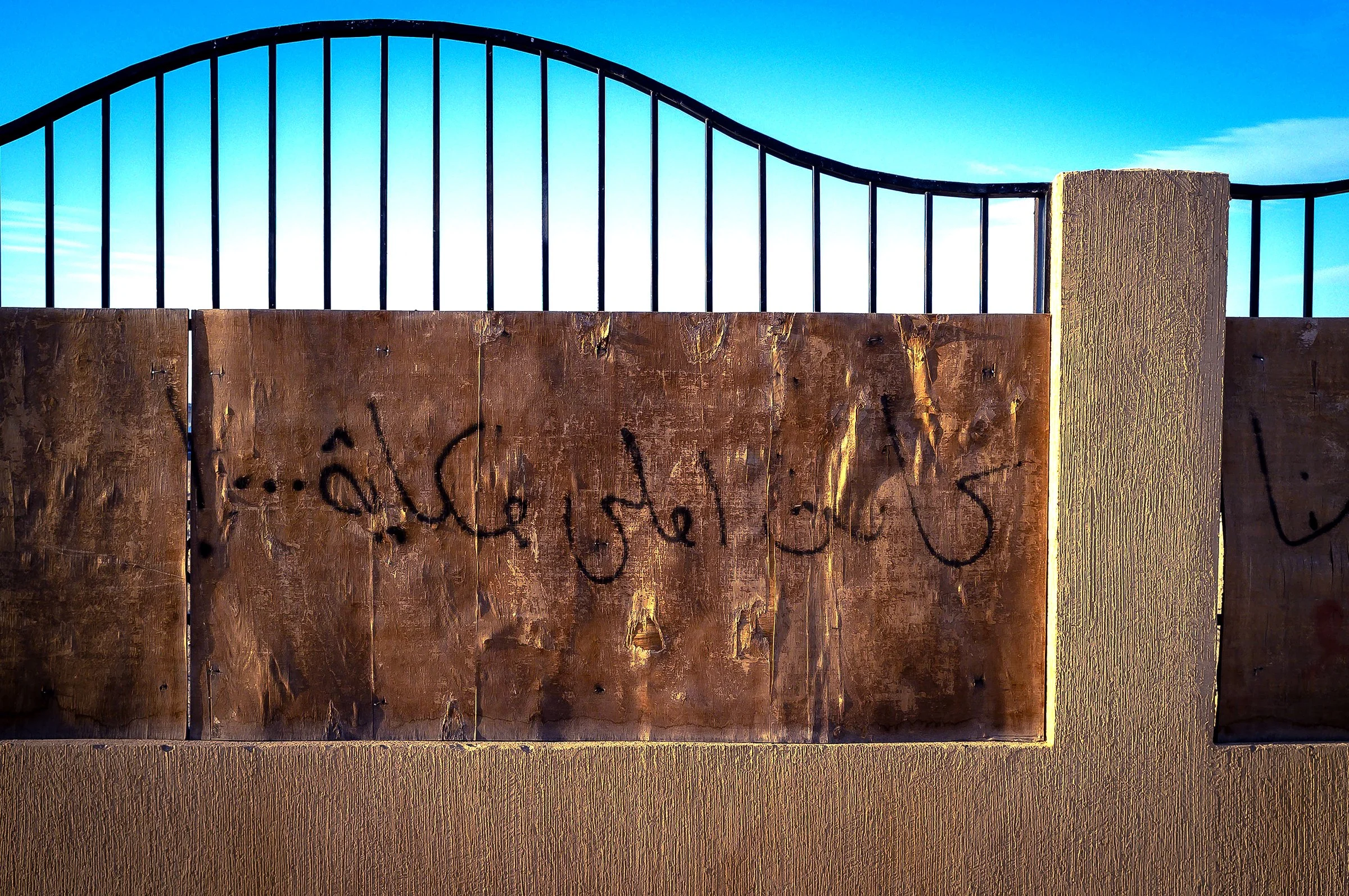
“It was the most beautiful story.” Riyadh. 2019

One of the recurring preoccupations of this blog — and of my broader work — is the gap between the city of spectacle and the city actually lived. The city of brochures and skylines versus the city of memories, migrant labor, dusty streets, half-open doors, markets, silences, and ordinary encounters. Literature often reveals this hidden city better than architecture or planning documents ever could. Recently I returned to two novels I had been meaning to write about for some time: Drumbeat by the Egyptian writer Mohamed El-Bisatie and Life on Hold by the Saudi novelist Fahd al-Atiq. They are set in Dubai and Riyadh respectively. They are very different books. And together they form an unexpected dialogue — about outsiders and insiders, fantasy and memory, and the uneasy encounter with modernity.
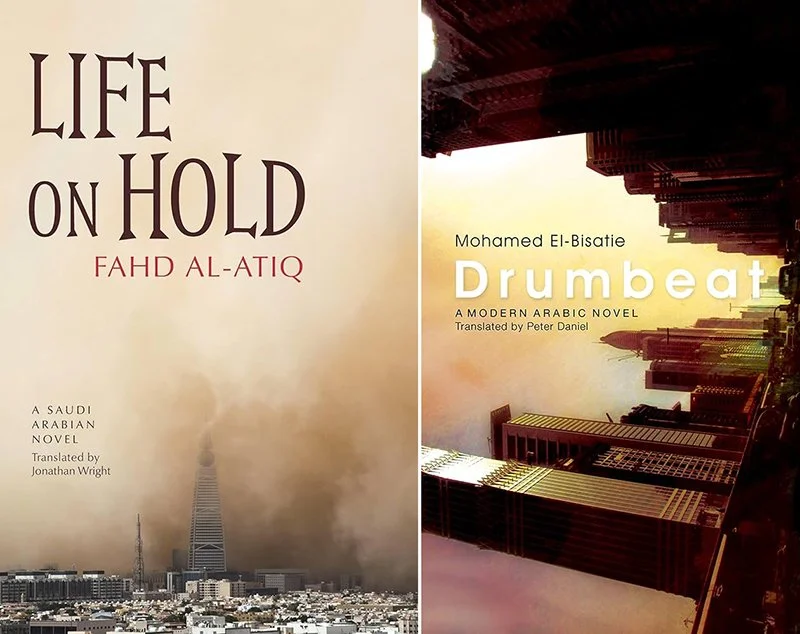
At first glance, Drumbeat is almost irresistible as satire. The premise is genuinely audacious: the national football team of an unnamed Gulf emirate — unmistakably Dubai — qualifies for the World Cup. The ruler promptly orders all citizens to depart for France, leaving the city in the hands of migrant workers. The invisible become visible. Those who built the city now, briefly, inherit it.
It is a compelling premise. Yet reading it now, especially after writing Arab Modernism(s) and studying Gulf cities closely, I found myself increasingly unsettled — not by the satire itself, but by what lies beneath it.
El-Bisatie’s Gulf is populated by clichés that have long circulated in segments of the Arab intelligentsia, particularly in Egypt: the Gulf as excessive wealth, as moral ambiguity, as sexual repression concealing secret depravity, its people as nouveau riche beneficiaries of oil who lack authenticity or culture. Beneath the surface lies a subtle hierarchy: we — bearers of civilization, history, and intellectual tradition — observe them, the suddenly wealthy desert newcomers.
This attitude has long haunted Gulf representation. It is often unspoken, sometimes unconscious, but present. Gulf society gets reduced to fantasy, exoticism, or moral spectacle. The city becomes a stage for repression and excess rather than a place where real people are struggling sincerely with unprecedented social change.
And yet Drumbeat remains worth reading — because it accidentally reveals something deeper. The city survives not because of its citizens but because migrants sustain it. The towers, gardens, roads, homes, the entire rhythm of daily life: all of it depends on workers who remain nameless in official narratives. The irony of the novel is that once citizens leave, the city does not collapse. It continues. This is the Dubai I kept encountering in my own work: the Satwa gatherings after a long shift; the cricket games in abandoned lots; the migrant restaurants in Karama; the improvised public life unfolding in the shadows of spectacular skylines. The hidden city behind the spectacle.
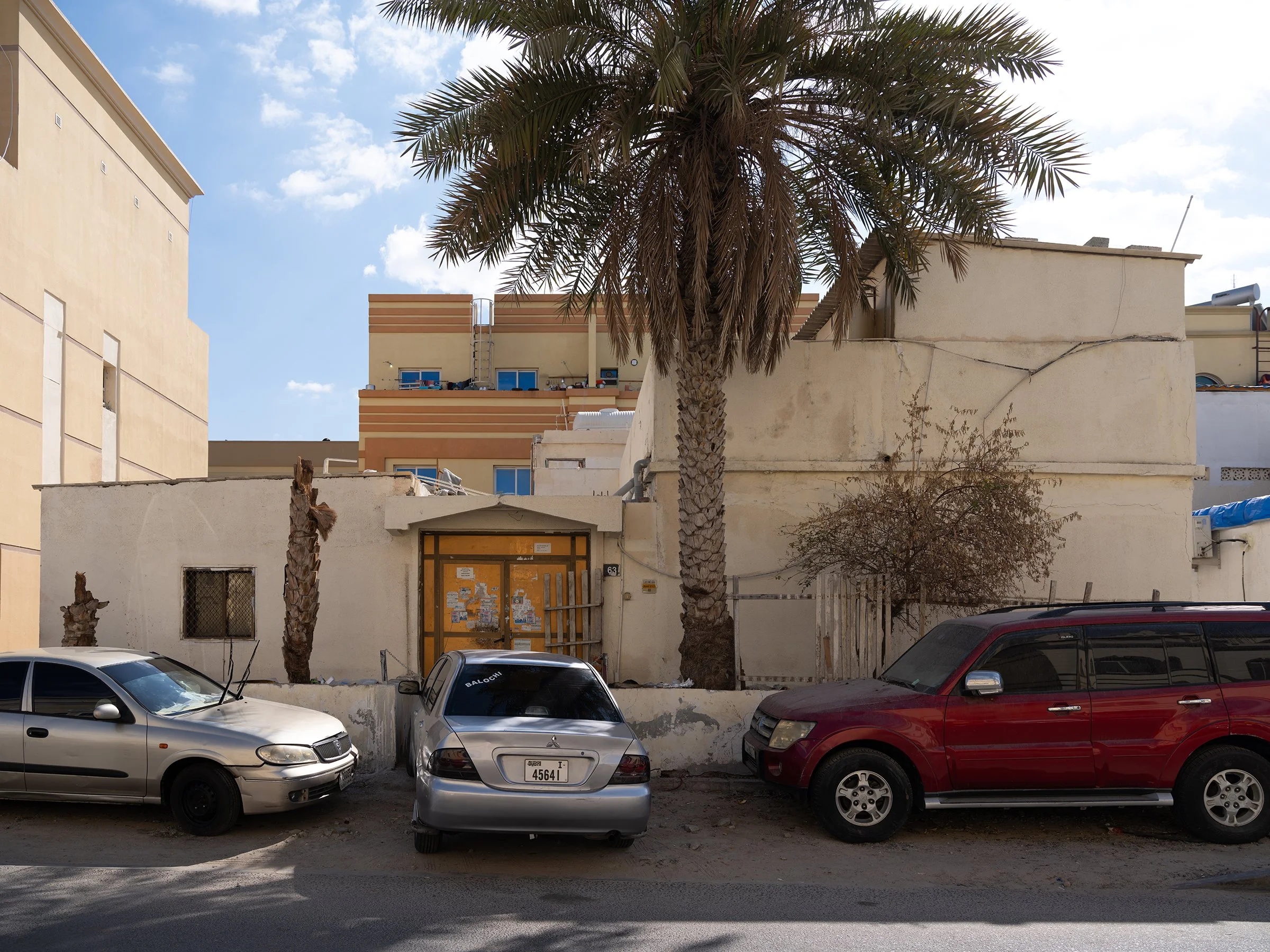
Satwa. Dubai. 2025
If Drumbeat views the Gulf from outside, Life on Hold speaks from within — and the difference is palpable on every page.
Fahd al-Atiq’s Riyadh may be one of the most moving urban portraits of the city I have read. Not the Riyadh of megaprojects or state narratives, but Riyadh of Shumaisi. Mud houses. Narrow lanes. Roofs sprinkled with water at dusk. Children running through dusty alleys while music drifts from cassette players.
The novel traces Khaled’s life as his family moves from old Riyadh into a suburban villa during the oil boom. The new house fulfills a dream thirty years in the making — and yet it arrives empty, “a tangible reality, but without a soul.” The old mud neighborhoods are rendered with extraordinary tenderness. Streets mattered more than houses. Doors remained half open. Voices mixed. Neighbors were extensions of family. The lanes became theaters of childhood rebellion and social life.
Reading these passages, I was reminded repeatedly of arguments I developed in Arab Modernism(s). Modernization in Arab cities often brought material advancement while simultaneously dissolving social worlds. Riyadh’s transformation — from mud neighborhoods to concrete villas, from dense social life to isolation behind walls — was not simply architectural change. It was a reconfiguration of everyday existence. Al-Atiq captures this with precision. The family leaves behind not just a house but “faces, events, images, memories, dreams, songs.” In the new suburb there are no voices, no neighbors, only high walls and silence. Riyadh is described as “a city that doesn’t know if it is pious or decadent” — a pressure cooker of unspoken words. It is a remarkable metaphor for societies confronting modernity at overwhelming speed.
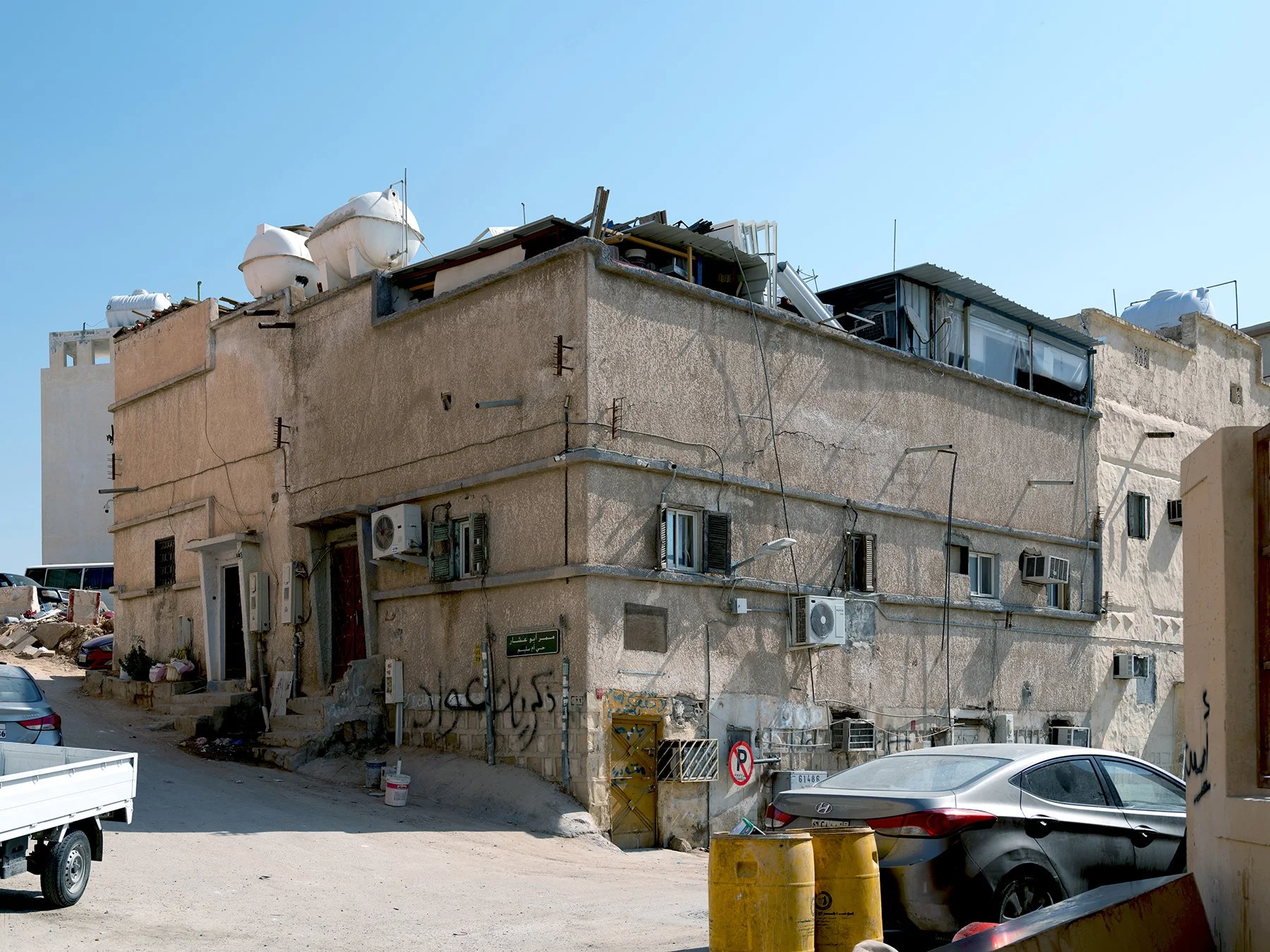
Um Sulaim. Riyadh. 2024
I could not help but think of Cities of Salt while reading both novels. Neither possesses Munif’s epic scale or sweeping historical ambition. But together they reveal fragments of the Gulf story he introduced: oil, transformation, displacement, social rupture, and the encounter between tradition and modernity.
But they also expose an asymmetry in how Gulf cities continue to be seen. One narrative looks outward at spectacle and excess; the other inward at memory and loss. One reproduces stereotypes; the other humanizes. One reduces the Gulf to a set of clichés; the other refuses to.
This asymmetry matters. It shapes what gets written, what gets translated, what gets read internationally. And it matters for how Gulf cities understand themselves.
These novels feel like companions to Arab Modernism(s) for this reason. That book argues repeatedly that modernism in Arab cities cannot be understood solely through buildings. It must be read through ordinary lives, through literature, memory, cinema, and everyday spaces. These novels do precisely that.
They also carry a lesson for Gulf planners, decision-makers, and residents. Literature should not be dismissed as fiction detached from urban reality. It is feedback. A mirror. Sometimes distorted, sometimes uncomfortable, but revealing nevertheless.
Drumbeat reminds us of those who sustain the city while remaining invisible. Life on Hold reminds us what is lost when modernization dissolves community.
The challenge for Gulf cities today is therefore not simply to build more. It is to build differently: cities that remember; cities that include migrants not as temporary labor but as urban citizens; cities that preserve social life alongside development; cities where modernization does not require forgetting.
A city for all. Not just for the few.
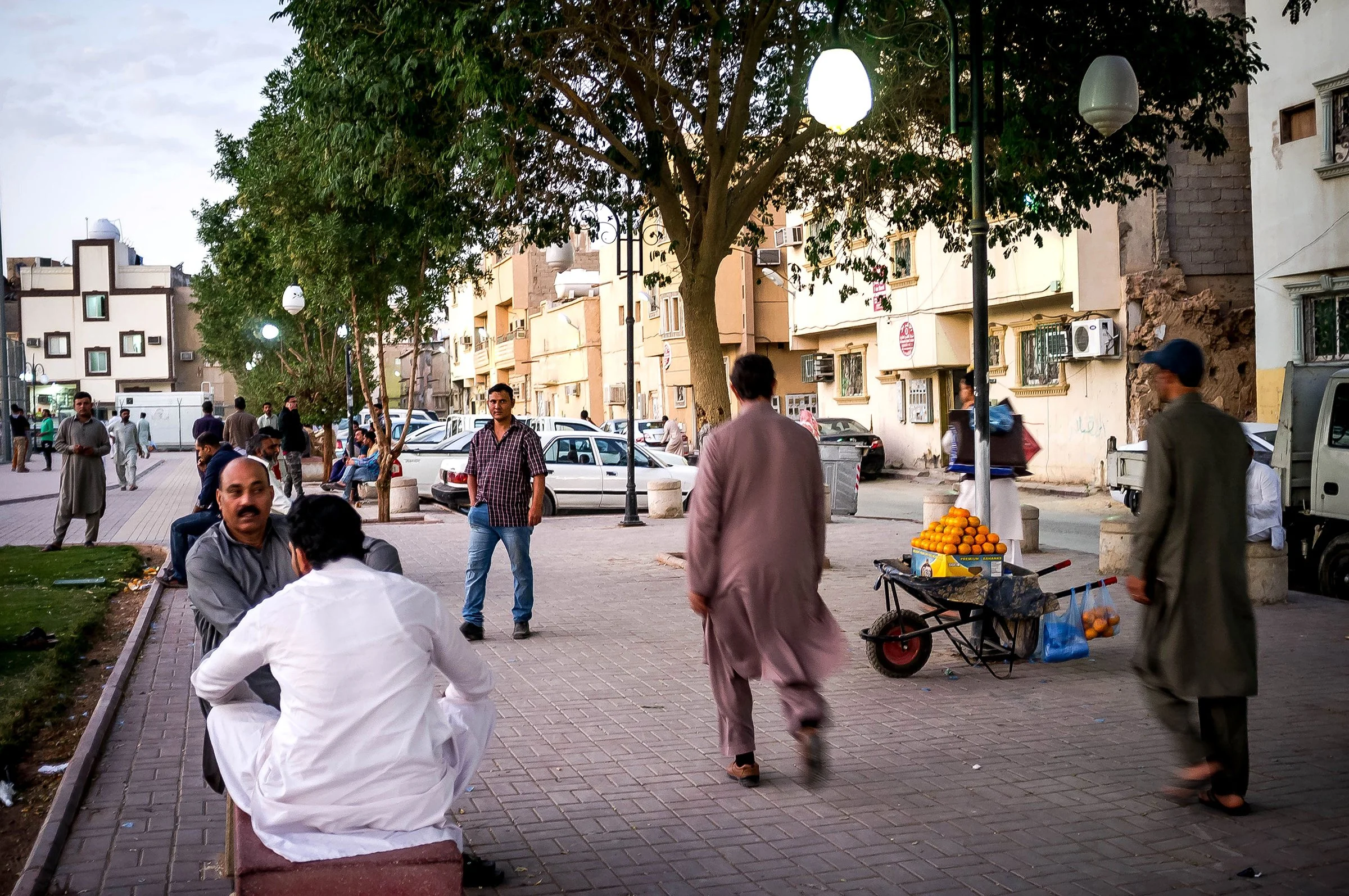
Shumaisi. Riyadh. 2019
