Cairo. The 35mm Collection. Mosques · Minarets
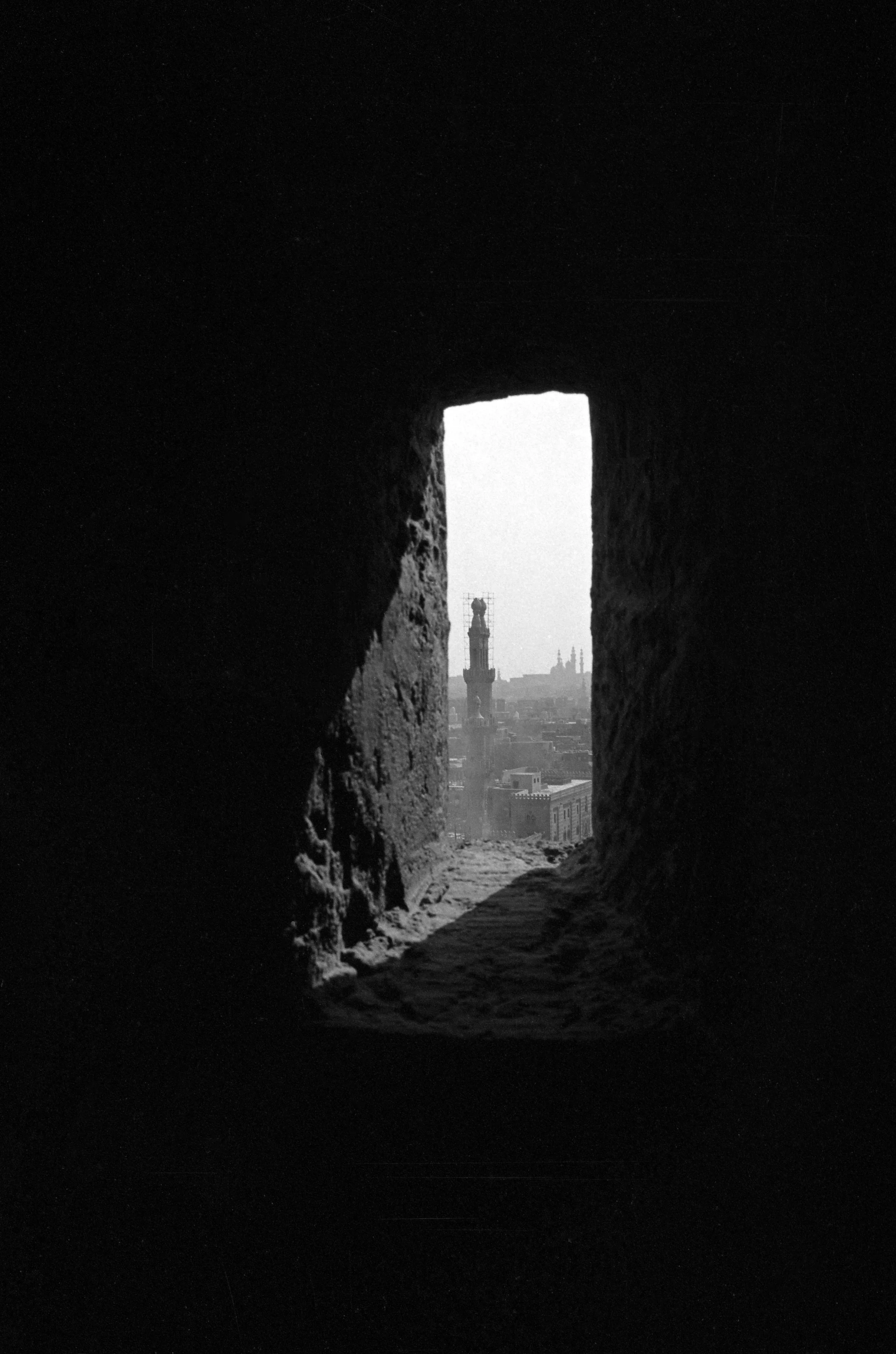
The Mosques and Minarets section of the 35mm collection explores Cairo’s historic skyline and the architectural monuments that define it. Moving through the city’s medieval core—particularly along Al-Muizz Street, one of Cairo’s most significant historic corridors—the photographs capture the imposing presence of some of the city’s most remarkable religious complexes. Among them are the richly layered Qalawun Complex, with its monumental ensemble of madrasa, mausoleum, and hospital, and the powerful architectural dialogue between the Sultan Hassan Madrasa and the adjacent Al-Rifa‘i Mosque, whose massive forms dominate the surrounding urban landscape. Other images turn to the elegant proportions of the Al-Salih Tala’i Mosque, standing at the southern entrance to the Fatimid city, and the vast and serene spaces of the Ibn Tulun Mosque, one of Cairo’s oldest and most architecturally distinctive monuments.
Many of these photographs — black & white and color slides — were taken from elevated vantage points, offering views from rooftops and terraces that reveal the extraordinary density of domes and minarets rising above the city’s historic quarters. Seen from high above, Cairo unfolds as a layered architectural landscape in which centuries of Islamic architecture coexist within a tightly woven urban fabric. The images in this section reflect an effort to capture not only the monuments themselves, but also their spatial relationships with the surrounding city—how minarets punctuate the skyline, how domes emerge from clusters of buildings, and how these landmarks continue to anchor Cairo’s historic identity.
Qalawun Complex
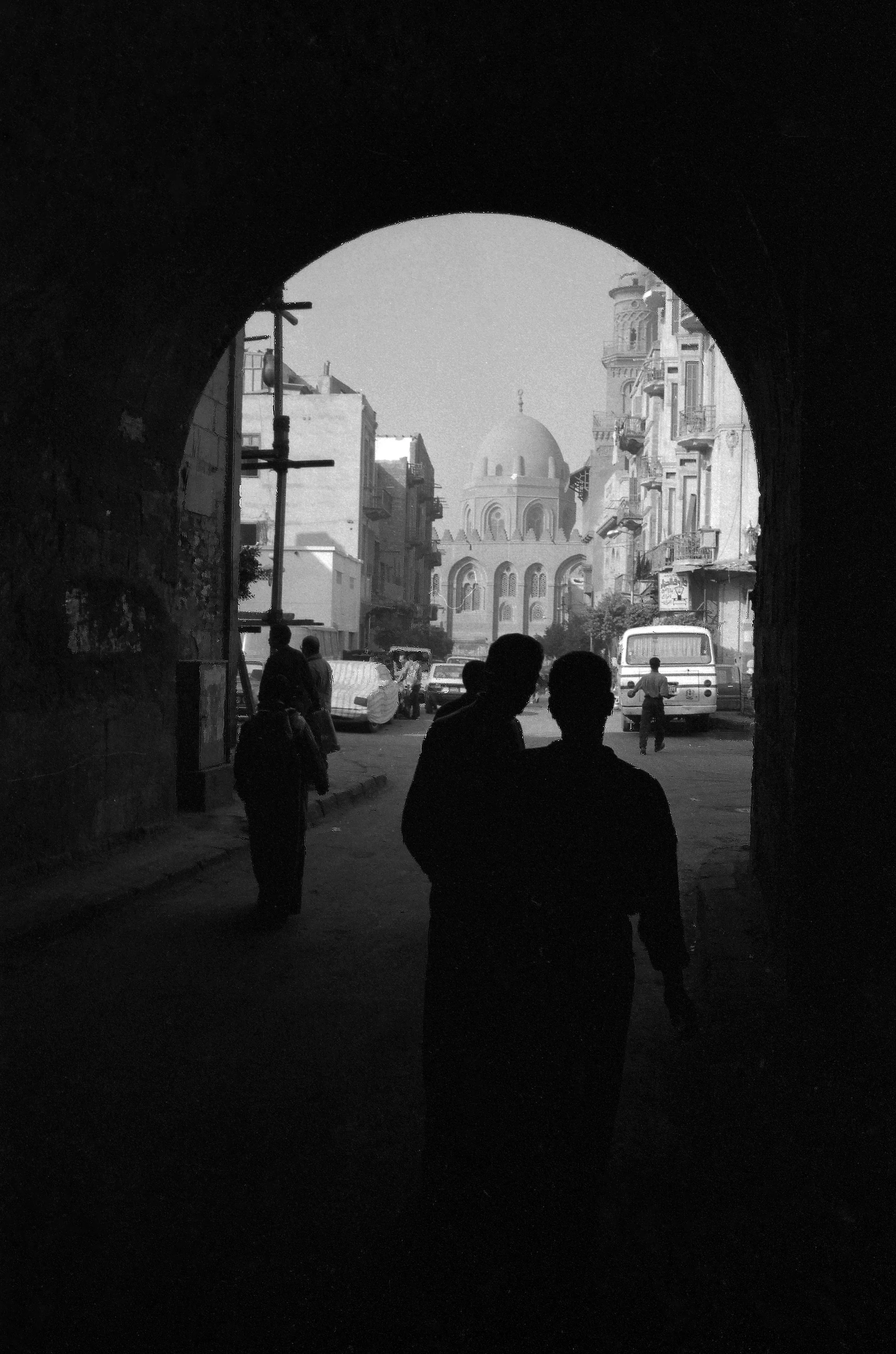
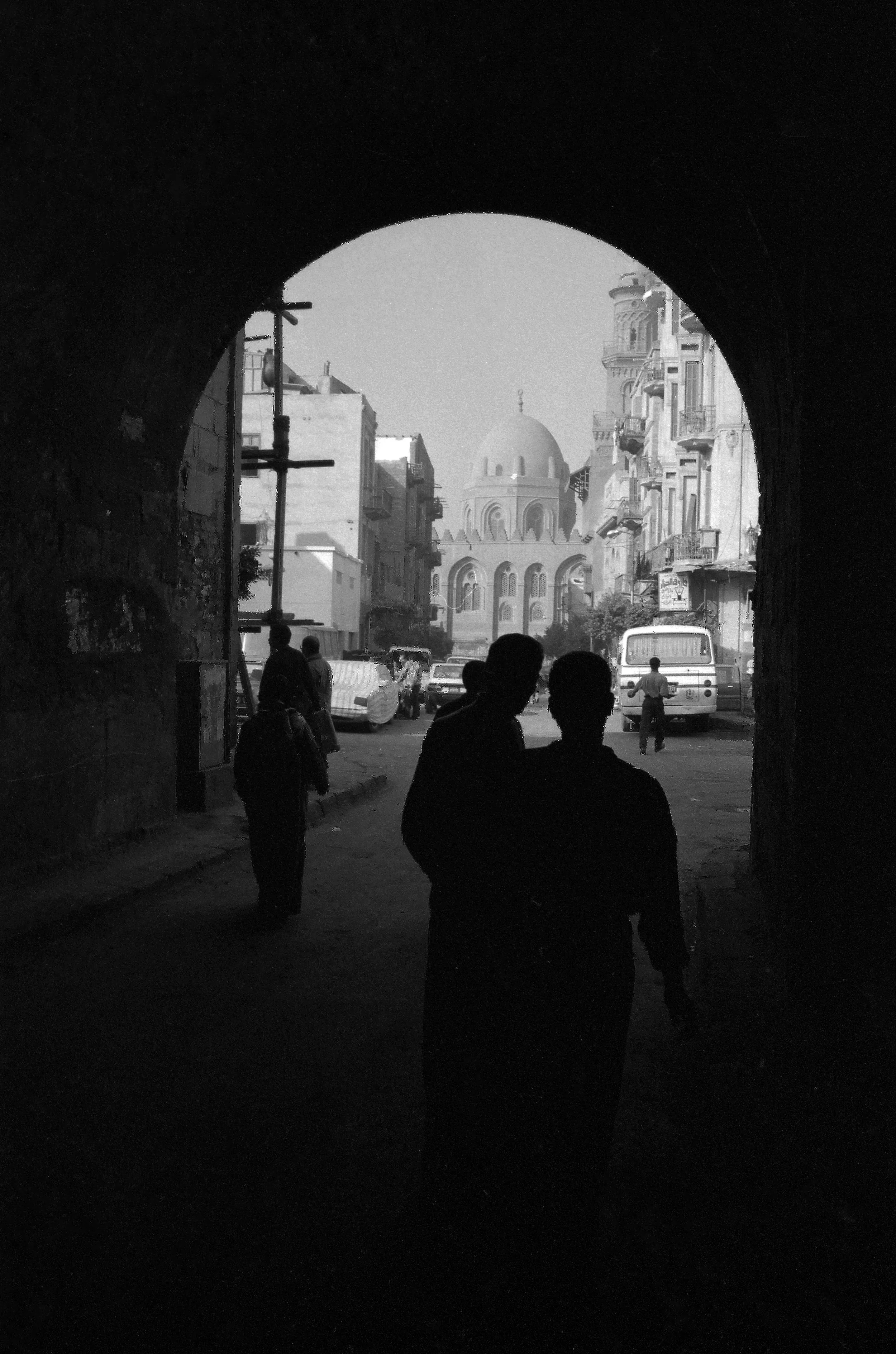
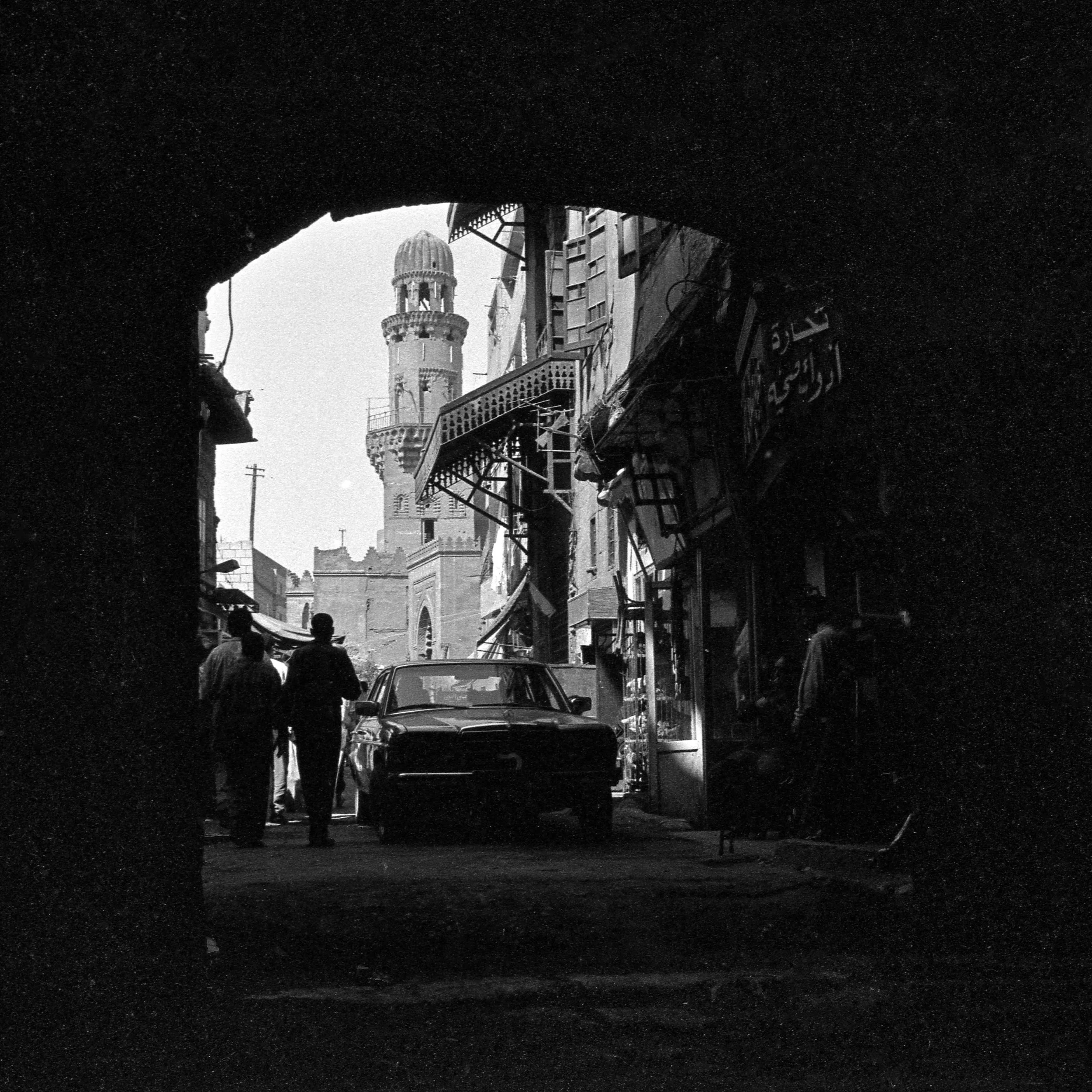
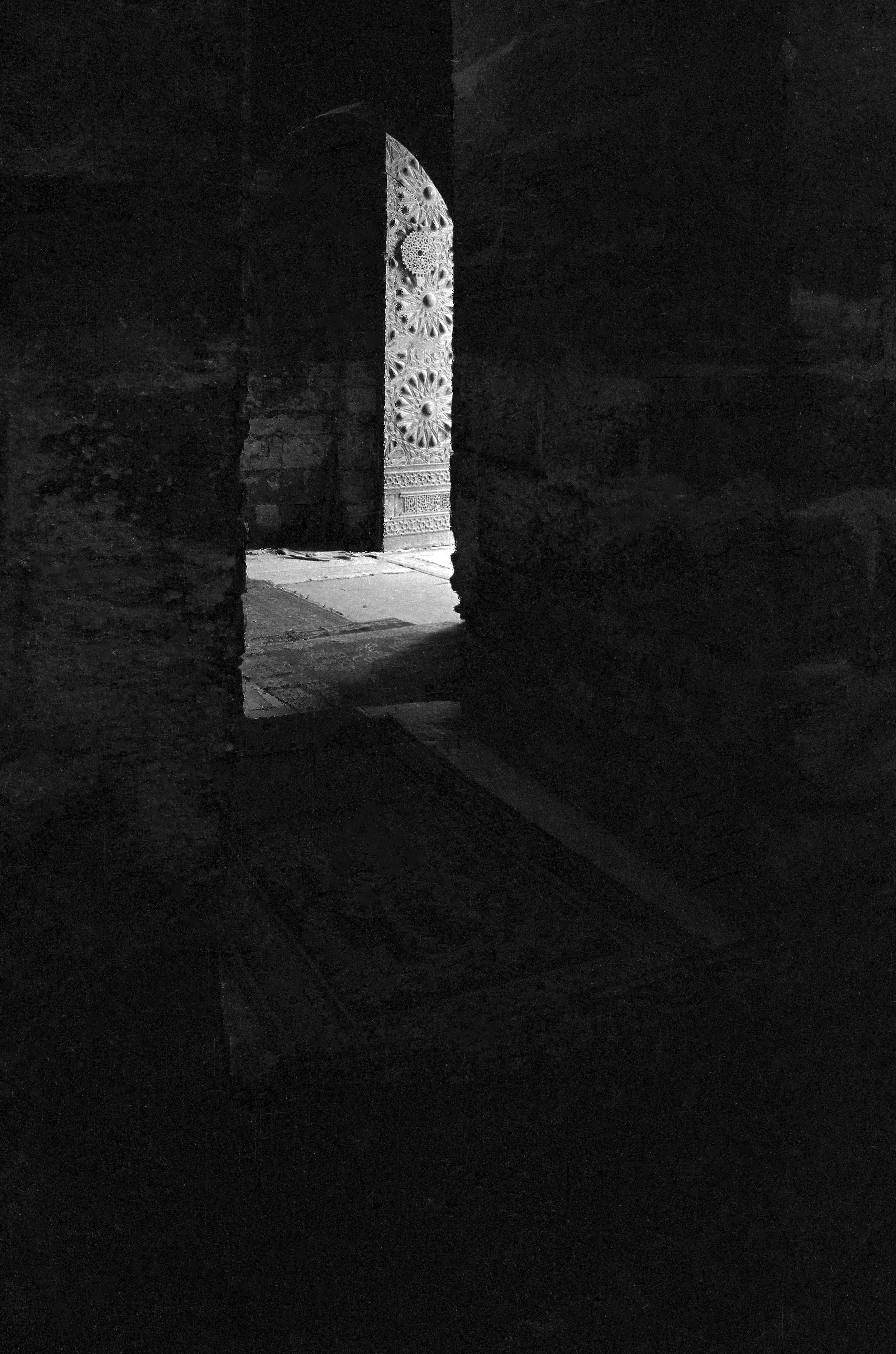
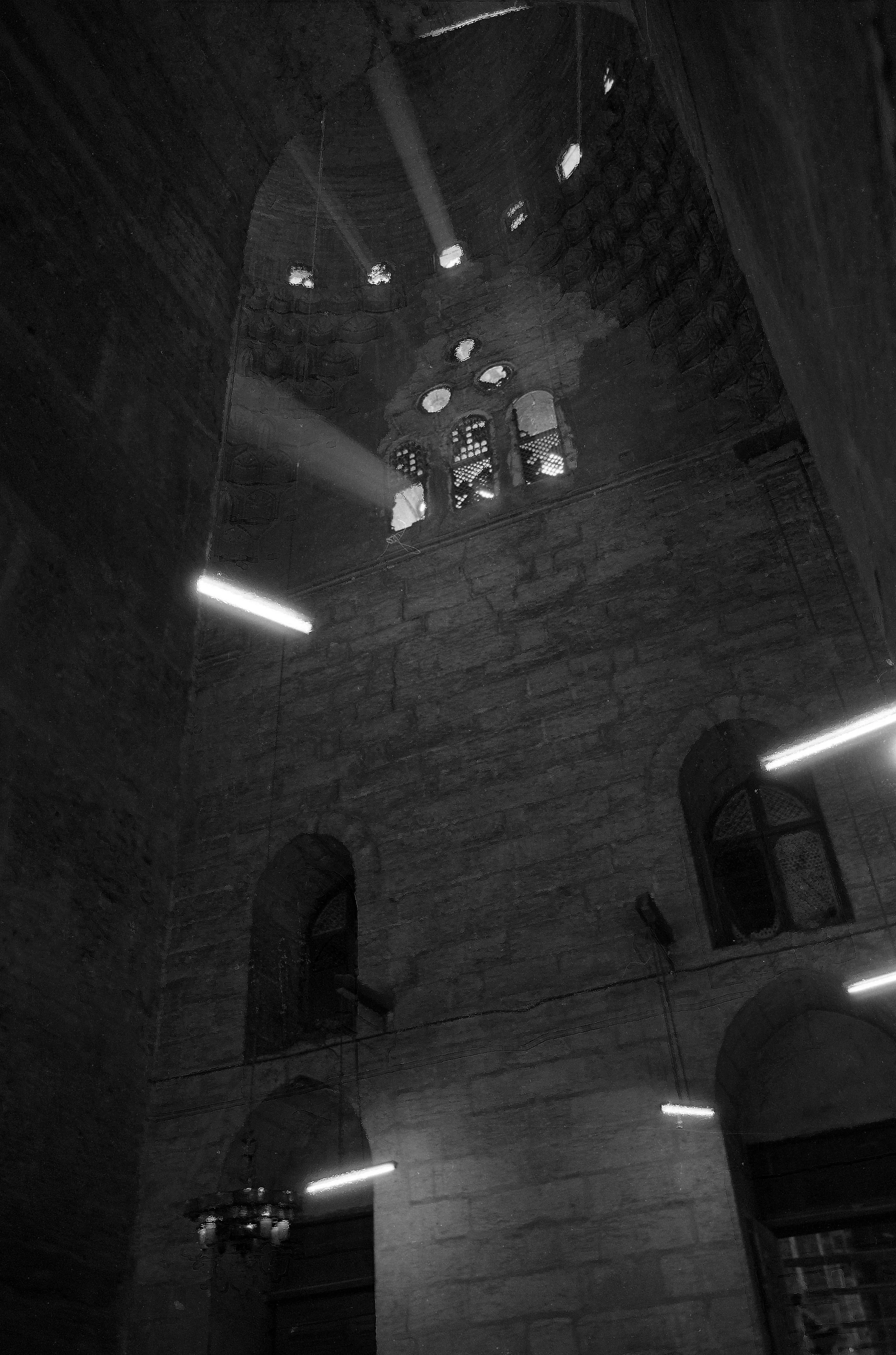
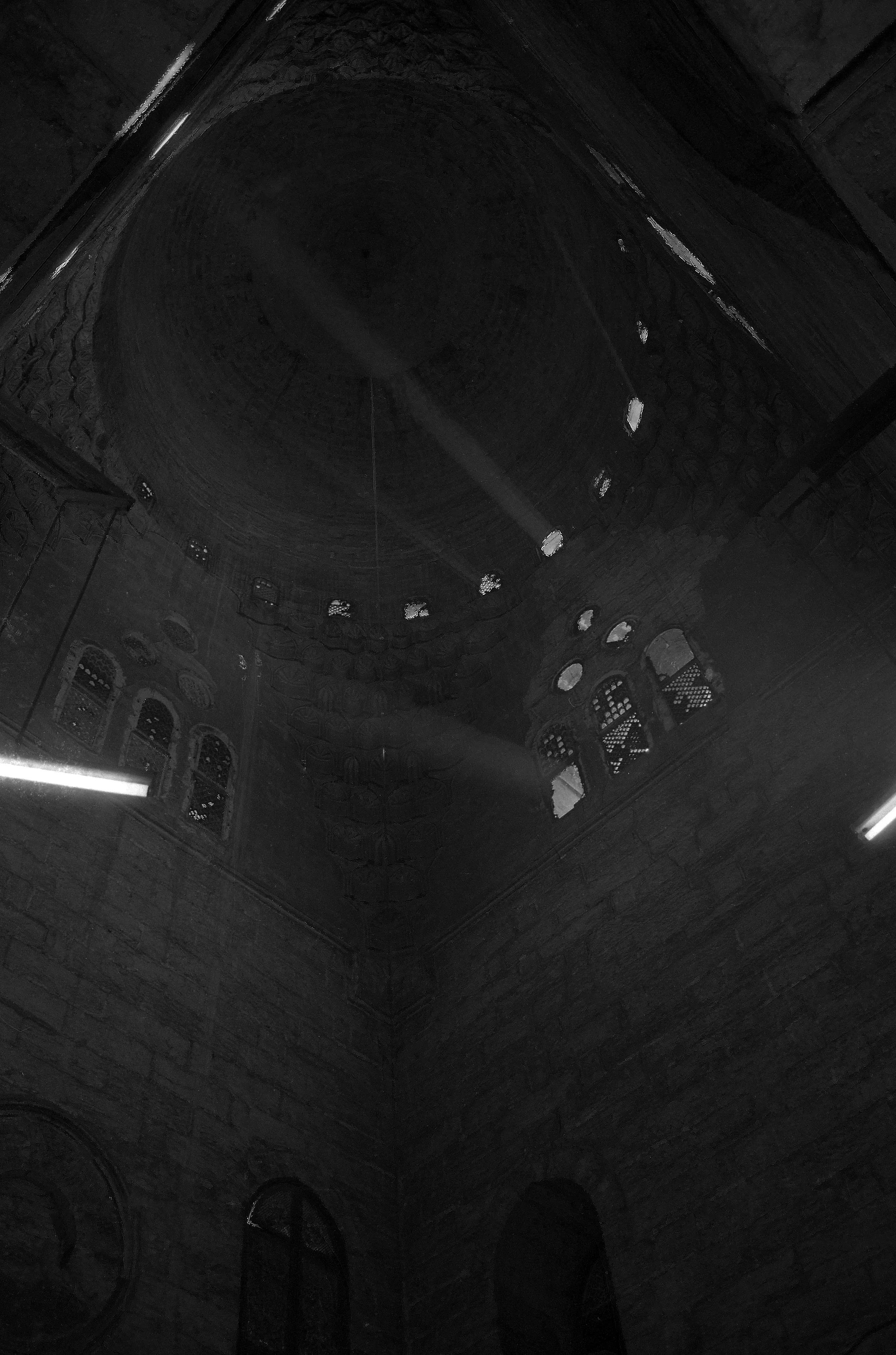
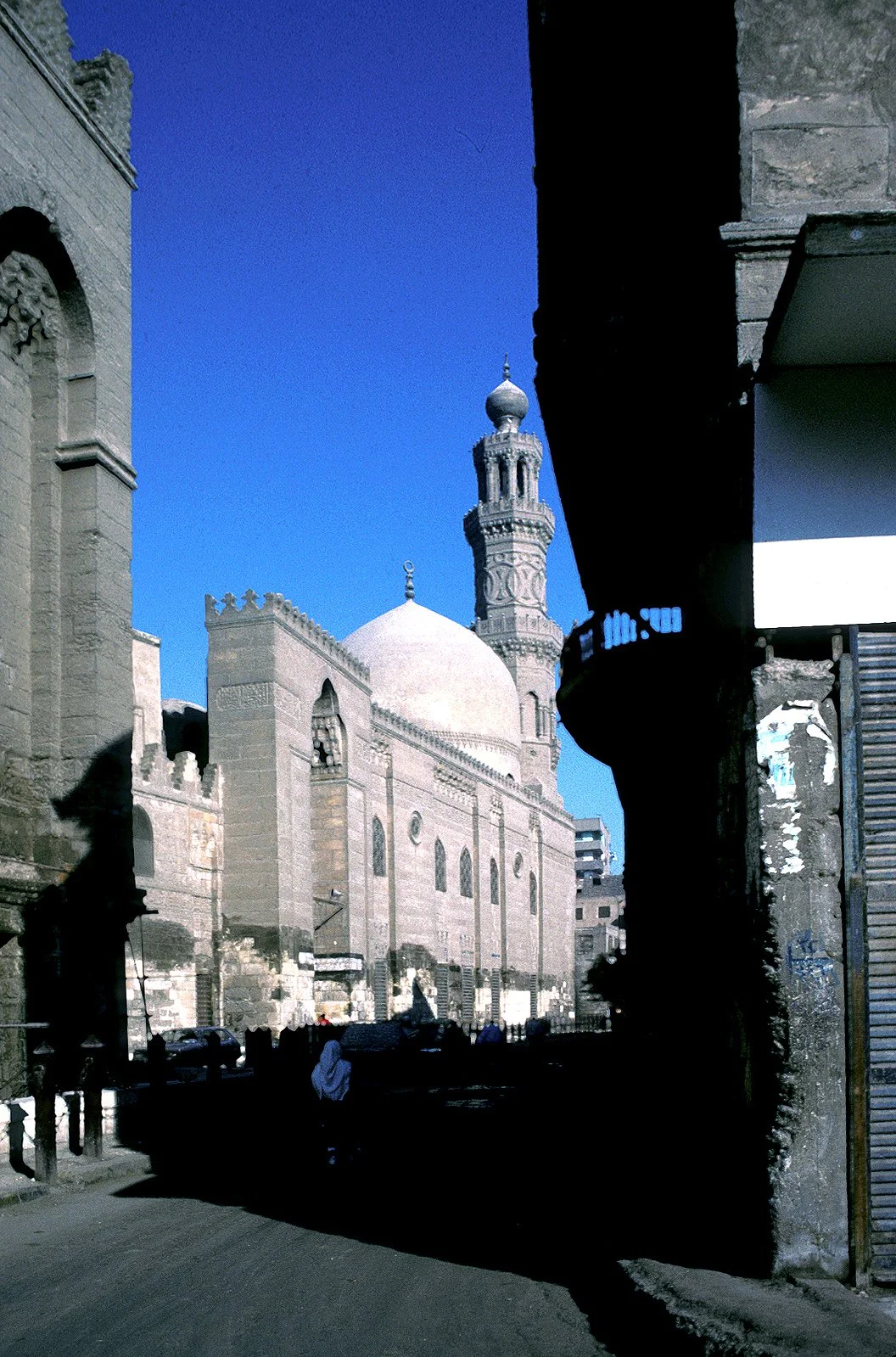
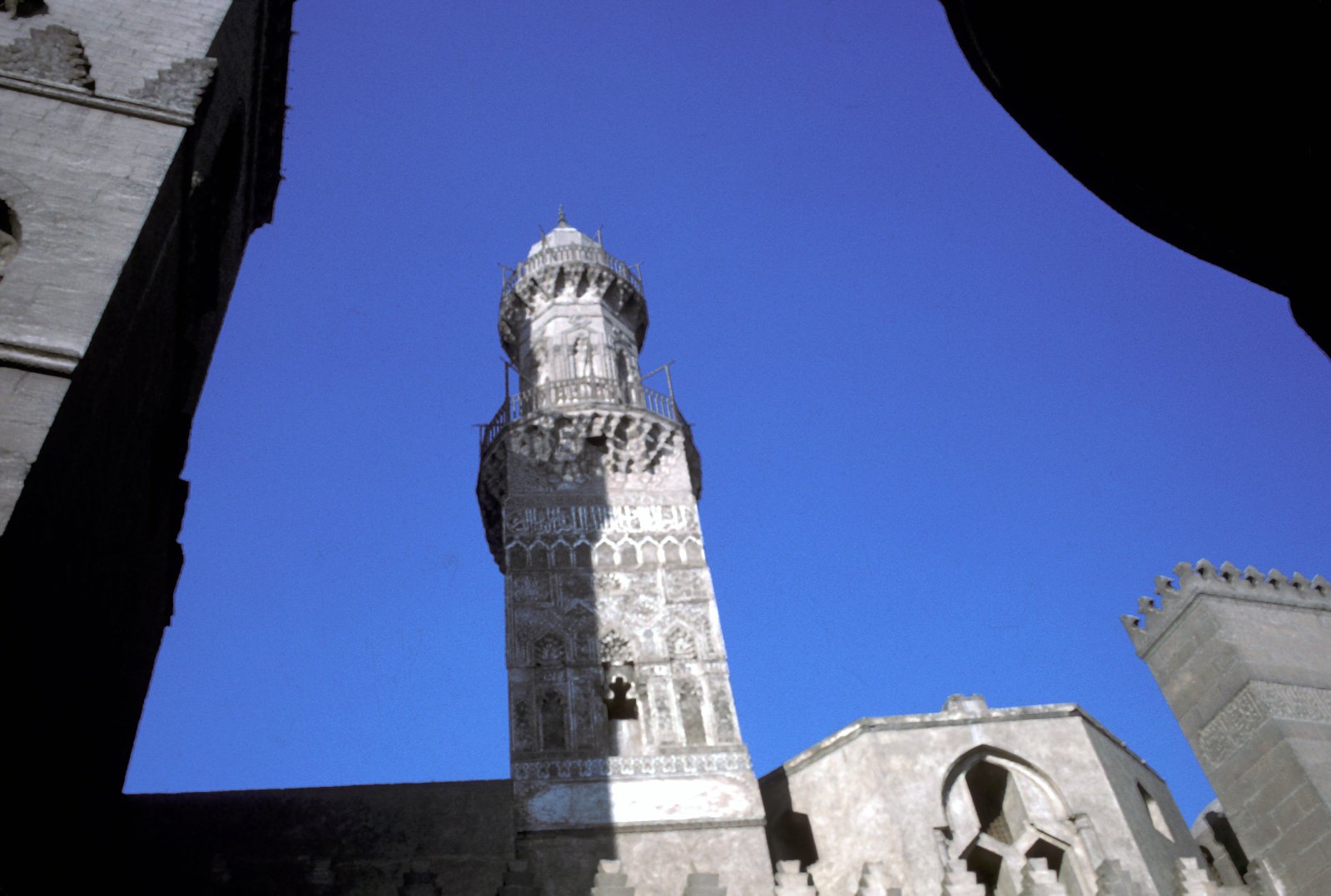
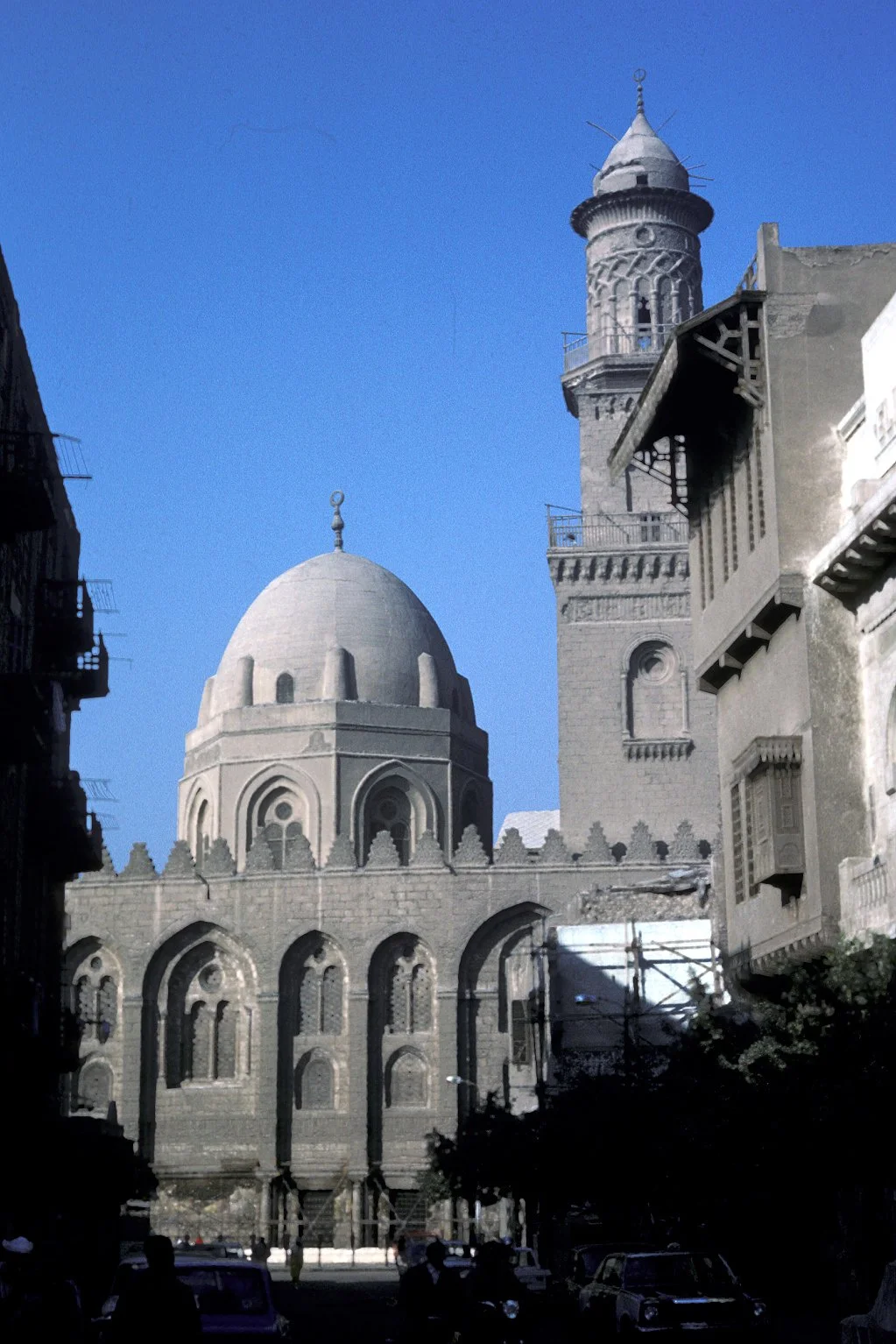
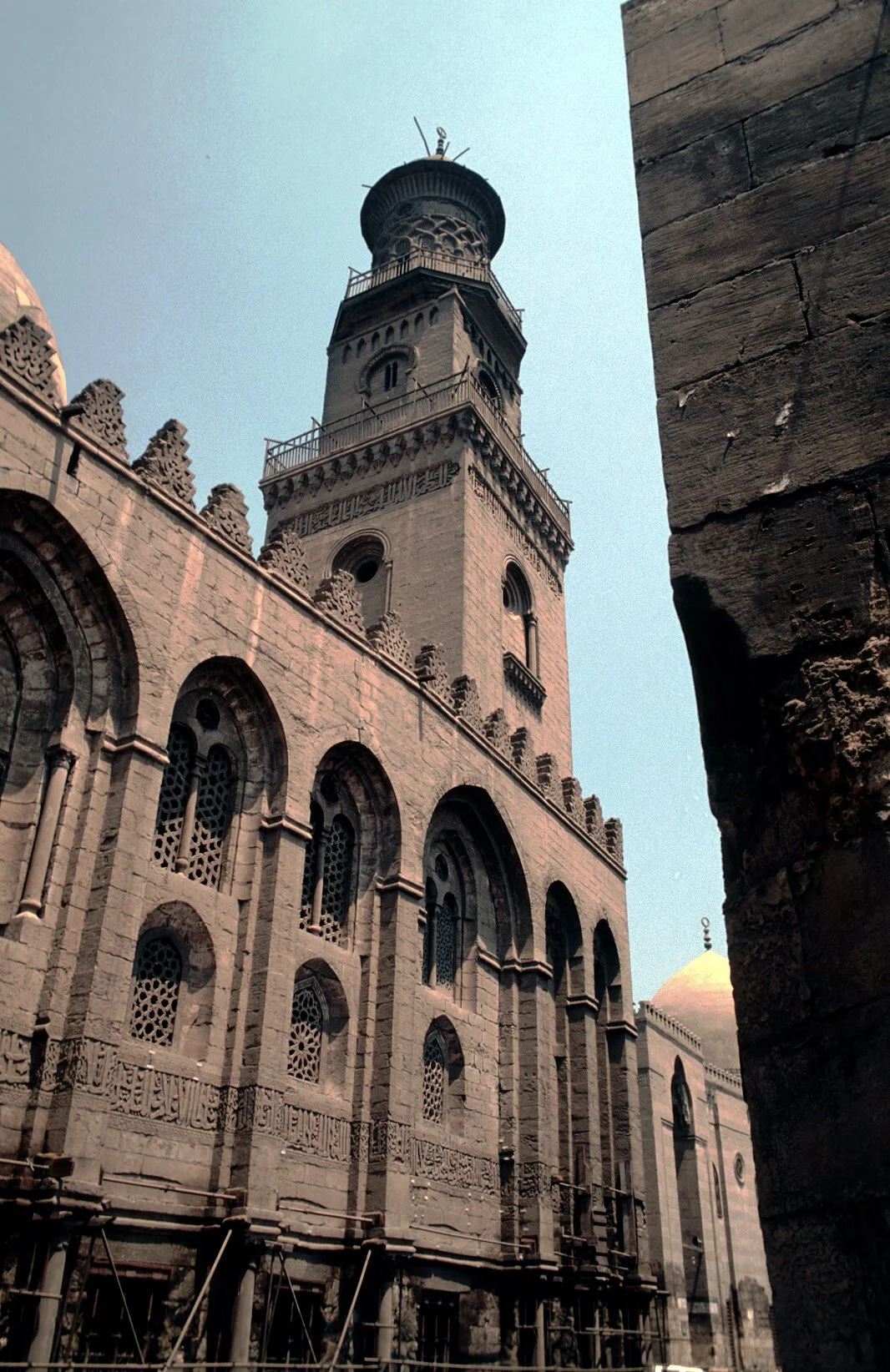
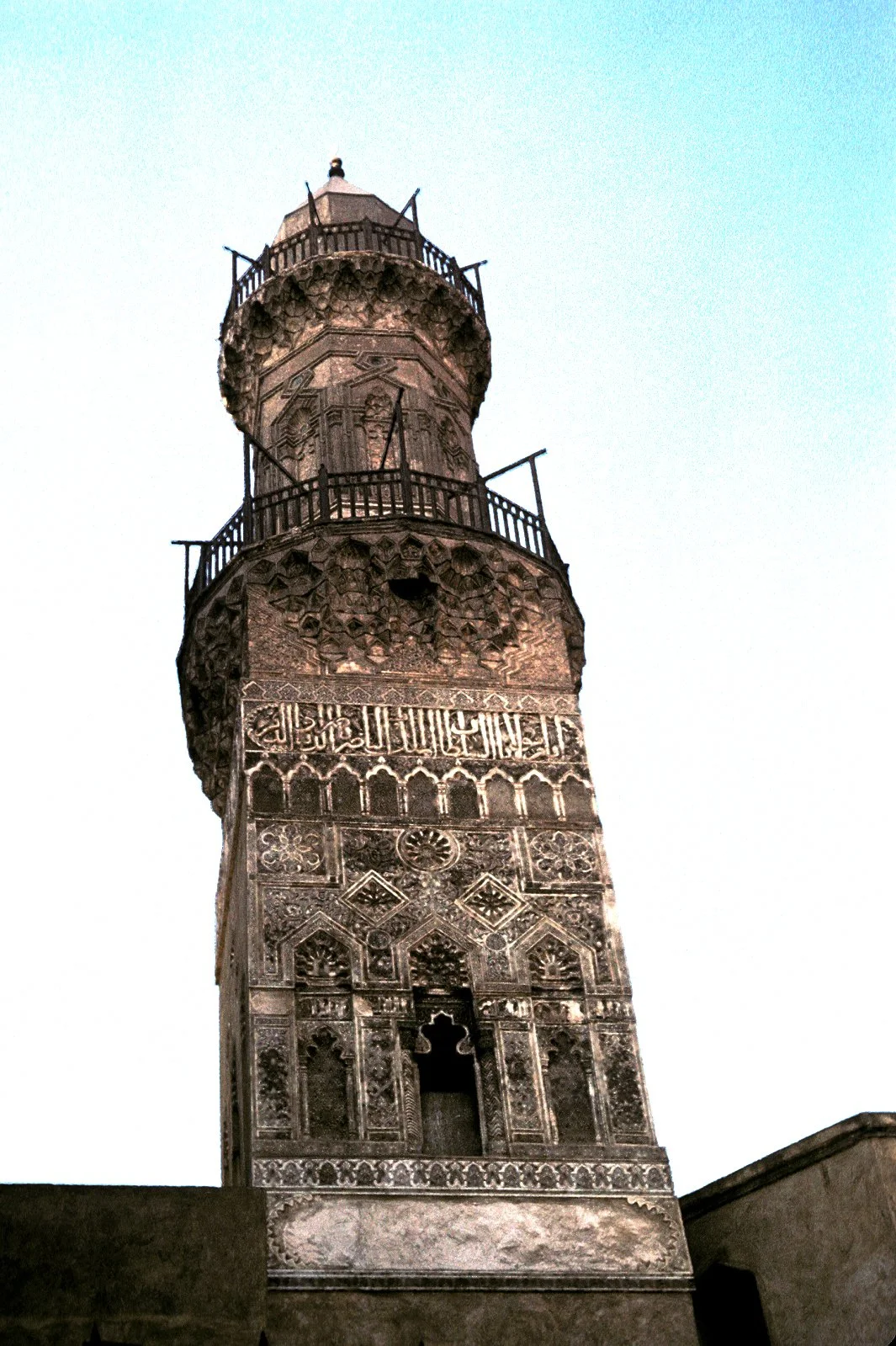
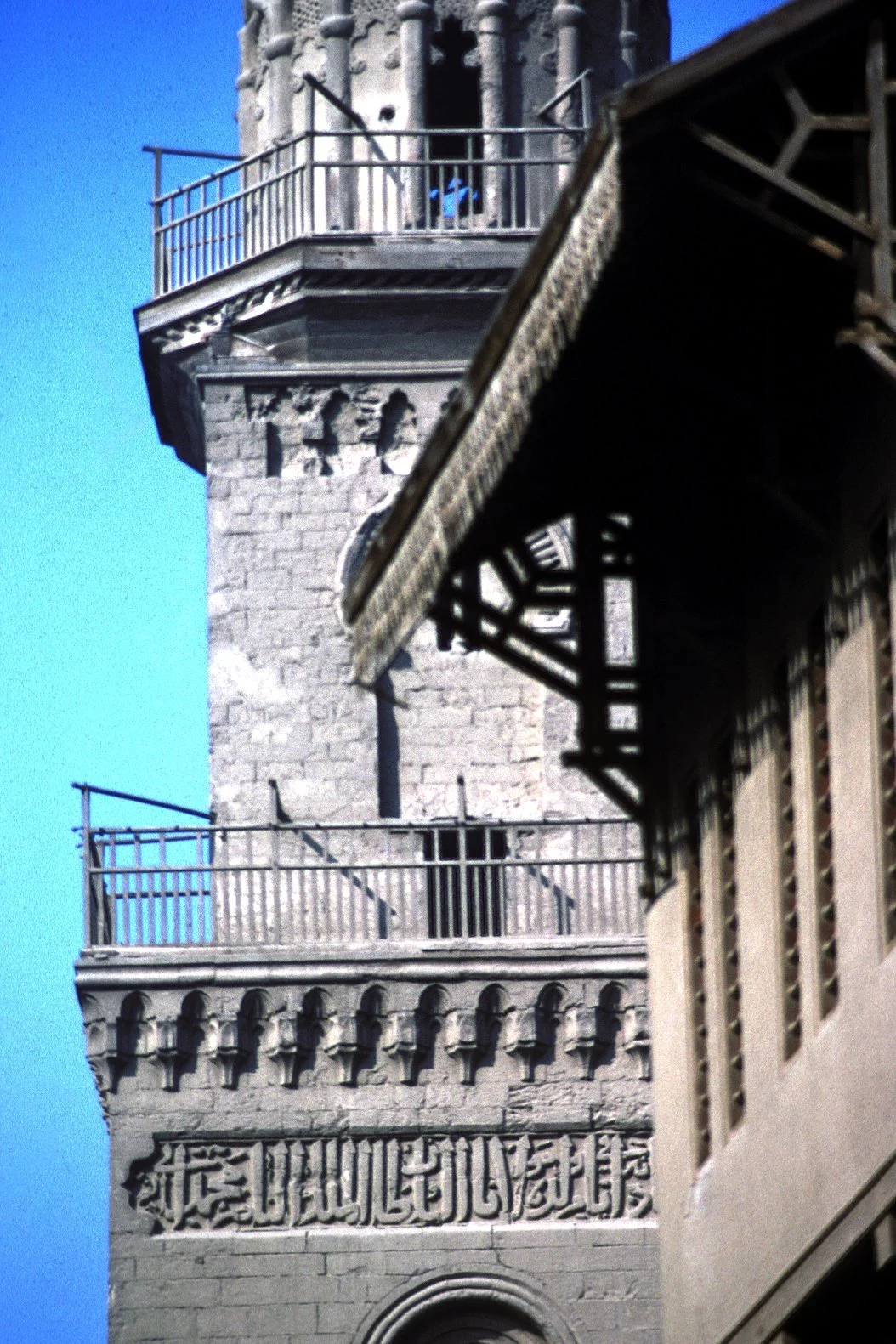
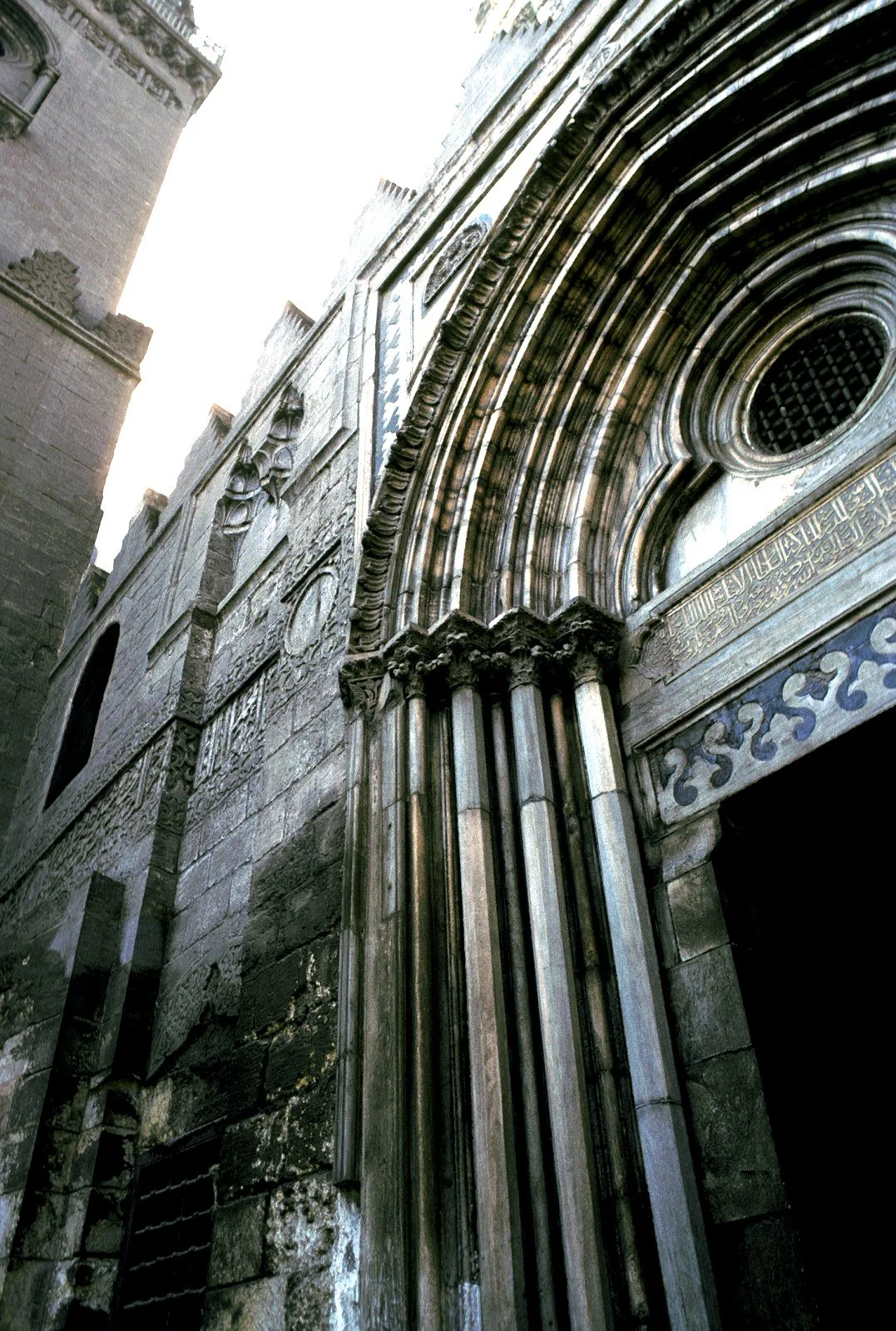
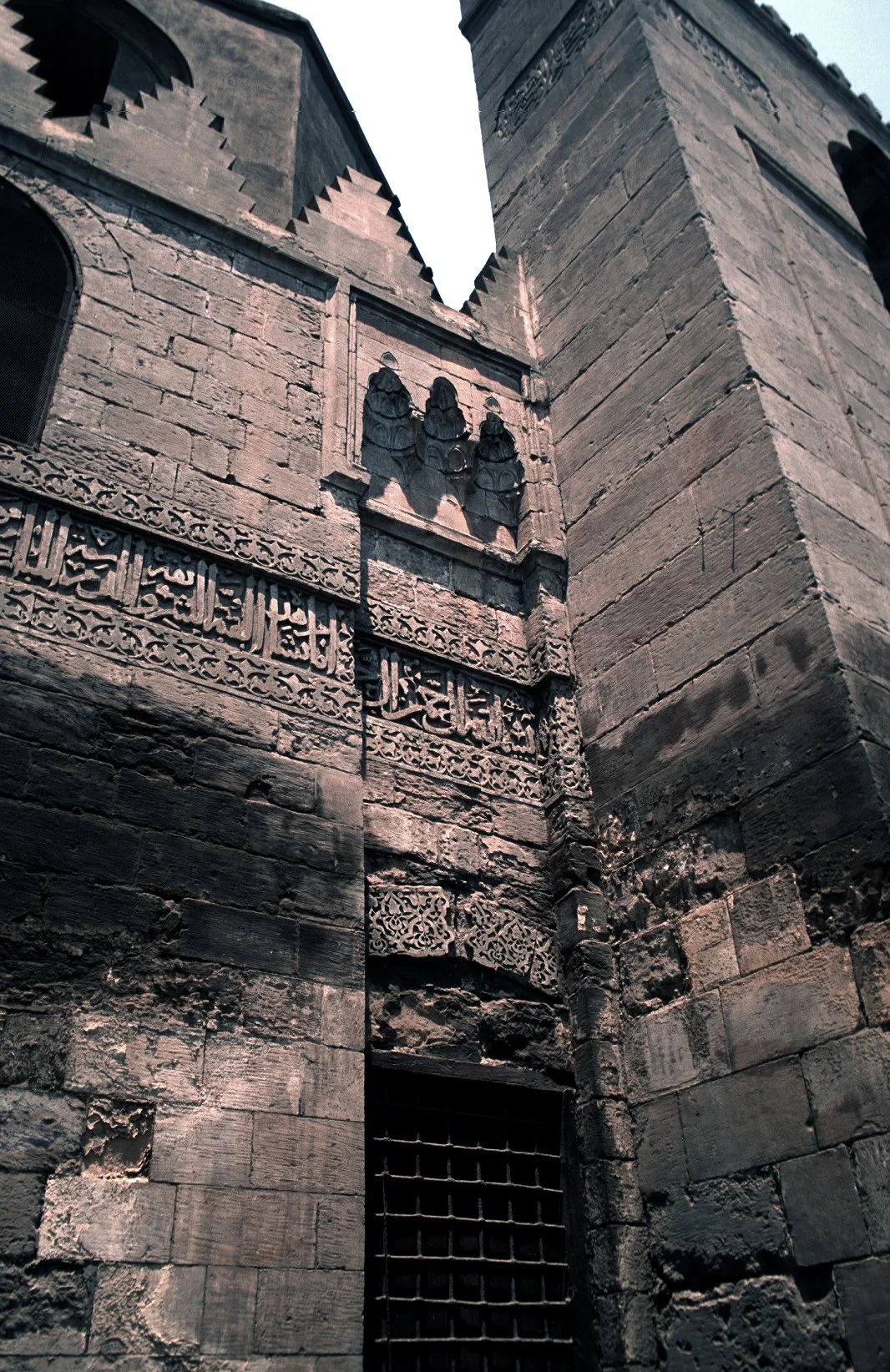
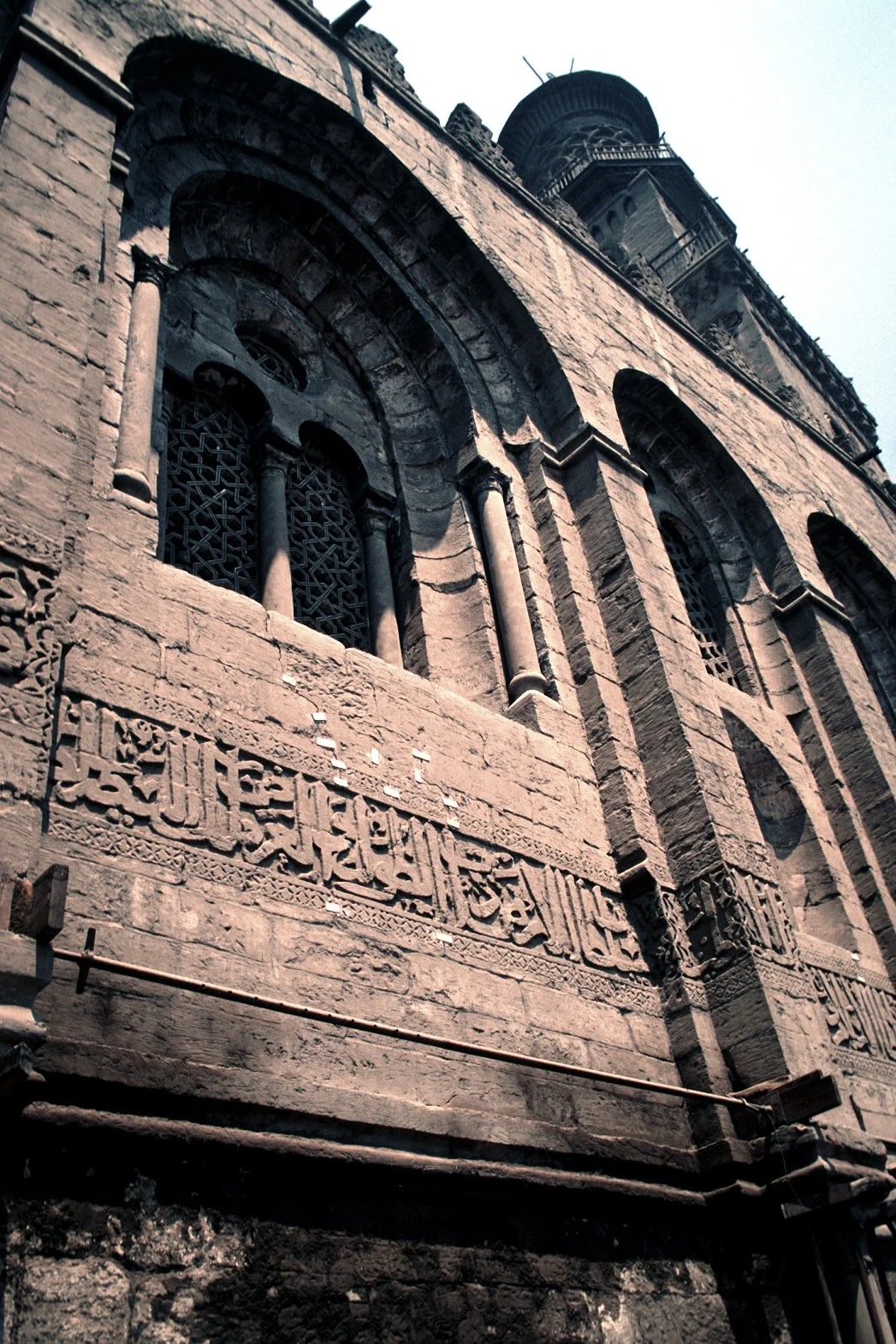
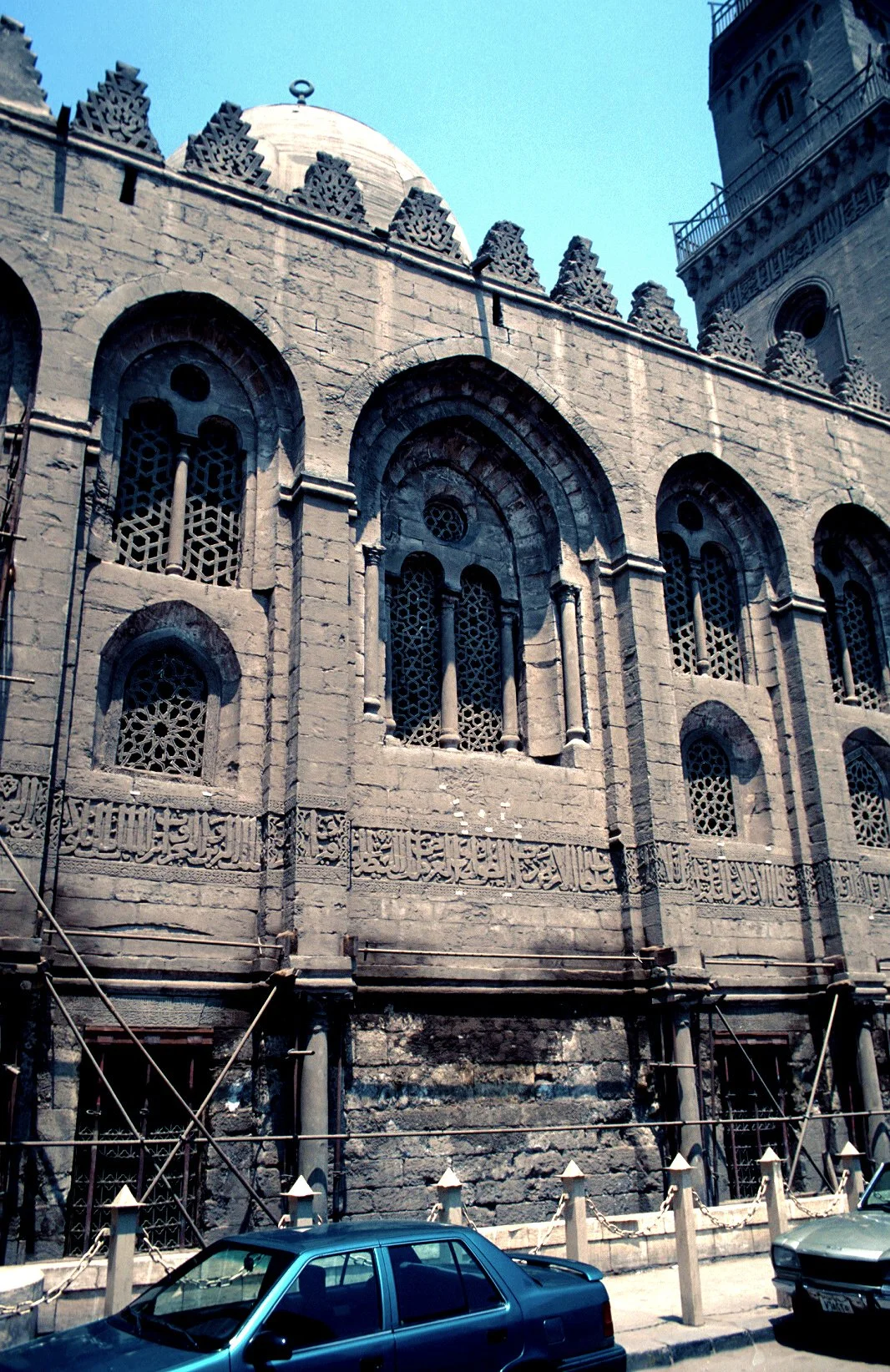
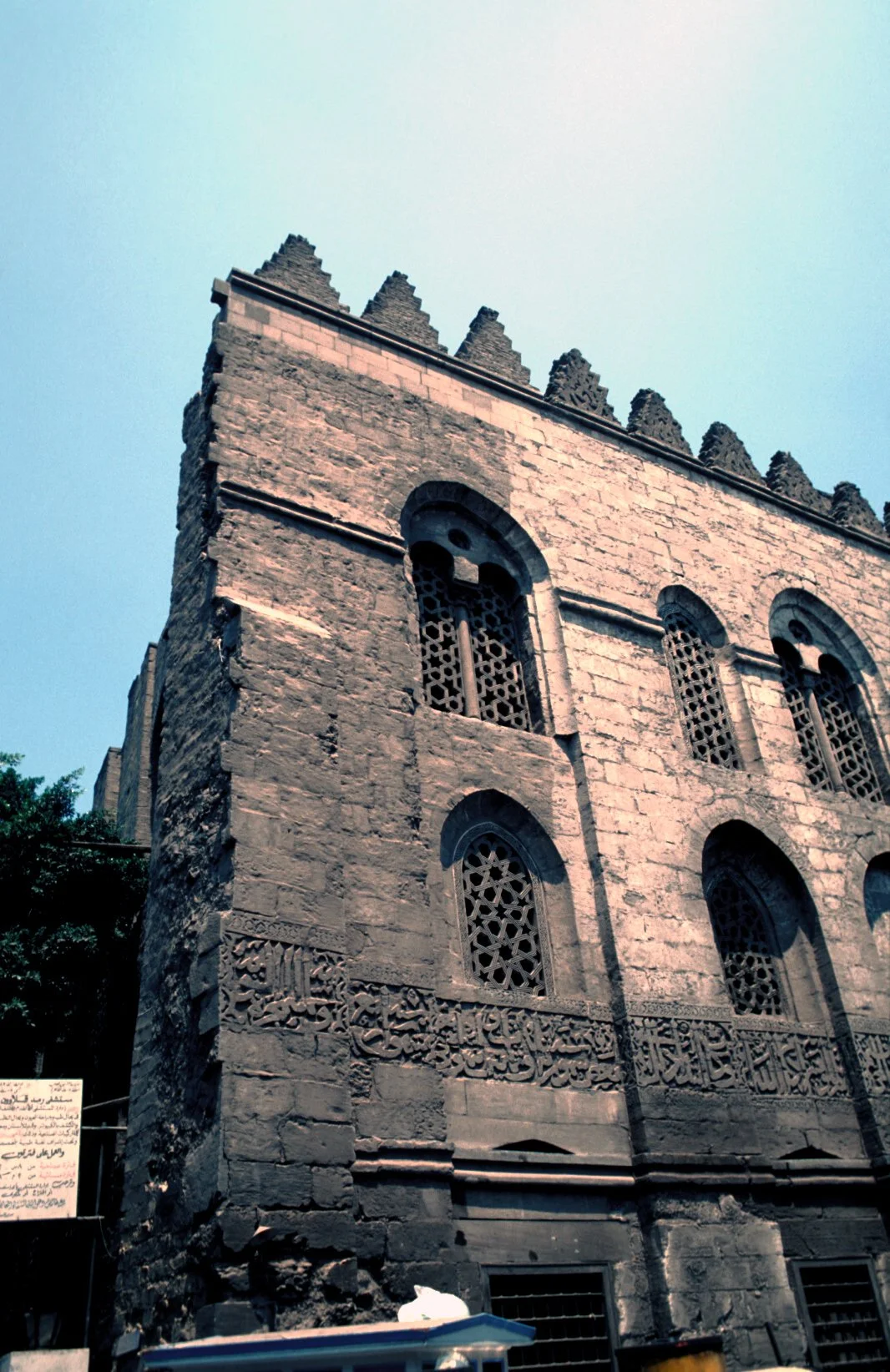
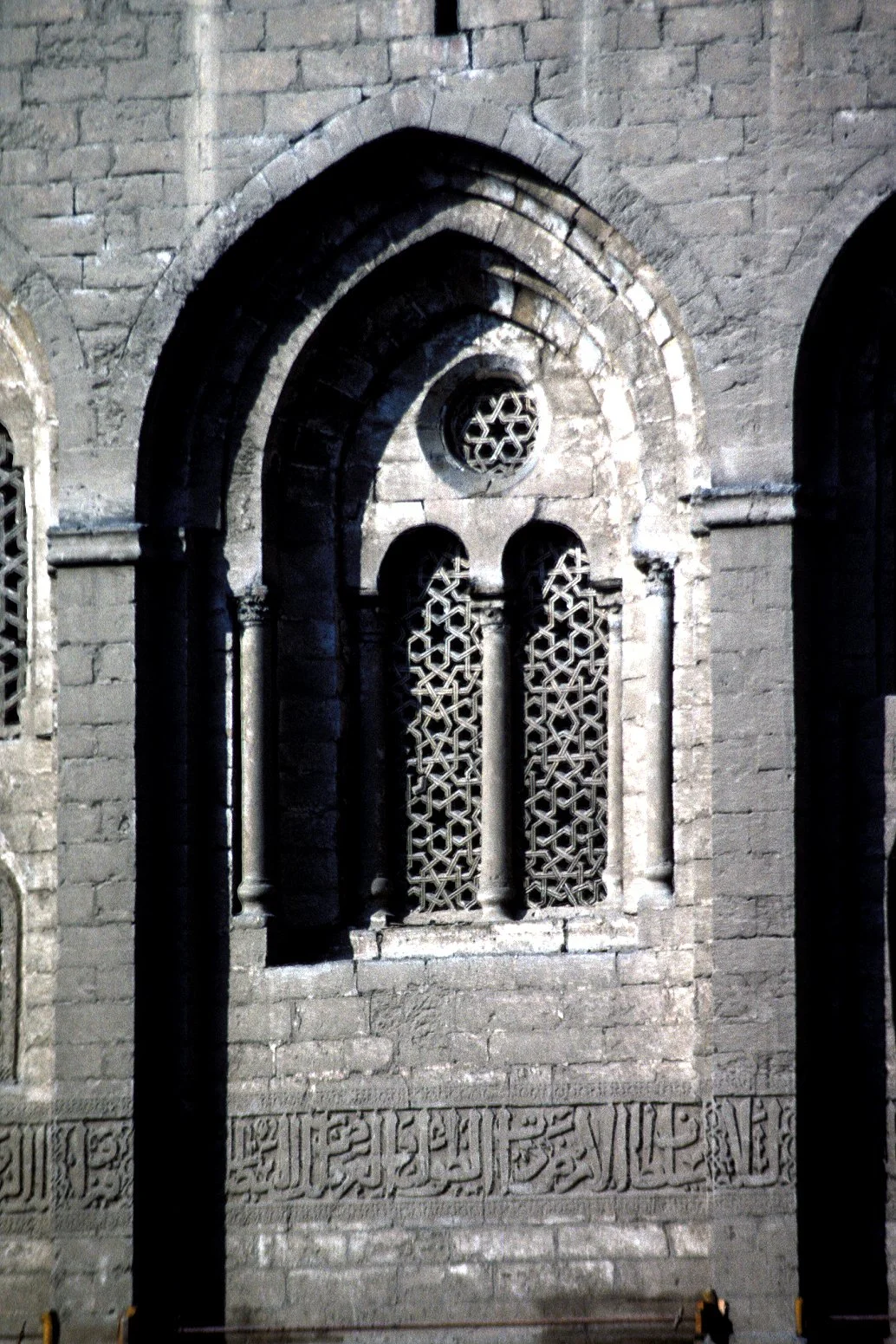
The photographs in the Qalawun Complex series focus on one of Cairo’s most remarkable Mamluk monuments, observed not as an isolated architectural masterpiece but as a living structure embedded within the city’s everyday rhythms. Rather than presenting the complex in its entirety, the images approach it through fragments and shifting perspectives—often seen through framed, darkened archways that open suddenly onto the luminous stone façade beyond. These moments of contrast between shadow and light reveal the layered spatial experience of the site, where narrow passages and vaulted openings guide the viewer toward glimpses of the monument.
Attention is drawn to the delicate detailing of the minaret, the finely carved stone surfaces, and the intricate textures that define the building’s exterior. Yet the photographs also situate these architectural elements within the surrounding district, where shops, pedestrians, and the flow of daily activity unfold around the monument. In this way, the Qalawun Complex appears not simply as a historical artifact but as part of the city’s living fabric—its monumental forms continuously intersecting with the ordinary life of the neighborhood that surrounds it.
cai-mos-01
cai-mos-02
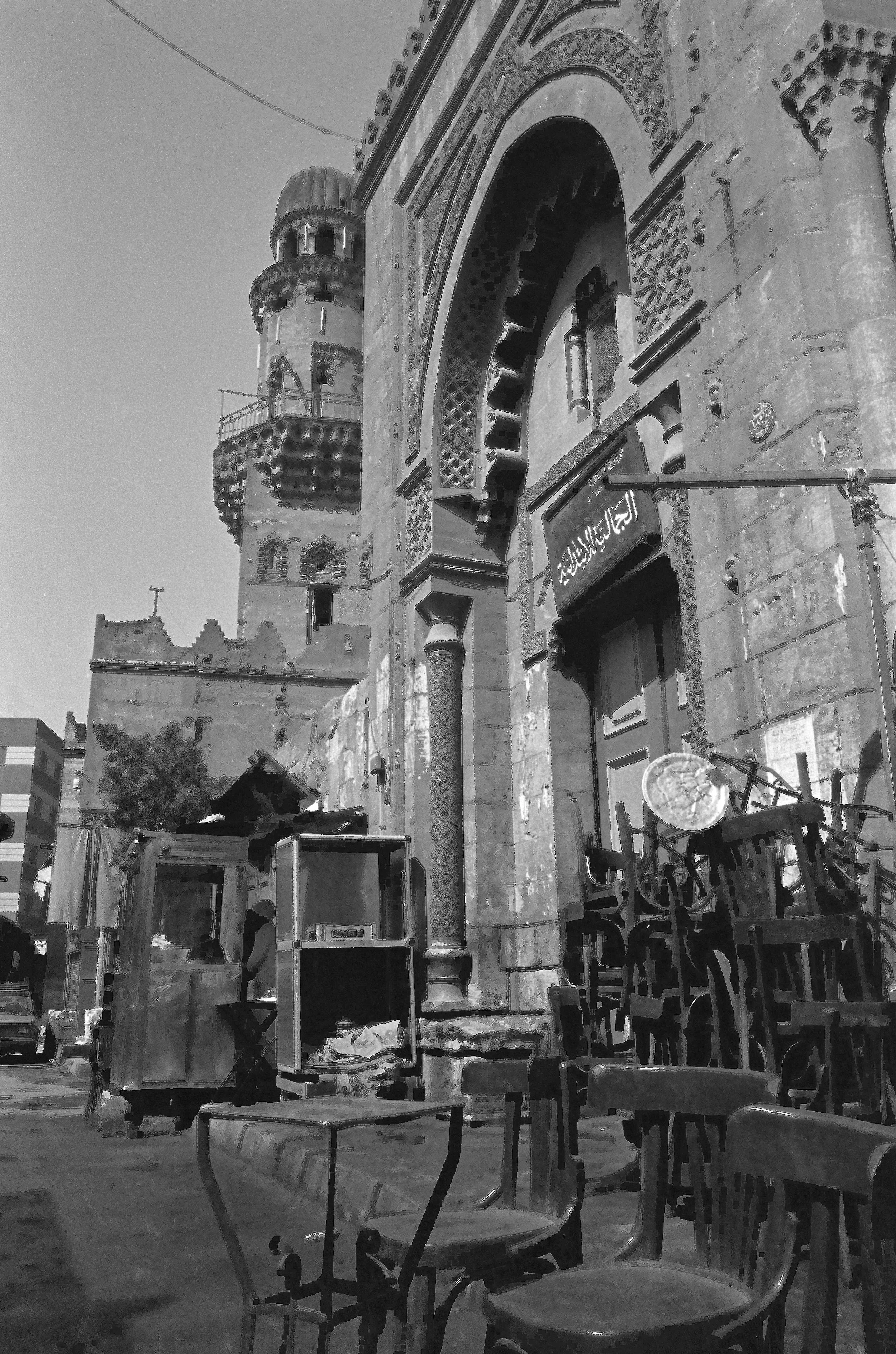
cai-mos-04
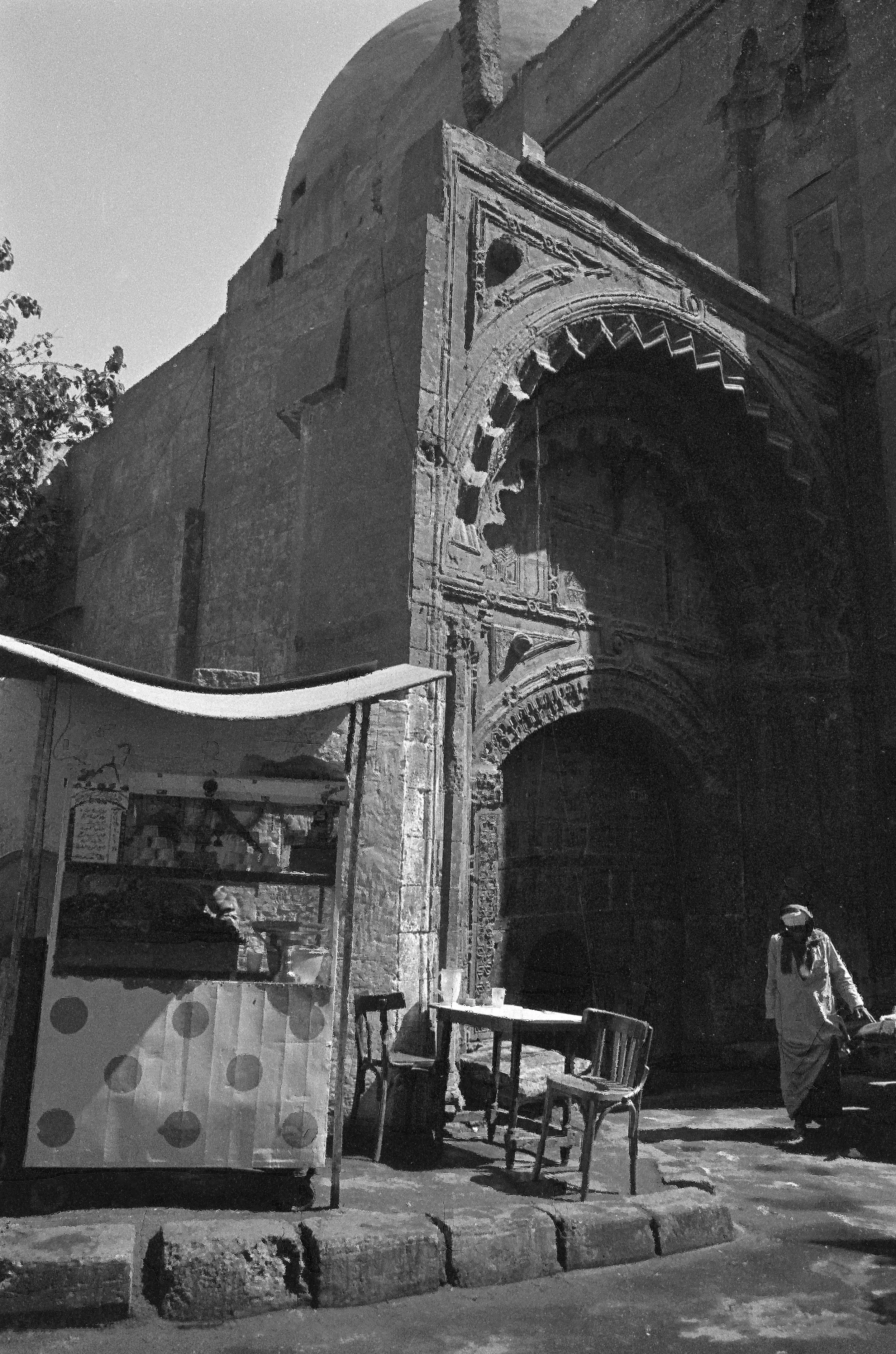
cai-mos-05
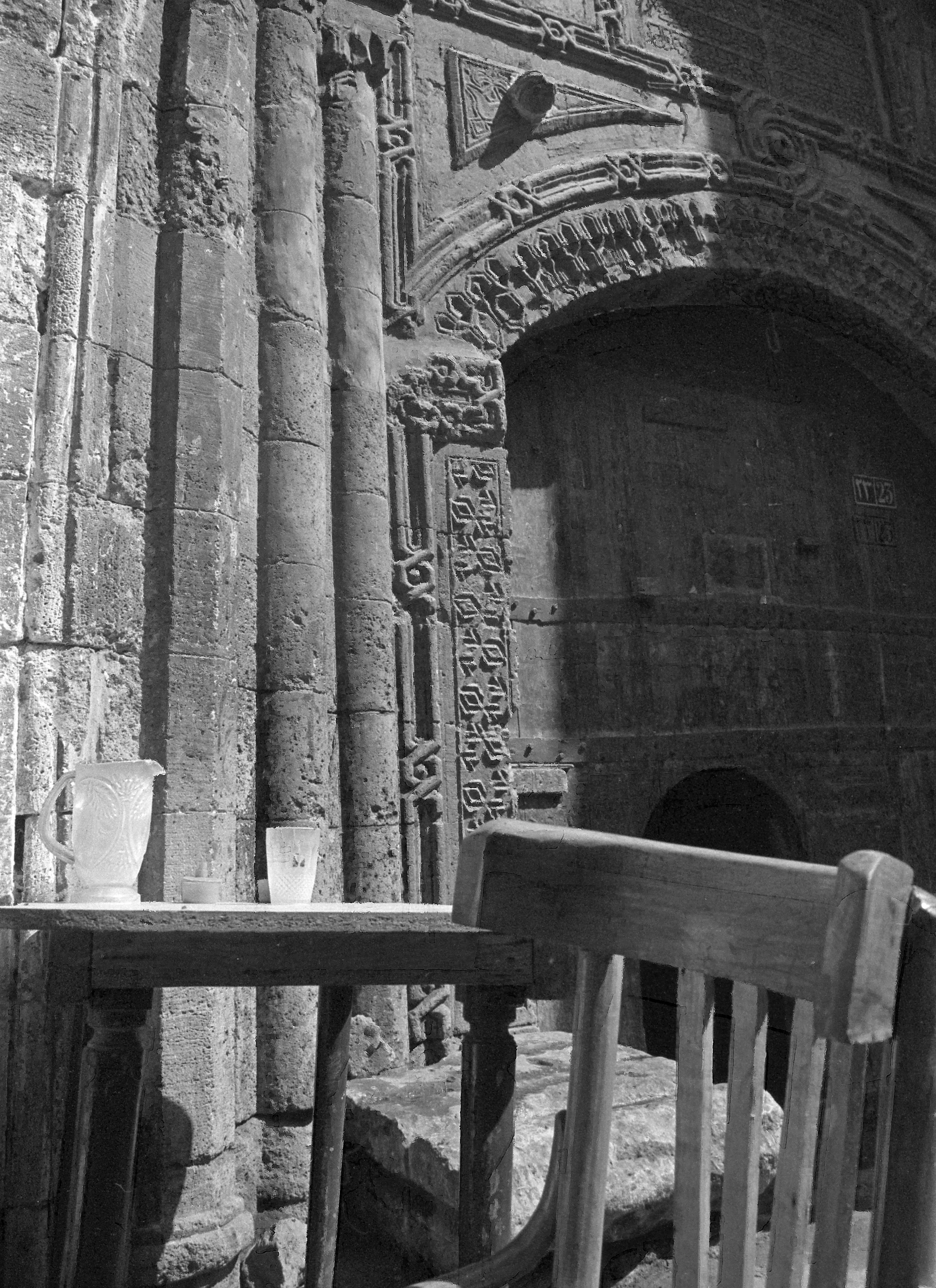
cai-mos-06
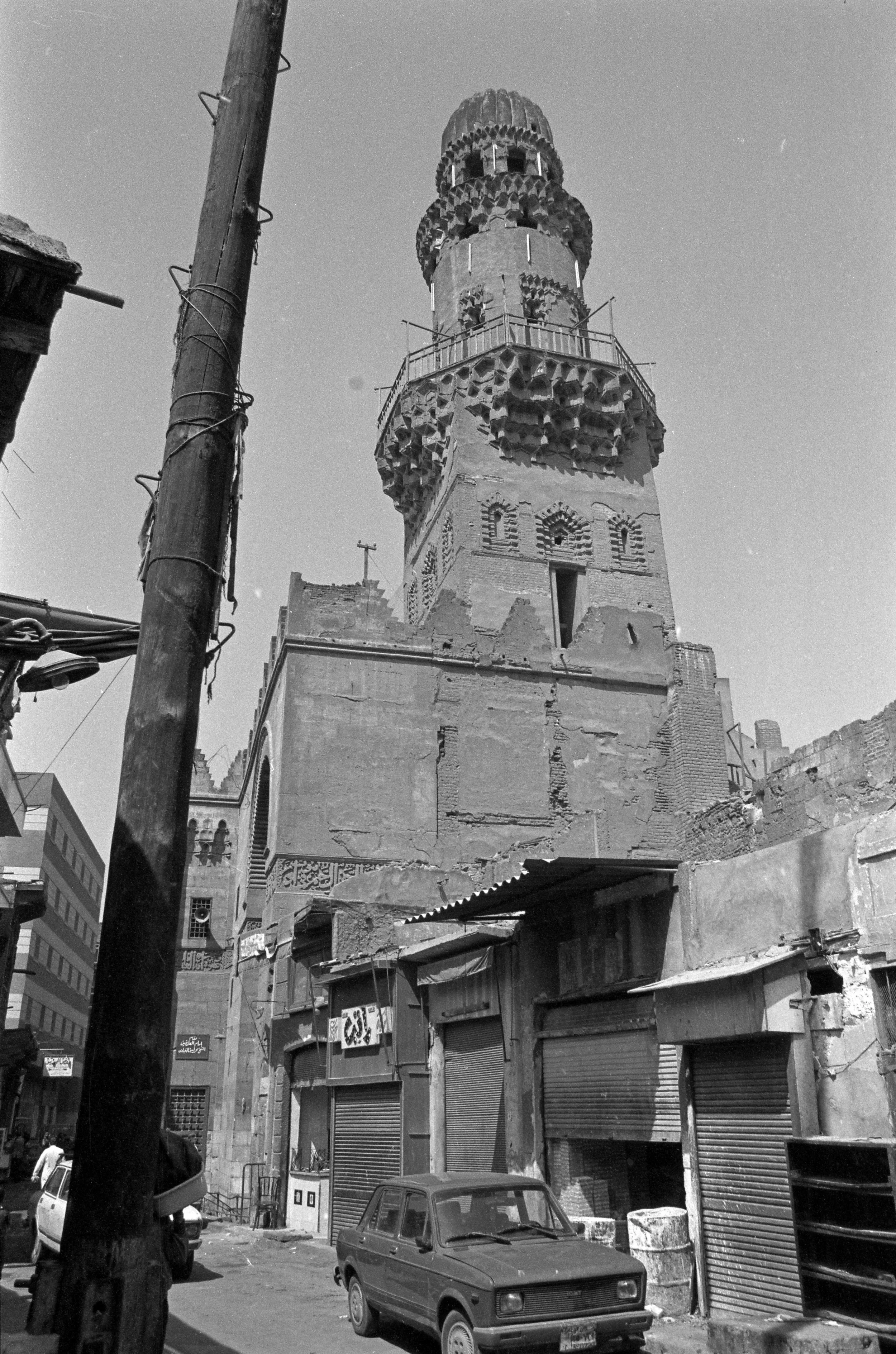
cai-mos-07
cai-mos-08
cai-mos-09
cai-mos-10
cai-mos-11
cai-mos-12
cai-mos-13
cai-mos-14
cai-mos-15
cai-mos-16
cai-mos-17
cai-mos-18
cai-mos-19
cai-mos-20
cai-mos-21
cai-mos-22
Sultan Hassan Madrasa & Rifa’i Mosque
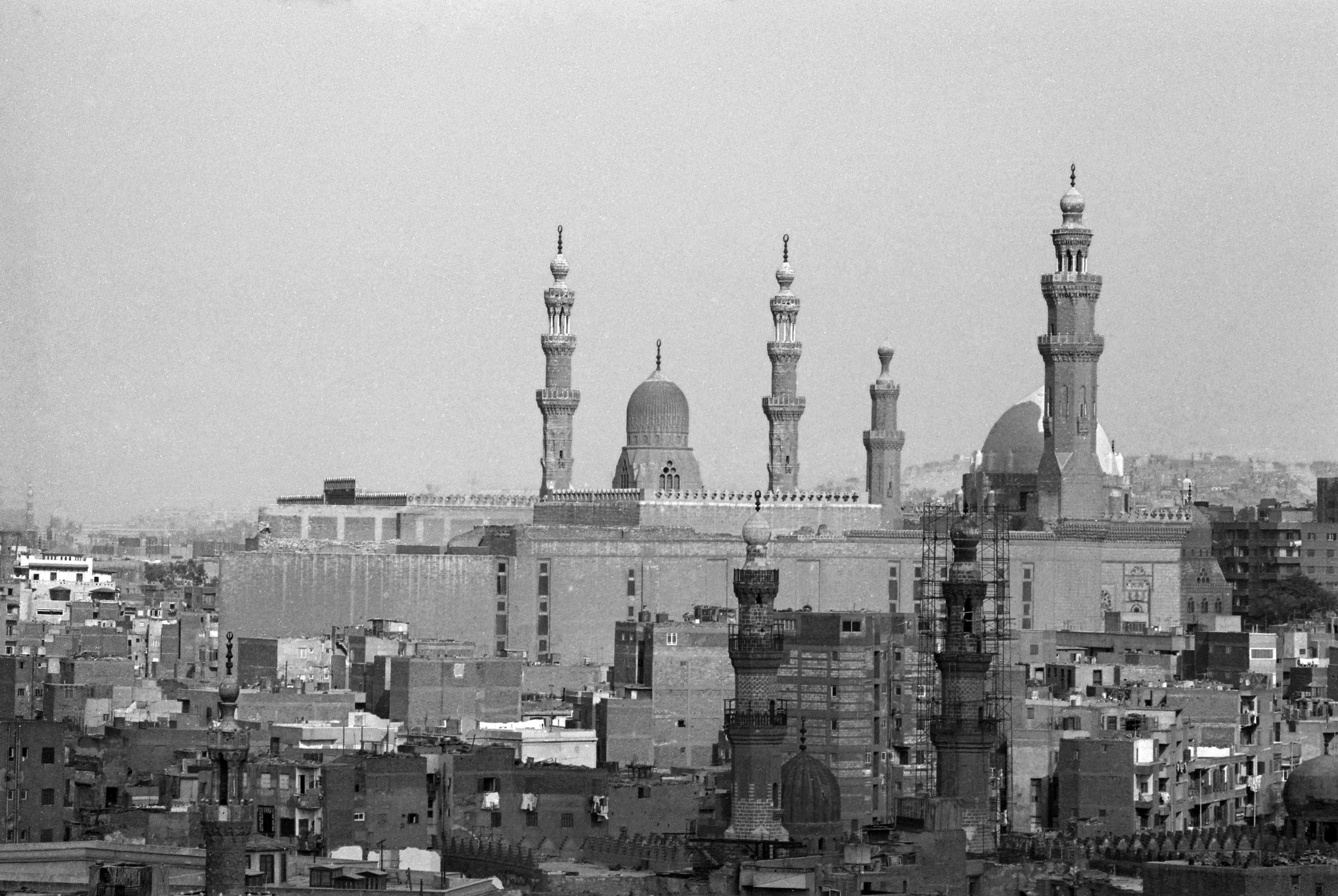
The Sultan Hassan and Al-Rifa‘i Complex series explores one of Cairo’s most imposing architectural ensembles, seen both from a distance and from within. Rising dramatically above the surrounding neighborhoods, the massive stone walls and minarets of the Sultan Hassan Madrasa and the adjacent Al-Rifa‘i Mosque dominate the skyline, their monumental forms emerging from the dense and largely informal fabric of the city. Several of these photographs were taken from elevated vantage points—some from the rooftop and balcony of a nearby public housing building, where a teenage resident I encountered while walking in the area invited me up to his family’s apartment. From there, the complex revealed itself in full scale, towering above the tightly packed streets below. The series also moves inside the monument, capturing the vast inner courtyard of the Sultan Hassan Madrasa, where immense walls, arcades, and recessed iwans create a powerful sense of space and quiet monumentality. Together, these perspectives reveal the complex as both an overwhelming urban landmark and a remarkable architectural interior.
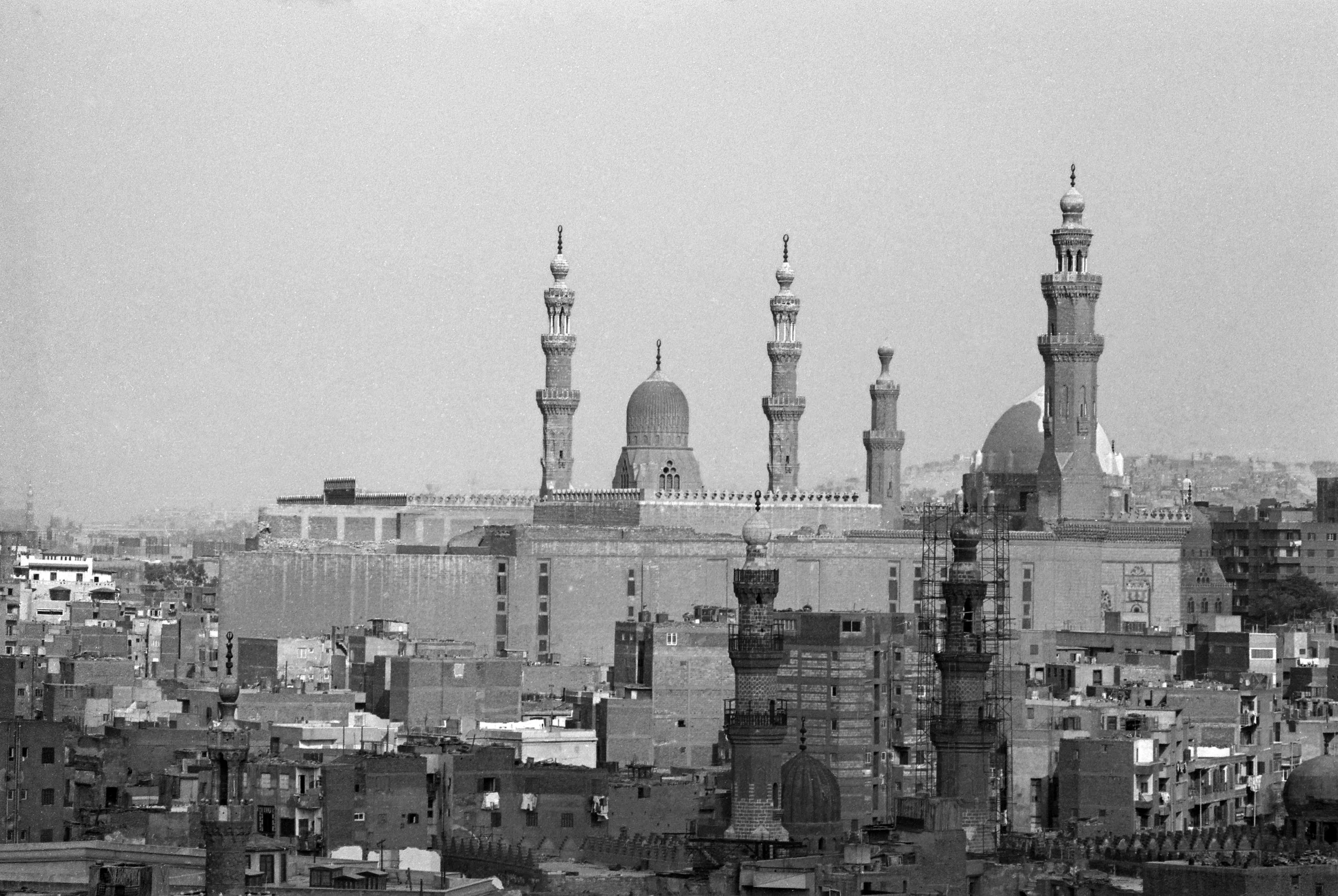
cai-mos-23
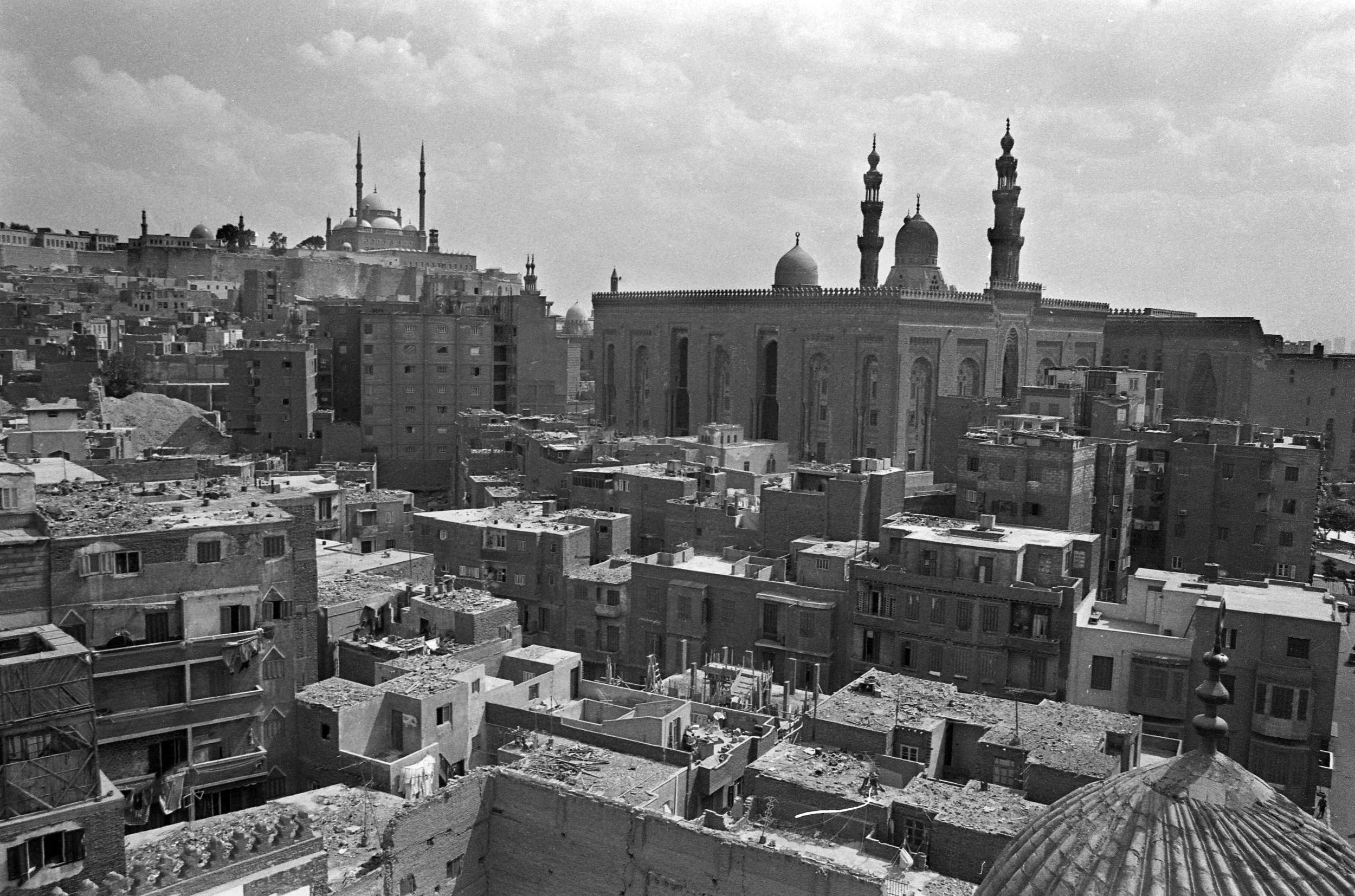
cai-mos-24
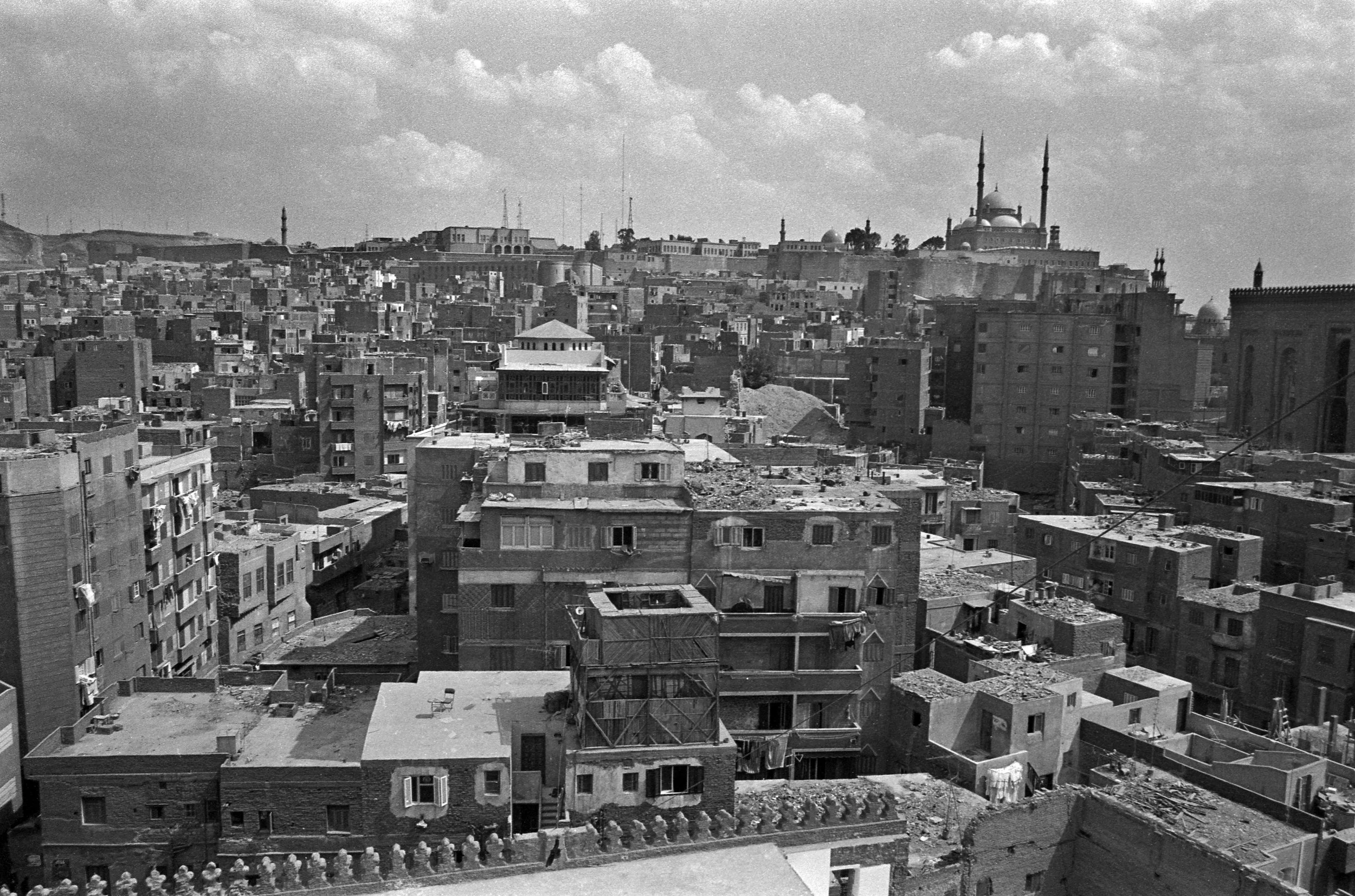
cai-mos-25
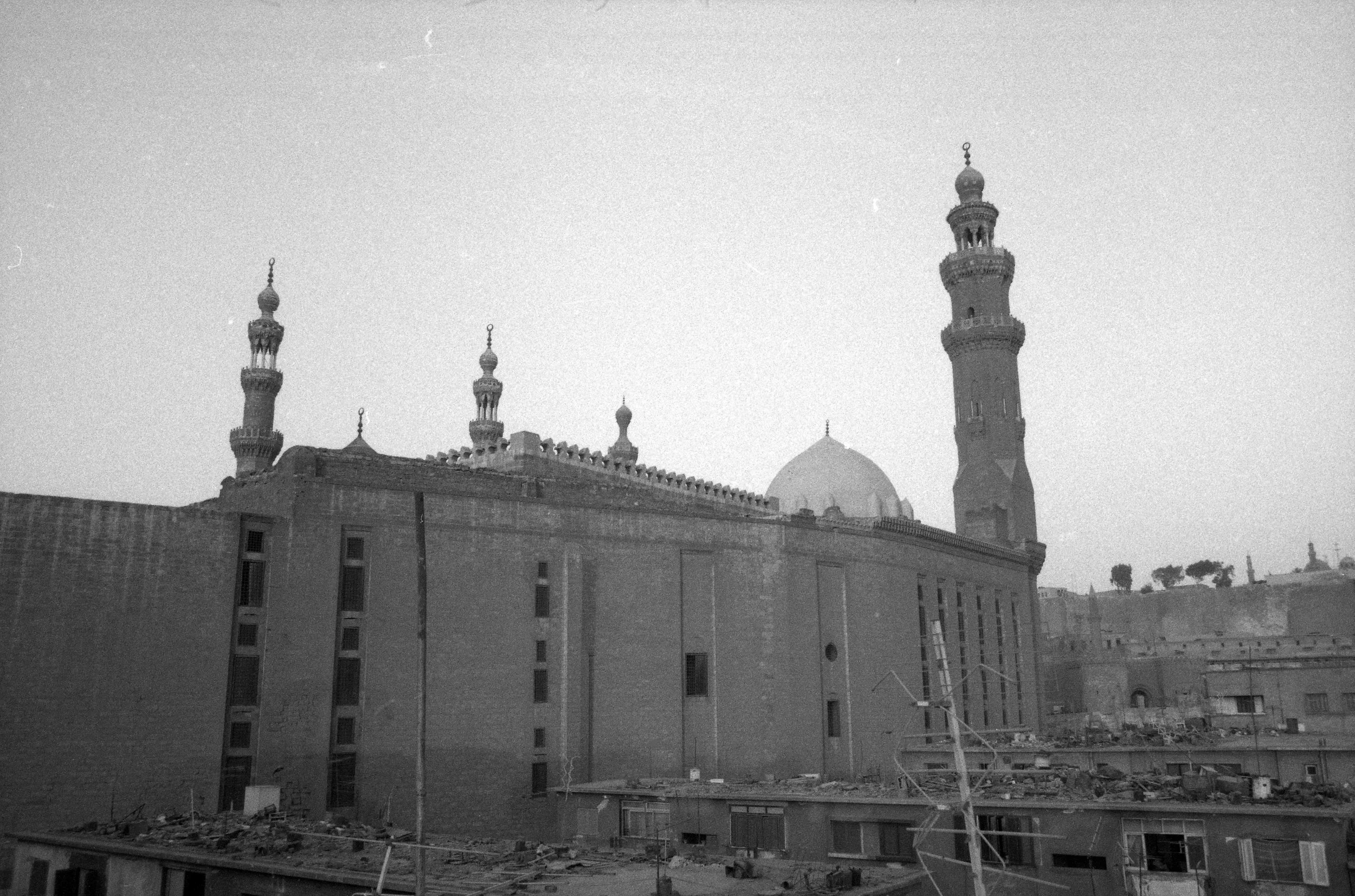
cai-mos-26
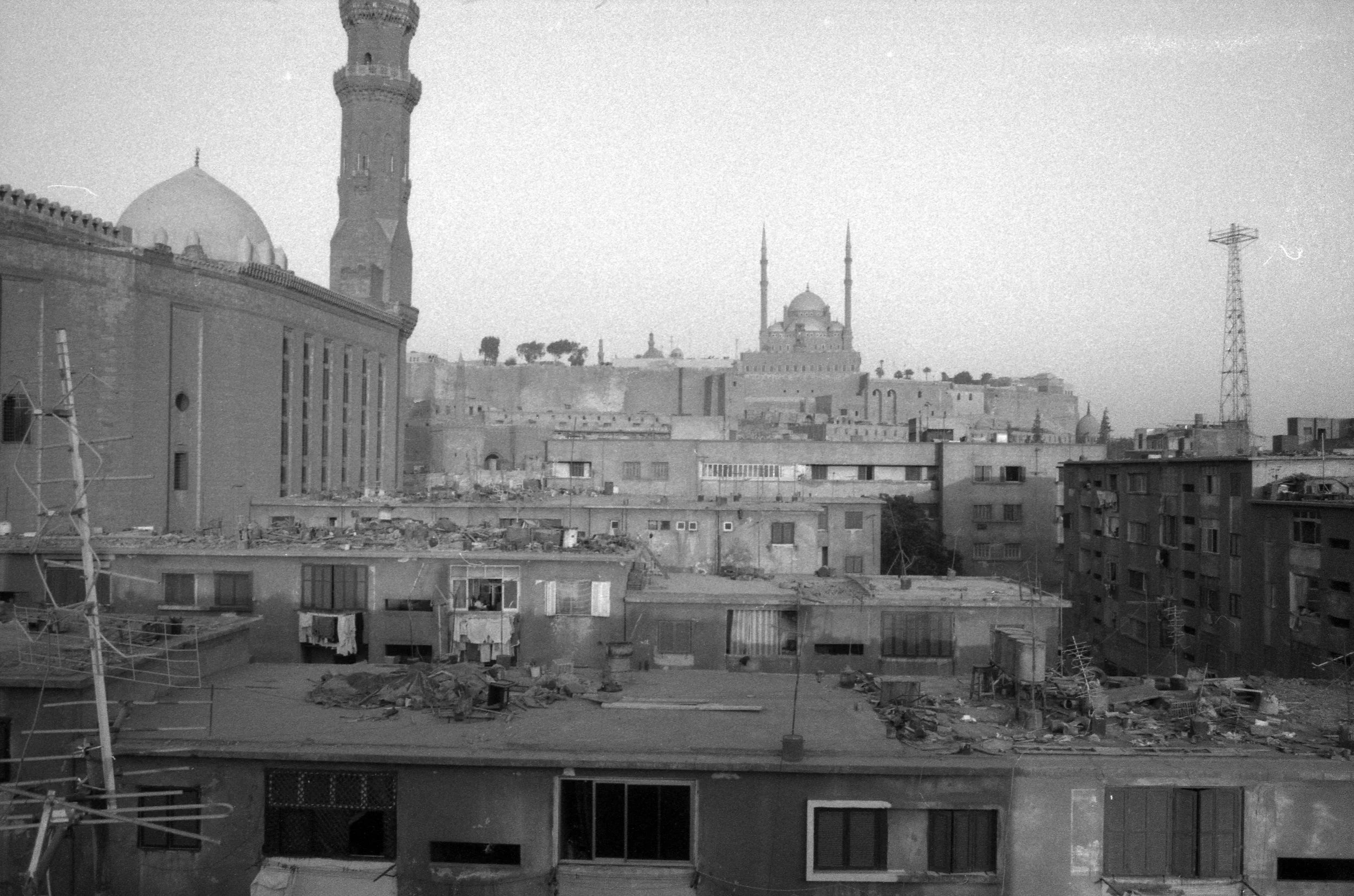
cai-mos-27
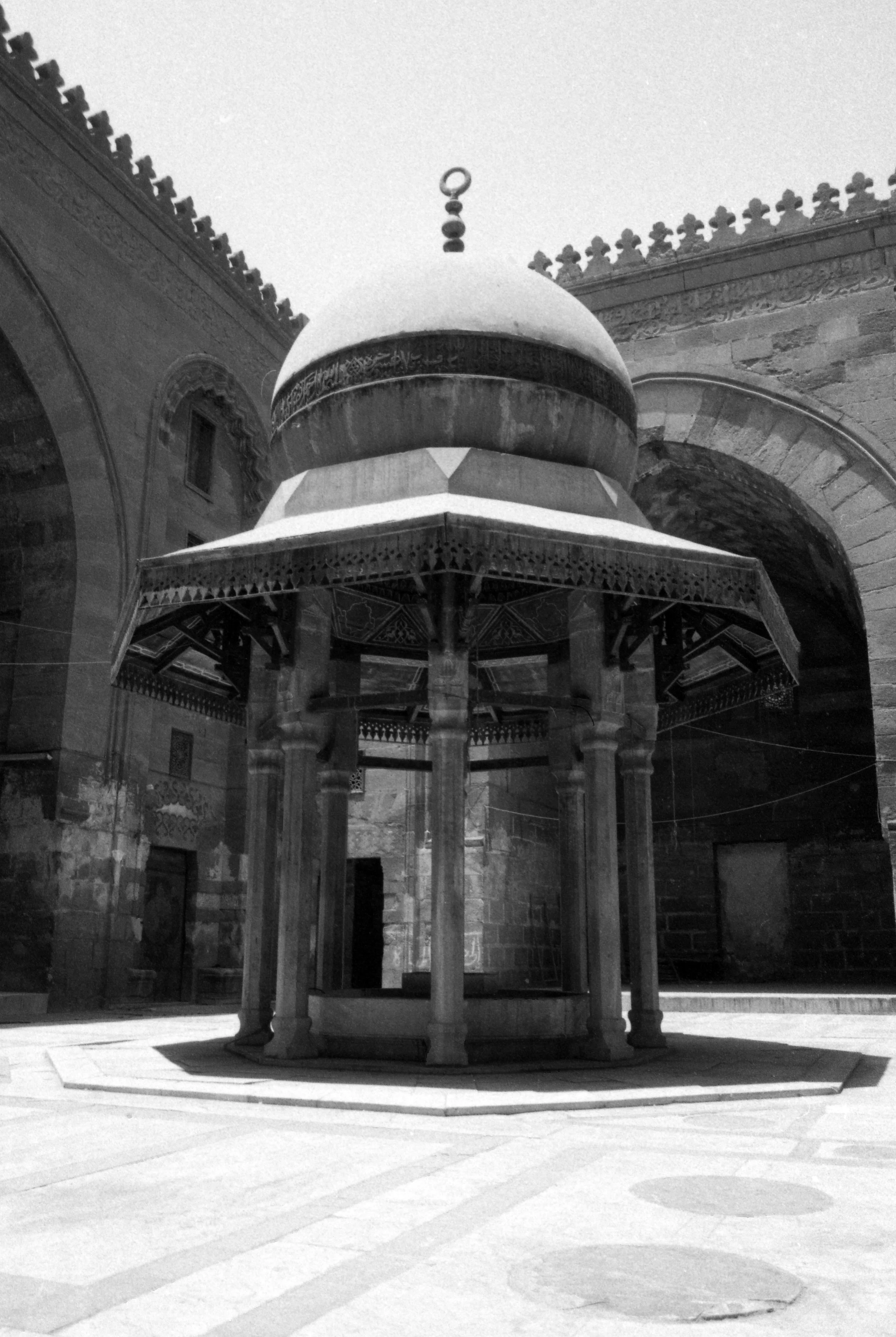
cai-mos-28
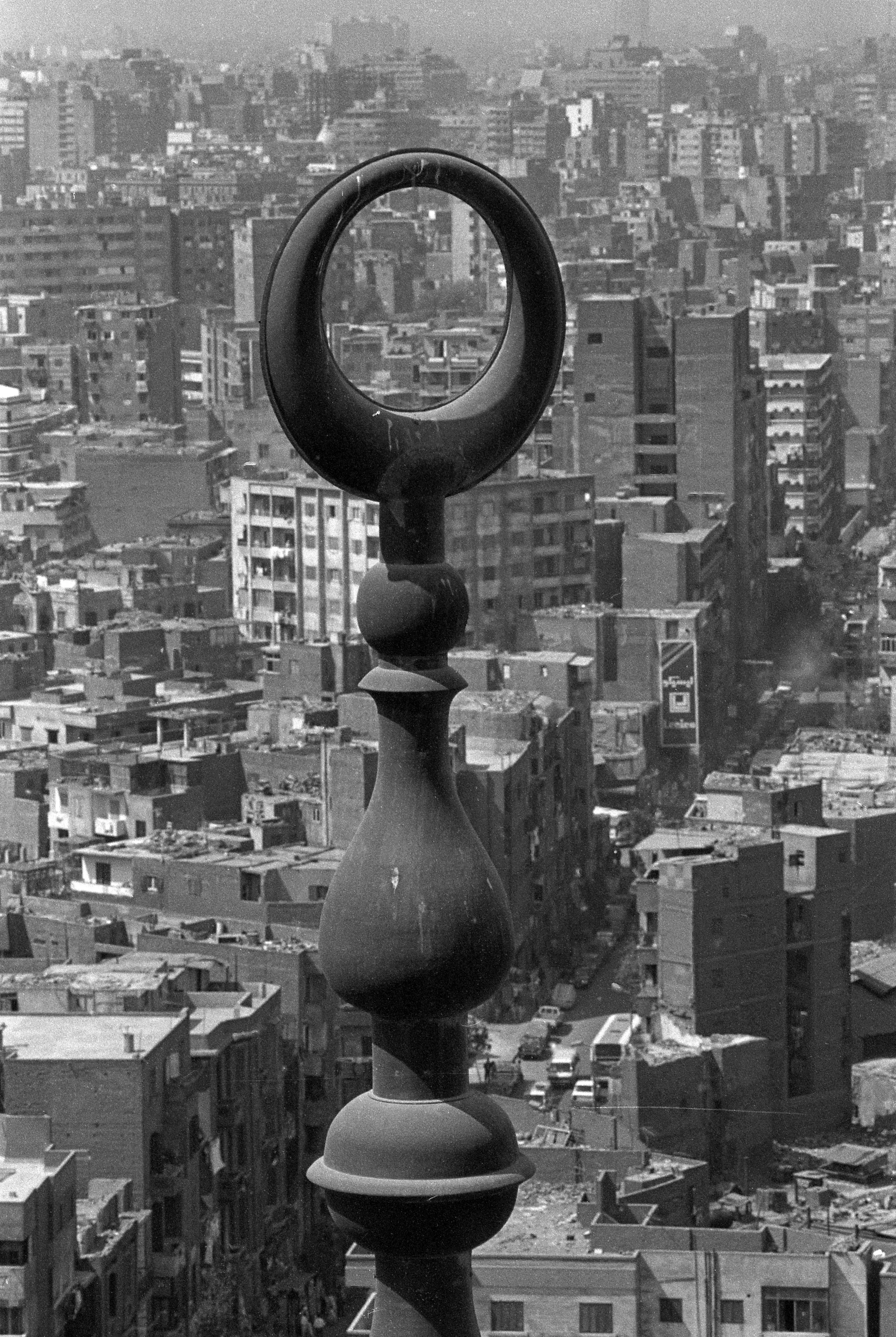
cai-mos-29
Al-Salih Tala'i Mosque
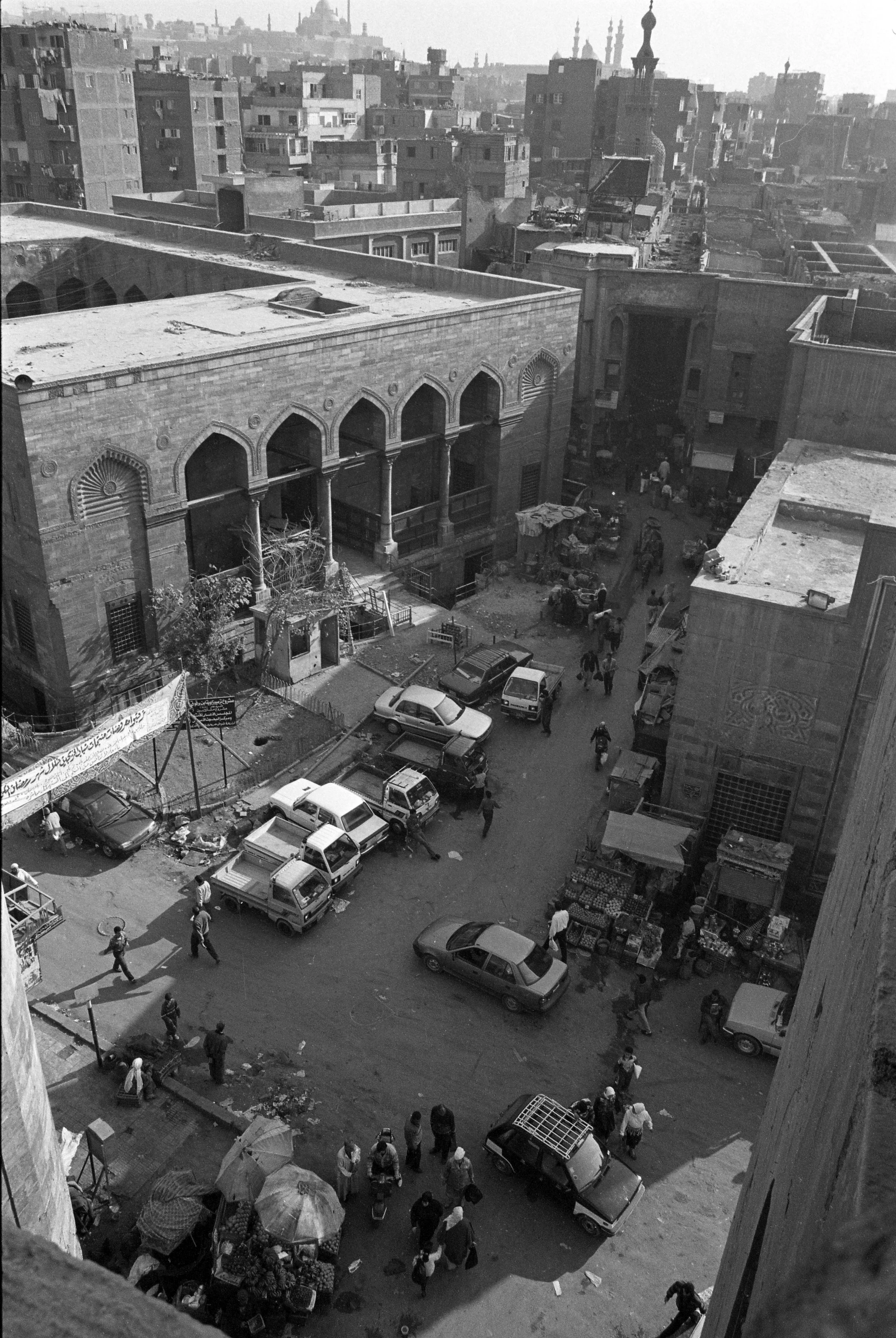
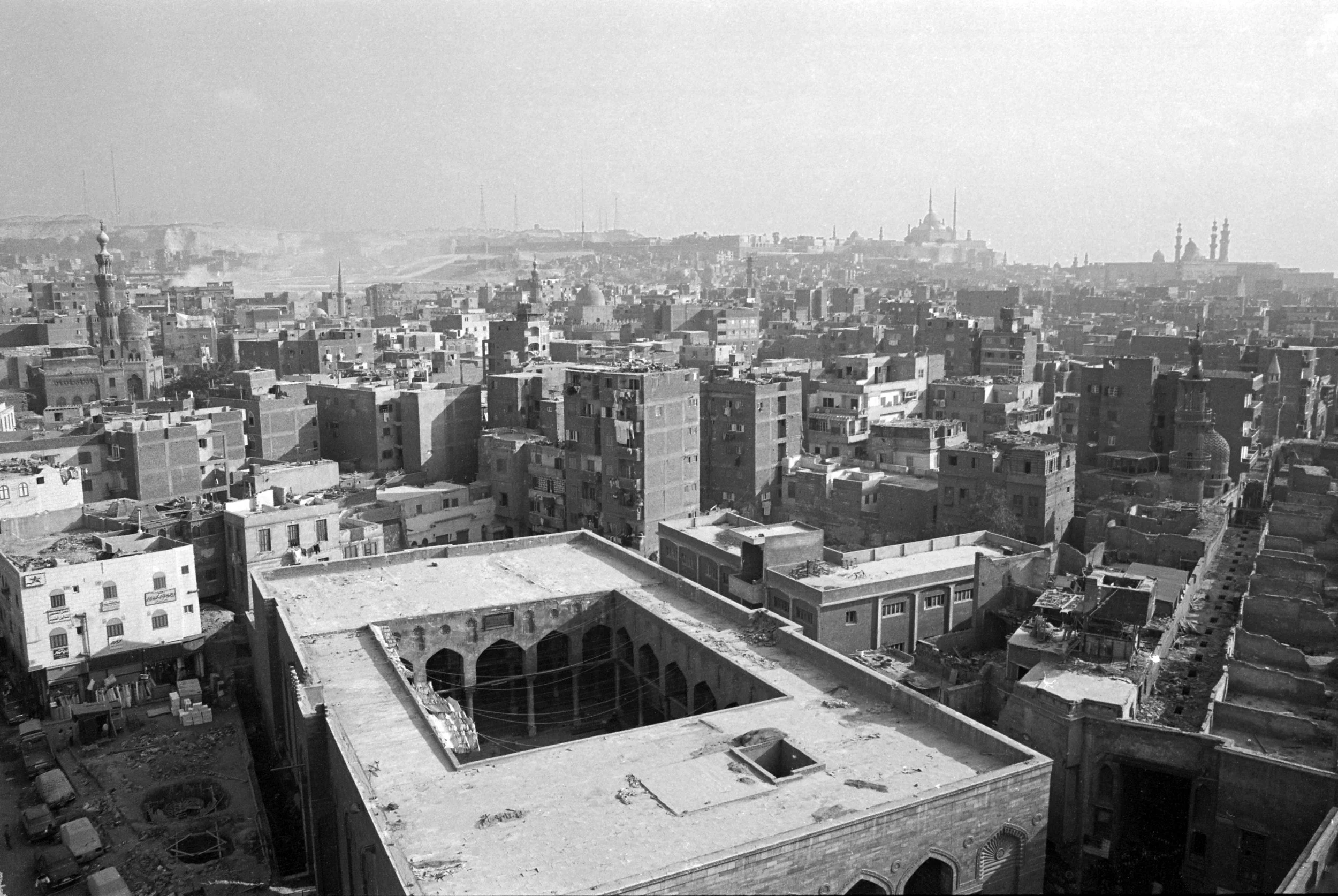
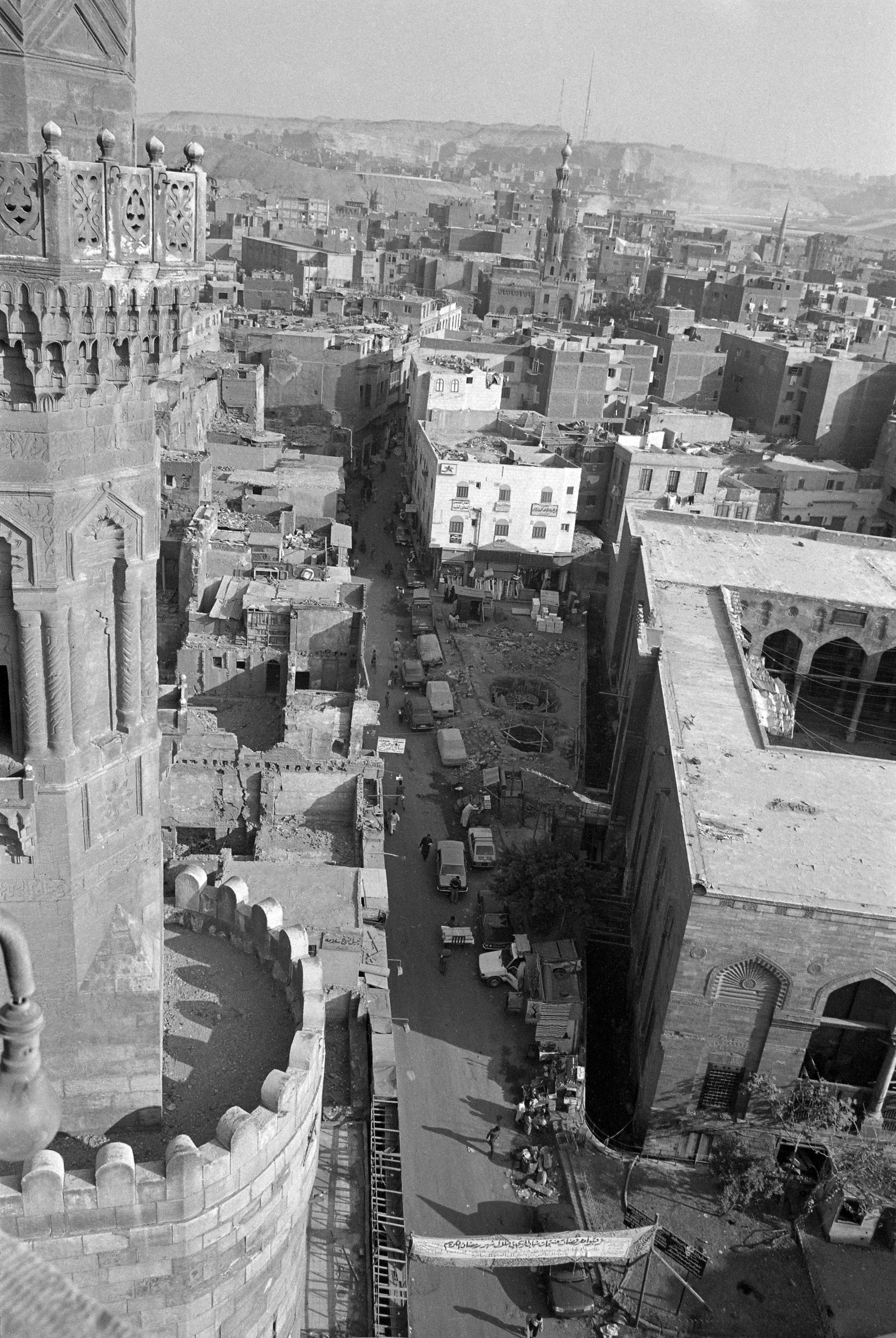
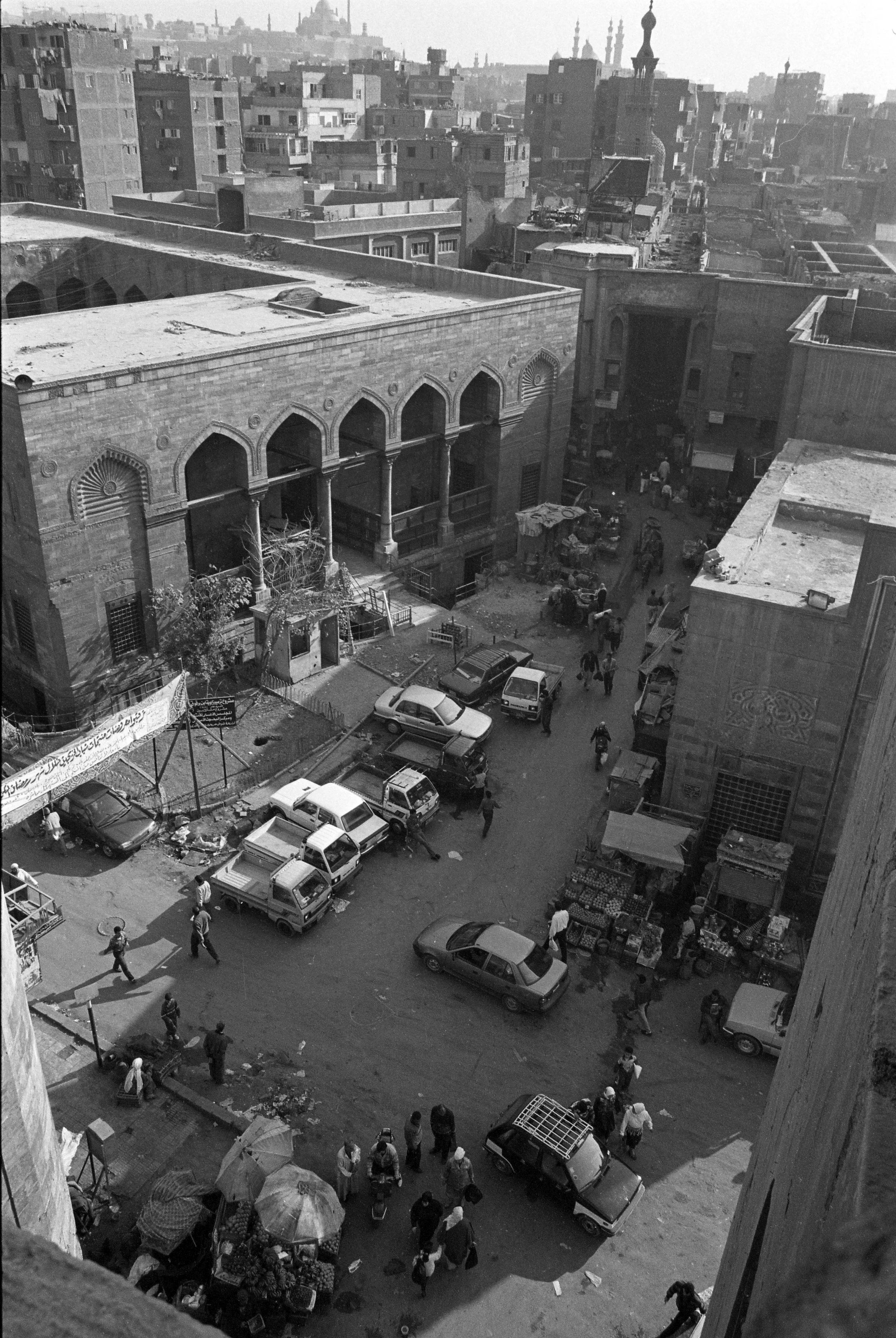
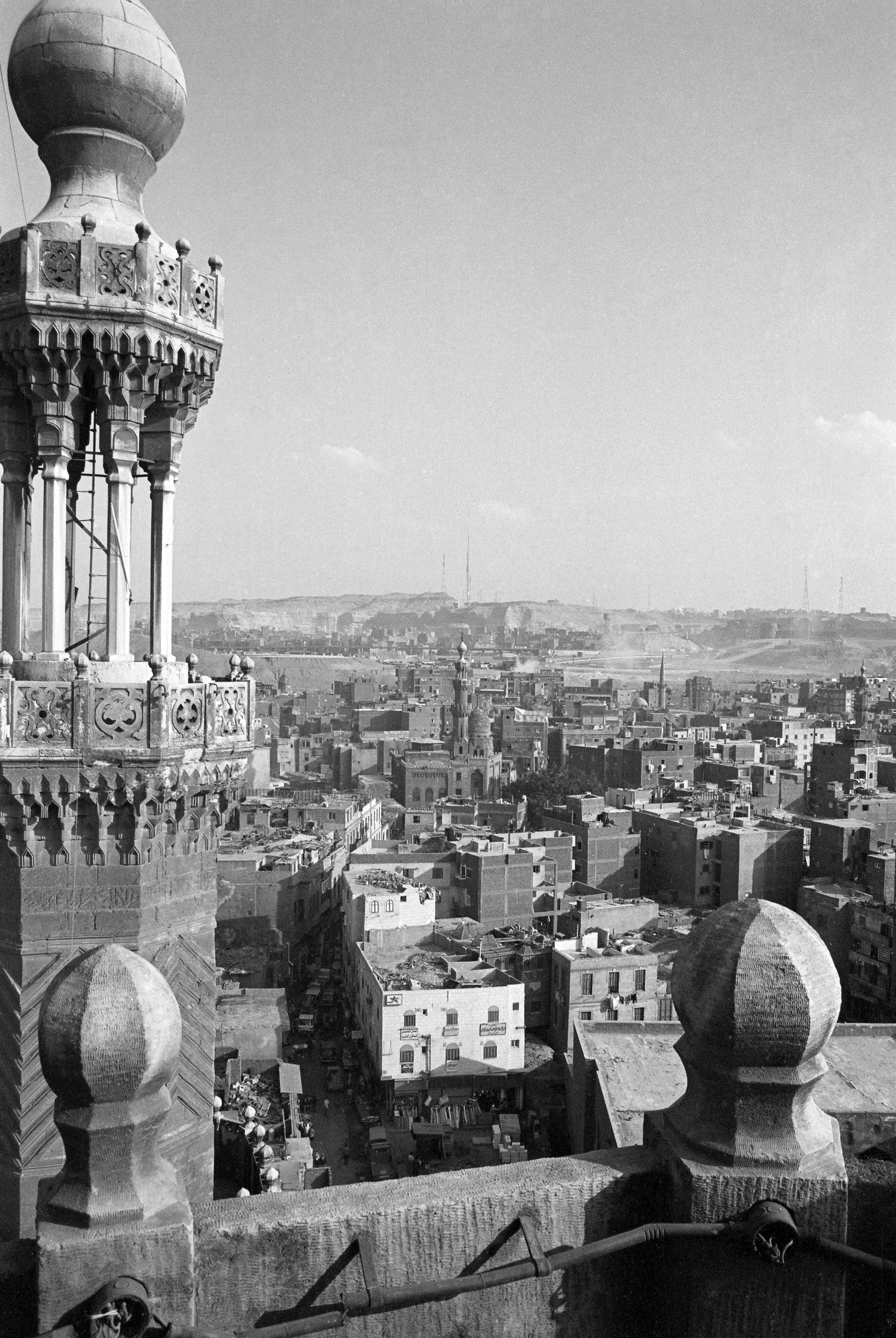
The photographs in the Al-Salih Tala’i Mosque series present the monument from an elevated perspective, revealing its distinctive presence at the southern edge of the historic Fatimid city. The images were taken from the minaret of the nearby Al-Mu’ayyad Mosque, whose height offers a remarkable vantage point over the surrounding urban landscape. From this position, the mosque’s elongated form and arcaded façade become clearly visible, standing prominently along the edge of the bustling streets near Bab Zuwayla. Seen from above, the building appears both monumental and deeply embedded within the dense fabric of Old Cairo, its stone structure framed by rooftops, markets, and the constant movement of the city below. These photographs capture the mosque not simply as an architectural landmark, but as part of a living urban environment where centuries-old monuments continue to coexist with the rhythms of everyday life.
Ibn Tulun Mosque
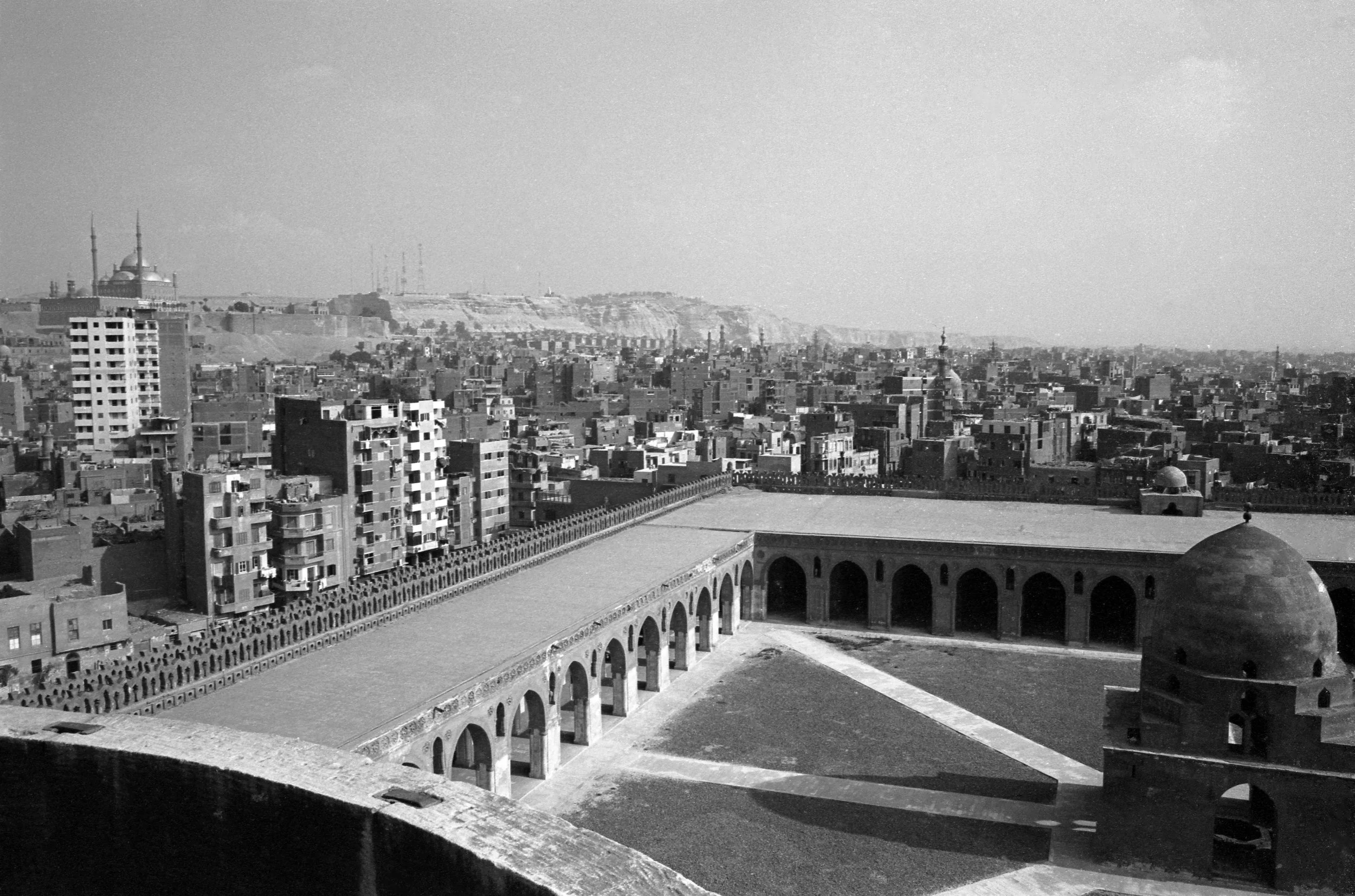
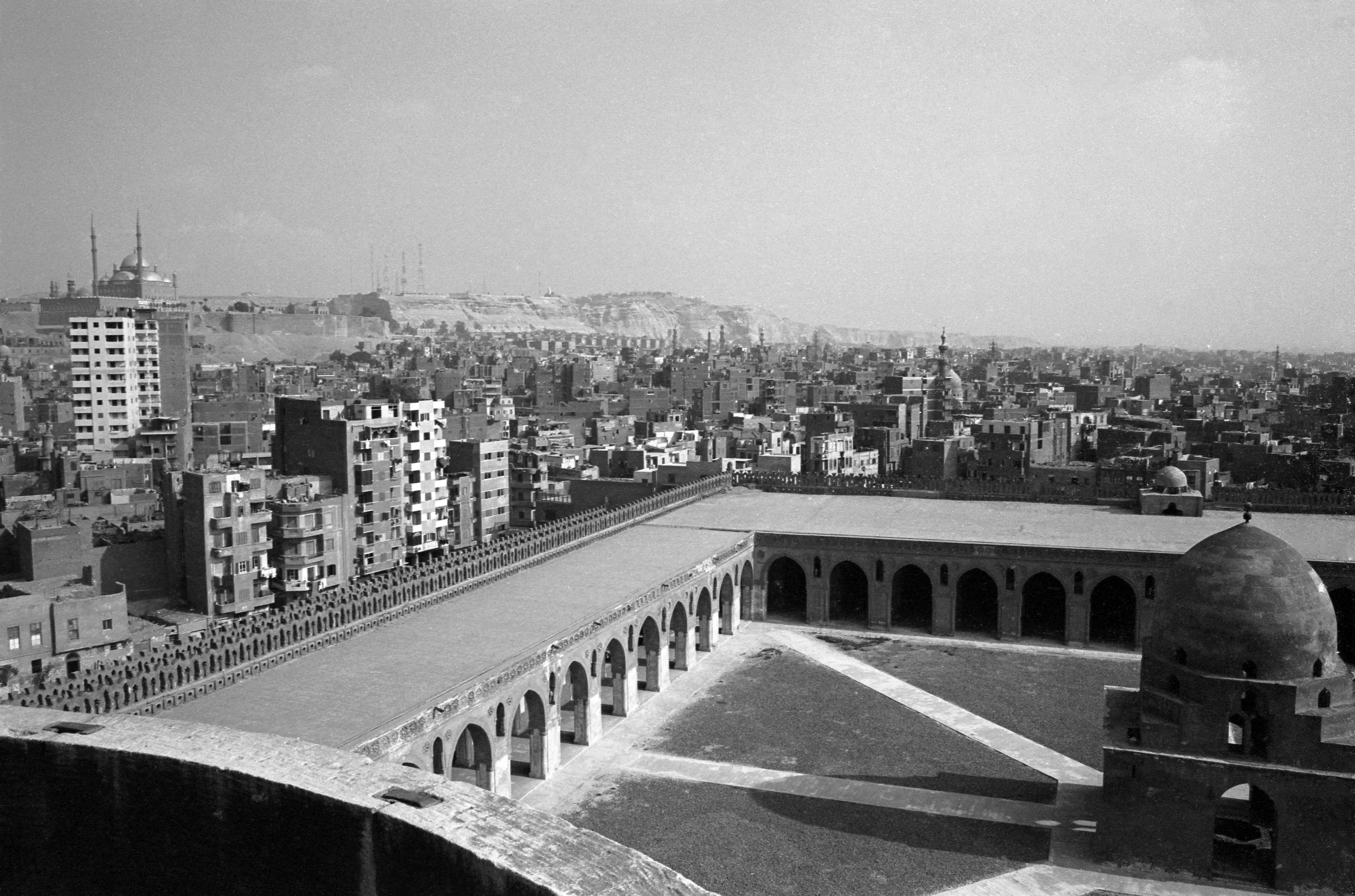
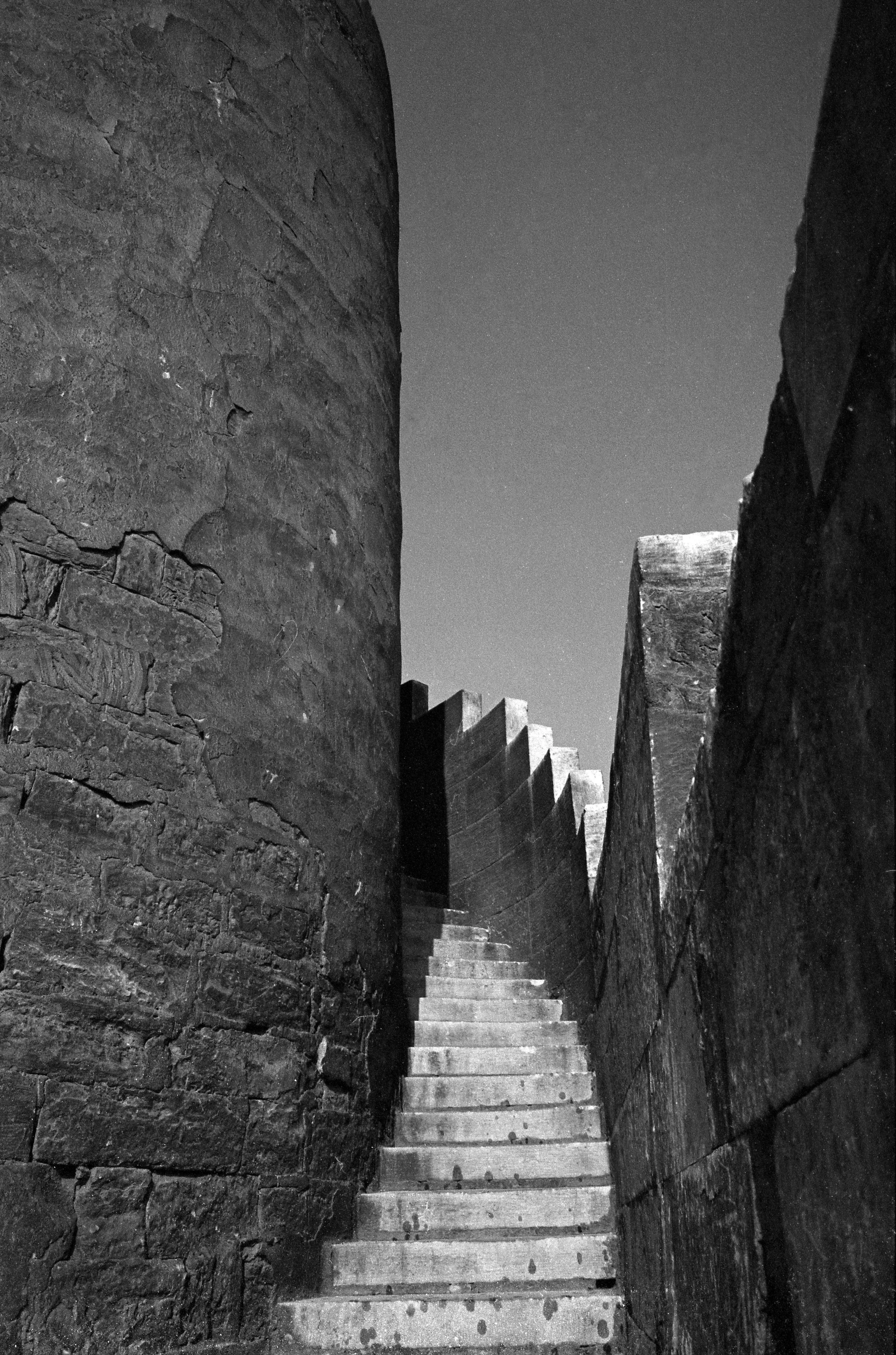
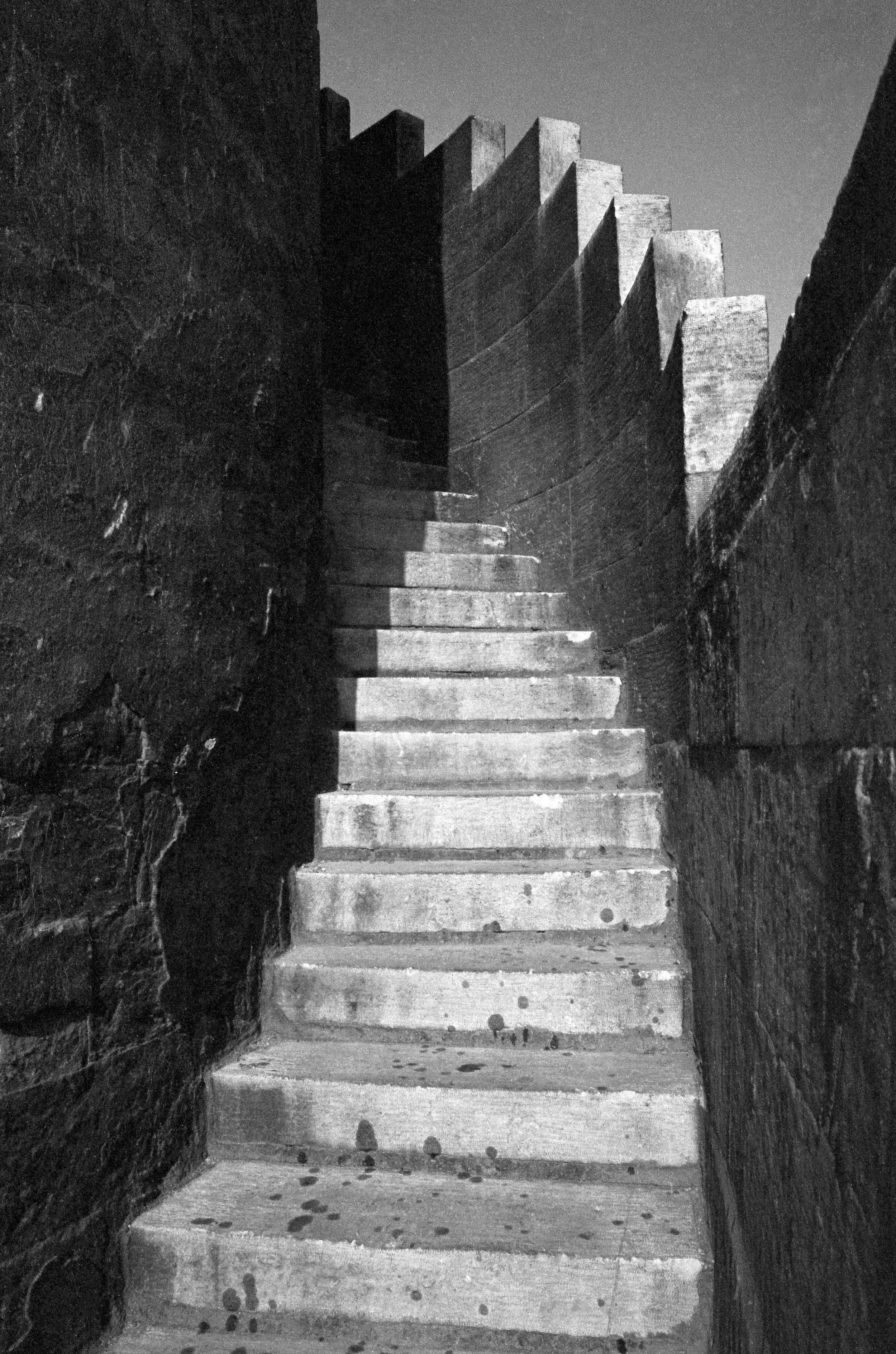
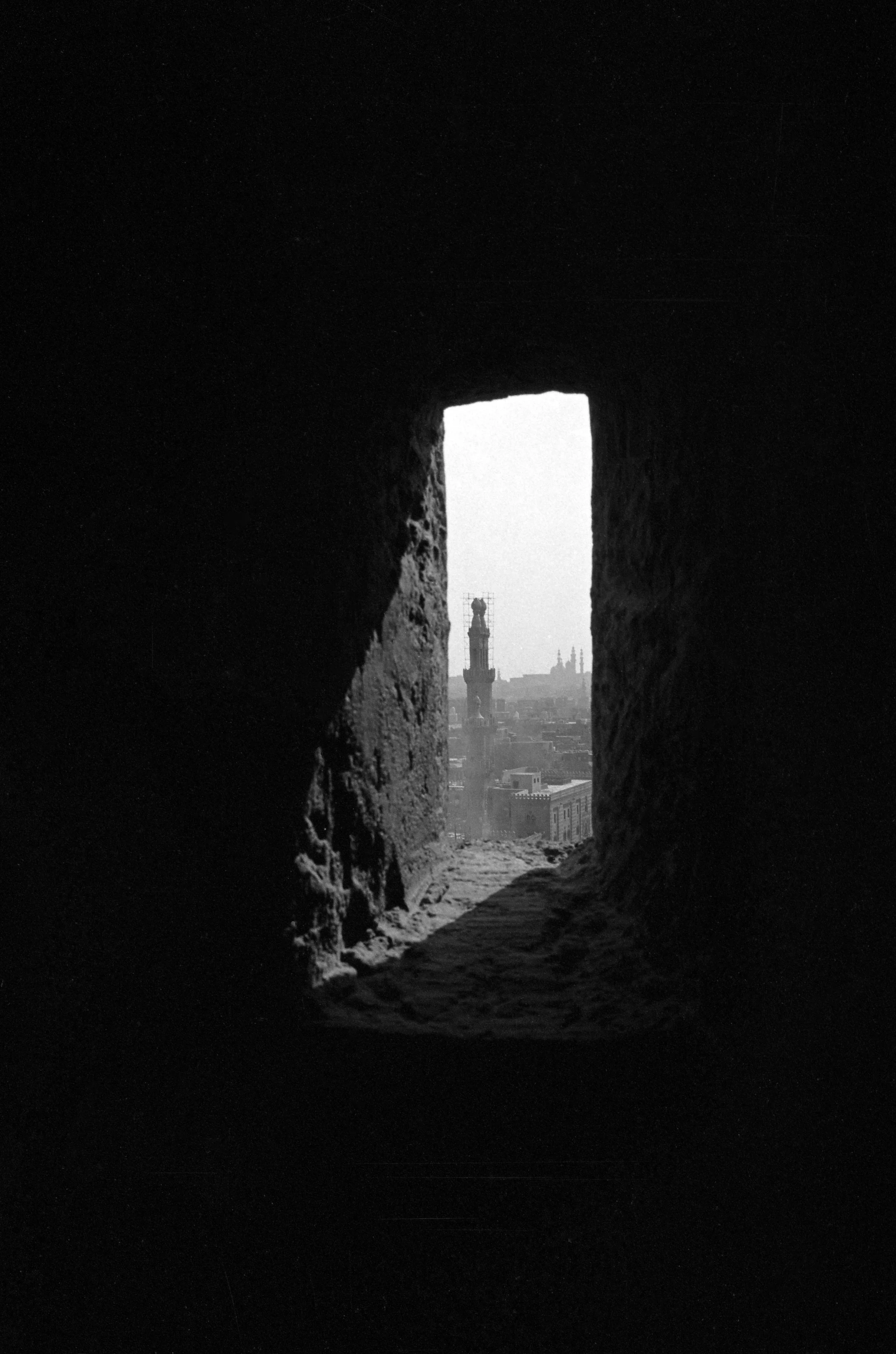
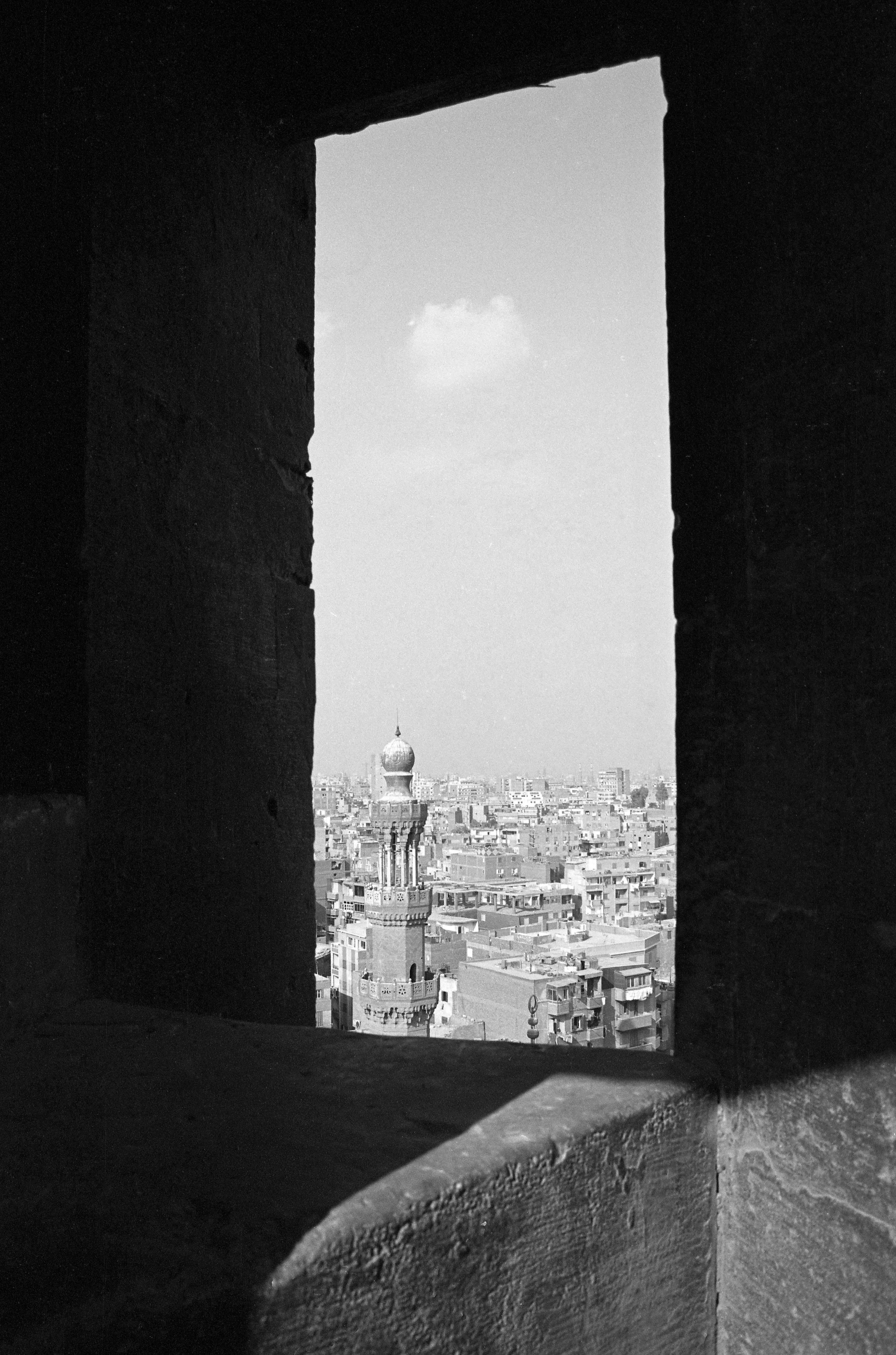
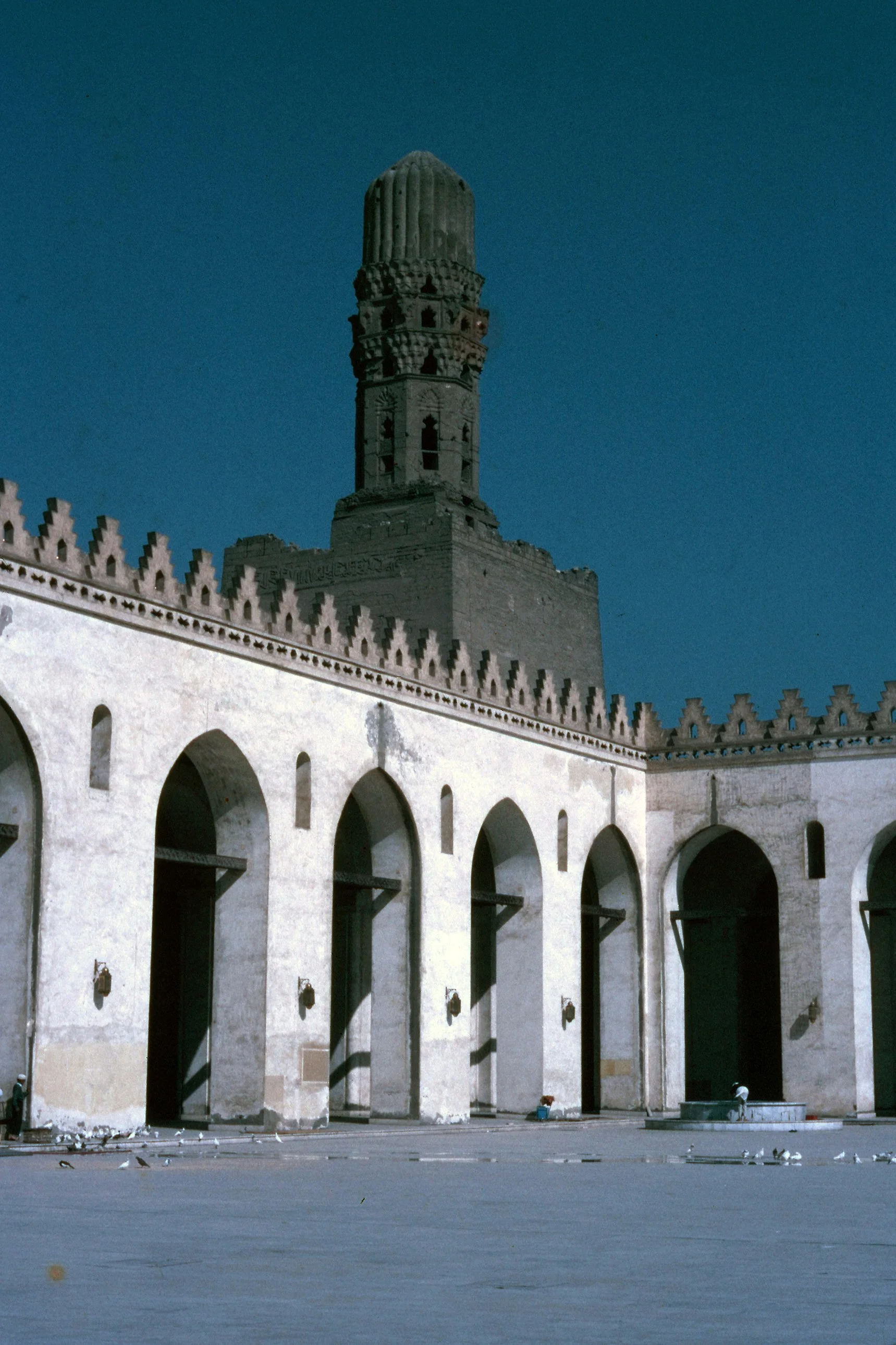
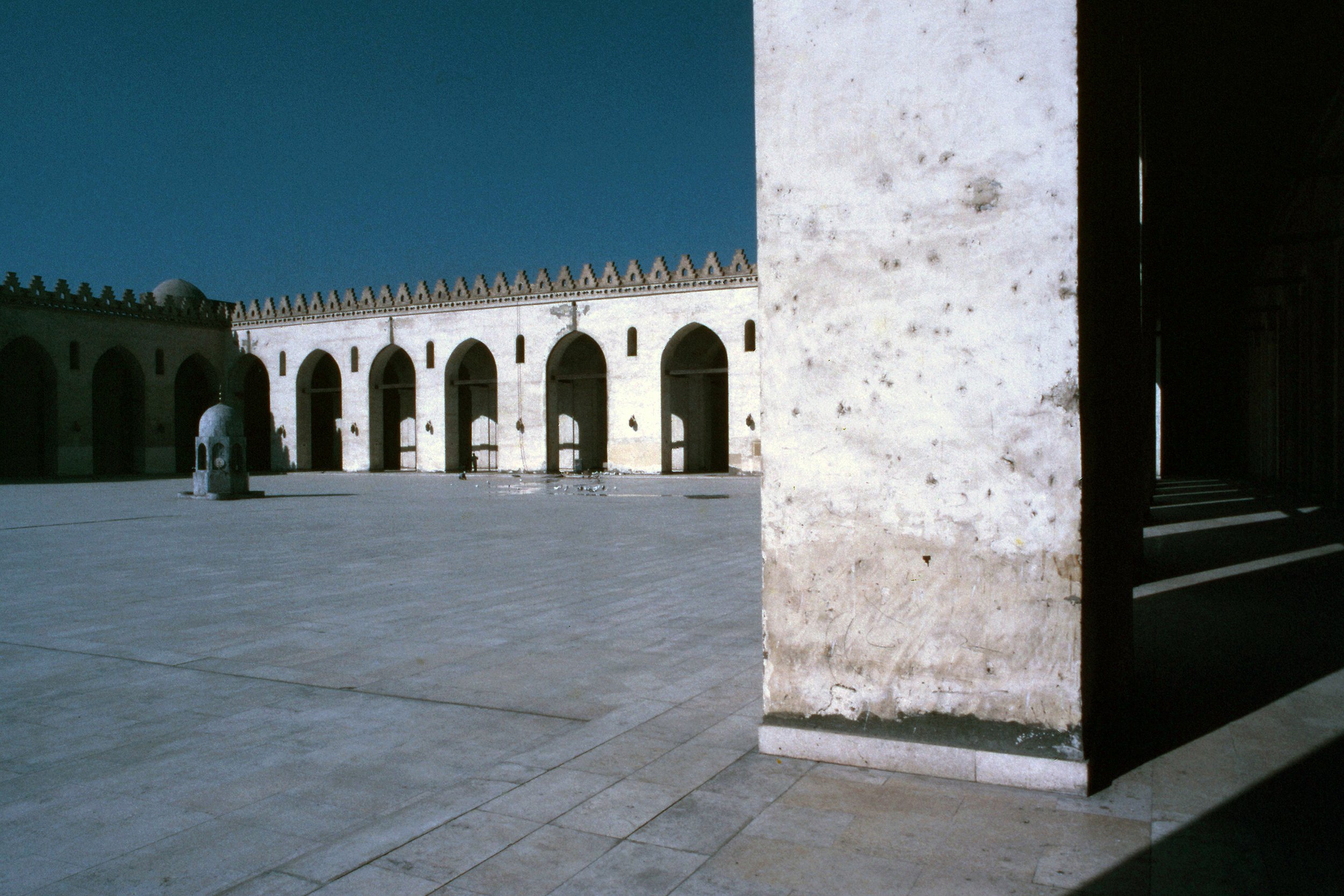
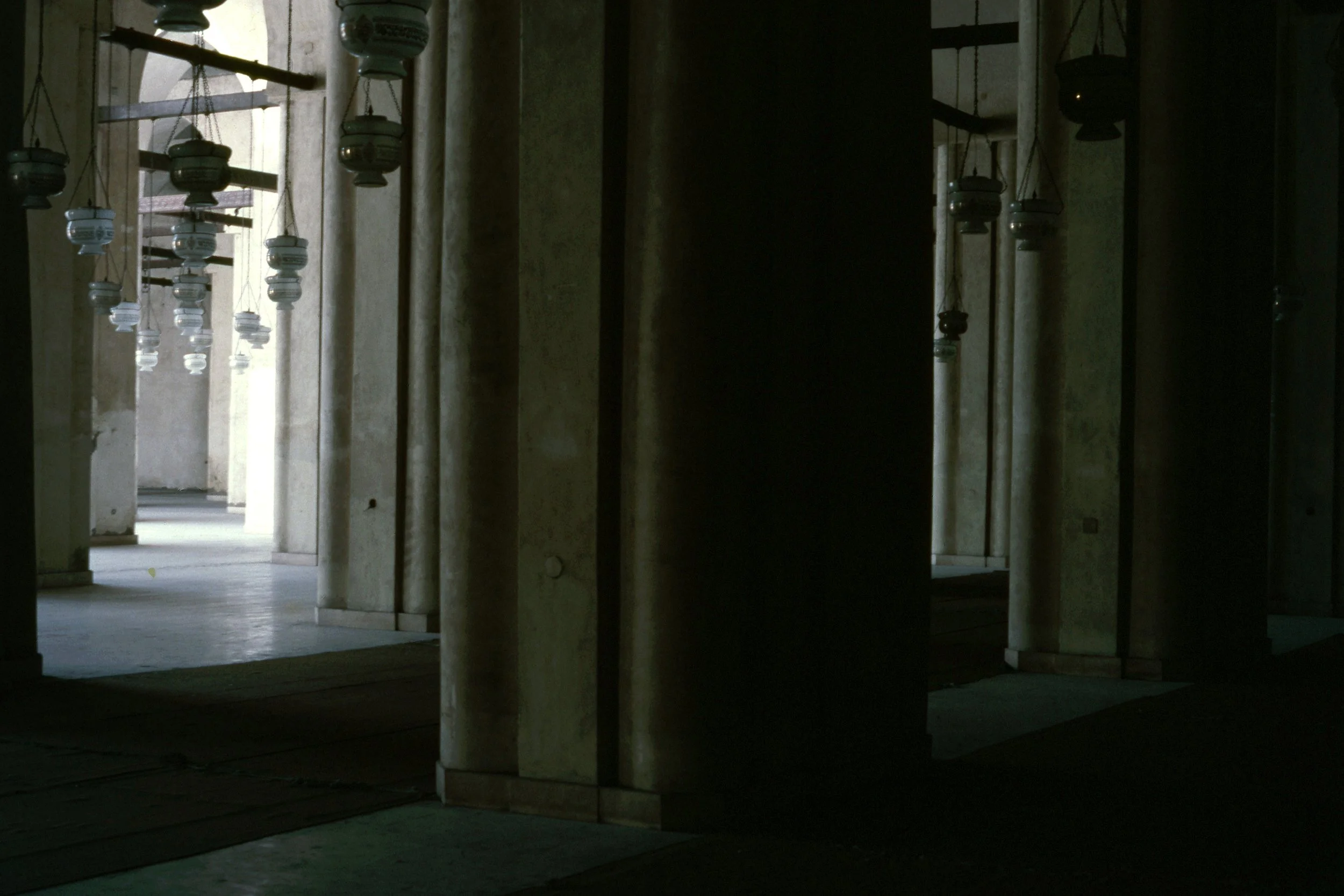
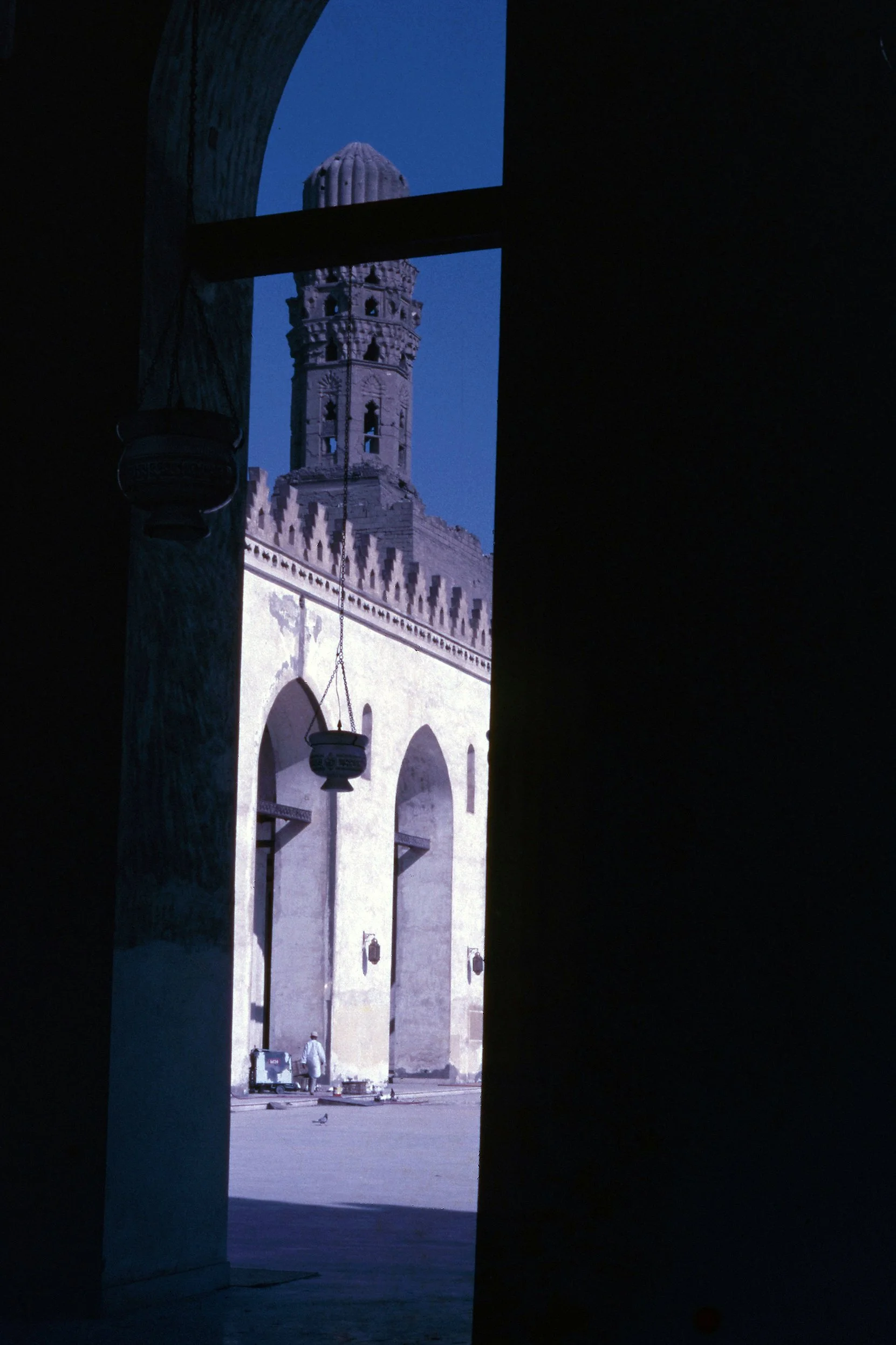
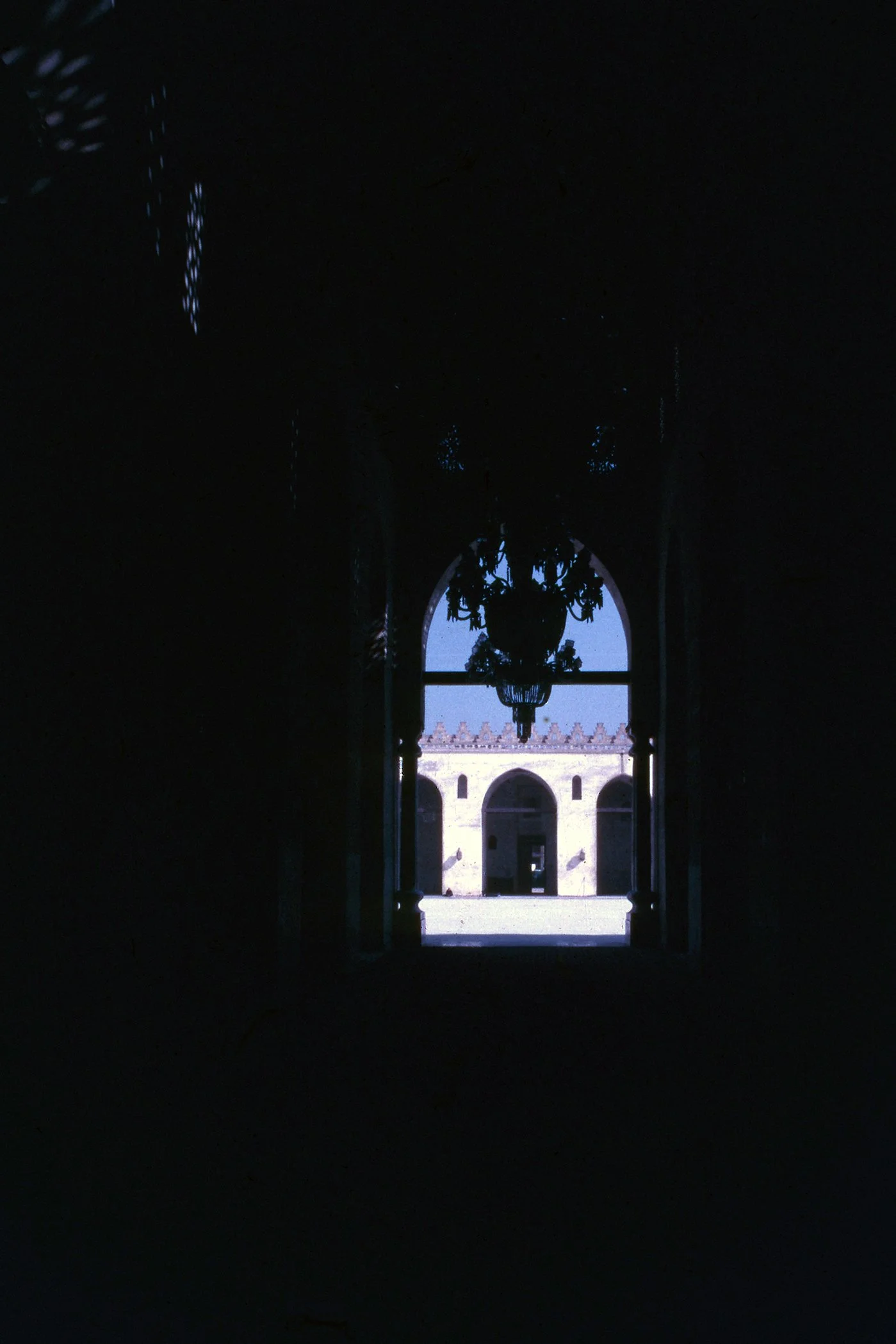
The photographs in the Ibn Tulun Mosque series explore one of the earliest and most remarkable mosques in Cairo, a monument whose austere architecture and vast spatial composition distinguish it from the city’s later Islamic buildings. Approaching the mosque from the surrounding streets of the Sayyida Zeinab district, the transition from the lively and often chaotic urban environment to the quiet interior unfolds gradually through the mosque’s forecourt, where the noise of the city begins to recede. Inside, the expansive courtyard reveals a striking sense of serenity: broad arcades, rhythmic arches, and the open sky create an atmosphere of calm that contrasts sharply with the dense urban life just beyond the walls. Some of the photographs were taken after climbing the mosque’s distinctive spiral minaret, from which sweeping views of the surrounding neighborhood emerge—rooftops stretching across the Sayyida Zeinab district, and through distant openings, fleeting glimpses of the historic city beyond. Together, these images capture the mosque as both a place of architectural clarity and a vantage point from which Cairo itself can be observed.
cai-mos-34
cai-mos-35
cai-mos-36
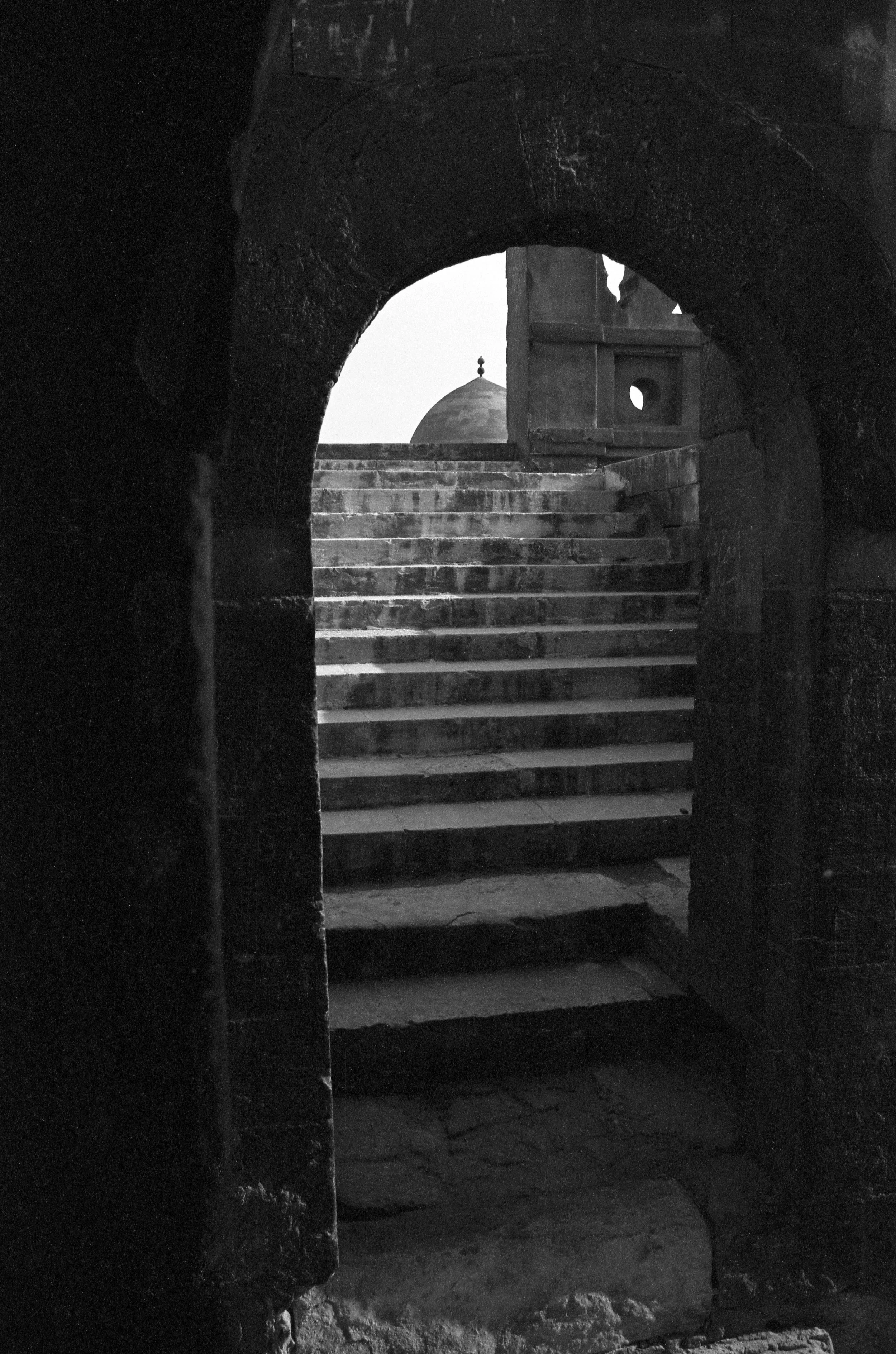
cai-mos-37
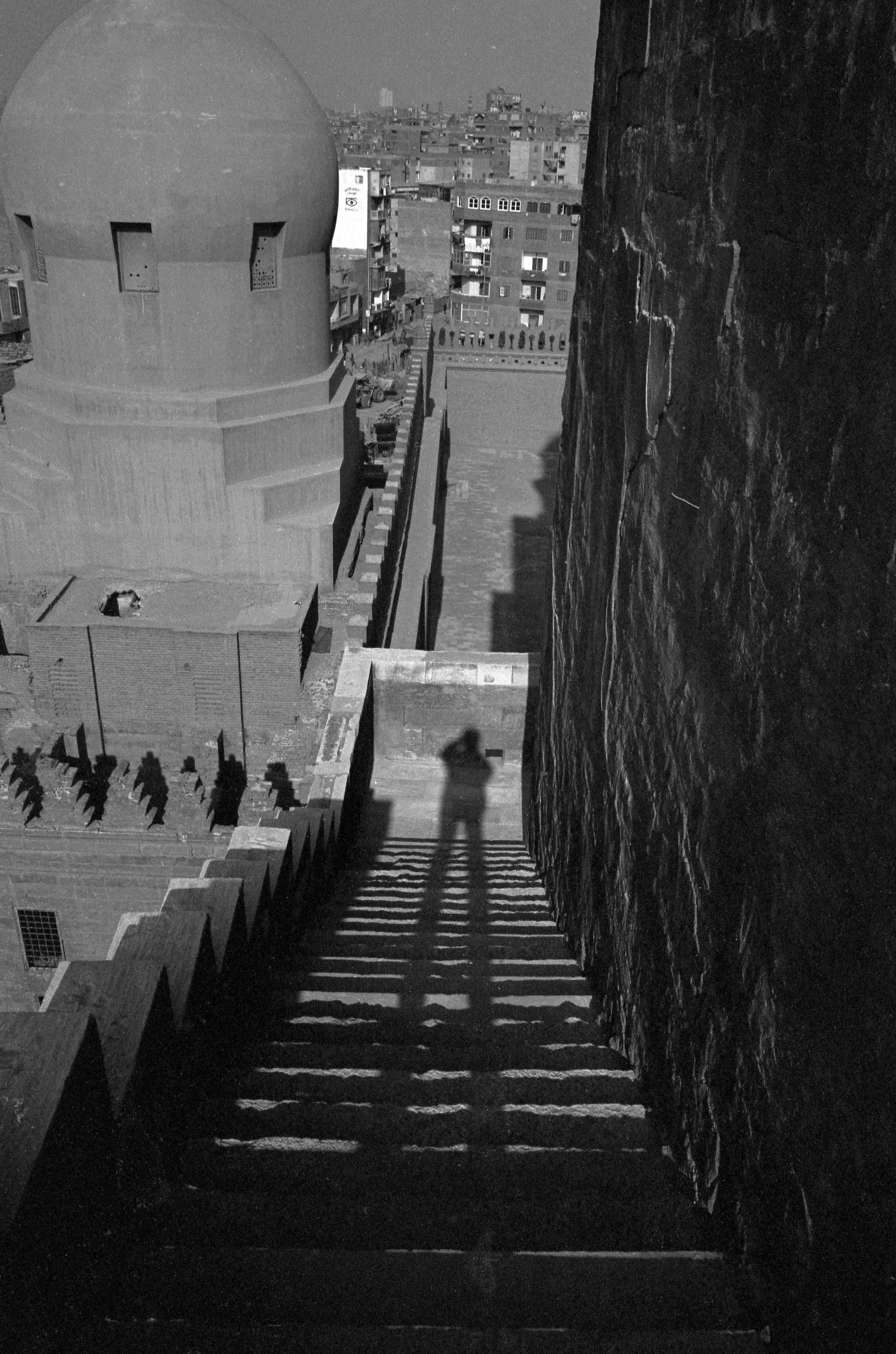
cai-mos-38
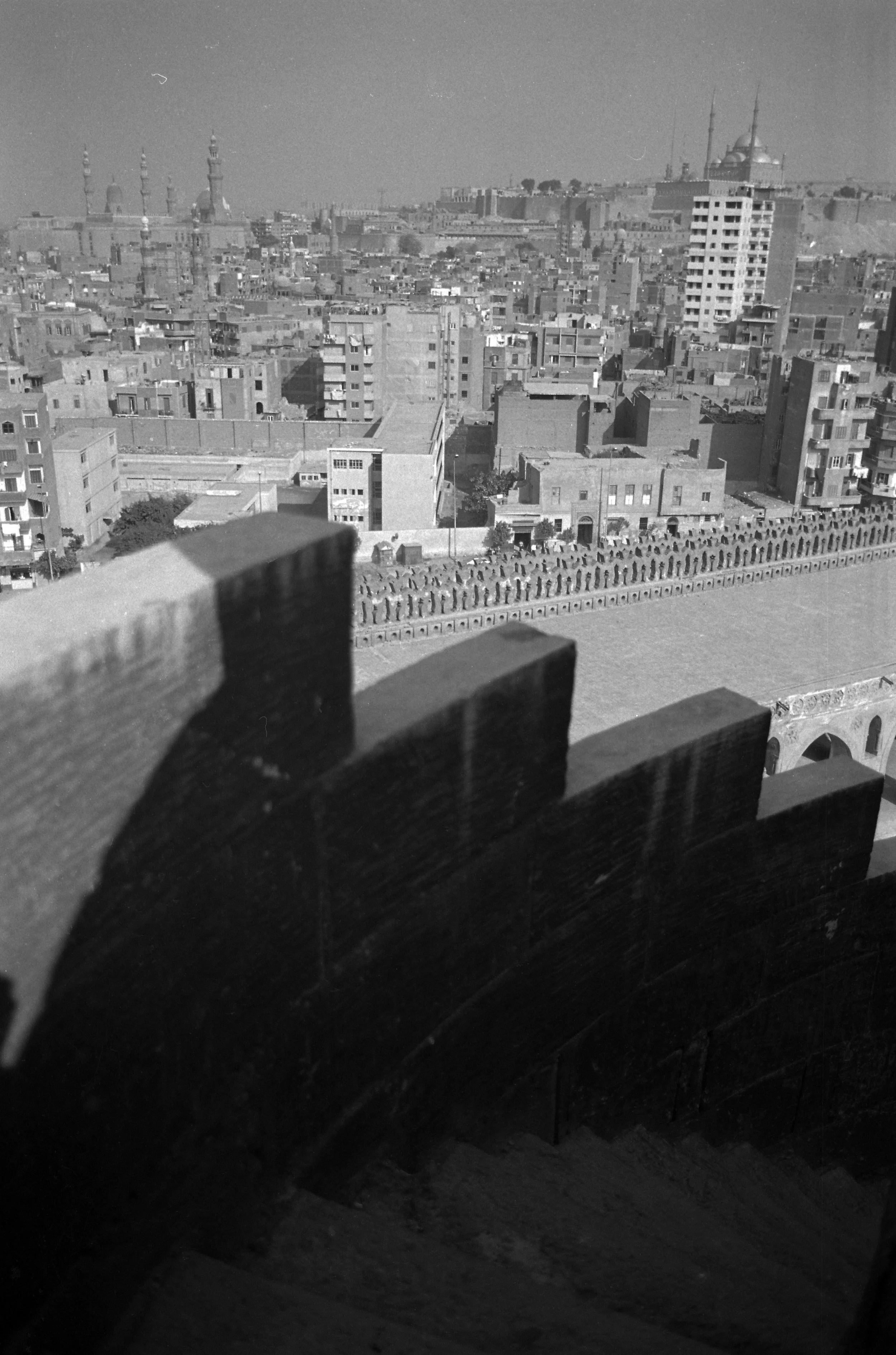
cai-mos-39
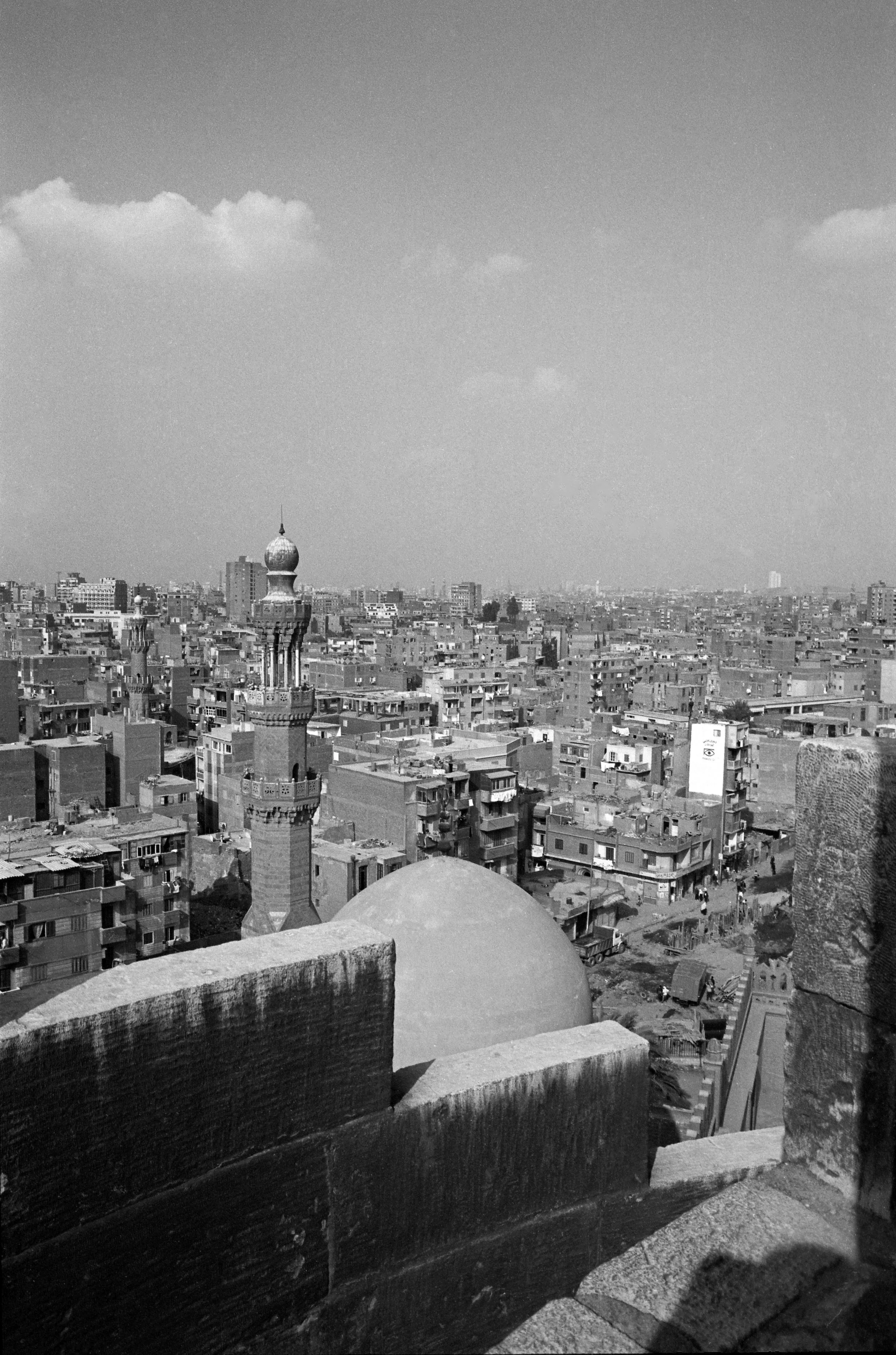
cai-mos-40
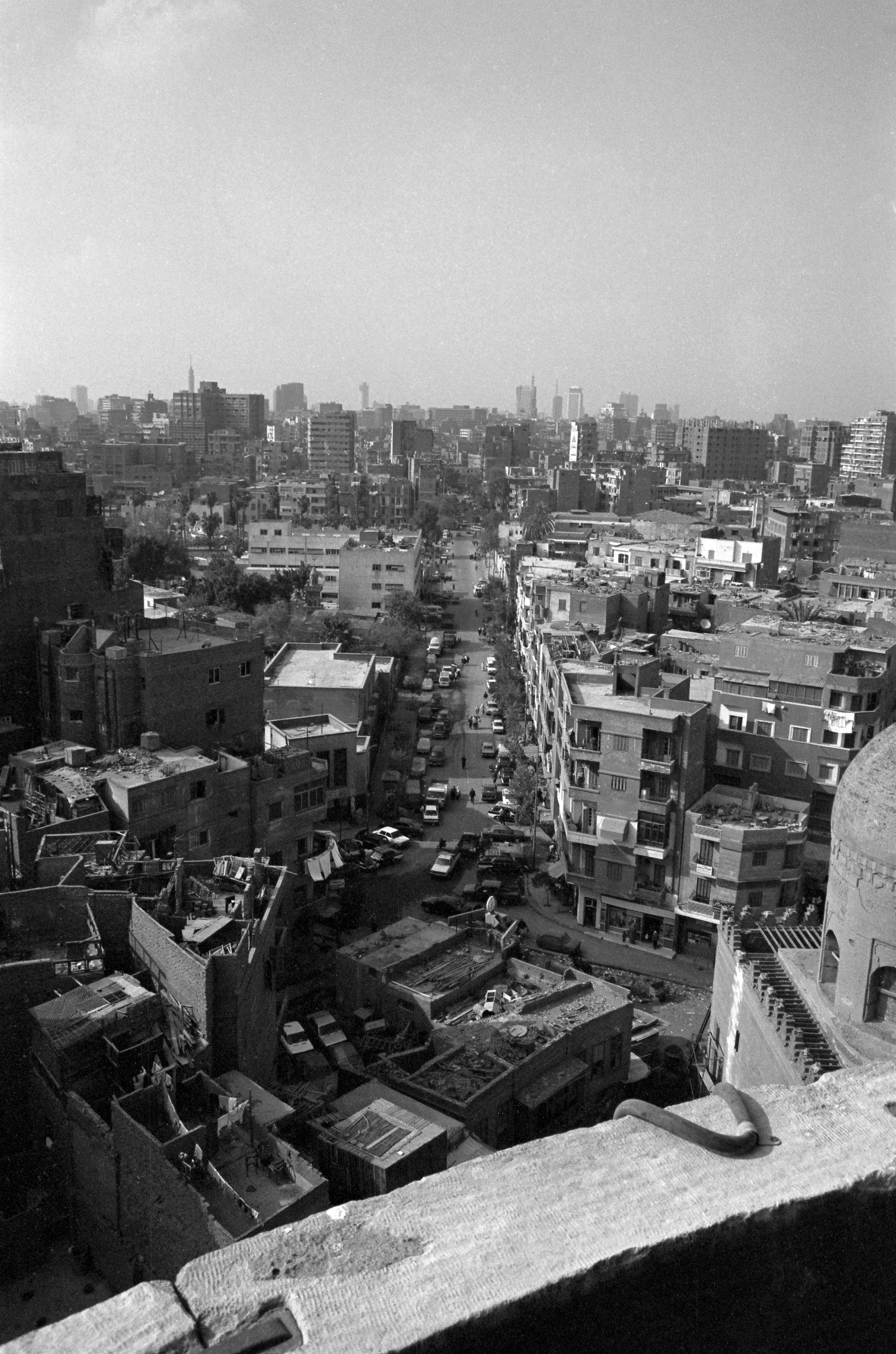
cai-mos-41
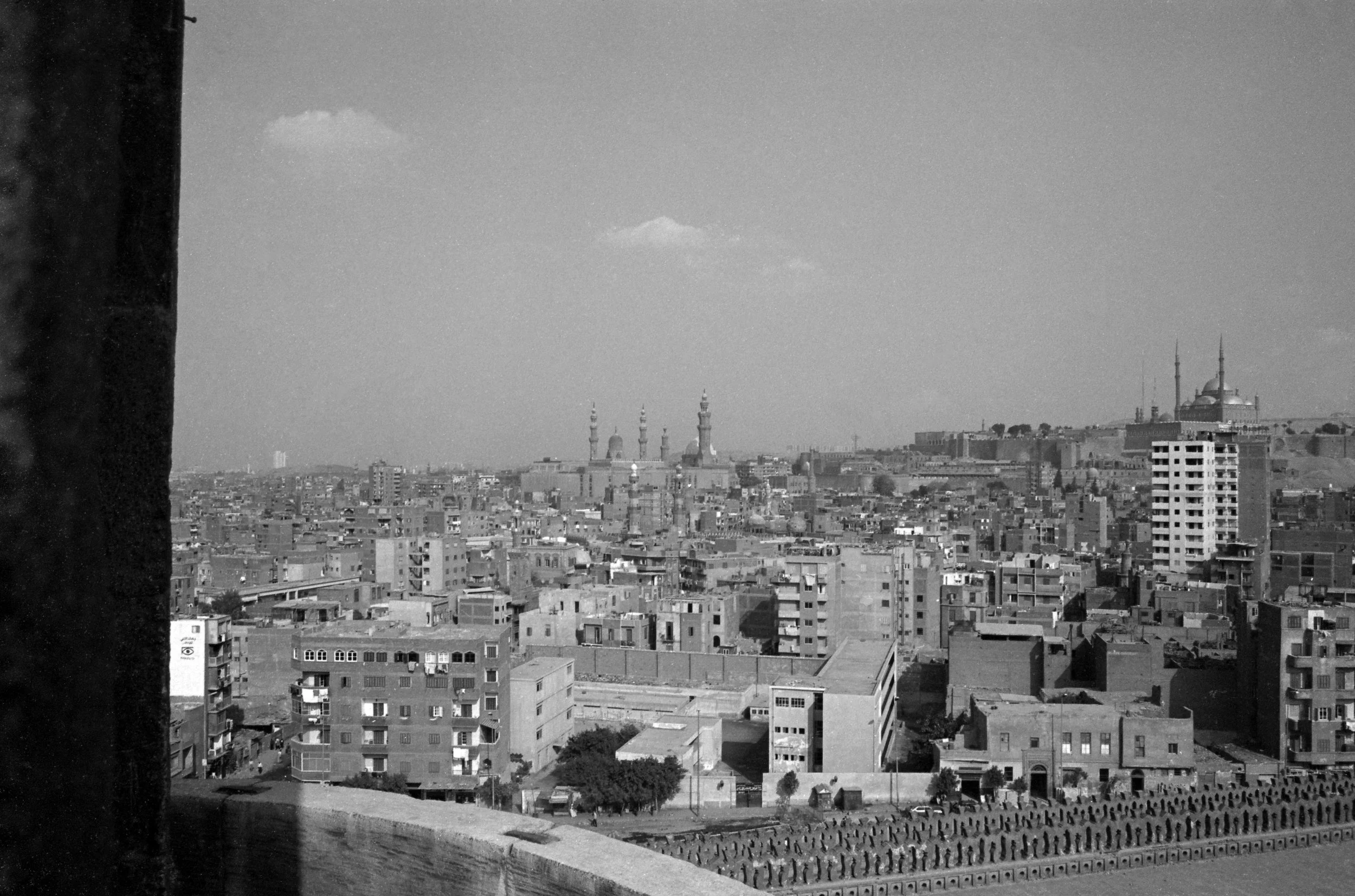
cai-mos-42
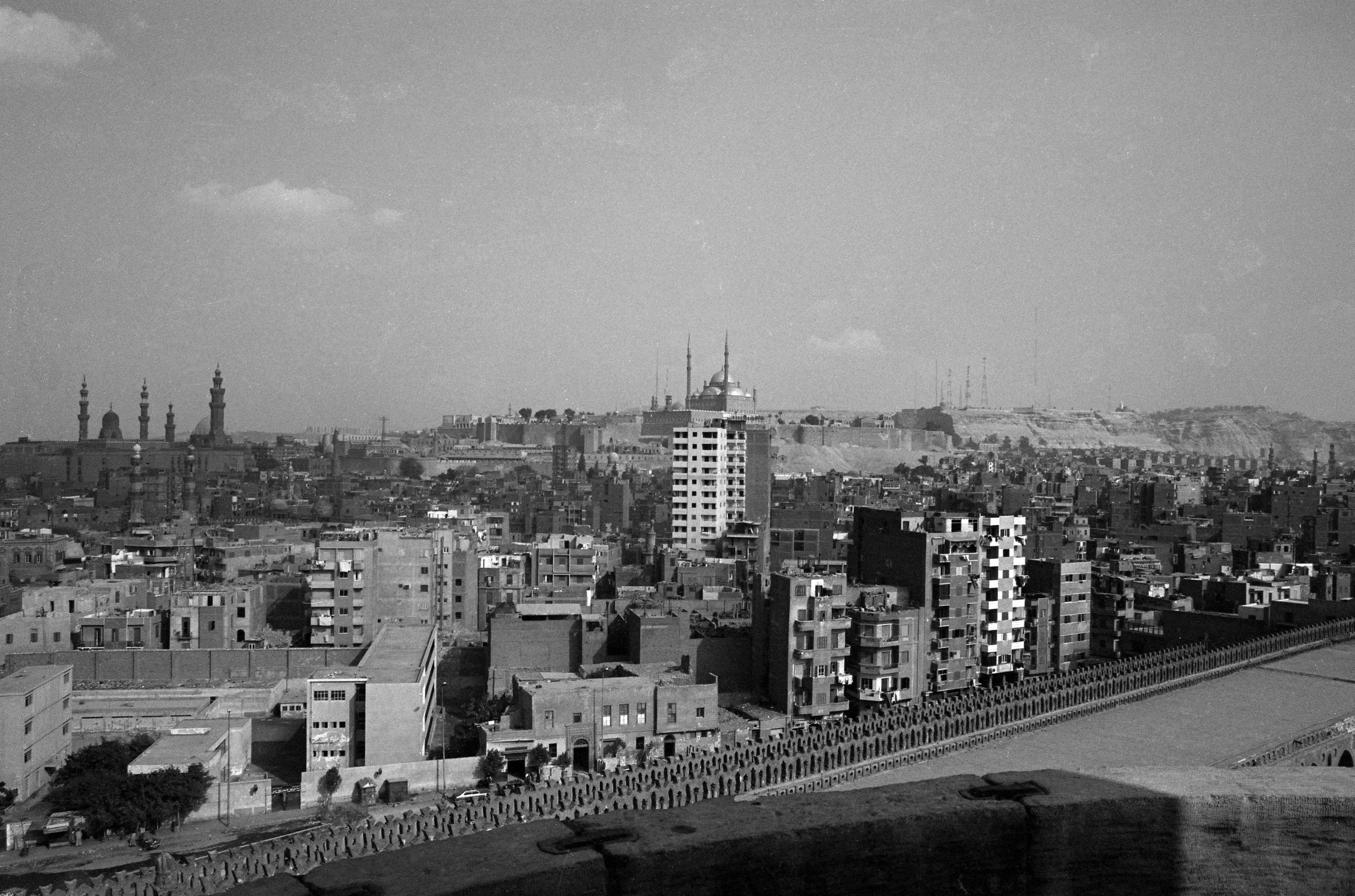
cai-mos-43
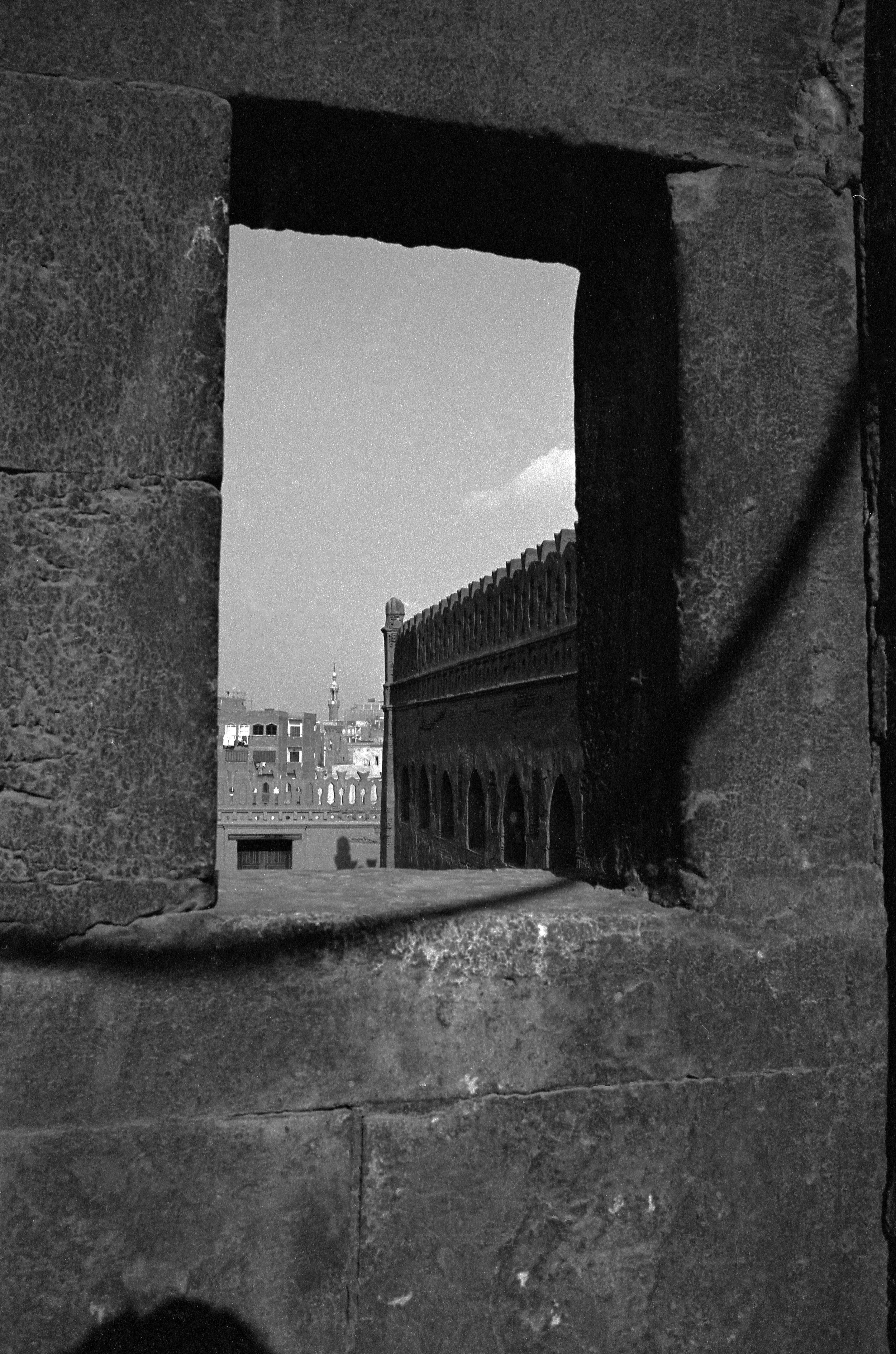
cai-mos-44
cai-mos-45
cai-mos-46
cai-mos-47
cai-mos-48
cai-mos-48
cai-mos-49
cai-mos-50
Al-Muizz Street
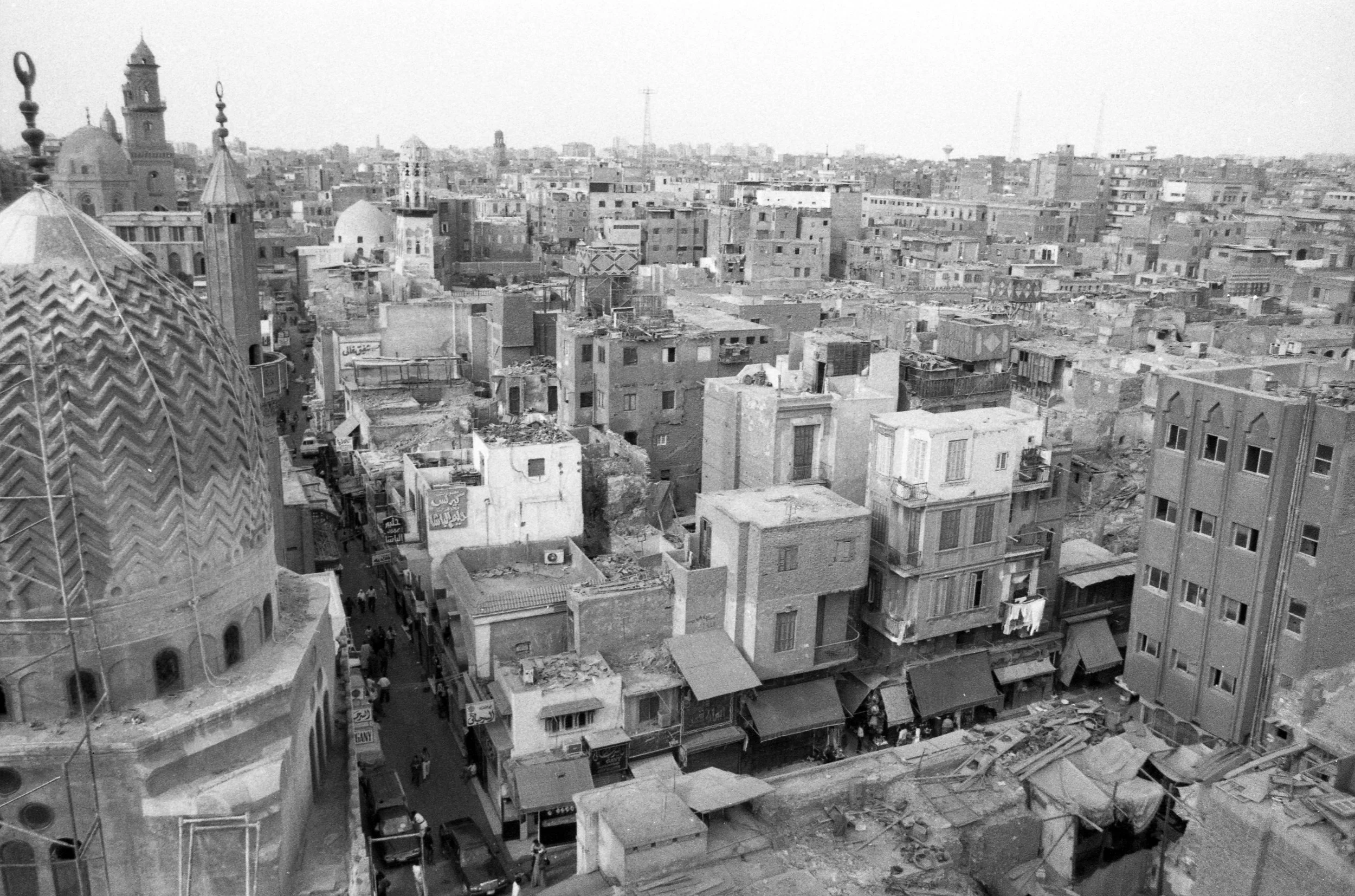
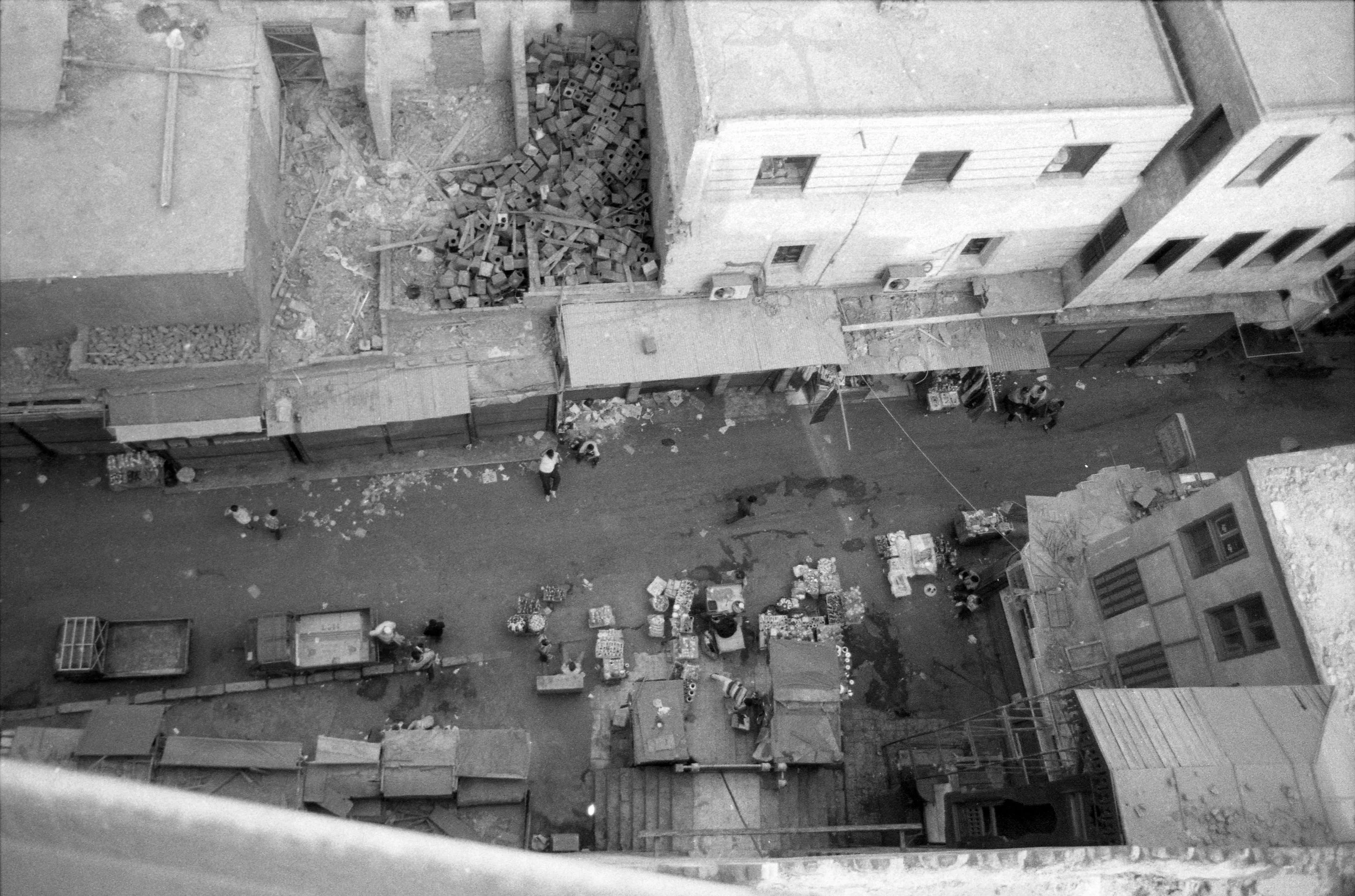
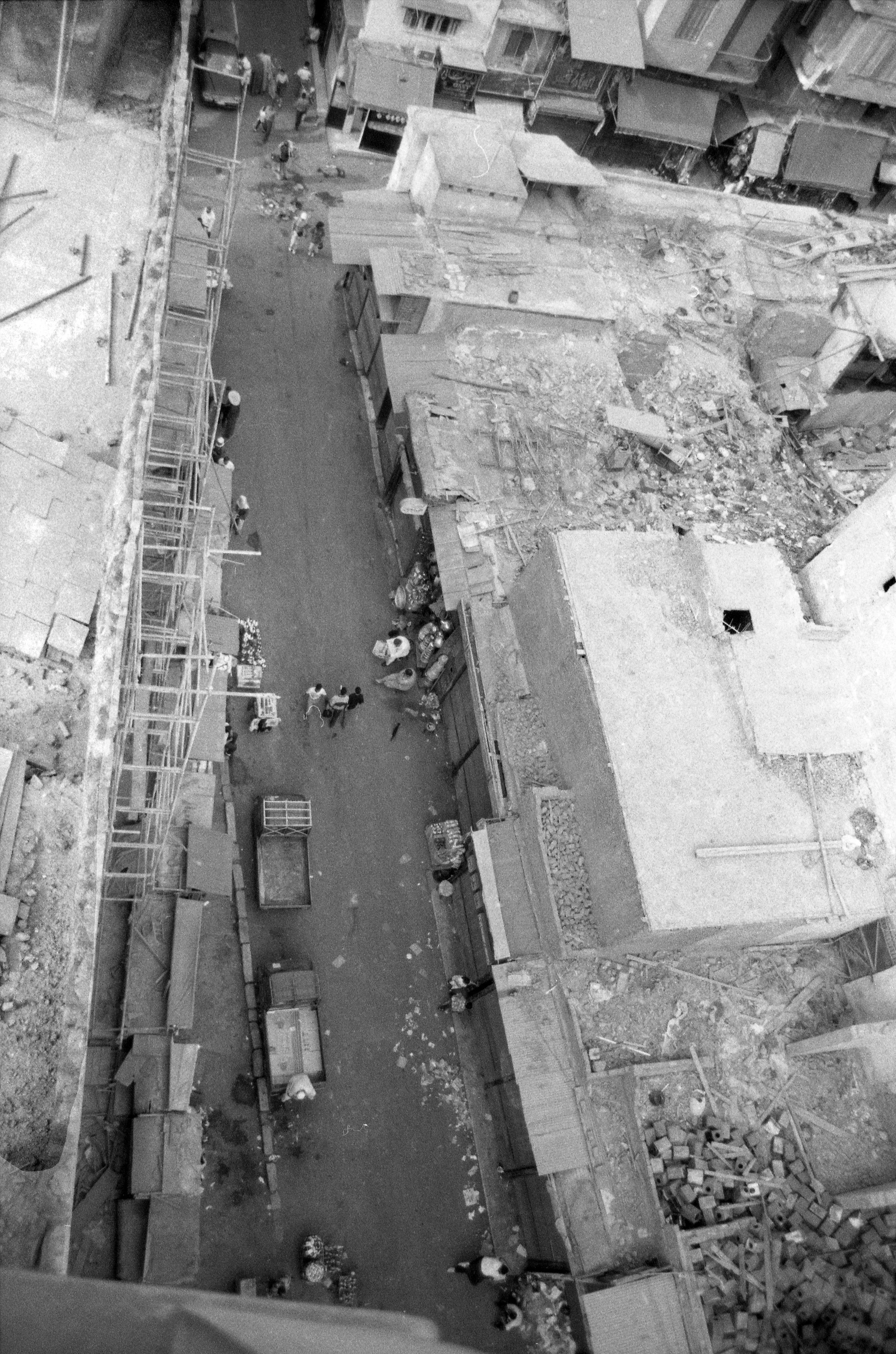
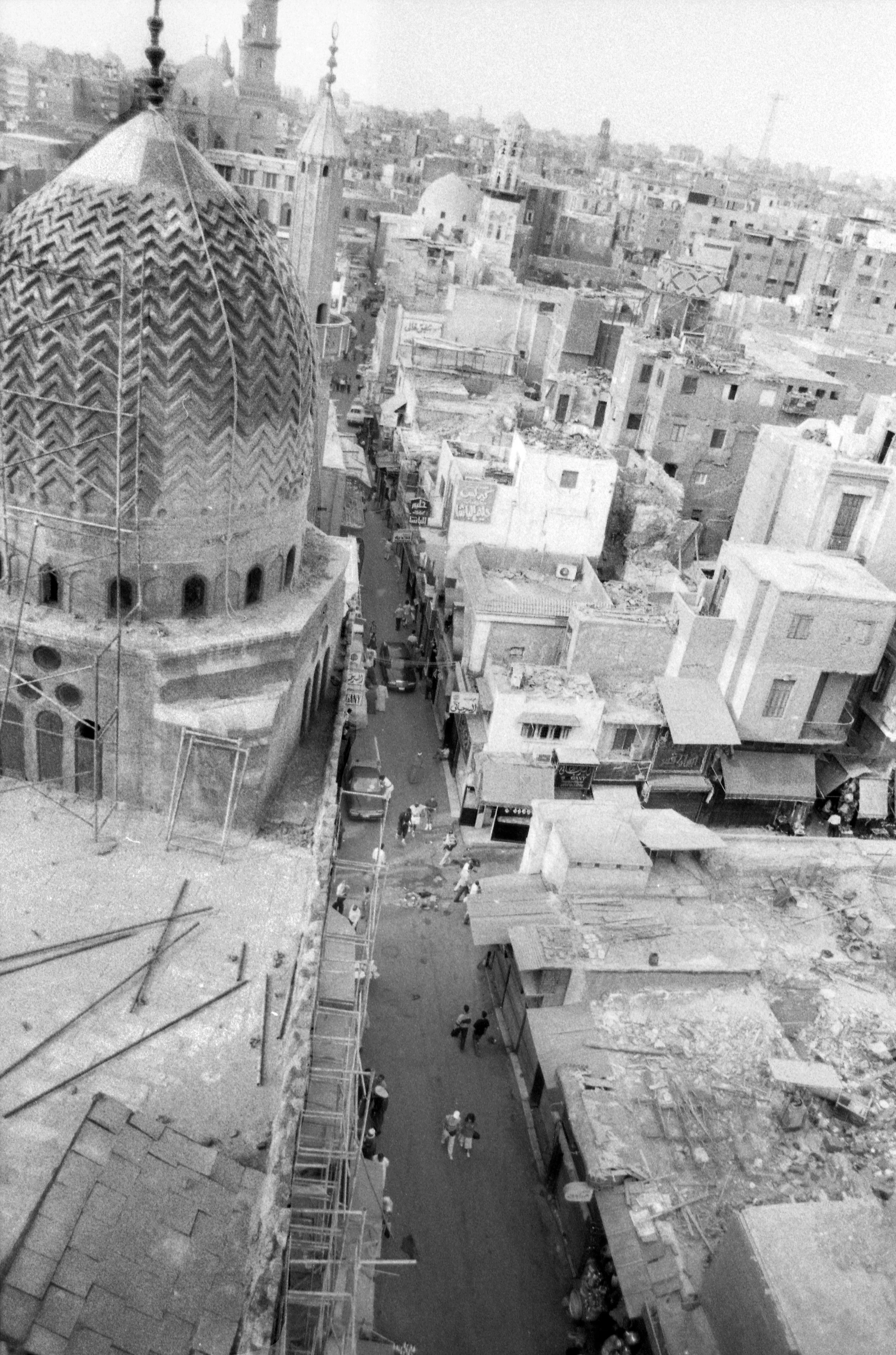
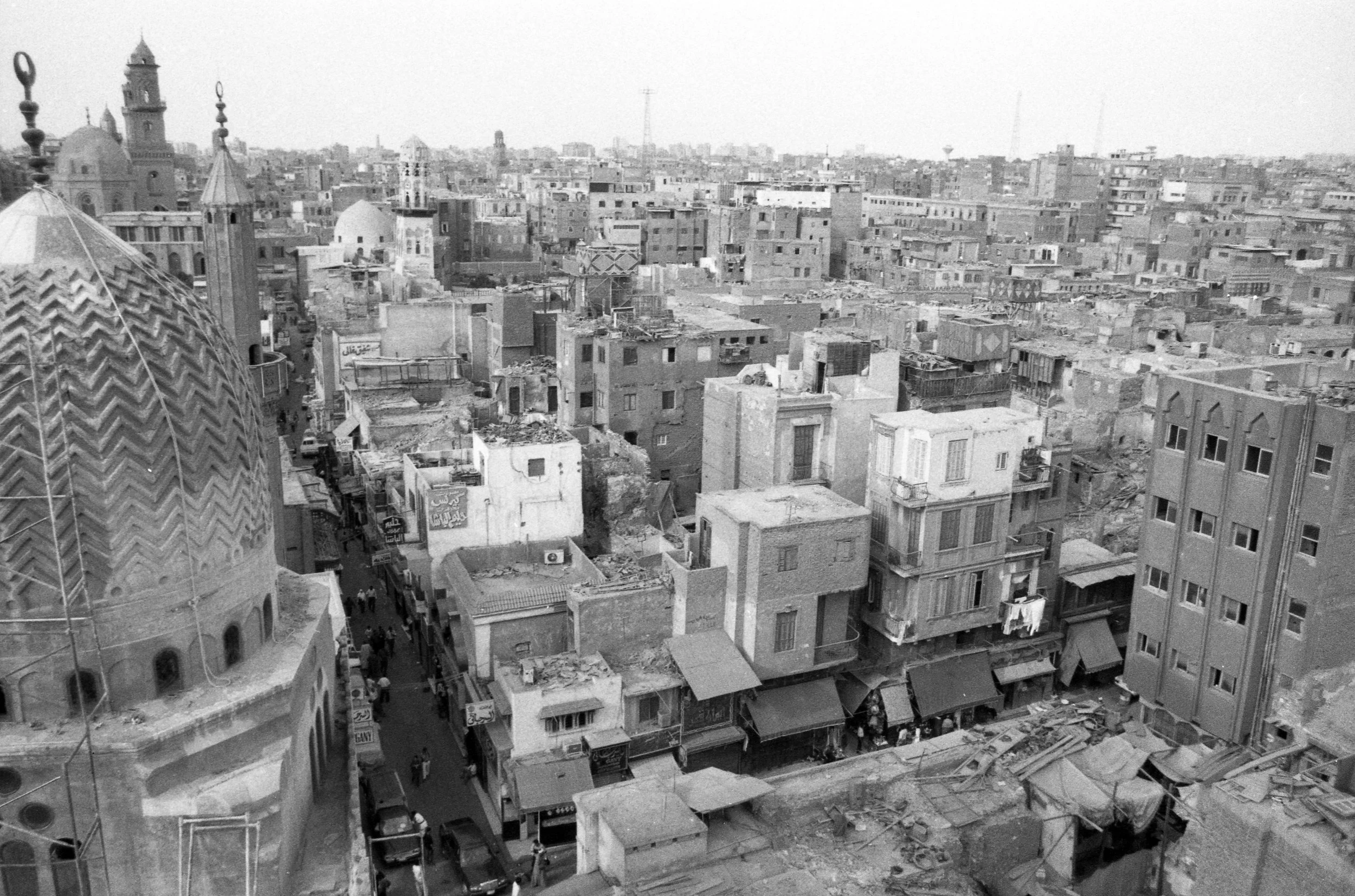
The photographs in the Al-Muizz Street series focus on Cairo’s historic spine, the main thoroughfare of the medieval city and one of the most remarkable concentrations of Islamic architecture anywhere in the world. Many of the images were taken from elevated viewpoints, including the minaret of the Qalawun complex, from which the street and its surroundings unfold as a dense and intricate urban landscape. From above, the tightly packed rooftops, domes, and minarets of the Khan el-Khalili quarter reveal the layered fabric of Cairo’s ancient marketplace, where centuries of commerce, movement, and daily life have shaped the city’s physical form.
Captured in 1994, these photographs record Al-Muizz Street before the extensive renovations that later transformed it into a carefully restored historic corridor. At the time, the street retained a raw and vibrant character—shops spilling into narrow passages, residents moving through the space alongside traders and visitors, and monuments standing in constant dialogue with the surrounding urban life. The images therefore document a moment before the area was effectively museumified, renovated to present a sanitized historical image for visitors while gradually displacing the everyday rhythms that once gave the street its vitality. Seen today, these photographs preserve a view of Al-Muizz Street when it was still fully embedded in the living fabric of Cairo’s old city.
Citadel & Mohamed Ali Mosque
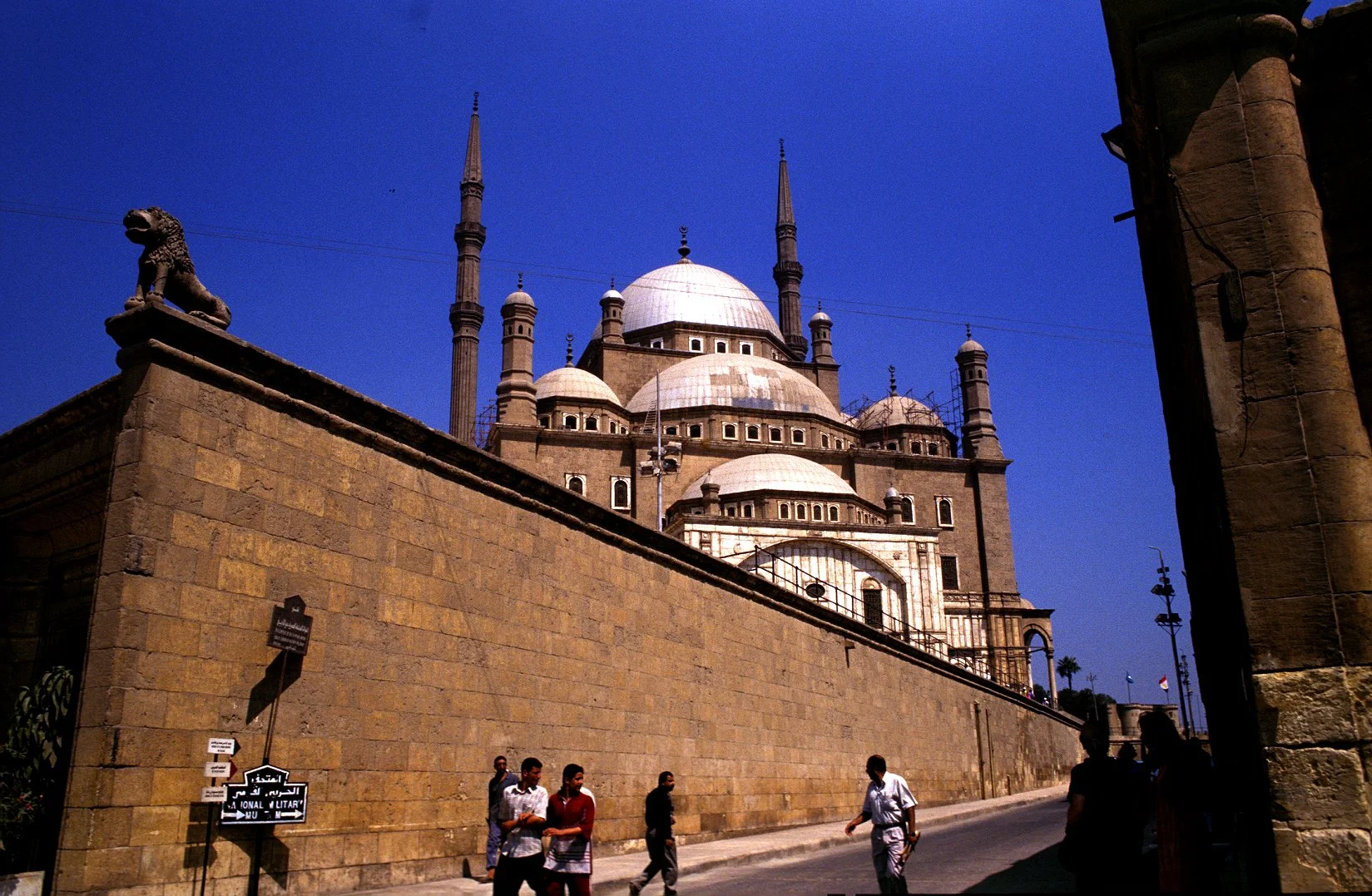
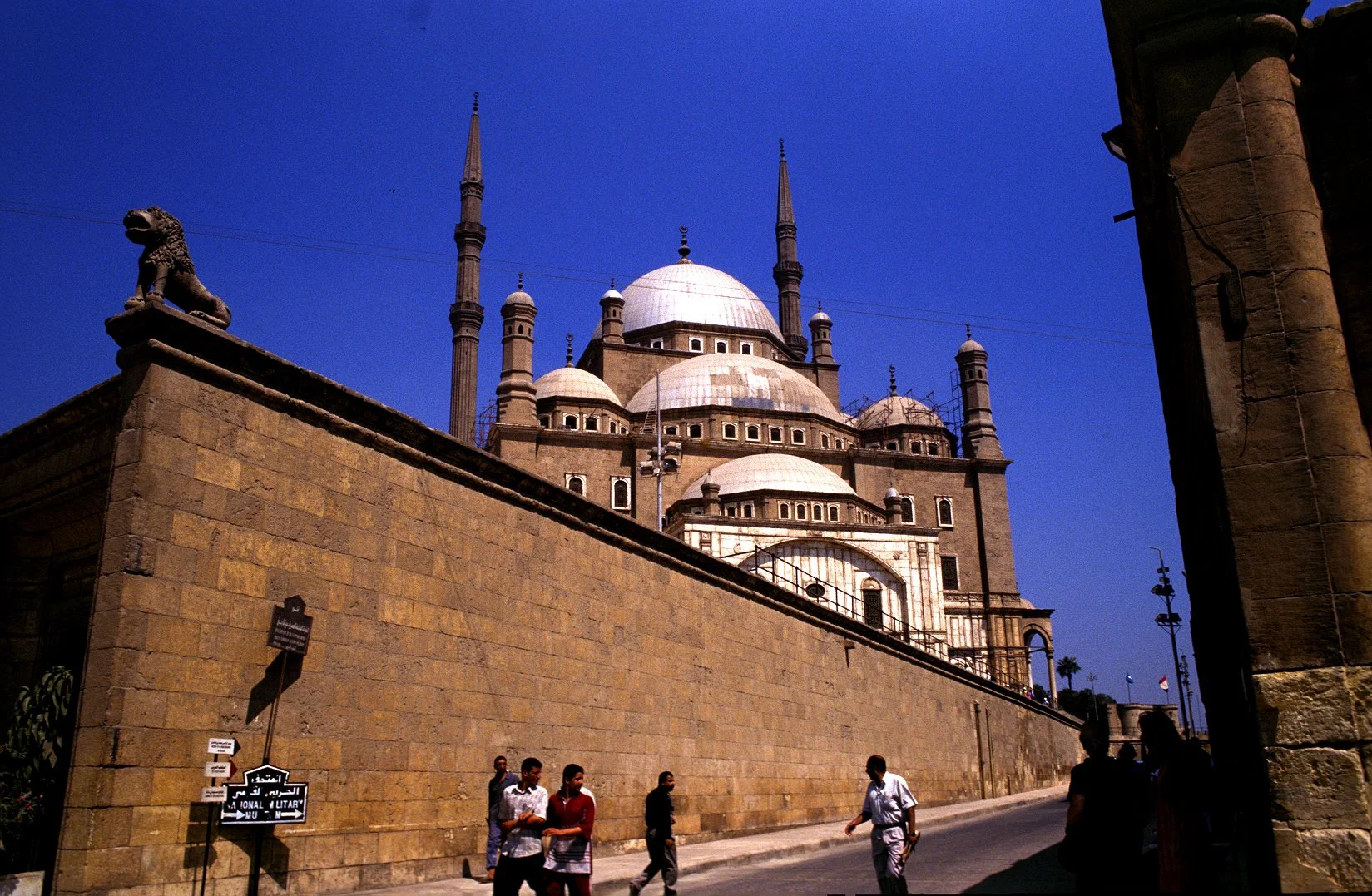
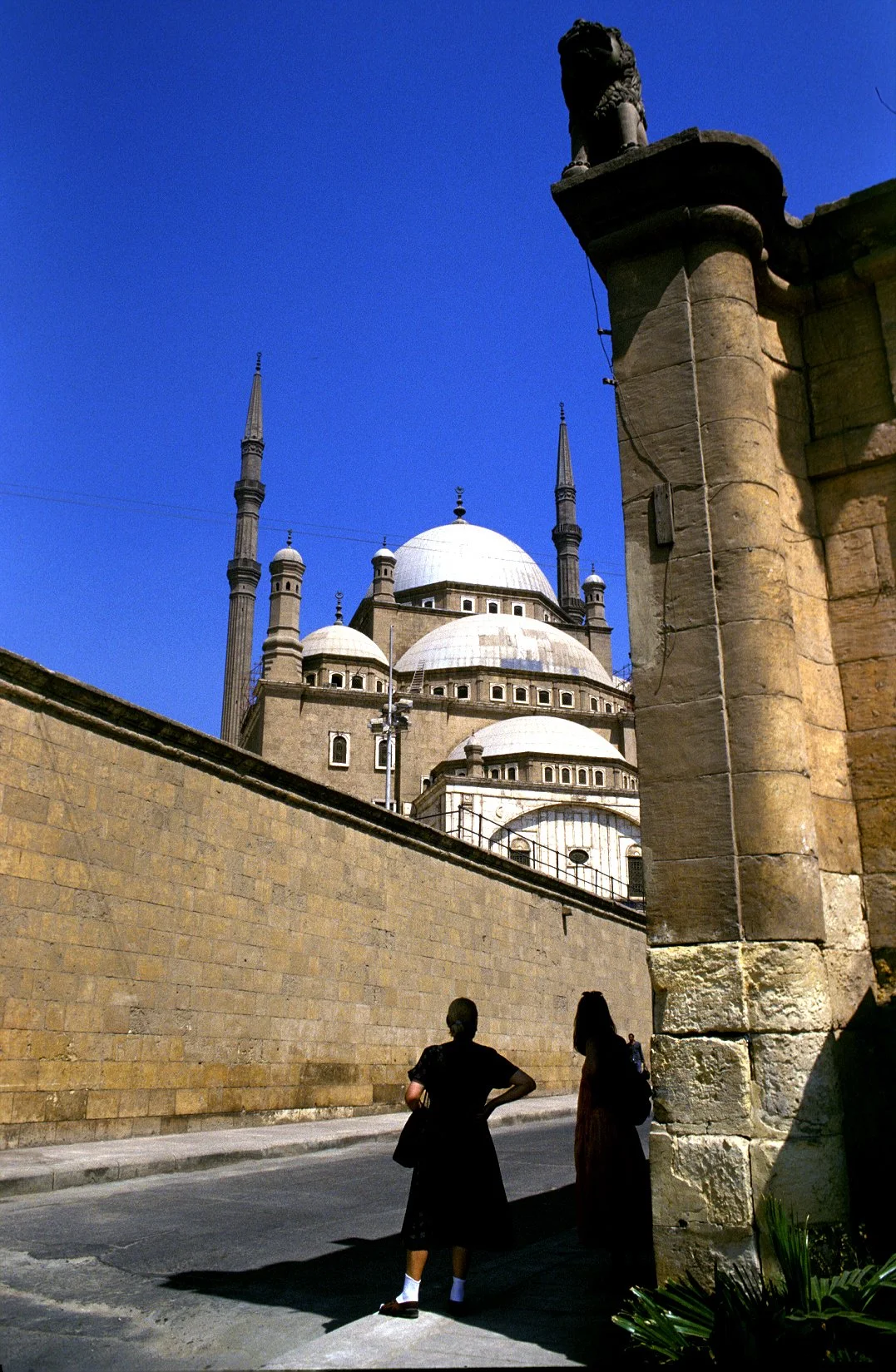
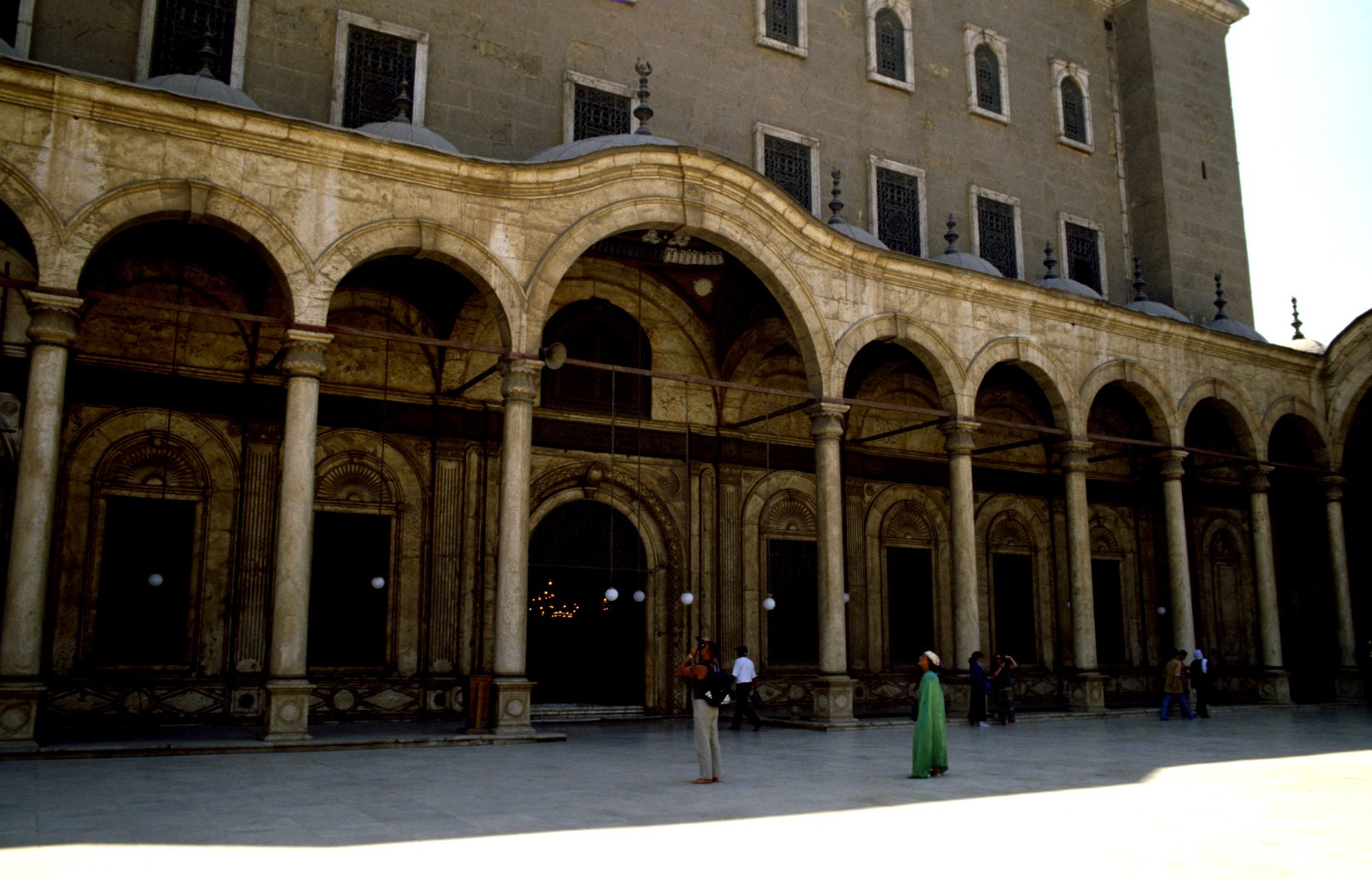
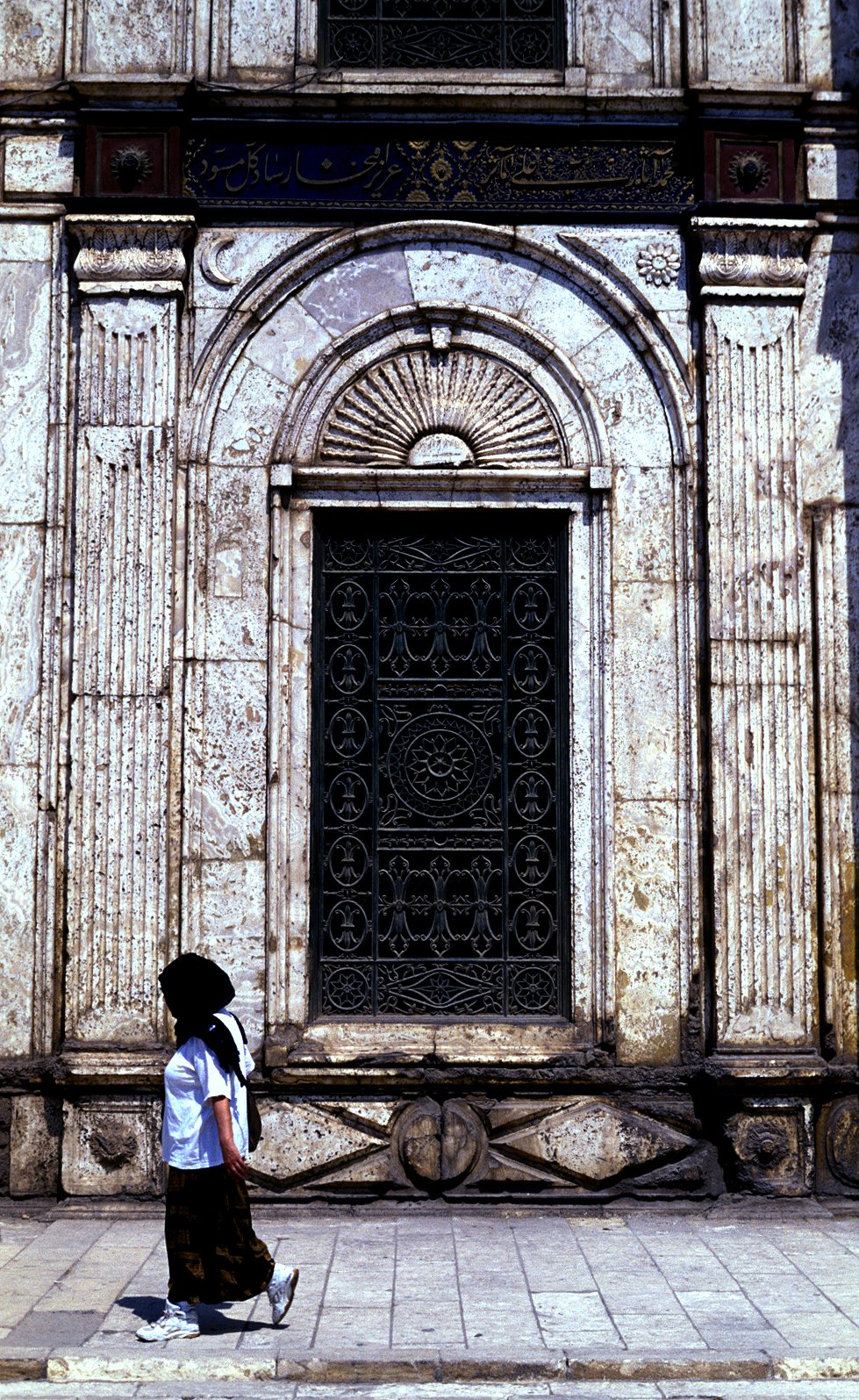
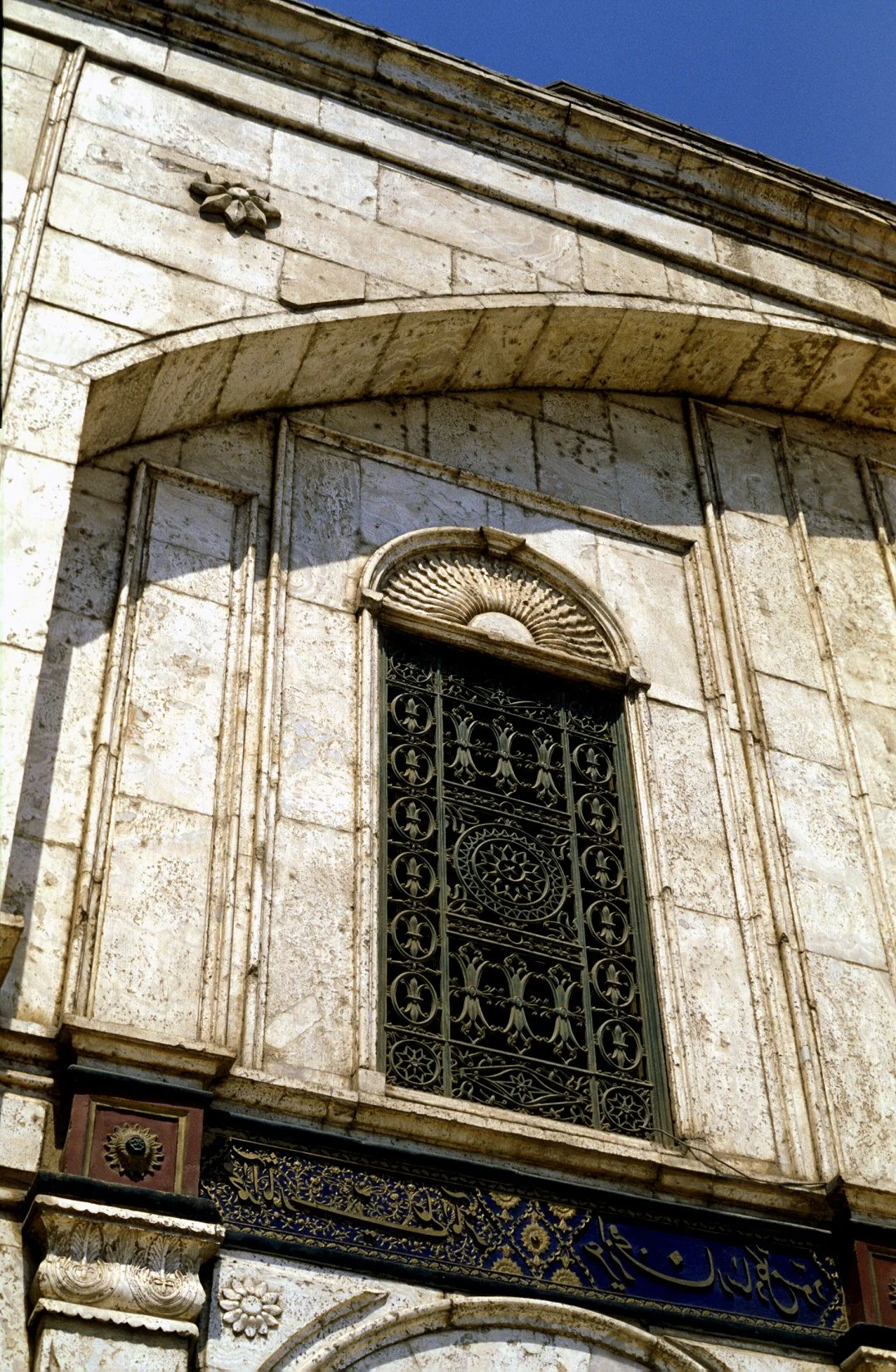
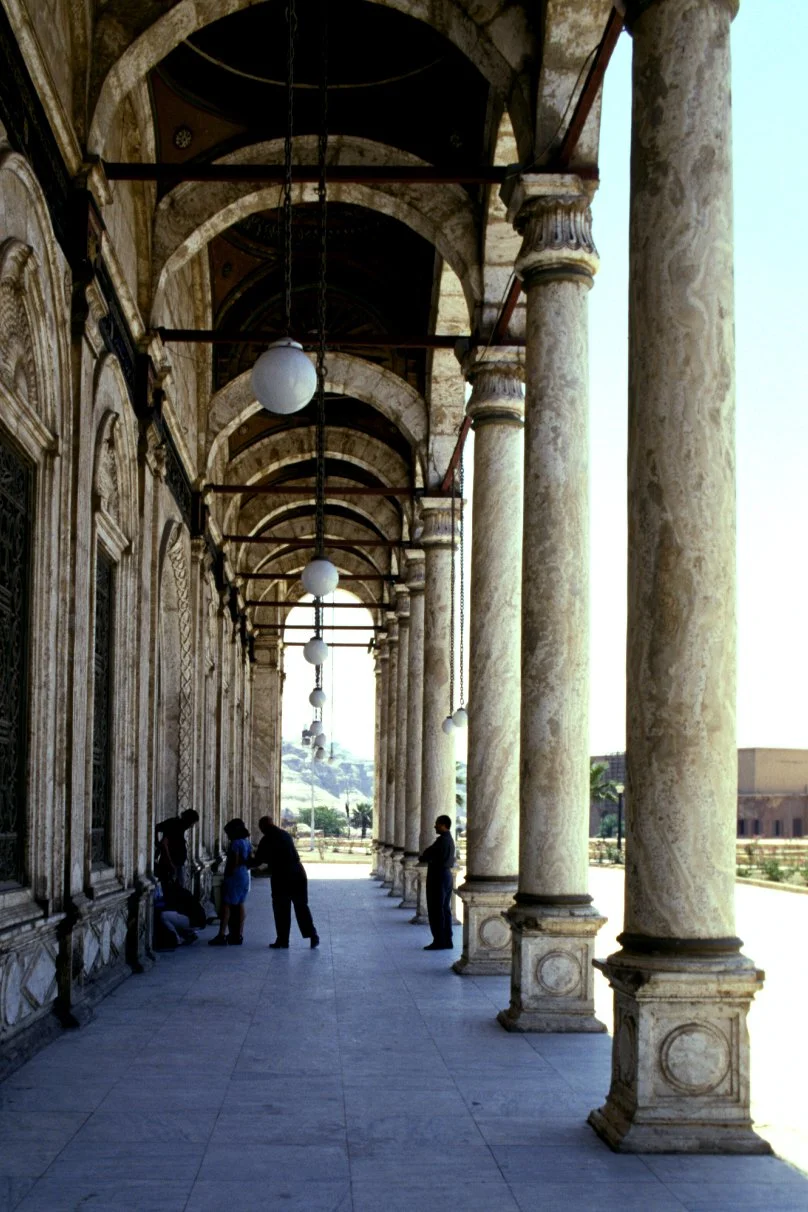
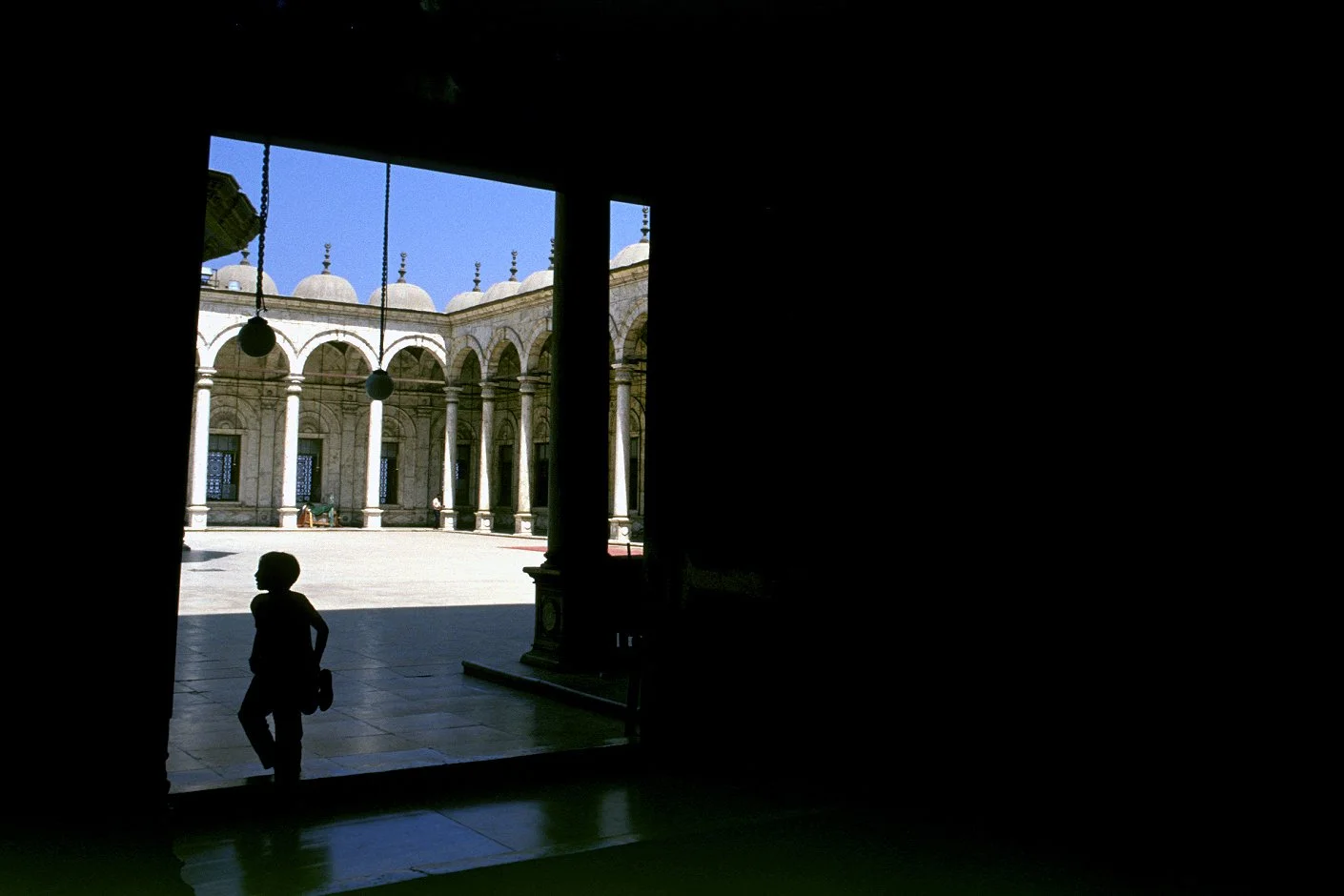
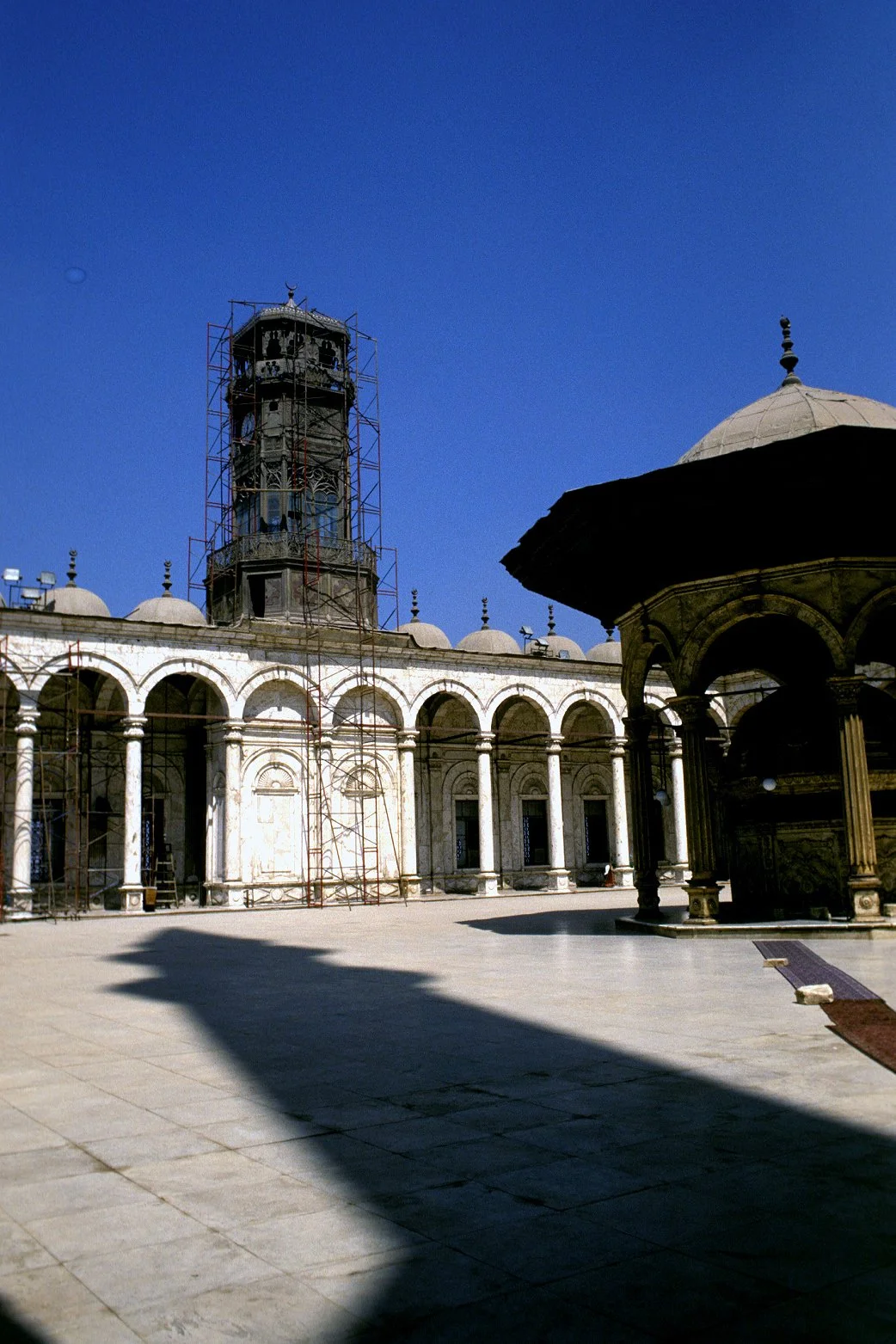
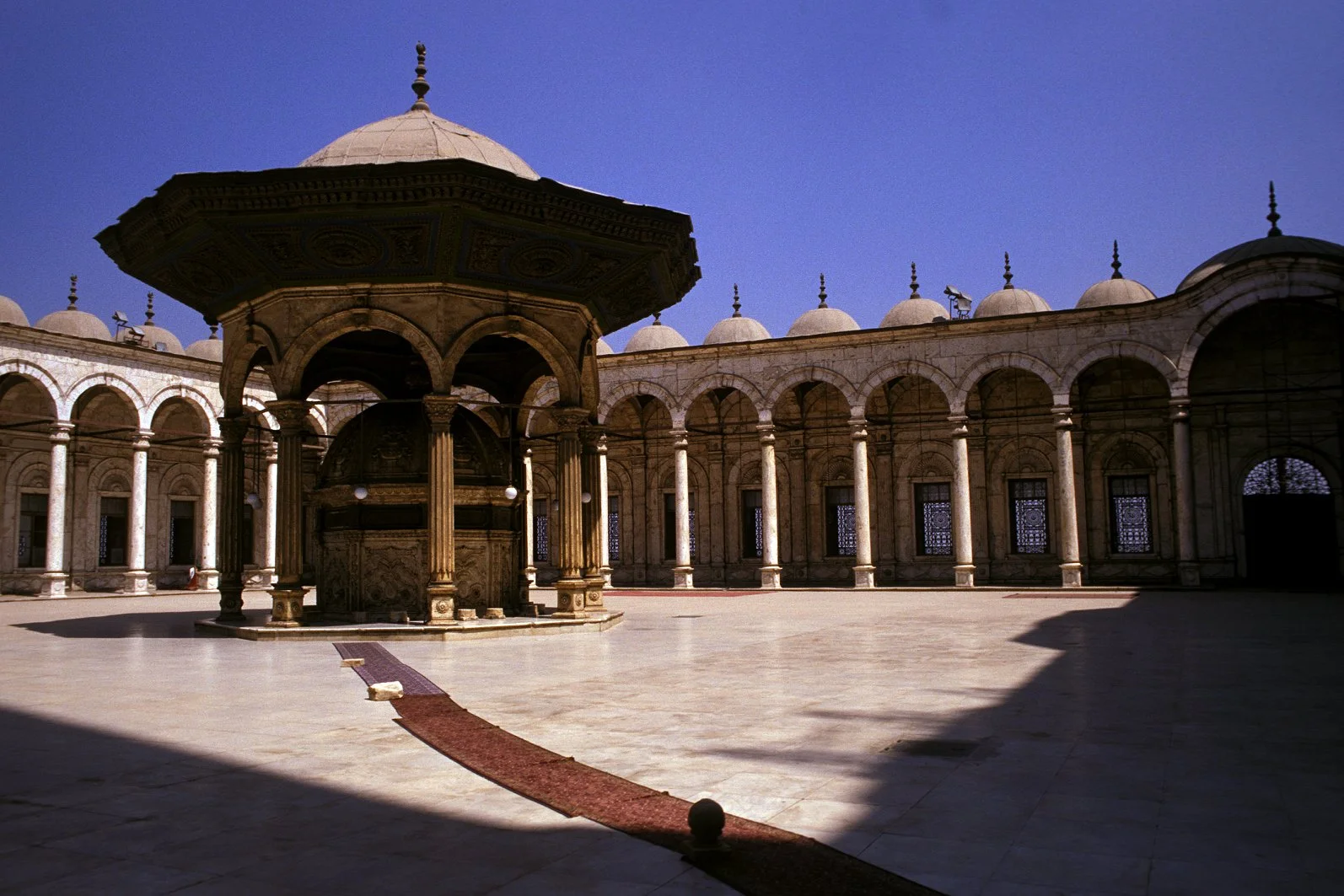
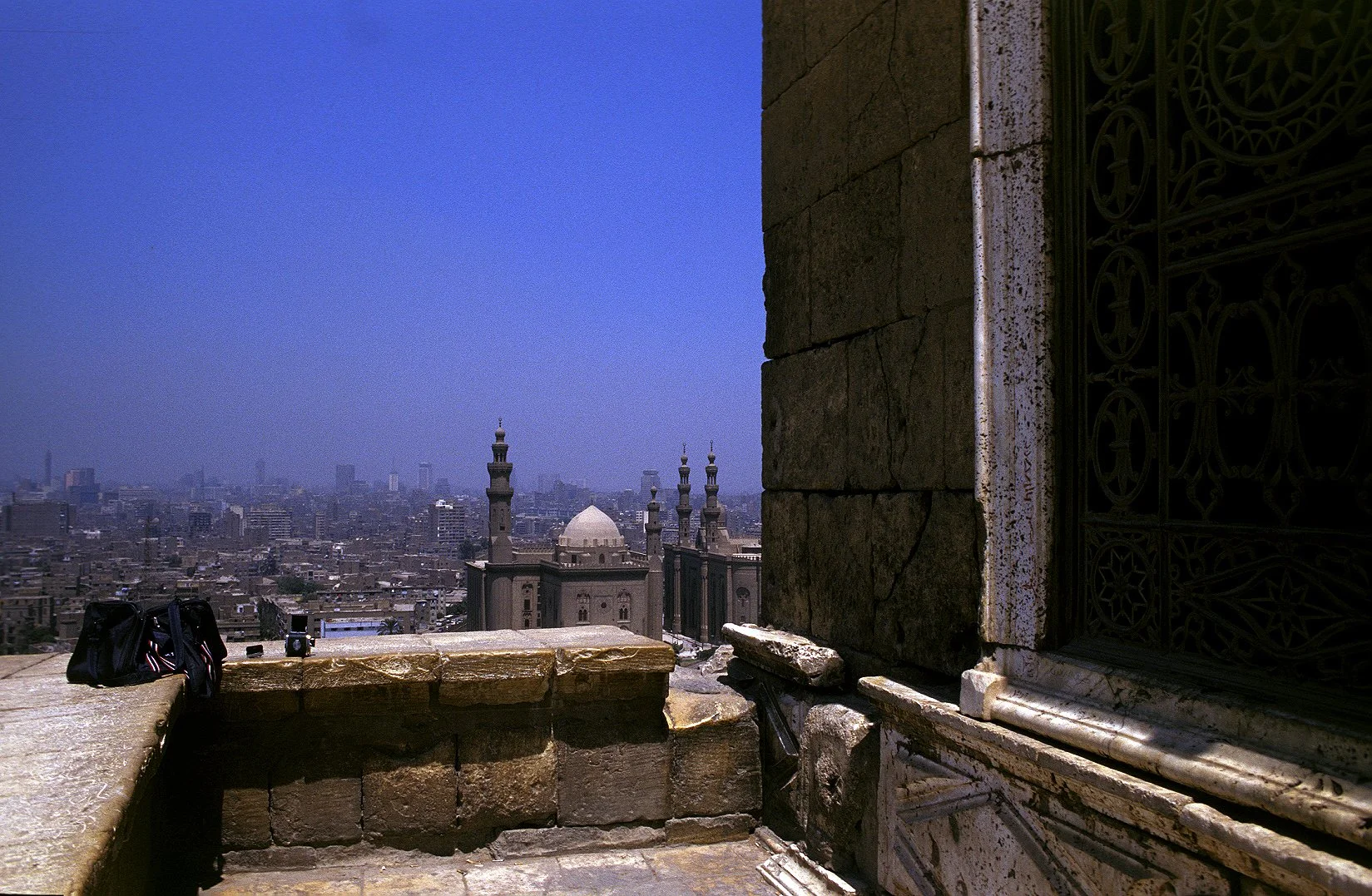
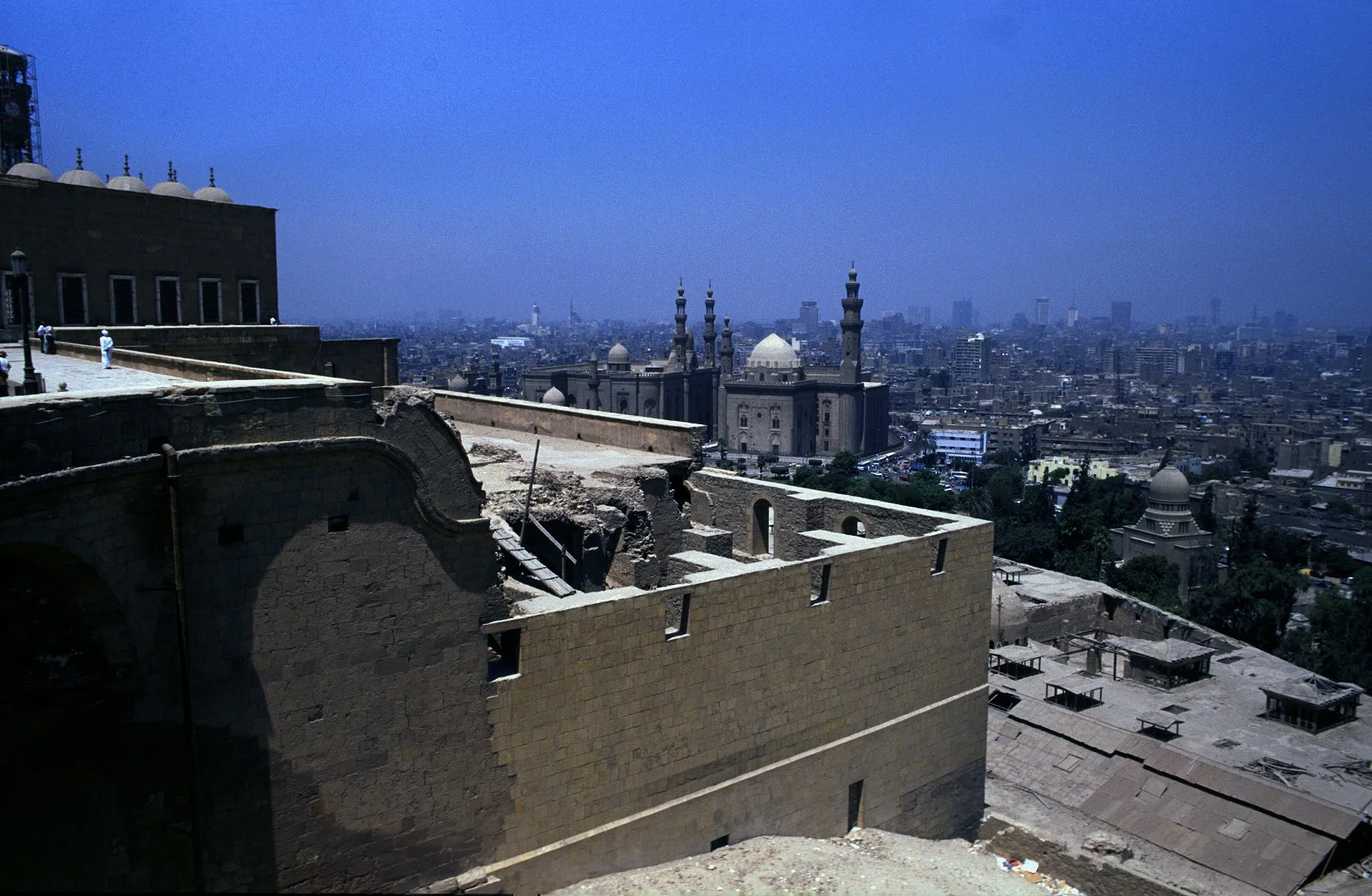
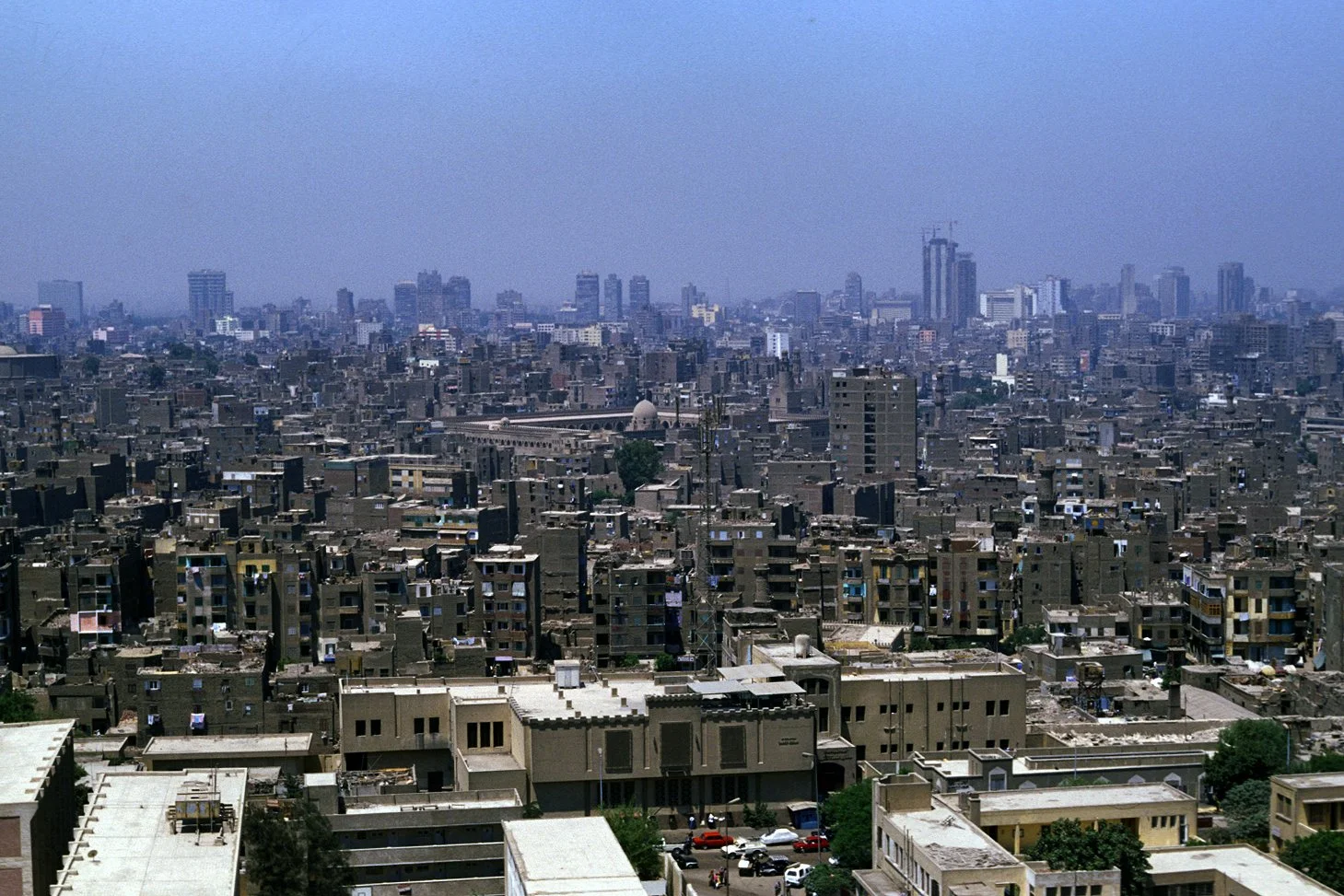
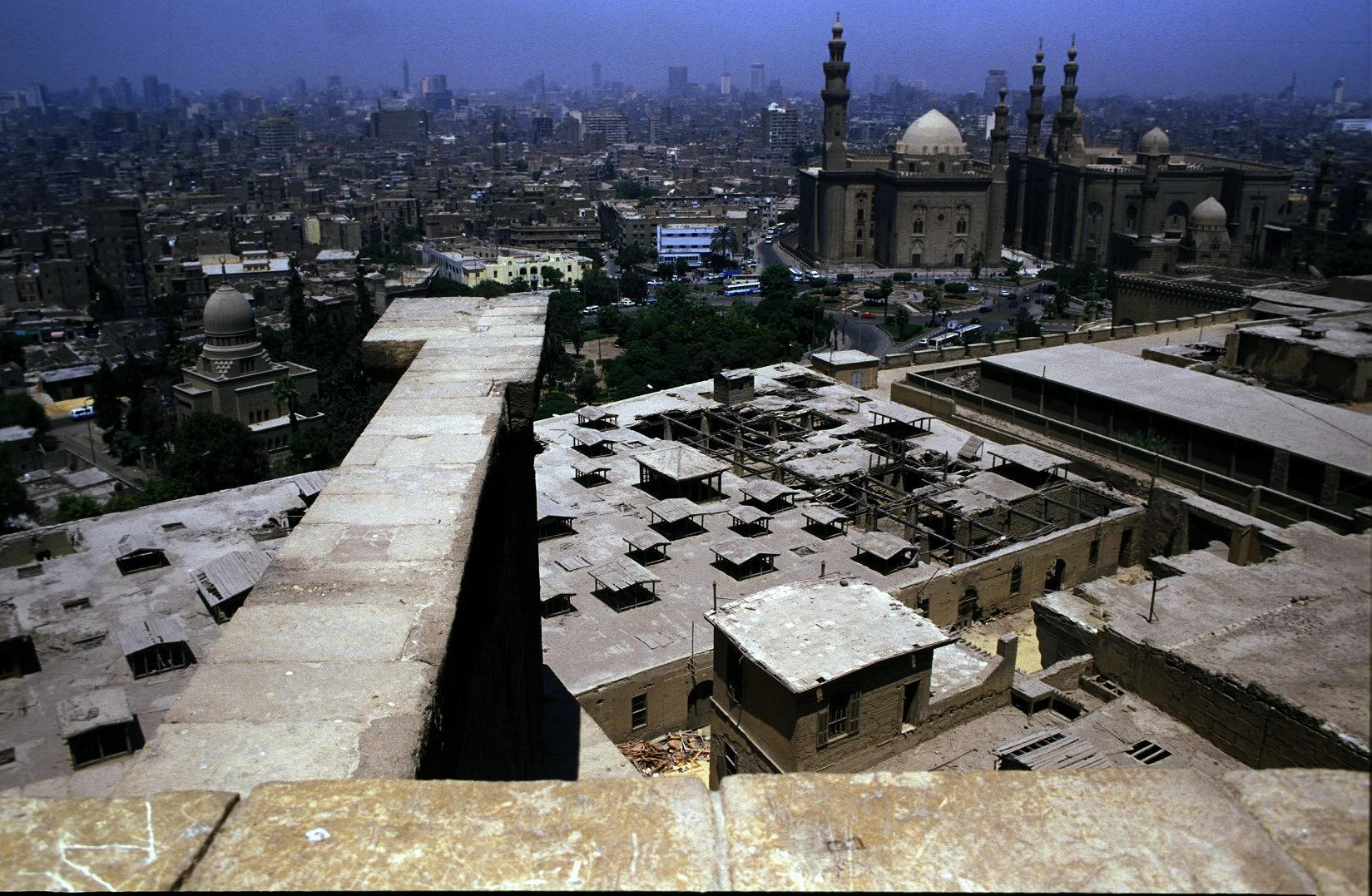
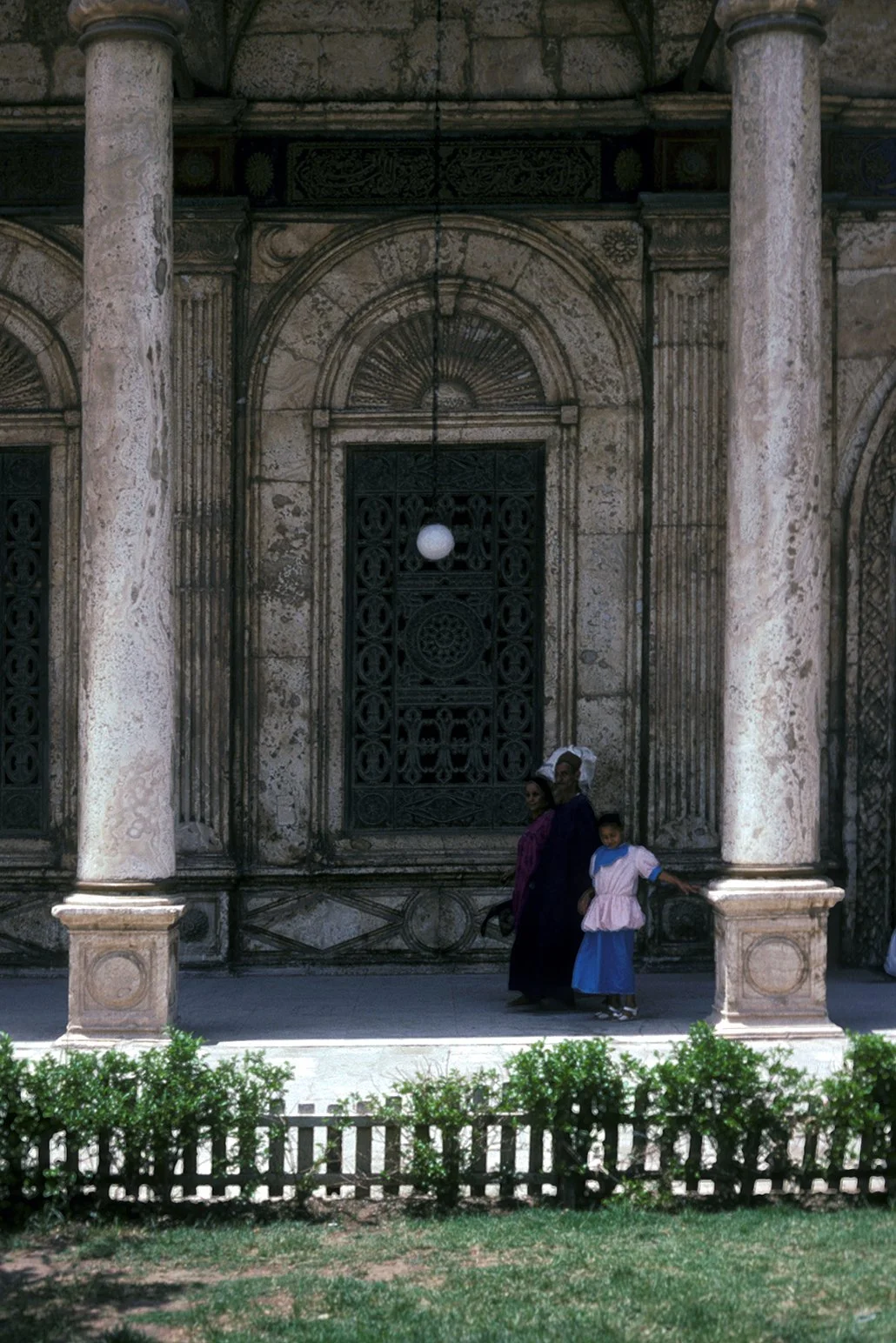
The photographs in the Citadel series focus on the Citadel of Salah al-Din and the Mosque of Muhammad Ali, one of Cairo’s most commanding historic sites. Having visited the Citadel many times, I have always been struck by its position high above the city, where the steep ascent opens onto one of the most remarkable vantage points in Cairo. From its terraces and courtyards the entire metropolis unfolds in every direction—a vast landscape of rooftops, domes, and minarets stretching toward the desert. From this elevated position, the city can be observed as a dense and layered urban fabric shaped by centuries of history and growth.
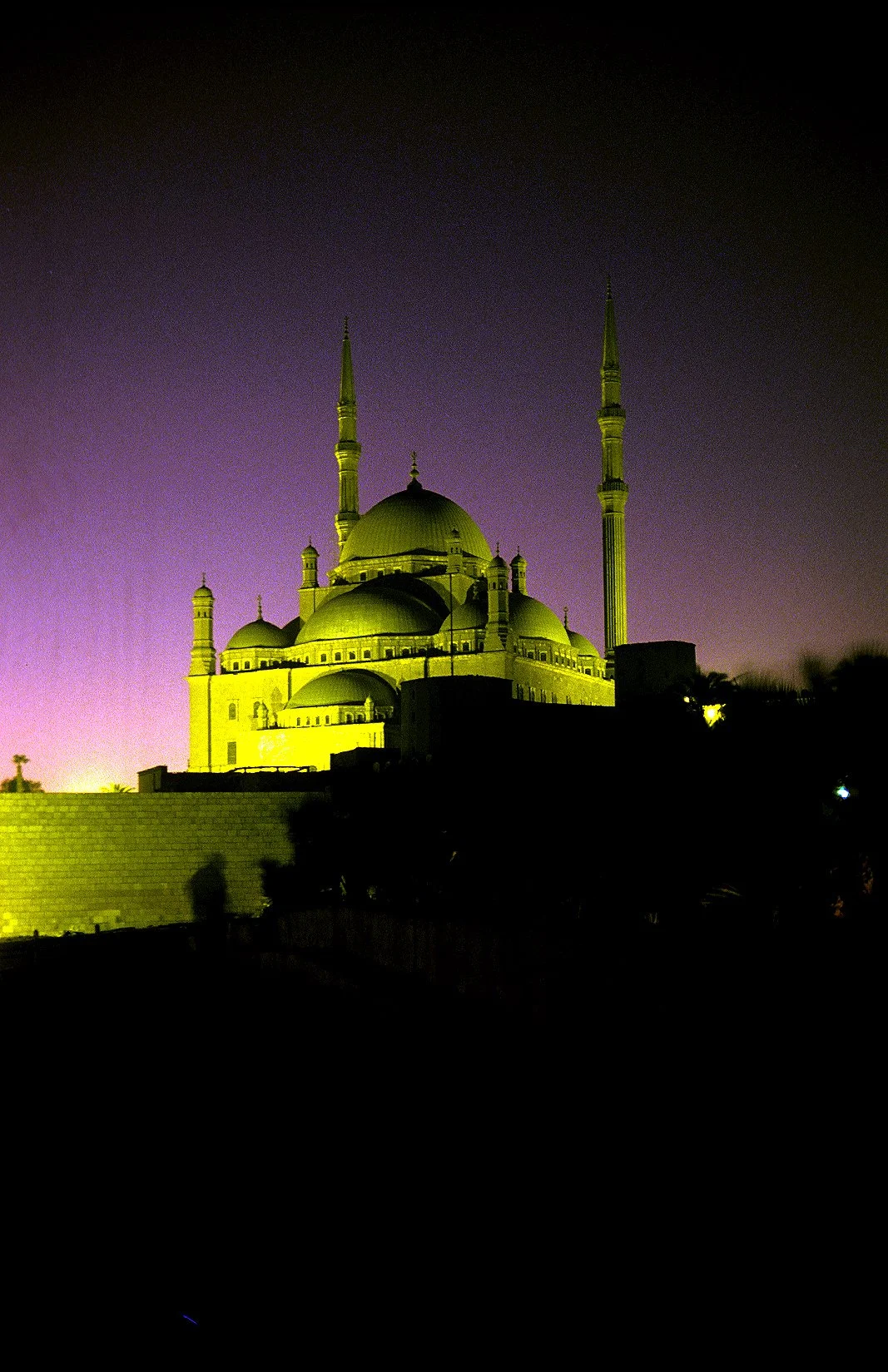
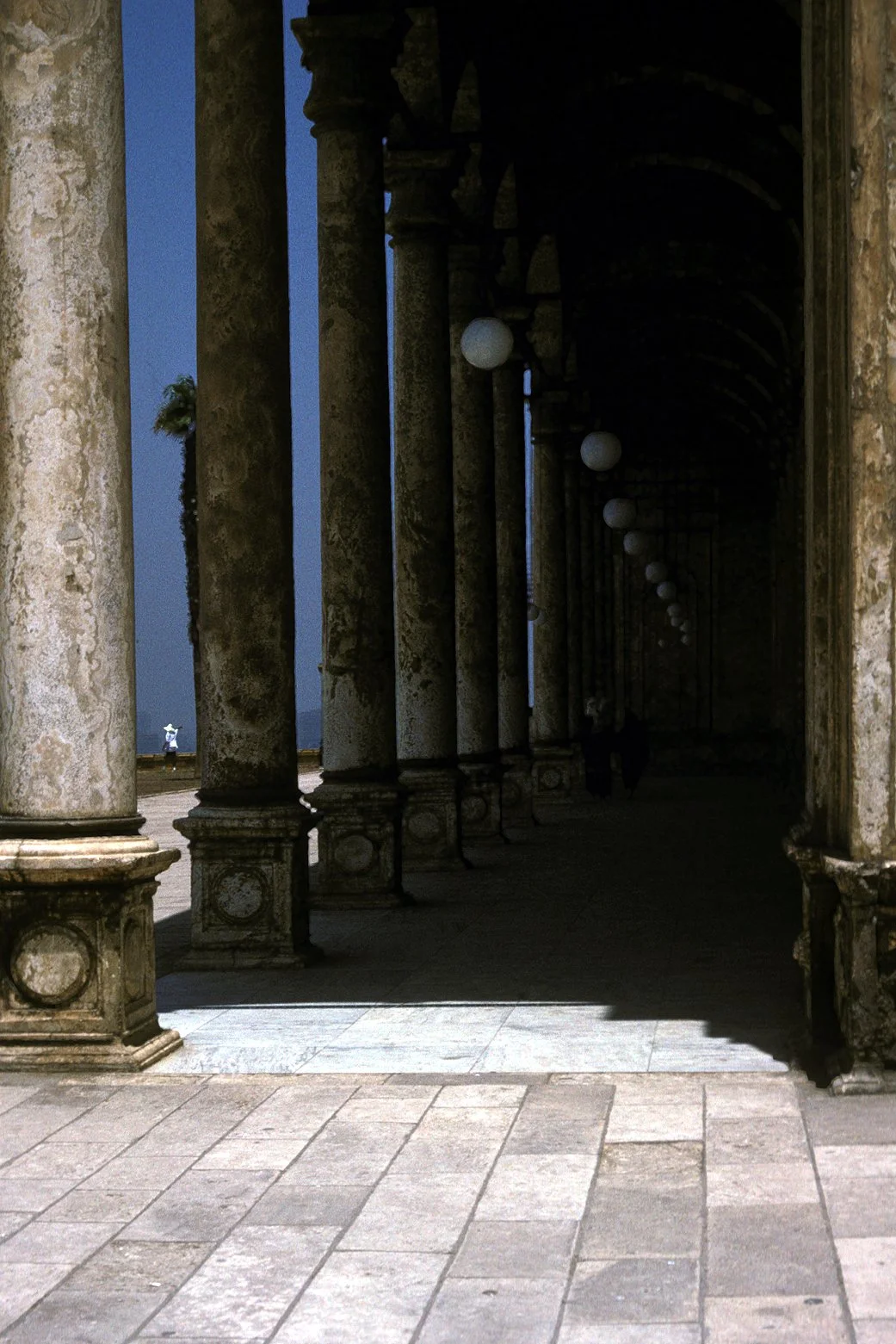
At the center of the complex stands the Mosque of Muhammad Ali, whose domes and slender minarets dominate Cairo’s skyline. The mosque’s architecture is notable for its exquisite detailing and luminous alabaster surfaces, reflecting strong Ottoman influences in its design. Inside, intricate ornamentation, filtered light, and carefully crafted spatial proportions create a sense of grandeur balanced with refinement. Together, the Citadel and the mosque form not only a historic monument but also a place from which the immense scale and historical depth of Cairo can be fully appreciated.
cai-mos-55
cai-mos-56
cai-mos-57
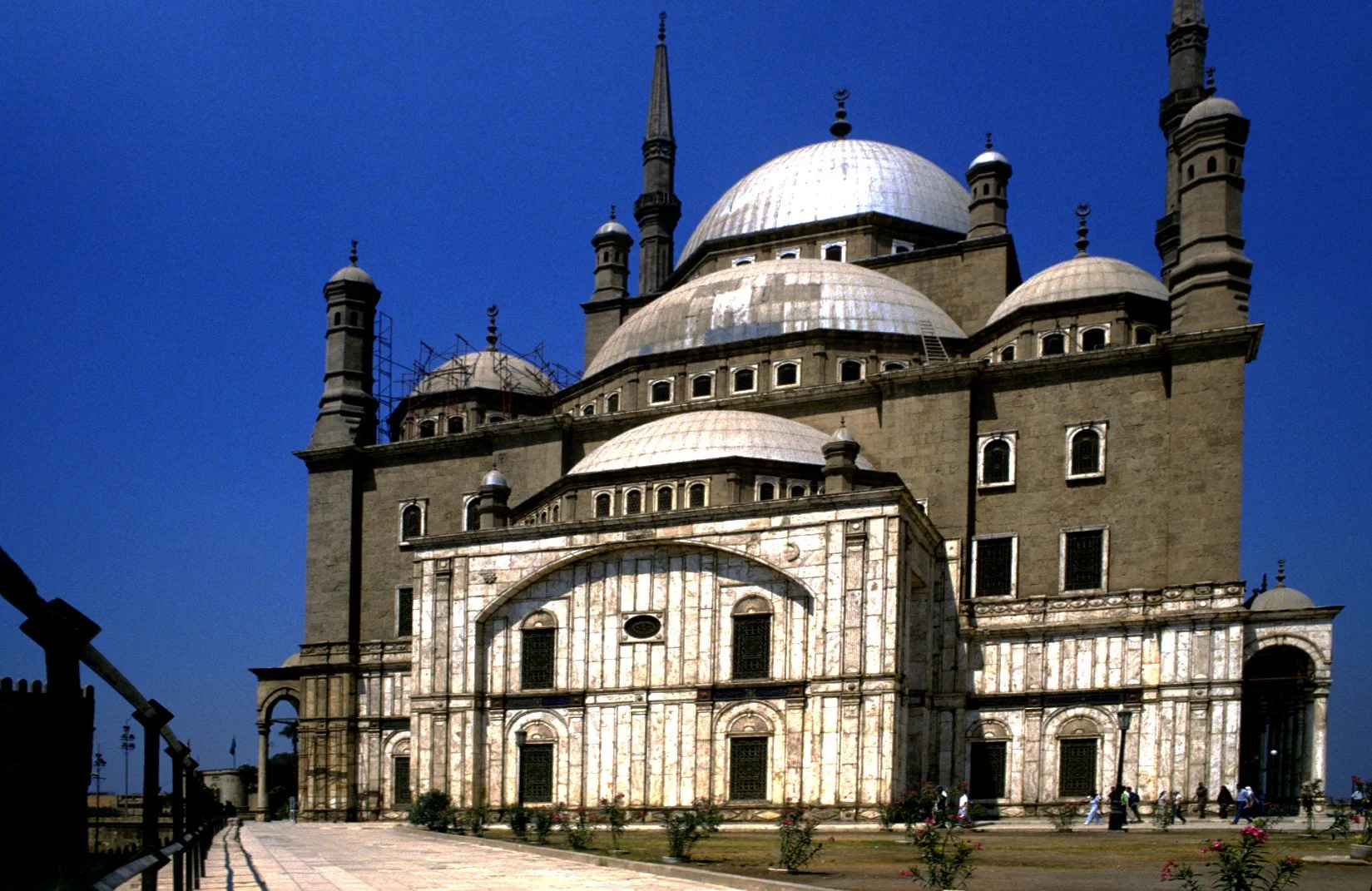
cai-mos-58
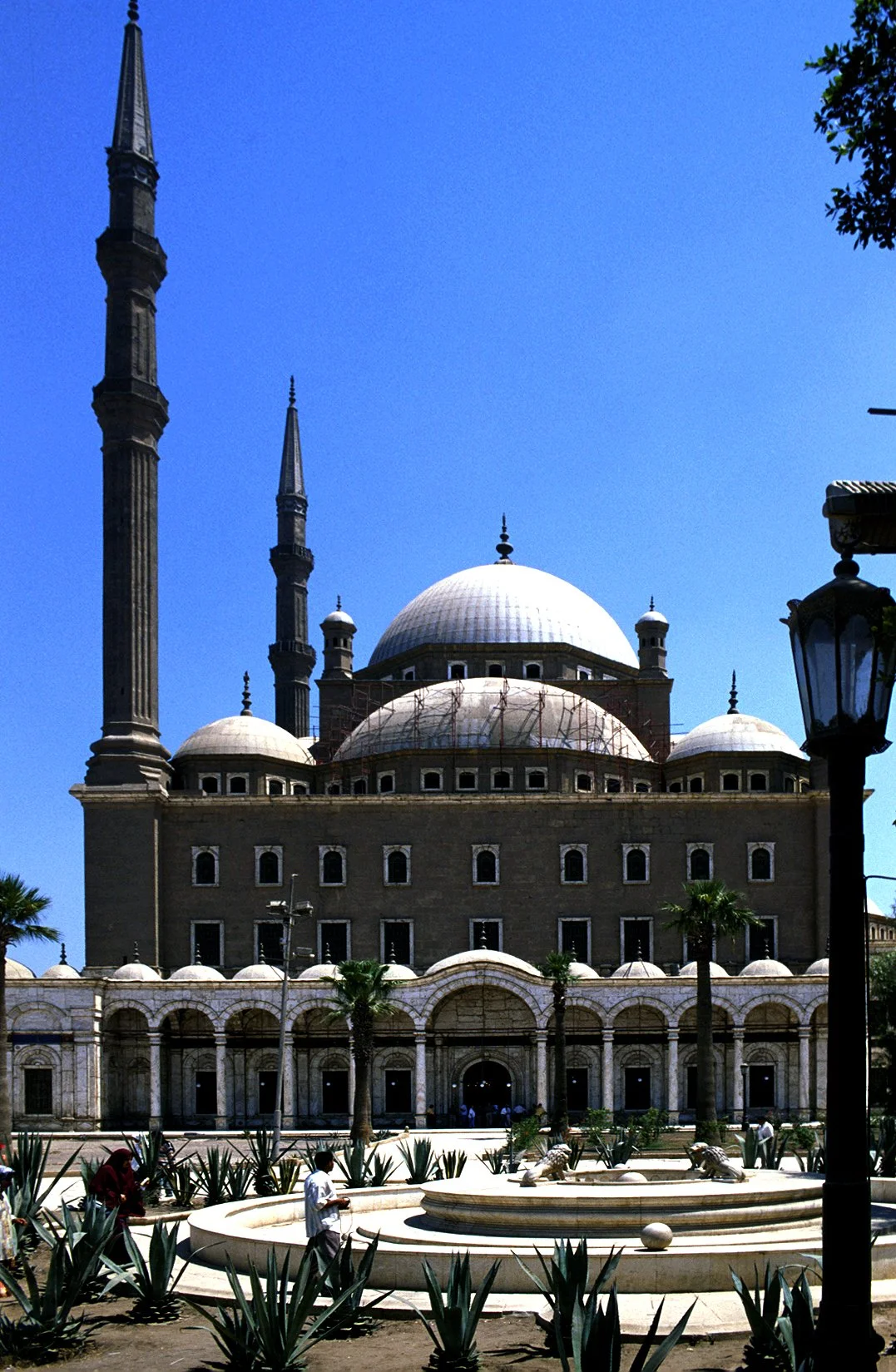
cai-mos-59
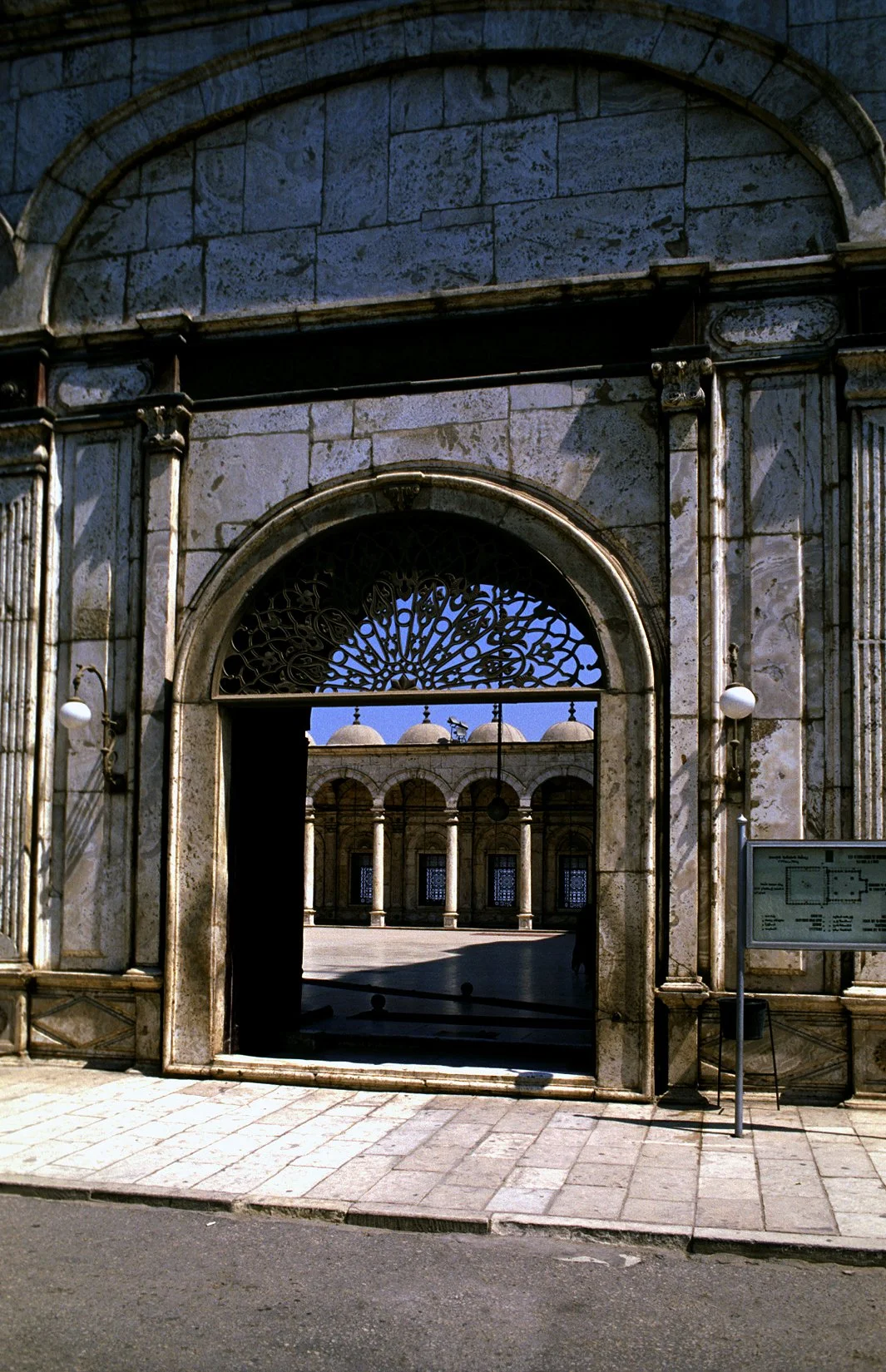
cai-mos-60
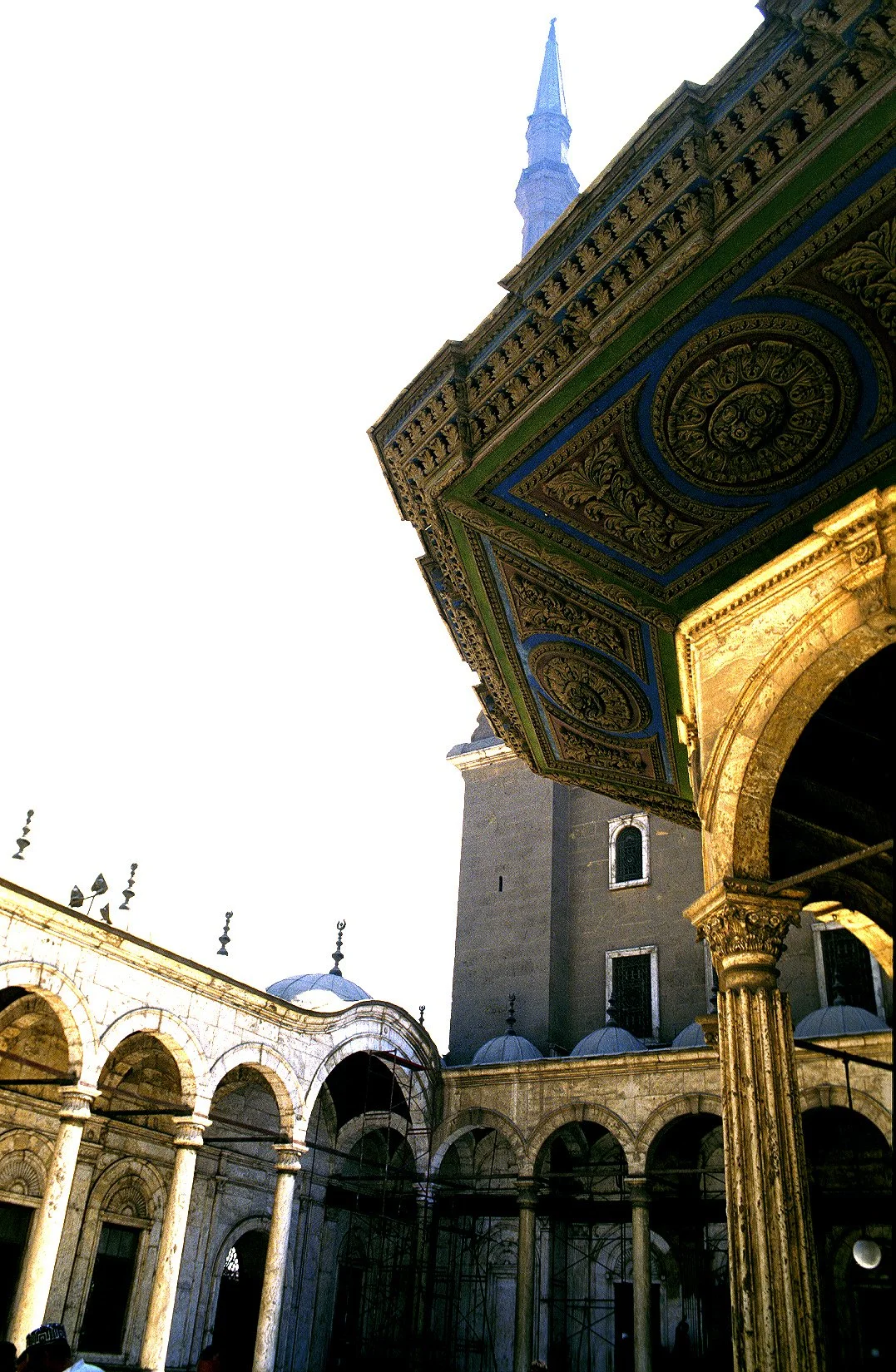
cai-mos-61
cai-mos-62
cai-mos-63
cai-mos-64
cai-mos-65
cai-mos-66
cai-mos-67
cai-mos-68
cai-mos-69
cai-mos-70
cai-mos-71
Aerial Views & Skyline
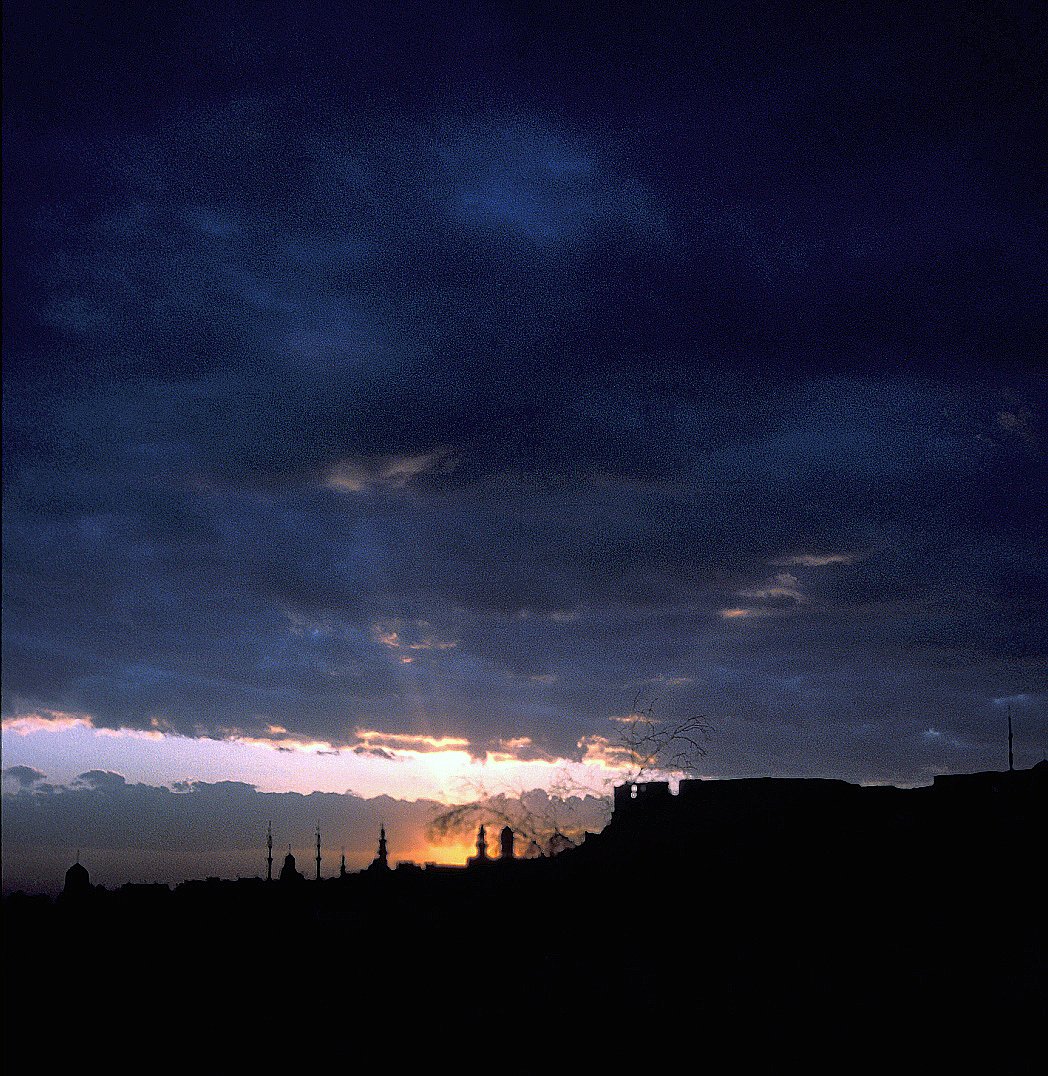
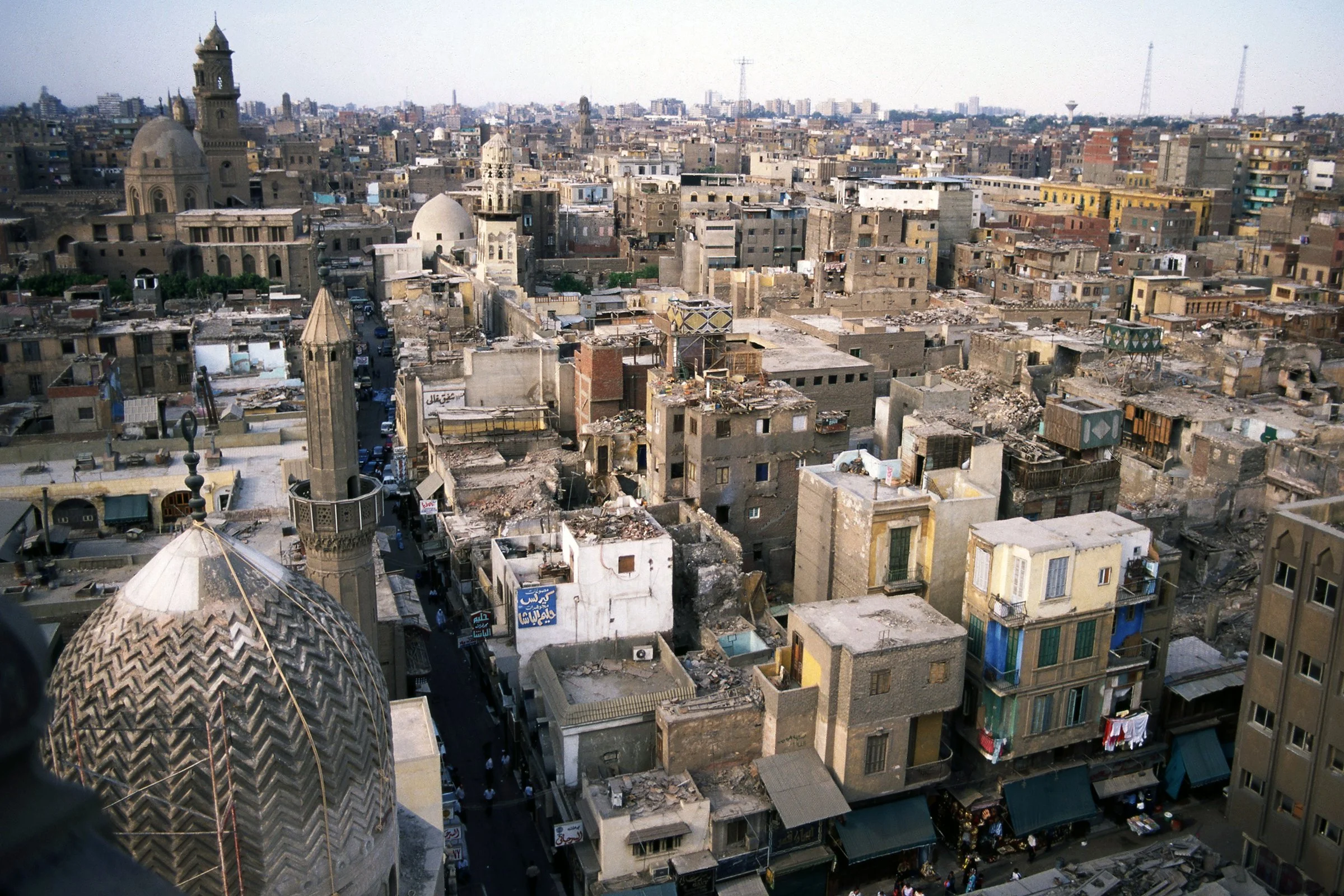
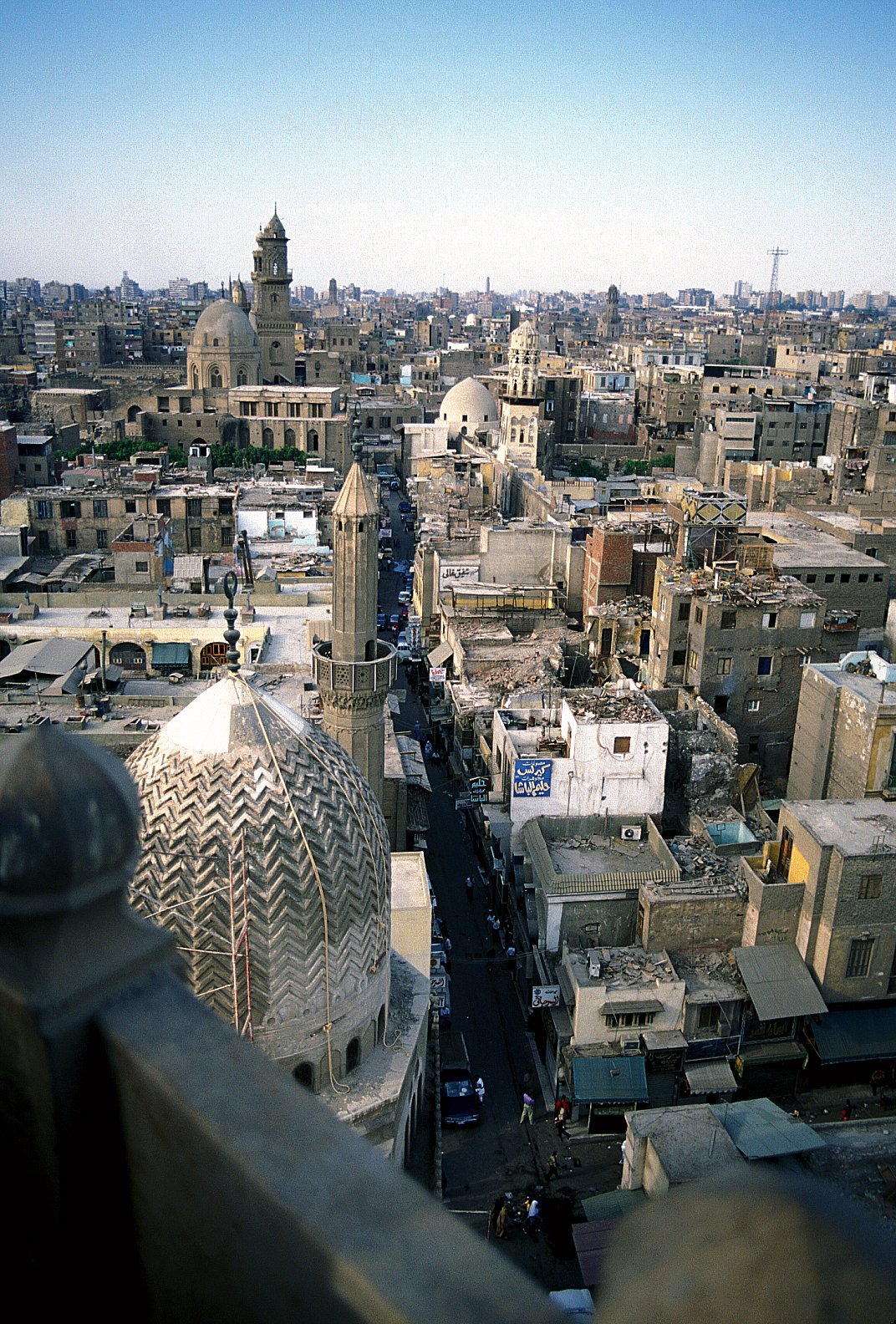
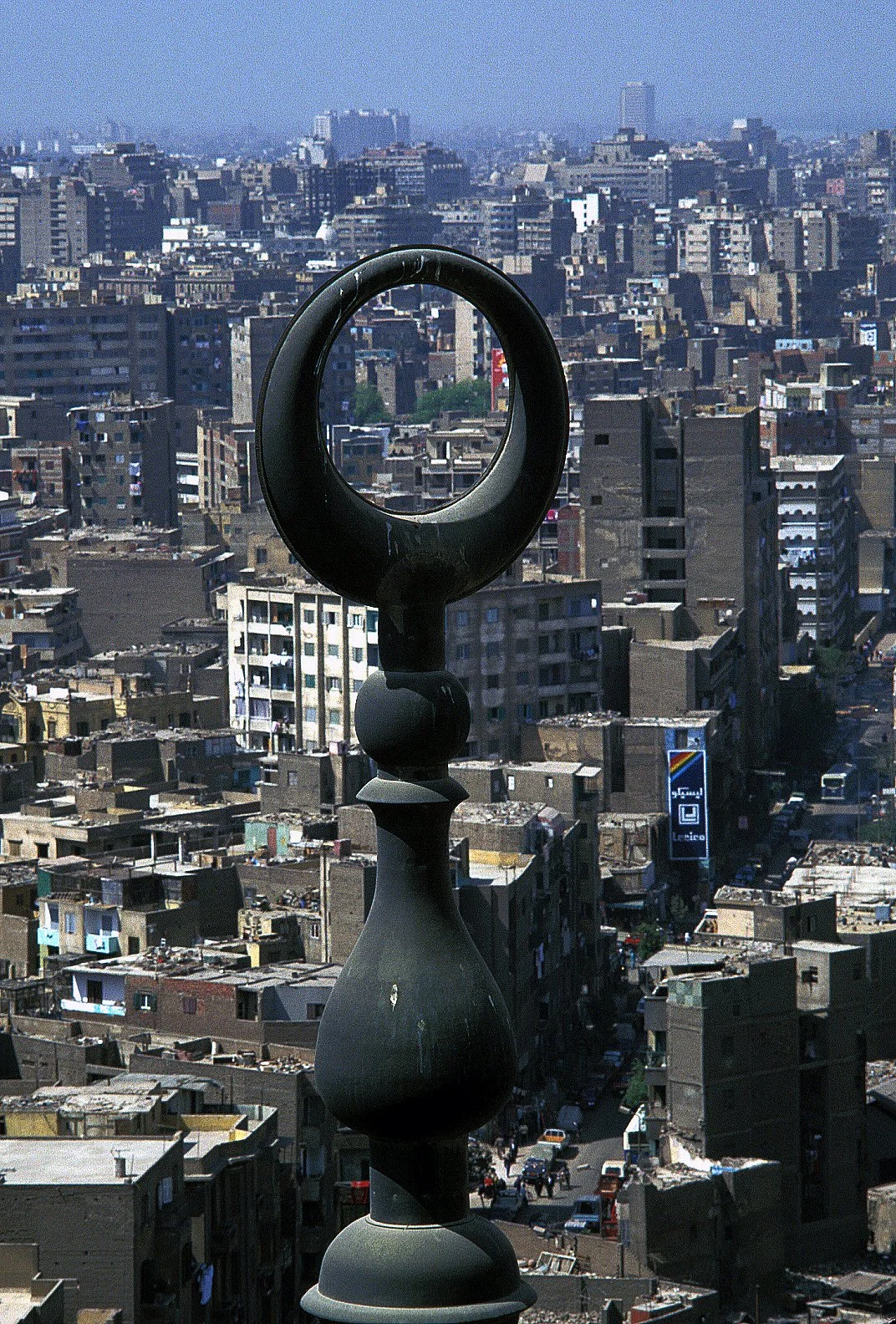
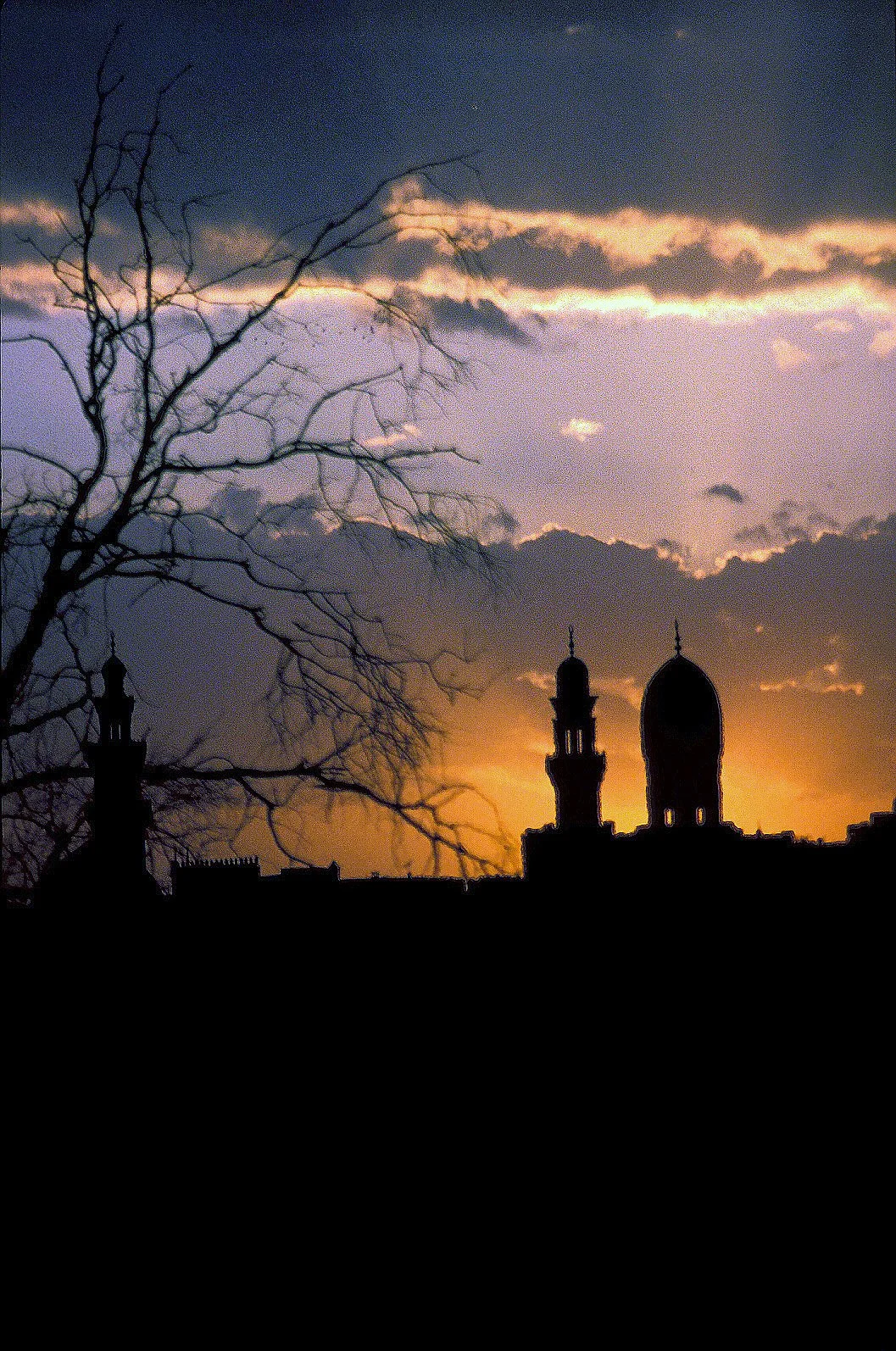
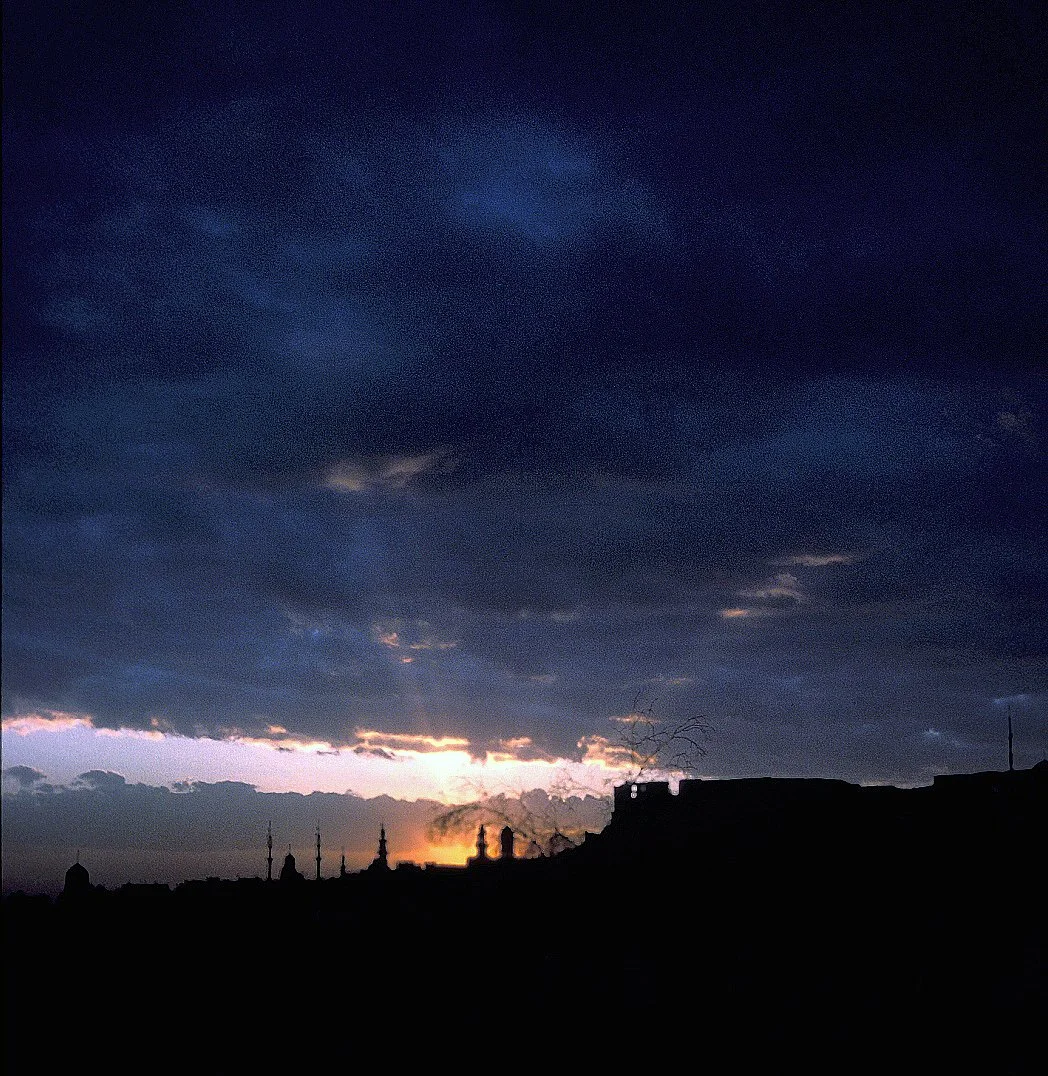
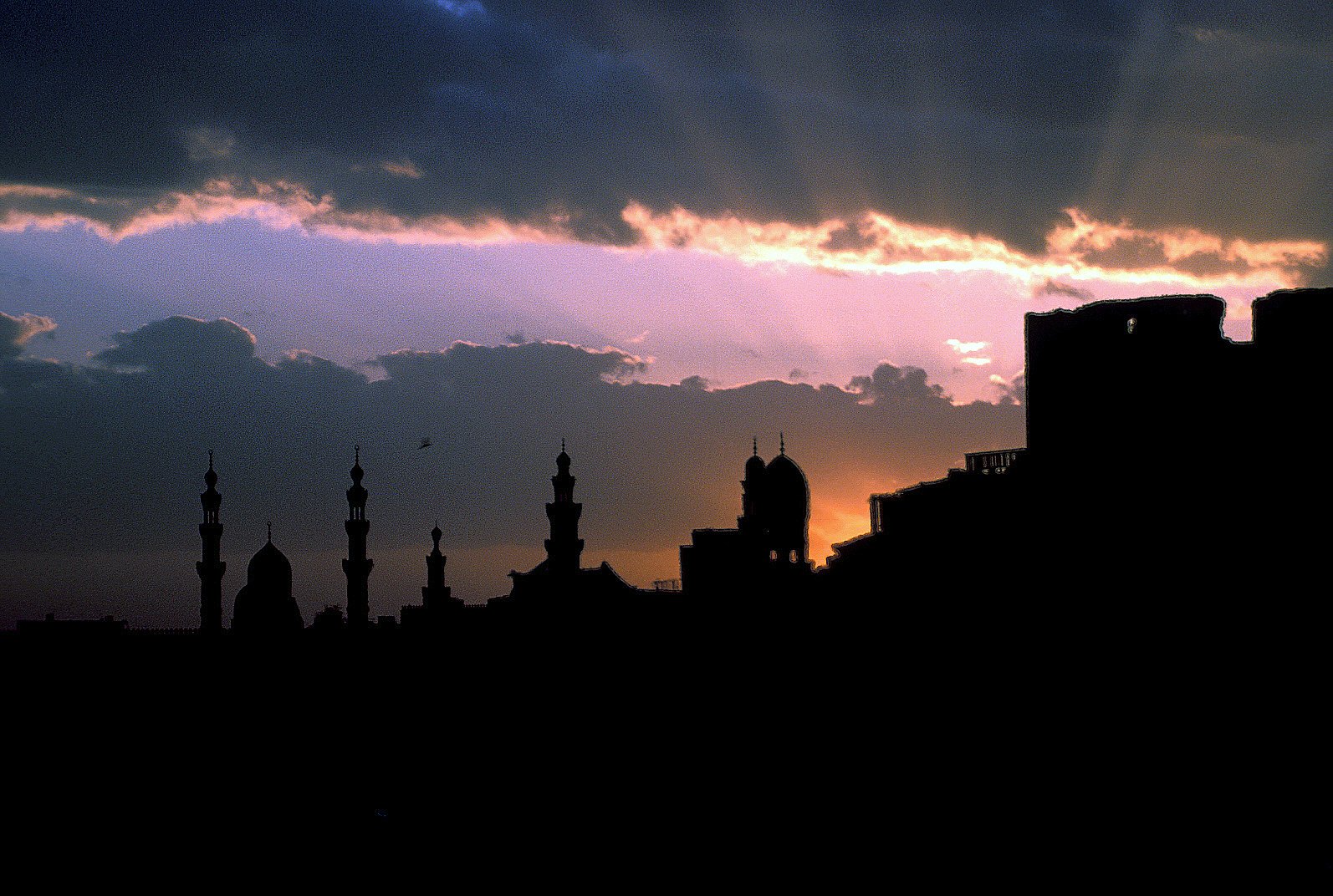
The Aerial Views and Skyline Series presents Cairo from above through a selection of color slides taken from elevated vantage points across the city, including the tops of minarets that offer rare perspectives over the dense urban landscape. From these heights, Cairo unfolds as a vast and tightly woven fabric of rooftops, domes, and slender minarets stretching toward the horizon. Some of the images were captured during the magic hour, when the fading light casts a warm glow over the city and the colors of the sky and stone surfaces appear especially vivid. The richness of slide film preserves these moments with remarkable clarity and depth, revealing a skyline bursting with color and architectural detail. Together, the photographs convey the extraordinary density and layered history of Cairo as seen from above and from a distance.
cai-mos-72
cai-mos-72
cai-mos-73
cai-mos-74
cai-mos-75
cai-mos-76