Khan el-Khalili Beckons: Memory, Craft, and the Quiet Persistence of Home
Old Cairo—Khan el-Khalili—occupies a special place in the imagination of Cairo’s residents. It is a district centered around the sacred Al-Hussein Mosque, a site of pilgrimage believed to contain the remains of Al-Hussein, the Prophet’s grandson, along with other holy relics. Yet it is also a place that evokes Cairo’s golden age, when the city stood at the center of the Islamic world. The district’s narrow alleys, dense markets, and layered histories offer more than heritage; they form a symbolic geography that merges faith, commerce, and memory into a single urban experience.
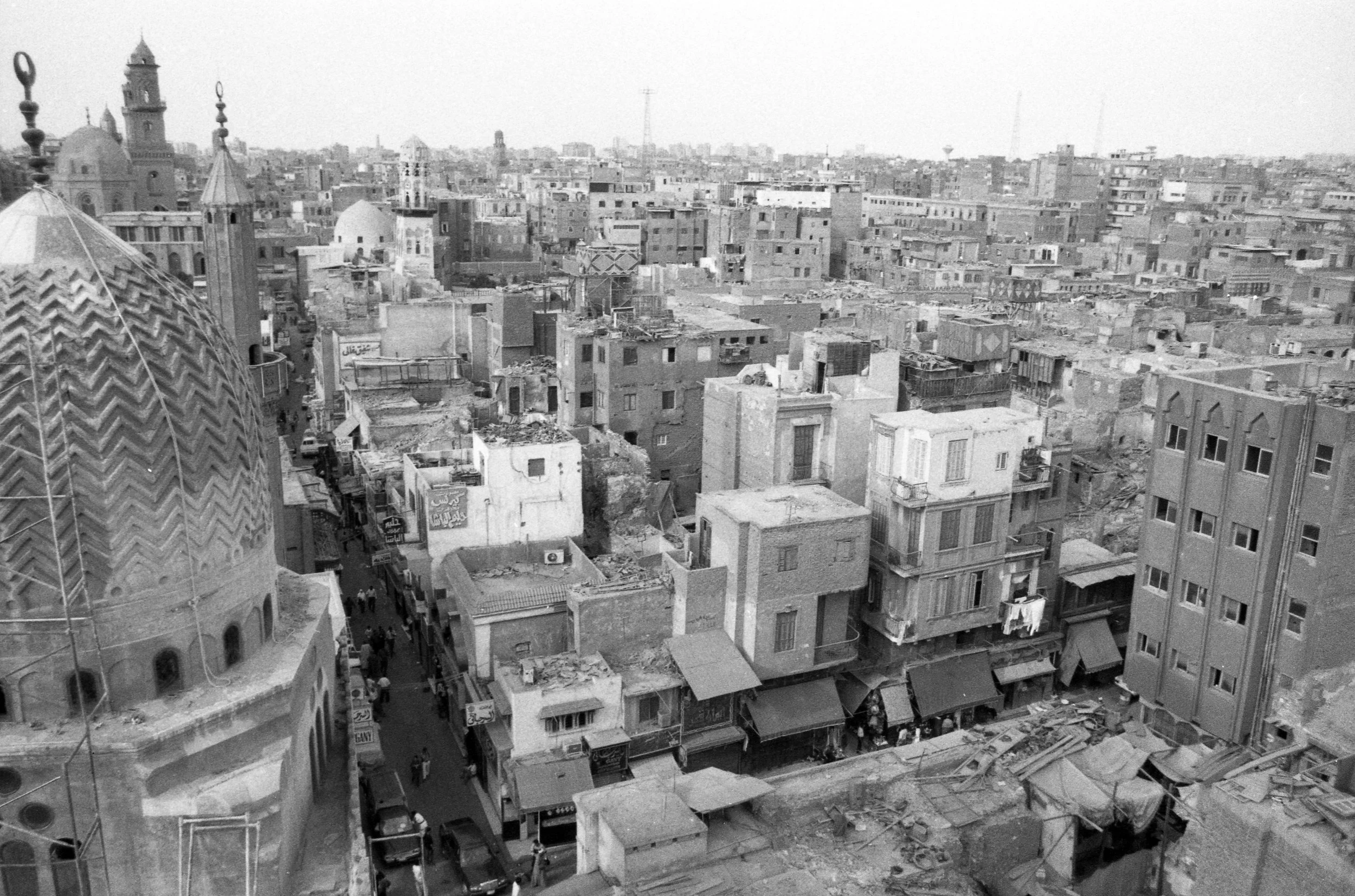
Muiz Street & Khan El-Khalili District. 1994
Why do I keep returning to this place, which has increasingly turned into a tourist trap—sanitized, securitized, and deprived of its authentic, impulsive, informal character? Why does it occupy such an important place in my upcoming collection, My Cairo As I remember it, the area represented a rite of passage while growing up in the 1970s and 1980s. It was a place open all night, where one could walk freely and sit in the legendary El Fishawy Cafe, enjoying an unmistakably Egyptian experience without the trappings of a five-star hotel or resort. There was an immediacy to it—no curated performances, no staged authenticity—just the raw pulse of Cairo unfolding in real time.
But it also connected to a side of Cairo usually hidden from the middle and upper-middle-class enclaves of the city. Here, one could come close to the city’s underbelly and its concealed spaces—especially if one stayed well into the night and ventured into the alleyways branching off from Al-Muizz Street. These passages opened onto workshops, informal vendors, shadowed courtyards, and lives rarely visible in the more regulated districts of modern Cairo. The area revealed a layered urban reality—messy, vibrant, sometimes unsettling, but always alive.
It was also a place of memory. I went there many times with my father, listening to his stories—stories from his youth, and from the time he briefly lived in an apartment above Feshawy while in college. He recalled strange sounds at night, later explained to him as the murmurs of spirits from the afterworld. I also remember sitting there with the late Egyptian architect Abdelhalim Ibrahim, hearing his stories while he smoked shisha, as my friends and I listened in awe. And there was another episode: while my father was designing our house in Maadi, he searched for a workshop to craft mashrabiya’s or wooden screen windows to clad the façade. He found one in a side alley, owned by Ali Hamama—a relative of Egypt’s current president. They became the suppliers of the wooden screens, echoing Cairo’s traditional architecture and embedding this historic district directly into the fabric of our home.
And so I kept returning—to remind myself, but also to observe the changes that transformed the district into an almost unrecognizable spectacle.
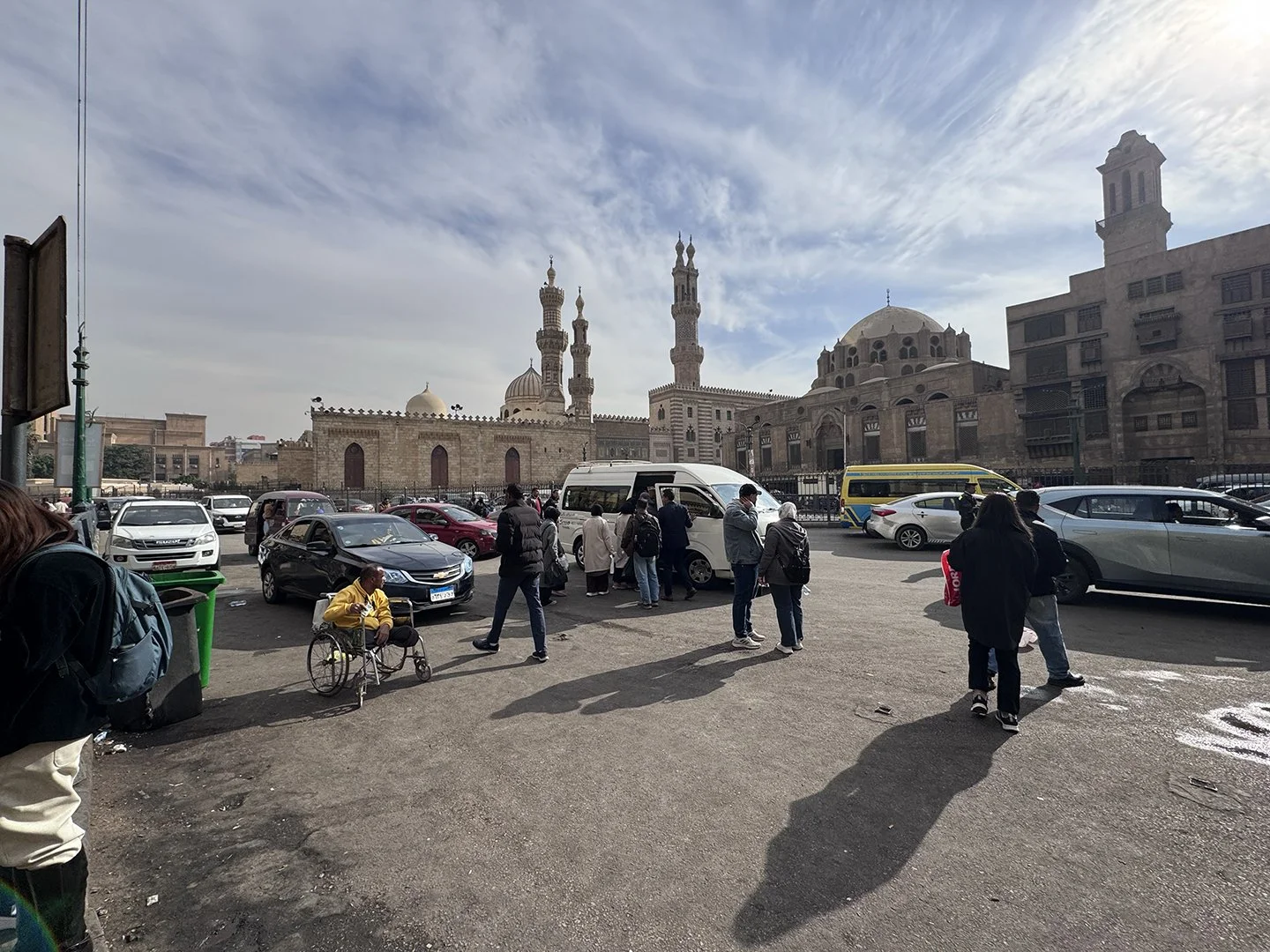
On my latest visit in January 2026, I hailed an Uber and headed once again to this area. The car dropped me at the entrance to the Hussein Mosque square along Al-Azhar Street. The space was fenced in. I had to pass through a security gate manned by officers; no one checked anything, yet the presence itself spoke volumes. People moved in and out freely, but the infrastructure of control framed the experience.
Inside, a series of shops sold books, knickknacks, and souvenirs. People sat along the fences, busy and indifferent. The space in front of the mosque was now completely enclosed; another exit near Khan el-Khalili was closed, forcing visitors to retrace their steps. To reach Feshawy and the surrounding markets, one had to leave through the same controlled entry point.
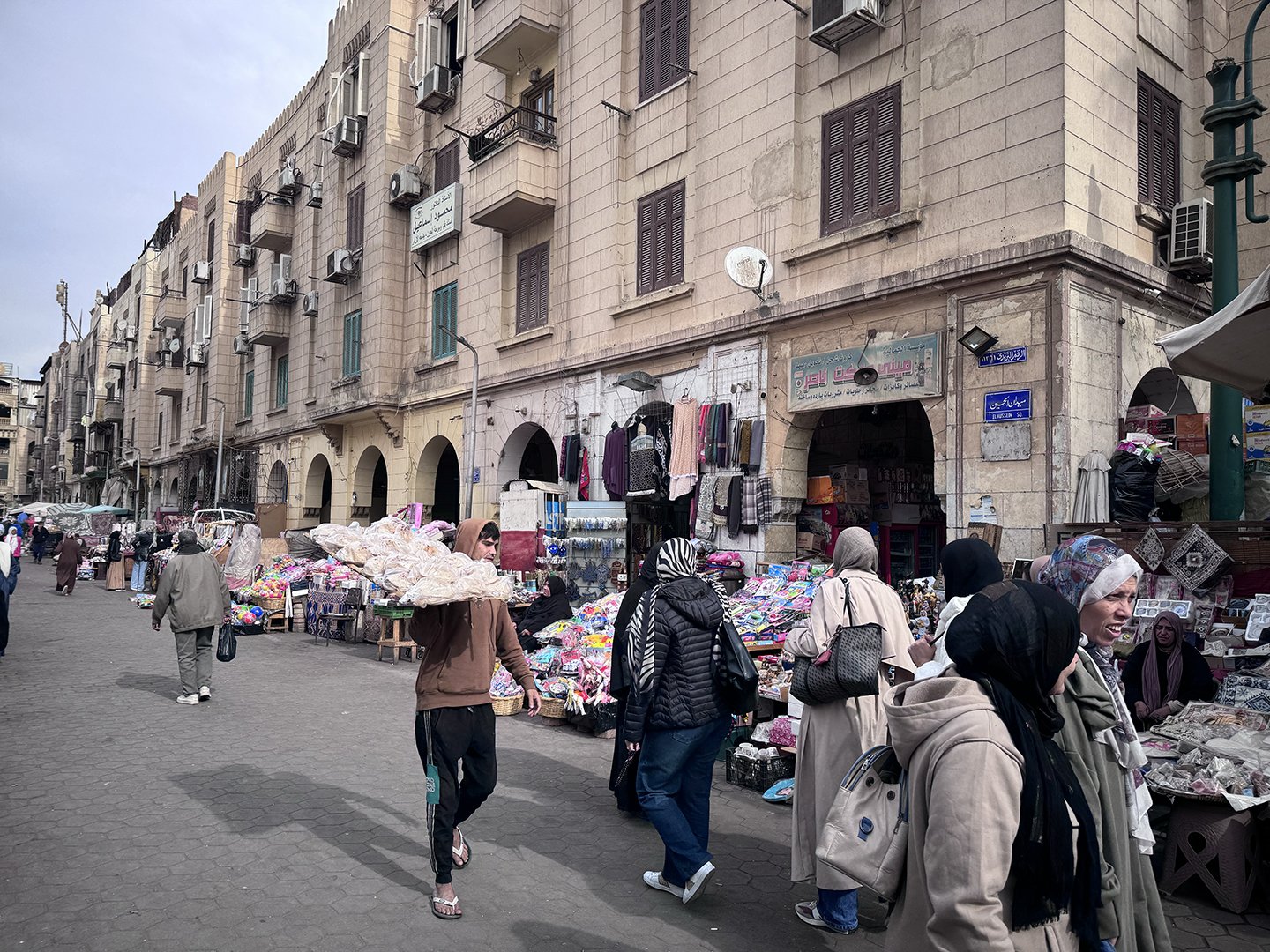
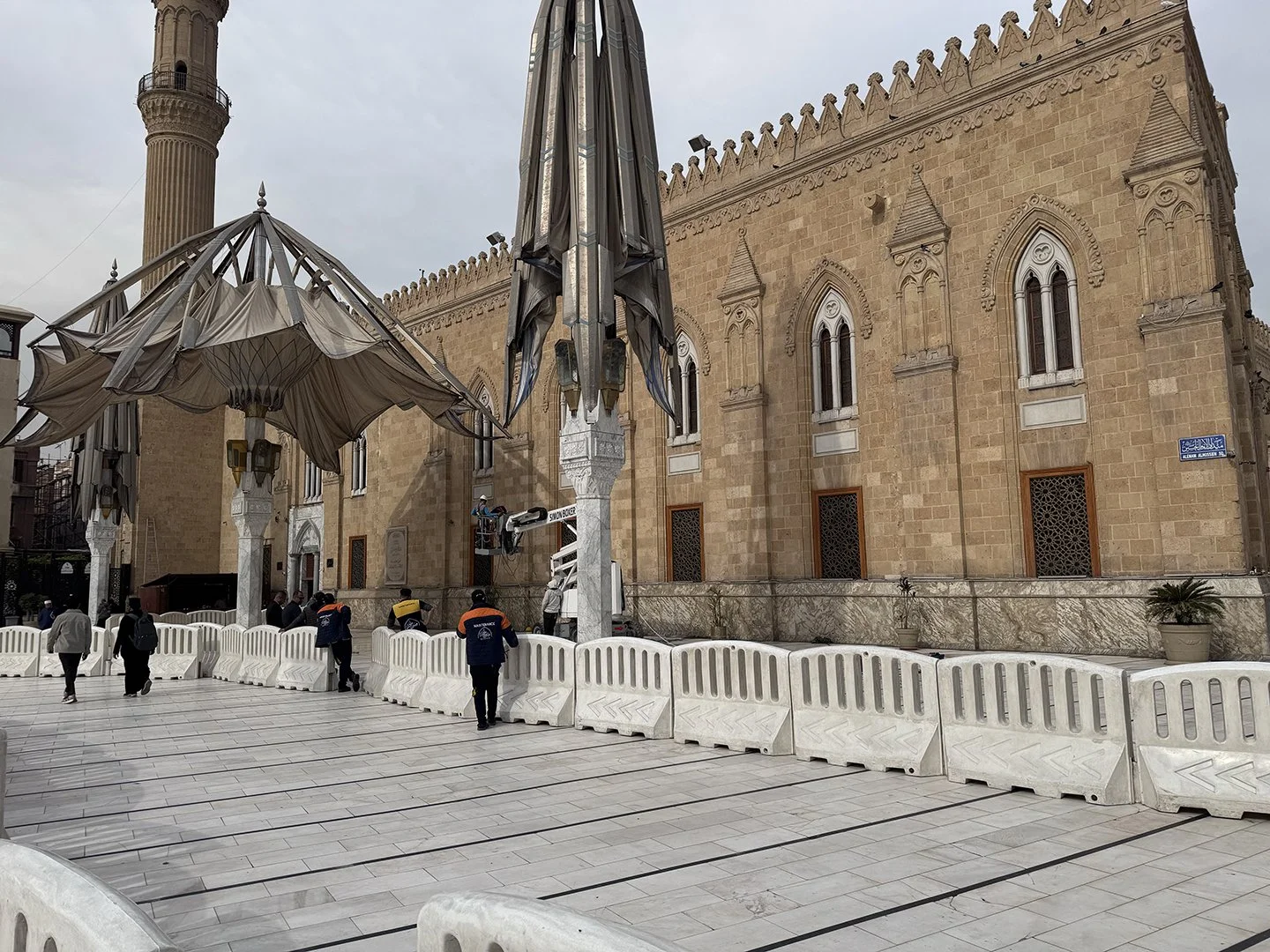
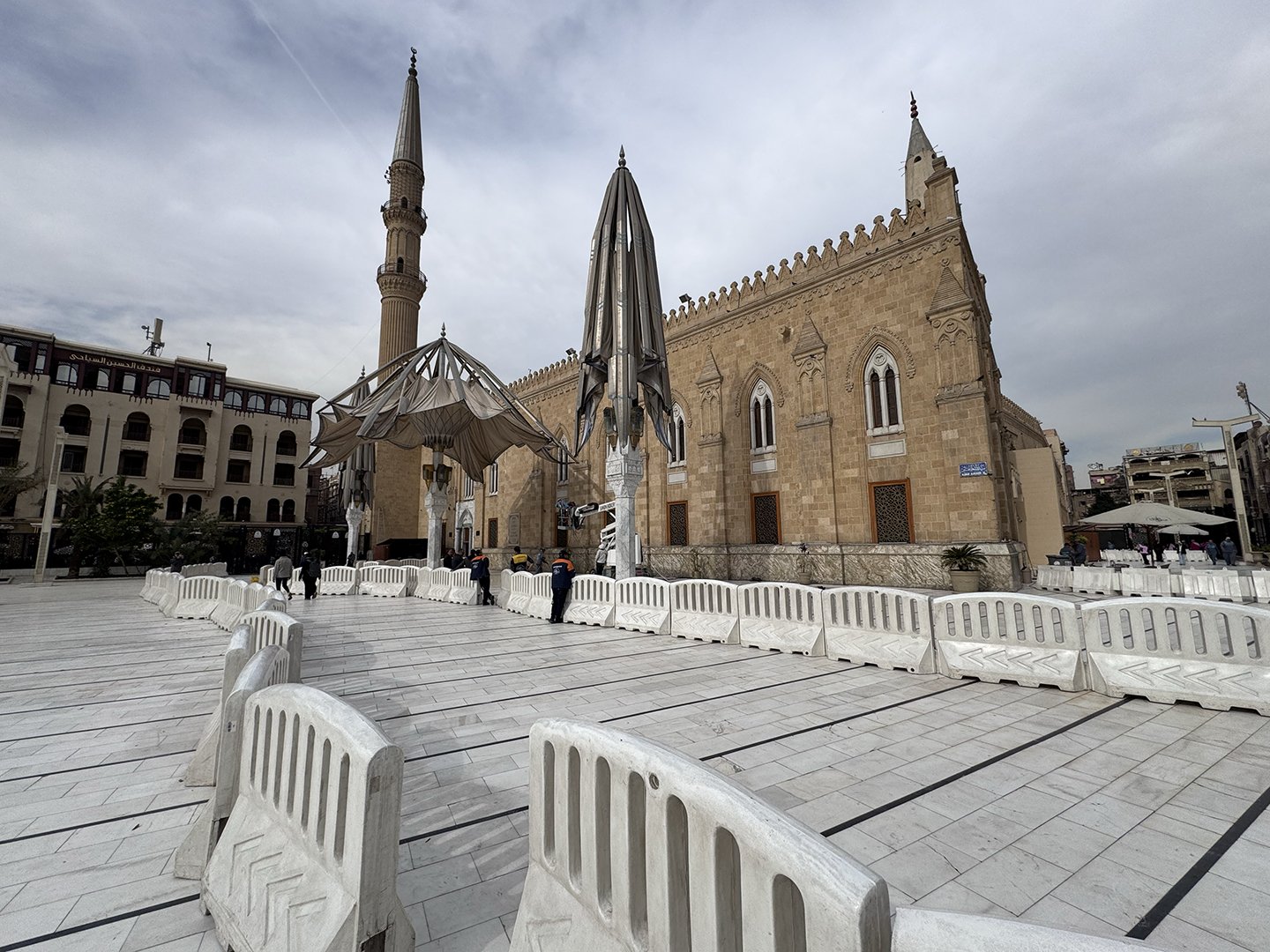
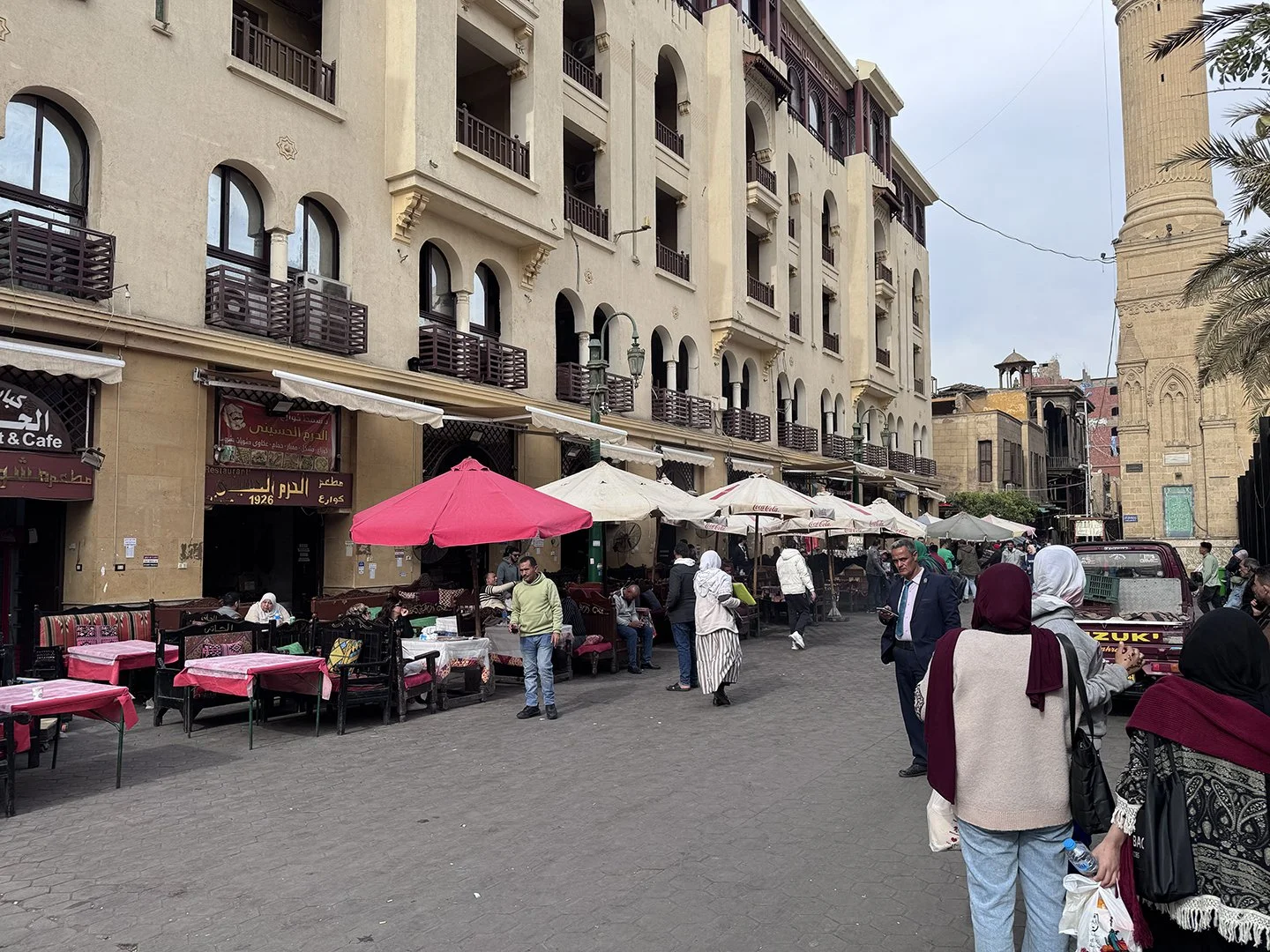
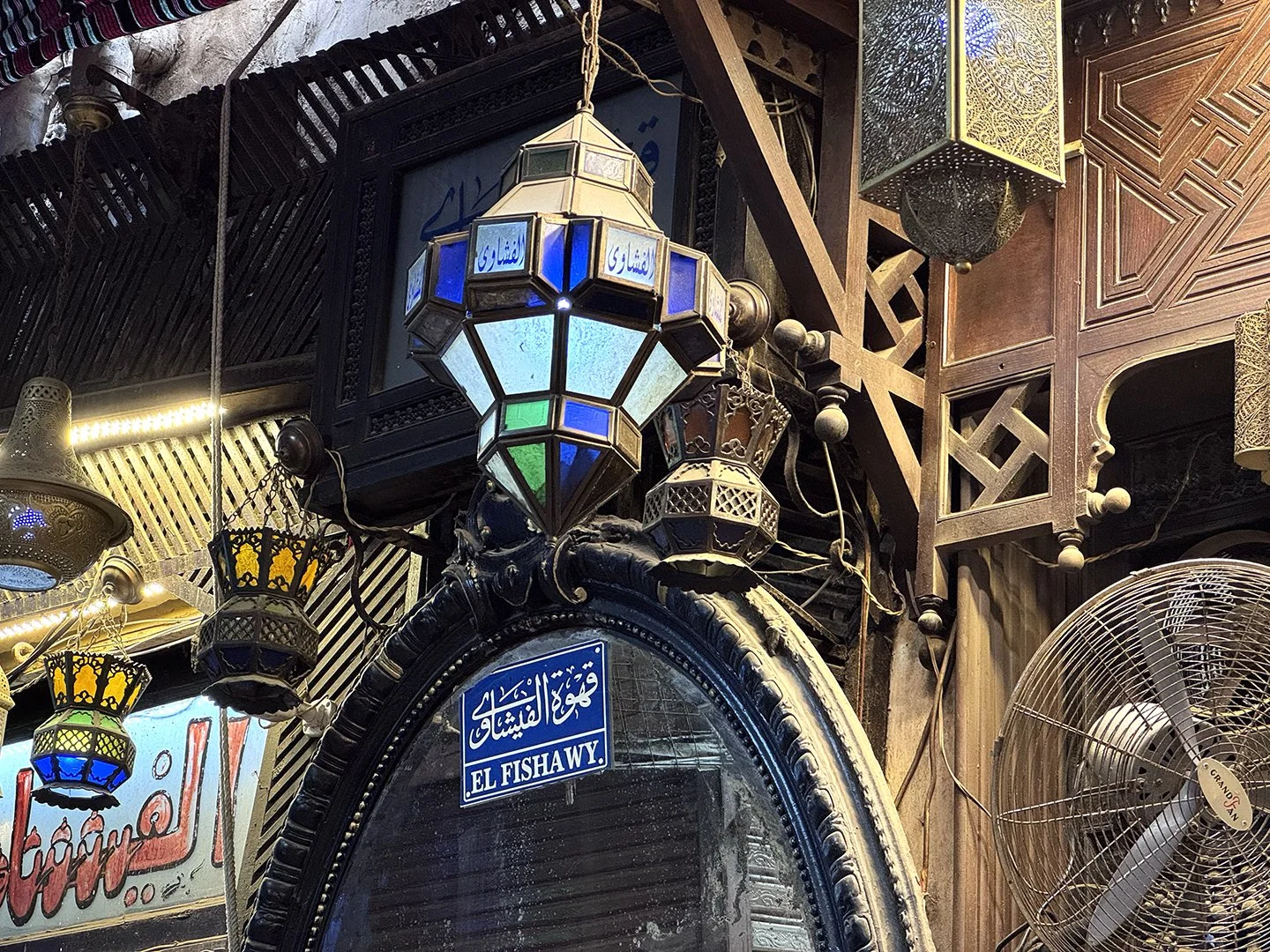
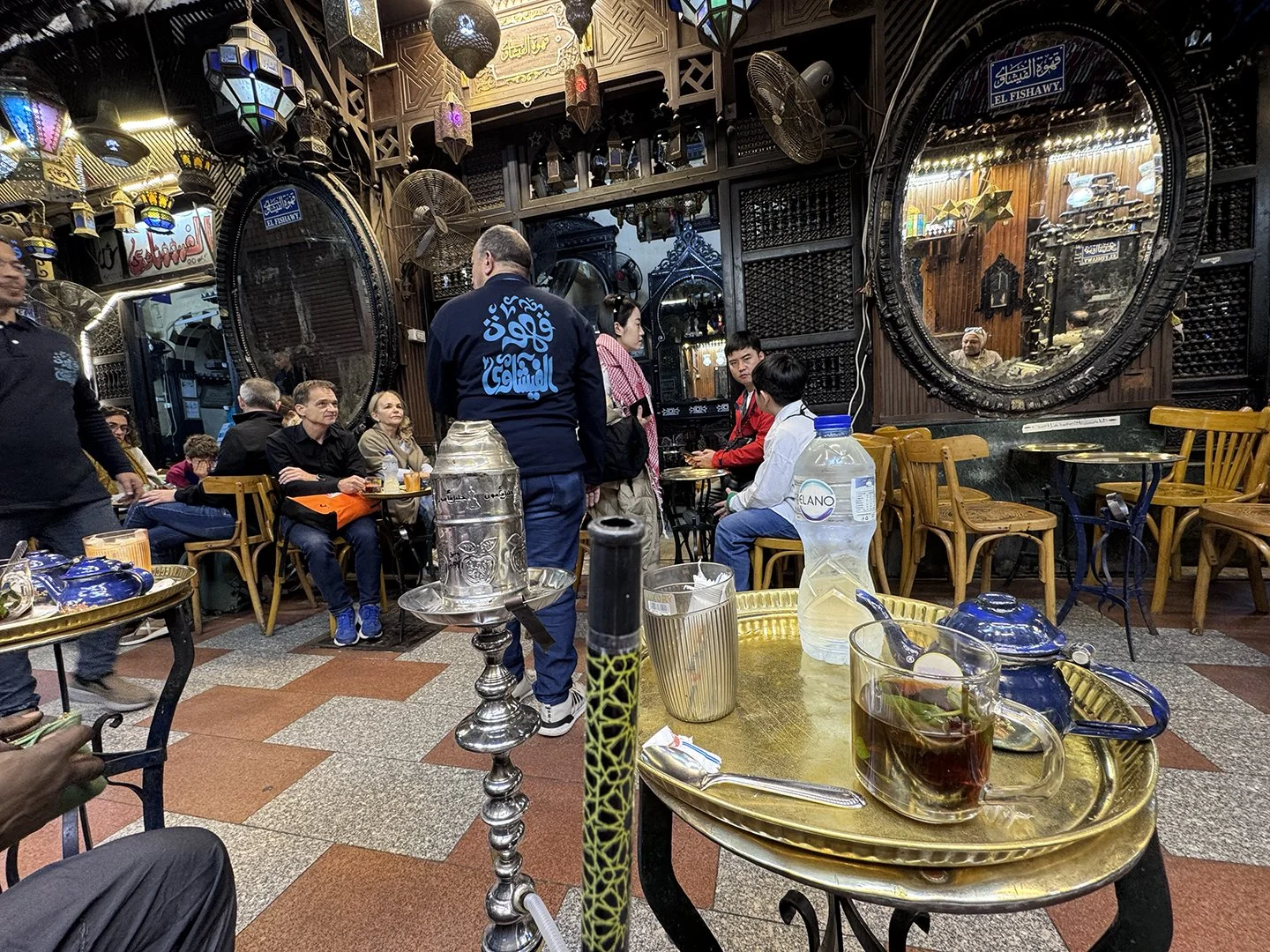
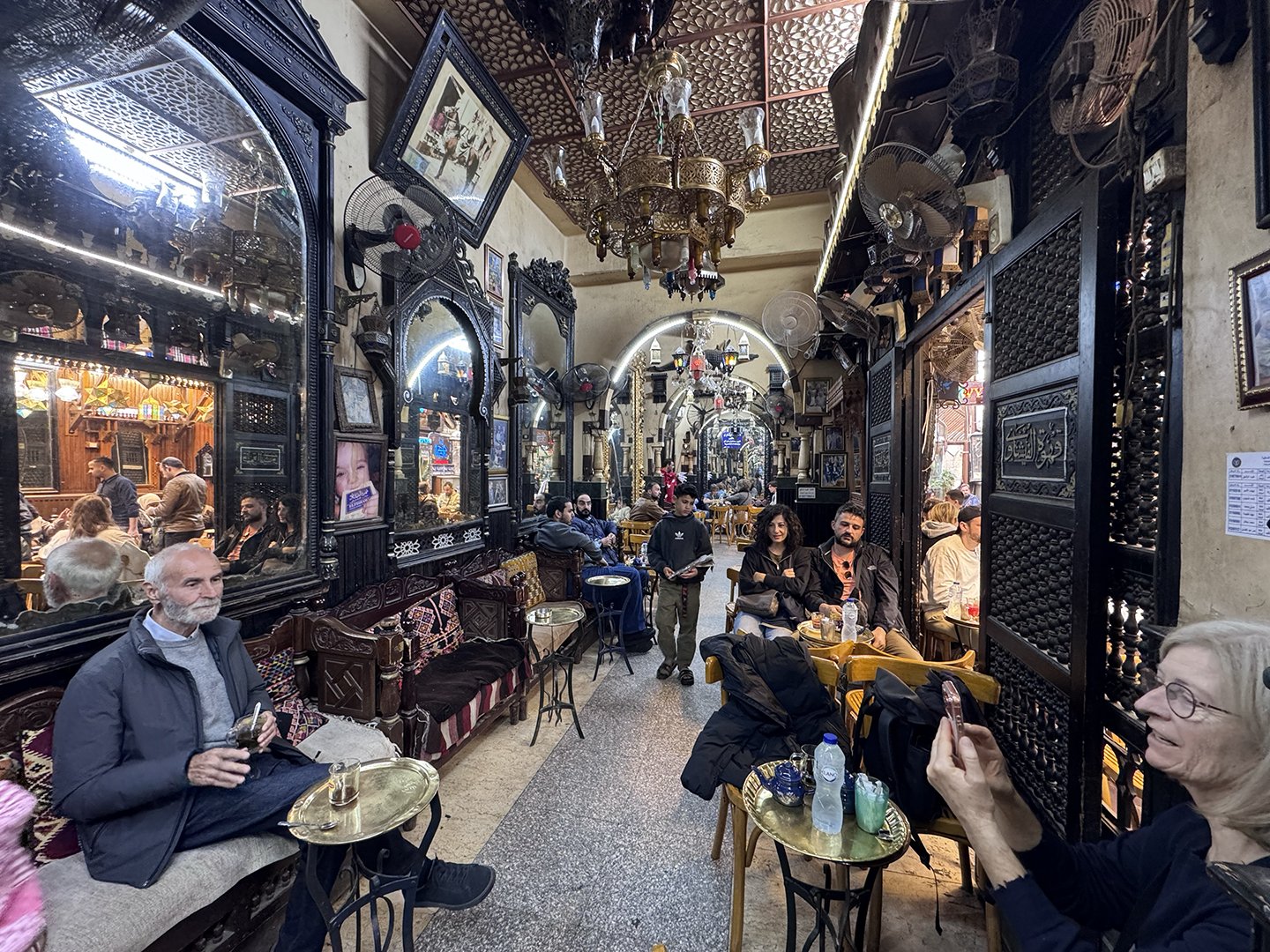
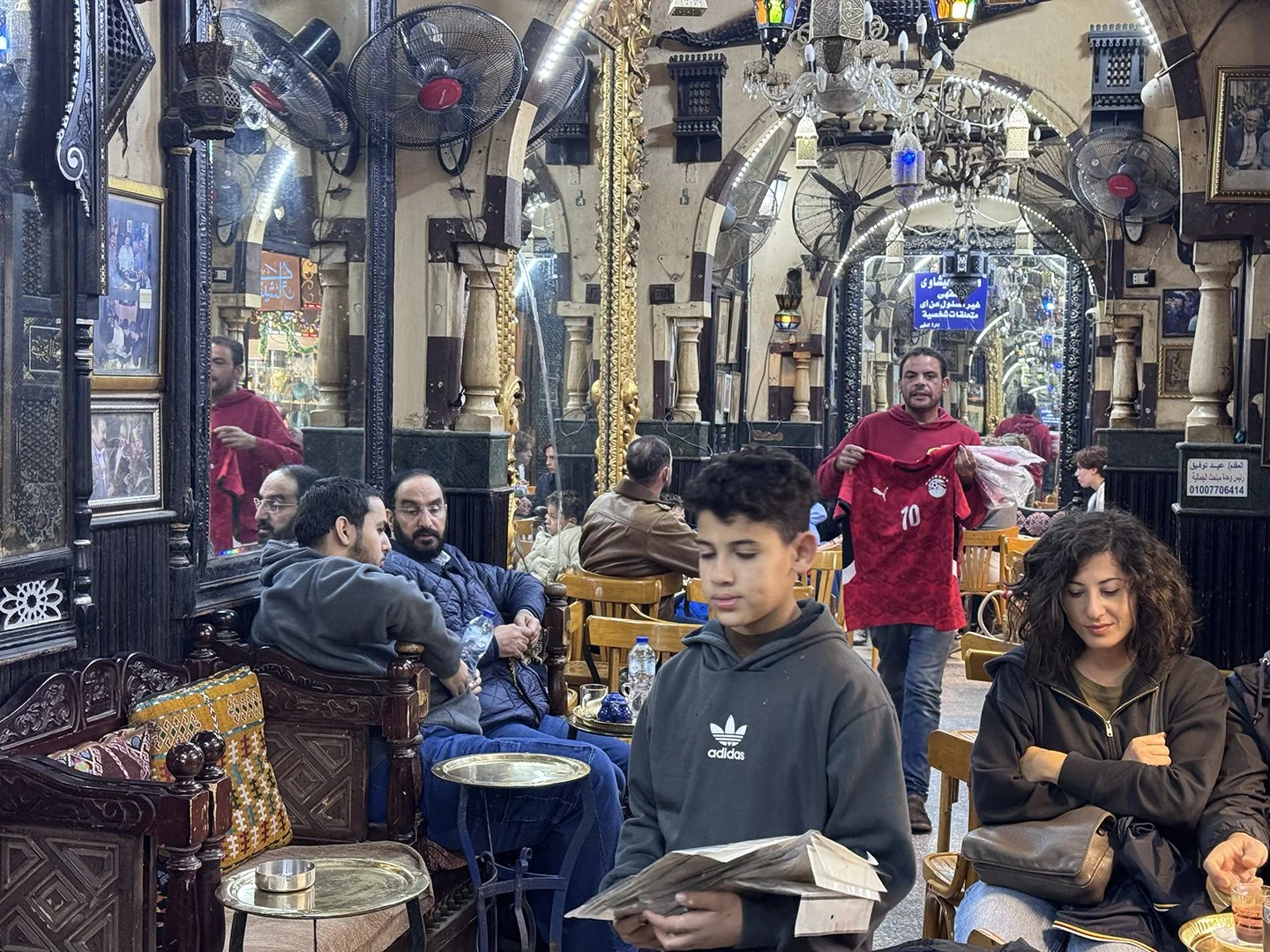
I left the square and made my way toward Fishawy. Restaurants faced the open space, and I followed a passage where I would pass a cassette tape store, now gone. I reached Feshawy: packed with tourists. Shisha had returned after its pandemic-era absence. I sat on one of the outdoor benches next to a couple—a white Western woman and a Black man—while a stream of vendors passed in front of us: offering watches, cigarettes, books, children selling pharaonic memorabilia, a woman offering henna tattoos, a shoeshine boy, a fabrics seller. Tourists took pictures and selfies. Two men with tambourines played music while tourists—and some Egyptians—clapped along.
I ordered tea with mint and an apple shisha. Then I left through another narrow alley leading to Muiz Street and the main area of Khan el-Khalili market. Familiar souvenir shops appeared, and across from them a well-known fatatry—Egypt’s version of pizza, both savory and sweet. I ate there many times during my college years, usually at two or three in the morning. The place never slept.
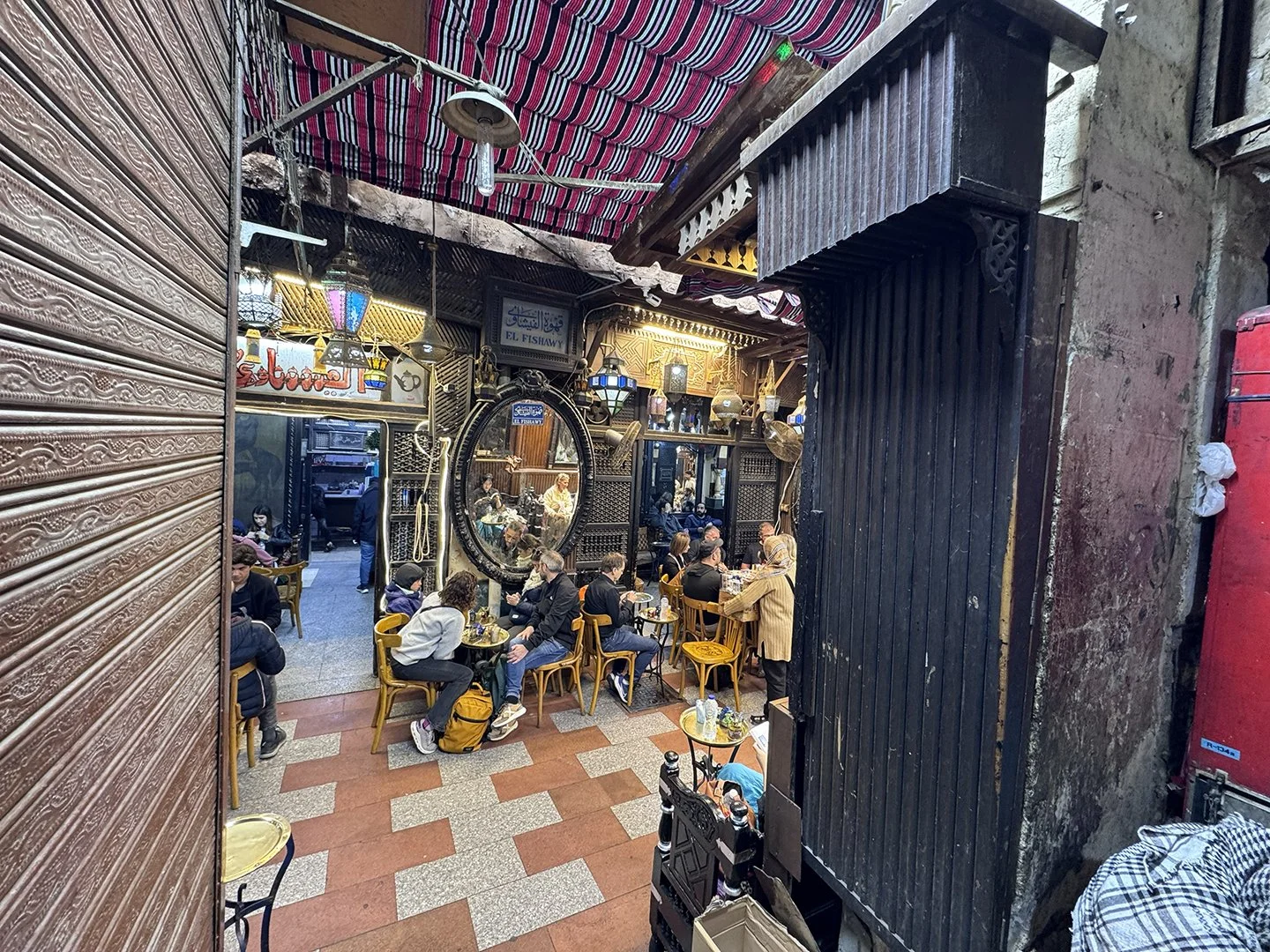
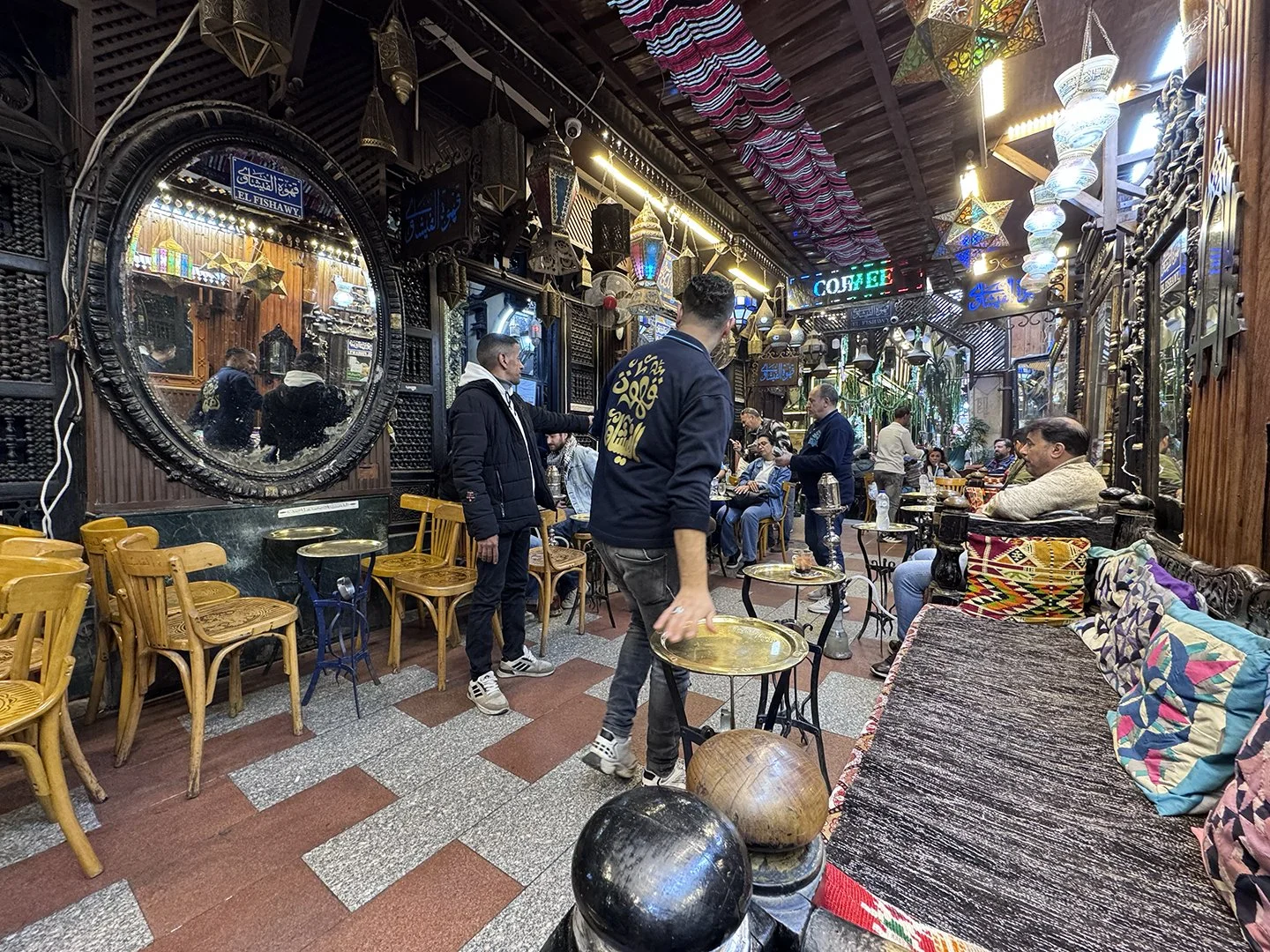
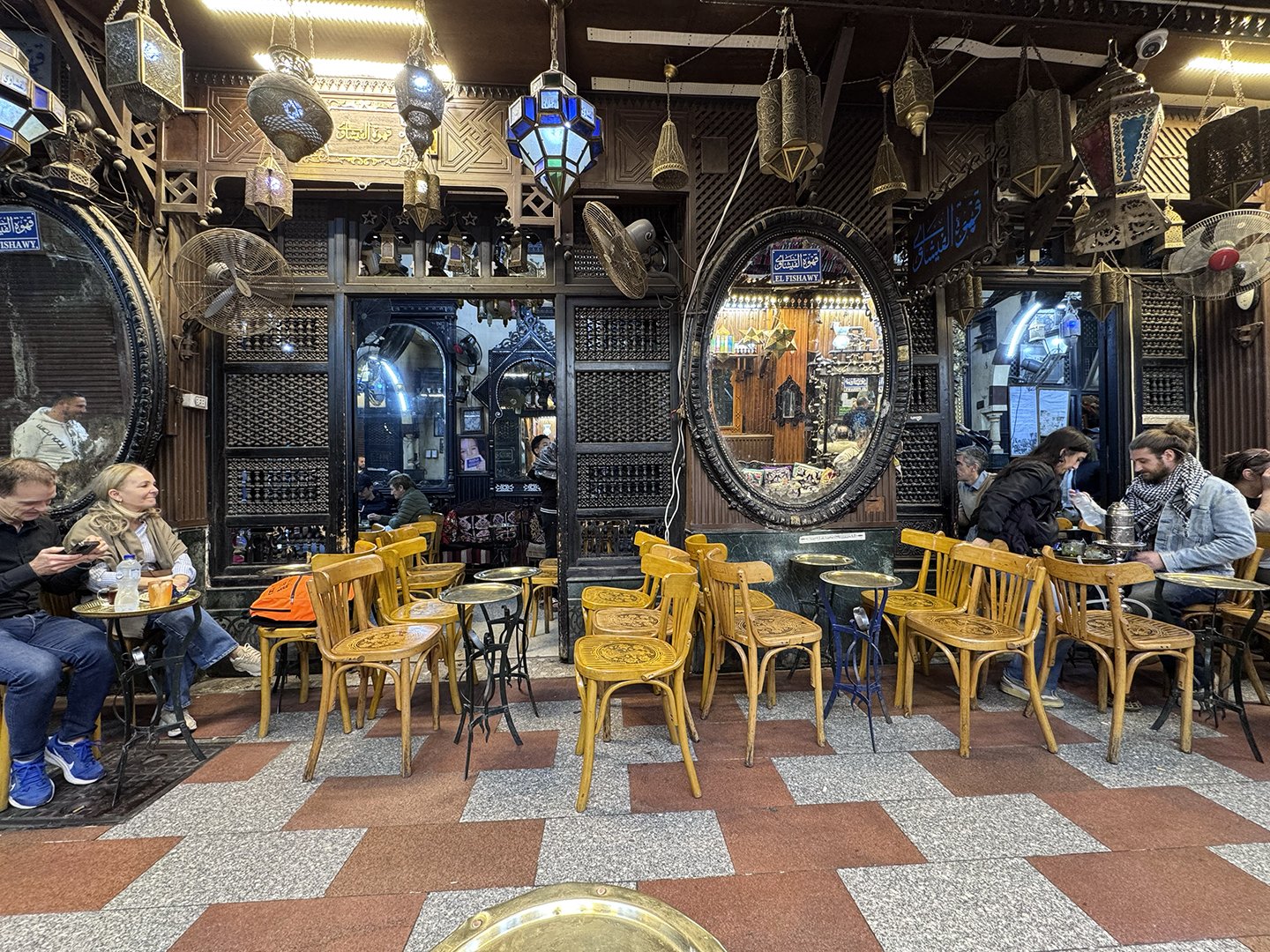
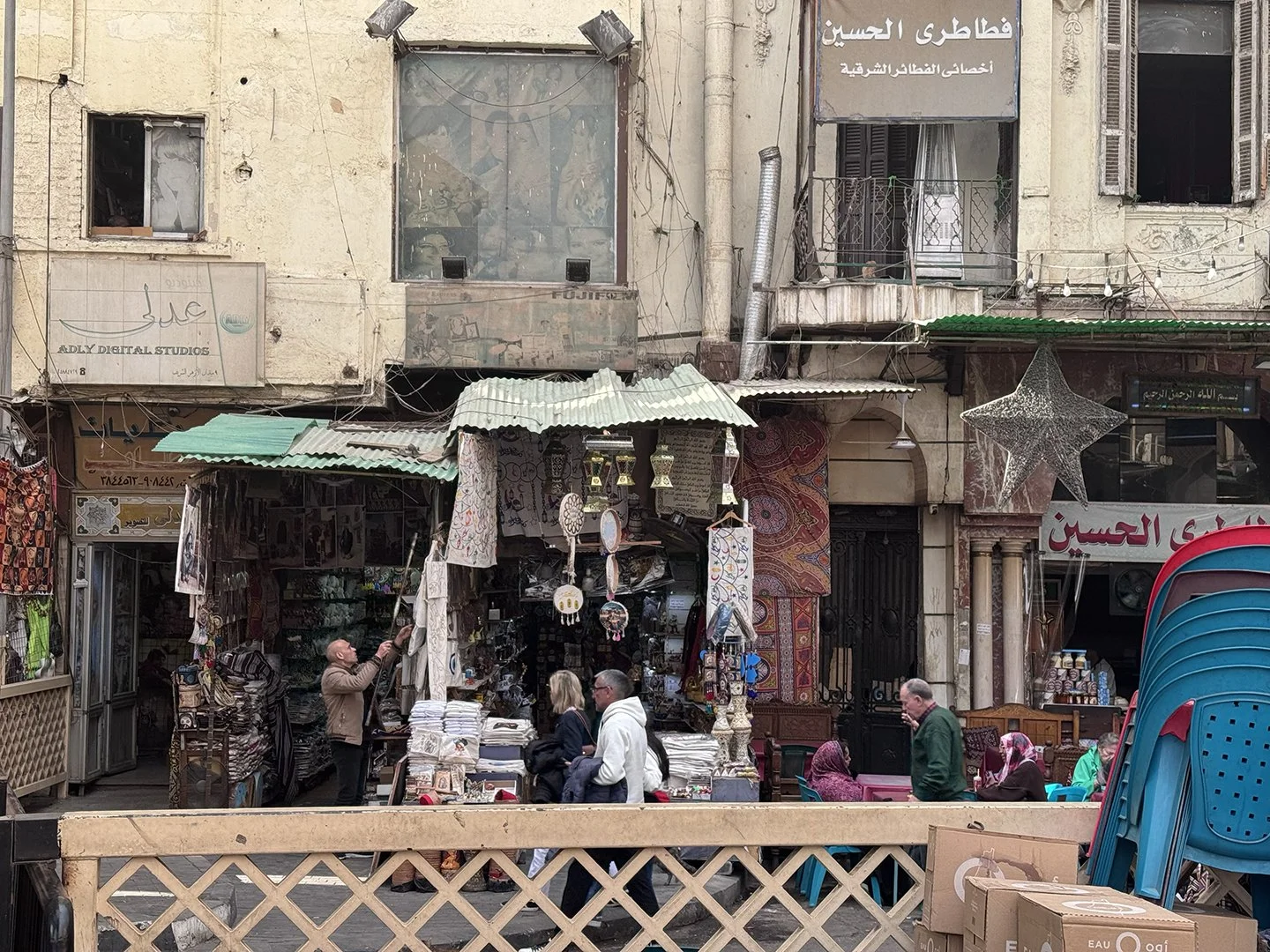
On my way back toward Azhar Street to hail another Uber, I passed through a narrow passage leading to another security checkpoint. Along the way, I encountered a group of local women engaged in a vicious fight—shouting, cursing. They were informal vendors selling goods to unsuspecting tourists. No one intervened. It seemed like a daily affair, one I had witnessed many times before.
Finally, I reached Azhar Street and requested an Uber. It took time. While waiting, a woman beggar holding a child approached me; I silently turned away, not wishing to encourage the encounter. The Uber arrived—but on the opposite side. I entered a tunnel to cross the street and emerged in front of the venerable Al-Azhar Mosque, itself now fronted by metal fencing controlling movement. The cumulative effect was unmistakable: the securitization of what used to be an open, accessible urban space.
The Uber arrived, and we headed back to my home in Maadi, passing through the ancient cemetery—still more or less intact. On the way, I recalled a memorable evening in 1986. Crossing Hussein Mosque square, I noticed a piece of wooden mashrabiya on the ground. I picked it up and kept it. It traveled with me—to the United States during my studies, then to the UAE where I used it in teaching, showing it to students as inspiration drawn from craftsmanship. When I returned to the United States, the fragment gradually broke apart. Eventually, I turned it into an artwork—a sculptural piece now hanging on a wall in my home in Philadelphia, a tangible reminder of this part of Cairo that still lives within me.
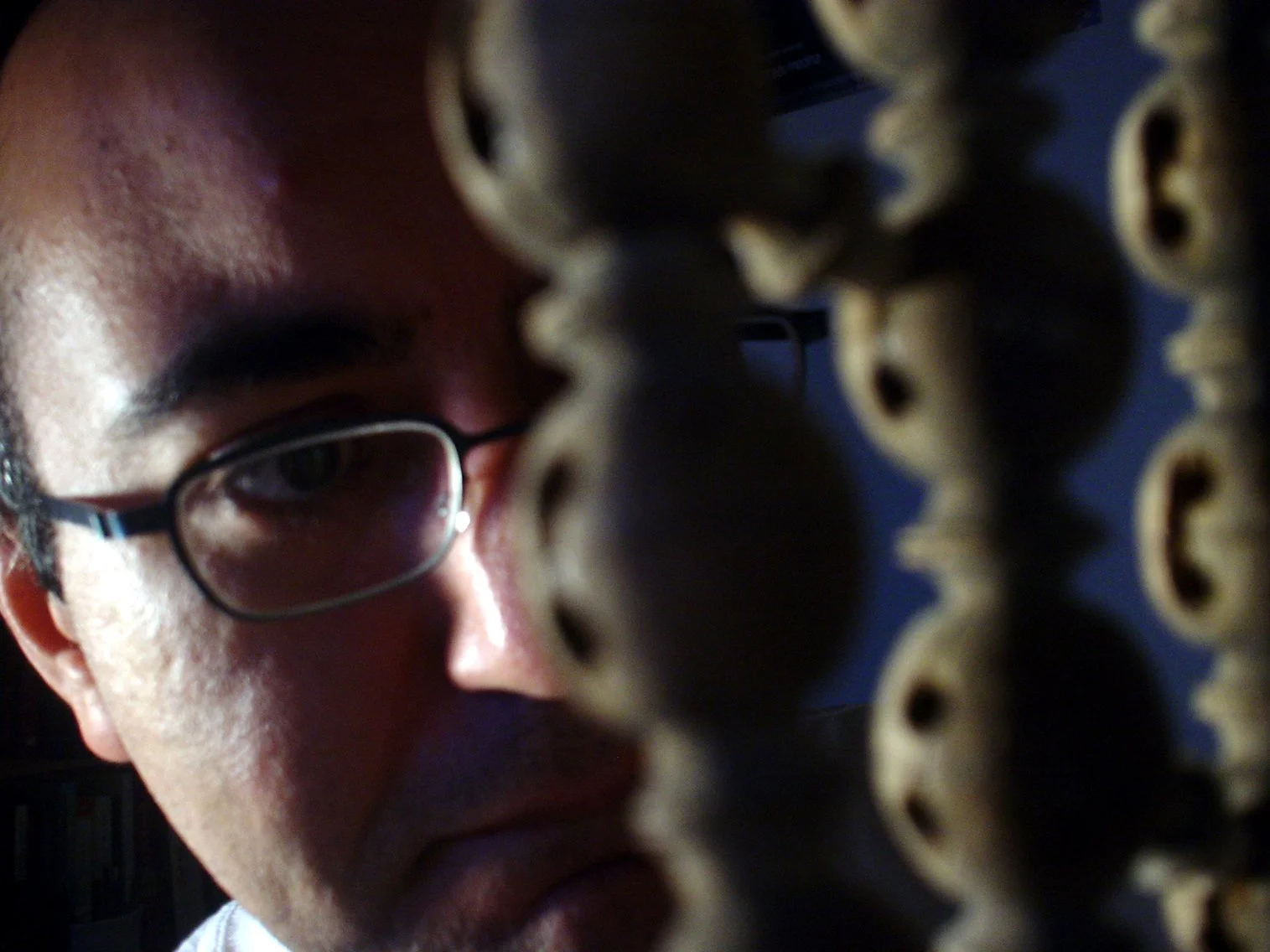
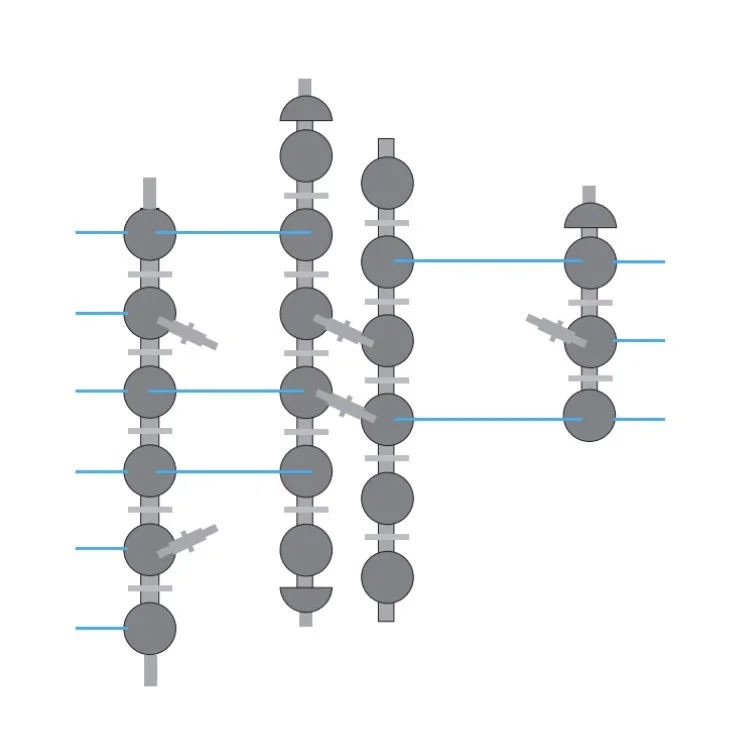
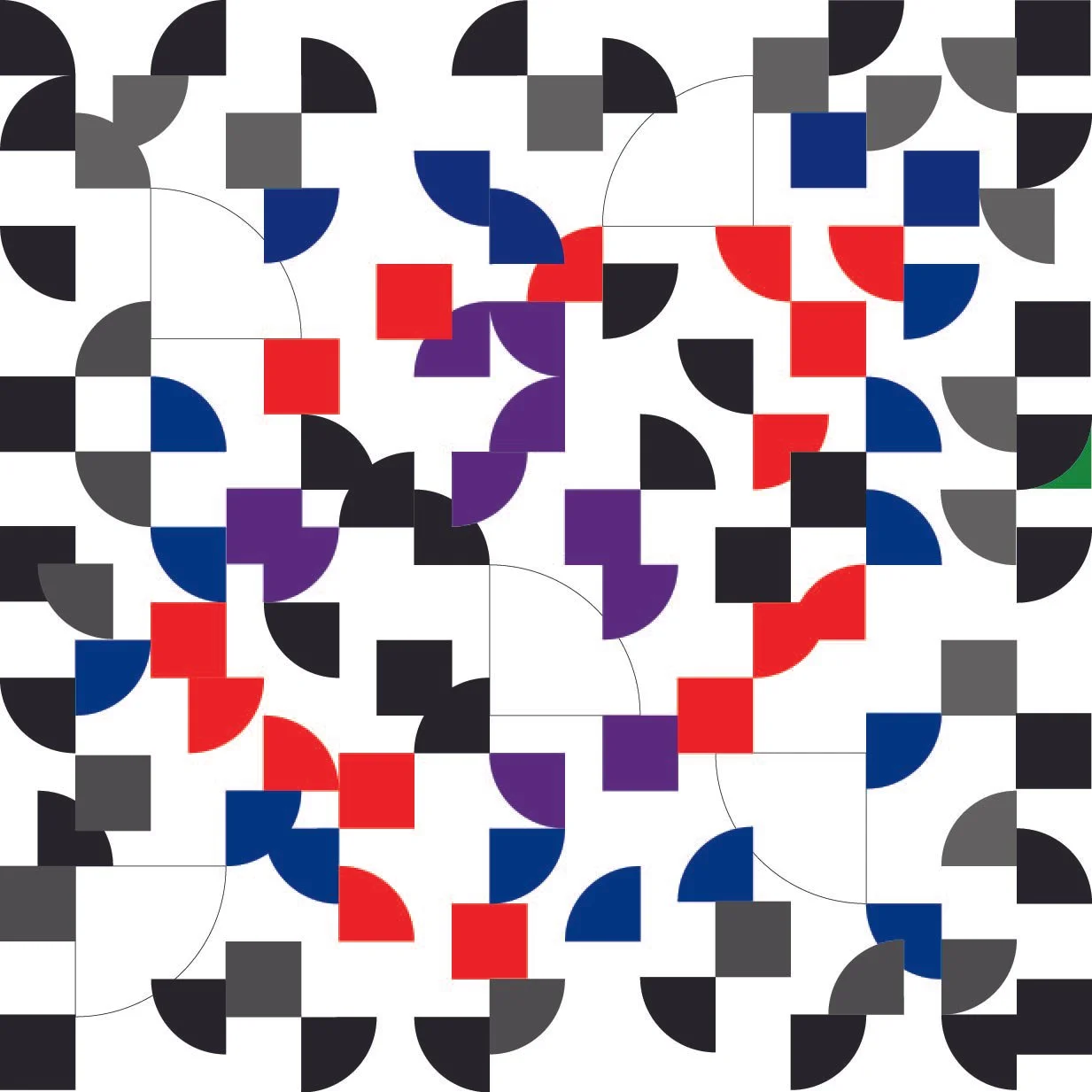
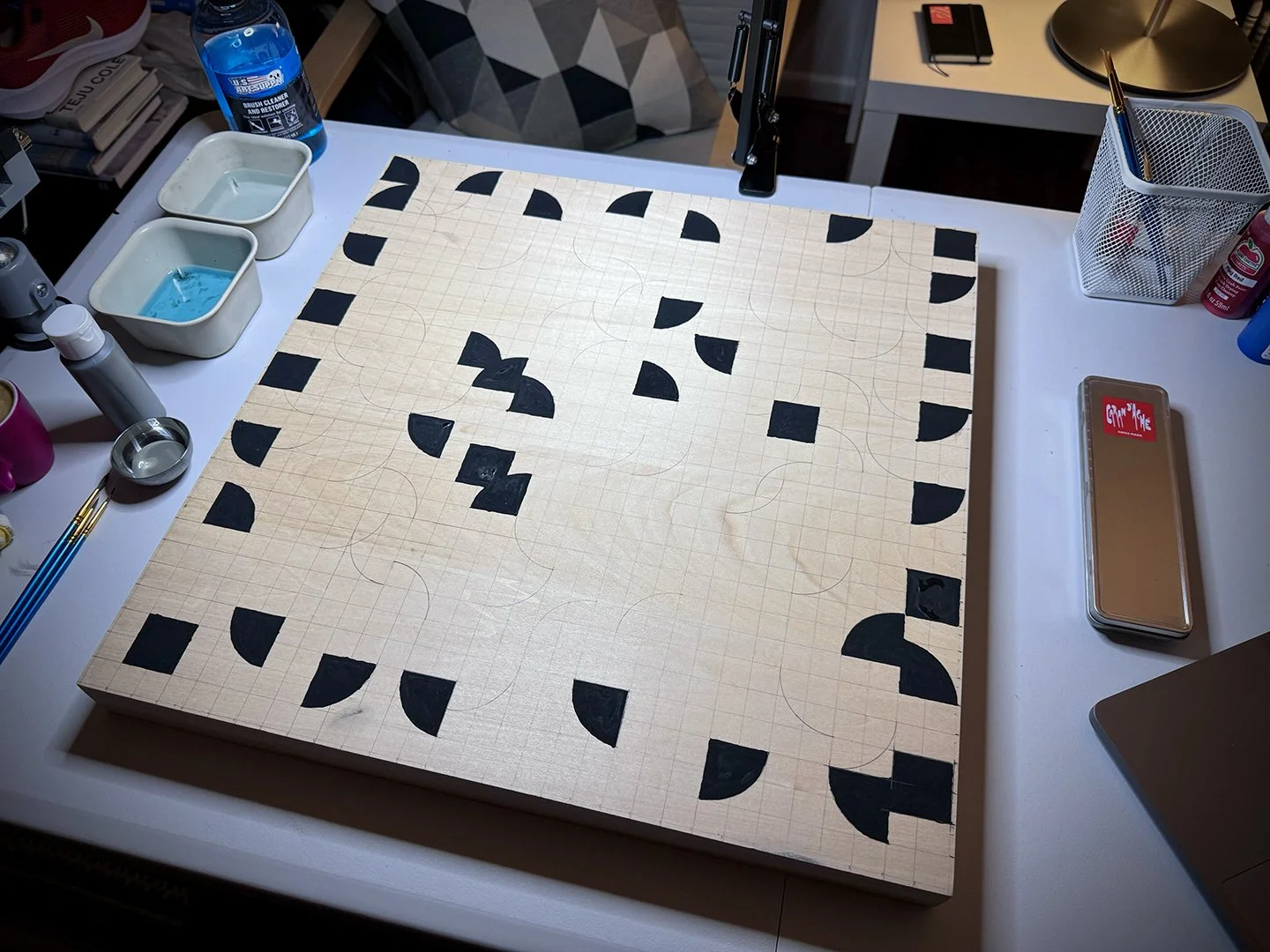
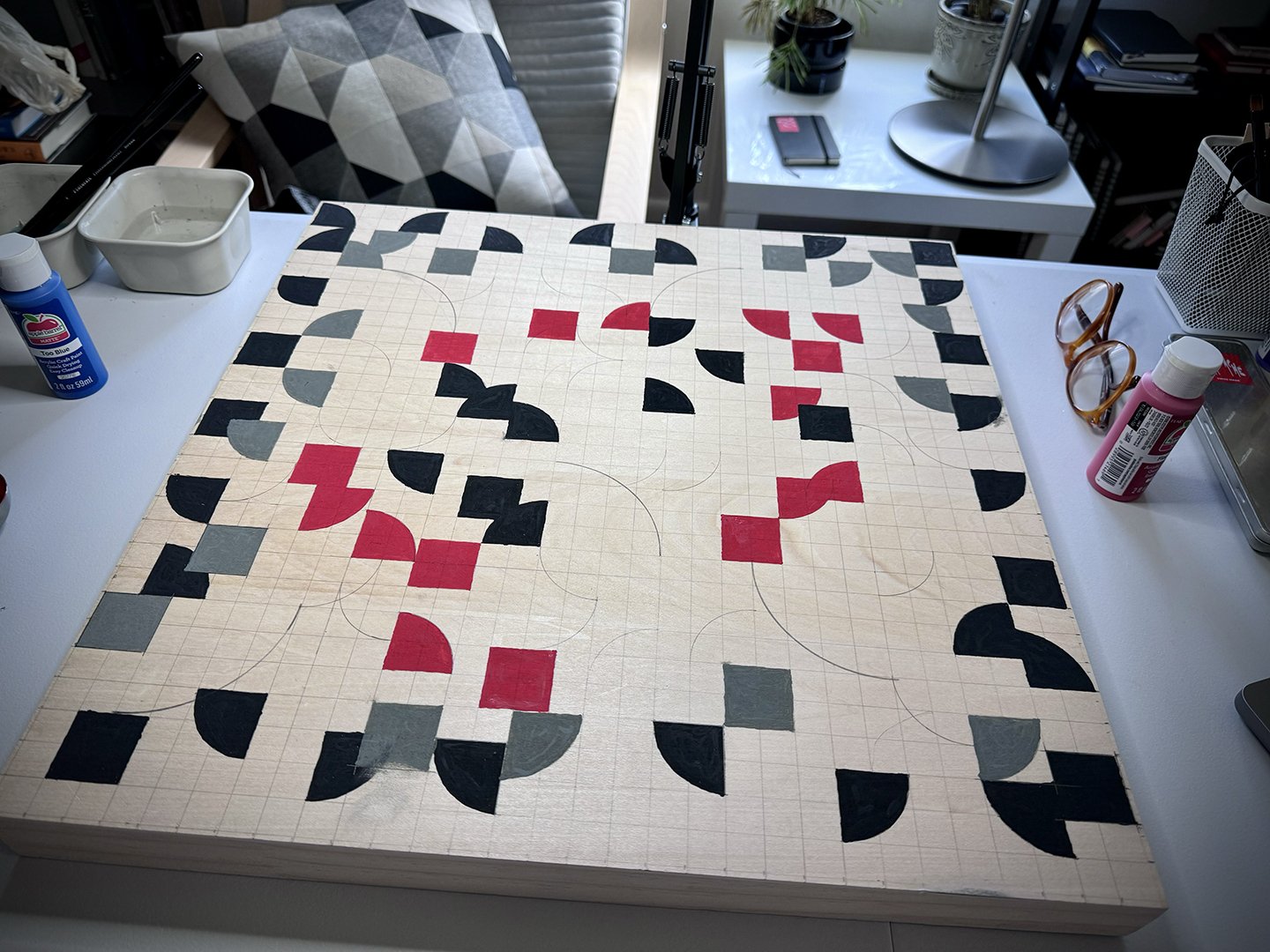
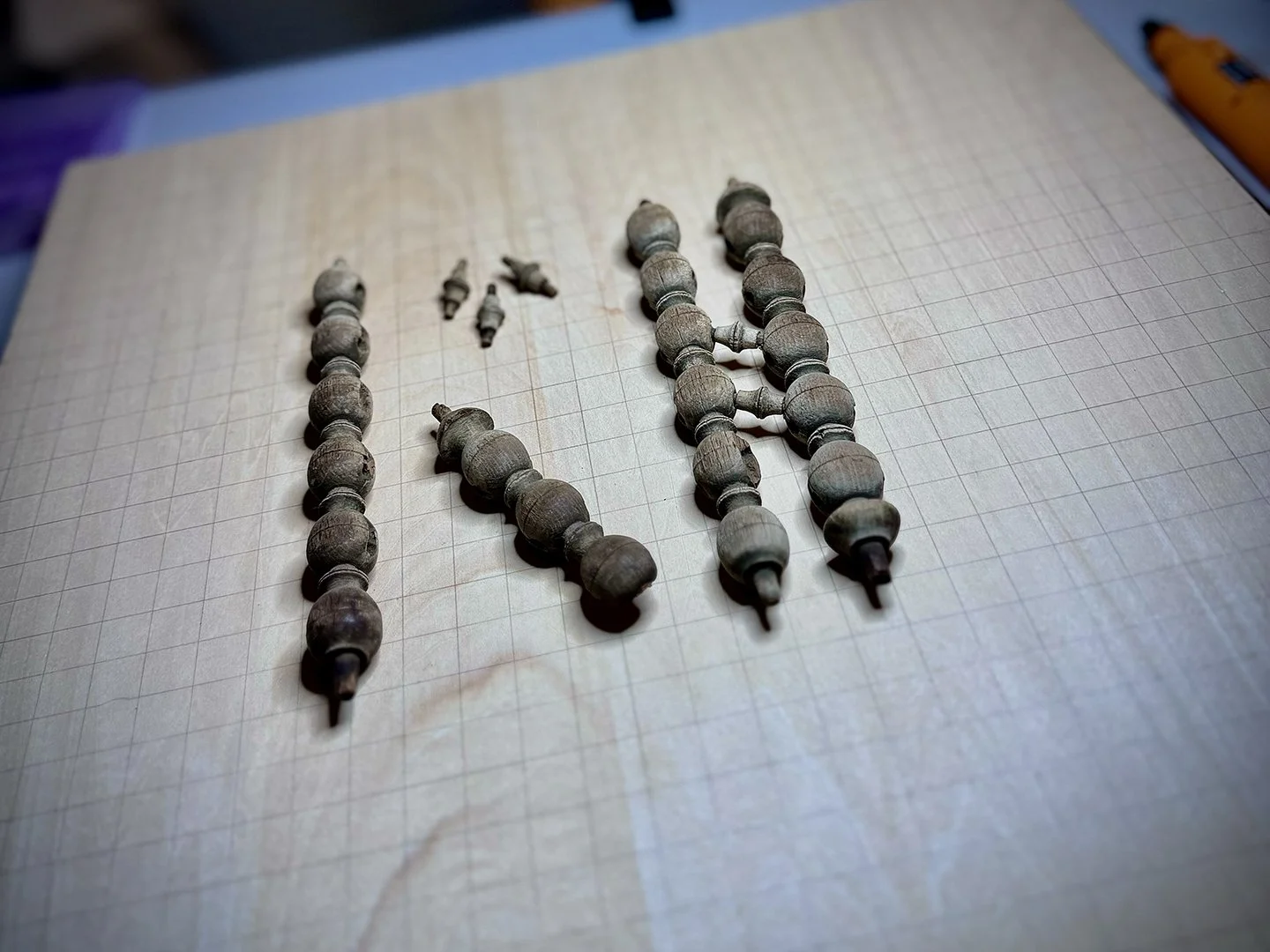
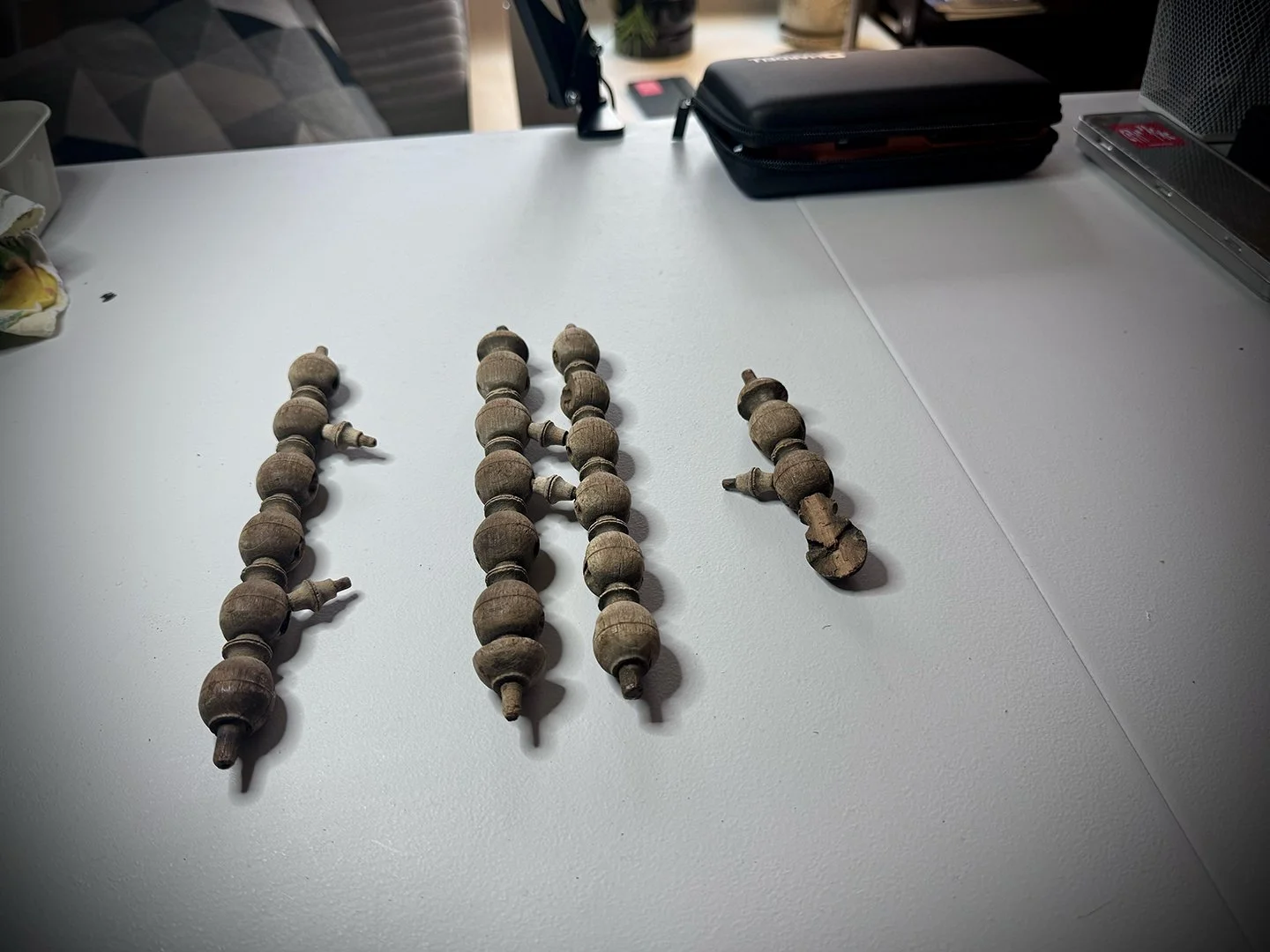
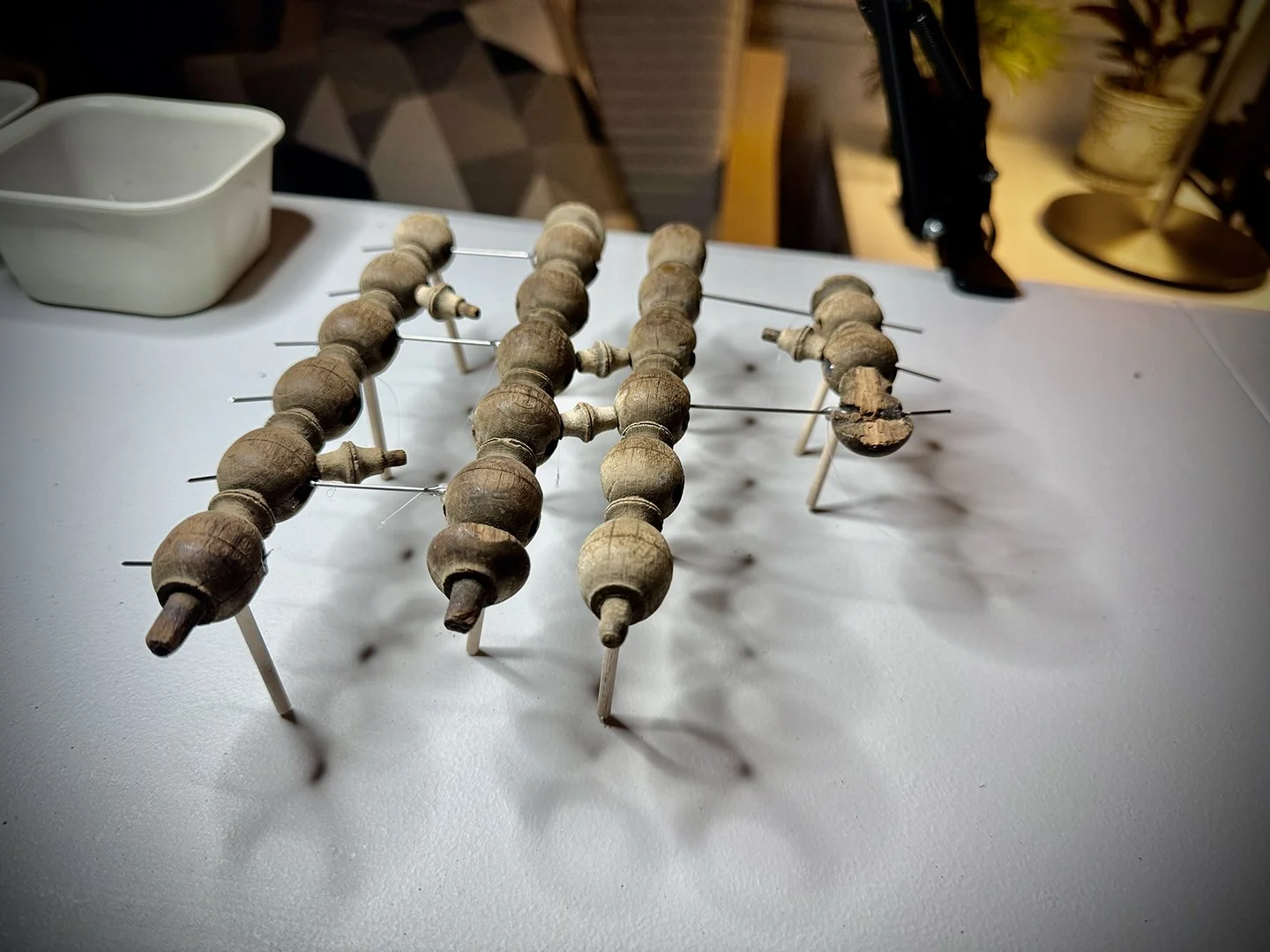
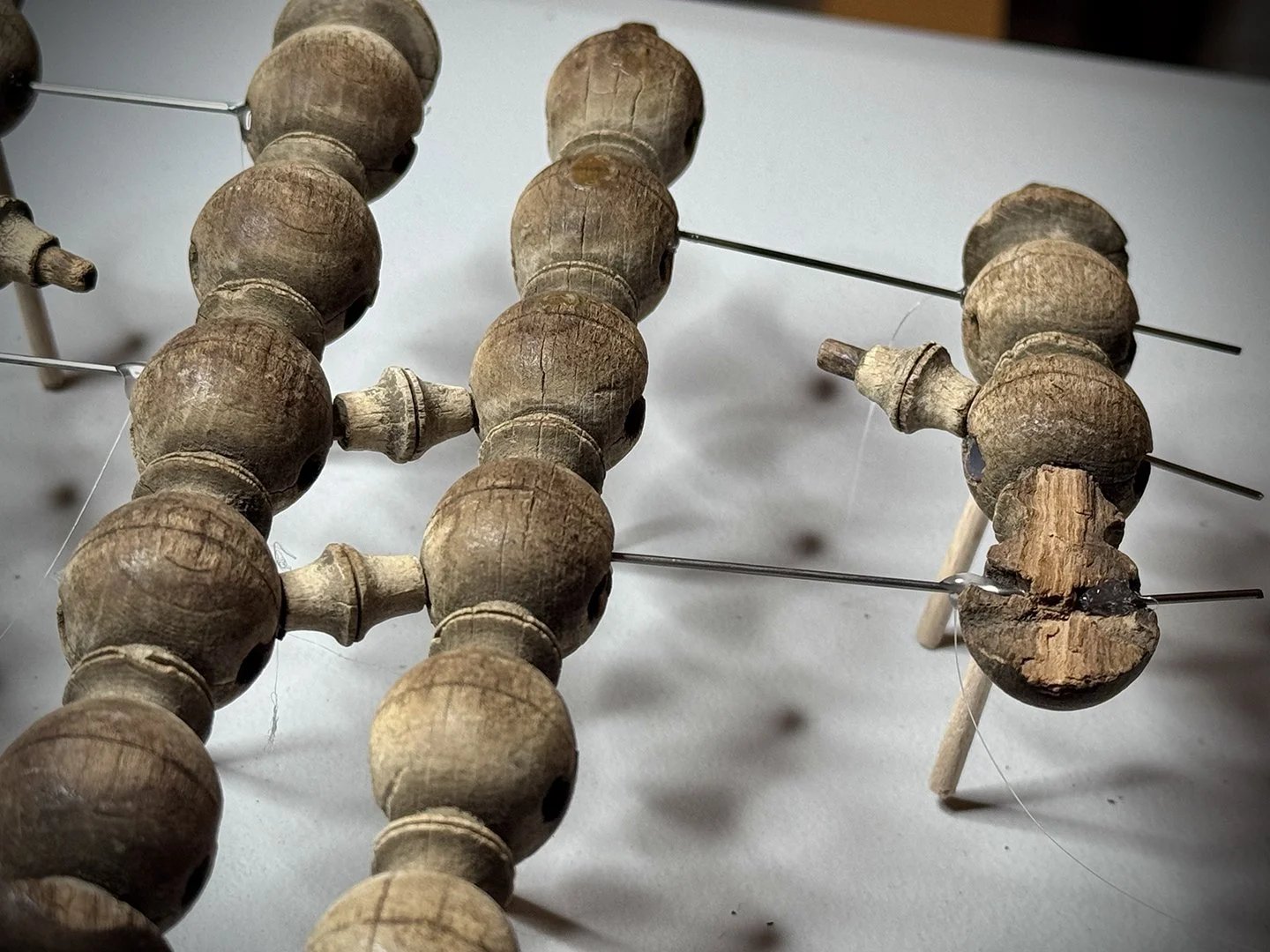
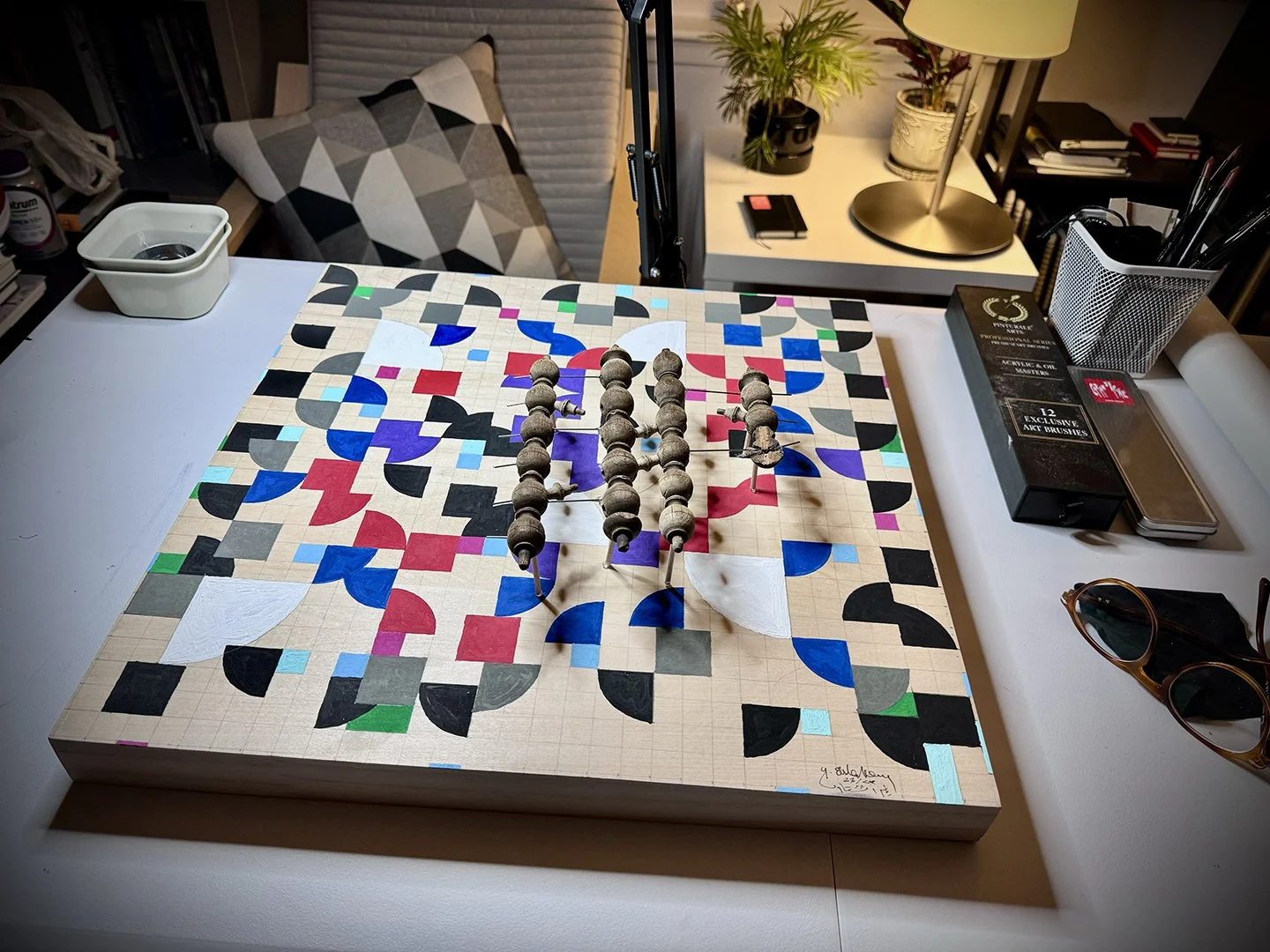
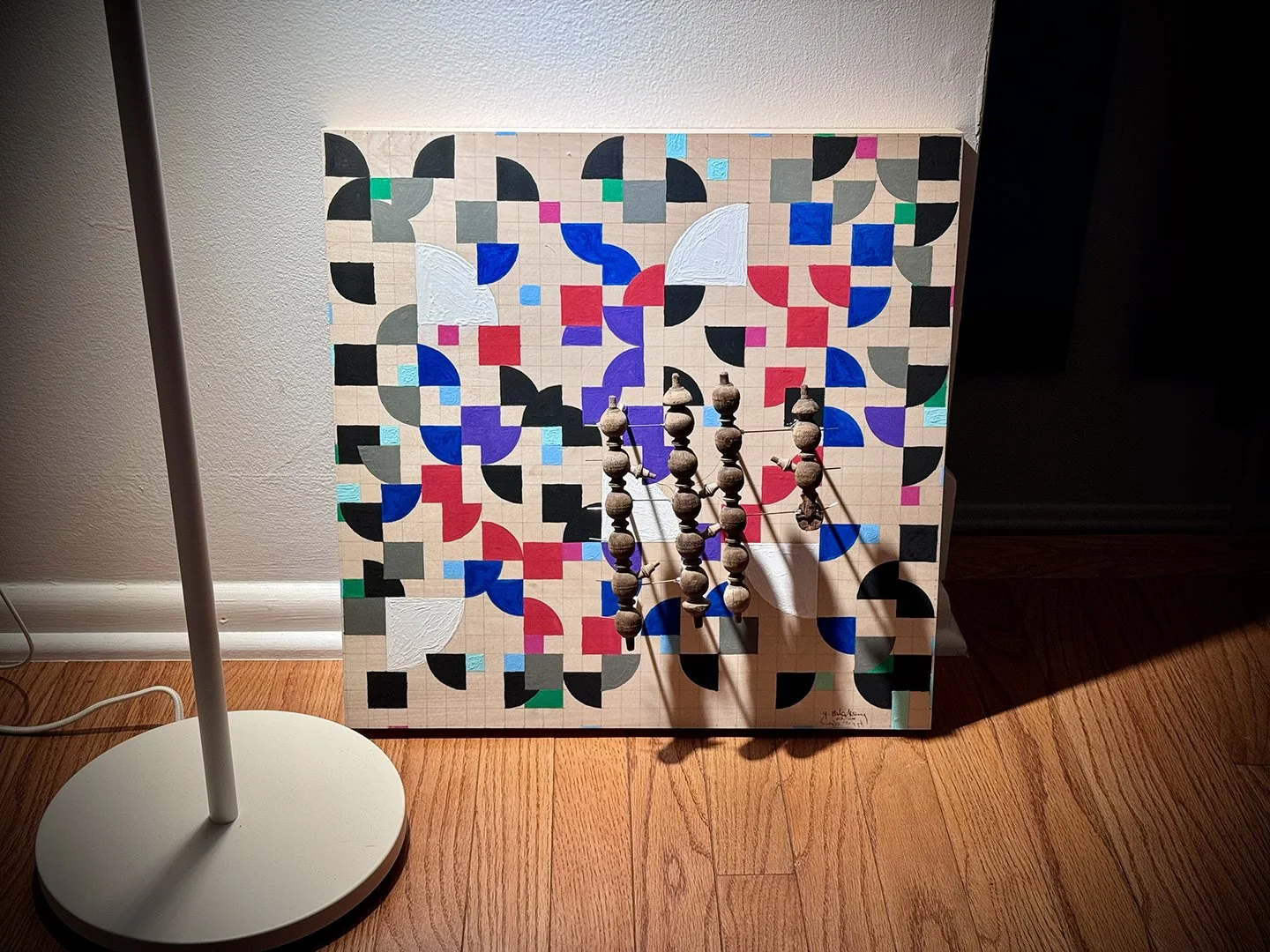
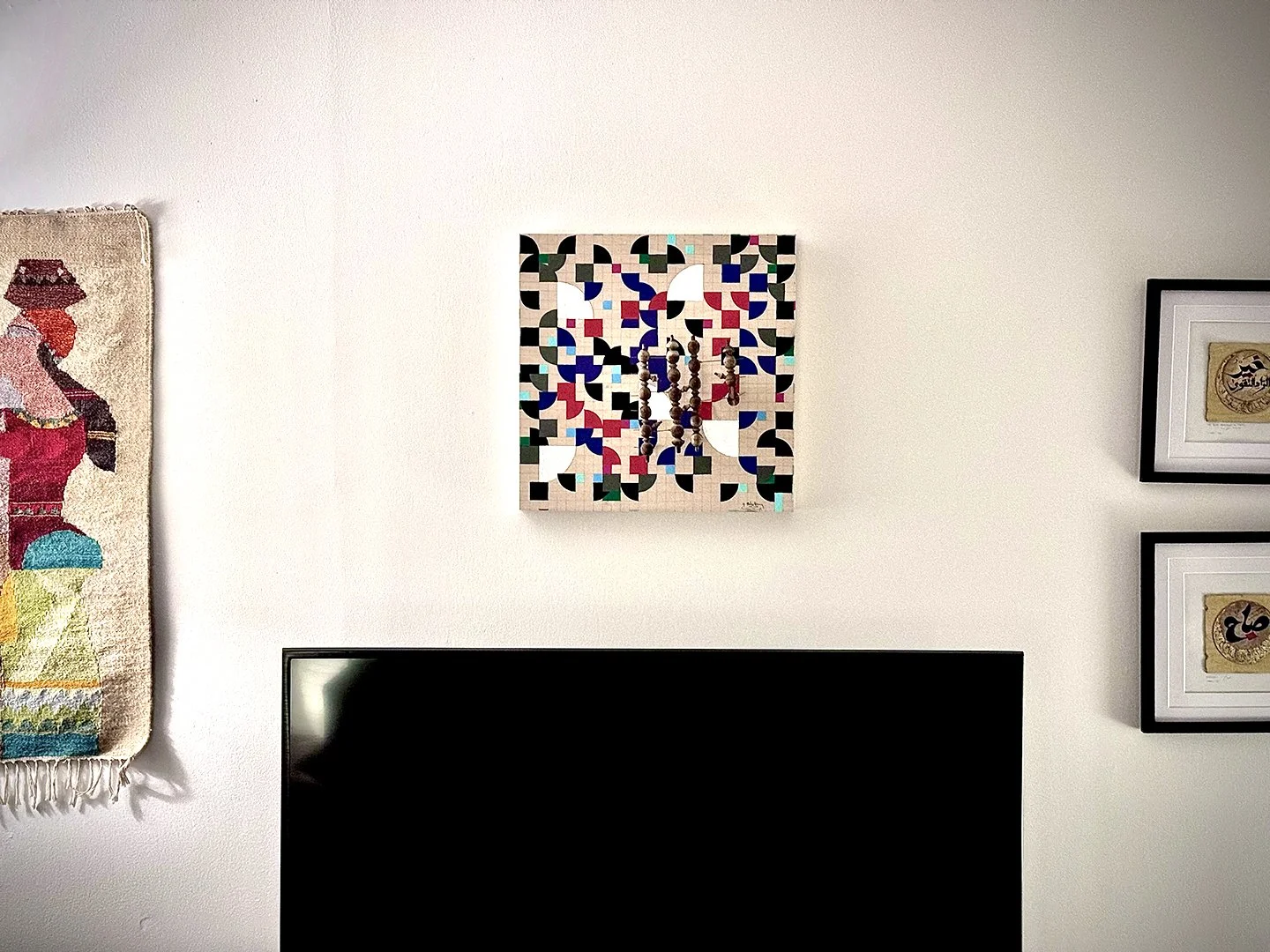
What does all this mean? My book My Cairo is about home. In some way, this part of Old Cairo is home. It may have changed, but traces remain. I still have a fragment connecting me to this place. Whenever I return, Khan el-Khalili beckons.
I sit in Fishawy café, smoke a shisha, and drink tea with mint. I observe the flow of people. I close my eyes—and for a fleeting moment, I am transported back to the Cairo of my youth.
When I open them again, the present returns, but the memory lingers, quietly insisting that this city—despite everything—still belongs to me.
For more, please visit my site about the upcoming book, My Cairo: A Cartography of Belonging (AUC Press) -- it is not fully active yet but will be accessible once the book is published early 2027. In addition, the just released Arab Modernism(s): Cities, History and Culture, contains a detailed chapter on Cairo
