Chapter 12. Coda. My Architect, Hassan Elsheshtawy
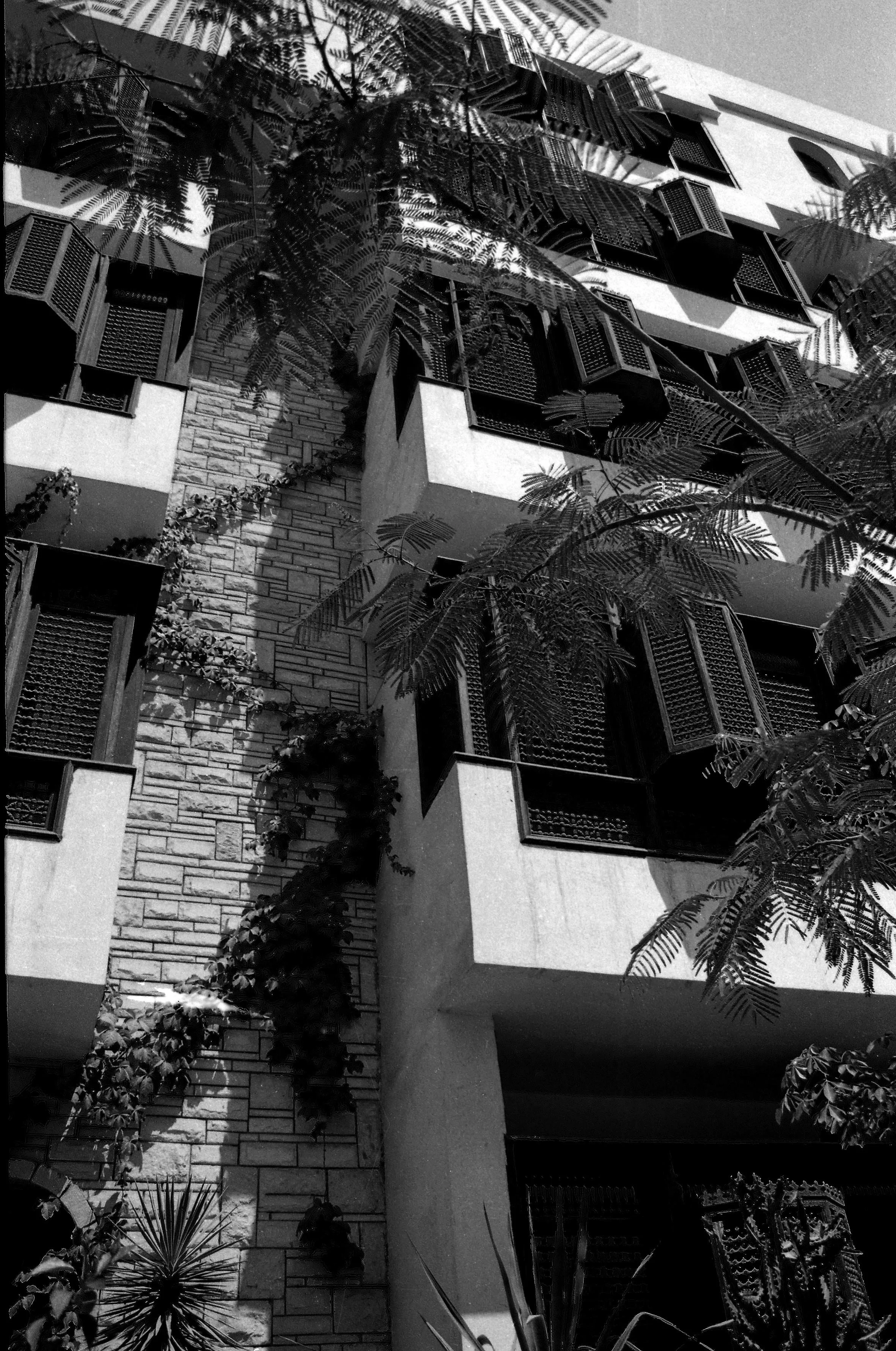
Concluding the book this final chapter turns inward—toward a personal narrative that honors the life and work of Hassan Elsheshtawy, the author’s father. More than a biographical tribute, the chapter offers an alternative entry point into the region’s architectural modernity: one shaped not only by theory or politics, but by memory, migration, pedagogy, and built form. It reconstructs the life of an Egyptian architect educated in Zurich and Hannover, who brought a disciplined yet adaptive modernist ethos to projects across Egypt, Saudi Arabia, and Germany. From the Benha Sports Club to the family house in Maadi, from institutional buildings in Riyadh to teaching posts in Amman and Cairo, his work reflected a belief in architecture as public service—rooted in clarity, care, and context.
Through richly narrated personal anecdotes, archival records, and field visits, the chapter weaves together a story of architectural legacy passed from father to son. Rather than reducing architecture to iconic structures, it emphasizes architecture as lived experience—spaces remembered, inhabited, and quietly transformed. The final reflection brings this theme full circle, highlighting how Hassan Elsheshtawy’s values—discipline without dogma, tradition without nostalgia, design with dignity—mirror the book’s broader concerns with memory, inclusion, and justice. This coda becomes both farewell and renewal: a reminder that behind every city are individuals whose lives and labors give shape to its form. In honoring a father’s architectural journey, the chapter affirms the enduring significance of architecture as a human—and humanizing—endeavor.
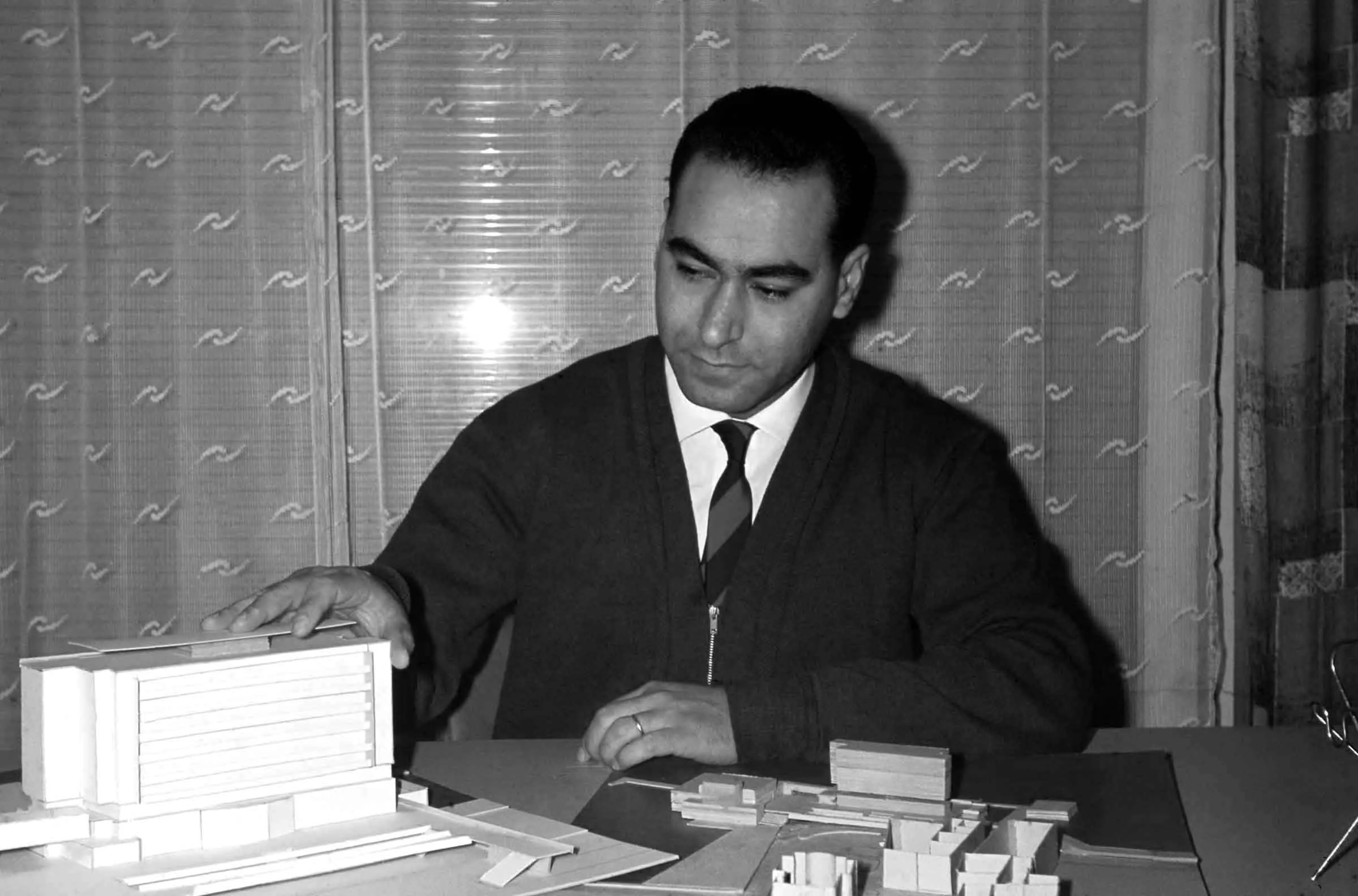
Graduation Project. ETH Zurich. 1968
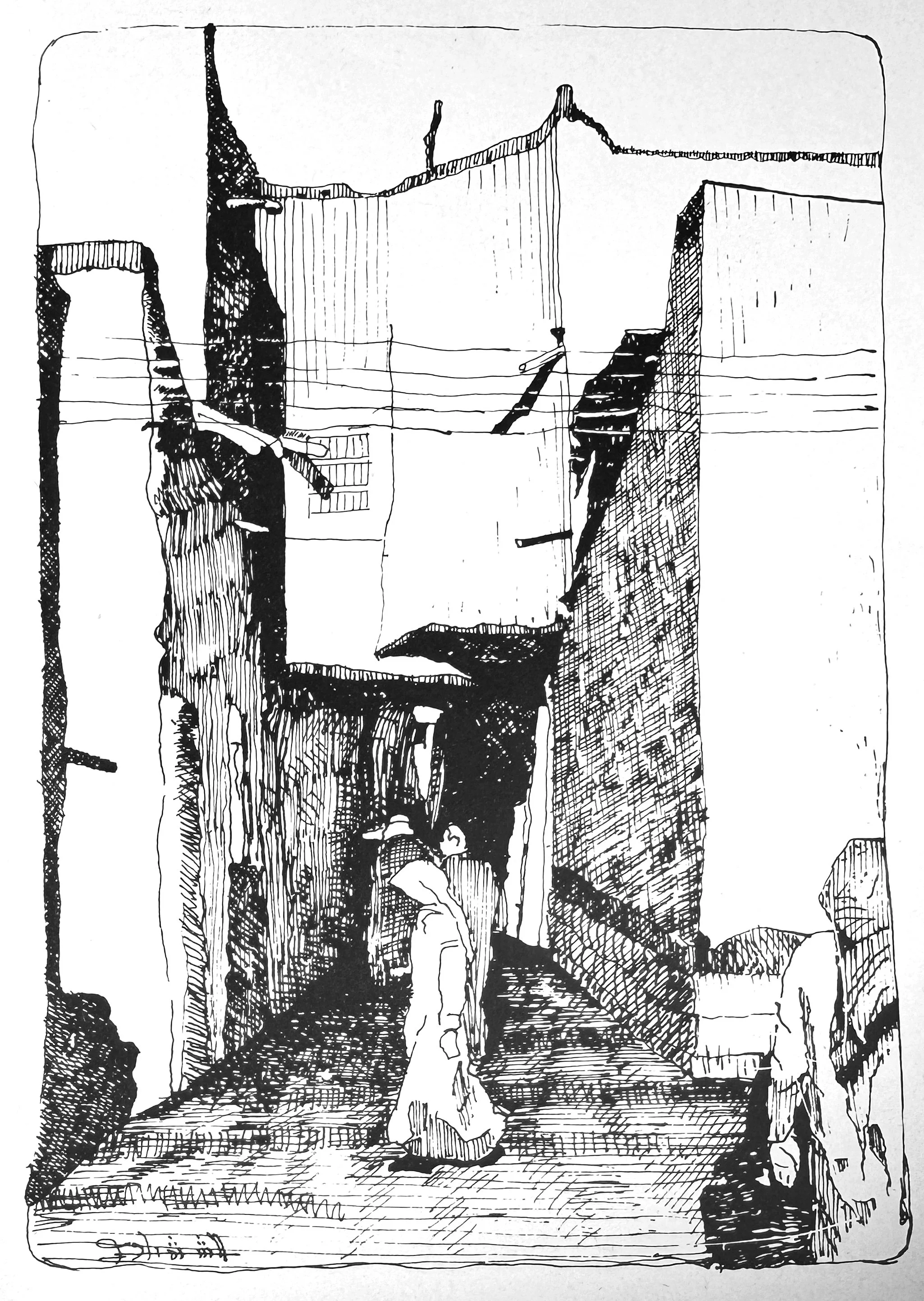
A Street in Old Riyadh (Sketch by Hassan Elsheshtawy)
This journey would feel incomplete without acknowledging the singular figure who influenced not only my intellectual and professional path but also my very way of seeing the built environment—my late father, Hassan Elsheshtawy. In many ways, he was part of this journey too. His own life and work intersect with many of the themes and geographies explored throughout this book. Rather than ending with a conventional summary, I have chosen to conclude with a tribute—a personal homage to his life, his architectural vision, and his contribution to the modernist project in the Arab world. This chapter, then, serves as a coda.
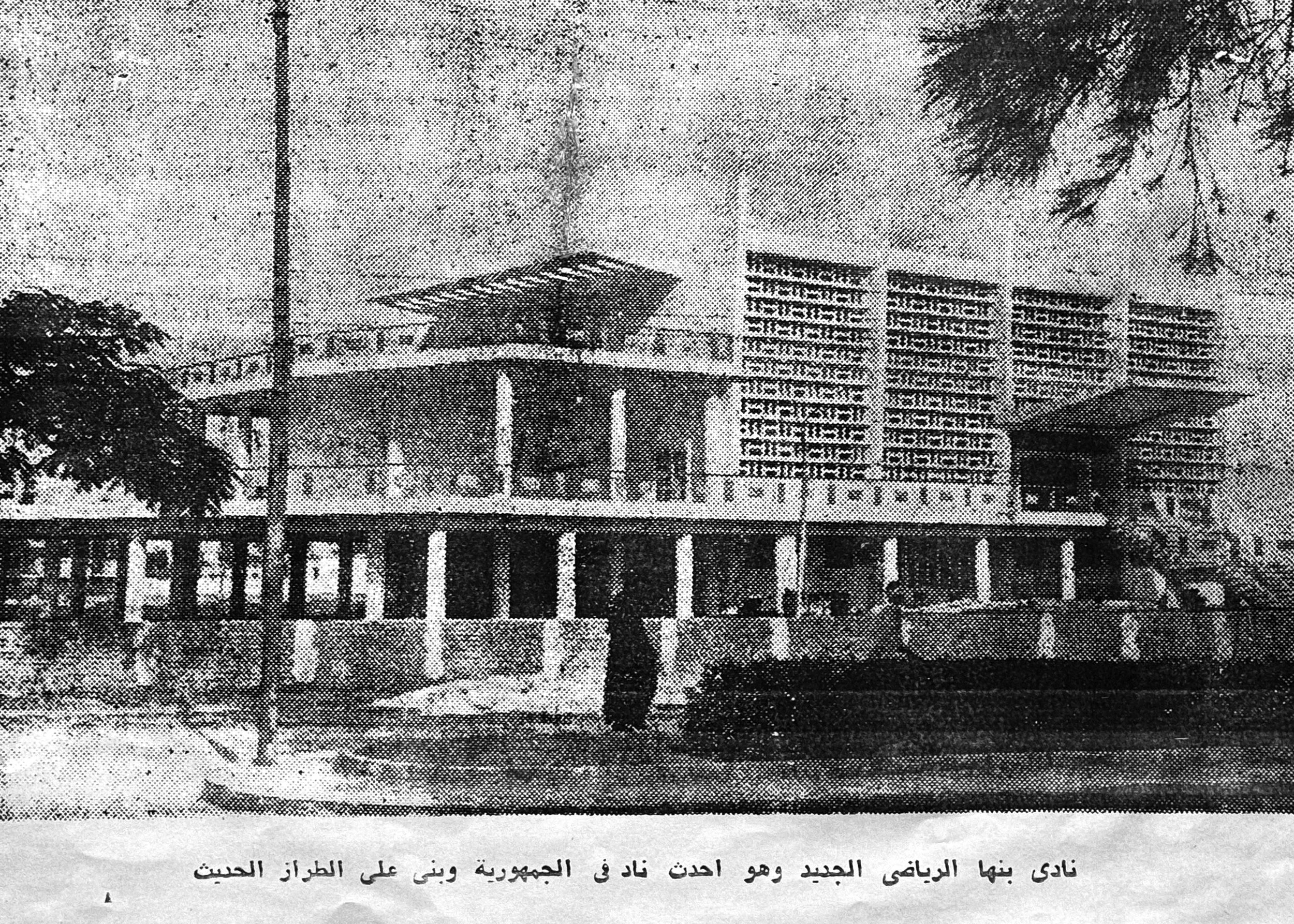
Benha Social Club. 1962
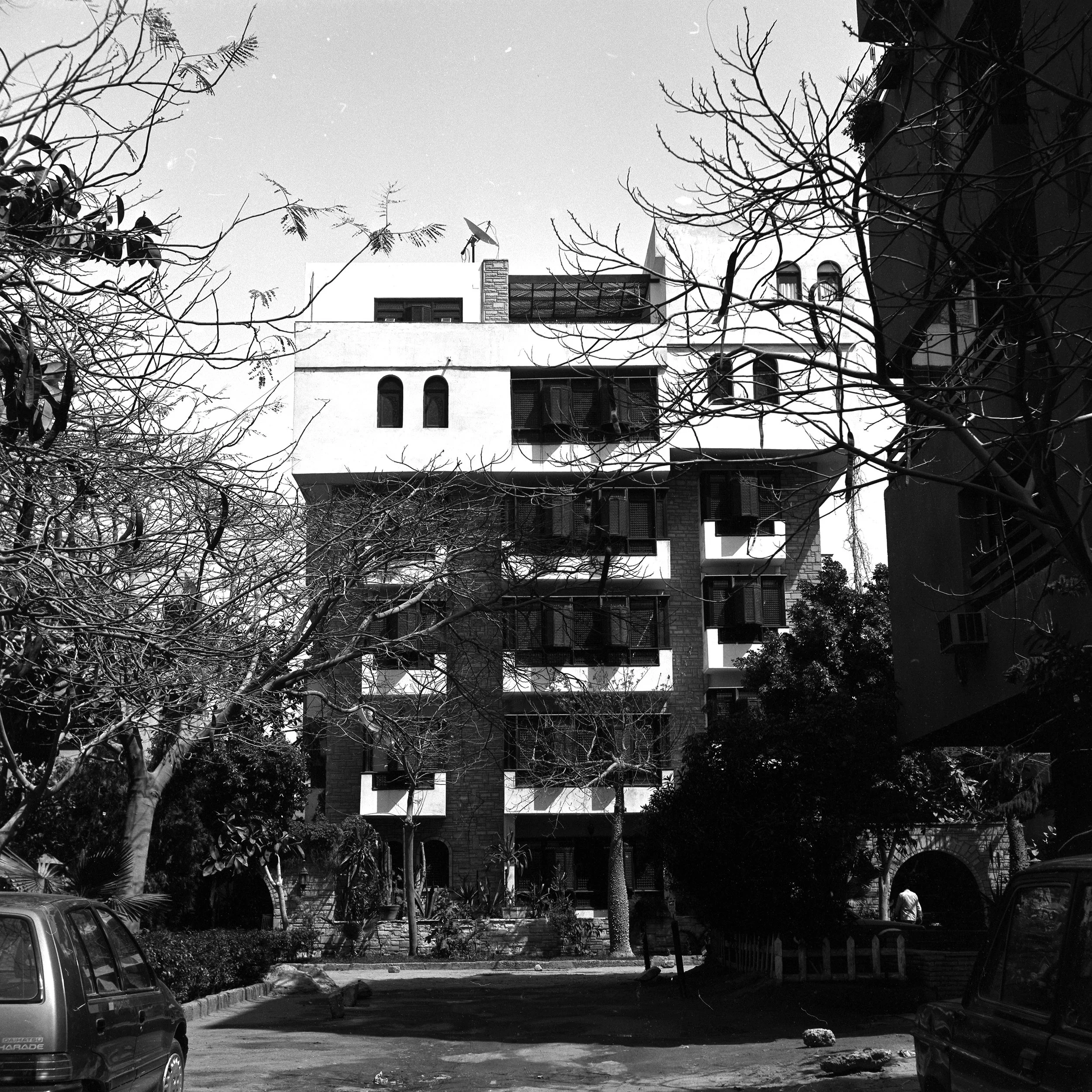
Home. Maadi. 1984
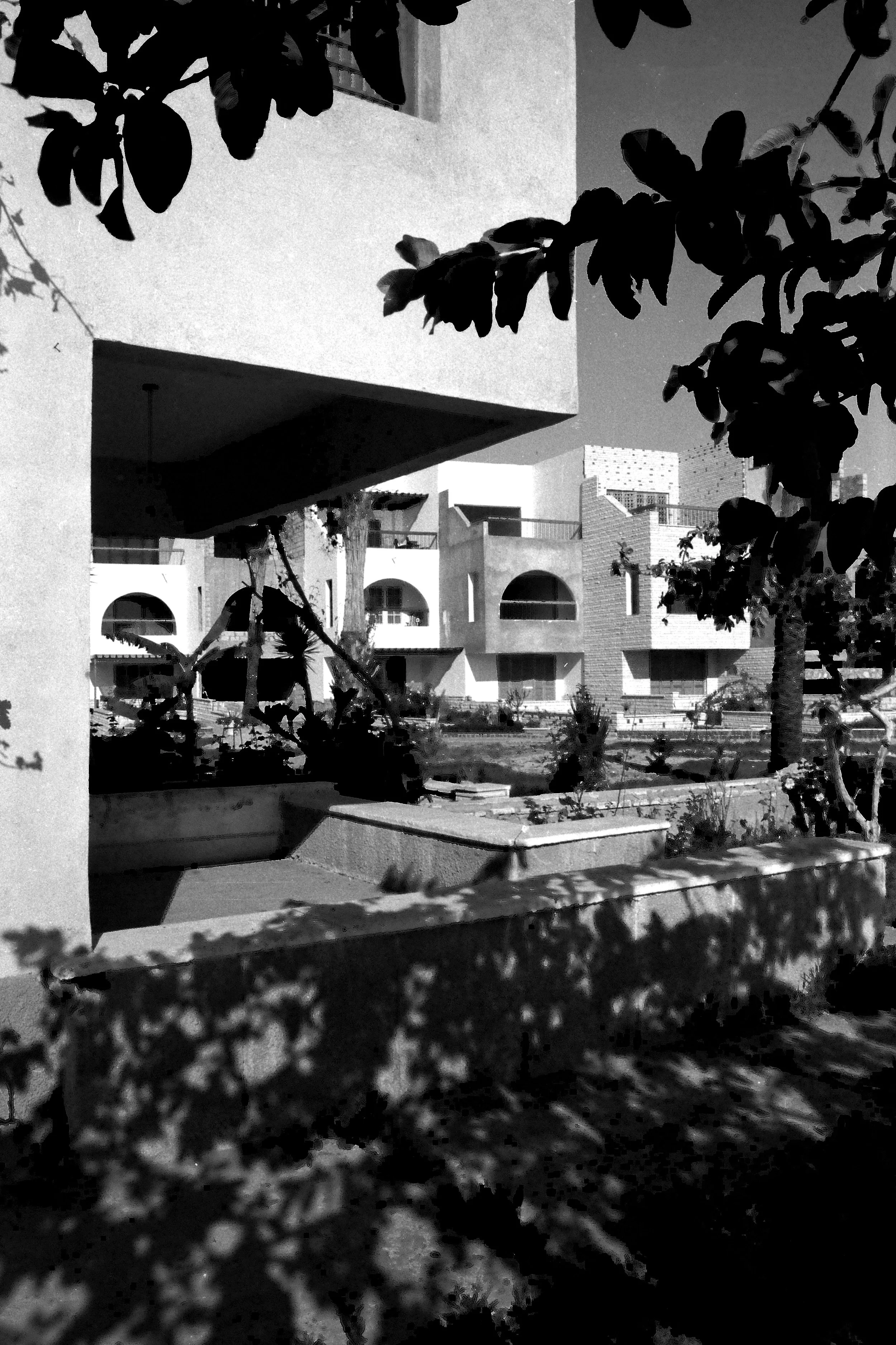
Fayed Resort. Ismailiya. 1998
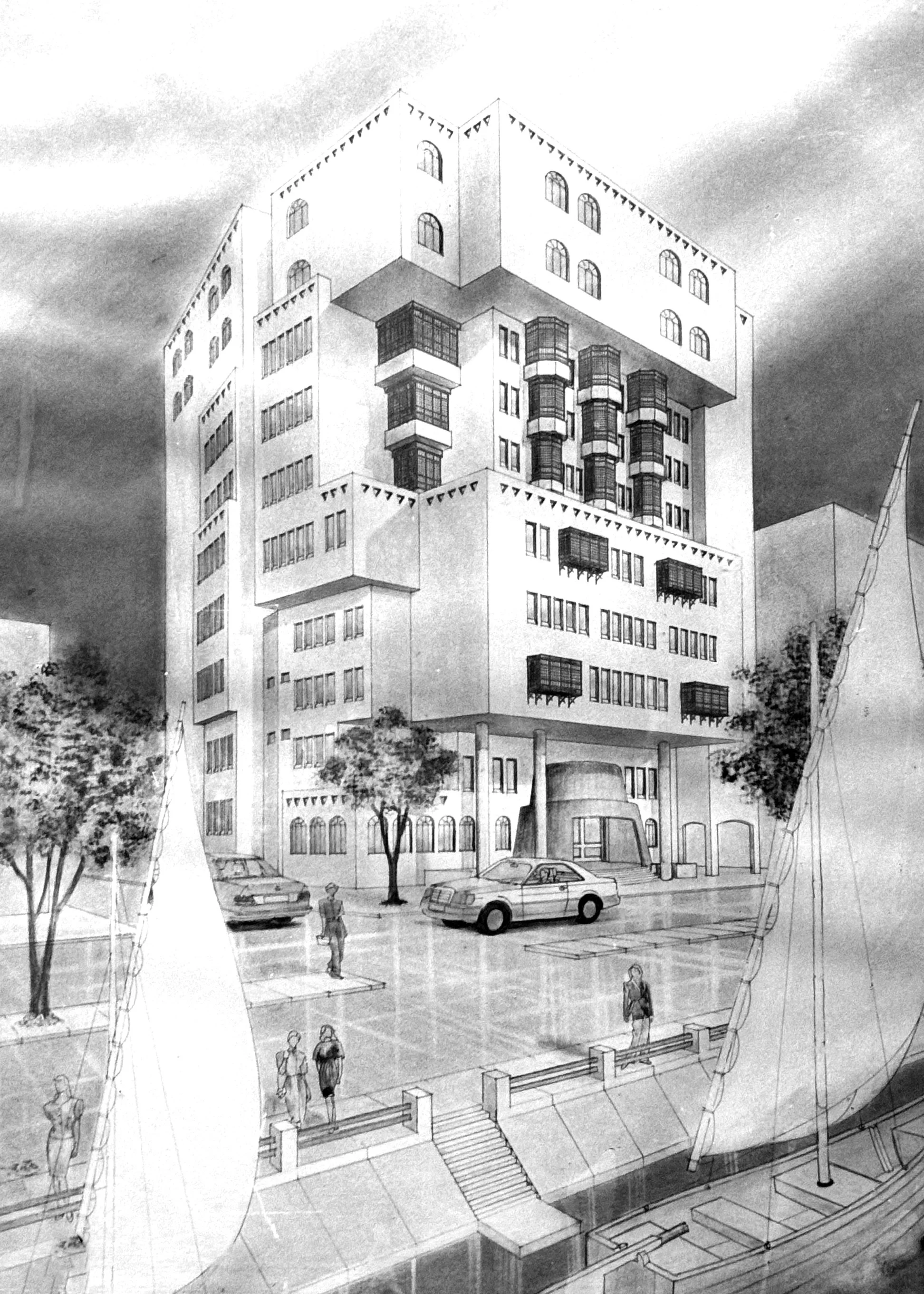
Benha Chamber of Commerce. 1999
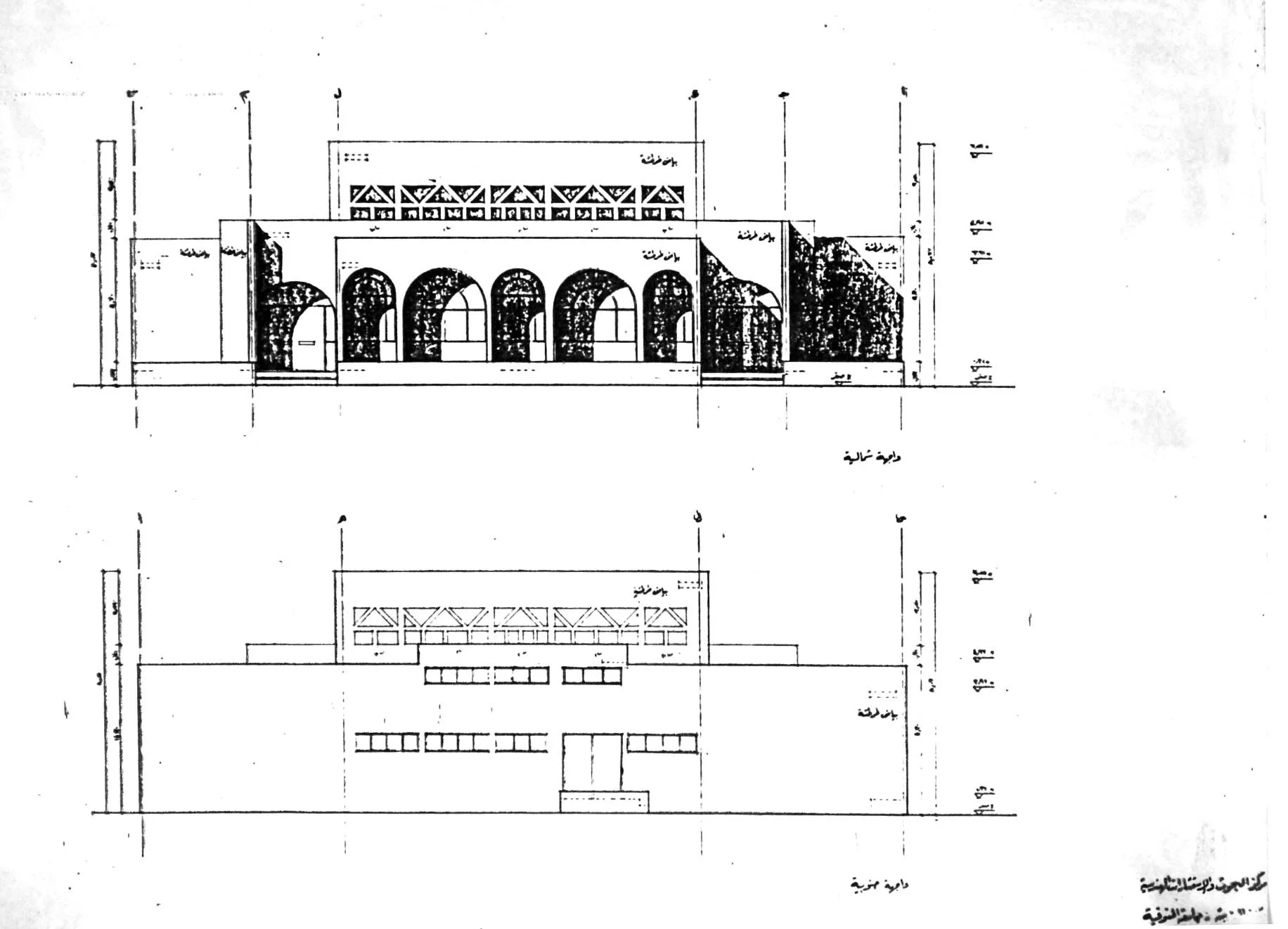
Minutia University Social Club. 1987
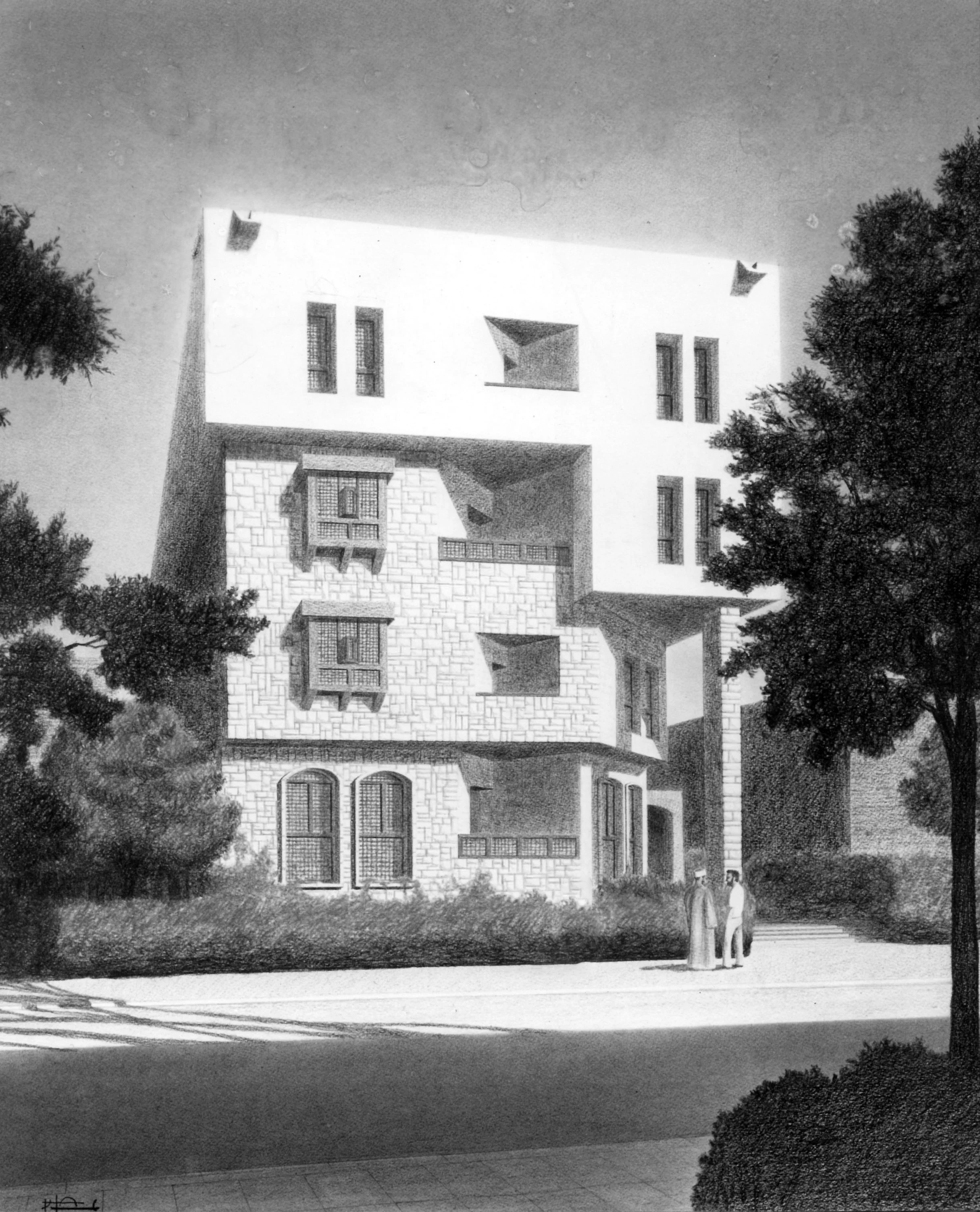
Afifi House. Maadi. 1988
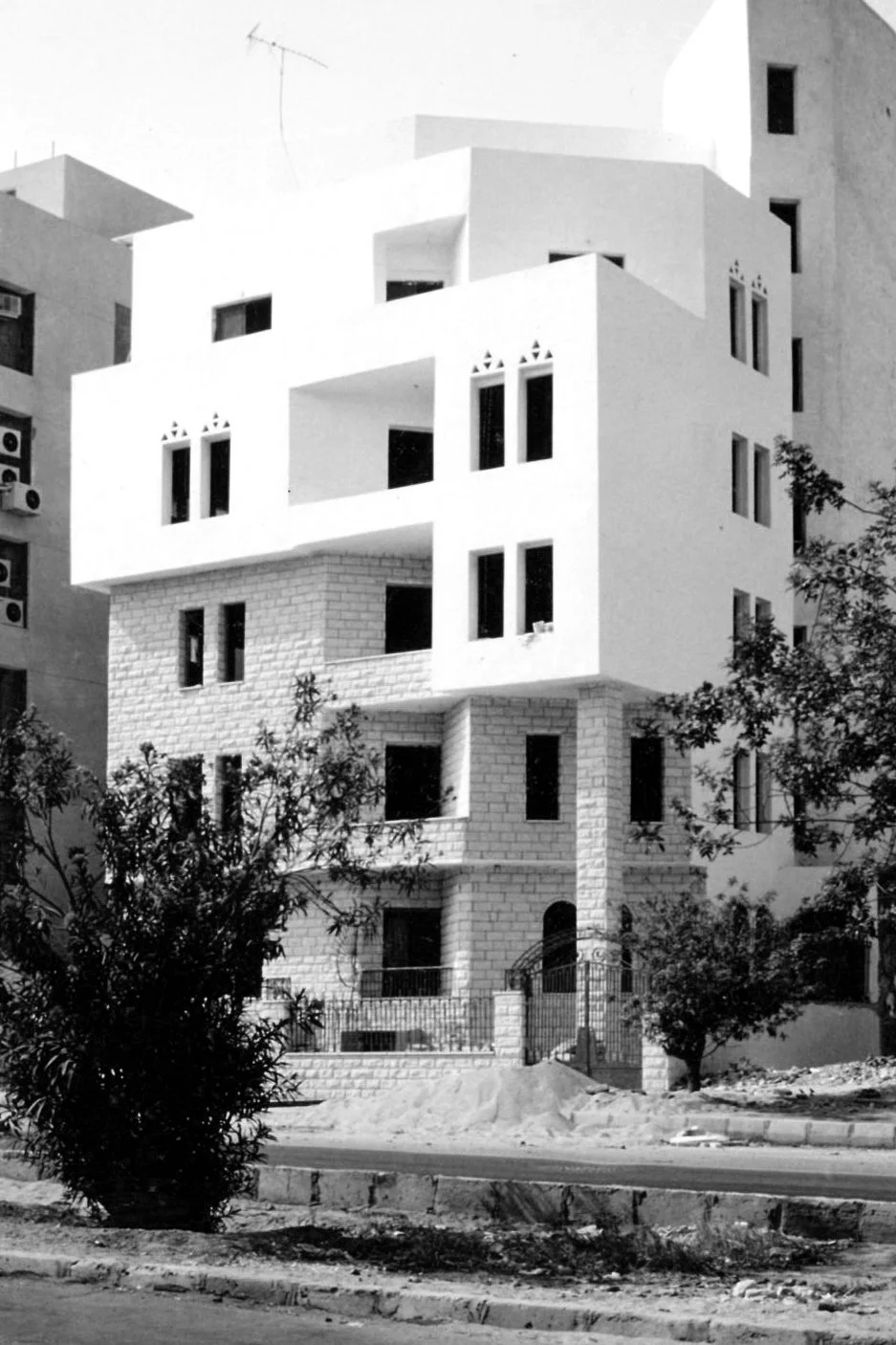
Afifi House Maadi. 1991
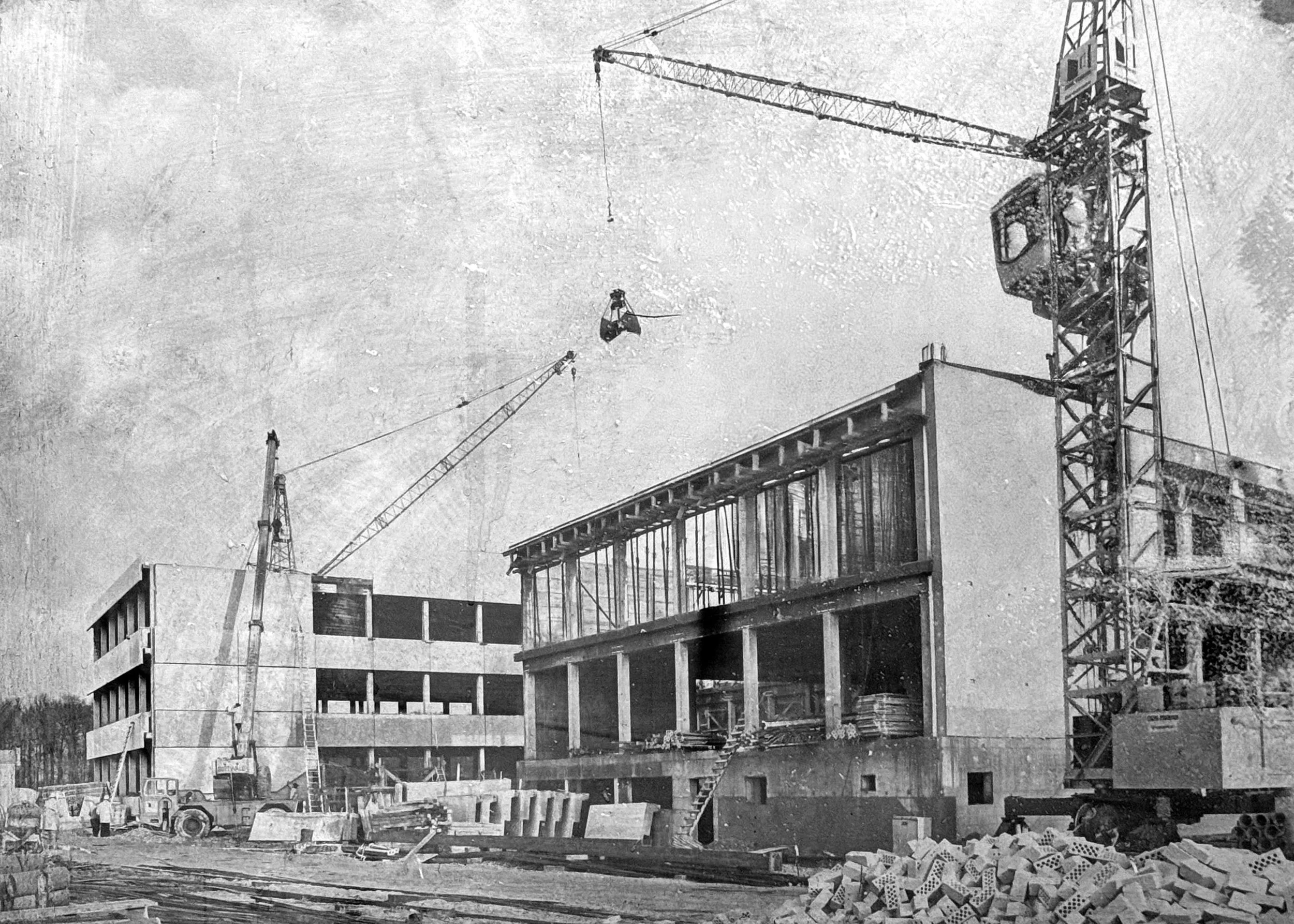
Gymnasium. Hannover. Germany 1971
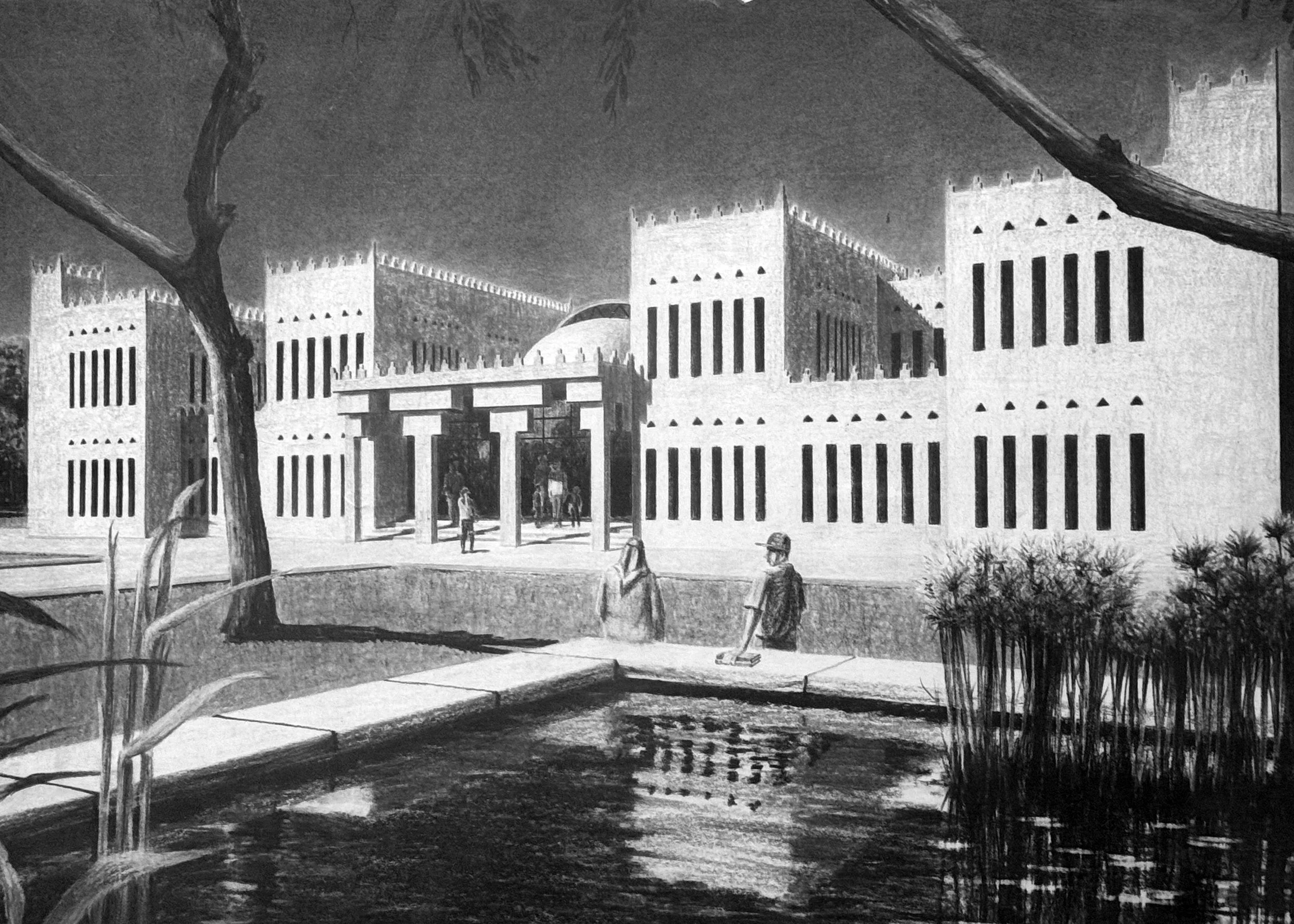
Office Building 1. Riyadh. 1978
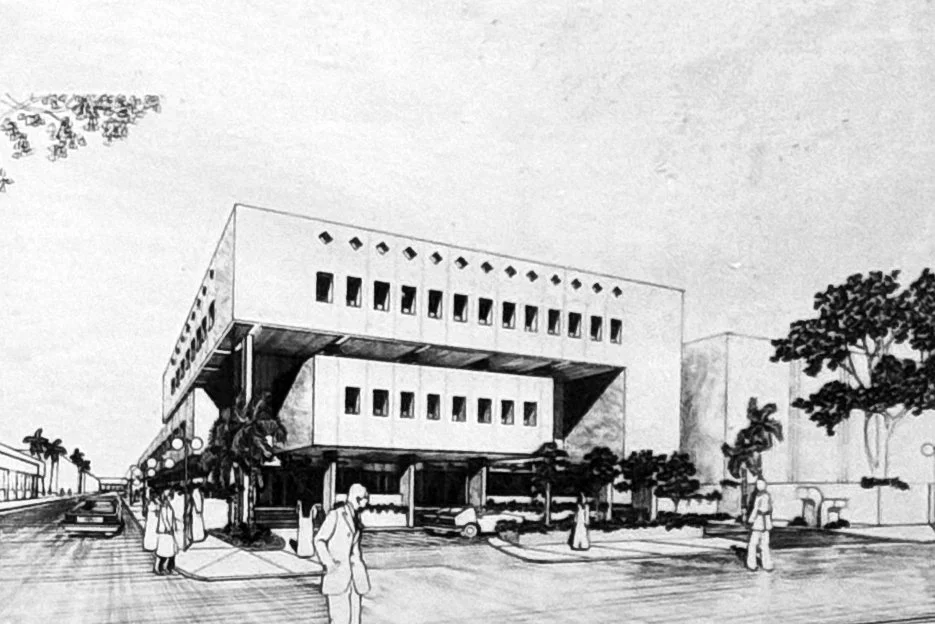
Office Building 2. Riyadh. 1978
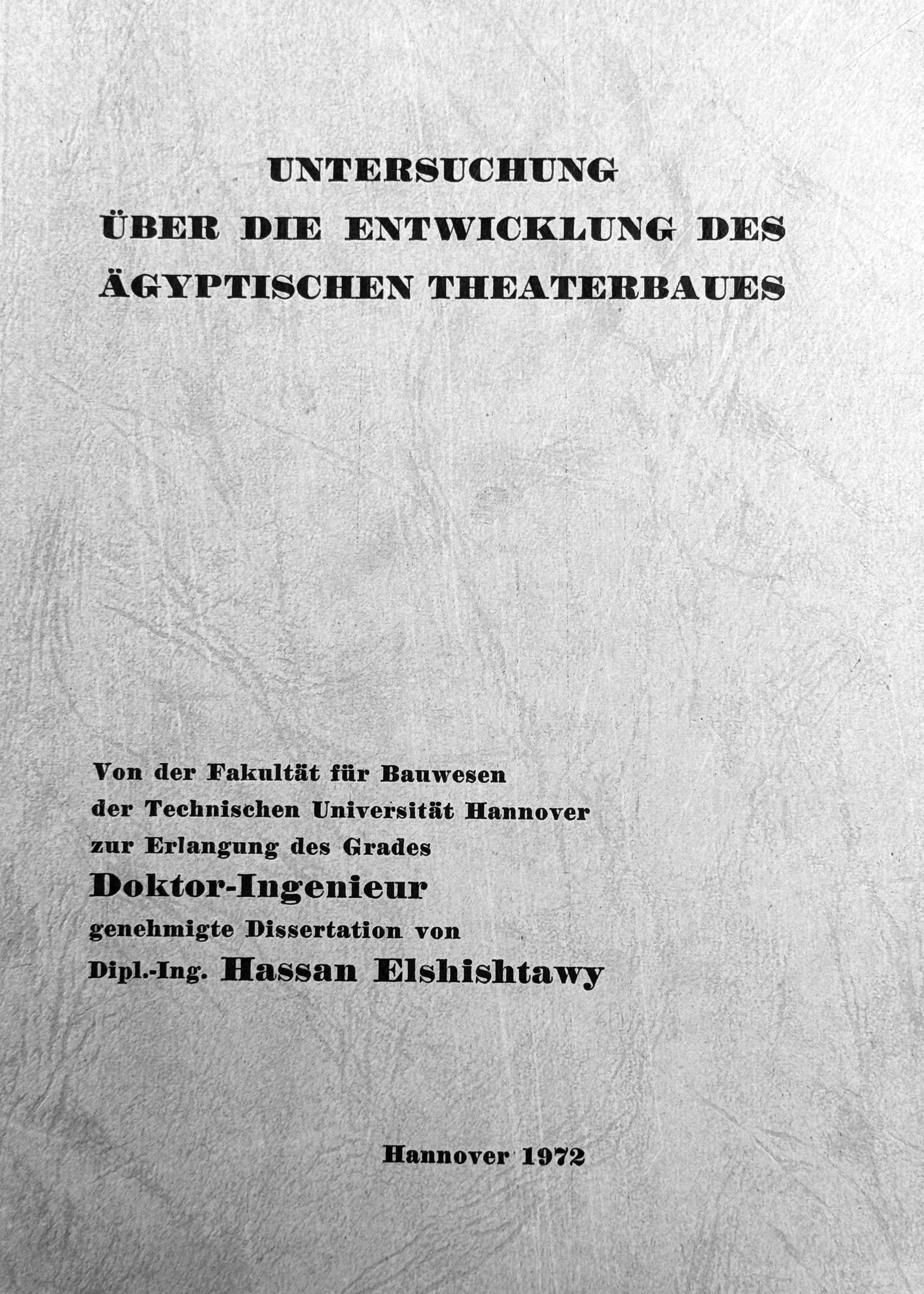
Doctoral Thesis. Hannover University..
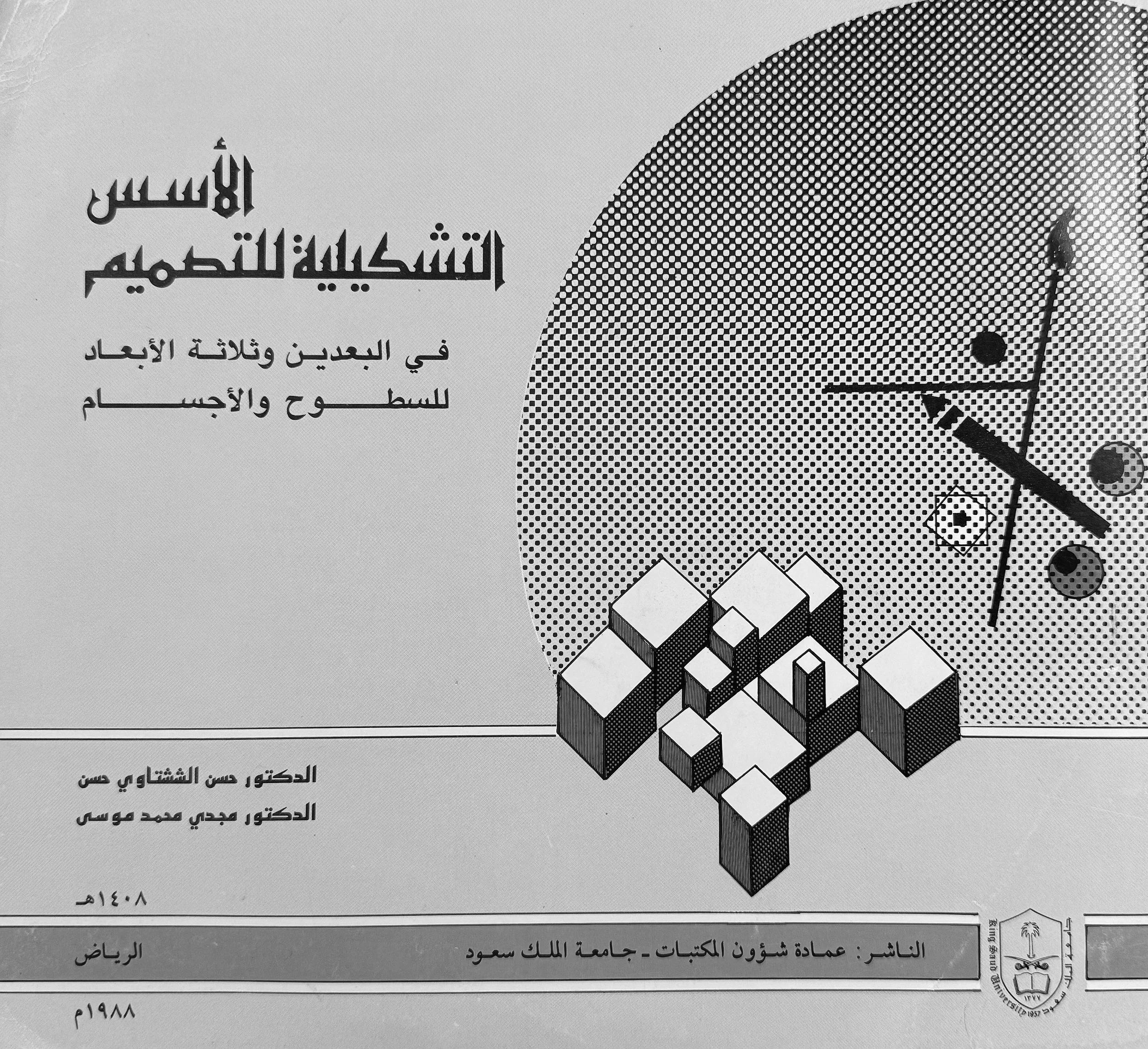
Basic Design Book. King Saud University.
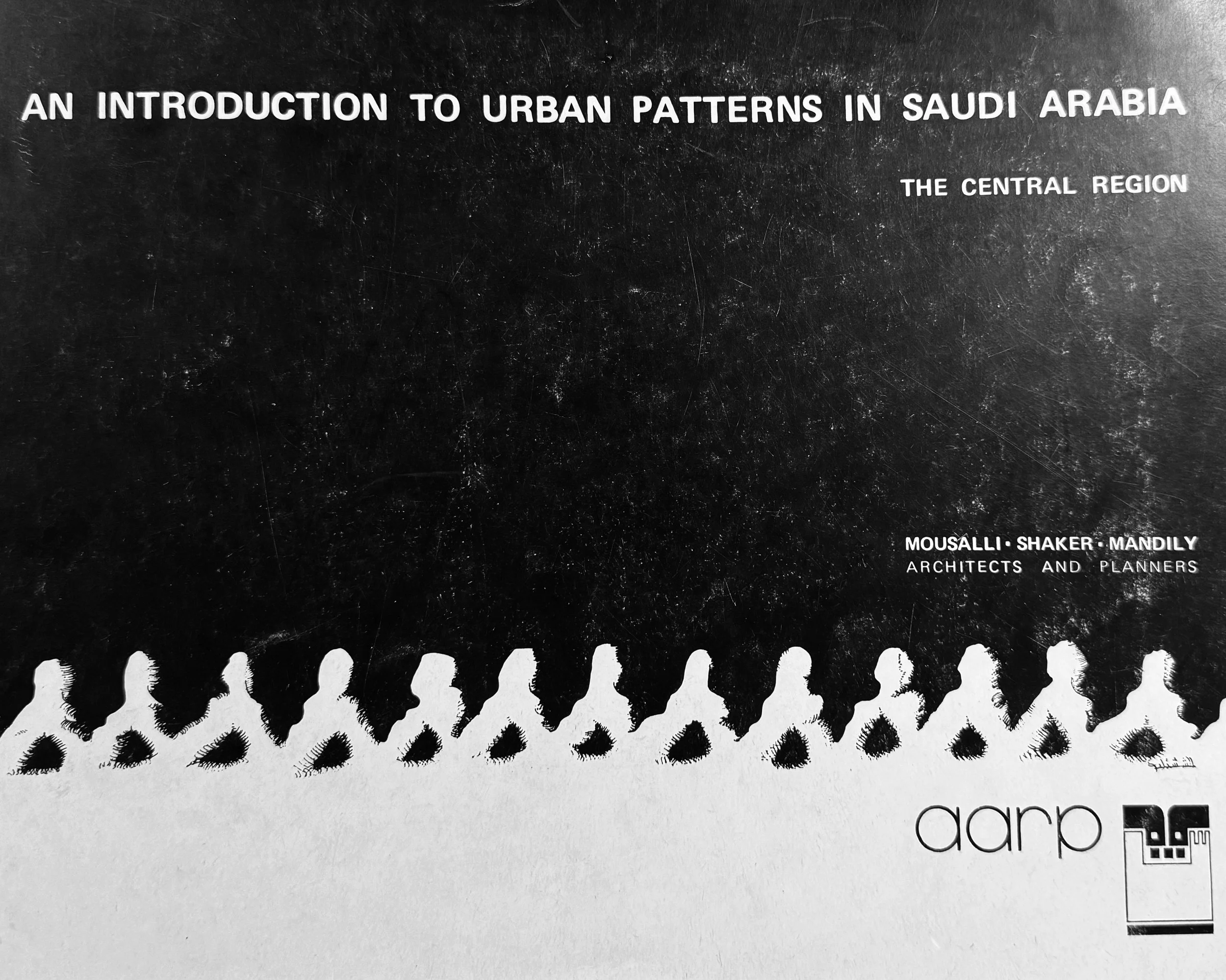
Urban Patterns Study. Riyadh/Najd
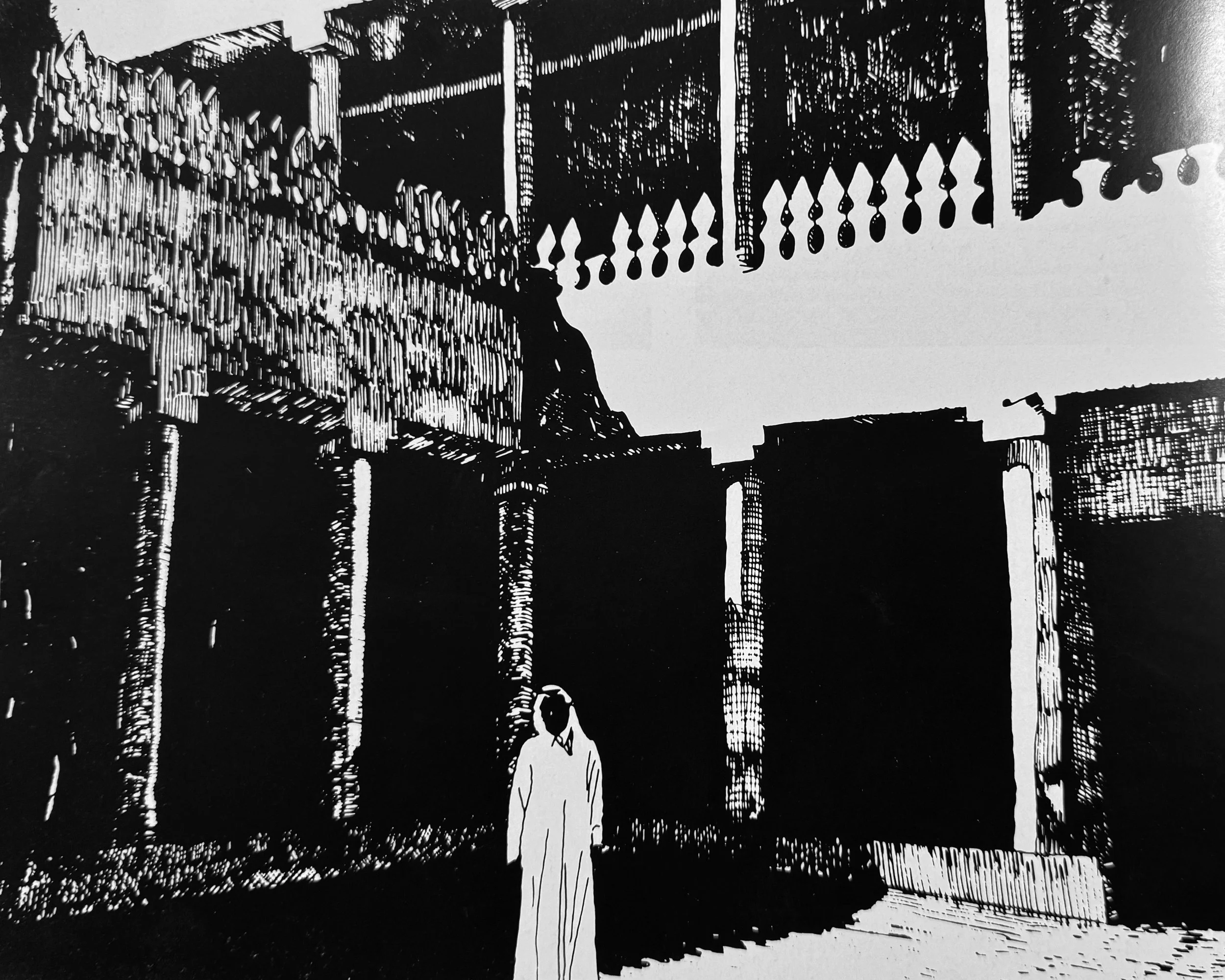
Sketch
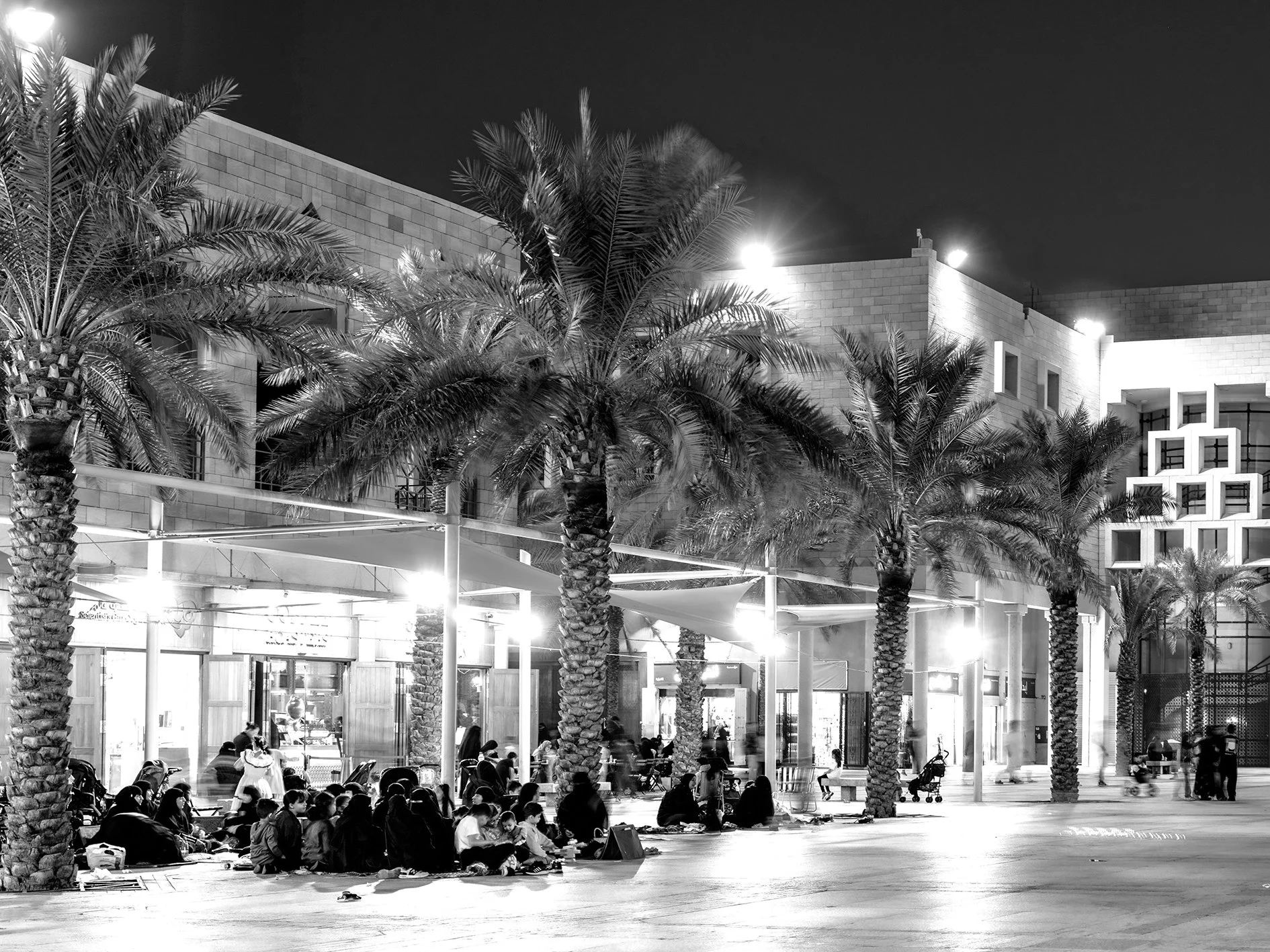
Kindi Plaza. Diplomatic Quarter. Beeah — Ali Shuaibi
As the interview came to an end, Ali Shuaibi paused and asked, “Are you the son of Hassan Elsheshtawy?” I said yes. His face softened, and he said, “We worked together in the 1970s at King Saud University. He was such a kind and generous man.” I thanked him. He then handed me a monograph about his office and signed it with a dedication to my late father. We shook hands, stepped out into the sundrenched sidewalk of central Riyadh, and I walked away holding the book, moved by the unexpected gesture. It was a fitting end—not just to the interview, but to the larger story I have been trying to tell. A story about modernism in the Arab world that is not simply about form, function, or style, but about memory, movement, and the people who shape and inhabit these cities. Architecture, my father often said, is nothing without people. It is not an object—it is a setting for life. And in the end, that is what this book has sought to recover: not just buildings, but the lives lived in and around them.