Chapter 7: Beirut. Urban Violence, Heterotopias & Terrain Vague
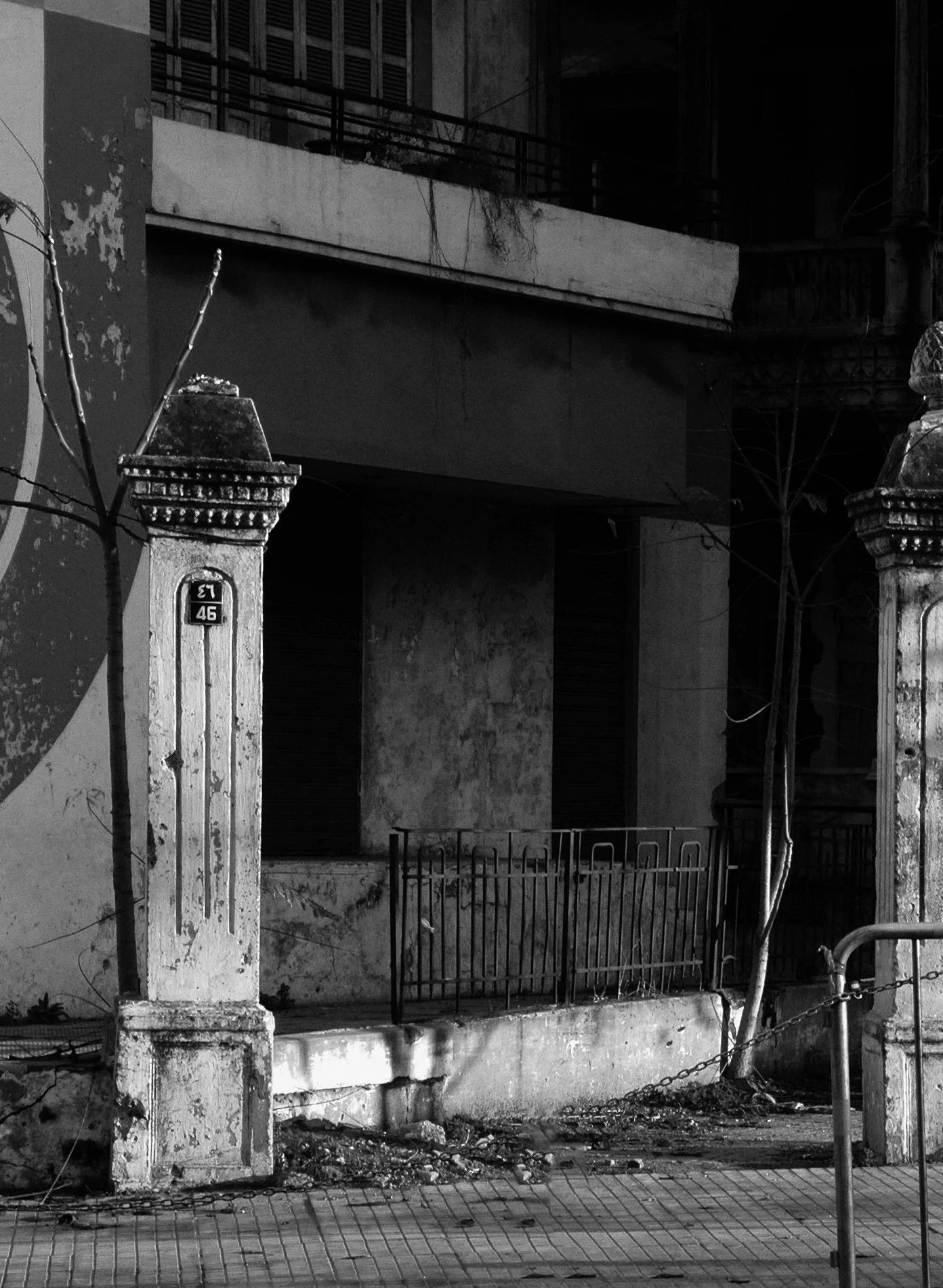
This chapter unpacks Beirut’s complex urban and architectural history through the lenses of modernism, memory, violence, and representation. It traces the city’s transformation from a cosmopolitan Mediterranean hub to a fragmented postwar metropolis marked by spatial inequality and neoliberal redevelopment. Beginning with a historical overview, the chapter highlights Beirut’s evolution under Ottoman, French, and post-independence governance, culminating in a mid-century modernist boom exemplified by iconic projects like the Phoenicia Hotel, Geffinor Center, and the Barakat Building.
A key focus is the post–Civil War reconstruction led by Solidere, a private company tasked with rebuilding downtown Beirut. While aiming to restore the city’s global stature, the project is critiqued for its erasure of memory, privatization of public space, and failure to engage the everyday lives of Beirut’s residents. The chapter juxtaposes this artificial modernity with informal neighborhoods and heterotopic spaces depicted in literature and film, including West Beirut, Capernaum, and novels by Hoda Barakat and Rabih Alameddine.
These works reveal a city shaped as much by absence and trauma as by spectacle and design. The chapter also revisits forgotten planning efforts, such as Doxiadis’ unbuilt housing proposal, and examines the aftermath of the 2020 port explosion, which exposed the failures of Beirut’s urban governance and reignited grassroots movements for equitable reconstruction. Through personal narrative, cinematic and literary analysis, and urban critique, the chapter presents Beirut as a layered city—where beauty, decay, and resistance coexist, and where the future remains tethered to unresolved histories.
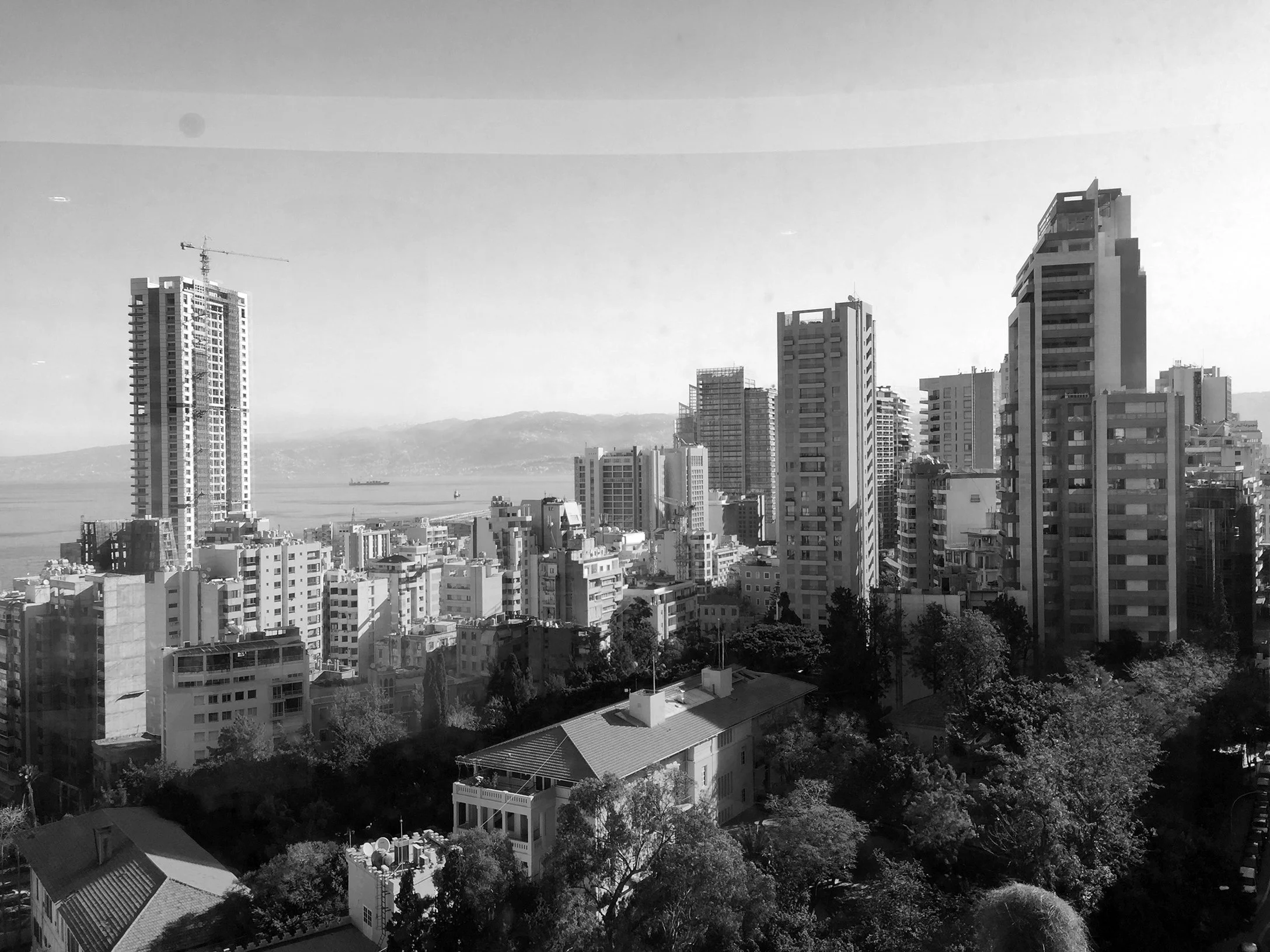
Skyline of West Beirut. 2017
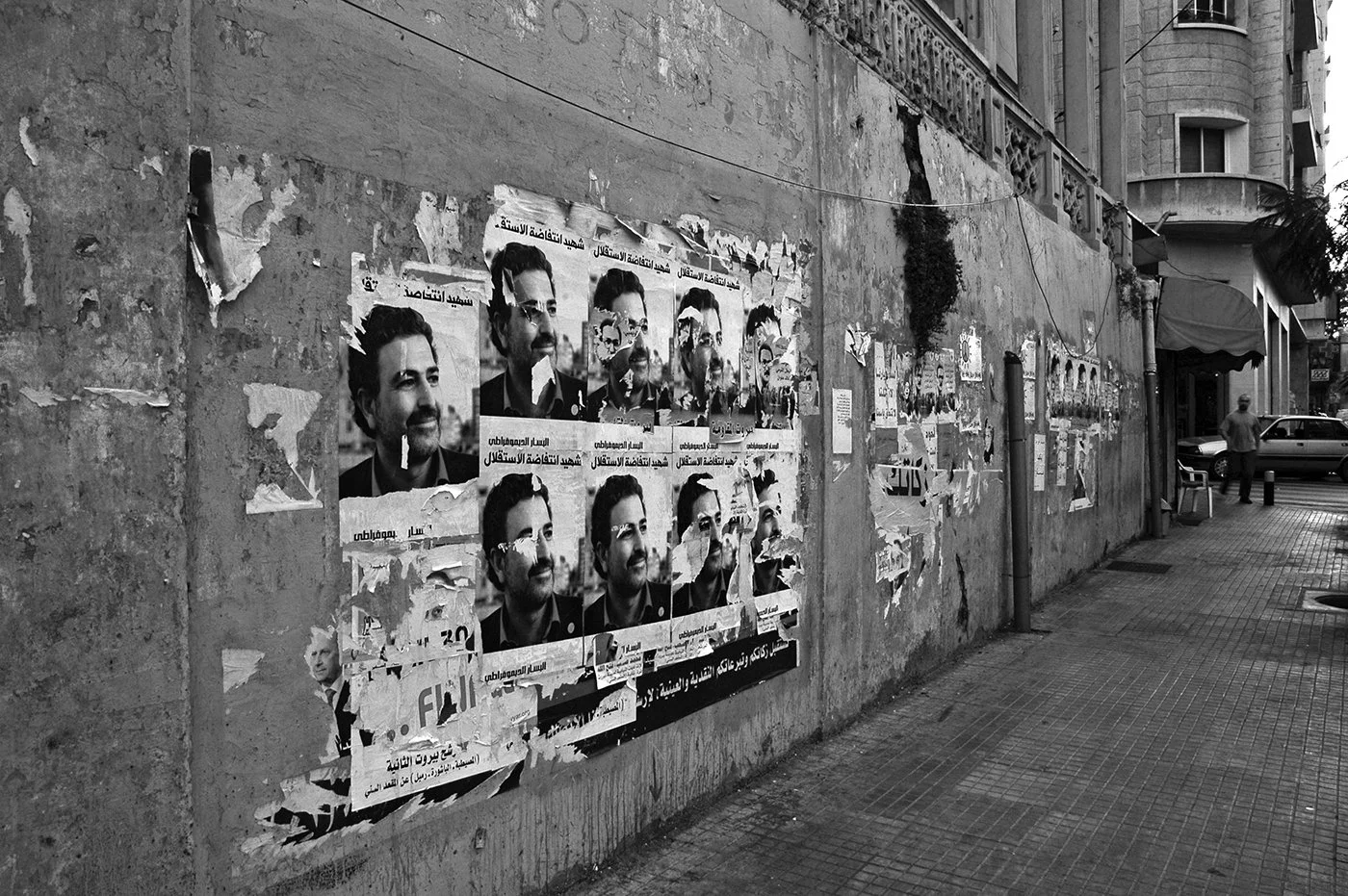
Posters commemorating the assassination of Samir Kassir. 2005
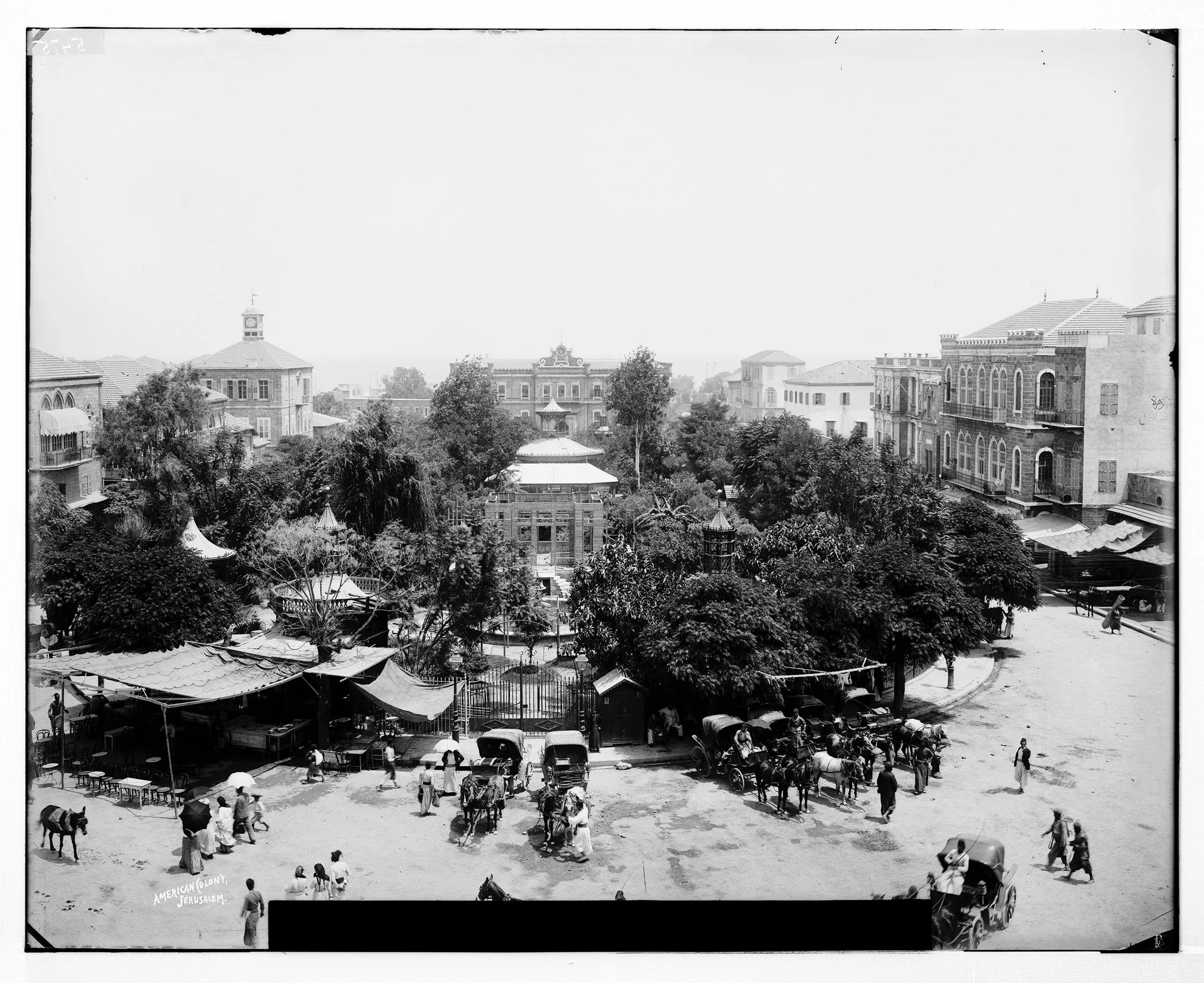
City Square, Beirut. 1898
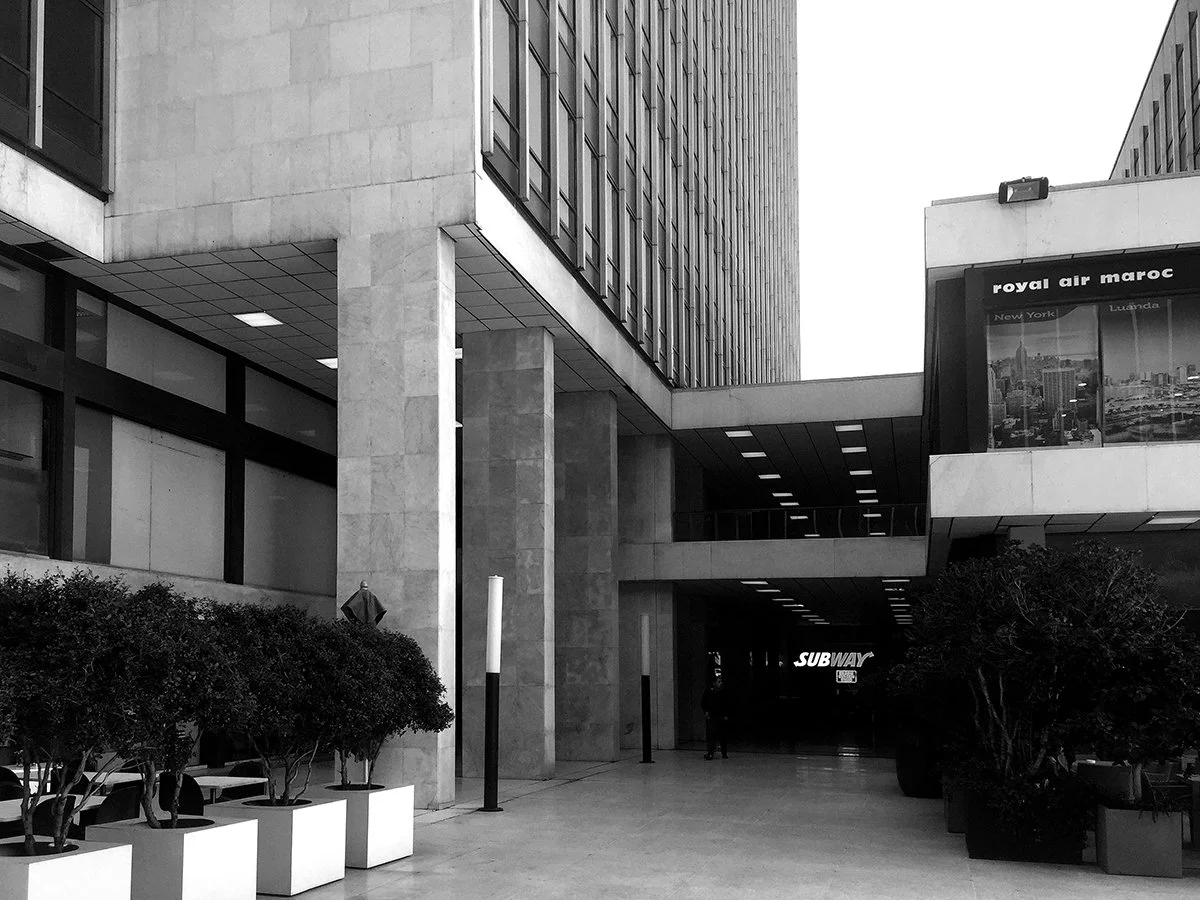
Geffinor Center, Victor Gruen. 2017
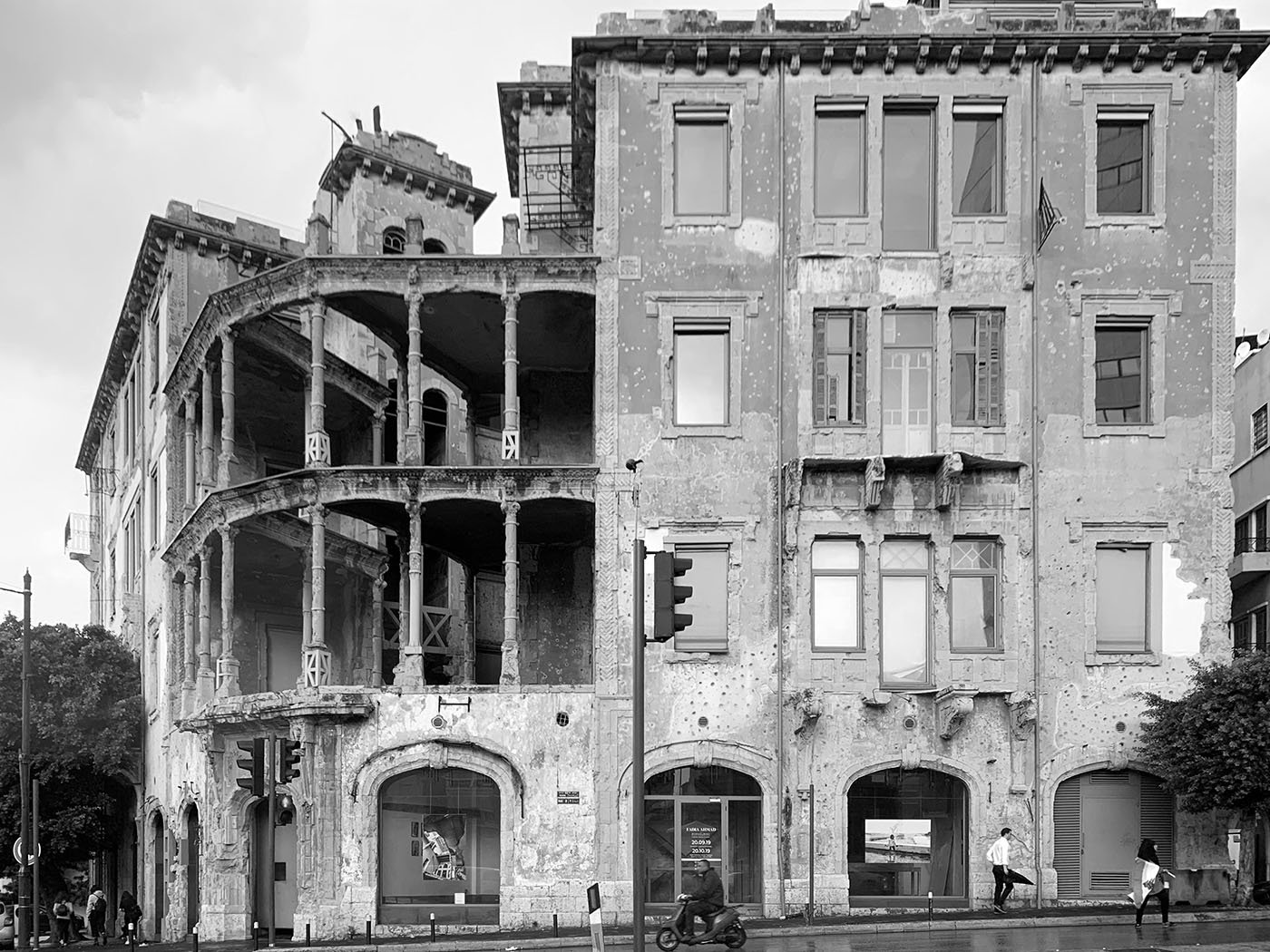
Barakat Building. Youssef Aftimos. 1964
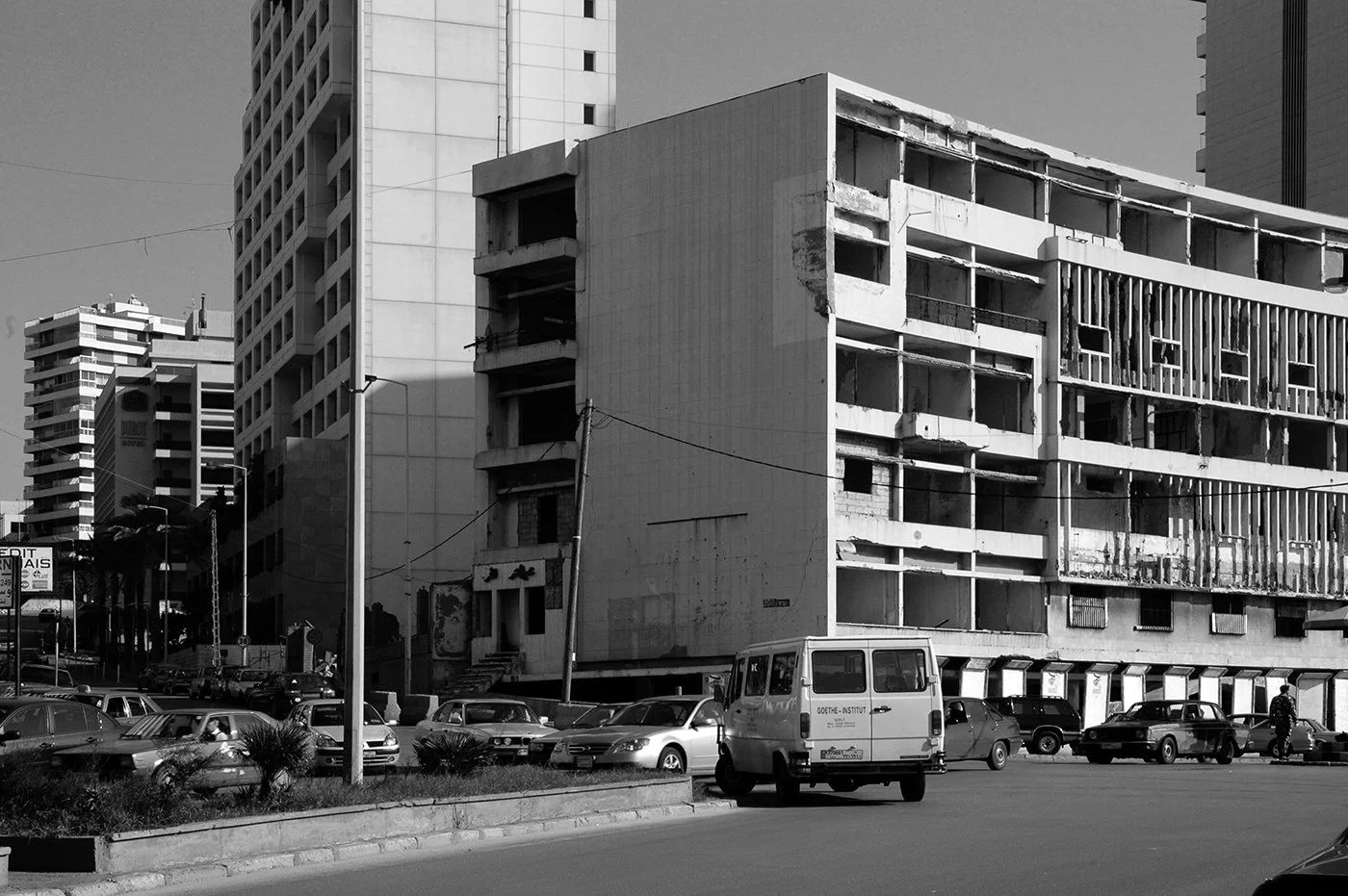
Gondole Building. 2005
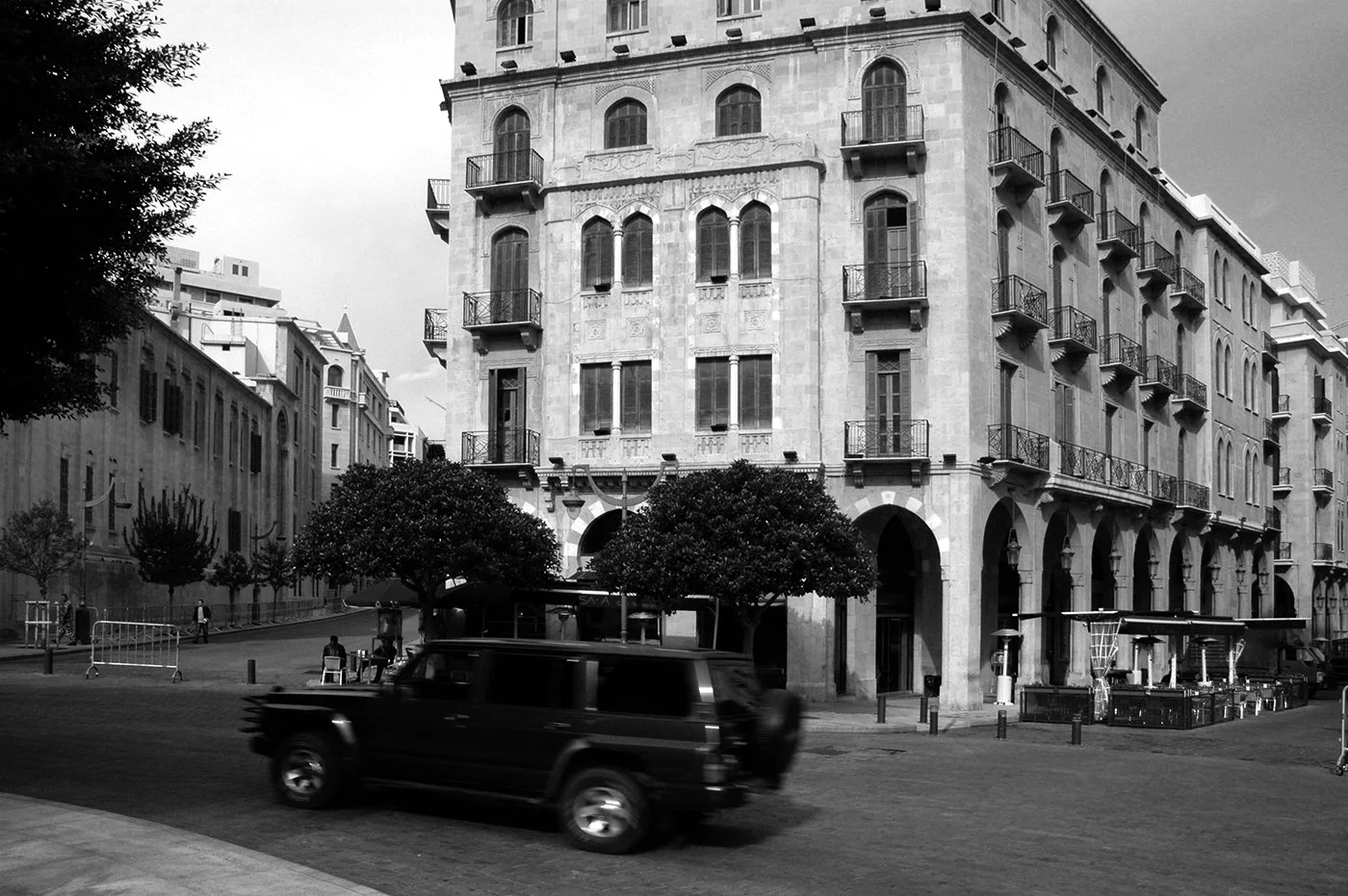
Solidere Development. Nejmeh Square. 2005
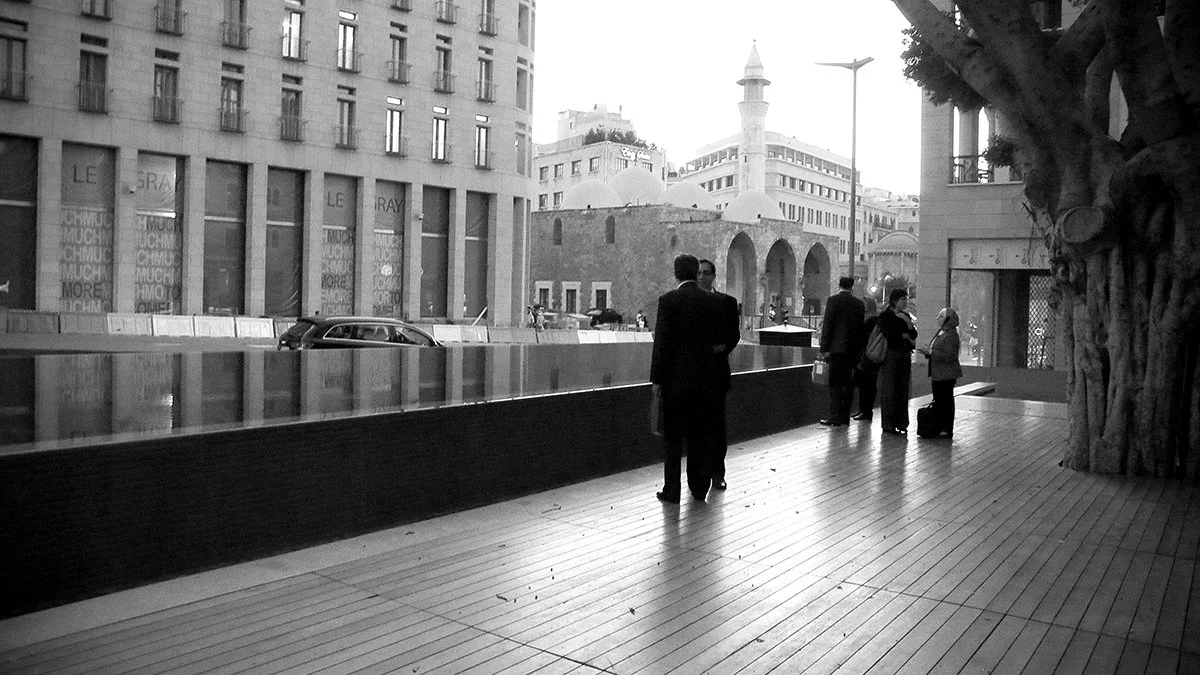
Samir Kassir Square. 2011
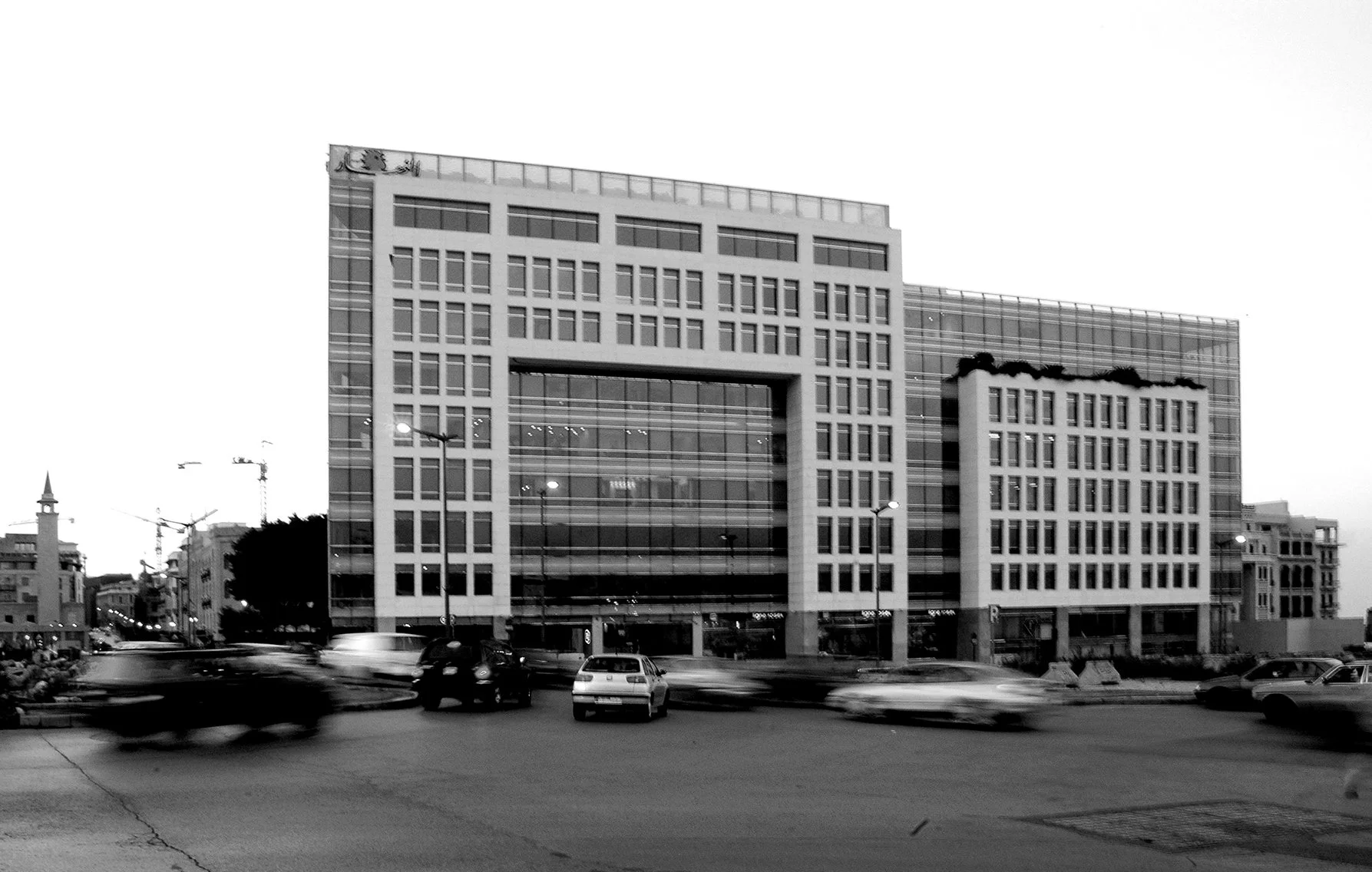
Martyrs Square & Al-Nahar Newspaper Headquarters. 2015
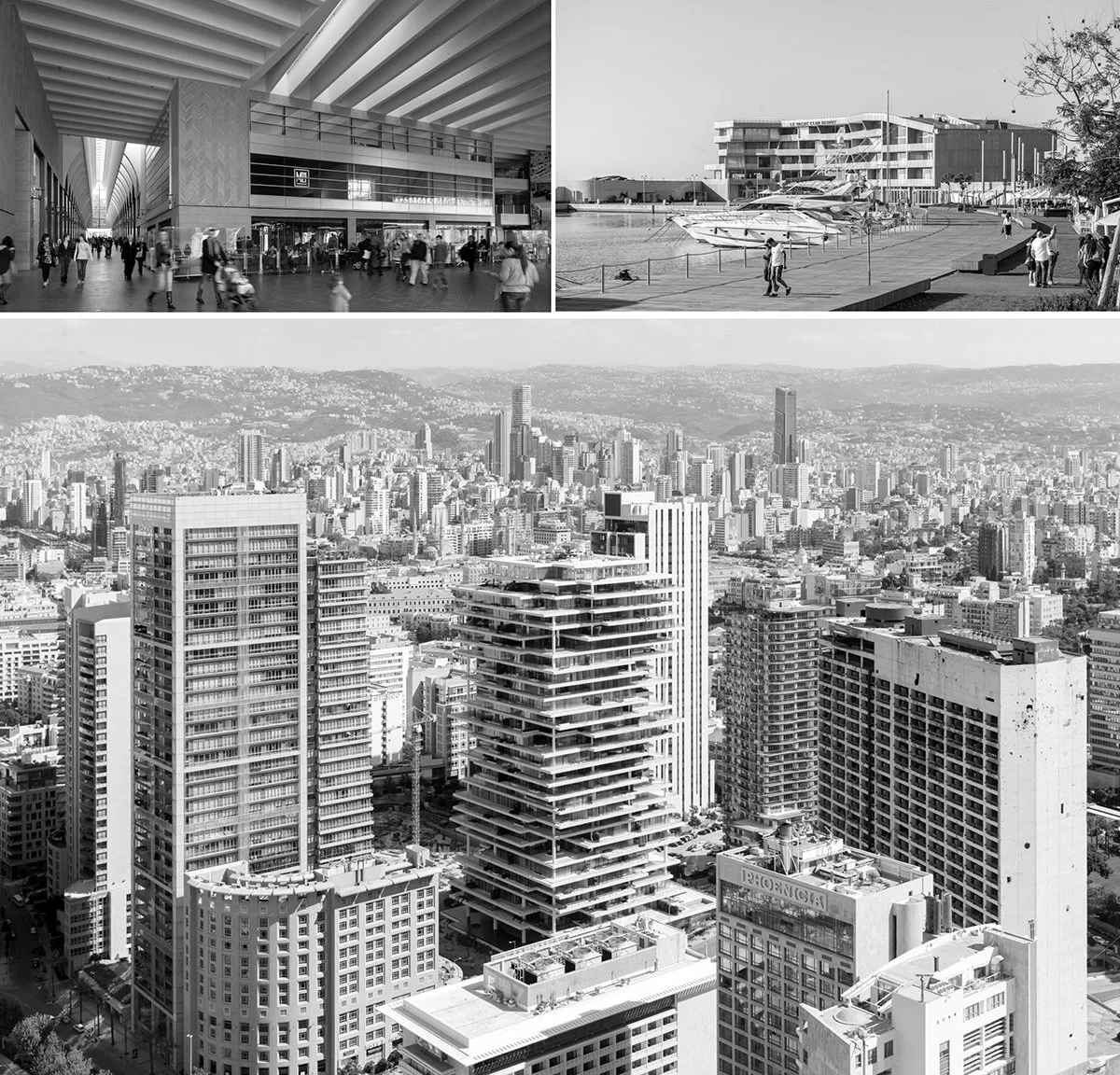
Clockwise from the top: Beirut Souk; Beirut Marina; Beirut Terraces
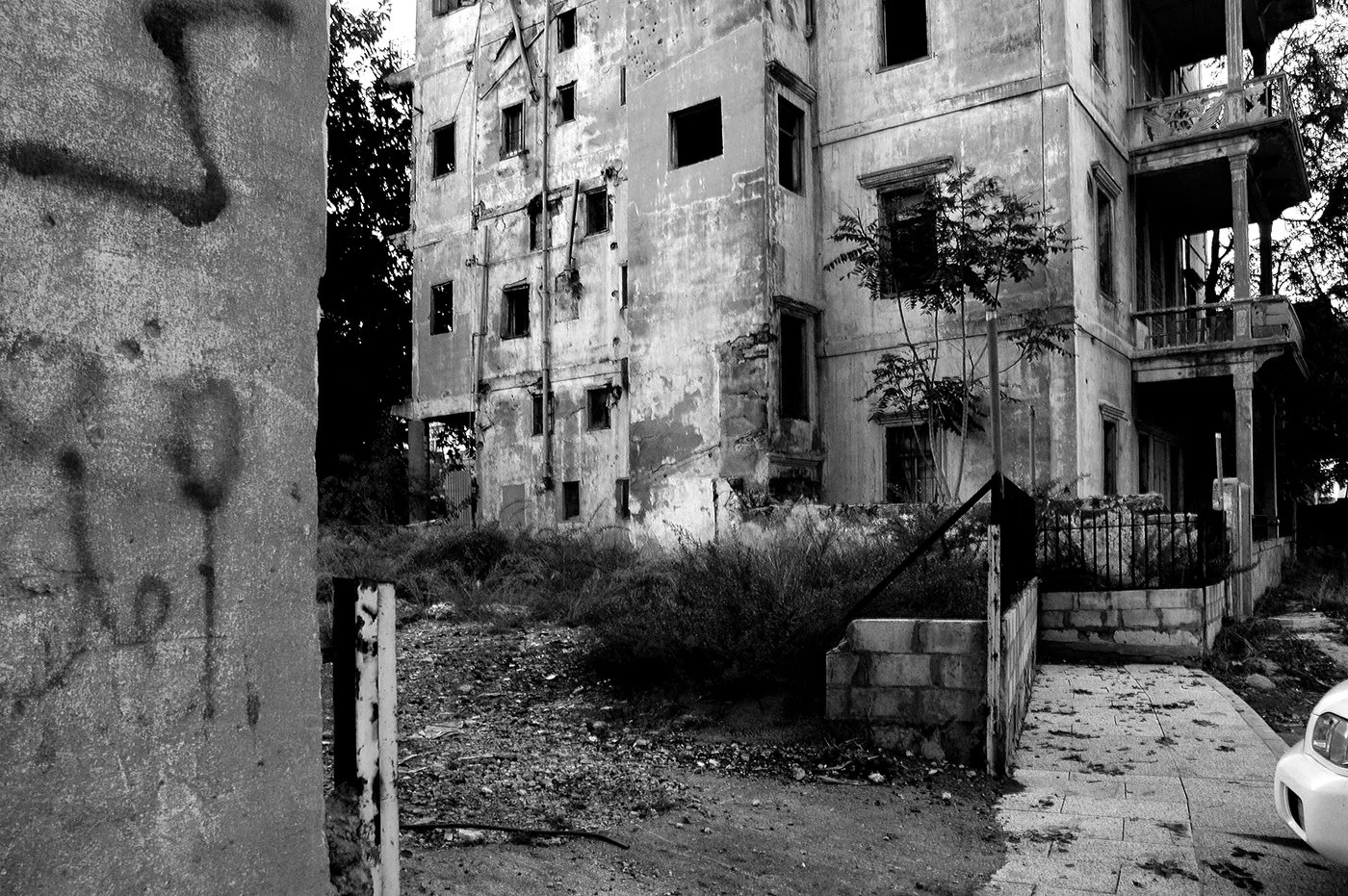
Beirut’s fading urban beauty. An abandoned courtyard. 2005
1950s & 1960s
1990s
Solidere
Nadine Labaki’s “Capernaum” (2018) is a powerful cinematic portrait of Beirut’s most marginalized spaces and people, as seen through the eyes of a 12-year-old boy, Zain, who sues his parents for bringing him into a life of suffering. Set in the city’s slums and informal peripheries, the film presents a Beirut not typically represented in mainstream narratives — a city of forgotten corners, invisible labor, and overlapping crises. The urban concept of “heterotopia,” as theorized by Michel Foucault, provides a compelling framework to understand the film’s architectural and spatial backdrop (Foucault, 2008). These “other” spaces, existing outside or in tension with the normative urban order, disrupt and challenge our understanding of space, power, and exclusion