Chapter 9. Kuwait: Spatial Marginalization & Exclusion
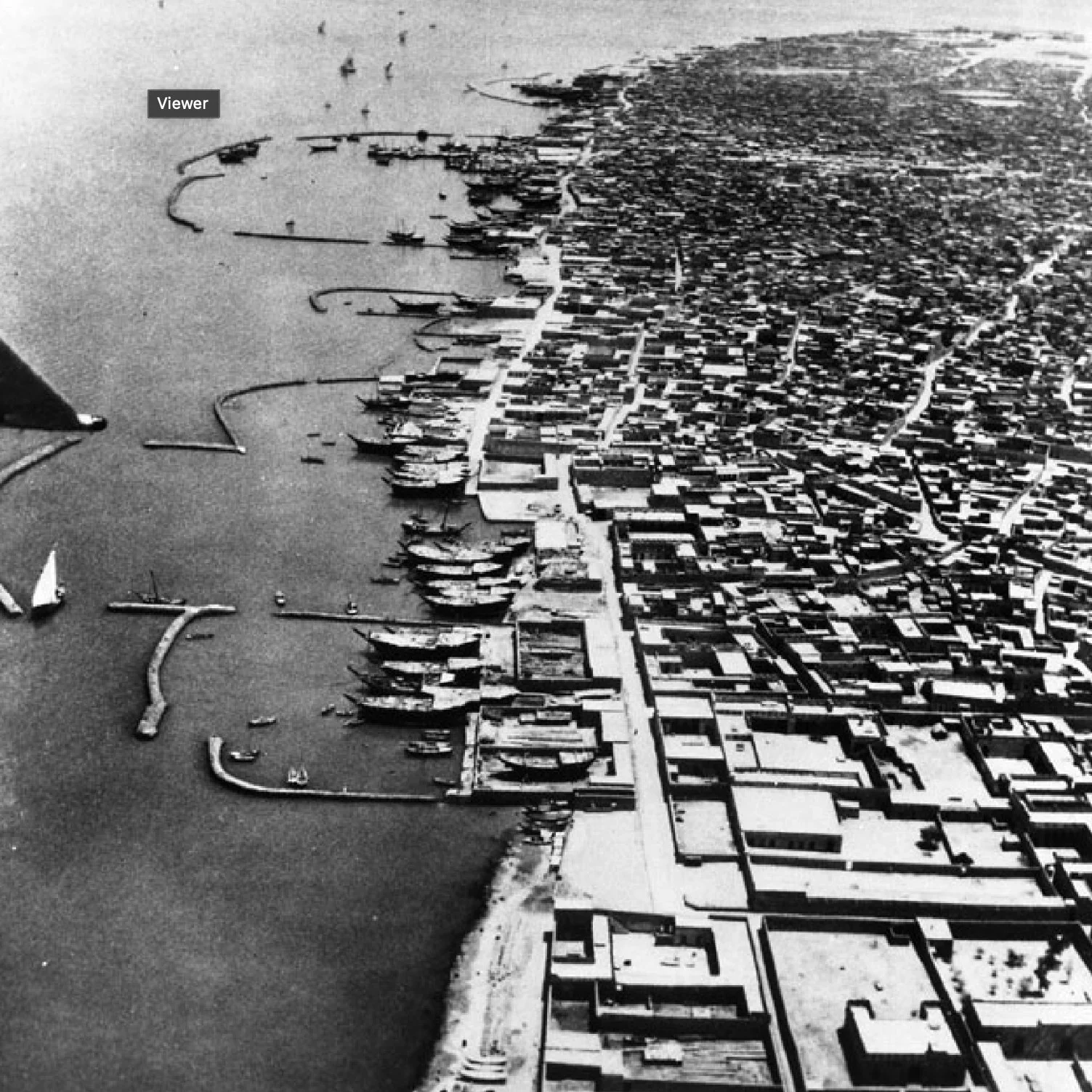
This chapter examines Kuwait’s urban and architectural transformation in the post-oil era, tracing how the city shifted from a maritime settlement defined by thresholds and intimacy to a sprawling modernist capital marked by exclusion and spatial fragmentation. It foregrounds the ways in which modernization was not merely a response to oil wealth, but a deliberate state-led project of erasure, control, and identity formation.
The chapter explores key architectural and planning moments—from the demolition of the historic core to the adoption of a suburban housing model that reinforced socio-political hierarchies. Through detailed case studies, including the landmark Al-Sawaber housing complex, the chapter interrogates the failures and possibilities of modernist design in the Gulf, revealing how ambitious visions were often undermined by neglect, stigma, and political expedience. The chapter also addresses the marginalization of stateless Bidun populations, showing how their spatial exclusion reflects broader dynamics of citizenship and belonging.
Drawing on literature, film, and visual art, including Bas Ya Bahr, The Bamboo Stalk, and Kuwaiti artist Dana Al Rashid’s digital exhibitions, the chapter amplifies counter-narratives that challenge Kuwait’s sanitized urban image. These cultural works depict a city haunted by memory, silence, and suppressed histories. Ultimately, the chapter argues that Kuwait’s modernity is shaped as much by its absences—of inclusion, memory, and social justice—as by its monumental architecture. It concludes with a reflection on grassroots initiatives like the “Secret Garden,” suggesting that alternatives to exclusionary urbanism are possible, emerging not from master plans but from shared practices of care and civic imagination.
“Bas Ya Bahar” The Cruel Sea (1972)
Khaled Al-Siddiq’s 1972 film “Bas Ya Bahr” (The Cruel Sea) is not merely a tale of love, labor, and loss; it is an architectural and urban meditation on pre-oil Kuwait—rendered through the grainy textures of sand, stone, and salt. Set in the 1930s and 1940s but filmed during Kuwait’s post-independence building boom, the film’s visual language purposefully resists the image of modernity. Instead, it dwells in narrow alleyways, earthen courtyards, and makeshift homes, using Kuwait’s humble built environment as both a setting and an amplifier of its central themes: dependency, struggle, and betrayal.
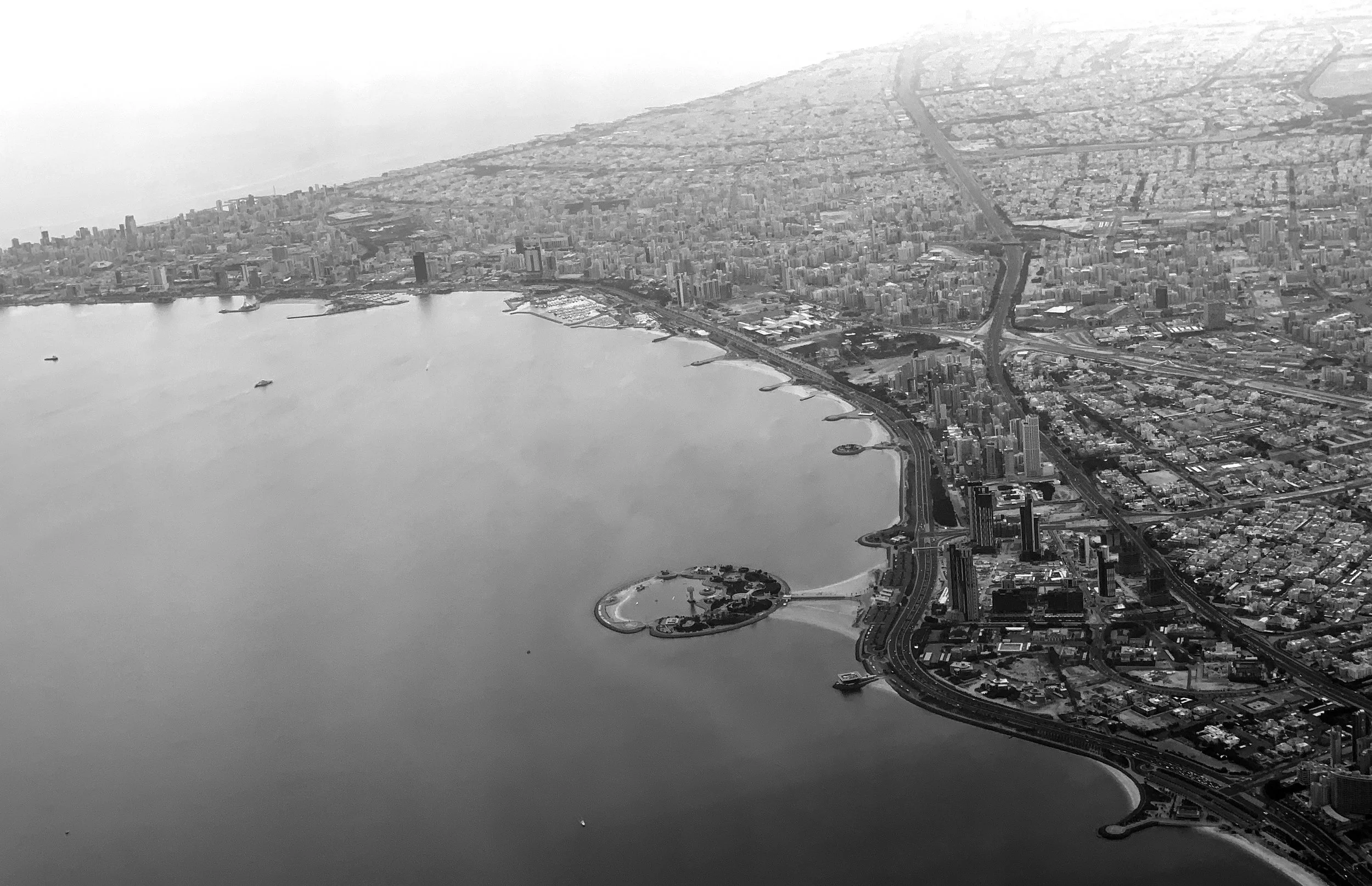
Aerial view of Kuwait. 2023
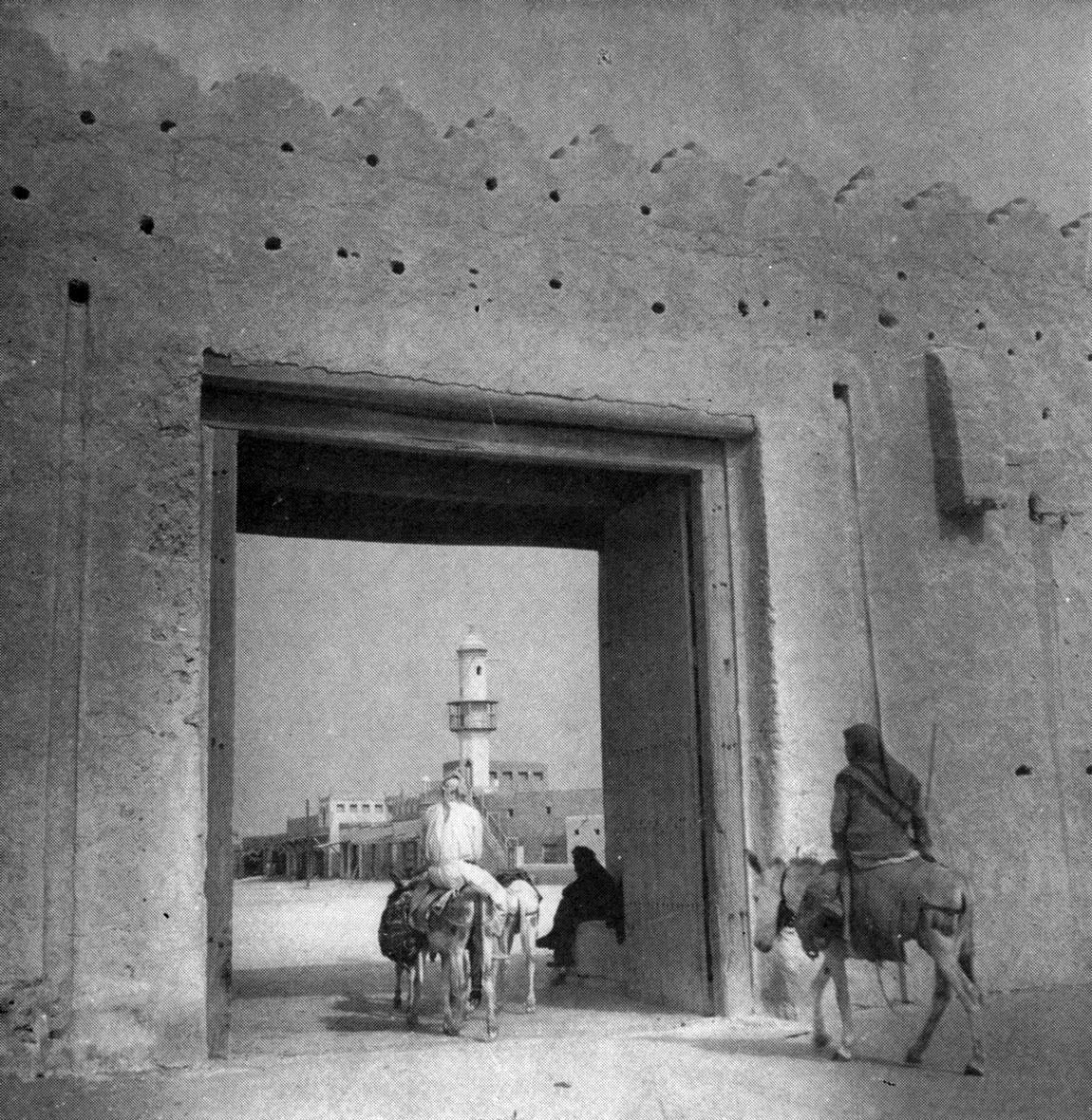
One of the many gateways to enter Old Kuwait. 1940s
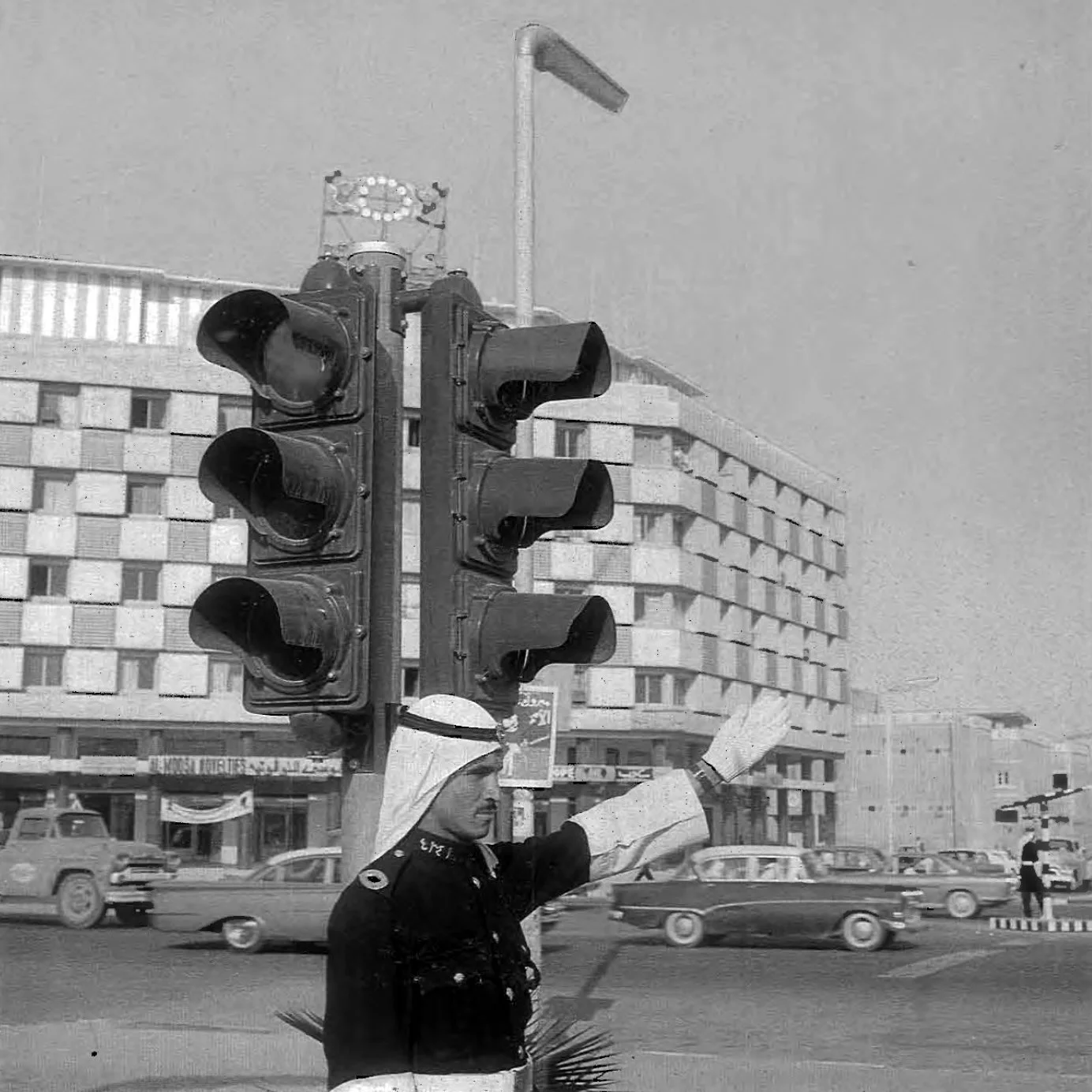
Traffic Intersection in 1960s Kuwait
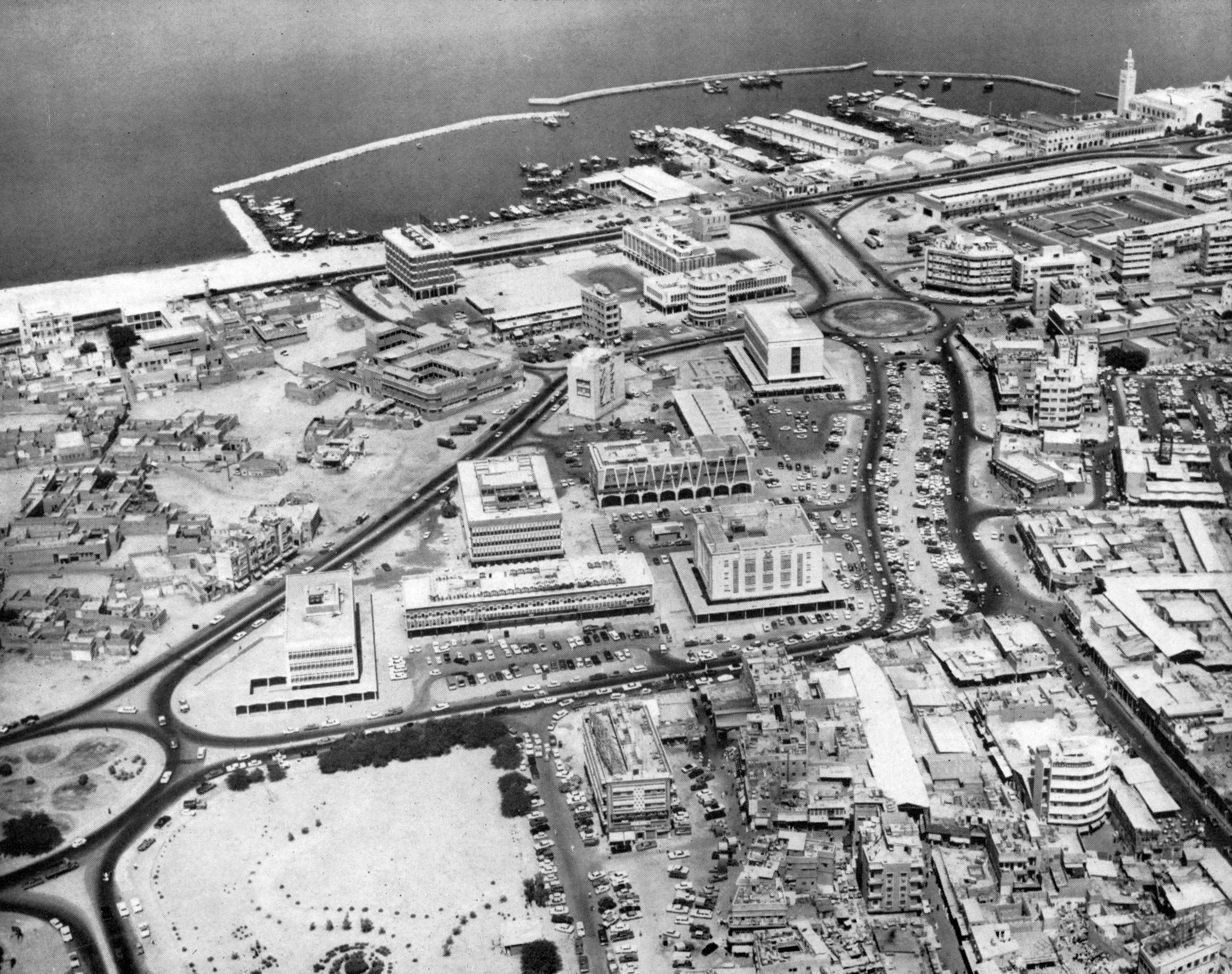
The Fahad Al-Salem Street Corridor. 1960s
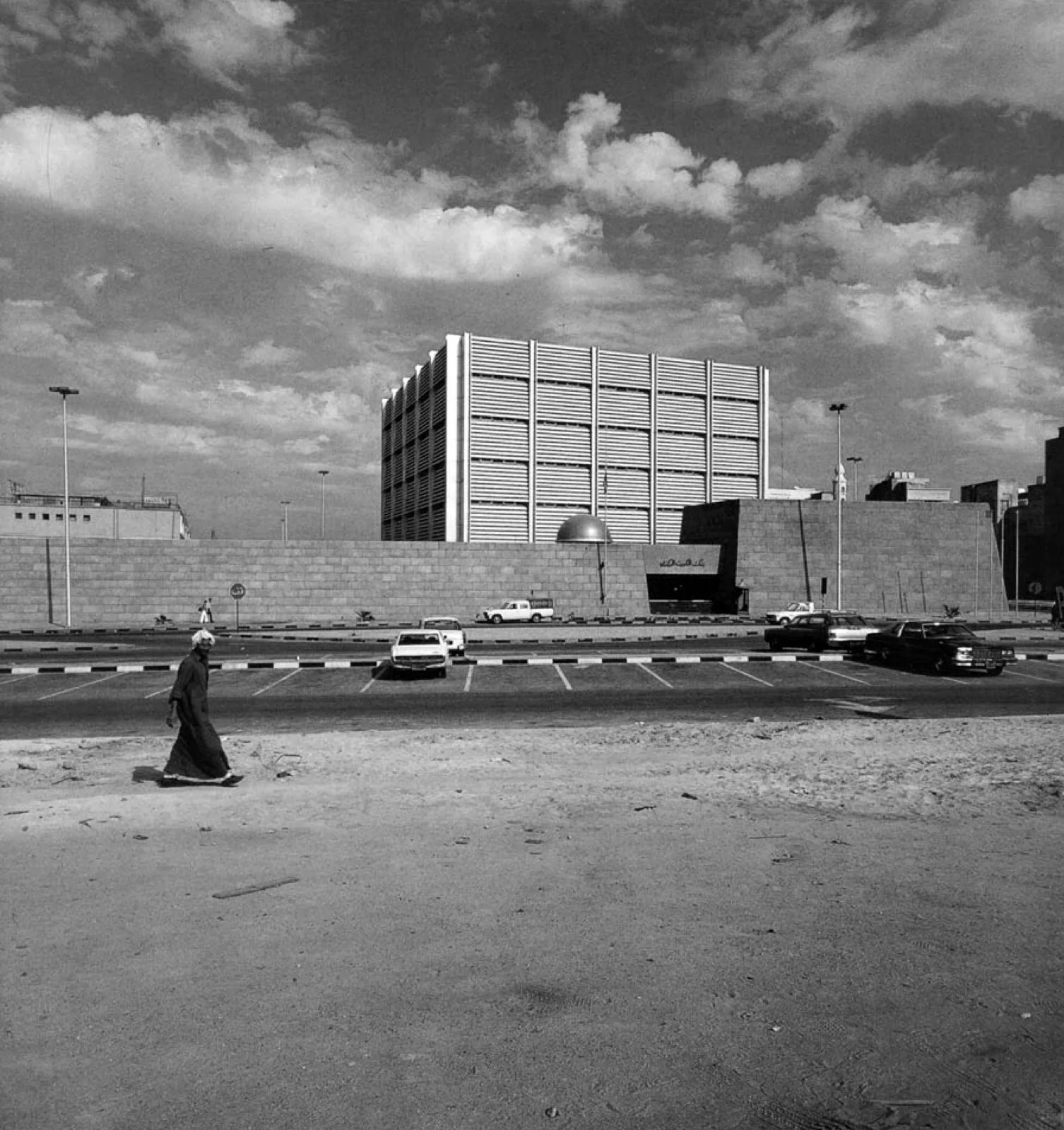
Arne Jacobsen’s Central Bank building. 1973-1976
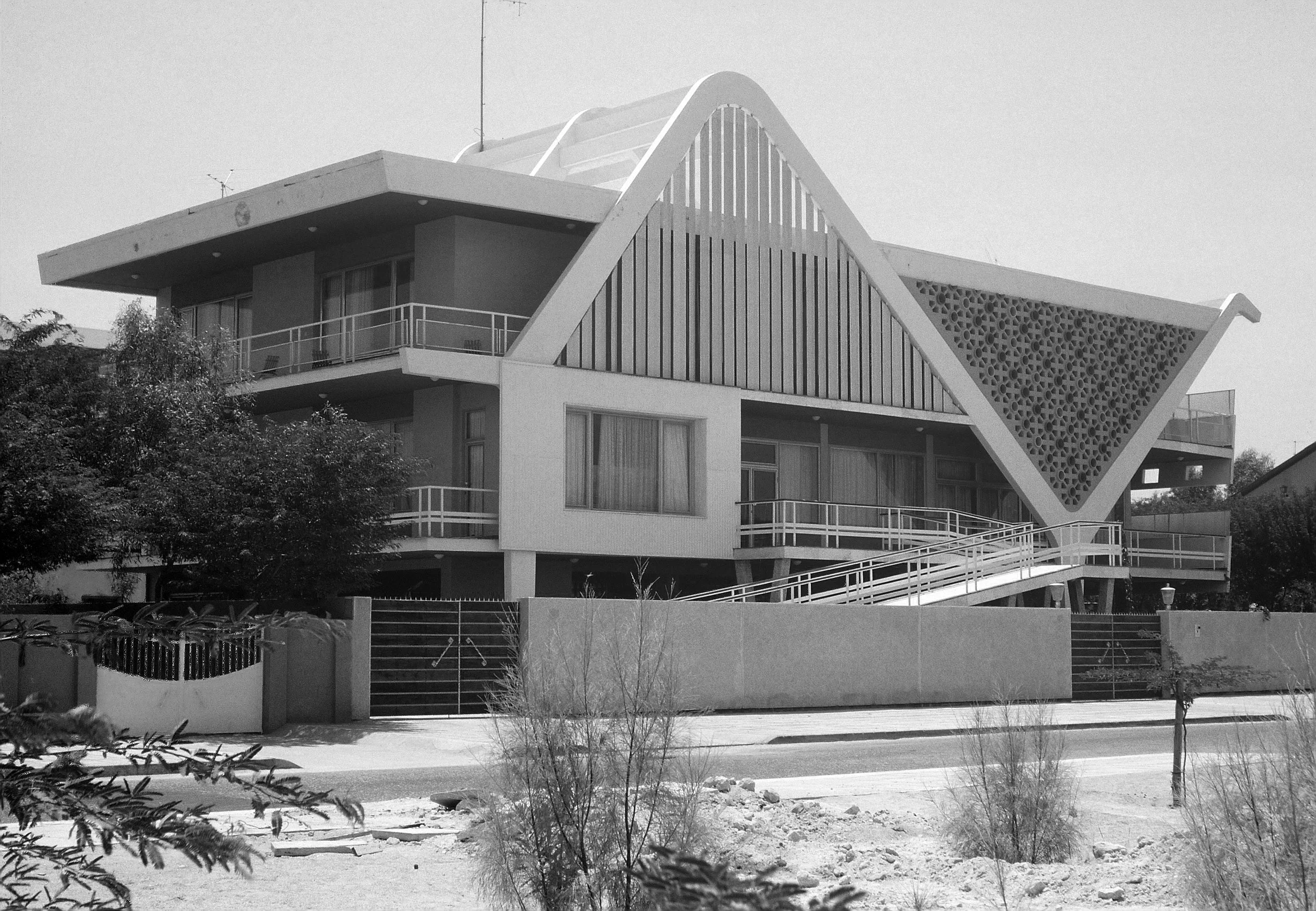
Suburban Homes in 1960s Kuwait (Ghazi Sultan)
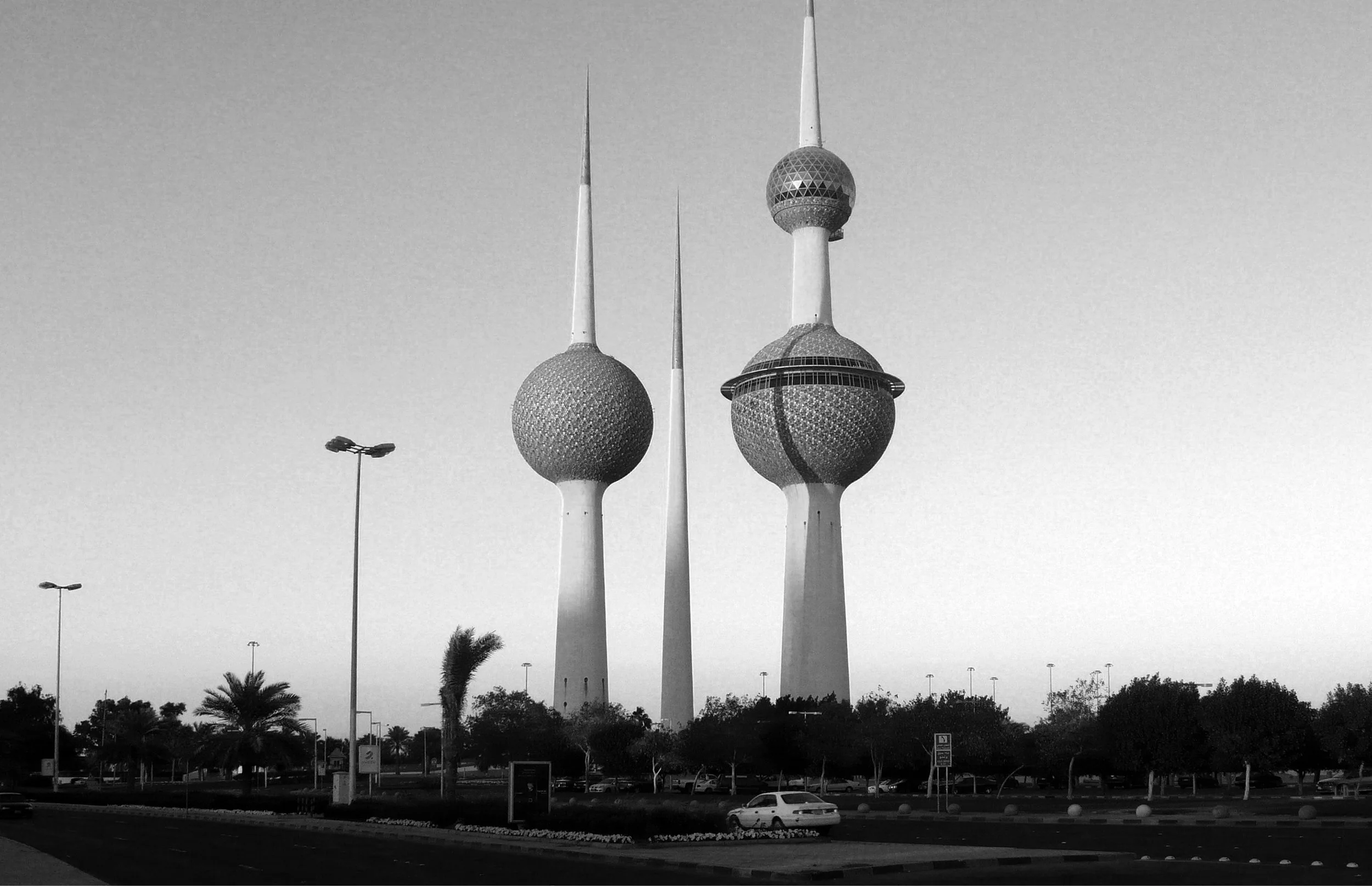
Kuwait Towers
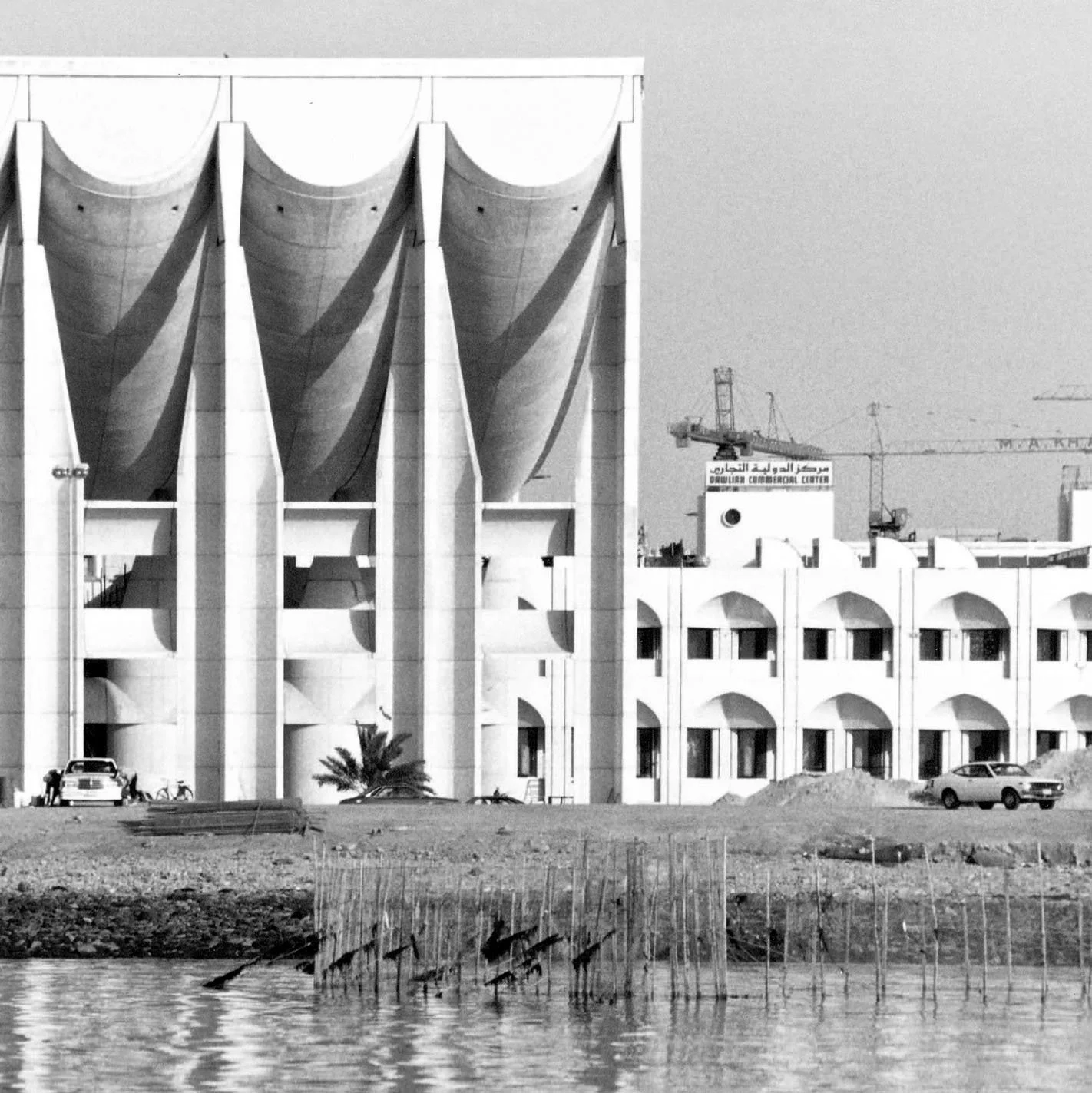
Kuwait Parliament. Jorn Utzon
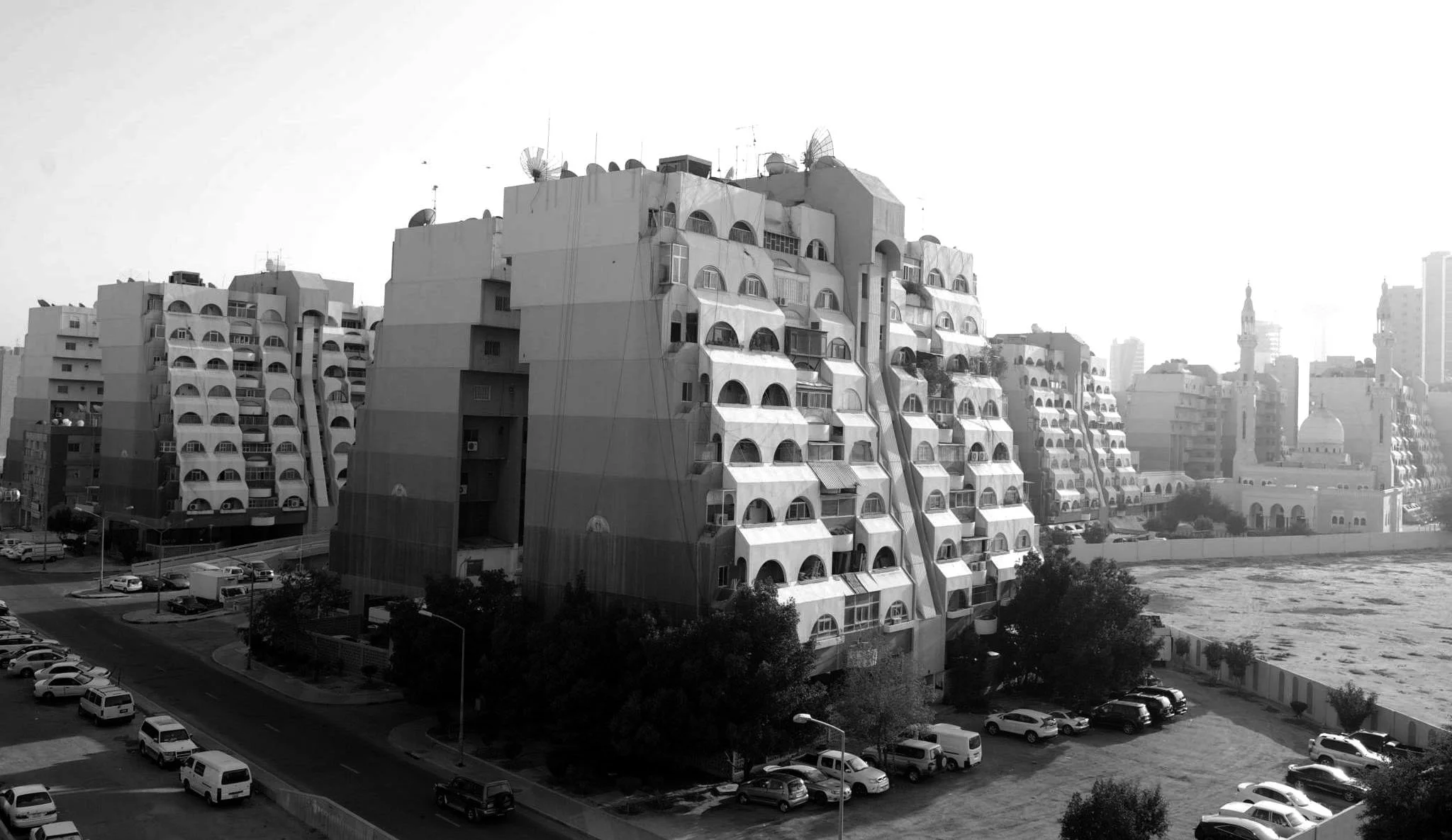
Sawaber Complex. Arthur Erickson. 1980
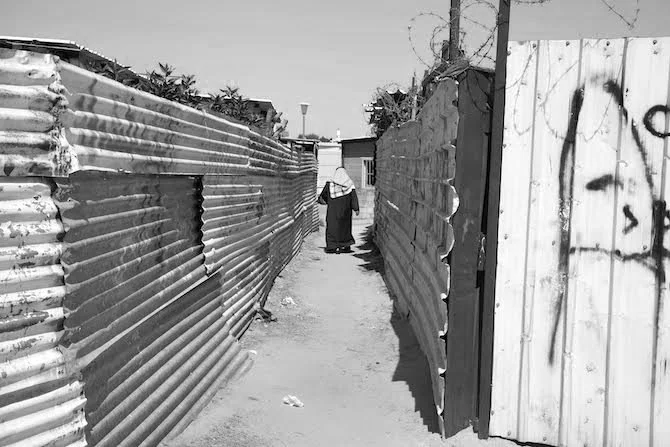
Bidoon Neighborhood
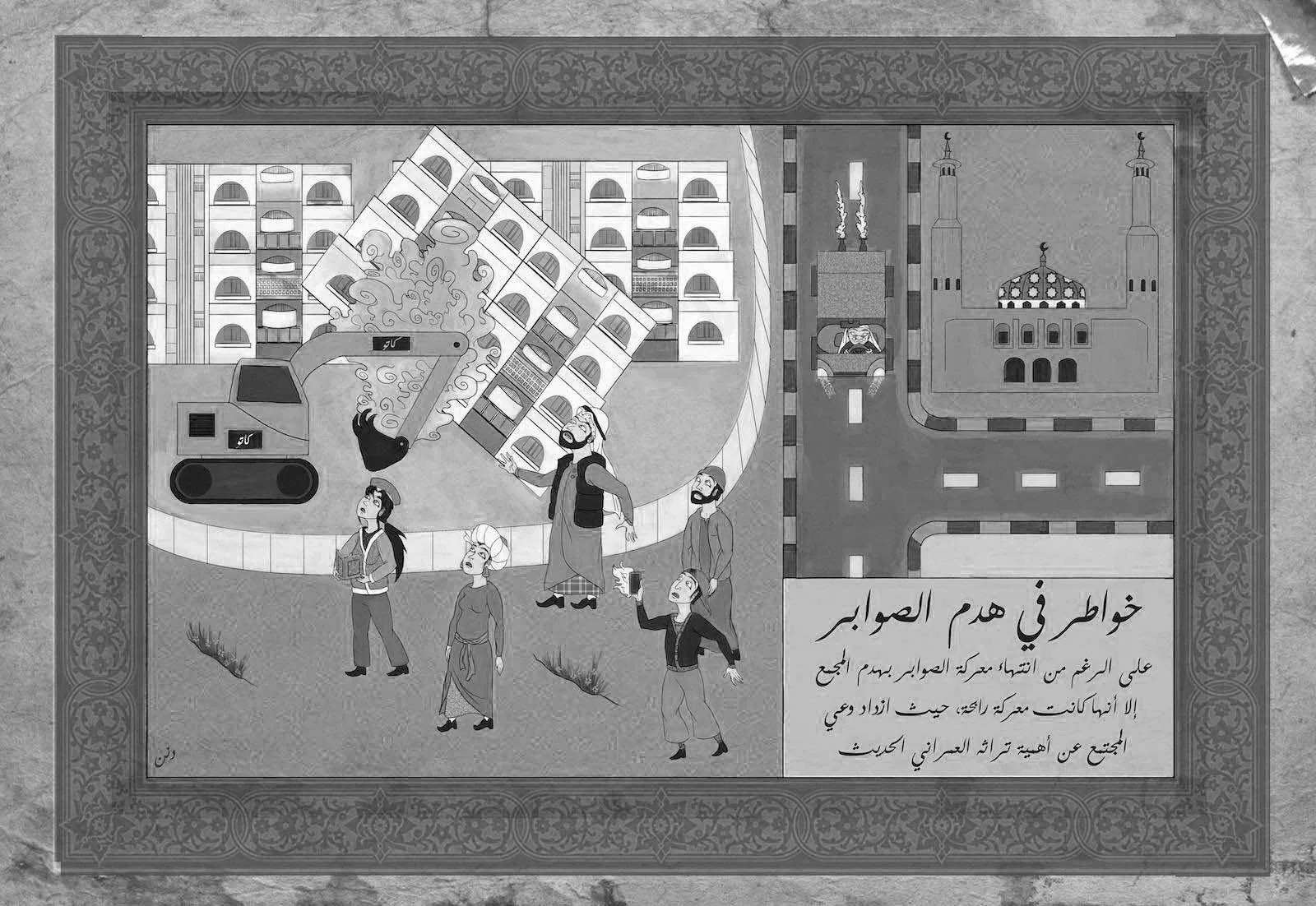
Dana Al Rashidi. On the Demolition of the Al Sawaber
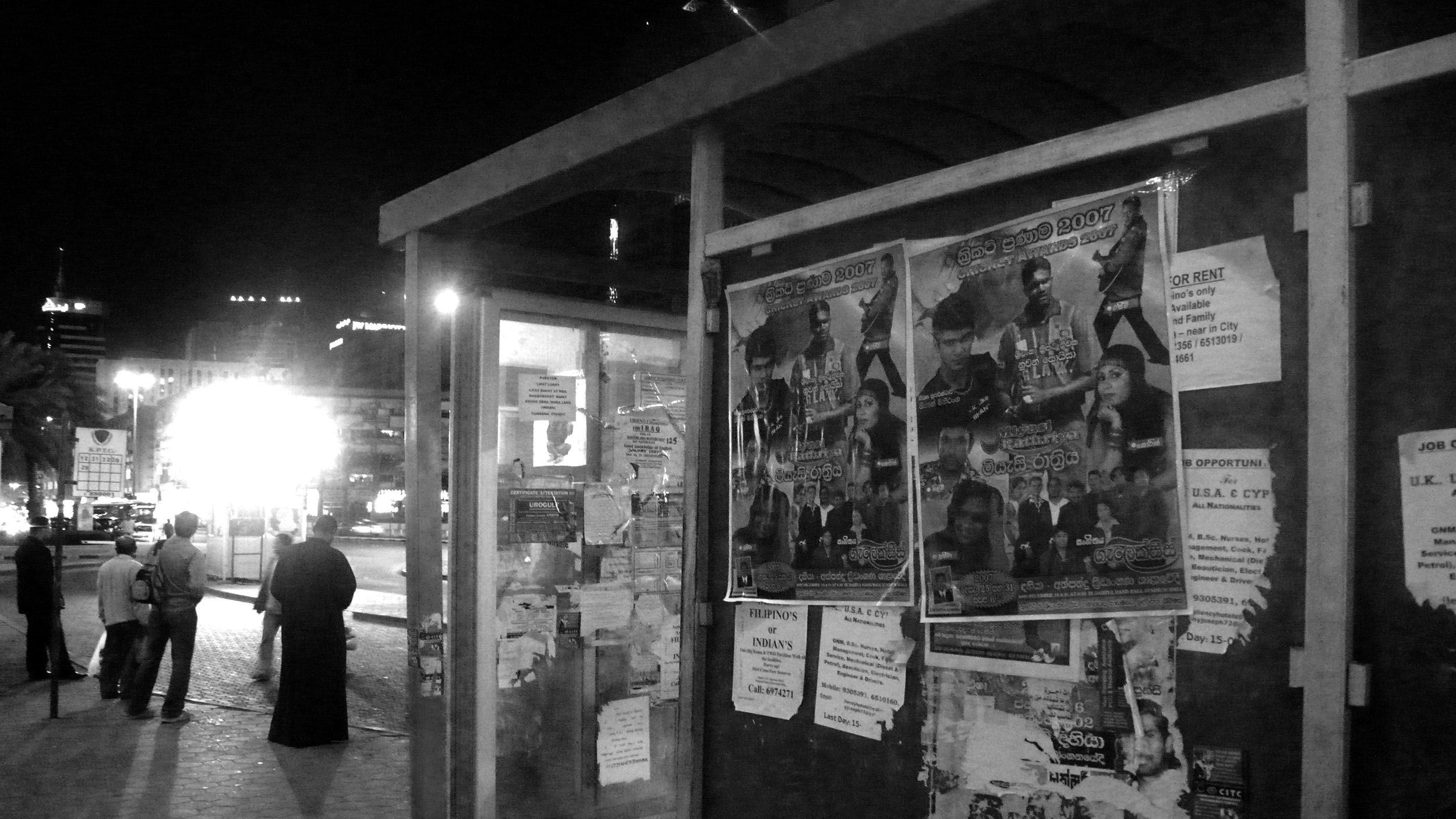
A Bus Stop in Downtown Kuwait, a space appropriated by South Asian Migrants. 2007
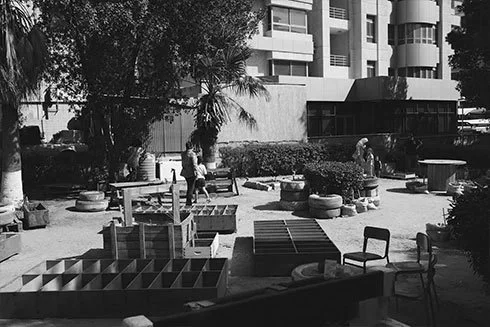
The Secret Garden
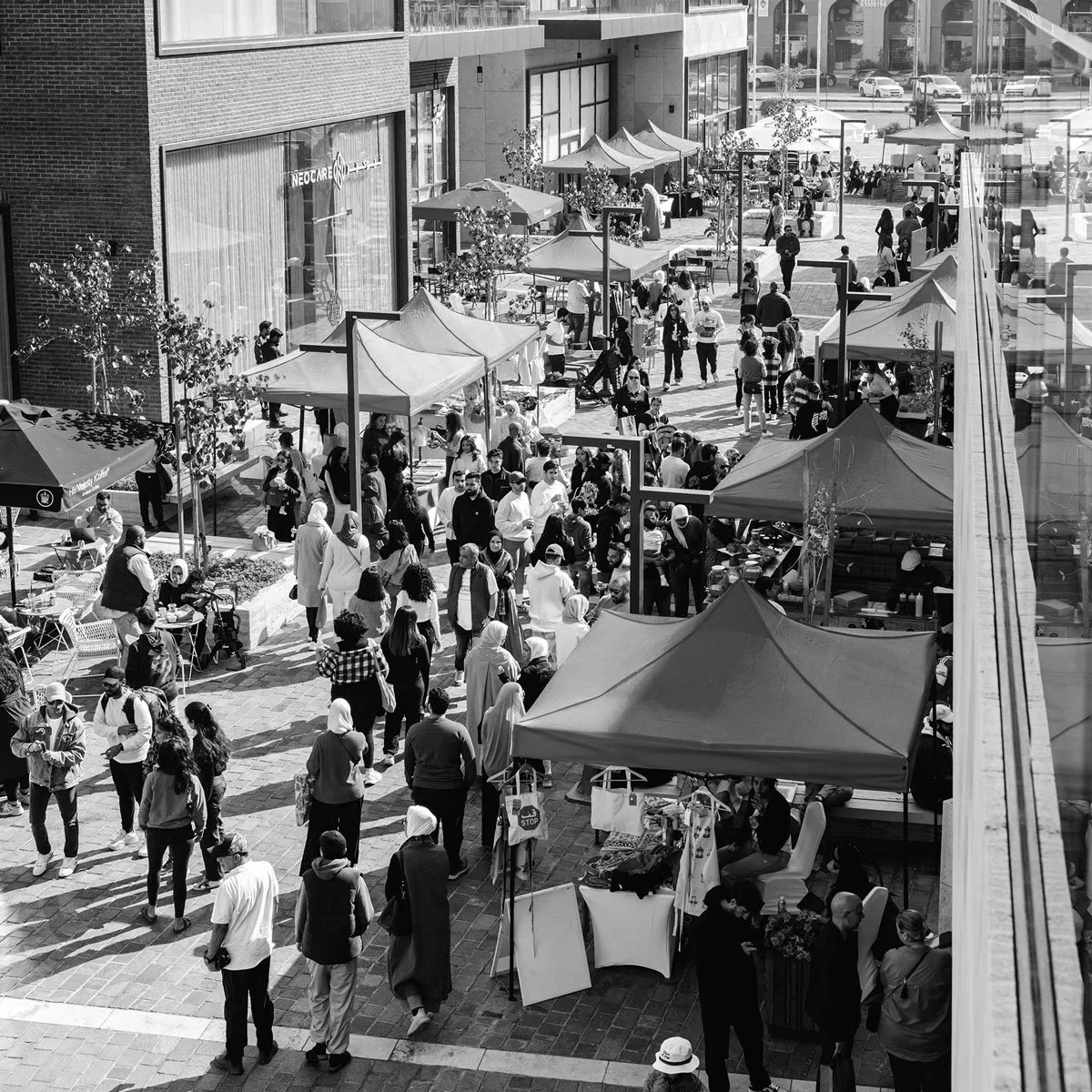
Shakshooka Market
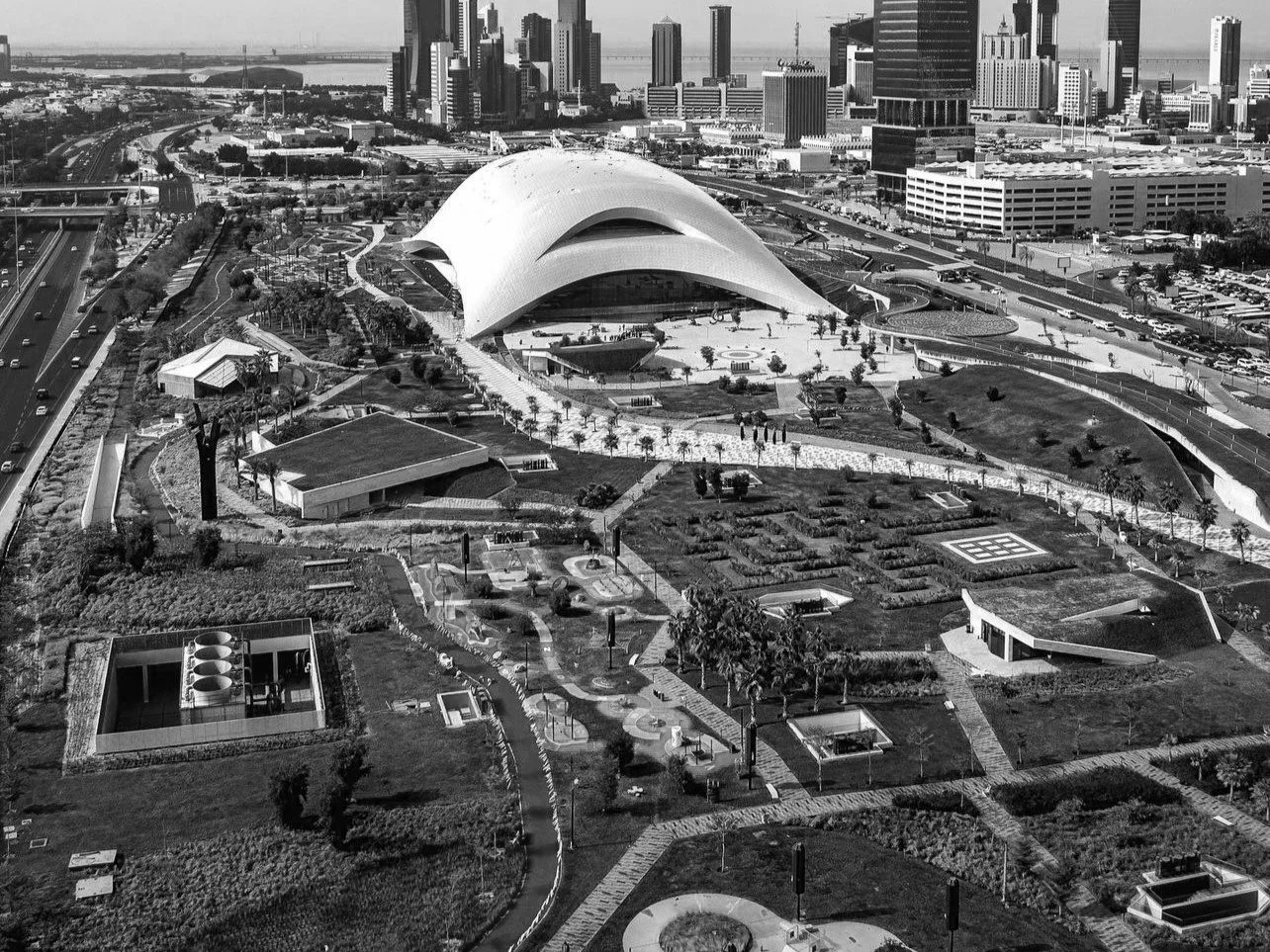
Al Shaheed Park
1960s
The Demolition of Sawaber
The Al-Sawaber residential complex, located in the heart of Kuwait City, represents one of the most ambitious and controversial experiments in post-oil Kuwaiti architecture and urban planning. Conceived during a moment of architectural optimism and nation-building, Al-Sawaber was a high-density housing project intended to reintroduce Kuwaitis to the urban center and challenge the dominance of the suburban villa. Instead, the project became emblematic of failed modernist ideals in Kuwait, drawing comparisons to notorious housing failures like Pruitt-Igoe in St. Louis. As conditions deteriorated, calls for demolition intensified. Media narratives—often sensationalist—portrayed Al-Sawaber as unfit for Kuwaiti living. The argument for demolition, underpinned by land speculation and profit motives, found little resistance from state institutions or the public. In 2019 authorities under the pretext of unsafe living conditions began demolition of the complex in spite of a grassroots movement that sought to halt the act – but to no avail.
The Spatial Marginalization of the Bidun in Kuwait