Chapter 8. Riyadh: Modernity, Tradition and the Quest for Identity
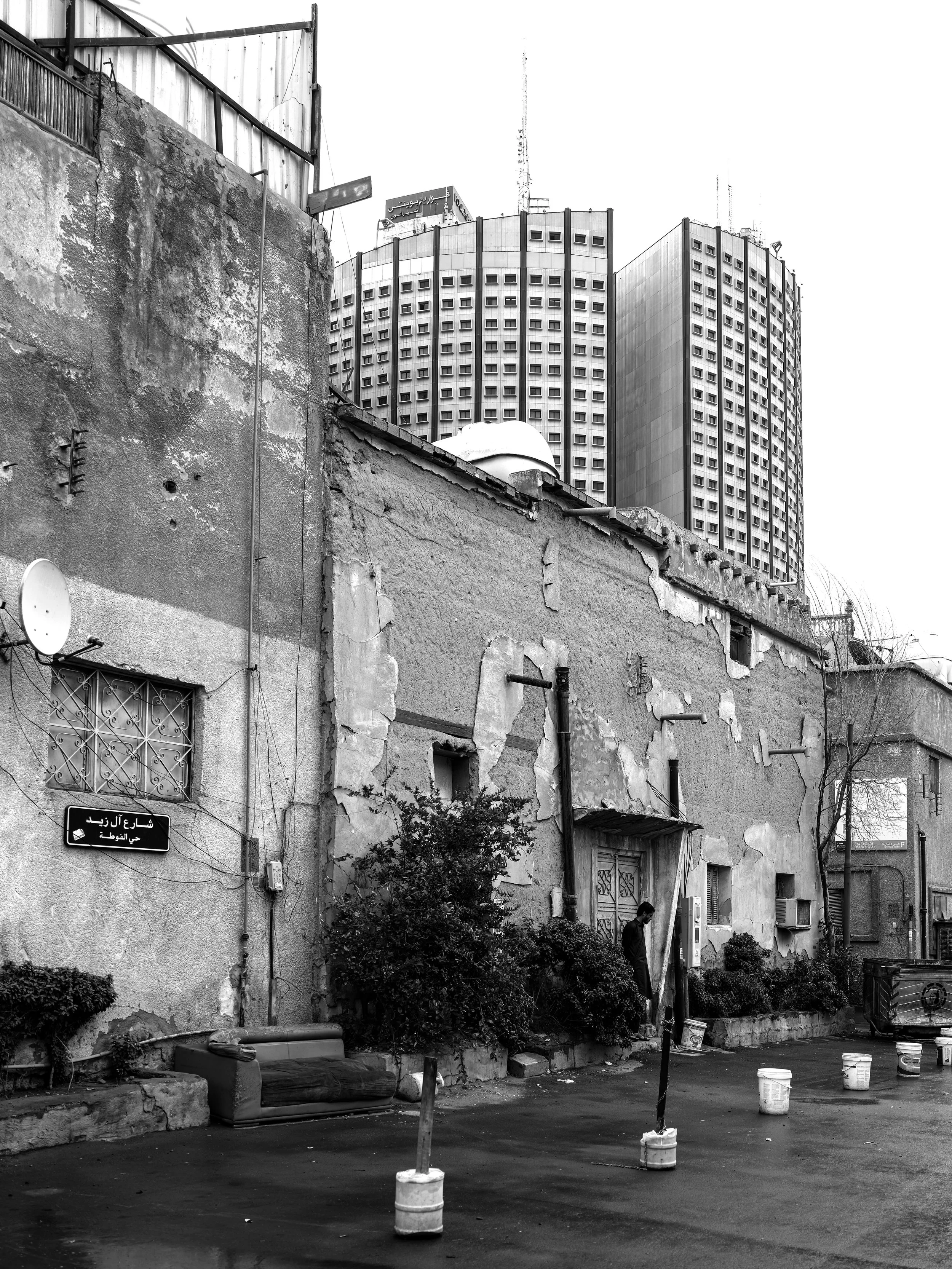
This chapter traces the transformation of Riyadh from a compact desert town to a sprawling, hyper-modern capital, examining how architecture and urban planning were mobilized to construct a national identity, project state power, and accommodate rapid social and economic change. It opens with a historical overview of Riyadh’s urban form prior to the oil boom, highlighting its courtyard houses, mud-brick structures, and fortified compounds—forms rooted in social norms and environmental adaptation.
With the rise of oil wealth in the 1960s, the city underwent massive restructuring under state-led development plans, culminating in the influential Doxiadis master plan and later efforts to impose a modernist grid. Through key case studies—such as the Diplomatic Quarter, the Ministry of Foreign Affairs, and King Saud University—the chapter explores how Riyadh became a laboratory for architectural experimentation, shaped by global design firms and local aspirations. These projects reveal tensions between tradition and modernity, representation and function, and global aesthetics and regional identity.
The chapter also foregrounds the everyday experience of Riyadh’s residents, including gendered mobility, spatial segregation, and the hidden geographies of migrant labor. It reflects on the contradictions of a city simultaneously marked by Islamic conservatism and cosmopolitan ambition. Recent initiatives such as the Riyadh Metro and Vision 2030 megaprojects are assessed critically, not only for their transformative potential but for the erasures they entail. Ultimately, the chapter positions Riyadh as a paradigmatic example of Gulf urbanism—where modernism is both a symbol of progress and a contested terrain of power, memory, and social negotiation.
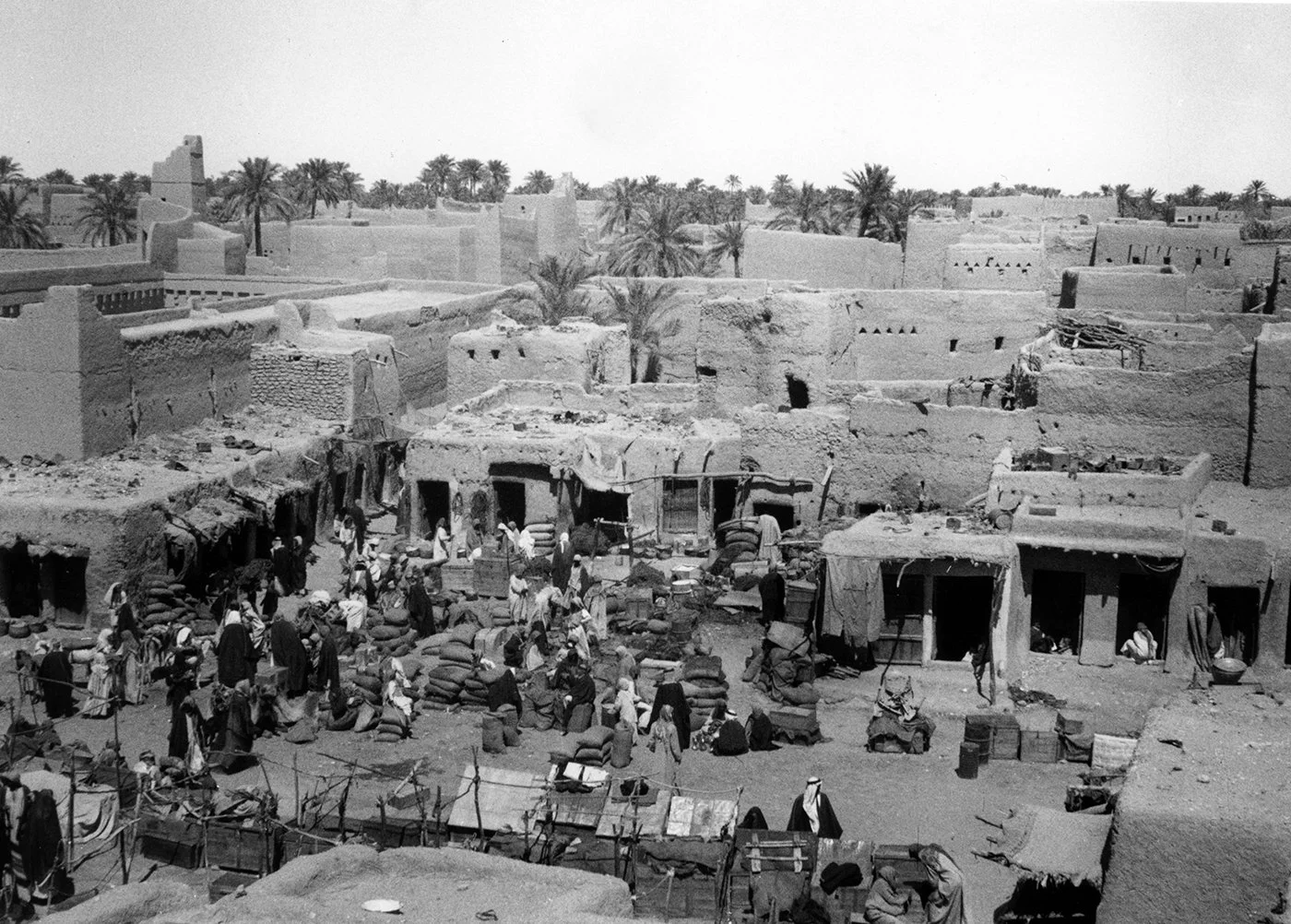
Riyadh Marketplace. 1930s
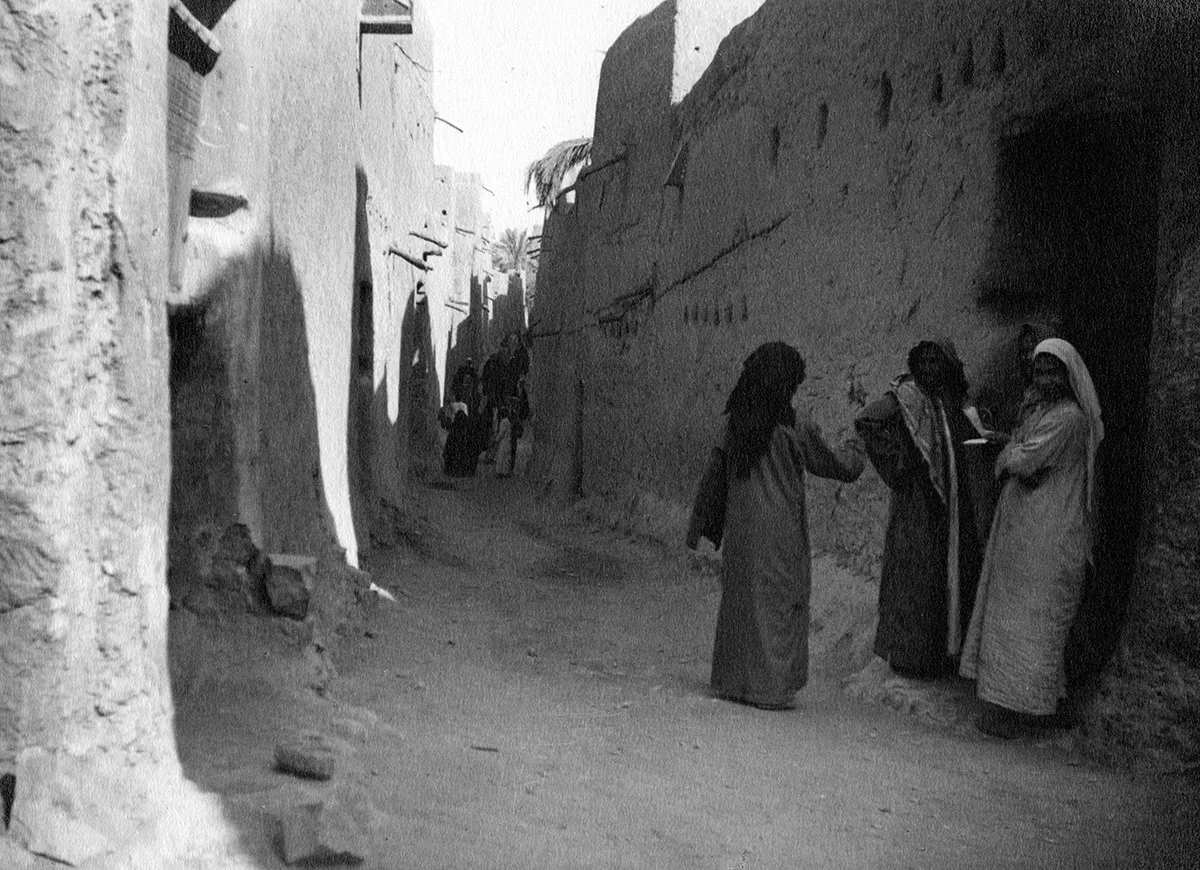
Riyadh Alleyway. 1930s
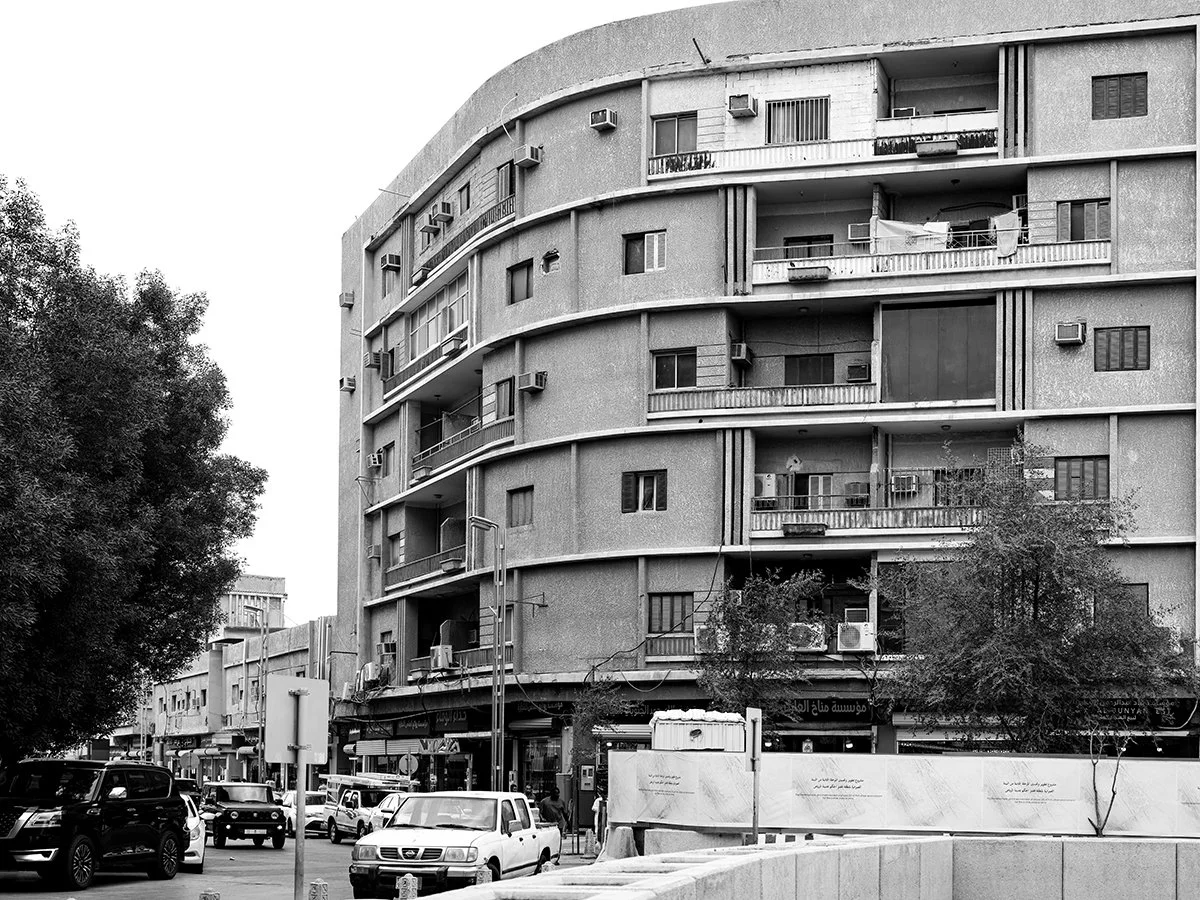
Fahd bin Muhammad Building. 2025
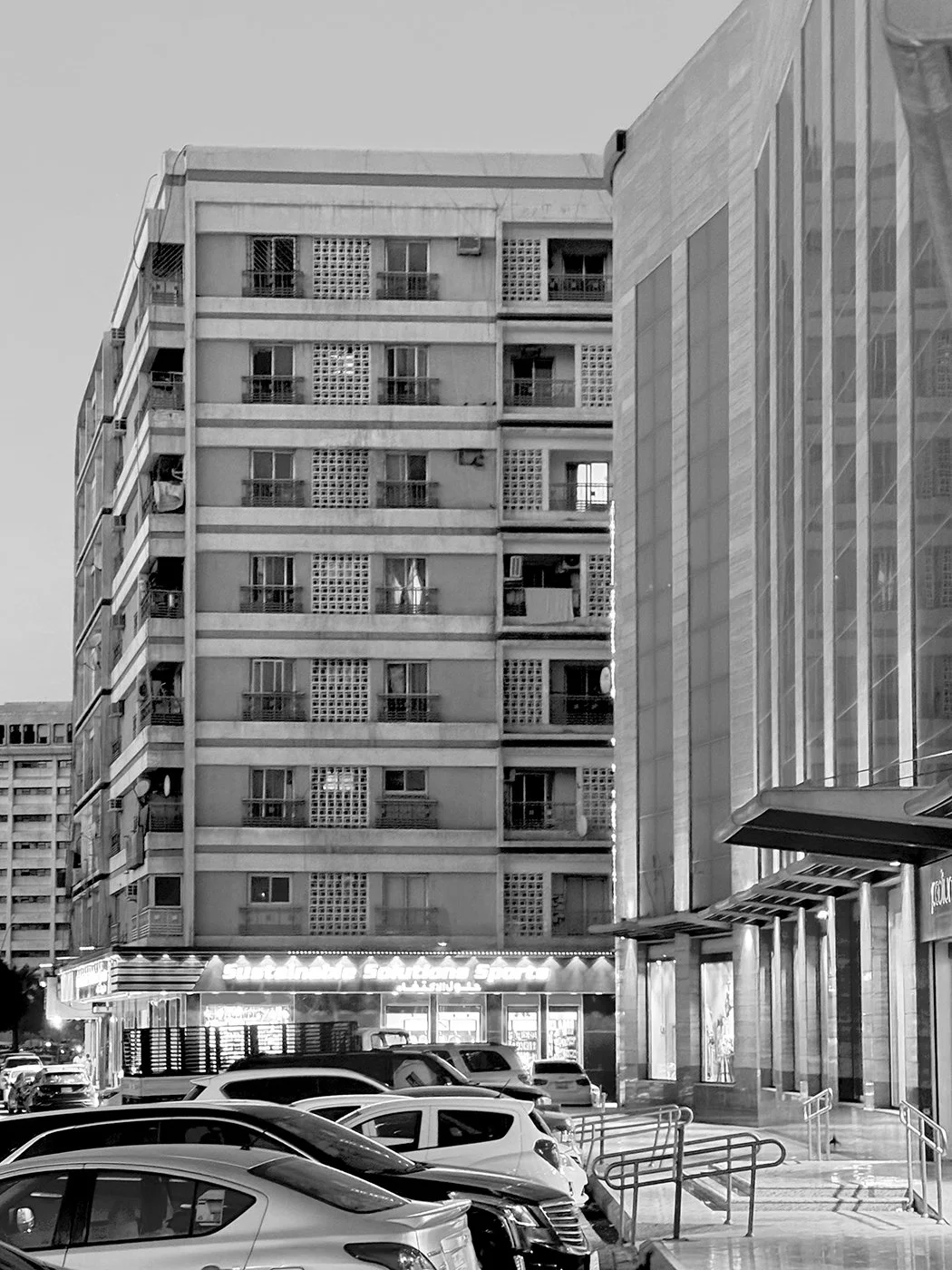
Teachers Building. 2025
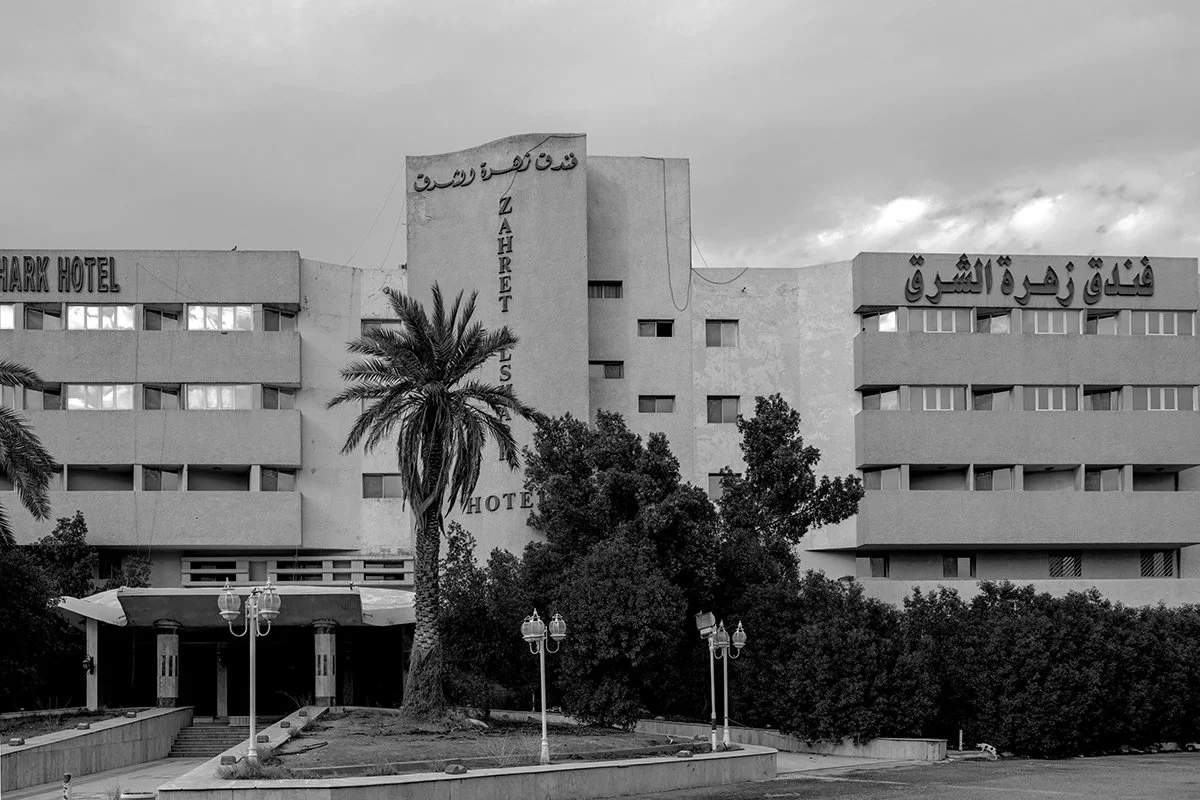
Zahrat al-Sharq Hotel. Malaz. 2025
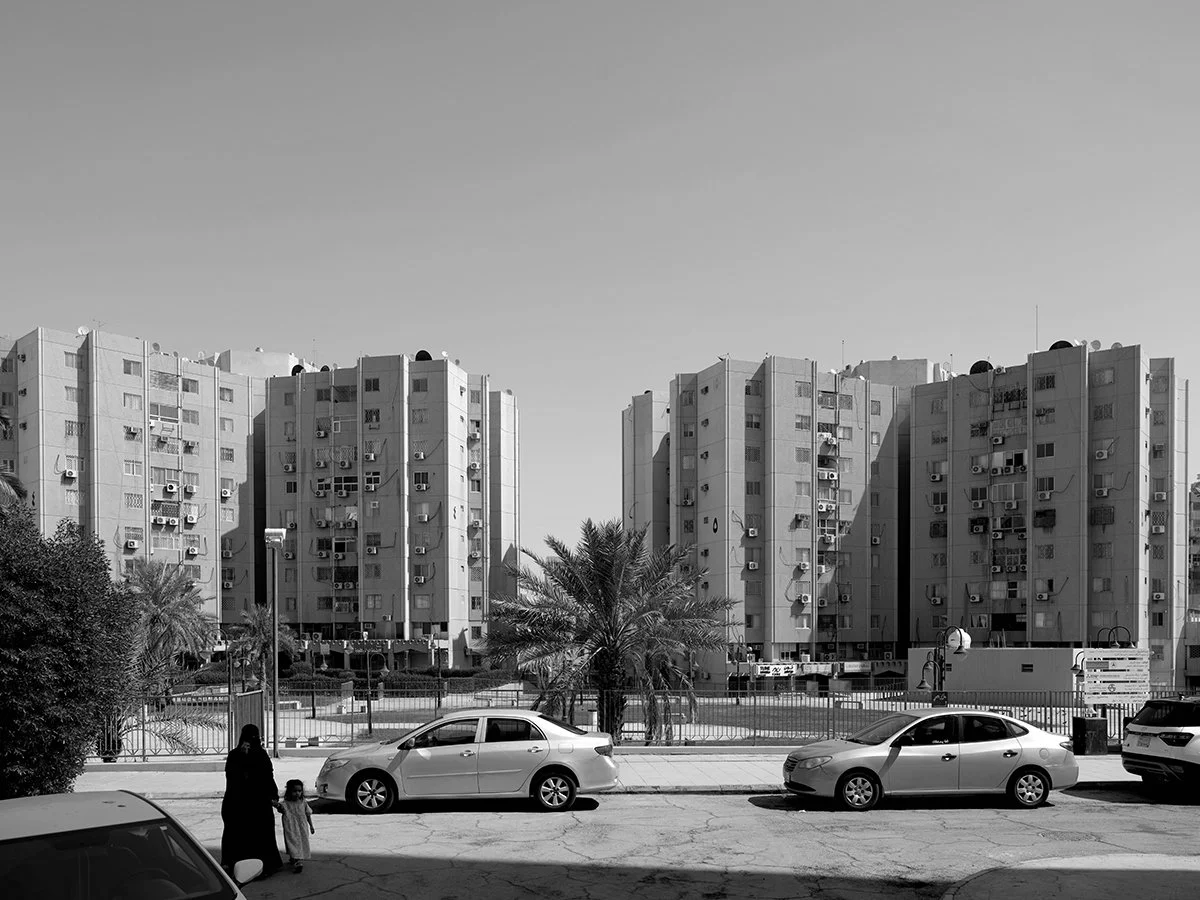
Al-Mather Housing Project. 2025
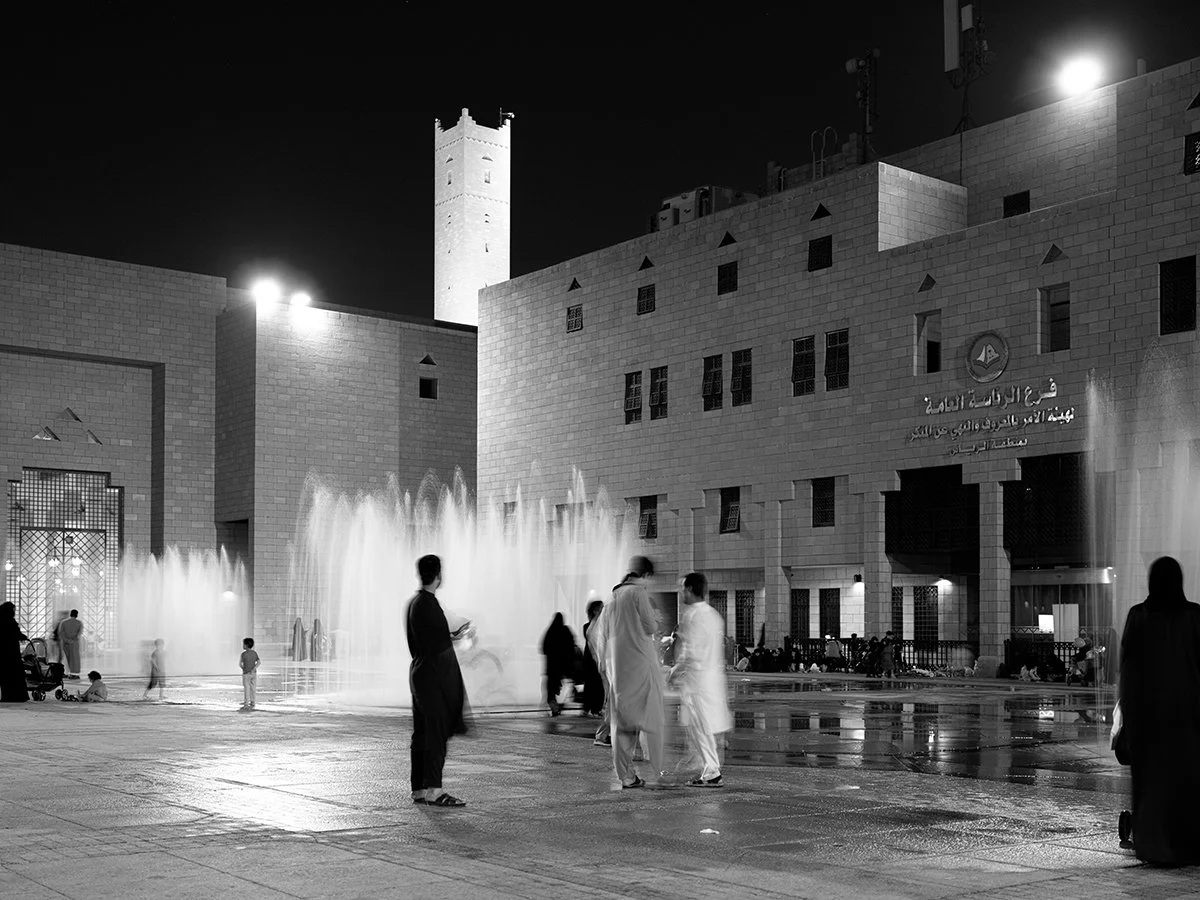
Qasr al-Hokm Development. 2025
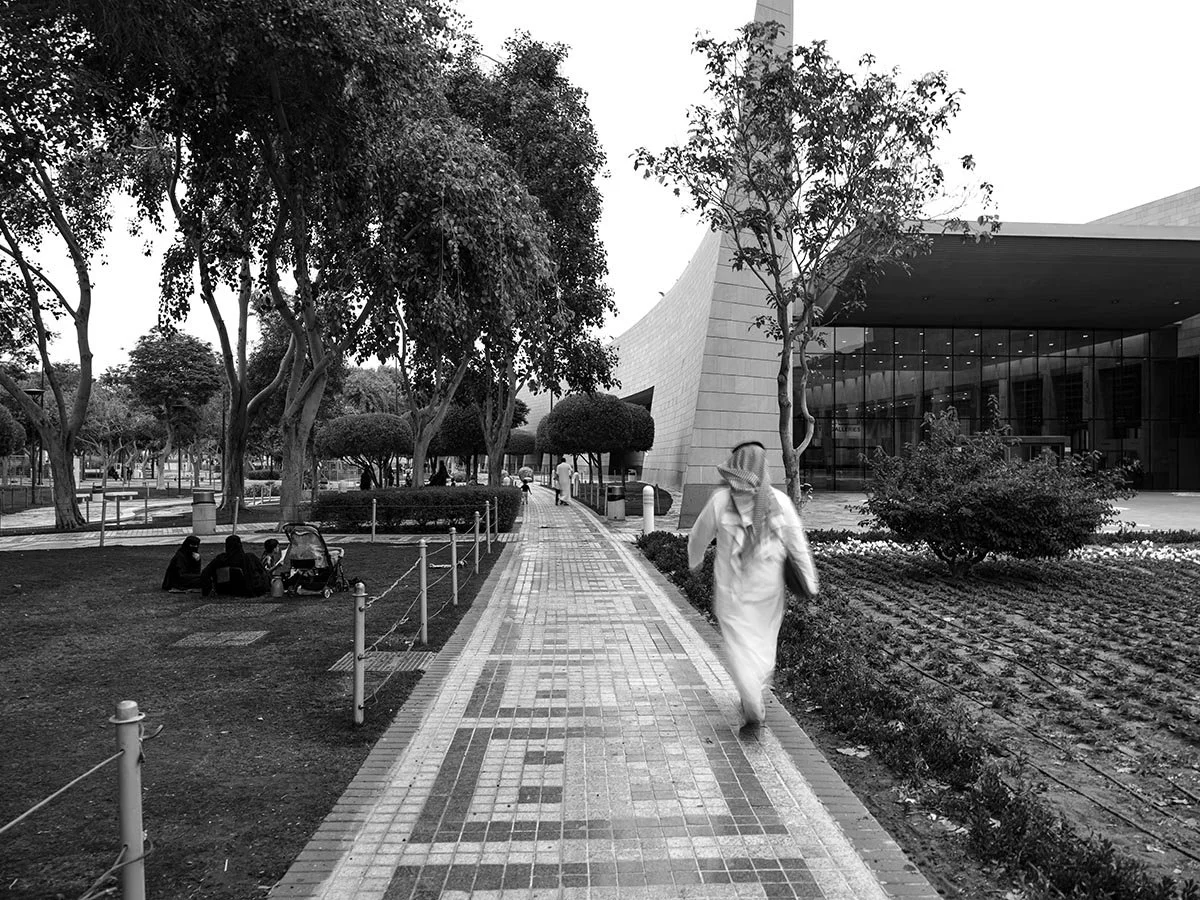
King Abdulaziz Historical Center. 2025
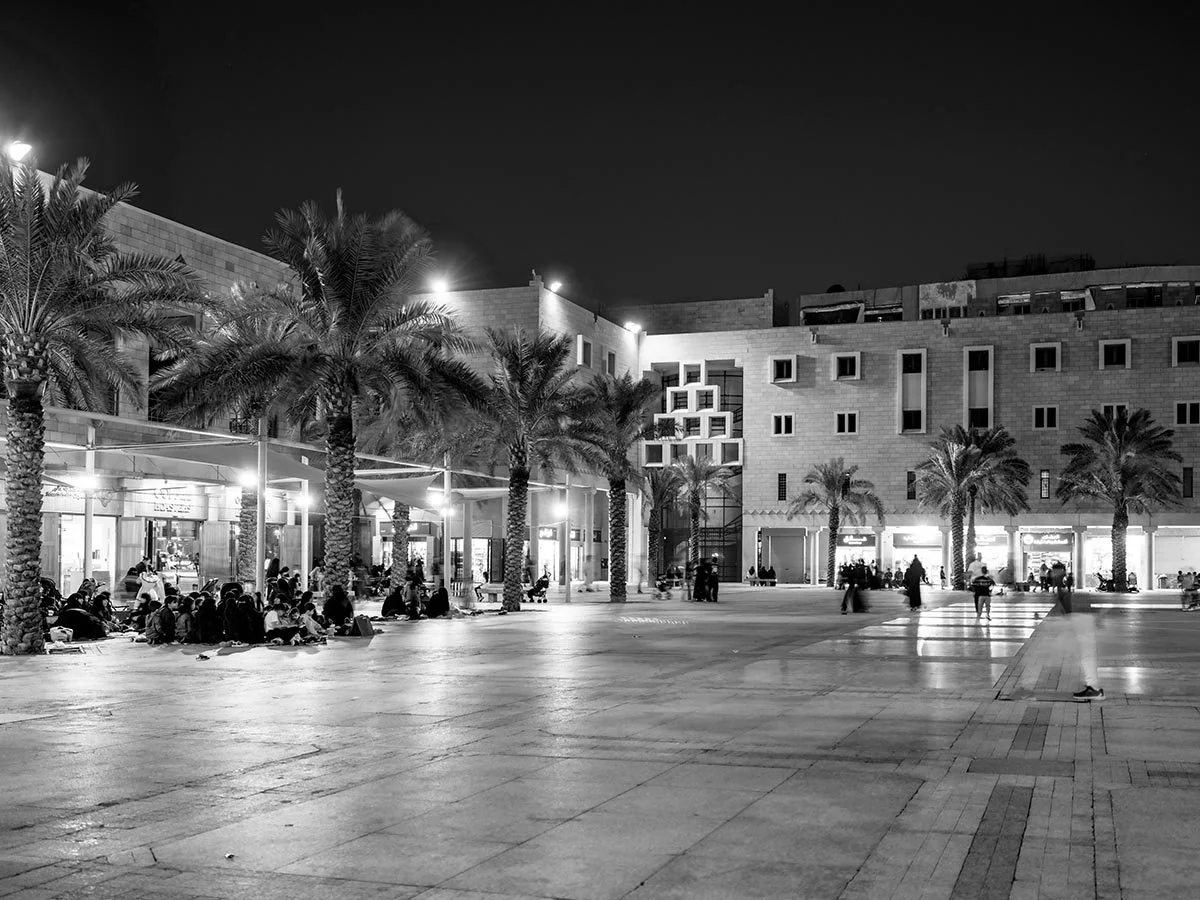
Kindi Plaza. 2025
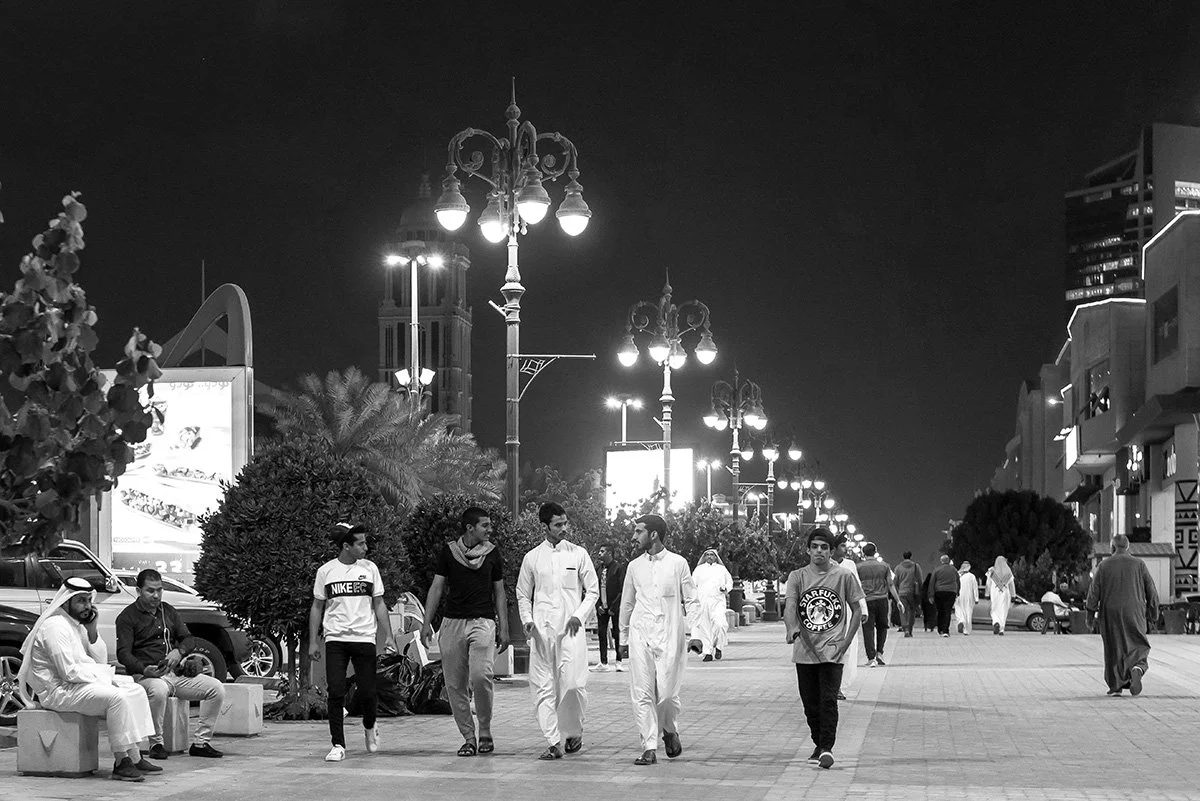
Tahlia Street. 2018
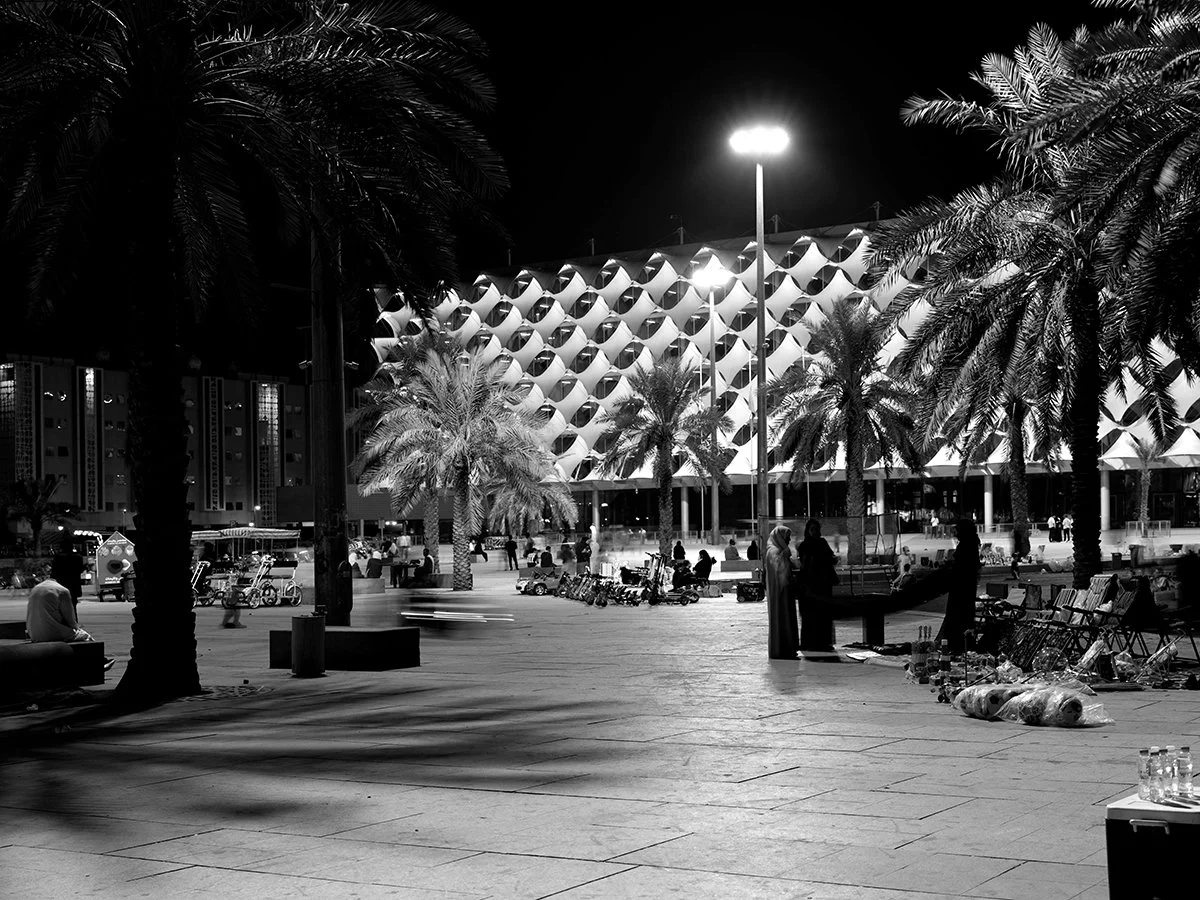
King Fahd National Library & Park. 2025
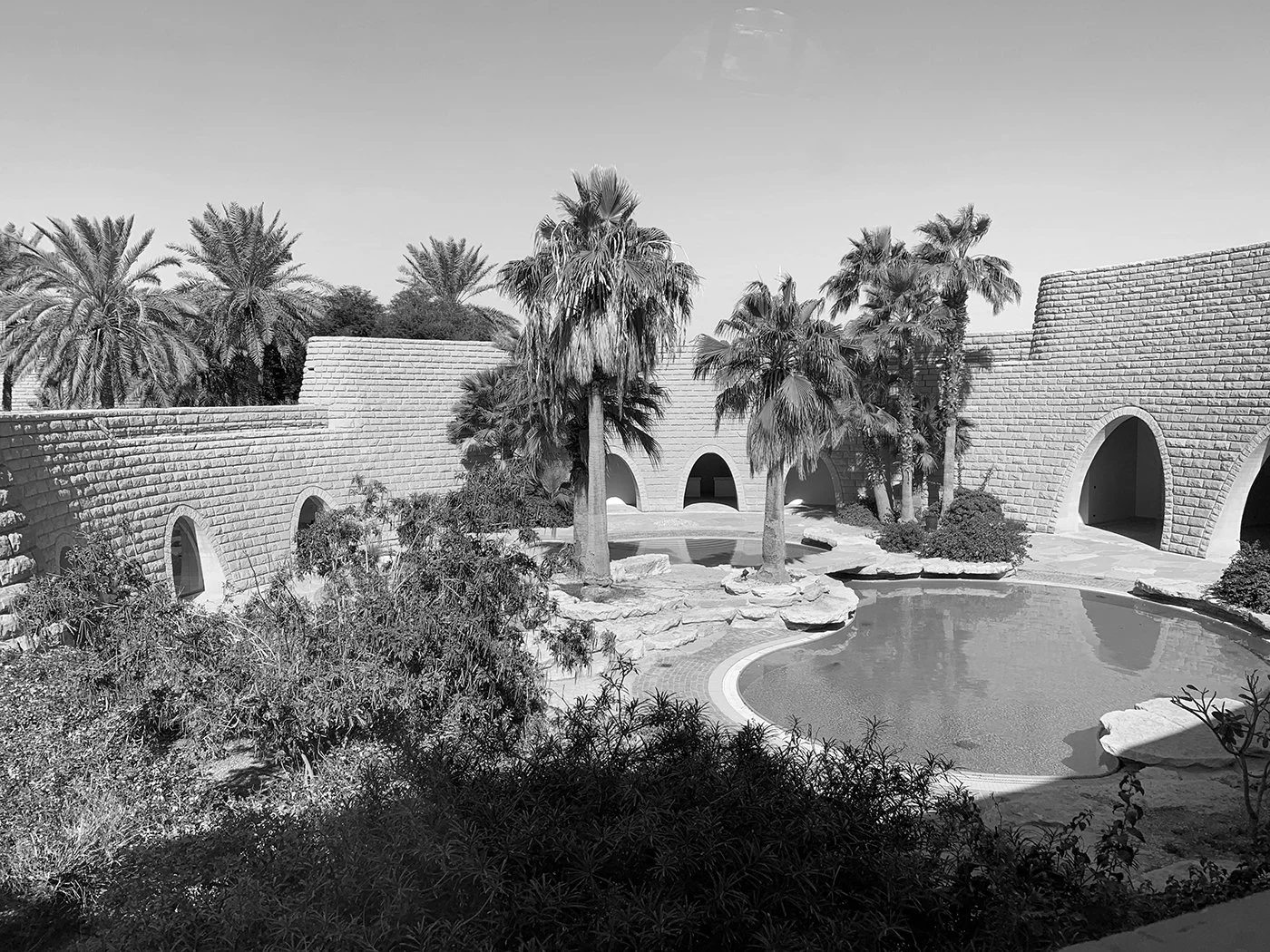
Tuwaiq Palace. Diplomatic Quarter (DQ). 2025
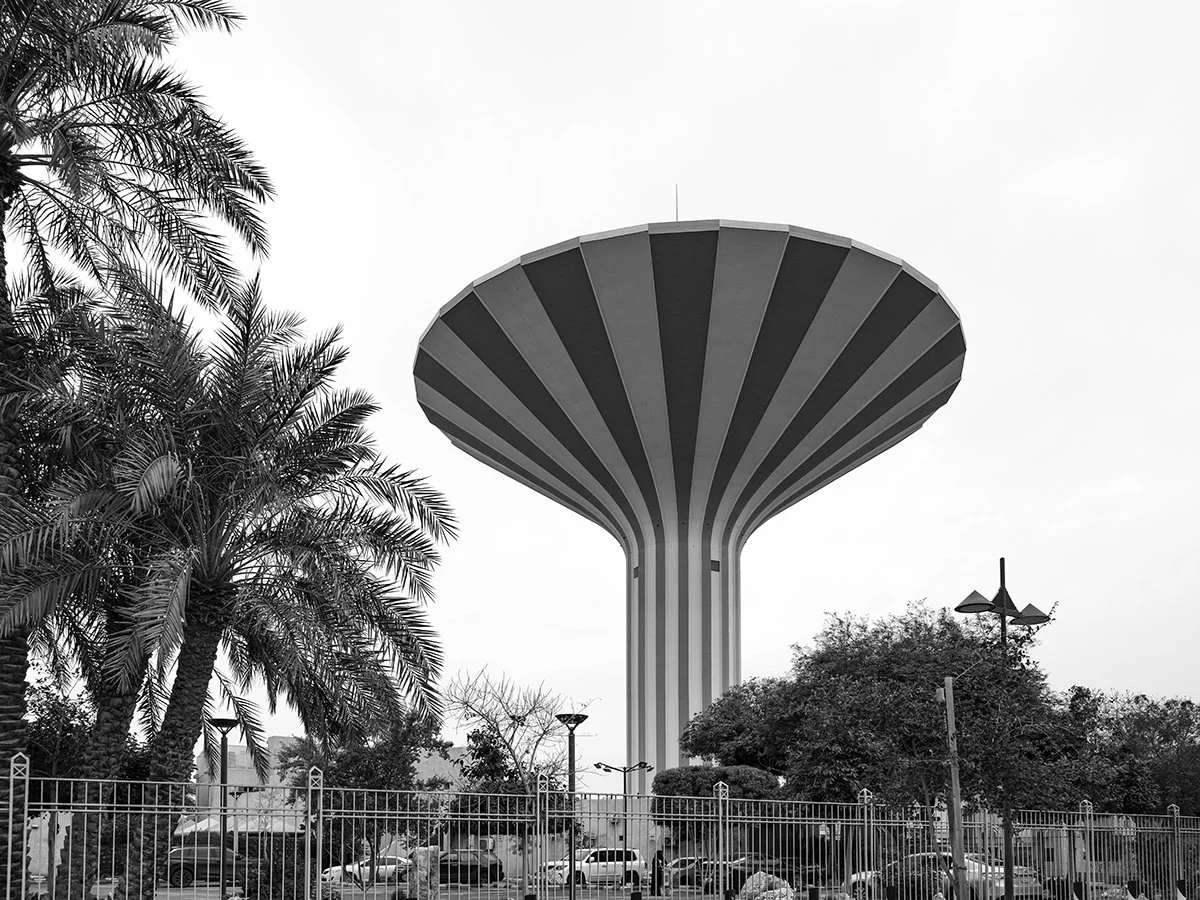
Riyadh Water Tower. 2025
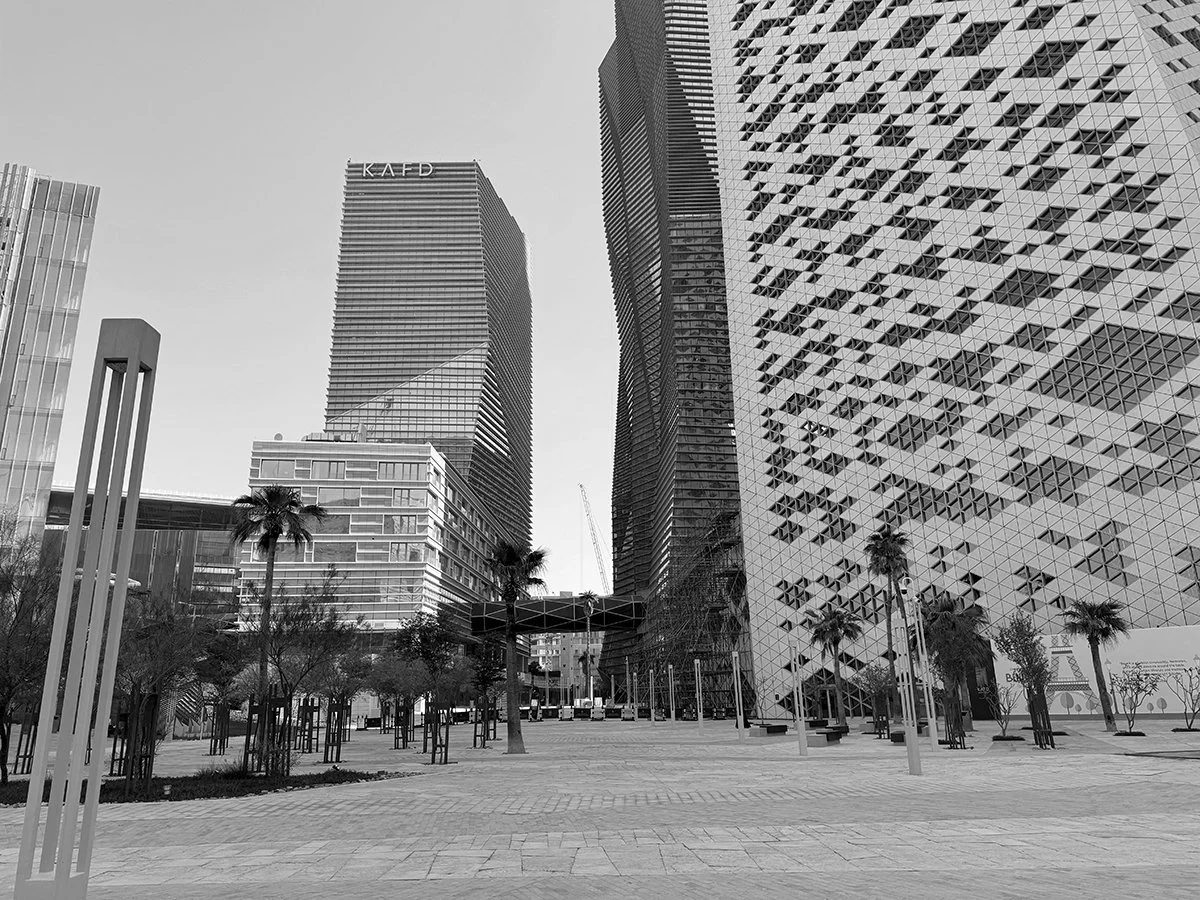
King Abdallah Financial District. 2025
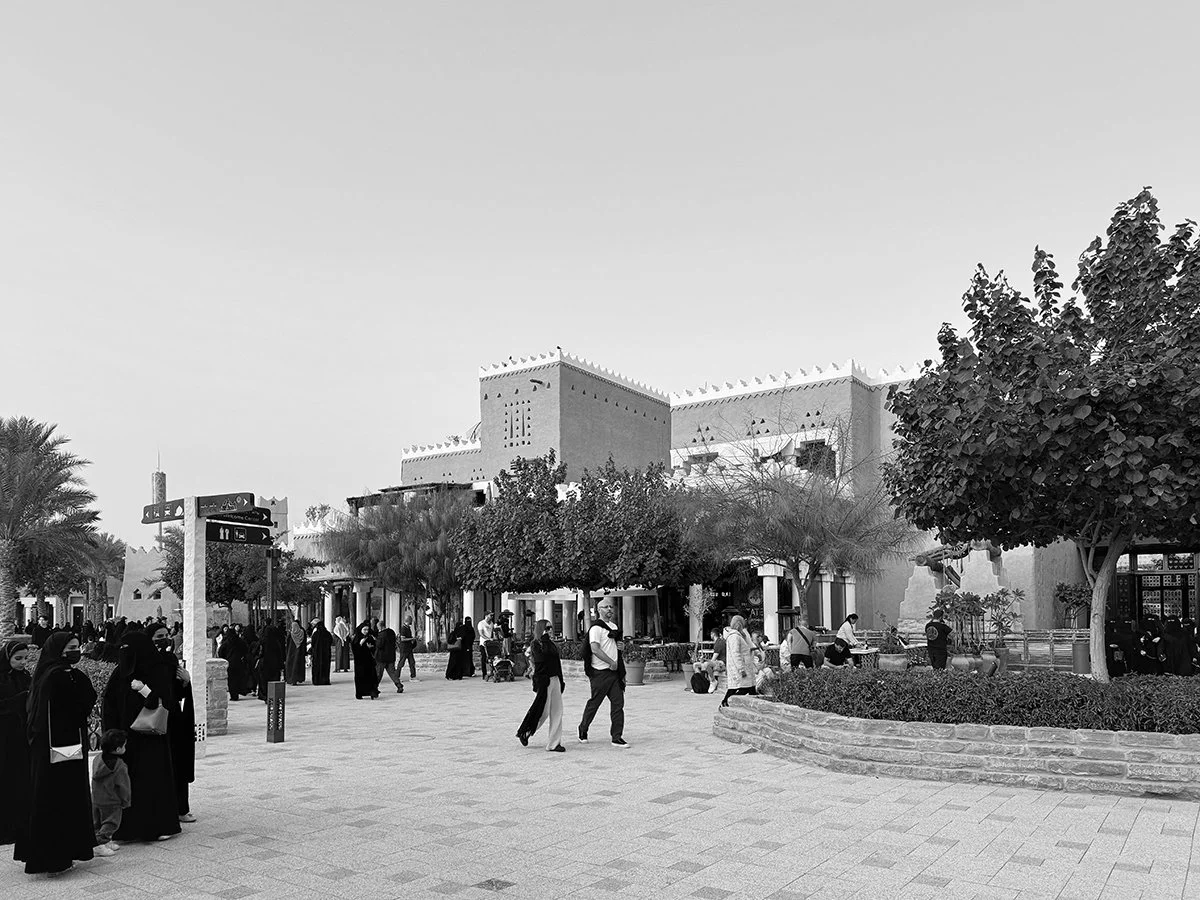
Bujairi Terraces. Diriyah. 2023
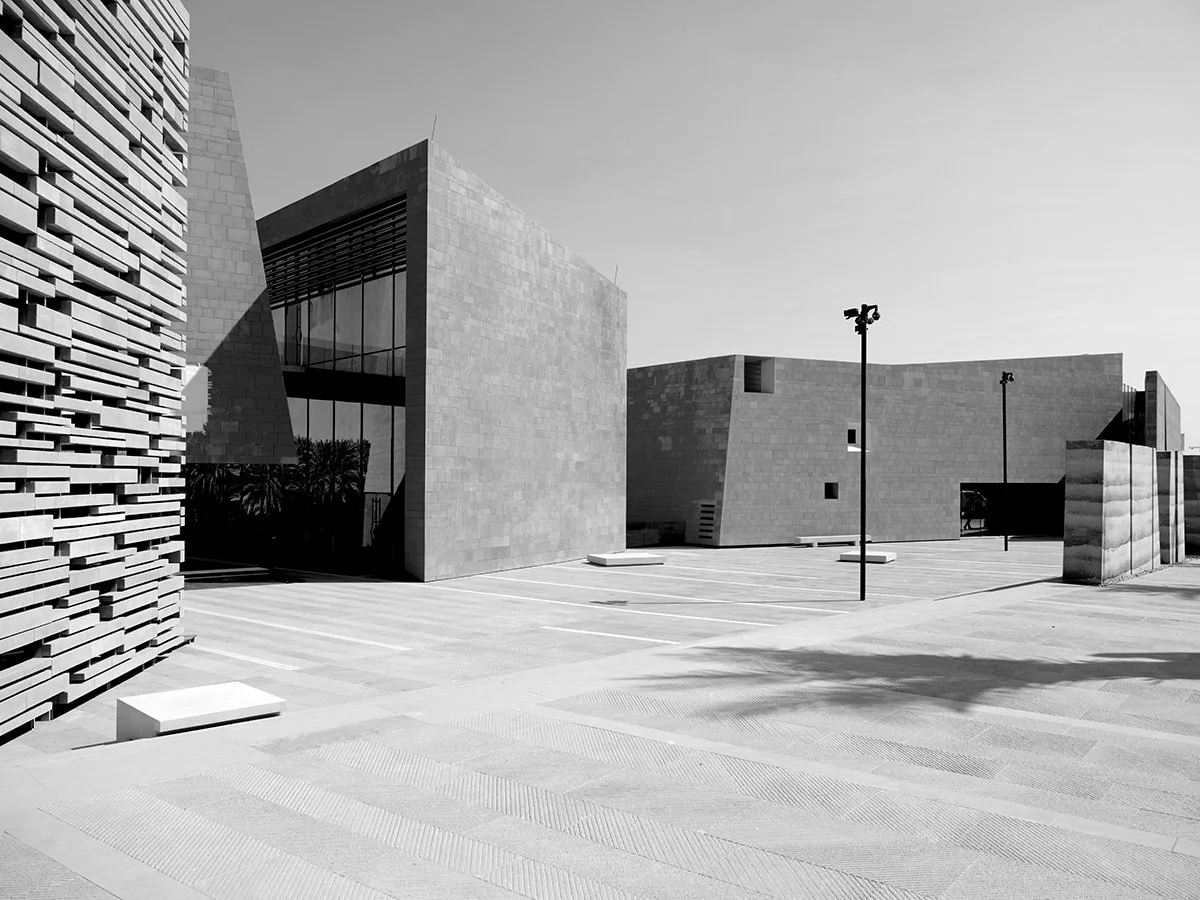
Driyah Art Futures. 2025
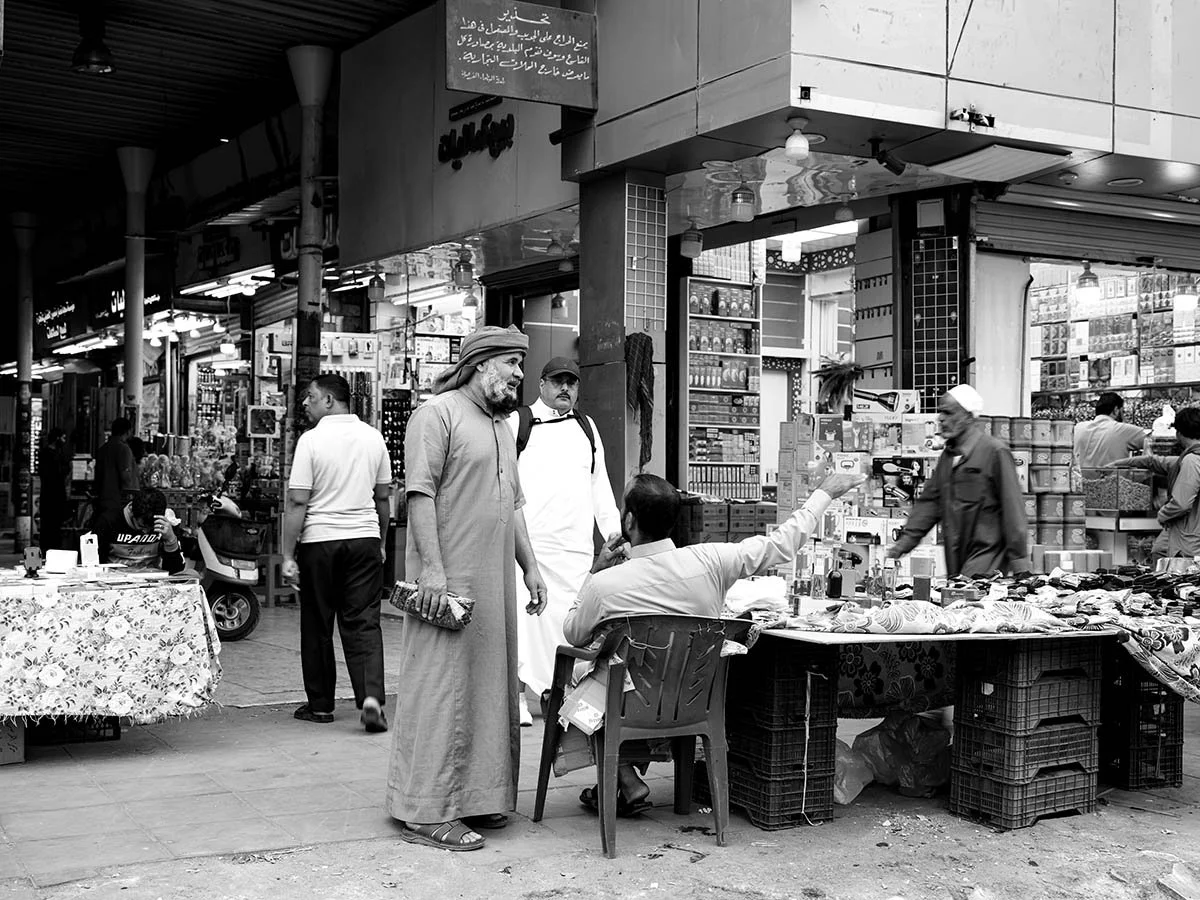
Al-Marqab Souk. 2025
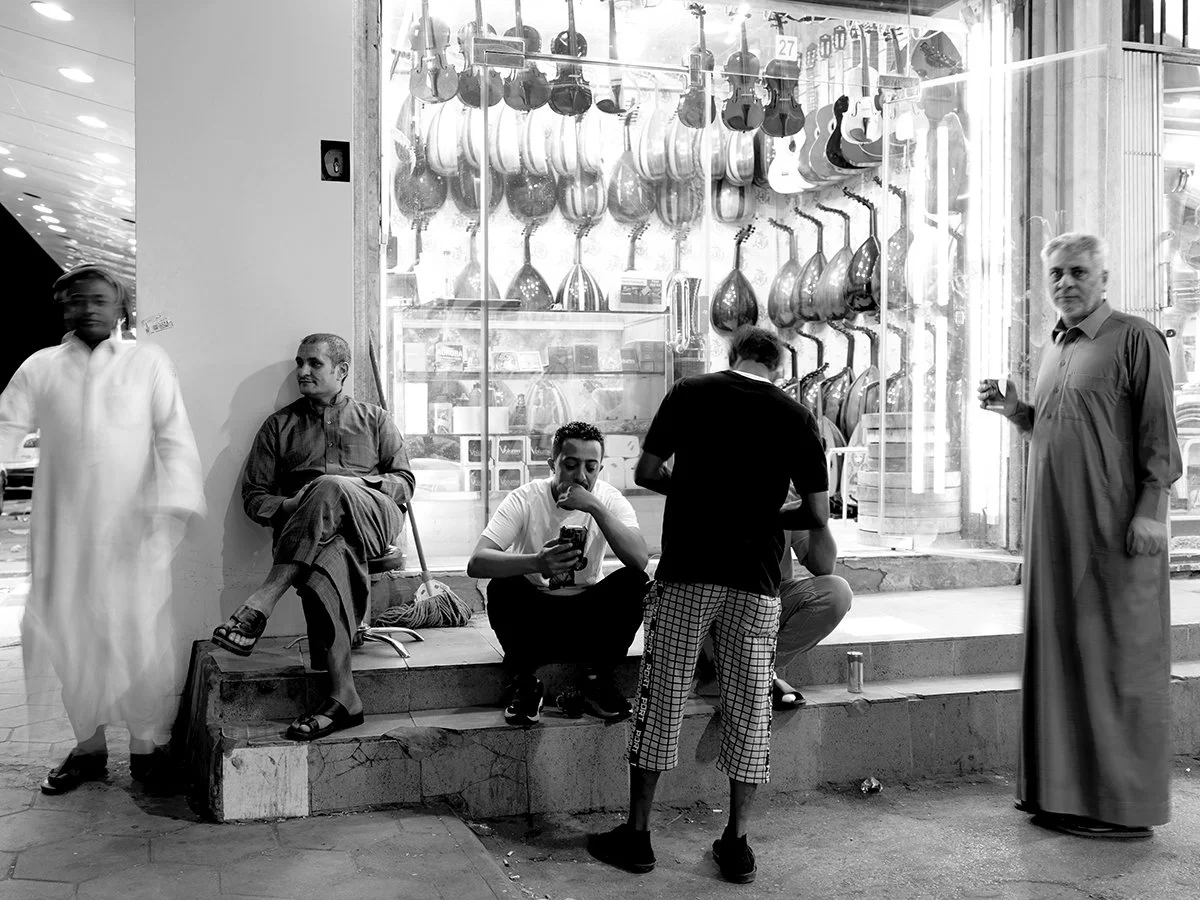
Musical Instruments Market. Batha. 2025
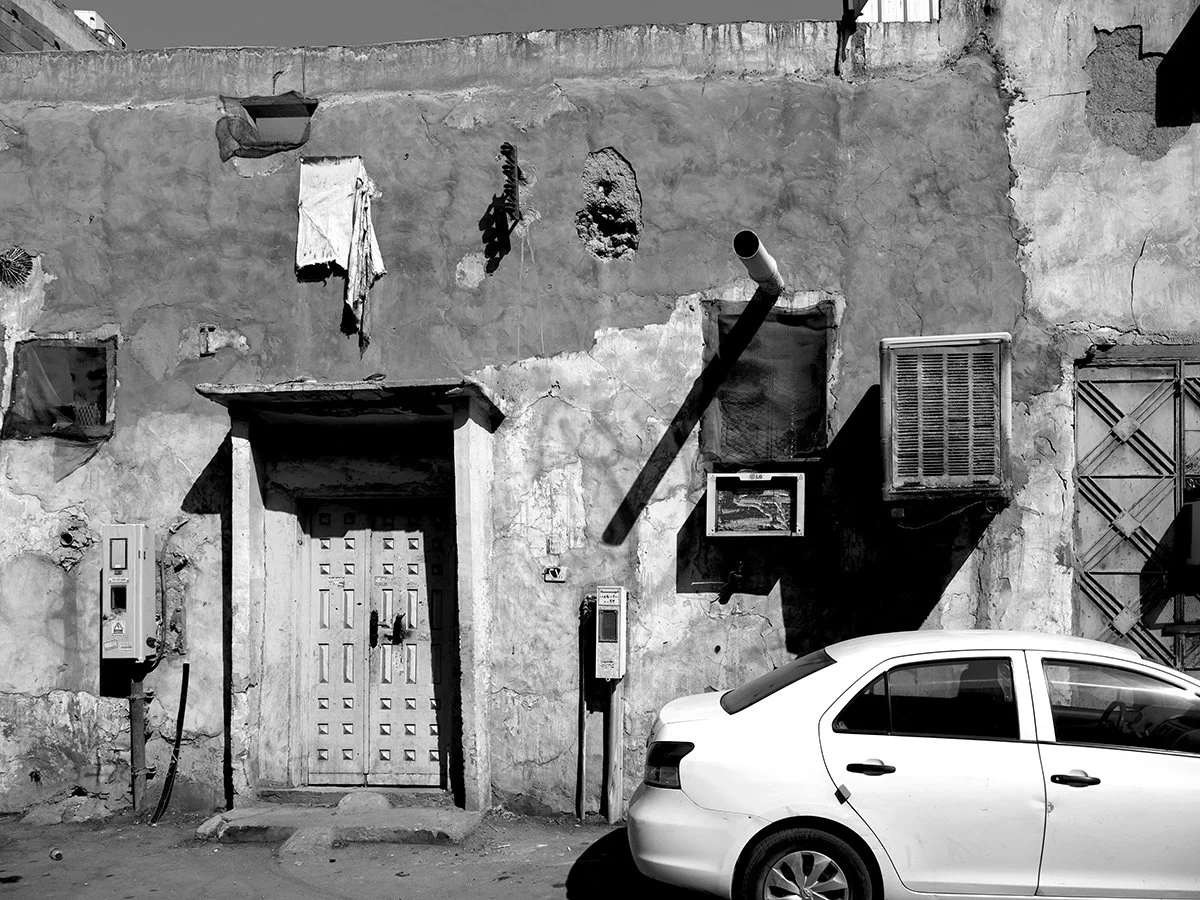
Al-Shumaisi District. 2025
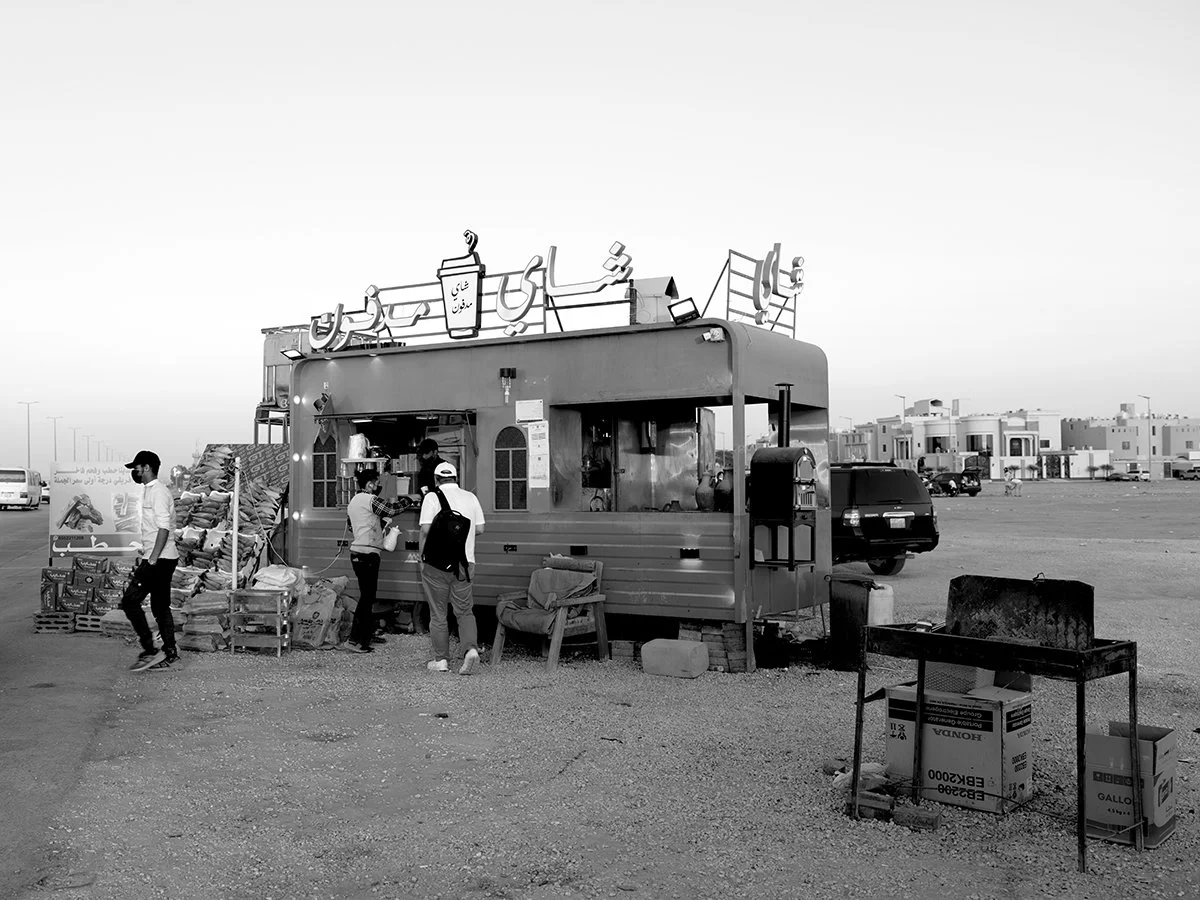
Thumamah Area. 2025
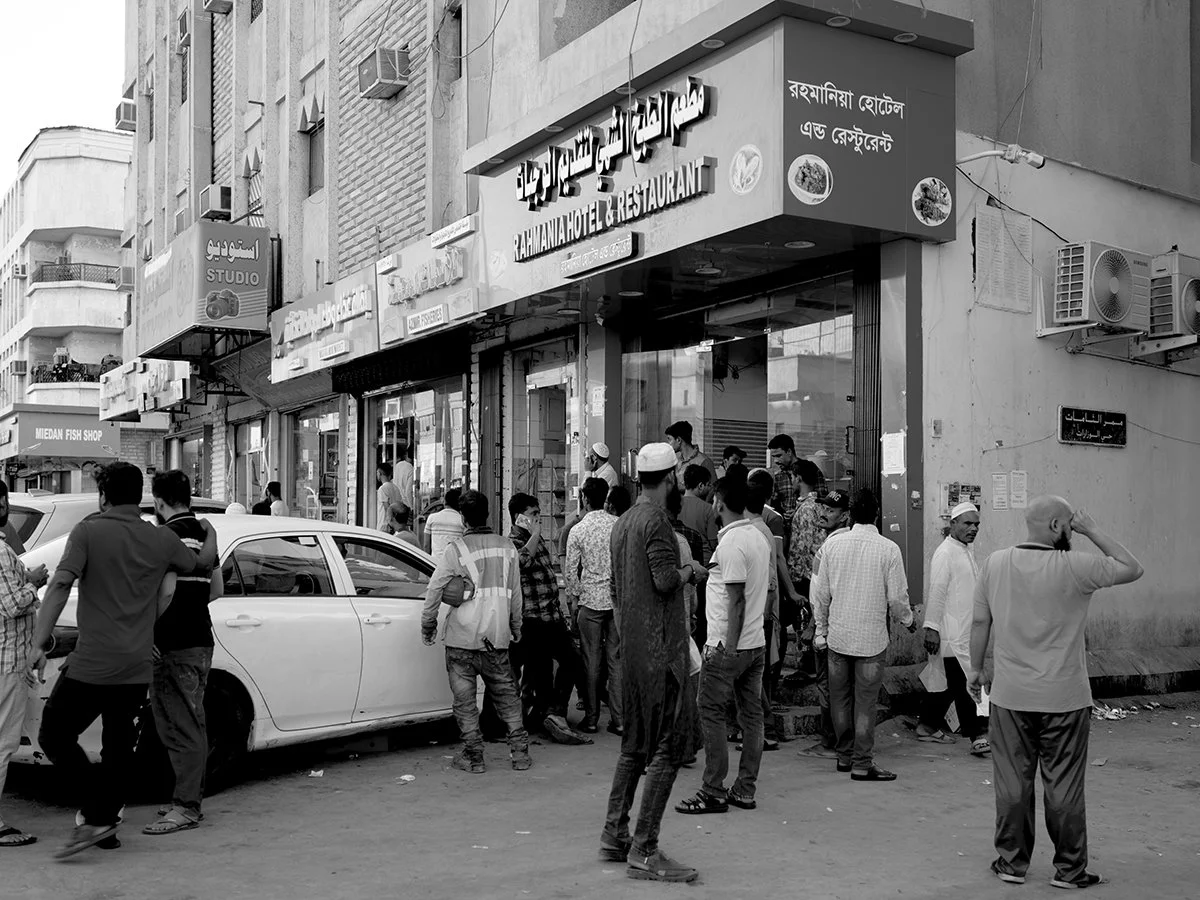
Wizarat District. 2025
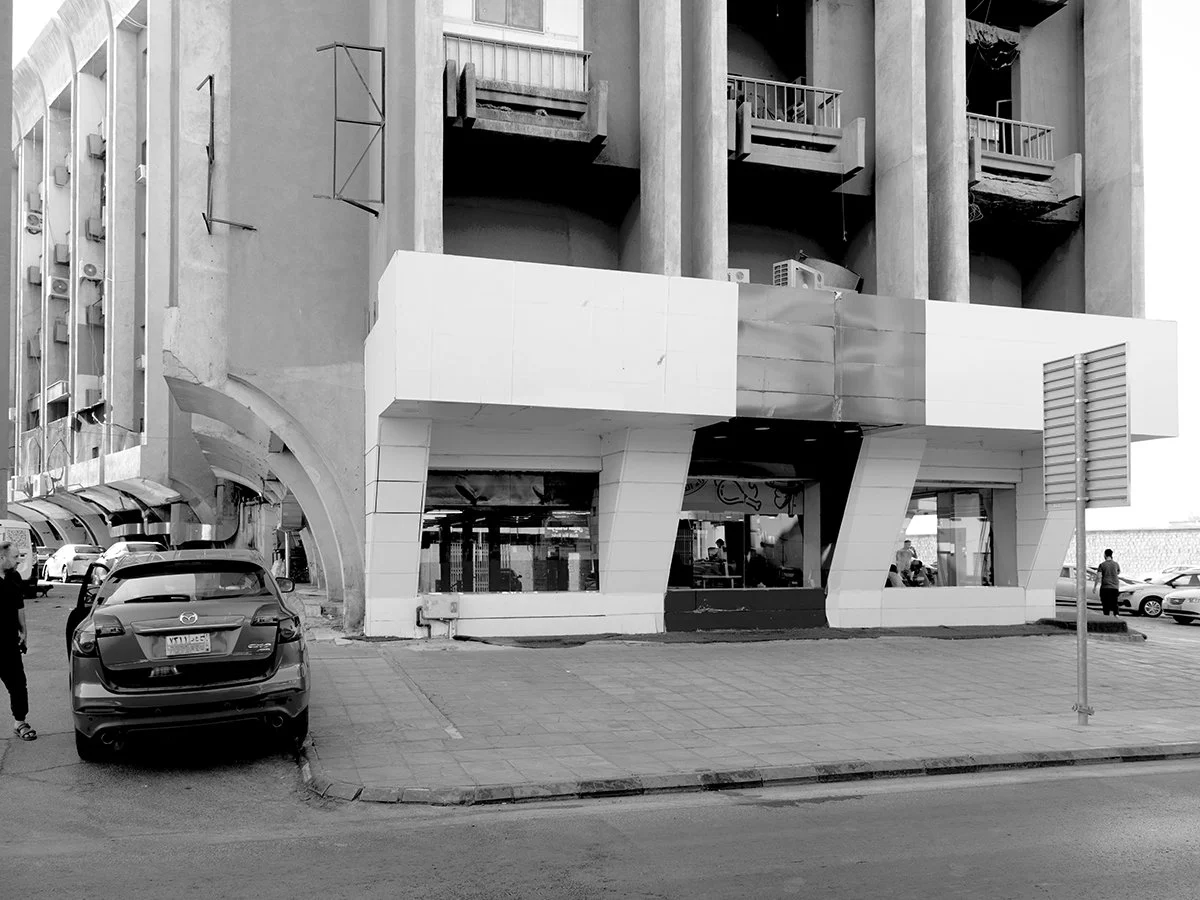
Assarat Street. 2025
1960s
2020s
Haifaa Al-Mansour’s “Wadjda” (2012), widely recognized as the first feature film shot entirely in Saudi Arabia by a female director, is frequently celebrated for its quietly subversive narrative and groundbreaking place in Saudi cinematic history. Yet beyond its symbolic significance, the film offers a sophisticated and deeply grounded portrait of Riyadh’s urban fabric and how that built environment both reflects and constrains the social lives of its inhabitants—particularly women and children. Rather than showcasing Riyadh’s gleaming skyline, opulent malls, or luxurious gated compounds, “Wadjda” is situated in the unembellished everydayness of the city’s southern suburbs—a realm of walled villas, empty lots, dusty streets, and anonymous concrete structures. These spaces do not merely provide a backdrop for the story; they actively structure the narrative, shaping the characters’ relationships, routines, and aspirations. Through a deft interplay between private and public, interior and exterior, “Wadjda” presents a Riyadh that is spatially fragmented and socially stratified, while subtly revealing how its architecture both enforces and is shaped by deeply gendered norms.