Chapter 5: Rabat, Casablanca & The Politics of Exclusion
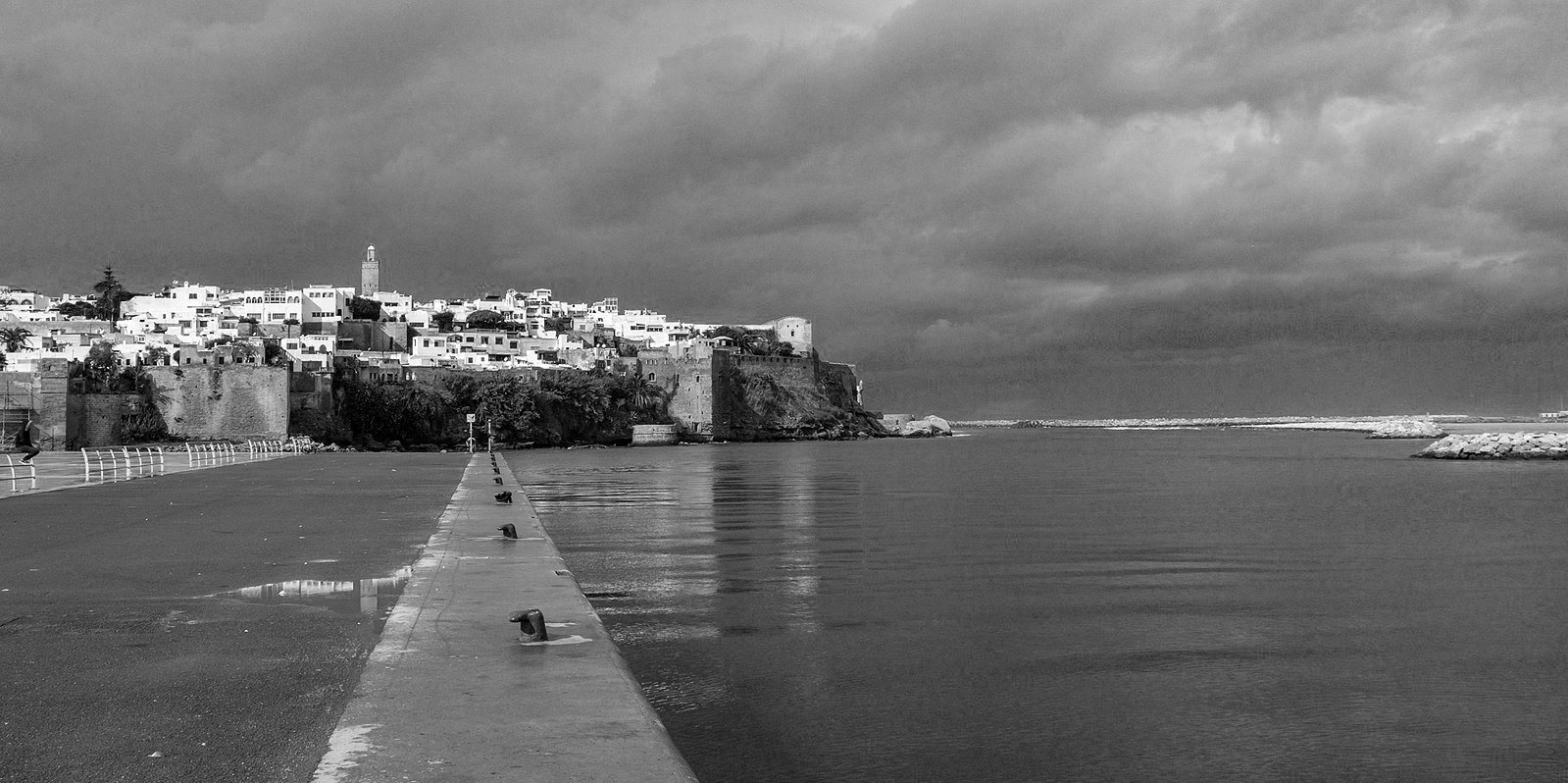
This chapter is a critical examination of the urban and architectural development of Rabat and Casablanca, revealing how colonial legacies, state policies, and global capital have shaped Morocco’s modern cities. It begins by tracing the French Protectorate’s urban strategies—particularly the “dual city” model implemented by Henri Prost—which segregated European and Moroccan populations and embedded lasting socio-spatial hierarchies.
In Rabat, colonial and postcolonial planning continue to enforce exclusionary patterns, while contemporary megaprojects like the Bouregreg River Development deepen these divides under the guise of modernization. Casablanca, Morocco’s economic hub, has experienced rapid urbanization and the proliferation of slums, leading to state-led interventions such as the “Villes sans Bidonvilles” program. Yet these efforts often displace the urban poor without addressing the structural roots of informality and exclusion. Through a detailed case study of Carrières Centrales in Casablanca, the chapter shows how colonial-era social housing became a site of resistance and contested urban space. It further explores how tramway projects, although intended to integrate marginalized districts, instead catalyze gentrification and displacement.
By weaving in literary and cinematic representations—such as Rashid Aday’s Another Day in Rabat and Nabil Ayouch’s Ali Zaoua and Horses of God—the chapter underscores how culture offers alternative narratives that challenge official visions of progress. Ultimately, the chapter argues that Moroccan urbanism, from colonial segregation to neoliberal spectacle, continues to produce and manage exclusion. It calls for a reimagining of urban development that prioritizes equity, social inclusion, and the everyday lives of the marginalized.
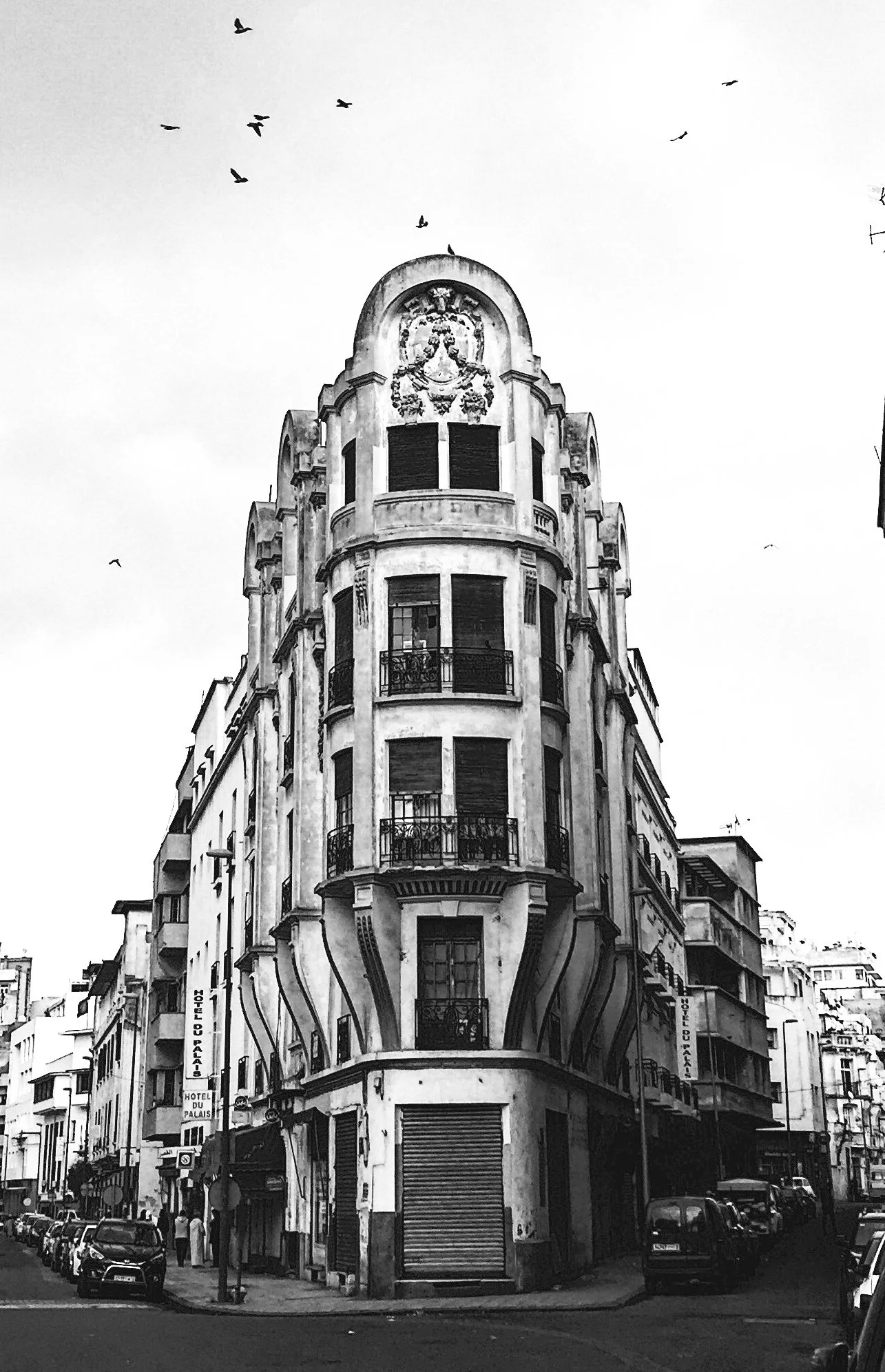
Pappalardo Building. Casablanca. 1932
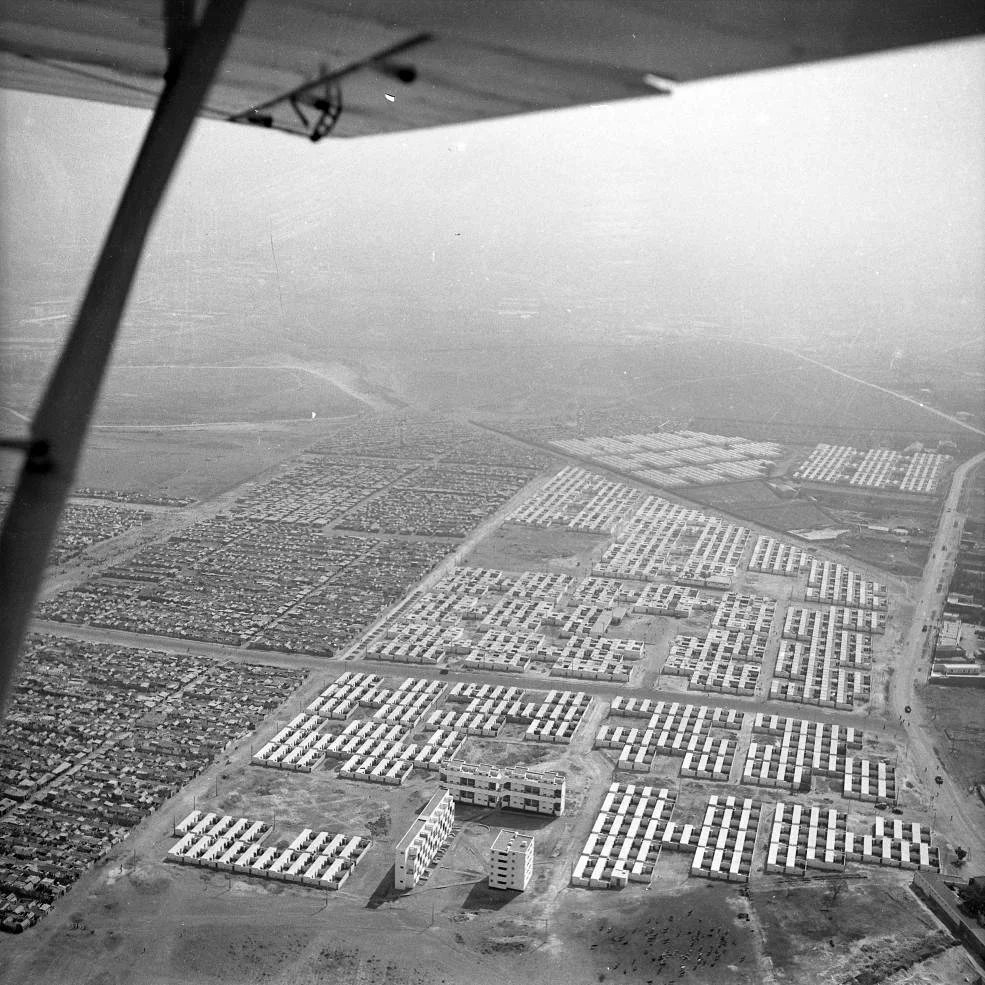
Aerial view of Hai Mohammadi.Casablanca (Carrieres Centrale)
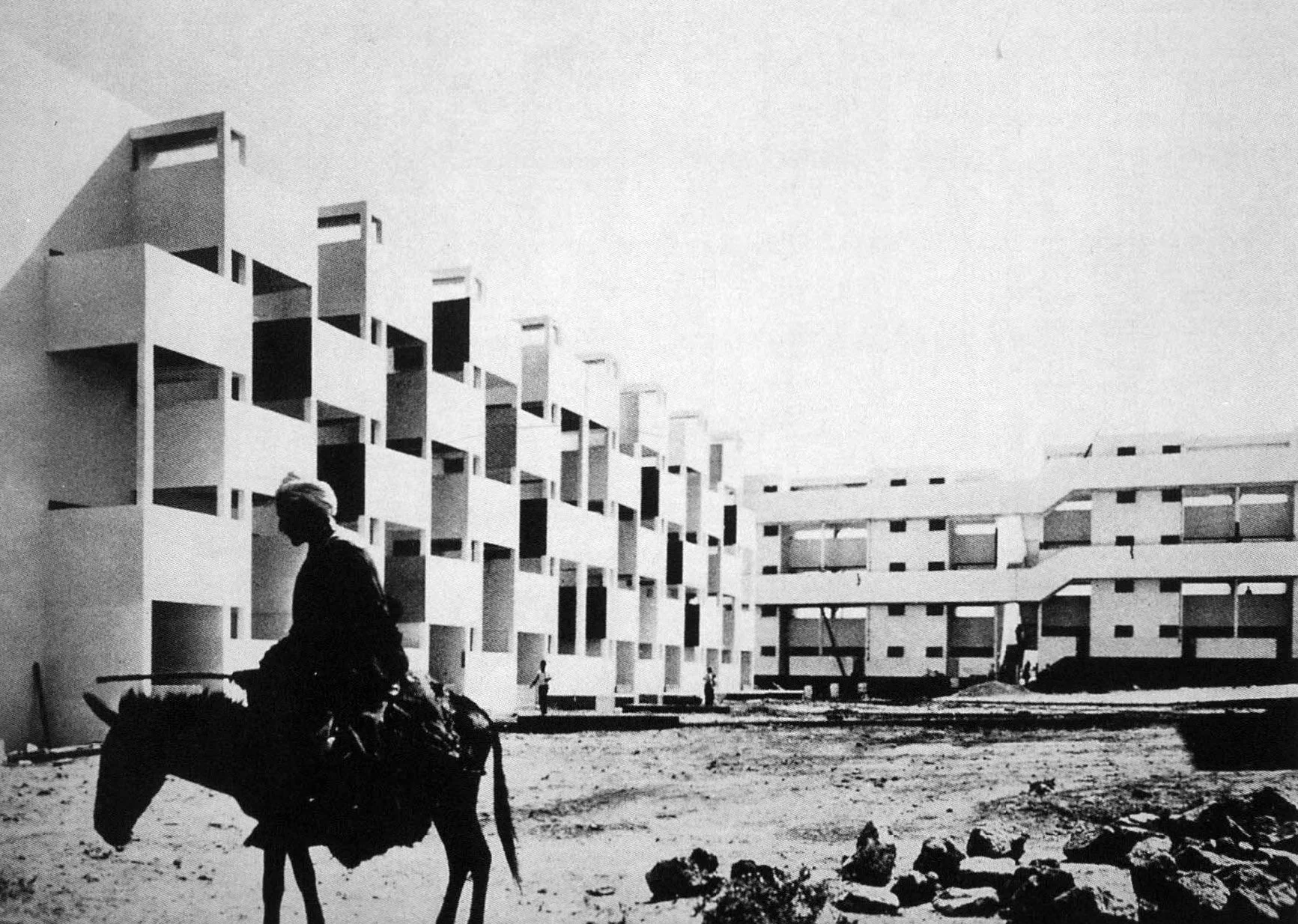
Carrières Centrales during construction. 1952
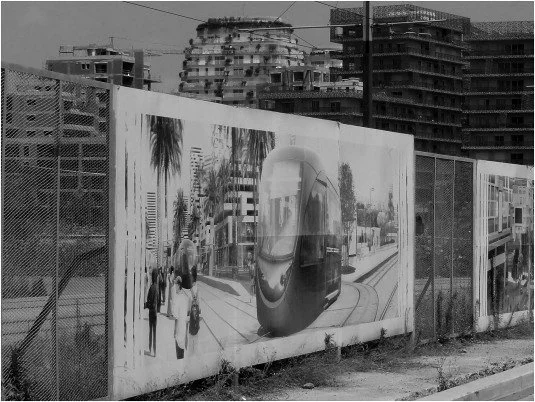
The Casablanca Tramway
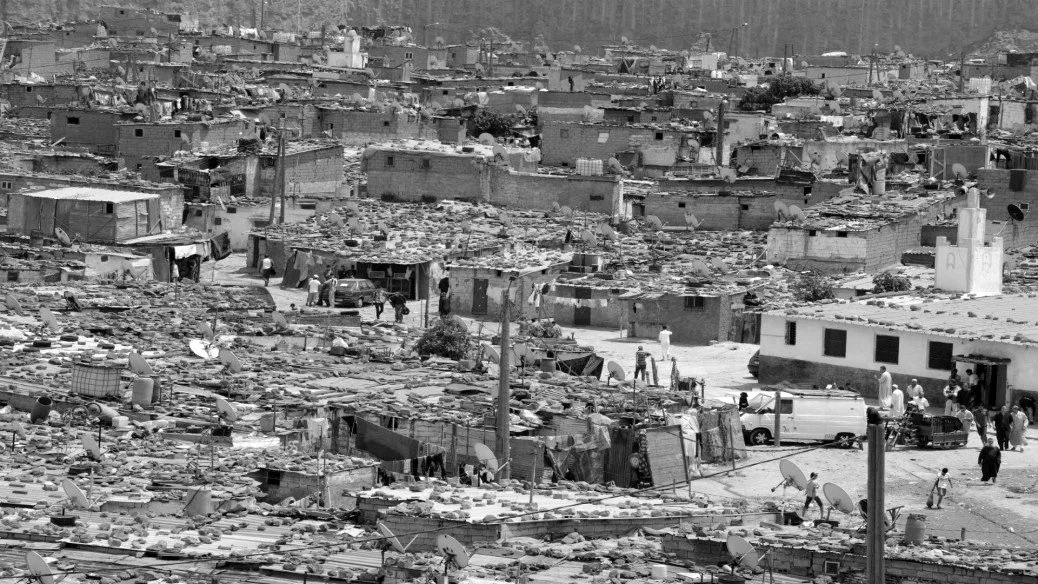
The Sidi Moumen slum. Casablanca
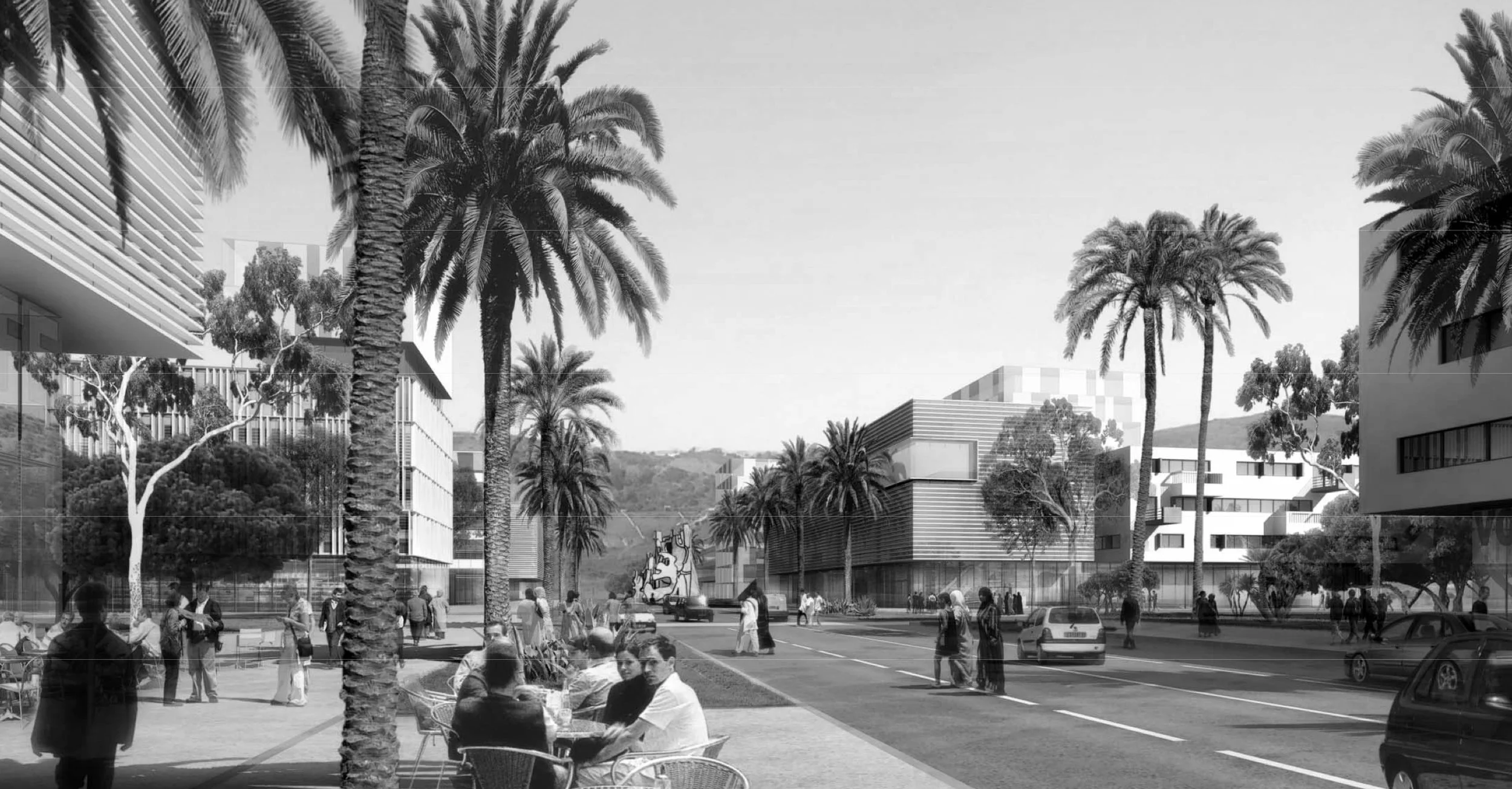
The Bouregreg River Development Project
Cinematic Representations of Casablanca
Nabil Ayouch’s film "Horses of God" (2012) presents a harrowing yet insightful exploration of the factors that drive young men toward radicalization. Based on Mahi Binebine’s novel “The Stars of Sidi Moumen,” the film fictionalizes the backstory of the young men responsible for the devastating 2003 Casablanca bombings (Binebine, 2010). Rather than excusing or humanizing their actions, the film attempts to provide a deeper understanding of the systemic forces — social, economic, and spatial — that render disenfranchised youth vulnerable to manipulation. Through its careful use of cinematography, urban settings, and architectural symbolism, "Horses of God" paints a stark picture of marginalization and the deadly consequences of exclusion.
Nour-Eddine Lakhmari’s "Casanegra" (2008) presents a stark and unflinching portrayal of Casablanca, stripping away the romanticized image popularized by Western cinema to expose the city’s underbelly. The film’s ironical title — "Casanegra" or "the black house" — stands in direct contrast to Casablanca’s literal meaning of "the white house." This linguistic inversion sets the tone for a film that challenges established narratives and presents a counter-image of a city struggling with economic hardship, class divisions, and social decay. Through its evocative cinematography, urban settings, and architectural symbolism, "Casanegra" transforms Casablanca into both a literal and metaphorical battleground for its marginalized protagonists.
Nabil Ayouch’s "Ali Zaoua: Prince of the Streets" (2000) is a poignant exploration of homelessness, poverty, and survival in the unforgiving urban landscape of Casablanca. While its narrative follows a group of street children grappling with the tragic loss of their friend Ali, the film’s urban and architectural themes deepen its storytelling, transforming the city itself into a character that reflects both despair and resilience. The visual and spatial dynamics of Casablanca in the film underscore the stark socio-economic disparities that define contemporary Moroccan society