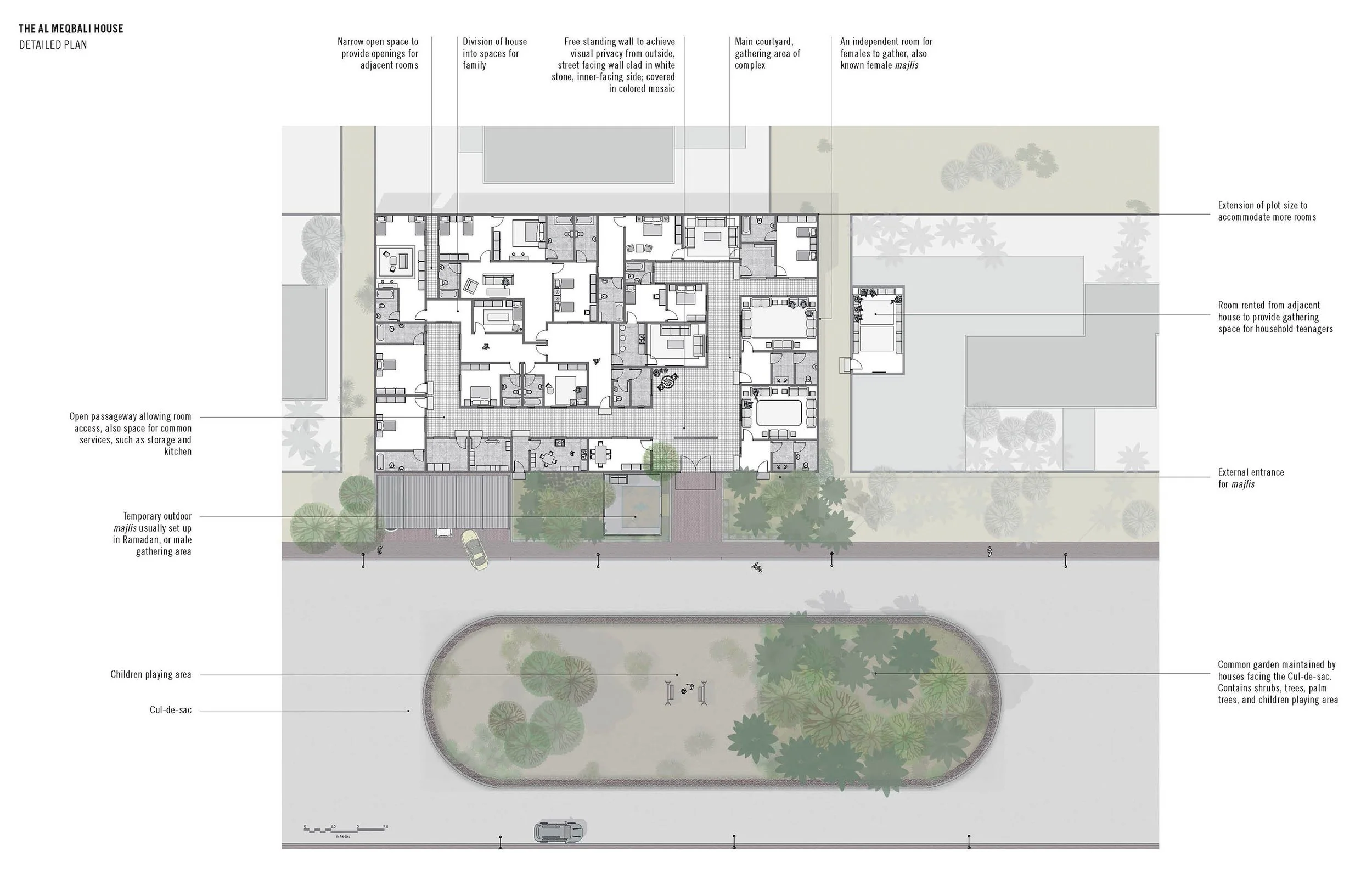
A House That Grew. The Meqbali Home as an Architecture of Accretion
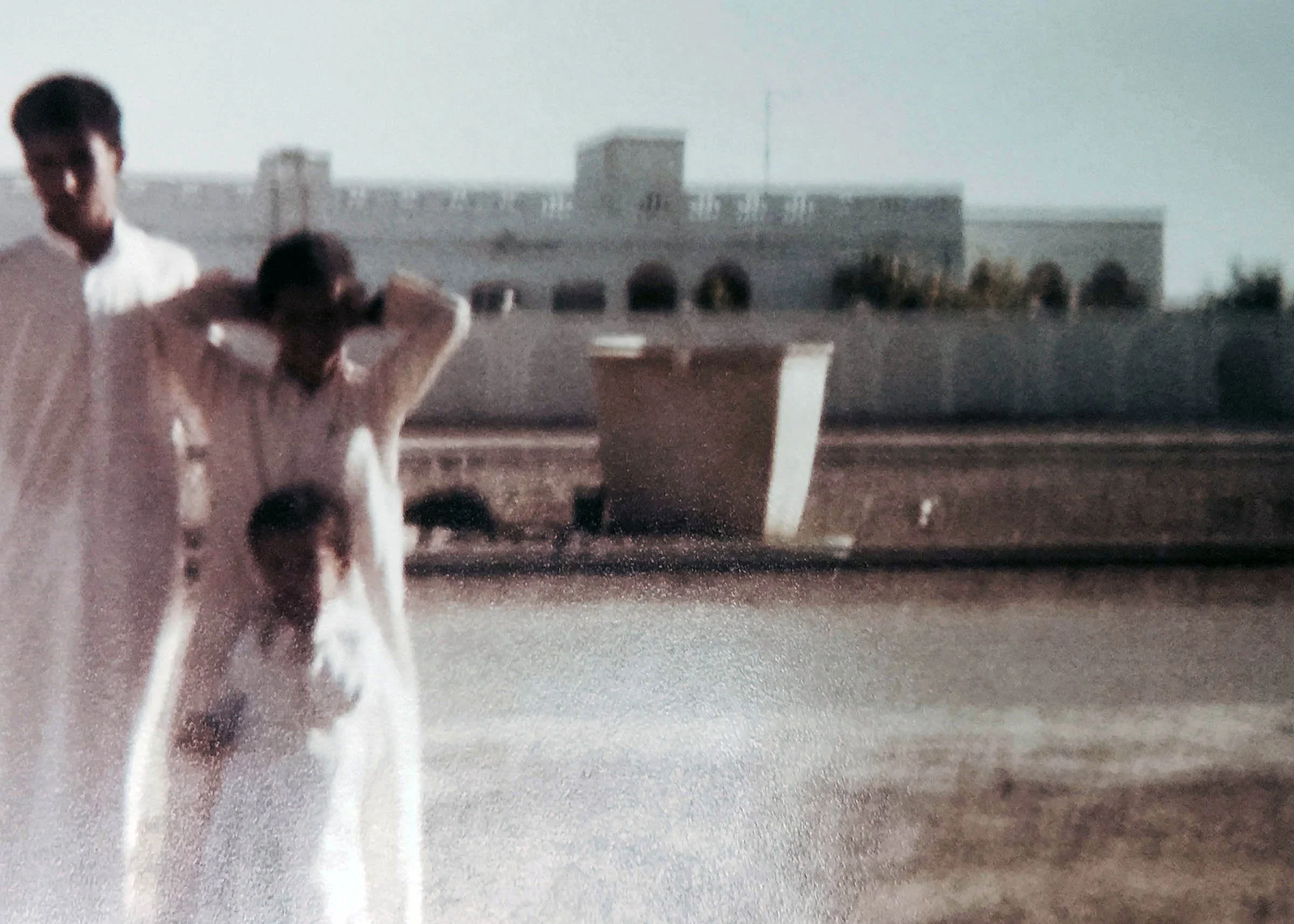
The Al Meqbali House in the 1970s
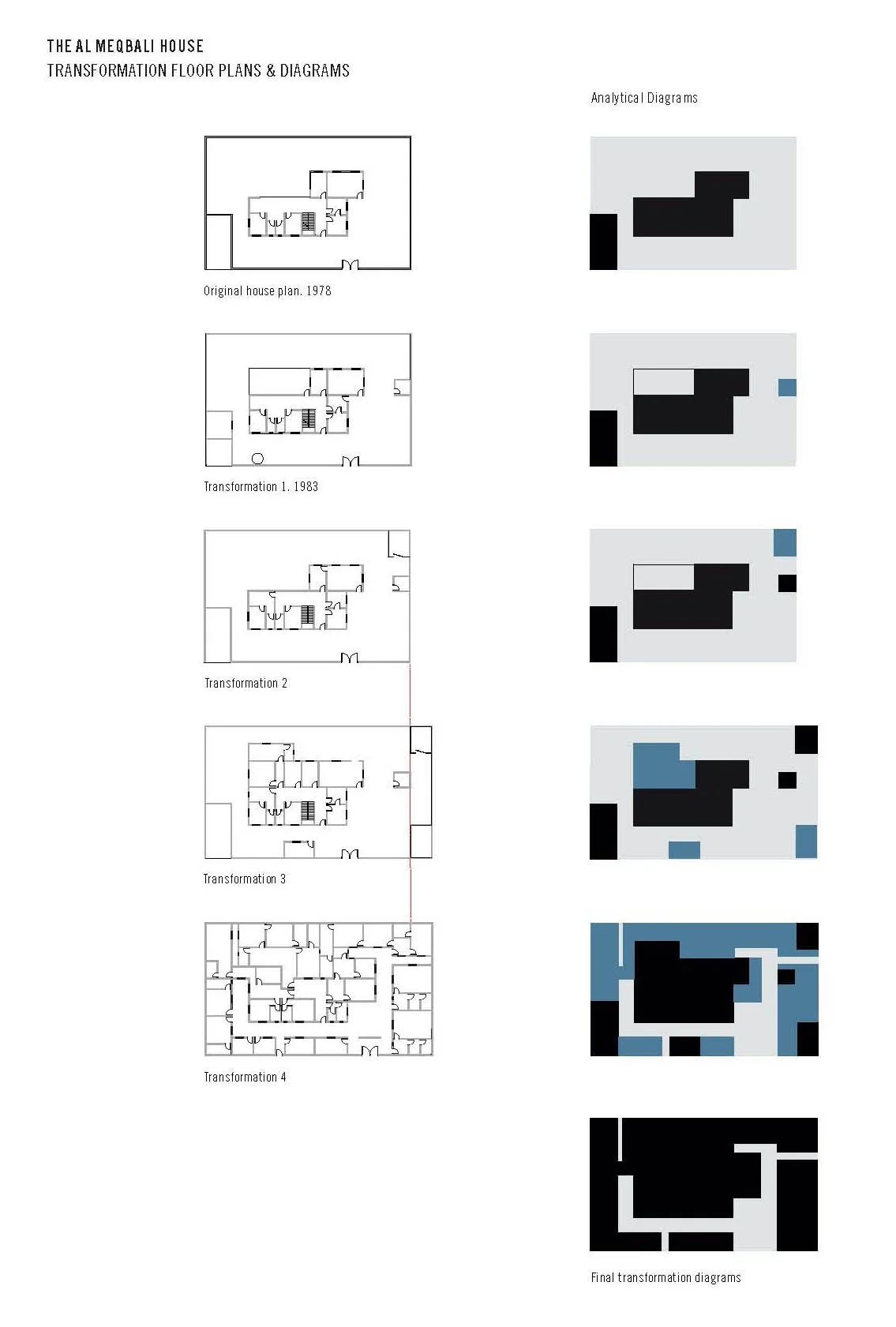
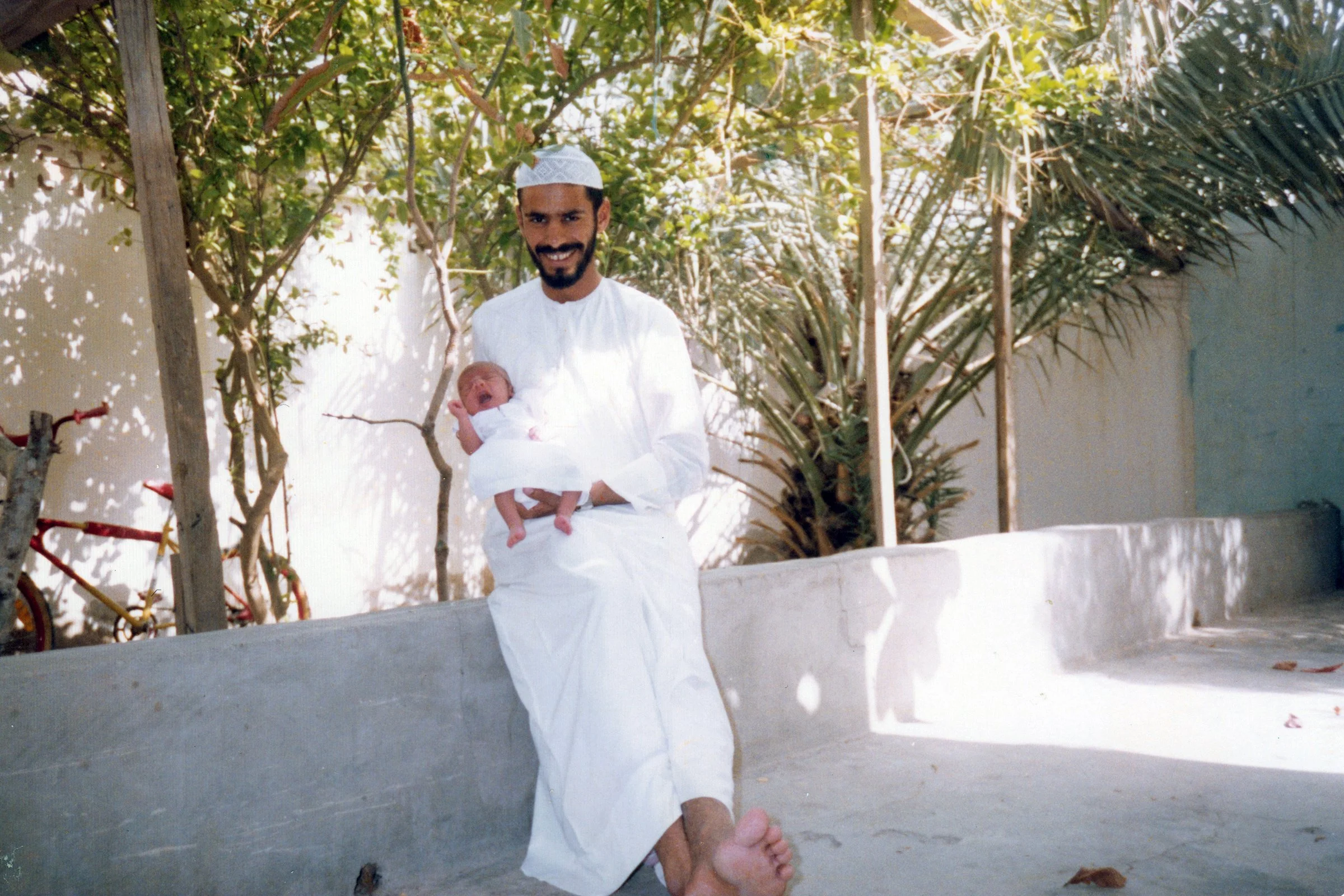
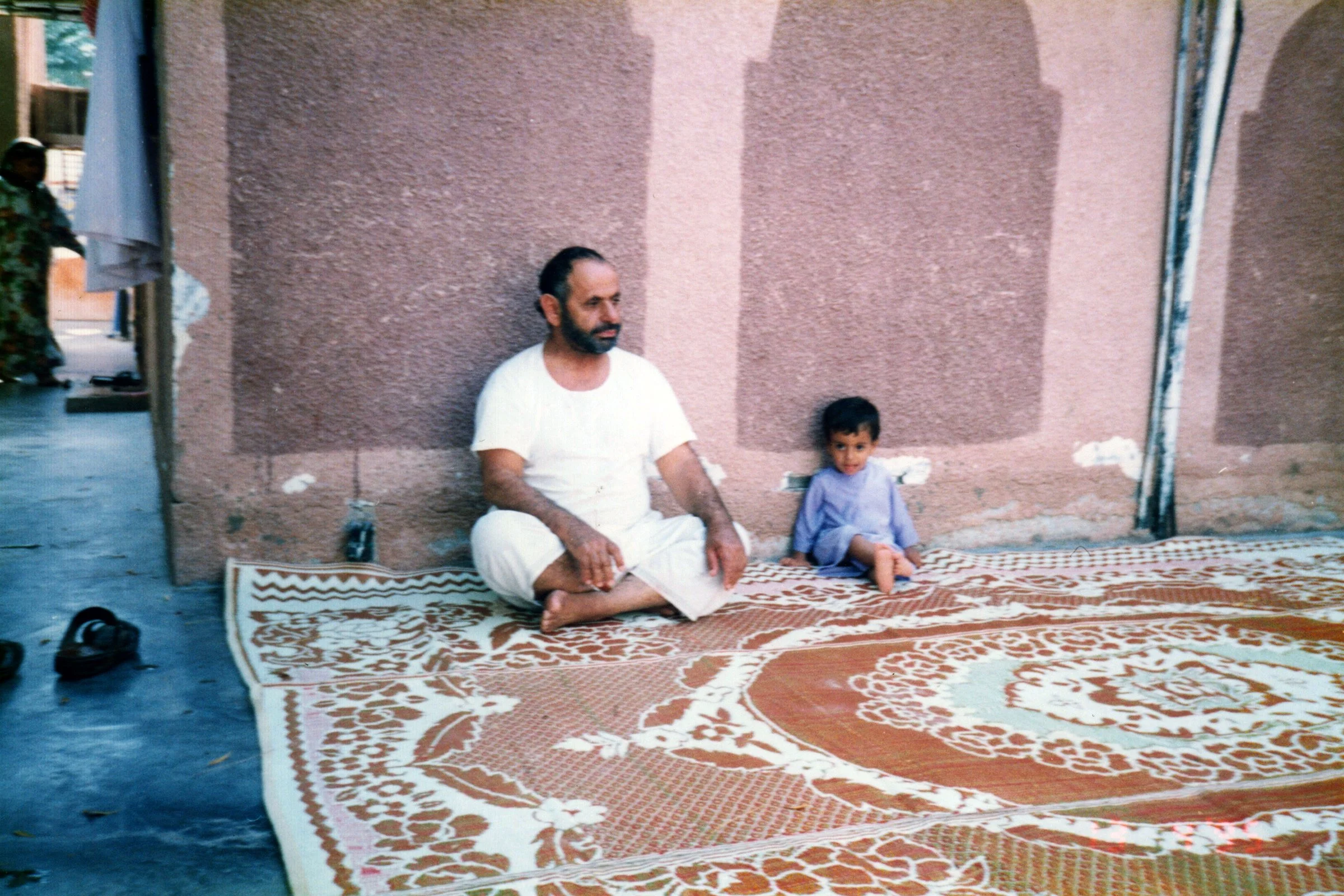
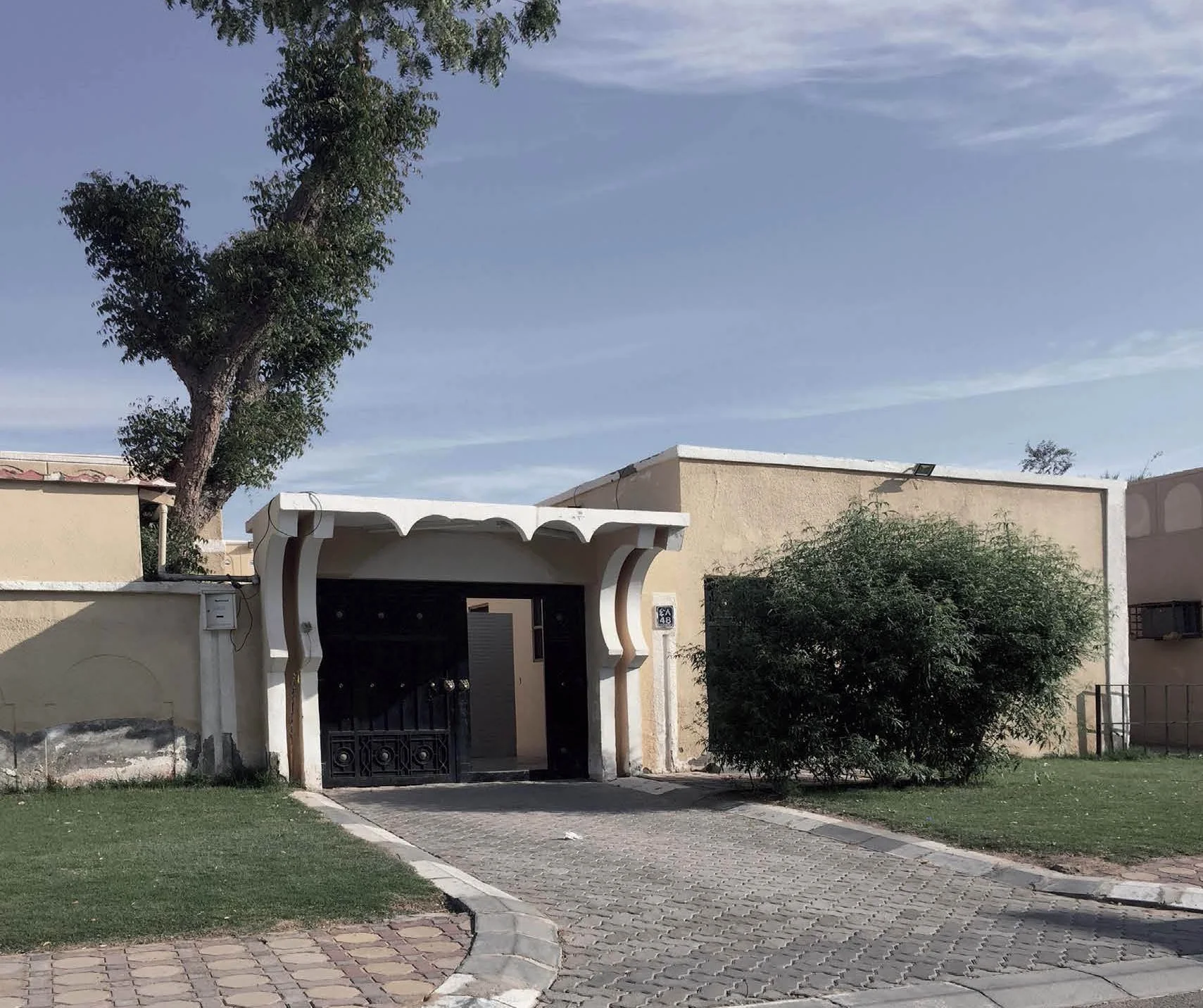
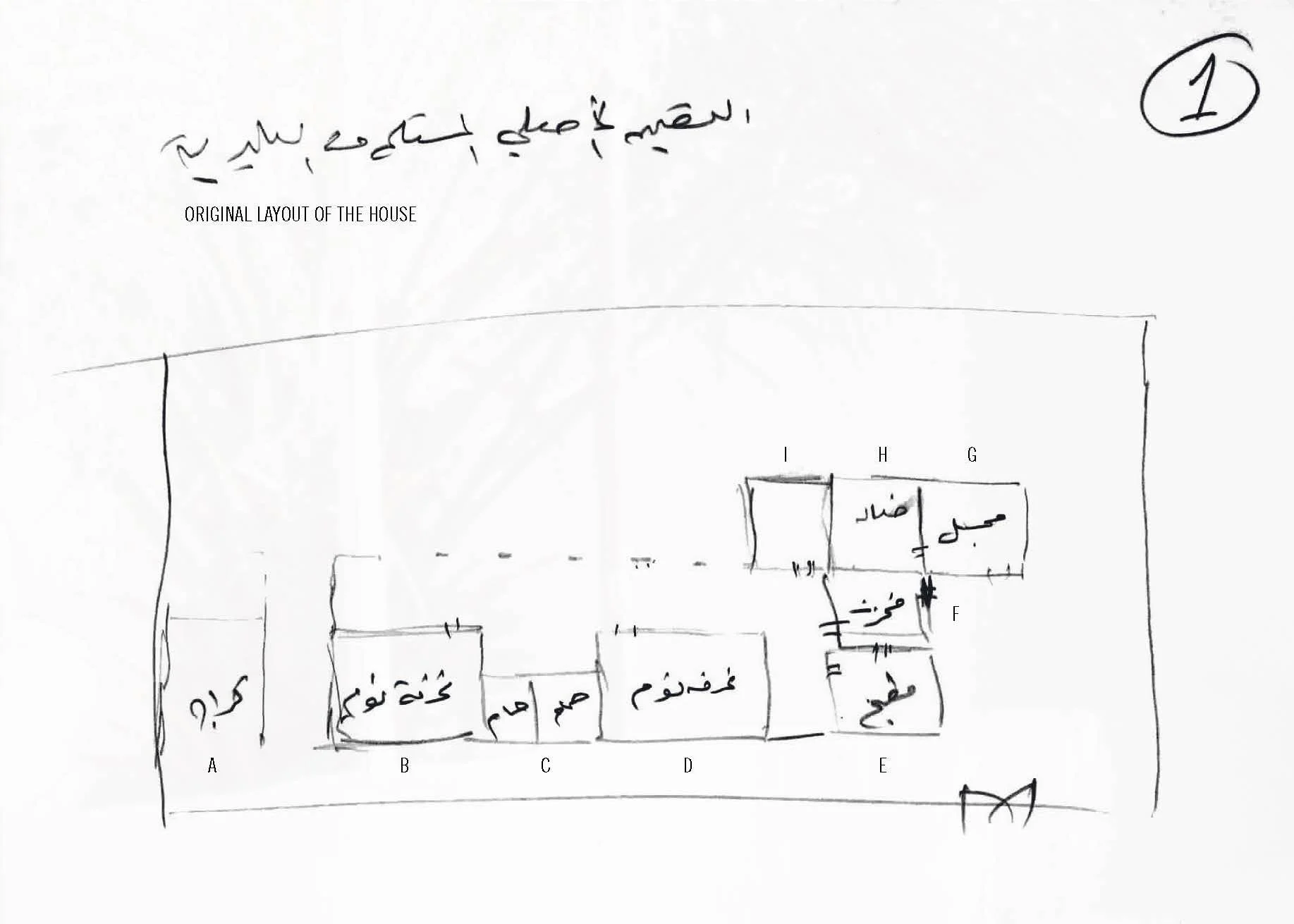
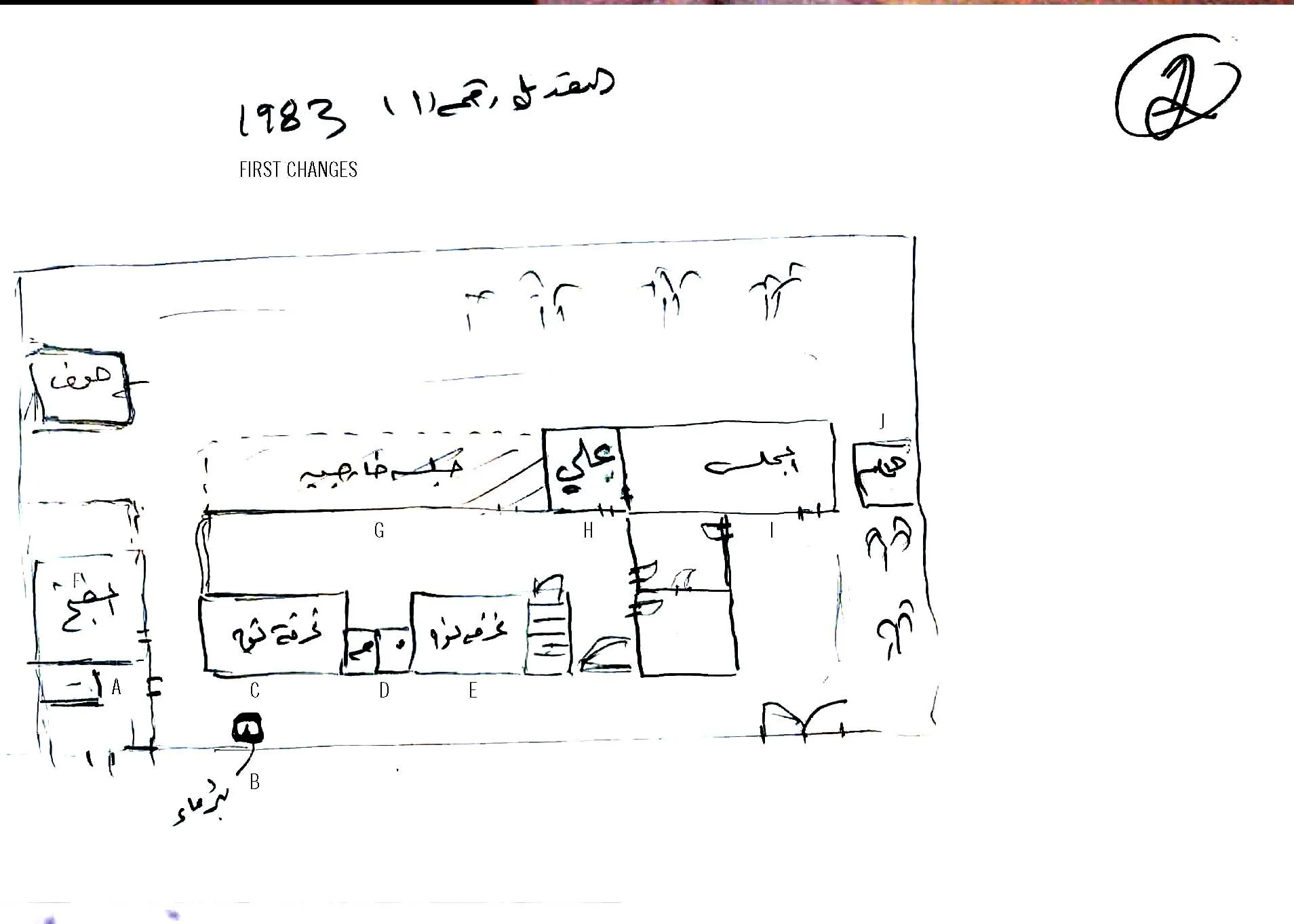
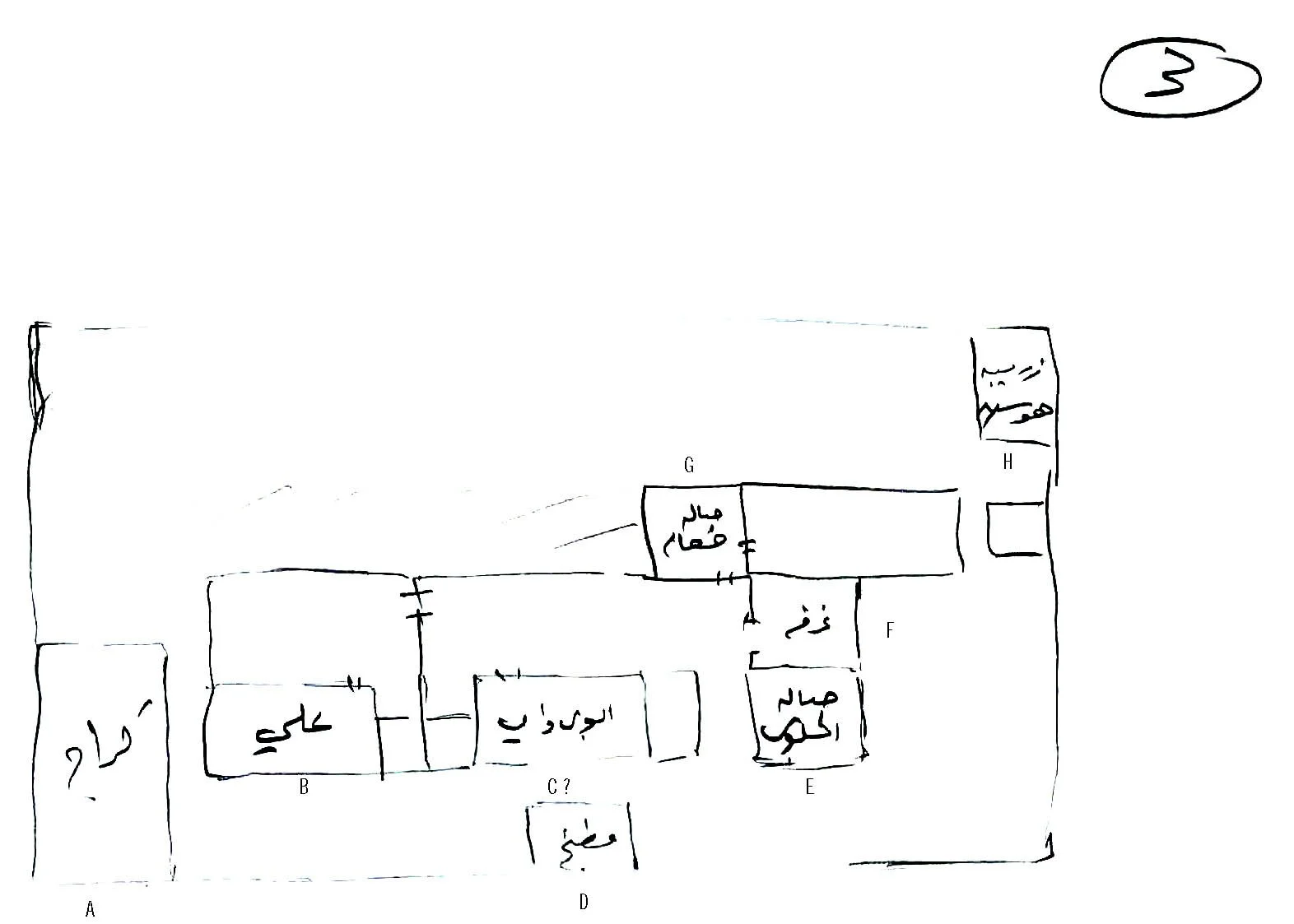
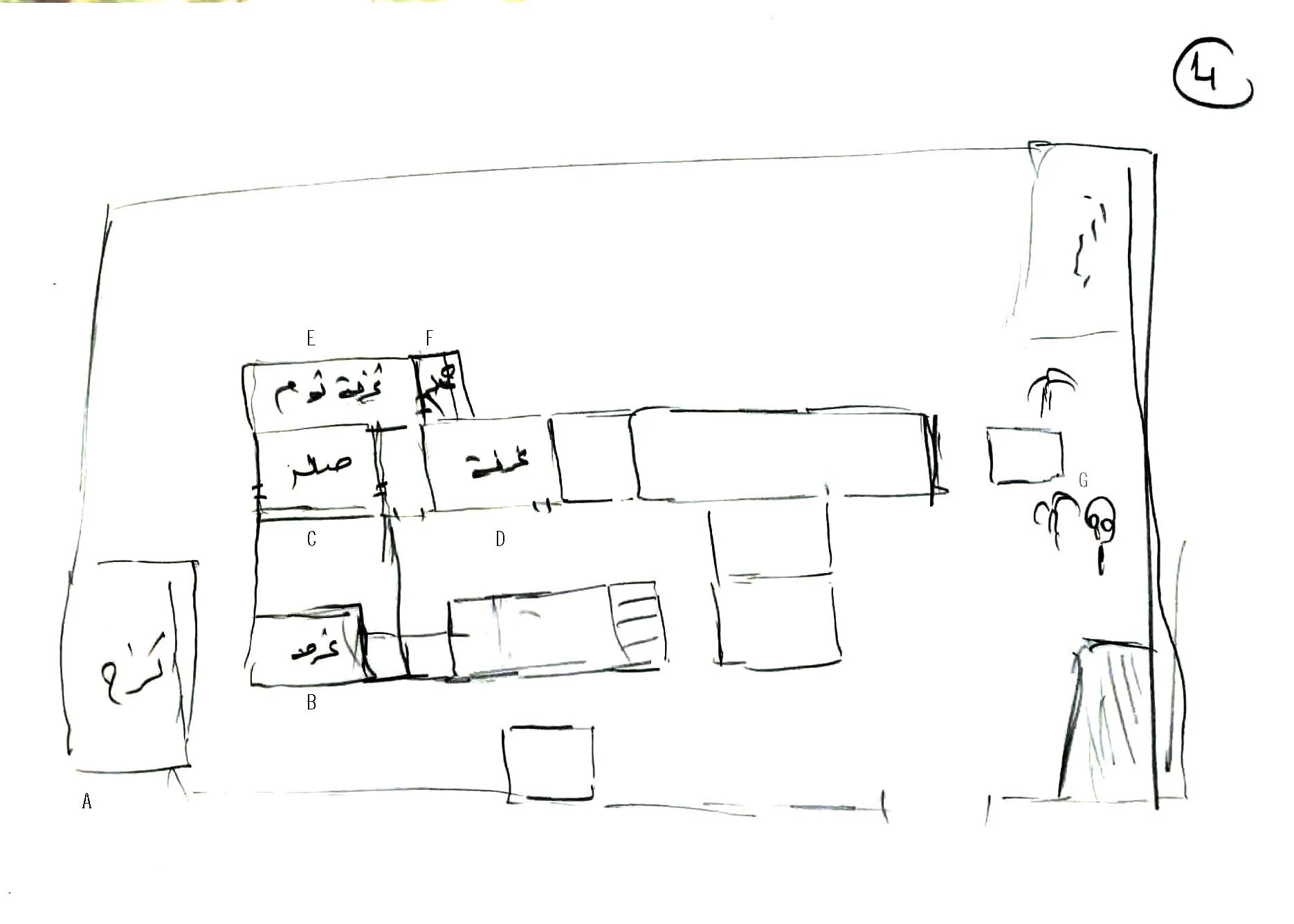
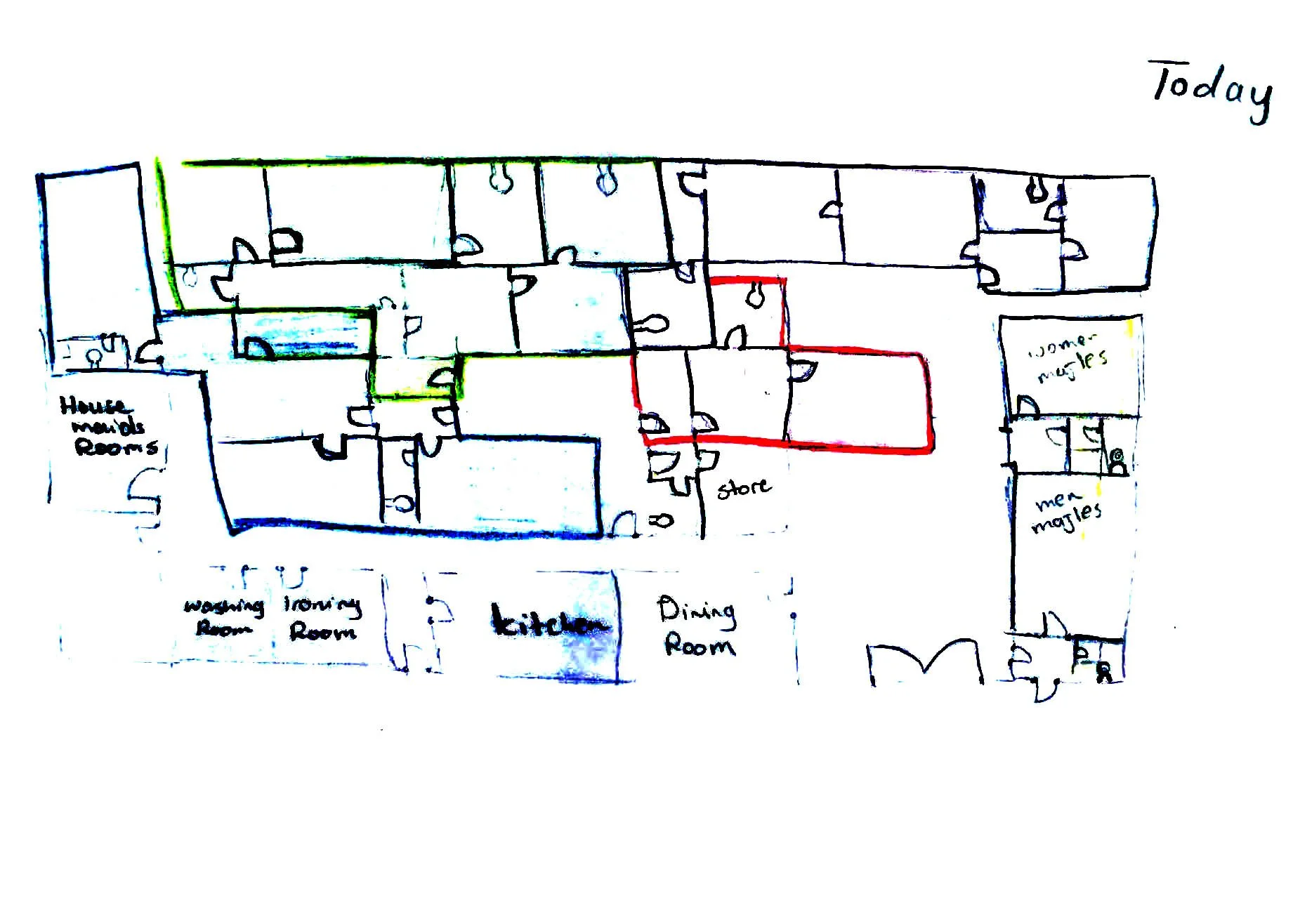
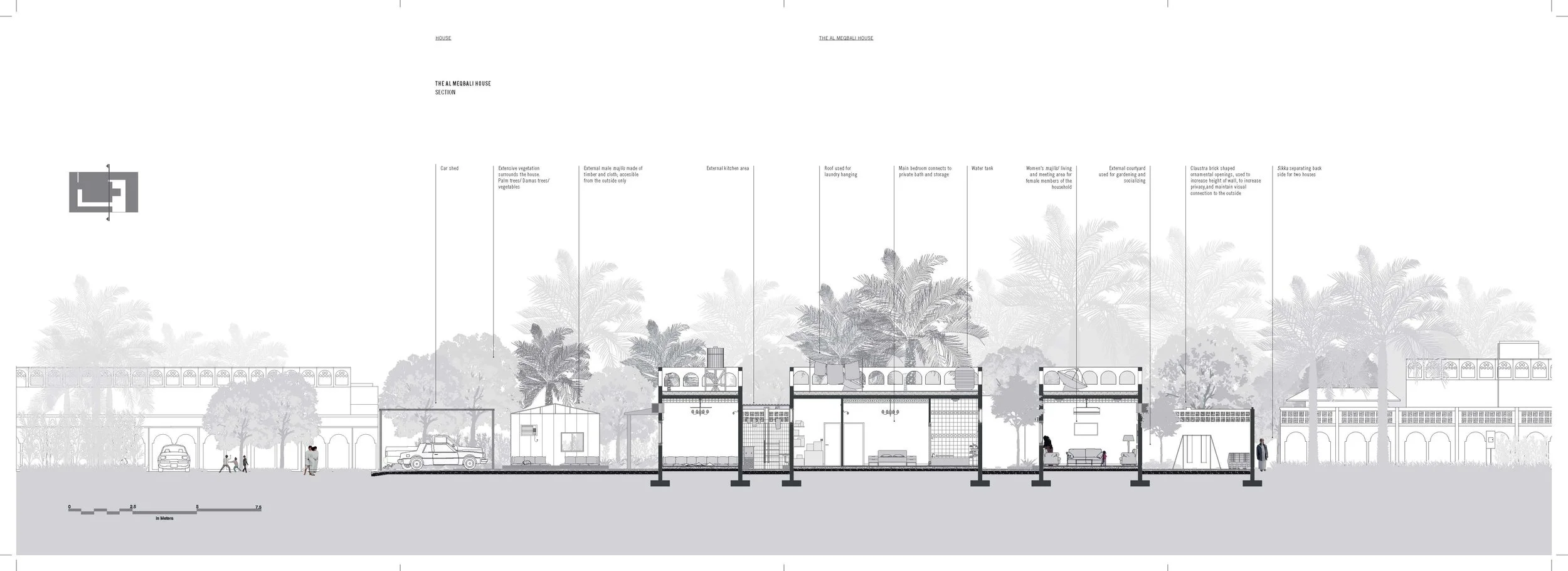
The Al Meqbali house in Al Maqam, Al Ain, stands as one of the most revealing and intimately documented examples of the Sha’abi house as a lived and evolving architectural form. Originally constructed in the late 1970s as part of the national housing program, the house followed a standard courtyard-based layout, with rooms, a majlis, kitchen, dining space, and garage organized within a walled plot. Its selection as a case study was itself serendipitous: one of my students at UAE University identified it as her family home, opening a rare opportunity to access not only the physical space but also its personal and historical layers. This connection transformed the house from a generic example into a deeply specific narrative, grounded in family memory and long-term occupation. What makes the Meqbali house particularly significant is the existence of hand-drawn sketches by the head of the household, Ali Al Meqbali, which meticulously document the evolution of the house since its initial construction—offering an unparalleled, first-person record of architectural change over time .
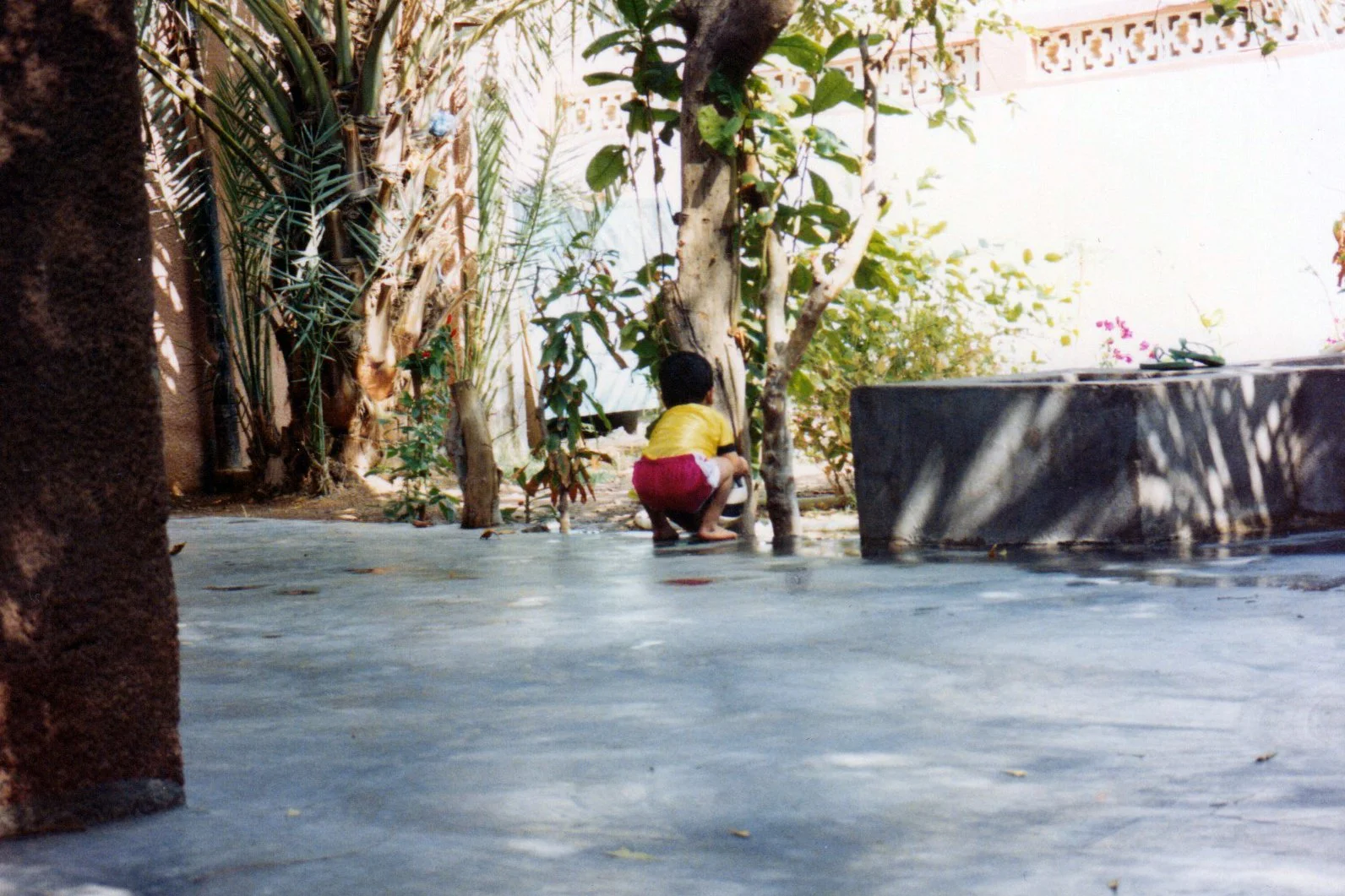
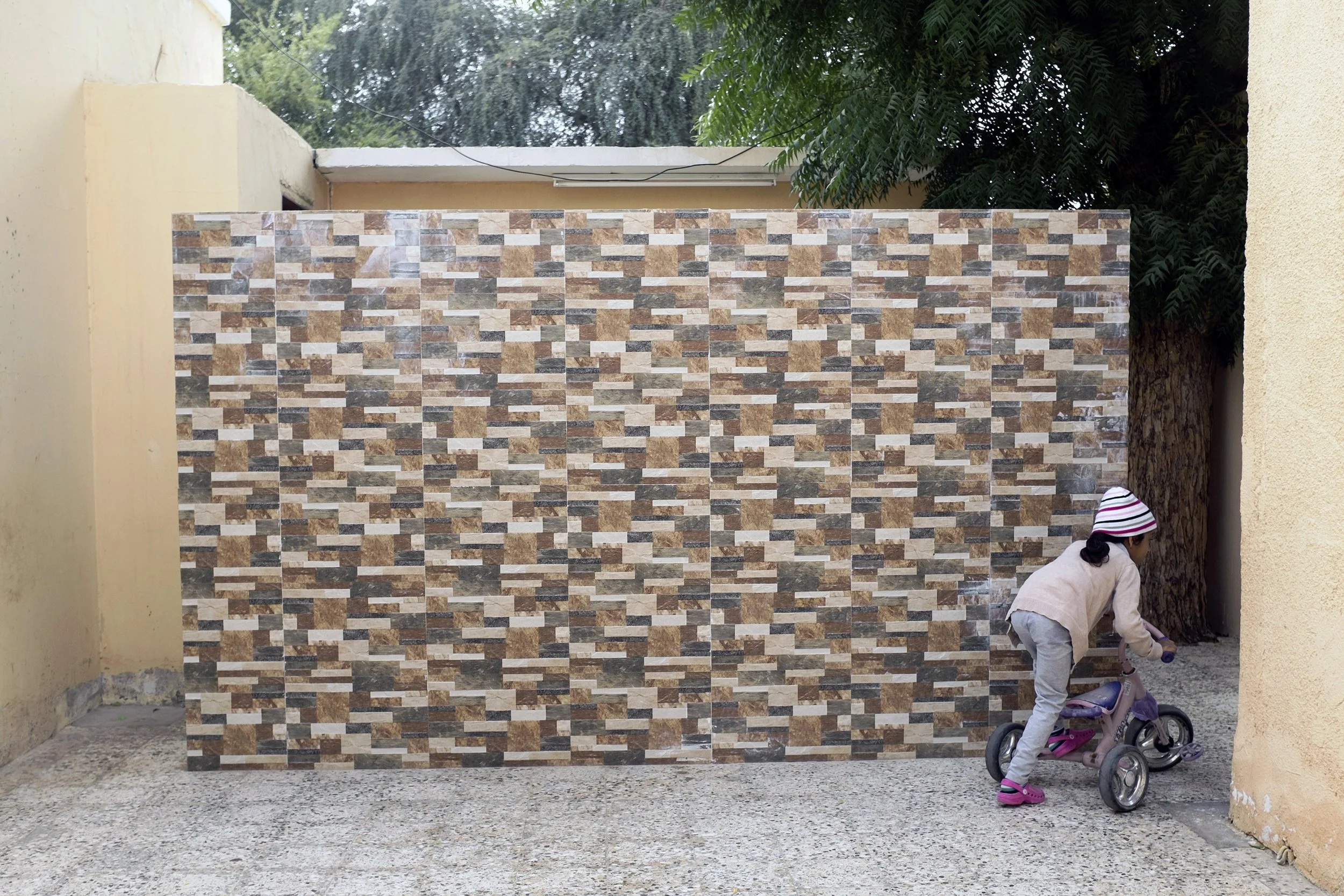
These drawings and accompanying testimonies reveal a process of continuous subdivision, extension, and adaptation driven by the needs of an expanding family. The original open rear space (dekka) was enclosed to create additional interior rooms; new bedrooms and bathrooms were added; and the house was incrementally reconfigured to accommodate multiple generations under one roof. Courtyard areas were repurposed, sometimes hosting tents that echoed Bedouin traditions or enclosures for domestic animals, while internal partitions and thresholds were modified using materials such as aluminum doors. This process of accretion transformed the house into a dense, layered environment, where the original modernist framework remains legible but is thoroughly reworked through everyday use. The Meqbali house thus exemplifies the Sha’abi house not as a fixed design, but as a living, adaptable system—one shaped over decades by family structure, cultural practice, and the ongoing negotiation between space and life .