The Anatomy of a House. Form, Detail, and Change in the Sha’abi Typology
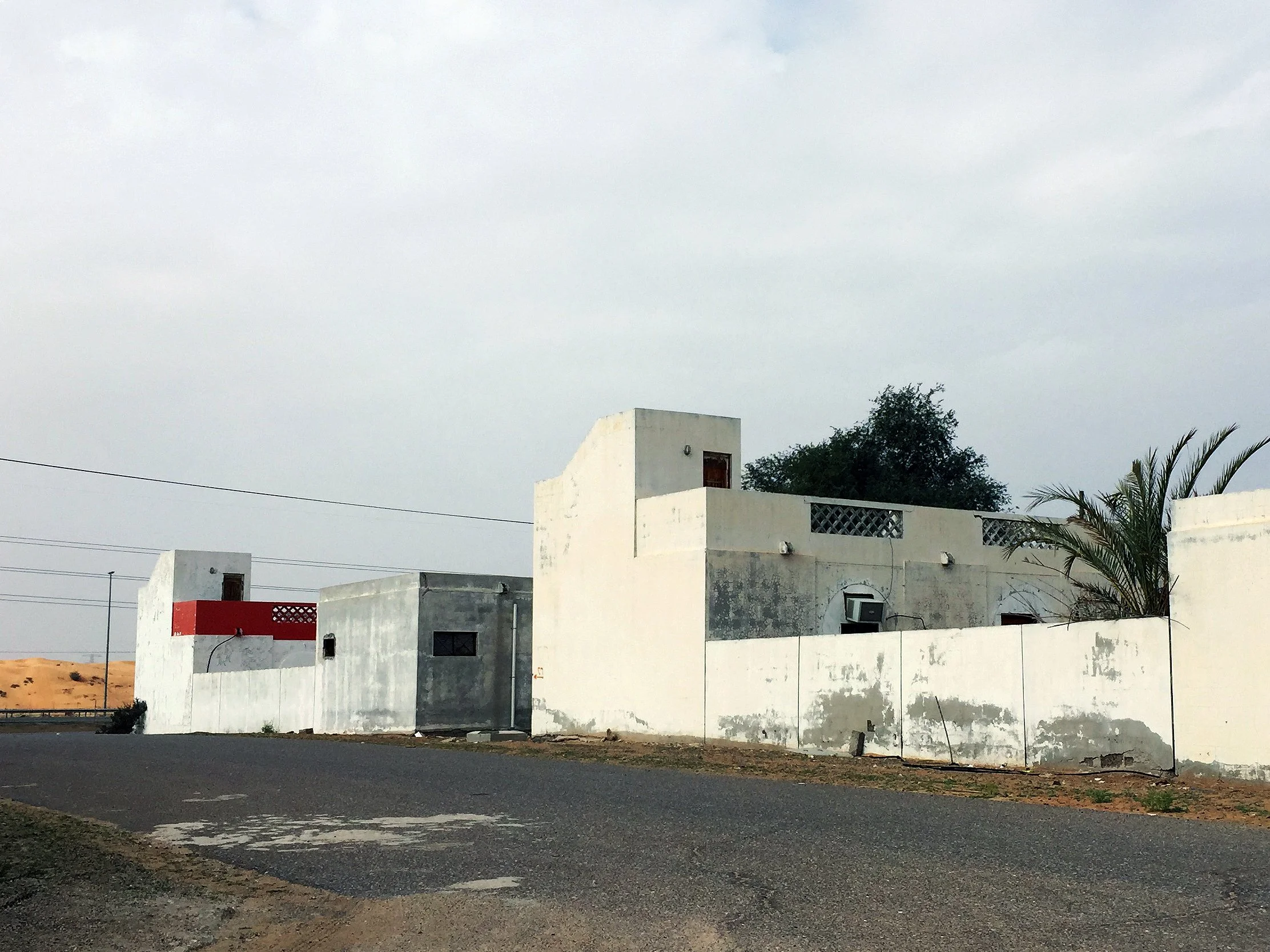
Sha’abiya Biyatha. Um Al Quwain
At the scale of the building, the Sha’abi house is defined by a precise and disciplined architectural vocabulary: a single-story concrete volume organized around an inward-facing courtyard and enclosed by a perimeter wall that establishes both privacy and presence. The external expression is deliberately muted, yet highly controlled. Openings to the outside are minimal, often mediated through claustra blocks embedded within boundary walls—perforated concrete screens that allow airflow while maintaining visual seclusion. Entry is choreographed through a clearly articulated threshold, where the doorway becomes a site of expression: heavy metal gates replace earlier wooden doors, frequently embellished with geometric or floral motifs, sometimes painted in bright colors, and in certain cases adorned with the UAE flag as a marker of identity and belonging. Within, the spatial order remains legible—majlis positioned near the entrance, family spaces set deeper inside, all oriented toward the courtyard, which functions as the climatic and social core of the house.
Yet this clarity of form is only the starting point. What distinguishes the Sha’abi house is the intensity and specificity of its transformation over time. The perimeter wall—initially a simple enclosure—is heightened, thickened, and punctured with new openings; claustra patterns are replaced or customized; entrances are redefined to create more formal or segregated access to the majlis. Additional rooms are appended to the main structure, sometimes encroaching into the courtyard, while detached kitchens, service spaces, or shaded sitting areas are constructed in response to changing domestic needs. Surfaces become canvases: floral ornamentation is introduced on gates and parapets, tiles are applied, colors shift, and vegetation—palm trees, bougainvillea, dense planting—spills over boundaries, partially concealing the architecture itself. These are not incidental changes but deliberate acts of adaptation, accumulating into a layered architectural condition where the original modernist prototype is both preserved and continuously rewritten by its inhabitants.
Below are images showing the incredible diversity and variety of the Sha’abi typology. In addition there are analytical diagrams showing how this building type evolved and changed over time.
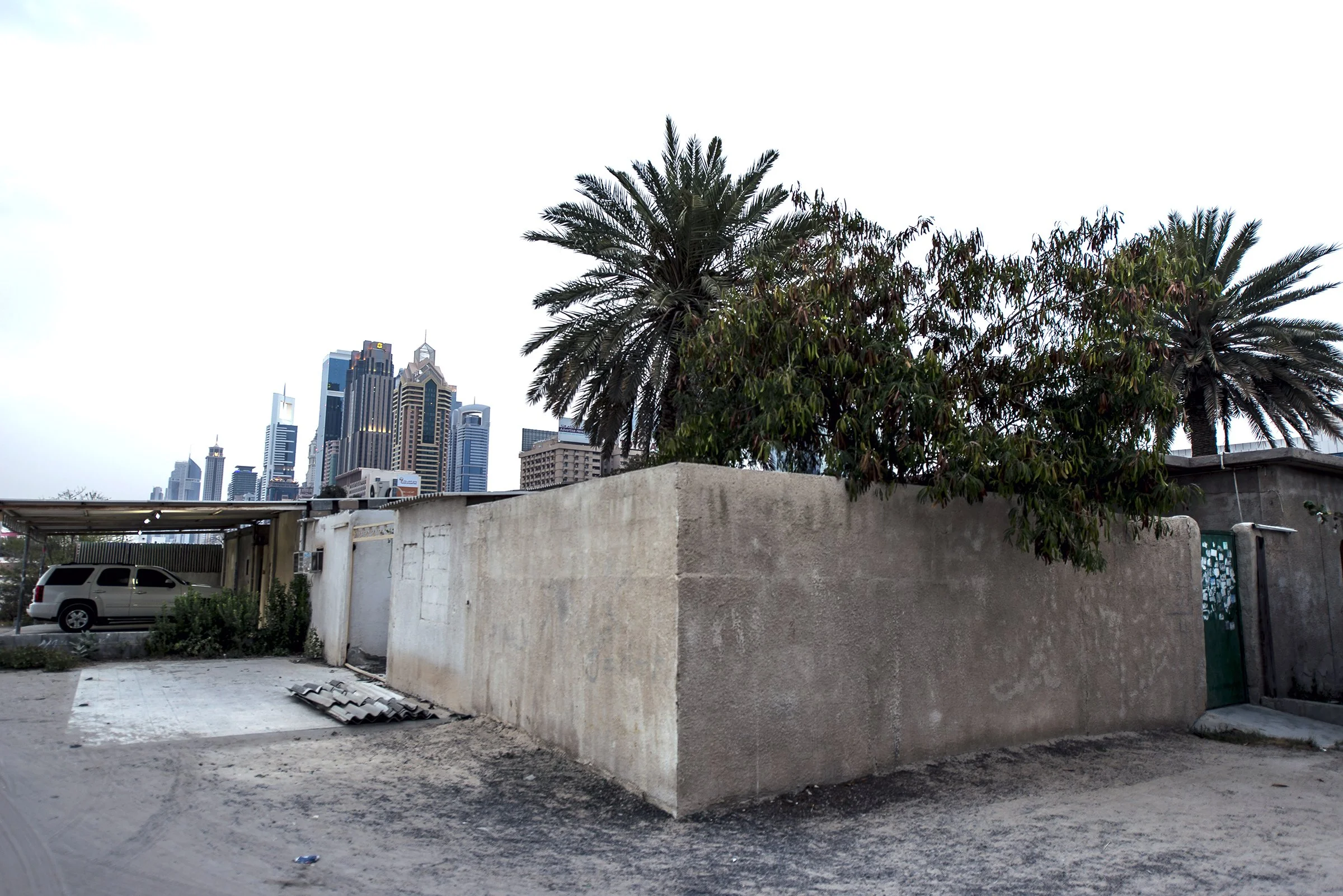
Dubai. Shorta
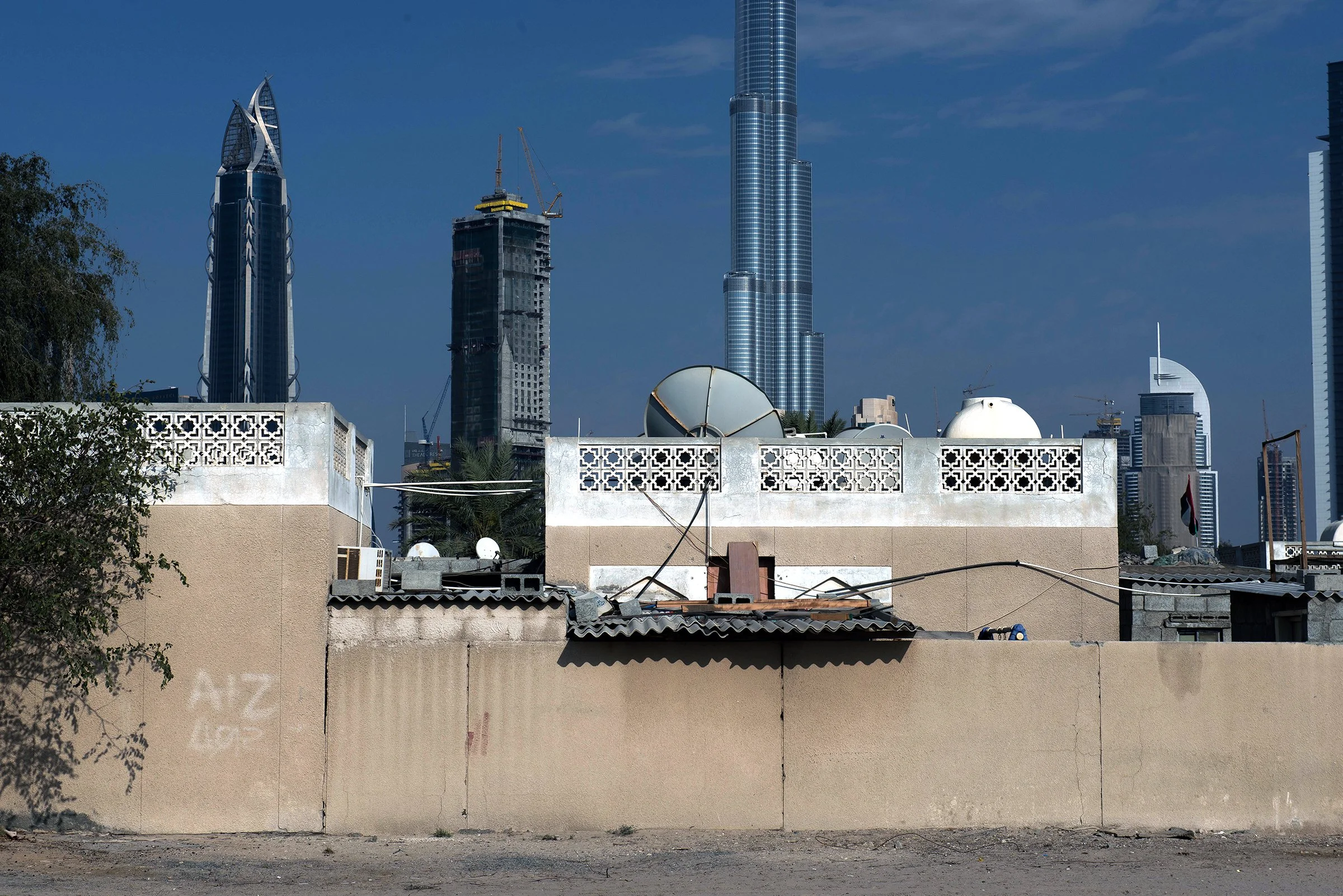
Dubai. Shorta
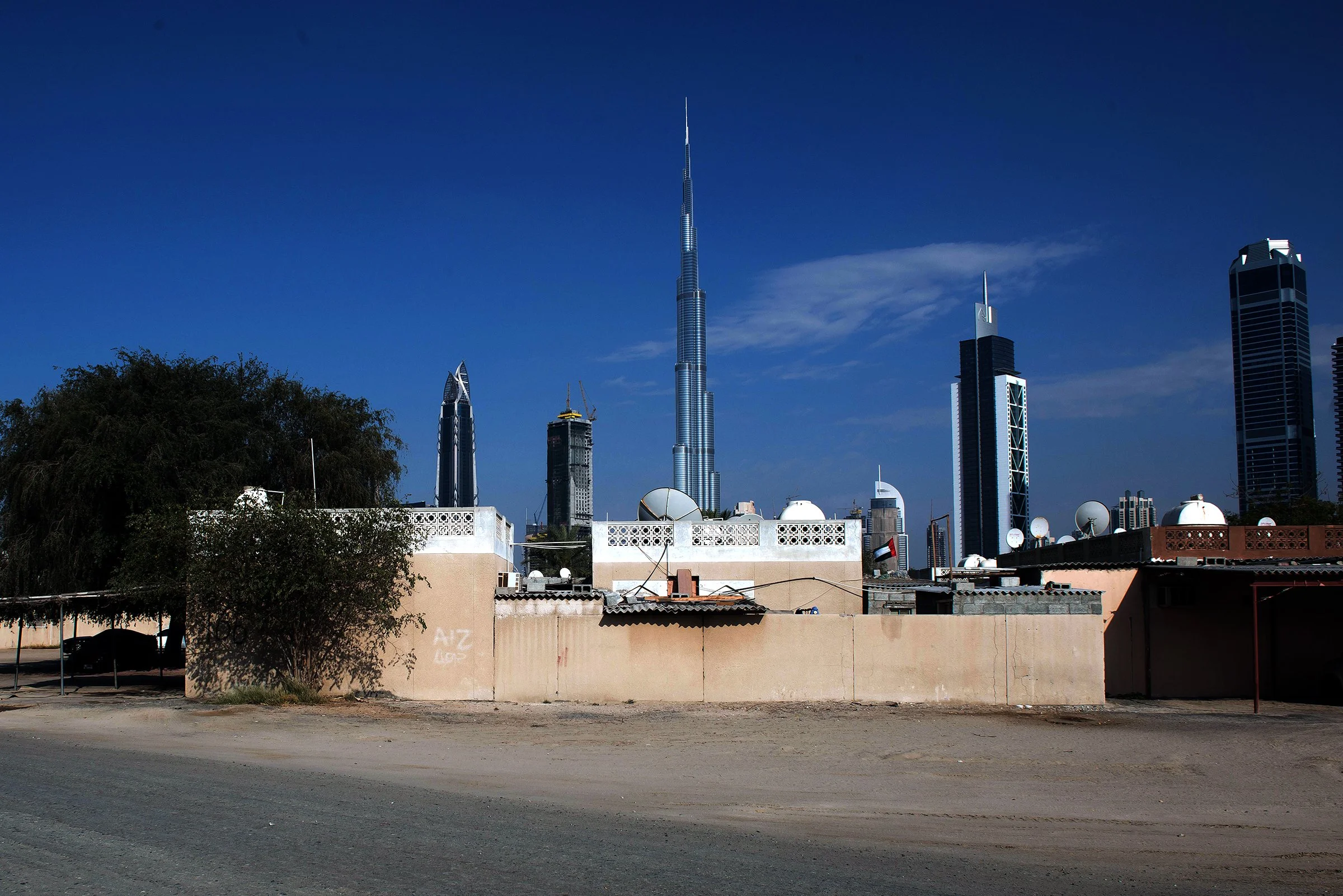
Dubai. Shorta
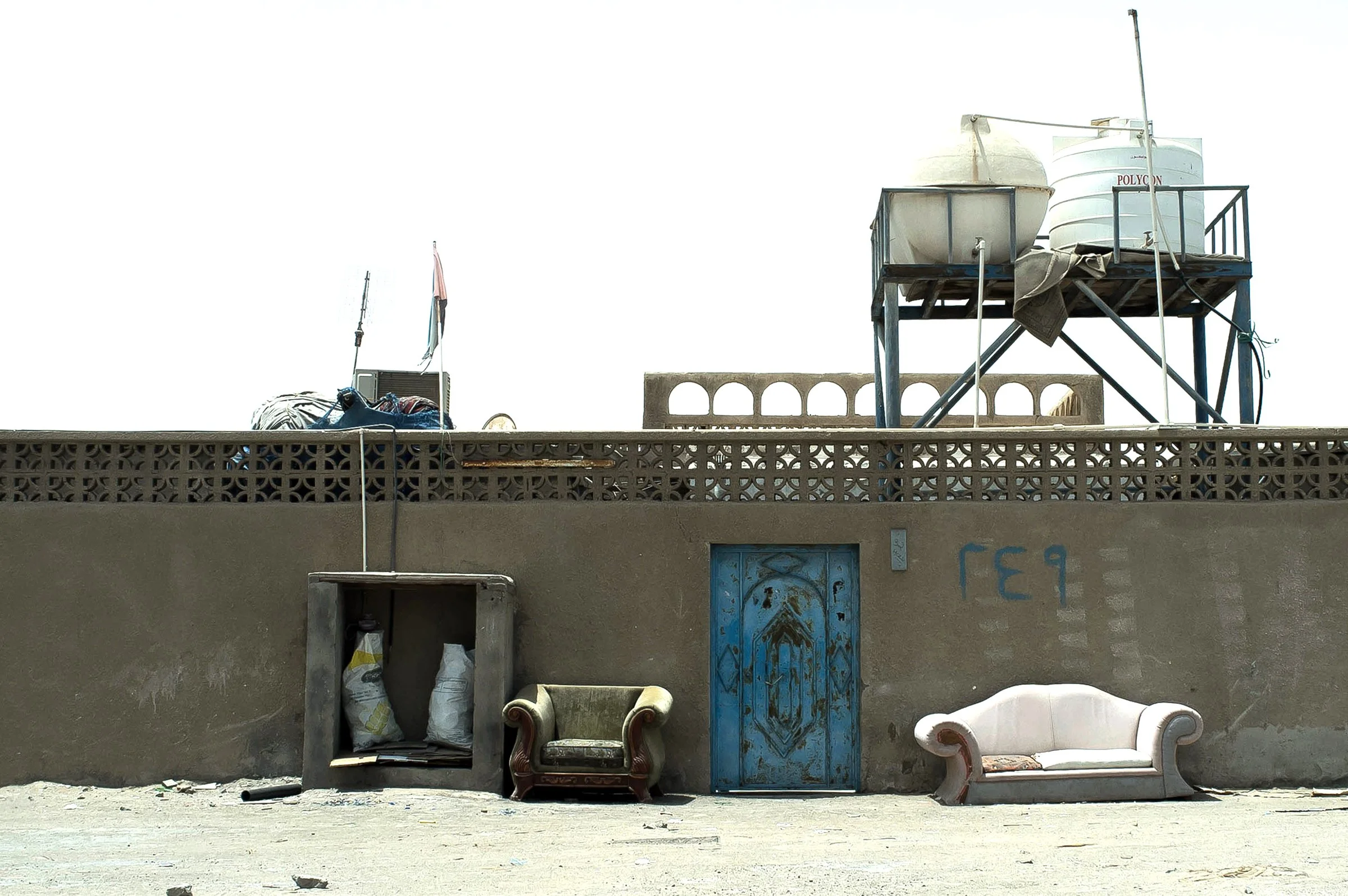
Baniyas. Abu Dhabi
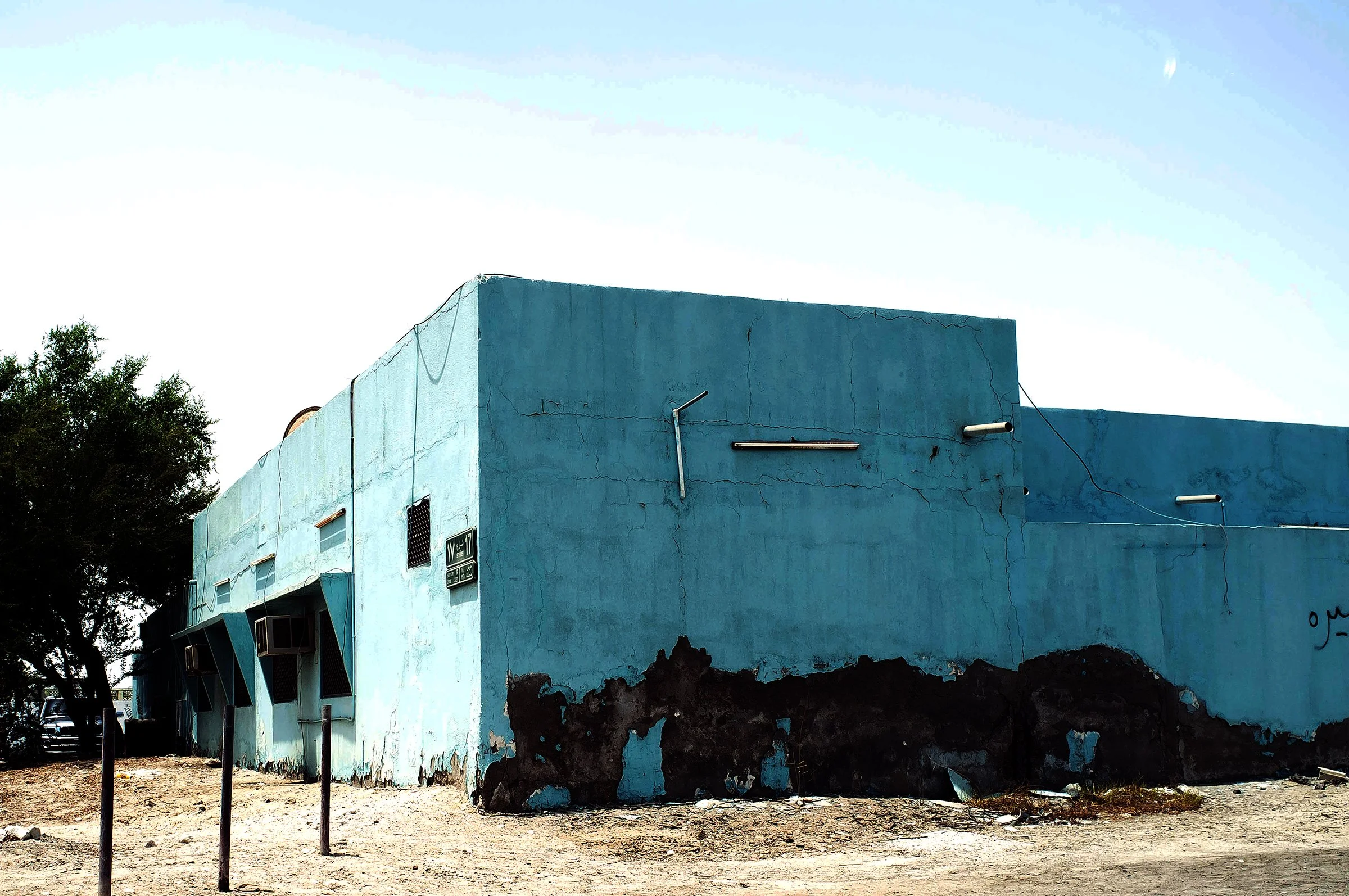
Baniyas. Abu Dhabi
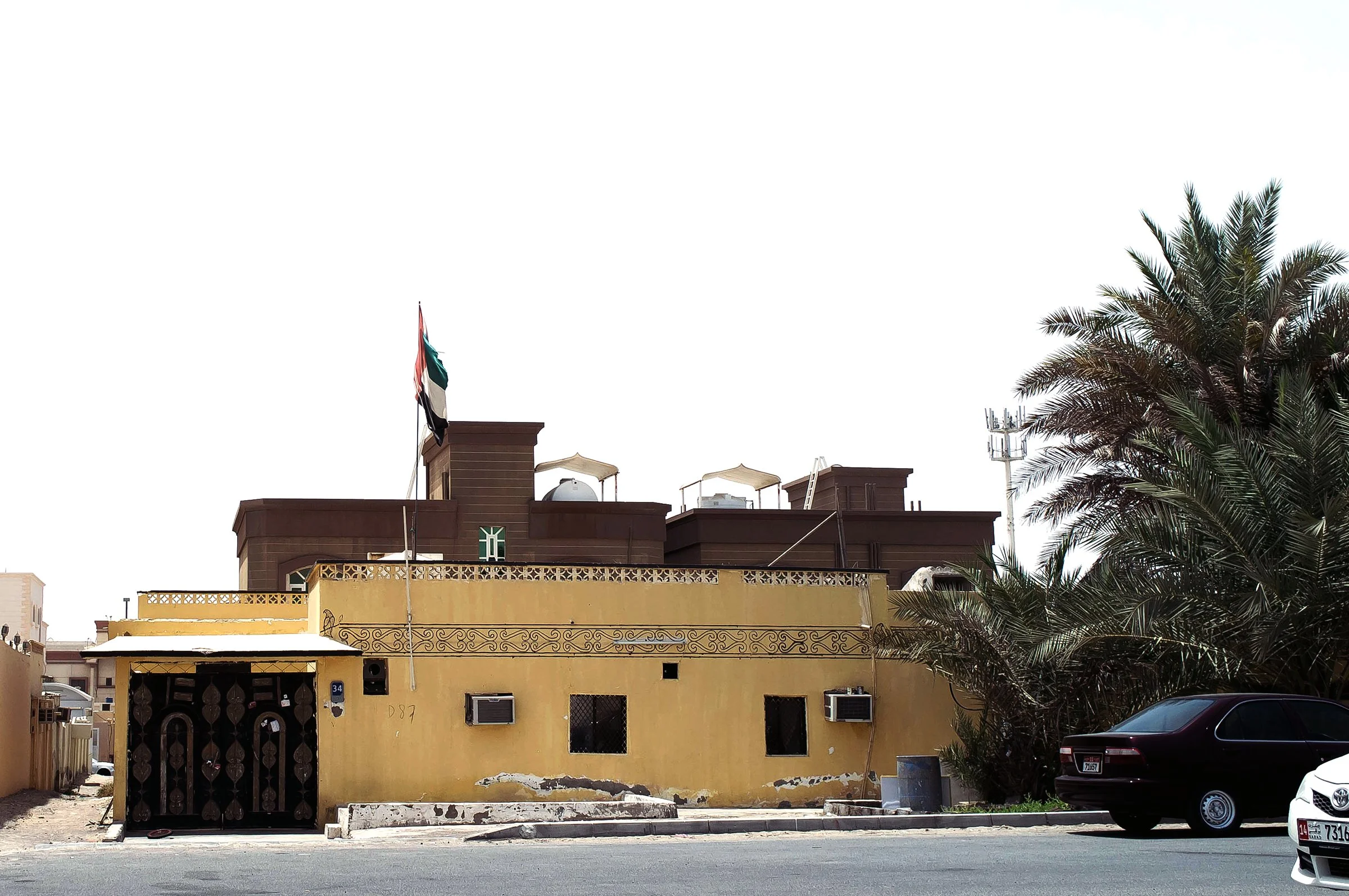
Baniyas. Abu Dhabi
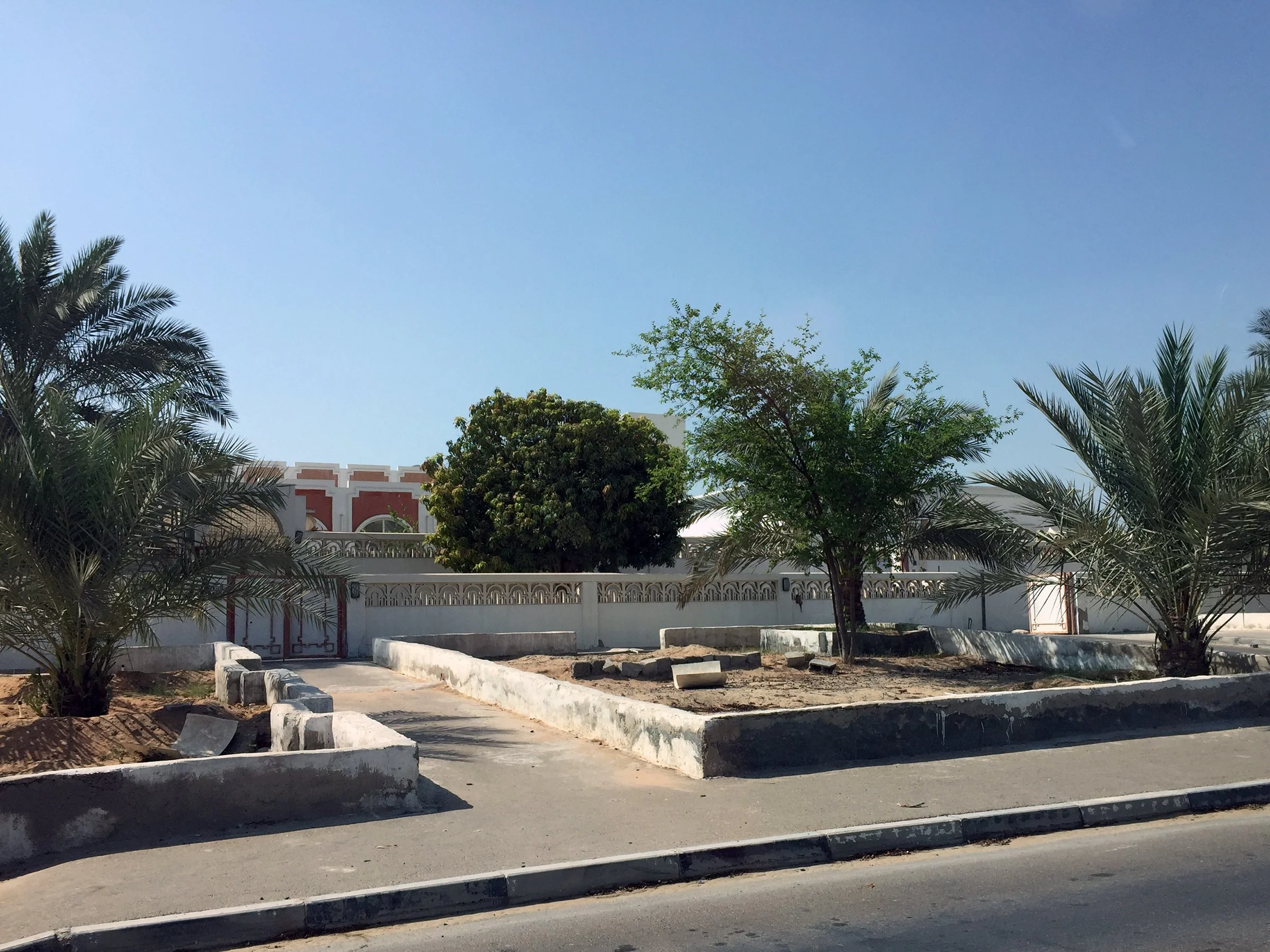
Shahama. Abu Dhabi
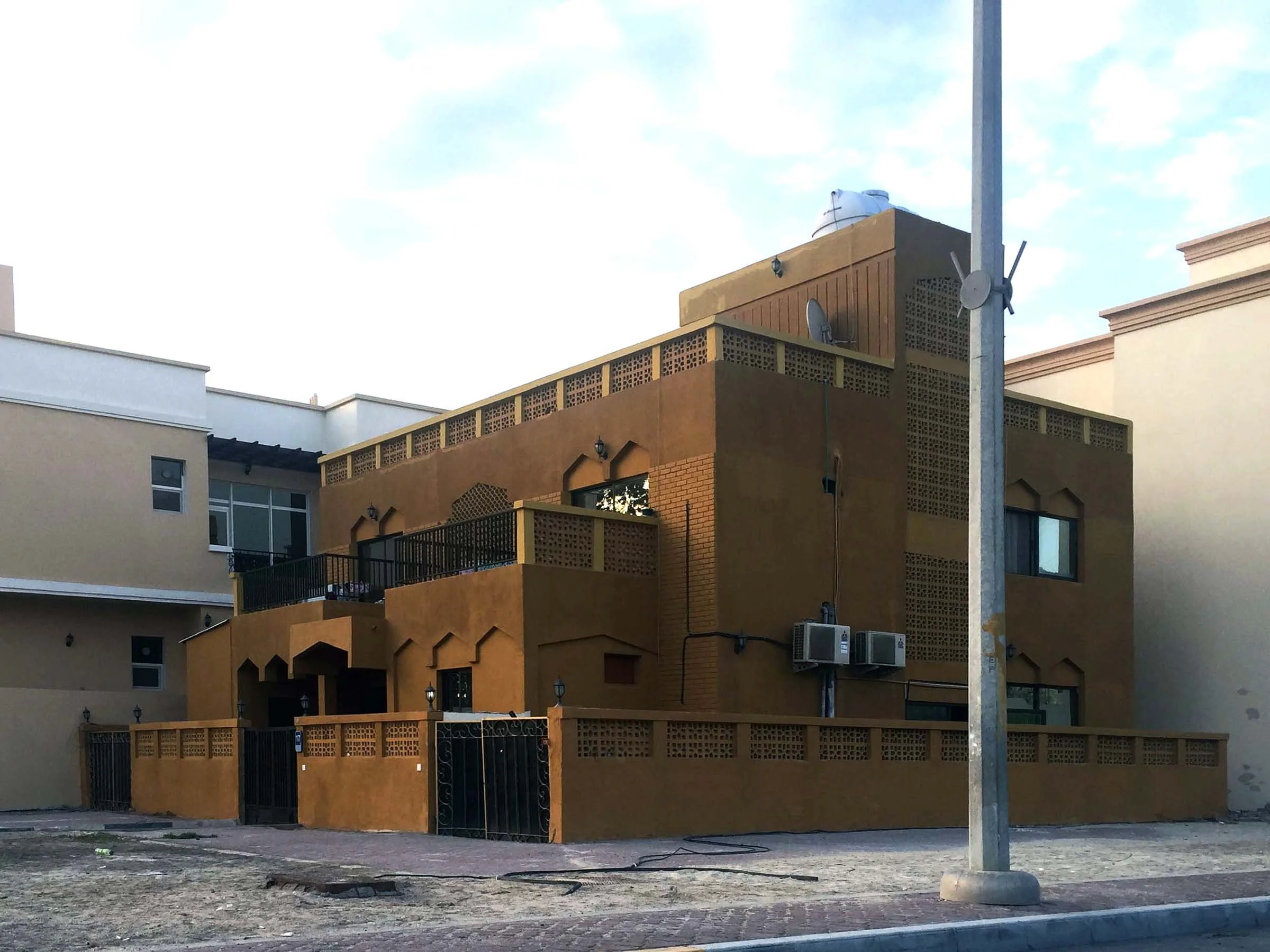
Muroor. Abu Dhabi
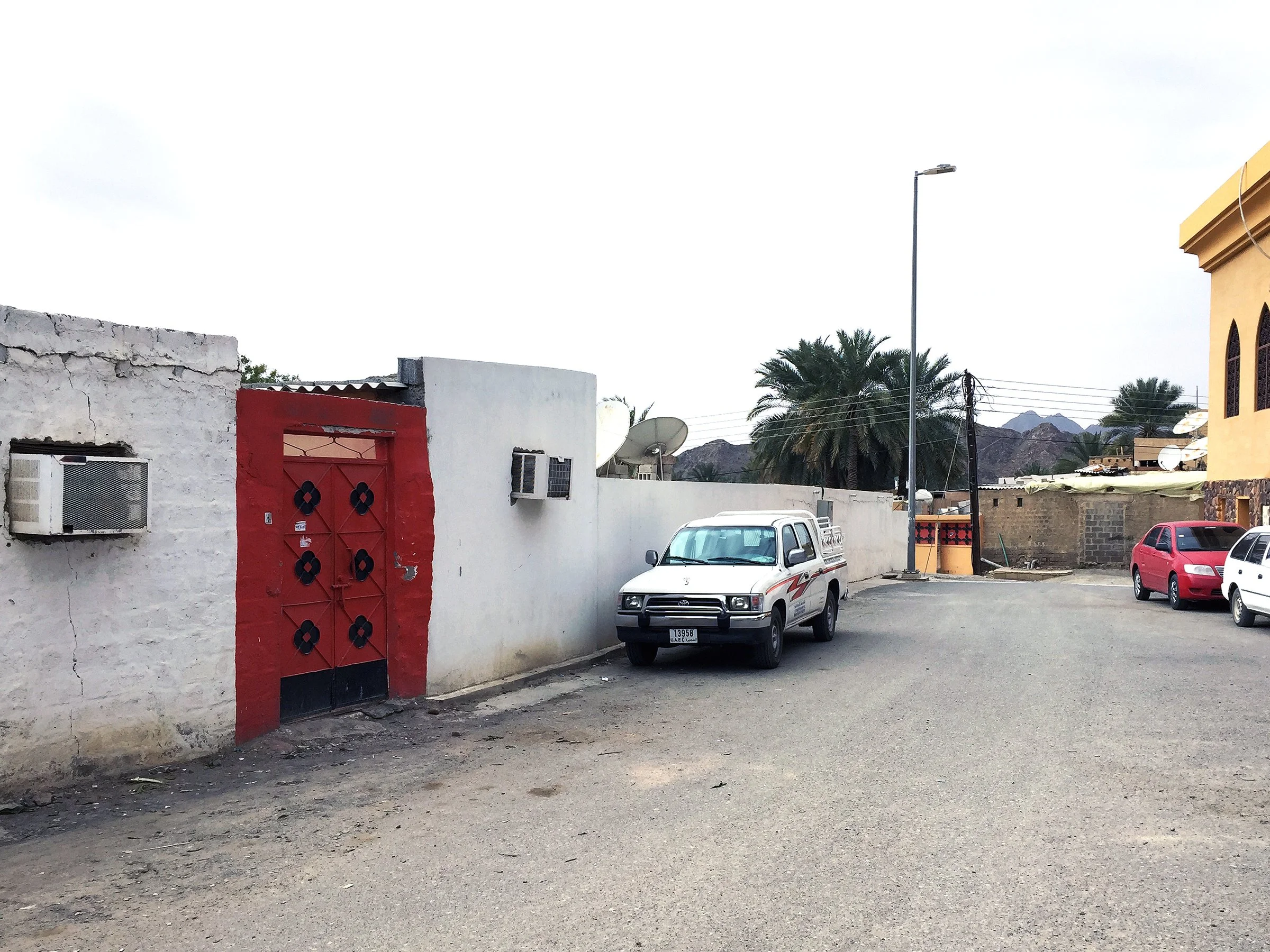
Masafi. Fujeirah
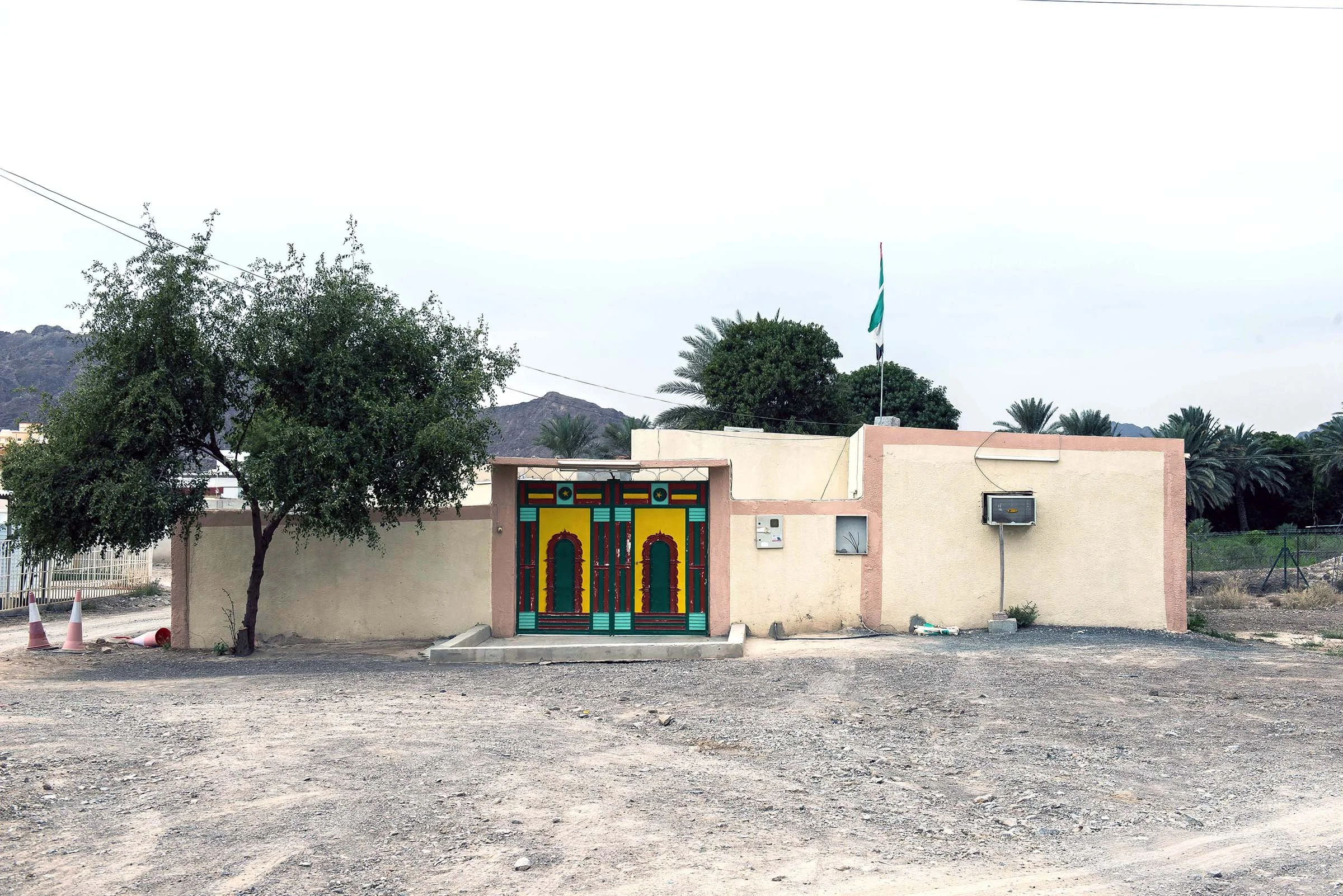
Masafi. Fuejirah
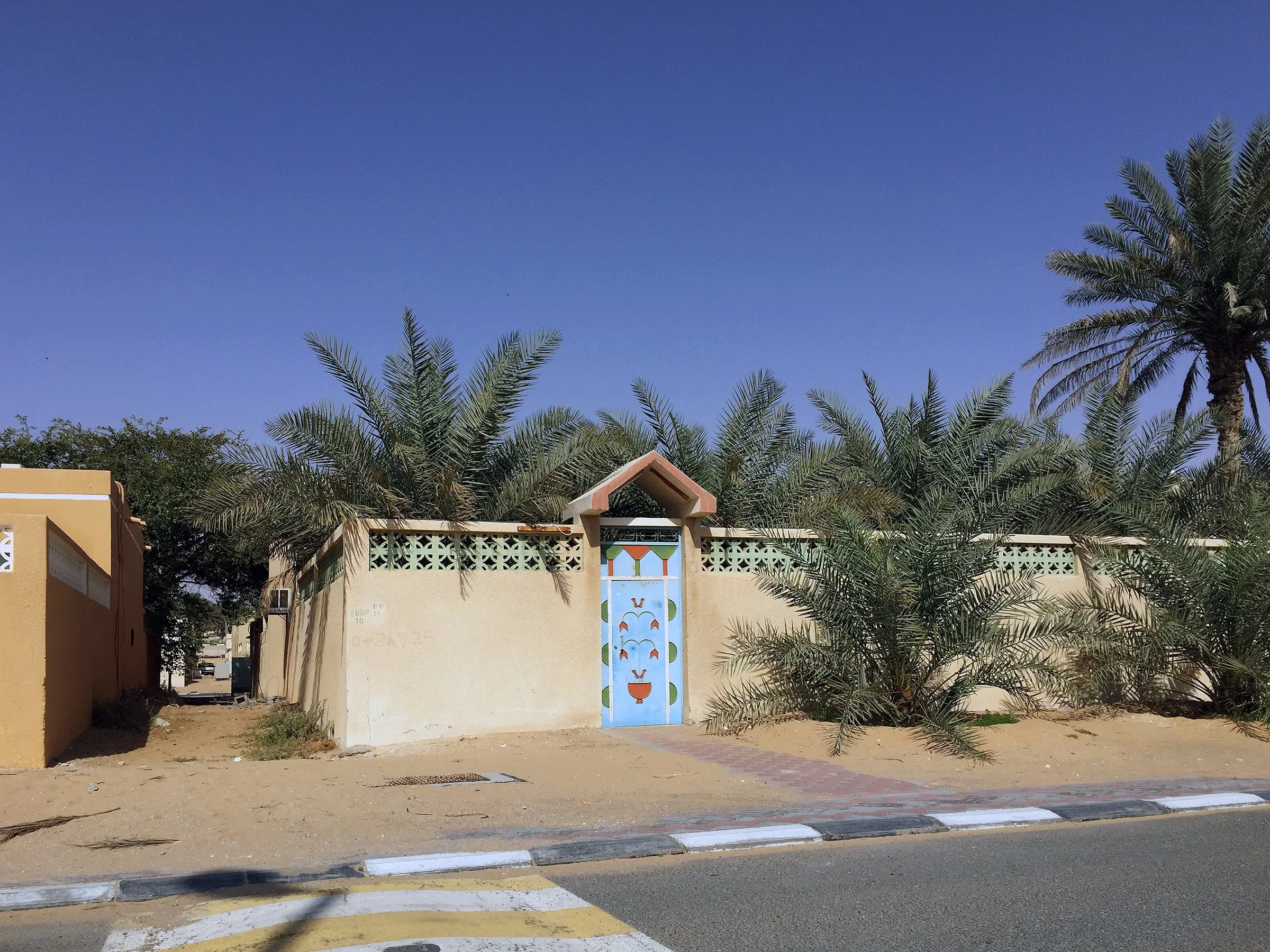
Madinat Zayed. Western Region
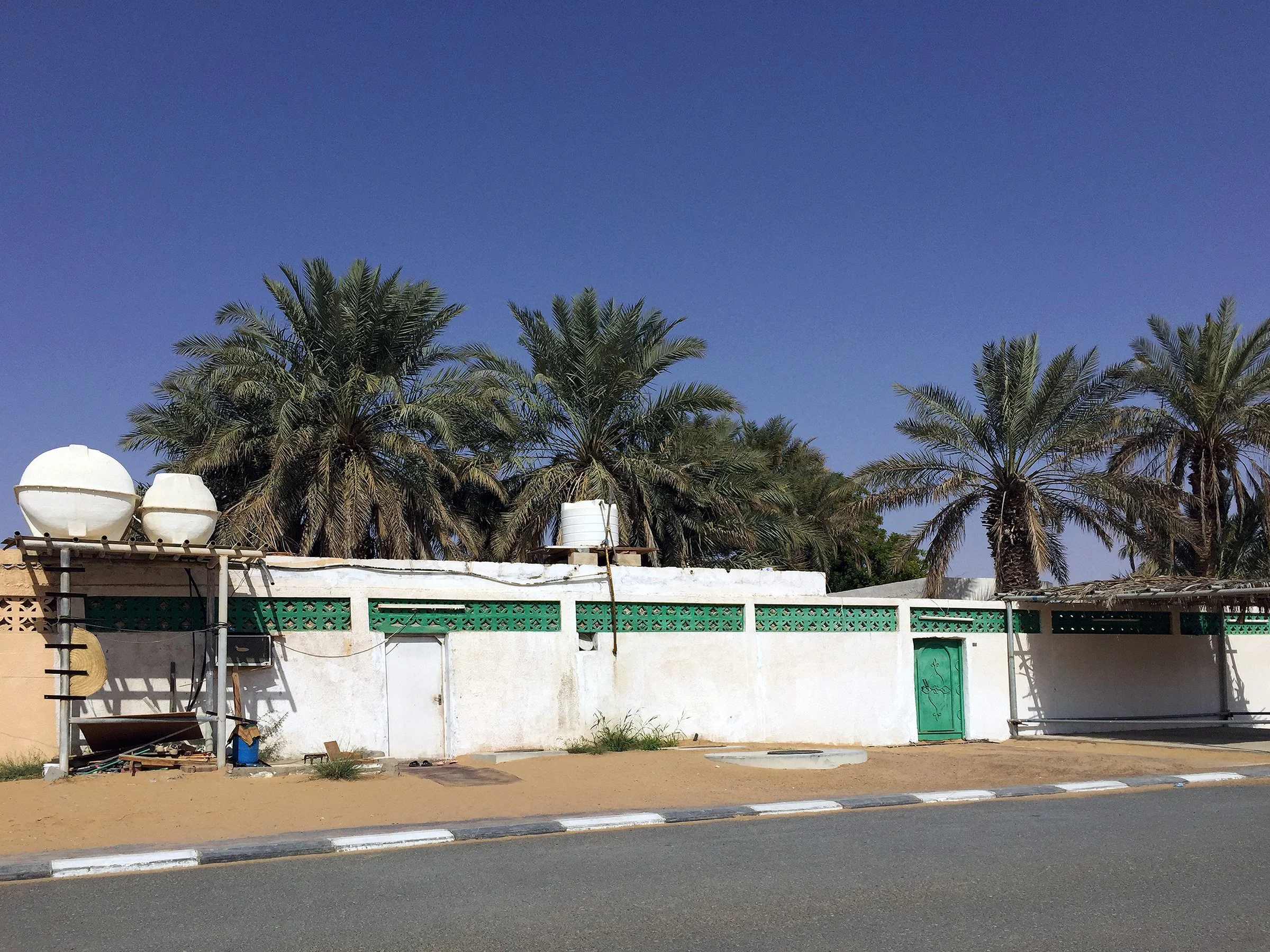
Madinat Zayed. Western Region
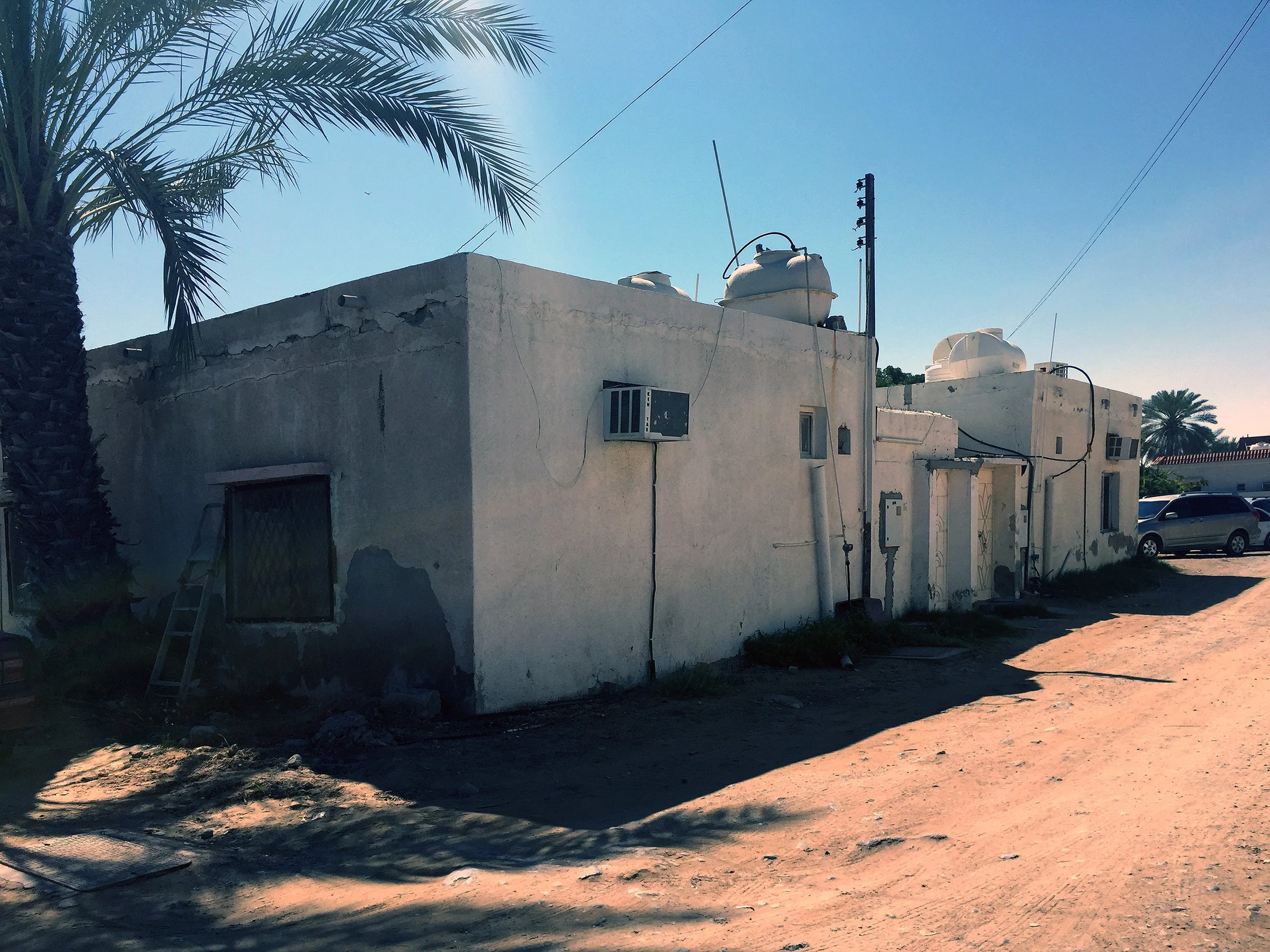
Madinat Zayed Western Region
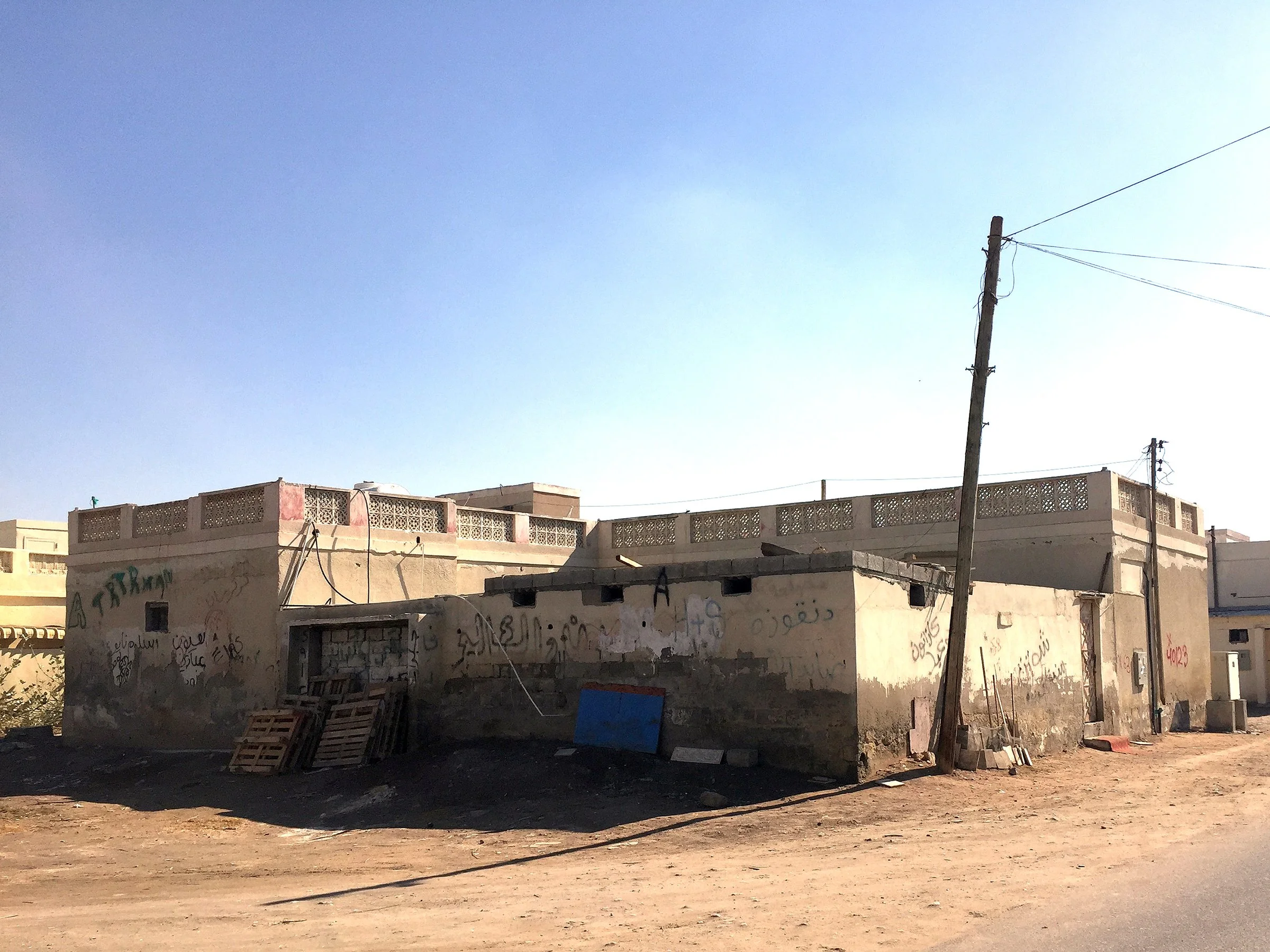
Al Jeer. Ras Al Khaimah
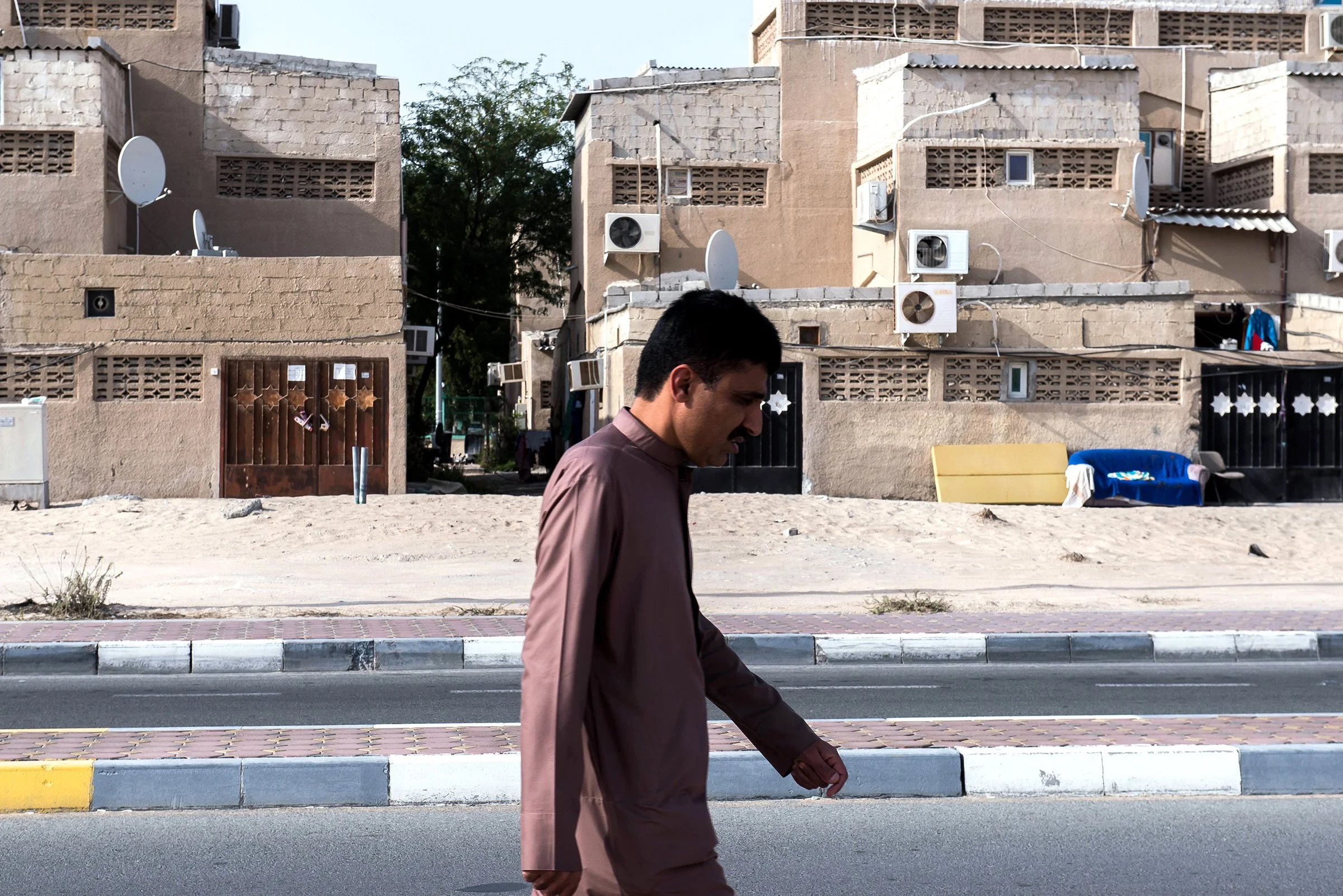
Madinat Zayed. Western Region
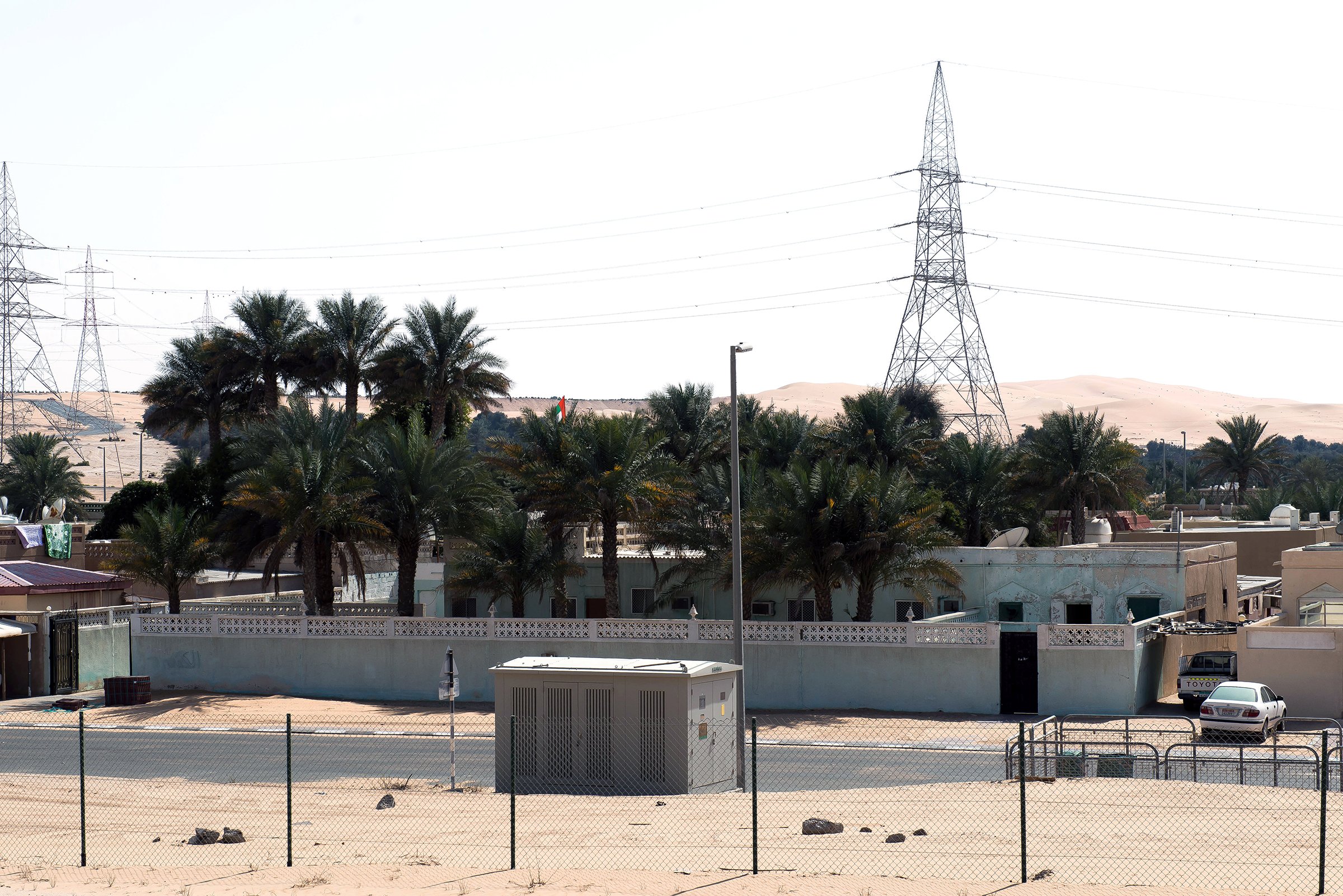
Liwa. Western Region
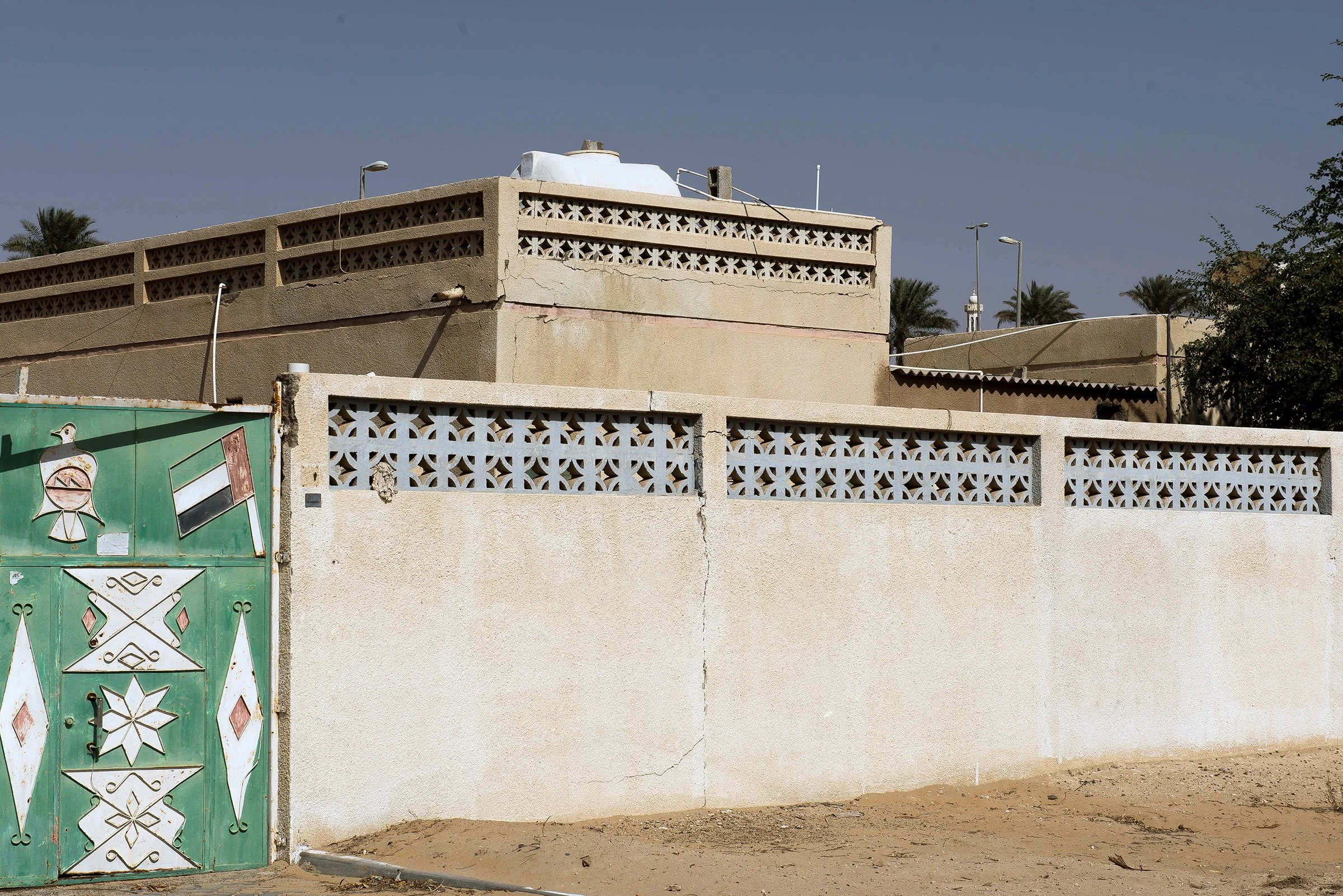
Liwa. Western Region
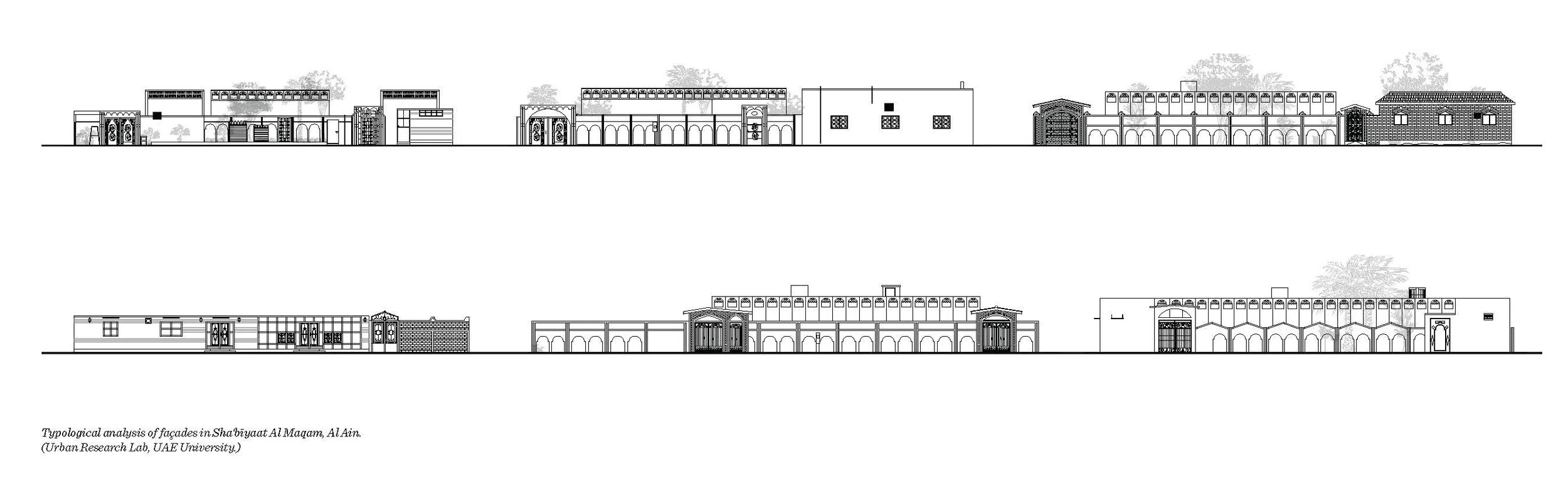
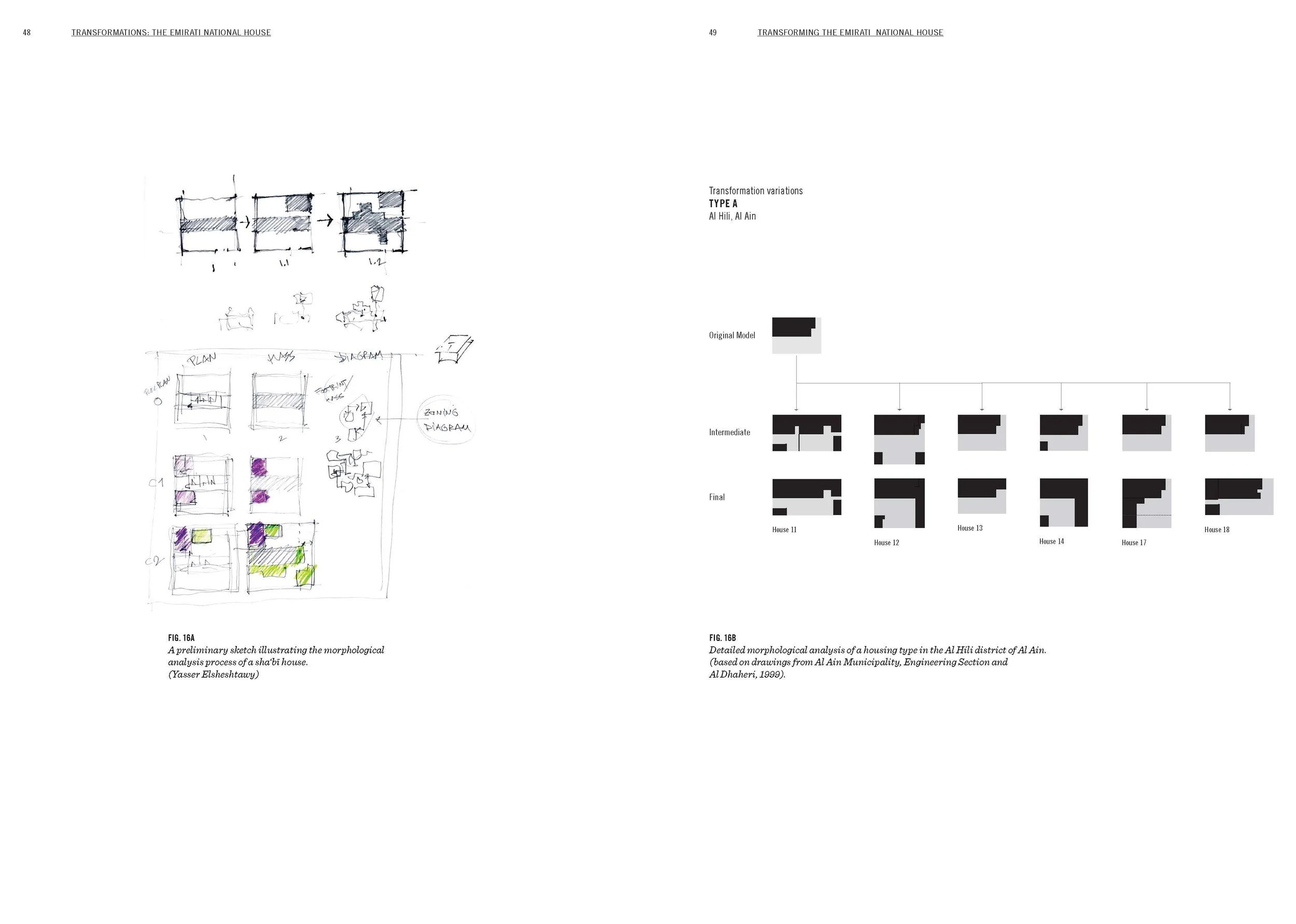
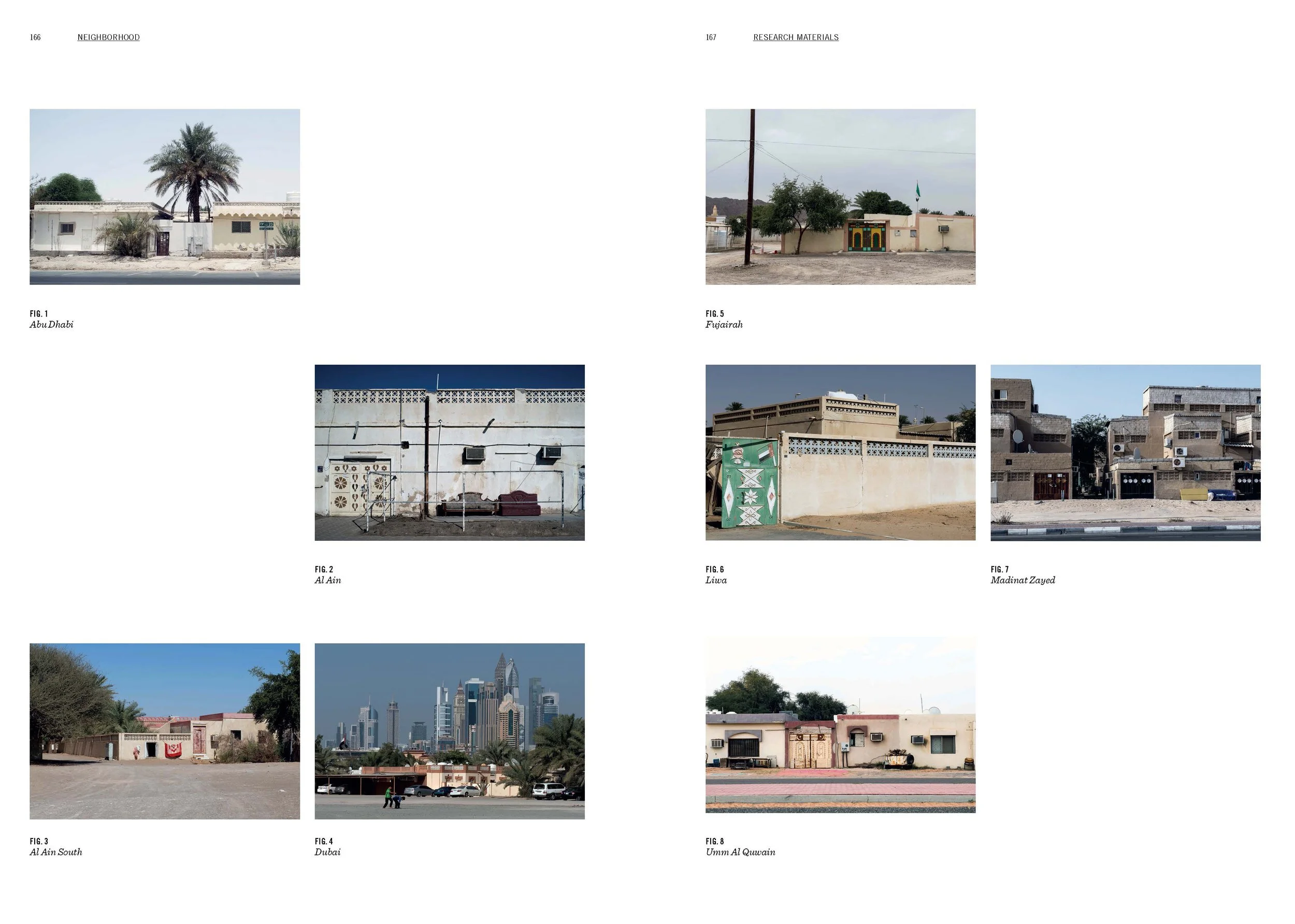
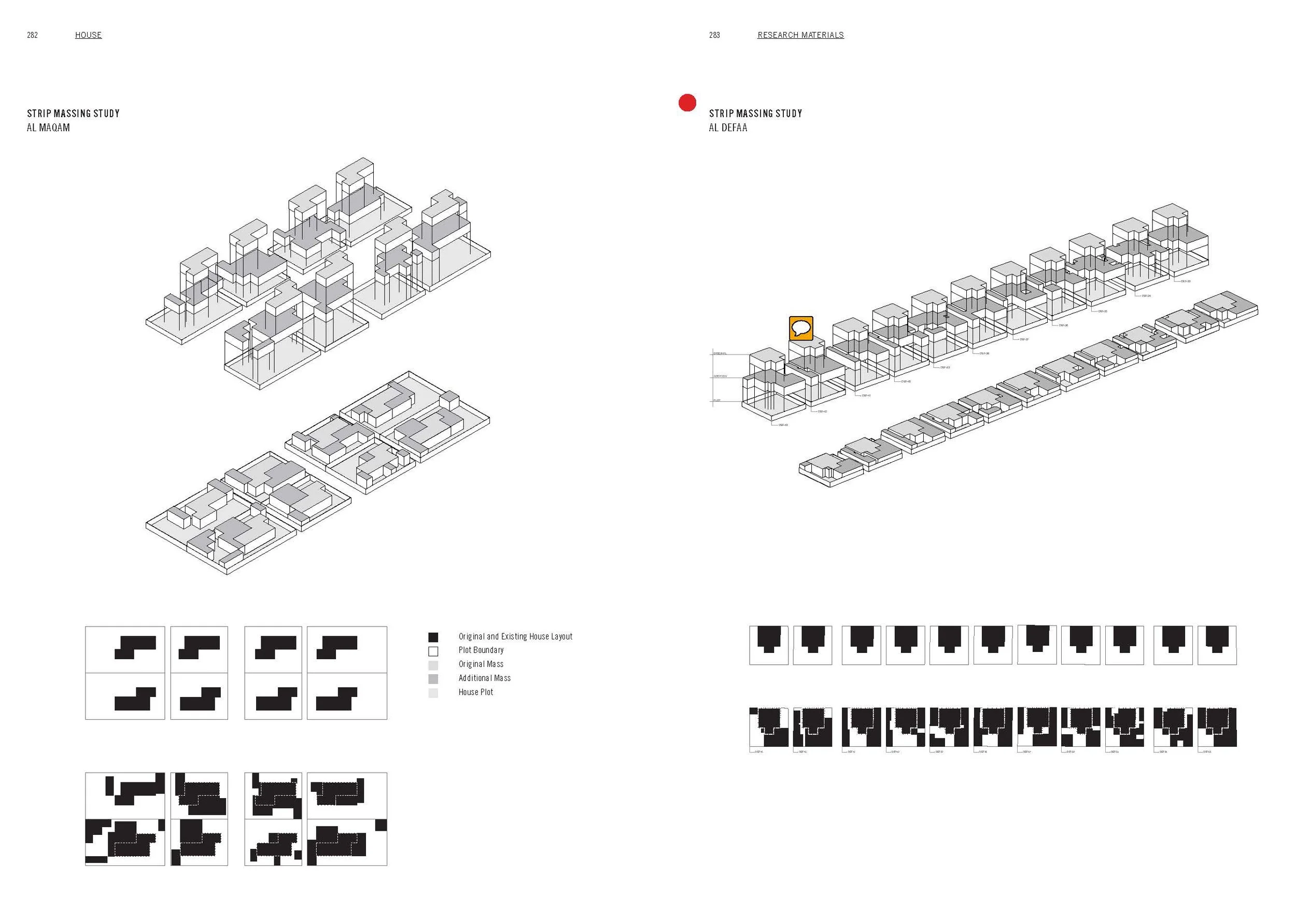
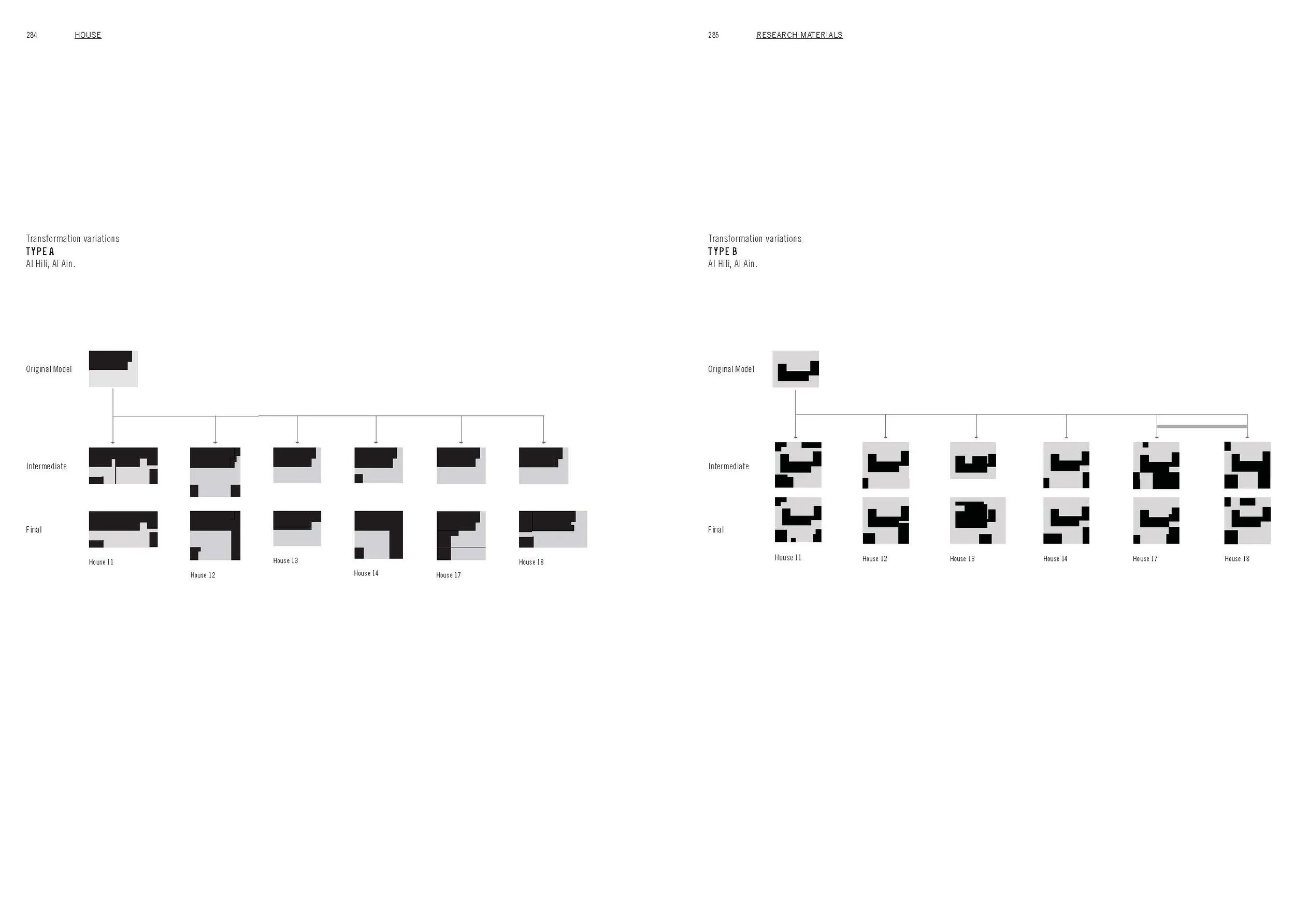
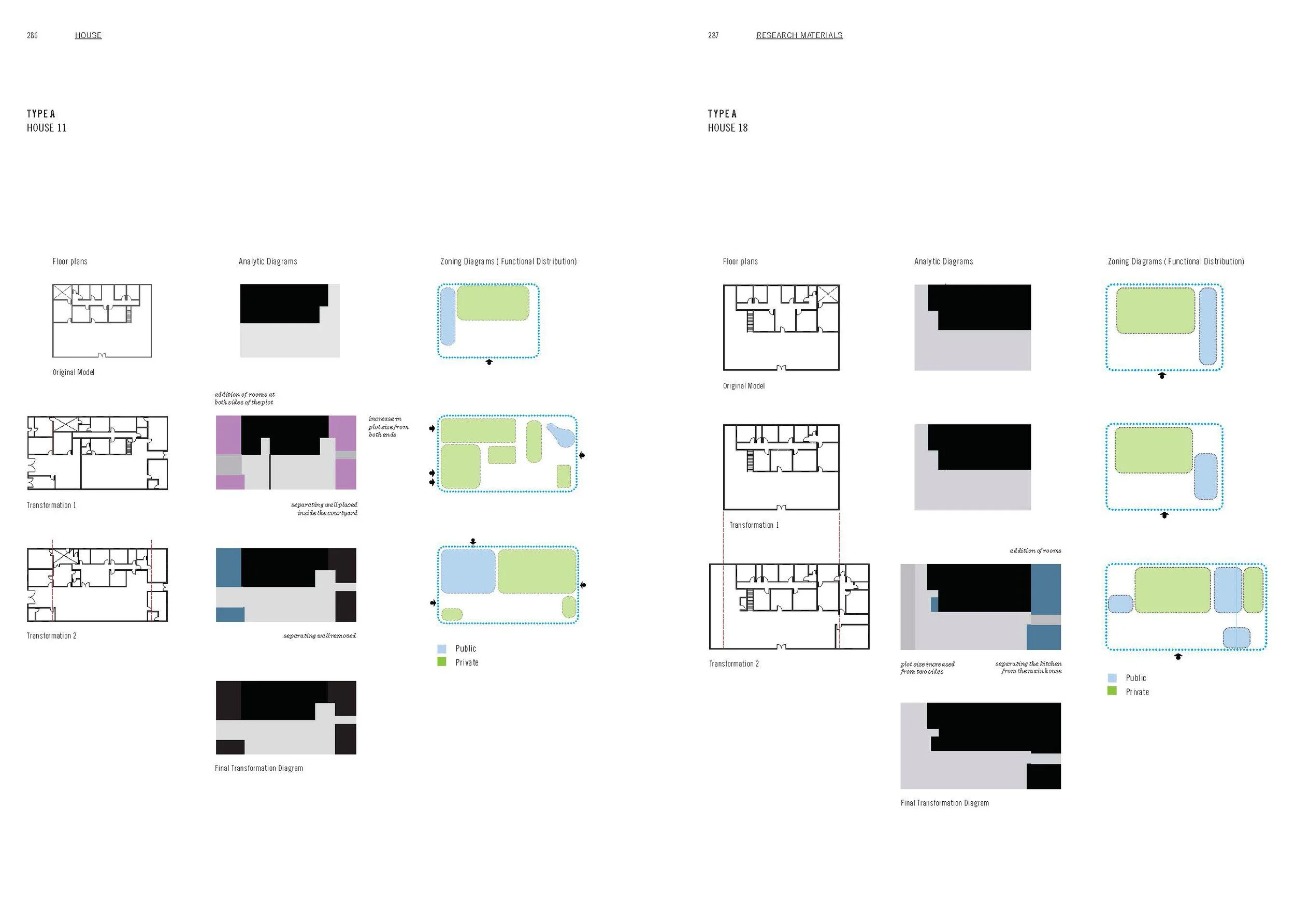
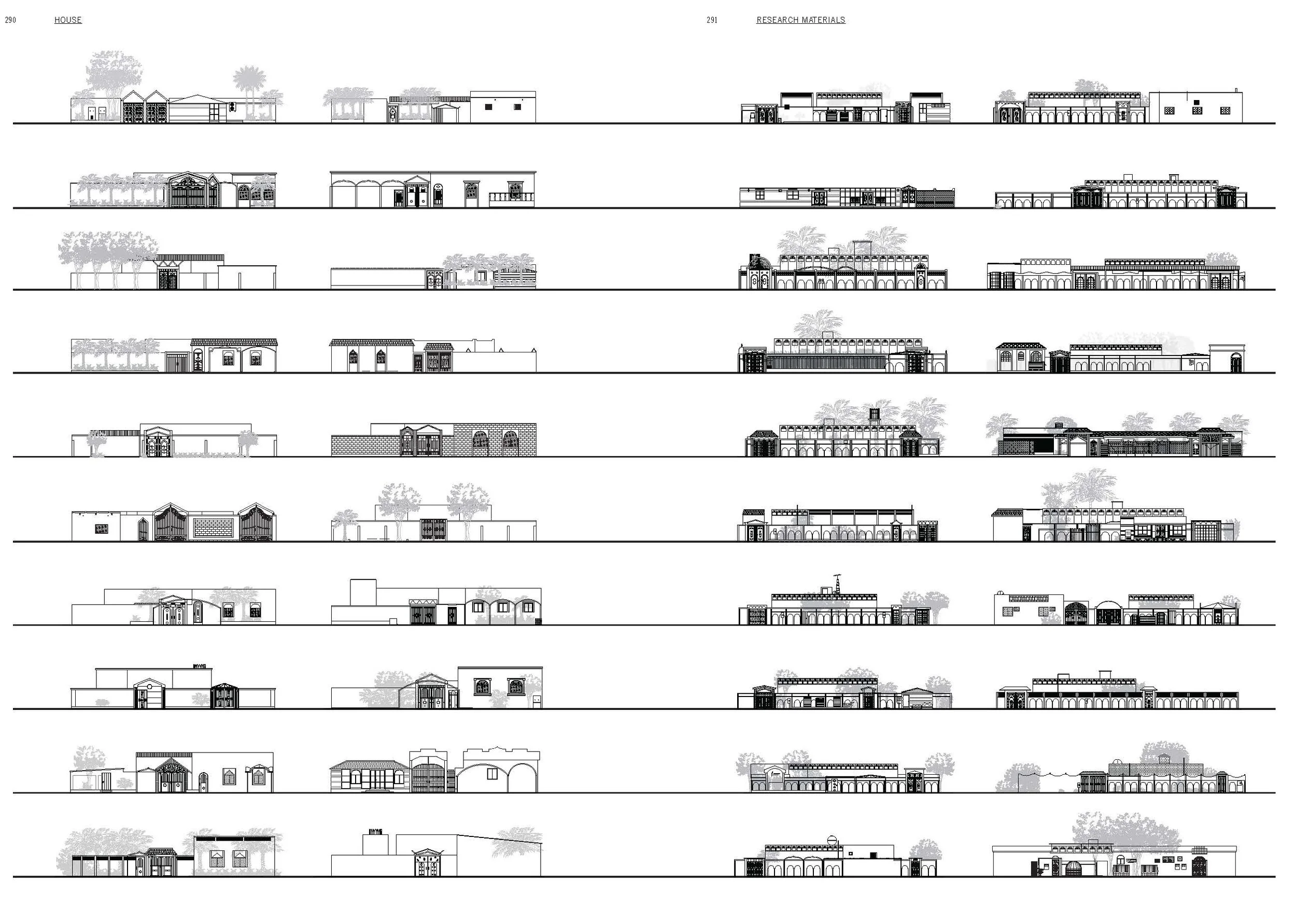
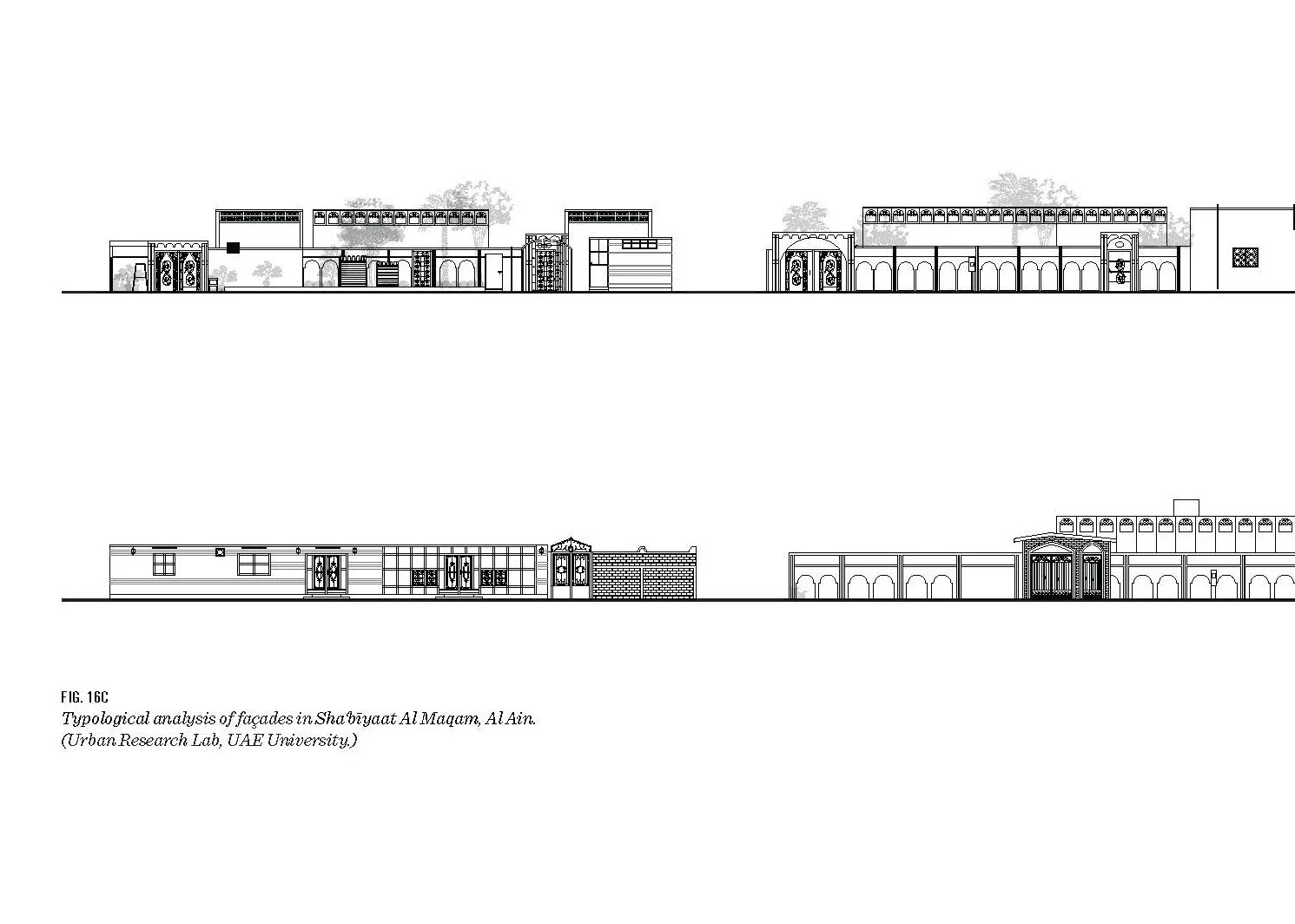
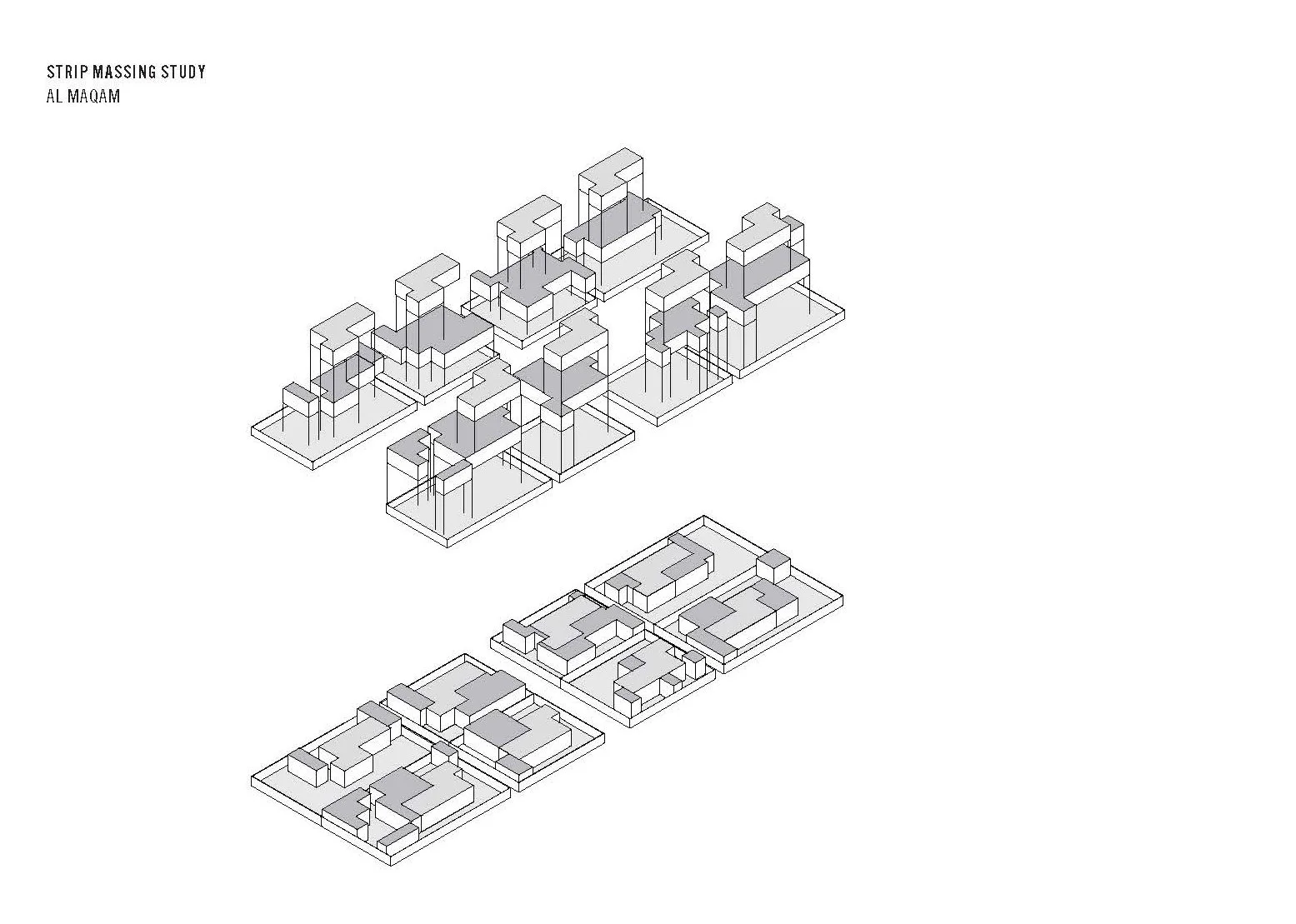
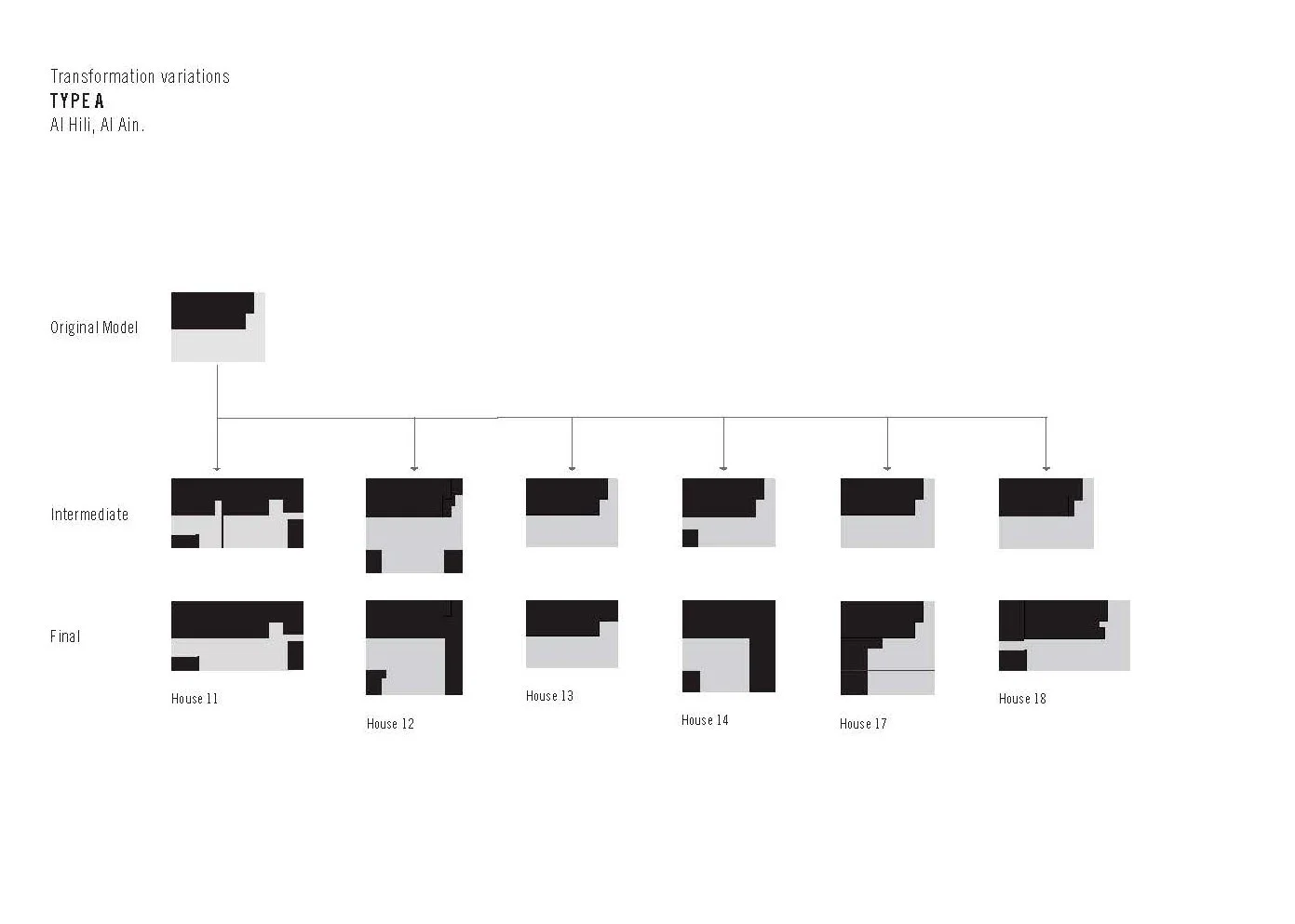
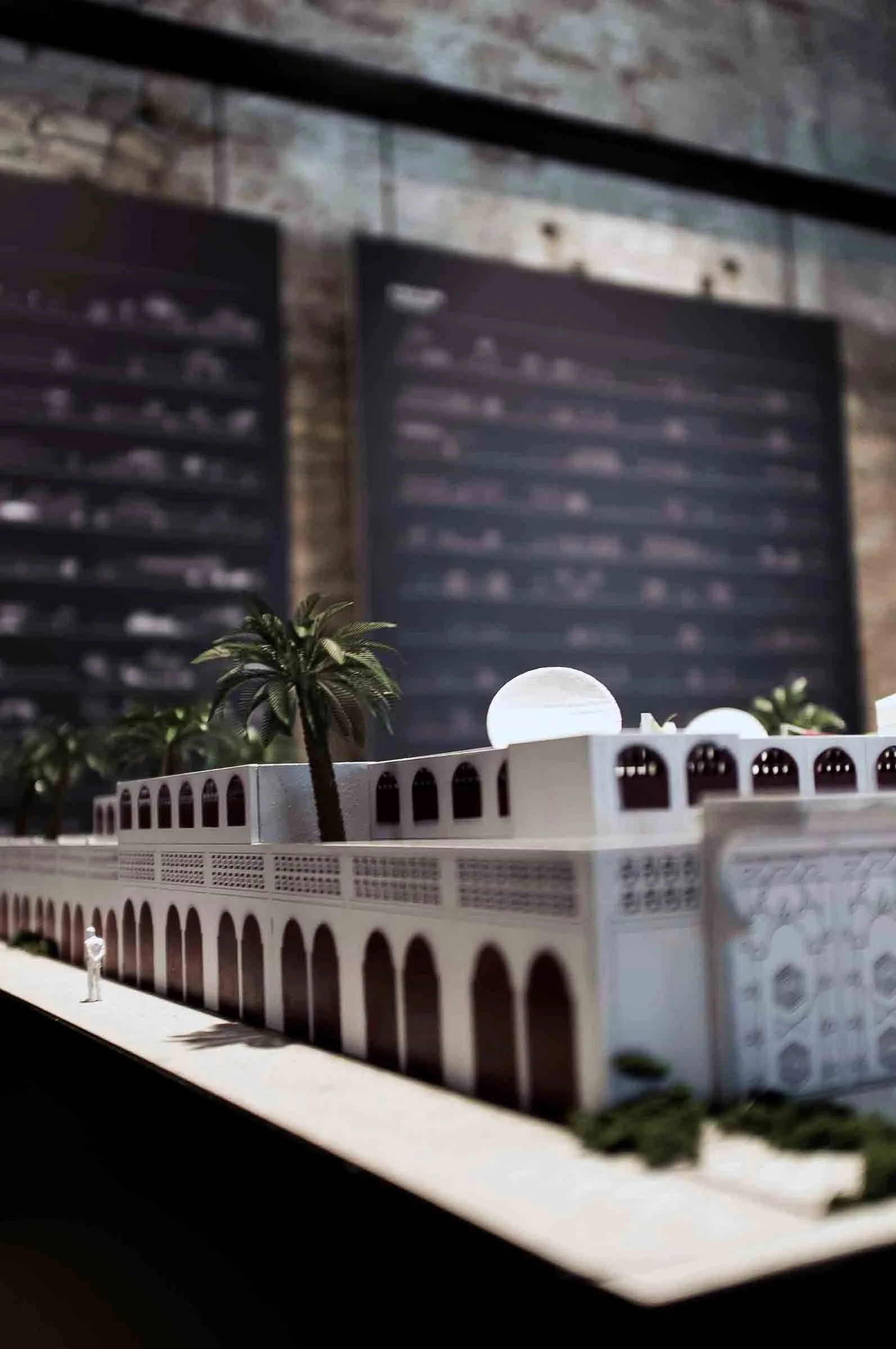
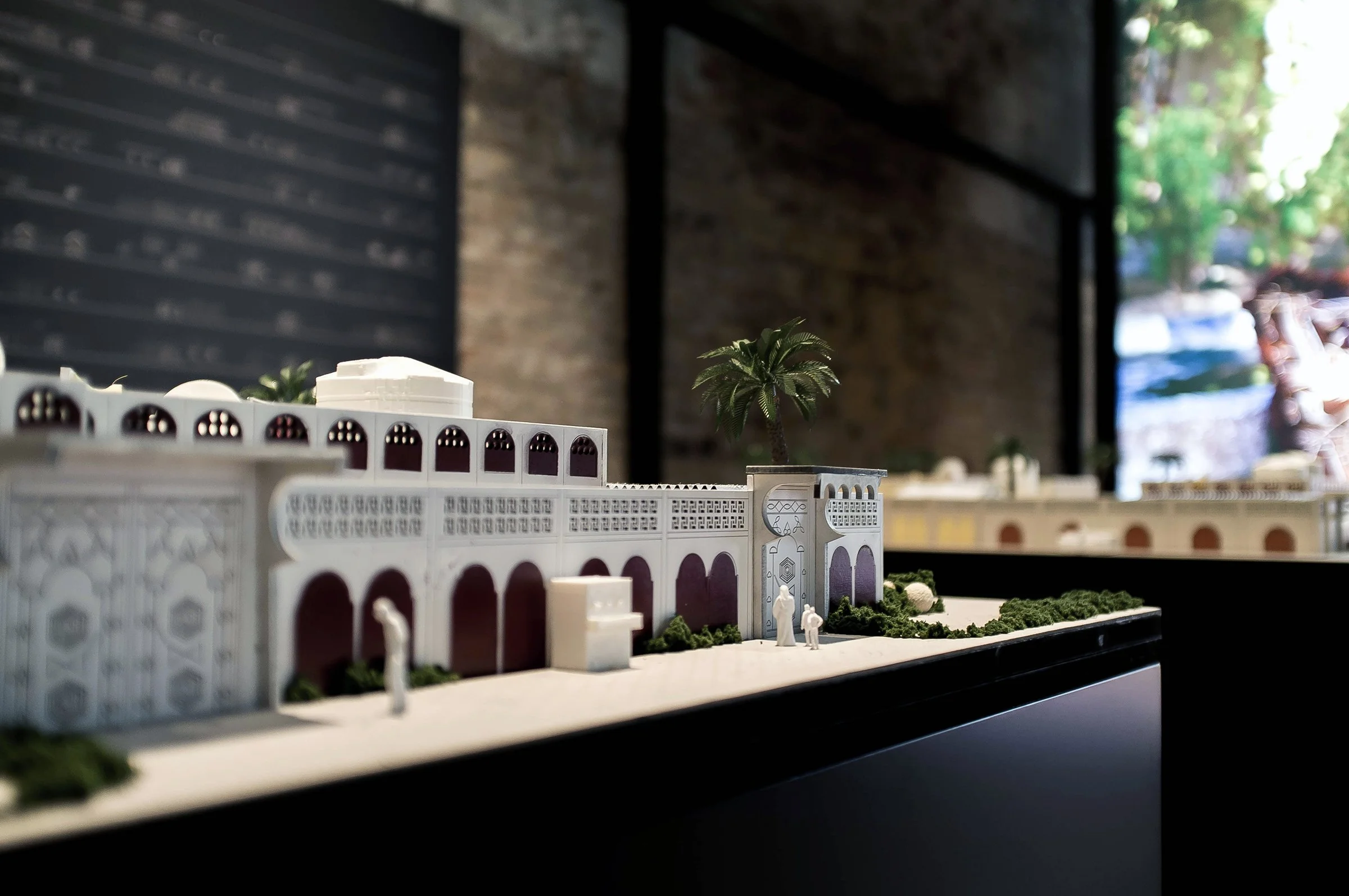
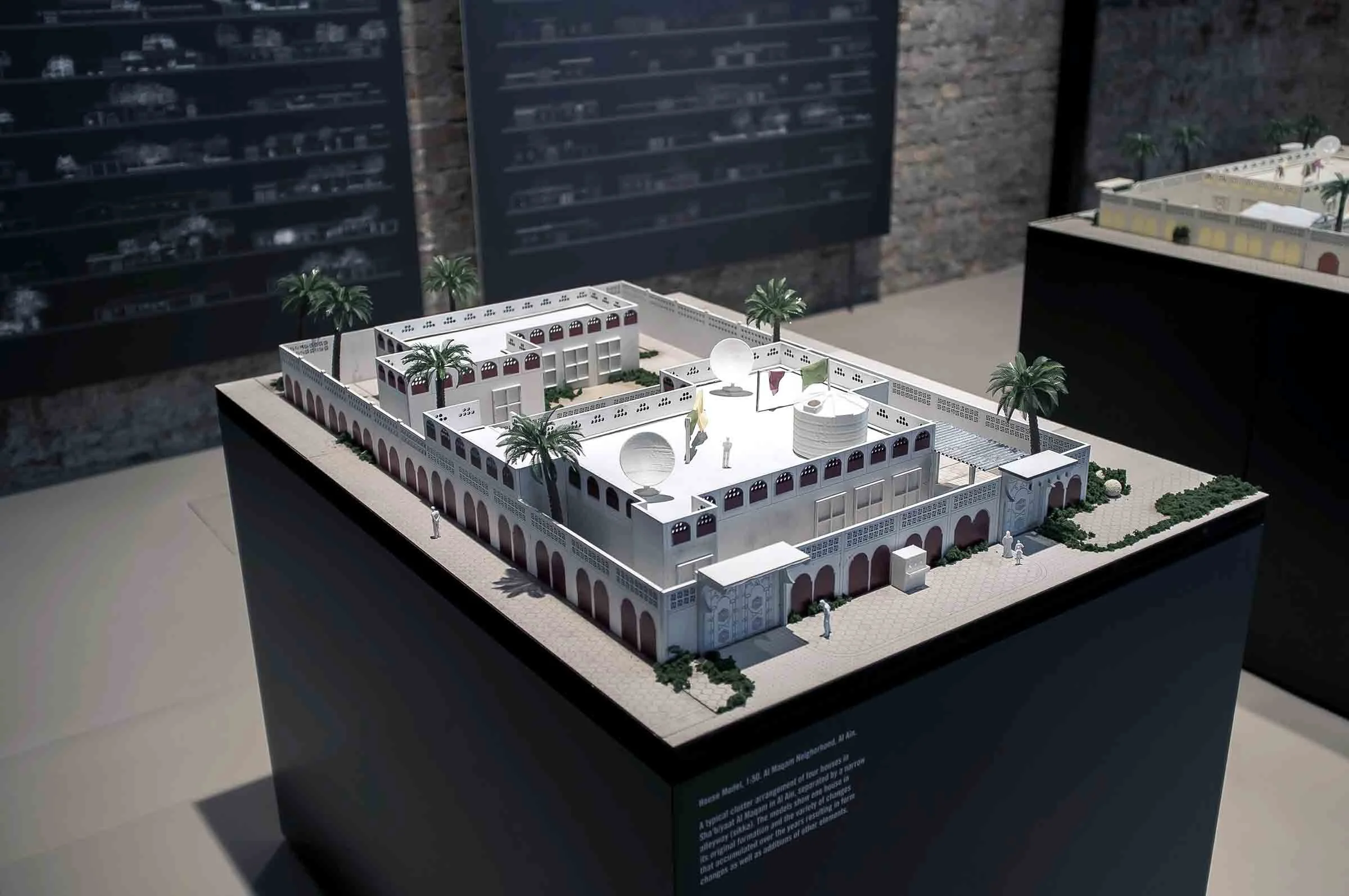
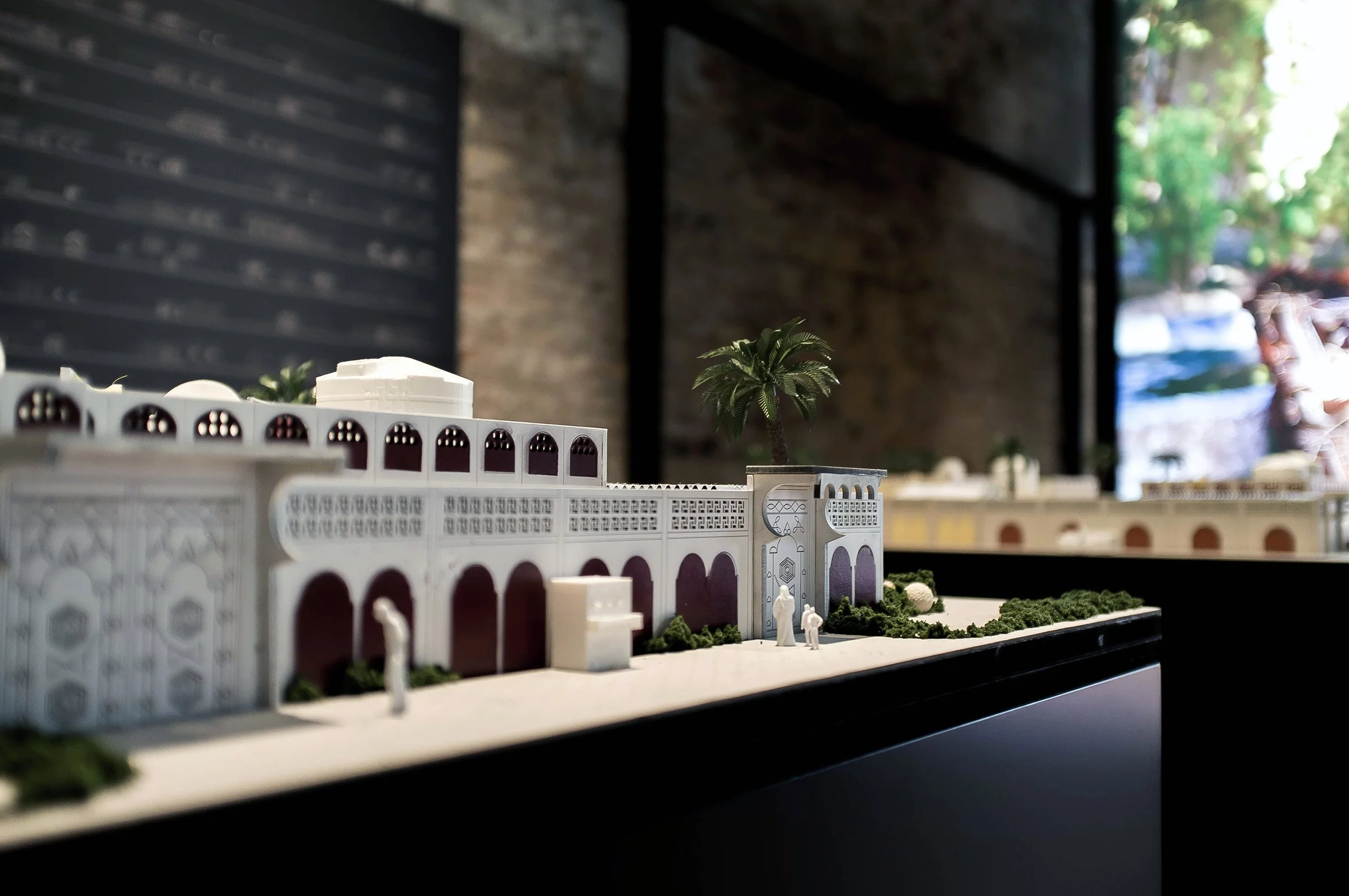
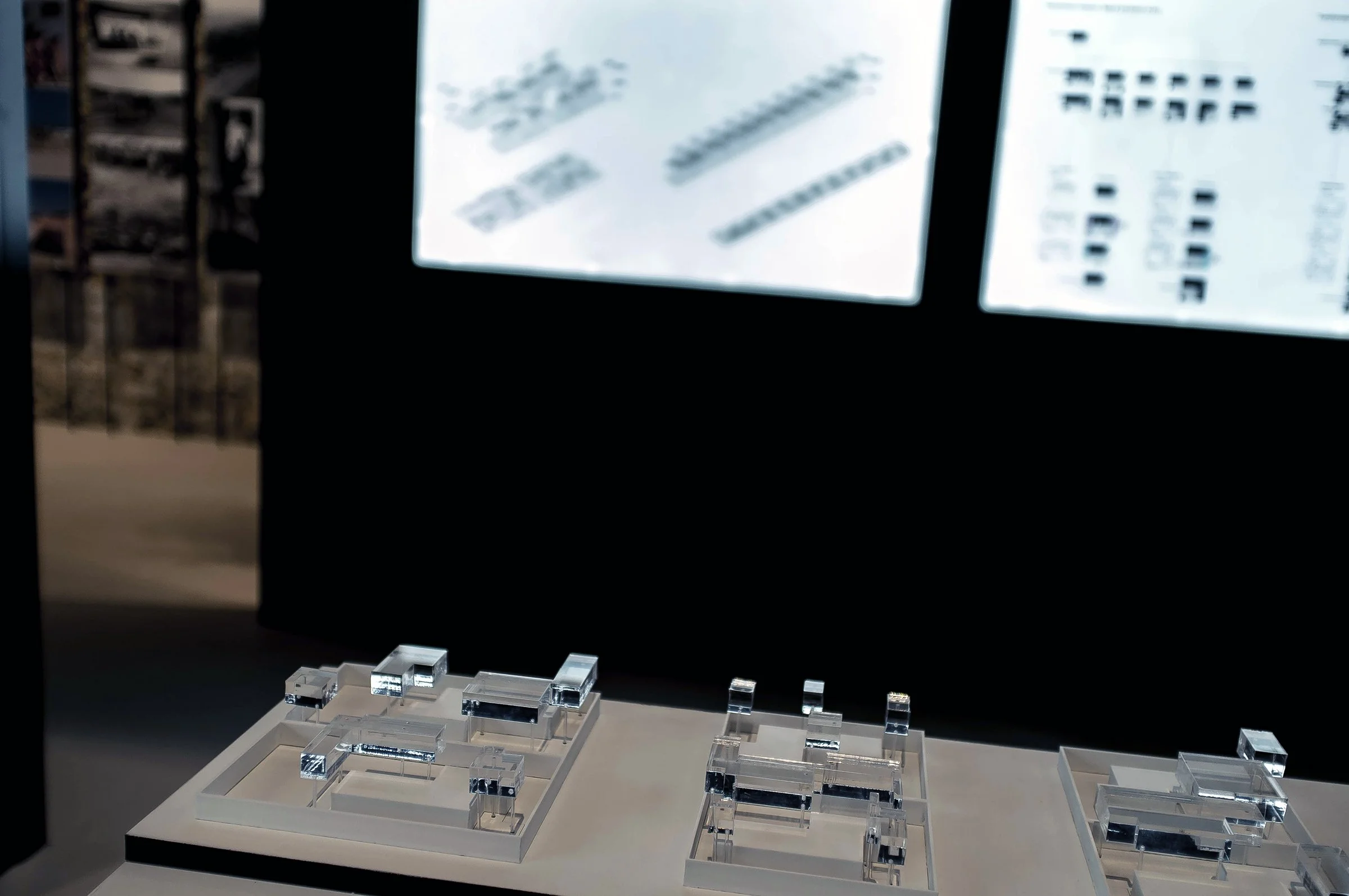
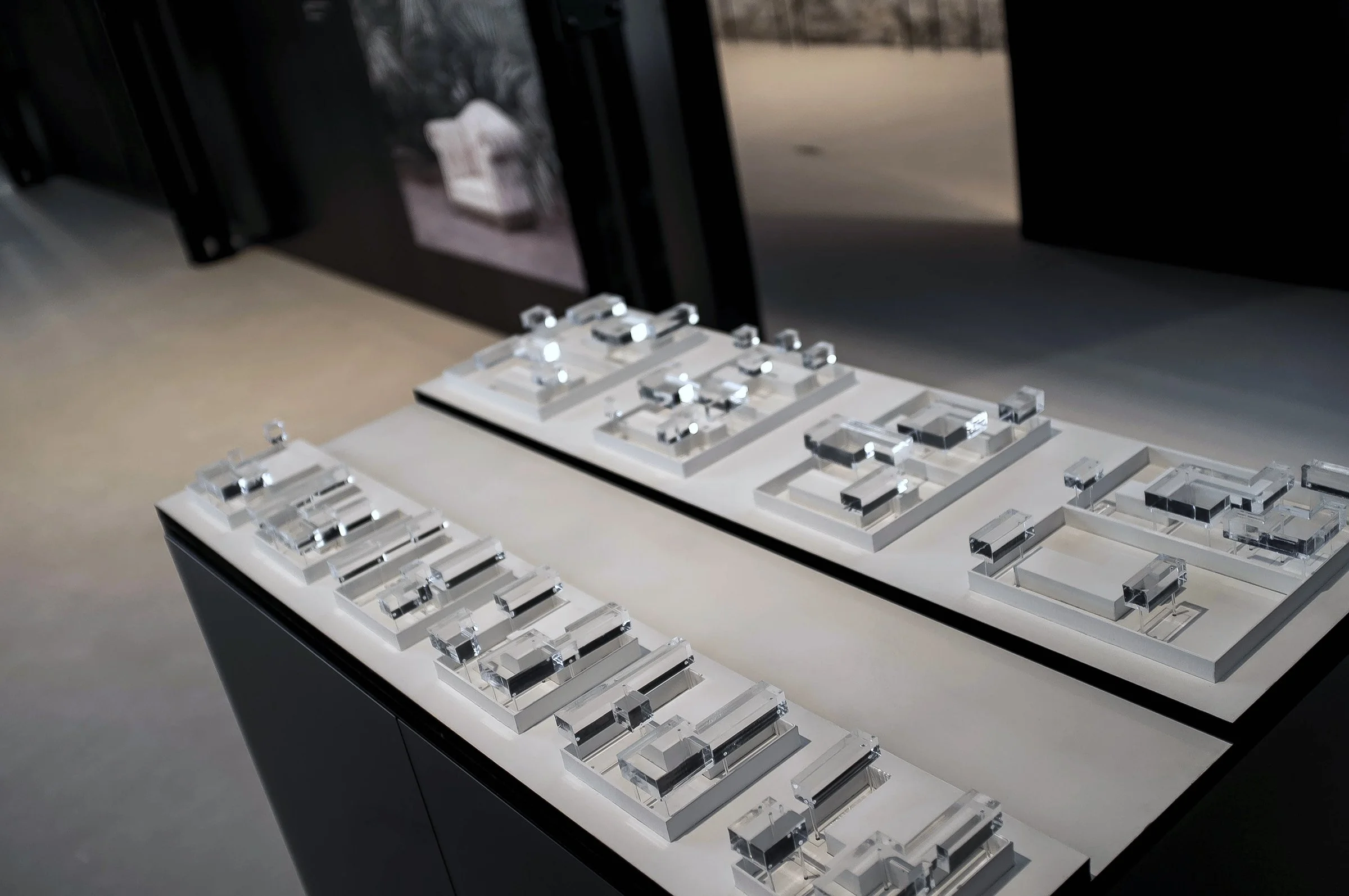
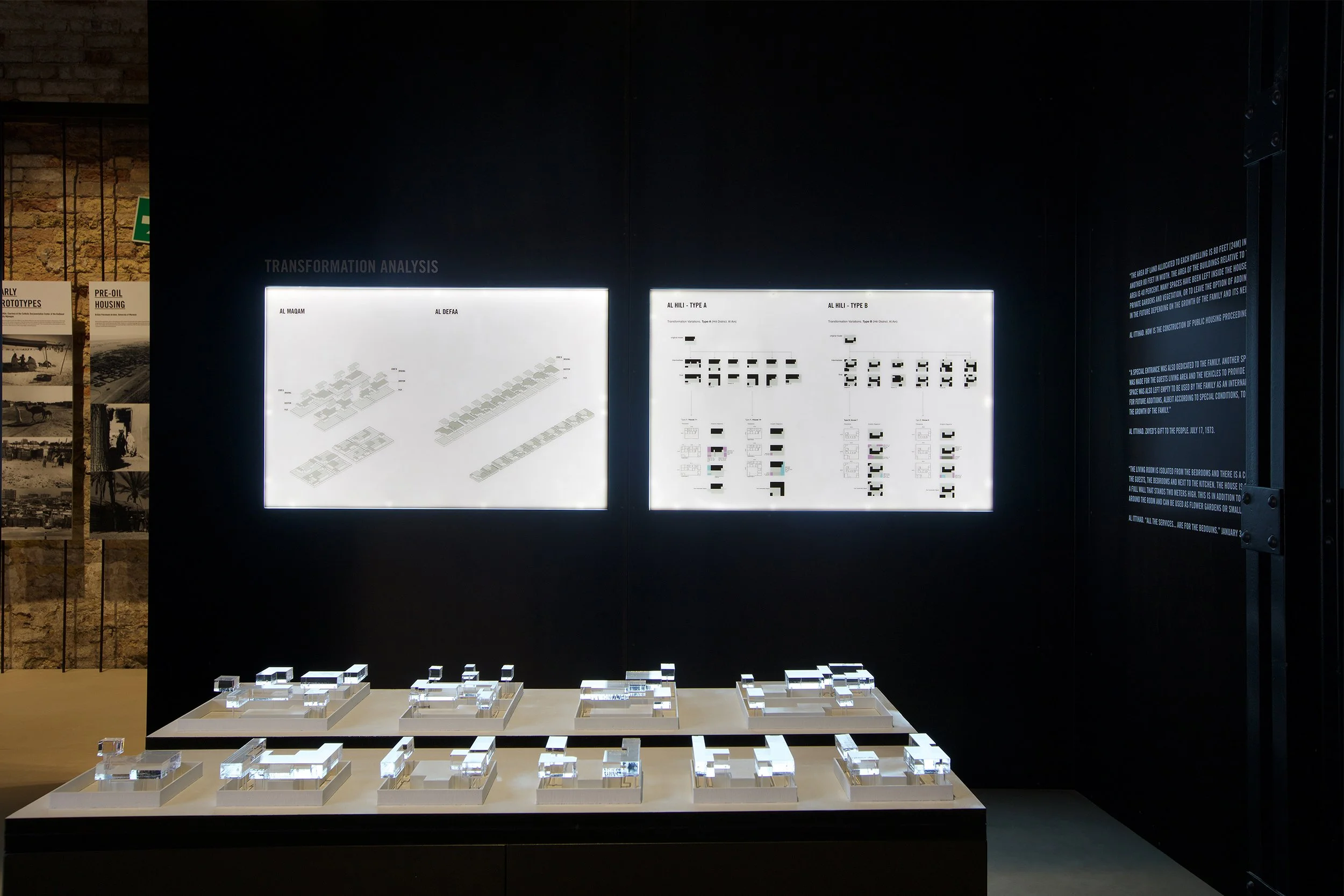
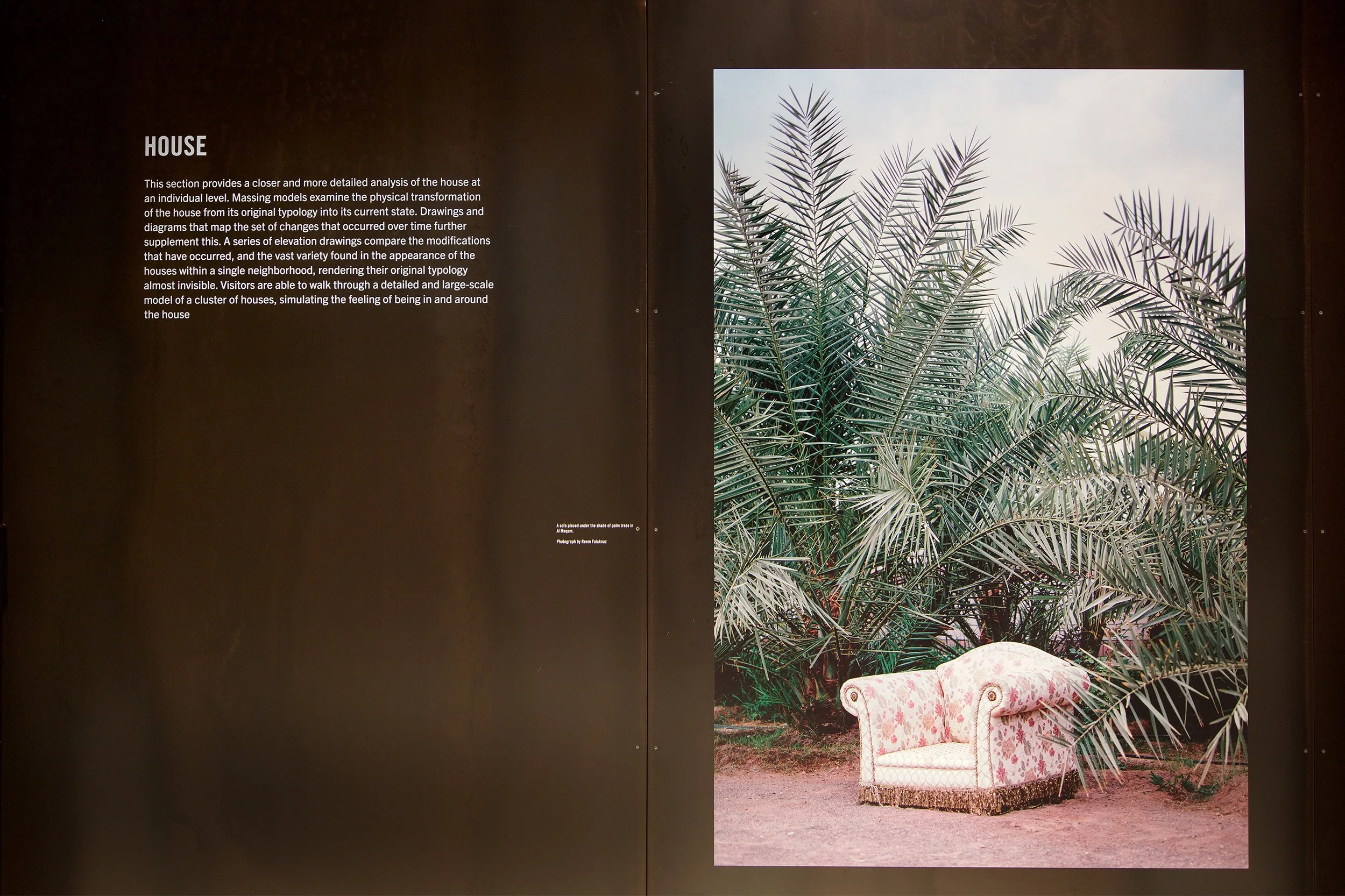
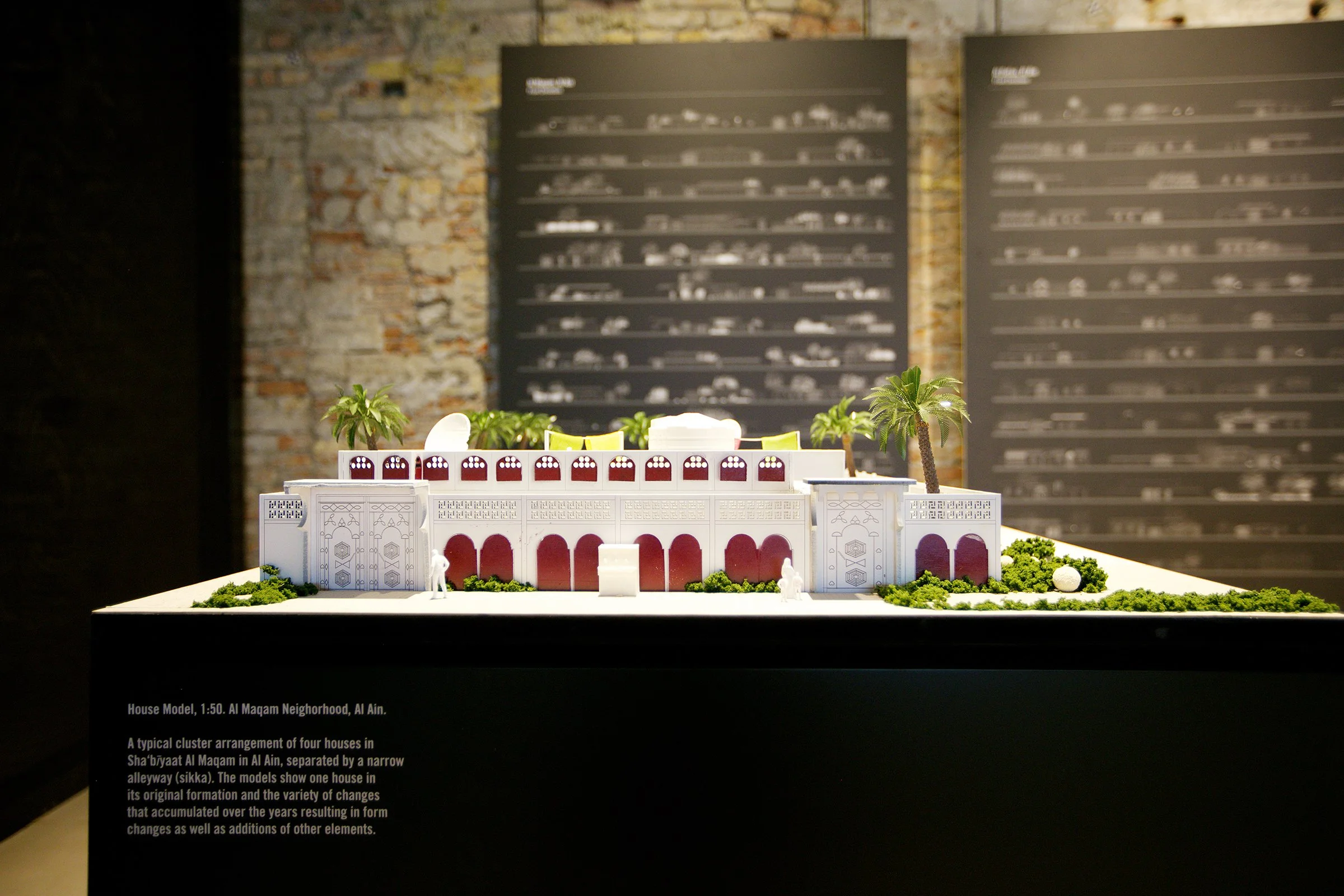
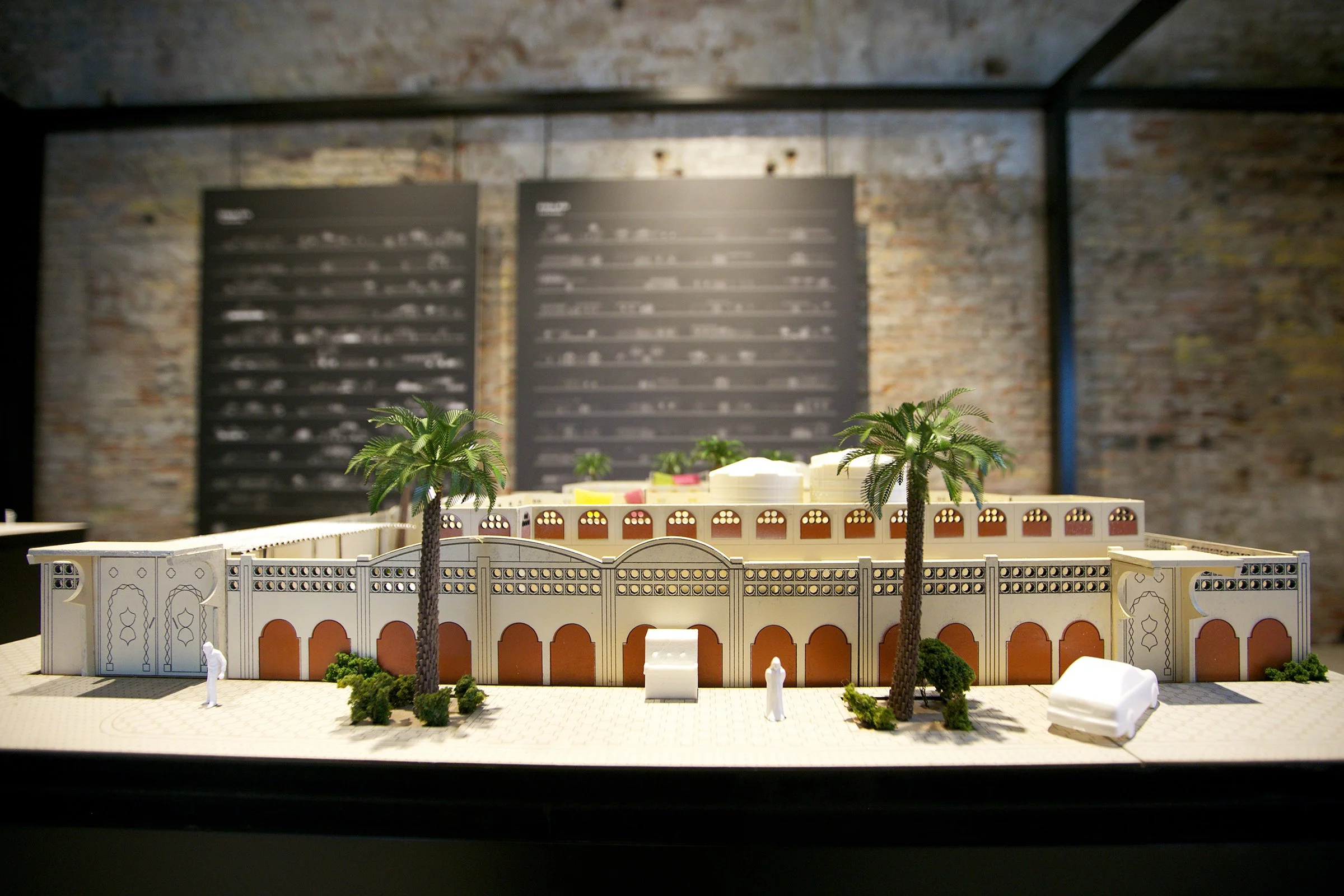
The 2016 Venice Biennale installation translated the Sha’abi house into an immersive spatial and analytical experience, capturing its architectural essence at the scale of the building. At its core was a carefully crafted model of a lived-in Sha’abi house, foregrounding not the original prototype but its transformed, inhabited condition—an accretive architecture shaped by everyday use. Surrounding this were a series of massing studies rendered in translucent perspex, emphasizing the clarity of the original form while simultaneously revealing layers of modification and extension. Complementing these were analytic diagrams and typological posters positioned centrally within the exhibition, distilling the house’s spatial logic, patterns of growth, and morphological variations. The exhibition itself was conceived as a spatial narrative: a sequence of rooms and thresholds that visitors moved through, echoing the experiential qualities of the Sha’abi house—its intimacy, enclosure, and progression from public to private space—thereby transforming the pavilion into an abstracted yet evocative reconstruction of domestic life .