Mapping Memory. Mapping Belonging
In order to visualize the settings discussed in this collection I have introduced a personal cartography of Cairo, a map that traces memories across cinemas, cafés, schools, alleys, and homes, revealing a city shaped more by lived encounters than official monuments. Inspired by the Situationists’ dérive, it presents Cairo as a mosaic of fragments and returns.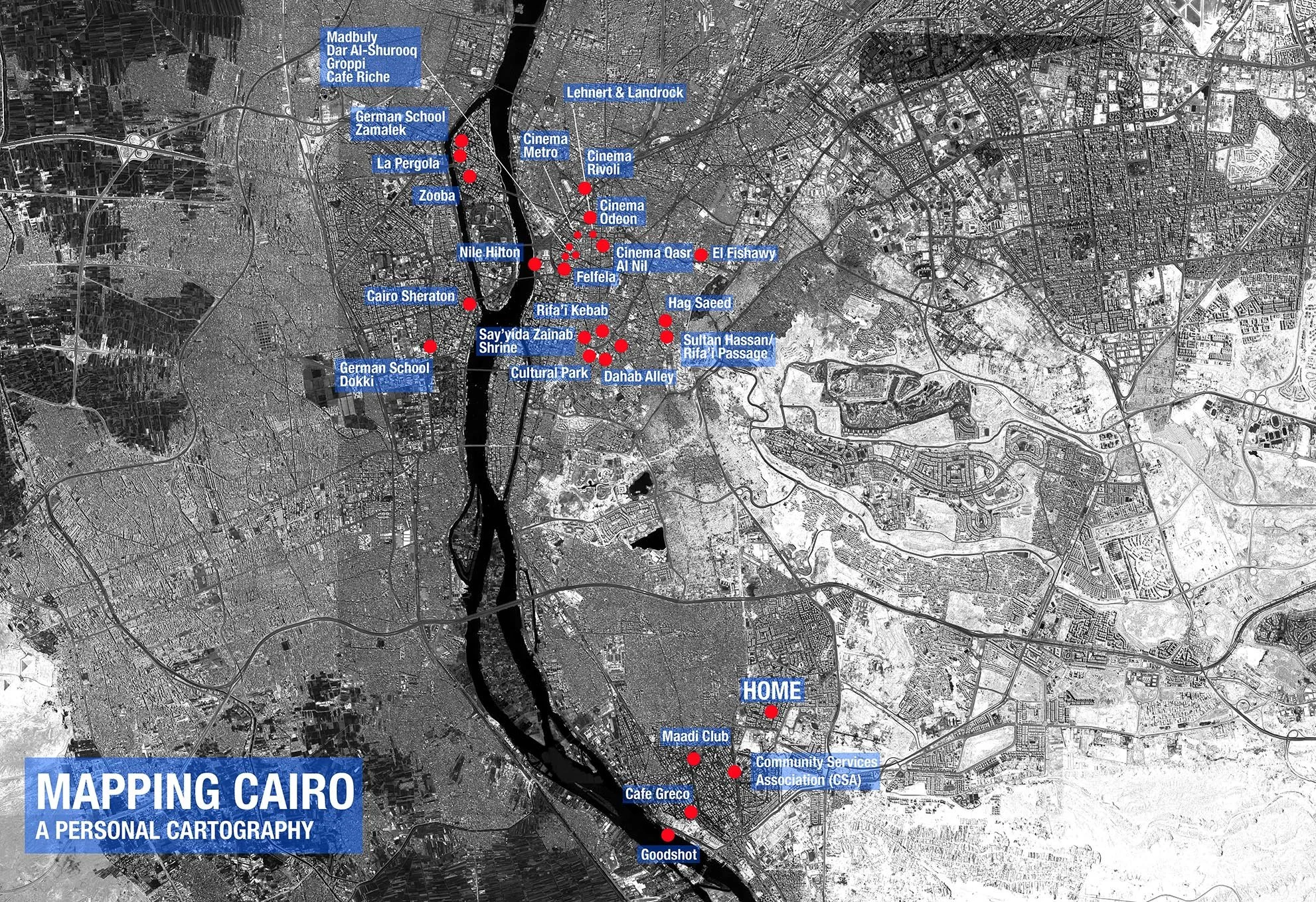
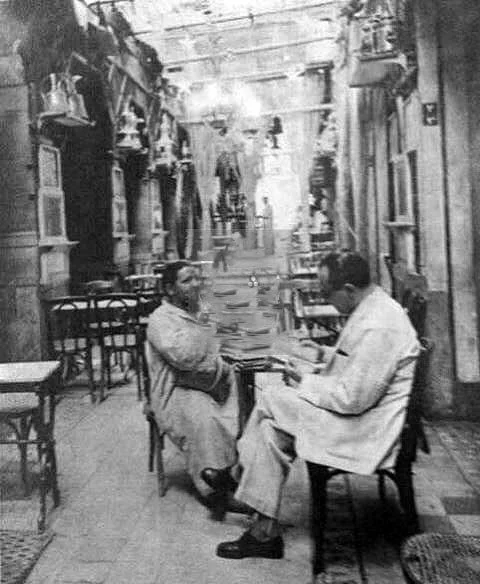
Fishawy
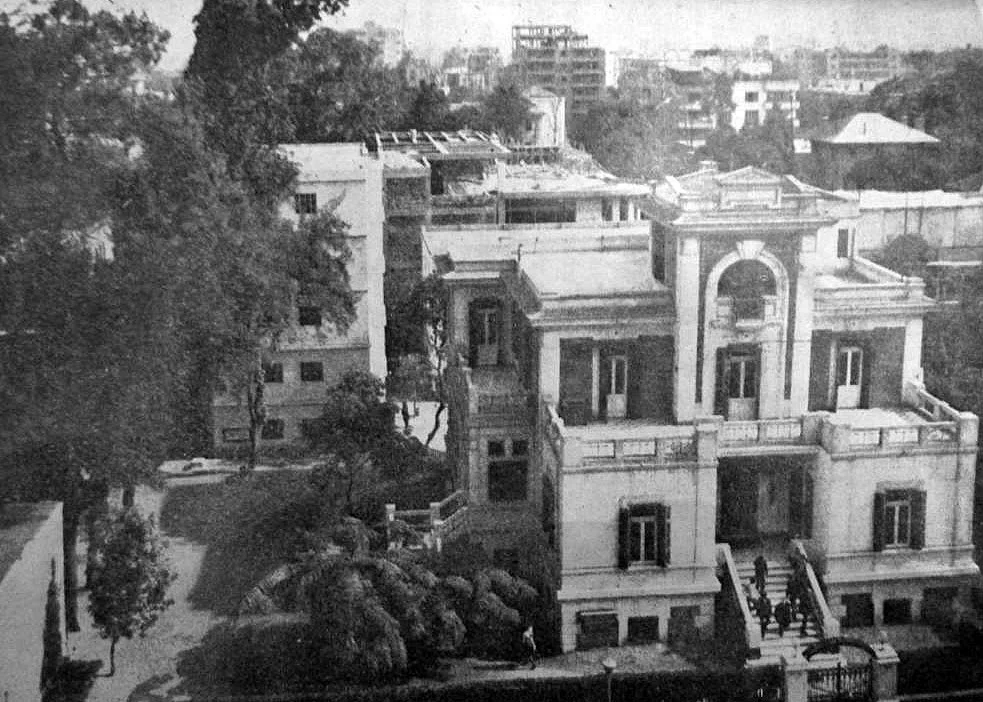
German School
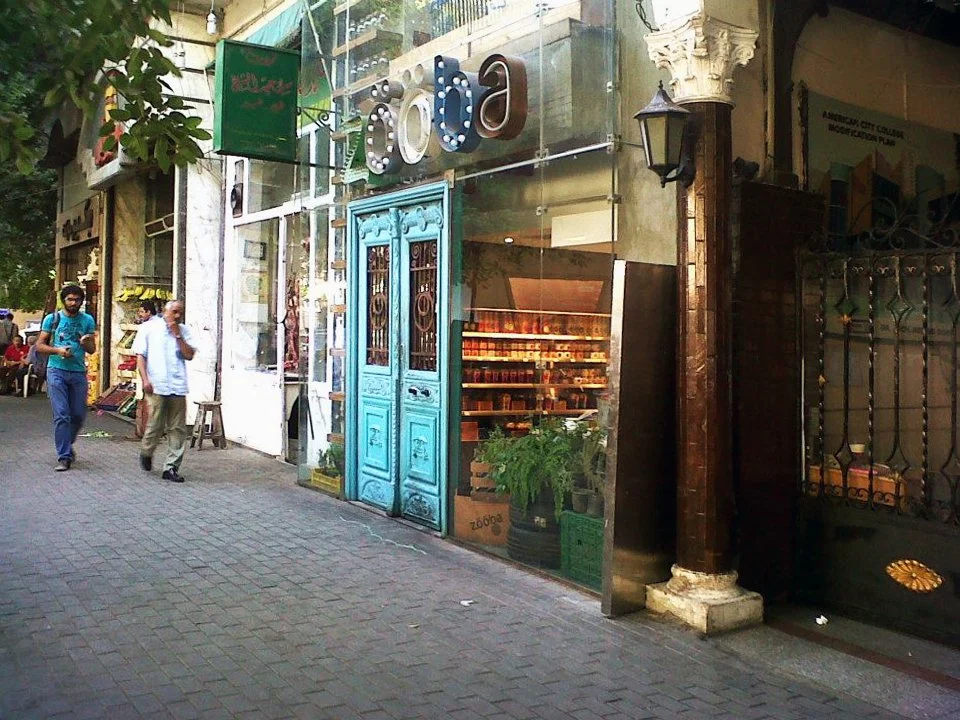
Zooba
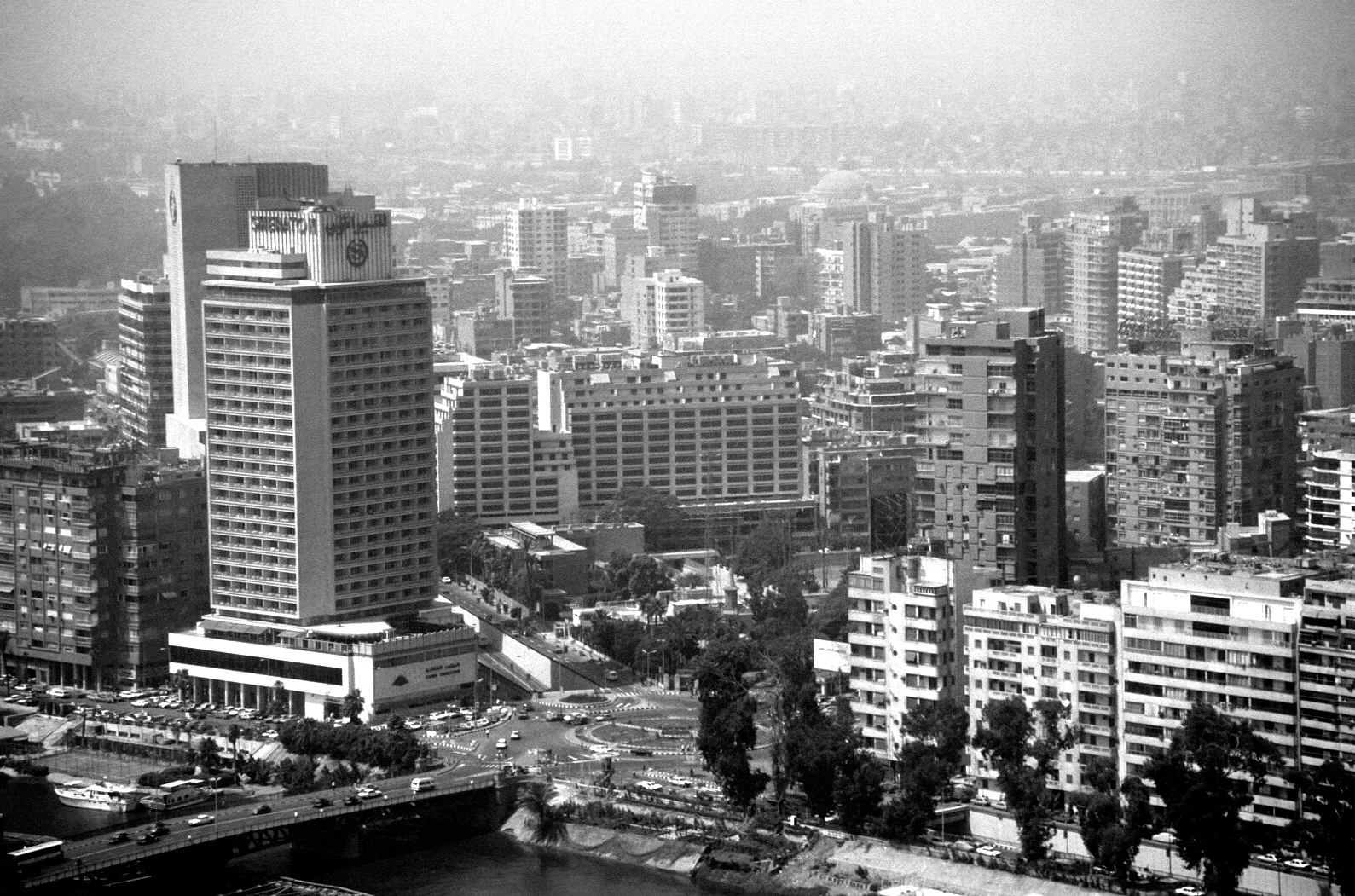
Sheraton
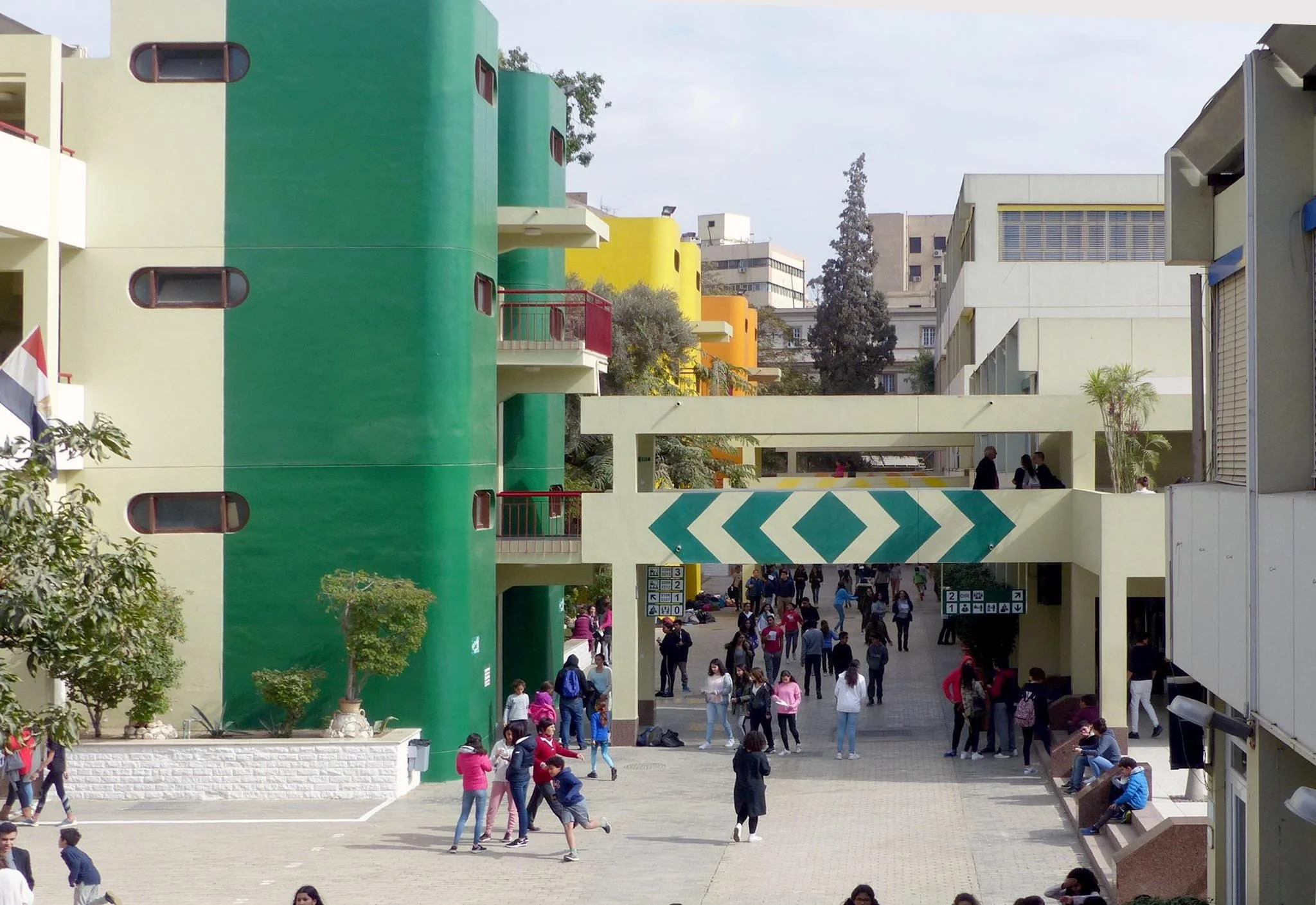
German School
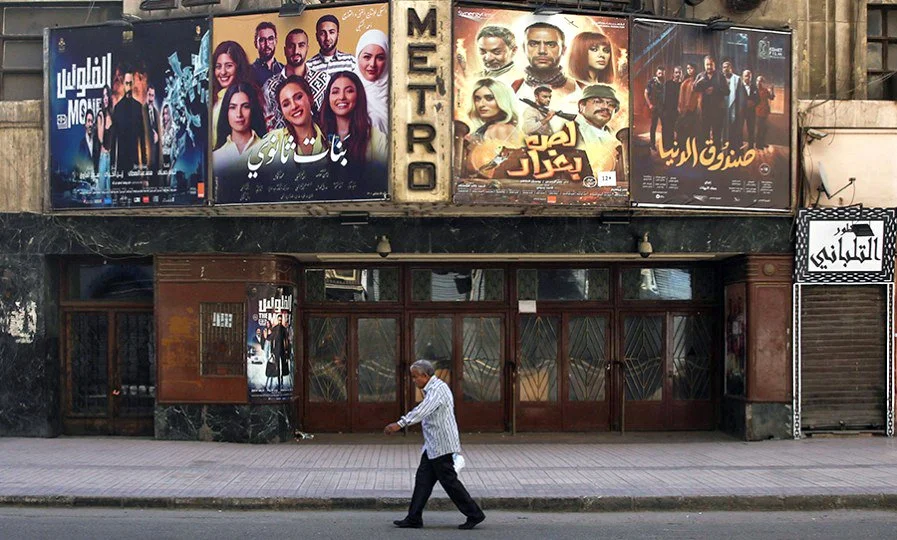
Cinema Metro
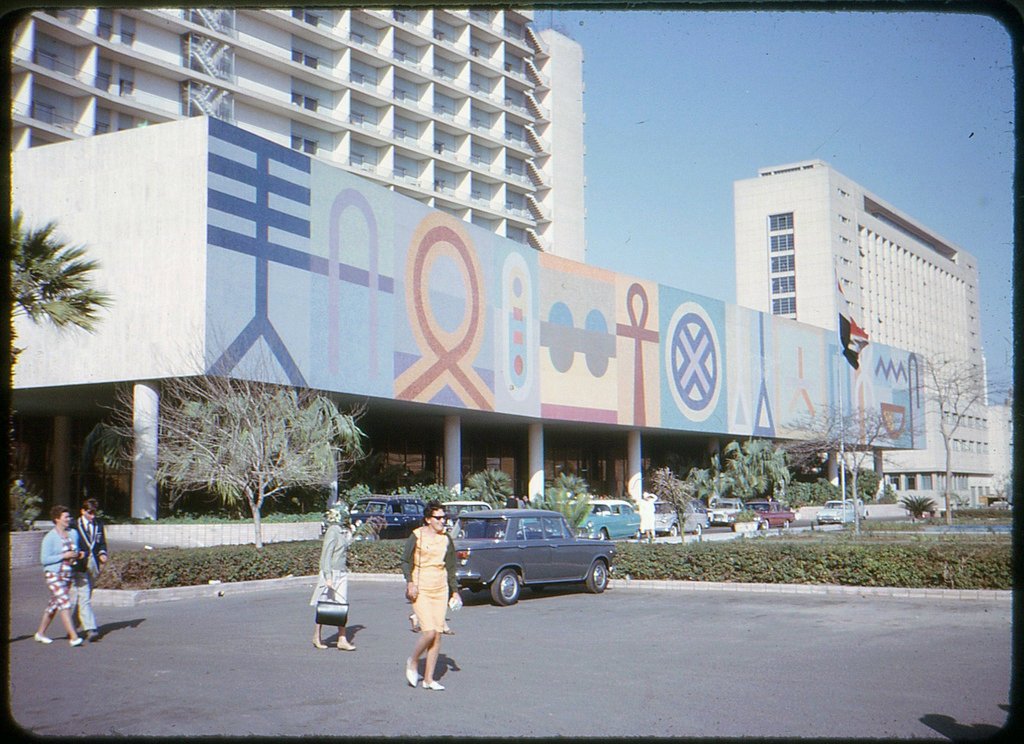
Nile Hilton
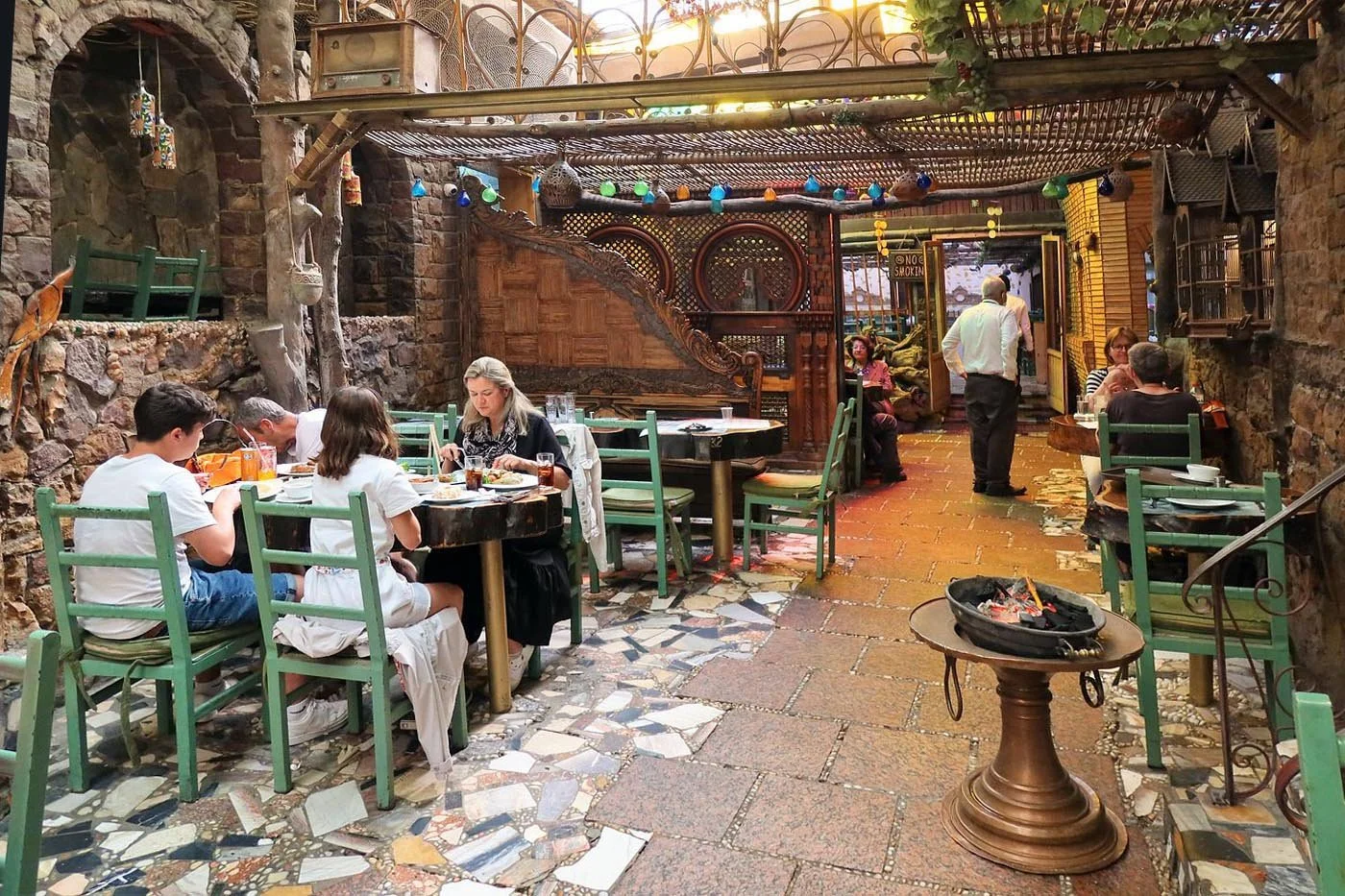
Felafel
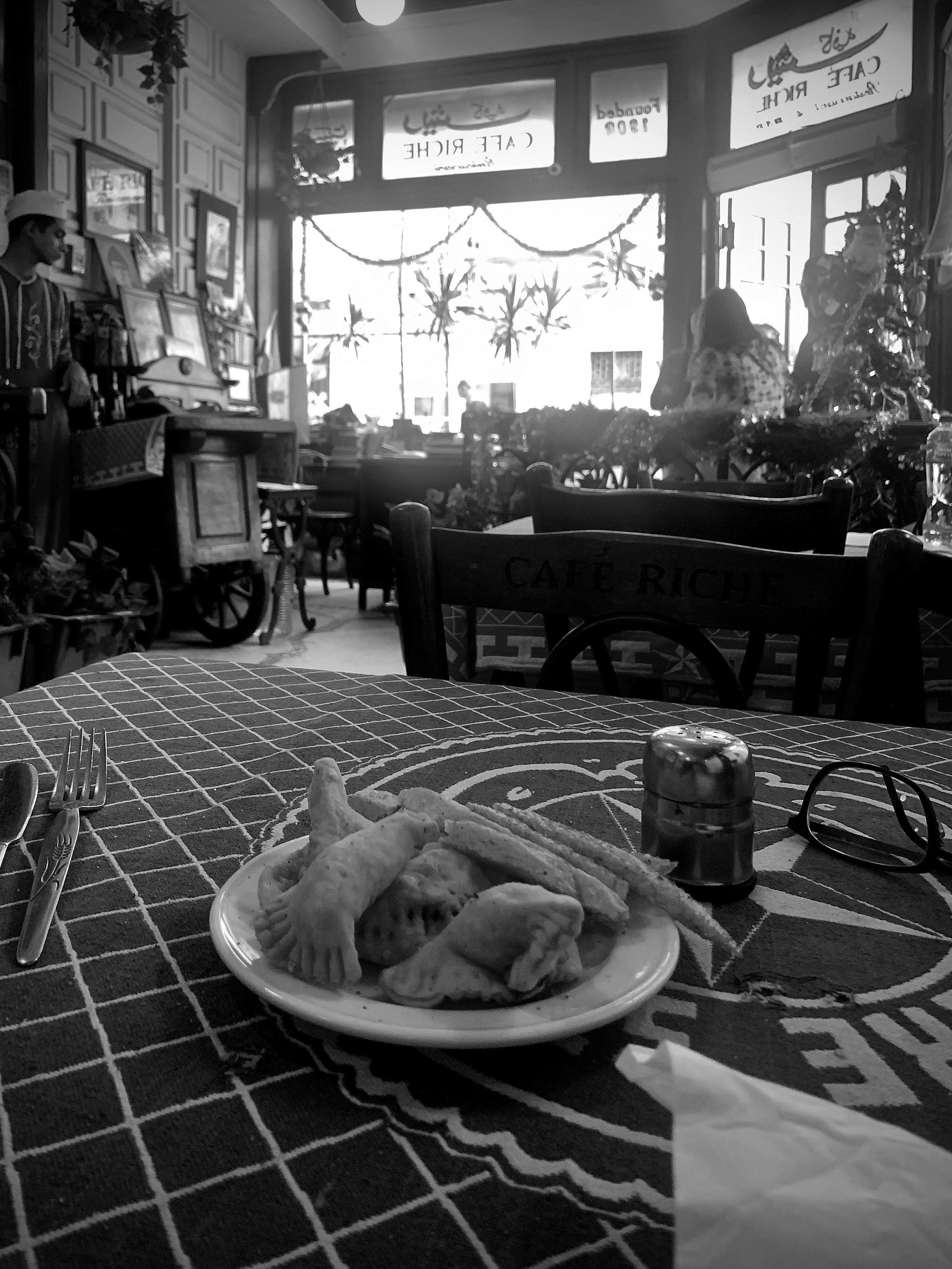
Cafe Riche
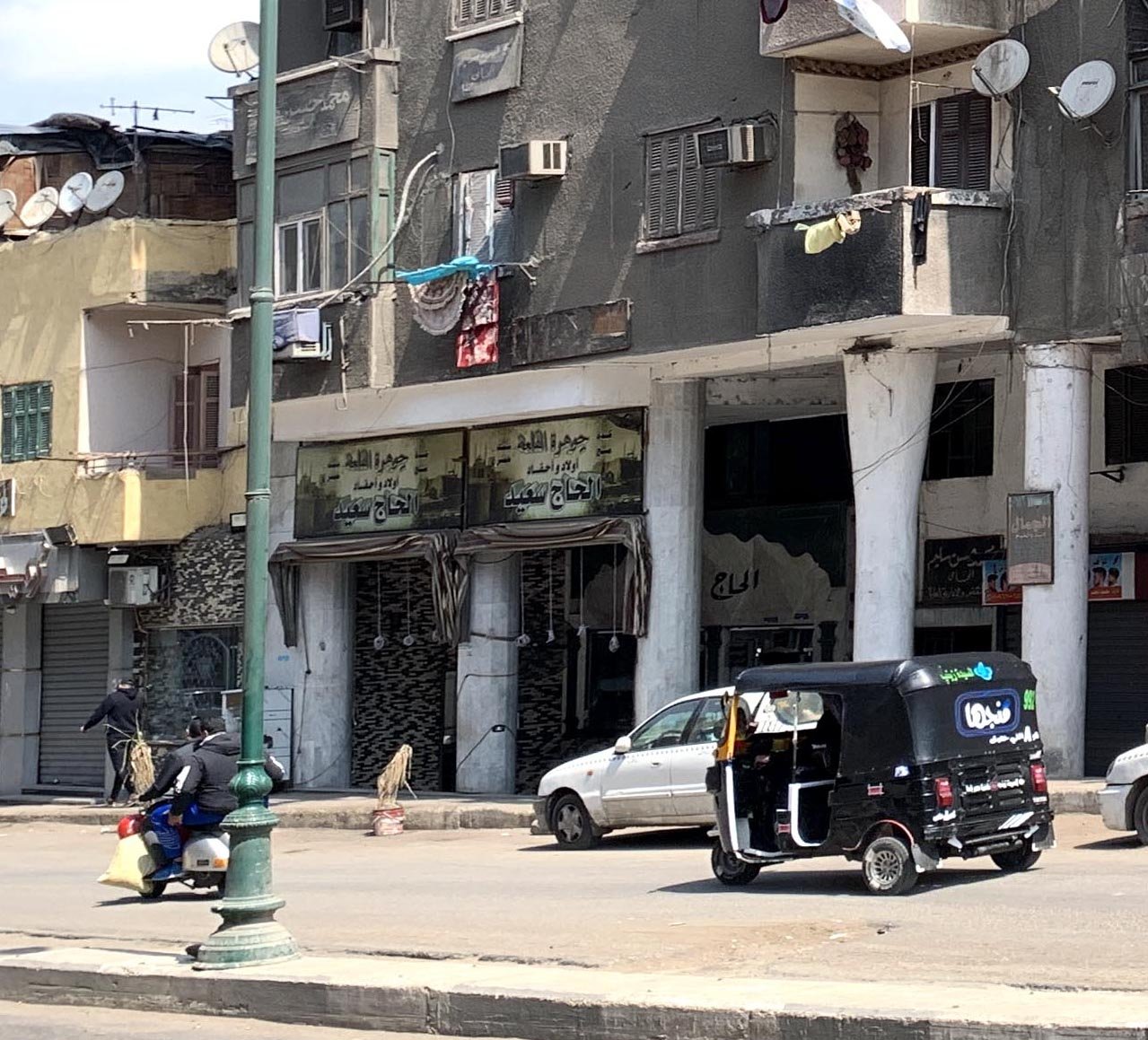
Hag Sa'id
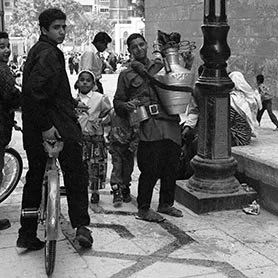
Sultan Hassan/Rifa'i Passage
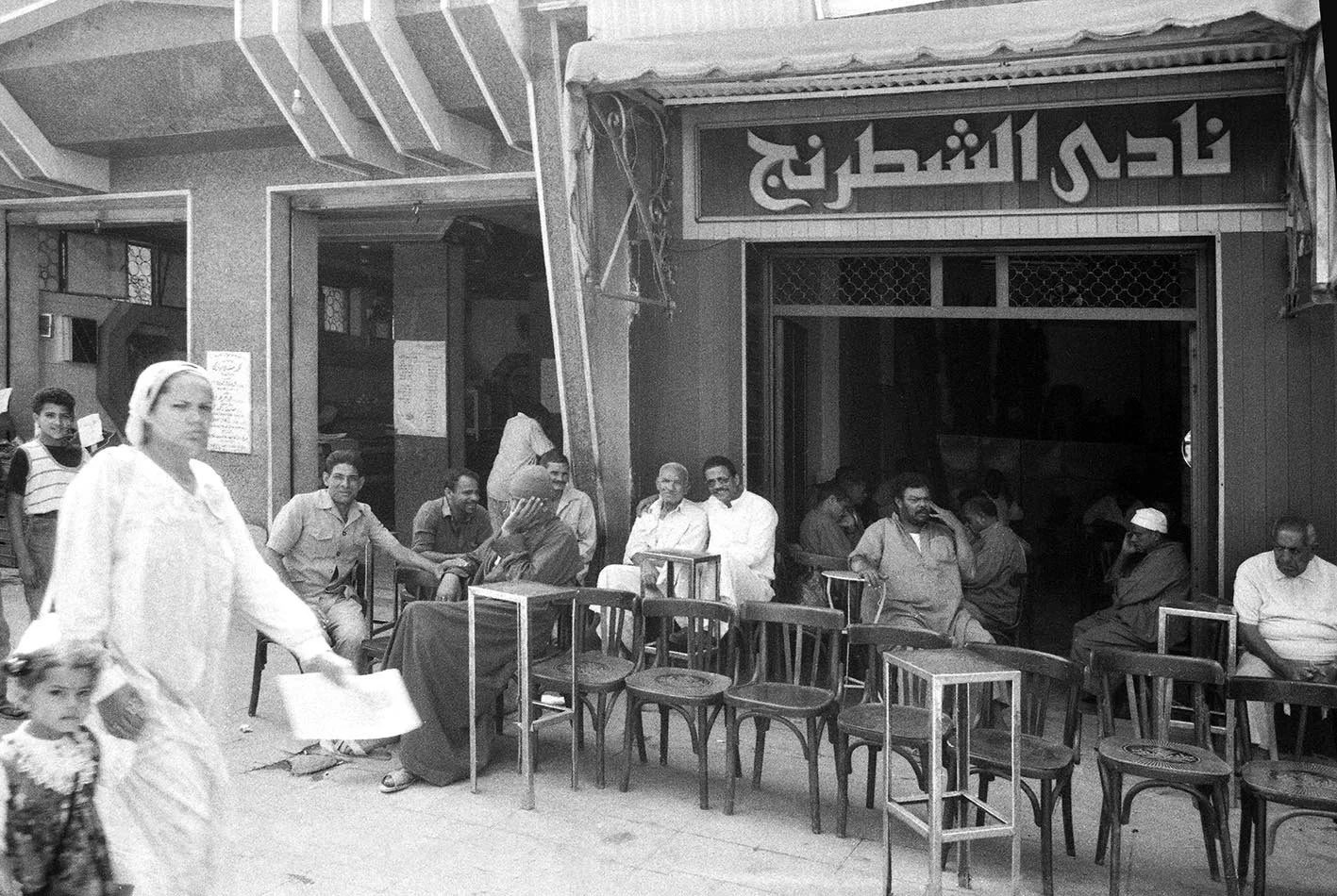
Ahwa Baladi
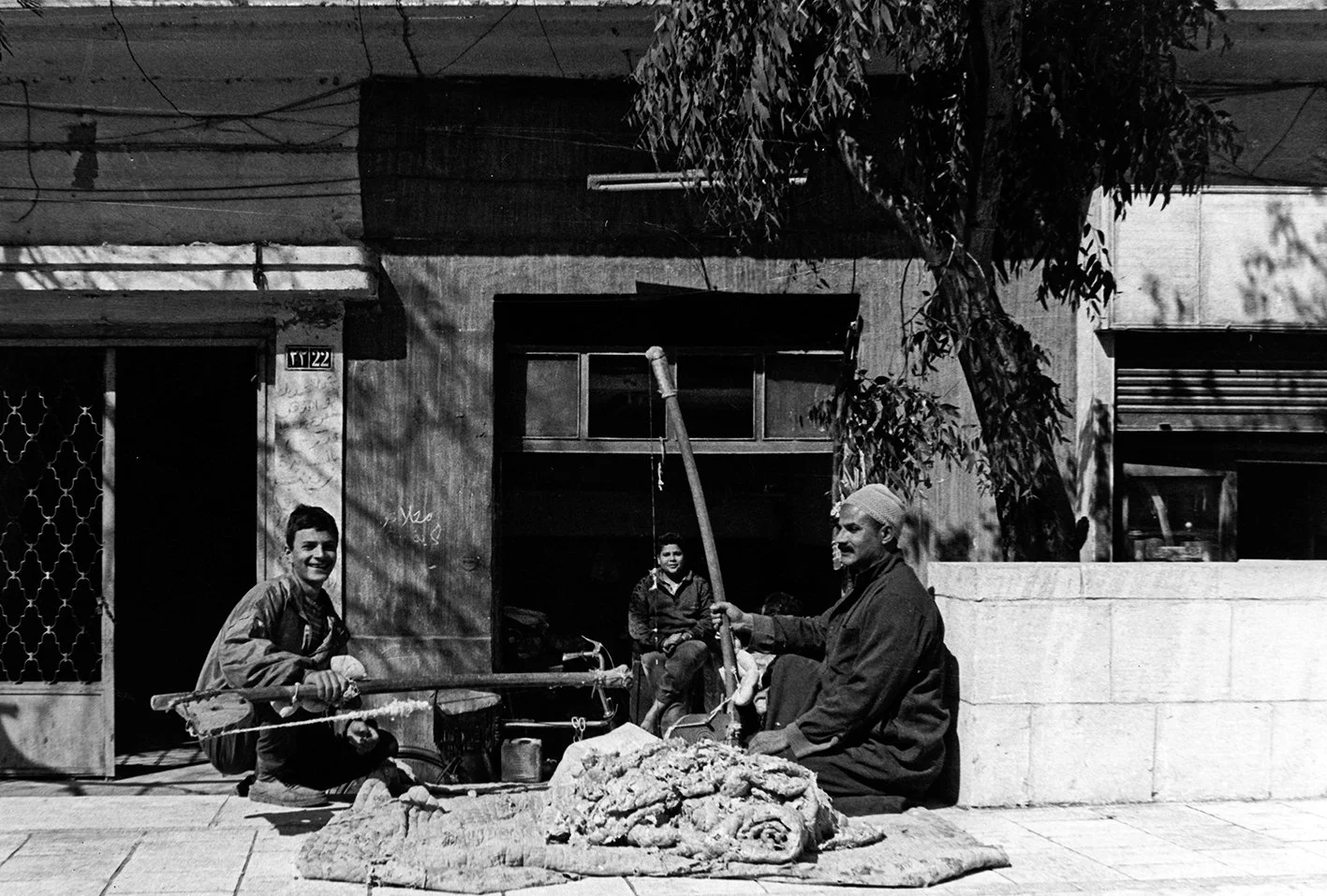
Dahab Alleyway
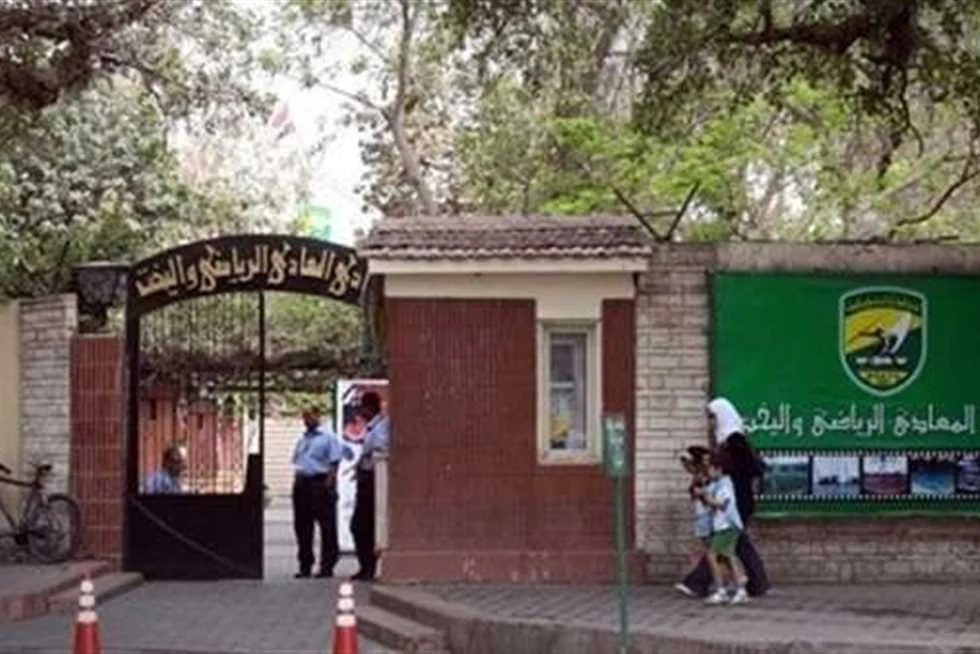
Maadi Club

Community Services Association
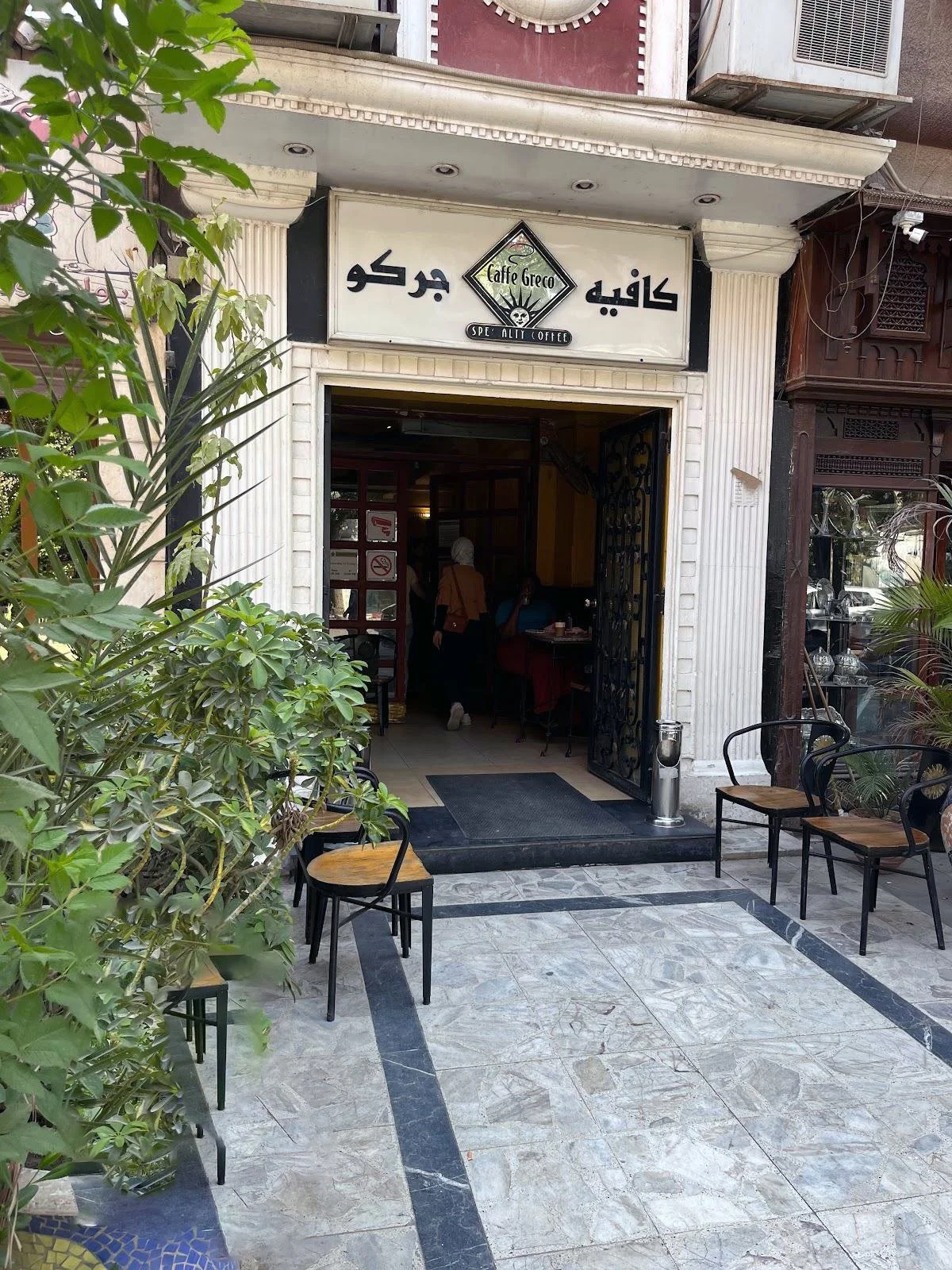
Cafe Greco
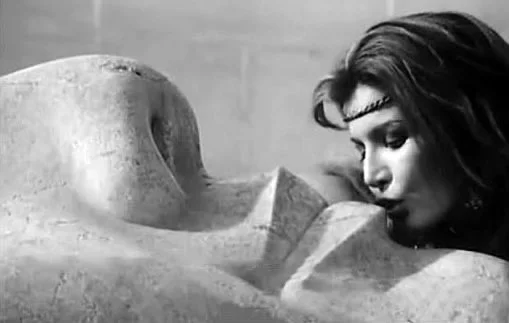
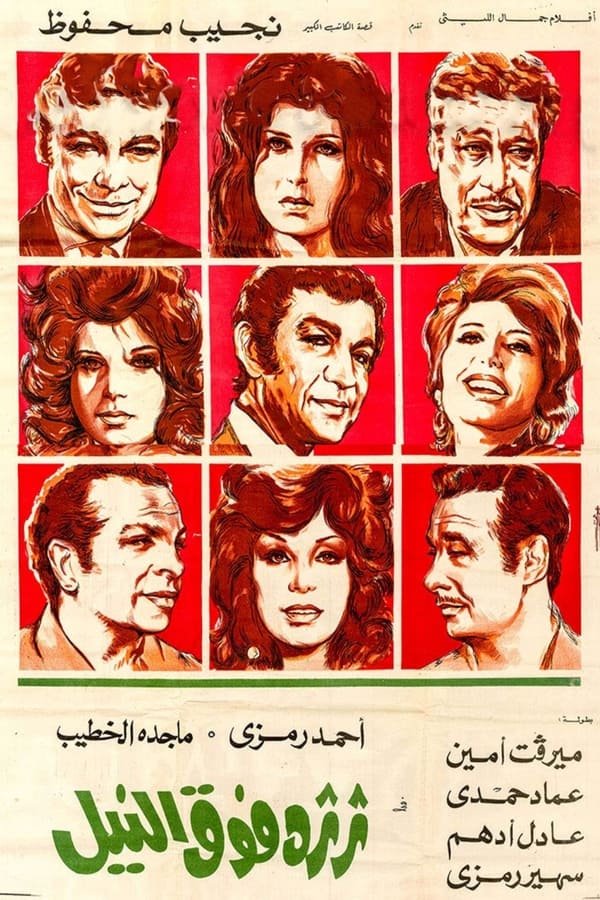
This opening scene from Adrift on the Nile (1971), adapted from Naguib Mahfouz’s novel, captures a way of moving through Cairo that resonates deeply with My Cairo. As a disillusioned teacher drifts through downtown streets, Tahrir Square, and the Nile Corniche, his inner monologue fragments the city into passing observations, frustrations, and ironies. Cairo emerges not as a complete map but as a lived, subjective experience—precisely the approach that underpins the My City project. The following page brings together the film clip, transcript, and a brief reflection on how Mahfouz’s Cairo intersects with my own.
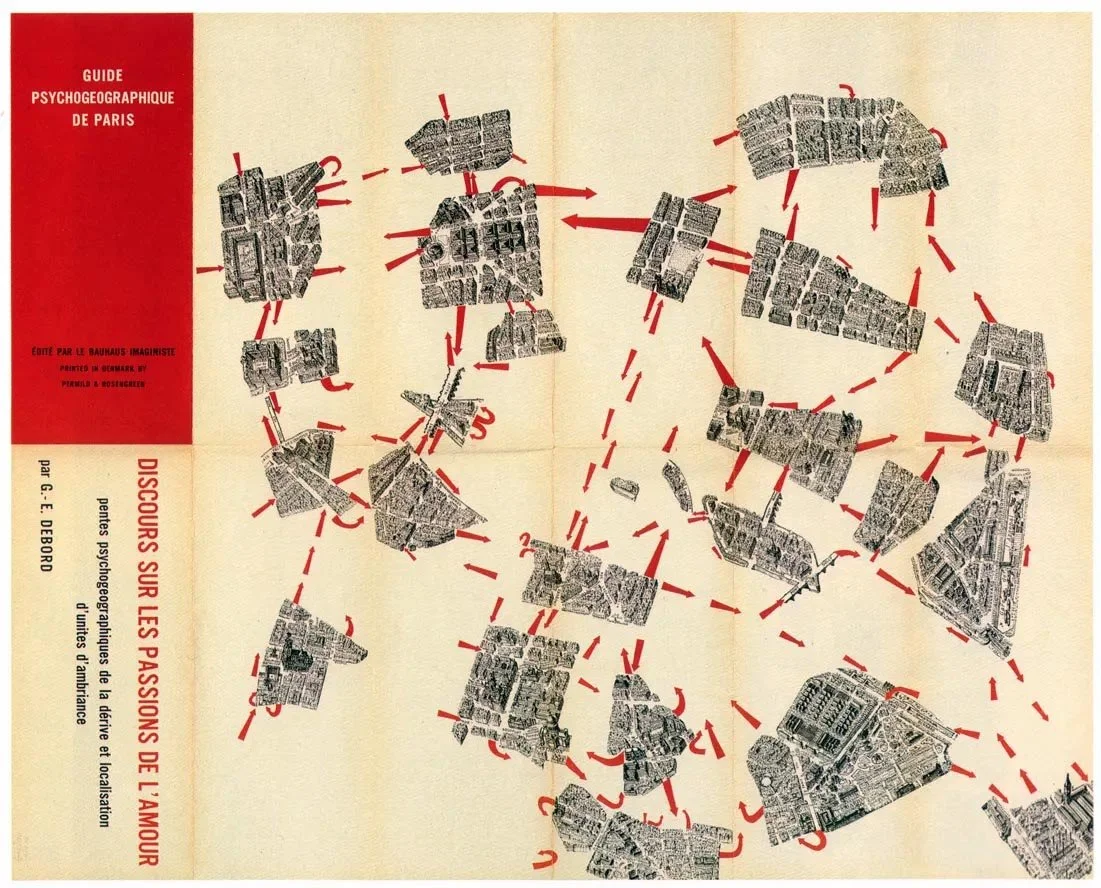
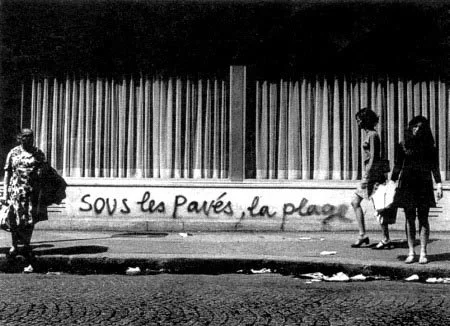
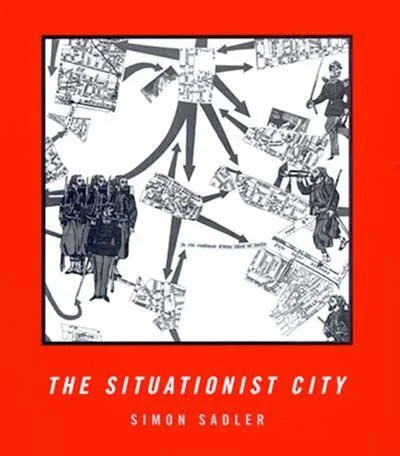
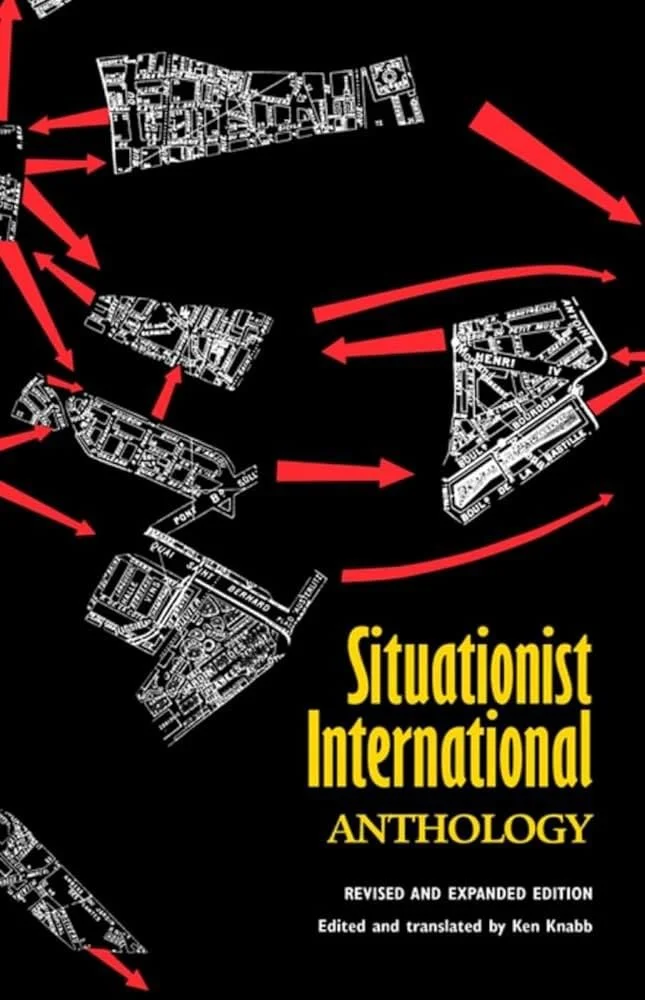
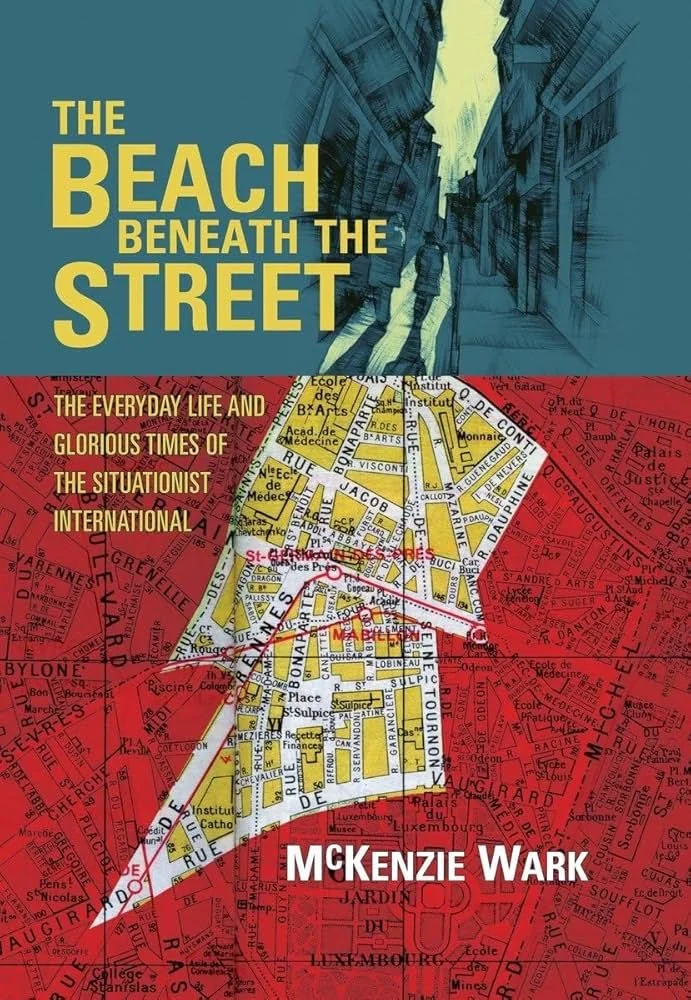
The Situationists International, active in the 1950s and 1960s, sought to understand the city through lived experience rather than official maps or planning logics. Through practices such as the dérive—aimless drifting through urban space—they revealed how streets, neighborhoods, and everyday encounters shape emotional and psychological responses to the city. This approach resonates strongly with My Cairo, which similarly treats the city not as a fixed totality but as a personal, fragmented landscape assembled through movement, memory, and repetition. Like the Situationists’ psychogeographies, My Cairo maps a city as it is lived rather than as it is planned or represented.