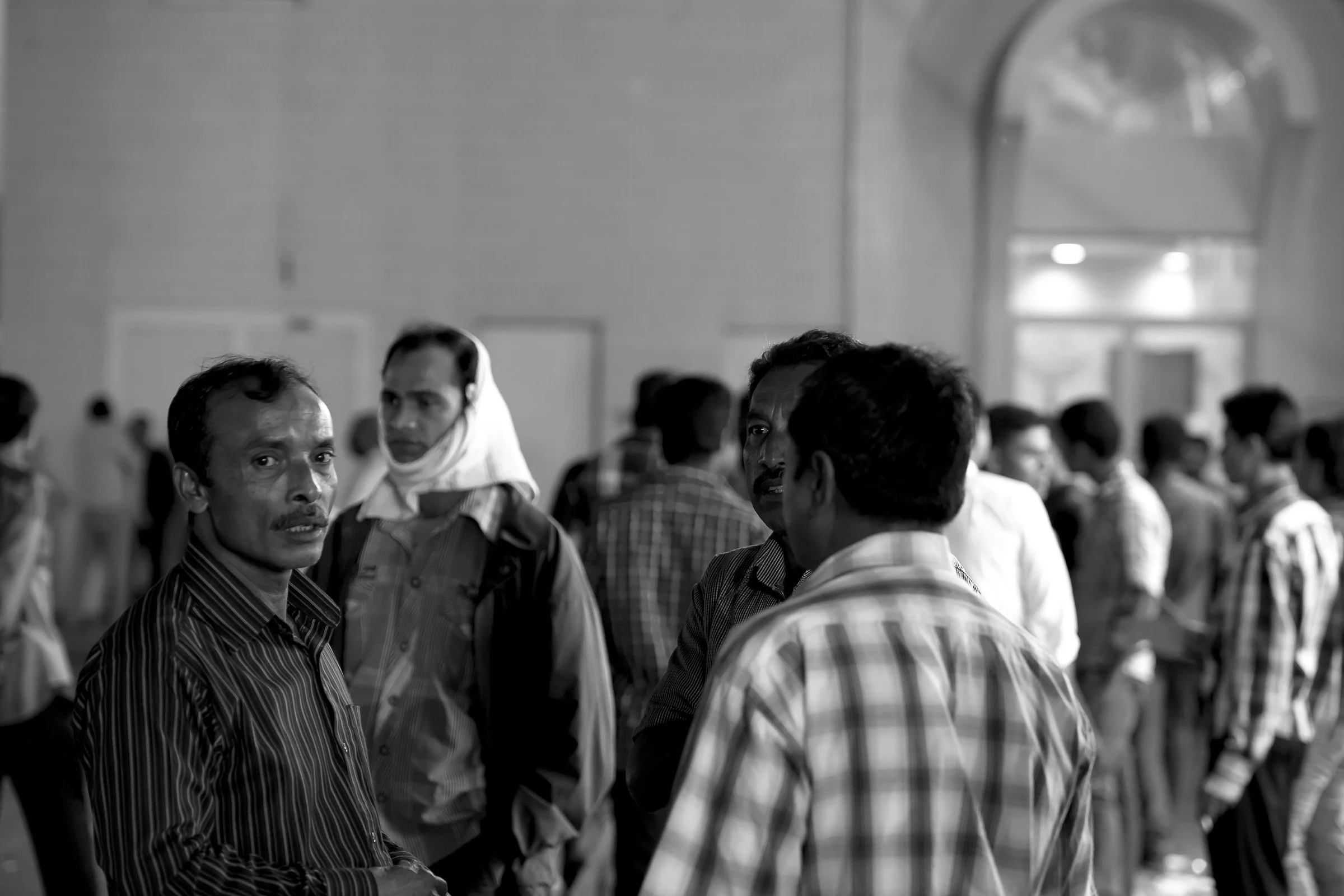
PART II. Urban Interventions: Resistance and Defiance
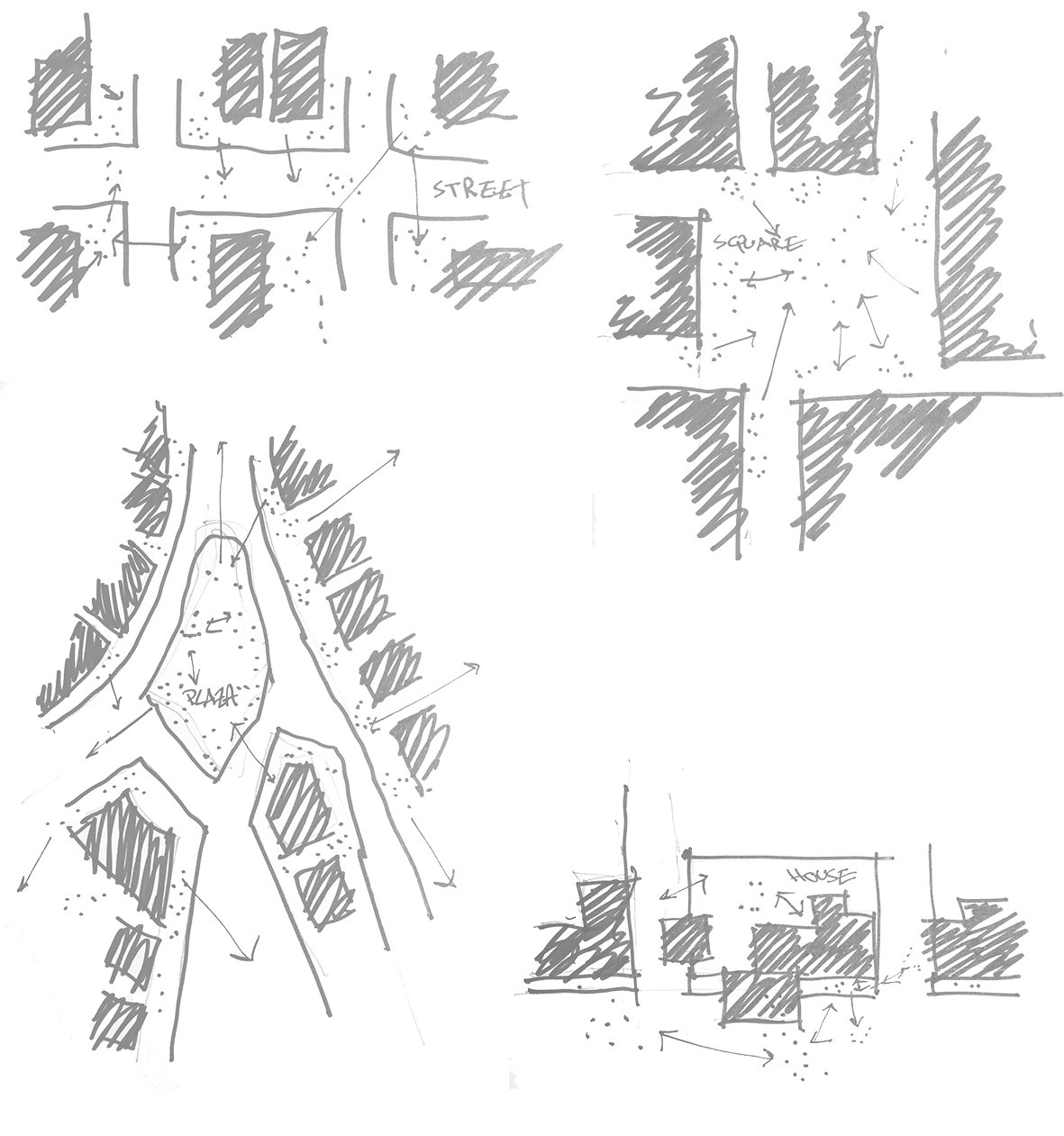
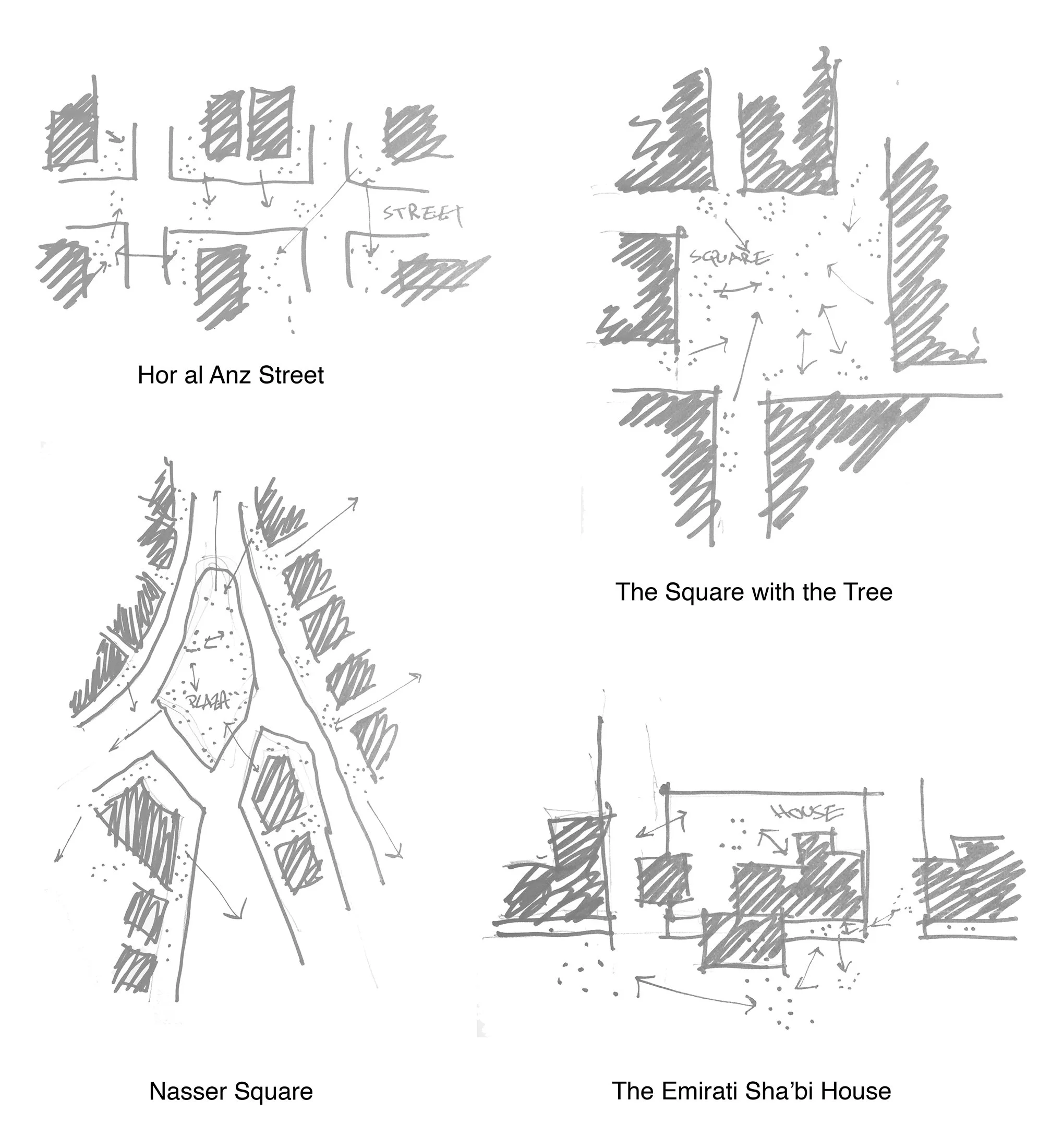
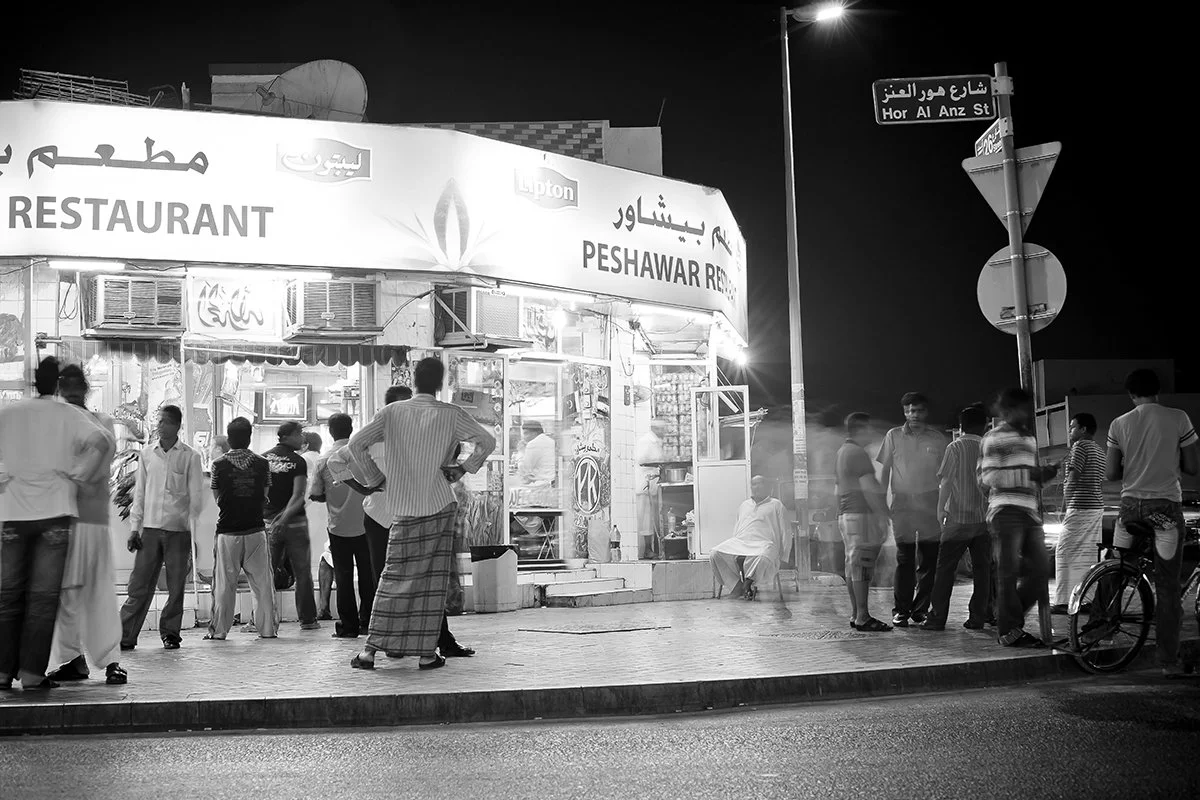
Hor Al Anz Street Corner
Chapter 5. Quotidian Space: Everyday Interactions in Hor Al Anz Street
This chapter examines Hor Al Anz Street in Dubai as a site where everyday practices quietly resist the city’s dominant logic of transience. Through detailed observation, mapping, and time-lapse filming, it reveals how low-income migrant residents appropriate sidewalks, street corners, shops, and alleys to create fleeting forms of belonging and social life. Set against rigid housing policies, segregation, and surveillance, the street emerges as a quotidian space of resilience—one that supports informal gatherings, cultural rituals, and moments of care. By foregrounding mundane interactions rather than spectacle, the chapter shows how migrants momentarily anchor themselves in a city designed to remain temporary, asserting presence through the ordinary act of occupying space.
Urban Trend: Multicultural City
This video was commissioned as part of Participatory City: 100 Urban Trends from the BMW Guggenheim Lab, on view at the Solomon R. Guggenheim Museum from October 11, 2013 - Jan 5, 2014
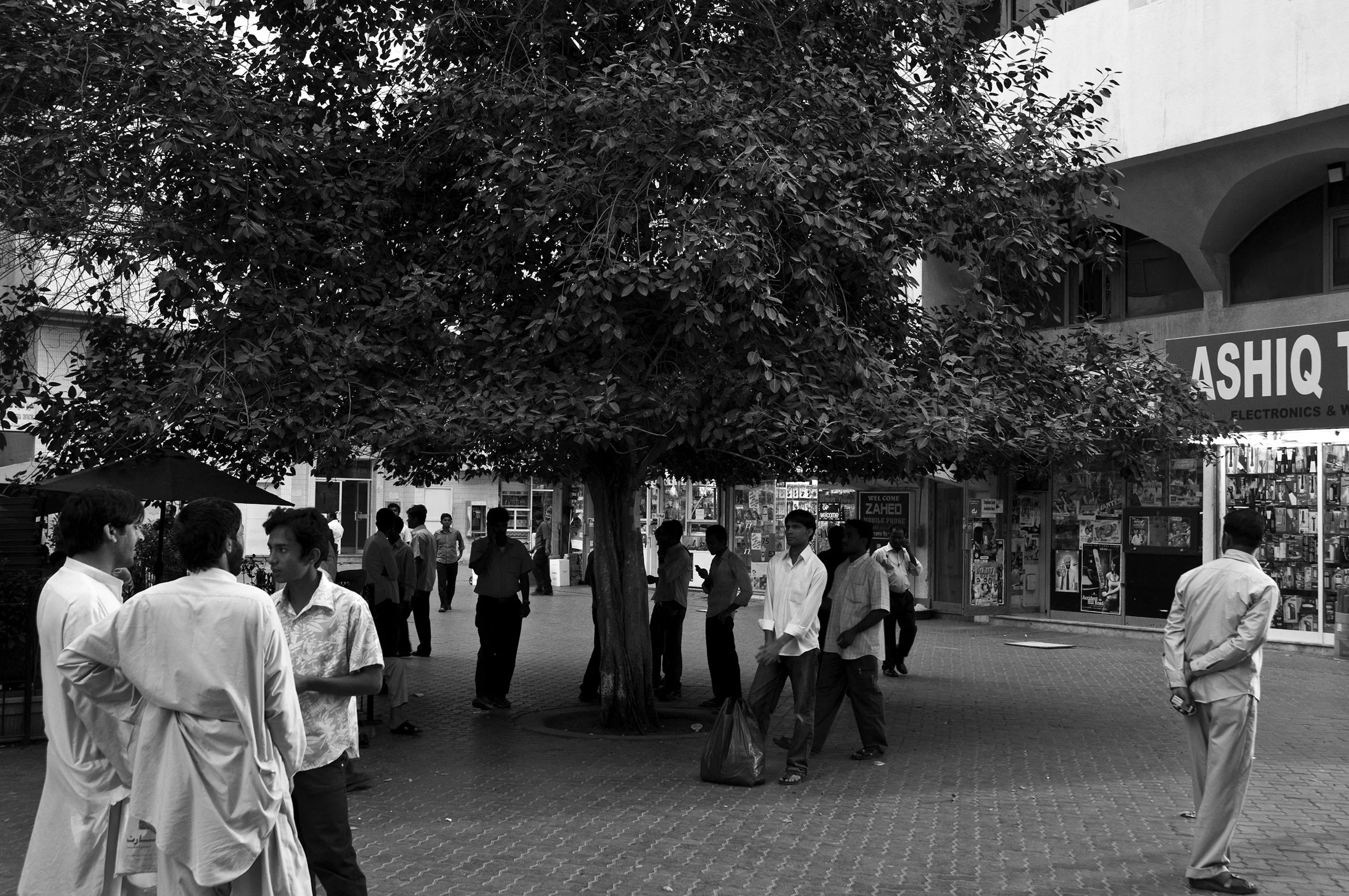
Chapter 6. Sheltering Space: Little Bangladesh in Abu Dhabi
This chapter examines “Little Bangladesh” in Abu Dhabi as a sheltering space where migrant workers temporarily counteract the city’s pervasive transience. Focusing on the “Square with the Tree,” it shows how an interstitial, largely invisible urban space becomes a site of refuge, sociality, and cultural continuity for Bangladeshi migrants. Through detailed mapping, time-lapse photography, surveys, and ethnographic observation, the chapter demonstrates how urban form—particularly the superblock—unexpectedly enables informal appropriation. Read through the lens of terrain vague, the square emerges as a liminal, ambiguous, and marginal space that sustains memory, belonging, and everyday life within a highly controlled city. It reveals migrant agency and resilience in the heart of the Temporary City.
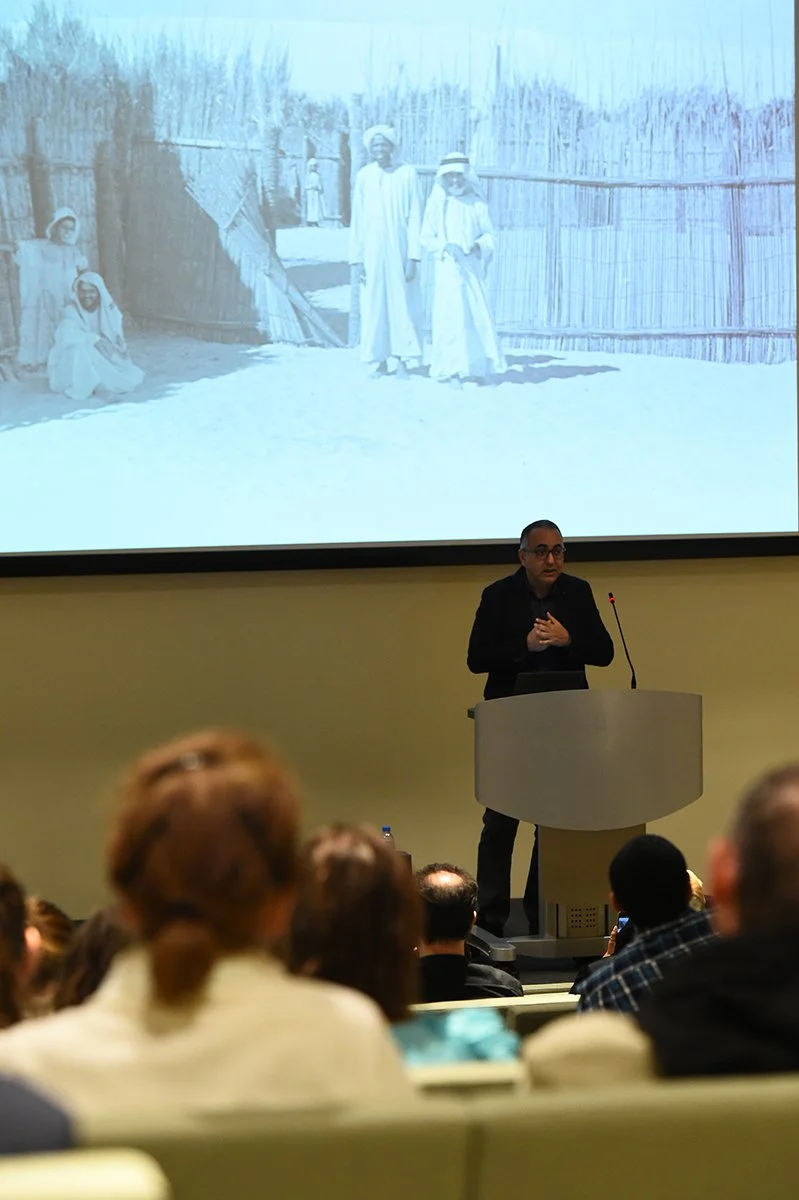
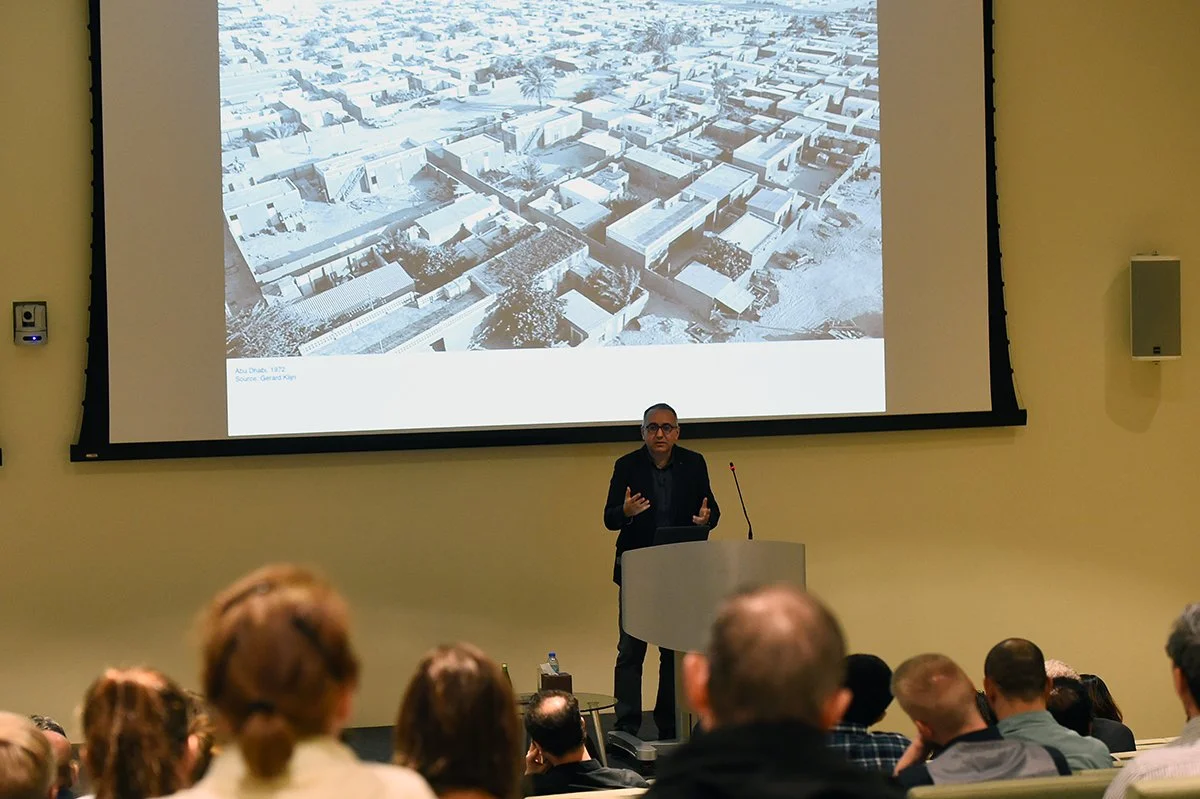
Terrain Vague: Interstitial Spaces Inside Abu Dhabi's Central Area. Lecture for NYU-AD, FIND Fellowship, January 28, 2014. Q&A and Presentation
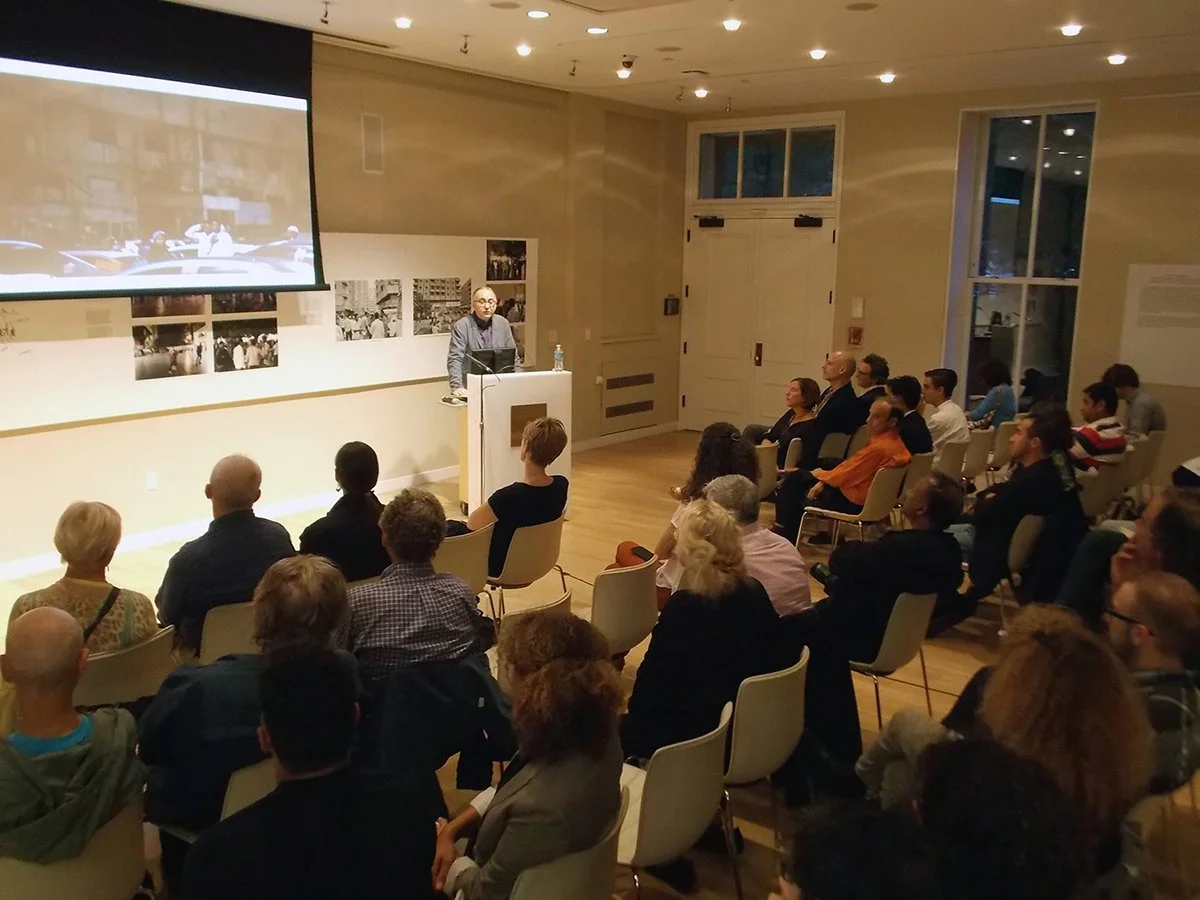
Public Lecture. NYU-Abu Dhabi.
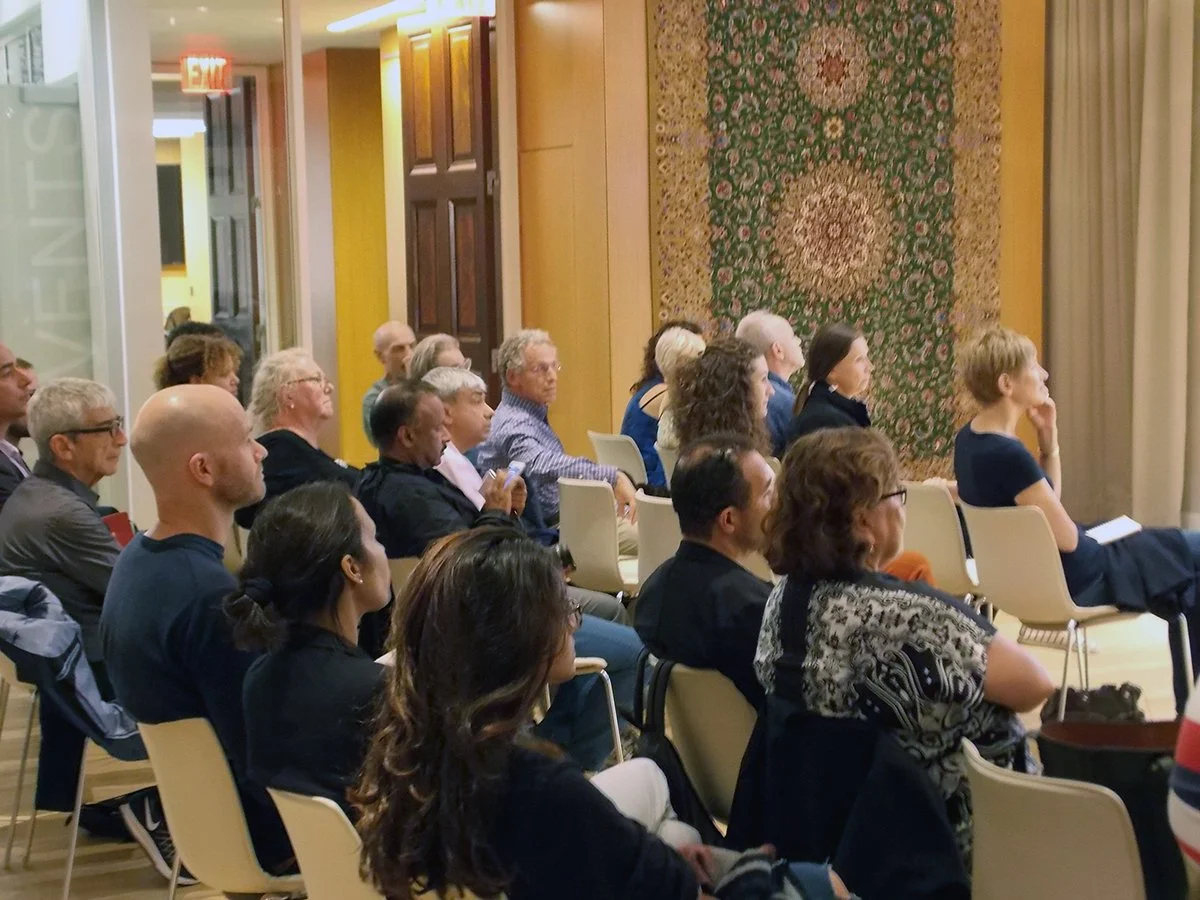
Mapping Abu Dhabi — Little Bangladesh.
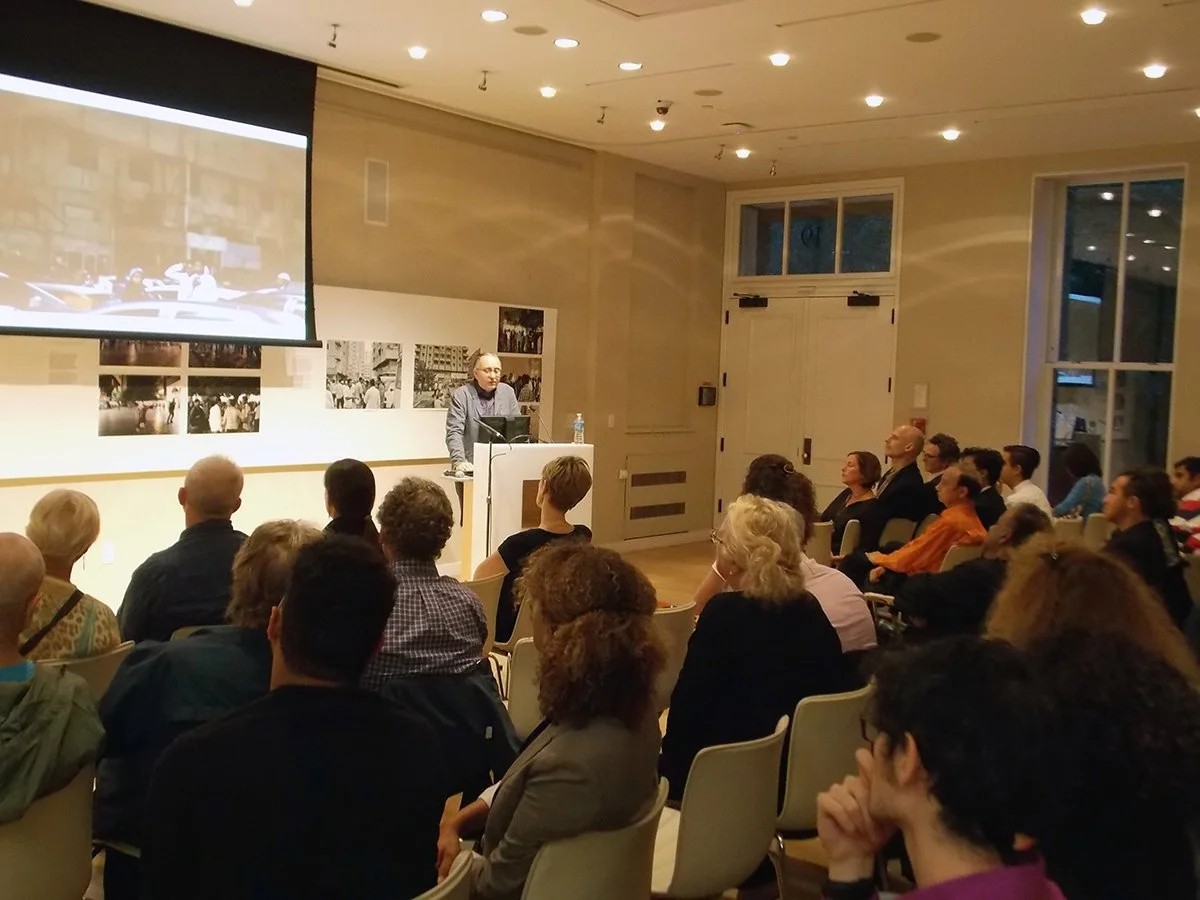
September 21, 2015. New York City.
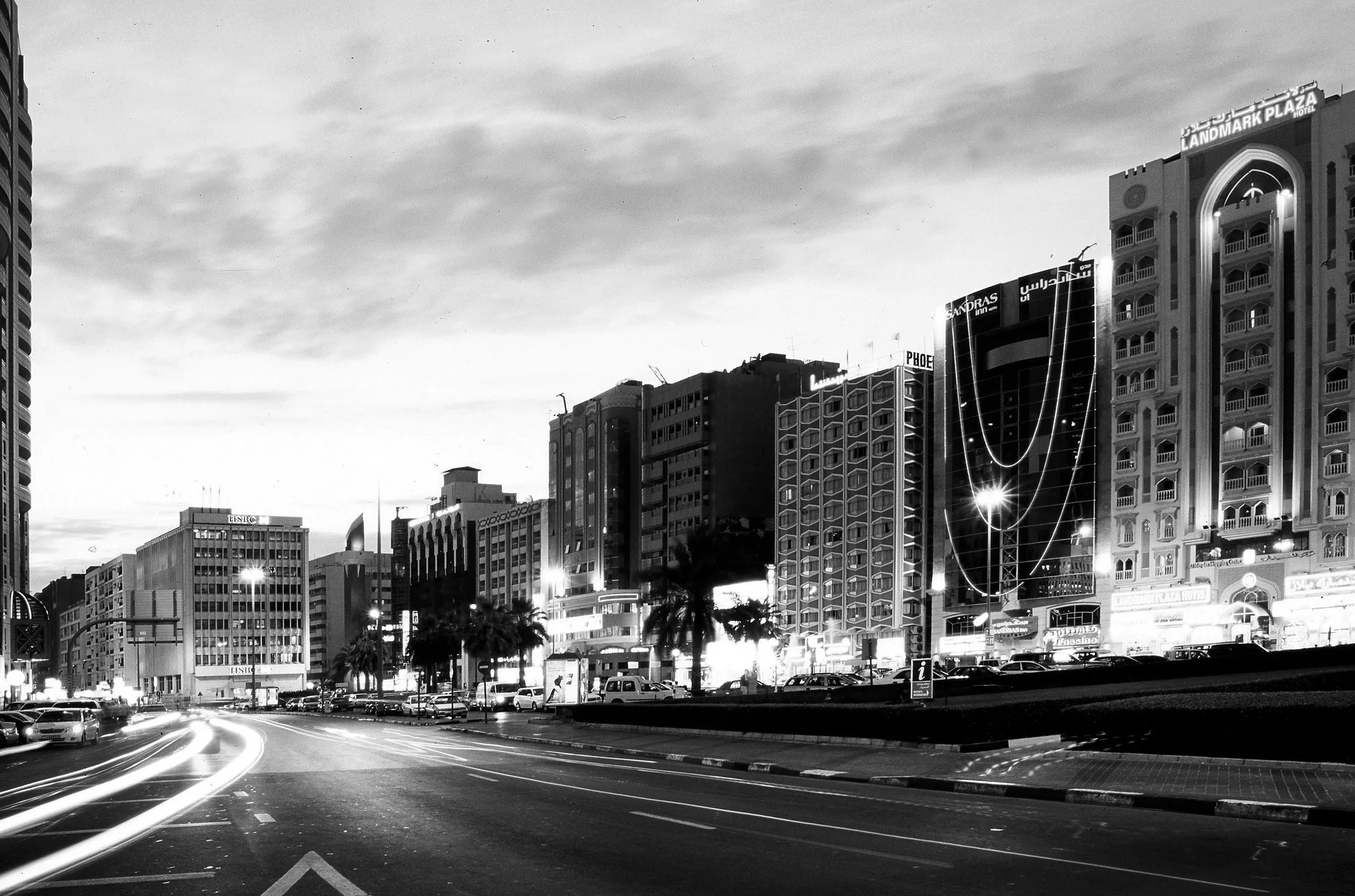
Chapter 7. Cosmopolitan Space: Encountering Diversity in Nasser Square
This chapter interrogates the notion of cosmopolitanism through an in-depth study of Nasser Square, a highly visible public space in the heart of Dubai. Drawing on long-term observation, behavioral mapping, and time-lapse analysis, it questions whether diversity and centrality translate into meaningful encounter, attachment, or resistance to transience. While often celebrated as a symbol of openness and multicultural coexistence, the square is shown to operate as a tightly controlled, performative space that ultimately reinforces impermanence and segregation. Yet, at its margins and in subtle everyday acts—sitting on lawns, informal trade, lingering, play—residents momentarily subvert official scripts. The chapter reframes Nasser Square as a conflicted urban setting where cosmopolitanism masks, yet occasionally unsettles, the logic of the Temporary City.
Public Lecture. Canadian Center of Architecture (CCA). Montreal. September 29, 2011. Learning From … Series. Lecture: “Little Space-Big Space: Lessons from Dubai.”
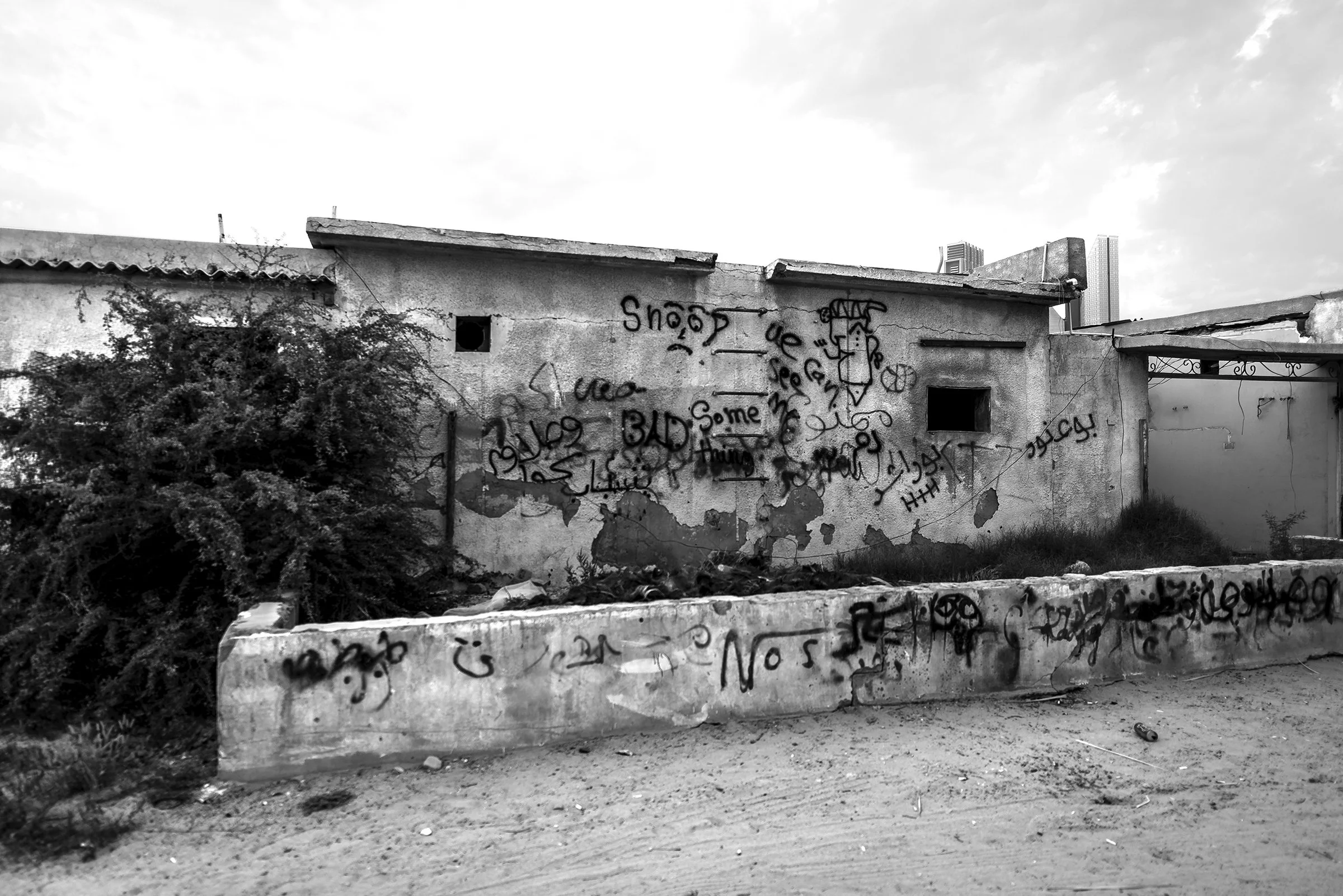
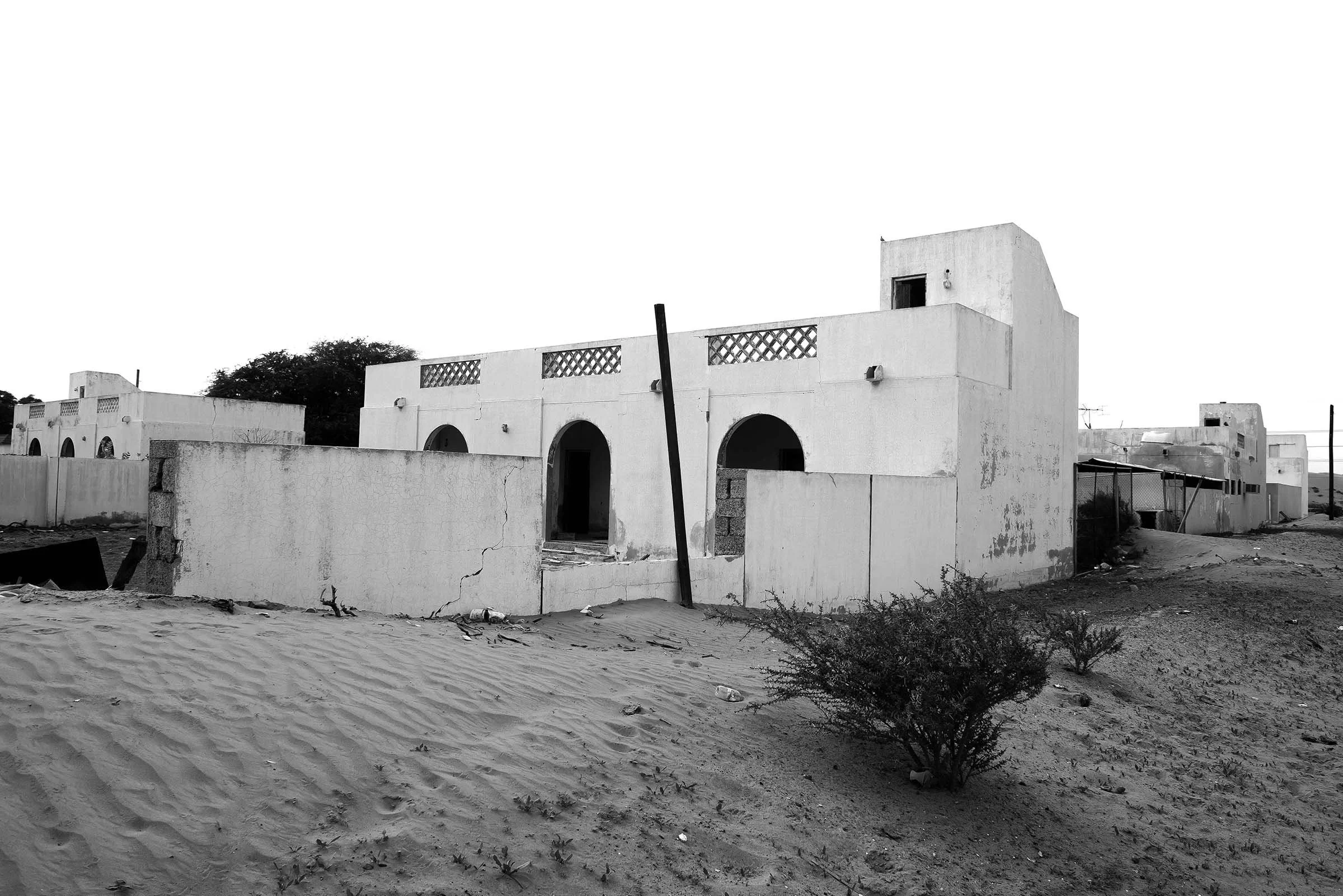
Sha’abiya Al-Shorta, Dubai & Biyatha, Um Al Quwain
Chapter 8. Local Space: the Emirati National House
This chapter examines the Emirati Sha’bī (national) house as a form of local space through which residents resist the transience embedded in Gulf urbanism. Shifting focus from migrant public spaces to domestic environments, it traces how a state-led housing program—originally conceived as temporary and disposable—became a site of attachment, memory, and incremental transformation. Through archival research, morphological analysis, fieldwork, and personal narratives, the chapter shows how residents modified, personalized, and expanded their homes over time, asserting dwelling in a Heideggerian sense. The Sha’bī house emerges as an architecture of resistance, where everyday acts of care, gardening, and adaptation challenge planned impermanence and affirm rootedness in a rapidly changing city.
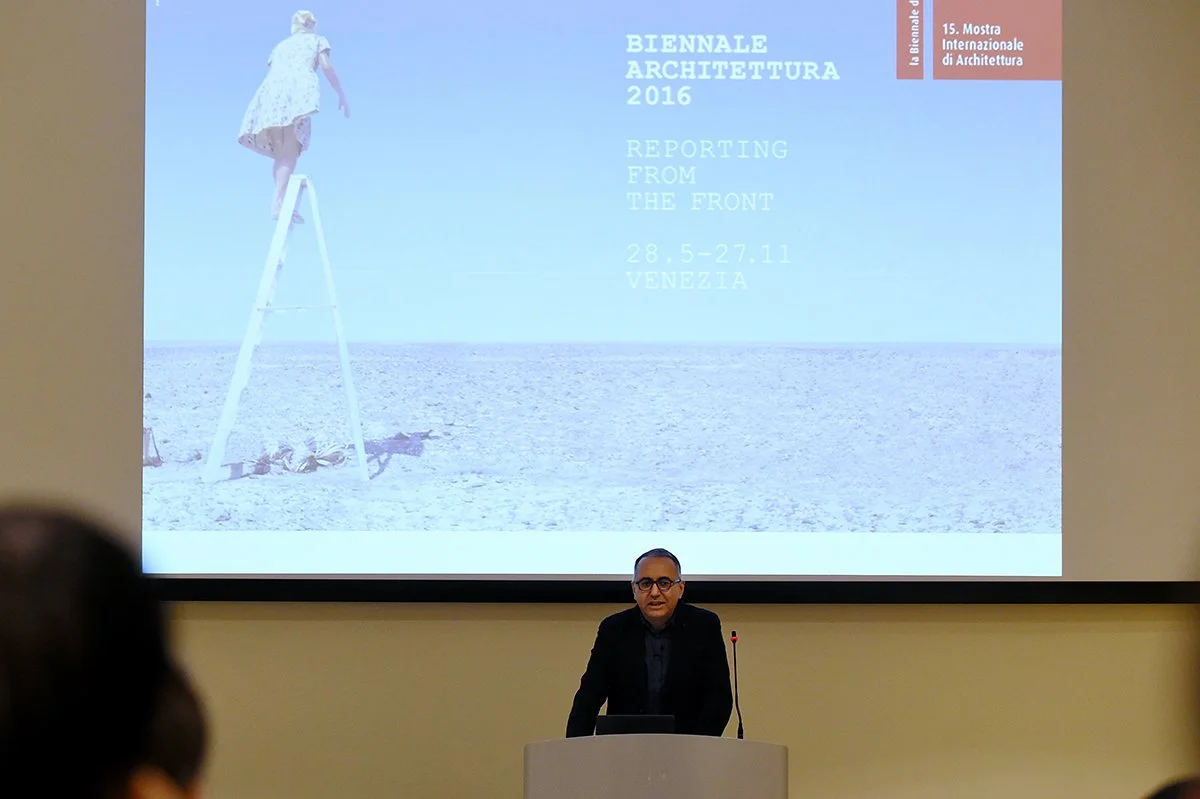
Timelapse: Construction and opening of the UAE National Pavilion at the 2016 Venice Architecture Biennale.
SAT Research Initiative Webinar. The Sha’abi House Revisited: Resisting Transience in the UAE. Dr Yasser Elsheshtawy. 2022
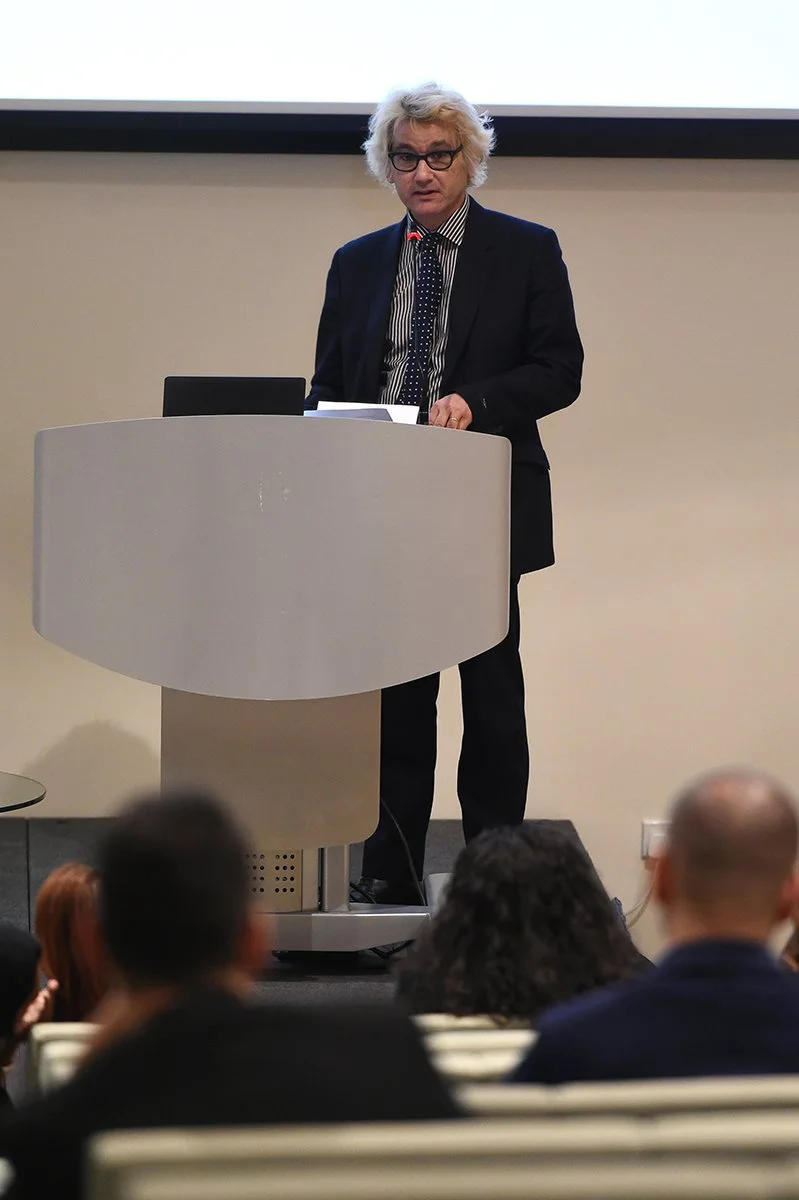
Public Lecture. NYU-AD.
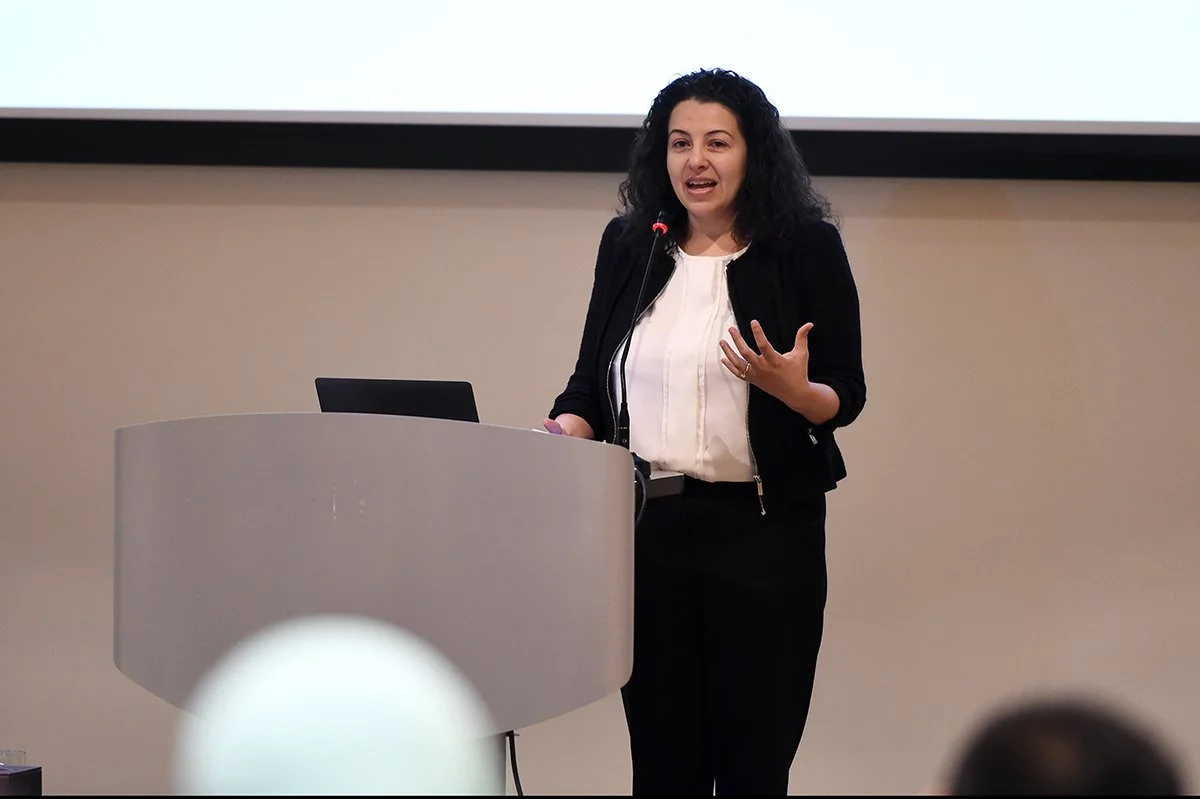
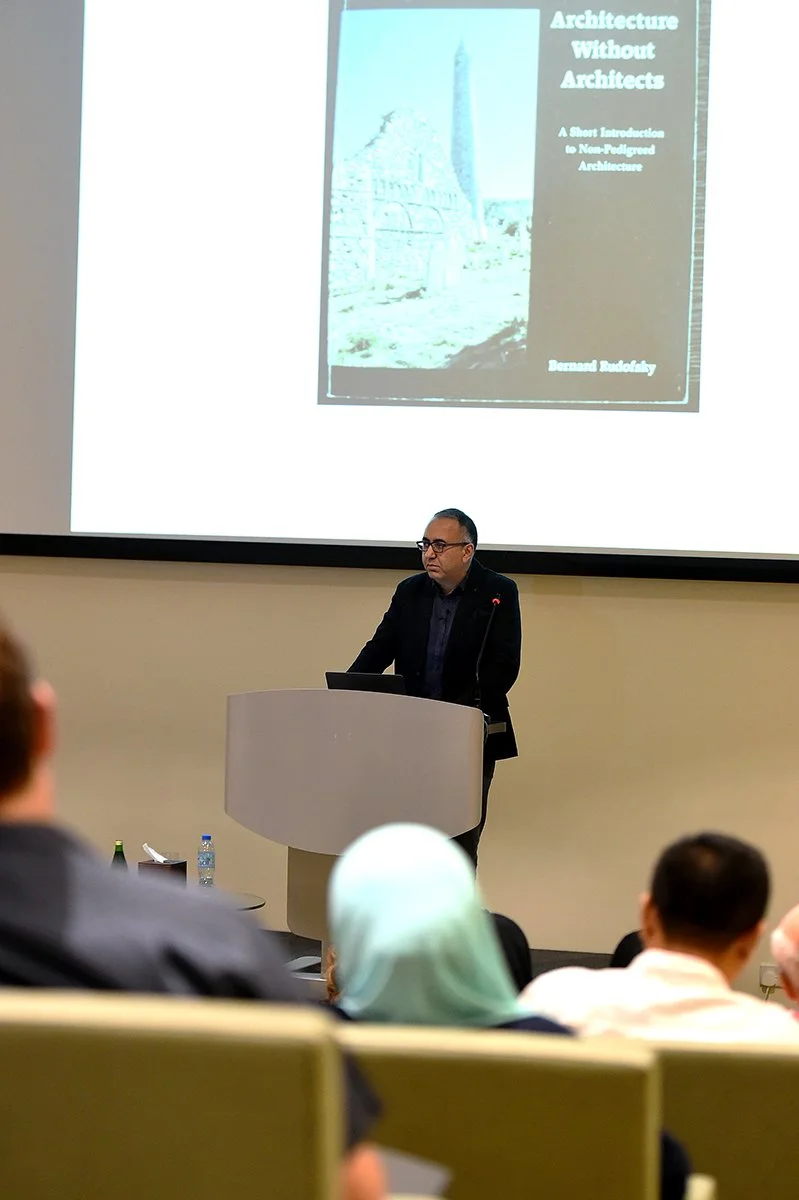
Architecture without Architects.
Abu Dhabi, October 16, 2016
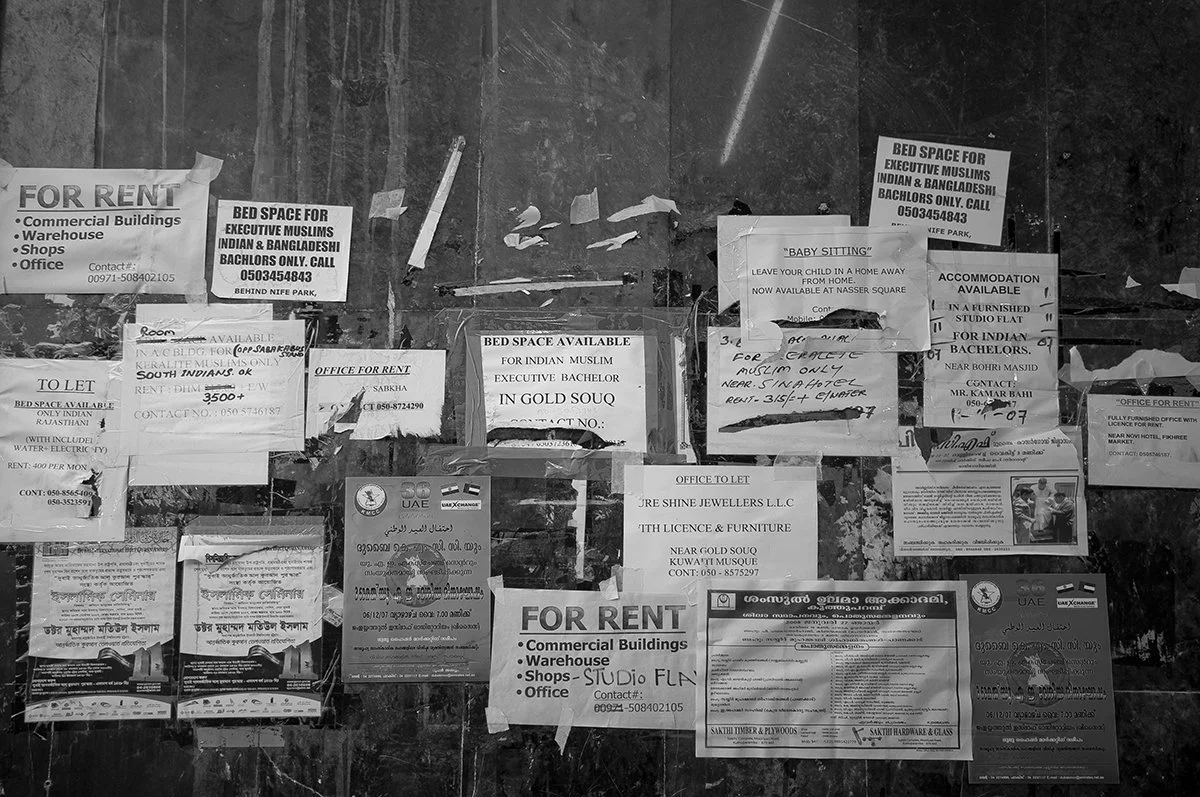
Advertisements/flyers on lampposts and walls in Abu Dhabi for shared accommodations
Chapter 9. Transience & Gulf Exceptionalism
This chapter interrogates the debate on Gulf exceptionalism by examining transience as both an urban condition and a lived experience in the Arab Gulf city. Drawing on personal narratives, blogs, literary accounts, and demographic and environmental data, it argues that Gulf cities are exceptional in the degree to which impermanence is institutionalized through labor, citizenship, and planning policies. At the same time, the chapter resists simplistic binaries by situating Gulf urbanism on a spectrum that is both exceptional and ordinary. While demographic imbalance and environmental precarity expose the vulnerability of these cities, everyday acts of appropriation and resistance reveal shared, global struggles for belonging. The chapter concludes by framing transience as a critical threat to the long-term viability and justice of Gulf urban futures.
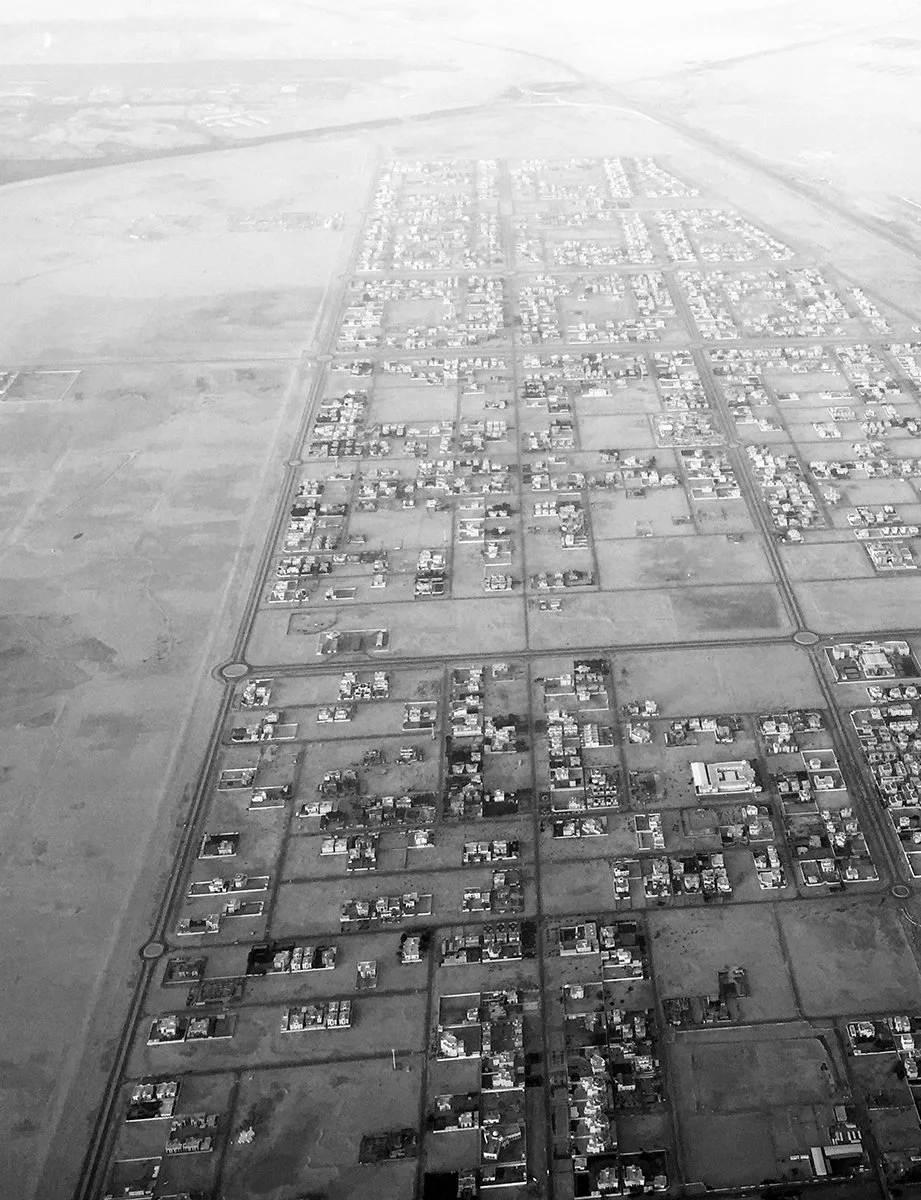
Lines in the Sand. Abu Dhabi
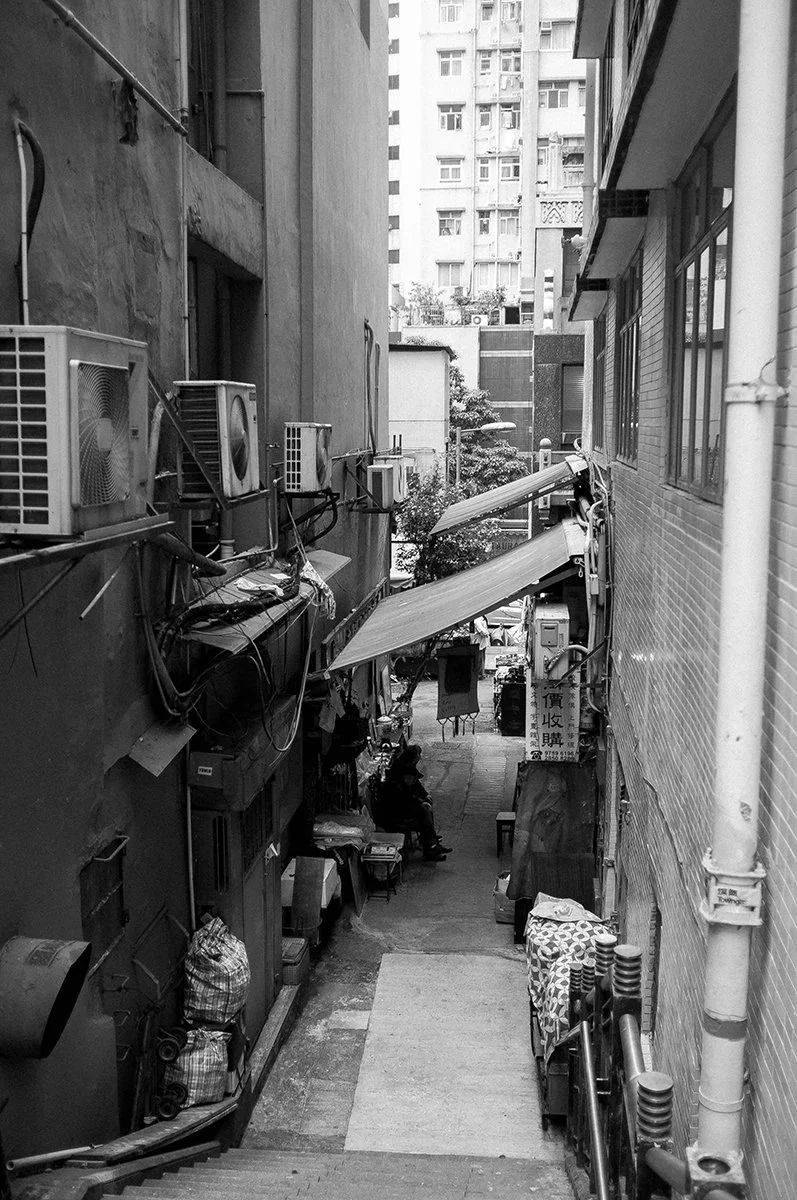
Alleyway. Hong Kong
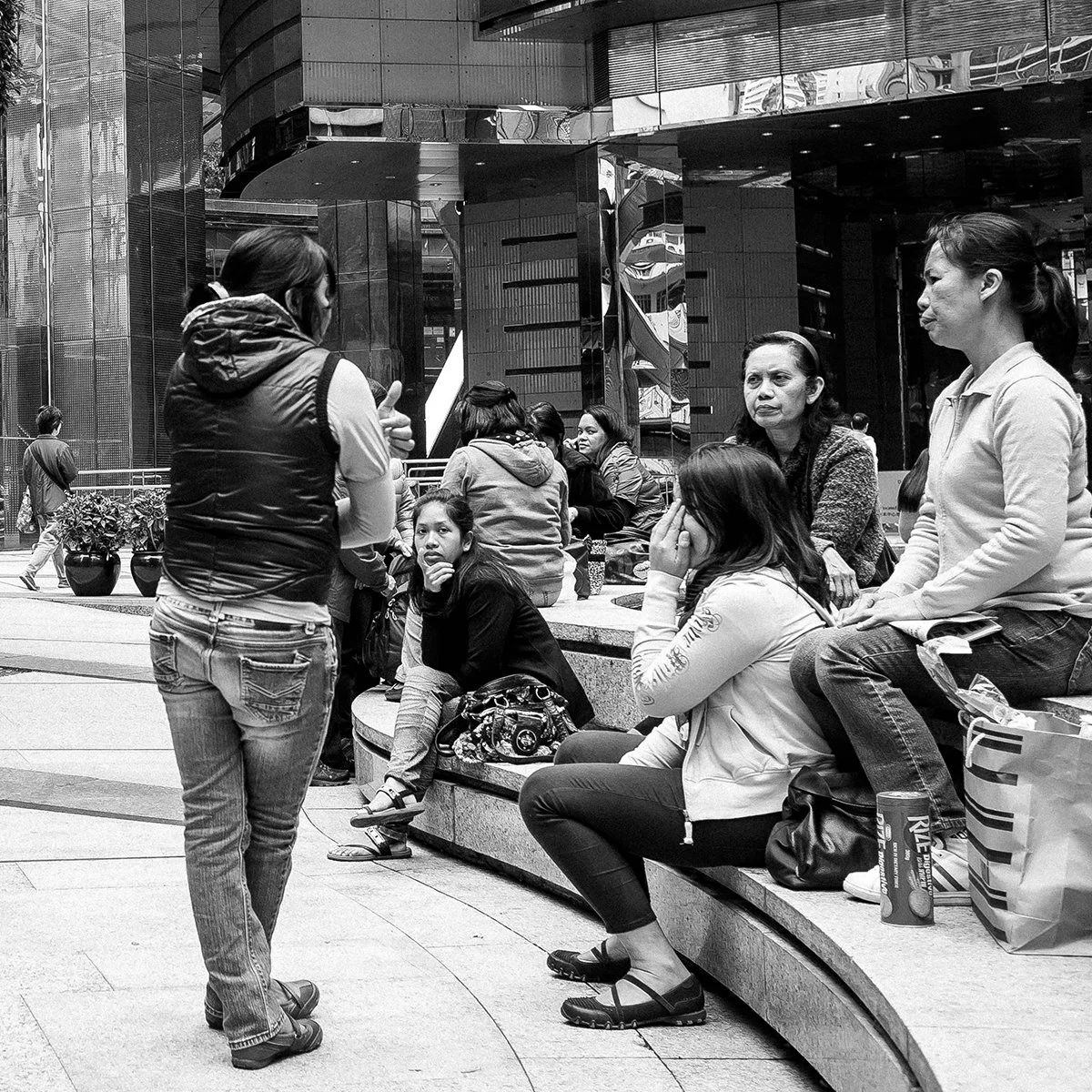
Maids in Hong Kong. Central
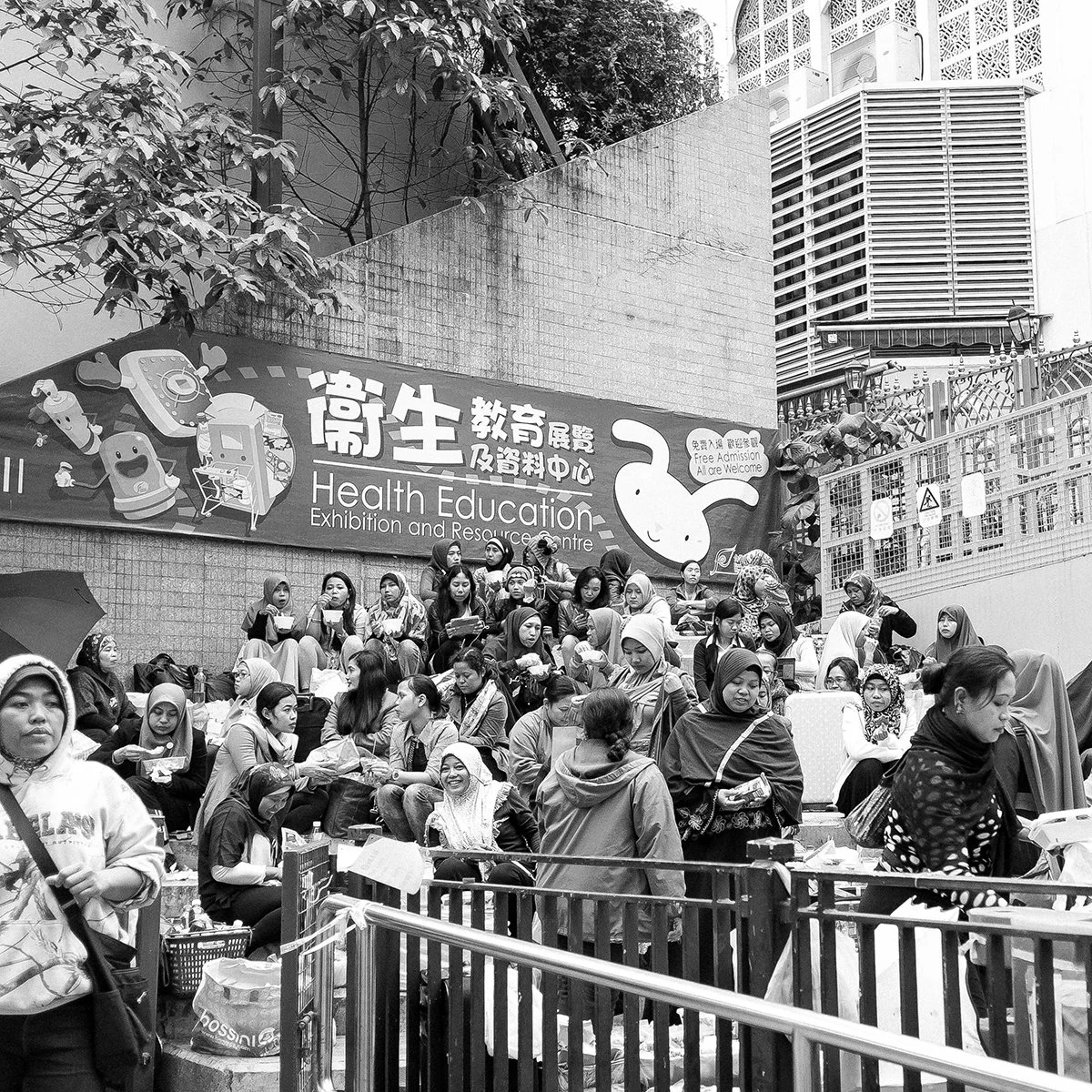
Maids in Hong Kong. Kowloon
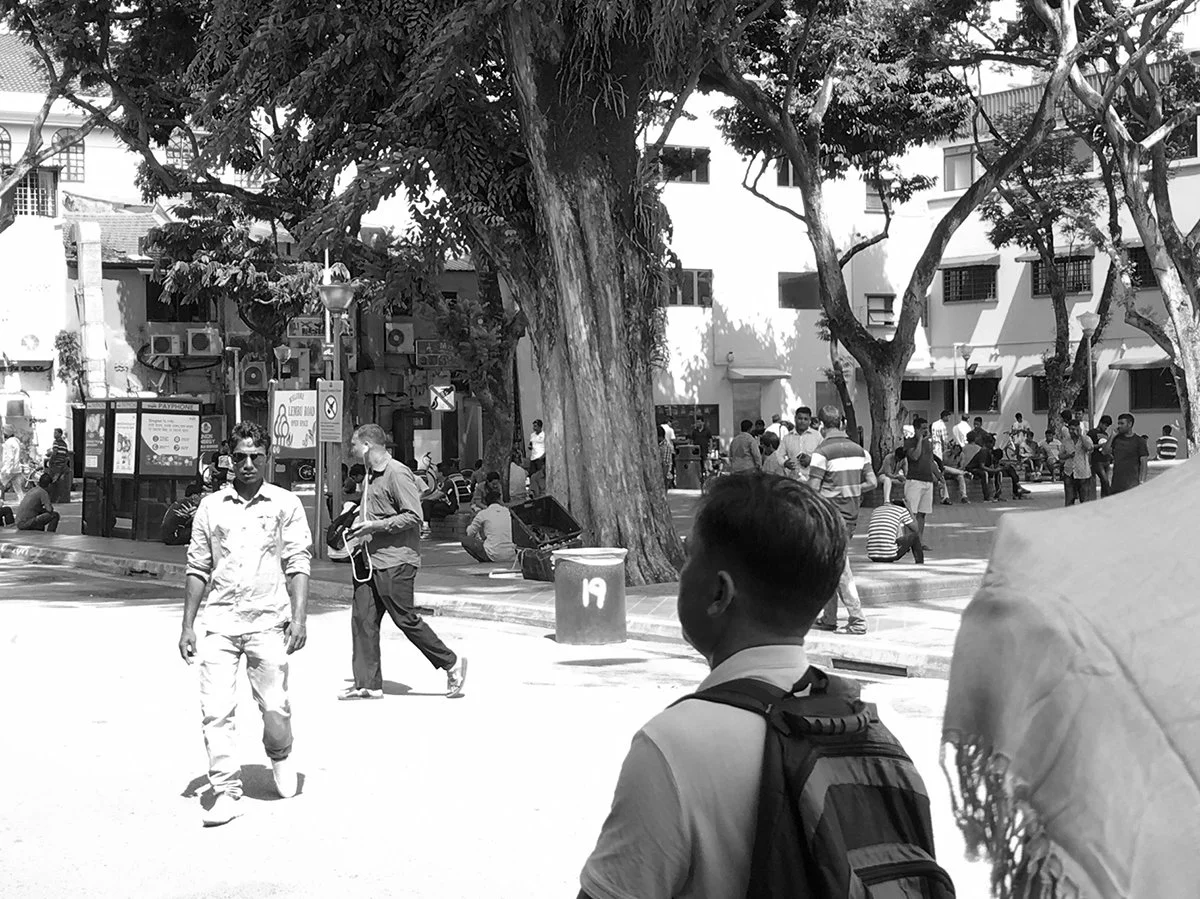
Square with a Tree. Singapore (Photo: Aurelie)