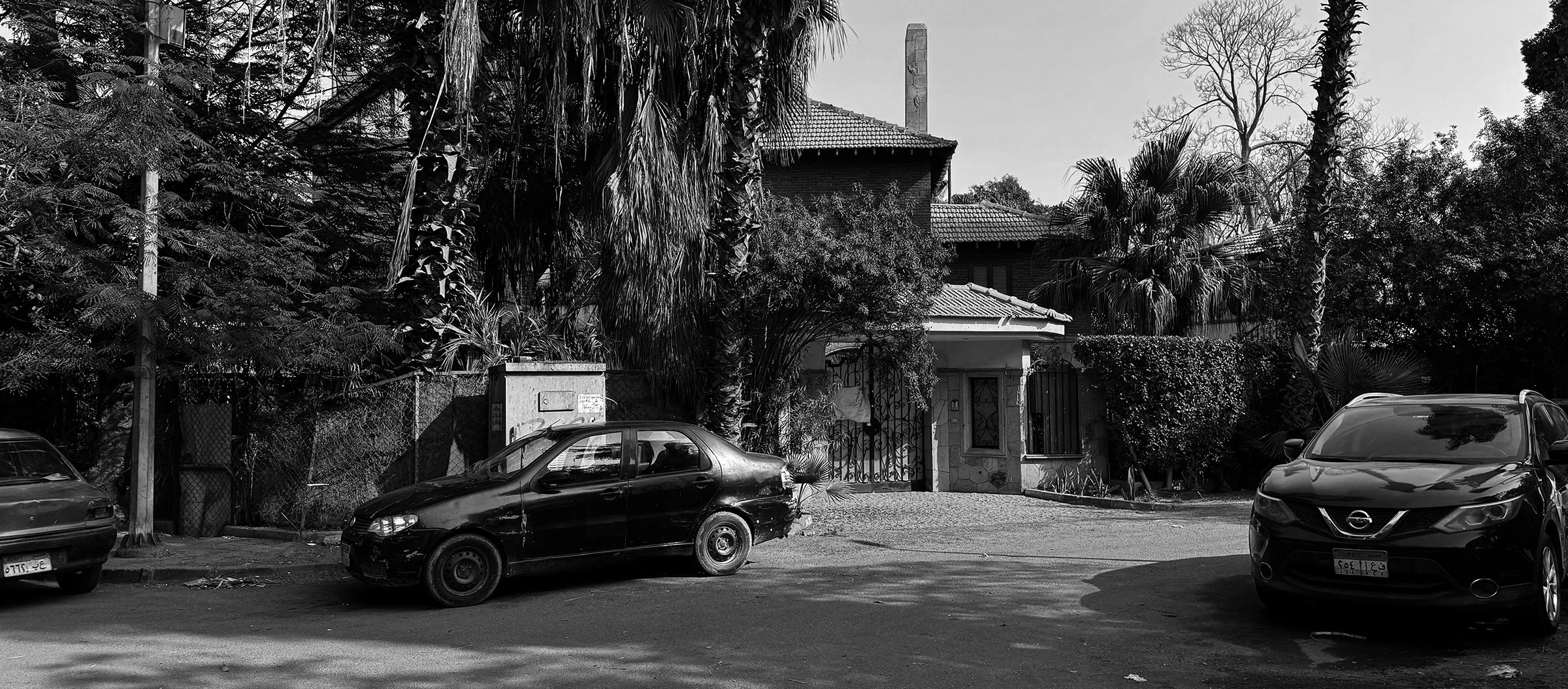
Clubs, Coffee, Art & Community: The Architecture of Belonging in Maadi
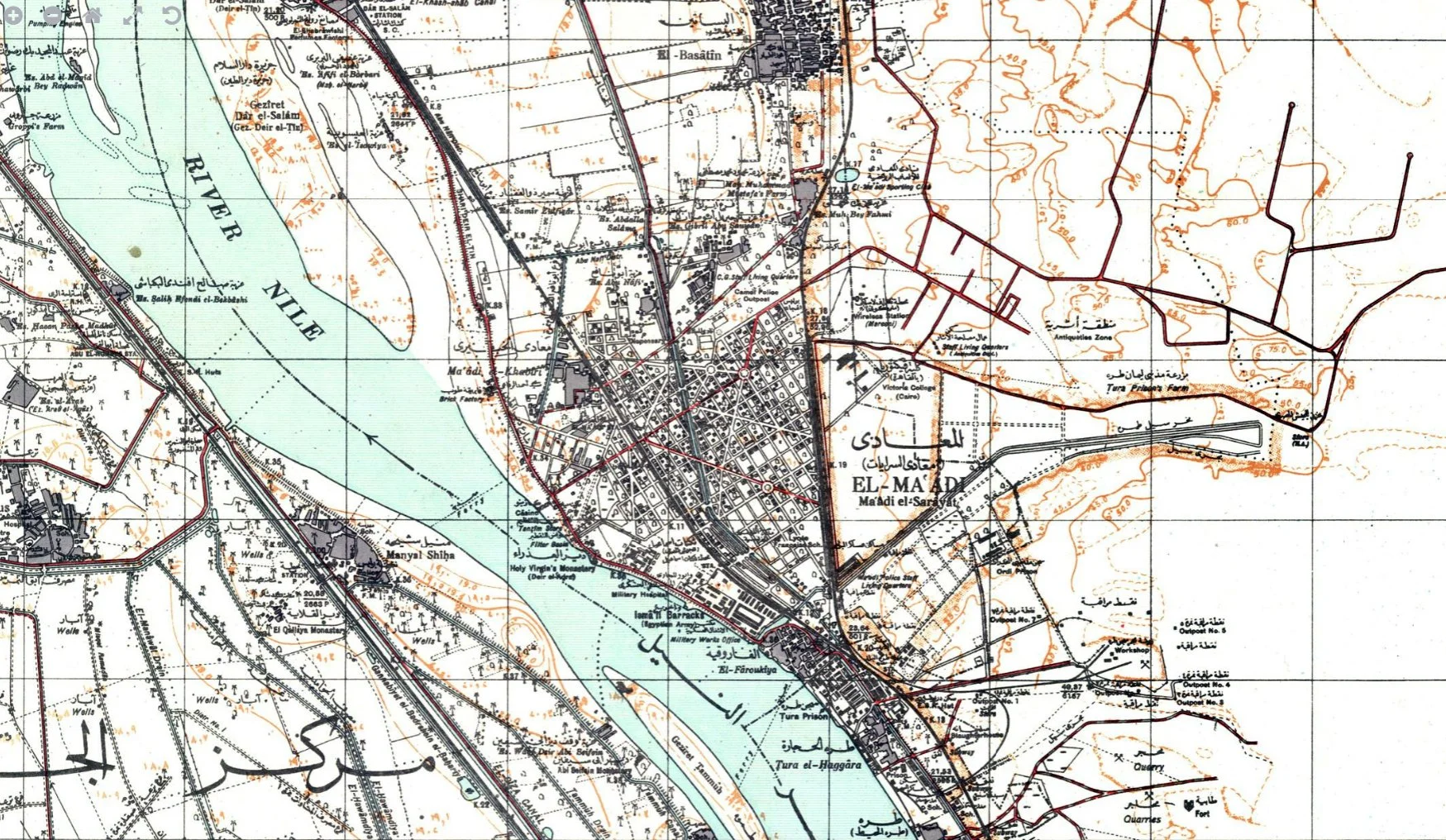
Maadi is one of Cairo’s most distinctive districts, a place that has always stood slightly apart from the rest of the city. Located along the east bank of the Nile, about twelve kilometers south of the center, it was never an organically grown neighborhood but the product of deliberate planning. In 1904, the Egyptian Delta Land Company, under the Canadian engineer Alexander Adams, laid out Maadi as a garden suburb. The idea was to create a quiet, green enclave of tree-lined avenues, spacious villas, and generous gardens—a stark contrast to the density of central Cairo.
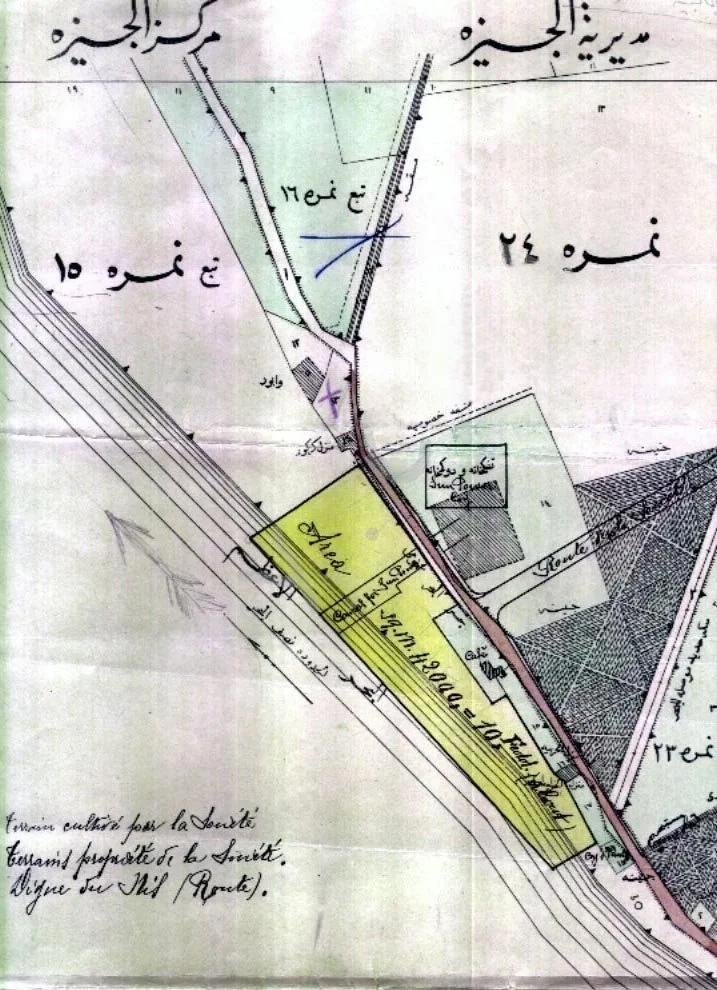
1901
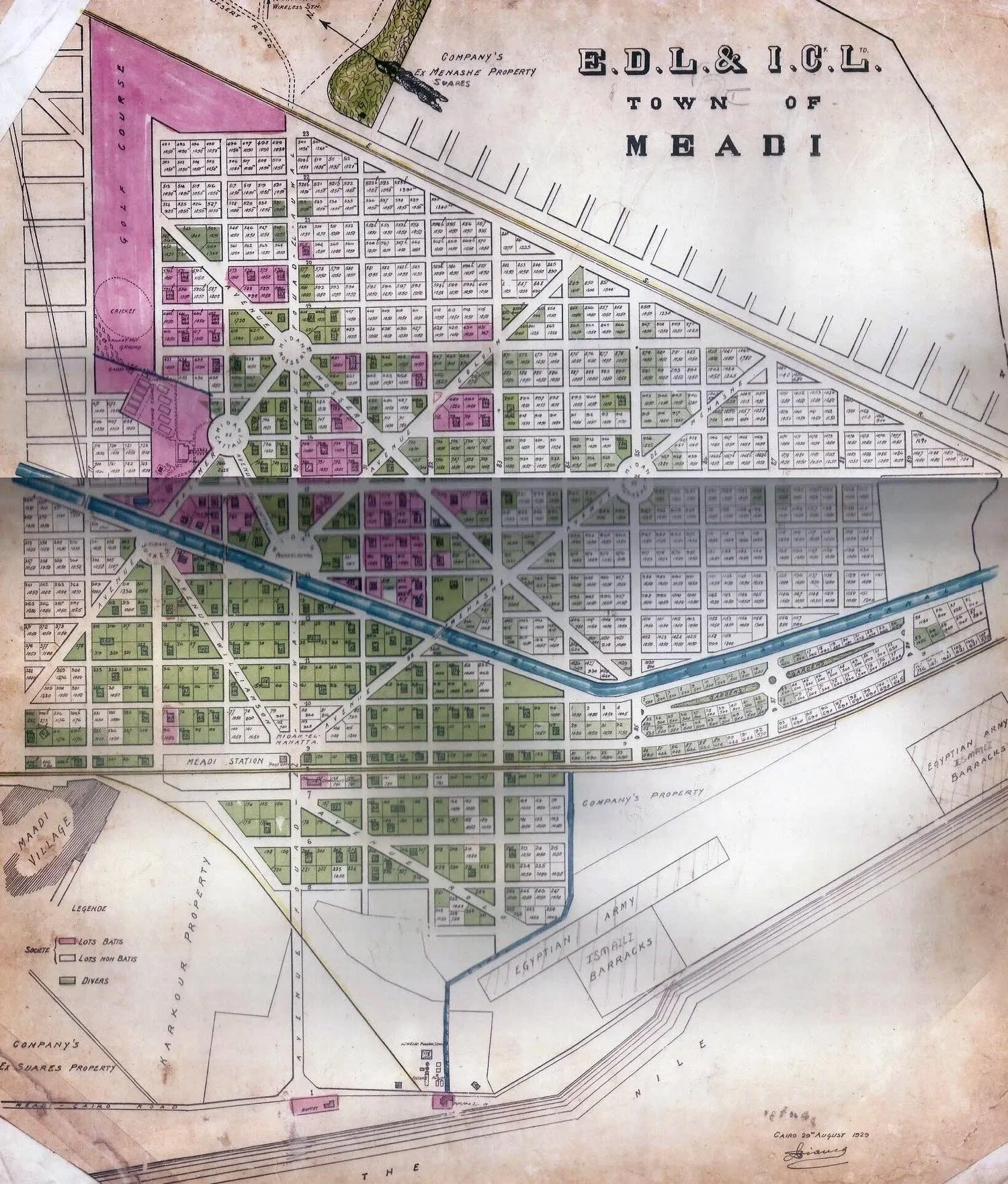
1925
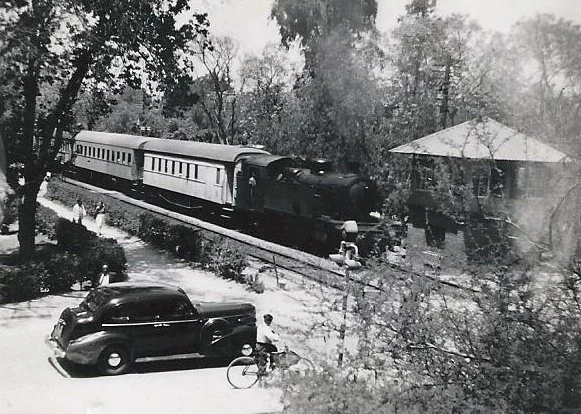
Railway crossing. 1940s
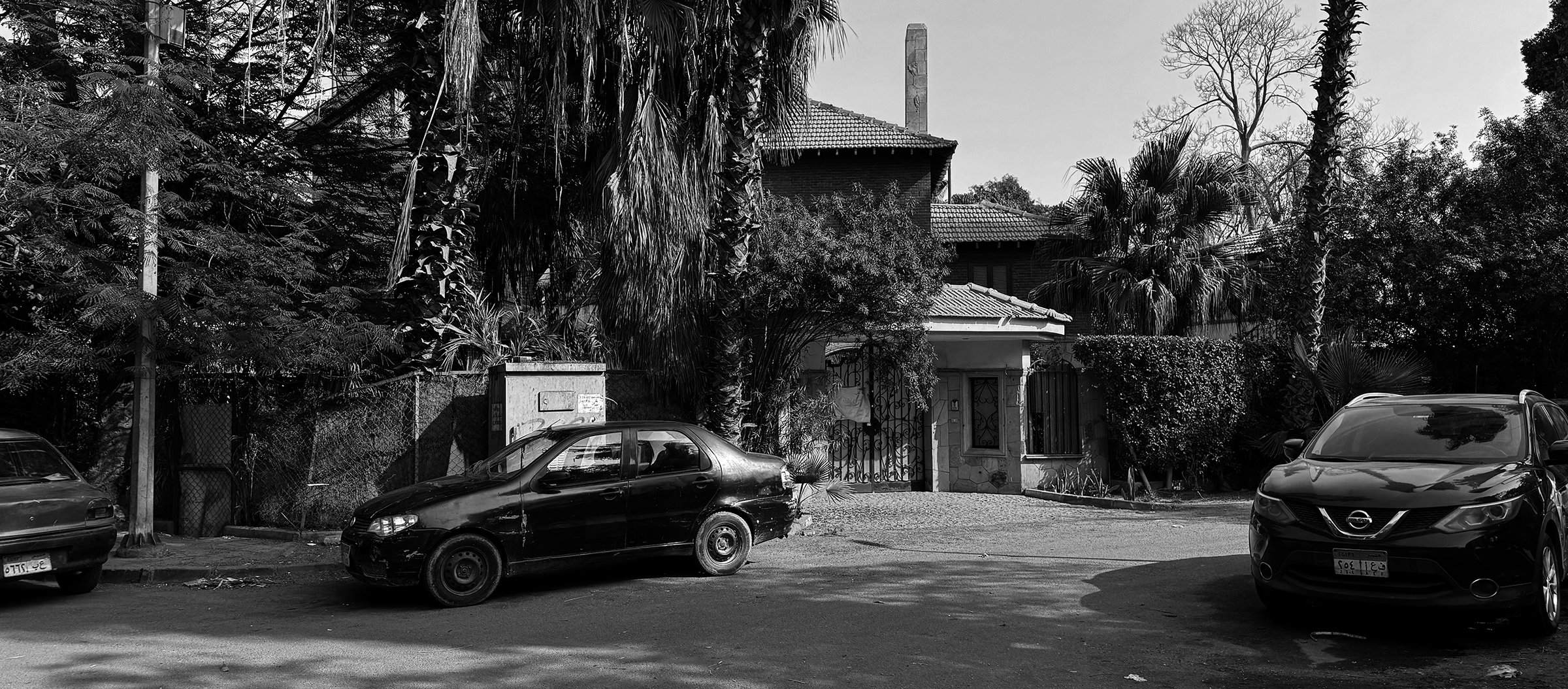
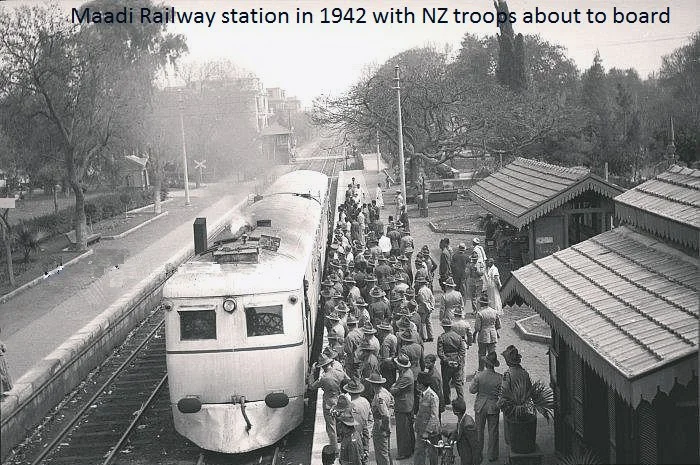
1942
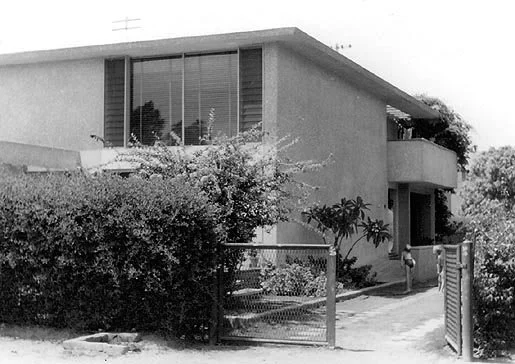
Modernist Villa. 1952
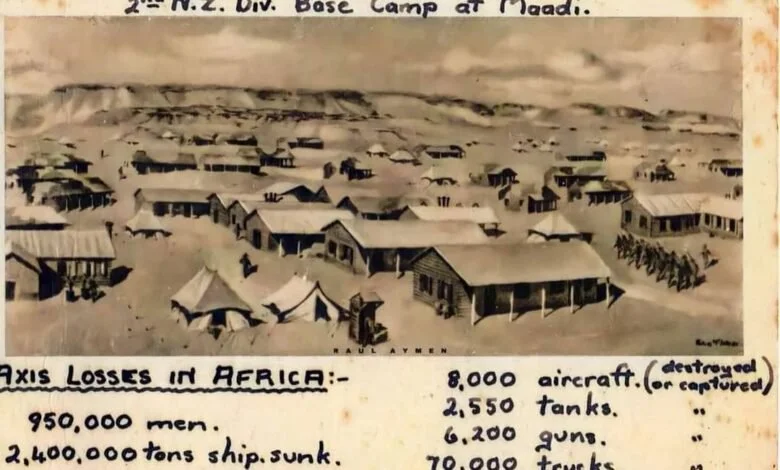
Original Military Encampment. 1902
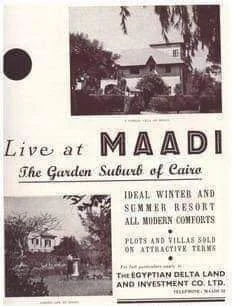
Advertisement
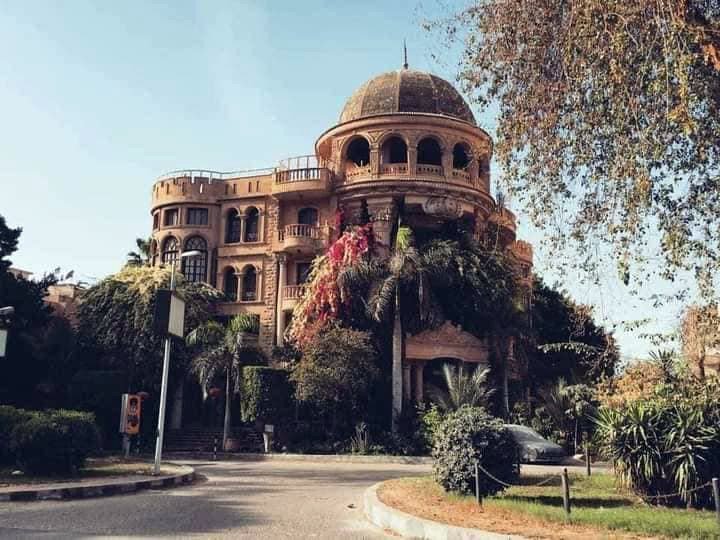
Villa. 1950s
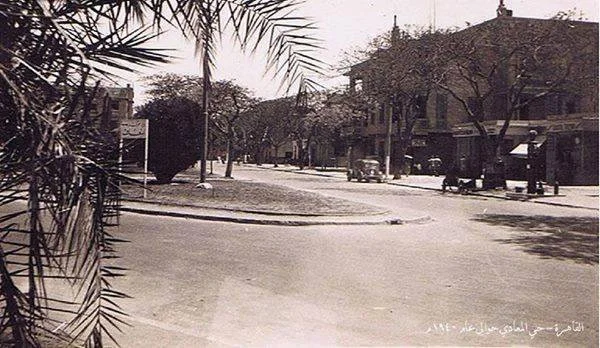
1940
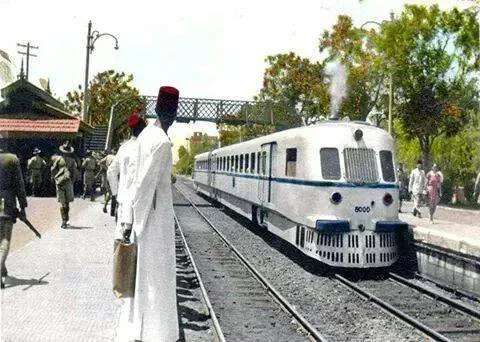
Metro Station. 1940s
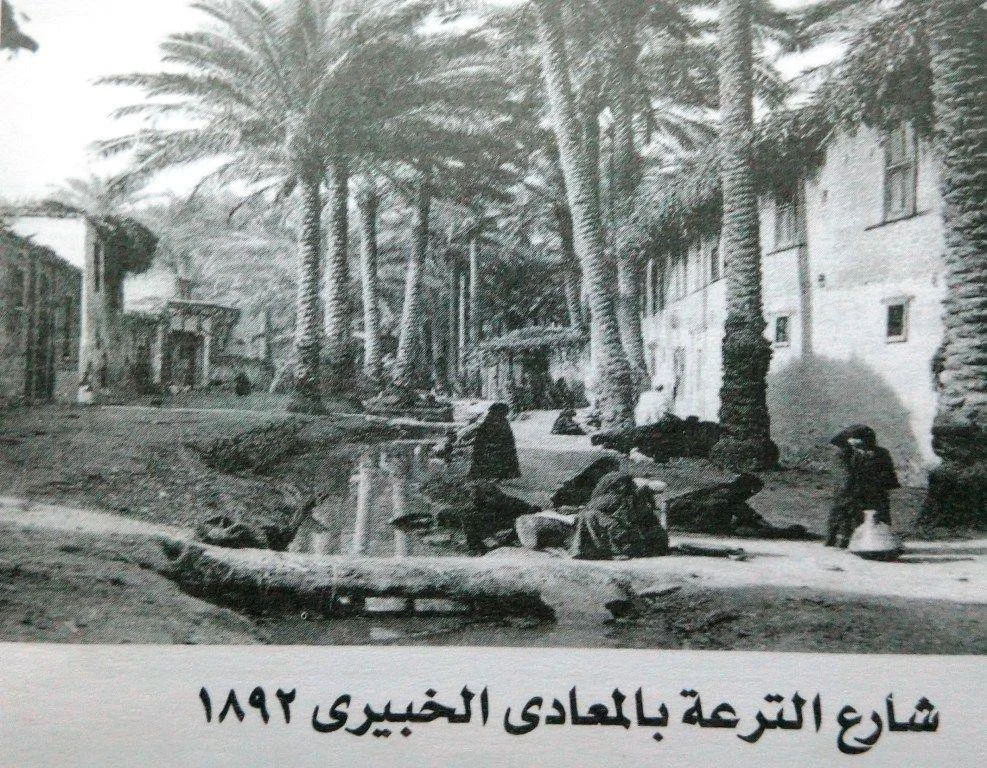
Original Village. 1892
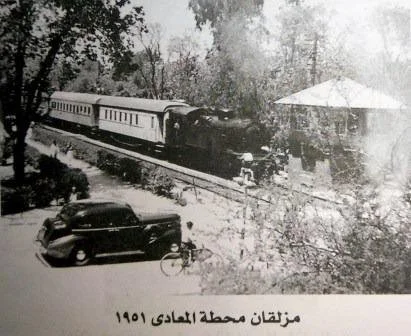
Railway Crossing. 1951
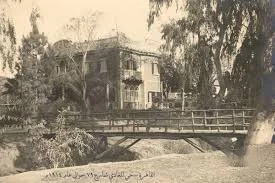
1914
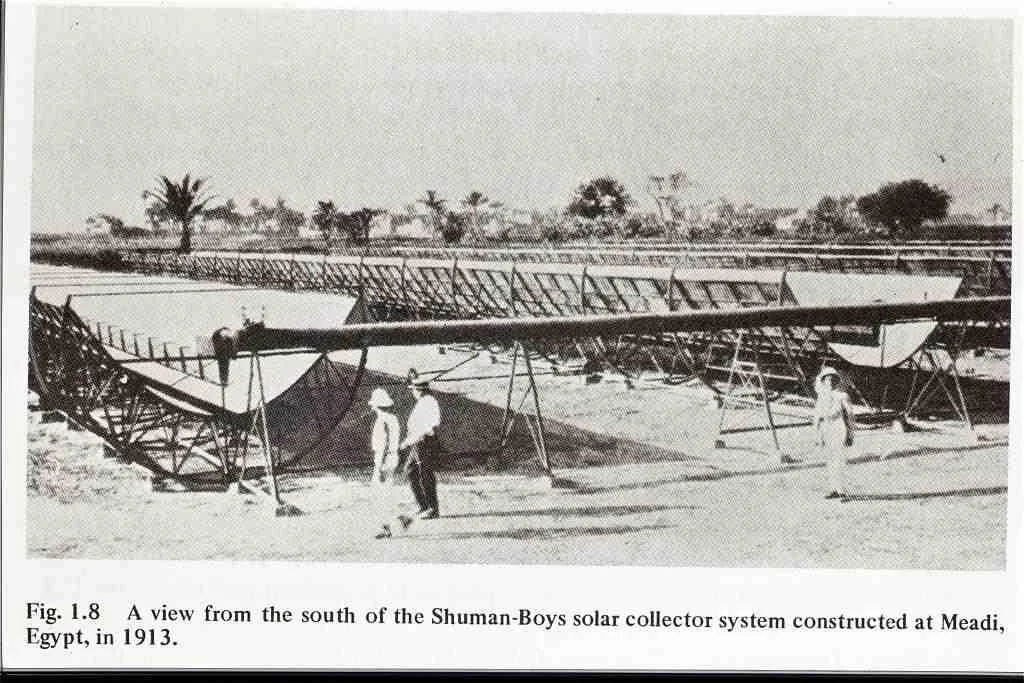
Solar Panels. 1913
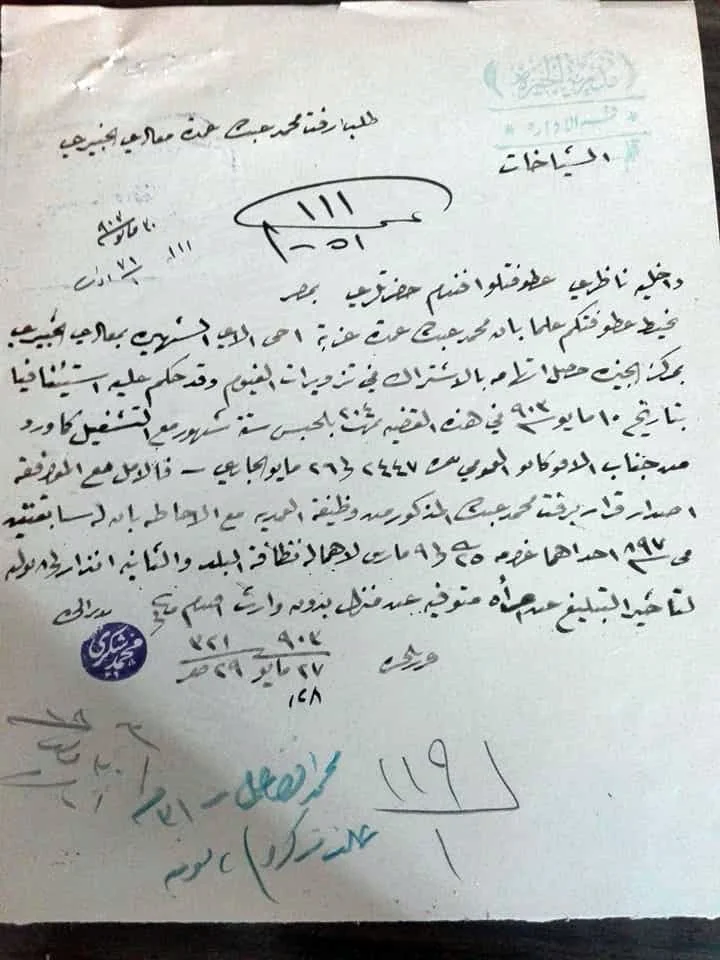
Decree Removing the Mayor of Maadi. 1902
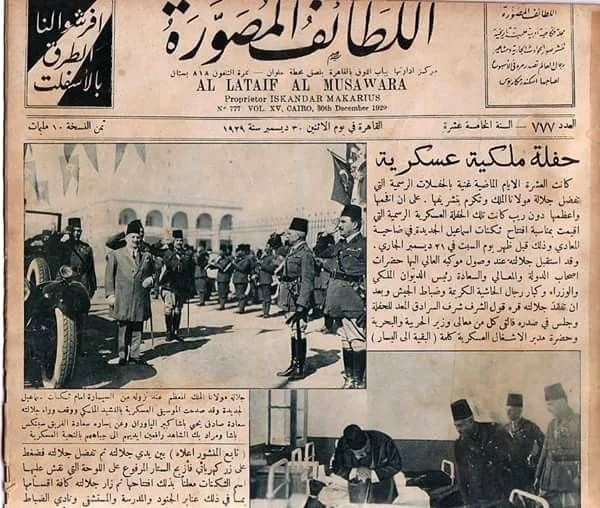
King Fouad visiting Maadi Encampment. 1929
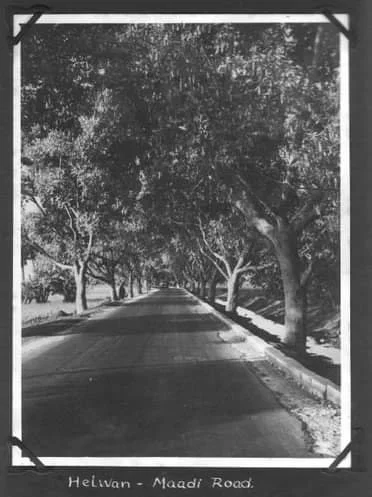
Maadi-Helwan Road. 1942
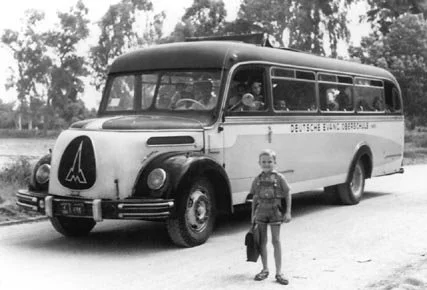
German School (DEO) bus picking up students on Road 20
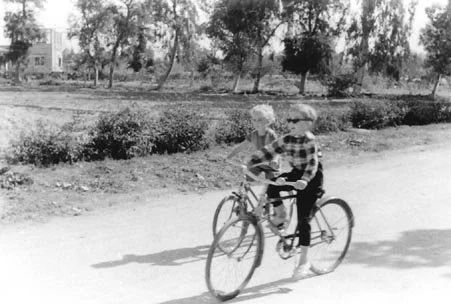
Richter children cycling on Road 20 with Taher Bey Lozi's "funhouse" seen at end of Road 82 where it intersects Road 21
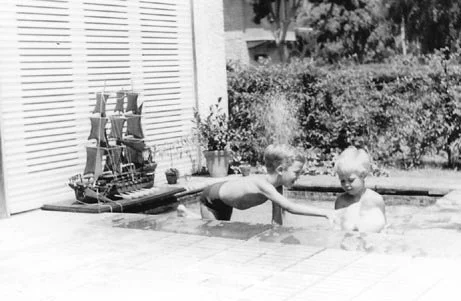
Playing in tiny pool at 20 Road 20
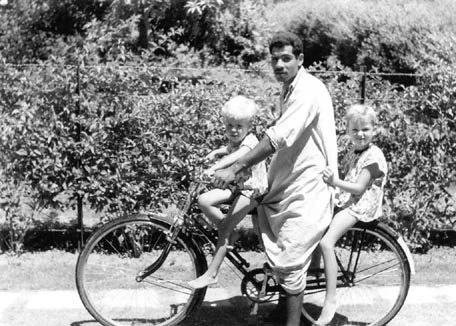
With gardener Hussein
Maadi Social Club
At the heart of Maadi’s social life is the Maadi Sporting and Social Club, founded in the 1920s during the suburb’s formative years. One of Cairo’s oldest and most prestigious sporting institutions, it was conceived to serve the expatriates and upper-middle-class Egyptians settling in the area. Its grounds—tennis courts, swimming pools, football fields, and equestrian facilities—embodied the suburb’s vision of healthy, outdoor living. It was in the Maadi Club that I first began to form my lifelong habit of swimming. Its pool was where I practiced lap after lap, building a rhythm that would stay with me well into adulthood. In more recent years, the club became a place of quiet retreat. I would spend mornings on the terrace overlooking the croquet field, drinking Turkish coffee and eating simple snacks, reading or working on my laptop. The atmosphere was, and remains, peaceful, removed from Cairo’s relentless pace, and surprisingly affordable—a reminder that even within the city’s exclusive enclaves, there remain pockets of genuine calm and accessibility.
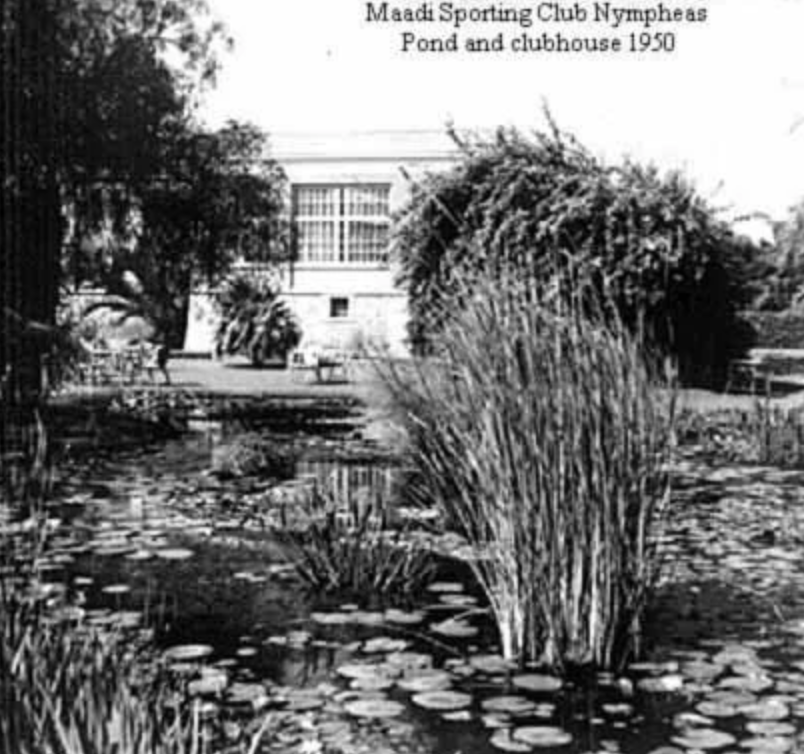
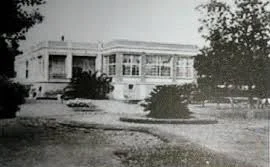
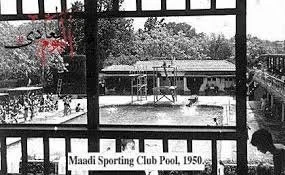
The Croquet Field & Clubhouse
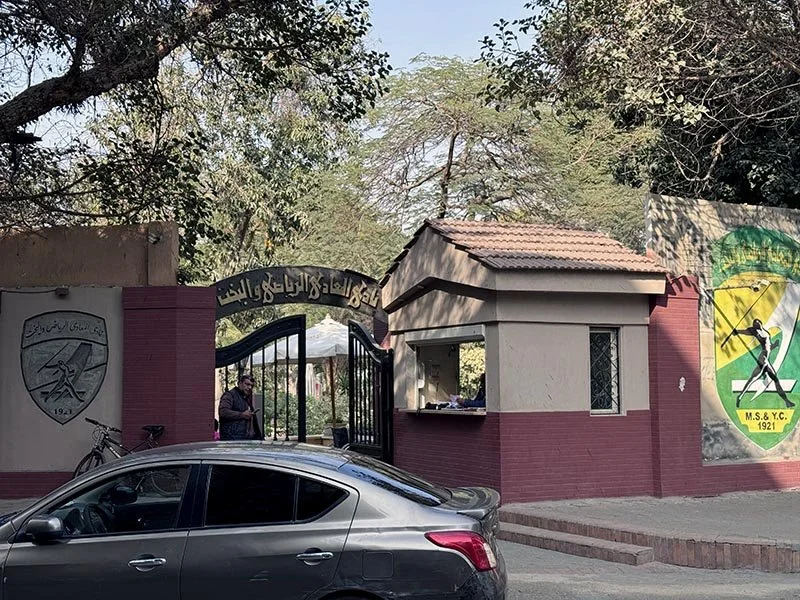
Maadi Club Entrance
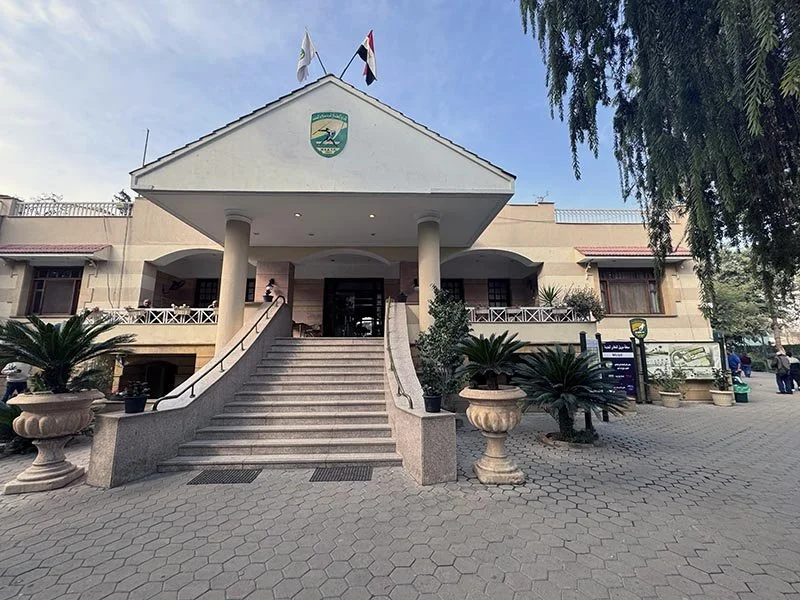
Clubhouse
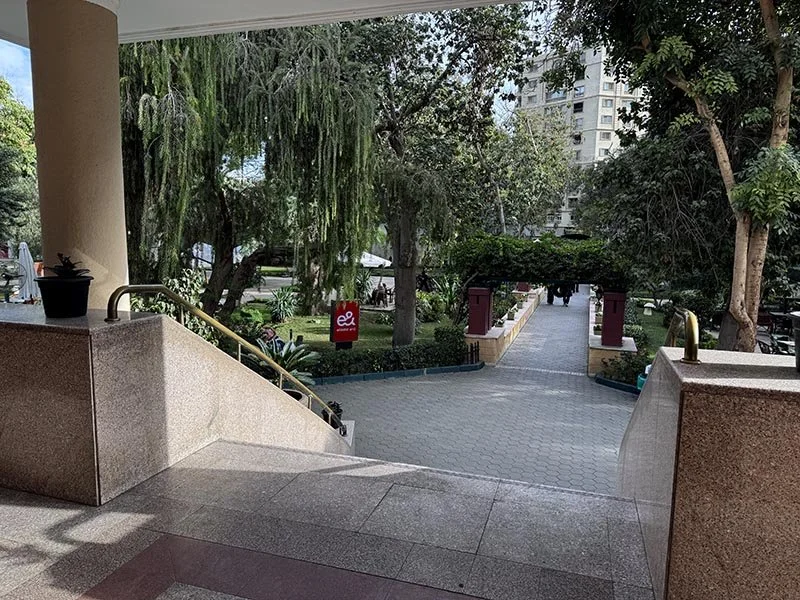
View from Clubhouse to Entrance Passage
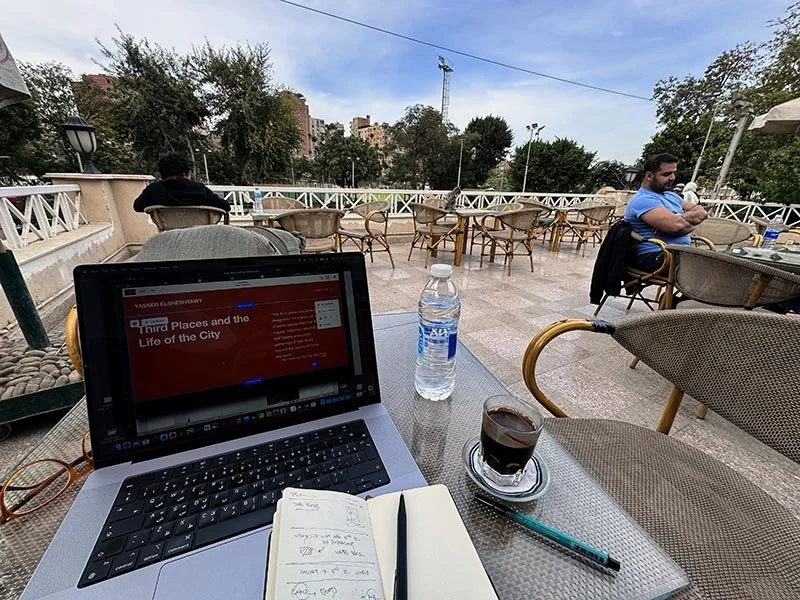
Working on the Terrace
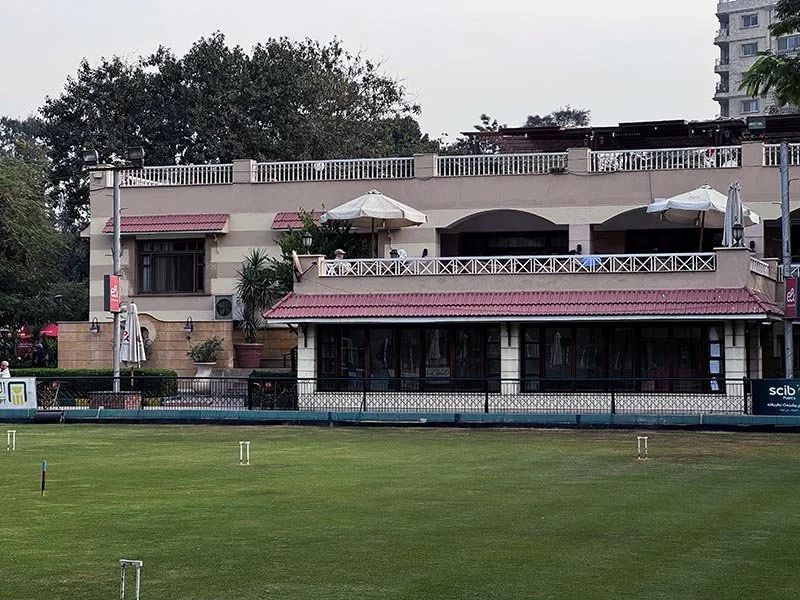
The Clubhouse from the Croquet Field
CSA — Community Services Association
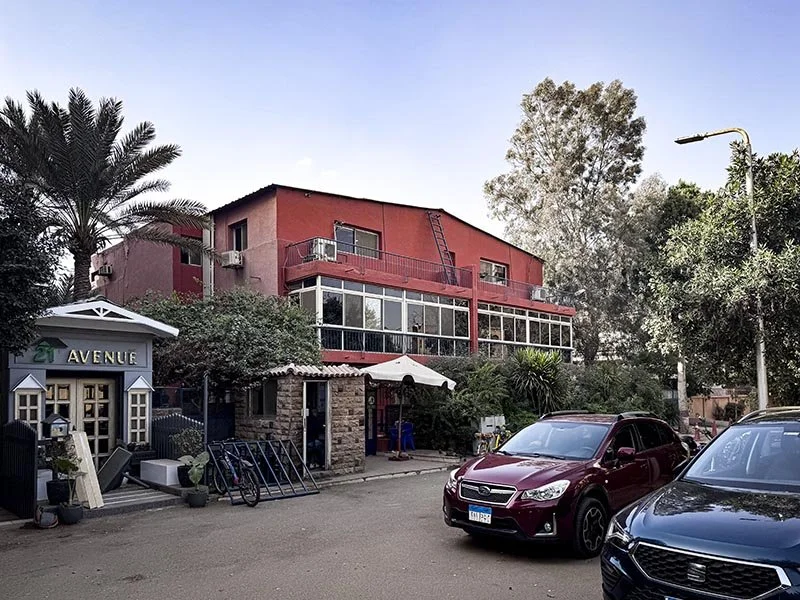
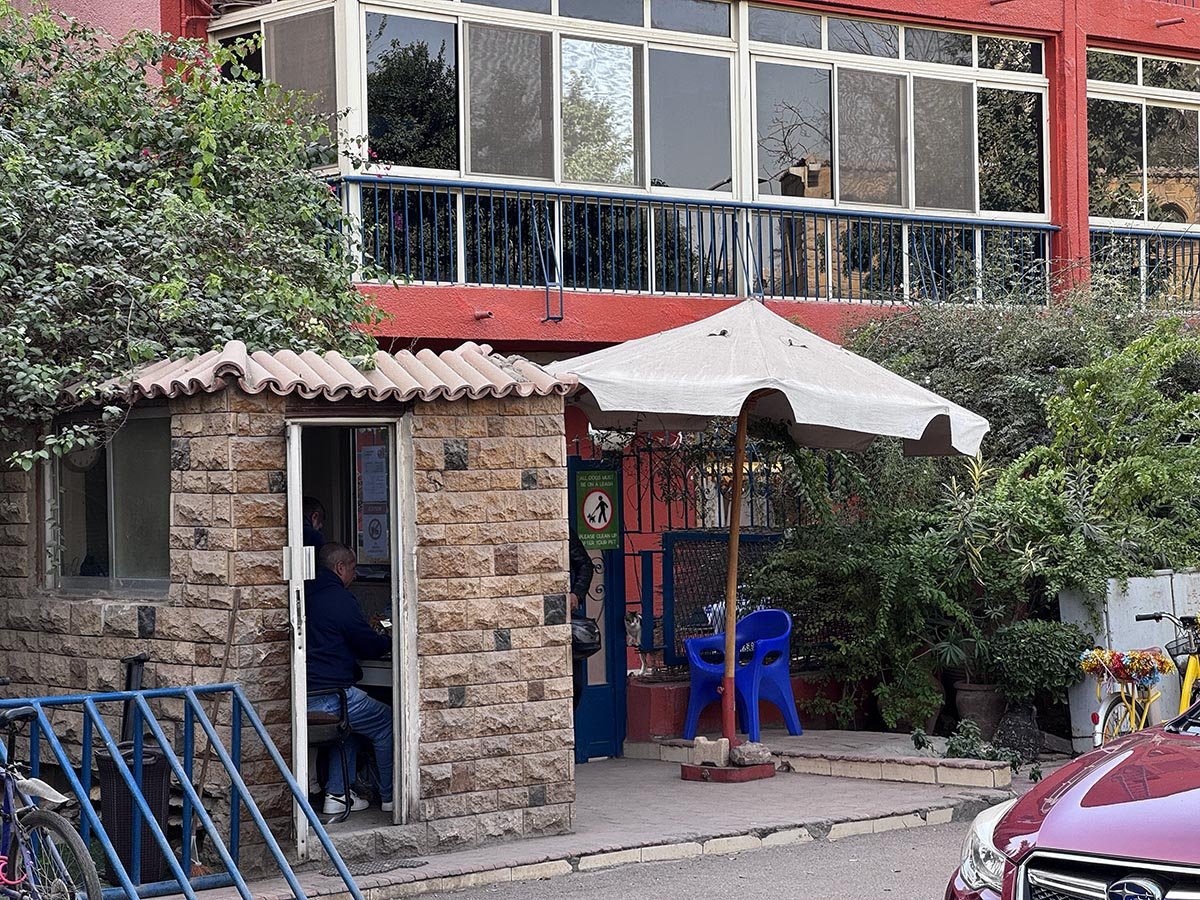
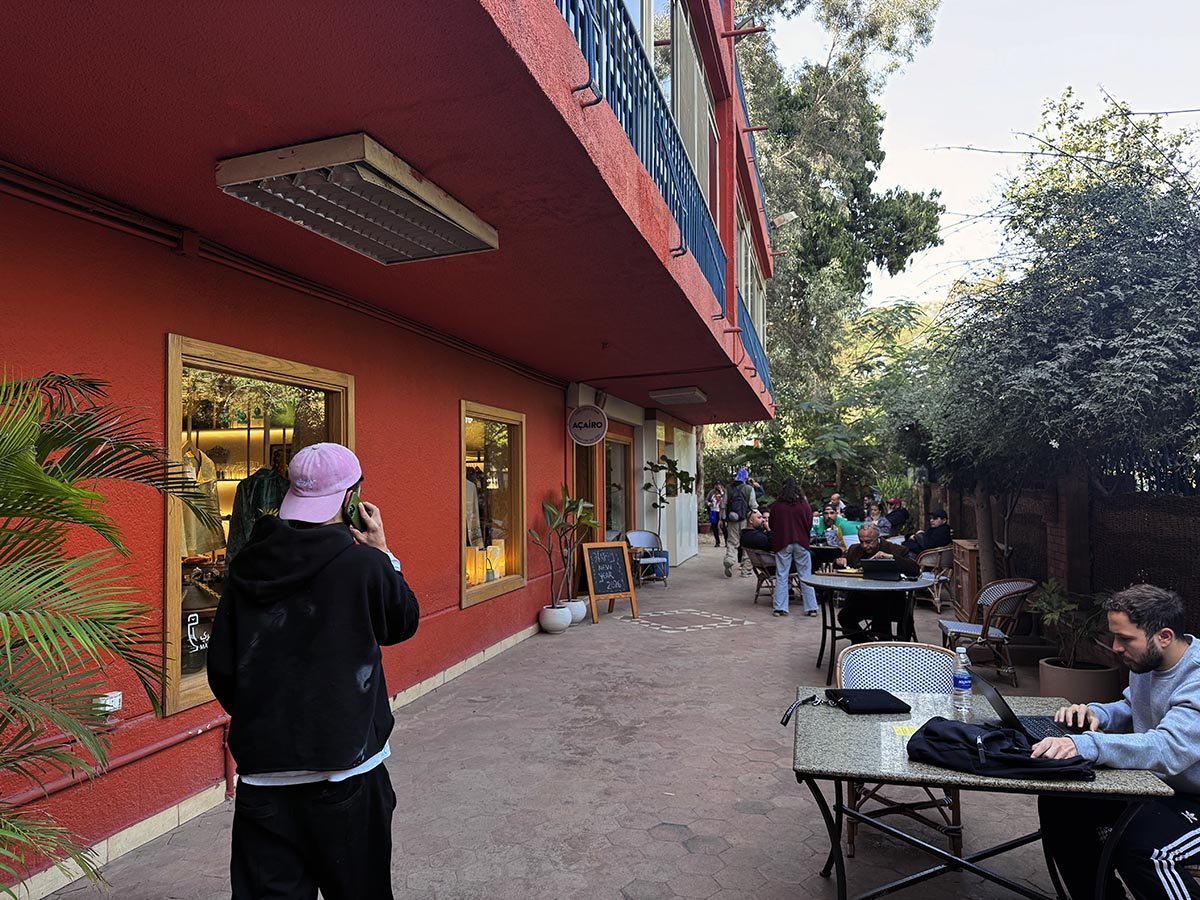
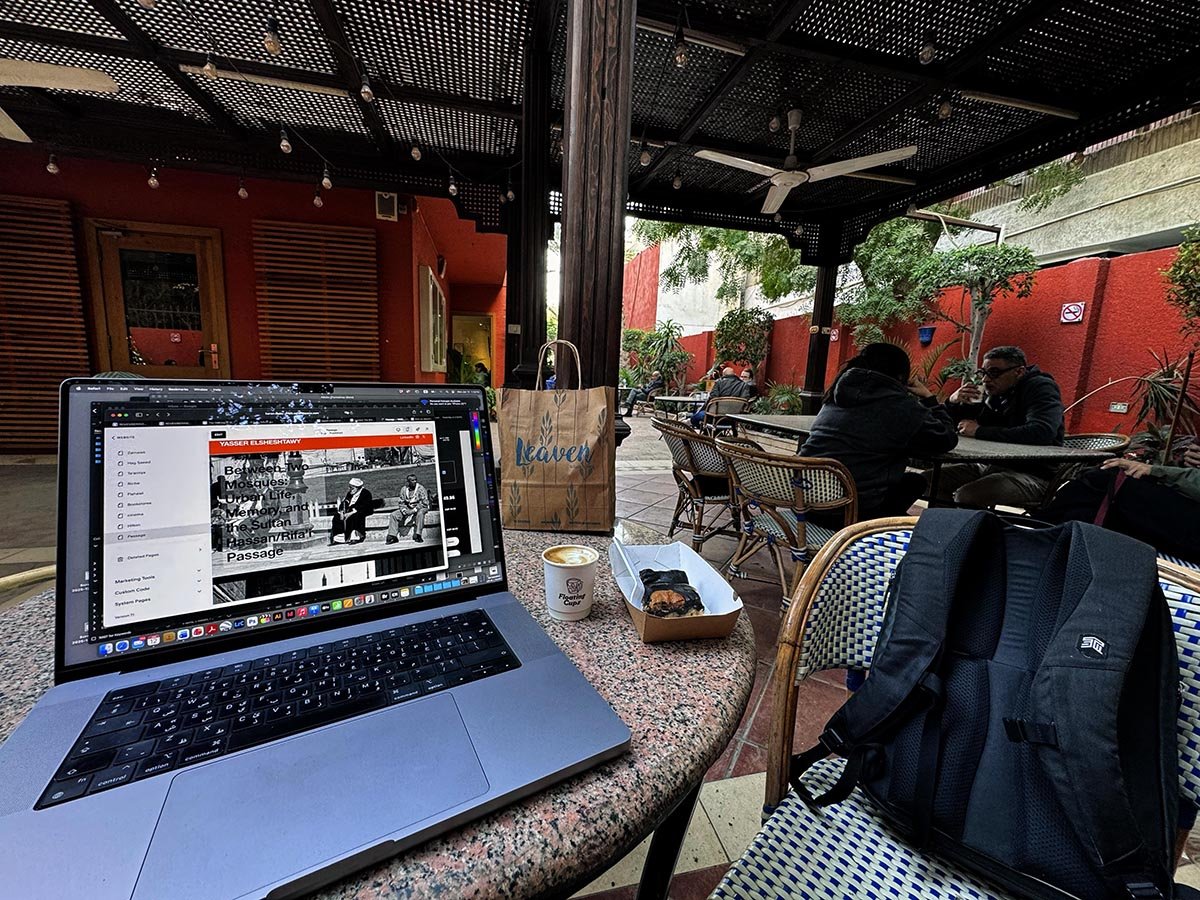
Another pillar of Maadi’s identity is the Community Services Association (CSA), founded in the 1940s to support the district’s growing expatriate population. Over time, it evolved into a central hub of Maadi’s cosmopolitan life, a place where expatriates and Egyptians intersected through workshops, exhibitions, charity bazaars, and social events. Today, the CSA occupies a cluster of low-rise buildings and shaded courtyards that feel more like a neighborhood compound than a formal institution. Within its whitewashed walls are a café, library, classrooms, meeting rooms, and small shops.
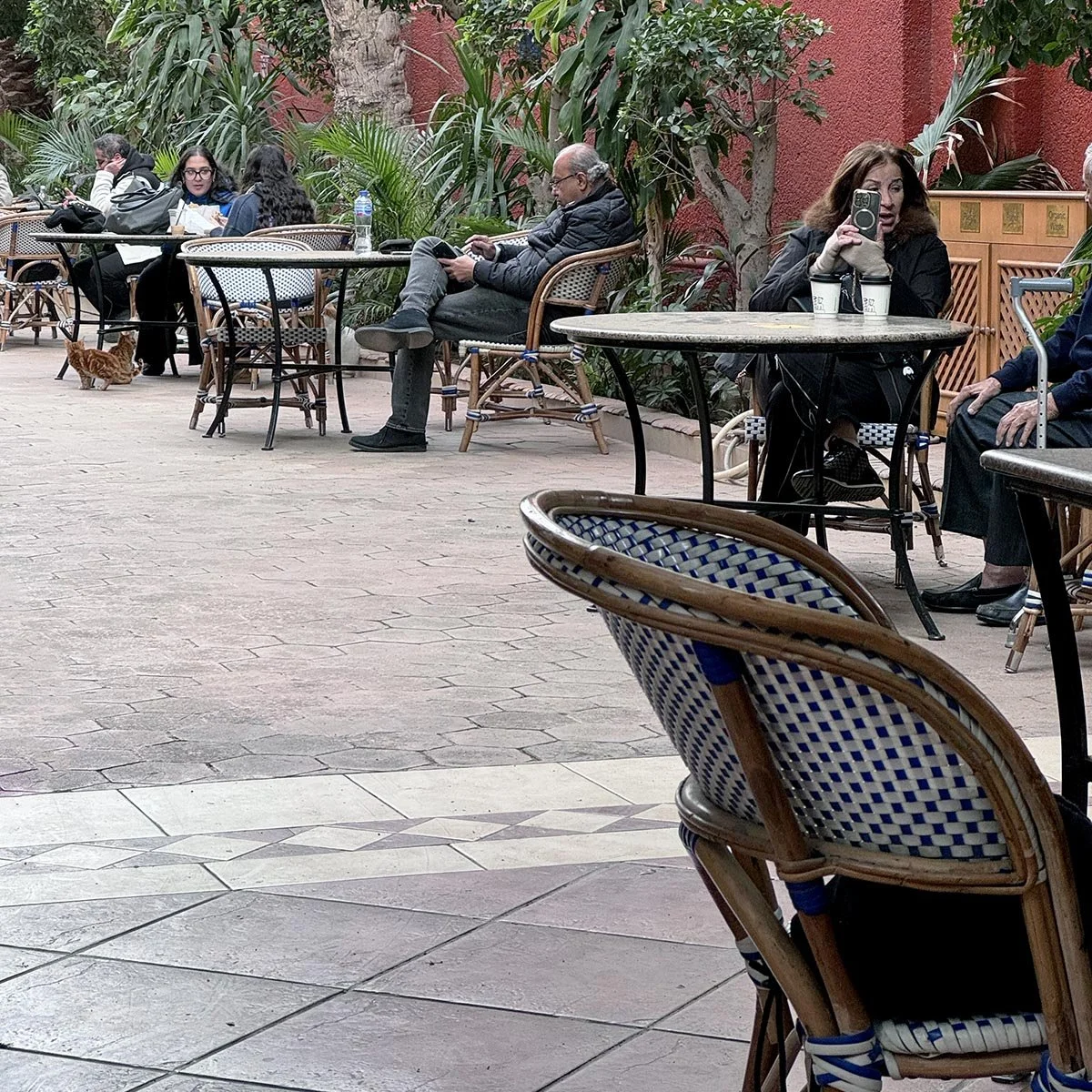
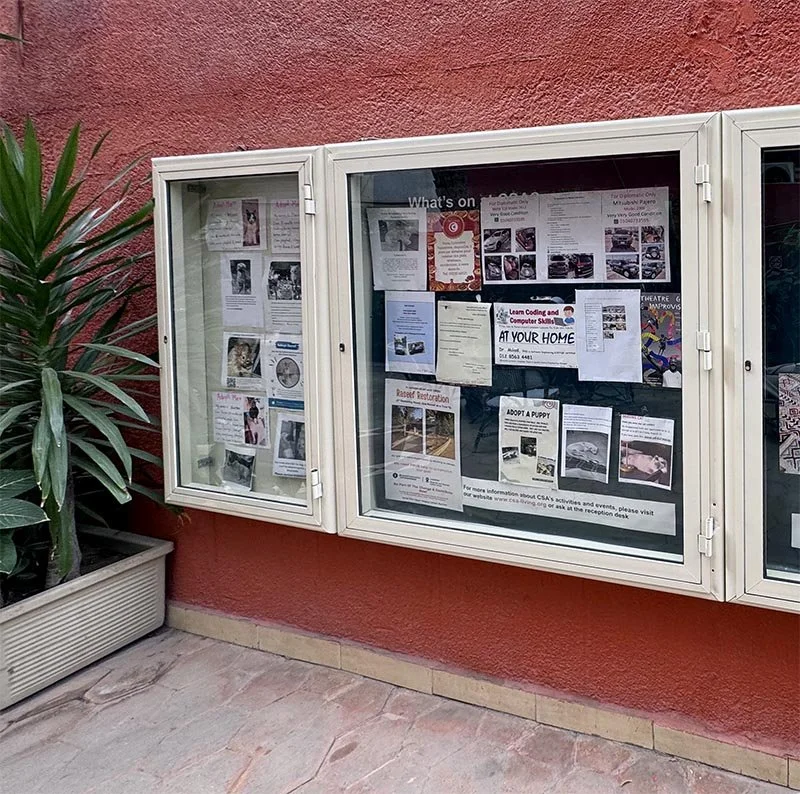
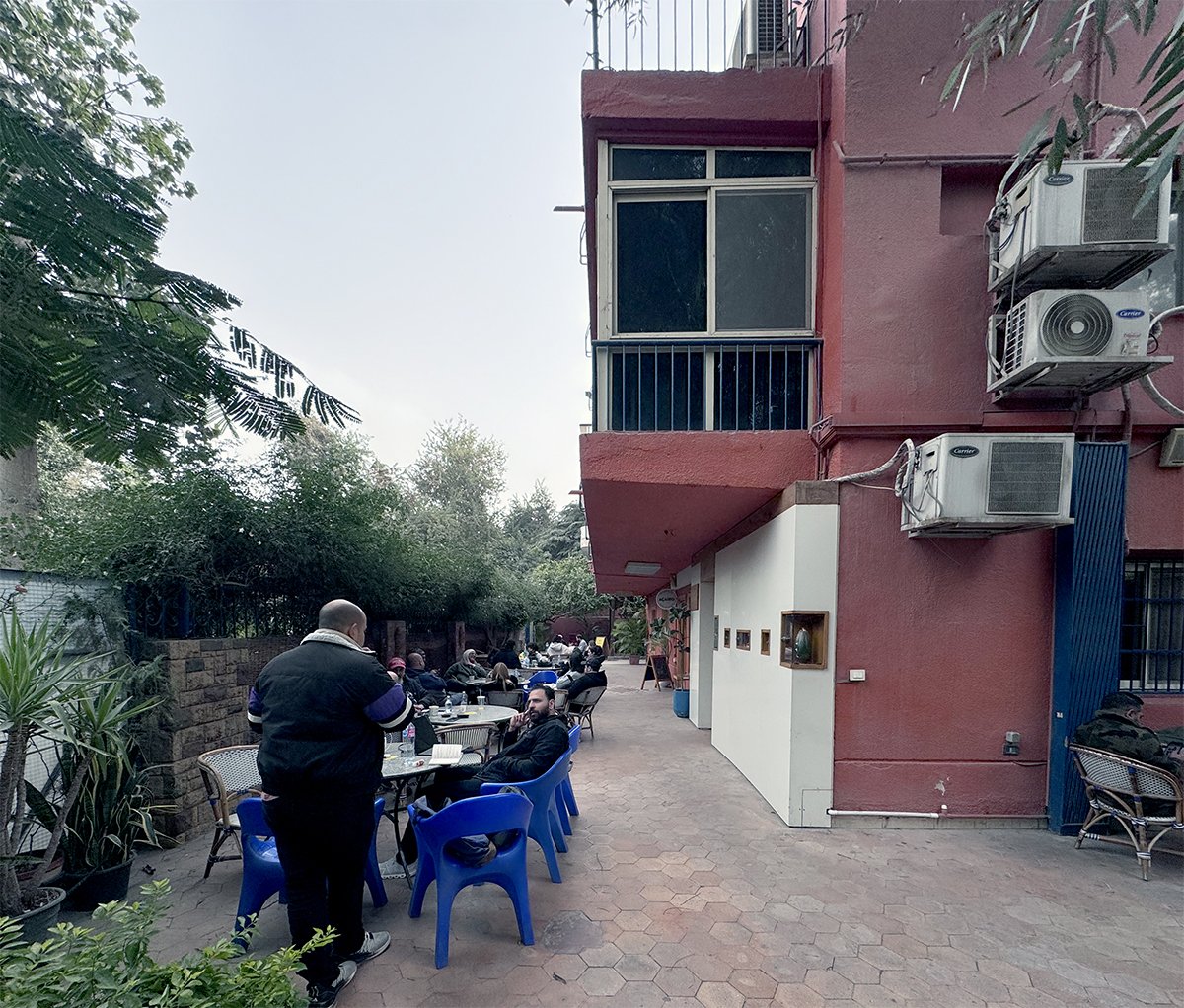
Coffeeshops
With my childhood friends from the German School, Nasser & Hussein at the Maadi Cilantro Cafe
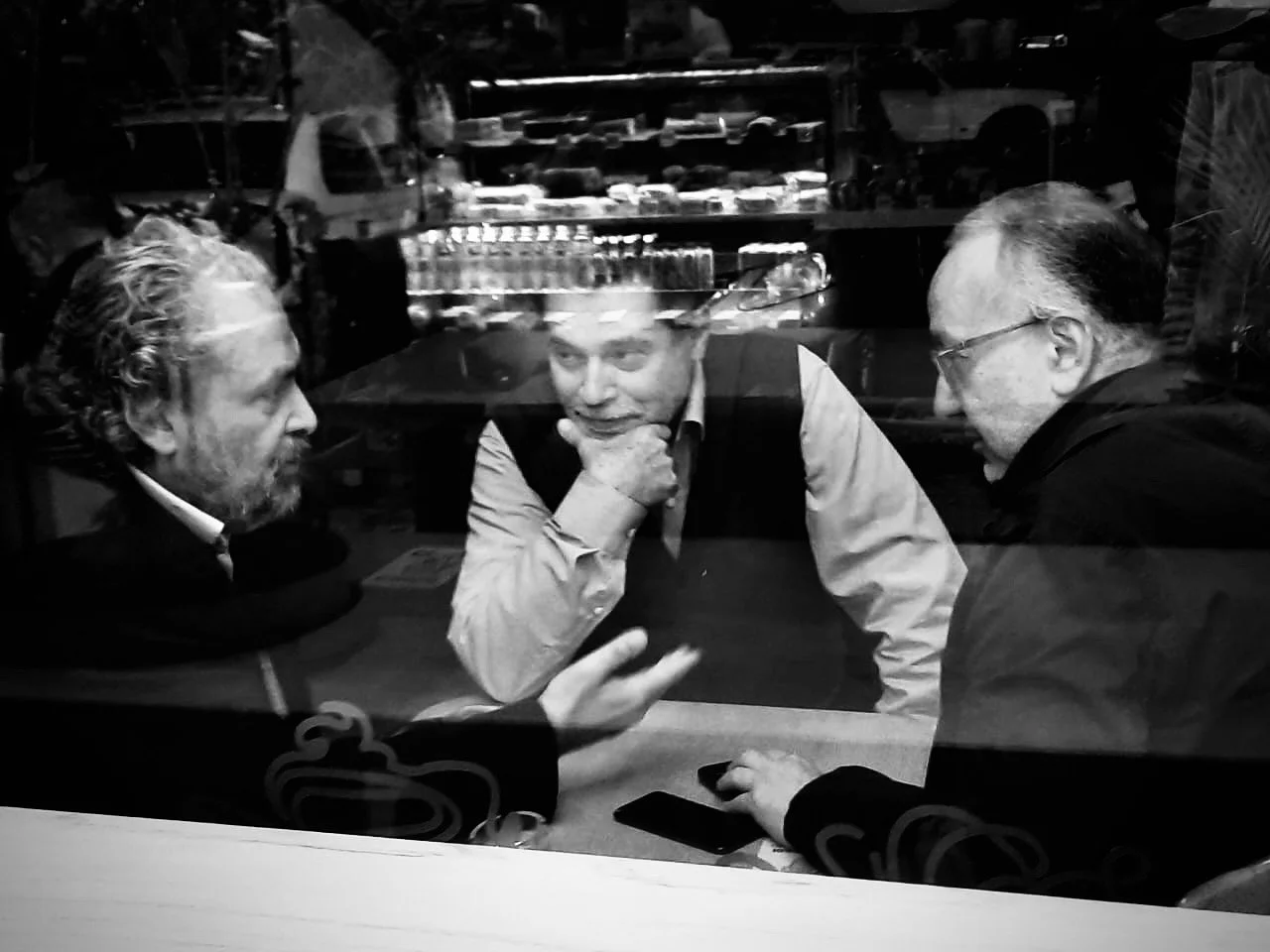
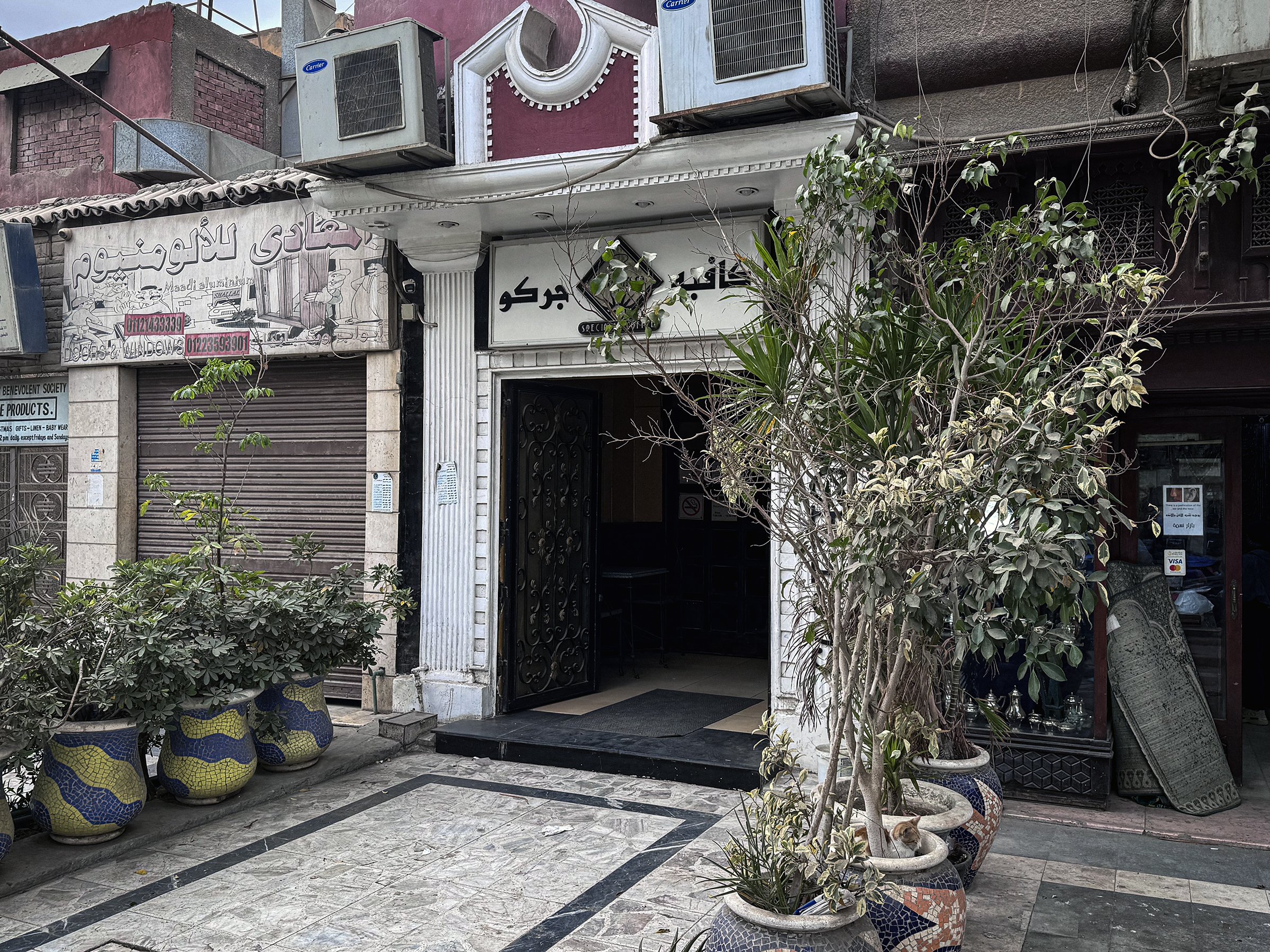
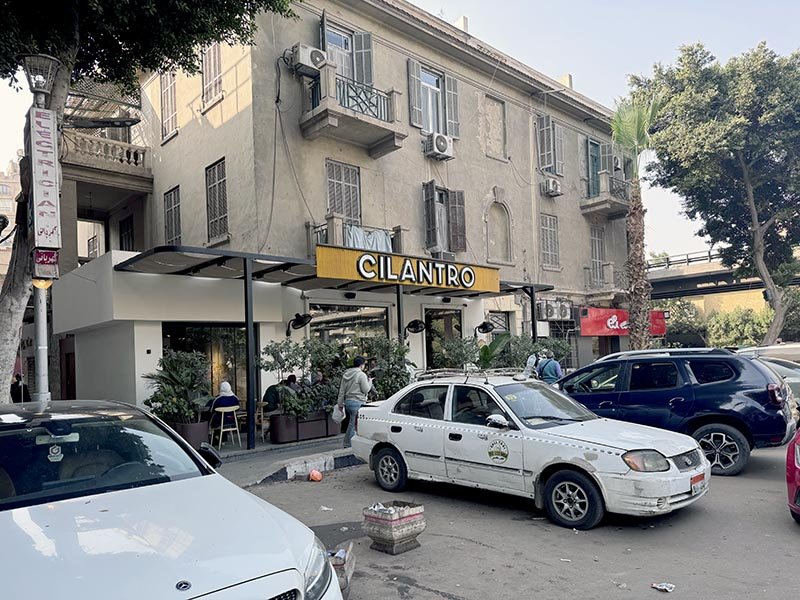
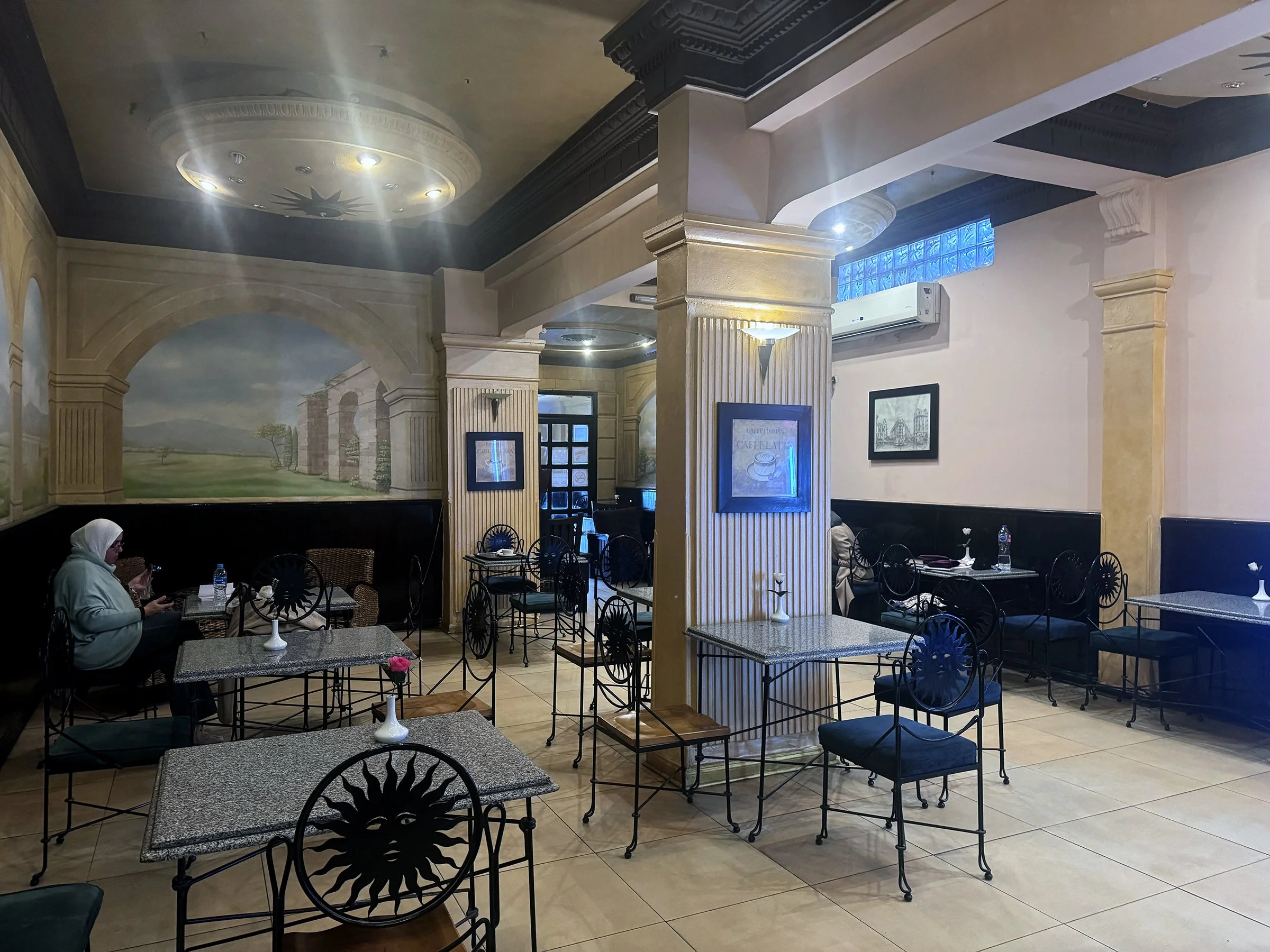
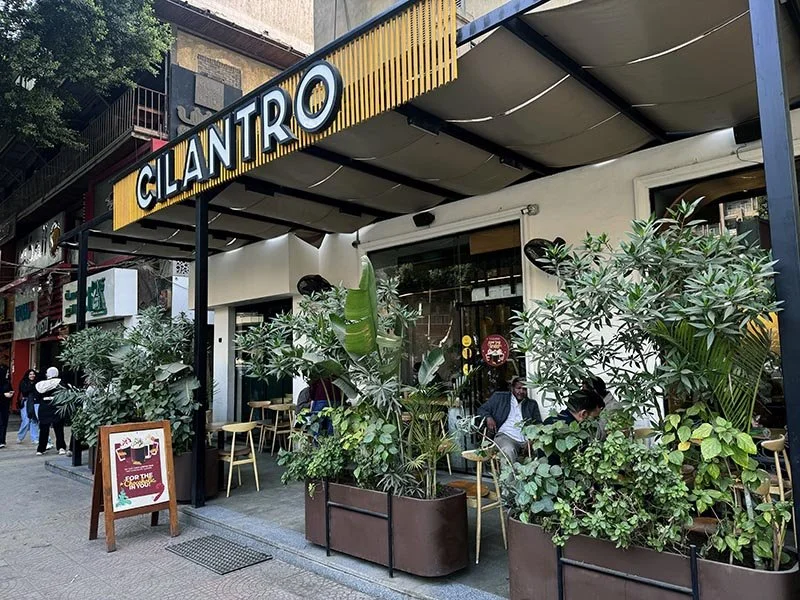
Maadi’s identity also crystallizes in its cafés. Café Greco, tucked into Road 9 near the metro station, opened in the 1980s and quickly became a local institution. Small and family-run, it served strong espresso, Italian-style pastries, in a cozy, slightly bohemian atmosphere. Long before international coffee chains arrived, Greco offered something European yet intimately local, a place where artists, students, and expatriates gathered. It came to embody the cosmopolitan, countercultural spirit of Old Maadi—a space to study, converse, or simply watch the rhythms of the street. It was yet another setting which I would visit frequently, to work and read. By the early 2000s, however, a new café culture was emerging in Cairo, one tied to globalization and lifestyle branding. Cilantro, founded as Egypt’s first homegrown coffeehouse chain, opened a branch in Maadi that quickly became popular. It symbolized a new Maadi—one tied as much to globalization and consumer culture as to heritage and local traditions.
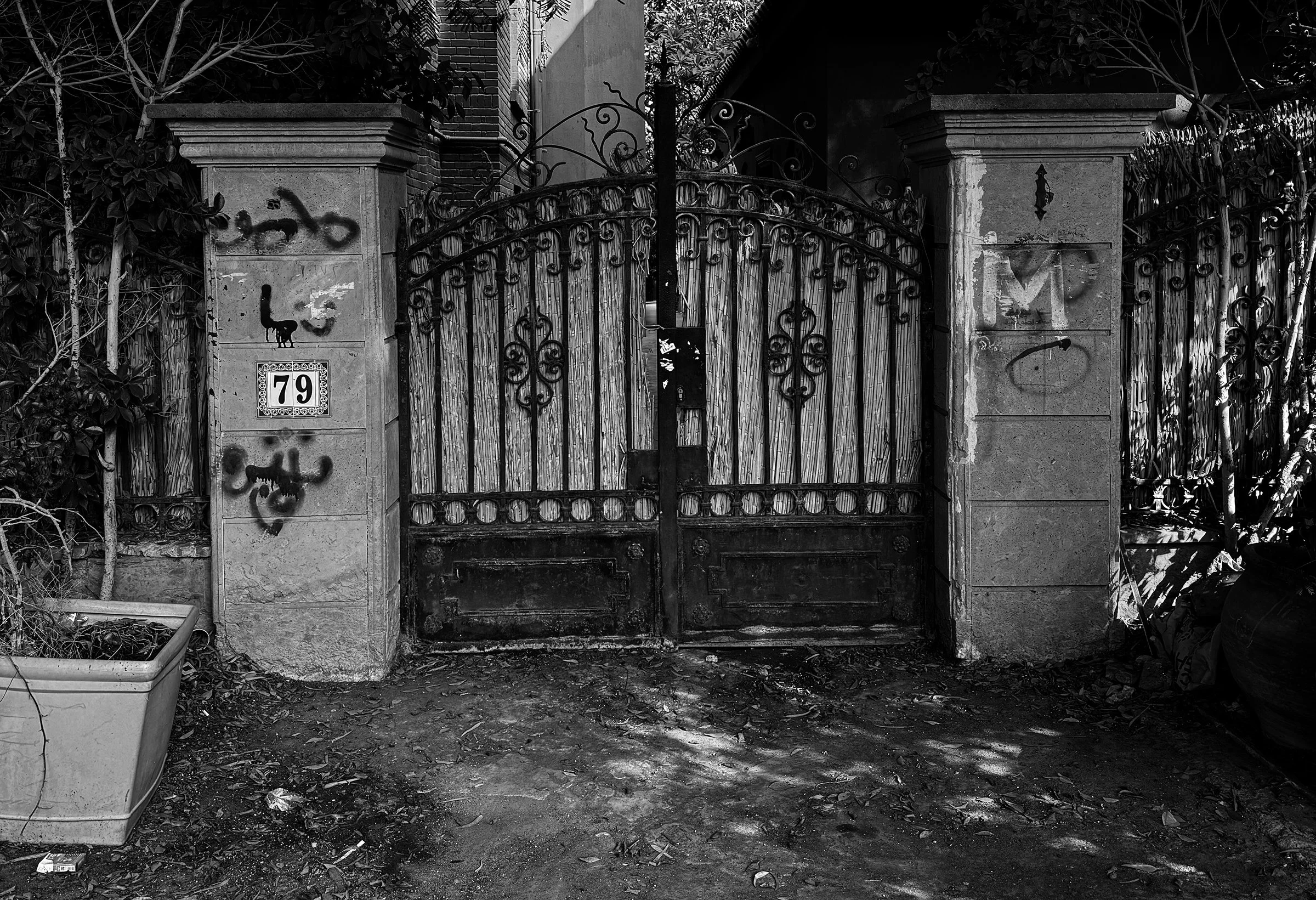
My Maadi
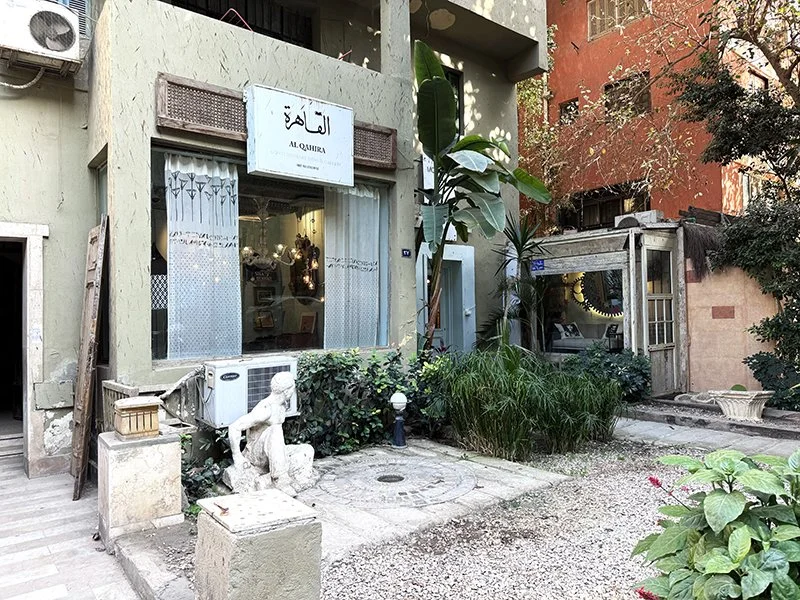
Al Qahira Art Gallery
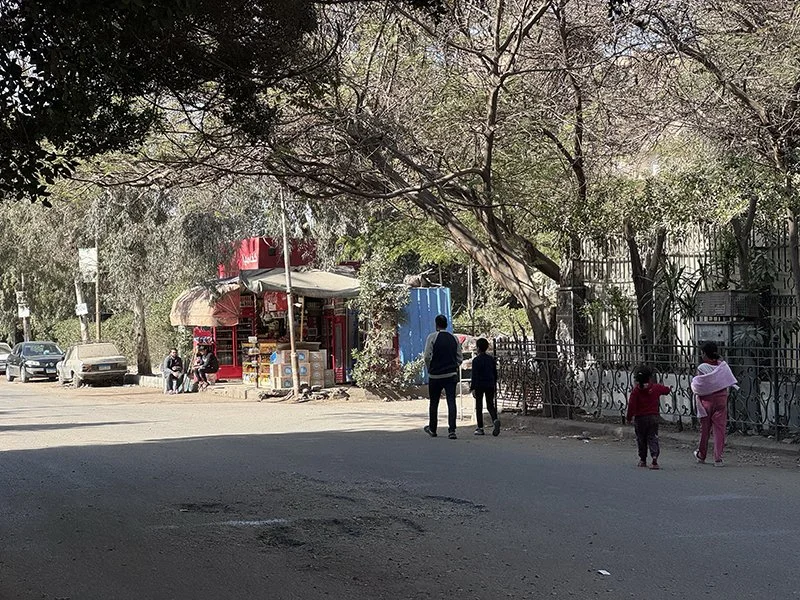
Koshk Sagayer (Cigarette Kiosk near my Home)
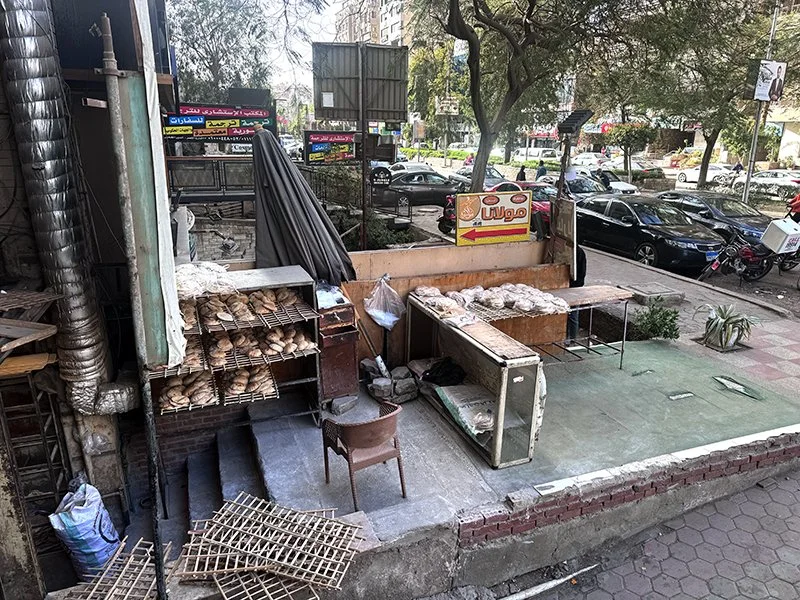
Baladi Bread close to my Home
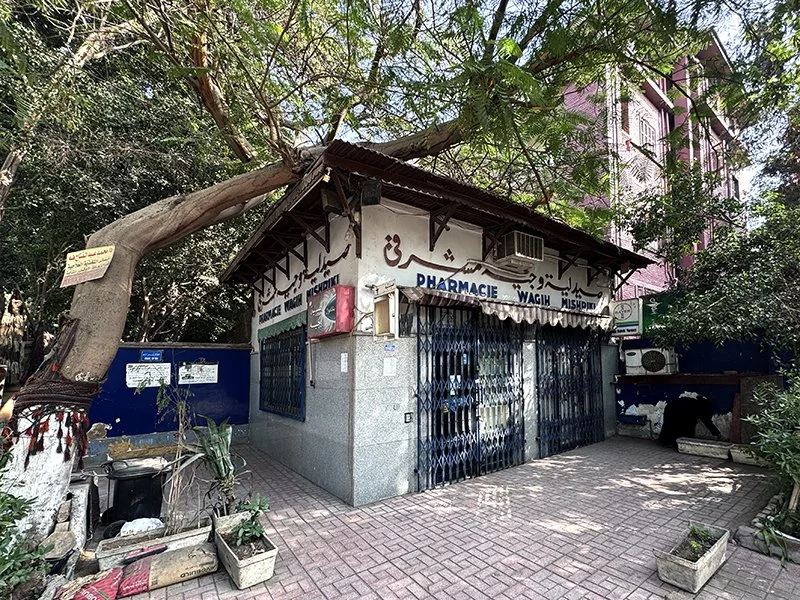
One of the oldest Pharmacies. Street 9
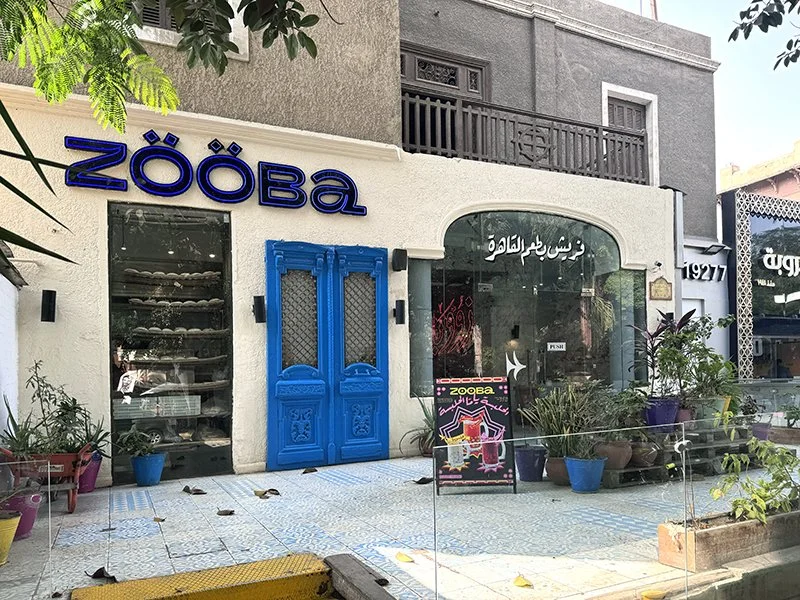
The Street 9 Zooba Branch
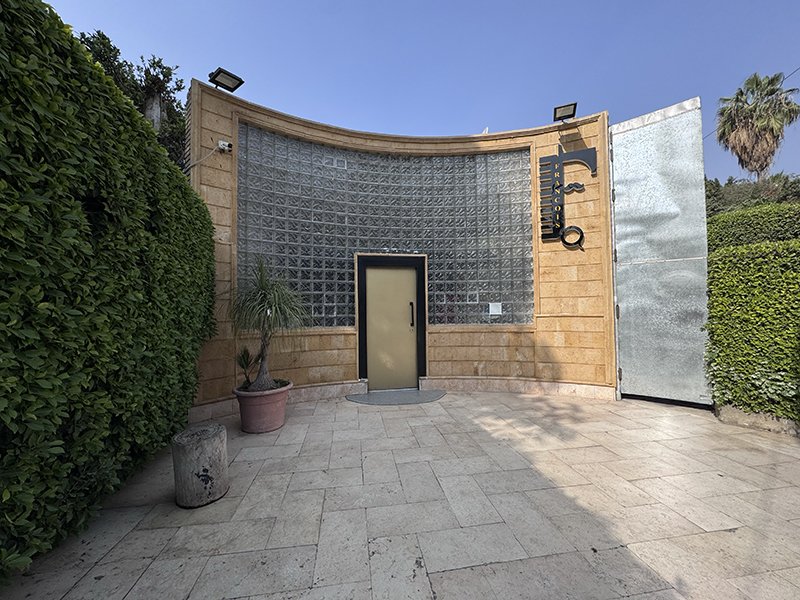
My old Hairdresser, Francois