Fragments from the Nile Hilton: Politics, Family, and the Cosmopolitan Dream of Cairo
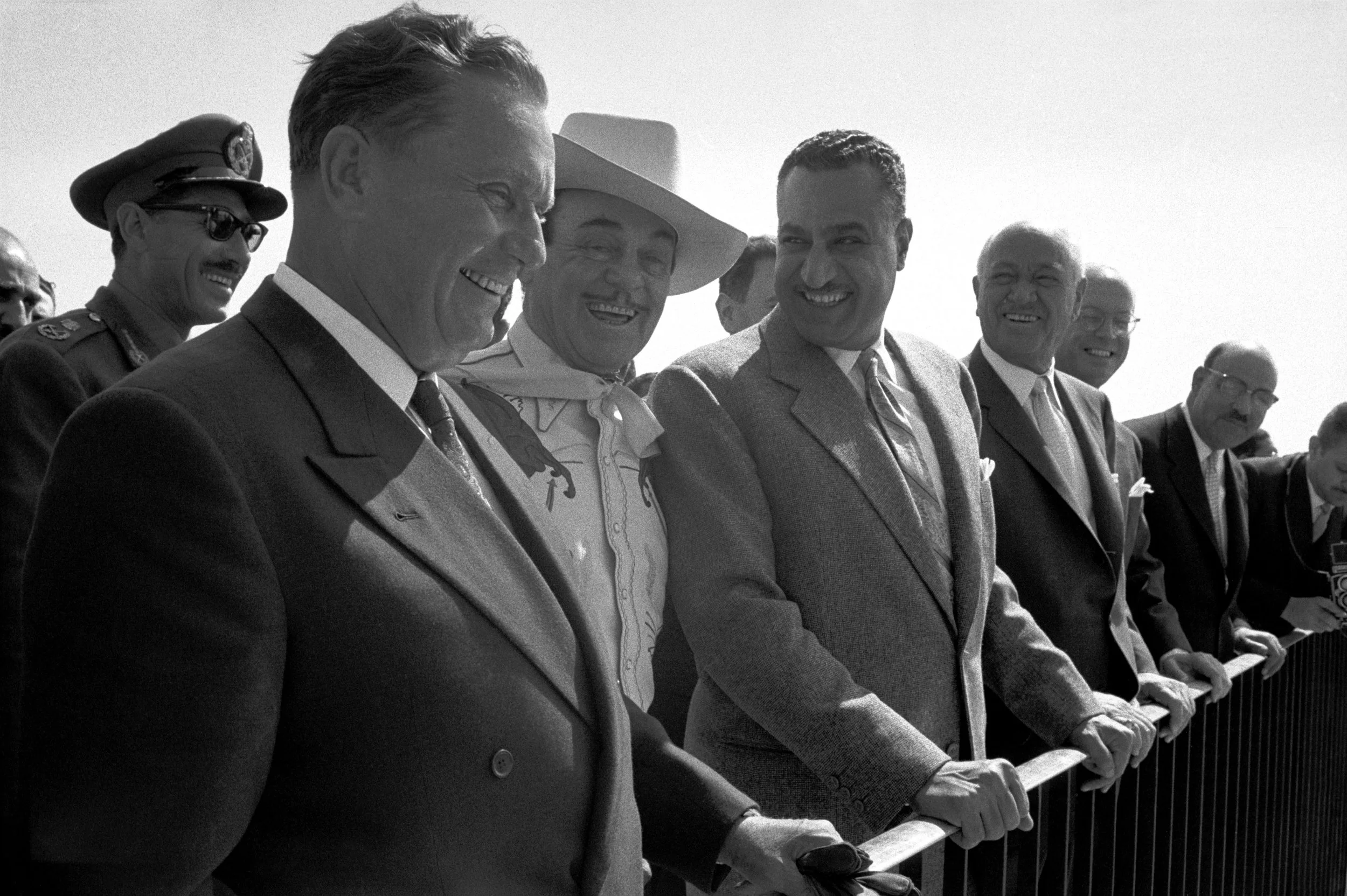
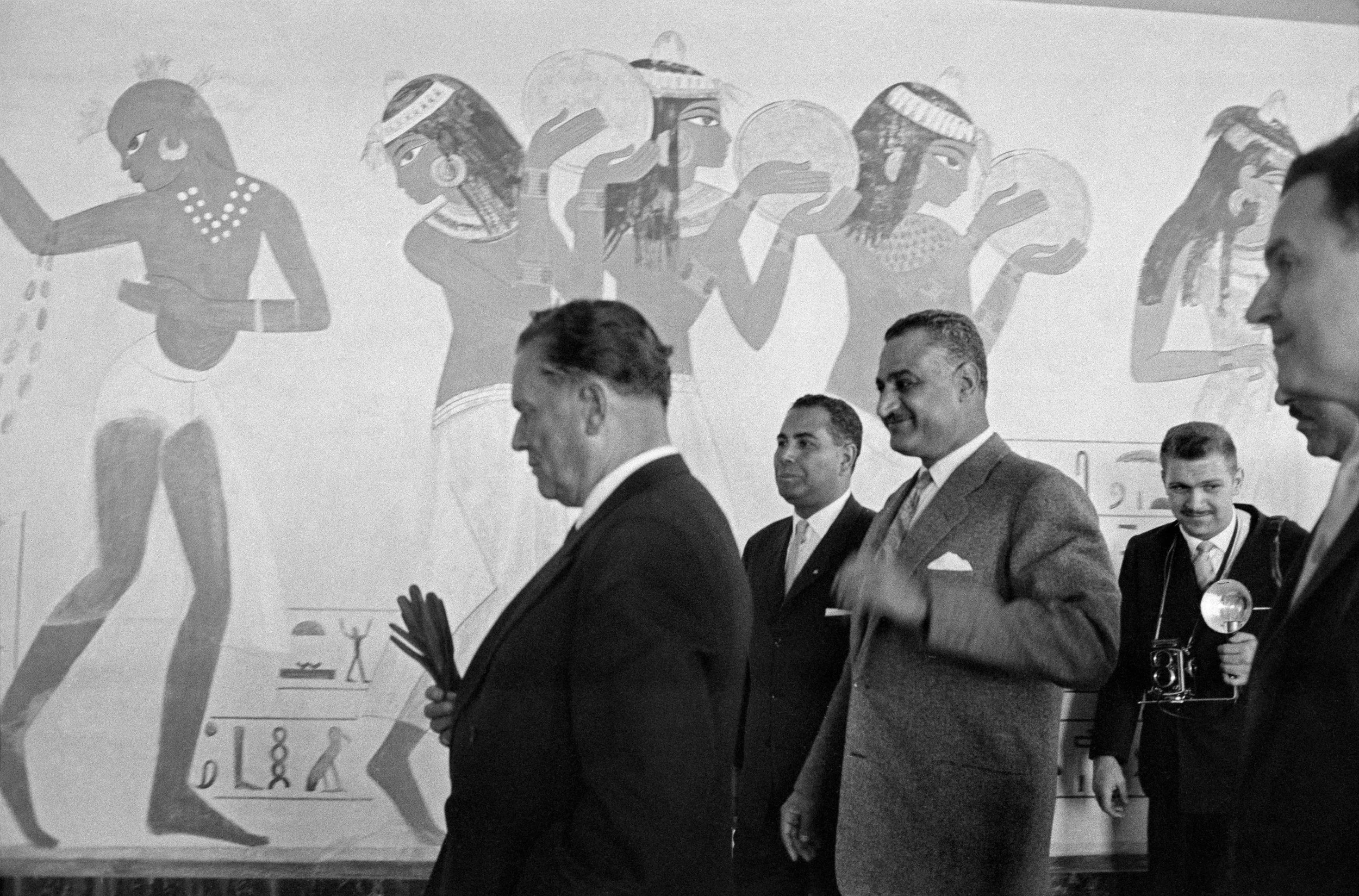
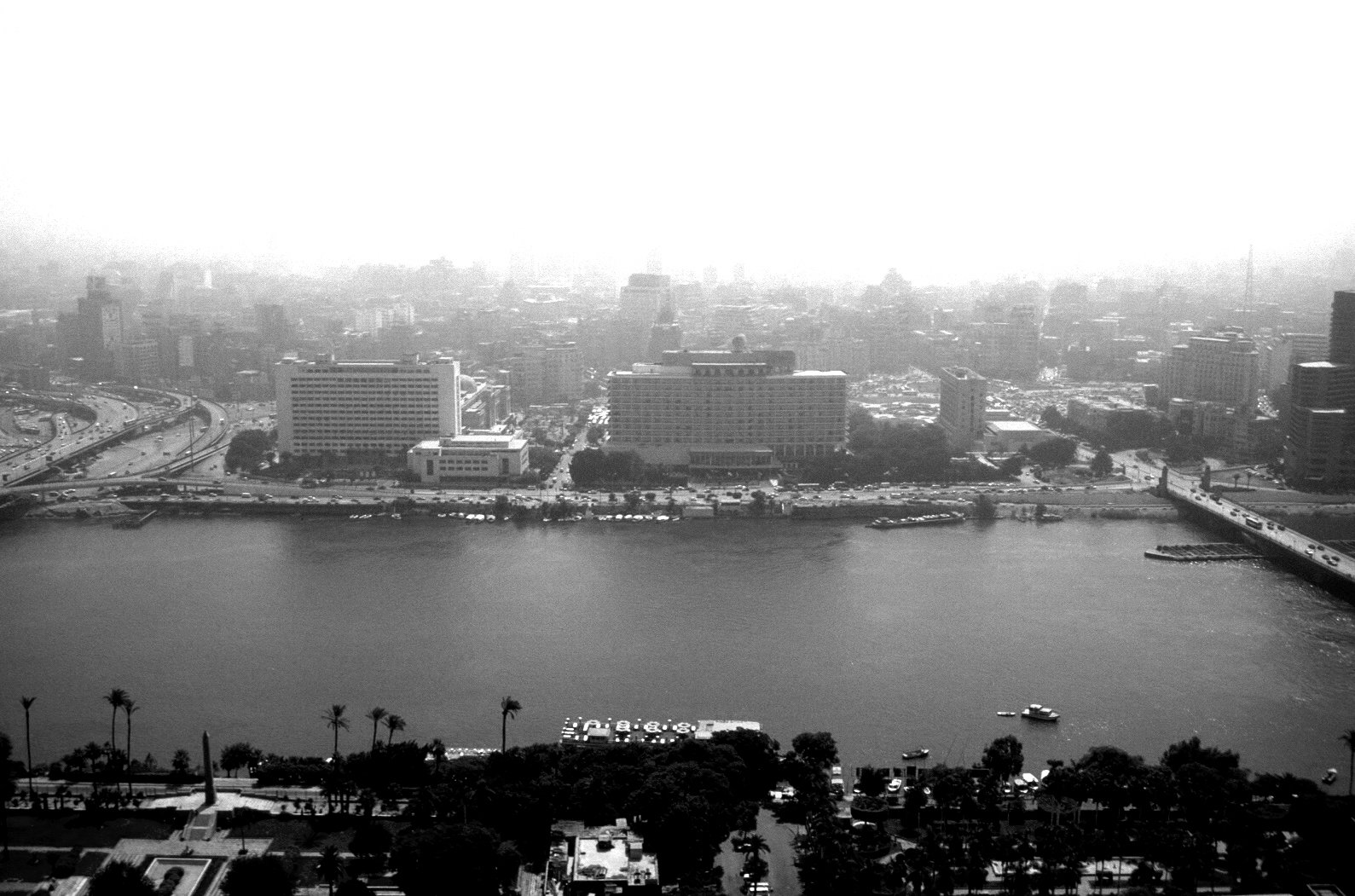
The Nile Hilton opened on February 23, 1959, to a fanfare that felt both improbable and emblematic of its age. In its marble lobby, Gamal Abdel Nasser and Yugoslav President Josip Tito suddenly appeared, flanked not only by Egyptian dignitaries but also by Hollywood starlets. Photographs from that day show the Egyptian president gallantly greeting each actress by name, as if to signal that Cairo had joined a glamorous, global stage. Hilton, wearing his trademark cowboy hat, looked on with satisfaction. For a fleeting moment, the icons of Arab socialism, non-alignment, and American capitalism seemed perfectly at ease together. It was a tableau that would be unthinkable only a few years later.
A Symbol of Modernity
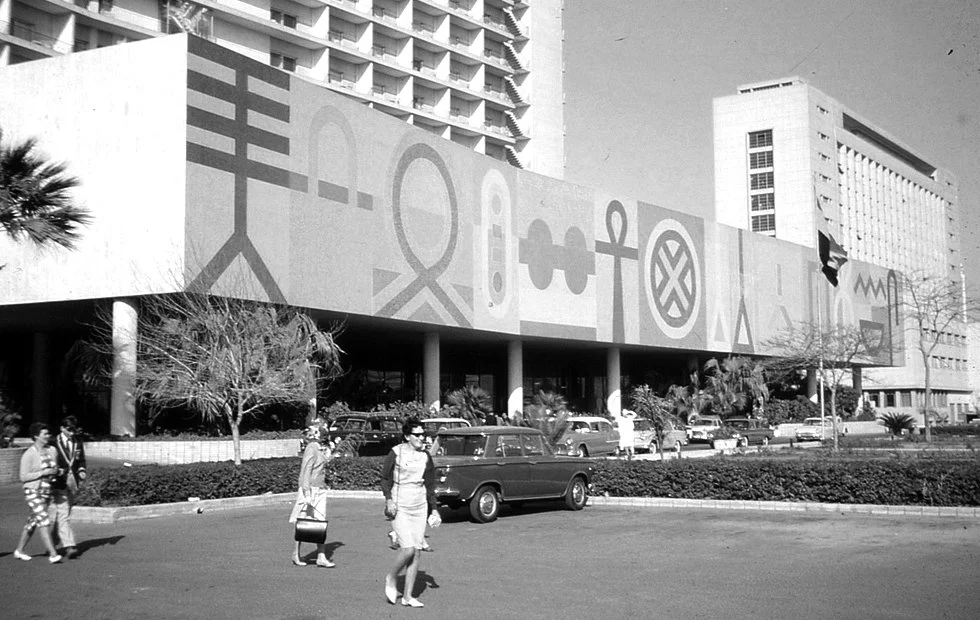
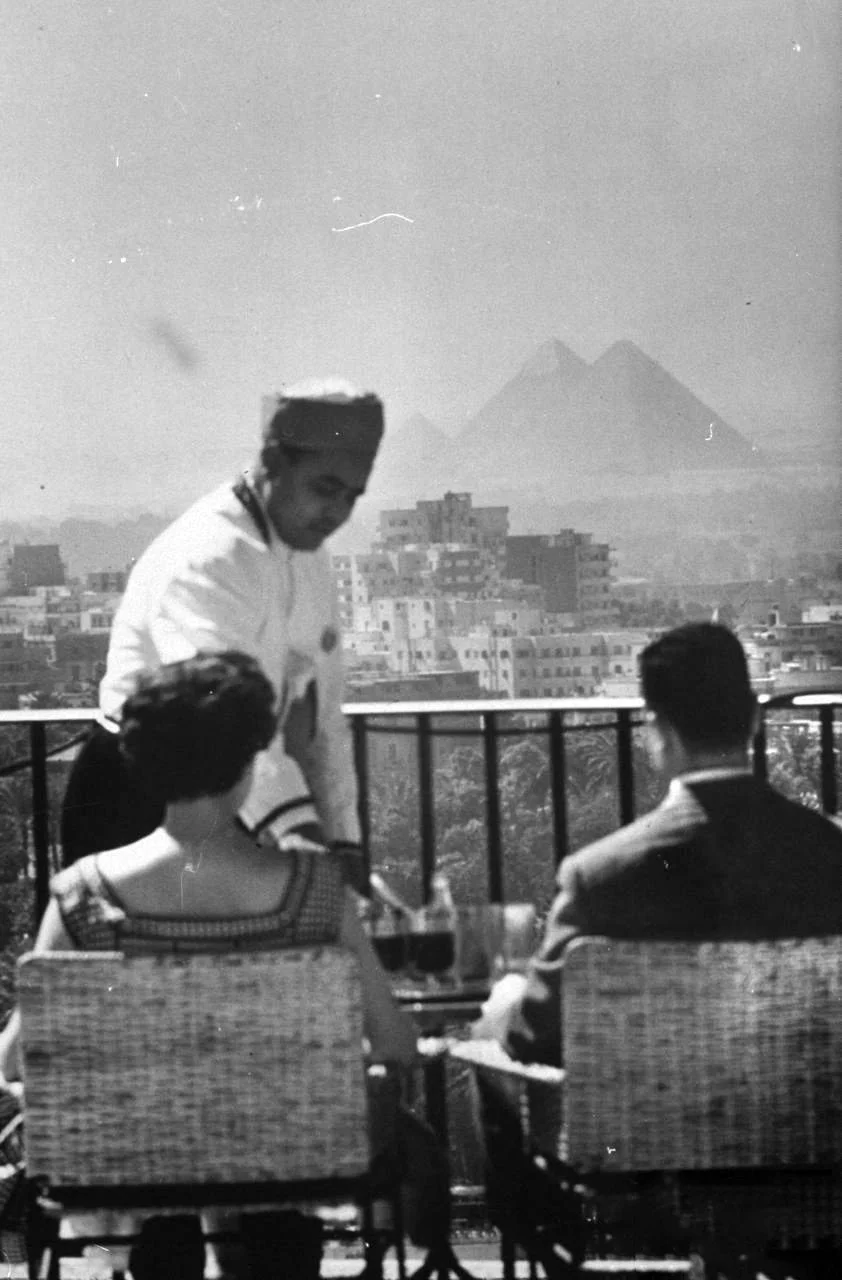
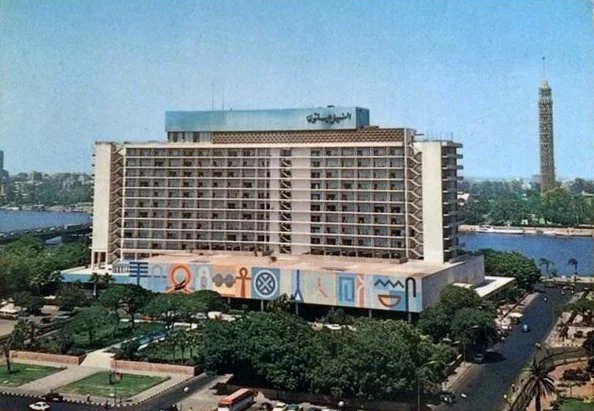
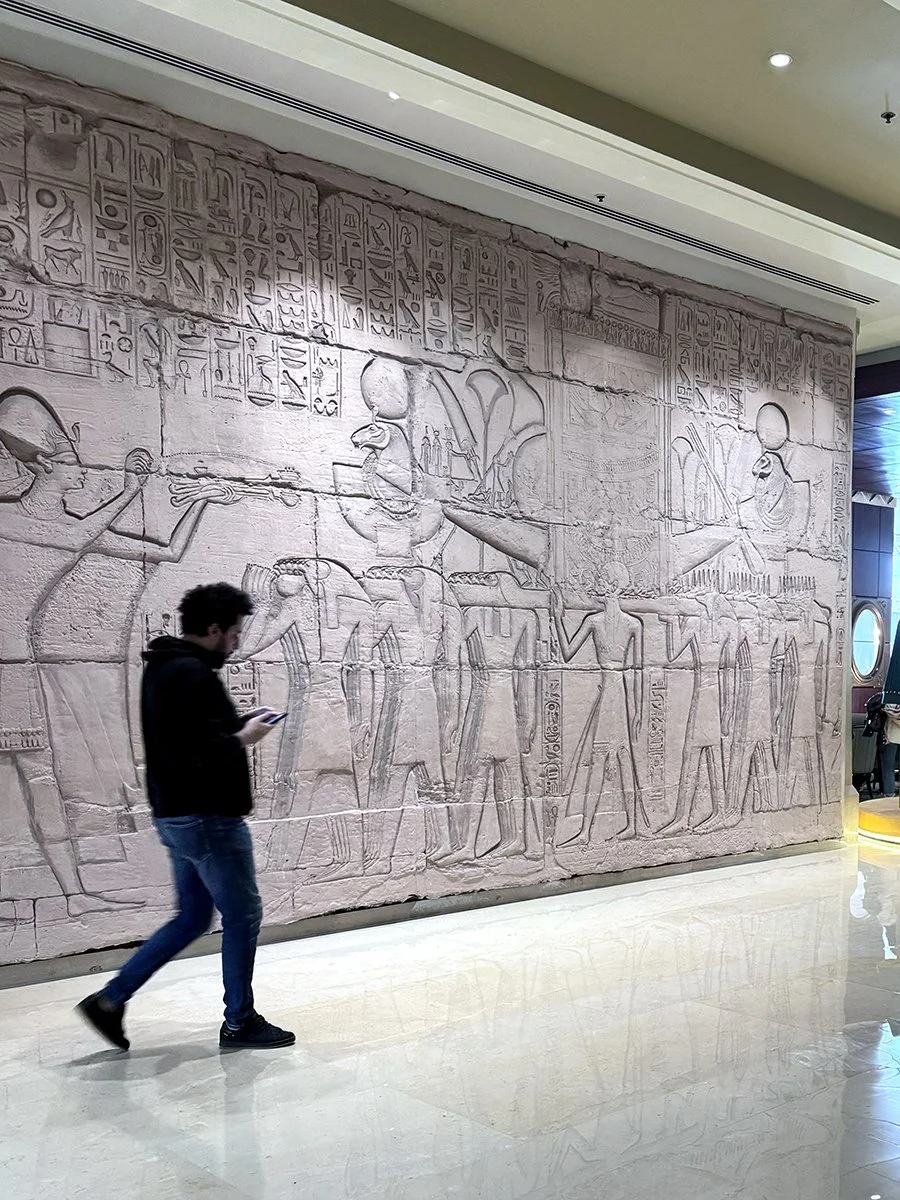
The Hilton was cast as a symbol of modernity. A 1959 Time magazine advertisement compared it to a TWA Jetstream — “modern as a jetliner” — its backside façade framed by the pyramids and the Sphinx in the distance; the hieroglyphic frieze stretched across its walls proclaiming continuity between pharaonic antiquity and the International Style. A promotional brochure showed a young Egyptian couple on the balcony—she in a short dress, he in a Western suit, no veil in sight—an aspirational vision of the cosmopolitan citizen.
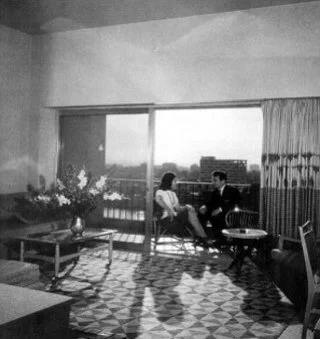
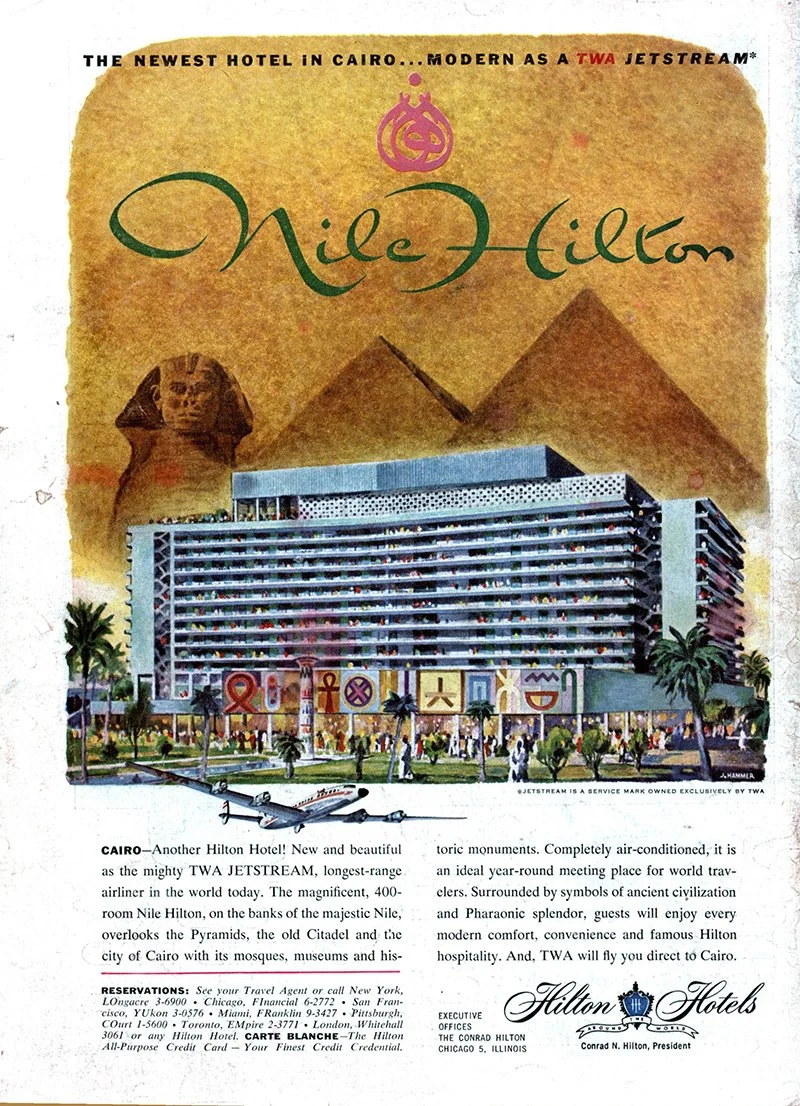
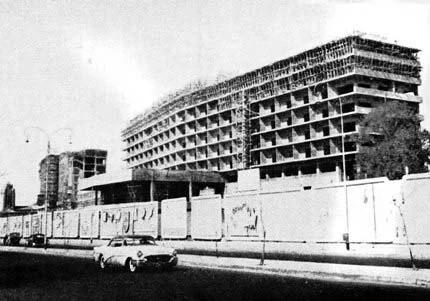
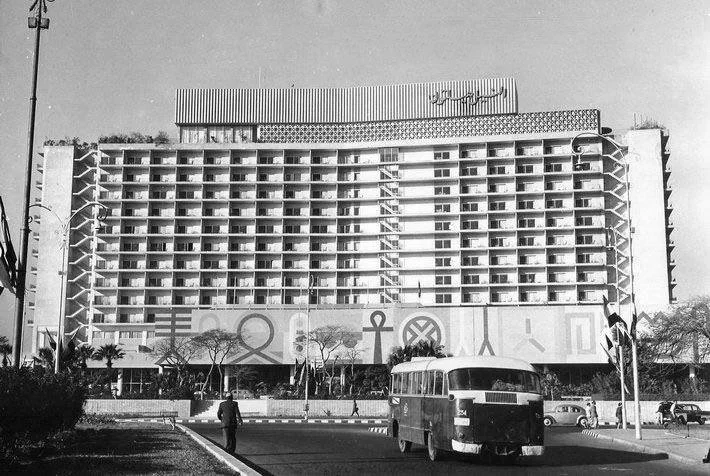
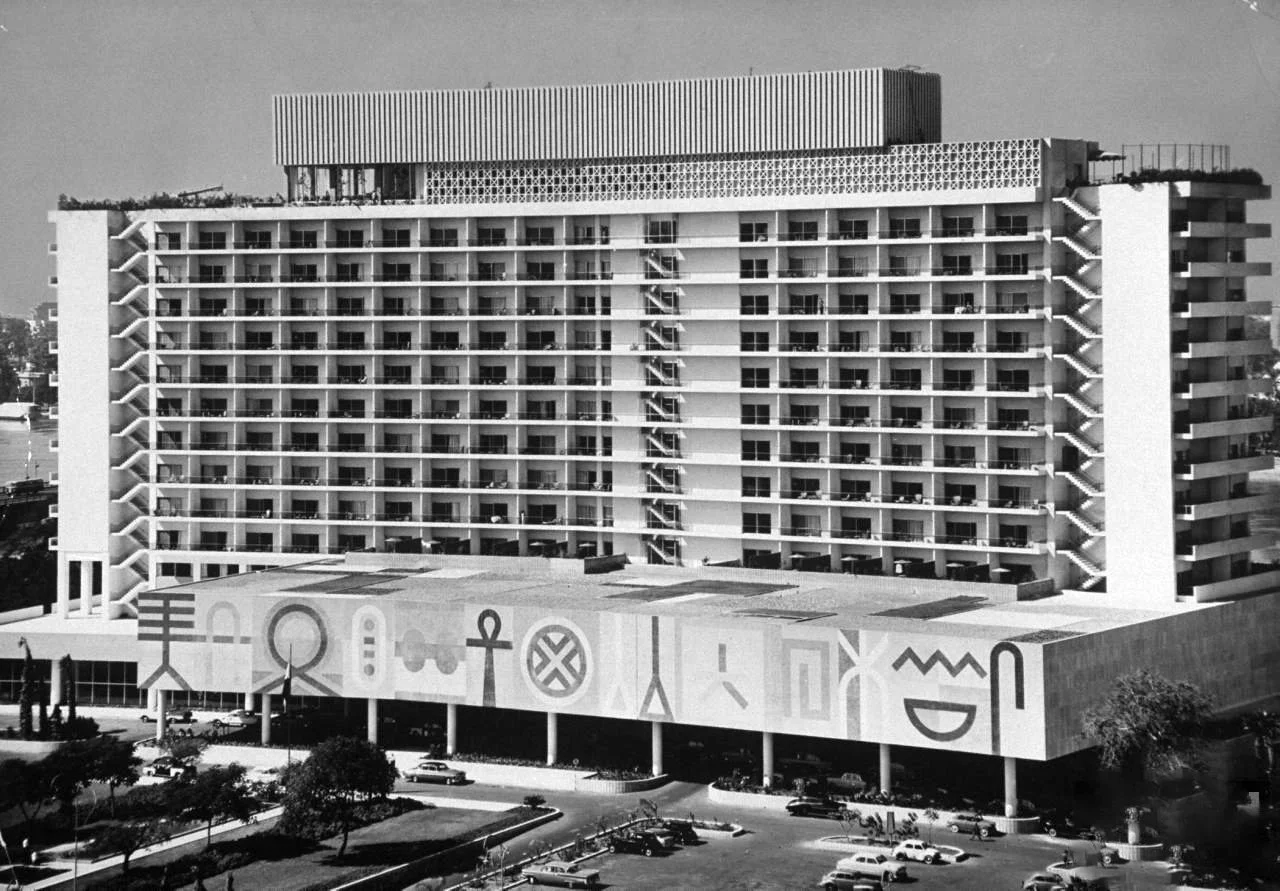
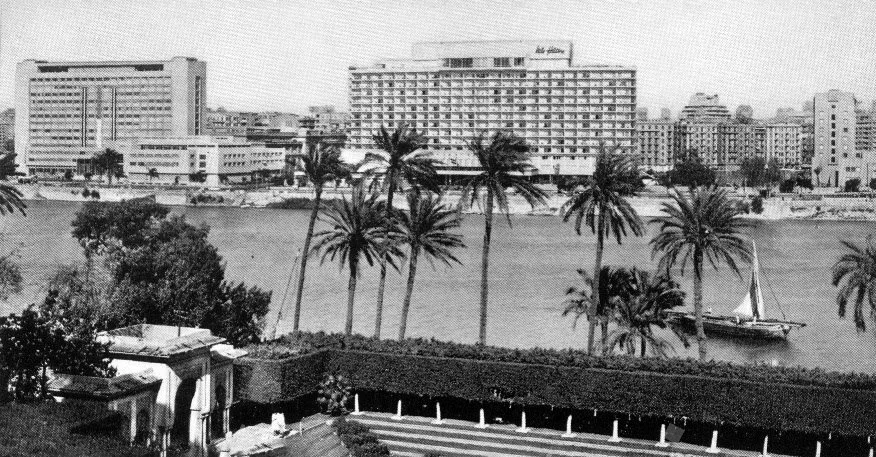
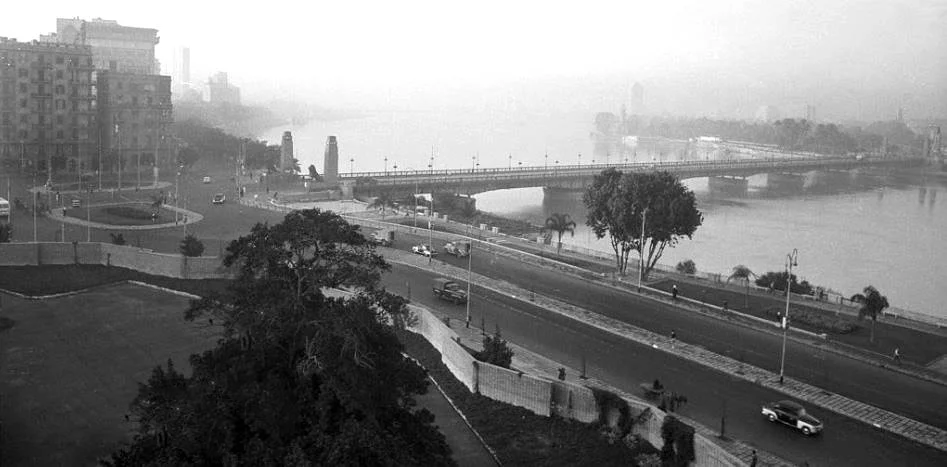
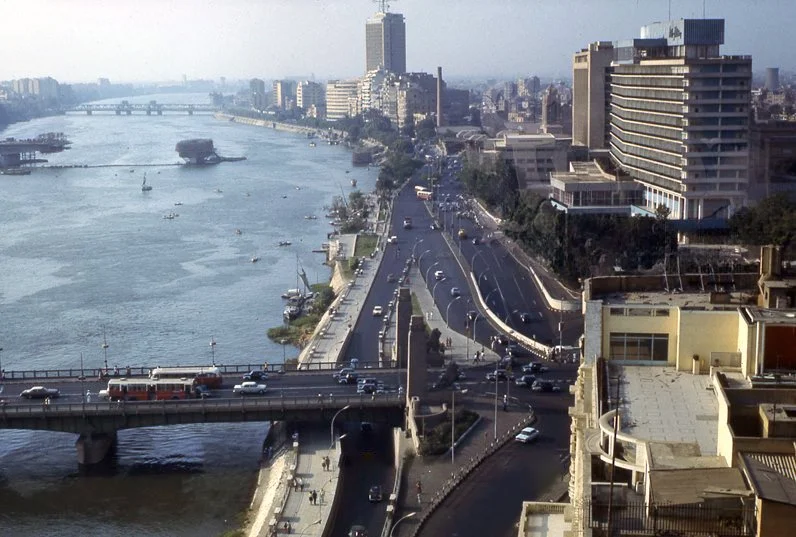
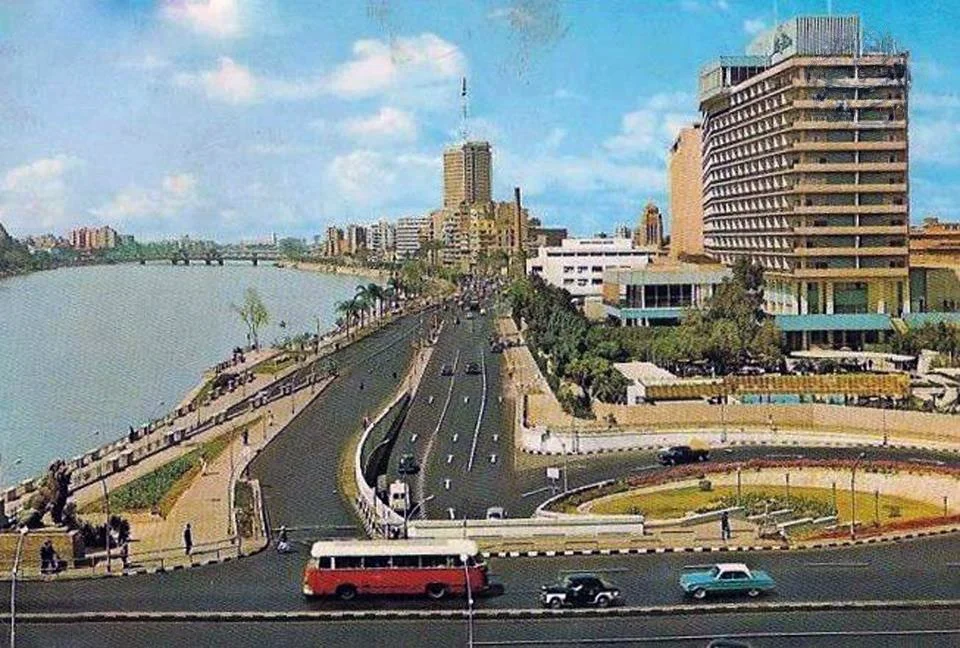
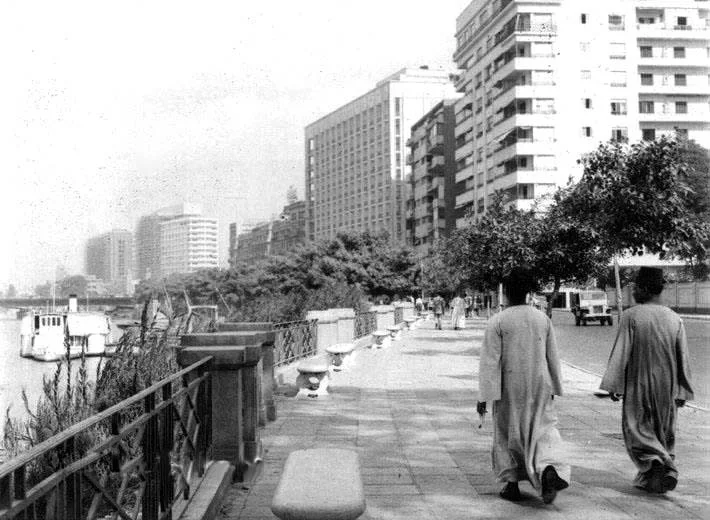
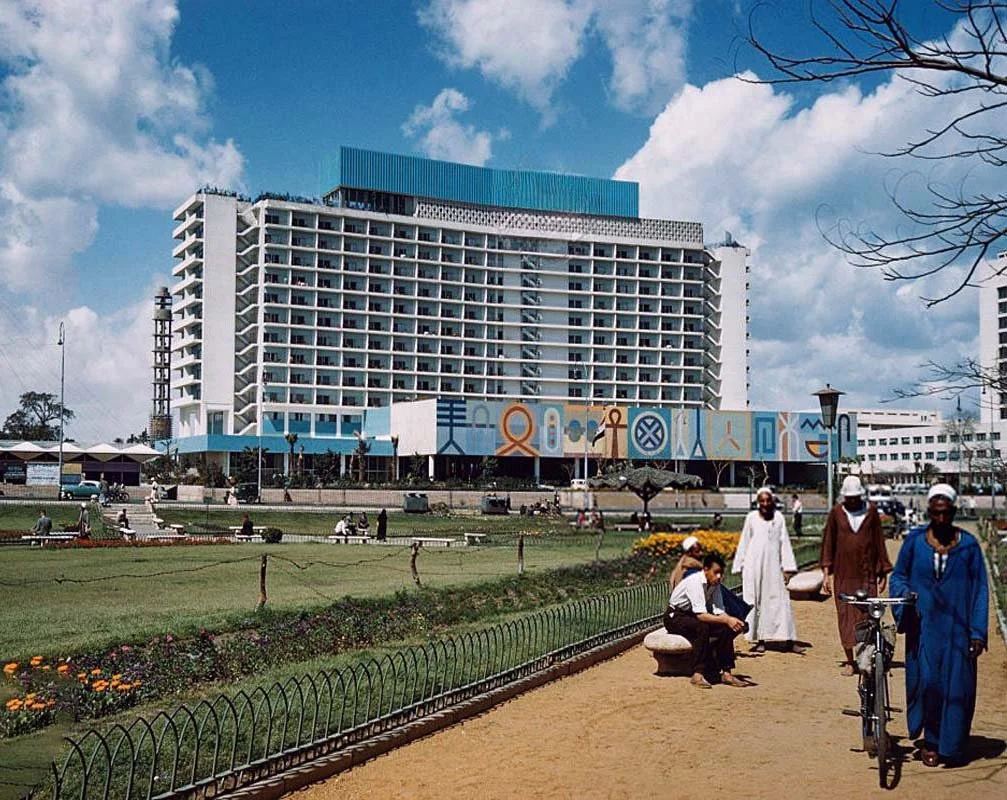
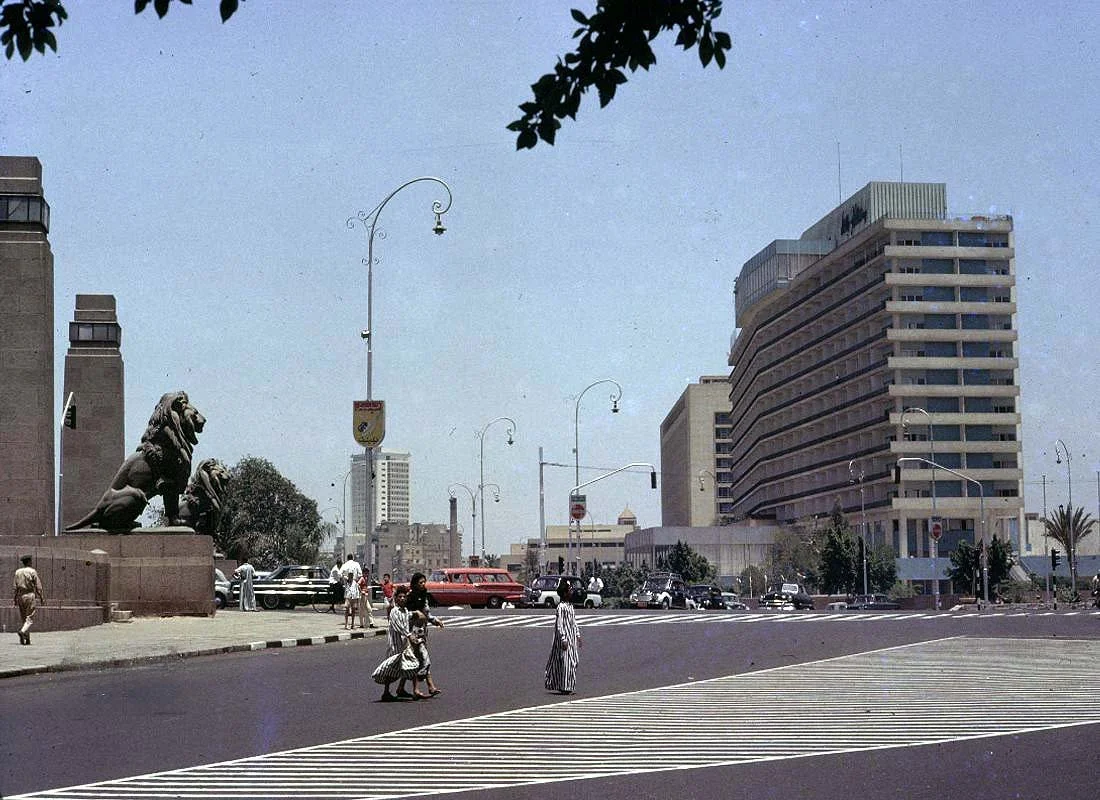
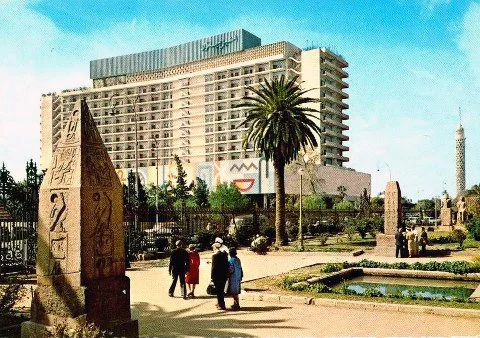
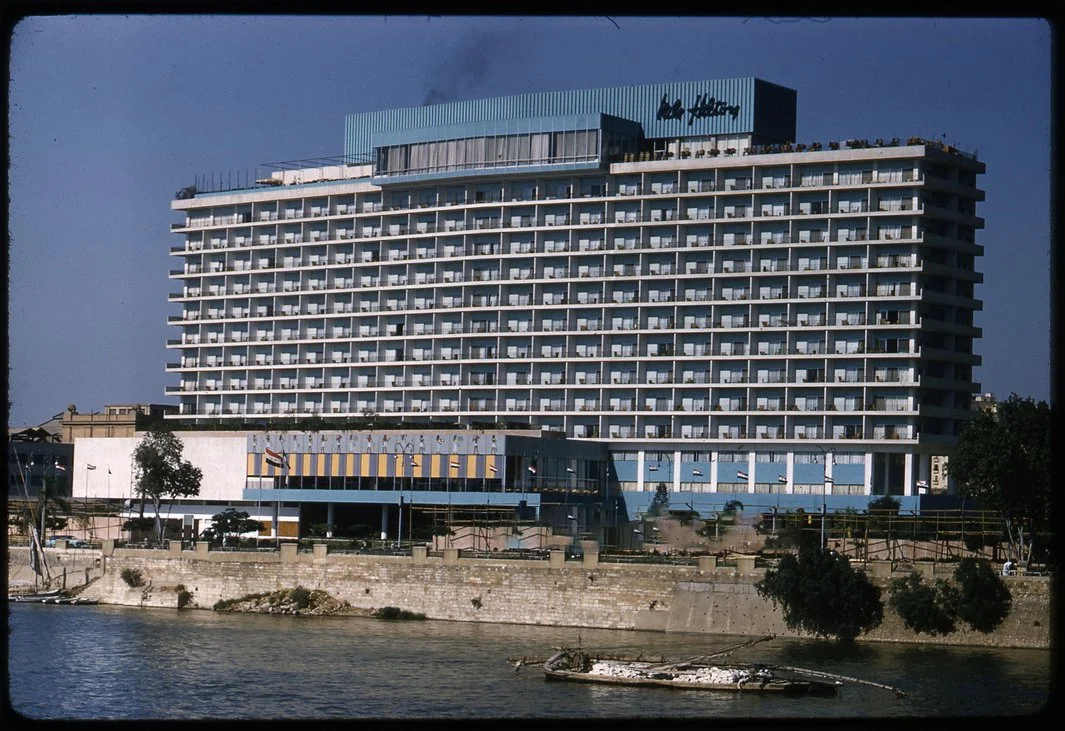
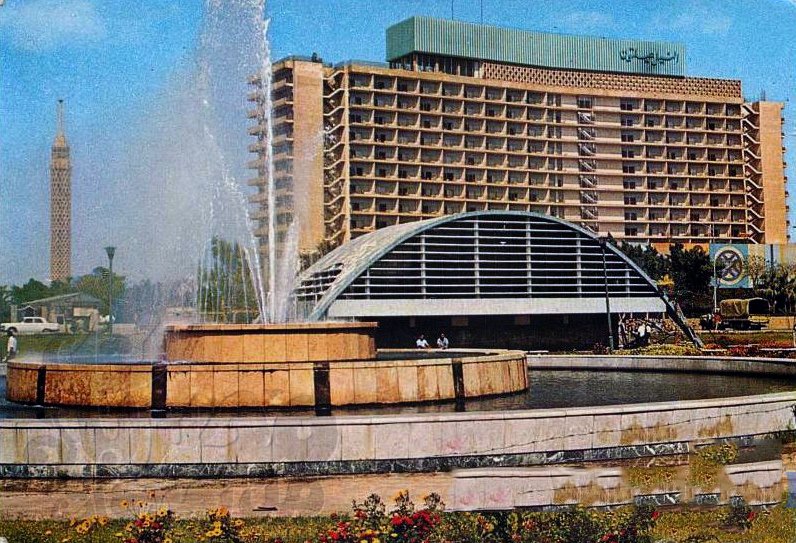
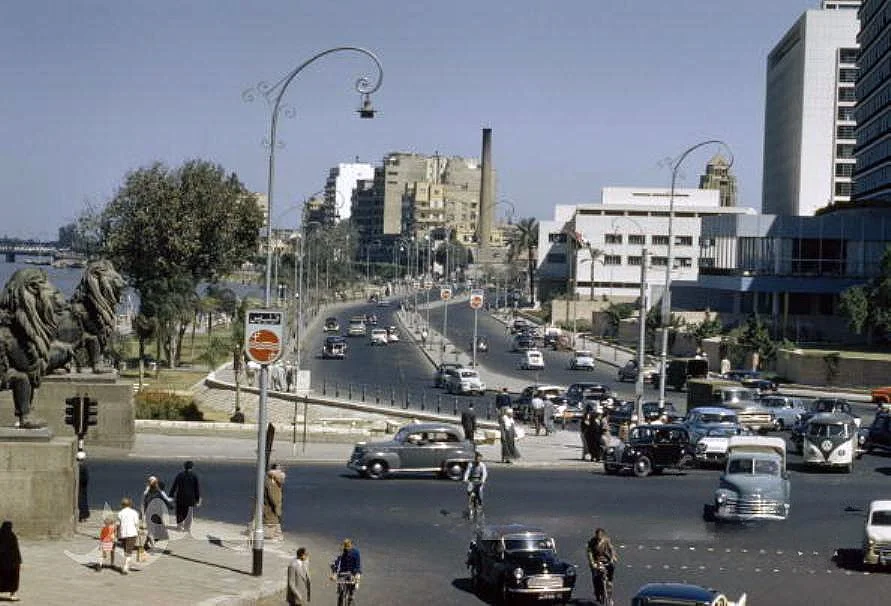
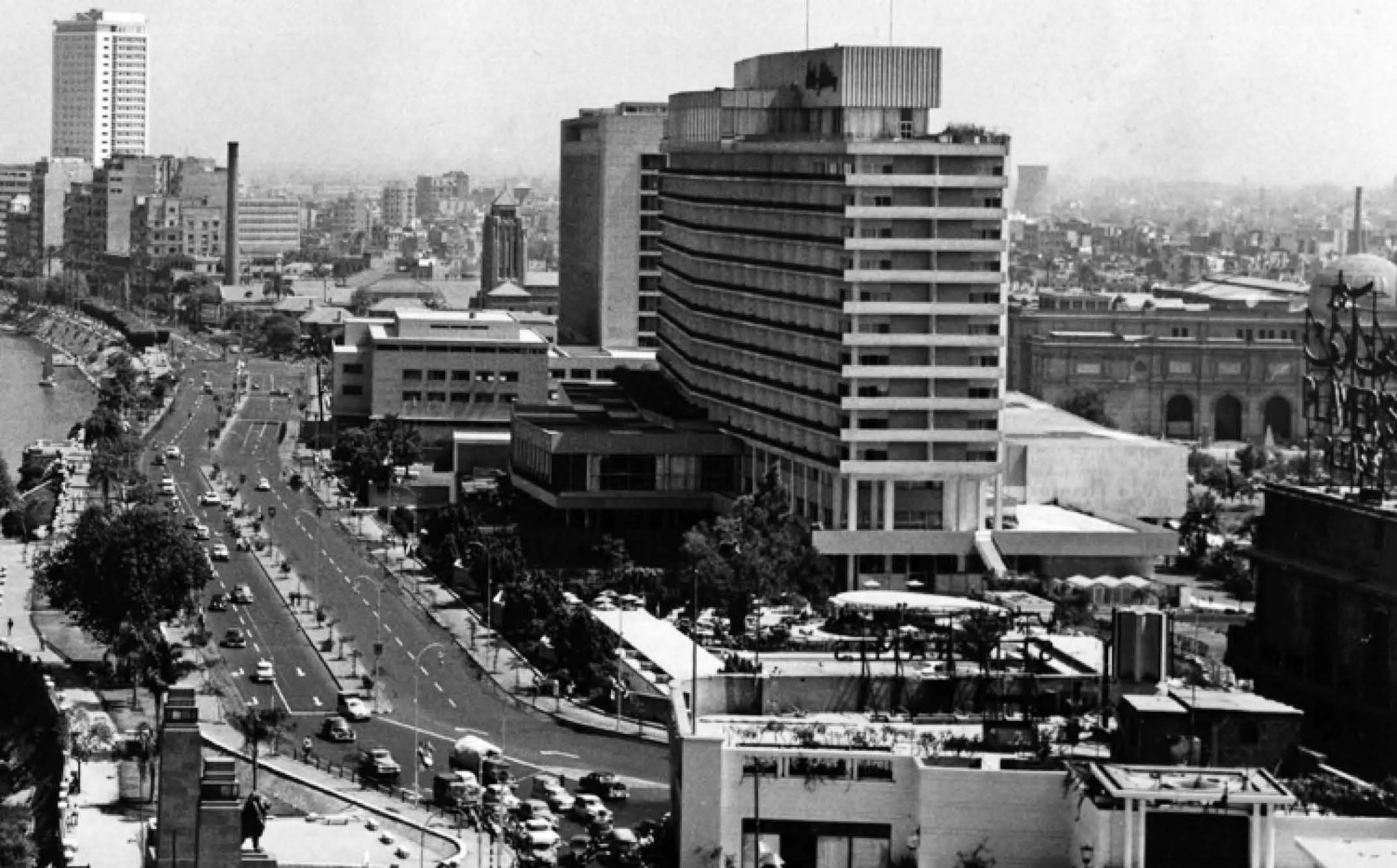
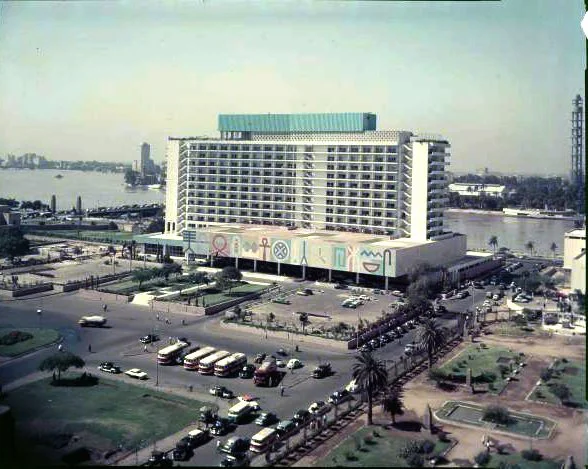
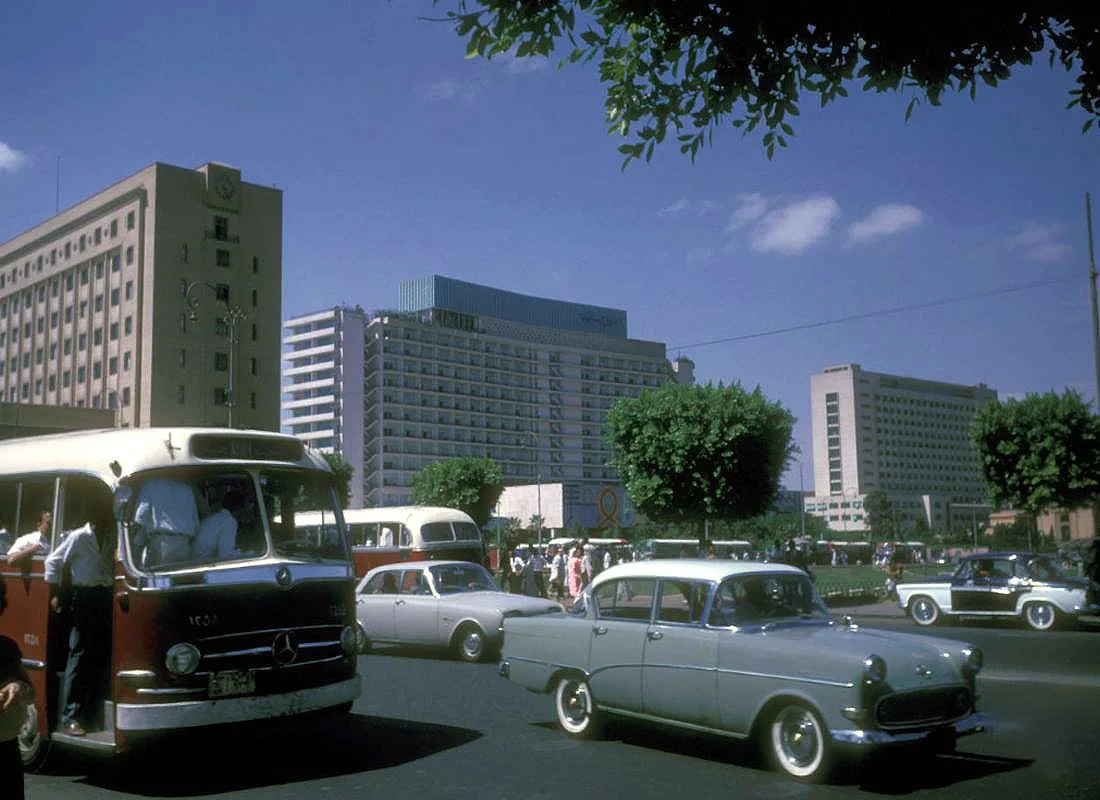
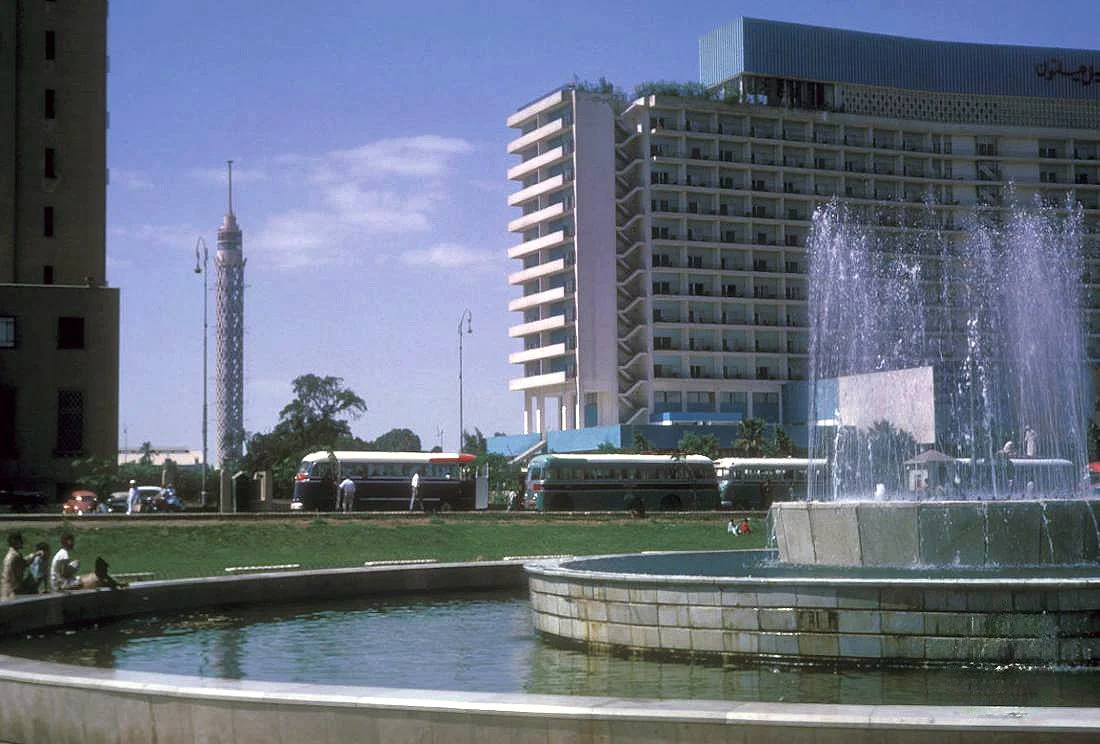
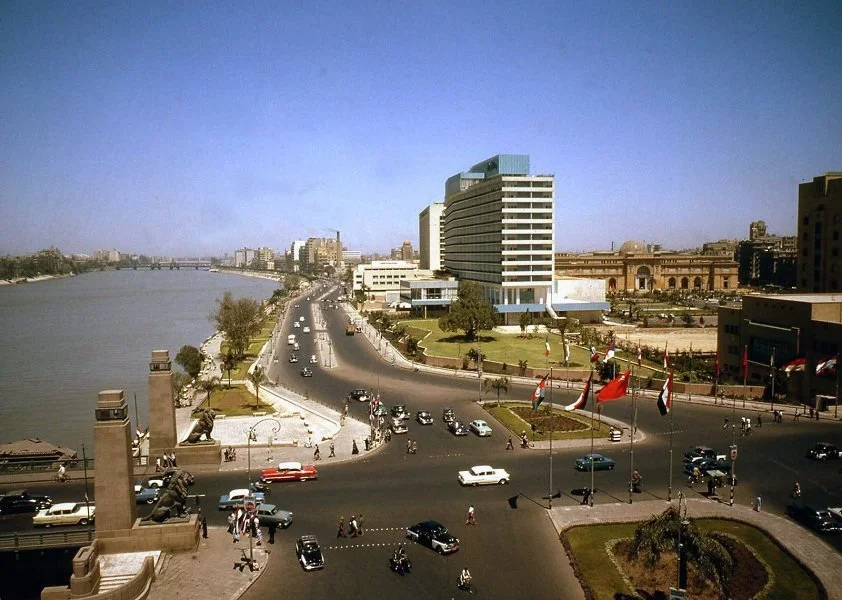
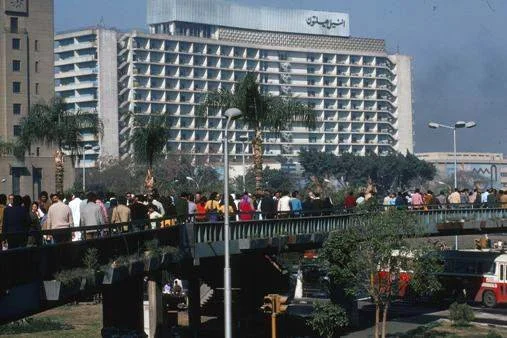
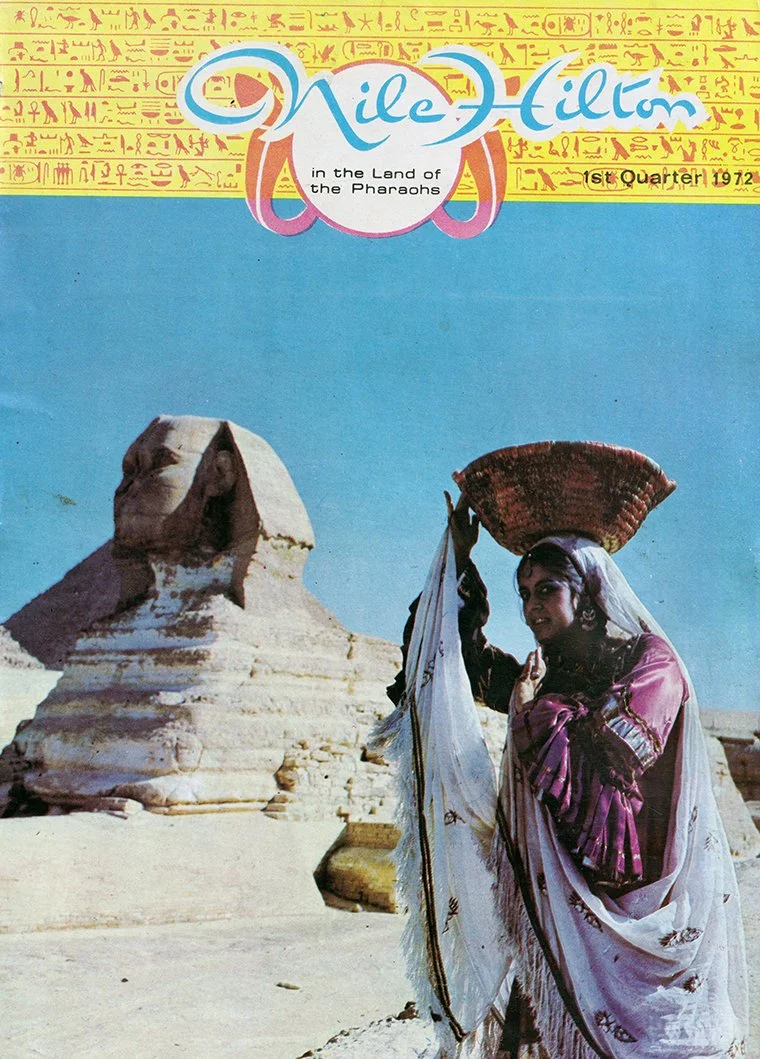
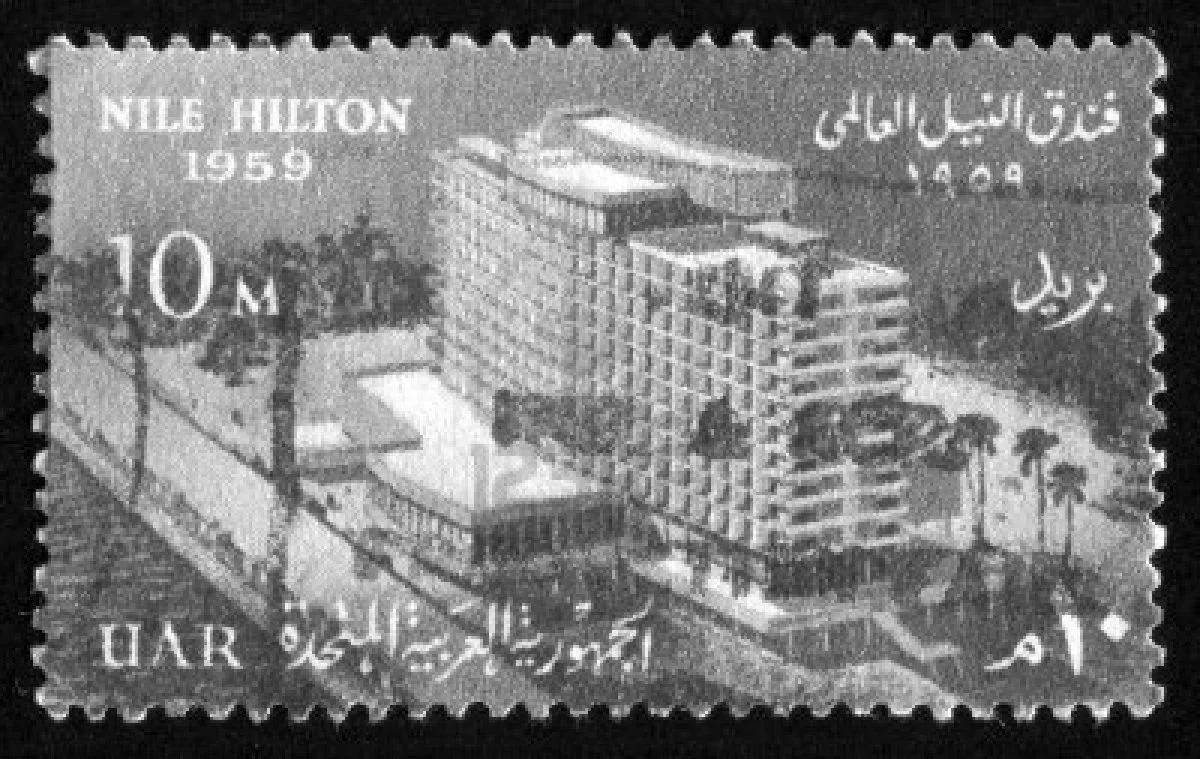
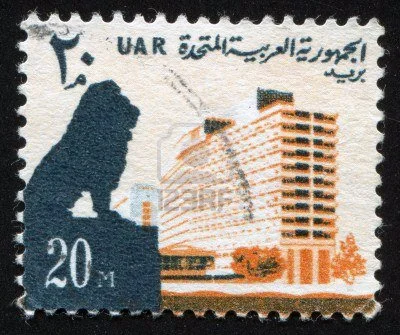
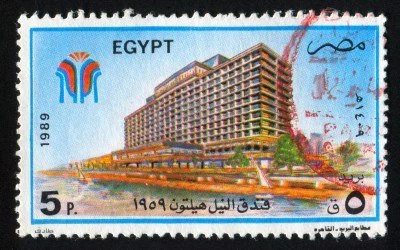
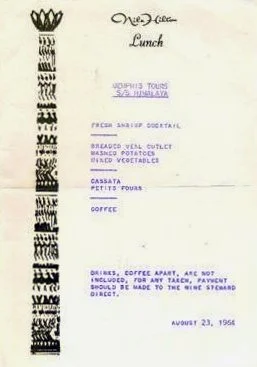
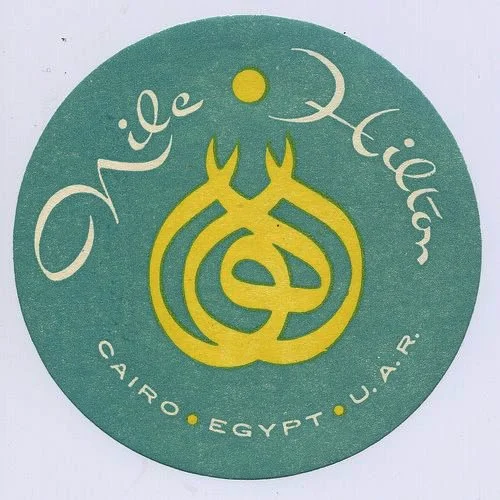
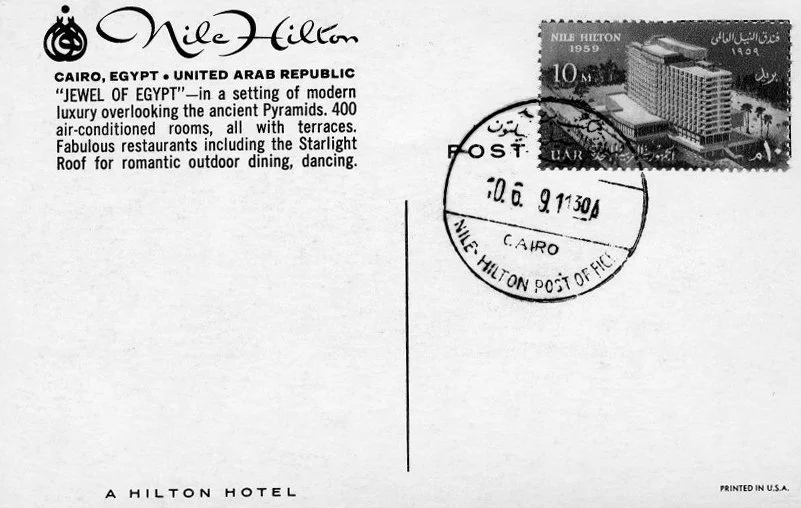
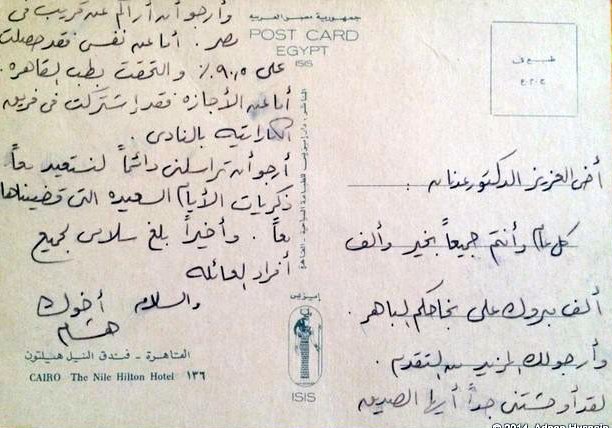
The Nile Hilton was always more than a hotel. It was a place where global politics brushed against local lives, where Nasser greeted Hollywood actresses under the eyes of Tito and Conrad Hilton, where Jewish families staged their reluctant farewells, where middle-class couples courted, and where young Cairenes like myself experienced fragments of a world that felt cosmopolitan, extravagant, and sometimes forbidden. Many of these fragments are preserved in mementos, brochures, stamps. postcards, menus and other ephemera.
CHANGES & TRANSFORMATIONS
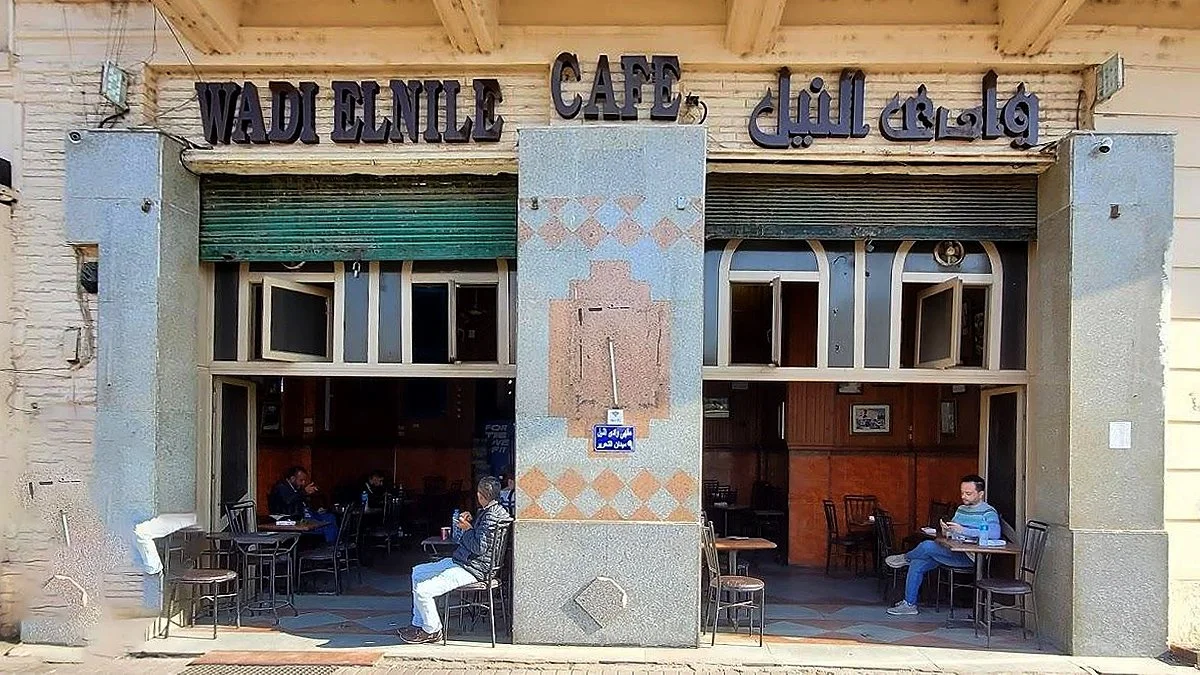
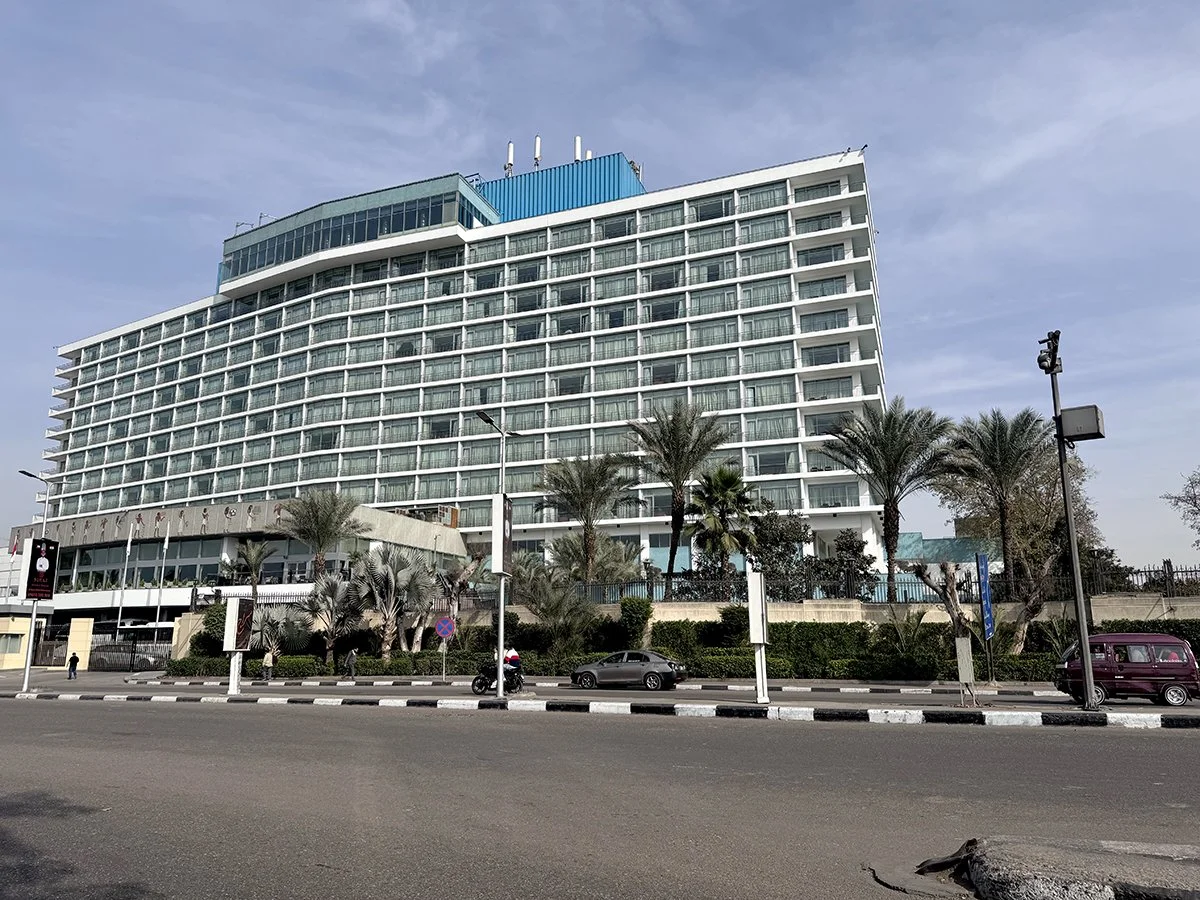
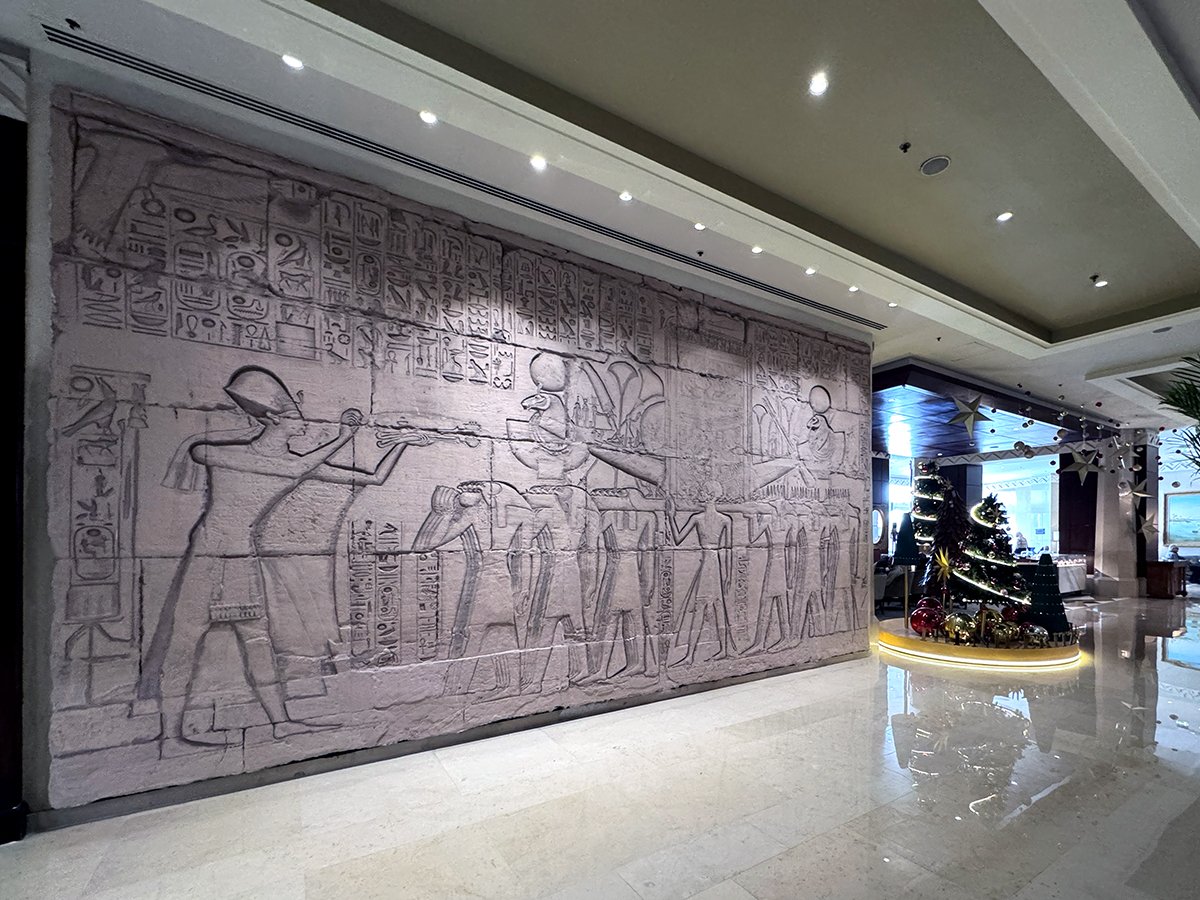
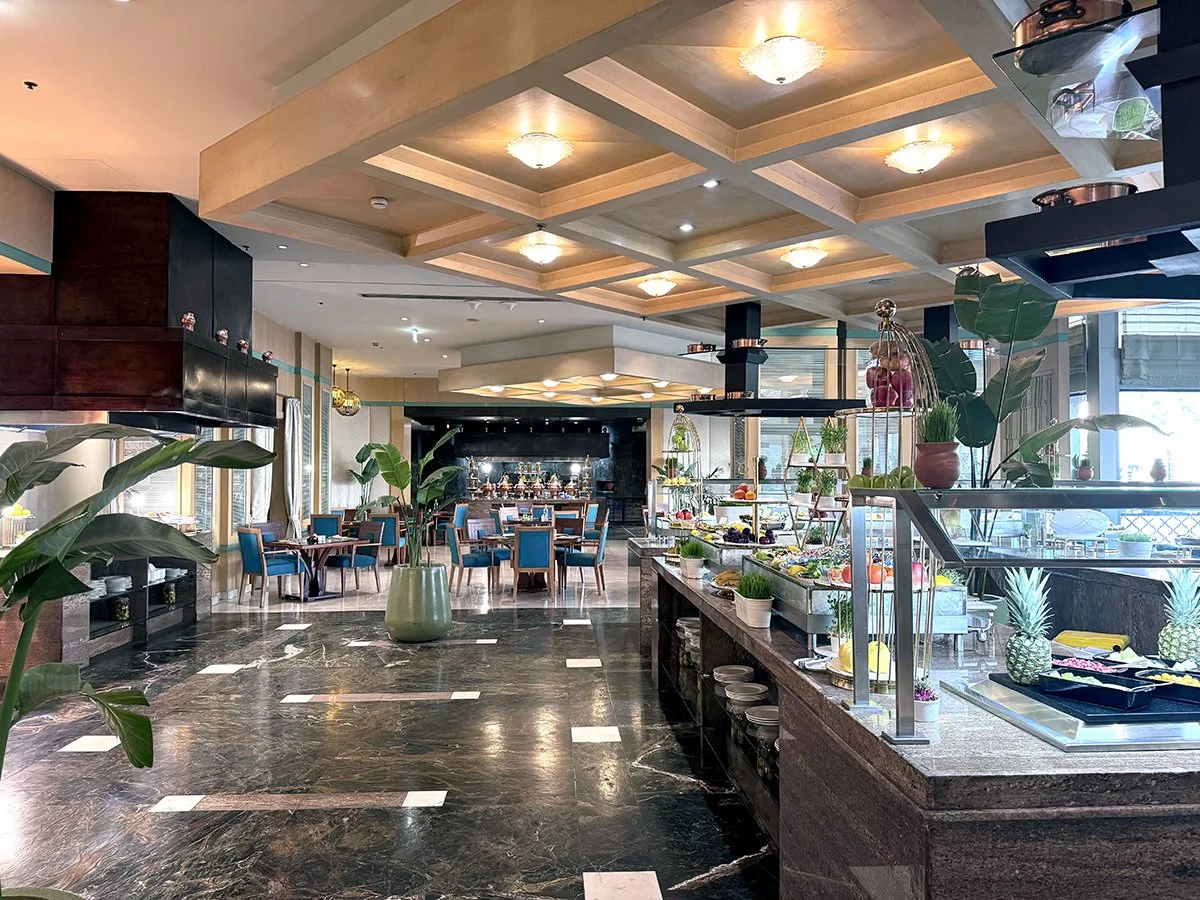
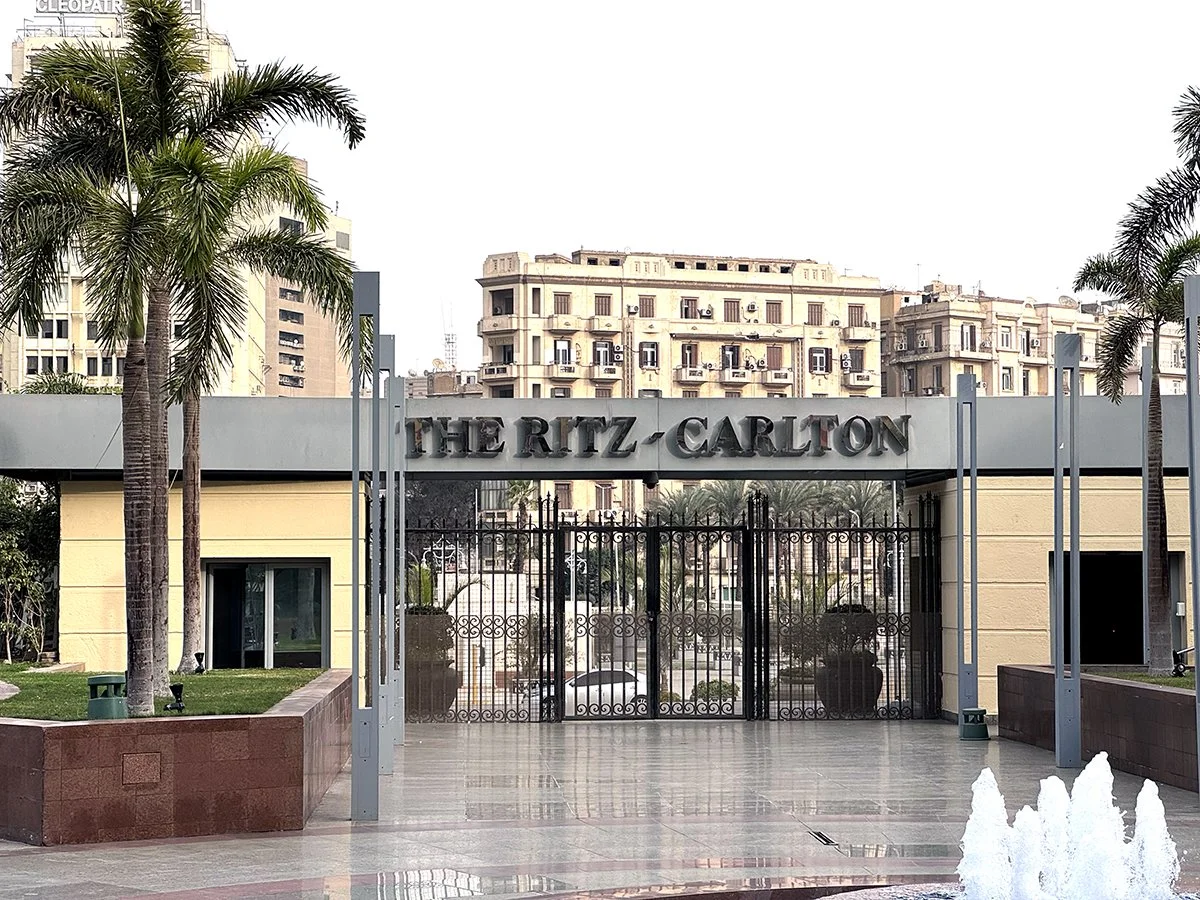
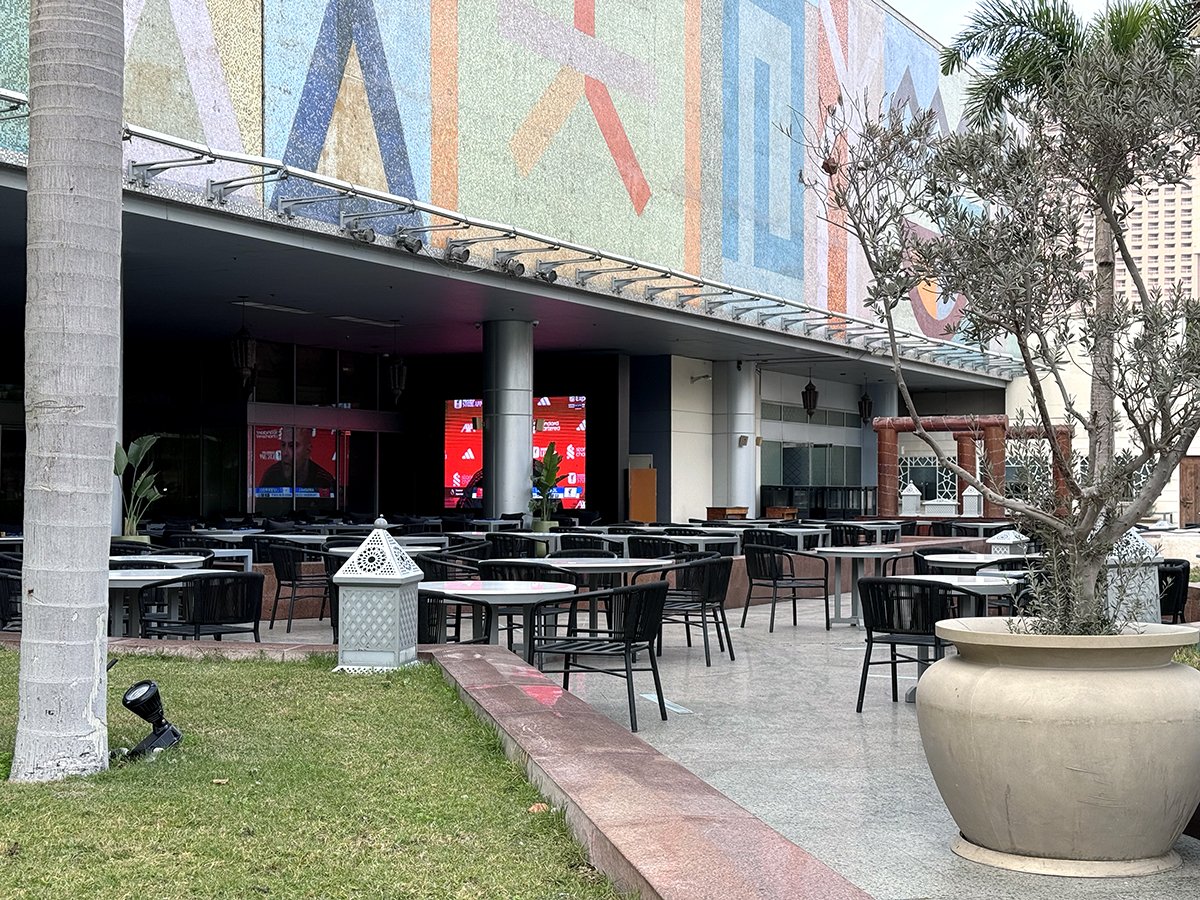
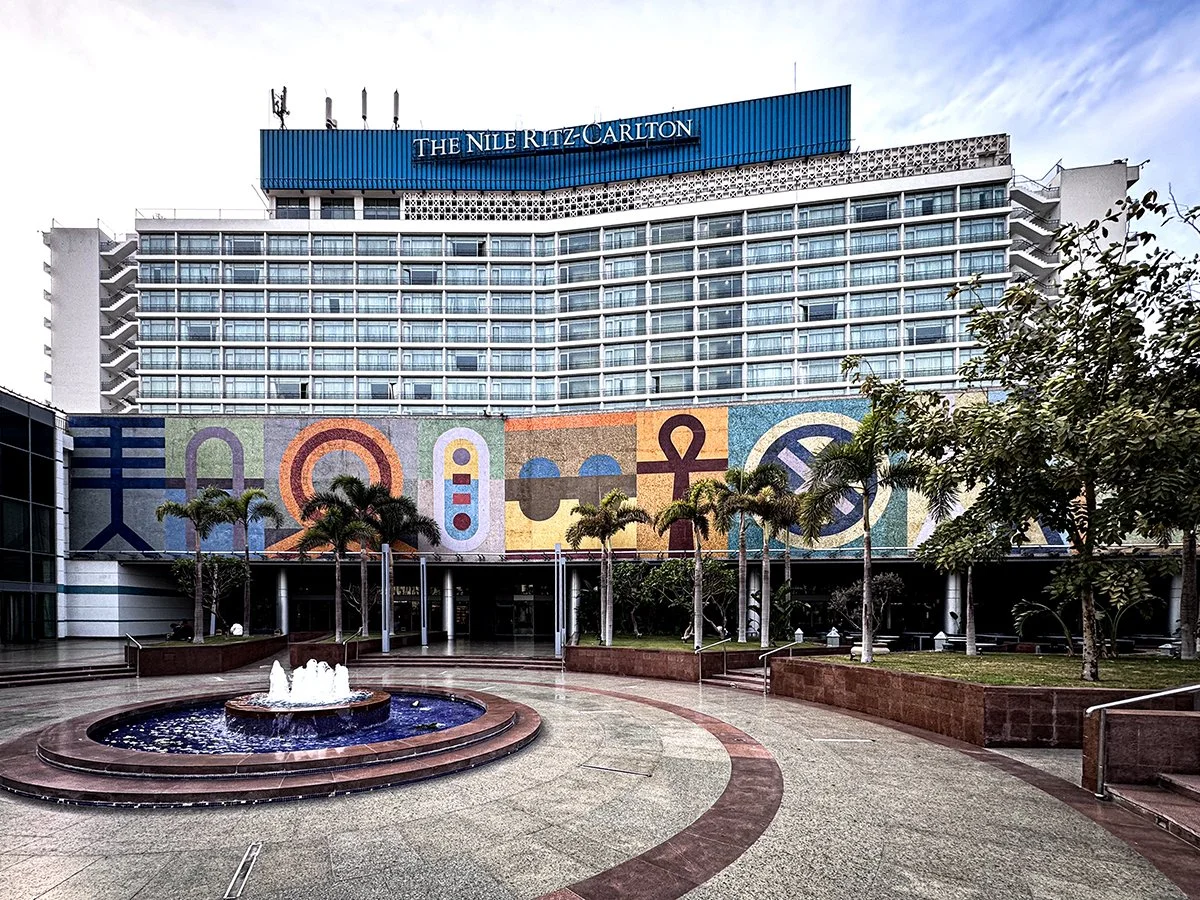
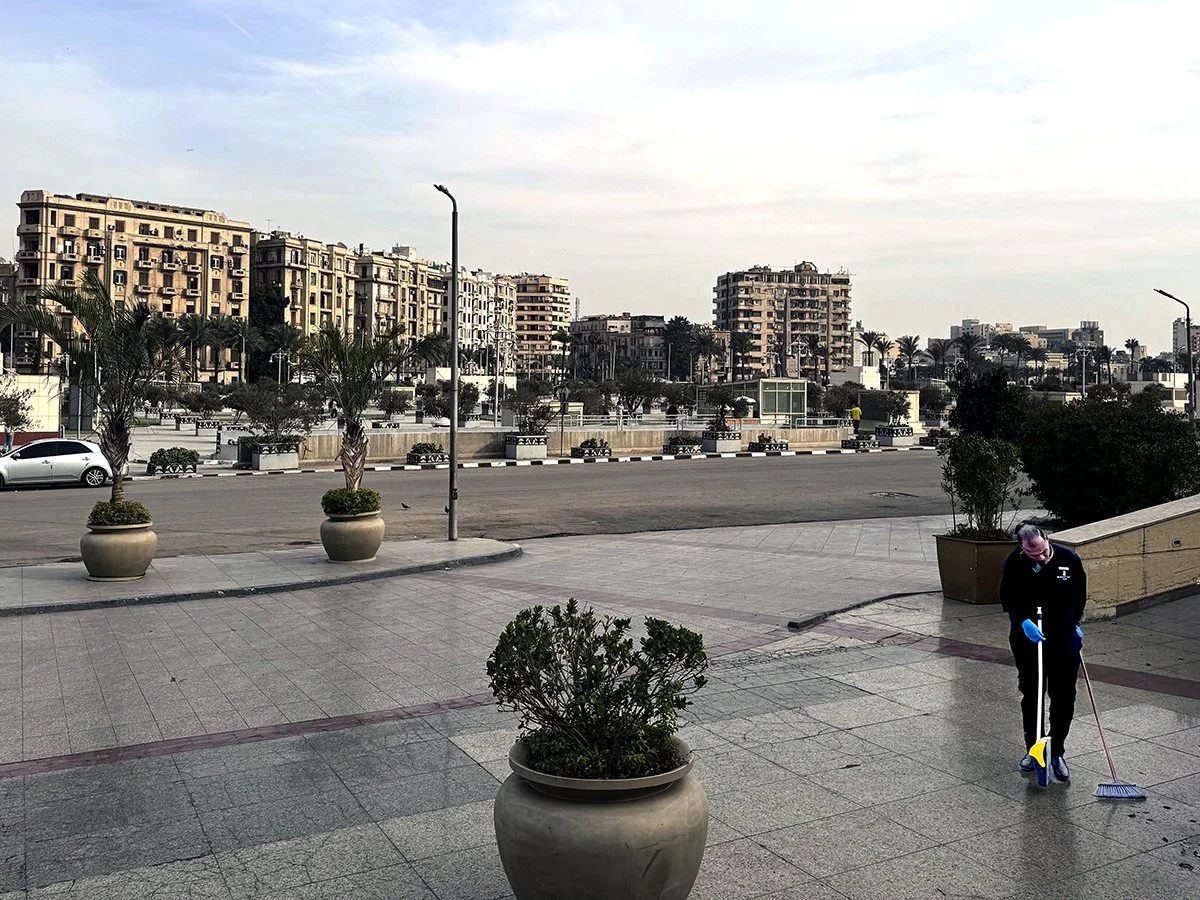
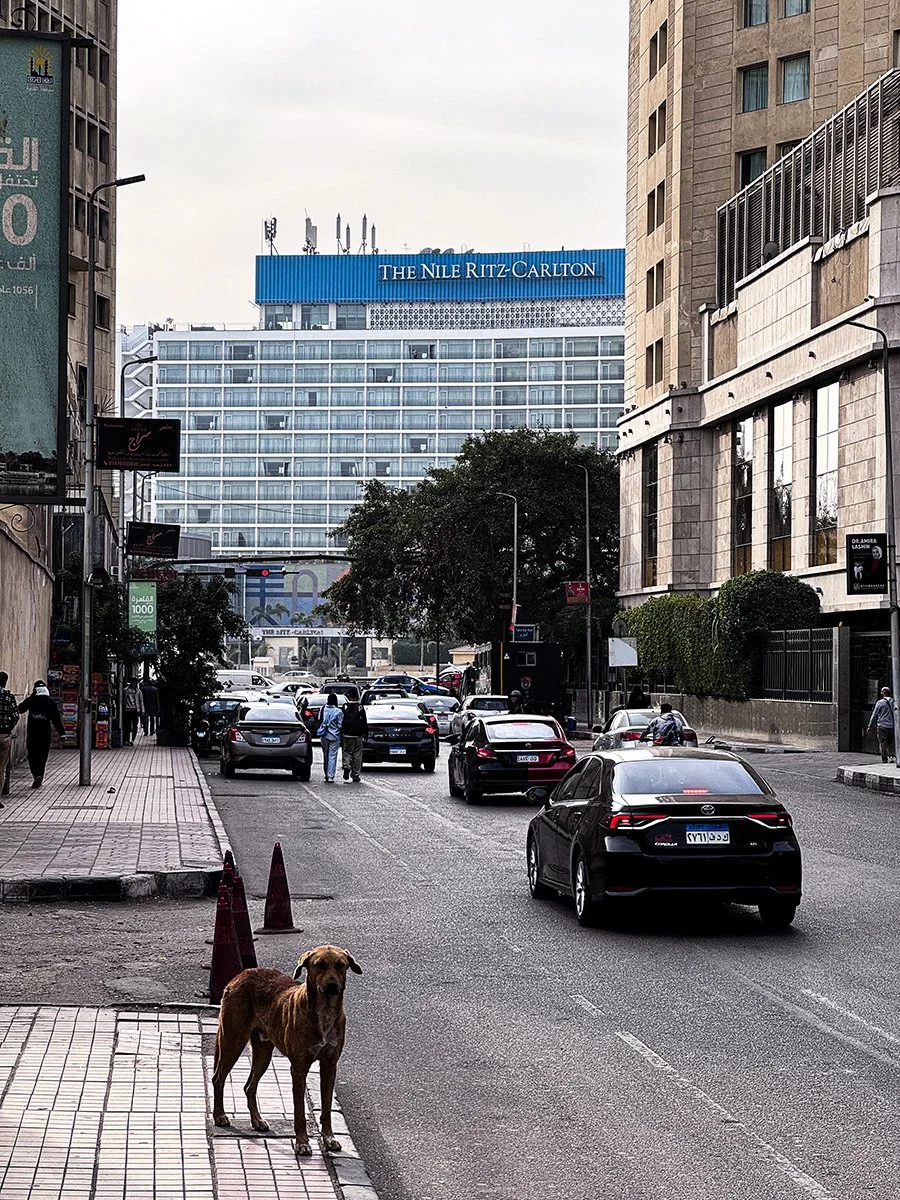
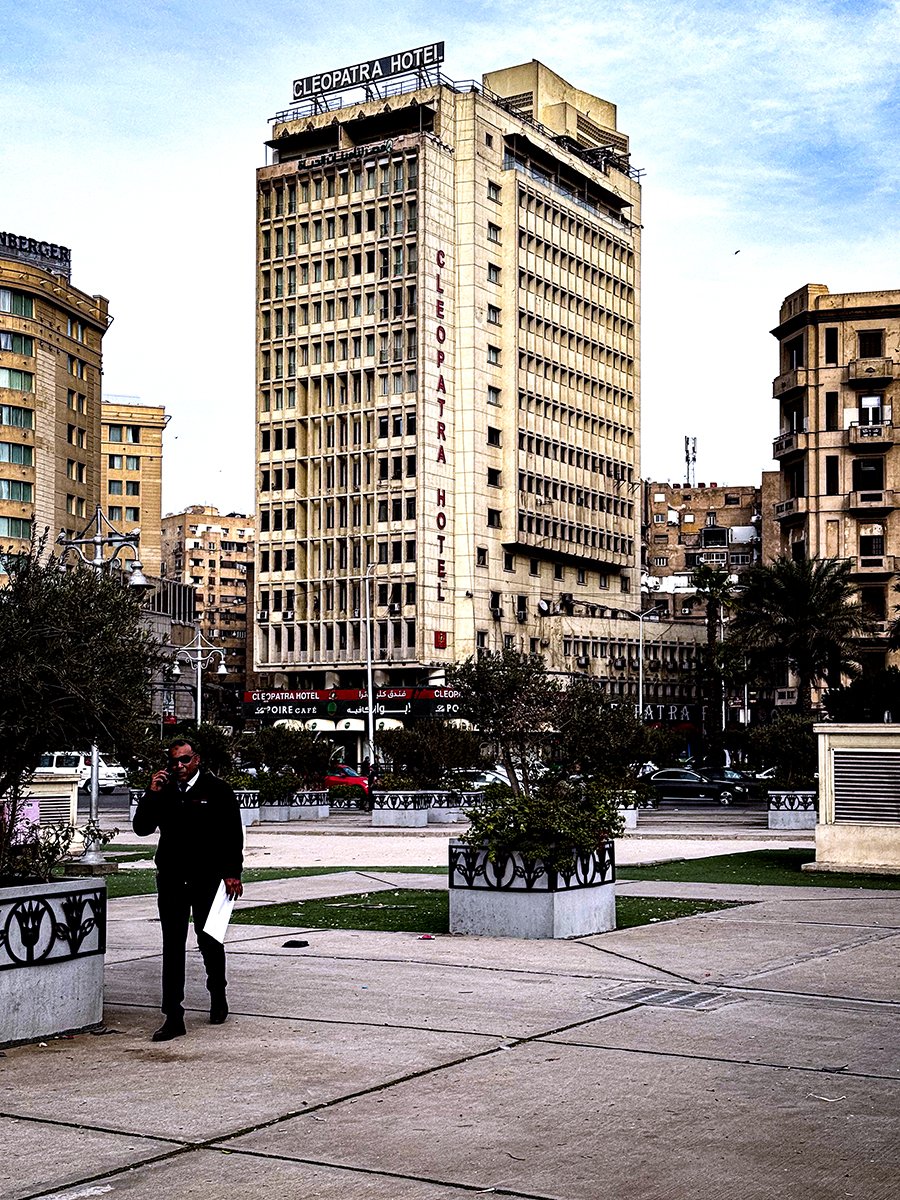
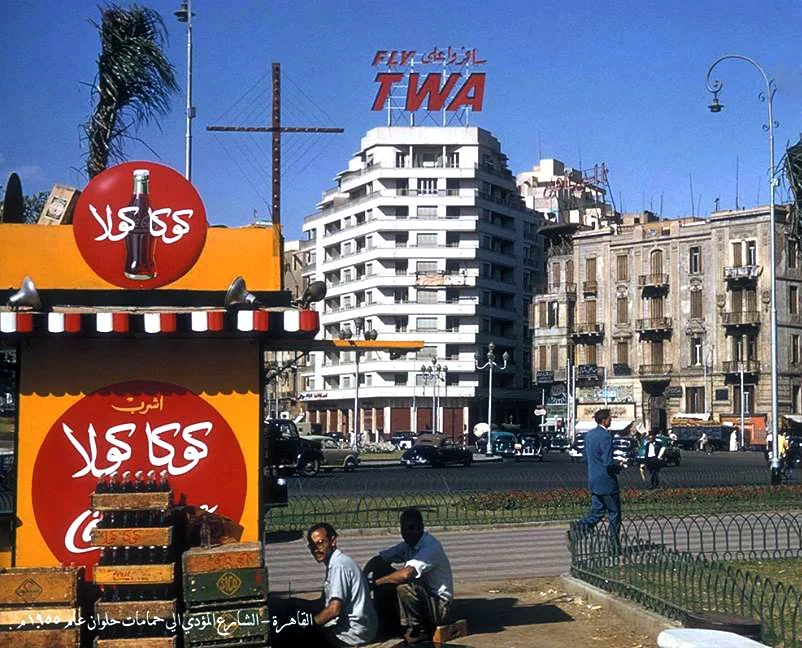
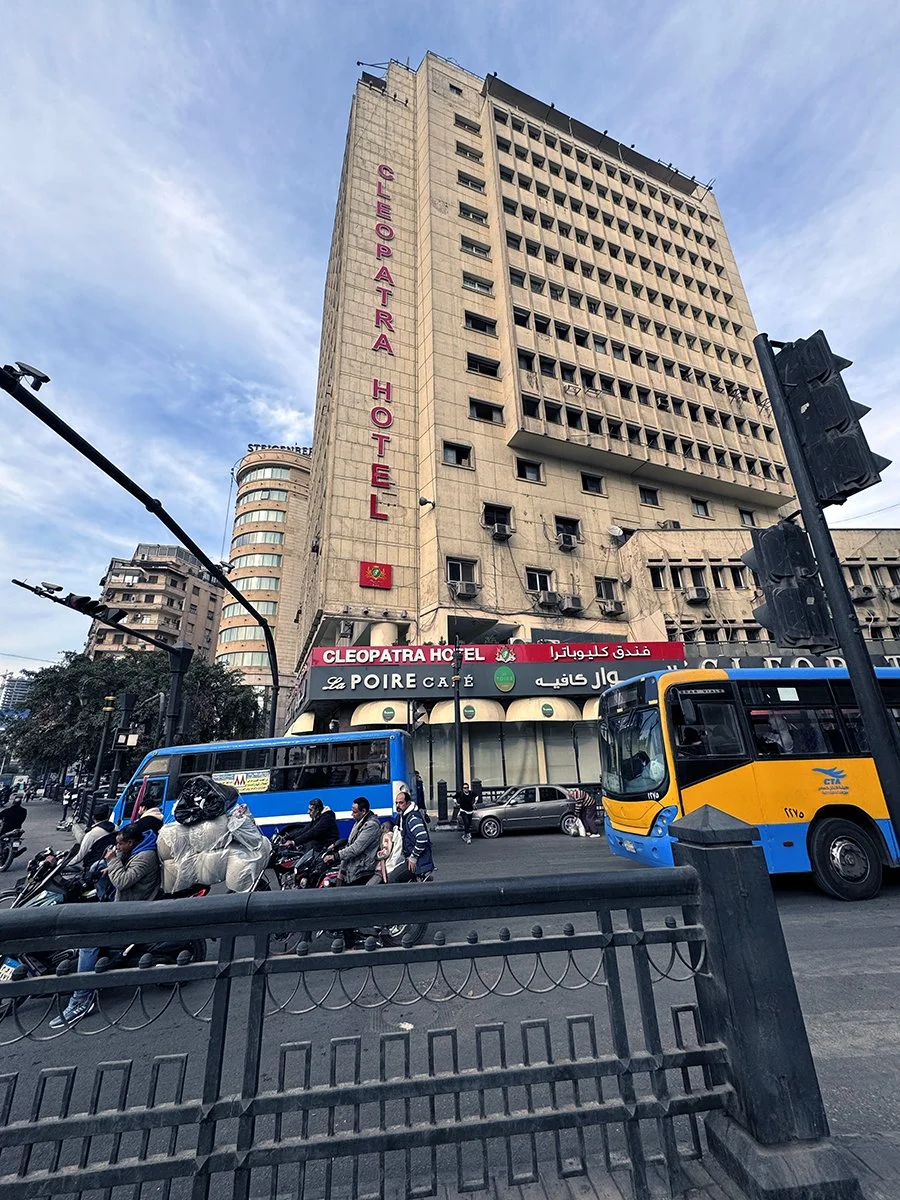
The Nile Hilton was closed in 2010. When it reopened in 2015 as the Nile Ritz-Carlton, it still retained some of its old aura. The hieroglyphs remained, the outer enclosed courtyard was removed, and the cafeteria modernized. And yet it is not the same anymore -- it lost some of its edge, that sense of moving beyond the permissible. But in my memory, it remains the Nile Hilton—a shimmering promise. Similarly, many establishment in Tahrir square changed as well. The former TWA travel office became La Poire an upscale coffeeshop/ The Wadi Al Nil Cafe became Tahrir cafe. The space in front of the Hotel which used to be a major bus interchange was converted into a lifeless plaza.
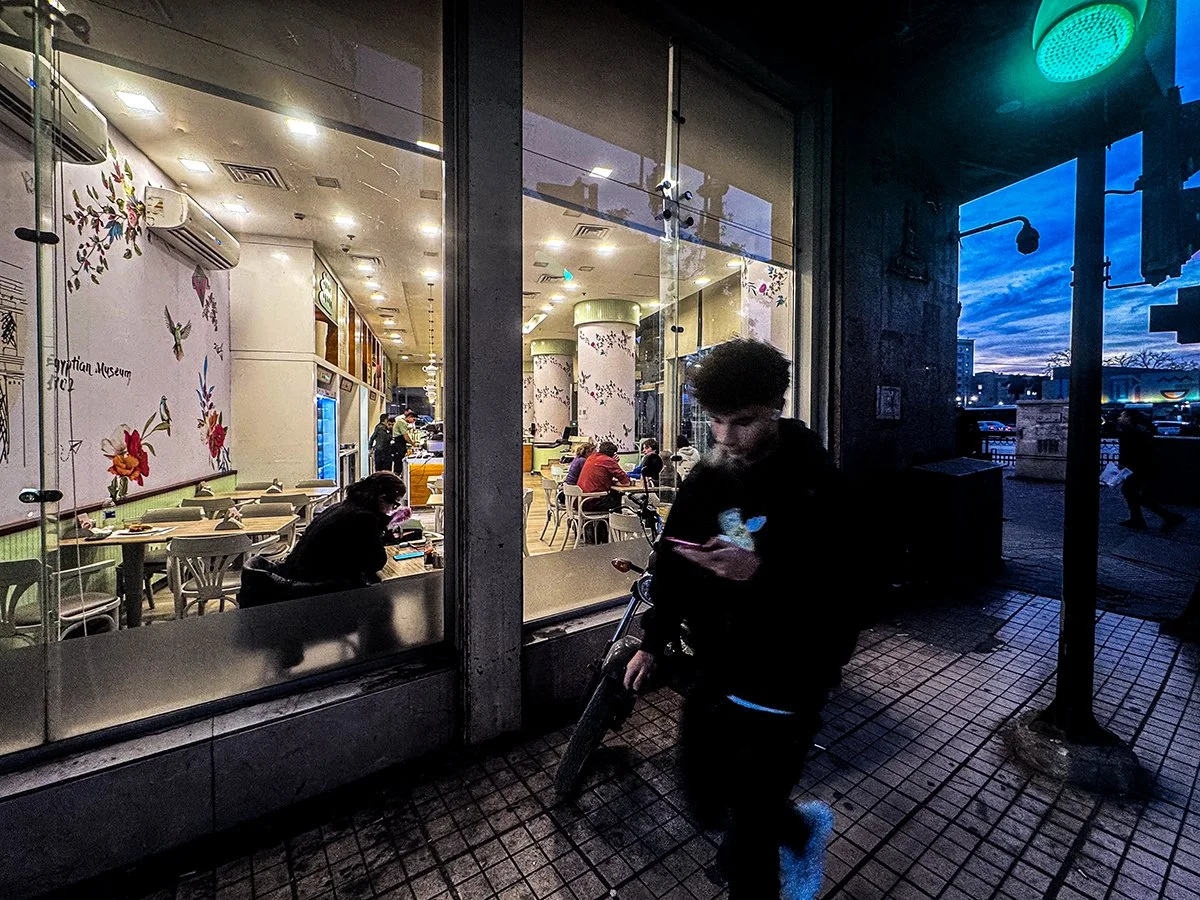
LA POIRE
An upscale coffeeshop which replaced the TWA travel office which had occupied the same space since the 1950s.
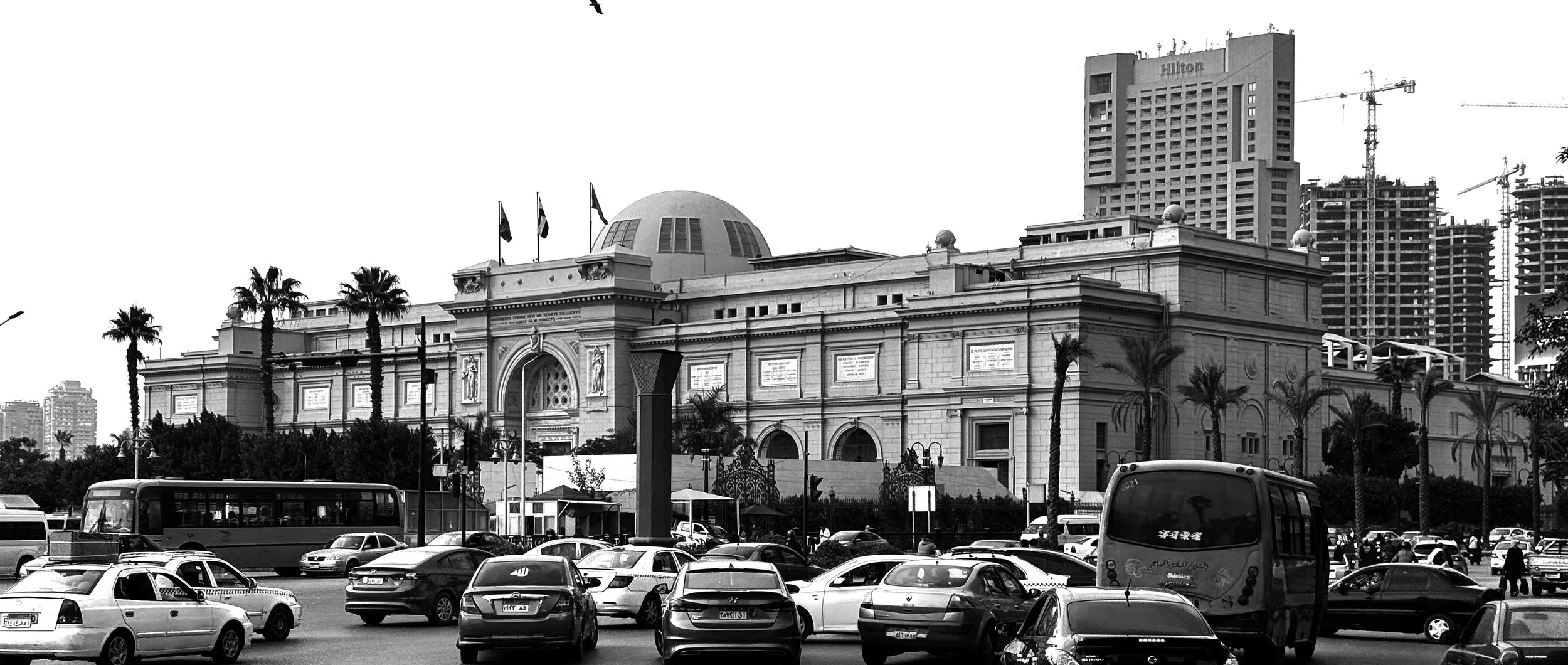
The Egyptian Museum
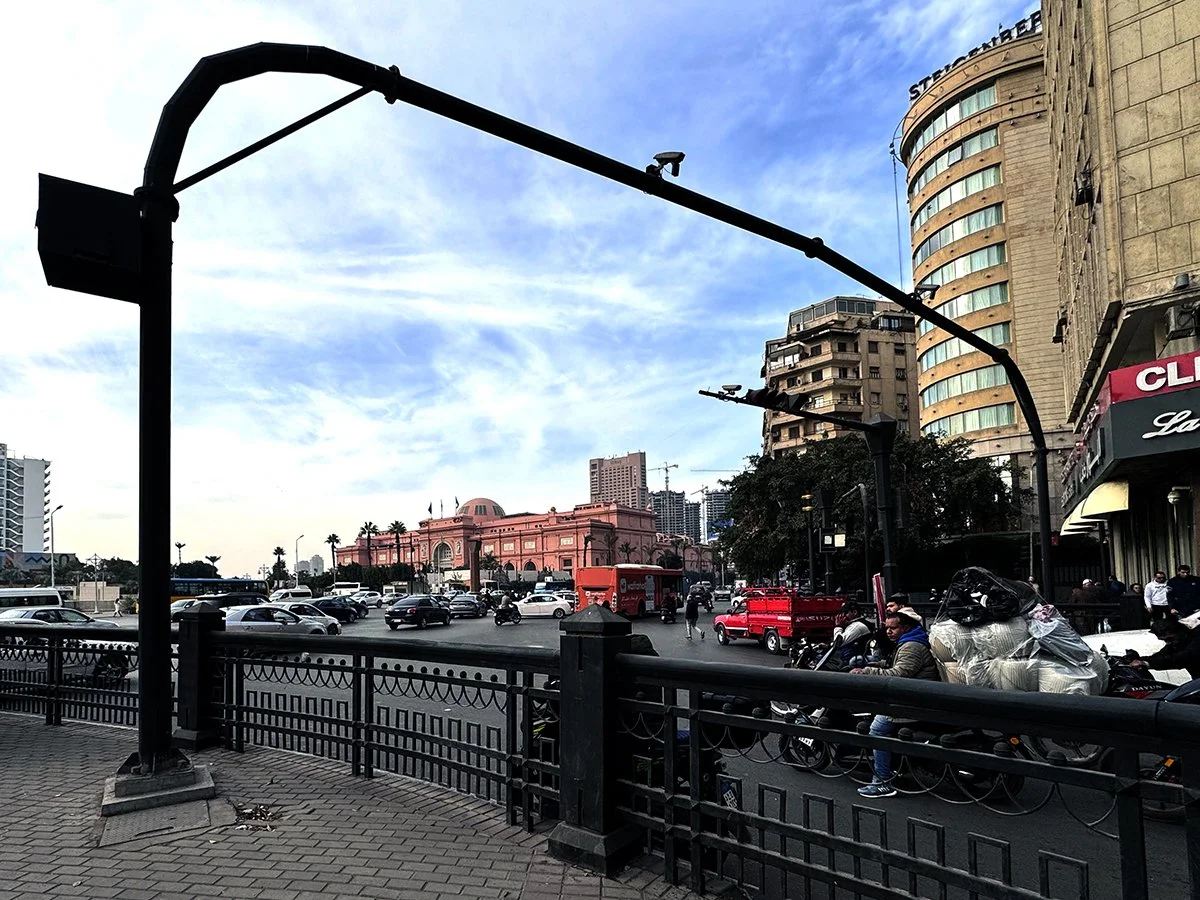
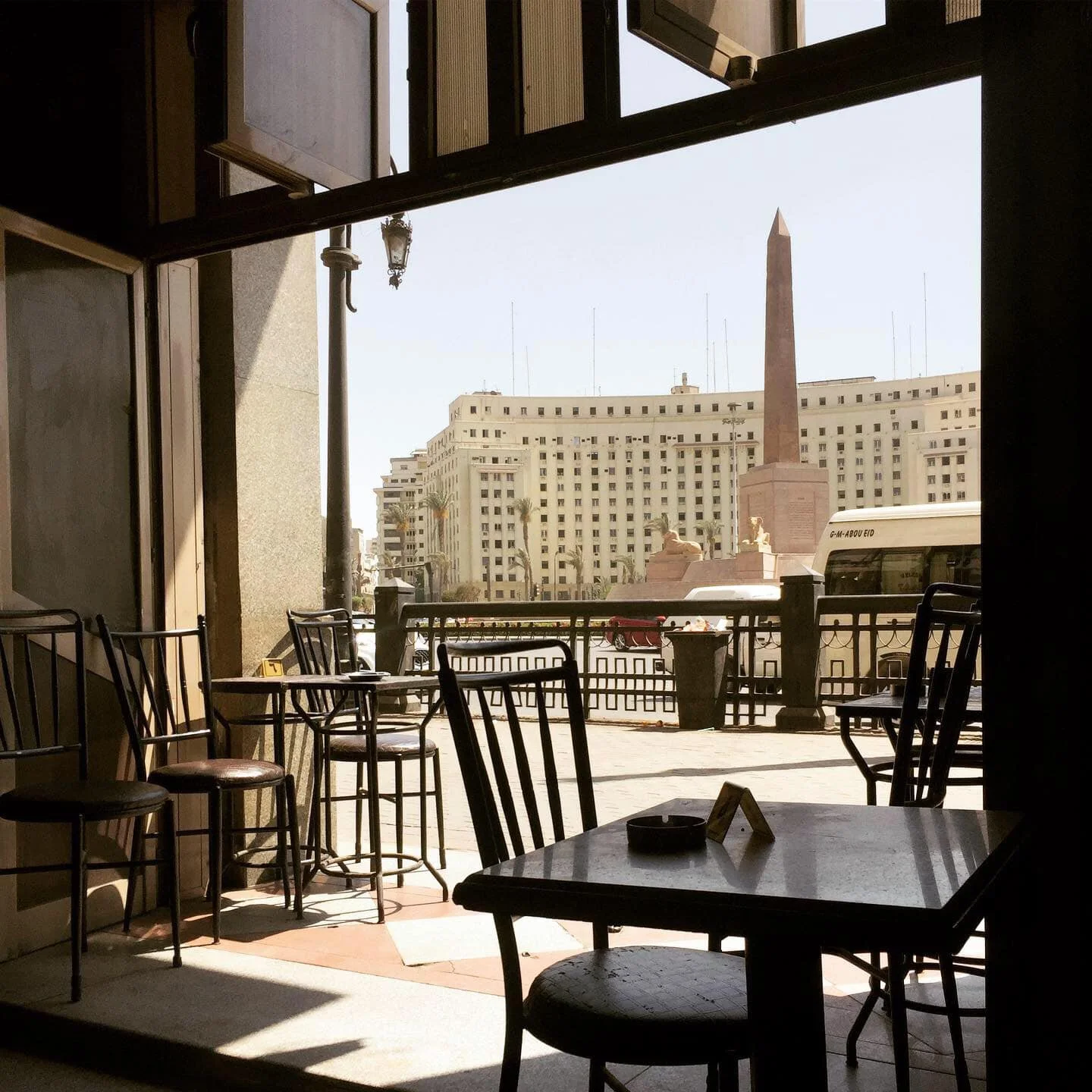
Tahrir Cafe (Formerly Wadi Al Nil)
A traditional Ahwa Baladi which used to be a gathering place for Cairo’s Sudanese migrant community.