A Street, A Restaurant, A City: Mohamed Ali Street, Hag Said, and Cairo’s Everyday Histories
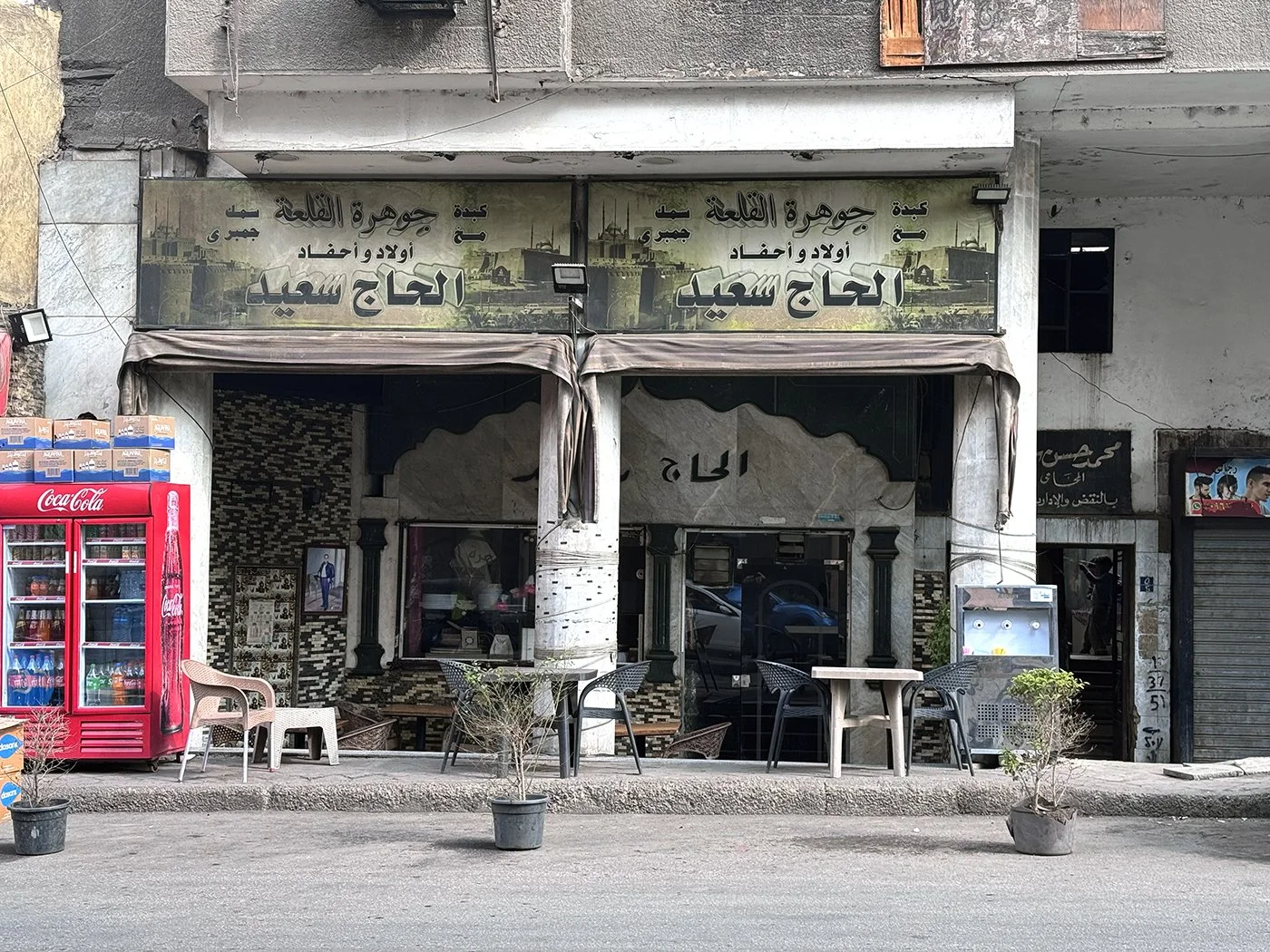
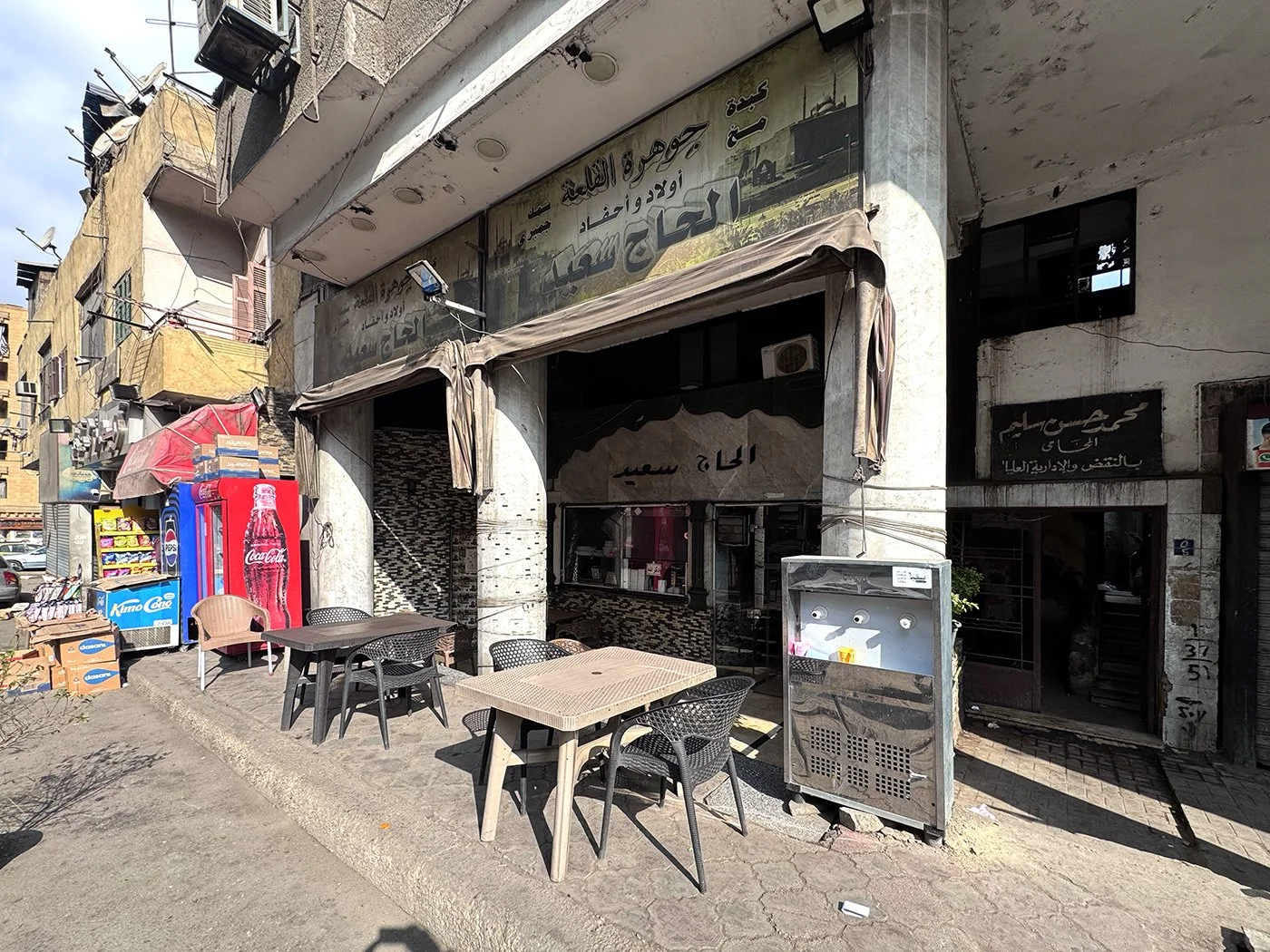
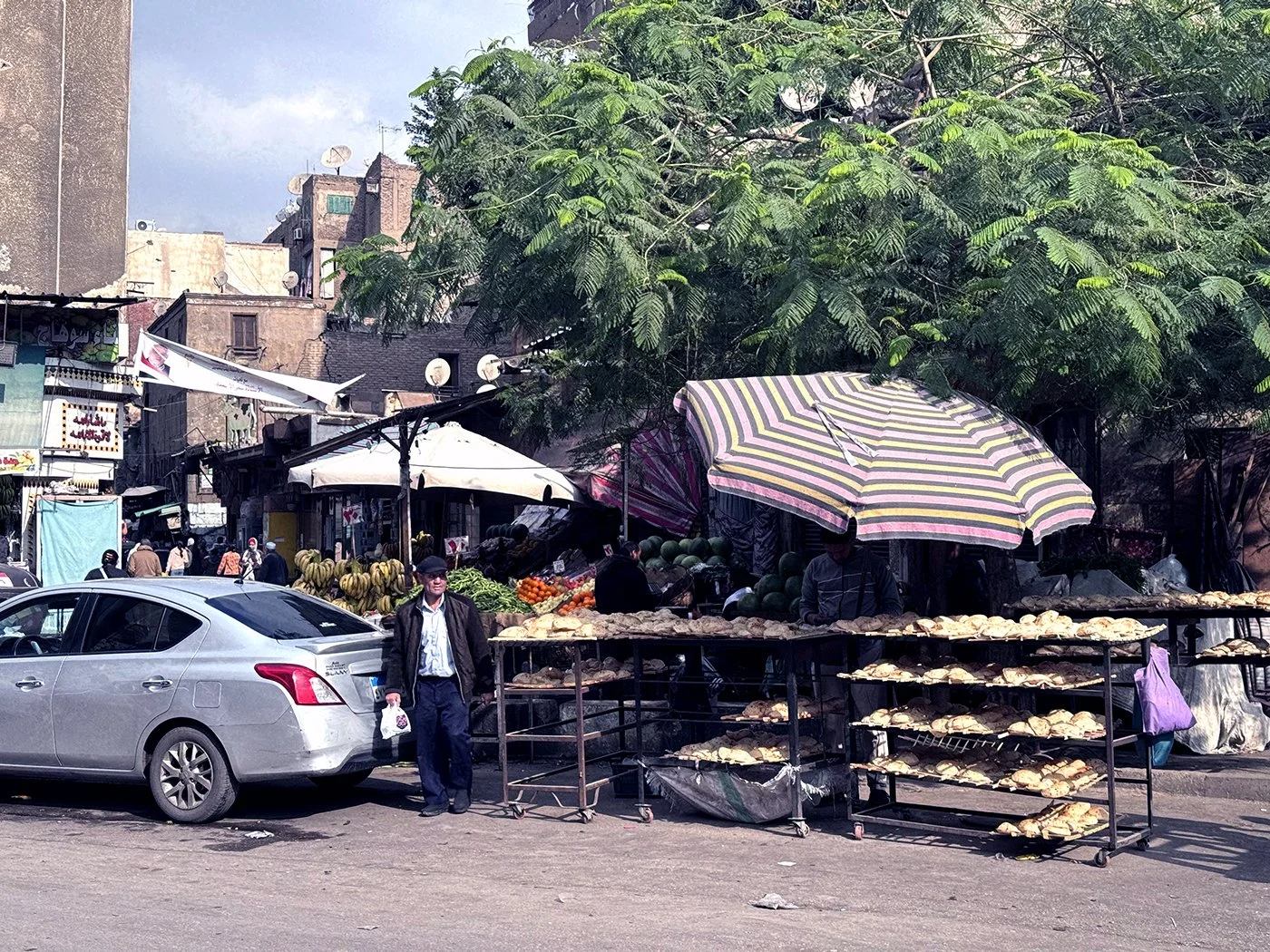
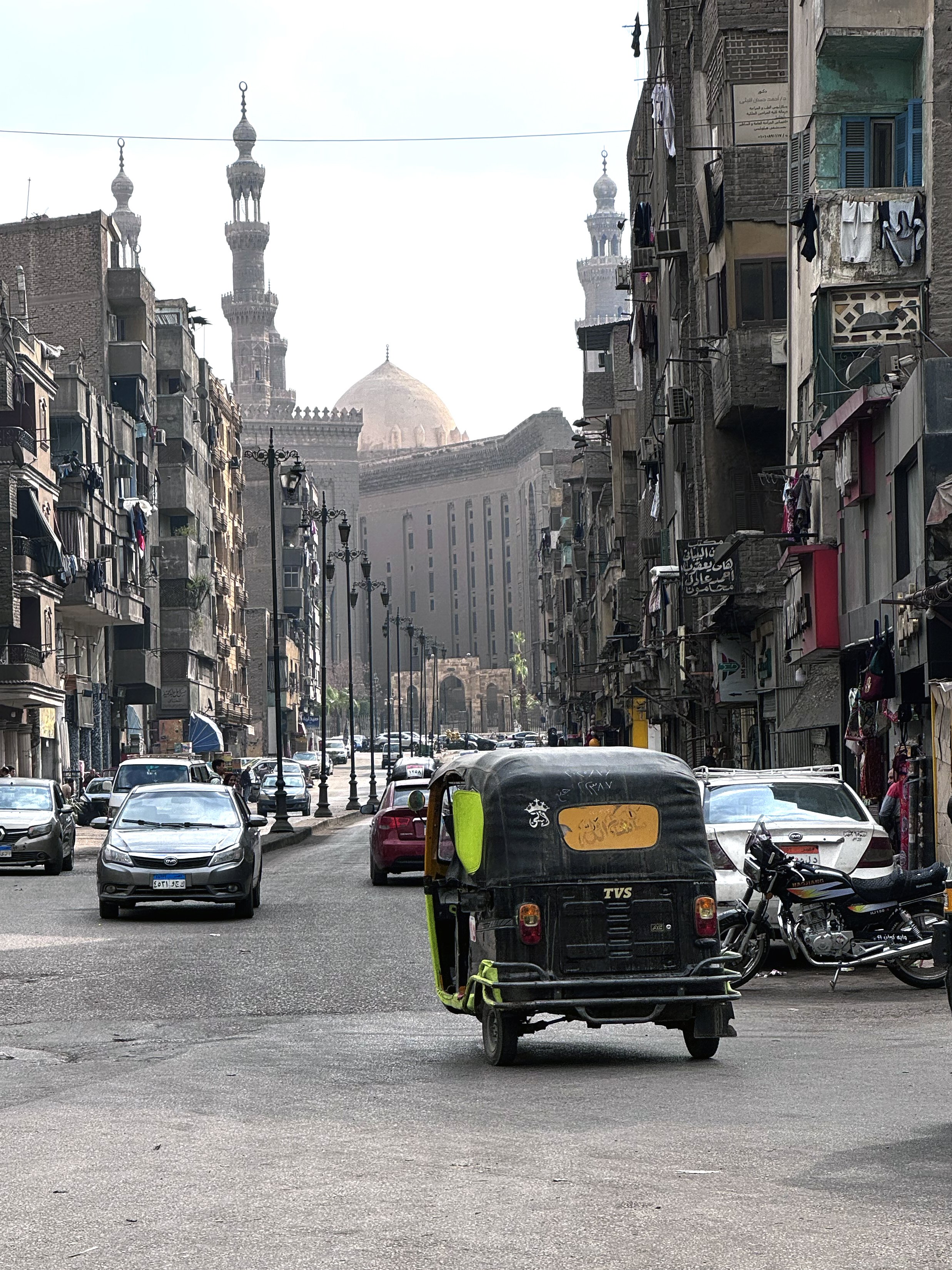
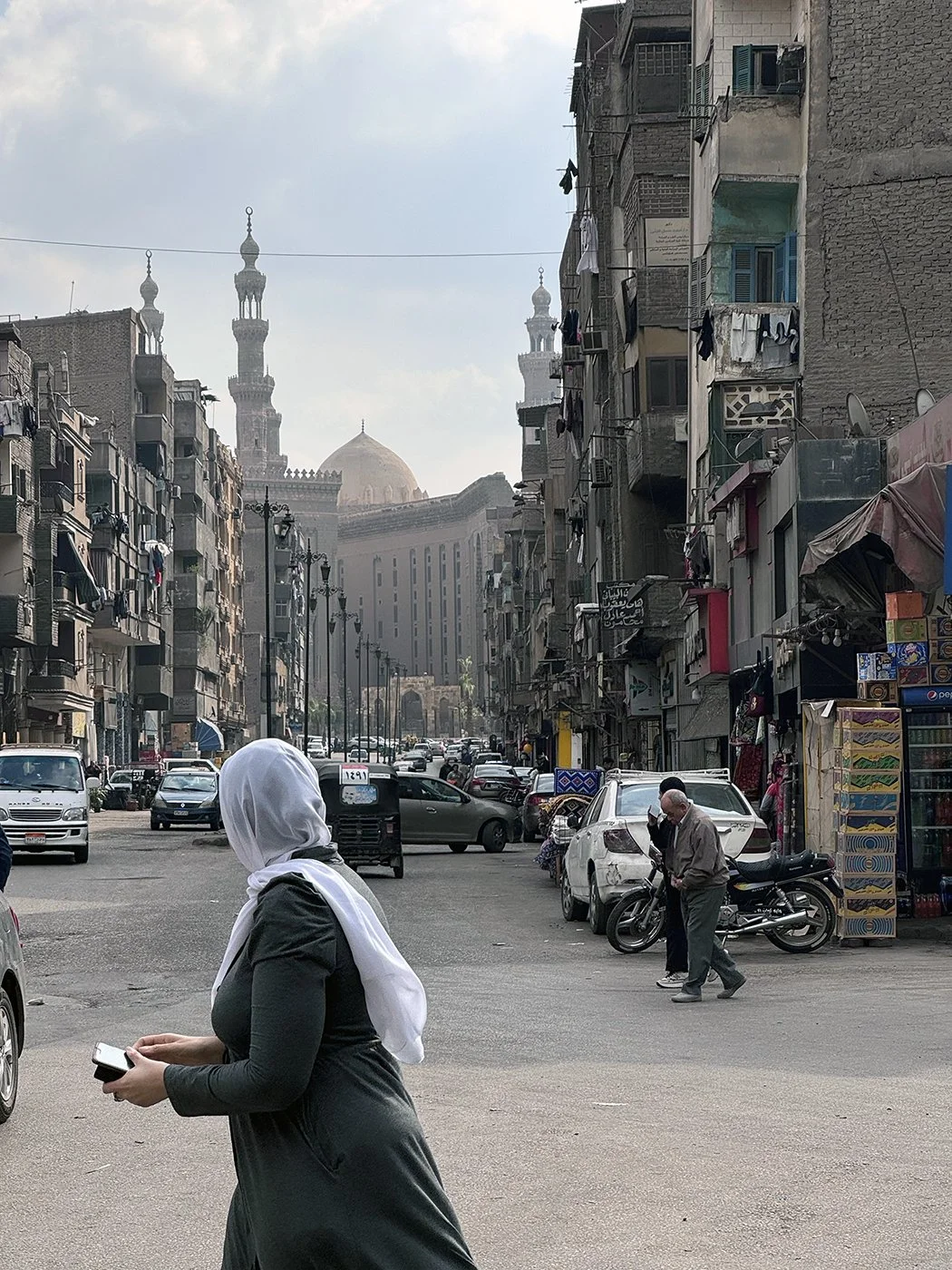
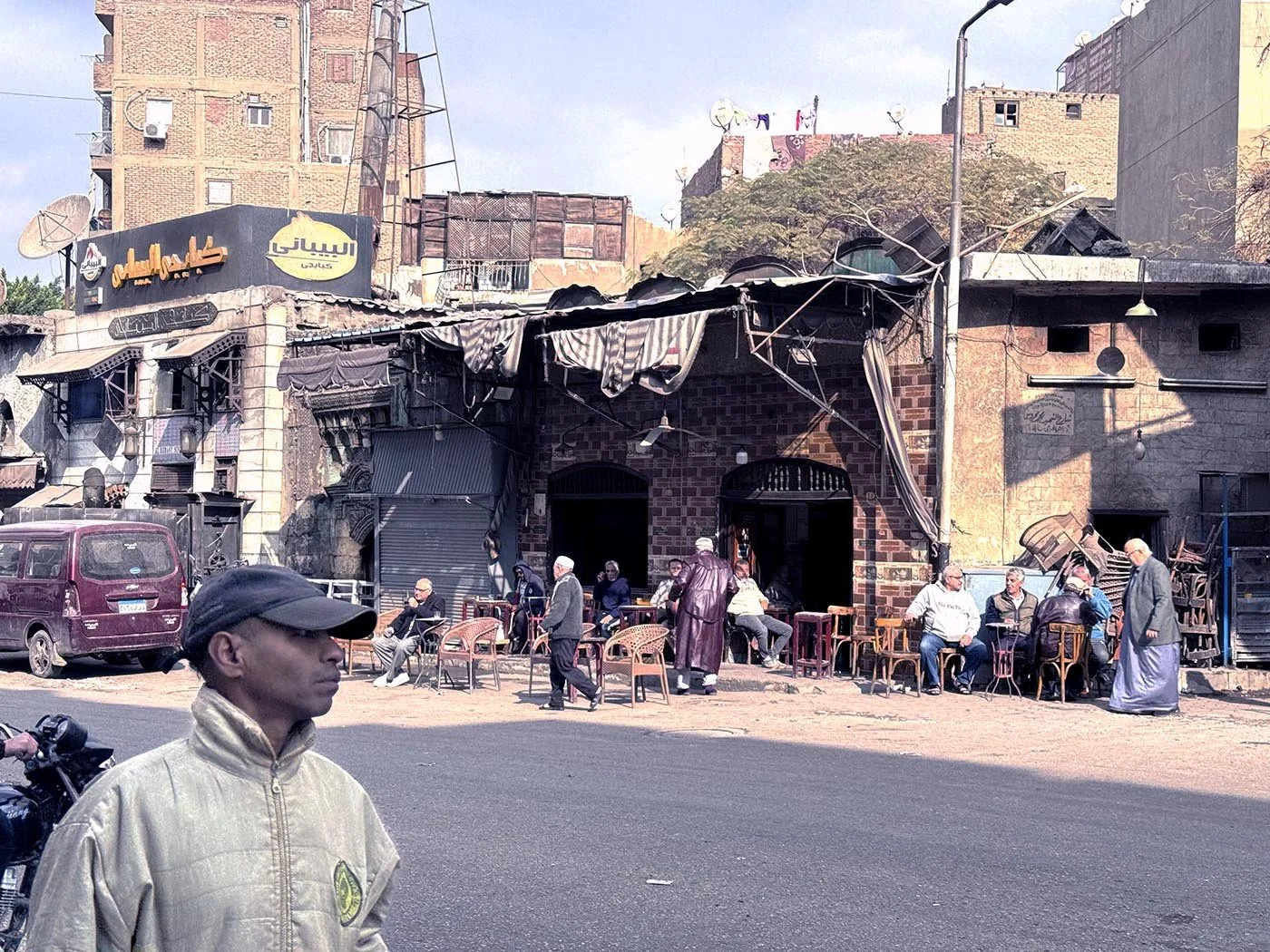
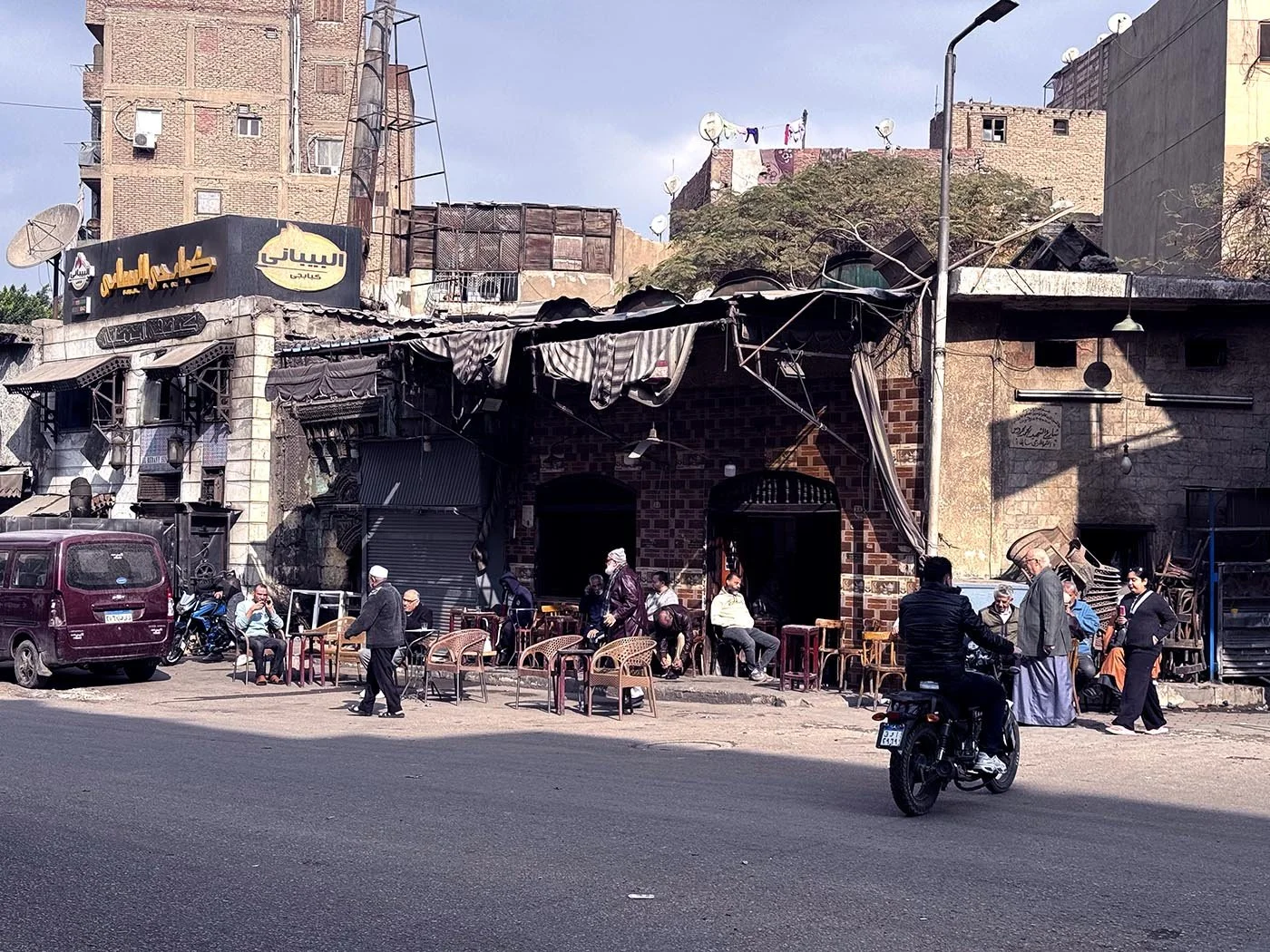
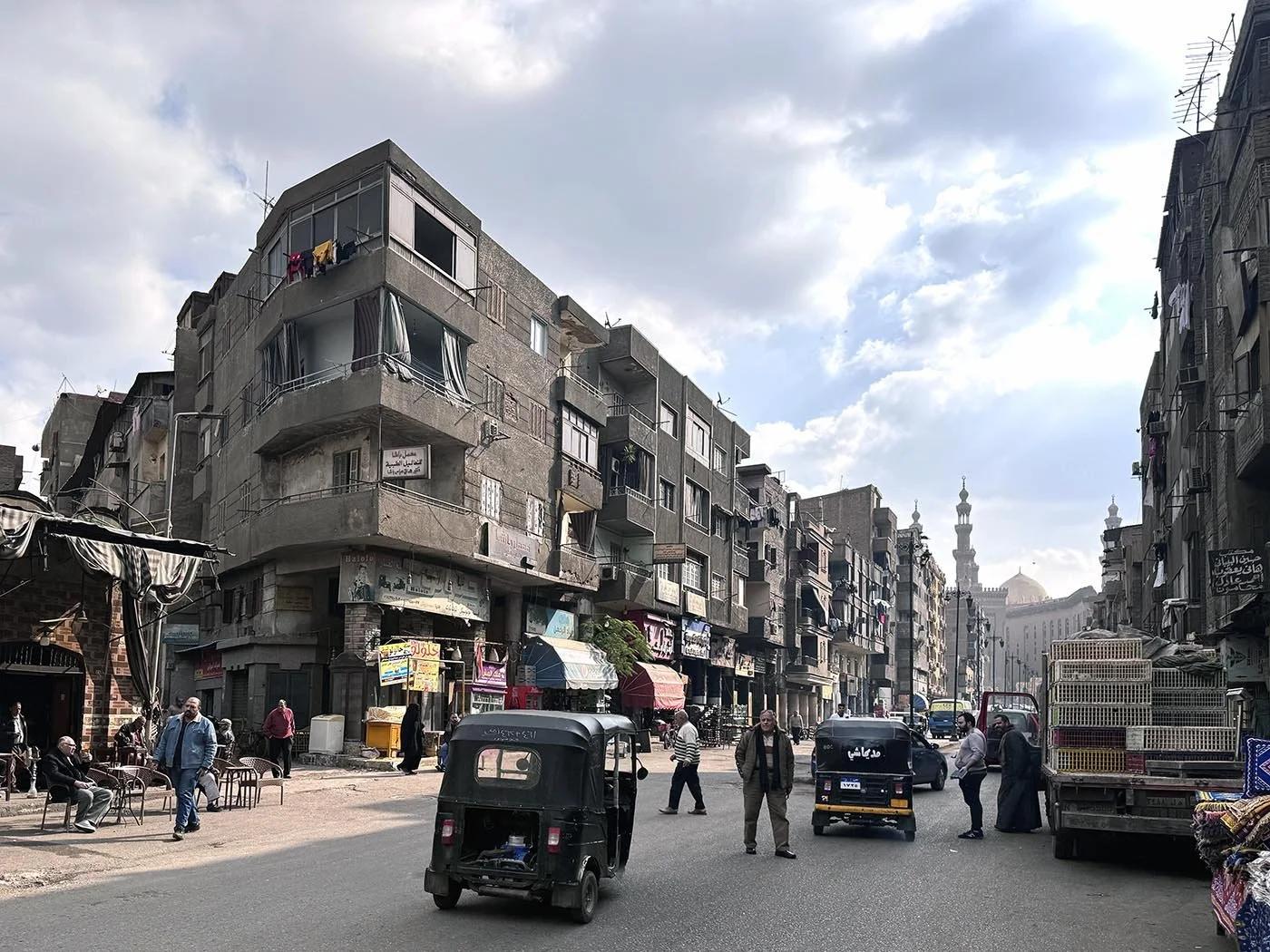
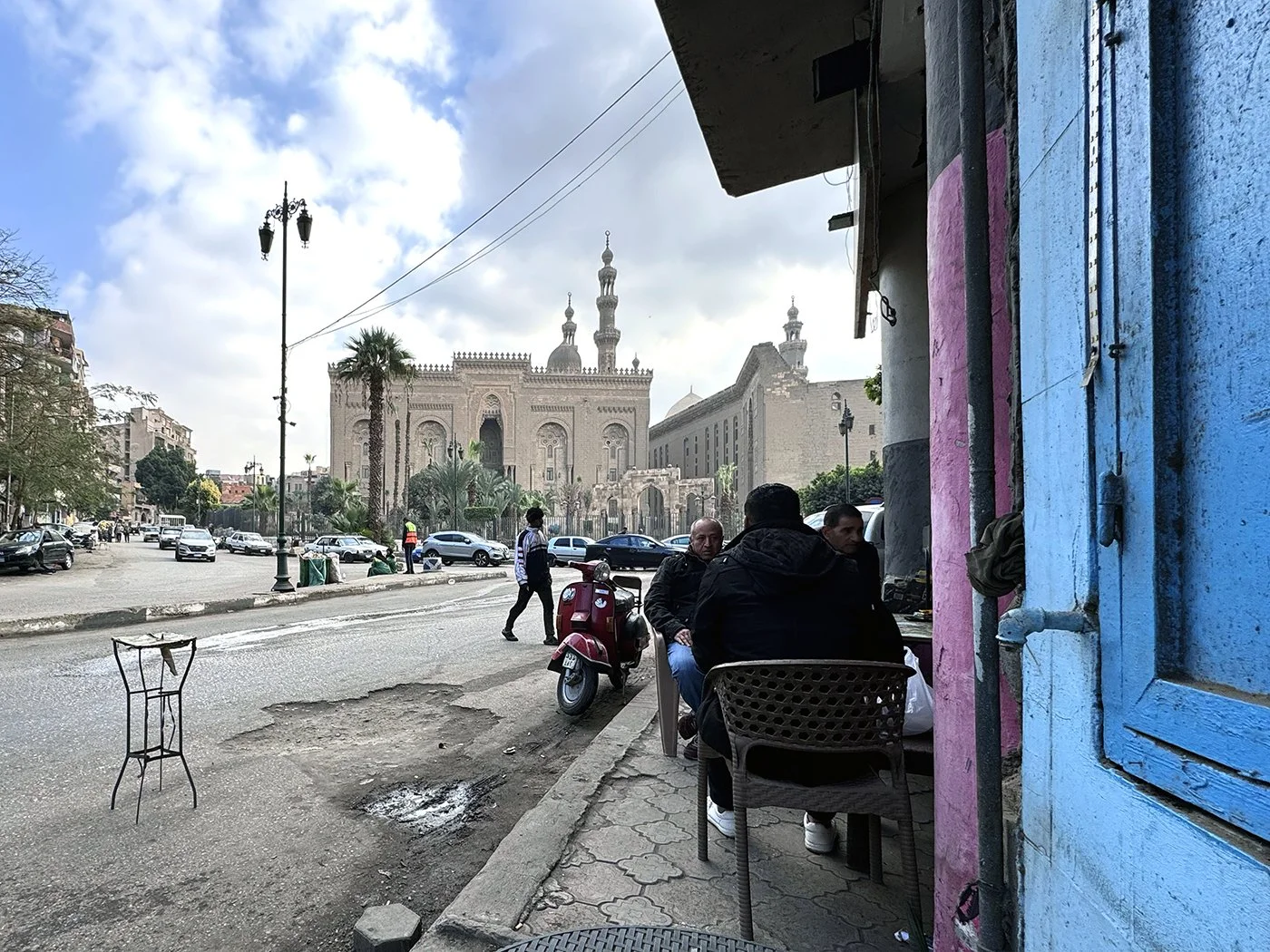
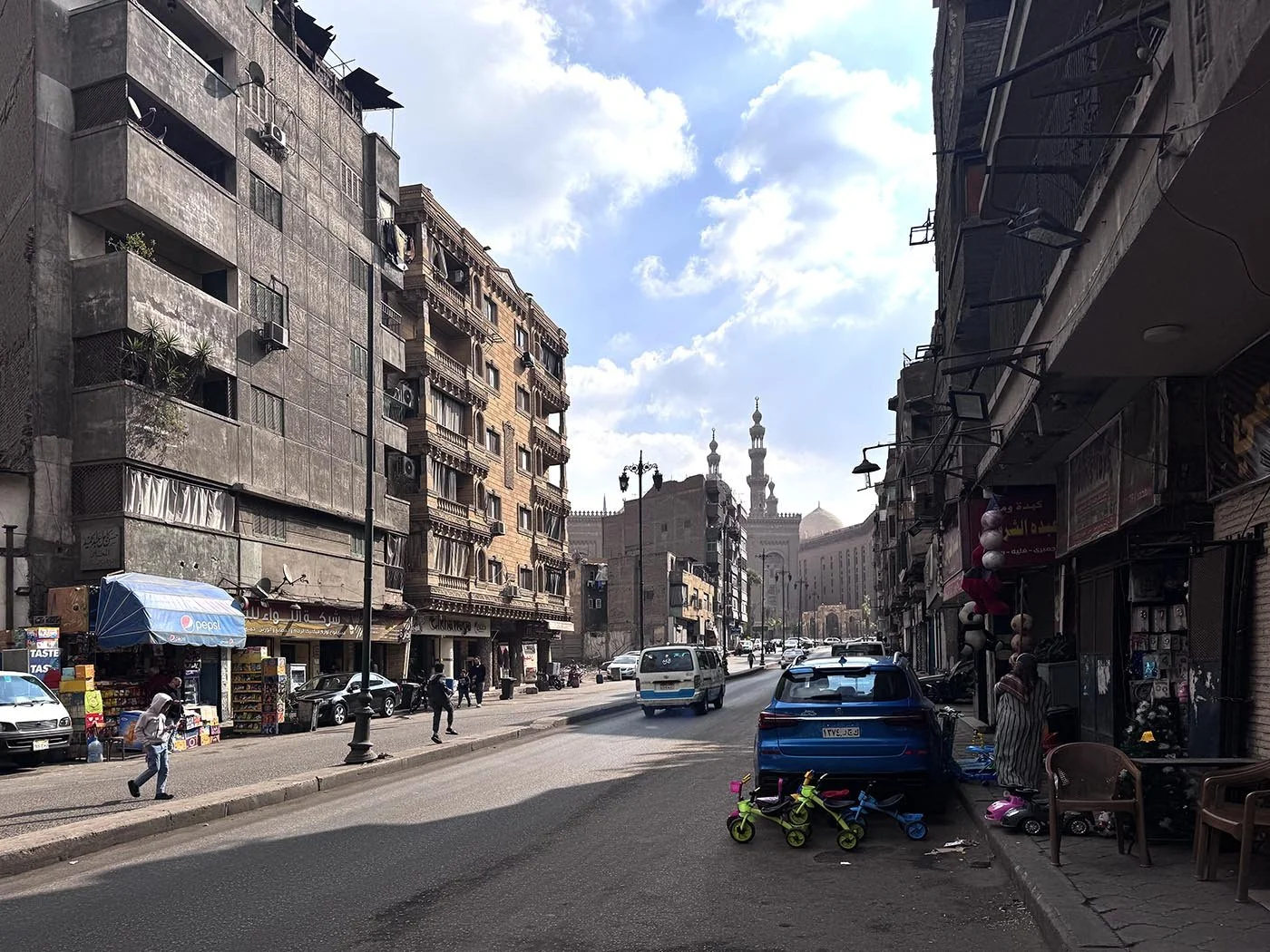
Located at the edge of Old Cairo, just steps away from the towering Sultan Hassan Madrassa and the Rifa’i Mosque, the restaurant was literally in the shadow of some of Cairo’s greatest monuments. To sit there, at one of the outdoor tables, and eat a liver sandwich while gazing at the massive stone façades of those mosques was to be reminded of Cairo’s unique ability to collapse layers of history — Mamluk grandeur, 19th-century modernity, and everyday sha’abi life — into a single street corner.
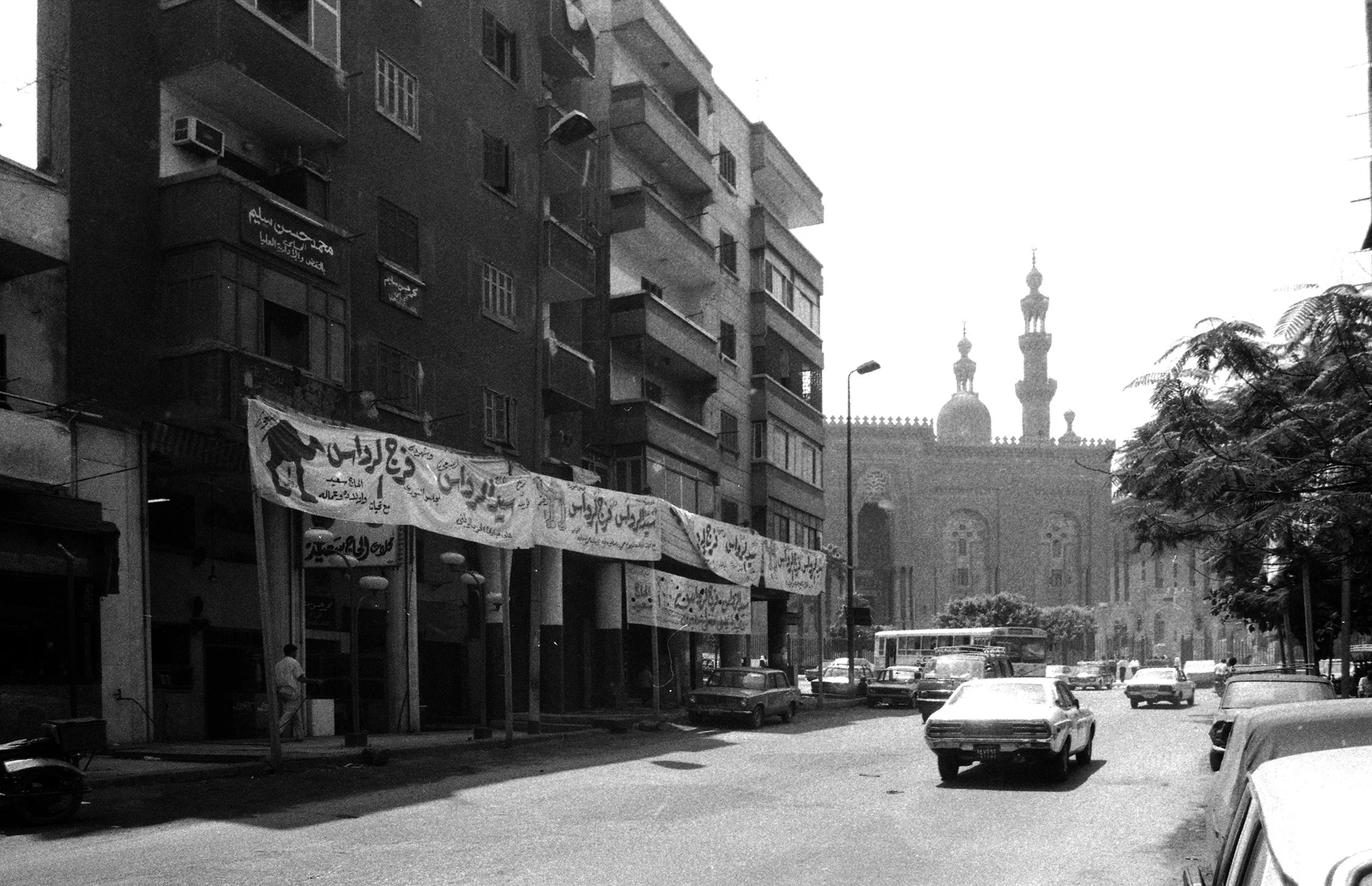
History
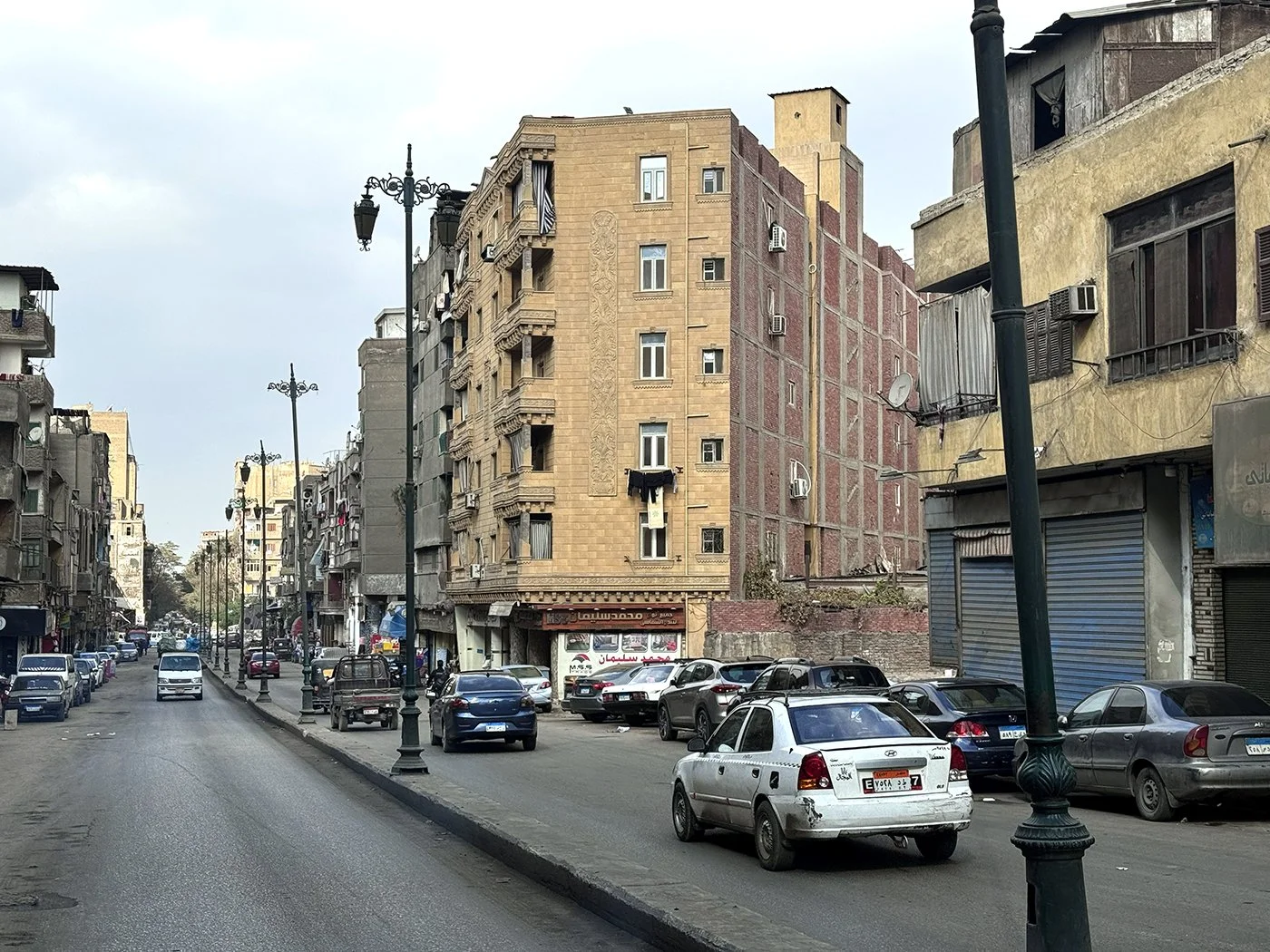
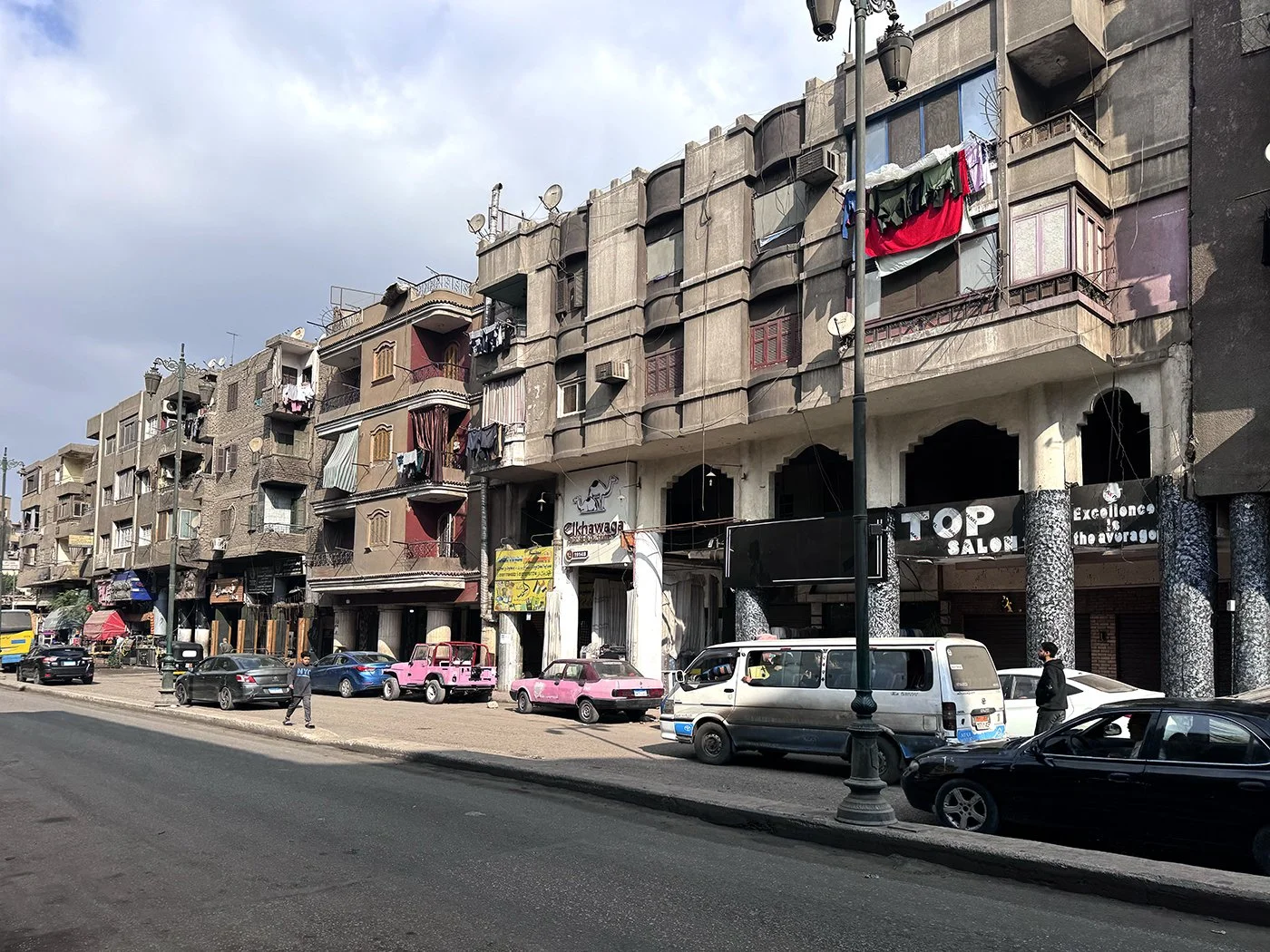
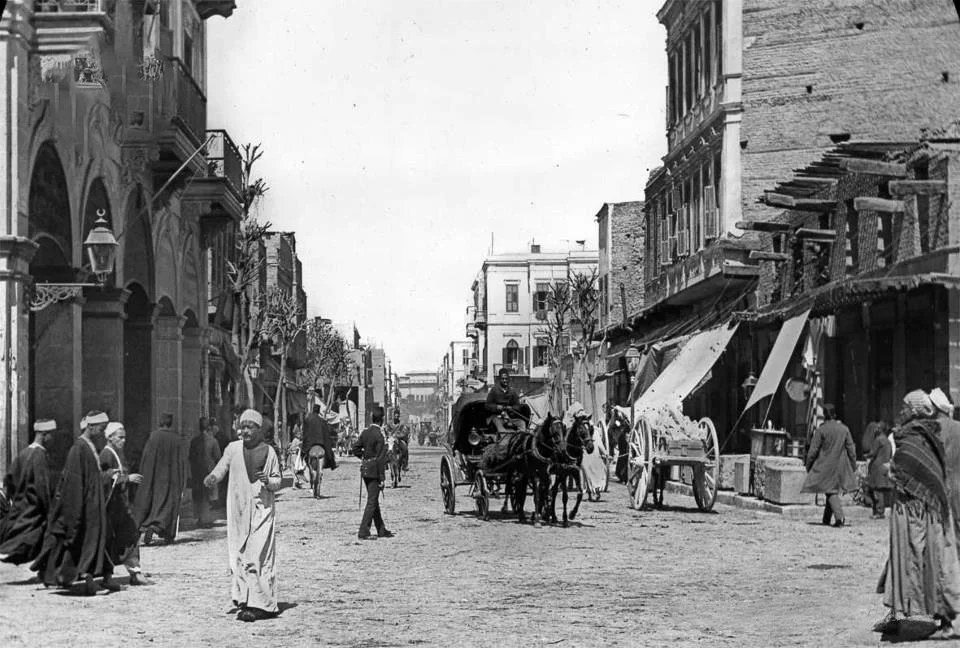
Mohamed Ali Street was no ordinary thoroughfare — it was one of Cairo’s grand 19th-century projects, driven through the medieval city by Khedive Ismail to link the Citadel with his new quarter of al-Ismailia, later known as Khedival Cairo.The boulevard carried with it not just traffic but spectacle: a place where musicians tuned their instruments, craftsmen carved ouds and qanuns, and performance halls filled with song.
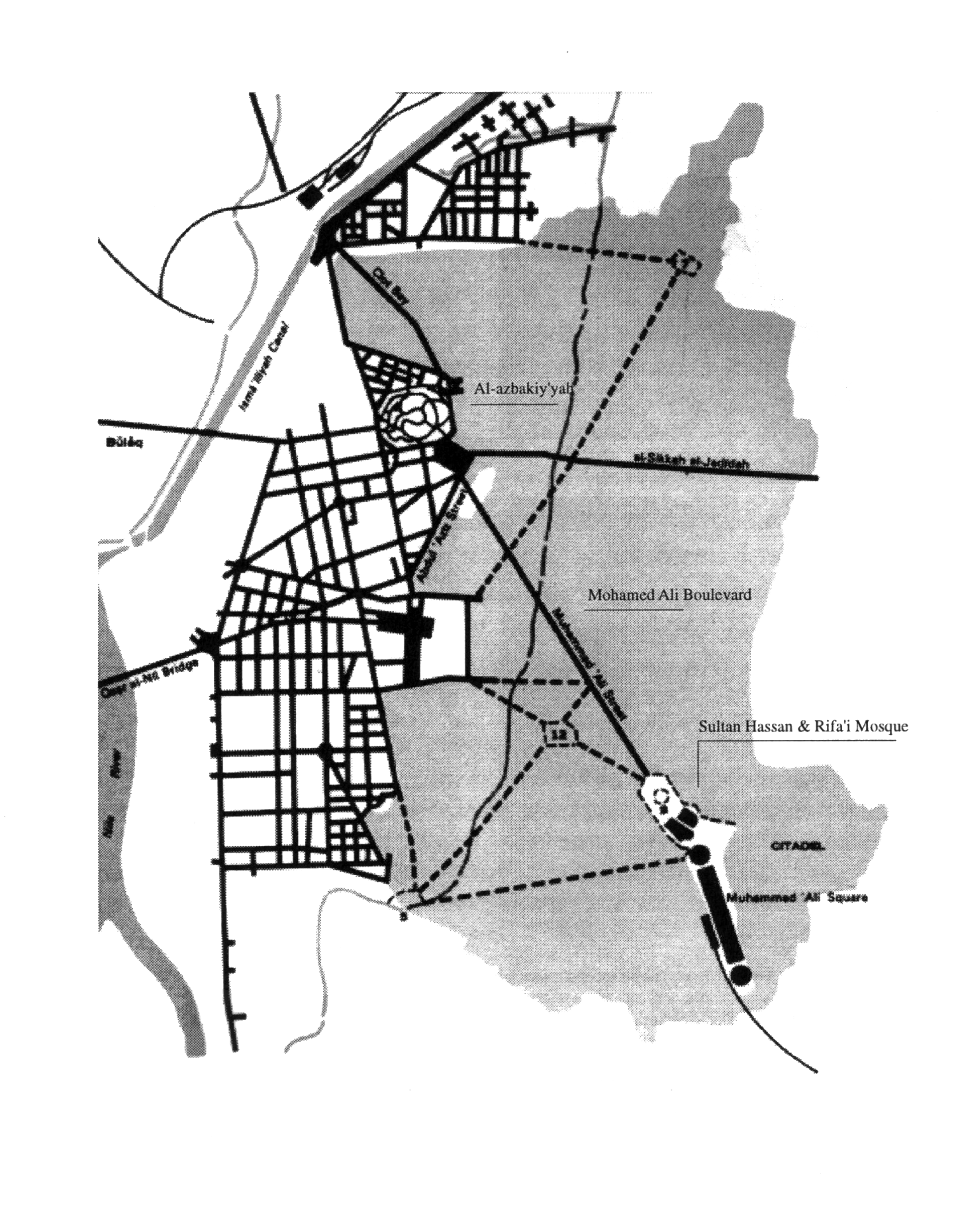
Map illustrating the path of Mohamed Ali Street
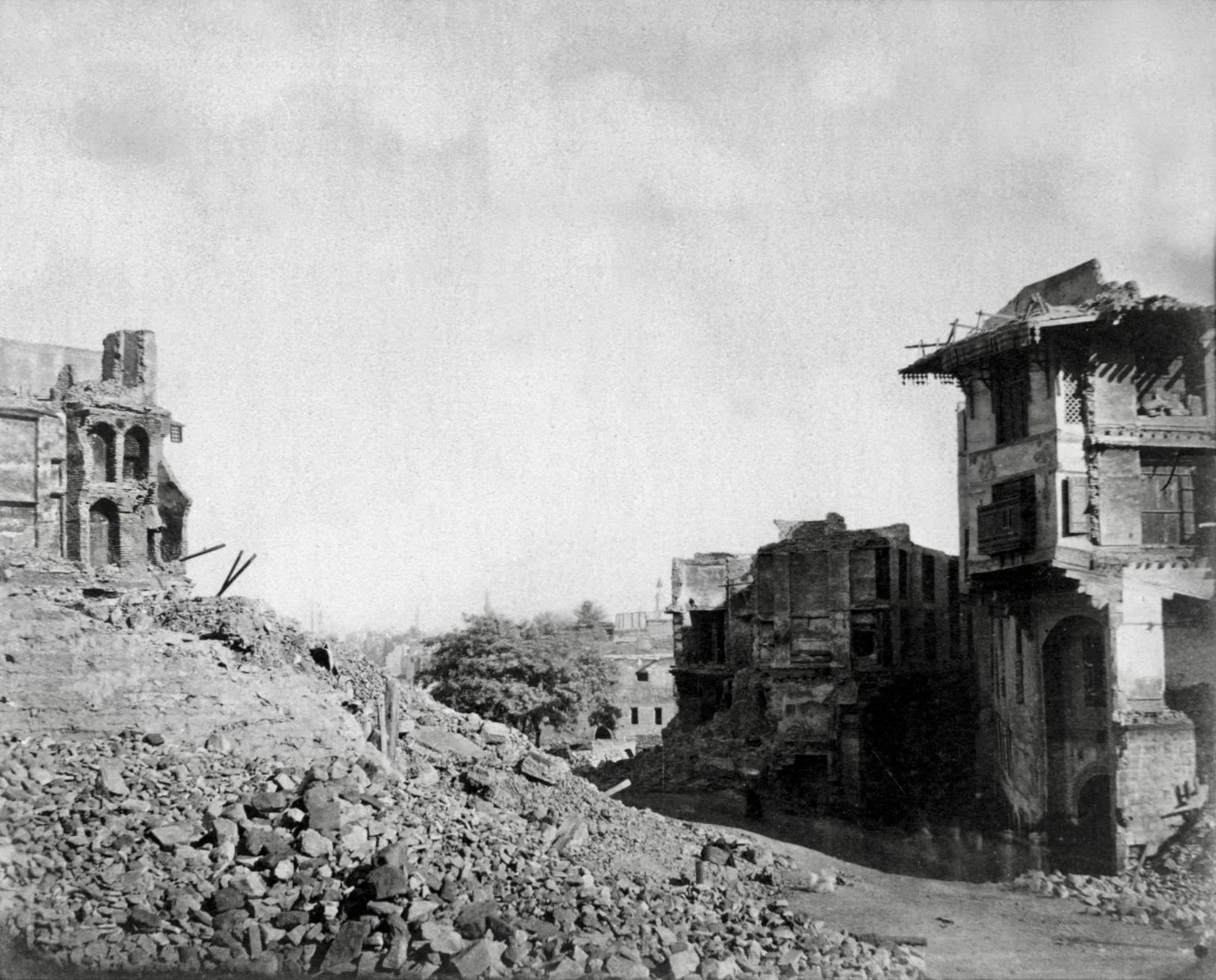
1879. Demolition of the Old City to make way for the new boulevard
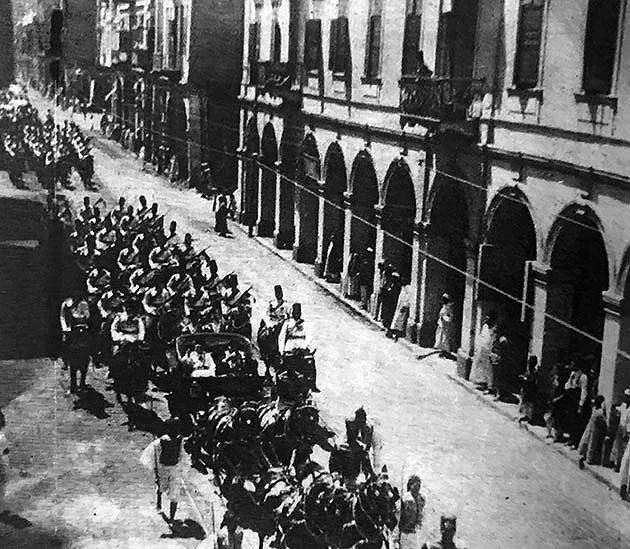
1890. Haj Procession
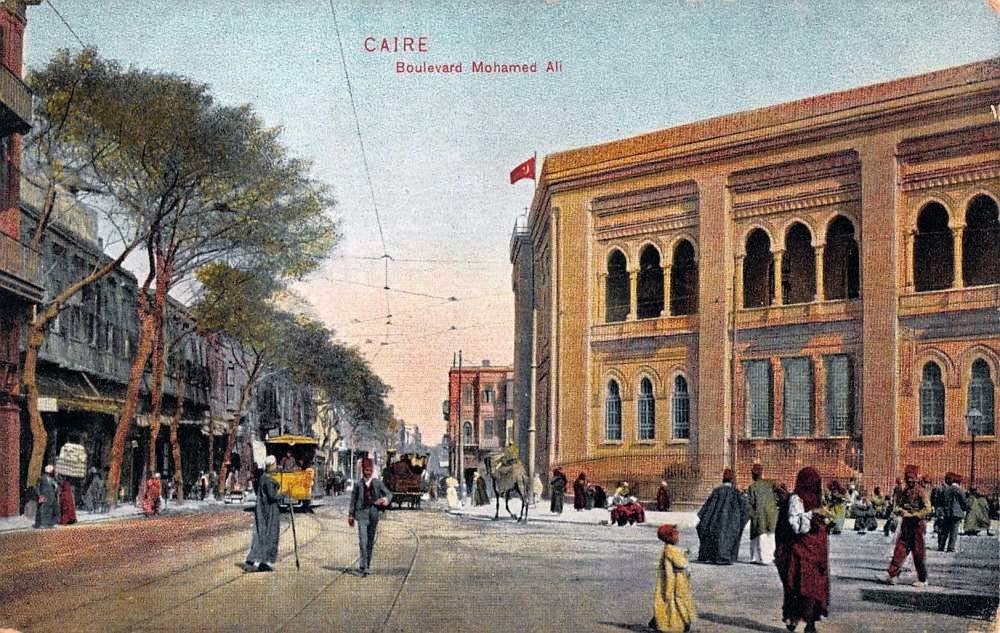
1900. First Tramline in Cairo
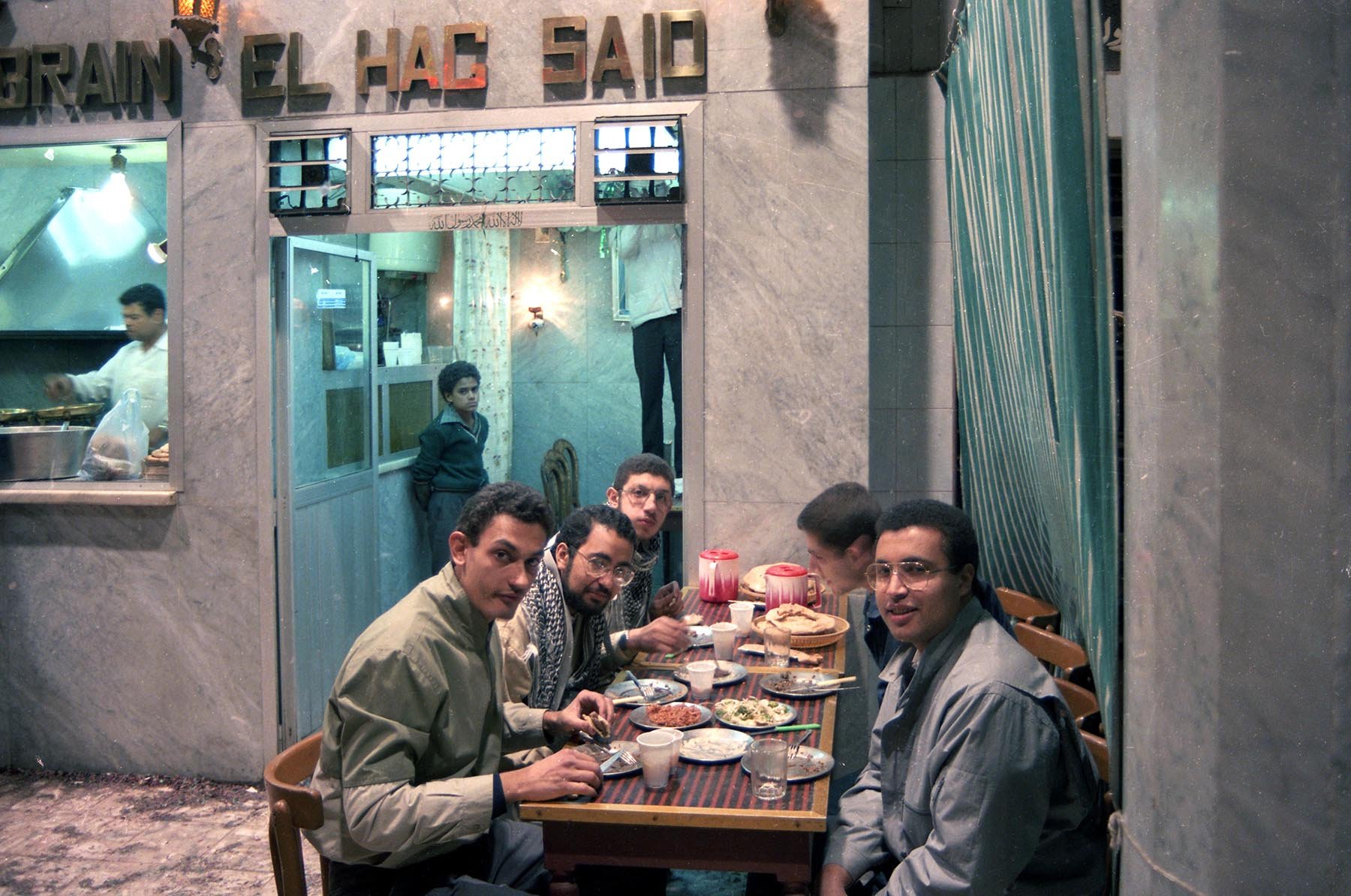
“Hag Said quickly became a frequent haunt during my college years as I was studying architecture. After long days of fieldwork, surveying the alleys and monuments of Old Cairo, a group of us would often end up there late at night. There is an image I still treasure: Left (top-to-bottom), Ali, Me, Magdi; Right: Gasser, Asem, sitting around one of the outdoor tables, plates of fried liver in front of us, exhaustion on our faces but a sense of camaraderie in the air.”