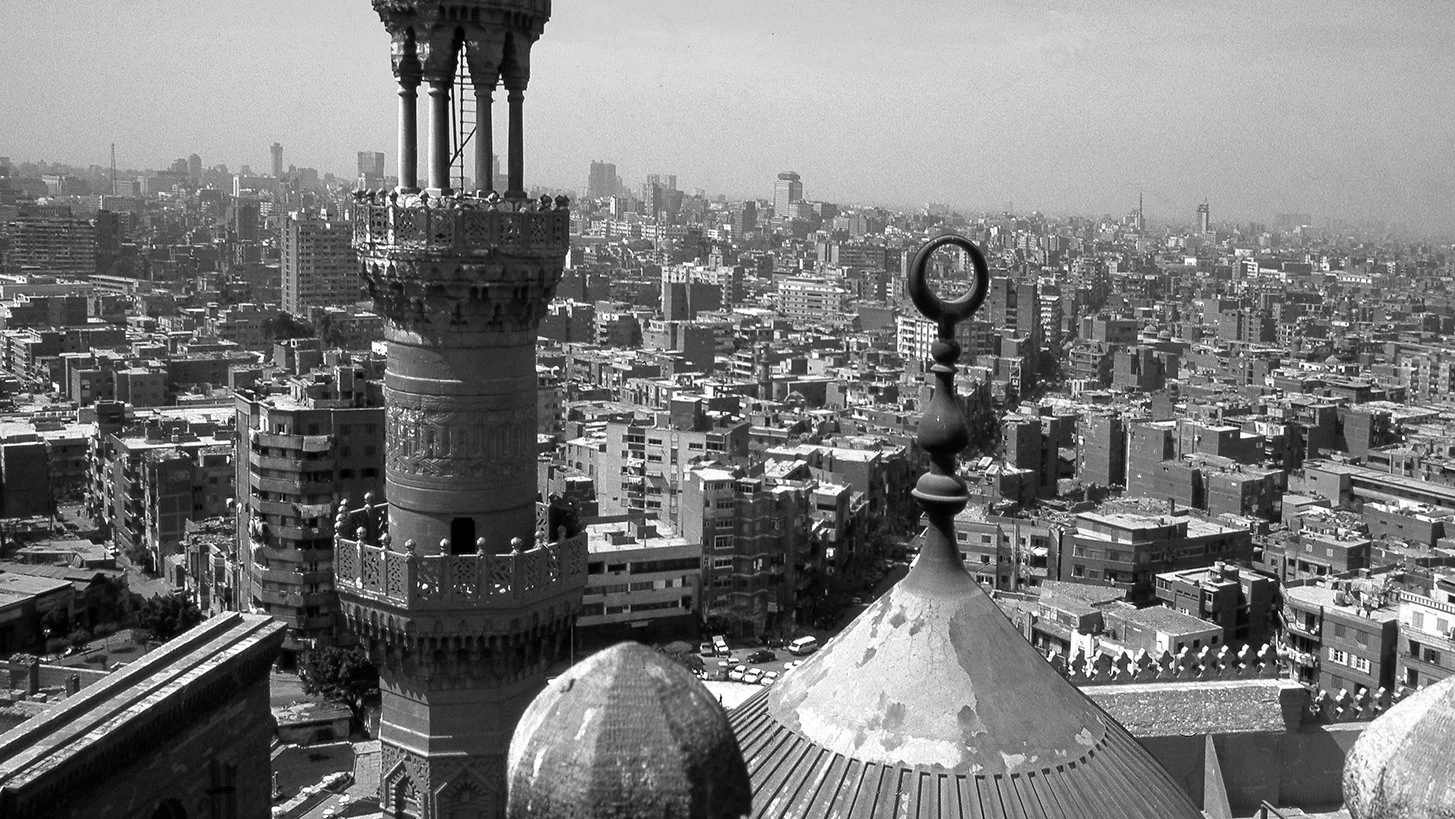
A Cartography of Belonging: My Cairo, My Cidade Maravilhosa
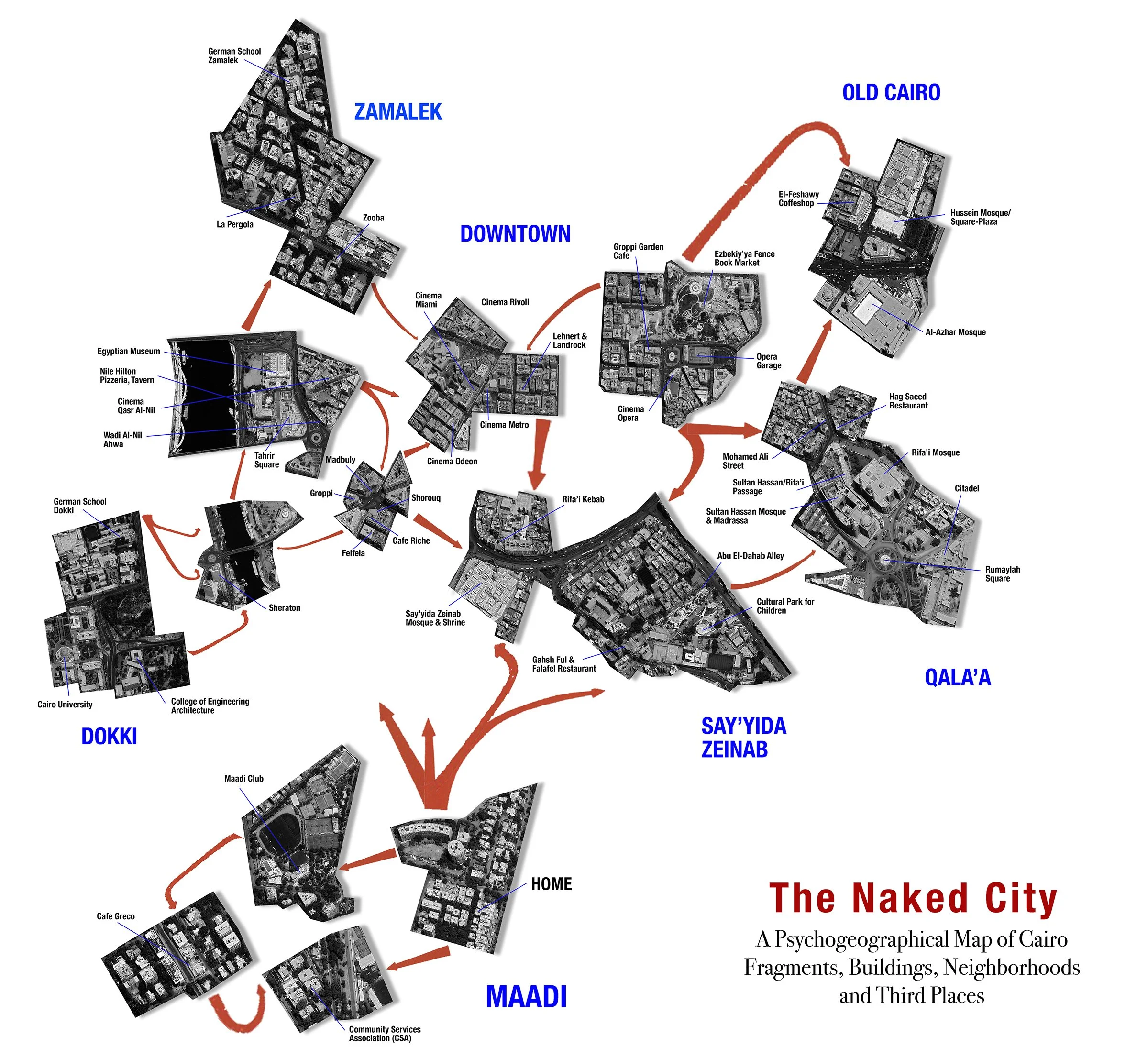
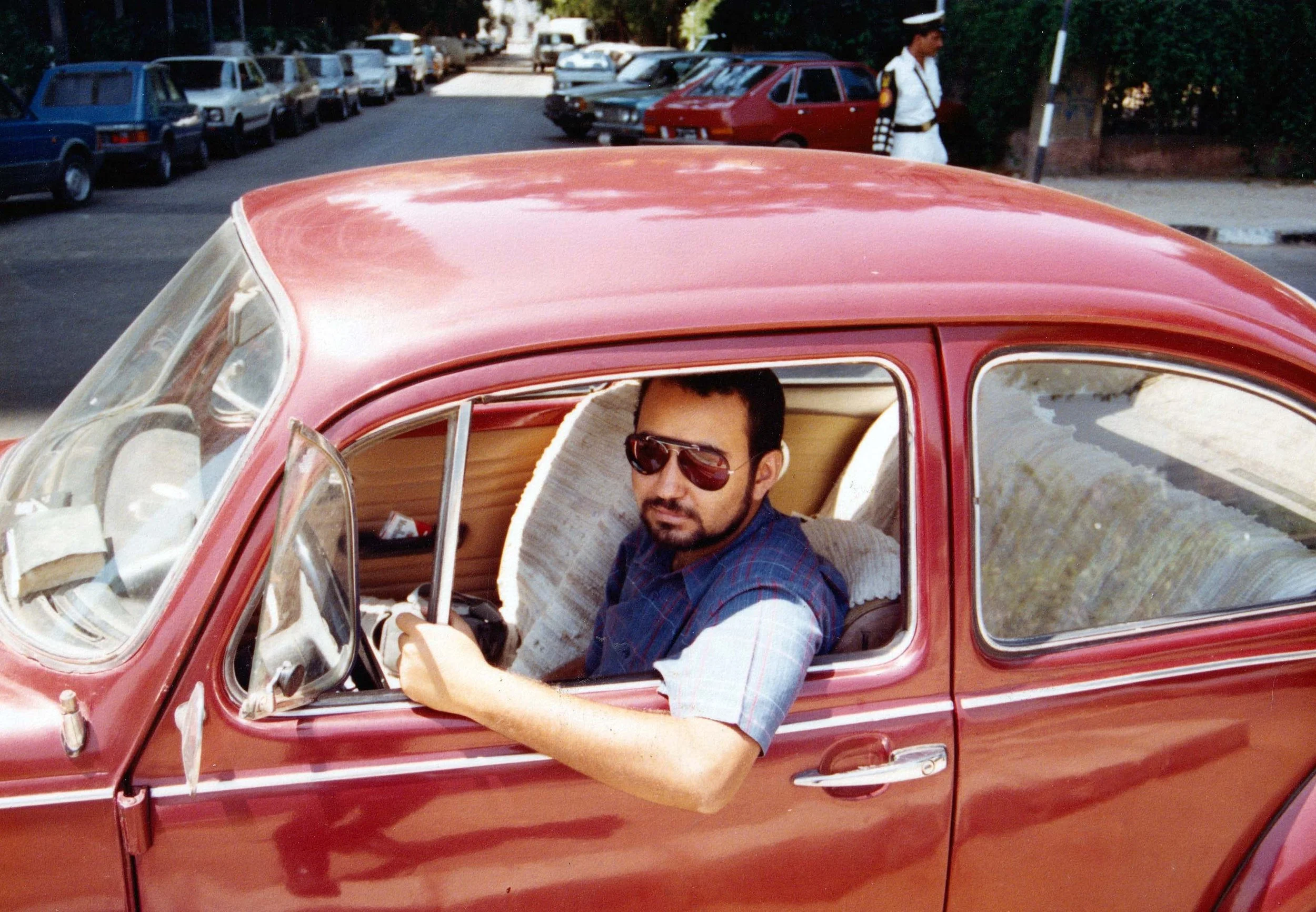
This section introduces My Cairo as a personal cartography shaped by memory, movement, and lived experience. Drawing on the Situationists’ idea of the dérive and their psychogeographic mapping of cities, Cairo is presented not as a complete or unified whole but as a constellation of fragments—Downtown, Zamalek, Maadi, Sayyida Zeinab, Dokki—linked by the pathways of everyday life. Rooted in fifteen formative years spent in the city, these essays trace Cairo as it was walked, ridden, driven, and remembered: a marvellous city assembled through encounters, returns, and a deep sense of belonging.
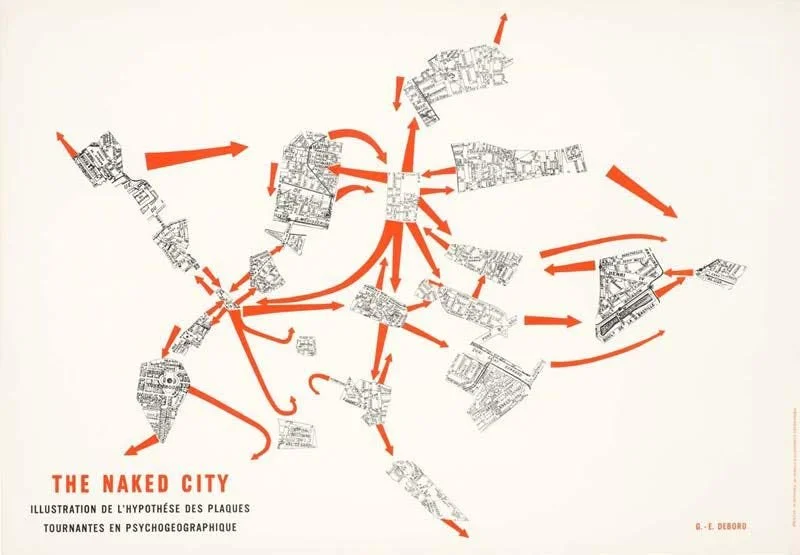
Psychogeographic mapping is a way of understanding cities through lived experience rather than official plans or cartographic accuracy. Originating with the Situationists in the 1950s and 1960s, it explores how streets, neighborhoods, and everyday movements shape emotions, memories, and behavior. Instead of showing a city as a continuous, rational grid, psychogeographic maps fragment and reassemble urban space according to personal routes, encounters, and atmospheres, revealing a city as it is felt, remembered, and inhabited.